



Module 2: SEO – Search Engine Optimization
If Search Engine Optimization (SEO) were a race car, then technical SEO would be the engine. You can have amazing content and perfect keywords, but if your site loads slowly, isn’t mobile-friendly, or has broken links—Google will likely push you down the ranks.
Technical SEO ensures that your website runs like a well-oiled machine—fast, structured, secure, and mobile-ready. In this article, we’ll explore the foundational elements of technical SEO: speed, structure, and mobile optimization.
Digital strategist Kamlesh Singad, founder of CWK Agency, puts it this way: “Technical SEO is what ensures Google not only finds your website but trusts it enough to rank it.”
Table of Contents
What is Technical SEO?
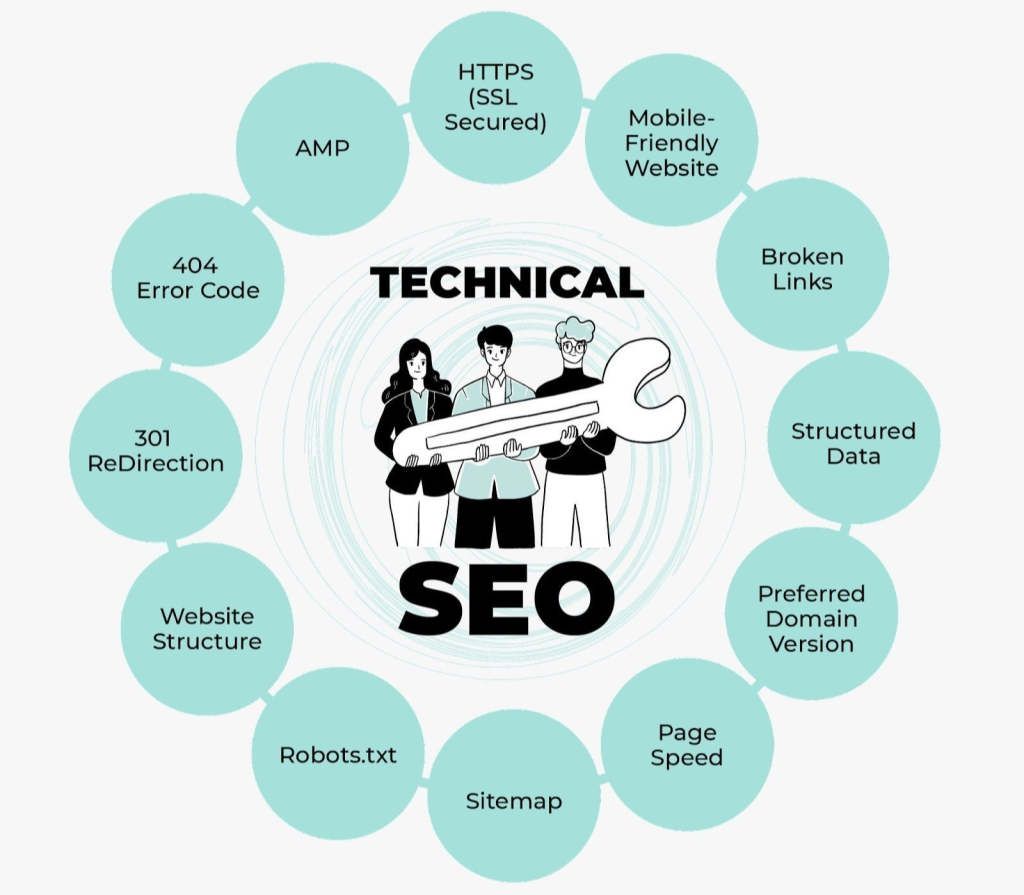
Technical SEO refers to optimizing the infrastructure of your website so that search engines can crawl, index, and rank it efficiently. It doesn’t involve keyword targeting or content strategy—it’s all about performance, accessibility, and structure.
Key elements include:
- Website speed and performance
- Mobile responsiveness
- Secure browsing (HTTPS)
- Crawlability and indexability
- Structured data and sitemaps

Why Technical SEO is Crucial in 2025
With Google’s algorithm becoming more user-centric, technical factors play a huge role in ranking:
- Page experience is a confirmed ranking factor
- Core Web Vitals directly affect how Google evaluates your page
- Mobile-first indexing makes mobile optimization a top priority
According to Kamlesh Singad, “Ignoring technical SEO is like trying to run a marathon in flip-flops.”
Also Read: SEO Best Practices for Achieving Mobile Friendliness
Speed Optimization: How to Make Your Site Load Lightning Fast
Why Speed Matters
Page speed influences:
- Bounce rate – Slow sites lose impatient visitors
- Conversion rate – Fast-loading pages convert better
- SEO ranking – Google prioritizes speed in its ranking algorithm
How to Check Your Site Speed
Use these tools:
- Google PageSpeed Insights
- GTmetrix
- Lighthouse (in Chrome DevTools)
Actionable Speed Fixes
- Compress images – Use tools like TinyPNG or WebP format
- Minify CSS, JS, and HTML – Remove unnecessary characters using Autoptimize or WP Rocket
- Use a CDN – Cloudflare or BunnyCDN speeds up global loading
- Enable browser caching
- Lazy-load images and videos
- Use fast and lightweight themes
CWK Agency uses WP Rocket and Cloudflare for nearly all client websites to enhance performance.


Website Structure: Build for Bots and Users Alike
Importance of Website Structure
A good site structure helps:
- Search engines understand content hierarchy
- Visitors navigate easily
- Avoids crawl errors and duplicate content
Tips for Strong Structure
- Use a Clear URL Hierarchy
- Example:
/services/social-media-marketinginstead of/page?id=456
- Example:
- Create a Logical Navigation Menu
- Prioritize your most valuable pages in the header
- Internal Linking Strategy
- Link related content for SEO and UX benefits
- Use Breadcrumb Navigation
- Helps users track where they are, and boosts SEO
- Create and Submit an XML Sitemap
- Use Yoast or Rank Math to generate and submit to Google Search Console
Kamlesh Singad says: “Your structure should reflect how you want search engines and users to think about your content.”
Also Read: 15 SEO Best Practices: Website Architecture for Maximum Rankings
Mobile Optimization: Mobile-First is Not Optional
Why Mobile Optimization is Vital
- Google uses mobile-first indexing—your mobile site is what it sees first
- Over 60% of traffic now comes from mobile devices
- Poor mobile UX = high bounce rate = lower rankings
How to Optimize for Mobile
- Responsive Design
- Your layout should adjust to any screen size
- Test on Multiple Devices
- Use BrowserStack or your own smartphone/tablet
- Avoid Pop-Up Overload
- Intrusive pop-ups frustrate users and can trigger penalties
- Use Mobile-Friendly Fonts and Buttons
- Ensure readability and ease of navigation
- Optimize Page Load Speed on Mobile
- Use Google’s Mobile-Friendly Test to assess performance
CWK Agency prioritizes mobile-first design in all its web builds, knowing that user experience on smartphones drives revenue.

Technical SEO Audit Checklist
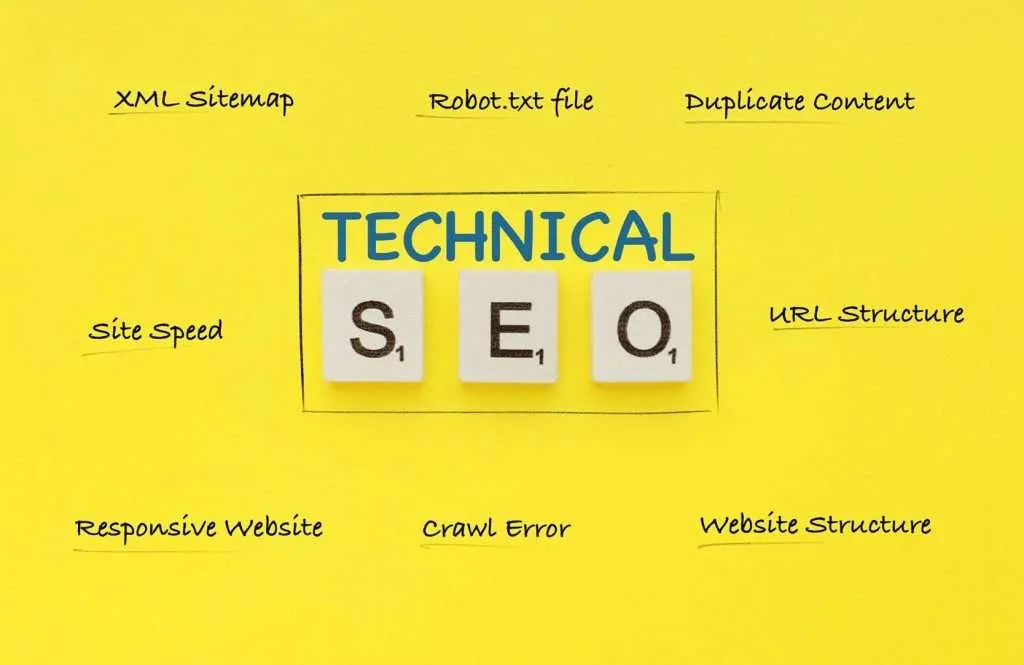
- Website loads in under 3 seconds
- All pages are HTTPS
- No broken links (404 errors)
- Structured data (Schema.org) is implemented
- XML sitemap is submitted
- Robots.txt file is configured properly
- Core Web Vitals pass (LCP, FID, CLS)
- Mobile-Friendly Test passed
Tools Recommended by Kamlesh Singad & CWK Agency
- Google Search Console
- Ahrefs or SEMrush Site Audit
- Screaming Frog SEO Spider
- GTmetrix
- PageSpeed Insights
- Yoast SEO / Rank Math (for WordPress)
These tools help automate many aspects of technical auditing and performance monitoring.
Also Read: How to Create a Free Email Address for a Business
FAQs
What’s the difference between technical SEO and on-page SEO?
Technical SEO focuses on backend performance, while on-page SEO focuses on content and keywords.
How often should I perform a technical SEO audit?
Every 3–6 months, or after a major site update.
Can I do technical SEO without a developer?
Yes, especially with platforms like WordPress and tools like WP Rocket and Rank Math.
What’s the biggest technical SEO mistake beginners make?
Ignoring mobile optimization and not compressing images.
Does technical SEO help with local SEO?
Absolutely. Speed and mobile-friendliness directly impact local rankings and mobile map searches.
Conclusion: Don’t Let Poor Tech Hold Back Great Content
You can write the best blog in the world, but if your site loads slowly, breaks on mobile, or confuses Google—you won’t rank. Technical SEO is your silent hero. It works in the background to ensure everything else—content, links, social media—gets the attention it deserves.
With the expert strategies from Kamlesh Singad and the results-driven systems of CWK Agency, you now have a clear roadmap to master speed, structure, and mobile optimization—and take your SEO game to the next level.