Tag: CWK Agency SEO tips

  • Technical SEO: Speed, Structure, and Mobile Optimization (Part-14)

    Technical SEO: Speed, Structure, and Mobile Optimization (Part-14)

    Module 2: SEO – Search Engine Optimization

    If Search Engine Optimization (SEO) were a race car, then technical SEO would be the engine. You can have amazing content and perfect keywords, but if your site loads slowly, isn’t mobile-friendly, or has broken links—Google will likely push you down the ranks.

    Technical SEO ensures that your website runs like a well-oiled machine—fast, structured, secure, and mobile-ready. In this article, we’ll explore the foundational elements of technical SEO: speed, structure, and mobile optimization.

    Digital strategist Kamlesh Singad, founder of CWK Agency, puts it this way: “Technical SEO is what ensures Google not only finds your website but trusts it enough to rank it.”

    What is Technical SEO?

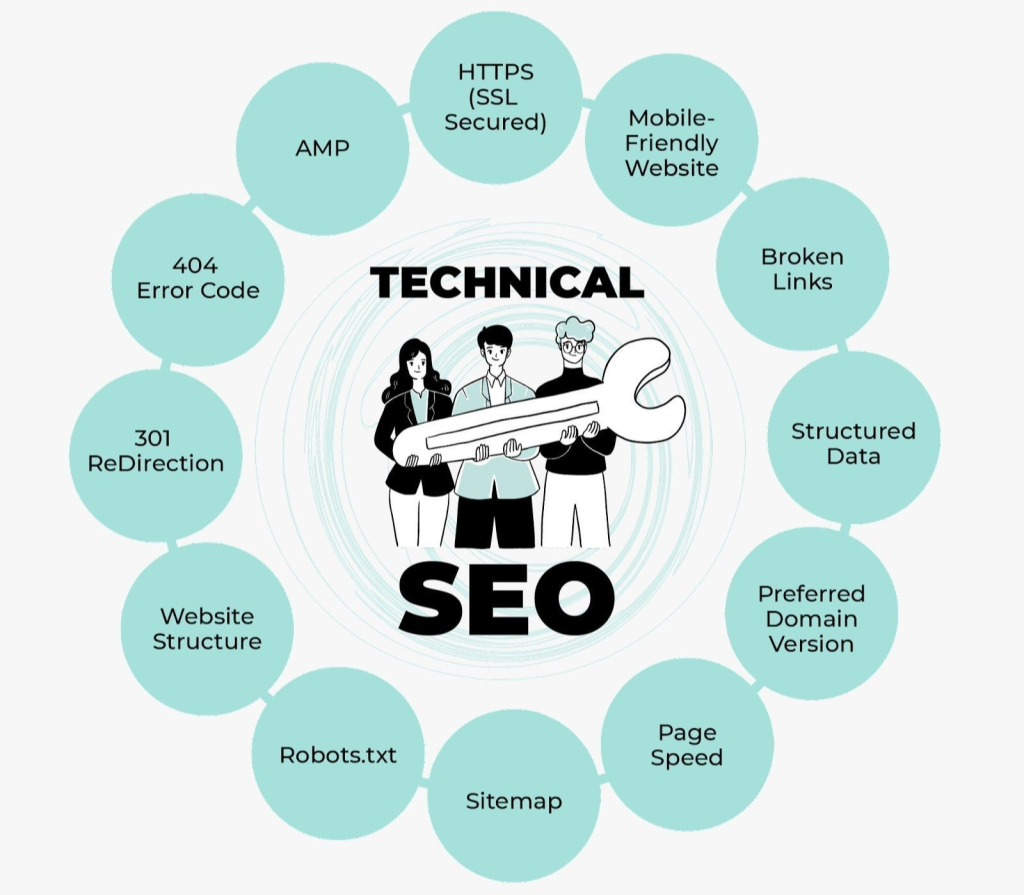
    Technical SEO refers to optimizing the infrastructure of your website so that search engines can crawl, index, and rank it efficiently. It doesn’t involve keyword targeting or content strategy—it’s all about performance, accessibility, and structure.

    Key elements include:

    • Website speed and performance
    • Mobile responsiveness
    • Secure browsing (HTTPS)
    • Crawlability and indexability
    • Structured data and sitemaps
    Technical SEO

    Why Technical SEO is Crucial in 2025

    With Google’s algorithm becoming more user-centric, technical factors play a huge role in ranking:

    • Page experience is a confirmed ranking factor
    • Core Web Vitals directly affect how Google evaluates your page
    • Mobile-first indexing makes mobile optimization a top priority

    According to Kamlesh Singad, “Ignoring technical SEO is like trying to run a marathon in flip-flops.”

    Also Read: SEO Best Practices for Achieving Mobile Friendliness

    Speed Optimization: How to Make Your Site Load Lightning Fast

    Why Speed Matters

    Page speed influences:

    • Bounce rate – Slow sites lose impatient visitors
    • Conversion rate – Fast-loading pages convert better
    • SEO ranking – Google prioritizes speed in its ranking algorithm

    How to Check Your Site Speed

    Use these tools:

    • Google PageSpeed Insights
    • GTmetrix
    • Lighthouse (in Chrome DevTools)

    Actionable Speed Fixes

    1. Compress images – Use tools like TinyPNG or WebP format
    2. Minify CSS, JS, and HTML – Remove unnecessary characters using Autoptimize or WP Rocket
    3. Use a CDN – Cloudflare or BunnyCDN speeds up global loading
    4. Enable browser caching
    5. Lazy-load images and videos
    6. Use fast and lightweight themes

    CWK Agency uses WP Rocket and Cloudflare for nearly all client websites to enhance performance.
    Technical SEO

    Website Structure: Build for Bots and Users Alike

    Importance of Website Structure

    A good site structure helps:

    • Search engines understand content hierarchy
    • Visitors navigate easily
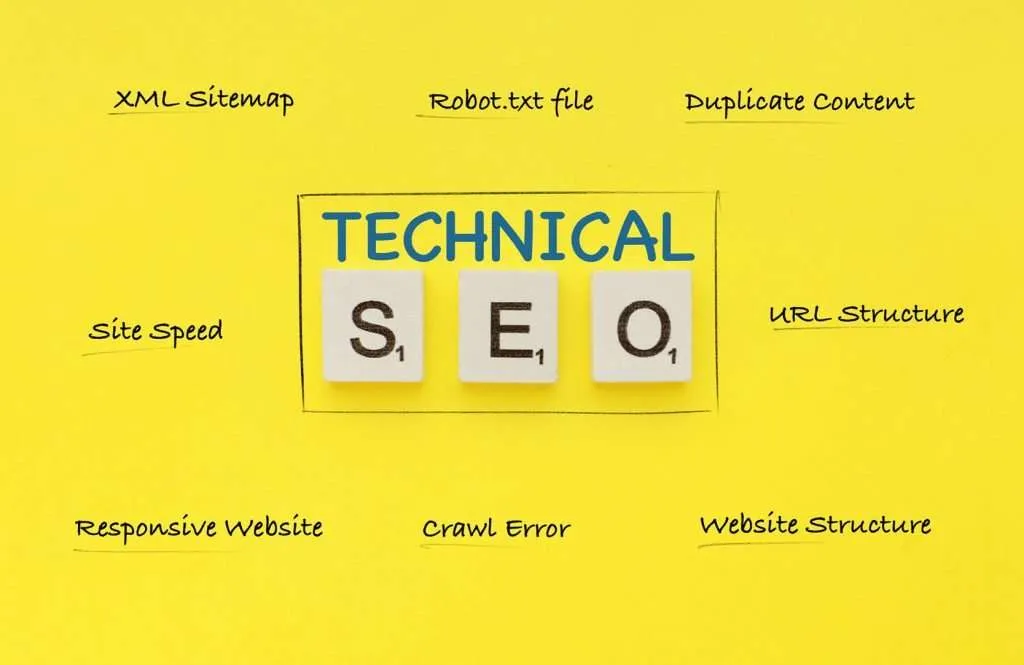
    • Avoids crawl errors and duplicate content

    Tips for Strong Structure

    1. Use a Clear URL Hierarchy
      • Example: /services/social-media-marketing instead of /page?id=456
    2. Create a Logical Navigation Menu
      • Prioritize your most valuable pages in the header
    3. Internal Linking Strategy
      • Link related content for SEO and UX benefits
    4. Use Breadcrumb Navigation
      • Helps users track where they are, and boosts SEO
    5. Create and Submit an XML Sitemap
      • Use Yoast or Rank Math to generate and submit to Google Search Console

    Kamlesh Singad says: “Your structure should reflect how you want search engines and users to think about your content.”

    Also Read: 15 SEO Best Practices: Website Architecture for Maximum Rankings

    Mobile Optimization: Mobile-First is Not Optional

    Why Mobile Optimization is Vital

    • Google uses mobile-first indexing—your mobile site is what it sees first
    • Over 60% of traffic now comes from mobile devices
    • Poor mobile UX = high bounce rate = lower rankings

    How to Optimize for Mobile

    1. Responsive Design
      • Your layout should adjust to any screen size
    2. Test on Multiple Devices
      • Use BrowserStack or your own smartphone/tablet
    3. Avoid Pop-Up Overload
      • Intrusive pop-ups frustrate users and can trigger penalties
    4. Use Mobile-Friendly Fonts and Buttons
      • Ensure readability and ease of navigation
    5. Optimize Page Load Speed on Mobile
      • Use Google’s Mobile-Friendly Test to assess performance

    CWK Agency prioritizes mobile-first design in all its web builds, knowing that user experience on smartphones drives revenue.
    Technical SEO

    Technical SEO Audit Checklist

    • Website loads in under 3 seconds
    • All pages are HTTPS
    • No broken links (404 errors)
    • Structured data (Schema.org) is implemented
    • XML sitemap is submitted
    • Robots.txt file is configured properly
    • Core Web Vitals pass (LCP, FID, CLS)
    • Mobile-Friendly Test passed
    • Google Search Console
    • Ahrefs or SEMrush Site Audit
    • Screaming Frog SEO Spider
    • GTmetrix
    • PageSpeed Insights
    • Yoast SEO / Rank Math (for WordPress)

    These tools help automate many aspects of technical auditing and performance monitoring.

    Also Read: How to Create a Free Email Address for a Business

    FAQs

    What’s the difference between technical SEO and on-page SEO?
    Technical SEO focuses on backend performance, while on-page SEO focuses on content and keywords.

    How often should I perform a technical SEO audit?
    Every 3–6 months, or after a major site update.

    Can I do technical SEO without a developer?
    Yes, especially with platforms like WordPress and tools like WP Rocket and Rank Math.

    What’s the biggest technical SEO mistake beginners make?
    Ignoring mobile optimization and not compressing images.

    Does technical SEO help with local SEO?
    Absolutely. Speed and mobile-friendliness directly impact local rankings and mobile map searches.

    Conclusion: Don’t Let Poor Tech Hold Back Great Content

    You can write the best blog in the world, but if your site loads slowly, breaks on mobile, or confuses Google—you won’t rank. Technical SEO is your silent hero. It works in the background to ensure everything else—content, links, social media—gets the attention it deserves.

    With the expert strategies from Kamlesh Singad and the results-driven systems of CWK Agency, you now have a clear roadmap to master speed, structure, and mobile optimization—and take your SEO game to the next level.

  • Off-Page SEO: Link Building & Authority Building (Part-13)

    Off-Page SEO: Link Building & Authority Building (Part-13)

    Module 2: SEO – Search Engine Optimization

    When it comes to Search Engine Optimization, many beginners focus solely on on-page elements like keywords and content. However, what happens outside of your website can be just as impactful—if not more. That’s where Off-Page SEO comes in.

    Kamlesh Singad, founder of CWK Agency, explains it like this: “Off-page SEO is your reputation on the web. If Google sees others talking about and linking to your site, your authority skyrockets.”

    In this guide, we’ll explore the nuts and bolts of Off-Page SEO, focusing on link building and authority strategies to help you rank higher, faster.

    Understanding Off-Page SEO

    Off-Page SEO refers to all activities you perform outside of your website to improve its search engine rankings. While on-page SEO is about what’s on your site, off-page is about how the rest of the internet interacts with it.

    Key Off-Page SEO Components:

    • Backlinks (link building)
    • Social signals
    • Brand mentions
    • Influencer outreach
    • Online reputation management

    CWK Agency integrates these elements into their SEO campaigns to boost visibility and trust.

    Off-Page SEO

    Why Is Off-Page SEO Important for Search Engine Optimization?

    Search engines like Google consider backlinks as votes of confidence. The more high-quality sites linking to yours, the more trustworthy your content appears.

    Off-Page SEO helps:

    • Improve rankings in search engine results
    • Drive referral traffic
    • Build brand authority and trust
    • Increase domain authority (DA)

    According to Kamlesh Singad, “You can’t out-write your competition—you need to out-authority them.”

    Also Read: Top Interview Questions for Graphic Designers

    Link building is the process of acquiring hyperlinks from other websites to your own. These links signal to search engines that your site is valuable and credible.

    • DoFollow Links – Pass SEO value (link juice)
    • NoFollow Links – Do not pass link juice but still provide traffic and branding
    • Internal Links – Connect pages within your own site
    • External Links – Outbound links to other domains

    Tip: Focus on acquiring high-authority DoFollow backlinks for best SEO results.

    1. Guest Posting

    Reach out to industry blogs and offer to write valuable content in exchange for a backlink. Ensure the content is high-quality and aligns with the site’s audience.

    Benefits:

    • Increases authority
    • Builds relationships
    • Drives targeted traffic

    Kamlesh Singad recommends at least 2 guest posts per month for steady growth.

    Find broken links on other websites and suggest replacing them with your relevant content.

    How-To:

    • Use tools like Ahrefs or Broken Link Checker
    • Offer your content as a substitute
    • Pitch via email politely and clearly

    This technique works because you’re offering value by fixing an issue.

    Also Read: Effective Strategies for SEO Syndicated Content

    Off-Page SEO

    3. Skyscraper Technique

    Find top-performing content in your niche, create something even better, and reach out to sites linking to the original to link to your improved version.

    Tools to Use:

    • BuzzSumo
    • SEMrush
    • Ubersuggest

    CWK Agency uses this method to create “10x content” that earns backlinks organically.

    4. Directory & Business Listings

    List your business on reputable directories like:

    • Google Business Profile
    • Yelp
    • Clutch
    • YellowPages

    This improves local SEO and builds trust signals across the web.

    5. Influencer Outreach and Collaboration

    Collaborate with influencers or micro-influencers in your niche. Get them to mention or link to your content via blogs, podcasts, or social media.

    Best Practices:

    • Offer mutual value
    • Personalize outreach
    • Follow up professionally

    Kamlesh Singad emphasizes authenticity in outreach: “Build relationships, not just links.”

    6. HARO (Help a Reporter Out)

    Respond to journalist queries with expert insights. If your pitch gets picked, you receive a backlink from high-authority publications like Forbes or Business Insider.

    Pro Tip: Be fast and concise in your responses.

    Also Read: Mastering the Google SEO Algorithm: A Complete Guide to Boost Rankings

    While link building is vital, authority building encompasses a broader reputation strategy:

    1. Social Signals

    Although not a direct ranking factor, content that’s shared widely can lead to backlinks and brand visibility.

    2. Brand Mentions

    Even unlinked brand mentions are considered by search engines as trust signals.

    3. Online Reviews and Testimonials

    Positive reviews on Google, Trustpilot, or Yelp can enhance credibility and even improve local rankings.

    4. PR and Media Features

    Getting featured on news sites, podcasts, or webinars increases your perceived authority.

    CWK Agency combines PR campaigns with content marketing for clients aiming to build long-term authority.

    Off-Page SEO

    Tools to Supercharge Your Off-Page SEO

    • Ahrefs – Backlink analysis
    • SEMrush – Competitor link audits
    • BuzzSumo – Content discovery for skyscraper technique
    • Hunter.io – Find outreach emails
    • Google Alerts – Track brand mentions

    Common Off-Page SEO Mistakes to Avoid

    • Buying low-quality backlinks (can get you penalized)
    • Ignoring link relevancy
    • Over-optimizing anchor text
    • Failing to track and audit backlinks
    • Not diversifying link sources

    Kamlesh Singad warns, “One toxic link can ruin 100 good ones. Focus on quality over quantity.”

    FAQs

    What’s the difference between on-page and off-page SEO?
    On-page is everything you control on your site; off-page includes external factors like backlinks and brand signals.

    How many backlinks do I need to rank?
    It depends on your niche and competitors. Focus on quality over quantity.

    Is social media part of off-page SEO?
    Yes, social signals contribute indirectly by boosting content visibility.

    Do nofollow links help SEO?
    They don’t pass link juice but can still drive traffic and build authority.

    How do I monitor my backlinks?
    Use tools like Ahrefs, SEMrush, or Google Search Console.

    Conclusion: Build Authority. Build Rankings.

    Off-Page SEO is more than just getting links—it’s about earning trust, building authority, and expanding your digital footprint. By implementing ethical link building strategies and fostering online relationships, you’ll enhance your site’s reputation and search visibility.

    Take it from Kamlesh Singad and the expert team at CWK Agency—when off-page SEO is done right, your brand becomes not just findable, but unforgettable.