In the fast-paced digital age we live in today, having a website is almost a prerequisite for any business or individual looking to establish an online presence. However, simply having a website is not enough. To truly succeed in the online world, you need to make sure your website is easily discoverable by your target audience. This is where Search Engine Optimization (SEO) comes into play. Why SEO is important for website ?
SEO is not just a buzzword; it’s an essential tool for driving organic traffic to your website. In this comprehensive guide, we’ll delve into the world of SEO, exploring what it is, why it’s crucial for your website, and providing real-world examples to illustrate its importance. So, buckle up and get ready to unlock the secrets of SEO success!
Chapter 1: Understanding SEO
Before we dive into why SEO is important, it’s essential to understand what SEO is and how it works. SEO is the process of optimizing your website to improve its visibility on search engines like Google, Bing, and Yahoo. When someone searches for a relevant keyword or phrase, SEO ensures that your website appears near the top of the search engine results pages (SERPs). But why is this so crucial?
1.1 Organic vs. Paid Traffic
To appreciate the significance of SEO, let’s consider the two primary ways to drive traffic to your website: organic and paid.
Organic traffic refers to visitors who discover your website through unpaid, non-advertising search engine results. SEO helps your website rank higher in organic search results, leading to more visitors without incurring the costs associated with paid advertising.
Paid traffic, on the other hand, involves using online advertising platforms like Google Ads or Facebook Ads to display ads that direct users to your website. While paid traffic can be effective, it can also be costly, and it may not deliver the same long-term benefits as organic traffic.
1.2 How Search Engines Work
Search engines use complex algorithms to determine the ranking of websites in their search results. These algorithms take into account various factors to assess the relevance and authority of web pages. SEO involves optimizing your website to align with these factors, making it more likely to rank higher in search results.
Key components of SEO include:
- On-Page SEO: Optimizing individual web pages for specific keywords, improving content quality, and ensuring proper HTML tags.
- Off-Page SEO: Building high-quality backlinks from reputable websites to establish your site’s authority.
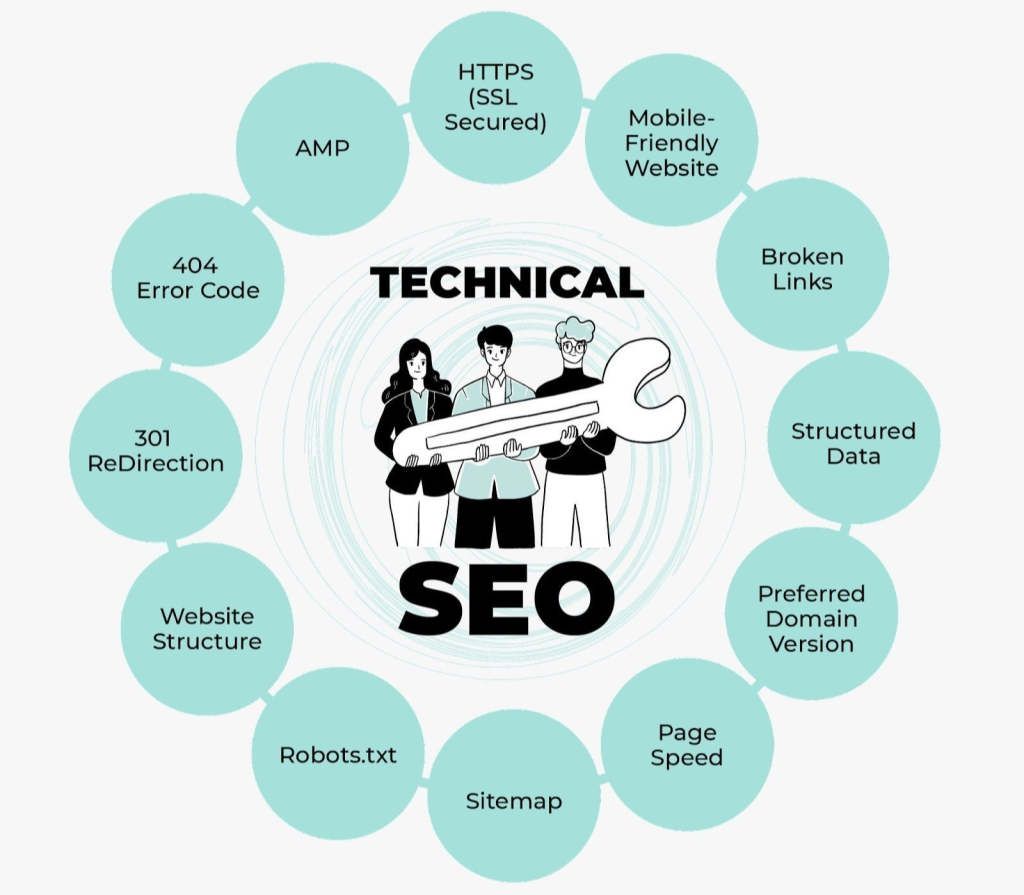
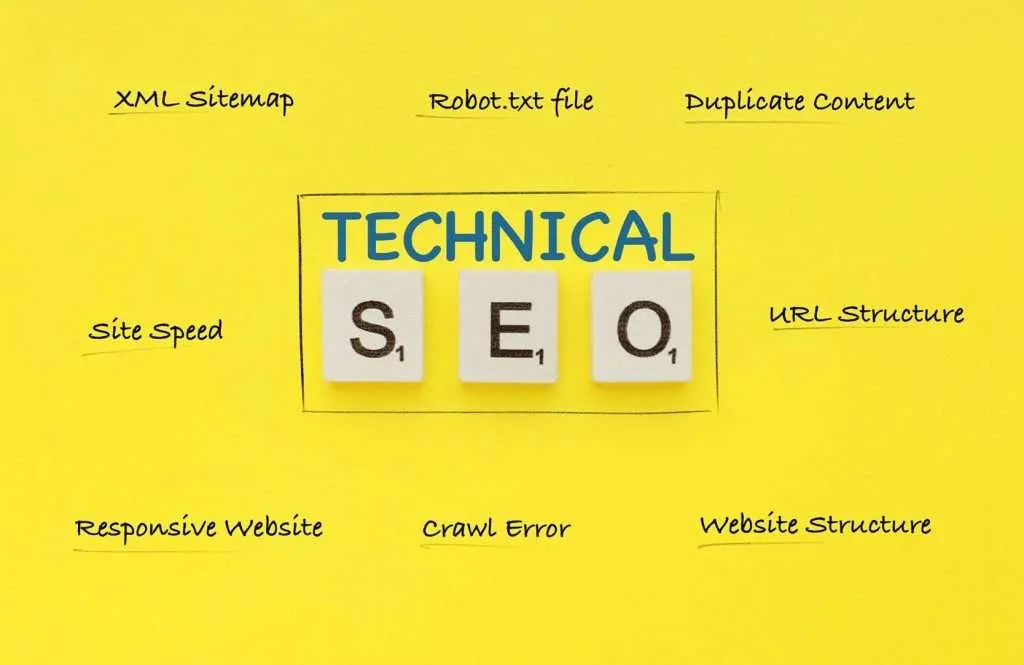
- Technical SEO: Improving site speed, mobile-friendliness, and other technical aspects to enhance user experience.
Chapter 2: The Importance of SEO
Now that we have a basic understanding of SEO, let’s explore why it’s so crucial for your website’s success. We’ll break down its significance into several key points and illustrate them with real-life examples.
2.1 Increased Website Traffic
The most immediate and tangible benefit of effective SEO is a significant increase in website traffic. When your website appears at the top of search results, it’s more likely to be clicked on by users. Let’s look at an example to illustrate this:
Imagine you run a small bakery in New York City, and you’ve recently started a website to showcase your delicious treats. Without SEO, your website might be buried in the search results, making it challenging for potential customers to find you. However, by implementing SEO strategies that target keywords like “best cupcakes in NYC,” your website could appear on the first page of Google’s search results. This increased visibility could lead to a substantial uptick in online orders and foot traffic to your bakery.
2.2 Credibility and Trust
When your website consistently appears at the top of search results, users tend to associate it with authority and trustworthiness. This perception can significantly impact your brand’s credibility. Let’s examine a real-life example:
Suppose you’re in the market for a new smartphone. You enter a search query like “best smartphones 2023” into Google. The first result is from a well-known tech website that regularly produces in-depth reviews and comparisons of the latest gadgets. The second result is from a relatively unknown blog with limited content and no established reputation. Which source are you more likely to trust for accurate information about smartphones? Most users would gravitate toward the first result because of its credibility and authority in the field.
2.3 Cost-Effective Marketing
Compared to traditional advertising methods, SEO is a cost-effective marketing strategy with a high return on investment (ROI). While running paid ads can quickly drain your marketing budget, SEO provides a sustainable and long-lasting source of traffic without ongoing advertising costs. Here’s an example:
Suppose you operate an online store selling handmade jewelry. Initially, you decide to invest in paid advertising to attract customers. While you do see an increase in sales, the costs associated with running ads eat into your profits. However, by incorporating SEO into your marketing strategy, you start ranking for relevant keywords like “unique handmade jewelry,” bringing in a steady stream of organic traffic.
2.4 Competitive Advantage
In today’s competitive digital landscape, every business strives to outperform its rivals. SEO can provide a distinct competitive advantage by helping you stand out in search engine rankings. Let’s illustrate this with an example:
Imagine you run a local plumbing business in a city with numerous competitors. Without SEO, your website might languish on the third or fourth page of search results, making it challenging for potential customers to find you. However, your competitors have invested in SEO and consistently appear on the first page. This means they are capturing a significant share of the market.
Chapter 3: Long-Term Sustainability
One of the key benefits of SEO is its long-term sustainability. Unlike some marketing tactics that offer short-lived boosts in traffic or visibility, SEO can provide lasting results. Let’s explore this aspect further and back it up with real-world examples.
3.1 Evergreen Content
A fundamental aspect of SEO is creating evergreen content—content that remains relevant and valuable to users over an extended period. When you invest in creating such content, it continues to attract organic traffic long after its initial publication. Here’s an example:
Suppose you run a blog about gardening and publish an in-depth guide on “How to Grow Tomatoes” in 2020. This guide covers all aspects of tomato cultivation, from planting seeds to harvesting ripe tomatoes. Thanks to SEO optimization, your guide ranks well in search results and attracts a steady stream of organic traffic. Fast forward to 2023, and your guide is still relevant, ranking on the first page for relevant keywords. It continues to drive traffic and engagement, showcasing the long-term benefits of SEO.
3.2 Accumulative Effects
SEO is a cumulative strategy, meaning the efforts you put in today can have a compounding effect on your website’s performance over time. Let’s illustrate this with an example:
Suppose you start a new e-commerce store selling fitness equipment. In the first few months, you invest in SEO to optimize product pages, improve site speed, and build high-quality backlinks. Initially, you see a gradual increase in organic traffic and sales. However, as your website gains authority and trust in the eyes of search engines, your rankings improve across a broader range of keywords. Over the next year, your
organic traffic continues to grow, and you notice a substantial uptick in revenue. The initial SEO efforts laid the foundation for sustained growth, showcasing the power of accumulation in SEO.
3.3 Adaptability to Algorithm Changes
Search engines frequently update their algorithms to deliver better search results to users. While these changes can sometimes disrupt website rankings, a well-executed SEO strategy is adaptable. Let’s look at a real-life example:
In 2021, Google introduced a major algorithm update known as the Page Experience Update, which focused on user experience signals like Core Web Vitals and mobile-friendliness. Websites that met these criteria received a boost in rankings, while others saw a decline. However, websites that had consistently worked on technical SEO and user experience were better prepared for this update. They adapted quickly and continued to rank well, demonstrating how a proactive approach to SEO can help weather algorithm changes.
Chapter 4: Targeted Traffic and Audience
One of the core principles of SEO is targeting specific keywords and phrases relevant to your niche or industry. This strategy ensures that the traffic driven to your website is highly targeted, consisting of individuals actively seeking information, products, or services related to what you offer. Let’s explore this aspect in more detail and provide concrete examples.
4.1 Relevance to User Intent
SEO helps align your website with user intent. When users search for specific keywords, they often have a clear intent, such as seeking information, making a purchase, or finding a local business. Let’s consider an example:
Suppose you own a pet grooming salon in Los Angeles. By optimizing your website for keywords like “best pet groomers in Los Angeles” and “dog grooming services,” you attract users actively searching for pet grooming services in your area. As a result, the traffic driven to your website is highly relevant, increasing the likelihood of converting visitors into customers.
4.2 Geographic Targeting
For businesses with a local presence, SEO can be a game-changer. Local SEO strategies help you target users in your geographical area, making it easier for potential customers to find your business. Let’s illustrate this with an example:
Imagine you run a cozy café in downtown Seattle. When people in Seattle search for “coffee shops near me” or “best cafés in Seattle,” you want your café to appear in the top results. By implementing local SEO tactics, such as creating a Google My Business profile, optimizing for location-based keywords, and earning positive reviews, you can increase your café’s visibility to local customers actively looking for coffee options.
4.3 Content Tailored to User Needs
Effective SEO involves creating high-quality content that caters to the specific needs and interests of your target audience. This content not only helps improve your website’s ranking but also engages and retains visitors. Here’s an example:
Suppose you manage a website dedicated to home improvement. By conducting keyword research, you discover that many users are searching for “how to install a ceiling fan.” You decide to create a detailed step-by-step guide on this topic, complete with images and video tutorials. When users search for this query, they find your informative guide, spend time on your website, and perhaps explore other related topics. Your website becomes a valuable resource for users interested in home improvement, building a loyal audience over time.
Chapter 5: Measuring Success with SEO
To fully appreciate the importance of SEO, it’s essential to understand how success is measured in this field. By tracking key metrics and performance indicators, you can gauge the effectiveness of your SEO efforts. Let’s delve into these metrics and illustrate their significance with real-world examples.
5.1 Keyword Rankings
Keyword rankings are a fundamental metric in SEO. They indicate where your website appears in search engine results for specific keywords. Monitoring your keyword rankings allows you to track the progress of your SEO efforts. Let’s see how this works in practice:
Suppose you run an online bookstore specializing in science fiction novels. Initially, your website doesn’t rank well for keywords like “best science fiction books” or “classic sci-fi novels.” However, after implementing SEO strategies, you notice a steady climb in rankings. Eventually, your website reaches the first page for these competitive keywords, resulting in increased visibility and organic traffic.
5.2 Organic Traffic
The volume of organic traffic your website receives is a critical measure of SEO success. Organic traffic represents the users who discover your website through non-paid search engine results. Here’s an example to illustrate its importance:
Imagine you operate a travel blog, and your primary revenue source is affiliate marketing. By consistently optimizing your content for travel-related keywords and earning backlinks from reputable travel websites, you notice a substantial increase in organic traffic over several months. This surge in traffic translates into higher affiliate commissions and ad revenue, demonstrating the direct correlation between SEO efforts and financial success.
5.3 Conversion Rate
While attracting traffic to your website is essential, what truly matters is converting that traffic into desired actions, such as making a purchase, signing up for a newsletter, or filling out a contact form. The conversion rate is the percentage of visitors who take the desired action. Let’s explore this concept with an example:
Suppose you run an e-commerce store selling eco-friendly household products. After implementing SEO strategies to improve your product pages, optimize the checkout process, and enhance the overall user experience, you observe a noticeable increase in the conversion rate. More visitors are not only exploring your website but also making purchases. This demonstrates that SEO doesn’t just drive traffic; it drives valuable, revenue-generating traffic.
5.4 Return on Investment (ROI)
ROI is a crucial metric for assessing the financial impact of your SEO efforts. It measures the profitability of your SEO campaigns by comparing the gains (e.g., increased revenue, reduced advertising costs) to the costs associated with SEO implementation. Let’s see how ROI plays out in a real-life scenario:
Imagine you’re the marketing manager for a software company. You decide to invest in SEO to increase the visibility of your software products. Over the course of a year, your SEO efforts lead to a 30% increase in organic traffic and a corresponding 25% increase in software sales. When you calculate the ROI of your SEO campaign, you discover that the revenue generated from SEO far exceeds the costs incurred in optimizing your website, resulting in a positive and lucrative ROI.
Chapter 6: Staying Ahead of the Competition
In the ever-evolving digital landscape, staying ahead of the competition is crucial for businesses and websites. SEO can provide a significant competitive advantage by helping you adapt to changes, meet user expectations, and outperform rivals. Let’s explore this theme and support it with real-world examples.
6.1 Adapting to Algorithm Updates
Search engines like Google frequently update their algorithms to improve the relevance and quality of search results. These updates can have a profound impact on website rankings. However, websites that prioritize SEO are better equipped to adapt to algorithm changes. Here’s an example:
In 2020, Google rolled out the BERT algorithm update, which focused on understanding the context of search queries. This update aimed to provide more accurate and context-aware search results. Websites that had invested in creating high-quality, informative content aligned with user intent saw minimal disruption in their rankings. In contrast, websites that relied on keyword stuffing and low-quality content experienced significant drops in visibility. This example underscores the importance of staying updated and adaptable in the SEO landscape.
6.2 Meeting User Expectations
User expectations in the digital age are continually evolving. Websites that fail to meet these expectations risk losing visitors to competitors who offer a better user experience. Let’s
consider an example:
Suppose you run an online clothing store, and your competitors have invested in optimizing their websites for mobile devices. Their websites load quickly, and the shopping experience is seamless on smartphones and tablets. In contrast, your website is not mobile-friendly, resulting in slow load times and a cumbersome user experience on mobile devices. As a result, potential customers leave your website and make purchases from your competitors who cater to their mobile needs. This example highlights how SEO, including mobile optimization, plays a critical role in meeting user expectations and retaining customers.
6.3 Outperforming Competitors
Effective SEO can help you outperform competitors in your niche or industry. By optimizing your website for relevant keywords, building high-quality backlinks, and consistently producing valuable content, you can surpass competitors in search engine rankings. Here’s an example:
Imagine you’re a real estate agent in a highly competitive market. Several other agents offer similar services, making it challenging to stand out. However, you invest in SEO to target local keywords like “best real estate agents in [your city].” Over time, your website starts ranking at the top of search results for these keywords, while your competitors remain lower in the rankings. Potential clients searching for real estate agents in your area are more likely to discover your website first, giving you a competitive edge.
Chapter 7: The Future of SEO
As we conclude this comprehensive guide to the importance of SEO for your website, it’s essential to look toward the future. The world of SEO is continually evolving, and staying ahead of emerging trends is key to long-term success. Let’s explore what the future of SEO may hold and what it means for your website.
7.1 Voice Search Optimization
Voice search is becoming increasingly prevalent with the rise of virtual assistants like Siri, Google Assistant, and Amazon Alexa. Optimizing your website for voice search is a future-focused SEO strategy. Here’s an example:
Imagine you run a restaurant in a tourist-heavy area. With the growing use of voice-activated devices, tourists are likely to ask, “Where’s the best place to eat nearby?” By optimizing your website for voice search and providing concise, location-specific information, you can ensure that virtual assistants recommend your restaurant to hungry travelers.
7.2 User Experience and Core Web Vitals
Search engines are placing a greater emphasis on user experience, as indicated by factors like Core Web Vitals. Websites that prioritize page speed, mobile-friendliness, and overall user satisfaction will continue to perform well in search rankings. Let’s see how this can impact your website:
Suppose you manage a news website. Google’s algorithm now considers page speed and mobile-friendliness as ranking factors. By investing in technical SEO to improve your website’s performance and user experience, you can maintain or improve your rankings, ensuring that readers can access your content quickly and easily, regardless of their device.
7.3 E-A-T (Expertise, Authoritativeness, Trustworthiness)
Google has emphasized the importance of E-A-T, which stands for Expertise, Authoritativeness, and Trustworthiness, in determining the quality of web content. Websites that demonstrate expertise in their niche, establish authority, and build trust with users will continue to gain prominence. Here’s an example:
Suppose you run a health and wellness blog. Google now places a higher premium on accurate and well-researched health content authored by experts. By collaborating with medical professionals, citing reputable sources, and providing transparent information, your website can establish itself as a trusted source of health information, earning higher rankings and user trust.
Conclusion
In the digital age, SEO is not merely a marketing strategy; it’s a fundamental necessity for website success. As we’ve explored throughout this comprehensive guide, SEO offers a myriad of benefits, including increased website traffic, enhanced credibility, cost-effective marketing, long-term sustainability, and the ability to stay ahead of the competition. By targeting specific keywords, measuring success with key metrics, and adapting to changes in the SEO landscape, you can maximize the potential of your website and ensure its continued growth and relevance.
As the world of SEO continues to evolve, staying informed and proactive is crucial. By embracing emerging trends like voice search optimization, prioritizing user experience and E-A-T principles, you can position your website for future success. So, start your SEO journey today, and watch your website thrive in the competitive online arena.
Thank You!
Read More –
How to do digital marketing for coaching institute?
How to search topics or content research for Youtube videos?
Top 10 niche to create youtube channels and earn passive income