If Search Engine Optimization (SEO) were a race car, then technical SEO would be the engine. You can have amazing content and perfect keywords, but if your site loads slowly, isn’t mobile-friendly, or has broken links—Google will likely push you down the ranks.
Technical SEO ensures that your website runs like a well-oiled machine—fast, structured, secure, and mobile-ready. In this article, we’ll explore the foundational elements of technical SEO: speed, structure, and mobile optimization.
Digital strategist Kamlesh Singad, founder of CWK Agency, puts it this way: “Technical SEO is what ensures Google not only finds your website but trusts it enough to rank it.”
Table of Contents
What is Technical SEO?
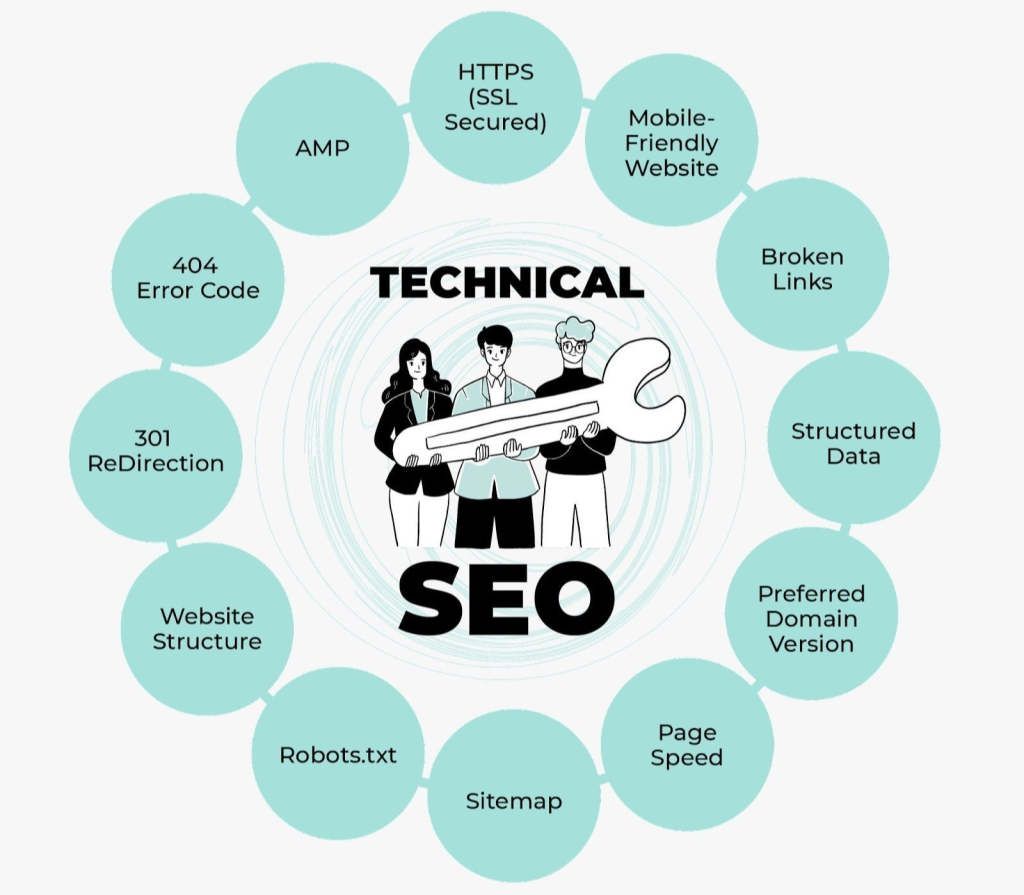
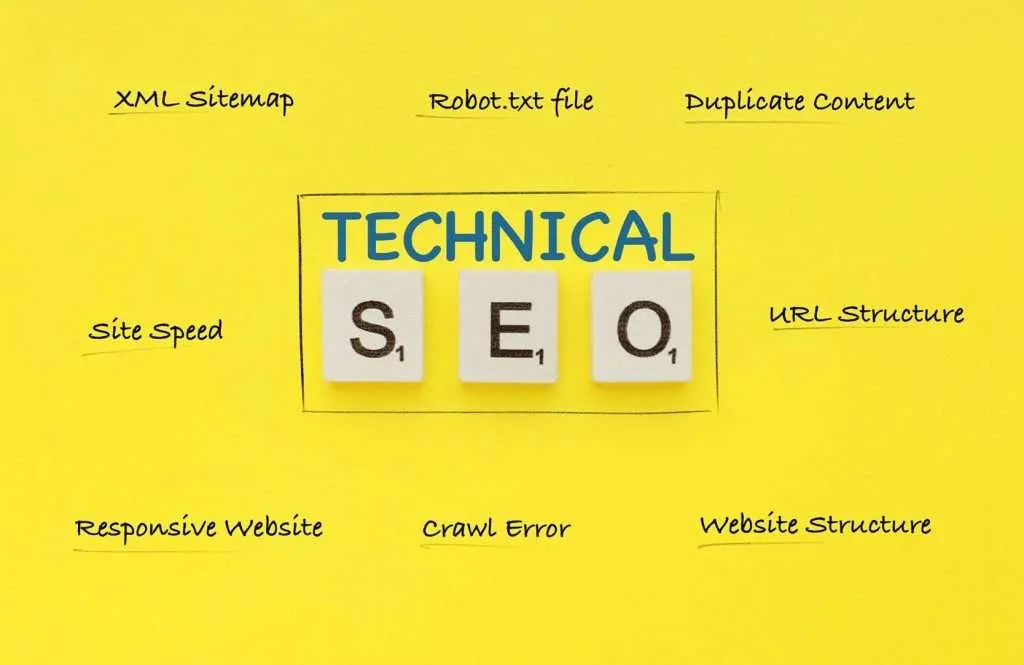
Technical SEO refers to optimizing the infrastructure of your website so that search engines can crawl, index, and rank it efficiently. It doesn’t involve keyword targeting or content strategy—it’s all about performance, accessibility, and structure.
Key elements include:
Website speed and performance
Mobile responsiveness
Secure browsing (HTTPS)
Crawlability and indexability
Structured data and sitemaps
Why Technical SEO is Crucial in 2025
With Google’s algorithm becoming more user-centric, technical factors play a huge role in ranking:
Page experience is a confirmed ranking factor
Core Web Vitals directly affect how Google evaluates your page
Mobile-first indexing makes mobile optimization a top priority
According to Kamlesh Singad, “Ignoring technical SEO is like trying to run a marathon in flip-flops.”
What’s the difference between technical SEO and on-page SEO? Technical SEO focuses on backend performance, while on-page SEO focuses on content and keywords.
How often should I perform a technical SEO audit? Every 3–6 months, or after a major site update.
Can I do technical SEO without a developer? Yes, especially with platforms like WordPress and tools like WP Rocket and Rank Math.
What’s the biggest technical SEO mistake beginners make? Ignoring mobile optimization and not compressing images.
Does technical SEO help with local SEO? Absolutely. Speed and mobile-friendliness directly impact local rankings and mobile map searches.
Conclusion: Don’t Let Poor Tech Hold Back Great Content
You can write the best blog in the world, but if your site loads slowly, breaks on mobile, or confuses Google—you won’t rank. Technical SEO is your silent hero. It works in the background to ensure everything else—content, links, social media—gets the attention it deserves.
With the expert strategies from Kamlesh Singad and the results-driven systems of CWK Agency, you now have a clear roadmap to master speed, structure, and mobile optimization—and take your SEO game to the next level.
Email marketing has proven to be one of the most effective digital marketing strategies. With the ability to reach a vast audience directly, it offers a unique opportunity to engage with customers on a personal level. However, achieving high engagement and return on investment (ROI) requires strategic planning and execution. This blog delves into comprehensive email marketing strategies designed to boost engagement and ROI, ensuring your email campaigns deliver maximum impact.
Understanding the Basics of Email Marketing
What is Email Marketing?
Email marketing is a digital marketing strategy that involves sending emails to a group of people to promote products, services, or content. It’s a direct form of marketing that allows businesses to communicate with their audience, build relationships, and drive conversions.
The Importance of Email Marketing
Email marketing remains a crucial component of any marketing strategy due to its direct reach and cost-effectiveness. It enables businesses to deliver personalized content, engage customers, and drive sales with a measurable return on investment.
Key Metrics in Email Marketing
To measure the success of email marketing campaigns, certain metrics are essential. These include open rates, click-through rates, conversion rates, and bounce rates. Understanding these metrics helps in evaluating campaign performance and identifying areas for improvement.
Building a Strong Email Marketing Foundation
Creating an Effective Email List
A successful email marketing campaign begins with a high-quality email list. Building an email list organically ensures that your subscribers are genuinely interested in your content. Techniques include offering valuable content in exchange for email sign-ups, using sign-up forms on your website, and leveraging social media channels.
Segmenting Your Email List
Segmentation involves dividing your email list into smaller groups based on specific criteria such as demographics, past behavior, or engagement levels. This allows for more targeted and personalized email campaigns, which can significantly improve engagement and conversion rates.
Crafting Compelling Subject Lines
The subject line is the first thing recipients see, making it a critical element of your email. Crafting compelling and relevant subject lines can greatly increase open rates. Techniques include using personalization, creating a sense of urgency, and keeping it concise.
Designing Engaging Email Content
Personalization in Email Marketing
Personalization goes beyond using the recipient’s name. It involves tailoring the content based on their preferences, behavior, and past interactions with your brand. Personalized emails have been shown to increase engagement and drive higher ROI.
Creating Relevant and Valuable Content
Content is king in email marketing. Providing relevant and valuable content that addresses the needs and interests of your audience is essential. This can include educational articles, special offers, product updates, and personalized recommendations.
Utilizing Visual Elements
Incorporating visual elements such as images, videos, and infographics can make your emails more engaging. Visuals help to break up text, illustrate points, and capture the reader’s attention, making your emails more visually appealing and effective.
Optimizing Email Campaigns for Better Performance
A/B Testing in Email Marketing
A/B testing involves sending two variations of an email to a small segment of your list to see which performs better. Variables to test include subject lines, email content, call-to-action buttons, and send times. The insights gained from A/B testing can help optimize future campaigns.
Timing and Frequency of Emails
Finding the optimal timing and frequency for sending emails is crucial. Sending emails too frequently can lead to unsubscribes, while infrequent emails may result in lower engagement. Analyzing your audience’s behavior and preferences can help determine the best times to send emails.
Mobile Optimization
With a significant number of users accessing emails on mobile devices, ensuring your emails are mobile-friendly is essential. This includes using responsive design, concise content, and easily clickable links and buttons.
Enhancing Email Deliverability
Understanding Email Deliverability
Email deliverability refers to the ability of your emails to reach the recipient’s inbox. Factors affecting deliverability include sender reputation, email content, and the use of authenticated sending domains.
Maintaining a Clean Email List
Regularly cleaning your email list by removing inactive subscribers and invalid email addresses helps improve deliverability. A clean email list ensures you are sending emails to engaged recipients, which can positively impact your sender reputation.
Avoiding Spam Filters
To avoid spam filters, use clear and relevant subject lines, avoid spammy language, and ensure your emails comply with regulations such as CAN-SPAM and GDPR. Including an easy way for recipients to unsubscribe can also help maintain a positive sender reputation.
Leveraging Automation in Email Marketing
Benefits of Email Marketing Automation
Automation allows you to send timely, relevant emails based on specific triggers or actions taken by your subscribers. This can include welcome emails, abandoned cart reminders, and personalized product recommendations.
Setting Up Automated Email Workflows
Automated workflows streamline your email marketing efforts and ensure consistent communication with your audience. Examples of automated workflows include welcome series, re-engagement campaigns, and post-purchase follow-ups.
Personalizing Automated Emails
Even with automation, personalization remains key. Using data to tailor automated emails to individual preferences and behaviors can enhance the effectiveness of your campaigns and drive higher engagement and ROI.
Utilizing Data and Analytics
Tracking Email Campaign Performance
Tracking the performance of your email campaigns through analytics helps you understand what works and what doesn’t. Key metrics to monitor include open rates, click-through rates, conversion rates, and unsubscribe rates.
Using Data to Improve Future Campaigns
Analyzing data from past campaigns can provide valuable insights into your audience’s preferences and behaviors. This information can be used to refine your email marketing strategies and improve the performance of future campaigns.
Predictive Analytics in Email Marketing
Predictive analytics uses data, statistical algorithms, and machine learning techniques to identify the likelihood of future outcomes based on historical data. In email marketing, predictive analytics can help in personalizing content and predicting subscriber behavior.
Integrating Email Marketing with Other Channels
Email and Social Media Integration
Integrating email marketing with social media can enhance your reach and engagement. Sharing your email content on social media platforms and encouraging social media followers to subscribe to your email list are effective strategies.
Using Email to Support Content Marketing
Email marketing can support your content marketing efforts by promoting your blog posts, whitepapers, webinars, and other content assets. Providing valuable content through email helps build trust and authority with your audience.
Combining Email with Paid Advertising
Combining email marketing with paid advertising can amplify your reach and effectiveness. Techniques include using email lists for retargeting campaigns and promoting email sign-ups through paid ads.
Best Practices for Email Marketing
Adhering to Legal and Ethical Standards
Compliance with regulations such as CAN-SPAM, GDPR, and CASL is essential for maintaining trust and credibility. This includes obtaining explicit consent from subscribers, providing an easy way to unsubscribe, and protecting subscriber data.
Fostering Subscriber Trust
Building and maintaining trust with your subscribers is crucial for long-term success. This involves delivering on your promises, providing valuable content, and being transparent about how you use their data.
Staying Updated with Industry Trends
The email marketing landscape is constantly evolving. Staying updated with the latest trends and best practices helps you stay ahead of the competition and ensures your email marketing strategies remain effective.
Conclusion
Email marketing remains one of the most powerful tools for engaging with customers and driving sales. By implementing the strategies outlined in this blog, you can enhance your email campaigns, achieve higher engagement, and maximize your ROI. Remember, the key to successful email marketing lies in understanding your audience, delivering valuable content, and continuously optimizing your efforts based on data and insights.
Frequently Asked Questions
What is the best way to build an email list?
Building an email list organically through sign-up forms on your website, social media channels, and offering valuable content in exchange for email addresses is the most effective way.
How can I improve the open rates of my email campaigns?
Crafting compelling subject lines, personalizing content, and sending emails at optimal times can significantly improve open rates.
What is the role of segmentation in email marketing?
Segmentation allows for more targeted and personalized email campaigns by dividing your email list into smaller groups based on specific criteria.
How does email automation benefit my marketing efforts?
Email automation allows you to send timely and relevant emails based on specific triggers, ensuring consistent communication and higher engagement.
Why is mobile optimization important in email marketing?
With many users accessing emails on mobile devices, ensuring your emails are mobile-friendly enhances user experience and engagement.
How can I ensure my emails don’t end up in spam folders?
Using clear and relevant subject lines, avoiding spammy language, and complying with regulations such as CAN-SPAM and GDPR help ensure your emails reach the inbox.
The Evolution of E-commerce: Digital Marketing Strategies for Online Stores
E-commerce has come a long way since its inception, evolving rapidly with technological advancements and changing consumer behaviors. In this dynamic landscape, online retailers must adapt and innovate to stay competitive. This article explores the evolution of e-commerce and discusses the latest digital marketing strategies that can help online stores thrive.
Introduction
The e-commerce industry has transformed significantly over the past few decades. What started as a simple online shopping experience has now evolved into a sophisticated, multi-faceted ecosystem. With the rise of mobile commerce, social media, and advanced analytics, the strategies that online retailers use to attract and retain customers have also changed dramatically. In this article, we will delve into the key trends shaping the e-commerce landscape and outline effective digital marketing strategies for online stores.
The Early Days of E-commerce
E-commerce began in the early 1990s with the advent of the internet. The first online transaction is widely believed to have taken place in 1994 when a man sold a CD by the band Sting to his friend through his website NetMarket. These early days were characterized by limited technology, slow internet speeds, and a general lack of consumer trust in online transactions. However, as technology improved and the internet became more accessible, e-commerce started to gain traction.
The Rise of Online Marketplaces
The late 1990s and early 2000s saw the rise of online marketplaces like Amazon and eBay. These platforms revolutionized the way people shopped online by offering a wide variety of products, secure payment methods, and reliable shipping options. Amazon, in particular, has become a dominant force in the e-commerce industry, continually innovating with services like Amazon Prime, Amazon Fresh, and Amazon Web Services (AWS).
Mobile Commerce Revolution
The proliferation of smartphones and tablets in the late 2000s led to the rise of mobile commerce (m-commerce). Consumers now had the ability to shop from anywhere at any time. Mobile-friendly websites and apps became essential for online retailers. The introduction of mobile payment solutions like Apple Pay and Google Wallet further streamlined the shopping experience.
Social Media Integration
Social media platforms have become powerful tools for e-commerce. Sites like Facebook, Instagram, and Pinterest have integrated shopping features that allow users to purchase products directly from the platform. Social media also provides a space for brands to engage with their audience, build communities, and leverage influencer marketing to reach a wider audience.
Personalization and Customer Experience
Today, personalization is key to delivering a superior customer experience. Online retailers use data analytics and artificial intelligence to tailor their offerings to individual customer preferences. Personalized product recommendations, targeted email campaigns, and customized landing pages enhance the shopping experience and increase conversion rates.
Latest Trends in E-commerce
The e-commerce landscape continues to evolve with several key trends shaping the industry. Here are some of the latest trends that online retailers should be aware of:
Artificial Intelligence and Machine Learning
AI and machine learning are transforming e-commerce by providing insights into customer behavior, optimizing pricing strategies, and enhancing customer service through chatbots. AI-driven algorithms can predict trends, automate inventory management, and personalize marketing efforts.
Artificial intelligence (AI) and machine learning (ML) are revolutionizing e-commerce by providing advanced tools for understanding and predicting customer behavior. These technologies enable personalized shopping experiences, optimize inventory management, and enhance customer service.
Personalized Recommendations: AI algorithms analyze customer data to provide personalized product recommendations, increasing the likelihood of conversions and improving customer satisfaction.
Chatbots and Virtual Assistants: AI-powered chatbots offer real-time customer support, answer queries, and assist with order processing, enhancing the overall customer experience.
Predictive Analytics: Machine learning models predict future sales trends, helping businesses manage inventory more efficiently and reduce operational costs.
Voice Commerce
With the increasing popularity of smart speakers like Amazon Echo and Google Home, voice commerce is on the rise. Consumers are using voice commands to search for products, make purchases, and track orders. Online retailers need to optimize their websites for voice search and consider integrating voice-enabled shopping features.
Voice commerce is gaining traction as more consumers use smart speakers and voice assistants like Amazon Alexa, Google Assistant, and Apple Siri to shop online. This trend is transforming how consumers search for and purchase products.
Voice Search Optimization: Online retailers need to optimize their websites for voice search by using natural language keywords and phrases that customers are likely to use when speaking.
Seamless Shopping Experience: Integrating voice-enabled shopping features allows customers to add items to their cart, make purchases, and track orders using simple voice commands.
Augmented Reality (AR) and Virtual Reality (VR)
AR and VR technologies are enhancing the online shopping experience by allowing customers to visualize products in their real-world environment. For example, furniture retailers use AR to let customers see how a piece of furniture will look in their home before making a purchase. VR can provide immersive virtual shopping experiences, such as virtual store tours.
AR and VR technologies are enhancing the online shopping experience by providing immersive and interactive ways for customers to engage with products.
Virtual Try-Ons: AR enables customers to virtually try on clothing, accessories, and cosmetics, helping them make more informed purchase decisions.
Product Visualization: VR offers virtual store tours and 3D product views, allowing customers to explore products in detail from the comfort of their homes.
Sustainability and Ethical Practices
Consumers are increasingly concerned about sustainability and ethical practices. Online retailers are responding by offering eco-friendly products, transparent supply chains, and sustainable packaging. Highlighting these practices in marketing efforts can attract environmentally conscious consumers.
Consumers are increasingly prioritizing sustainability and ethical practices in their purchasing decisions. E-commerce businesses are responding by adopting eco-friendly practices and promoting their commitment to sustainability.
Eco-Friendly Products: Offering sustainable and ethically sourced products appeals to environmentally conscious consumers.
Sustainable Packaging: Using biodegradable or recyclable packaging materials reduces the environmental impact and resonates with eco-minded customers.
Transparent Supply Chains: Providing transparency in supply chains builds trust and demonstrates a commitment to ethical business practices.
Subscription Services
Subscription services are becoming popular in various industries, from fashion to food to beauty products. These services provide convenience and personalized experiences, encouraging customer loyalty and recurring revenue.
Subscription services are becoming popular across various industries, providing convenience and personalized experiences that drive customer loyalty and recurring revenue.
Curated Subscription Boxes: Offering curated product boxes based on customer preferences keeps customers engaged and excited about receiving personalized items regularly.
Subscription-Based Models: Businesses can offer products as a subscription service, ensuring a steady stream of revenue and fostering long-term customer relationships.
Omnichannel Strategies
An omnichannel approach integrates various sales and marketing channels to provide a seamless customer experience. Online retailers are combining their e-commerce platforms with physical stores, social media, and mobile apps to create a unified shopping journey. Click-and-collect services, where customers buy online and pick up in-store, are an example of an omnichannel strategy.
An omnichannel approach integrates multiple sales and marketing channels to provide a seamless customer experience. This strategy ensures that customers can interact with the brand across various touchpoints.
Click-and-Collect Services: Allowing customers to purchase online and pick up in-store combines the convenience of online shopping with the immediacy of physical stores.
Consistent Branding: Maintaining a consistent brand presence across all channels, including online stores, social media, and physical locations, ensures a cohesive customer experience.
Social Commerce
Social commerce leverages social media platforms to facilitate online shopping, making it easier for customers to discover and purchase products directly within social media apps.
Shoppable Posts: Platforms like Instagram and Facebook offer shoppable posts, enabling users to click on products within posts and complete the purchase without leaving the app.
Influencer Partnerships: Collaborating with influencers to promote products on social media increases brand visibility and drives sales through trusted recommendations.
Mobile Commerce
With the widespread use of smartphones, mobile commerce (m-commerce) continues to grow, requiring businesses to optimize their websites and apps for mobile users.
Responsive Design: Ensuring that websites are mobile-friendly with responsive design enhances the user experience on various devices.
Mobile Payment Solutions: Integrating mobile payment options like Apple Pay, Google Wallet, and PayPal makes the checkout process quick and convenient for mobile users.
Enhanced Payment Options
Offering a variety of payment options improves the customer experience and reduces cart abandonment rates.
Buy Now, Pay Later (BNPL): BNPL services like Afterpay and Klarna allow customers to split payments into installments, making purchases more affordable and increasing conversion rates.
Cryptocurrency Payments: Accepting cryptocurrencies as a payment method caters to tech-savvy consumers and provides an additional layer of security.
Data Privacy and Security
With increasing concerns about data privacy, businesses must prioritize data protection and comply with regulations to build customer trust.
Compliance with Regulations: Adhering to data protection laws like GDPR and CCPA ensures that customer data is handled responsibly.
Secure Payment Processing: Implementing secure payment gateways and encryption technologies protects customer data during transactions.
Customer Experience (CX) Focus
Providing an exceptional customer experience is crucial for retaining customers and fostering brand loyalty.
Personalized Experiences: Tailoring the shopping experience to individual preferences through personalized recommendations and content enhances customer satisfaction.
Seamless Checkout Process: Streamlining the checkout process by reducing steps and offering multiple payment options improves the overall shopping experience.
Micro-Moments
Micro-moments refer to the brief, intent-driven moments when consumers turn to their devices for quick answers or actions. Businesses can capitalize on these moments by providing relevant and timely information.
Immediate Responses: Offering instant solutions to customer queries through chatbots or quick customer service responses capitalizes on micro-moments.
Relevant Content: Creating content that addresses common questions and needs during micro-moments drives engagement and conversions.
Hyper-Personalization
Hyper-personalization goes beyond traditional personalization by using AI and data analytics to deliver highly tailored experiences at every touchpoint.
Dynamic Content: Displaying real-time, personalized content based on user behavior and preferences enhances the relevance of the shopping experience.
Predictive Recommendations: Using predictive analytics to anticipate customer needs and offer relevant product suggestions increases the likelihood of conversions.
Sustainability Initiatives
As consumers become more eco-conscious, businesses are adopting sustainability initiatives to reduce their environmental impact and appeal to green consumers.
Carbon Neutral Shipping: Offering carbon-neutral shipping options reduces the environmental footprint of online orders.
Sustainable Sourcing: Ensuring products are sourced sustainably and ethically aligns with consumer values and enhances brand reputation.
Influencer-Driven Commerce
Influencer marketing continues to be a powerful strategy for e-commerce businesses, driving brand awareness and sales through authentic endorsements.
Niche Influencers: Partnering with niche influencers who have a dedicated and engaged following can yield higher conversion rates.
Authentic Content: Encouraging influencers to create authentic, relatable content that resonates with their audience builds trust and drives sales.
Experiential Commerce
Experiential commerce focuses on creating memorable shopping experiences that engage customers beyond just the transactional aspect.
Virtual Events: Hosting virtual events, such as product launches or live Q&A sessions, engages customers and creates a sense of community.
Interactive Features: Incorporating interactive features like quizzes, polls, and gamification enhances the shopping experience and keeps customers engaged.
Blockchain Technology
Blockchain technology offers transparency and security in e-commerce transactions, building trust with consumers.
Supply Chain Transparency: Using blockchain to track and verify the authenticity of products provides transparency and reduces counterfeiting.
Secure Payments: Blockchain-based payment systems offer secure and efficient transactions, reducing the risk of fraud.
Effective Digital Marketing Strategies for Online Stores
To succeed in the competitive e-commerce landscape, online retailers must adopt effective digital marketing strategies. Here are some key strategies to consider:
Search Engine Optimization (SEO)
SEO is crucial for driving organic traffic to your online store. Optimize your website for relevant keywords, ensure fast loading times, and create high-quality content that answers customer queries. Implementing technical SEO practices, such as improving site structure and using schema markup, can also boost your search engine rankings.
Content Marketing
Content marketing involves creating valuable content that attracts and engages your target audience. Blog posts, videos, infographics, and social media posts can drive traffic to your site and build brand awareness. Consider creating how-to guides, product reviews, and user-generated content to provide value to your customers.
Email Marketing
Email marketing is a powerful tool for nurturing customer relationships and driving sales. Segment your email list to send personalized messages, promotions, and product recommendations. Automated email campaigns, such as abandoned cart reminders and post-purchase follow-ups, can also increase conversions.
Social Media Marketing
Leverage social media platforms to reach your target audience and drive engagement. Create compelling content, run targeted ad campaigns, and collaborate with influencers to promote your products. Use social media analytics to measure the effectiveness of your campaigns and adjust your strategy accordingly.
Pay-Per-Click (PPC) Advertising
PPC advertising allows you to reach potential customers through paid search engine ads and social media ads. Create targeted ad campaigns with clear calls-to-action and optimized landing pages. Monitor your ad performance and adjust your bids, keywords, and ad copy to maximize your return on investment (ROI).
Influencer Marketing
Influencer marketing involves partnering with influencers who have a large and engaged following. Influencers can promote your products through authentic and relatable content, reaching a wider audience. Choose influencers who align with your brand values and have a genuine connection with their followers.
Affiliate Marketing
Affiliate marketing involves partnering with affiliates who promote your products in exchange for a commission on sales. This strategy can expand your reach and drive sales through trusted third-party recommendations. Provide your affiliates with marketing materials and track their performance to optimize your affiliate program.
Customer Reviews and Testimonials
Encourage satisfied customers to leave reviews and testimonials on your website and third-party review sites. Positive reviews build trust and credibility, influencing potential customers’ purchase decisions. Respond to reviews, both positive and negative, to show that you value customer feedback.
Retargeting
Retargeting involves showing ads to people who have previously visited your website but did not make a purchase. This strategy keeps your brand top-of-mind and encourages customers to return and complete their purchase. Use retargeting ads on social media, search engines, and display networks.
Data Analytics
Utilize data analytics to gain insights into customer behavior, sales trends, and marketing performance. Tools like Google Analytics can help you track key metrics such as traffic sources, conversion rates, and average order value. Use this data to make informed decisions and optimize your marketing strategies.
Mobile Optimization
With the increasing use of mobile devices for online shopping, it’s essential to optimize your website for mobile users. Ensure your site is mobile-friendly with responsive design, fast loading times, and easy navigation. Mobile optimization enhances the user experience and improves your search engine rankings.
User-Generated Content (UGC)
Encourage your customers to create content related to your products, such as photos, videos, and reviews. User-generated content provides social proof and authenticity, increasing trust and engagement. Feature UGC on your website and social media channels to showcase real customer experiences.
Live Chat and Chatbots
Implement live chat and chatbot features on your website to provide instant customer support. Live chat allows customers to get answers to their questions in real-time, improving their shopping experience. Chatbots can handle common queries and assist with product recommendations, enhancing customer service.
Video Marketing
Video content is highly engaging and can effectively showcase your products. Create product demos, tutorials, and customer testimonials to highlight the benefits of your products. Share your videos on your website, social media channels, and YouTube to reach a broader audience.
Loyalty Programs
Implement loyalty programs to reward repeat customers and encourage long-term engagement. Offer points, discounts, or exclusive access to new products as incentives for loyal customers. A well-designed loyalty program can increase customer retention and drive repeat purchases.
Personalized Marketing
Use data and analytics to personalize your marketing efforts based on customer preferences and behaviors. Personalized product recommendations, targeted email campaigns, and customized landing pages can enhance the shopping experience and increase conversions.
Interactive Content
Create interactive content such as quizzes, polls, and surveys to engage your audience and gather valuable insights. Interactive content can capture attention, provide personalized experiences, and encourage social sharing.
FAQs
How has e-commerce evolved over the years? E-commerce has evolved from basic online transactions to sophisticated, multi-channel experiences driven by advancements in technology, mobile commerce, and consumer behavior.
What are the latest trends in e-commerce? Latest trends include artificial intelligence, voice commerce, augmented reality, sustainability practices, subscription services, and omnichannel strategies.
How can online retailers optimize their websites for SEO? Online retailers can optimize their websites for SEO by using relevant keywords, improving site structure, ensuring fast loading times, and creating high-quality content.
Why is social media important for e-commerce? Social media is important for e-commerce because it helps retailers reach and engage with their target audience, promote products, and leverage influencer marketing for wider visibility.
What role does personalization play in e-commerce? Personalization enhances the customer experience by tailoring marketing efforts and product recommendations to individual preferences, increasing engagement and conversion rates.
How can data analytics improve e-commerce strategies? Data analytics provides insights into customer behavior, sales trends, and marketing performance, enabling retailers to make informed decisions and optimize their strategies.
Conclusion
The evolution of e-commerce has brought about significant changes in the way online retailers operate and market their products. By staying abreast of the latest trends and implementing effective digital marketing strategies, online stores can thrive in this competitive landscape. From SEO and content marketing to personalization and data analytics, leveraging these strategies will help online retailers attract, engage, and retain customers, driving long-term success.
Interactive content has revolutionized the way businesses engage with their audiences. By incorporating elements like quizzes and polls, companies can create a dynamic and immersive experience for their users. This approach not only captures attention but also fosters deeper connections with the brand. In this comprehensive guide, we will delve into the myriad benefits of interactive content and how quizzes and polls can be leveraged to maximize user engagement.
Introduction to Interactive Content
Interactive content refers to digital content that requires active participation from the audience. Unlike traditional content, which is passively consumed, interactive content engages users by prompting them to respond or take action. This two-way interaction enhances user experience, making the content more memorable and impactful.
The Power of Quizzes in Interactive Content
Quizzes are a quintessential form of interactive content. They can be tailored to various topics, catering to diverse audiences. Here’s why quizzes are a powerful tool for engagement:
1. Personalization at Its Best: Quizzes offer a personalized experience by providing results based on individual responses. This personalization makes users feel valued and understood, enhancing their connection to the brand.
2. Increased Time on Site: Engaging quizzes encourage users to spend more time on your website. The longer they stay, the more likely they are to explore other content or make a purchase.
3. Social Sharing Potential: Quizzes often have a high shareability factor. People love to share their results on social media, providing your content with organic reach and visibility.
4. Data Collection and Insights: Quizzes can serve as a valuable data collection tool. By analyzing quiz responses, you can gain insights into your audience’s preferences, behaviors, and pain points.
Crafting Engaging Quizzes
Creating an effective quiz involves more than just formulating questions. Here are some tips for crafting engaging quizzes:
1. Know Your Audience: Understanding your audience is crucial. Tailor your quiz content to their interests and needs to ensure maximum engagement.
2. Keep It Relevant and Fun: Quizzes should be both informative and entertaining. Use humor and creativity to make the experience enjoyable.
3. Use Visually Appealing Designs: Aesthetics matter. Use eye-catching designs and visuals to make your quizzes more attractive.
4. Provide Value: Ensure that your quizzes provide value to the user, whether it’s through personalized insights, entertainment, or educational content.
The Role of Polls in Interactive Content
Polls are another effective interactive element. They allow users to express their opinions quickly and easily. Here’s why polls are beneficial:
1. Instant Engagement: Polls are quick and easy to complete, making them an excellent tool for instant engagement.
2. Real-Time Feedback: Polls provide real-time feedback, allowing you to gauge public opinion and make data-driven decisions.
3. Encourages Participation: Polls encourage participation by asking simple, straightforward questions that don’t require much effort to answer.
4. Enhances User Experience: Incorporating polls into your content can make the user experience more interactive and enjoyable.
Creating Effective Polls
To create effective polls, consider the following tips:
1. Keep It Short and Simple: Polls should be concise and to the point. Avoid overwhelming users with too many options.
2. Ask Relevant Questions: Ensure that the questions you ask are relevant to your audience and the context of your content.
3. Use Engaging Language: Use engaging and conversational language to make your polls more appealing.
4. Show Results: Sharing poll results can increase transparency and foster a sense of community among your users.
Integrating Quizzes and Polls into Your Content Strategy
Integrating quizzes and polls into your content strategy can significantly boost engagement. Here’s how you can do it effectively:
1. Align with Content Goals: Ensure that your quizzes and polls align with your overall content goals. Whether it’s increasing brand awareness, generating leads, or driving sales, your interactive content should support your objectives.
2. Promote Across Channels: Promote your quizzes and polls across various channels, including social media, email newsletters, and your website, to maximize reach and participation.
3. Analyze and Iterate: Regularly analyze the performance of your quizzes and polls. Use the insights gained to refine and improve your interactive content strategy.
4. Combine with Other Content Types: Integrate quizzes and polls with other content types, such as blog posts, videos, and infographics, to create a richer, more diverse content experience.
Best Practices for Using Interactive Content
Interactive content has become a powerful tool in engaging audiences and driving meaningful interactions. By requiring active participation from users, it creates a more engaging and memorable experience compared to traditional content. To leverage interactive content effectively, it’s essential to follow best practices that ensure it is both impactful and aligned with your business goals. Below, we outline some of the most effective strategies for using interactive content to maximize engagement and achieve your objectives.
Understand Your Audience
1. Identify Audience Preferences: Understanding your audience is the cornerstone of creating successful interactive content. Conduct thorough research to identify their interests, behaviors, and pain points. Use surveys, polls, and analytics tools to gather insights into what your audience finds engaging and valuable.
2. Segment Your Audience: Not all users are the same. Segment your audience based on demographics, behavior, and interests to tailor your interactive content more effectively. Personalized experiences resonate more with users and drive higher engagement.
Set Clear Objectives
1. Define Your Goals: Before creating interactive content, define your objectives. Whether it’s increasing brand awareness, generating leads, driving sales, or educating your audience, having clear goals will guide the creation and measurement of your content.
2. Align Content with Objectives: Ensure that your interactive content aligns with your business goals. For example, if your objective is lead generation, create quizzes or surveys that capture user information in exchange for valuable insights or rewards.
Create Engaging and Relevant Content
1. Focus on Quality: High-quality content is essential for engaging users. Ensure that your interactive content is well-designed, visually appealing, and free of errors. Invest in professional design and user experience (UX) to create a seamless and enjoyable experience.
2. Provide Value: Your interactive content should provide real value to users. Whether it’s through educational quizzes, entertaining polls, or informative infographics, ensure that users feel rewarded for their participation.
3. Use Engaging Formats: Experiment with various interactive formats, such as quizzes, polls, calculators, interactive infographics, and videos. Different formats appeal to different audience segments, so diversify your content to reach a broader audience.
Optimize for Mobile
1. Ensure Mobile Compatibility: With a significant portion of users accessing content via mobile devices, it’s crucial to optimize your interactive content for mobile. Ensure that your content is responsive and functions seamlessly on smartphones and tablets.
2. Simplify Navigation: Keep the navigation simple and intuitive for mobile users. Avoid clutter and ensure that buttons and interactive elements are easily accessible and usable on smaller screens.
Promote Your Interactive Content
1. Leverage Social Media: Promote your interactive content across social media platforms to reach a wider audience. Use compelling visuals and headlines to capture attention and encourage users to participate and share.
2. Use Email Marketing: Incorporate interactive content into your email marketing campaigns. Embed polls, quizzes, or links to interactive content within your emails to engage subscribers and drive traffic to your website.
3. Collaborate with Influencers: Partner with influencers to promote your interactive content. Influencers can help amplify your reach and lend credibility to your content, encouraging their followers to engage with it.
Measure and Analyze Performance
1. Track Key Metrics: Monitor key performance metrics to assess the effectiveness of your interactive content. Metrics such as engagement rates, completion rates, time spent on content, and social shares provide valuable insights into user interactions.
2. Use Analytics Tools: Leverage analytics tools to gain deeper insights into user behavior and preferences. Tools like Google Analytics, HubSpot, and specialized interactive content platforms can help you track and analyze performance data.
3. Iterate and Improve: Use the insights gained from your performance analysis to refine and improve your interactive content. Continuously test different formats, designs, and approaches to identify what works best for your audience.
Ensure Accessibility
1. Follow Accessibility Guidelines: Ensure that your interactive content is accessible to all users, including those with disabilities. Follow accessibility guidelines, such as the Web Content Accessibility Guidelines (WCAG), to create content that is inclusive and usable by everyone.
2. Provide Alternatives: Offer alternative ways to access the content for users who may have difficulty with interactive elements. For example, provide text versions of interactive quizzes or videos with captions and transcripts.
Encourage Social Sharing
1. Add Social Sharing Buttons: Include social sharing buttons in your interactive content to make it easy for users to share their results or experiences on social media. This can significantly increase your content’s reach and visibility.
2. Create Shareable Content: Design your interactive content to be shareable. Quizzes with personalized results, polls with interesting insights, and visually appealing infographics are more likely to be shared by users.
Personalize the Experience
1. Use User Data: Utilize user data to personalize the interactive experience. Tailor content based on user preferences, past behavior, and demographic information to create a more relevant and engaging experience.
2. Provide Custom Feedback: In interactive quizzes or assessments, offer personalized feedback based on user responses. This makes the experience more meaningful and encourages users to engage with your content further.
Incorporate Gamification Elements
1. Use Rewards and Incentives: Incorporate gamification elements such as rewards, badges, and leaderboards to motivate user participation. Offering incentives can increase engagement and encourage users to complete the interactive experience.
2. Create Challenges: Design challenges or competitions within your interactive content. For example, a quiz competition with a prize for the highest score can drive engagement and participation.
Maintain Brand Consistency
1. Align with Brand Identity: Ensure that your interactive content aligns with your brand identity. Consistent use of brand colors, logos, and messaging reinforces brand recognition and trust.
2. Maintain a Consistent Tone: Use a consistent tone and voice across all your interactive content. Whether your brand is playful, professional, or informative, maintaining a consistent tone enhances the overall user experience.
Interactive Content: Case Studies and Success Stories
Several brands have successfully utilized interactive content to engage their audiences. Let’s explore a few case studies:
1. BuzzFeed: BuzzFeed is renowned for its engaging quizzes. By creating quizzes that cater to a wide range of interests, BuzzFeed has successfully increased user engagement and social sharing.
2. The New York Times: The New York Times often uses polls to gauge public opinion on current events. This approach not only engages readers but also provides valuable insights into public sentiment.
3. Sephora: Sephora uses quizzes to help customers find the right products. These quizzes enhance the shopping experience by providing personalized recommendations based on individual preferences.
Future Trends in Interactive Content
Interactive content is continuously evolving, driven by advancements in technology and shifts in consumer behavior. As brands and businesses strive to create more engaging and memorable experiences for their audiences, several key trends are emerging in the realm of interactive content. These trends not only enhance user engagement but also provide deeper insights into audience preferences and behaviors. Here, we explore some of the most promising future trends in interactive content.
Augmented Reality (AR) and Virtual Reality (VR)
AR and VR technologies are set to revolutionize interactive content by providing immersive experiences that engage users on a deeper level. AR overlays digital information onto the real world, enhancing the user’s perception and interaction with their environment. VR, on the other hand, creates entirely simulated environments that users can explore and interact with.
1. Enhanced User Engagement: AR and VR can significantly boost user engagement by creating highly immersive and interactive experiences. For instance, retail brands can use AR to allow customers to try on products virtually, while VR can offer virtual tours of real estate properties or travel destinations.
2. Real-World Applications: The applications of AR and VR are vast and varied, spanning industries such as retail, real estate, education, healthcare, and entertainment. For example, educational institutions can use VR to create virtual classrooms or historical reconstructions, providing students with interactive learning experiences.
3. Personalized Experiences: AR and VR technologies enable highly personalized content experiences. By integrating user data, brands can tailor AR and VR experiences to individual preferences, creating a more relevant and engaging interaction.
Interactive Videos
Interactive videos are becoming increasingly popular as they allow users to influence the storyline or outcome through their choices. This form of content not only captures attention but also keeps users engaged for longer periods.
1. Choose-Your-Own-Adventure: Interactive videos often feature a “choose-your-own-adventure” format, where users make decisions that affect the narrative. This format has been successfully used in marketing campaigns, entertainment, and education.
2. Enhanced Storytelling: Interactive videos enhance storytelling by making it more dynamic and participatory. Users become active participants in the narrative, which can lead to a more engaging and memorable experience.
3. Data Collection and Analysis: Interactive videos provide valuable data on user preferences and behaviors. By analyzing user choices and interactions, brands can gain insights into what resonates with their audience and refine their content strategies accordingly.
Gamification
Gamification involves incorporating game-like elements into non-gaming contexts to enhance user engagement. This trend is gaining traction in various industries, including marketing, education, and healthcare.
1. Motivating User Participation: Gamification can motivate users to participate and engage more deeply with content. For example, incorporating points, badges, and leaderboards into a loyalty program can incentivize customers to interact with a brand more frequently.
2. Enhancing Learning Experiences: In education, gamification can make learning more interactive and enjoyable. Educational platforms use gamified elements to encourage students to complete courses, participate in quizzes, and achieve learning goals.
3. Improving User Retention: Gamification can improve user retention by making content more engaging and rewarding. Users are more likely to return to a platform or app that offers a fun and interactive experience.
AI-Driven Personalization
Artificial intelligence (AI) is transforming the way content is personalized. AI-driven personalization uses algorithms and machine learning to analyze user data and tailor content to individual preferences.
1. Dynamic Content Personalization: AI can dynamically personalize content based on user behavior, preferences, and interactions. For example, AI algorithms can recommend products, articles, or videos that are most relevant to each user, enhancing their experience and engagement.
2. Real-Time Adaptation: AI allows for real-time adaptation of content. For instance, an AI-powered chatbot can provide personalized responses based on user queries and preferences, creating a more interactive and engaging experience.
3. Predictive Analytics: AI-driven predictive analytics can anticipate user needs and preferences, allowing brands to deliver content that is more likely to resonate with their audience. This proactive approach can enhance user satisfaction and loyalty.
Voice-Activated Content
Voice-activated content is on the rise, driven by the growing popularity of voice assistants like Amazon’s Alexa, Google Assistant, and Apple’s Siri. This trend offers a hands-free, convenient way for users to interact with content.
1. Voice Search Optimization: Brands are optimizing their content for voice search to cater to the increasing number of users who rely on voice assistants for information. This involves using natural language and conversational keywords in content.
2. Interactive Voice Experiences: Voice-activated content can create interactive experiences, such as voice-controlled games, quizzes, and storytelling. These experiences can engage users in new and innovative ways.
3. Accessibility and Convenience: Voice-activated content makes digital experiences more accessible and convenient, especially for users with disabilities or those who prefer hands-free interaction.
Interactive Infographics
Interactive infographics combine the visual appeal of traditional infographics with interactive elements that engage users. This trend is becoming popular in data visualization and content marketing.
1. Enhanced Data Visualization: Interactive infographics allow users to explore data in more depth by interacting with different elements. For example, users can hover over or click on sections to reveal additional information or insights.
2. Increased Engagement: Interactive infographics can increase user engagement by making data more interesting and easier to understand. They transform static information into dynamic, interactive experiences.
3. Shareability: Interactive infographics are highly shareable, making them a valuable tool for increasing content reach and visibility. Users are more likely to share content that is visually appealing and interactive.
360-Degree Content
360-degree content provides an immersive experience by allowing users to explore a scene or environment from all angles. This trend is gaining traction in areas such as virtual tours, product showcases, and storytelling.
1. Immersive Experiences: 360-degree content creates immersive experiences that capture user attention and interest. For example, real estate companies can use 360-degree tours to showcase properties, while travel brands can offer virtual tours of destinations.
2. Enhanced Storytelling: 360-degree content enhances storytelling by providing a comprehensive view of a scene or event. Users can explore different perspectives, making the experience more engaging and interactive.
3. Versatility: 360-degree content is versatile and can be used across various platforms, including websites, social media, and virtual reality headsets. This versatility makes it a valuable tool for engaging diverse audiences.
The future of interactive content is bright, with numerous exciting trends on the horizon. As AR, VR, interactive videos, gamification, AI-driven personalization, voice-activated content, interactive infographics, and 360-degree content continue to evolve, they will provide new and innovative ways for brands to engage their audiences. By staying abreast of these trends and incorporating them into their content strategies, businesses can create more engaging, memorable, and impactful experiences for their users. The key to success lies in understanding your audience, leveraging technology, and continuously innovating to meet the ever-changing demands of the digital landscape.
FAQs
What is interactive content?
Interactive content requires active participation from users, such as quizzes, polls, and interactive videos. It enhances user engagement by creating a dynamic and immersive experience.
How do quizzes boost user engagement?
Quizzes boost engagement by providing personalized experiences, increasing time spent on site, encouraging social sharing, and offering valuable data insights.
What are the benefits of using polls in content?
Polls offer instant engagement, real-time feedback, and encourage user participation, enhancing the overall user experience.
How can I create effective quizzes?
To create effective quizzes, understand your audience, keep the content relevant and fun, use visually appealing designs, and ensure the quizzes provide value to users.
What are some best practices for using interactive content?
Best practices include testing different formats, optimizing for mobile, making content shareable, and monitoring performance metrics.
What future trends should I watch for in interactive content?
Watch for trends such as augmented and virtual reality, interactive videos, gamification, and AI-driven personalization in interactive content.
Conclusion
Interactive content, through elements like quizzes and polls, offers an exciting way to engage users and build stronger connections with your audience. By understanding the benefits and best practices of interactive content, you can create memorable experiences that not only capture attention but also drive meaningful engagement. As technology evolves, staying abreast of trends and continuously innovating your interactive content strategy will be key to maintaining a competitive edge.
What is the Conversion Rate from Visitors to Customers?
In the digital marketplace, the conversion rate from visitors to customers is a critical metric that directly reflects the effectiveness of a website or a marketing campaign in converting incoming traffic into definitive sales or desired actions. Understanding and optimizing this conversion rate is vital for any business looking to thrive online.
Exploring Conversion Rates: A Primer
Defining Conversion Rate
The conversion rate is a key metric in digital marketing that measures the effectiveness of a particular campaign or website in turning visitors into actual customers or achieving other defined goals. It is typically expressed as a percentage and calculated by dividing the number of conversions by the total number of visitors to the site, then multiplying the result by 100.
Understanding Conversion Rates:
Conversions: This term can represent various actions depending on the objectives of the website or campaign. Common types of conversions include making a purchase, signing up for a newsletter, downloading a file, completing a contact form, or registering for a service.
Calculation: If a website receives 1,000 visitors in a month and 50 of them complete a purchase, the conversion rate would be 5% (50 conversions/1,000 visitors * 100 = 5%).
Importance of Conversion Rates:
Conversion rates serve as a benchmark for the success of a website and its associated marketing efforts. High conversion rates indicate successful marketing and web design, suggesting that the site effectively resonates with its target audience and compels them to take action.
Performance Indicator: The conversion rate is an essential indicator of how well a website is performing against its primary objectives. A higher conversion rate implies that the site is effective in persuading visitors to take the desired actions.
Optimization and ROI: Understanding conversion rates helps businesses optimize their sales processes and marketing strategies, ultimately improving return on investment (ROI). By analyzing what influences conversions, companies can make data-driven decisions to enhance user experience and increase efficiency.
Applications in Digital Marketing:
Campaign Assessment: Marketers use conversion rates to evaluate the success of different marketing strategies, from email campaigns to paid advertising and beyond.
A/B Testing: Conversion rates are crucial for A/B testing, where two versions of a page are compared to see which one performs better in terms of converting visitors.
Overall, the conversion rate is not just a measure of traffic but of how well that traffic is being converted into actions that have real value for the business.
Factors Influencing Conversion Rates
Conversion rates are influenced by a myriad of factors that can either enhance or inhibit the effectiveness of a website in turning visitors into customers. These factors can be broadly categorized into website-related, user experience, content quality, and external elements. Understanding and optimizing these can lead to significant improvements in conversion rates.
Website Design and User Experience (UX)
The design of a website and its user experience significantly impact conversion rates. A clean, intuitive design with easy navigation and a straightforward call-to-action (CTA) can dramatically increase the likelihood of converting visitors into customers.
Navigation and Layout: A clear, intuitive site layout helps users find what they need quickly. Complex or confusing navigation can lead to frustration and abandonment of the site.
Call-to-Action (CTA) Buttons: The visibility and appeal of CTA buttons play a crucial role. These should stand out and be placed strategically across the website to guide users gently towards conversion points without being too forceful or obtrusive.
Page Load Speed: Speed is a critical factor. Websites that load quickly tend to retain visitors better. According to Google, as page load time goes from one second to ten seconds, the probability of a mobile site visitor bouncing increases 123%.
Mobile Optimization: With increasing mobile traffic, a website that is not optimized for mobile devices may alienate a large portion of potential customers. Mobile optimization includes responsive design, fast loading times, and accessible navigation on smaller screens.
Content Relevance and Quality
Content that speaks directly to the interests and needs of the target audience can significantly boost conversions. High-quality, relevant content not only attracts the right audience but also keeps them engaged and moves them towards making a purchase.
Targeted Content: Content should be specifically designed to meet the needs and solve the problems of the intended audience. When visitors find the content relevant and valuable, they are more likely to convert.
Clarity and Conciseness: Clear and concise content helps convey the value proposition effectively. Overwhelming visitors with too much information or using overly complex language can detract from the main message.
Trust and Credibility: Content that establishes authority and trust can significantly affect conversion rates. This includes professional quality articles, accurate information, user testimonials, and case studies.
Psychological Triggers
Scarcity and Urgency: Incorporating elements of scarcity (limited-time offer) and urgency (only a few left in stock) can compel visitors to act swiftly, fearing they might miss out.
Social Proof: Social proof, such as customer reviews and testimonials, leverages the influence of other consumers. Seeing that others have had positive experiences can encourage new users to convert.
Personalization: Personalizing the user’s experience on a website can greatly enhance the likelihood of conversion. This could include personalized greetings, recommendations based on past behavior, and retargeted advertising.
Technical Aspects
Security Features: Online security is vital. Features like SSL certificates, trust seals, and transparent privacy policies can reassure visitors, making them more willing to complete transactions.
Analytics and Testing: Regular testing and analysis are crucial. Tools like Google Analytics and A/B testing platforms allow for continuous monitoring and tweaking of various elements on a website to improve conversion rates.
External Factors
Market Competition: The level of competition can influence conversion rates. In highly competitive markets, businesses might need to offer more compelling reasons for visitors to convert, such as better prices, superior customer service, or exclusive products.
Economic Conditions: Broader economic conditions can also affect conversion rates. For example, in times of economic downturn, luxury goods and non-essential services might see lower conversion rates.
Seasonal Variations: Many businesses experience seasonal fluctuations in conversion rates. For example, retail stores might see higher conversion rates during the holiday season.
By addressing these diverse factors, businesses can create a more engaging and effective environment that encourages visitors to convert into customers, thereby maximizing their online potential and improving overall business performance.
Speed and Performance
Website speed and performance also play critical roles in conversion rates. Slow-loading pages can lead to high bounce rates and lost conversions, as today’s users expect quick and responsive online experiences.
Mobile Optimization
With an increasing number of users accessing websites from mobile devices, mobile optimization has become crucial. A mobile-friendly website is more likely to retain visitors and convert them into customers.
Strategies to Improve Conversion Rates
Optimizing Landing Pages
Landing pages are often the first impression a visitor has of a website. Optimizing these pages for conversion by clarifying the value proposition and including compelling CTAs can lead to significant improvements in conversion rates.
Optimizing landing pages is crucial for converting incoming traffic into leads, sales, or other intended outcomes. A well-designed landing page focuses on a specific audience, with content and design aligned to a singular call to action (CTA). Here’s how to ensure your landing pages are optimized effectively:
Clear and Compelling Headlines
The headline is often the first thing a visitor sees. It should be compelling and clear, instantly conveying the value of what’s being offered. The headline must align with the content or ads that brought the visitor to the page to maintain message consistency.
Simplify the Design
The design of your landing page should facilitate the conversion process, not hinder it. This means:
Minimalistic Approach: Keep the design simple and the layout uncluttered. Avoid excessive use of colors and graphics that can distract from the main message.
Visual Hierarchy: Structure the page so that the most important elements, like headlines and CTAs, stand out and draw attention first.
Whitespace: Use whitespace effectively to help focus attention on critical content and make the page easier to read.
Crafting a Strong Value Proposition
Your landing page should clearly articulate the value proposition. This is the fundamental reason a prospective customer should buy from you or take the desired action. It should be easily identifiable and ideally positioned at the top of the page.
Persuasive and Concise Content
Benefits Over Features: Focus on how your product or service benefits the user, rather than just listing features. Benefits connect on an emotional level and are more effective in driving conversions.
Bullet Points: Use bullet points to break down information into easy-to-digest pieces, making the content quick to read and understand.
Use High-Quality Images and Videos
Visuals can convey more information more quickly than text alone. Use high-quality images or videos that reinforce your message and show your product or service in action. Ensure these visuals are optimized for fast loading.
Optimize the Call-to-Action (CTA)
Visibility: The CTA should be one of the most prominent elements on the page.
Message: The wording should inspire action (e.g., “Get Started,” “Join Now,” “Get Your Free Trial”). Be clear about what visitors will get by clicking the CTA.
Design: Use contrasting colors to make the CTA button stand out from the rest of the page.
Enhance Trust
Trust elements can significantly boost conversion rates. Include:
Testimonials and Reviews: Social proof can help alleviate anxieties about purchasing or signing up.
Trust Seals and Certifications: Display security badges and certifications to reassure visitors that their data is safe.
Clear Contact Information: Showing that there is a real company behind the website can increase trust.
Optimize for Mobile
With an increasing amount of web traffic coming from mobile devices, your landing page must perform well on all screen sizes. Mobile optimization includes:
Responsive Design: Ensure the page adjusts to fit the screen size and resolution.
Touch-friendly Interfaces: Make buttons and links easy to tap.
Fast Loading Times: Mobile users expect quick access, so optimize images and scripts to reduce load times.
A/B Testing
A/B testing involves creating two versions of a webpage or a specific element on a page, such as a CTA button, to see which version performs better in terms of converting visitors into customers. This method allows marketers to fine-tune their web elements based on actual performance data.
Personalization Techniques
Personalizing the user experience on a website can significantly increase conversion rates. This could involve displaying content based on the user’s past behavior, location, or other personal data.
Trust Signals
Incorporating elements that increase trust, such as testimonials, reviews, security badges, and guarantees, can reassure visitors and improve conversion rates.
Measuring and Analyzing Conversion Rates
Tools for Tracking Conversion Rates
Several tools, such as Google Analytics, provide comprehensive insights into website traffic and conversion rates, helping businesses measure the effectiveness of different pages and campaigns.
Tracking conversion rates is essential for understanding the effectiveness of your online marketing efforts and for making data-driven decisions to optimize your campaigns. Here’s a look at some of the most effective tools available for tracking and analyzing conversion rates:
Google Analytics
Google Analytics is one of the most popular and powerful tools for tracking website performance, including conversion rates. It allows you to:
Set Up Goals: Define what constitutes a conversion for your site, whether it’s a purchase, a sign-up, or a download.
Analyze Traffic: Understand where your traffic is coming from and how users behave on your site.
Conversion Funnels: Set up and analyze the steps your visitors take before completing a conversion, helping identify where you are losing potential customers.
Adobe Analytics
Adobe Analytics is a more advanced analytics platform that offers detailed insights into user behavior and conversion metrics. It is particularly useful for larger businesses or those with more complex needs. Features include:
Multi-channel Tracking: Integrates data from both online and offline channels to provide a comprehensive view of customer behavior.
Real-Time Analytics: Monitor data as it happens, allowing for immediate responses to trends or issues.
Advanced Segmentation: Drill down into specific customer segments to tailor marketing strategies effectively.
Mixpanel
Mixpanel focuses on user interaction with websites and mobile applications, offering detailed insights into every action taken by visitors. This can help you understand the user journey and optimize for conversions through:
Event Tracking: Instead of tracking page views, Mixpanel tracks actions people take in an app or on a website.
Funnel Analysis: See where users drop off on the path to conversion.
A/B Testing: Test different versions of your site to see which performs better in terms of user engagement and conversion.
Hotjar
Hotjar provides tools for visualizing how users interact with your site, including heatmaps, visitor recordings, and conversion funnels, making it a great tool for understanding user experience and behavior:
Heatmaps: Show where users click, move, and scroll on your site, which can help identify what catches attention and what gets ignored.
Visitor Recordings: Record browsing sessions to observe directly how users navigate your site.
Conversion Funnels: Identify at which point visitors are dropping off.
Optimizely
Optimizely is focused on experimentation and personalization, which includes extensive A/B testing capabilities along with tools for tracking conversions:
A/B Testing: Easily test different versions of webpages to find out which elements convert best.
Personalization: Tailor experiences to different audiences based on their behavior and traits.
Integration: Seamlessly integrates with other data analytics tools and marketing platforms.
Crazy Egg
Crazy Egg helps you track where your visitors are clicking through heatmaps, scroll maps, and other visual tools. It’s particularly good for optimizing landing pages and other key conversion points on your site:
Heatmaps: Understand what users want, care about, and interact with on your site by visually representing their clicks, taps, and scrolling behavior.
A/B Testing: Test out changes to see if they improve your conversion rates.
User Recordings: Watch recordings of user sessions to observe what might be causing confusion or abandonment.
Kissmetrics
Kissmetrics provides analytics that focus on individuals throughout their entire customer journey. It helps businesses understand how behaviors correlate with conversions:
Behavioral Analytics: Track the entire customer journey from initial contact to final conversion.
Segmentation: Analyze how specific behaviors are linked to different segments of your audience.
Email Campaign Automation: Engage with potential customers based on their behavior on your site.
Choosing the right tools depends largely on your specific needs, the size of your business, the complexity of your conversion goals, and your budget. Most of these tools offer free trials, so you can experiment with them to see which one best suits your requirements for tracking and improving your conversion rates.
The Role of Data in Optimizing Conversions
Continuous analysis of conversion data allows businesses to understand what works and what doesn’t, enabling them to make informed decisions that can lead to better conversion rates.
FAQs on Conversion Rates
How is the conversion rate calculated?
What is a good conversion rate for online retailers?
How can A/B testing be used to improve conversion rates?
What role does content play in conversion rate optimization?
How does website speed influence conversion rates?
Can mobile optimization affect my website’s conversion rate?
Conclusion
Understanding and improving the conversion rate from visitors to customers is crucial for any online business aiming to maximize its digital presence and profitability. By focusing on optimizing various aspects such as website design, user experience, content quality, and trust signals, businesses can enhance their engagement with potential customers and boost their overall conversion rates. In the evolving digital landscape, staying abreast of these metrics and continually refining your approach is key to online success.
Discovering the Best Marketing Strategy for Online Store
In today’s digital age, the e-commerce landscape is fiercely competitive. Understanding and implementing the best marketing strategy for an online store is not just beneficial—it’s essential for survival and growth. This article explores best marketing strategy for online store that have proven effective for e-commerce businesses, providing insights and practical tips on how to apply them to your online store.
The Essential Marketing Strategies for Thriving Online Stores
The marketing strategy for an online store should be as dynamic and multifaceted as the digital market itself. We’ll explore a variety of techniques, from search engine optimization (SEO) and content marketing to social media strategies and email marketing campaigns.
Understanding Your Audience
The foundation of any effective marketing strategy is a deep understanding of your target audience. Who are your customers? What are their needs, preferences, and behavior patterns online? Utilizing tools like Google Analytics can provide a wealth of data on customer demographics, behavior, and engagement.
When it comes to building a successful online store, knowing who your customers are, what they want, and how they behave is paramount. This deep understanding forms the cornerstone of every other marketing strategy you implement. Without a clear picture of your target audience, even the most sophisticated marketing techniques can fall flat. Here, we’ll dive into the aspects of understanding your audience, ensuring that your marketing efforts resonate and lead to conversions.
Why Understanding Your Audience is Crucial
At the heart of effective marketing is communication, and to communicate effectively, you need to speak the language of your customers. This doesn’t just mean using their vernacular, but also aligning your messages, products, and services with their values, needs, and preferences. By understanding your audience, you can:
Tailor your content to meet their interests and solve their problems.
Design products that they genuinely need or desire.
Craft marketing messages that resonate on a deeper level.
Choose the right marketing channels to reach them where they are most active.
Build loyalty and trust, transforming customers into brand ambassadors.
How to Identify and Analyze Your Target Audience
The process of understanding your audience can be broken down into several actionable steps:
Demographic Analysis: Start by collecting basic demographic information such as age, gender, location, and education level. This data can be gathered through customer surveys, social media analytics, and other e-commerce tools that track user interaction.
Psychographic Segmentation: Go beyond basic demographics to include interests, hobbies, values, and lifestyle choices. This type of data helps you to understand why customers might prefer your products or services and what drives their purchasing decisions.
Behavioral Data: Analyze purchase patterns, product usage, and feedback. Tools like Google Analytics can provide insights into how customers interact with your online store, including the pages they visit, the time they spend on each page, and their path through the sales funnel.
Customer Feedback: Direct feedback from customers through reviews, surveys, and social media can give you qualitative insights into what your customers appreciate and what areas need improvement.
Social Listening: Monitor social media platforms to see what customers are saying about your brand and your competitors. This can provide a wealth of information about public perception and emerging trends.
Tools and Techniques to Enhance Audience Understanding
To systematically gather and analyze data about your audience, consider employing a variety of tools and techniques:
Google Analytics: Provides robust data about who visits your website and how they interact with it.
Social Media Analytics: Tools provided by platforms like Facebook, Instagram, and Twitter can show detailed demographics and user engagement.
Customer Relationship Management (CRM) Software: Helps track customer interactions and can segment customers based on various criteria, enhancing personalized marketing efforts.
A/B Testing: Running different versions of your website or marketing materials to different segments can help you understand what resonates best with your audience.
Implementing Audience Insights into Your Marketing Strategy
Once you have a thorough understanding of your audience, apply these insights to tailor every aspect of your marketing strategy. For instance:
Personalized Email Campaigns: Use customer data to segment your email list and send more personalized, relevant content.
Targeted Ads: Create ads tailored to specific segments of your audience, increasing the relevance and effectiveness of your marketing messages.
Content Customization: Develop content that addresses the specific needs, interests, and problems of different segments of your audience.
Product Development: Adapt your product offerings based on the preferences and feedback of your customers.
Understanding your audience isn’t a one-time effort but a continuous process. As markets evolve and new trends emerge, so too should your approach to audience analysis. By staying attuned to your customers’ changing needs and behaviors, you can maintain relevance and continue to drive growth for your online store. This proactive approach ensures that your marketing strategies not only attract customers but also build enduring relationships with them, fostering both loyalty and sustained business success.
Leveraging SEO to Attract More Traffic
SEO remains one of the most effective tools for driving sustainable, organic traffic to your store. Optimizing your site for relevant keywords, ensuring mobile-friendliness, improving site speed, and creating quality content are crucial steps.
Search Engine Optimization (SEO) is a critical component of any successful online marketing strategy, especially for e-commerce sites. The right SEO tactics can elevate your store’s visibility, draw more traffic, and ultimately increase sales. Below, we explore how to effectively leverage SEO to enhance your online store’s presence on search engines and attract a steady stream of potential customers.
The Importance of SEO for Online Stores
SEO is all about improving the visibility of your website in organic (non-paid) search engine results. It involves optimizing various elements of your site so that search engines deem it a valuable resource for users and, consequently, rank it higher for relevant queries. The higher your pages rank, the more visible they are to potential customers, which translates into more traffic and, ideally, increased conversions.
Key SEO Strategies for E-commerce Sites
Optimizing an online store for search engines involves several strategic moves, each designed to target different aspects of SEO:
Keyword Research: Identifying the right keywords is the backbone of effective SEO. For an online store, this includes researching keywords that potential customers might use when searching for your products. Tools like Google Keyword Planner, Ahrefs, or SEMrush can help identify high-value keywords that are relevant to your product offerings and have a reasonable search volume.
On-Page SEO: This refers to the practice of optimizing elements on your website, such as:
Product descriptions: Craft unique and compelling descriptions that include target keywords without keyword stuffing.
Title tags and meta descriptions: These should be informative, keyword-rich, and under the character limit to ensure they display correctly on search engine results pages (SERPs).
Headings and content: Use headings (H1, H2, H3) to structure your content clearly and include keywords naturally within the text.
URL structure: Ensure URLs are readable and include keywords. For example, www.youronlinestore.com/category/product-name is more SEO-friendly than non-descriptive URLs.
Technical SEO: Technical SEO enhances your site’s backend structure and foundation, improving the user’s experience and your site’s readability by search engines. Key areas include:
Site speed: Faster sites are favored by search engines and users alike. Tools like Google PageSpeed Insights can provide recommendations to improve speed.
Mobile-friendliness: With the increasing prevalence of mobile browsing, ensuring your site is responsive and mobile-friendly is crucial.
Secure website (HTTPS): Security is a top priority for Google, and sites with HTTPS are considered more trustworthy.
Sitemap and robots.txt: Ensure these files are accurate and up-to-date to help search engines more effectively crawl and index your pages.
Content Marketing: Beyond product pages, creating a blog or guide section can significantly aid in drawing traffic. This content should focus on topics related to your products, answer common customer questions, and include keywords to attract organic searches.
Link Building: Obtaining high-quality backlinks from reputable sites not only drives traffic but also enhances your site’s authority and ranking. Strategies for link building include guest blogging, partnering with influencers, and creating shareable content.
User Experience (UX): SEO today is heavily influenced by user experience. A site that is easy to navigate and enjoyable to use can lead to better engagement rates and lower bounce rates, both of which are positive signals to search engines.
Tracking and Improving Your SEO Efforts
Effective SEO requires ongoing effort and adjustment. Regularly tracking your site’s performance using tools like Google Analytics and Google Search Console can provide insights into what’s working and what isn’t. These tools can help you monitor:
Traffic volumes
Source of traffic
Bounce rates
Conversion rates
Additionally, staying updated with SEO best practices and algorithm updates by search engines, particularly Google, is crucial as these can affect your site’s ranking and visibility.
For online stores, SEO is not just about driving traffic—it’s about attracting the right kind of traffic that will convert into sales. By understanding and implementing these SEO strategies, you can significantly enhance your store’s online presence, attract more potential customers, and ultimately boost your sales. Remember, SEO is a marathon, not a sprint; it requires patience, persistence, and continual optimization to see the best results.
Content Marketing: Engaging Your Customers
Content is king in the digital marketing realm. A well-thought-out content marketing strategy can help in educating, informing, and entertaining your audience, which boosts engagement and retention. Blog posts, videos, podcasts, and infographics are content types that can attract and engage potential customers.
In the bustling digital marketplace, content marketing stands as a cornerstone for engaging and retaining customers in any online store. This strategy goes beyond mere advertising; it involves the creation and sharing of valuable content to attract, engage, and retain an audience. This ultimately drives profitable customer action. Here, we delve into why content marketing is pivotal for online stores and how it can be effectively implemented to enhance customer engagement.
The Importance of Quality Content
Quality content serves as the lifeblood of content marketing. It’s not just about pushing out information but delivering it in a way that is both relevant and appealing to your audience. Quality content helps establish your brand as a thought leader in your niche, building trust and authority among consumers. This could be through detailed blog posts, engaging videos, insightful infographics, or interactive tools that provide value beyond what you sell.
Creating a Content Strategy
Developing a coherent content strategy involves understanding your audience deeply. What are their interests, pain points, and where do they spend their time online? With this knowledge, you can craft content that speaks directly to them. A well-planned content strategy should include:
A Content Calendar: This organizes when and where content is published, ensuring a consistent flow that keeps your audience engaged.
Diverse Content Types: Employ a mix of formats like blogs, newsletters, podcasts, and videos to cater to different preferences.
SEO Best Practices: Integrate relevant keywords, optimize tags and descriptions, and use engaging meta descriptions to ensure your content is discoverable.
Engaging Through Storytelling
Storytelling is a powerful method to make an emotional connection with your audience. It transforms standard content into an engaging narrative that enhances the relatability of your brand. For example, sharing customer success stories or the journey of your products from conception to market can captivate and create lasting impressions.
Leveraging User-Generated Content
Incorporating content created by your customers, such as reviews, testimonials, and social media posts, can significantly boost engagement and trust towards your brand. User-generated content (UGC) is perceived as more authentic and can influence buying decisions positively. Encouraging your customers to share their experiences on platforms like Instagram or Twitter, and featuring them on your site, can amplify your content’s reach and impact.
Interactive and Educational Content
Content that educates or provides a solution to a problem can be highly engaging. For example, how-to guides, tutorials, and webinars address customer challenges while positioning your brand as helpful and knowledgeable. Interactive content like quizzes or tools that offer personalized recommendations can also increase engagement and time spent on your site.
Analyzing Content Performance
To ensure your content marketing efforts are effective, it’s vital to track their performance. Use analytics tools to monitor metrics such as page views, share counts, time on page, and conversion rates. This data not only shows what types of content work best but also highlights areas that may need improvement.
Continuous Optimization
The digital marketing landscape is ever-changing, and so should your content strategy. Based on performance data and evolving market trends, continually refine your approach. This might mean updating your SEO tactics, experimenting with new content formats, or even revising your target audience as your business grows.
Content marketing is an essential strategy for online stores looking to engage customers meaningfully. By providing valuable, relevant, and consistent content, you can attract and retain a clearly defined audience — ultimately driving profitable customer action. Remember, the goal is to create a content-rich environment that enhances the shopping experience, builds customer loyalty, and sets your brand apart in the crowded online marketplace.
Harnessing the Power of Social Media
Social media platforms are invaluable for promoting products, engaging with customers, and expanding your brand’s reach. Strategies for platforms like Instagram, Facebook, and Pinterest can vary significantly, tailored to the specific features and audience of each platform.
Email Marketing: A Direct Line to Customers
Email marketing remains a powerful tool for direct communication with your customers. Personalized emails, promotional offers, and newsletters can help keep your audience engaged and encourage repeat business.
Pay-Per-Click (PPC) Advertising
PPC campaigns can be highly effective in driving traffic, particularly for new online stores looking to build their presence. Platforms like Google Ads and Facebook provide powerful tools for targeting specific demographics.
Exceptional Customer Service
In a world where everything is online, personal interaction becomes a premium service. Providing excellent customer service can set your store apart from competitors, encouraging customer loyalty and positive word-of-mouth.
Utilizing Affiliate and Influencer Marketing
Partnering with affiliates and influencers can amplify your marketing efforts. These partnerships leverage the credibility and audience of influencers, translating into direct traffic and sales.
Analytics and Feedback: Learning and Improving
Constant analysis of your marketing efforts is essential. Use analytics to track what works and what doesn’t, and be ready to pivot your strategy accordingly. Customer feedback can also provide direct insights into the strengths and weaknesses of your products and marketing approaches.
Sustainability and Ethics in Marketing
Increasingly, consumers are choosing to do business with brands that demonstrate ethical practices and sustainability. Highlighting these elements in your marketing can enhance your brand’s appeal.
Engaging with Technology: Innovations in Online Store Marketing
Advancements in technology have introduced new marketing fronts for online stores, including artificial intelligence (AI), augmented reality (AR), and personalized shopping experiences. These innovations can be integrated into various aspects of marketing to enhance the shopping experience and improve sales.
AI-Driven Personalization
AI technologies enable the customization of shopping experiences through personalized product recommendations, customer interaction, and optimized search functions. This level of personalization enhances customer satisfaction and loyalty.
Augmented Reality: A Try-Before-You-Buy Experience
AR technology allows customers to visualize products in a real-life context, an especially useful tool for industries like home decor and fashion. This immersive technology can significantly reduce purchase hesitations and increase conversion rates.
Mobile Optimization: Reaching Customers on the Go
With increasing numbers of consumers accessing online stores from mobile devices, mobile optimization has become a critical aspect of online store marketing. A mobile-friendly website is no longer just an option—it’s a necessity.
FAQs on Marketing Strategies for Online Stores
What is the most cost-effective marketing strategy for a new online store? How often should I post content on my social media channels? What are the best tools for tracking the effectiveness of my marketing campaigns? Can influencer marketing work for niche markets? How do I retain customers after their first purchase?
Conclusion
The best marketing strategy for an online store involves a combination of understanding your audience, leveraging multiple digital marketing tools, and continually adapting to changes and trends in the market. By implementing these strategies, you can increase your visibility, engage effectively with your customers, and boost your overall sales. Remember, the key to successful online store marketing lies in a balanced, comprehensive approach tailored to your specific needs and goals.
In the world of digital marketing, landing pages are the unsung heroes. They are the secret sauce that can turn your website visitors into customers, subscribers, or leads. A well-crafted landing page can make all the difference in your conversion rates, helping you achieve your business goals. In this comprehensive guide, we’ll delve into the best practices for creating compelling landing pages that drive conversions. We’ll break down complex concepts into simple language and provide real-world examples to help you grasp the principles of effective landing page design.
What Is a Landing Page?
Before we dive into the best practices, let’s start with the basics. What exactly is a landing page?
A landing page is a standalone web page designed for a specific marketing or advertising campaign. It’s where a visitor “lands” after clicking on a link in an email, social media ad, search engine result, or any other digital marketing channel. The primary purpose of a landing page is to convert visitors into leads or customers by encouraging them to take a specific action, such as filling out a form, making a purchase, or signing up for a newsletter.
In this guide, we’ll explore the key elements that make up an effective landing page and the best practices for optimizing these elements to maximize your conversion rates.
Understanding the Elements of a Landing Page
A well-designed landing page consists of several essential elements, each playing a crucial role in guiding the visitor towards the desired action. Let’s break down these elements one by one:
1. Headline
The headline is the first thing visitors see when they land on your page. It should grab their attention and convey the main message or value proposition of your offer. The headline needs to be clear, concise, and relevant to the visitor’s expectations.
Best Practice: Use a benefit-oriented headline that directly addresses the visitor’s problem or need. For example, if you’re promoting a weight loss product, a compelling headline could be “Lose 10 Pounds in 30 Days – Guaranteed!”
2. Subheadline
The subheadline provides additional context and reinforces the message of the headline. It should support the main value proposition and encourage visitors to keep reading.
Best Practice: Make your subheadline informative and persuasive. For instance, “Join Our Fitness Program and Transform Your Body Today” provides more details about the offer mentioned in the headline.
3. Hero Image or Video
Visual content, such as images or videos, can captivate visitors and make your landing page more engaging. Your hero image or video should be directly related to your offer and help visitors visualize the benefits.
Best Practice: Choose high-quality, relevant visuals that align with your message. For example, if you’re advertising a travel package, a stunning image of the destination can create an emotional connection.
4. Call to Action (CTA)
The call to action is the most critical element of your landing page. It’s the button or link that tells visitors what action to take. Whether it’s “Buy Now,” “Sign Up,” or “Download,” your CTA should be prominent and compelling.
Best Practice: Use action-oriented language that conveys the value of clicking the button. For instance, “Get Started” is more enticing than a generic “Submit” button.
5. Benefits and Features
This section should provide visitors with a clear understanding of the benefits and features of your product or service. Highlight how your offer can solve their problems or fulfill their needs.
Best Practice: Use bullet points or short paragraphs to list the key benefits and features. Focus on what sets your offer apart from the competition.
6. Social Proof
People tend to trust recommendations from others. Including social proof, such as customer testimonials, reviews, or logos of well-known clients, can boost your credibility.
Best Practice: Use authentic testimonials with names and photos whenever possible. Highlight specific results or experiences that showcase the value of your offer.
7. Trust Signals
Trust signals are elements that build trust with your visitors. This can include security badges, privacy statements, money-back guarantees, or certifications.
Best Practice: Place trust signals strategically near the CTA to reassure visitors about the safety and reliability of taking the desired action.
8. Contact Information
Provide visitors with a way to get in touch with you if they have questions or concerns. This can be a phone number, email address, or a contact form.
Best Practice: Make your contact information easily accessible but not overly intrusive. A discreet “Contact Us” link in the footer is usually sufficient.
9. Scannable Content
Many visitors skim through a landing page rather than reading every word. Make your content scannable by using headings, subheadings, bullet points, and short paragraphs.
Best Practice: Break up long blocks of text and use formatting to emphasize key points. Use compelling subheadings like “Why Choose Us?” to draw attention to important sections.
10. Mobile Responsiveness
With the increasing use of mobile devices, it’s crucial to ensure that your landing page looks and functions well on smartphones and tablets.
Best Practice: Test your landing page on various devices and screen sizes to ensure a seamless user experience. Responsive design ensures that your page adapts to different screens.
Crafting a Compelling Landing Page: Step-by-Step
Now that we’ve covered the key elements of a landing page, let’s walk through the process of creating one step-by-step. We’ll use an example to illustrate each step.
Example Scenario: You run a small e-commerce store selling handmade jewelry, and you want to create a landing page to promote a new collection of necklaces.
Step 1: Define Your Goal
Before you start building your landing page, clearly define your goal. In this case, your goal is to increase sales of the new necklace collection.
Step 2: Know Your Audience
Understand your target audience’s preferences, pain points, and motivations. Are they looking for unique, artisanal jewelry? What benefits are they seeking?
Step 3: Craft a Compelling Headline
Create a headline that grabs attention and conveys the main selling point of your necklace collection. For example, “Elevate Your Style with Handcrafted Necklaces.”
Step 4: Write a Persuasive Subheadline
The subheadline should provide additional context and create a sense of urgency. For instance, “Limited Time Offer: Save 20% on Our Exclusive Necklace Collection.”
Step 5: Select an Eye-Catching Hero Image
Choose a high-quality image of your necklace collection, showcasing its unique features. An image of a model wearing one of the necklaces can help customers visualize how it looks when worn.
Step 6: Create a Compelling Call to Action
Your CTA should be crystal clear. For an e-commerce landing page, “Shop Now” is a straightforward and effective CTA.
Step 7: Highlight Benefits and Features
List the key benefits of your necklace collection. Mention features like high-quality materials, unique designs, and free shipping. Use bullet points for easy reading.
Step 8: Showcase Social Proof
Include customer reviews or testimonials from buyers who love your jewelry. For example, “See What Our Customers Are Saying” with a link to the reviews section.
Step 9: Add Trust Signals
Display trust badges, such as “Secure Checkout” and “30-Day Money-Back Guarantee,” near the CTA button to instill confidence.
Step 10: Make Contact Information Accessible
Include a “Contact Us” link in the footer for customers who may have questions or need assistance.
Step 11: Create Scannable Content
Break up long paragraphs and use headings and subheadings to guide readers. Use bold or italics to emphasize key points.
Step 12: Ensure Mobile Responsiveness
Test your landing page on various devices to ensure it looks and works well on mobile phones and tablets.
By following these steps and incorporating the best practices we discussed earlier, Creating Compelling Landing Pages that effectively promotes your necklace collection and drives conversions.
A/B Testing and Optimization
Creating a landing page is not a one-and-done task. To achieve the best results, you need to continuously optimize your page based on visitor behavior and feedback. A/B testing is a valuable technique for improving landing page performance.
What Is A/B Testing?
A/B testing, also known as split testing, involves creating two versions of your landing page (A and B) with slight variations. Half of your visitors see version A, and the other half see version B. You then analyze the data to determine which version performs better in terms of conversions.
Here are some elements you can A/B test:
CTA Button Color: Test different button colors to see which one attracts more clicks.
CTA Button Text: Experiment with different text for your CTA button to find the most effective wording.
Headline and Subheadline: Try variations of your headline and subheadline to see which combination resonates best with your audience.
Hero Image: Test different images or videos to identify the most engaging visual content.
Form Length: If your landing page includes a form, test different form lengths to see if shorter or longer forms lead to more submissions.
Social Proof Placement: Experiment with the placement of customer testimonials or reviews to determine the optimal location.
Page Layout: Try different page layouts and arrangements of elements to find the most conversion-friendly design.
Let’s say you decide to A/B test the color of your CTA button on your jewelry collection landing page. Version A has a green button, while version B has a red button. After running the test for a week, you analyze the data and find that version B (red button) resulted in a 15% higher conversion rate. You decide to keep the red button as it clearly resonates better with your audience.
Conclusion
Creating compelling landing pages is a critical skill for any digital marketer. When done right, landing pages can significantly boost your conversion rates and help you achieve your marketing goals. Remember these key takeaways:
Understand your audience and their needs.
Craft clear and persuasive headlines and subheadlines.
Use engaging visuals to support your message.
Create compelling CTAs that guide visitors to take action.
Highlight the benefits and features of your offer.
Incorporate social proof and trust signals to build credibility.
Make your landing page content scannable and mobile-friendly.
Continuously optimize your landing page through A/B testing.
By following these best practices, Creating Compelling Landing Pages over time, you’ll be well on your way to converting more visitors into loyal customers, subscribers, or leads. So go ahead, start Creating Compelling Landing Pages, and watch your conversion rates soar.
Search Engine Optimization (SEO) is a critical component of online success, but it’s also an area rife with myths and misconceptions. In this blog, we’ll debunk some of the most common SEO myths using simple language and real-world examples. By the end, you’ll have a clearer understanding of what works and what doesn’t in the world of SEO.
Discover the truth behind SEO Facts vs Myths and learn what really works to improve your website rankings. This guide breaks down common misconceptions and reveals proven SEO strategies to help you drive more traffic and achieve better results.
SEO Facts vs Myths
Myth 1: Keyword Stuffing is Effective
Debunked: Keyword stuffing, the practice of excessively using keywords in content, was once believed to boost rankings. However, search engines have evolved to penalize this tactic.
Example: Let’s say you run a pet store and want to rank for “dog toys.” Instead of stuffing your page with “dog toys” repeatedly, focus on creating high-quality content that genuinely helps your audience. A well-written article about the best dog toys with relevant keywords sprinkled naturally will perform better.
Myth 2: The More Backlinks, the Better
Debunked: While backlinks (links from other websites to yours) are crucial for SEO, quality matters more than quantity. Having thousands of low-quality links can actually harm your site’s rankings.
Example: Imagine you have a tech blog, and a reputable tech news website links to your latest article. This single high-quality backlink is far more valuable than dozens of links from obscure, spammy websites.
Myth 3: SEO is a One-time Effort
Debunked: SEO is an ongoing process. Search engines constantly update their algorithms, and your competitors are vying for the same top spots. So, maintaining and improving your SEO is crucial.
Example: Think of SEO like tending to a garden. You don’t just plant the seeds and walk away; you must regularly water, prune, and care for it to keep it thriving.
Myth 4: Meta Tags are the Key to Ranking
Debunked: Meta tags, including meta titles and descriptions, are essential but not a magic bullet. They provide information about your page to search engines and users but aren’t the sole ranking factor.
Example: Suppose you’re running a bakery. Writing an enticing meta description for your “delicious chocolate cake” page can encourage more clicks, but it won’t guarantee a top ranking if the content isn’t relevant and valuable.
Myth 5: Content Quantity Trumps Quality
Debunked: Creating a vast amount of low-quality content won’t help your SEO. Search engines prioritize content that provides value and answers users’ queries effectively.
Example: If you run a travel blog, one well-researched, comprehensive guide on “10 Must-Visit Destinations in Europe” will likely perform better than 100 short, shallow posts about random travel topics.
Myth 6: SEO is All About Ranking #1
Debunked: While ranking first is great, it’s not the only measure of SEO success. The focus should be on driving relevant traffic and conversions, not just reaching the top spot.
Example: Suppose you’re an online retailer. Ranking #1 for “best winter coats” may bring a lot of traffic, but if your products are summer clothing, it won’t lead to sales. Focus on ranking for keywords aligned with your offerings.
Myth 7: SEO Guarantees Immediate Results
Debunked: SEO takes time to show results. Patience is key because search engines need to index and rank your content, and competition varies.
Example: If you launch a new website and expect it to rank #1 overnight, you’ll likely be disappointed. It may take several months of consistent SEO efforts to see significant improvements.
Myth 8: Mobile Optimization Doesn’t Matter
Debunked: Mobile optimization is crucial, especially with the rise of mobile device usage. Google considers mobile-friendliness as a ranking factor, and many users access websites via smartphones.
Example: If your website isn’t mobile-friendly, users on phones or tablets may have a poor experience, which can lead to high bounce rates and lower rankings.
Myth 9: Social Media Doesn’t Impact SEO
Debunked: While social media doesn’t directly affect rankings, it can indirectly influence SEO. Social signals, like shares and engagement, can increase visibility and drive traffic to your website.
Example: Sharing your blog posts on social media platforms can expand your reach and potentially lead to other websites linking to your content, a positive SEO signal.
Myth 10: SEO is Too Complicated for Small Businesses
Debunked: SEO can be tailored to suit any business size and budget. Even small businesses can see significant improvements by focusing on local SEO myths and creating valuable content.
Example: A local bakery can optimize for “best cupcakes in [city]” and create blog posts about baking tips, engaging with their local audience without breaking the bank.
In conclusion, SEO is essential for online visibility, but it’s essential to separate fact from fiction. By understanding these common SEO myths and their debunked truths, you can develop a more effective and realistic SEO strategy that will benefit your website’s rankings and long-term success. Remember, SEO is an ever-evolving field, so staying informed about the latest trends and best practices is crucial for continued success in the digital landscape.
Email marketing remains one of the most effective digital marketing channels for businesses to reach and engage with their audience. When done right, it can drive high conversion rates and ROI. In this blog, we will explore email marketing best practices in simple language and provide examples to help you create high-converting email campaigns.
Understand Your Audience
Before sending any emails, it’s crucial to understand your audience’s preferences, interests, and needs. Collect data and segment your email list to create targeted campaigns. For instance, if you’re a fashion retailer, segment your list based on demographics, purchase history, and preferences.
Example: If you know that a segment of your subscribers frequently buys women’s shoes, send them personalized emails about new arrivals in the women’s shoe section.
Craft Attention-Grabbing Subject Lines
Your email’s subject line is the first thing recipients see, so it must be compelling. Create subject lines that pique curiosity, offer value, or address a pain point.
Example: “Exclusive 24-Hour Sale: 50% Off Your Favorite Products!” This subject line creates a sense of urgency and highlights a significant discount.
Personalization
Personalization goes beyond addressing recipients by their first name. Tailor your content and recommendations based on the recipient’s preferences and behavior.
Example: “Hi [Name], We Noticed You Love Running – Check Out Our Latest Running Shoe Collection!” This email is personalized based on the recipient’s interest in running.
Create Engaging Content
The body of your email should be visually appealing and easy to read. Use a responsive design and include compelling images and well-structured text.
Example: Include high-quality images of your products with concise and persuasive descriptions. Add clear CTA (Call to Action) buttons like “Shop Now” or “Learn More.”
Mobile Optimization
Many people check emails on their mobile devices, so ensure your emails are mobile-responsive. Test how your email looks on different devices and email clients.
Example: Use a single-column layout with larger fonts and buttons for better mobile readability and navigation.
A/B Testing
Experiment with different elements of your emails, such as subject lines, email copy, images, and CTAs. A/B testing helps you identify what resonates best with your audience.
Example: Send two versions of the same email to a small sample of your list, with one variation (e.g., subject line). Analyze which version generates higher open rates or conversions, and use the winning version for your main campaign.
Build Trust
Include trust-building elements in your emails, such as clear contact information, an unsubscribe option, and privacy policy links. This fosters trust and complies with email marketing regulations.
Example: At the bottom of your email, add a link to your privacy policy and a sentence like “You can unsubscribe at any time by clicking here.”
Timing and Frequency
Send your emails at the right time to increase open rates. Consider the time zone of your audience and the nature of your content. Also, avoid bombarding subscribers with too many emails.
Example: If you run a restaurant, sending a lunch special email at 9 AM might be more effective than sending it late in the afternoon when people have already made lunch plans.
Measure and Analyze
Track key email marketing metrics such as open rates, click-through rates, conversion rates, and unsubscribe rates. Use these insights to refine your email campaigns continually.
Example: If you notice a drop in open rates for a specific type of email, like newsletters, consider tweaking the subject line or content to make it more engaging.
Automation
Use email marketing automation to send triggered emails based on user actions, such as welcome emails, abandoned cart reminders, or post-purchase follow-ups.
Example: If a customer abandons their shopping cart, send an automated email reminding them of the items in their cart and offering an incentive to complete the purchase.
Conclusion
Email marketing is a powerful tool for building relationships and driving conversions. By understanding your audience, crafting engaging content, and following these best practices, you can create high-converting email campaigns that deliver results. Remember that email marketing is an ongoing process of testing, learning, and optimizing, so stay open to adapting your strategies based on your audience’s response.
Search Engine Optimization (SEO) is a dynamic field that plays a crucial role in helping websites rank higher on search engine results pages (SERPs). Whether you’re an SEO enthusiast, a digital marketer, or a website owner, testing your SEO knowledge through an online quiz can be an engaging and educational experience. In this blog, we’ve compiled a list of the top 50 SEO quiz questions with detailed answers and examples to help you sharpen your skills and stay up-to-date with SEO trends.
Explore the most important SEO Questions with clear answers to improve your knowledge of search engine optimization, boost website rankings, and prepare for interviews or practical SEO implementation.
Note: Before attempting the quiz questions, it’s recommended to have a basic understanding of SEO concepts. If you’re new to SEO, consider learning the fundamentals first.
Let’s get started!
Section 1: SEO Basics
1. What does SEO stand for, and why is it important for websites?
Answer: SEO stands for “Search Engine Optimization.” It is important for websites because it helps them improve their visibility on search engines like Google, leading to increased organic (non-paid) traffic and better online presence.
2. Explain the difference between on-page and off-page SEO.
Answer: On-page SEO refers to optimizing elements on a webpage itself, such as content, meta tags, and images. Off-page SEO involves activities outside the website, like link-building and social media marketing, to improve its authority and credibility.
3. Define keyword research in SEO.
Answer: Keyword research is the process of identifying and analyzing the specific words and phrases people use in search engines. It helps determine which keywords to target to rank for relevant searches.
4. What is the purpose of a meta title tag, and how does it affect SEO?
Answer: A meta title tag is an HTML element that specifies the title of a webpage. It appears in search engine results and browser tabs. Optimizing it with relevant keywords can improve click-through rates and SEO rankings.
Example:
<meta name="title" content="Best SEO Practices - Boost Your Website's Ranking">
Section 2: On-Page SEO
5. Explain the concept of keyword density.
Answer: Keyword density is the percentage of times a target keyword appears within a webpage’s content compared to the total word count. It’s important to maintain a natural balance to avoid keyword stuffing.
6. What is the importance of header tags (H1, H2, H3, etc.) in on-page SEO?
Answer: Header tags provide structure to content and help search engines understand the hierarchy of information on a page. H1 tags represent the main title, while H2 and H3 tags indicate subheadings, contributing to SEO optimization.
Example:
<h1>Top 10 SEO Tips</h1>
<h2>1. Keyword Research</h2>
7. What is the significance of optimizing images for SEO, and how can you do it?
Answer: Optimizing images involves reducing file sizes, using descriptive file names, and adding alt text. This helps improve page load speed and makes images accessible to search engines, enhancing overall SEO.
Example:
<img src="image.jpg" alt="SEO Tips for Beginners">
8. How can you improve your website’s page loading speed for better SEO performance?
Answer: To enhance page loading speed, you can optimize images, use content delivery networks (CDNs), enable browser caching, and minimize HTTP requests by reducing unnecessary elements.
9. What is a 404 error, and how does it impact SEO?
Answer: A 404 error occurs when a webpage is not found. It negatively affects SEO by creating a poor user experience and reducing trust with search engines. To mitigate this, set up custom 404 error pages with helpful navigation options.
Example:
<h1>404 - Page Not Found</h1>
<p>Sorry, the page you're looking for doesn't exist.</p>
Section 3: Off-Page SEO
10. Define backlinks and their role in SEO.
Answer: Backlinks are incoming links from other websites to yours. They are crucial for SEO because they act as “votes of confidence” from other sites, improving your website’s authority and ranking.
11. What is guest posting, and how can it benefit off-page SEO?
Answer: Guest posting involves writing articles for other websites in your niche with backlinks to your site. It benefits off-page SEO by increasing backlink opportunities and driving referral traffic.
12. Explain the concept of domain authority (DA) and its significance in off-page SEO.
Answer: Domain authority is a metric that measures the overall authority and credibility of a website. A higher DA indicates better SEO potential and makes it easier to rank for competitive keywords.
13. How can social media activity impact off-page SEO?
Answer: Active social media profiles and sharing content can increase brand visibility, drive traffic, and generate social signals, which can indirectly influence SEO rankings.
Example: Sharing blog posts on Twitter and Facebook can attract more visitors to your website.
Section 4: Technical SEO
14. What is the importance of an XML sitemap in SEO?
Answer: An XML sitemap is a list of all the pages on a website. It helps search engines understand the website’s structure and ensures all pages get indexed, improving SEO.
15. Define canonicalization and its role in preventing duplicate content issues.
Answer: Canonicalization is the process of specifying the preferred version of a webpage when multiple similar pages exist. It helps prevent duplicate content issues that can harm SEO.
16. What is mobile optimization, and why is it essential for SEO?
Answer: Mobile optimization involves designing and optimizing a website for mobile devices. It’s crucial for SEO because Google prioritizes mobile-friendly websites in mobile search results.
Example: Responsive web design ensures your site looks and functions well on smartphones and tablets.
17. What is page speed optimization, and how can it be achieved?
Answer: Page speed optimization focuses on making webpages load quickly. It involves compressing images, reducing server response times, and using browser caching to enhance the user experience and SEO rankings.
Section 5: SEO Metrics and Analysis
18. Explain the difference between organic and paid search traffic.
Answer: Organic search traffic comes from unpaid search engine results, while paid search traffic is generated through advertising campaigns like Google Ads.
19. What are bounce rate and click-through rate (CTR), and how do they relate to SEO?
Answer: Bounce rate measures the percentage of visitors who leave a website without interacting further. CTR is the percentage of users who click on a specific link. Both metrics provide insights into user engagement and can impact SEO rankings.
20. How can Google Analytics and Google Search Console help in SEO analysis?
Answer: Google Analytics provides detailed data on website traffic, user behavior, and conversions. Google Search Console offers insights into how Google views your site, indexing issues, and search performance, aiding SEO optimization efforts.
Example: Analyzing Google Analytics data can help identify which pages are performing well and which need improvement.
Section 6: Advanced SEO Strategies
21. What is schema markup, and how can it enhance SEO?
Answer: Schema markup is structured data added to a webpage’s HTML code to provide search engines with specific information about the content. It can result in rich snippets in search results, improving click-through rates and SEO.
22. How can long-tail keywords be beneficial in SEO strategies?
Answer: Long-tail keywords are longer and more specific search queries. They are valuable in SEO because they often have less competition and can attract highly targeted traffic.
23. What is the importance of content quality and relevance in SEO?
Answer: High-quality, relevant content is crucial for SEO success. It engages visitors, earns backlinks, and demonstrates expertise, authority, and trustworthiness (E-A-T) to search engines.
24. What is the concept of local SEO, and how can businesses benefit from it?
Answer: Local SEO focuses on optimizing a website for local search results. It is beneficial for businesses that serve a specific geographic area, as it helps them appear in local search listings and Google Maps.
Example: A local bakery can optimize its website to appear in Google’s local pack when users search for “best bakeries near me.”
Section 7: SEO Trends and Future
25. Name some emerging SEO trends and technologies to watch for in the near future.
Answer: Some emerging SEO trends include voice search optimization, video SEO, artificial intelligence (AI), and the increasing importance of user experience (UX) signals in search engine rankings.
26. How do Core Web Vitals affect SEO, and why are they important?
Answer: Core Web Vitals are a set of user experience metrics that measure page loading speed, interactivity, and visual stability. Google uses them as ranking factors, making them crucial for SEO.
Example: A website that loads quickly and provides a smooth user experience is more likely to rank higher in search results.
27. Explain the concept of E-A-T in SEO, and why does it matter?
Answer: E-A-T stands for Expertise, Authoritativeness, and Trustworthiness. It is a framework used by Google to assess the quality of content and websites. Demonstrating high E-A-T is essential for SEO success.
Example: A medical website should have content written by medical experts to establish expertise and trustworthiness.
Conclusion
SEO is an ever-evolving field, and staying informed about the latest trends and best practices is vital for success. This quiz with 50 questions and answers has covered a wide range of SEO topics, from the basics to advanced strategies. By mastering these concepts and staying up-to-date with industry developments, you’ll be better equipped to improve your website’s SEO and drive organic traffic.
Remember that SEO is an ongoing process, and it’s essential to adapt to changes in search engine algorithms and user behavior. Regularly testing your knowledge through quizzes and staying engaged with the SEO community can help you maintain a competitive edge in the digital landscape.
Happy quizzing, and may your SEO efforts lead to greater online visibility and success!