Category: Blog

  • The Psychology of Consumer Behaviour: How to Influence Purchasing Decisions

    The Psychology of Consumer Behaviour: How to Influence Purchasing Decisions

    Learn about Consumer Behaviour and how understanding customer preferences, decision-making patterns, and buying psychology can help businesses create effective marketing strategies and boost sales.

    Have you ever wondered why you can’t resist buying that new gadget, even when you know you don’t really need it? Or why you prefer one brand of soda over another, even though they both taste similar? The answer lies in the fascinating world of consumer psychology. Understanding the psychology behind consumer behavior can help businesses tailor their marketing strategies to influence purchasing decisions effectively. In this blog, we’ll explore the key principles of consumer psychology using simple language and real-life examples.

    The Psychology of Consumer Behaviour

    Perception

    Perception plays a vital role in consumer behavior. People tend to perceive products and brands based on their sensory experiences. This includes how a product looks, smells, sounds, and feels.

    Example: Imagine you’re in a grocery store, and you see two bottles of wine side by side. One has an elegant label, while the other has a plain, unattractive one. You’re more likely to choose the wine with the appealing label, even though you have no idea about the taste.

    Takeaway: Businesses can influence consumer perception by investing in product packaging, aesthetics, and overall presentation.

    Emotions

    Emotions have a powerful impact on purchasing decisions. People often buy products or services that make them feel a certain way. Marketers use emotional appeal to connect with consumers on a personal level.

    Example: Think about a heartwarming commercial for a charity organization featuring children and animals. This evokes empathy and a desire to contribute to the cause.

    Takeaway: Businesses can use emotional marketing to create a connection with their target audience and drive purchases.

    Social Influence

    Humans are inherently social creatures, and our purchasing decisions are often influenced by what others are doing. This phenomenon is known as social proof.

    Example: You’re more likely to try a new restaurant that’s always packed with customers than one that’s empty, assuming that many people can’t be wrong.

    Takeaway: Businesses can leverage social proof through customer reviews, testimonials, and showcasing popularity to attract more customers.
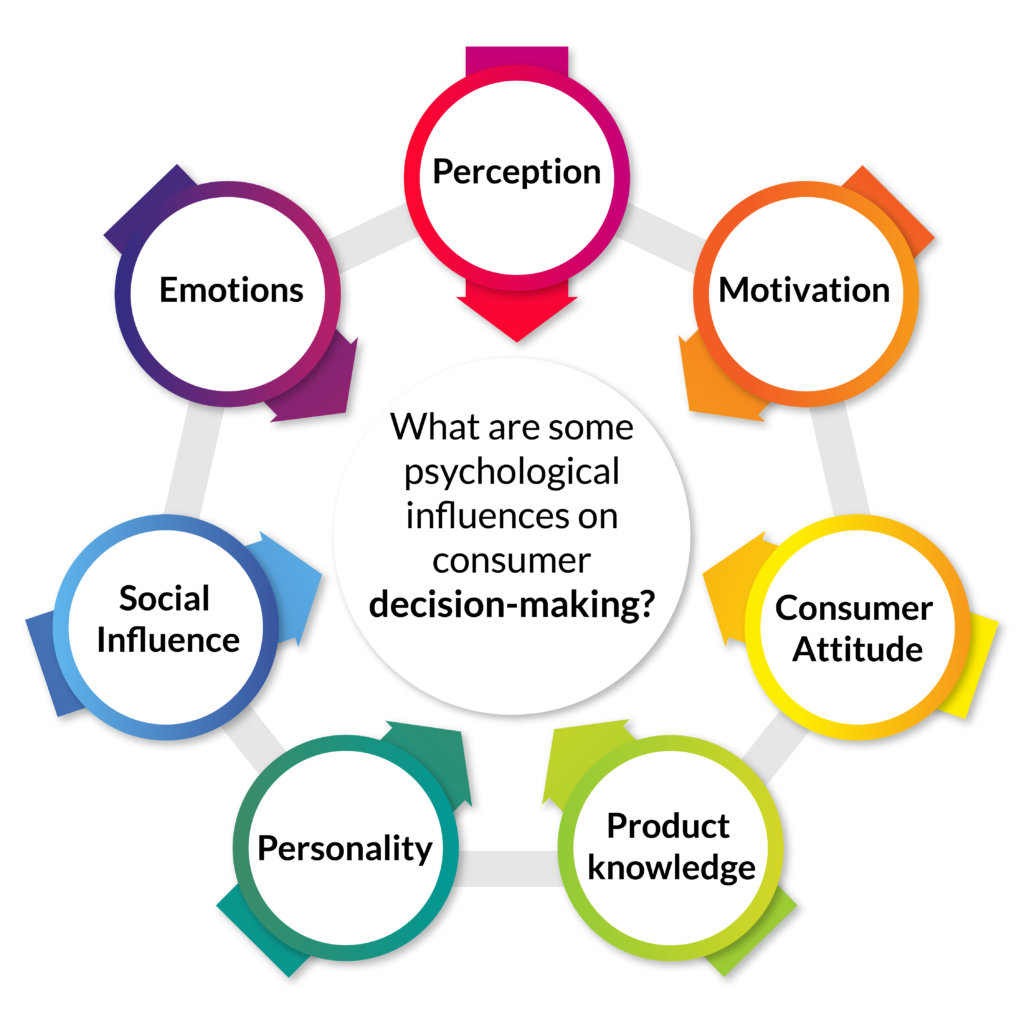
    Consumer Behaviour

    Cognitive Biases

    Cognitive biases are mental shortcuts that our brains take to make quick decisions. These biases can lead us to make irrational purchasing choices.

    Example: You might see a “limited-time offer” and feel a sense of urgency to buy a product, even if you didn’t plan to. This is known as the scarcity bias.

    Takeaway: Businesses can use cognitive biases like scarcity or anchoring (setting a high initial price to make a discount seem more appealing) to influence consumer behavior.

    Consumer Trust

    Trust is a critical factor in consumer behavior. People are more likely to buy from brands they trust. Trust can be built through consistent quality, transparency, and ethical business practices.

    Example: Consider a tech company known for its reliable products and excellent customer service. Consumers are more likely to buy their products because they trust the brand.

    Takeaway: Building and maintaining trust should be a priority for businesses aiming to influence purchasing decisions positively.

    Personalization

    Personalization tailors marketing messages and product recommendations to individual customers.

    Example: Online retailers like Amazon use algorithms to suggest products based on your past purchases and browsing history.

    Takeaway: Businesses can increase sales by offering personalized experiences that cater to individual customer preferences.

    Conclusion

    Understanding the psychology of consumer behavior is essential for businesses looking to influence purchasing decisions effectively. By leveraging principles such as perception, emotions, social influence, cognitive biases, trust, and personalization, companies can connect with their target audience on a deeper level. The key is to create positive experiences that resonate with consumers and make them more likely to choose your product or service over others.

  • Top Content Marketing Case Studies: How Big Brands Achieved Success

    Top Content Marketing Case Studies: How Big Brands Achieved Success

    Content marketing is a powerful tool for brands to connect with their audience, build trust, and drive engagement. While it may seem like creating compelling content is a straightforward task, it takes creativity, strategy, and consistency to succeed. In this blog, we’ll explore some real-life examples of brands that have aced content marketing and examine the strategies behind their success.

    Red Bull: Energizing the Extreme

    Red Bull, the energy drink company, has consistently demonstrated the art of content marketing. They have taken their brand beyond just beverages and have created a lifestyle around extreme sports and adventure. One of their most famous content marketing initiatives is the “Red Bull Stratos” project, where Felix Baumgartner jumped from the edge of space. The event was livestreamed, garnering millions of views and creating buzz worldwide.

    What they did right:

    • They tapped into their target audience’s passion for extreme sports and adventure.
    • They leveraged the power of video content, creating a captivating and shareable experience.
    • They used social media platforms to amplify their reach, turning the event into a global sensation.
    Content Marketing

    Airbnb: Stories of Wanderlust

    Airbnb, a platform for travelers to book unique accommodations, is renowned for its content marketing strategy. They launched “Airbnb Magazine,” a print publication that features inspiring travel stories and stunning photography. The magazine isn’t just about Airbnb listings but aims to inspire wanderlust and a love for travel.

    What they did right:

    • They understood the emotional connection people have with travel and used it to create engaging content.
    • They embraced a medium (print) that stands out in the digital age, providing a tangible and immersive experience.
    • They incorporated user-generated content, making travelers part of the storytelling process.

    GoPro: Turning Customers into Heroes

    GoPro, the action camera company, has mastered the art of turning its customers into brand advocates. They encourage users to share their GoPro-captured adventures and curate these videos on their YouTube channel. By doing so, they’ve created a community of loyal fans who are not just consumers but active content creators.

    What they did right:

    • They tapped into user-generated content, showcasing the incredible capabilities of their product through real-life experiences.
    • They fostered a sense of belonging among their customers, creating a GoPro tribe.
    • They consistently engaged with their audience, running contests and challenges to encourage participation.

    Dove: Real Beauty Campaign

    Dove’s “Real Beauty” campaign has been a game-changer in the world of content marketing. By challenging conventional beauty standards and promoting self-acceptance, Dove created a meaningful and emotional connection with its audience. The campaign included videos, billboards, and social media posts featuring real women, not models.

    What they did right:

    • They addressed a societal issue and advocated for positive change, aligning their brand with a larger purpose.
    • They used real people instead of models, making their content relatable and authentic.
    • They encouraged conversations around self-esteem and beauty, sparking engagement and sharing.

    Blendtec: Will It Blend?

    Blendtec, a blender manufacturer, took a quirky and entertaining approach to content marketing with their “Will It Blend?” series on YouTube. In these videos, they blend unusual items like iPhones and golf balls to demonstrate the power of their blenders. The series went viral, attracting millions of views and boosting brand awareness.

    What they did right:

    • They used humor and shock value to capture viewers’ attention.
    • They showcased their product’s unique selling point in a fun and memorable way.
    • They encouraged audience participation by asking, “Will It Blend?” and sparking curiosity.
    Content Marketing

    Conclusion

    These content marketing success stories showcase that creativity, authenticity, and a deep understanding of your audience are key to nailing content marketing. Whether it’s Red Bull’s thrilling events, Airbnb’s wanderlust-inducing stories, GoPro’s user-generated content community, Dove’s empowering message, or Blendtec’s quirky experiments, these brands have all left a mark by creating content that resonates with their audience. So, take a page from their playbook, and craft content that not only promotes your brand but also creates a meaningful connection with your customers.

    Content Marketing
  • SEO Facts vs Myths: Truth Every Marketer Must Know

    SEO Facts vs Myths: Truth Every Marketer Must Know

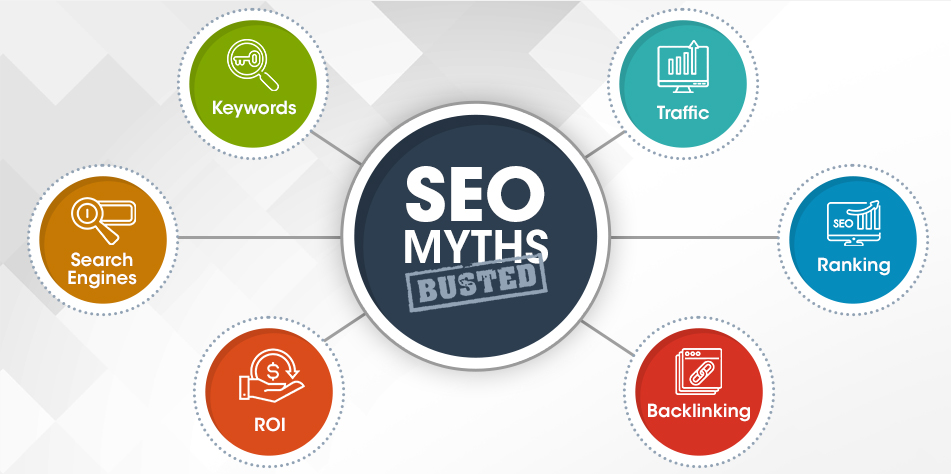
    Search Engine Optimization (SEO) is a critical component of online success, but it’s also an area rife with myths and misconceptions. In this blog, we’ll debunk some of the most common SEO myths using simple language and real-world examples. By the end, you’ll have a clearer understanding of what works and what doesn’t in the world of SEO.

    Discover the truth behind SEO Facts vs Myths and learn what really works to improve your website rankings. This guide breaks down common misconceptions and reveals proven SEO strategies to help you drive more traffic and achieve better results.

    SEO Facts vs Myths

    Myth 1: Keyword Stuffing is Effective

    Debunked: Keyword stuffing, the practice of excessively using keywords in content, was once believed to boost rankings. However, search engines have evolved to penalize this tactic.

    Example: Let’s say you run a pet store and want to rank for “dog toys.” Instead of stuffing your page with “dog toys” repeatedly, focus on creating high-quality content that genuinely helps your audience. A well-written article about the best dog toys with relevant keywords sprinkled naturally will perform better.

    Myth 2: The More Backlinks, the Better

    Debunked: While backlinks (links from other websites to yours) are crucial for SEO, quality matters more than quantity. Having thousands of low-quality links can actually harm your site’s rankings.

    Example: Imagine you have a tech blog, and a reputable tech news website links to your latest article. This single high-quality backlink is far more valuable than dozens of links from obscure, spammy websites.

    Myth 3: SEO is a One-time Effort

    Debunked: SEO is an ongoing process. Search engines constantly update their algorithms, and your competitors are vying for the same top spots. So, maintaining and improving your SEO is crucial.

    Example: Think of SEO like tending to a garden. You don’t just plant the seeds and walk away; you must regularly water, prune, and care for it to keep it thriving.

    SEO Facts vs Myths

    Myth 4: Meta Tags are the Key to Ranking

    Debunked: Meta tags, including meta titles and descriptions, are essential but not a magic bullet. They provide information about your page to search engines and users but aren’t the sole ranking factor.

    Example: Suppose you’re running a bakery. Writing an enticing meta description for your “delicious chocolate cake” page can encourage more clicks, but it won’t guarantee a top ranking if the content isn’t relevant and valuable.

    Myth 5: Content Quantity Trumps Quality

    Debunked: Creating a vast amount of low-quality content won’t help your SEO. Search engines prioritize content that provides value and answers users’ queries effectively.

    Example: If you run a travel blog, one well-researched, comprehensive guide on “10 Must-Visit Destinations in Europe” will likely perform better than 100 short, shallow posts about random travel topics.

    Myth 6: SEO is All About Ranking #1

    Debunked: While ranking first is great, it’s not the only measure of SEO success. The focus should be on driving relevant traffic and conversions, not just reaching the top spot.

    Example: Suppose you’re an online retailer. Ranking #1 for “best winter coats” may bring a lot of traffic, but if your products are summer clothing, it won’t lead to sales. Focus on ranking for keywords aligned with your offerings.

    Myth 7: SEO Guarantees Immediate Results

    Debunked: SEO takes time to show results. Patience is key because search engines need to index and rank your content, and competition varies.

    Example: If you launch a new website and expect it to rank #1 overnight, you’ll likely be disappointed. It may take several months of consistent SEO efforts to see significant improvements.

    Myth 8: Mobile Optimization Doesn’t Matter

    Debunked: Mobile optimization is crucial, especially with the rise of mobile device usage. Google considers mobile-friendliness as a ranking factor, and many users access websites via smartphones.

    Example: If your website isn’t mobile-friendly, users on phones or tablets may have a poor experience, which can lead to high bounce rates and lower rankings.

    SEO Facts vs Myths

    Myth 9: Social Media Doesn’t Impact SEO

    Debunked: While social media doesn’t directly affect rankings, it can indirectly influence SEO. Social signals, like shares and engagement, can increase visibility and drive traffic to your website.

    Example: Sharing your blog posts on social media platforms can expand your reach and potentially lead to other websites linking to your content, a positive SEO signal.

    Myth 10: SEO is Too Complicated for Small Businesses

    Debunked: SEO can be tailored to suit any business size and budget. Even small businesses can see significant improvements by focusing on local SEO myths and creating valuable content.

    Example: A local bakery can optimize for “best cupcakes in [city]” and create blog posts about baking tips, engaging with their local audience without breaking the bank.

    In conclusion, SEO is essential for online visibility, but it’s essential to separate fact from fiction. By understanding these common SEO myths and their debunked truths, you can develop a more effective and realistic SEO strategy that will benefit your website’s rankings and long-term success. Remember, SEO is an ever-evolving field, so staying informed about the latest trends and best practices is crucial for continued success in the digital landscape.

    SEO Facts vs Myths
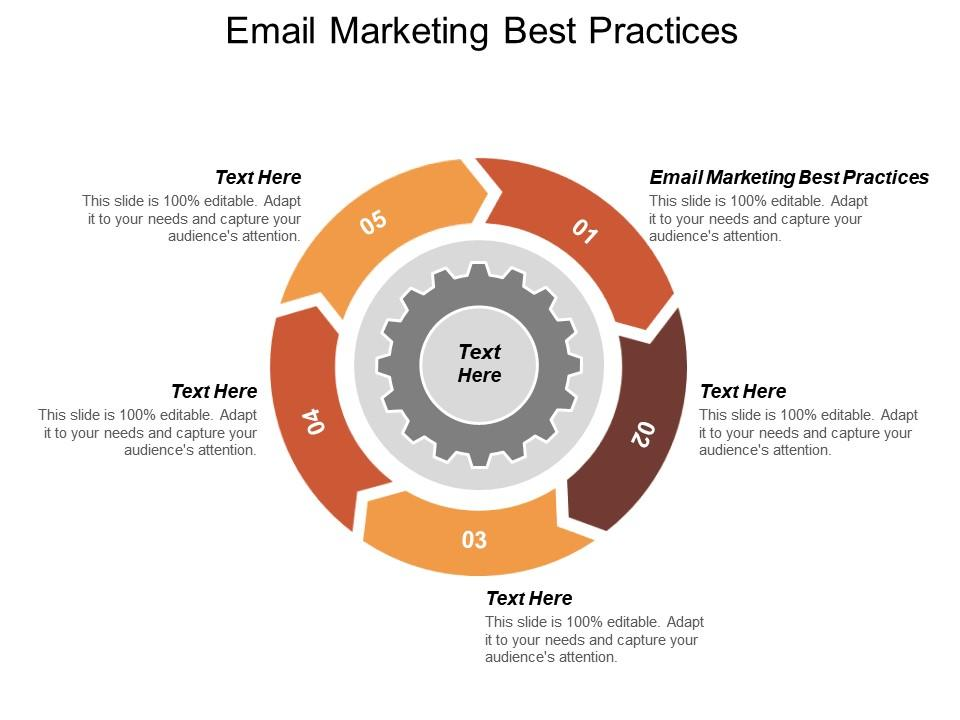
  • Email Marketing Best Practices: Building a High-Converting Email Campaign

    Email Marketing Best Practices: Building a High-Converting Email Campaign

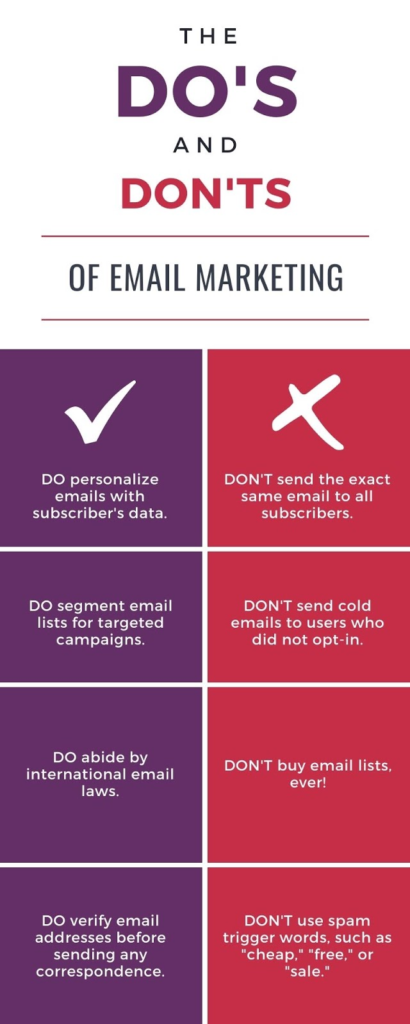
    Email marketing remains one of the most effective digital marketing channels for businesses to reach and engage with their audience. When done right, it can drive high conversion rates and ROI. In this blog, we will explore email marketing best practices in simple language and provide examples to help you create high-converting email campaigns.

    Understand Your Audience

    Before sending any emails, it’s crucial to understand your audience’s preferences, interests, and needs. Collect data and segment your email list to create targeted campaigns. For instance, if you’re a fashion retailer, segment your list based on demographics, purchase history, and preferences.

    Example: If you know that a segment of your subscribers frequently buys women’s shoes, send them personalized emails about new arrivals in the women’s shoe section.

    Craft Attention-Grabbing Subject Lines

    Your email’s subject line is the first thing recipients see, so it must be compelling. Create subject lines that pique curiosity, offer value, or address a pain point.

    Example: “Exclusive 24-Hour Sale: 50% Off Your Favorite Products!” This subject line creates a sense of urgency and highlights a significant discount.

     Email Marketing

    Personalization

    Personalization goes beyond addressing recipients by their first name. Tailor your content and recommendations based on the recipient’s preferences and behavior.

    Example: “Hi [Name], We Noticed You Love Running – Check Out Our Latest Running Shoe Collection!” This email is personalized based on the recipient’s interest in running.

    Create Engaging Content

    The body of your email should be visually appealing and easy to read. Use a responsive design and include compelling images and well-structured text.

    Example: Include high-quality images of your products with concise and persuasive descriptions. Add clear CTA (Call to Action) buttons like “Shop Now” or “Learn More.”

    Mobile Optimization

    Many people check emails on their mobile devices, so ensure your emails are mobile-responsive. Test how your email looks on different devices and email clients.

    Example: Use a single-column layout with larger fonts and buttons for better mobile readability and navigation.

    A/B Testing

    Experiment with different elements of your emails, such as subject lines, email copy, images, and CTAs. A/B testing helps you identify what resonates best with your audience.

    Example: Send two versions of the same email to a small sample of your list, with one variation (e.g., subject line). Analyze which version generates higher open rates or conversions, and use the winning version for your main campaign.

    Build Trust

    Include trust-building elements in your emails, such as clear contact information, an unsubscribe option, and privacy policy links. This fosters trust and complies with email marketing regulations.

    Example: At the bottom of your email, add a link to your privacy policy and a sentence like “You can unsubscribe at any time by clicking here.”

    Timing and Frequency

    Send your emails at the right time to increase open rates. Consider the time zone of your audience and the nature of your content. Also, avoid bombarding subscribers with too many emails.

    Example: If you run a restaurant, sending a lunch special email at 9 AM might be more effective than sending it late in the afternoon when people have already made lunch plans.

    Measure and Analyze

    Track key email marketing metrics such as open rates, click-through rates, conversion rates, and unsubscribe rates. Use these insights to refine your email campaigns continually.

    Example: If you notice a drop in open rates for a specific type of email, like newsletters, consider tweaking the subject line or content to make it more engaging.

    Automation

    Use email marketing automation to send triggered emails based on user actions, such as welcome emails, abandoned cart reminders, or post-purchase follow-ups.

    Example: If a customer abandons their shopping cart, send an automated email reminding them of the items in their cart and offering an incentive to complete the purchase.

    Conclusion

    Email marketing is a powerful tool for building relationships and driving conversions. By understanding your audience, crafting engaging content, and following these best practices, you can create high-converting email campaigns that deliver results. Remember that email marketing is an ongoing process of testing, learning, and optimizing, so stay open to adapting your strategies based on your audience’s response.

    Email Marketing
  • The Power of Visual Storytelling in Marketing: Bringing Your Brand to Life

    The Power of Visual Storytelling in Marketing: Bringing Your Brand to Life

    In today’s digital age, where attention spans are shorter than ever, grabbing and holding your audience’s attention has become a challenging task for marketers. This is where visual storytelling comes into play. Visual storytelling is the art of using images, graphics, videos, and other visual elements to convey a compelling narrative that resonates with your target audience. In this blog, we’ll explore the immense power of visual storytelling in marketing, and we’ll back it up with some real-life examples to illustrate its effectiveness.

    1. A Picture is Worth a Thousand Words

    Visual content is processed faster by the human brain than text. When you combine visuals with a well-crafted story, you create a powerful tool for engaging your audience. Take National Geographic, for instance. They are experts at visual storytelling, using stunning photographs to tell stories about wildlife, cultures, and landscapes. These visuals draw viewers into their narratives, making them feel like they are part of the adventure.

    2. Emotionally Connect with Your Audience

    Visual storytelling is an effective way to evoke emotions in your audience. Emotions drive decisions, and when you connect with your audience on an emotional level, they are more likely to remember your brand. Dove’s “Real Beauty” campaign is an excellent example. They used real women instead of models in their advertisements, empowering women to feel beautiful just as they are. This emotional connection boosted Dove’s brand image and increased customer loyalty.

    3. Simplify Complex Information

    Visuals are excellent for simplifying complex information. Take infographics, for instance. They combine text and graphics to make data and statistics more digestible. Companies like Google often use infographics to explain their products and services in a visually appealing and easy-to-understand manner.

    4. Create Shareable Content

    Visual storytelling also makes your content more shareable. When people come across a visually engaging story, they are more likely to share it on social media, extending your brand’s reach. An excellent example of this is the ALS Ice Bucket Challenge. People all over the world shared videos of themselves dumping ice water on their heads to raise awareness for ALS. This viral campaign used visual storytelling to connect people to the cause, and it raised millions of dollars for ALS research.

    5. Build Brand Identity

    Your brand is not just a logo or a tagline; it’s a story. Visual storytelling helps you shape and communicate that story. Take Coca-Cola, for example. Their iconic holiday commercials featuring the Coca-Cola truck and the polar bears have become a part of their brand’s story. These visuals are instantly recognizable and evoke a sense of nostalgia, reinforcing Coca-Cola’s brand identity.

    6. Drive Engagement and Conversion

    Visual storytelling can significantly boost user engagement and conversion rates. Videos, in particular, have become a staple in online marketing. Think about how successful YouTube channels like Tasty have become by visually showcasing simple cooking recipes. By showing the step-by-step process with mouthwatering visuals, they engage their audience and drive people to try the recipes.

    7. Stand Out in a Crowded Market

    With the sheer volume of content available online, it’s essential to stand out. Visual storytelling helps you do just that. Airbnb’s Instagram account is a great example. They feature stunning photos of unique accommodations worldwide, capturing the essence of travel and adventure. These visuals set them apart from the competition and draw people to their platform.

    In conclusion, the power of visual storytelling in marketing cannot be overstated. It helps you grab attention, connect emotionally, simplify complex information, create shareable content, build brand identity, drive engagement, and stand out in a crowded market. So, whether you’re a small business or a global brand, harness the power of visual storytelling to bring your brand to life and connect with your audience in a memorable way. Remember, a picture is worth a thousand words, and a well-told visual story can leave a lasting impression on your customers.

    https://kamleshsingad.com/building-your-first-android-app-a-step-by-step-tutorial/

    Read More –

    The Art of Crafting Irresistible Clickbait: Dos and Don’ts – https://kamleshsingad.com/agency/the-art-of-crafting-irresistible-clickbait-dos-and-donts/

    How to Create Viral Content: A Step-by-Step Guide – https://kamleshsingad.com/agency/how-to-create-viral-content-a-step-by-step-guide/

    Influencer Marketing Secrets: How to Partner with Influencers for Maximum Impact – https://kamleshsingad.com/agency/how-to-partner-with-influencers-for-maximum-impact/

  • Influencer Marketing Secrets: How to Partner with Influencers for Maximum Impact

    Influencer Marketing Secrets: How to Partner with Influencers for Maximum Impact

    In the ever-evolving landscape of digital marketing, influencer marketing has emerged as a powerful strategy to reach and engage target audiences. Partnering with influencers can be a game-changer for your brand, but it’s essential to understand the secrets behind a successful influencer marketing campaign. In this blog, we’ll delve into the world of influencer marketing, How to Partner with Influencers for Maximum Impact and reveal some key secrets to help you achieve maximum impact, with simple language and real-world examples.

    What Is Influencer Marketing?

    Influencer marketing is a form of collaboration between a brand and a social media influencer who has a dedicated and engaged following. The influencer promotes the brand’s products or services to their audience, leveraging their credibility and trust to drive sales, increase brand awareness, or achieve other marketing goals.

    Secret 1: Choose the Right Influencer

    The success of your influencer marketing campaign begins with selecting the right influencer. It’s not just about the number of followers but also about relevance and authenticity. You should consider the following:

    • Niche Alignment: Look for influencers whose niche aligns with your brand. For instance, if you sell fitness products, partnering with a fitness influencer makes more sense than a food blogger.
    • Audience Demographics: Analyze the influencer’s audience demographics to ensure they match your target audience. If you’re targeting young professionals, partnering with a teen-focused influencer might not be effective.

    Example: Let’s say you run a sustainable fashion brand. Partnering with an eco-conscious fashion influencer like Emma Watson, who has a passion for sustainability, would be an ideal choice.

    Secret 2: Authenticity is Key

    Authenticity is the cornerstone of influencer marketing. The influencer’s endorsement should feel genuine, not forced. Audiences can spot inauthenticity from a mile away, and it can damage your brand’s reputation.

    • Content Alignment: Allow influencers creative freedom. Their content should reflect their style and voice while showcasing your product naturally.

    Example: Consider Daniel Wellington, a watch brand that allows influencers to showcase their watches in various settings, letting the influencers integrate the product into their daily lives.

    Secret 3: Set Clear Goals and Expectations

    Before starting any influencer partnership, define your goals and expectations. Whether it’s driving website traffic, increasing sales, or boosting brand awareness, having clear objectives will guide your campaign.

    • Measurable KPIs: Establish key performance indicators (KPIs) to track the campaign’s success. For instance, if your goal is brand awareness, track metrics like impressions and reach.

    Example: Glossier, a beauty brand, collaborated with beauty influencers to generate buzz around their new product launch. Their goal was to create excitement and anticipation, measured through pre-launch engagement metrics and post-launch sales.

    Secret 4: Build Strong Relationships

    Long-term relationships with influencers can be more fruitful than one-off partnerships. Invest time in building trust and rapport with influencers. Remember, influencers have their brand to protect too.

    • Mutual Respect: Treat influencers as partners, not just tools for promotion. Respect their opinions and ideas, and compensate them fairly.

    Example: Coca-Cola has maintained a long-term partnership with Selena Gomez. By doing so, they’ve not only promoted their products but also built a lasting brand association with the pop star.

    Secret 5: Compliance and Transparency

    Influencer marketing is subject to regulations and guidelines. Ensure that influencers disclose their partnerships with your brand clearly. Compliance and transparency build trust with consumers.

    • FTC Guidelines: Familiarize yourself and your influencers with the Federal Trade Commission (FTC) guidelines on influencer marketing.

    Example: In 2017, Kim Kardashian faced backlash for not clearly labeling a sponsored Instagram post. Since then, she has been diligent about including #ad in her sponsored content, ensuring transparency.

    Secret 6: Measure and Optimize

    Once your campaign is live, regularly analyze the performance data. Use the insights to refine your strategy for future campaigns.

    • Analytics Tools: Utilize analytics tools provided by social media platforms to track engagement, conversions, and ROI.

    Example: Airbnb continually analyzes the success of their influencer partnerships by measuring bookings generated through influencer referrals. This data informs their future collaborations.

    In Conclusion

    Influencer marketing, when executed strategically, can yield significant results for your brand. By choosing the right influencer, prioritizing authenticity, setting clear goals, building relationships, ensuring compliance, and measuring success, you can unlock the full potential of influencer partnerships. Remember, each campaign is unique, and learning from both successes and failures is essential for continued growth in this dynamic marketing landscape.

    Read More –

    10 Proven Strategies for Explosive Social Media Growth – https://kamleshsingad.com/agency/10-proven-strategies-for-explosive-social-media-growth/

    The Art of Crafting Irresistible Clickbait: Dos and Don’ts – https://kamleshsingad.com/agency/the-art-of-crafting-irresistible-clickbait-dos-and-donts/

    How to Create Viral Content: A Step-by-Step Guide – https://kamleshsingad.com/agency/how-to-create-viral-content-a-step-by-step-guide/

  • The Art of Crafting Irresistible Clickbait: Dos and Don’ts

    The Art of Crafting Irresistible Clickbait: Dos and Don’ts

    Clickbait. We’ve all fallen for it at some point. Those tantalizing headlines and eye-catching thumbnails that lure us into clicking on an article or video. But what exactly is clickbait, and how can you craft it effectively without resorting to deceptive tactics? In this blog, we’ll explore the Art of Crafting Irresistible Clickbait, with a focus on dos and don’ts, using simple language and real-life examples.

    Understanding Clickbait

    Clickbait is content that is designed to grab your attention and entice you to click on it. It’s like the tantalizing aroma of your favorite food wafting through the air, making you hungry and eager to taste it. However, just like not all delicious-looking dishes are as satisfying as they seem, not all clickbait delivers what it promises.

    Dos

    1. Create Curiosity: One of the main tactics in crafting clickbait is sparking curiosity. Pose a question or make a statement that makes people wonder and want to know more. For instance:
    • Do You Know the Secret to a Long and Happy Life? This headline plays on people’s natural curiosity about longevity and happiness.
    1. Use Powerful Imagery: Visuals play a crucial role in clickbait. High-quality and relevant images or thumbnails can significantly increase the appeal of your content. Here’s an example:
    • Imagine an article about a spectacular meteor shower with a thumbnail showcasing a vivid night sky filled with shooting stars.
    1. Emphasize Benefits: People click on content because they believe it will benefit them in some way. Highlight the advantages or takeaways they can expect from consuming your content. For instance:
    • Discover 10 Life Hacks to Supercharge Your Productivity Here, the potential benefit is becoming more productive.
    1. Create Urgency: Encourage immediate action by implying that time is running out. This can be done through phrases like:
    • Limited Time Offer: Get 50% Off Your Dream Vacation The urgency suggests that if you don’t act quickly, you’ll miss out on a great deal.

    Don’ts

    1. Deception: The cardinal sin of clickbait is deceiving your audience. If your content doesn’t deliver what your headline promises, you’ll lose trust and credibility. Example:
    • Shocking Alien Encounter Caught on Tape! (When the video has no such encounter) This not only disappoints viewers but also damages your reputation.
    1. Overhype: While it’s okay to create excitement, avoid exaggerated claims that can’t be substantiated. People may click once, but they won’t trust your content in the future. Example:
    • The Most Mind-Blowing Discovery in Human History! (When it’s just a minor scientific breakthrough) Hyperbole can backfire.
    1. Misleading Thumbnails: Ensure that your thumbnail accurately represents the content. A misleading image can irritate viewers and lead to negative feedback. For example:
    • Using an image of a famous celebrity in a video that’s unrelated to them.
    1. Spammy Tactics: Avoid tactics like using excessive capitalization, multiple exclamation marks, or irrelevant keywords in your headlines. They make your content appear spammy and untrustworthy.

    The Balance Between Clickbait and Quality Content

    While crafting irresistible clickbait can boost your initial engagement, remember that the ultimate goal is to provide valuable, high-quality content. Clickbait may get people through the door, but it’s the substance of your content that will keep them coming back for more.

    Here are some final tips to strike that balance:

    • Deliver on Your Promise: If your clickbait promises a secret, a solution, or a revelation, make sure your content provides it.
    • Maintain Transparency: Be honest about what your content contains. Transparency builds trust, which is essential for long-term success.
    • Test and Refine: Experiment with different clickbait techniques, and analyze which ones work best for your audience. Continuously refine your approach based on data and feedback.

    In conclusion, The Art of Crafting Irresistible Clickbait, when used responsibly, can be a powerful tool for grabbing your audience’s attention. However, it should never come at the expense of honesty and quality. Craft your clickbait carefully, and you’ll be able to entice and engage your audience while building a reputation as a trustworthy content creator.

    Read More –

    15 Best WordPress Themes for Blogs in 2023 – https://kamleshsingad.com/agency/15-best-wordpress-themes-for-blogs-in-2023/

    The Future of Digital Marketing: Trends to Watch in 2023 – https://kamleshsingad.com/agency/the-future-of-digital-marketing-trends-to-watch-in-2023/

    10 Proven Strategies for Explosive Social Media Growth – https://kamleshsingad.com/agency/10-proven-strategies-for-explosive-social-media-growth/

  • 10 Proven Strategies for Explosive Social Media Growth

    10 Proven Strategies for Explosive Social Media Growth

    Introduction

    In today’s digital age, social media has become a powerful tool for individuals and businesses alike to connect with their audience, build brand awareness, and drive engagement. Whether you’re an aspiring influencer, a small business owner, or a marketer, achieving explosive growth on social media can be a game-changer. In this blog, we’ll explore ten proven strategies that can help you unlock the potential for massive social media growth, all explained in simple language with real-world examples.

    Define Your Goals and Audience

    Before diving into any social media strategy, it’s essential to define your goals and target audience. Knowing what you want to achieve and who you want to reach will guide your efforts. For instance, if you’re running a fitness blog, your goal might be to increase engagement with fitness enthusiasts. Your audience could include people interested in weight loss, muscle gain, or healthy eating.

    Example: Kayla Itsines, a fitness influencer, clearly defines her audience as women interested in fitness and wellness. Her goal is to inspire and motivate them to lead a healthy lifestyle.

    Create High-Quality Content

    Compelling content is the heart of any successful social media strategy. Your content should be visually appealing, informative, and relevant to your audience. Use a mix of text, images, videos, and infographics to keep your content fresh and engaging.

    Example: National Geographic’s Instagram account is a prime example of high-quality content. They share stunning photos and videos of wildlife and nature, captivating their audience.

    Consistency is Key

    Consistency in posting is vital to keep your audience engaged and informed. Develop a content calendar to plan your posts in advance, and stick to a regular posting schedule. This consistency helps build trust with your followers.

    Example: Starbucks maintains a consistent posting schedule on Instagram, with frequent updates about new products, promotions, and behind-the-scenes glimpses. This keeps their followers engaged.

    Engage with Your Audience

    Social media is a two-way street. Respond to comments, messages, and mentions promptly. Engaging with your audience not only builds a sense of community but also boosts your algorithm ranking, making your content more visible.

    Example: Wendy’s Twitter account gained fame for its witty responses to customer comments and competitors. Their engagement with their audience has led to increased brand visibility and a loyal following.

    Use Hashtags Strategically

    Hashtags can expand your content’s reach by making it discoverable by a wider audience. Research and use relevant hashtags that align with your content and industry. Avoid overloading your posts with hashtags, as this can appear spammy.

    Example: The beauty brand Sephora often uses popular beauty-related hashtags like #MakeupMonday and #SkincareSunday to increase the visibility of their Instagram posts.

    Collaborate with Influencers

    Partnering with influencers in your niche can give your social media growth a significant boost. Influencers already have a dedicated following, and their endorsement can introduce your brand or content to a larger audience.

    Example: Daniel Wellington, a watch brand, collaborated with various fashion influencers to showcase their products. This strategy helped them gain widespread recognition and a substantial increase in followers.

    Run Contests and Giveaways

    Contests and giveaways are an effective way to generate excitement and engagement among your followers. Encourage users to participate by liking, sharing, or tagging friends in your posts. Ensure that the prizes are relevant to your target audience.

    Example: GoPro often runs user-generated content contests, encouraging its customers to share their adventures captured with GoPro cameras. This strategy not only boosts engagement but also provides them with user-generated content for marketing.

    Analytics and Optimization

    Regularly analyze your social media performance using built-in analytics tools or third-party apps. Pay attention to metrics like engagement rates, follower growth, and post reach. Use this data to refine your strategy and focus on what works best.

    Example: Buffer, a social media management platform, offers detailed analytics that help users track the performance of their social media posts. This data helps businesses optimize their content strategy.

    Paid Advertising

    While organic growth is valuable, consider investing in paid advertising to reach a broader audience. Social media platforms offer various advertising options, such as sponsored posts and targeted ads. Allocate a budget and experiment with different ad formats to see what yields the best results.

    Example: Airbnb uses paid advertising on Facebook and Instagram to showcase unique and beautiful properties to potential travelers. This approach helps them reach a global audience.

    Stay Updated with Trends

    Social media is constantly evolving, with new trends and features emerging regularly. Stay informed about platform updates, algorithm changes, and industry trends. Adapt your strategy to take advantage of these developments.

    Example: TikTok, a relatively new platform, quickly gained popularity due to its short-form video format. Many businesses, such as Ocean Spray, jumped on the TikTok trend to increase brand visibility.

    Conclusion

    Achieving explosive social media growth requires a well-thought-out strategy, dedication, and a willingness to adapt. By defining your goals, creating high-quality content, engaging with your audience, and utilizing these ten proven strategies, you can unlock the full potential of social media to propel your brand or personal profile to new heights. Remember that success may not happen overnight, but with patience and persistence, you can achieve remarkable growth in the digital realm.

    Read More –

    Digital Marketing on a Budget: Kamlesh Singad Agency – Your Best Choice in Indore – https://kamleshsingad.com/agency/digital-marketing-on-a-budget-kamlesh-singad-agency-in-indore/

    15 Best WordPress Themes for Blogs in 2023 – https://kamleshsingad.com/agency/15-best-wordpress-themes-for-blogs-in-2023/

    The Future of Digital Marketing: Trends to Watch in 2023 – https://kamleshsingad.com/agency/the-future-of-digital-marketing-trends-to-watch-in-2023/

  • The Future of Digital Marketing: Trends to Watch in 2023

    The Future of Digital Marketing: Trends to Watch in 2023

    Introduction

    Digital marketing is a dynamic field that is constantly evolving. With advancements in technology and shifts in consumer behavior, staying ahead of the curve is crucial for businesses looking to succeed in the digital landscape. In 2023, several exciting trends are set to reshape the digital marketing landscape. In this blog, we’ll explore these trends in simple language, using real-world examples to help you understand how they can impact your marketing strategies.

    Video Marketing Dominance

    Video marketing is not a new concept, but its importance continues to grow. In 2023, it’s expected to become the dominant form of content. Why? Because people love watching videos!

    Example: TikTok, a short-form video platform, gained immense popularity by allowing users to create and share engaging videos. Businesses are also hopping on the bandwagon, creating TikTok campaigns to reach a younger audience.

    How to leverage this trend: Consider incorporating video content into your marketing strategy. You can create product demos, explainer videos, or behind-the-scenes looks to engage your audience.

    Augmented Reality (AR) and Virtual Reality (VR)

    AR and VR technologies are becoming more accessible and affordable. They offer immersive experiences that can significantly enhance marketing efforts.

    Example: Imagine trying on clothes virtually before making a purchase. Brands like IKEA already use AR to let customers visualize how furniture would look in their homes.

    How to leverage this trend: Explore how AR or VR can be used to enhance your products or services. For instance, if you sell cosmetics, consider developing an AR app that allows customers to try on makeup virtually.

    Voice Search Optimization

    Voice assistants like Siri, Google Assistant, and Alexa are increasingly popular. People are using voice search not only for basic queries but also for online shopping.

    Example: “Hey Siri, find me the nearest pizza place.” If your local pizzeria has optimized its online presence for voice search, it’s more likely to appear in search results.

    How to leverage this trend: Optimize your website content for voice search by using natural language and long-tail keywords. Ensure your business information is accurate and up-to-date on platforms like Google My Business.

    AI-Powered Personalization

    Artificial intelligence (AI) is transforming how businesses interact with their customers. AI can analyze data to understand individual preferences and deliver personalized content and recommendations.

    Example: Netflix uses AI to suggest movies and TV shows based on your viewing history. Amazon does the same with product recommendations.

    How to leverage this trend: Implement AI-powered personalization in your email marketing, product recommendations, and content suggestions. Tailoring your content to each customer can significantly boost engagement and conversions.

    Social Commerce

    Social media platforms are no longer just for sharing updates and photos. They’ve become online marketplaces where users can shop directly.

    Example: Instagram Shopping allows businesses to create shoppable posts. Users can tap on a product they like in a post and purchase it without leaving the app.

    How to leverage this trend: If you’re not already doing so, explore selling your products directly on social media platforms like Facebook, Instagram, and Pinterest. Make use of features like shoppable posts and in-app checkout.

    Data Privacy and Transparency

    With growing concerns about data privacy, consumers are becoming more cautious about sharing their information. Brands that prioritize data privacy and transparency will gain trust.

    Example: Apple’s iOS 14 update introduced App Tracking Transparency, which requires apps to ask for user permission before tracking their data for advertising purposes.

    How to leverage this trend: Be transparent about how you collect and use customer data. Make sure your data handling practices comply with regulations like GDPR and CCPA.

    Conclusion

    In 2023, digital marketing will continue to evolve as new technologies and consumer behaviors emerge. To stay competitive, businesses need to adapt to these trends. Whether it’s through video marketing, AR and VR experiences, voice search optimization, AI-powered personalization, social commerce, or a commitment to data privacy, embracing these trends can help you connect with your audience and drive success in the digital landscape. Stay curious and open to change, and you’ll be well-prepared for the future of digital marketing.

    Read More –

    Mastering SEO: Top 50 Quiz Questions and Answers – https://kamleshsingad.com/agency/mastering-seo-top-50-quiz-questions-and-answers/

    Digital Marketing on a Budget: Kamlesh Singad Agency – Your Best Choice in Indore – https://kamleshsingad.com/agency/digital-marketing-on-a-budget-kamlesh-singad-agency-in-indore/

    15 Best WordPress Themes for Blogs in 2023 – https://kamleshsingad.com/agency/15-best-wordpress-themes-for-blogs-in-2023/