Category: Blog

  • Content Marketing Trends 2026: What’s Working Right Now for Traffic & Leads

    Content Marketing Trends 2026: What’s Working Right Now for Traffic & Leads


    Discover the latest content marketing trends in 2026 that are driving traffic, leads, and real business growth. Learn what’s working now and how to stay ahead of your competitors.

    Content marketing is like the magic potion that helps businesses connect with their target audience, build trust, and grow their brand. In this guide, we’ll uncover the top content marketing trends that are shaping the digital landscape. Think of content marketing as telling a story that people love to read, watch, and share!

    • Video Storytelling:

    Imagine your favourite bedtime story coming to life on screen. That’s what video storytelling is all about! It’s using videos to share your brand’s story, products, or services.

    Example: A fitness brand creating short workout videos featuring real people achieving their fitness goals.

    • Interactive Content:

    Have you ever played a quiz that tells you which superhero you are? That’s interactive content! It engages users and makes them a part of the experience.

    Example: A skincare brand offering an interactive quiz to help users find their personalized skincare routine.

    • User-Generated Content:

    Remember that time you shared a pic of your yummy meal? Brands love when you do that! User-generated content is when regular folks create content about a brand.

    Example: A clothing brand reposting customer photos wearing their latest fashion collection.

    • Voice Search Optimization:

    Talking to your phone or virtual assistant is cool, right? Voice search optimization makes sure your content is easily found when people talk to their devices.

    Example: A recipe blog optimizing for voice search so people can easily find cooking instructions.

    • Long-Form Value:

    Ever read an in-depth blog post that felt like a mini-course? That’s long-form value! It’s about creating comprehensive content that educates and entertains.

    Example: A finance company publishing a detailed guide on managing personal finances.

    • Social Consciousness:

    Brands with a heart? Absolutely! Social consciousness involves supporting causes and sharing values to connect with socially aware audiences.

    Example: An eco-friendly brand promoting sustainable practices and supporting environmental campaigns.

    • Augmented Reality (AR) Content:

    Ever tried on virtual sunglasses before buying them online? AR content enhances real-world experiences using your smartphone or computer.

    Example: A furniture store allowing customers to visualize how a new sofa would look in their living room through an AR app.

    • Podcasts and Audio Content: Listening to stories while driving or jogging? Podcasts and audio content offer on-the-go entertainment and knowledge-sharing.

    Example: A marketing agency hosting a podcast series featuring industry experts discussing the latest trends.

    Content Marketing Trends

    Latest Trend:

    AI-Powered Personalization

    AI-Powered Personalization is the newest kid on the content marketing block. It’s like having a super-smart assistant that helps tailor content to match each individual’s preferences and needs. Imagine a virtual genie that knows exactly what you want and serves it up on a silver platter. AI analyzes user behavior, interests, and demographics to deliver content that feels like it was made just for them.

    Example: Let’s say you’re shopping online for shoes. The website uses AI to recommend shoes based on your past purchases, style preferences, and even the weather in your area. It feels like the website understands your taste and helps you find the perfect pair.

    Ongoing Trend: Storytelling

    Storytelling is the timeless heart of content marketing. It’s like sharing a captivating bedtime story that keeps your audience hooked and coming back for more. Through stories, brands create emotional connections, making their products or services more relatable and memorable.

    Example: A beverage company doesn’t just talk about their drink’s ingredients. They tell the story of how those ingredients are sourced from exotic places, woven together by generations-old recipes, and brought to your table to quench your thirst and spark your curiosity.

    In a nutshell, while AI-Powered Personalization is the fresh face making content more tailored than ever, Storytelling remains the evergreen technique that makes your content resonate with your audience’s hearts and minds. Both trends have their unique strengths and are vital ingredients in the recipe for successful content marketing.

    Here’s a list of “Do’s” and “Don’ts” for navigating content marketing trends effectively:

    Do’s:

    1. Stay Updated: Keep your finger on the pulse of the latest trends in content marketing. Follow industry blogs, attend webinars, and engage with thought leaders to stay informed.
    2. Understand Your Audience: Know your target audience inside out. Research their preferences, pain points, and behaviors to create content that resonates with them.
    3. Experiment: Don’t be afraid to try new content formats, platforms, and strategies. Experimentation can lead to discovering what works best for your brand.
    4. Quality Over Quantity: Focus on creating high-quality content that provides real value to your audience. Quality content generates more engagement and trust.
    5. Consistency: Establish a consistent posting schedule. Regularly publishing content helps keep your audience engaged and builds anticipation.
    6. Embrace Visuals: Visual content, such as images, videos, and infographics, can capture attention and convey information more effectively than text alone.
    7. SEO Optimization: Implement solid SEO practices to ensure your content is discoverable by search engines and reaches a wider audience.
    8. Engage with Your Audience: Respond to comments, messages, and feedback. Engaging with your audience builds a sense of community and loyalty.
    9. Collaborate: Partner with influencers, other brands, or content creators to expand your reach and tap into new audiences.

    Don’ts:

    1. Don’t Follow Trends Blindly: Not every trend will align with your brand or audience. Evaluate trends carefully before incorporating them into your strategy.
    2. Don’t Sacrifice Quality for Quantity: Pumping out a high volume of low-quality content can harm your brand’s reputation. Always prioritize quality.
    3. Avoid Over-Promotion: Content marketing isn’t just about selling; it’s about building relationships. Avoid being overly promotional in your content.
    4. Don’t Neglect Analytics: Regularly analyze your content’s performance using metrics like engagement, shares, and conversions. Adjust your strategy based on data.
    5. Avoid Ignoring Feedback: Negative feedback can be an opportunity for growth. Address criticism constructively and make improvements where necessary.
    6. Don’t Overlook Mobile Optimization: With the rise of mobile usage, ensure your content is optimized for various devices and screen sizes.
    7. Avoid Being Inauthentic: Authenticity builds trust. Don’t jump on a trend or adopt a tone that doesn’t align with your brand’s values and personality.
    8. Don’t Underestimate Storytelling: Even amid trends, remember the timeless power of storytelling to connect emotionally with your audience.

    By adhering to these “Do’s” and avoiding the corresponding “Don’ts,” you can navigate content marketing trends effectively and create a strong, engaging, and successful content strategy.

    Various aspects of the field of content marketing, including skills, career opportunities, job roles, salary potential, and scope:

    Skills:

    1. Writing Skills: Strong writing skills are essential for creating compelling and engaging content that captures the audience’s attention and delivers the intended message effectively.
    2. Creativity: Content marketers need to come up with fresh and innovative ideas to stand out in a crowded digital landscape.
    3. SEO Knowledge: Understanding search engine optimization (SEO) techniques is crucial for ensuring your content ranks well in search engine results and gets discovered by your target audience.
    4. Data Analysis: Proficiency in analyzing data and metrics helps you measure the effectiveness of your content and make data-driven decisions to optimize your strategy.
    5. Social Media Savvy: Familiarity with various social media platforms and trends is important for promoting and distributing your content effectively.
    6. Visual Content Creation: Basic graphic design skills or knowledge of tools for creating visual content like images and infographics can enhance your content’s impact.

    Career Opportunities:

    1. Content Writer: Create written content for websites, blogs, social media, and other digital platforms.
    2. Content Strategist: Develop content strategies, plan editorial calendars, and ensure content aligns with overall marketing goals.
    3. Social Media Manager: Focus on creating and managing content for social media platforms to engage with the audience and drive brand awareness.
    4. SEO Specialist: Optimize content for search engines to improve its visibility and ranking.
    5. Copywriter: Craft persuasive and concise copy for advertisements, email campaigns, and other promotional materials.
    6. Editorial Manager: Oversee the creation and publication of content, ensuring it meets quality standards and brand guidelines.
    7. Influencer Relations Manager: Collaborate with influencers to create and promote content that resonates with your target audience.

    Content Marketing Trends

    Job Roles:

    1. Junior Content Writer/Creator
    2. Content Marketing Specialist
    3. Content Strategist
    4. Content Manager/Director
    5. Social Media Content Manager
    6. SEO Content Writer/Strategist
    7. Editor-in-Chief
    8. Digital Marketing Manager

    Salary Potential:

    Salaries can vary widely based on factors such as experience, location, industry, and job role. Here’s a general overview:

    • Junior Content Writer: $30,000 – $50,000
    • Content Marketing Specialist: $40,000 – $70,000
    • Content Strategist: $50,000 – $90,000
    • Content Manager/Director: $60,000 – $120,000+
    • Social Media Content Manager: $45,000 – $80,000
    • SEO Content Writer/Strategist: $40,000 – $80,000
    • Digital Marketing Manager: $60,000 – $120,000+

    Scope:

    The scope is vast and continuously expanding. As long as businesses and brands exist, the need for effective content marketing will remain. With the rise of digital platforms and the increasing importance of online presence, content marketing professionals are in high demand. The field offers opportunities in various industries, from e-commerce and technology to healthcare and entertainment.

    It is an ever-evolving landscape, and staying updated with trends and new technologies will be essential for professionals to remain relevant and successful in their careers. As businesses increasingly recognize the importance of connecting with their audiences through valuable content, the scope for content marketers is likely to continue growing.

    Becoming an expert in the field takes time, dedication, and a combination of learning, hands-on experience, and continuous improvement.

    Here’s a step-by-step guide to help you on your journey to becoming a content marketing expert:

    • Educational Foundation:

    Start by gaining a solid understanding of the fundamentals of marketing, digital marketing, and content creation. Online courses, textbooks, and educational platforms can provide you with a strong foundation.

    • Deepen Your Content Knowledge:

    Study various types of content, such as blog posts, videos, infographics, podcasts, and social media content. Learn how to create, optimize, and distribute each type effectively.

    • Stay Updated with Trends:

    Content marketing is constantly evolving. Stay informed about the latest trends, tools, and technologies through industry blogs, webinars, podcasts, and conferences.

    • Develop Writing Skills:

    Content marketing heavily relies on writing. Improve your writing skills by practicing regularly, seeking feedback, and studying copywriting techniques.

    • Learn SEO Principles:

    Understand the basics of search engine optimization (SEO) to ensure your content ranks well on search engines and reaches your target audience.

    • Explore Visual Content Creation:

    Familiarize yourself with basic graphic design tools and techniques to create visually appealing content like images and infographics.

    • Practice Content Creation:

    Start creating your own content. This could be a personal blog, social media posts, or even guest posts on established websites. Practice different formats and styles.

    • Analyze Data and Metrics:

    Learn how to use analytics tools to track the performance of your content. Analyzing data will help you understand what’s working and what needs improvement.

    • Experiment and Iterate:

    Don’t be afraid to try new strategies and experiment with different approaches. Learn from your successes and failures, and refine your strategies accordingly.

    • Networking and Collaboration:

    Connect with other content marketing professionals, attend industry events, and engage in online communities. Collaborate on projects to gain diverse perspectives.

    • Build an Online Presence:

    Create a strong online presence by consistently sharing valuable content on your social media profiles, personal blog, or website. Showcase your expertise to attract opportunities.

    • Continuous Learning:

    Content marketing is a dynamic field. Stay curious and keep learning. Consider pursuing advanced courses, certifications, and workshops to enhance your skills.

    • Mentorship and Guidance:

    Seek mentorship from experienced content marketers. Their insights and guidance can accelerate your learning and growth.

    • Lead by Example:

    As you become more skilled, use your expertise to mentor and guide others. Sharing your knowledge can solidify your own understanding and reputation.

    Becoming an expert in is a journey that requires dedication, ongoing learning, and a genuine passion for creating valuable and impactful content. Remember that expertise is built over time, and your commitment to continuous improvement will set you apart in the field.

    Content Marketing Trends

    Here are some popular online courses and resources that cover content marketing trends and strategies:

    • HubSpot Academy Content Marketing Certification:

    HubSpot offers a comprehensive certification that covers content marketing strategy, creation, promotion, and measurement. It’s a great starting point for beginners.

    • Coursera – The Strategy of Content Marketing:

    This course, offered by the University of California, Davis, on Coursera, explores content marketing strategy, audience targeting, and distribution across various digital channels.

    • Udemy – Content Marketing Masterclass:

    This Udemy course covers content creation, SEO, social media, email marketing, and more. It provides a well-rounded understanding of marketing techniques.

    • Copyblogger’s Content Marketing Certification:

    Copy blogger offers a free content marketing certification program that focuses on writing compelling content, building an audience, and driving traffic.

    • LinkedIn Learning – Content Marketing Foundations:

    This course covers the basics of content marketing, including strategy, SEO, and social media. It’s suitable for beginners looking to build a strong foundation.

    • Moz Academy – SEO Training Course:

    While not exclusively a content marketing course, understanding SEO is crucial for content success. Moz Academy offers comprehensive SEO training.

    • Content Marketing Institute (CMI) Webinars and Resources:

    CMI regularly hosts webinars and provides a wealth of resources on content marketing trends and best practices.

    • Google Digital Garage – Fundamentals of Digital Marketing:

    Google’s free course covers various digital marketing topics, including content marketing, social media, and search engine advertising.

    • Neil Patel’s Content Marketing Course:

    Neil Patel, a well-known digital marketer, offers a free content marketing course that delves into content creation, distribution, and measurement.

    • Coursera – Viral Marketing and How to Craft Contagious Content : This course, offered by the University of Pennsylvania on Coursera, explores the psychology behind viral content and how to create shareable.

    Before enrolling in any course, make sure to read reviews, check the course curriculum, and verify the credibility of the provider. Additionally, consider your current knowledge level and learning style to choose the courses that best suit your needs and goals.

    Conclusion:


    It is like a treasure hunt where the treasure is your audience’s attention and loyalty. By embracing these trends, you’ll be well-equipped to create that resonates with your audience and keeps them coming back for more. So, grab your pen (or keyboard) and let your creativity shine in the world of marketing!

  • What is Social Media Marketing? Complete Beginner’s Guide to Grow Your Business Online

    What is Social Media Marketing? Complete Beginner’s Guide to Grow Your Business Online

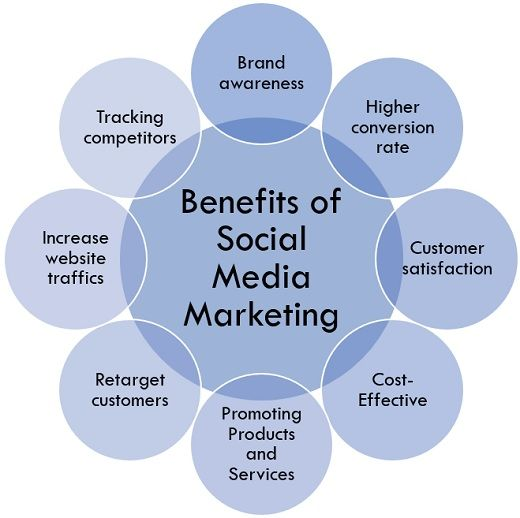
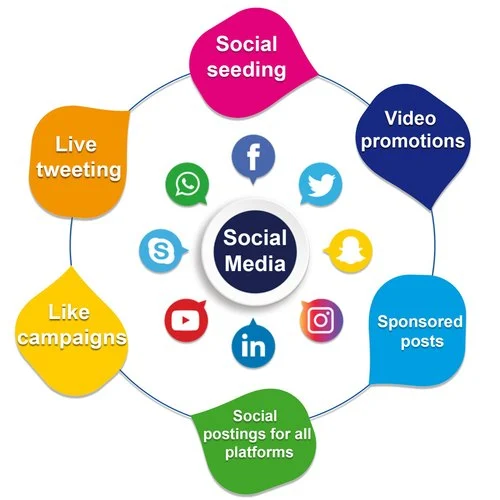
    Social media marketing is one of the most powerful ways for businesses to connect with their audience, build brand awareness, and generate leads online. In simple terms, it refers to using platforms like Facebook, Instagram, LinkedIn, and YouTube to promote products or services through content, ads, and engagement strategies. Today, when most customers spend a significant amount of time on social media, businesses that actively use these platforms have a higher chance of attracting attention, building trust, and converting users into paying customers. In this blog, you will understand what social media marketing is, how it works, and why it has become essential for business growth in 2026.

    What is Social Media Marketing?

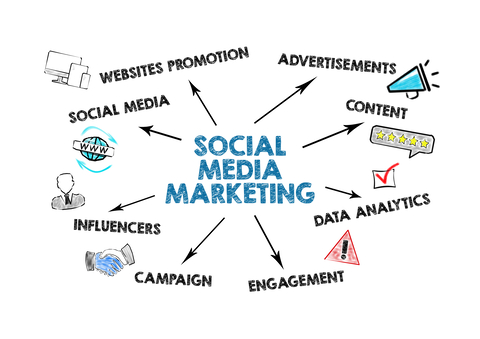
    Imagine you’re throwing a big party, and you want everyone to know about it and have a great time. Social media marketing is a bit like that, but instead of a party, you’re promoting a business, product, or service on social media platforms like Facebook, Instagram, Twitter, and LinkedIn.

    Here’s how it works:

    1. Setting Up Shop: Just like you’d decorate your party venue, businesses set up profiles on social media platforms. They create pages that showcase what they offer, like pictures of their products, details about their services, and a bit about themselves.
    2. Inviting Guests: You want people to come to your party, right? Social media marketing is about inviting people to your “online party.” You encourage users to follow or like your social media pages so they can stay updated on what you’re doing.
    3. Sharing Fun Stuff: At your party, you’d entertain your guests with fun activities, games, and maybe even a dance floor. Similarly, businesses share interesting and engaging content on social media, like posts, images, videos, and articles, to entertain and inform their followers.
    4. Starting Conversations: Just like you’d strike up conversations at your party, businesses use social media to talk to their customers. They reply to comments, answer questions, and interact with people to build relationships.
    5. Showcasing Highlights: If you’re hosting a party, you’d take pictures to remember the fun moments. Businesses showcase their best work, success stories, and satisfied customers to show everyone how awesome their products or services are.
    6. Getting the Word Out: Just as you’d spread the word about your party through invitations and word of mouth, social media marketing helps businesses reach a larger audience by sharing their posts and running ads.
    7. Feedback and Improvement: At your party, you’d listen to your guests’ feedback to make the next one even better. Businesses use social media to get feedback from customers and learn how they can improve.
    8. Making Friends: Think of social media as a place to make new friends. Businesses can connect with potential customers, partners, and others in their industry to grow and collaborate.

    In a nutshell, social media marketing is like throwing an online party for your business. You use social media platforms to connect with people, share interesting content, build relationships, and spread the word about what you have to offer. Just like a successful party leaves everyone with a good time and great memories, effective social media marketing helps businesses connect with their audience and achieve their goals.

    Absolutely, building a strong social media presence, engaging with followers, and using platforms effectively are key aspects of successful social media marketing. Let’s dive into strategies for each of these areas:

    Social Media Marketing

    Building a Strong Social Media Presence:

    1. Choose the Right Places: Pick the best social media sites where your customers hang out.
    2. Set Up Nicely: Make your social media pages look good with pictures and info about you.
    3. Keep Things the Same: Use the same colors and logos everywhere to look consistent.
    4. Post Good Stuff: Share interesting things, like pictures and videos, that people like.
    5. Talk with People: When folks comment, chat back to them fast.
    6. Ask Questions: Make people chat by asking things they like.
    7. Hold Fun Contests: Have games where folks can win something to join in.
    8. Show What Fans Say: Share what happy customers tell you.
    9. Use Hashtags: Add #words to your posts so more people can find them.
    10. Look at the Numbers: Check how many people like and see your posts to know what’s working.

    Remember, the goal is to make your social media pages look nice, share interesting stuff, and talk with people to make your business more popular.

    Engaging with Followers:

    1. Respond Promptly: When followers comment, ask questions, or mention your brand, respond promptly. Engaging in real-time shows that you value their input and care about their interactions.
    2. Ask Questions: Encourage engagement by asking questions in your posts. This can spark discussions and encourage followers to share their opinions.
    3. Run Contests and Giveaways: Contests and giveaways can boost engagement and attract new followers. Encourage participants to like, share, or comment for a chance to win.
    4. User-Generated Content: Share content created by your followers, such as reviews, testimonials, or photos of them using your products. This not only engages them but also builds social proof.

    Utilizing Platforms Effectively:

    1. Visual Content: Visual content like images and videos tend to perform better on social media. Use high-quality visuals that align with your brand and message.
    2. Hashtags: Research and use relevant hashtags to expand the reach of your posts. Don’t overdo it; use a mix of popular and niche hashtags.
    3. Live Streaming: Platforms like Facebook Live, Instagram Live, and others allow you to connect with your audience in real-time. Use live streaming for Q&A sessions, product launches, behind-the-scenes looks, and more.
    4. Analytics and Insights: Use the analytics provided by each platform to track the performance of your posts. Pay attention to metrics like engagement, reach, and clicks to understand what works best.
    5. Paid Advertising: Consider using paid advertising to reach a broader audience. Most social media platforms offer advanced targeting options to ensure your ads reach the right people.
    6. Influencer Collaborations: Partnering with influencers in your industry can help you tap into their follower base and gain credibility.
    7. Community Building: Create and nurture online communities or groups that revolve around your brand, industry, or interests. These spaces can foster deeper engagement and connections.

    Remember, social media success takes time and effort. Consistency, authenticity, and genuine interactions are the keys to building a strong social media presence and fostering meaningful connections with your audience.

    Certainly, I’d be happy to provide you with information about the career, salary, skills, and scope of a social media marketer:

    Social Media Marketing

    Career Overview:

    A social media marketer is responsible for creating, implementing, and managing a company’s or client’s social media strategy. They aim to enhance brand visibility, engagement, and customer loyalty through various social media platforms. Social media marketers create and curate content, interact with followers, and collaborate with other teams to achieve marketing goals.

    A social media marketer handles a company’s online presence. They make posts, chat with followers, and analyse results to help the business do better on social media.

    Salary:

    Salaries for social media marketers vary based on factors such as location, experience, industry, and company size. Here’s a general salary range:

    • Entry-Level: $35,000 – $45,000 per year
    • Mid-Level: $45,000 – $70,000 per year
    • Experienced/Senior: $70,000 – $100,000+ per year

    Social media marketers earn different amounts based on where they work and how much experience they have. Beginners might earn around $35,000 to $45,000 a year, while experienced ones can make $70,000 or more.

    Skills Required:

    1. Social Media Platforms: Proficiency in major social media platforms such as Facebook, Instagram, Twitter, LinkedIn, and others.
    2. Content Creation: Ability to create engaging and visually appealing content, including images, videos, and written posts.
    3. Copywriting: Strong writing skills to craft compelling captions, headlines, and social media posts.
    4. Analytics: Familiarity with social media analytics tools to track and interpret data to optimize campaigns.
    5. Strategy Development: Creating effective social media strategies aligned with marketing goals.
    6. Community Management: Engaging with followers, responding to comments, and managing online communities.
    7. Digital Marketing Knowledge: Understanding of broader digital marketing concepts and how social media fits into the overall strategy.
    8. Creativity: Thinking outside the box to come up with innovative and attention-grabbing ideas.
    9. Graphic Design: Basic design skills for creating visually appealing graphics and images.
    10. Ad Campaigns: Knowledge of social media advertising and paid campaigns for targeting specific audiences.
    11. Customer Service: Providing excellent customer service through social media interactions.
    12. Adaptability: Staying up-to-date with the ever-changing social media landscape and trends.

    You need to know about popular social media like Facebook and Instagram. You should be good at making posts, using numbers to understand how well things are going, and working with others to plan what to do.

    Scope:

    The scope of a social media marketer is promising and continues to grow as businesses recognize the importance of maintaining a strong online presence. Here’s why the scope is significant:

    1. Increasing Demand: The rise of digital marketing has led to a higher demand for skilled social media marketers to effectively manage online brand image and communication.
    2. Varied Industries: Almost every industry, from retail and e-commerce to healthcare and finance, requires social media marketing.
    3. Freelancing/Consulting: Social media marketers can work as freelancers or consultants, offering their services to multiple clients.
    4. Remote Work: Many social media marketing tasks can be done remotely, allowing for flexible work arrangements.
    5. Entrepreneurship: Social media marketers can start their own agencies or consultancy services.
    6. Influencer Collaboration: With influencer marketing on the rise, social media marketers can also collaborate with influencers to promote products and services.

    As businesses continue to invest in digital marketing and social media strategies, the role of a social media marketer remains crucial for building brand awareness, engaging with audiences, and driving business growth.

    Being a social media marketer is a good choice because more businesses want help with their online stuff. It works for many types of businesses like stores, hospitals, and banks. You can work on your own or with a team, and even help famous people tell others about their stuff.

    Social Media Marketing

  • What is SEO? A Complete Beginner’s Guide to Search Engine Optimization in 2026

    What is SEO? A Complete Beginner’s Guide to Search Engine Optimization in 2026


    What is SEO? Learn how search engine optimization works, its types, benefits, and how it helps your website rank on Google and get more traffic.

    Search Engine Optimization (SEO) is a crucial aspect of digital marketing that focuses on optimizing your website and its content to rank higher in search engine results pages (SERPs) organically. Effective SEO practices can drive targeted organic traffic to your website, increase visibility, and ultimately boost your business’s online presence. Let’s delve into the details of SEO, covering both the basics and advanced concepts you can apply to your blog writing for your digital marketing website.

    What is SEO?

    1. Keywords: Keywords are the words or phrases that users enter into search engines when looking for information. Identify relevant keywords related to your digital marketing niche using tools like Google Keyword Planner or SEMrush.
    2. On-Page SEO: Optimizing individual web pages for specific keywords involves optimizing title tags, meta descriptions, headings (H1, H2, H3), content, and image alt text.
    3. Content Quality: Create high-quality, informative, and engaging content that addresses user intent. Focus on providing value and answering users’ questions.
    4. URL Structure: Use descriptive and concise URLs that include target keywords. Avoid long and complex URLs.
    5. Internal Linking: Link relevant pages within your website to provide a clear navigation path for users and help search engines understand your site’s structure.
    6. Mobile-Friendly Design: Ensure your website is responsive and mobile-friendly, as Google considers mobile compatibility for ranking.
    7. Page Speed: Optimize your website’s loading speed by compressing images, using browser caching, and minimizing unnecessary scripts.
    8. Meta Tags: Write compelling title tags and meta descriptions that accurately reflect the content and include relevant keywords.
    What is SEO

    Intermediate SEO Strategies:

    1. Technical SEO: Focus on technical aspects like XML sitemaps, robots.txt, canonical tags, and schema markup to help search engines understand your website’s structure and content.
    2. Backlinks: Build high-quality backlinks from authoritative websites within your niche. Guest posting, outreach, and content promotion can help acquire valuable backlinks.
    3. User Experience (UX): Provide a seamless and intuitive user experience through easy navigation, readable fonts, proper formatting, and a clean design.
    4. Social Signals: Engage on social media platforms to amplify your content’s reach and potentially influence search engine rankings.
    5. Voice Search Optimization: As voice search grows, optimize your content for natural language queries and long-tail keywords.
    6. Local SEO: For a digital marketing website, focus on local SEO if you have a physical presence. Optimize your Google My Business listing and ensure consistent NAP (Name, Address, Phone Number) information across the web.

    Advanced SEO Techniques:

    1. Content Strategy: Develop a comprehensive content strategy that includes pillar content, topic clusters, and regular updates to keep your website relevant and authoritative.
    2. Featured Snippets: Structure your content to target featured snippet opportunities, as they provide a prime position in search results and enhance visibility.
    3. Structured Data: Implement structured data markup (schema.org) to provide context to search engines and enhance the appearance of your search results with rich snippets.
    4. User Engagement Metrics: Focus on reducing bounce rates and increasing time-on-site through engaging content, interactive elements, and multimedia.
    5. Site Architecture: Optimize your website’s architecture for easy crawling and indexing. Use breadcrumb navigation and ensure a logical hierarchy of pages.
    6. International SEO: If your digital marketing website serves a global audience, implement hreflang tags to signal to search engines which language and region your content targets.
    7. Mobile-First Indexing: Prioritize mobile optimization further, as Google primarily indexes the mobile version of websites.
    8. E-A-T (Expertise, Authoritativeness, Trustworthiness): Demonstrate your expertise in digital marketing through author bios, credentials, case studies, and testimonials.

    Remember that SEO is an ongoing process that requires continuous monitoring, analysis, and adaptation. Search engine algorithms evolve, and staying up-to-date with industry trends and best practices is crucial for long-term success in improving your website’s visibility and ranking.

    Skills Needed for an SEO Career:

    1. Keyword Research: Ability to research and identify relevant keywords for content optimization and targeting.
    2. On-Page Optimization: Knowledge of optimizing HTML tags, meta descriptions, headings, and content for better search engine visibility.
    3. Technical SEO: Understanding of website architecture, crawling, indexing, XML sitemaps, robots.txt, and canonicalization.
    4. Link Building: Proficiency in building high-quality, authoritative backlinks through various strategies.
    5. Content Creation: Strong writing skills to create high-quality, engaging, and SEO-friendly content.
    6. Analytics and Data Interpretation: Proficiency in using tools like Google Analytics, Google Search Console, and other SEO platforms to analyze data and make informed decisions.
    7. Competitor Analysis: Ability to analyze competitors’ strategies and identify opportunities for improvement.
    8. Adaptability: SEO is a constantly evolving field, so staying up-to-date with algorithm changes and industry trends is crucial.
    9. Coding and Technical Skills: Basic understanding of HTML, CSS, and JavaScript can be beneficial for handling technical SEO aspects.
    10. Communication Skills: Effective communication to collaborate with content creators, web developers, and clients is essential.
    What is SEO

    SEO Career Paths and Job Titles:

    1. SEO Specialist/Analyst: Focusing on keyword research, on-page optimization, and data analysis.
    2. Content Strategist: Creating and optimizing content based on SEO best practices.
    3. Technical SEO Specialist: Dealing with technical aspects of website optimization, like site speed, crawlability, and indexing.
    4. Link Building Specialist: Focusing on acquiring high-quality backlinks through outreach and relationship building.
    5. SEO Manager: Overseeing and managing the entire SEO strategy, including team coordination and performance analysis.
    6. Digital Marketing Manager: Handling broader digital marketing strategies, including SEO, PPC, social media, and more.

    SEO Salary:

    SEO salaries can vary widely depending on factors such as location, experience, skill level, and the size of the company. Here’s a general overview:

    • Entry-Level/Intern: $30,000 – $45,000 per year
    • Mid-Level/SEO Specialist: $45,000 – $75,000 per year
    • Experienced/SEO Manager: $75,000 – $120,000+ per year

    Where to Find SEO Jobs:

    1. Job Boards: Check popular job boards like LinkedIn, Indeed, Glassdoor, and Monster for SEO job listings.
    2. Company Websites: Many companies list job openings on their official websites. Look for “Careers” or “Jobs” sections.
    3. Digital Marketing Agencies: SEO roles are common in digital marketing agencies that offer services to clients.
    4. E-commerce Platforms: Online retailers often require SEO experts to optimize their product pages for search engines.
    5. Freelancing Platforms: Offer your SEO services on platforms like Upwork, Freelancer, or Fiverr.
    6. Networking: Attend industry events, workshops, and conferences to connect with potential employers and colleagues.
    7. Recruitment Agencies: Some agencies specialize in digital marketing and SEO roles.
    8. Local Businesses: Reach out to local businesses in need of SEO services. Networking within your community can lead to opportunities.

    Starting as an intern or junior role can provide valuable hands-on experience and a pathway to more senior positions. As you gain expertise and build a strong portfolio, your earning potential and job opportunities are likely to increase.

    The scope of SEO (Search Engine Optimization) is substantial both in India and globally. As businesses continue to emphasize their online presence, the demand for SEO services is growing significantly. Here’s an overview of the scope of SEO in both India and other parts of the world:

    Scope of SEO in India:

    1. Rapidly Growing Digital Market: India has witnessed a tremendous surge in internet usage, especially with the proliferation of smartphones and affordable data plans. This growth has led to increased online business activities and a higher demand for SEO services.
    2. E-commerce Boom: The e-commerce sector in India is booming, and online retailers are in constant need of effective SEO strategies to rank higher in search results and attract more customers.
    3. Digital Transformation of Businesses: Traditional businesses are recognizing the importance of establishing a strong online presence. They require SEO experts to help them adapt to the digital landscape.
    4. Startup Ecosystem: India has a thriving startup ecosystem, and new businesses often need SEO to gain visibility and compete in their respective industries.
    5. Content Marketing Emphasis: SEO is closely tied to content marketing, and as Indian companies invest more in content creation, the demand for SEO services to optimize that content is increasing.
    6. Job Opportunities: The increasing demand for SEO services has created a wide range of job opportunities for SEO specialists, managers, consultants, and analysts in various industries.

    Scope of SEO Outside India:

    1. Global Reach of Online Businesses: Businesses around the world are targeting a global audience through their online presence. This necessitates SEO strategies that can improve their visibility in various countries’ search engines.
    2. International E-commerce: As e-commerce becomes more global, businesses require SEO to reach international customers and expand their market share.
    3. Multilingual SEO: Many countries have diverse linguistic preferences. SEO specialists who can optimize content for different languages are in demand.
    4. Cross-Border Trade: International trade and transactions rely heavily on the online marketplace, creating opportunities for SEO professionals to help companies reach their target audiences.
    5. Digital Marketing Agencies: Agencies that provide SEO services often have clients from multiple countries, offering opportunities for professionals to work on global campaigns.
    6. Remote Work: SEO is a skill that can often be performed remotely, allowing professionals to work for companies around the world without geographical constraints.
    7. Consulting and Training: SEO experts can offer consulting services and training to businesses looking to improve their online visibility, regardless of their location.

    Overall, the scope of SEO is promising both in India and outside India. The evolving digital landscape and the increasing importance of online visibility for businesses ensure that SEO professionals will continue to be in demand. Staying updated with industry trends, algorithms, and best practices is essential for SEO specialists to capitalize on the vast opportunities available in both domestic and international markets.

    What is SEO
  • What is Digital Marketing? A Complete Beginner’s Guide 2026

    What is Digital Marketing? A Complete Beginner’s Guide 2026

    Imagine you have a lemonade stand. You want to sell your delicious lemonade to as many people as possible. Now, think of the internet as a big market where people from all around the world come to buy and sell things. Digital marketing is like using special tools and tricks to make sure lots of people see your lemonade stand and want to buy your lemonade.

    What is Digital Marketing?
    Here are some simple examples to help you understand:

    Making Your Lemonade Stand Look Awesome (Website): Imagine you create a super cool sign for your lemonade stand that grabs people’s attention. Your website is like that sign, but on the internet. It’s a place where people can come to see what you’re selling and learn how amazing your lemonade is.

    Getting People to Visit Your Stand (Traffic): Just having a great sign won’t help if no one comes to your stand. So, you use some magic to tell people about your lemonade stand. You might use social media like Facebook or Instagram to show pictures of your tasty lemonade, and people start coming to your website to check it out.

    Showing Up When People Look (Search Engines): Imagine someone in your town asks, “Where can I get the best lemonade?” You’d want your stand to pop up in their mind, right? Digital marketing helps your website show up when people type things like “yummy lemonade” into a special computer search box. This is like making sure your lemonade stand is the first thing people see when they’re looking for lemonade online.

    Telling Friends to Tell Friends (Word of Mouth): Sometimes, when you tell your friends how awesome your lemonade is, they tell their friends, and then more people come to your stand. In digital marketing, you might ask people who love your lemonade to tell others online, like writing reviews or sharing your posts. This way, more and more people learn about your tasty lemonade.

    Making Your Stand More Attractive (Content): People love stories, right? So, you share stories about how you make your lemonade with the freshest lemons, or maybe you share funny videos of you and your lemonade team. This makes people like your stand even more and want to buy your lemonade.

    Special Offers to Attract Customers (Deals and Promotions): Sometimes, you might say, “Buy one lemonade, get another one free!” or offer a discount. This makes people excited to buy from your stand. Similarly, in digital marketing, you might offer special deals or coupons online to attract more customers.

    Keeping in Touch (Emails and Social Media): When someone buys your lemonade, you want them to come back, right? In digital marketing, you can ask people if they want to hear about your new flavours through emails or social media. It’s like inviting them back to your stand whenever you have something new and exciting.

    So, digital marketing is all about using clever tricks to make sure lots of people know about your lemonade stand, visit your website, and want to buy your delicious lemonade. Just like you want to be the best lemonade seller in your town, businesses want to be the best online, and digital marketing helps them do that!

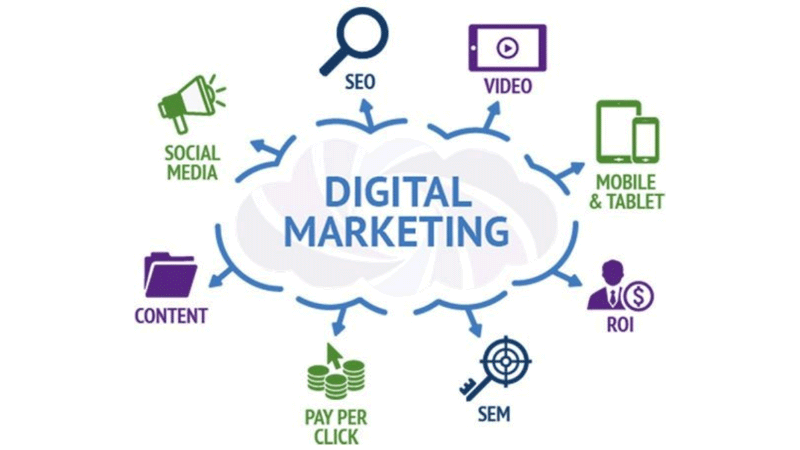
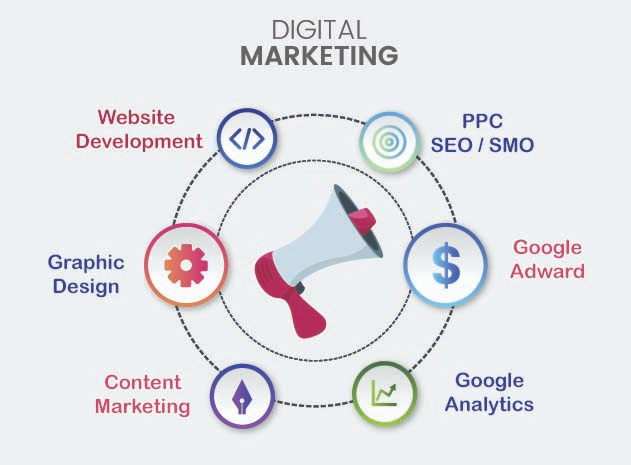
    “Digital marketing encompasses a broad range of strategies and techniques used by businesses and organizations to promote their products, services, or brands through various online channels. In today’s digital age, where a significant portion of the global population is actively engaged online, digital marketing has become an indispensable tool for businesses to connect with their target audience, build brand awareness, drive sales, and achieve overall marketing goals”.

    What is Digital Marketing


    Types or Components of Digital Marketing:


    Search Engine Optimization (SEO): SEO is like making your lemonade stand show up first when someone asks, “Where can I get tasty lemonade?” You use special ingredients (keywords and website improvements) to make sure your stand is the first thing people see. Example: If you have a website selling handmade candles, you optimize it with keywords like “unique candles” or “handcrafted scented candles” so that when people search for those terms on Google, your website appears at the top of the results.

    Social Media Marketing: This is like telling all your friends and their friends about your lemonade stand. You use platforms like Facebook, Instagram, and Twitter to show everyone your delicious lemonade and interact with them. Example: You create Instagram posts with mouth watering pictures of your lemonade, share fun stories of how you make it, and engage with customers by responding to their comments and messages.

    Pay-Per-Click Advertising (PPC): Imagine you pay a small amount every time someone takes a sip of your lemonade. With PPC, you pay a small fee when someone clicks on your online ad, and they’re taken to your website. Example: You create an ad that appears on Google when people search for “best lemonade near me.” You only pay if someone clicks on your ad and visits your website to order lemonade.

    Content Marketing: Content marketing is like sharing stories about why your lemonade is so refreshing. You create interesting and helpful content that makes people want to come to your stand. Example: If you sell gardening tools, you create blog posts about tips for a beautiful garden, and people who read your helpful articles might also be interested in your gardening products.

    Email Marketing: Sending emails to people who love your lemonade and telling them about your new flavors is email marketing. It’s like inviting them back to your stand whenever you have something exciting. Example: You send an email to your loyal customers, offering them a special discount on your new lemonade flavor, and they can use the coupon code when they order online.

    Influencer Marketing: Imagine a famous lemonade lover telling everyone how amazing your lemonade is. Influencer marketing is when popular people on social media talk about and promote your products to their followers. Example: A fitness influencer posts a picture on Instagram with your healthy lemonade, and their health-conscious followers become interested in trying it too.

    Affiliate Marketing: Affiliate marketing is like having friends who tell everyone about your lemonade and get a small cut when someone buys. Affiliates promote your products, and you give them a commission for each sale they bring. Example: You partner with bloggers who write about refreshing drinks, and they share a special link to your lemonade on their blog. When people buy using that link, the blogger earns a percentage of the sale.

    Video Marketing: This is like making a fun video of you and your team making lemonade and sharing it online. Videos capture attention and help people get to know your brand better. Example: You create a short video showing the process of making your lemonade, from squeezing lemons to adding ice, and post it on YouTube and social media.

    Online PR (Public Relations): Online PR is like managing your lemonade stand’s reputation online. You respond to reviews, handle any negative feedback, and make sure your stand looks good to everyone. Example: You address a customer’s complaint on social media, apologize for their bad experience, and offer to make it right. This shows other customers that you care about their satisfaction.

    Social Proof and Reviews: Imagine having a wall of happy customer notes at your lemonade stand. Online, you encourage customers to leave positive reviews and testimonials about your products. Example: On your website, you showcase reviews from customers who say your lemonade is the best they’ve ever tasted, building trust with potential buyers.


    Career in Digital Marketing:


    Digital marketing is a rapidly growing field that offers exciting career opportunities. As a digital marketer, you’ll be responsible for promoting products, services, or brands using online channels and strategies. Here are key points about a career in digital marketing:

    Diverse Roles: Digital marketing offers a variety of roles, including SEO specialist, social media manager, content creator, email marketer, PPC specialist, and more.

    Constant Learning: The digital landscape evolves quickly, so continuous learning is essential to stay updated with new tools, trends, and strategies.

    Creativity: Digital marketers need to think creatively to develop engaging content, campaigns, and strategies that capture the audience’s attention.

    Analytical Skills: Data analysis is crucial to measure the effectiveness of campaigns and make data-driven decisions for optimization.

    Communication: Effective communication is essential for conveying messages across different online platforms and engaging with the audience.

    Salary:

    Digital marketing salaries vary based on experience, role, location, and company size. Here’s a general overview:

    Entry-Level: Junior roles like social media assistant or content writer may start around $30,000 to $40,000 per year.
    Mid-Level: As you gain experience and specialize, salaries can range from $50,000 to $80,000 or more annually.
    Senior-Level: With several years of experience and expertise, digital marketing managers, directors, or specialists can earn $80,000 to $150,000 or higher.

    Skills to Become a Digital Marketer:

    To excel in digital marketing, you need a mix of technical, creative, and interpersonal skills:

    Digital Literacy: Familiarity with online platforms, tools, and technologies used in digital marketing is essential.

    SEO and SEM: Understanding of search engine optimization (SEO) and search engine marketing (SEM) principles to improve online visibility.

    Content Creation: Ability to create compelling and relevant content for various platforms, such as blogs, social media, and videos.

    Social Media Expertise: Proficiency in managing and strategizing social media campaigns across platforms like Facebook, Instagram, Twitter, and LinkedIn.

    Data Analysis: Skill to interpret data from tools like Google Analytics to measure campaign performance and make informed decisions.

    Copywriting: Writing persuasive and engaging copy for ads, emails, social media posts, and website content.

    Email Marketing: Knowledge of email marketing tools, list management, and crafting effective email campaigns.

    PPC Advertising: Understanding of pay-per-click advertising platforms like Google Ads and Facebook Ads.

    Creative Design: Basic design skills to create visually appealing graphics and images for digital marketing assets.

    Communication Skills: Ability to communicate clearly and effectively with team members, clients, and the target audience.

    Adaptability: Being open to learning and adapting to changes in digital marketing trends and algorithms.

    Digital marketing offers a dynamic and rewarding career path for individuals who are passionate about the online world, enjoy creativity, and are willing to stay updated with the latest industry developments.

    What is Digital Marketing


    Importance of Digital Marketing for Businesses:


    Global Reach: Digital marketing allows businesses to reach a global audience, breaking down geographical barriers and expanding their market reach.

    Cost-Effectiveness: Compared to traditional marketing methods, digital marketing often offers a more cost-effective way to promote products and services.

    Targeted Advertising: Digital marketing enables precise targeting of specific demographics, interests, and behaviors, ensuring that marketing efforts reach the right audience.

    Measurable Results: With digital marketing tools and analytics, businesses can track and measure the performance of their campaigns in real-time, allowing for data-driven decision-making and optimization.

    Higher Engagement: Interactive content, social media interactions, and personalized marketing efforts foster higher engagement and better customer relationships.

    Brand Building: Consistent digital presence and engagement help build brand awareness and loyalty over time.

    Adaptability: Digital marketing campaigns can be quickly adjusted and optimized based on real-time data, allowing businesses to adapt to changing market conditions.

    In today’s competitive landscape, digital marketing is not just an option but a necessity for businesses of all sizes.

    What is Digital Marketing


  • How to Increase Instagram Followers Organically | Code With Kamlesh

    How to Increase Instagram Followers Organically | Code With Kamlesh


    Learn how to increase Instagram followers organically with proven strategies, growth tips, and real techniques to boost engagement and grow your account fast.

    In today’s social media-driven world, Instagram has become a powerful platform for individuals and businesses to showcase their brand and engage with their target audience. However, gaining a substantial following on Instagram requires more than just posting appealing content. In this comprehensive guide, we will explore effective strategies to increase your Instagram followers organically and boost your online presence. From optimizing your profile and content to leveraging hashtags and engaging with your audience, we will provide you with actionable tips to help you achieve remarkable growth on Instagram.

    Understand Your Target Audience:

    To attract the right followers, it is crucial to understand your target audience. Research their demographics, interests, and preferences. This knowledge will help you tailor your content to resonate with them and attract their attention.

    Increase Instagram Followers

    Optimize Your Instagram Profile:

    Your Instagram profile serves as a digital representation of your brand. Optimize it by using a clear and captivating profile picture, writing a compelling bio, and including relevant links. Use keywords strategically to enhance discoverability.

    Create Compelling and Engaging Content:

    Content is king on Instagram. Share visually appealing images and videos that align with your brand’s aesthetics. Craft compelling captions that captivate your audience and encourage interaction. Consistency is key—establish a posting schedule to keep your followers engaged.

    Utilize Hashtags Effectively:

    Hashtags are instrumental in expanding your reach on Instagram. Research relevant hashtags and incorporate them into your posts. Strike a balance between popular and niche hashtags to reach a wider audience while targeting specific interests.

    Increase Instagram Followers

    Engage withYour Audience:

    Building a loyal following requires active engagement. Respond to comments, like and comment on your followers’ posts, and initiate conversations. Show genuine interest in your audience, and they will be more likely to engage with your content and become loyal followers.

    Collaborate with Influencers and Partners:

    Partnering with influencers and complementary brands can significantly increase your visibility. Seek collaborations that align with your brand values and target audience. Cross-promote each other’s content to tap into each other’s follower base.

    Run Contests and Giveaways:

    Contests and giveaways are powerful tools to attract new followers and reward existing ones. Encourage participation by offering enticing prizes and asking followers to tag friends or share your content. This helps amplify your reach and increase engagement.

    Cross-Promote on Other Platforms:

    Leverage your presence on other social media platforms to promote your Instagram account. Share your Instagram content on platforms like Facebook, Twitter, and LinkedIn to expose your brand to a broader audience.

    Analyze and Adapt Your Strategy:

    Regularly analyze your Instagram insights to gain insights into your audience’s behavior and preferences. Experiment with different content formats and posting times to identify what resonates best with your followers. Adapt your strategy accordingly to optimize your growth.

    Conclusion


    Increasing your Instagram followers organically requires a combination of strategic planning, compelling content creation, and active engagement with your audience. By implementing the strategies outlined in this guide, you can significantly enhance your online presence and attract a loyal and engaged following on Instagram. Start implementing these tips today and watch your follower count grow steadily over time.

    Increase Instagram Followers