Tag: video content

  • How to Create a High-Converting Landing Page

    How to Create a High-Converting Landing Page

    In the world of digital marketing, landing pages are the unsung heroes. They are the secret sauce that can turn your website visitors into customers, subscribers, or leads. A well-crafted landing page can make all the difference in your conversion rates, helping you achieve your business goals. In this comprehensive guide, we’ll delve into the best practices for creating compelling landing pages that drive conversions. We’ll break down complex concepts into simple language and provide real-world examples to help you grasp the principles of effective landing page design.

    What Is a Landing Page?

    Before we dive into the best practices, let’s start with the basics. What exactly is a landing page?

    A landing page is a standalone web page designed for a specific marketing or advertising campaign. It’s where a visitor “lands” after clicking on a link in an email, social media ad, search engine result, or any other digital marketing channel. The primary purpose of a landing page is to convert visitors into leads or customers by encouraging them to take a specific action, such as filling out a form, making a purchase, or signing up for a newsletter.

    In this guide, we’ll explore the key elements that make up an effective landing page and the best practices for optimizing these elements to maximize your conversion rates.

    Understanding the Elements of a Landing Page

    A well-designed landing page consists of several essential elements, each playing a crucial role in guiding the visitor towards the desired action. Let’s break down these elements one by one:

    1. Headline

    The headline is the first thing visitors see when they land on your page. It should grab their attention and convey the main message or value proposition of your offer. The headline needs to be clear, concise, and relevant to the visitor’s expectations.

    Best Practice: Use a benefit-oriented headline that directly addresses the visitor’s problem or need. For example, if you’re promoting a weight loss product, a compelling headline could be “Lose 10 Pounds in 30 Days – Guaranteed!”

    2. Subheadline

    The subheadline provides additional context and reinforces the message of the headline. It should support the main value proposition and encourage visitors to keep reading.

    Best Practice: Make your subheadline informative and persuasive. For instance, “Join Our Fitness Program and Transform Your Body Today” provides more details about the offer mentioned in the headline.

    3. Hero Image or Video

    Visual content, such as images or videos, can captivate visitors and make your landing page more engaging. Your hero image or video should be directly related to your offer and help visitors visualize the benefits.

    Best Practice: Choose high-quality, relevant visuals that align with your message. For example, if you’re advertising a travel package, a stunning image of the destination can create an emotional connection.

    4. Call to Action (CTA)

    The call to action is the most critical element of your landing page. It’s the button or link that tells visitors what action to take. Whether it’s “Buy Now,” “Sign Up,” or “Download,” your CTA should be prominent and compelling.

    Best Practice: Use action-oriented language that conveys the value of clicking the button. For instance, “Get Started” is more enticing than a generic “Submit” button.

    5. Benefits and Features

    This section should provide visitors with a clear understanding of the benefits and features of your product or service. Highlight how your offer can solve their problems or fulfill their needs.

    Best Practice: Use bullet points or short paragraphs to list the key benefits and features. Focus on what sets your offer apart from the competition.

    6. Social Proof

    People tend to trust recommendations from others. Including social proof, such as customer testimonials, reviews, or logos of well-known clients, can boost your credibility.

    Best Practice: Use authentic testimonials with names and photos whenever possible. Highlight specific results or experiences that showcase the value of your offer.

    7. Trust Signals

    Trust signals are elements that build trust with your visitors. This can include security badges, privacy statements, money-back guarantees, or certifications.

    Best Practice: Place trust signals strategically near the CTA to reassure visitors about the safety and reliability of taking the desired action.

    8. Contact Information

    Provide visitors with a way to get in touch with you if they have questions or concerns. This can be a phone number, email address, or a contact form.

    Best Practice: Make your contact information easily accessible but not overly intrusive. A discreet “Contact Us” link in the footer is usually sufficient.

    9. Scannable Content

    Many visitors skim through a landing page rather than reading every word. Make your content scannable by using headings, subheadings, bullet points, and short paragraphs.

    Best Practice: Break up long blocks of text and use formatting to emphasize key points. Use compelling subheadings like “Why Choose Us?” to draw attention to important sections.

    10. Mobile Responsiveness

    With the increasing use of mobile devices, it’s crucial to ensure that your landing page looks and functions well on smartphones and tablets.

    Best Practice: Test your landing page on various devices and screen sizes to ensure a seamless user experience. Responsive design ensures that your page adapts to different screens.

    Landing Page

    Crafting a Compelling Landing Page: Step-by-Step

    Now that we’ve covered the key elements of a landing page, let’s walk through the process of creating one step-by-step. We’ll use an example to illustrate each step.

    Example Scenario: You run a small e-commerce store selling handmade jewelry, and you want to create a landing page to promote a new collection of necklaces.

    Step 1: Define Your Goal

    Before you start building your landing page, clearly define your goal. In this case, your goal is to increase sales of the new necklace collection.

    Step 2: Know Your Audience

    Understand your target audience’s preferences, pain points, and motivations. Are they looking for unique, artisanal jewelry? What benefits are they seeking?

    Step 3: Craft a Compelling Headline

    Create a headline that grabs attention and conveys the main selling point of your necklace collection. For example, “Elevate Your Style with Handcrafted Necklaces.”

    Step 4: Write a Persuasive Subheadline

    The subheadline should provide additional context and create a sense of urgency. For instance, “Limited Time Offer: Save 20% on Our Exclusive Necklace Collection.”

    Step 5: Select an Eye-Catching Hero Image

    Choose a high-quality image of your necklace collection, showcasing its unique features. An image of a model wearing one of the necklaces can help customers visualize how it looks when worn.

    Step 6: Create a Compelling Call to Action

    Your CTA should be crystal clear. For an e-commerce landing page, “Shop Now” is a straightforward and effective CTA.

    Step 7: Highlight Benefits and Features

    List the key benefits of your necklace collection. Mention features like high-quality materials, unique designs, and free shipping. Use bullet points for easy reading.

    Step 8: Showcase Social Proof

    Include customer reviews or testimonials from buyers who love your jewelry. For example, “See What Our Customers Are Saying” with a link to the reviews section.

    Step 9: Add Trust Signals

    Display trust badges, such as “Secure Checkout” and “30-Day Money-Back Guarantee,” near the CTA button to instill confidence.

    Step 10: Make Contact Information Accessible

    Include a “Contact Us” link in the footer for customers who may have questions or need assistance.

    Step 11: Create Scannable Content

    Break up long paragraphs and use headings and subheadings to guide readers. Use bold or italics to emphasize key points.

    Step 12: Ensure Mobile Responsiveness

    Test your landing page on various devices to ensure it looks and works well on mobile phones and tablets.

    By following these steps and incorporating the best practices we discussed earlier, Creating Compelling Landing Pages that effectively promotes your necklace collection and drives conversions.

    A/B Testing and Optimization

    Creating a landing page is not a one-and-done task. To achieve the best results, you need to continuously optimize your page based on visitor behavior and feedback. A/B testing is a valuable technique for improving landing page performance.

    What Is A/B Testing?

    A/B testing, also known as split testing, involves creating two versions of your landing page (A and B) with slight variations. Half of your visitors see version A, and the other half see version B. You then analyze the data to determine which version performs better in terms of conversions.

    Here are some elements you can A/B test:

    1. CTA Button Color: Test different button colors to see which one attracts more clicks.
    2. CTA Button Text: Experiment with different text for your CTA button to find the most effective wording.
    3. Headline and Subheadline: Try variations of your headline and subheadline to see which combination resonates best with your audience.
    4. Hero Image: Test different images or videos to identify the most engaging visual content.
    5. Form Length: If your landing page includes a form, test different form lengths to see if shorter or longer forms lead to more submissions.
    6. Social Proof Placement: Experiment with the placement of customer testimonials or reviews to determine the optimal location.
    7. Page Layout: Try different page layouts and arrangements of elements to find the most conversion-friendly design.

    Let’s say you decide to A/B test the color of your CTA button on your jewelry collection landing page. Version A has a green button, while version B has a red button. After running the test for a week, you analyze the data and find that version B (red button) resulted in a 15% higher conversion rate. You decide to keep the red button as it clearly resonates better with your audience.

    Conclusion

    Creating compelling landing pages is a critical skill for any digital marketer. When done right, landing pages can significantly boost your conversion rates and help you achieve your marketing goals. Remember these key takeaways:

    • Understand your audience and their needs.
    • Craft clear and persuasive headlines and subheadlines.
    • Use engaging visuals to support your message.
    • Create compelling CTAs that guide visitors to take action.
    • Highlight the benefits and features of your offer.
    • Incorporate social proof and trust signals to build credibility.
    • Make your landing page content scannable and mobile-friendly.
    • Continuously optimize your landing page through A/B testing.

    By following these best practices, Creating Compelling Landing Pages over time, you’ll be well on your way to converting more visitors into loyal customers, subscribers, or leads. So go ahead, start Creating Compelling Landing Pages, and watch your conversion rates soar.

  • How to Find YouTube Video Ideas: Complete Keyword & Content Research Guide

    How to Find YouTube Video Ideas: Complete Keyword & Content Research Guide

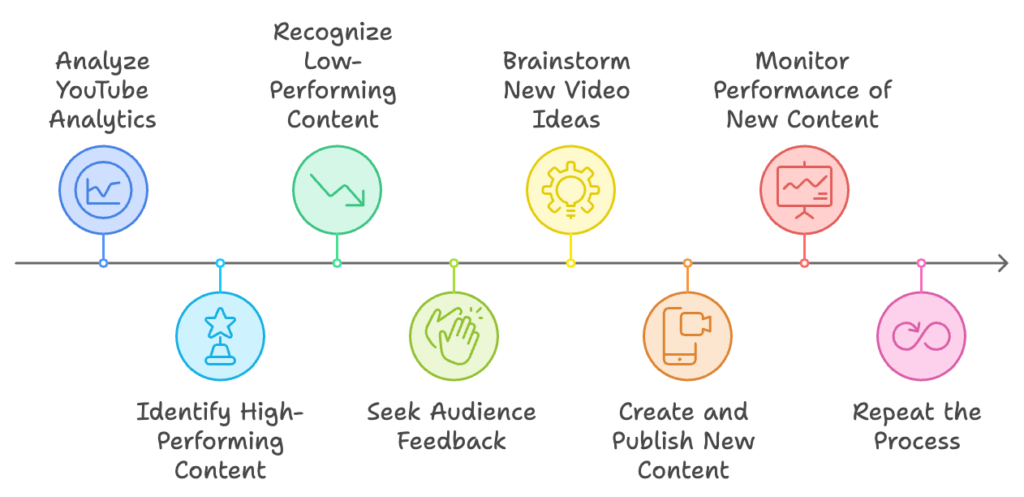
    In the digital age, video content has become one of the most powerful mediums for communication and information sharing. YouTube, as the world’s second-largest search engine, offers content creators an enormous platform to connect with audiences and share their expertise. However, the key to standing out in this crowded space is conducting thorough topic research for your YouTube videos. This comprehensive guide will walk you through the process of searching for topics and conducting content research that will help you create compelling and engaging videos.


    In this blog, learn how to find YouTube video ideas using keyword research, trending topics, and smart content strategies to grow your channel and increase views faster.

    Why Is Topic Research Important?

    Before delving into the intricacies of conducting topic research for YouTube videos, it’s crucial to understand why it matters in the first place. Effective topic research sets the foundation for your content creation strategy by helping you:

    1. Identify Audience Interests: Research helps you understand what your target audience is searching for, ensuring your videos resonate with their interests and needs.
    2. Enhance SEO and Discoverability: By focusing on popular and relevant topics, you can optimize your videos for search engines, increasing the likelihood of them appearing in search results.
    3. Differentiate Yourself: Research allows you to find gaps in existing content, enabling you to create unique videos that stand out in a saturated market.
    4. Build Authority: Providing well-researched and valuable information helps you establish yourself as an expert in your niche, fostering trust and credibility among your audience.
    How to Find YouTube Video Ideas

    Step-by-Step Guide to Effective Topic Research:

    1. Define Your Niche and Audience:

    Before you start searching for topics, it’s essential to define your niche or the area you want to create content about. This could be anything from technology and beauty to fitness and cooking. Once you have a niche, narrow down your target audience. Who are they? What are their interests, problems, and preferences? Understanding your audience will guide your topic selection.

    2. Brainstorm Broad Topics:

    Begin by brainstorming general topics related to your niche. These are the overarching themes that your videos will revolve around. For instance, if your niche is fitness, broad topics could include “Strength Training,” “Nutrition Tips,” “Cardio Workouts,” etc.

    3. Keyword Research:

    Keywords are the foundation of YouTube SEO and play a vital role in topic research. Use keyword research tools like Google Keyword Planner, Ubersuggest, or TubeBuddy to identify high-volume keywords related to your broad topics. Look for keywords with a decent search volume and low competition.

    4. Analyze Competitor Content:

    Study successful YouTube channels in your niche. What topics are they covering? How are their videos performing? This doesn’t mean you should copy their content, but analyzing their approach can give you insights into what works and what gaps you can fill.

    5. Utilize YouTube’s Search Suggestions:

    YouTube’s search bar provides valuable insights into what users are actively searching for. Start typing your broad topics and see what auto-suggestions come up. These suggestions are often based on popular search queries.

    6. Explore Related Videos and Tags:

    When you watch a video on YouTube, take a look at the right-hand side of the screen. You’ll find a column titled “Up Next” with related videos. This section can provide you with additional topic ideas. Also, check the video’s tags (if visible) to get an idea of the keywords associated with that content.

    How to Find YouTube Video Ideas

    7. Reddit and Quora:

    Platforms like Reddit and Quora are treasure troves of discussions and questions related to various niches. Search for your broad topics and see what questions people are asking. These questions can serve as excellent starting points for your videos.

    8. Social Media Trends:

    Monitor social media platforms for trends, especially on platforms like Twitter, Instagram, and TikTok. What topics are gaining traction? How can you adapt these trends to your niche?

    9. Google Trends:

    Google Trends can provide insights into the popularity of specific search terms over time. This can help you gauge whether a topic is consistently in demand or just a passing trend.

    10. Content Gap Analysis:

    Identify gaps in the existing content landscape. Are there subtopics within your niche that aren’t adequately covered? Addressing these gaps can help you establish yourself as a go-to resource for specific information.

    11. Survey Your Audience:

    If you already have an audience, consider conducting surveys to understand their preferences and pain points directly. This can provide you with invaluable insights into the type of content they’re looking for.

    Organizing and Refining Your Ideas:

    After gathering a pool of potential topics, it’s time to organize and refine your ideas:

    1. Categorize Topics:

    Group similar topics together under broader categories. This helps you create a content calendar that covers a range of subjects within your niche.

    2. Check Viability:

    Not all topics may be suitable for video content. Ensure your chosen topics are visually engaging and can be effectively communicated through video.

    3. Search Volume and Competition:

    Using your keyword research tool, assess the search volume and competition for each topic. Strike a balance between high search volume and manageable competition.

    4. Long-Tail Keywords:

    Consider incorporating long-tail keywords into your topics. These are more specific and can help you target a niche audience.

    Conclusion:

    Effective topic research is the cornerstone of successful YouTube content creation. By understanding your niche, identifying audience interests, and conducting thorough research, you can create videos that resonate with viewers, enhance your discoverability, and establish your authority in your chosen field. Remember, the digital landscape is dynamic, so continuous research and adaptation are key to staying relevant and engaging on YouTube. So, roll up your sleeves, dive into research, and get ready to craft compelling videos that captivate and educate your audience.

    Thank You!

    Read more –

    Digital Marketing Agency in Thandla|Kamlesh Singad

    Digital Marketing Agency in Indore | Kamlesh Singad

    How to do digital marketing for coaching institute?

    How to Find YouTube Video Ideas
  • How to do digital marketing for coaching institute?

    How to do digital marketing for coaching institute?

    In today’s digital age, where almost everything happens online, it’s essential for coaching institutes to harness the power of digital marketing to reach and engage with potential students. Whether you’re offering academic tutoring, skill-based coaching, or test preparation, a strong online presence can make all the difference in attracting and retaining students. In this beginner’s guide, we’ll break down the steps of How to do digital marketing for coaching institute? in simple terms.

    Step 1: Define Your Target Audience

    Before diving into any marketing strategies, it’s crucial to know who you’re trying to reach. Think about the age group, academic level, location, and specific needs of your potential students. Are you targeting high school students, college graduates, or working professionals? Defining your audience helps tailor your marketing efforts for maximum impact.

    Step 2: Create a Professional Website

    Your website is your virtual storefront. It should be user-friendly, visually appealing, and easy to navigate. Include important information like the courses you offer, faculty credentials, schedules, pricing, and contact details. Make sure your website is mobile-responsive, as many people browse the internet on their smartphones.

    Step 3: Search Engine Optimization (SEO)

    SEO helps your website rank higher in search engine results when potential students look for coaching services online. Use relevant keywords throughout your website content, meta descriptions, and blog posts. High-quality content, such as informative blog articles related to education or exam preparation, not only improves your website’s SEO but also establishes you as an authority in your field.

    digital marketing for coaching institute

    Step 4: Leverage Social Media

    Create profiles on popular social media platforms like Facebook, Instagram, Twitter, and LinkedIn. Share engaging content, such as success stories, tips for exam preparation, and motivational posts. Use visuals, like images and videos, to capture attention. Paid social media advertising can help you target specific demographics and expand your reach.

    Step 5: Pay-Per-Click (PPC) Advertising

    PPC advertising, like Google Ads, allows you to display ads at the top of search engine results. You only pay when someone clicks on your ad. This is a great way to target potential students who are actively searching for coaching services.

    Step 6: Email Marketing

    Collect email addresses from interested individuals and send them regular newsletters. Share valuable content, updates on courses, and any special offers. Email marketing helps you stay connected and top-of-mind with your audience.

    Step 7: Online Video Content

    Create informative and engaging video content. You can make short videos with study tips, subject explanations, or even virtual campus tours. Video content is highly shareable and can help you connect with a wider audience.

    Step 8: Online Reviews and Testimonials

    Encourage your satisfied students to leave positive reviews and testimonials on platforms like Google, Yelp, or your social media pages. Positive reviews build trust and credibility among potential students.

    Step 9: Collaborate and Network

    Build partnerships with local schools, colleges, or educational influencers. Collaborations can include guest lectures, joint webinars, or cross-promotions. Networking can help you tap into new audiences.

    Step 10: Analyze and Adapt

    Regularly monitor the performance of your digital marketing efforts. Use tools like Google Analytics and social media insights to track website traffic, engagement, and conversion rates. Analyze what’s working and what isn’t. If a particular strategy isn’t yielding results, be prepared to adapt and try something new.

    In conclusion, digital marketing for coaching institutes is all about reaching the right audience at the right time with the right message. By following these simple steps and staying consistent in your efforts, you can effectively promote your coaching institute in the digital realm. Remember, it’s a gradual process, so be patient and open to learning from your experiences. With determination and creativity, your coaching institute can thrive in the digital age and help students achieve their educational goals.(digital marketing for coaching institute)

    digital marketing for coaching institute

    Scenario: Boosting Enrollment for a Test Prep Coaching Institute

    Imagine you’re the owner of a test preparation coaching institute that specializes in helping students excel in standardized exams like the SAT and ACT. Your institute is located in a competitive urban area with several other coaching centers offering similar services. You’ve been relying on traditional marketing methods, but you’ve realized that to truly stand out and reach a wider audience, you need to embrace digital marketing strategies.

    Step 1: Define Your Target Audience

    You identify your target audience as high school students, specifically juniors and seniors, who are preparing for college admissions exams. These students are tech-savvy and spend a significant amount of time online researching and seeking academic assistance.

    Step 2: Create a Professional Website

    You revamp your institute’s website to showcase your coaching programs, experienced faculty, success stories, and a clear registration process. The website is mobile-responsive, ensuring a seamless experience across devices.

    Step 3: Search Engine Optimization (SEO)

    You conduct keyword research and identify terms like “best SAT prep in [your city],” “effective ACT coaching,” and “college entrance exam tips.” You integrate these keywords naturally into your website’s content and blog articles.

    Step 4: Leverage Social Media

    You set up profiles on Facebook, Instagram, and LinkedIn. You share posts about strategies for tackling tough questions, time management during exams, and student achievements.Also run targeted ads on these platforms to reach high school students in your local area.

    Step 5: Pay-Per-Click (PPC) Advertising

    Using Google Ads, you create ads that appear at the top of search results when someone searches for “SAT prep classes” or related terms. You set a budget and bid for these keywords to ensure your ads show up prominently.

    Step 6: Email Marketing

    Create an opt-in form on your website where visitors can subscribe to your newsletter. You send out monthly newsletters featuring study tips, success stories, and upcoming course schedules. You also offer exclusive discounts to subscribers.

    Step 7: Online Video Content

    You start a YouTube channel where you post short videos on various test-taking strategies, time management techniques, and sample questions. These videos provide valuable content to students and establish your institute as an expert in test preparation.

    Step 8: Online Reviews and Testimonials

    You encourage your satisfied students to leave reviews on platforms like Google and Facebook. You showcase these positive reviews on your website to build credibility and trust.

    Step 9: Collaborate and Network

    You collaborate with local high schools to offer free workshops on test-taking strategies. You also partner with influential educational bloggers in your city who can write about your coaching institute on their platforms.

    Step 10: Analyze and Adapt

    Using Google Analytics and social media insights, you track the performance of your digital marketing efforts. You find that your YouTube videos are gaining traction, and your PPC ads are driving traffic to your website. However, your email open rates could be improved. You adjust your email content and subject lines to make them more engaging.

    Over time, your efforts start to pay off. Your coaching institute gains recognition as a go-to destination for test preparation, and your enrollments increase. By consistently implementing these digital marketing strategies and staying attuned to your audience’s needs, you successfully differentiate your coaching institute in the competitive education landscape.

    Thank You!

    Read More –

    How to do YouTube SEO ?

    Digital marketing agency in Thandla

    Digital marketing agency in Indore

    digital marketing for coaching institute