In today’s digital world, every business wants more visibility, more leads, and more sales. But the biggest question is — how do you get consistent traffic without spending money on ads?
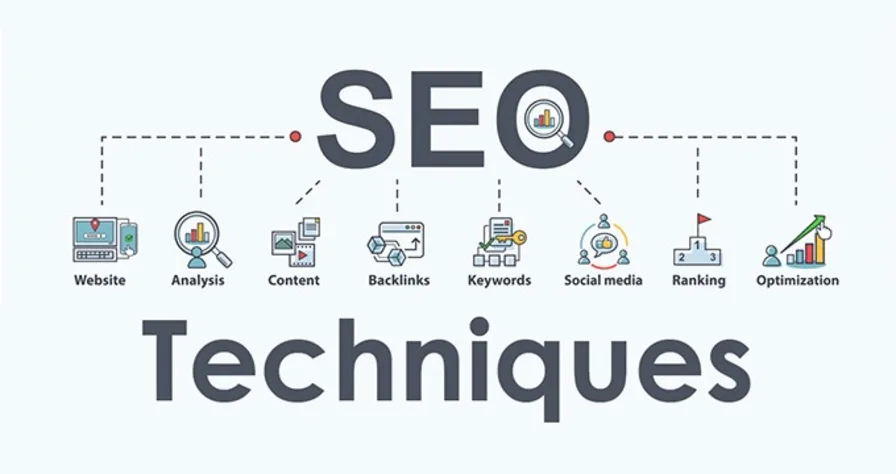
If you use the right SEO Techniques, you can bring organic traffic to your website for free and grow your business faster. In this blog, you will learn 5 powerful and practical SEO techniques that are easy to understand and apply — even if you are a beginner.
Organic traffic means visitors who come to your website from search engines like Google without paid ads. For example, when someone searches “best digital marketing services in Indore” and clicks your website — that is organic traffic.
A skilled Digital Marketer in Indore knows that organic traffic is:
Free
Long-lasting
High quality
Better for conversions
Why SEO is Important for Business Growth
SEO is not just about ranking on Google. It is about:
Getting the right audience
Building trust
Increasing brand visibility
Generating leads consistently
Without SEO, your website is like a shop in the jungle — no one will find it.
Now let’s understand the 5 Powerful SEO Techniques that can grow your organic traffic fast.
Backlinks are links from other websites to your website. Google sees them as “votes of trust”.
Why Backlinks Matter:
Increase domain authority
Improve rankings
Drive referral traffic
Ways to Build Backlinks:
Guest posting
Business directories
Blog commenting
Social sharing
Collaborations
Important Tip:
Focus on quality, not quantity.
1 backlink from a strong website is better than 100 low-quality links.
At code with kamlesh (CWK) agency indore, backlink building is done with a strategic approach to ensure long-term results.
5. Technical SEO & Website Speed
Technical SEO helps search engines crawl and index your website properly.
Key Factors:
1. Website Speed
Fast websites rank higher
Use tools like Google PageSpeed Insights
2. Mobile-Friendly Design
Most users are on mobile
Your site must be responsive
3. Secure Website (HTTPS)
SSL certificate is important
4. Sitemap & Robots.txt
Helps Google understand your site structure
5. Fix Errors
Broken links
404 pages
Duplicate content
Pro Tip:
Even the best content won’t rank if your website is slow or broken.
That’s why every expert Digital Marketer in Indore focuses on technical SEO.
Bonus Tip: Consistency is the Key
SEO is not a one-time process. You need to:
Post content regularly
Update old blogs
Track performance
Improve strategy
kamlesh singad believes that consistency + strategy = long-term success in SEO.
Common SEO Mistakes to Avoid
Avoid these mistakes if you want faster results:
Keyword stuffing
Copy content
Ignoring mobile users
Low-quality backlinks
Not updating content
How Code With Kamlesh Helps You Grow
code with kamlesh (CWK) agency indore provides complete digital marketing services including:
SEO services
Social media marketing
Google Ads
Website development
Lead generation
With real experience and practical strategies, CWK helps businesses grow faster with organic traffic.
Final Thought
SEO is not a shortcut—it’s a long-term investment that builds strong and sustainable growth for your business. By applying the right SEO Techniques like keyword research, quality content, on-page optimization, backlinks, and technical SEO, you can steadily increase your organic traffic and online visibility.
The key is to stay consistent, keep learning, and focus on providing real value to your audience. Success in SEO doesn’t happen overnight, but with the right strategy and execution, the results are powerful and long-lasting.
If you want to grow faster and avoid common mistakes, learning from experts like kamlesh singad and working with code with kamlesh (CWK) agency indore can give you a strong advantage. A skilled Digital Marketer in Indore understands how to turn traffic into real business results.
FAQs
1. What are the most important SEO techniques to grow organic traffic?
The most important SEO Techniques include keyword research, high-quality content creation, on-page SEO optimization, backlink building, and technical SEO. These help improve your website ranking and bring more organic traffic.
2. How long does it take to see results from SEO?
SEO is a long-term strategy. Usually, it takes 3 to 6 months to start seeing results, depending on competition, keyword difficulty, and how well your SEO is implemented.
3. Why is keyword research important in SEO?
Keyword research helps you understand what your audience is searching for. Using the right keywords like Digital Marketer in Indore helps your website rank higher and attract the right visitors.
4. Can I do SEO on my own or should I hire an expert?
You can start SEO on your own, but for faster and better results, it’s recommended to work with experts like kamlesh singad or code with kamlesh (CWK) agency indore, who have practical experience and proven strategies.
5. What is the role of backlinks in SEO?
Backlinks act as trust signals for Google. High-quality backlinks from trusted websites improve your domain authority and help your website rank higher in search results.
In today’s digital world, having a website is not enough. If your website does not appear on Google when people search for your products or services, you are losing potential customers every day. This is where Search Engine Optimization (SEO) plays a critical role.
SEO is not a single activity. It is a set of techniques, strategies, and best practices used to improve a website’s visibility on search engines like Google, Bing, and Yahoo.
In this detailed guide, we will understand:
What SEO is
Why SEO is important
Different types of SEO techniques
How each SEO technique works
Best practices to follow
What Is Search Engine Optimization (SEO)?
Search Engine Optimization (SEO) is the process of optimizing a website so that it ranks higher in organic (non-paid) search engine results for relevant keywords.
Example: If someone searches “digital marketing agency in Indore”, SEO helps a relevant website appear on Page 1 of Google.
SEO focuses on:
Improving website structure
Creating high-quality content
Optimizing keywords
Building trust and authority
Enhancing user experience
The main goal of SEO is to increase organic traffic and convert visitors into customers.
Why Are SEO Techniques Important?
SEO techniques are important because:
Most users click only top 5 Google results
Organic traffic is free and long-term
SEO builds brand credibility and trust
SEO delivers high ROI compared to ads
Helps local and global business growth
Without proper SEO techniques, even a well-designed website can remain invisible.
Types of Search Engine Optimization Techniques
SEO techniques are broadly divided into five major categories:
On-Page SEO Techniques
Off-Page SEO Techniques
Technical SEO Techniques
Local SEO Techniques
Advanced & Modern SEO Techniques
Let’s understand each one in detail.
1. On-Page SEO Techniques
On-Page SEO refers to optimizations done inside the website to help search engines understand content better.
Key On-Page SEO Techniques
a) Keyword Research & Placement
Find relevant keywords users search for
Use keywords naturally in:
Page title
Headings (H1, H2, H3)
URL
Content body
Image alt text
Avoid keyword stuffing.
b) SEO-Optimized Title Tags
Title should be 50–60 characters
Include primary keyword
Make it clickable and clear
Example: Best SEO Services in Indore | Affordable Digital Marketing Agency
c) Meta Description Optimization
150–160 characters
Describe page content clearly
Include main keyword
Meta description improves CTR (Click Through Rate).
d) Heading Structure (H1–H6)
Use only one H1 per page
Use H2 and H3 for subtopics
Helps Google understand content hierarchy
e) High-Quality Content Creation
Content should be:
Original
Informative
Easy to read
User-focused
Google rewards helpful content, not copied or thin content.
f) Internal Linking
Link one page to another relevant page
Improves website navigation
Passes SEO value (link equity)
g) Image Optimization
Compress images for fast loading
Use descriptive file names
Add alt text with keywords
2. Off-Page SEO Techniques
Off-Page SEO focuses on activities outside your website that build authority and trust.
Key Off-Page SEO Techniques
a) Backlink Building
Backlinks are links from other websites to your website.
High-quality backlinks:
Improve domain authority
Increase rankings
Build trust
Sources of backlinks:
Guest posting
Business listings
Blogs & articles
PR mentions
b) Social Media Marketing
Share content on Facebook, Instagram, LinkedIn, Twitter
Increases visibility and engagement
Drives referral traffic
c) Brand Mentions
Even without links, brand mentions help Google recognize authority.
d) Influencer & Outreach Marketing
Collaborate with bloggers and influencers
Earn natural backlinks and exposure
3. Technical SEO Techniques
Technical SEO ensures that search engines can crawl, index, and understand your website properly.
Important Technical SEO Techniques
a) Website Speed Optimization
Faster websites rank better
Use caching, compression, and optimized images
b) Mobile-Friendly Design
Google uses mobile-first indexing
Website must work perfectly on smartphones
c) Secure Website (HTTPS)
SSL certificate is mandatory
Builds user trust and improves ranking
d) XML Sitemap
Helps Google find all website pages
Essential for large websites
e) Robots.txt File
Controls which pages search engines should crawl
f) Fixing Crawl Errors
Remove broken links
Fix 404 errors
Improve index coverage
g) Structured Data (Schema Markup)
Helps search engines understand content type
Improves rich results like FAQs, reviews, ratings
4. Local SEO Techniques
Local SEO helps businesses appear in location-based searches.
Example: “SEO expert near me” “Digital marketing agency in Indore”
Local SEO Techniques
a) Google My Business (GMB) Optimization
Accurate name, address, phone number
Add photos, services, posts
Collect genuine reviews
b) Local Citations
List business on local directories
Keep NAP (Name, Address, Phone) consistent
c) Location-Based Keywords
Add city and area keywords in content
d) Reviews & Ratings
Positive reviews increase local trust and ranking
5. Advanced & Modern SEO Techniques
SEO is evolving. Modern techniques focus on user intent and AI-based search.
a) Search Intent Optimization
Understand what user wants:
Informational
Navigational
Commercial
Transactional
Create content accordingly.
b) Voice Search Optimization
Use conversational keywords
Answer questions directly
c) AI SEO & Semantic SEO
Use related topics, entities, and context
Not just exact keywords
d) Core Web Vitals Optimization
Page loading
Interactivity
Visual stability
White Hat vs Black Hat SEO Techniques
White Hat SEO (Recommended)
Follows Google guidelines
Long-term growth
Safe and sustainable
Black Hat SEO (Avoid)
Keyword stuffing
Fake backlinks
Hidden text
Black Hat SEO can cause Google penalties.
Best Practices for SEO Techniques
Focus on user experience
Create helpful, long-form content
Optimize regularly
Track performance with tools like:
Google Search Console
Google Analytics
Ahrefs / SEMrush
Conclusion: SEO Techniques Are the Backbone of Online Success
Search Engine Optimization techniques are not optional anymore. They are essential for online visibility, brand growth, and business success. SEO is a long-term investment that delivers consistent traffic, leads, and credibility.
If done correctly using ethical and modern SEO techniques, your website can rank higher, attract the right audience, and outperform competitors.
FAQS
1. What are SEO techniques?
SEO techniques are methods used to improve a website’s visibility on search engines like Google. These techniques include on-page optimization, off-page link building, technical improvements, and content optimization to rank higher in organic search results.
2. How long does SEO take to show results?
SEO usually takes 3 to 6 months to show noticeable results, depending on competition, keyword difficulty, website age, and the quality of SEO techniques used. SEO is a long-term strategy, not an instant process.
3. What is the difference between on-page and off-page SEO?
On-page SEO focuses on optimizing website content and structure, such as keywords, titles, headings, and internal links. Off-page SEO focuses on external factors like backlinks, brand mentions, and social signals that improve website authority.
4. Are SEO techniques better than paid advertising?
SEO techniques provide long-term, organic traffic without paying for every click, while paid ads give instant but temporary results. SEO is more cost-effective in the long run, whereas ads are useful for short-term campaigns.
5. Is SEO still relevant in 2025?
Yes, SEO is more relevant than ever in 2025. With AI search, voice search, and user-focused algorithms, modern SEO techniques focusing on content quality, user intent, and experience are essential for online success.
Are you new to SEO and dreaming of seeing your website rank #1 on Google this year? You’re not alone. Everyone wants that coveted top spot, but the truth is, ranking high on Google isn’t just about luck—it’s about strategy. And the good news? You don’t need to be an SEO expert to get there.
In this blog, I’ll share 3 powerful SEO tips to rank #1 on Google fast. These strategies are easy to implement, effective, and perfect for beginners. So, if you’re ready to boost your website rankings and drive more traffic, let’s dive in!
Table of Contents
1. Focus on High-Quality, Niche Content
Why Content Matters: Google’s Hummingbird update changed the SEO game. Gone are the days when websites could rank by posting random content on a variety of topics. Today, Google rewards websites that are focused, authoritative, and thorough in their niche.
What You Need to Do: If you want to rank #1 on Google, you need to create content that is super specific and highly detailed. It’s not just about writing a blog post—it’s about creating a comprehensive resource that answers every question a user might have about a topic.
How to Create Niche, Thorough Content:
Choose a Niche: Focus on a specific topic area. For example, if your site is about fitness, don’t just write about general health—narrow it down to something like home workouts for beginners.
Be Thorough: Cover every angle of your topic. Poke holes in your content and fill them up. Think about what your readers might ask and make sure your content provides those answers.
Use Visuals: Include images, infographics, and videos to enhance your content. Tools like Canva make it easy to create custom graphics that add value.
Update Regularly: Keep your content fresh by regularly adding new information and insights.
Example:
Let’s say you’re writing an article on online dating tips. Don’t just list generic advice—create a step-by-step guide on everything from setting up a profile to planning the perfect first date. Make it so detailed that your readers won’t need to look anywhere else for information.
Why This Works: When your content is thorough and focused, Google sees your site as an authority in your niche. This increases your chances of ranking higher for relevant keywords, pushing you closer to that #1 spot.
Why Title Tags and Meta Descriptions Matter: When you search for something on Google, the first thing you see is a title and a short description of each result. These are known as the title tag and meta description. They don’t just help with SEO—they’re the first impression people get of your site.
If your title and description aren’t optimized, people won’t click on your link, and click-through rate (CTR) is a major ranking factor. Google tracks how often people click on your link in search results. The more clicks you get, the higher your chances of ranking.
How to Optimize Your Title Tag and Meta Description:
Include Your Keyword: Make sure your main keyword (like SEO Tips to Rank #1 on Google) is in both the title and the meta description. This signals to Google—and your readers—that your content is relevant.
Make It Engaging: Don’t just stuff your title with keywords. Make it appealing and curiosity-inducing. Think about what would make you click on a link.
Keep It Short and Sweet: Your title tag should be around 60 characters and your meta description about 150-160 characters. This ensures they display properly in search results.
Use Power Words: Words like “fast,”“easy,”“proven,” or “ultimate” can make your titles more compelling.
Example:
Let’s say you’re targeting the keyword online dating tips. A boring title might be:
“Online Dating Tips for Beginners”
But an optimized, engaging title could be:
“10 Proven Online Dating Tips to Find Love Fast”
And your meta description could be:
“Looking for online dating tips? Discover 10 proven strategies to boost your dating success and find love quickly.”
Why This Works: By optimizing your title tags and meta descriptions, you’re not just improving your SEO—you’re increasing the chances that people will click on your link. More clicks mean better rankings, bringing you closer to that #1 spot on Google.
3. Use Google Search Console to Find Hidden Opportunities
What is Google Search Console? Did you know that Google offers a free tool that shows you exactly how your website is performing in search results? It’s called Google Search Console, and if you’re not using it, you’re missing out on a goldmine of SEO insights.
Why It’s Important: Google Search Console shows you which keywords your site is ranking for, how many impressions your pages are getting, and where you can improve. It’s like having a roadmap to better rankings.
How to Use Google Search Console for SEO:
Sign Up: If you haven’t already, create a free account on Google Search Console and verify your website. It’s easy and doesn’t cost a dime.
Wait for Data: Give it a few days to populate data. Once it does, head to the Search Analytics section.
Analyze Your Keywords: Look at the keywords your site is getting impressions for but not ranking high. These are your opportunities.
Update Your Content: Take those keywords and add them to your existing content. Make your articles more thorough by including these related terms.
Example:
Let’s say you wrote an article on Instagram marketing, and you’re ranking for keywords like Instagram growth and Instagram followers. But in Google Search Console, you notice you’re also getting impressions for Instagram engagement tips—even though you haven’t focused on that keyword.
What should you do? Go back to your article and add a section on Instagram engagement tips. Make your content more comprehensive, and you’ll likely start ranking for that keyword as well.
Why This Works: Google loves comprehensive content that covers multiple aspects of a topic. By using Google Search Console to find hidden keyword opportunities, you can expand your content and improve your rankings—without writing new articles from scratch.
Final Thoughts: Implement These SEO Tips to Rank #1 on Google
Achieving that #1 spot on Google isn’t just a dream—it’s possible with the right strategy. By focusing on high-quality content, optimizing your title tags and meta descriptions, and leveraging Google Search Console, you can boost your rankings and drive more traffic to your site.
Here’s a quick recap of the 3 powerful SEO tips:
Focus on Niche, Thorough Content: Be the ultimate resource in your niche.
Optimize Your Title Tag and Meta Description: Make them keyword-rich and click-worthy.
Use Google Search Console: Find hidden opportunities and update your content accordingly.
Now it’s your turn. Implement these tips and watch your rankings climb. And don’t forget—SEO is a marathon, not a sprint. Be patient, stay consistent, and you’ll see results.
Challenge: Try these strategies for the next 45 days, and leave a comment sharing your results. I’d love to hear how these tips helped you!
Website architecture plays a pivotal role in your SEO success. An organized and user-friendly site structure not only enhances user experience but also makes it easier for search engines to crawl and index your content. Adopting the 15 SEO best practices: website architecture is essential to improve rankings, drive traffic, and ensure your website remains a reliable source of information.
In this blog, we’ll dive into 15 actionable tips and strategies to optimize your website architecture for SEO, ensuring a seamless experience for both users and search engines.
What is Website Architecture in SEO?
Website architecture refers to the way your site is structured, including its hierarchy, internal linking, and overall organization. A well-thought-out website architecture helps users navigate your site easily while providing search engines with a clear roadmap to index your pages.
Why is Website Architecture Important for SEO?
Improves Crawlability: Search engines can efficiently discover and index your pages.
Enhances User Experience: A logical structure ensures users find what they need quickly.
Distributes Link Equity: Proper internal linking spreads authority across your site.
Now, let’s explore the 15 SEO best practices: website architecture to help your site rank higher and deliver a stellar experience.
A flat structure minimizes the number of clicks required to reach any page. Ideally, users and search engines should access important pages within three clicks.
Tip: Use breadcrumbs to simplify navigation further.
2. Implement a Logical URL Structure
Keep URLs short, descriptive, and keyword-rich. Avoid cluttered URLs filled with numbers or unnecessary parameters.
Ensure your main navigation menu highlights the most important pages. Use descriptive anchor text that incorporates keywords like “15 SEO best practices.”
4. Prioritize Mobile-First Design
Google’s mobile-first indexing requires your site to perform exceptionally well on mobile devices. Use responsive design and fast-loading mobile pages.
5. Optimize for Site Speed
A slow website frustrates users and affects rankings. Compress images, use a content delivery network (CDN), and leverage browser caching.
6. Create Internal Links Strategically
Link related pages using relevant anchor text. Internal linking helps distribute authority across your site and improves crawlability.
Submit an XML sitemap to search engines to guide them through your site’s structure. This is crucial for large websites with numerous pages.
8. Incorporate Schema Markup
Use structured data to provide search engines with more context about your content. Schema markup can enhance your site’s rich snippets in search results.
9. Eliminate Duplicate Content
Duplicate content confuses search engines and dilutes your ranking potential. Use canonical tags to specify the preferred version of a page.
10. Secure Your Website with HTTPS
Security is a ranking factor. Switch to HTTPS to protect your users and boost your SEO rankings.
11. Focus on Content Silos
Organize content into topic clusters or silos. This structure groups related content, strengthening topical authority for terms like “website architecture.”
12. Use Pagination Wisely
For large content sections, break them into paginated categories. Use rel=”next” and rel=”prev” tags to guide search engines.
13. Monitor Broken Links
Broken links harm user experience and SEO. Use tools like Google Search Console to identify and fix them promptly.
14. Optimize Footer Navigation
Your footer is a prime spot for secondary navigation links, contact information, and call-to-actions. Keep it clean and useful.
15. Regularly Audit Your Website Architecture
SEO is an ongoing process. Use tools like Screaming Frog or Ahrefs to conduct periodic audits and refine your site’s architecture.
How to Implement These Practices for Website Architecture
Conduct a Site Audit: Use tools like SEMrush or Google Search Console to identify weaknesses.
Plan Your Hierarchy: Sketch a logical map of your site before implementing changes.
Test Changes: Use A/B testing to measure the impact of architecture modifications.
FAQs
What is the best site structure for SEO? The best site structure is a flat hierarchy where users can access critical pages in three clicks or less.
How does internal linking affect SEO? Internal linking improves crawlability, helps distribute link equity, and enhances user experience.
What tools can help improve website architecture? Popular tools include Screaming Frog, SEMrush, Ahrefs, and Google Search Console.
Is HTTPS mandatory for SEO? Yes, Google considers HTTPS a ranking signal, and it’s crucial for user trust and security.
How often should I audit my site’s architecture? Conduct audits at least once a quarter or after significant website changes.
Can poor website architecture hurt SEO? Yes, a confusing structure can lead to poor crawlability, reduced user engagement, and lower rankings.
Conclusion
Mastering the 15 SEO best practices: website architecture is critical for boosting your website’s performance and visibility. A well-structured site ensures that users and search engines alike find your content easily, leading to higher engagement and improved rankings.
Take the time to optimize your site architecture today, and you’ll reap the rewards of a seamless, search-friendly website.
In the competitive landscape of B2B businesses, lead generation is the backbone of sustained growth and profitability. But how do you consistently attract high-quality leads that can be nurtured into loyal customers? The answer lies in Search Engine Optimization (SEO). SEO is more than just a tool for increasing website traffic; it’s a powerful driver of lead generation in B2B businesses. By strategically optimizing your online presence, you can reach potential customers at every stage of their buying journey, ultimately turning interest into action.
The Importance of SEO in B2B Businesses
In the B2B sector, the sales cycle is typically longer and more complex than in B2C markets. Decision-makers conduct extensive research before making a purchase, often comparing multiple vendors and solutions. This research usually begins with a simple online search. If your business isn’t ranking well on search engine results pages (SERPs), you’re missing out on valuable opportunities to connect with potential leads. SEO ensures that your business is visible when and where it matters most, positioning you as a credible and relevant solution in the eyes of potential customers.
How SEO Enhances Lead Generation in B2B Businesses
SEO is integral to lead generation in B2B businesses because it aligns your content and online presence with the needs of your target audience. Here’s how SEO drives lead generation:
1. Increased Visibility on Search Engines
The most obvious benefit of SEO is increased visibility on search engines like Google. When your B2B business ranks highly for relevant keywords, you’re more likely to be discovered by potential leads who are actively searching for the products or services you offer. This visibility is crucial in the early stages of the buyer’s journey, where potential leads are gathering information and evaluating their options.
2. Targeted Traffic Generation
SEO isn’t just about driving traffic; it’s about driving the right traffic. By optimizing your website for specific keywords and phrases that your target audience uses, you attract visitors who are more likely to convert into leads. For B2B businesses, this targeted approach ensures that the traffic you generate is relevant and aligned with your business goals.
In B2B lead generation, trust and authority are critical. Decision-makers are more likely to engage with businesses that demonstrate expertise and reliability. SEO helps build this authority by improving your rankings in search results, which are often seen as a sign of credibility. High-quality content, backlinks from reputable sources, and a strong online presence all contribute to a perception of authority, making potential leads more likely to engage with your business.
4. Enhancing User Experience
A key component of SEO is optimizing the user experience on your website. This includes improving site speed, ensuring mobile-friendliness, and creating a user-friendly navigation structure. A positive user experience not only keeps visitors on your site longer but also encourages them to explore your offerings and engage with your content. This engagement is the first step in converting a visitor into a lead.
5. Content Marketing and Lead Nurturing
Content marketing is a cornerstone of SEO, particularly for B2B businesses. By creating valuable, informative content that addresses the pain points and challenges of your target audience, you can attract and nurture leads throughout the buyer’s journey. Blog posts, whitepapers, case studies, and webinars are all examples of content that can be optimized for SEO to attract organic traffic and generate leads.
6. Long-Term, Sustainable Results
Unlike paid advertising, which stops delivering results as soon as you stop paying, SEO provides long-term, sustainable benefits. Once your website is optimized and begins ranking well, it can continue to attract organic traffic and generate leads for months or even years. This long-term approach is particularly beneficial for B2B businesses, where the sales cycle can be lengthy and maintaining a consistent pipeline of leads is crucial.
Keyword Optimization: The Foundation of SEO in B2B Businesses
At the heart of effective SEO is keyword optimization. Keywords are the phrases and terms that potential leads use when searching for information online. By identifying and targeting the right keywords, you can ensure that your content aligns with the search intent of your audience. Here’s how to effectively use keywords to drive lead generation in B2B businesses:
Identifying High-Intent Keywords
In B2B businesses, not all keywords are created equal. High-intent keywords—those that indicate a readiness to make a purchase or take action—are particularly valuable for lead generation. For example, a keyword like “B2B lead generation services” suggests that the searcher is actively looking for a solution, making them a prime candidate for conversion.
Integrating Keywords Naturally
Once you’ve identified the right keywords, it’s important to integrate them naturally into your content. Overstuffing keywords can lead to a poor user experience and may even result in penalties from search engines. Instead, focus on incorporating keywords in a way that feels natural and enhances the readability of your content. This includes using keywords in titles, headings, meta descriptions, and throughout the body of your content.
Long-Tail Keywords for Specific Targeting
Long-tail keywords—longer, more specific phrases—are particularly effective in SEO for B2B businesses. These keywords may have lower search volumes, but they often attract more qualified leads who are further along in the buying journey. For example, a long-tail keyword like “enterprise-level CRM software solutions” is likely to attract visitors who are specifically looking for high-end CRM systems, making them more valuable leads.
Technical SEO refers to the backend optimizations that improve a website’s performance and ensure it can be properly crawled and indexed by search engines. For B2B businesses, technical SEO is crucial for several reasons:
Ensuring Fast Load Times
Website speed is a critical factor in both SEO and user experience. A slow-loading site can frustrate visitors and lead to high bounce rates, which negatively impacts your rankings. By optimizing your site’s load times, you improve the chances of retaining visitors, increasing the likelihood that they will convert into leads.
Optimizing for Mobile Devices
With more decision-makers conducting research on mobile devices, having a mobile-optimized website is essential. Google’s mobile-first indexing means that the mobile version of your site is considered the primary version for ranking purposes. Ensuring your site is mobile-friendly is a key aspect of SEO that directly impacts lead generation in B2B businesses.
Structured Data for Better SERP Visibility
Structured data, or schema markup, helps search engines understand the content of your website and display it more effectively in search results. This can lead to enhanced search snippets, such as rich results or featured snippets, which improve your visibility and click-through rates. For B2B businesses, this means more opportunities to attract and engage potential leads.
Content Strategy and SEO: A Symbiotic Relationship
A successful SEO strategy for B2B businesses is heavily reliant on content. However, not just any content will do. Your content must be informative, engaging, and tailored to the specific needs of your target audience. Here’s how to align your content strategy with SEO to drive lead generation:
Creating Educational and Thought Leadership Content
In B2B markets, buyers are often looking for expertise and thought leadership. By creating content that educates and informs your audience, you establish your business as a trusted authority in your field. This could include blog posts that address common industry challenges, whitepapers that offer in-depth analysis, or case studies that showcase successful client outcomes. Optimizing this content for SEO ensures it reaches the right audience and drives lead generation.
Utilizing Case Studies and Testimonials
Case studies and testimonials are powerful tools for building trust and credibility with potential leads. They demonstrate the tangible results your business can deliver, making them highly persuasive for B2B buyers. By optimizing these types of content with relevant keywords, you can increase their visibility and use them to attract new leads.
Leveraging Video Content for SEO
Video content is increasingly important in SEO and lead generation for B2B businesses. Videos can simplify complex topics, showcase your products or services in action, and engage visitors in a way that text alone cannot. By optimizing video content with descriptive titles, tags, and transcriptions, you can improve your rankings in search results and attract more leads.
SEO and Lead Generation: A Continuous Process
It’s important to understand that SEO and lead generation in B2B businesses are not one-time efforts. The digital landscape is constantly evolving, with new trends, algorithms, and technologies emerging regularly. To stay ahead, B2B businesses must continually monitor their SEO performance, update their strategies, and adapt to changes in search engine algorithms.
Search engines favor fresh, relevant content. Regularly updating your website’s content ensures it remains useful and valuable to your audience, which can boost your rankings and lead generation efforts. This could involve refreshing existing blog posts, adding new data or insights, or expanding on topics that have proven successful.
Monitoring and Analyzing SEO Performance
To ensure your SEO strategy is driving lead generation effectively, it’s crucial to monitor and analyze key performance indicators (KPIs). Tools like Google Analytics, SEMrush, and Ahrefs can provide valuable insights into your website’s traffic, keyword rankings, and user behavior. By regularly reviewing these metrics, you can identify areas for improvement and make data-driven adjustments to your strategy.
Conclusion
In the B2B sector, where the buying process is often complex and drawn out, SEO is an indispensable tool for driving lead generation. By increasing visibility, attracting targeted traffic, and building trust and authority, SEO helps B2B businesses connect with potential leads at every stage of the buying journey. When combined with a well-executed content strategy and continuous optimization efforts, SEO can significantly enhance lead generation efforts, contributing to long-term business success.
FAQs
What is the role of SEO in lead generation for B2B businesses?
SEO plays a critical role in lead generation for B2B businesses by improving visibility on search engines, attracting targeted traffic, and establishing authority, which helps convert visitors into leads.
Why is keyword optimization important in B2B SEO?
Keyword optimization is essential in B2B SEO because it ensures that your content aligns with the search intent of your target audience, driving relevant traffic that is more likely to convert into leads.
How does content marketing support SEO in B2B lead generation?
Content marketing supports SEO in B2B lead generation by creating valuable, informative content that attracts and engages your target audience, leading to higher rankings and increased lead conversion.
What are long-tail keywords, and why are they important for B2B SEO?
Long-tail keywords are longer, more specific search phrases that often attract more qualified leads who are further along in the buying journey. They are important for B2B SEO because they can drive highly targeted traffic.
How does technical SEO impact lead generation in B2B businesses?
Technical SEO impacts lead generation in B2B businesses by ensuring your website performs well, loads quickly, and is optimized for mobile devices, all of which contribute to a positive user experience and higher conversion rates.
How often should B2B businesses update their SEO strategies?
B2B businesses should regularly update their SEO strategies to adapt to changes in search engine algorithms, industry trends, and the competitive landscape. Continuous monitoring and optimization are key to maintaining and improving lead generation efforts.
In the competitive digital landscape of 2024, achieving higher rankings on Google requires a strategic approach to search engine optimization (SEO). As algorithms become more sophisticated, adapting to the latest SEO trends and best practices is crucial for enhancing your website’s visibility and driving more organic traffic. This comprehensive guide explores essential tips and techniques to improve your website’s search engine optimization and achieve higher rankings on Google using SEO Best Practices.
Understanding SEO in 2024
The landscape of SEO is constantly evolving. In 2024, it’s more important than ever to understand these changes and how they impact your strategy. SEO today goes beyond keyword stuffing and backlinks; it’s about delivering value, improving user experience, and staying ahead of technological advancements.
Evolution of SEO: From the early days of keyword stuffing to the current emphasis on user intent and experience, SEO has undergone significant transformations. Understanding these changes helps you stay relevant and effective.
Importance of SEO Today: SEO remains a critical component of digital marketing, influencing how easily users can find your website. Effective SEO strategies enhance your online presence, drive traffic, and ultimately boost conversions.
Key Trends in 2024: This year, key trends include the rise of voice search, the importance of mobile-first indexing, and the increasing role of artificial intelligence (AI) in search algorithms. Keeping abreast of these trends ensures your SEO efforts are aligned with current best practices.
Keyword Research
Effective SEO starts with thorough keyword research. Identifying the right keywords can significantly impact your search rankings.
Long-Tail Keywords: These are more specific and often less competitive than short-tail keywords. Targeting long-tail keywords can attract more qualified traffic and improve your chances of ranking higher.
LSI Keywords: Latent Semantic Indexing (LSI) keywords are related terms that help search engines understand the context of your content. Using LSI keywords can improve your relevance and visibility.
Competitor Analysis: Analyzing your competitors’ keywords can provide valuable insights. Tools like Ahrefs and SEMrush can help you identify which keywords are driving traffic to their sites.
On-Page SEO Best Practices
On-page SEO involves optimizing individual web pages to rank higher and earn more relevant traffic in search engines.
Meta Titles and Descriptions: Crafting compelling meta titles and descriptions can improve your click-through rate (CTR). Ensure they are concise, relevant, and include your primary keywords.
Header Tags: Proper use of header tags (H1, H2, H3, etc.) helps structure your content and makes it easier for search engines to understand. Each page should have one H1 tag and multiple H2 or H3 tags to break up the content.
Image Optimization: Images should be optimized for faster load times. Use descriptive file names and alt text to help search engines understand the content of your images.
Content Creation
Creating high-quality, relevant content is fundamental to SEO. Search engines prioritize content that is valuable to users.
Quality Content: Focus on creating content that provides value, answers questions, and solves problems. High-quality content is more likely to be shared and linked to, boosting your rankings.
Content Length: Longer content tends to rank better. Aim for comprehensive articles that thoroughly cover a topic. However, ensure the content remains engaging and not overly verbose.
Regular Updates: Keeping your content fresh and updated signals to search engines that your site is active and relevant. Regularly update old posts with new information and insights.
User Experience (UX) Optimization
User experience plays a crucial role in SEO. Google prioritizes websites that provide a positive user experience.
Mobile Friendliness: With mobile-first indexing, it’s essential that your site is fully optimized for mobile devices. Responsive design and fast load times are key components of mobile optimization.
Page Speed: Slow loading pages can negatively impact user experience and rankings. Use tools like Google PageSpeed Insights to identify and fix issues that are slowing down your site.
Navigation: Ensure your site is easy to navigate. Clear, intuitive navigation helps users find what they’re looking for and improves overall user experience.
Technical SEO
Technical SEO involves optimizing the backend structure of your site to help search engines crawl and index your content more effectively.
XML Sitemaps: An XML sitemap helps search engines understand the structure of your site and find all your pages. Regularly update your sitemap and submit it to Google Search Console.
Robots.txt: This file tells search engines which pages they can or cannot crawl. Properly configuring your robots.txt file is essential for controlling how search engines interact with your site.
Schema Markup: Adding schema markup to your pages can enhance your search listings with rich snippets, providing more information to users and improving CTR.
Backlink Strategies
Backlinks are links from other websites to your site. They are a key ranking factor in SEO.
Quality Over Quantity: Focus on acquiring high-quality backlinks from reputable sites. A few authoritative links are more valuable than numerous low-quality ones.
Guest Blogging: Writing guest posts for reputable sites in your industry can help you build backlinks and reach a broader audience.
Influencer Outreach: Collaborate with influencers in your niche to create content and build backlinks. Influencers can help amplify your reach and credibility.
Local SEO Techniques
Local SEO is essential for businesses that operate in specific geographic areas. Optimizing your local presence can help attract customers from your area.
Google My Business: Ensure your Google My Business profile is complete and accurate. Regularly update it with your latest business information, photos, and posts.
Local Citations: Consistency in your business name, address, and phone number (NAP) across online directories helps improve your local search visibility.
Reviews: Encourage satisfied customers to leave positive reviews. Respond to reviews promptly, showing that you value customer feedback.
Leveraging Social Media
Social media can amplify your SEO efforts by driving traffic and engagement.
Social Signals: While social signals (likes, shares, comments) are not direct ranking factors, they can indirectly impact your SEO by increasing visibility and traffic.
Content Sharing: Share your content across social media platforms to reach a wider audience. Engaging content is more likely to be shared, increasing your reach and potential for backlinks.
Engagement: Actively engage with your audience on social media. Respond to comments and messages to build a loyal following and encourage more interaction with your content.
Analytics and Monitoring
Monitoring your SEO performance is crucial for understanding what works and what needs improvement.
Google Analytics: Use Google Analytics to track your website’s traffic, user behavior, and other key metrics. Analyzing this data helps you make informed decisions about your SEO strategy.
Search Console: Google Search Console provides insights into how your site is performing in search results. It can help you identify and fix technical issues that may be affecting your rankings.
KPIs: Identify key performance indicators (KPIs) that align with your SEO goals. Common KPIs include organic traffic, bounce rate, conversion rate, and keyword rankings.
Voice Search Optimization
With the rise of voice-activated devices, optimizing for voice search is becoming increasingly important.
Conversational Keywords: Voice searches tend to be more conversational and question-based. Optimize your content with natural language and long-tail keywords.
Structured Data: Use structured data to help search engines understand the context of your content. This can improve your chances of appearing in voice search results.
Mobile Optimization: Since many voice searches are conducted on mobile devices, ensure your site is mobile-friendly and loads quickly.
Video SEO
Video content is a powerful tool for engaging users and improving SEO.
YouTube Optimization: YouTube is the second largest search engine. Optimize your videos with relevant titles, descriptions, and tags to increase visibility.
Video Transcripts: Providing transcripts for your videos can improve accessibility and help search engines index your content.
Thumbnails: Create eye-catching thumbnails to attract clicks. A compelling thumbnail can significantly increase your video’s CTR.
E-A-T: Expertise, Authority, Trustworthiness
E-A-T is a critical factor in Google’s search quality guidelines.
Building Authority: Publish authoritative content that showcases your expertise. Contributing to reputable sites and obtaining quality backlinks can enhance your authority.
Creating Trust: Ensure your site is secure (HTTPS), display trust signals like testimonials and certifications, and maintain a professional design to build trust with your audience.
Demonstrating Expertise: Regularly publish in-depth content that demonstrates your expertise in your field. Detailed guides, case studies, and whitepapers can help establish you as an expert.
Artificial Intelligence and SEO
AI is revolutionizing SEO by enabling more personalized and efficient strategies.
AI Tools: Utilize AI-powered tools for keyword research, content creation, and analytics. Tools like Clearscope and MarketMuse can help you optimize content for better rankings.
Content Personalization: AI can help you create personalized content that resonates with your audience. Personalized content is more likely to engage users and improve SEO.
Predictive Analytics: Use AI to analyze data and predict trends. This can help you stay ahead of the competition and adjust your SEO strategy accordingly.
SEO for E-commerce
E-commerce websites have unique SEO challenges and opportunities.
Product Descriptions: Write unique, detailed product descriptions that include relevant keywords. Avoid using manufacturer descriptions that may be duplicated across multiple sites.
User Reviews: Encourage customers to leave reviews on your product pages. Reviews can provide fresh content and help improve search rankings.
Secure Checkout: Ensure your site has a secure checkout process. Use HTTPS and display security badges to build trust with customers.
Common SEO Mistakes to Avoid
Avoiding common SEO mistakes can save you from potential penalties and drops in rankings.
Keyword Stuffing: Overloading your content with keywords can harm your rankings. Focus on natural, relevant use of keywords.
Duplicate Content: Ensure your content is unique. Duplicate content can confuse search engines and lead to lower rankings.
Ignoring Mobile Users: With the majority of searches now conducted on mobile devices, ignoring mobile optimization can severely impact your rankings.
SEO Tools and Resources
Utilizing the right tools and resources can streamline your SEO efforts and improve results.
Keyword Research Tools: Tools like Ahrefs, SEMrush, and Google Keyword Planner can help you identify valuable keywords and analyze your competitors.
Analytics Tools: Google Analytics and Search Console are essential for tracking your SEO performance and identifying areas for improvement.
SEO Plugins: Plugins like Yoast SEO and All in One SEO Pack can help you optimize your content and technical SEO on WordPress sites.
Here are some essential SEO tools and resources, along with detailed explanations of their features and how they can benefit your SEO strategy:
1. Google Analytics
Features:
Tracks website traffic and user behavior.
Provides insights into traffic sources, user demographics, and conversion rates.
Offers custom reports and goal tracking.
Benefits:
Helps you understand how visitors interact with your site.
Identifies which content performs best.
Allows you to measure the effectiveness of your SEO efforts.
2. Google Search Console
Features:
Monitors website performance in Google search results.
Identifies and fixes indexing issues.
Provides data on search queries, backlinks, and website errors.
Benefits:
Helps improve your site’s visibility in search results.
Identifies and resolves technical SEO issues.
Offers insights into keyword performance and click-through rates.
3. SEMrush
Features:
Keyword research and competitive analysis.
Site audit tool for technical SEO issues.
Backlink analysis and link building tools.
Rank tracking for your keywords.
Benefits:
Provides comprehensive insights into your competitors’ SEO strategies.
Identifies high-value keywords and backlink opportunities.
Helps you monitor your site’s SEO health and track progress over time.
4. Ahrefs
Features:
Extensive backlink analysis.
Keyword research tool with keyword difficulty scores.
Content explorer for identifying popular content in your niche.
Site audit tool for technical SEO issues.
Benefits:
Helps you build a strong backlink profile.
Identifies high-performing content ideas.
Provides actionable insights to improve your site’s SEO.
5. Moz Pro
Features:
Keyword explorer for finding profitable keywords.
Link explorer for backlink analysis.
Site crawl tool for identifying and fixing SEO issues.
On-page optimization recommendations.
Benefits:
Offers a user-friendly interface for SEO beginners.
Provides valuable insights into your site’s SEO performance.
Helps you optimize your site for better search engine rankings.
6. Screaming Frog SEO Spider
Features:
Crawls websites to identify technical SEO issues.
Analyzes page titles, meta descriptions, headers, and more.
Identifies broken links and redirects.
Benefits:
Helps you conduct in-depth technical SEO audits.
Identifies and fixes on-page SEO issues.
Improves website structure and internal linking.
7. Yoast SEO (for WordPress)
Features:
On-page SEO optimization tool.
Readability analysis and content suggestions.
XML sitemap generation.
Integration with Google Search Console.
Benefits:
Makes it easy to optimize WordPress sites for search engines.
Provides real-time content analysis and improvement suggestions.
Helps you manage technical SEO aspects effortlessly.
8. Ubersuggest
Features:
Keyword research and suggestion tool.
Competitive analysis and domain overview.
Content ideas and top-performing pages analysis.
Backlink data and link building opportunities.
Benefits:
Offers a cost-effective alternative for keyword research.
Provides insights into competitors’ SEO strategies.
Helps identify content gaps and backlink opportunities.
9. AnswerThePublic
Features:
Visual keyword research tool.
Identifies questions and phrases people search for.
Generates keyword ideas based on user queries.
Benefits:
Helps you understand what your audience is searching for.
Provides content ideas based on popular questions.
Enhances your keyword strategy with long-tail keywords.
10. GTmetrix
Features:
Analyzes website speed and performance.
Provides detailed reports on page load times.
Offers recommendations for improving site speed.
Benefits:
Helps you optimize your site’s loading speed.
Improves user experience and reduces bounce rates.
Contributes to better search engine rankings.
11. Surfer SEO
Features:
Content optimization tool based on SERP analysis.
Provides on-page SEO recommendations.
Analyzes top-ranking pages for targeted keywords.
Benefits:
Helps create SEO-friendly content that ranks higher.
Provides data-driven optimization suggestions.
Enhances your content strategy with actionable insights.
12. KWFinder
Features:
Keyword research tool with difficulty scores.
Finds long-tail keywords with low competition.
Provides SERP analysis and keyword trends.
Benefits:
Helps identify profitable keywords with low competition.
Improves your keyword targeting strategy.
Provides insights into keyword trends and search volumes.
13. Majestic
Features:
Backlink analysis and link building tool.
Trust Flow and Citation Flow metrics.
Site Explorer for detailed backlink data.
Benefits:
Helps build a high-quality backlink profile.
Provides insights into your competitors’ link strategies.
Enhances your link building efforts with actionable data.
14. SpyFu
Features:
Competitor analysis and keyword research tool.
Provides data on competitors’ PPC and SEO strategies.
Identifies profitable keywords and ad copy.
Benefits:
Helps you understand your competitors’ SEO and PPC tactics.
Identifies high-value keywords for your campaigns.
Provides insights into successful ad copy and strategies.
These tools and resources can significantly enhance your SEO strategy by providing valuable data, insights, and recommendations. Using a combination of these tools will help you optimize your website, improve search engine rankings, and drive more organic traffic.
FAQs
What is the importance of long-tail keywords in SEO? Long-tail keywords are specific and less competitive, making it easier to rank for them and attract highly targeted traffic.
How does mobile optimization affect SEO? Mobile optimization ensures your site is user-friendly on mobile devices, which is crucial as Google uses mobile-first indexing.
Why is user experience important for SEO? A positive user experience leads to higher engagement and lower bounce rates, both of which can improve your search rankings.
What role do backlinks play in SEO? Backlinks from reputable sites act as endorsements, helping to increase your site’s authority and improve search rankings.
How can social media impact SEO? While social signals are not direct ranking factors, they can increase visibility and drive traffic, indirectly boosting SEO.
What is the significance of E-A-T in SEO? E-A-T (Expertise, Authority, Trustworthiness) is critical for establishing credibility and improving rankings, especially for YMYL (Your Money Your Life) content.
Conclusion
Achieving higher rankings on Google in 2024 requires a comprehensive and adaptive SEO strategy. By focusing on the latest trends, optimizing your content and user experience, and leveraging advanced tools and techniques, you can enhance your website’s visibility and drive more organic traffic. Stay informed, be proactive, and continuously refine your approach to stay ahead in the ever-evolving world of SEO.
In today’s fast-paced digital age, businesses in India are continually evolving to meet the demands of the online consumer. Digital marketing has emerged as a powerful tool for companies to connect with their target audience, promote their products or services, and drive growth. In this comprehensive guide, we will explore the world of digital marketing services in India, breaking down the key components, strategies, and trends that are shaping the landscape.
Chapter 1: Understanding Digital Marketing
Digital marketing is a multifaceted approach to promoting products, services, or brands through digital channels. In India, it has witnessed explosive growth in recent years due to increased internet penetration and smartphone usage. Let’s delve into the fundamental aspects of digital marketing:
1.1. Channels of Digital Marketing
Search Engine Optimization (SEO)
Social Media Marketing (SMM)
Email Marketing
Content Marketing
Pay-Per-Click (PPC) Advertising
Affiliate Marketing
Influencer Marketing
1.2. Importance of Digital Marketing
Cost-Effective
Targeted Reach
Measurable Results
Real-Time Engagement
Global Reach
Chapter 2: The Role of SEO
Search Engine Optimization (SEO) plays a pivotal role in digital marketing. It involves optimizing a website’s content and structure to rank higher in search engine results pages (SERPs). In India, SEO is an essential component of any digital marketing strategy:
2.1. On-Page SEO
Keyword Research
Content Optimization
Meta Tags
URL Structure
2.2. Off-Page SEO
Backlink Building
Social Signals
Guest Blogging
2.3. Local SEO
Google My Business
Local Citations
Reviews and Ratings
Chapter 3: The Power of Social Media Marketing
Social Media Marketing (SMM) is an integral part of digital marketing services in India. With millions of active social media users, businesses can’t afford to ignore this channel:
3.1. Popular Social Media Platforms in India
Facebook
Instagram
Twitter
LinkedIn
YouTube
3.2. Strategies for Effective SMM
Content Planning and Creation
Audience Segmentation
Paid Advertising
Engagement and Interaction
Analytics and Measurement
Chapter 4: The Impact of Email Marketing
Email marketing remains a potent tool for reaching and engaging with your audience. In India, email marketing is used for various purposes, including customer acquisition and retention:
4.1. Building an Email List
Opt-In Forms
Lead Magnets
4.2. Creating Compelling Email Campaigns
Personalization
A/B Testing
Automation
4.3. Legal Considerations
GDPR Compliance
CAN-SPAM Act Compliance
Chapter 5: The Art of Content Marketing
Content is king in the digital marketing world. High-quality content can drive traffic, engage audiences, and establish authority. In India, content marketing is an indispensable strategy:
5.1. Types of Content
Blog Posts
Infographics
Videos
Ebooks
Podcasts
5.2. Content Creation and Distribution
Content Calendar
SEO-Optimized Content
Social Media Sharing
Email Newsletters
Chapter 6: The World of Pay-Per-Click Advertising
Pay-Per-Click (PPC) advertising is a way to buy visits to your website rather than earning them organically. In India, PPC is a competitive arena:
6.1. Google Ads
Keyword Research
Ad Campaigns
Quality Score
6.2. Facebook Ads
Targeting Options
Ad Formats
Budgeting
6.3. Measuring PPC Success
Click-Through Rate (CTR)
Conversion Rate
Return on Investment (ROI)
Chapter 7: Affiliate and Influencer Marketing
Affiliate marketing and influencer marketing are innovative approaches to expand your reach and generate sales:
7.1. Affiliate Marketing
Affiliate Programs
Commission Structure
Tracking Sales
7.2. Influencer Marketing
Finding the Right Influencers
Collaboration Strategies
Measuring Influencer ROI
Chapter 8: Digital Marketing Trends in India
The digital marketing landscape in India is constantly evolving. Stay ahead of the curve by keeping an eye on the latest trends:
8.1. Voice Search Optimization
Siri, Google Assistant, Alexa
Long-tail Keyword Usage
8.2. Video Marketing
Short-Form Videos (TikTok, Reels)
Live Streaming
8.3. Chatbots and AI
Customer Service Automation
Personalized Recommendations
8.4. Data Privacy and Compliance
GDPR and India
Data Security Measures
Chapter 9: Challenges and Opportunities
While digital marketing in India presents immense opportunities, it also comes with challenges:
9.1. Competition
Saturated Markets
Rising Advertising Costs
9.2. Changing Algorithms
SEO and Social Media Algorithm Updates
9.3. Talent Shortage
Demand for Skilled Digital Marketers
9.4. Navigating Cultural Diversity
Tailoring Marketing Messages
Chapter 10: Hiring Digital Marketing Services in India
If you’re a business owner in India, you might be considering outsourcing your digital marketing efforts. Here’s how to choose the right agency or freelancer:
10.1. Evaluating Your Needs
Define Your Goals
Budget Considerations
10.2. Researching Agencies or Freelancers
Portfolio
Client Reviews
Case Studies
10.3. Communication and Collaboration
Clear Expectations
Regular Reporting
Conclusion
In the ever-evolving landscape of digital marketing services in India, staying informed and adapting to trends and changes is crucial. As the digital sphere continues to grow, businesses in India have a unique opportunity to leverage the power of digital marketing to expand their reach, engage with their audience, and drive growth. Whether you choose to handle your digital marketing in-house or work with a professional agency, the key is to remain agile and responsive to the dynamic digital world.
Remember, digital marketing is not just a trend; it’s an essential component of success in the modern business landscape in India. Embrace it, harness its power, and watch your business flourish in the digital era.
What is SEO? Learn how search engine optimization works, its types, benefits, and how it helps your website rank on Google and get more traffic.
Search Engine Optimization (SEO) is a crucial aspect of digital marketing that focuses on optimizing your website and its content to rank higher in search engine results pages (SERPs) organically. Effective SEO practices can drive targeted organic traffic to your website, increase visibility, and ultimately boost your business’s online presence. Let’s delve into the details of SEO, covering both the basics and advanced concepts you can apply to your blog writing for your digital marketing website.
What is SEO?
Keywords: Keywords are the words or phrases that users enter into search engines when looking for information. Identify relevant keywords related to your digital marketing niche using tools like Google Keyword Planner or SEMrush.
On-Page SEO: Optimizing individual web pages for specific keywords involves optimizing title tags, meta descriptions, headings (H1, H2, H3), content, and image alt text.
Content Quality: Create high-quality, informative, and engaging content that addresses user intent. Focus on providing value and answering users’ questions.
URL Structure: Use descriptive and concise URLs that include target keywords. Avoid long and complex URLs.
Internal Linking: Link relevant pages within your website to provide a clear navigation path for users and help search engines understand your site’s structure.
Mobile-Friendly Design: Ensure your website is responsive and mobile-friendly, as Google considers mobile compatibility for ranking.
Page Speed: Optimize your website’s loading speed by compressing images, using browser caching, and minimizing unnecessary scripts.
Meta Tags: Write compelling title tags and meta descriptions that accurately reflect the content and include relevant keywords.
Intermediate SEO Strategies:
Technical SEO: Focus on technical aspects like XML sitemaps, robots.txt, canonical tags, and schema markup to help search engines understand your website’s structure and content.
Backlinks: Build high-quality backlinks from authoritative websites within your niche. Guest posting, outreach, and content promotion can help acquire valuable backlinks.
User Experience (UX): Provide a seamless and intuitive user experience through easy navigation, readable fonts, proper formatting, and a clean design.
Social Signals: Engage on social media platforms to amplify your content’s reach and potentially influence search engine rankings.
Voice Search Optimization: As voice search grows, optimize your content for natural language queries and long-tail keywords.
Local SEO: For a digital marketing website, focus on local SEO if you have a physical presence. Optimize your Google My Business listing and ensure consistent NAP (Name, Address, Phone Number) information across the web.
Advanced SEO Techniques:
Content Strategy: Develop a comprehensive content strategy that includes pillar content, topic clusters, and regular updates to keep your website relevant and authoritative.
Featured Snippets: Structure your content to target featured snippet opportunities, as they provide a prime position in search results and enhance visibility.
Structured Data: Implement structured data markup (schema.org) to provide context to search engines and enhance the appearance of your search results with rich snippets.
User Engagement Metrics: Focus on reducing bounce rates and increasing time-on-site through engaging content, interactive elements, and multimedia.
Site Architecture: Optimize your website’s architecture for easy crawling and indexing. Use breadcrumb navigation and ensure a logical hierarchy of pages.
International SEO: If your digital marketing website serves a global audience, implement hreflang tags to signal to search engines which language and region your content targets.
Mobile-First Indexing: Prioritize mobile optimization further, as Google primarily indexes the mobile version of websites.
E-A-T (Expertise, Authoritativeness, Trustworthiness): Demonstrate your expertise in digital marketing through author bios, credentials, case studies, and testimonials.
Remember that SEO is an ongoing process that requires continuous monitoring, analysis, and adaptation. Search engine algorithms evolve, and staying up-to-date with industry trends and best practices is crucial for long-term success in improving your website’s visibility and ranking.
Skills Needed for an SEO Career:
Keyword Research: Ability to research and identify relevant keywords for content optimization and targeting.
On-Page Optimization: Knowledge of optimizing HTML tags, meta descriptions, headings, and content for better search engine visibility.
Technical SEO: Understanding of website architecture, crawling, indexing, XML sitemaps, robots.txt, and canonicalization.
Link Building: Proficiency in building high-quality, authoritative backlinks through various strategies.
Content Creation: Strong writing skills to create high-quality, engaging, and SEO-friendly content.
Analytics and Data Interpretation: Proficiency in using tools like Google Analytics, Google Search Console, and other SEO platforms to analyze data and make informed decisions.
Competitor Analysis: Ability to analyze competitors’ strategies and identify opportunities for improvement.
Adaptability: SEO is a constantly evolving field, so staying up-to-date with algorithm changes and industry trends is crucial.
Coding and Technical Skills: Basic understanding of HTML, CSS, and JavaScript can be beneficial for handling technical SEO aspects.
Communication Skills: Effective communication to collaborate with content creators, web developers, and clients is essential.
SEO Career Paths and Job Titles:
SEO Specialist/Analyst: Focusing on keyword research, on-page optimization, and data analysis.
Content Strategist: Creating and optimizing content based on SEO best practices.
Technical SEO Specialist: Dealing with technical aspects of website optimization, like site speed, crawlability, and indexing.
Link Building Specialist: Focusing on acquiring high-quality backlinks through outreach and relationship building.
SEO Manager: Overseeing and managing the entire SEO strategy, including team coordination and performance analysis.
Digital Marketing Manager: Handling broader digital marketing strategies, including SEO, PPC, social media, and more.
SEO Salary:
SEO salaries can vary widely depending on factors such as location, experience, skill level, and the size of the company. Here’s a general overview:
Entry-Level/Intern: $30,000 – $45,000 per year
Mid-Level/SEO Specialist: $45,000 – $75,000 per year
Experienced/SEO Manager: $75,000 – $120,000+ per year
Where to Find SEO Jobs:
Job Boards: Check popular job boards like LinkedIn, Indeed, Glassdoor, and Monster for SEO job listings.
Company Websites: Many companies list job openings on their official websites. Look for “Careers” or “Jobs” sections.
Digital Marketing Agencies: SEO roles are common in digital marketing agencies that offer services to clients.
E-commerce Platforms: Online retailers often require SEO experts to optimize their product pages for search engines.
Freelancing Platforms: Offer your SEO services on platforms like Upwork, Freelancer, or Fiverr.
Networking: Attend industry events, workshops, and conferences to connect with potential employers and colleagues.
Recruitment Agencies: Some agencies specialize in digital marketing and SEO roles.
Local Businesses: Reach out to local businesses in need of SEO services. Networking within your community can lead to opportunities.
Starting as an intern or junior role can provide valuable hands-on experience and a pathway to more senior positions. As you gain expertise and build a strong portfolio, your earning potential and job opportunities are likely to increase.
The scope of SEO (Search Engine Optimization) is substantial both in India and globally. As businesses continue to emphasize their online presence, the demand for SEO services is growing significantly. Here’s an overview of the scope of SEO in both India and other parts of the world:
Scope of SEO in India:
Rapidly Growing Digital Market: India has witnessed a tremendous surge in internet usage, especially with the proliferation of smartphones and affordable data plans. This growth has led to increased online business activities and a higher demand for SEO services.
E-commerce Boom: The e-commerce sector in India is booming, and online retailers are in constant need of effective SEO strategies to rank higher in search results and attract more customers.
Digital Transformation of Businesses: Traditional businesses are recognizing the importance of establishing a strong online presence. They require SEO experts to help them adapt to the digital landscape.
Startup Ecosystem: India has a thriving startup ecosystem, and new businesses often need SEO to gain visibility and compete in their respective industries.
Content Marketing Emphasis: SEO is closely tied to content marketing, and as Indian companies invest more in content creation, the demand for SEO services to optimize that content is increasing.
Job Opportunities: The increasing demand for SEO services has created a wide range of job opportunities for SEO specialists, managers, consultants, and analysts in various industries.
Scope of SEO Outside India:
Global Reach of Online Businesses: Businesses around the world are targeting a global audience through their online presence. This necessitates SEO strategies that can improve their visibility in various countries’ search engines.
International E-commerce: As e-commerce becomes more global, businesses require SEO to reach international customers and expand their market share.
Multilingual SEO: Many countries have diverse linguistic preferences. SEO specialists who can optimize content for different languages are in demand.
Cross-Border Trade: International trade and transactions rely heavily on the online marketplace, creating opportunities for SEO professionals to help companies reach their target audiences.
Digital Marketing Agencies: Agencies that provide SEO services often have clients from multiple countries, offering opportunities for professionals to work on global campaigns.
Remote Work: SEO is a skill that can often be performed remotely, allowing professionals to work for companies around the world without geographical constraints.
Consulting and Training: SEO experts can offer consulting services and training to businesses looking to improve their online visibility, regardless of their location.
Overall, the scope of SEO is promising both in India and outside India. The evolving digital landscape and the increasing importance of online visibility for businesses ensure that SEO professionals will continue to be in demand. Staying updated with industry trends, algorithms, and best practices is essential for SEO specialists to capitalize on the vast opportunities available in both domestic and international markets.