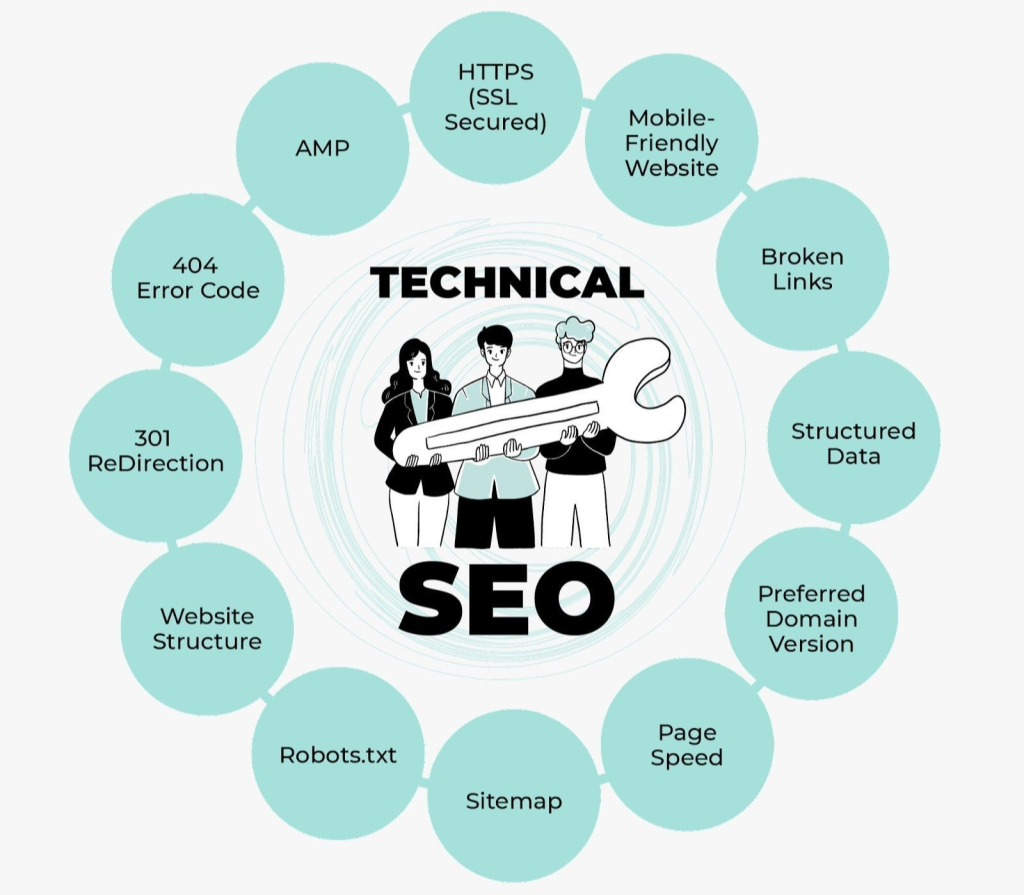
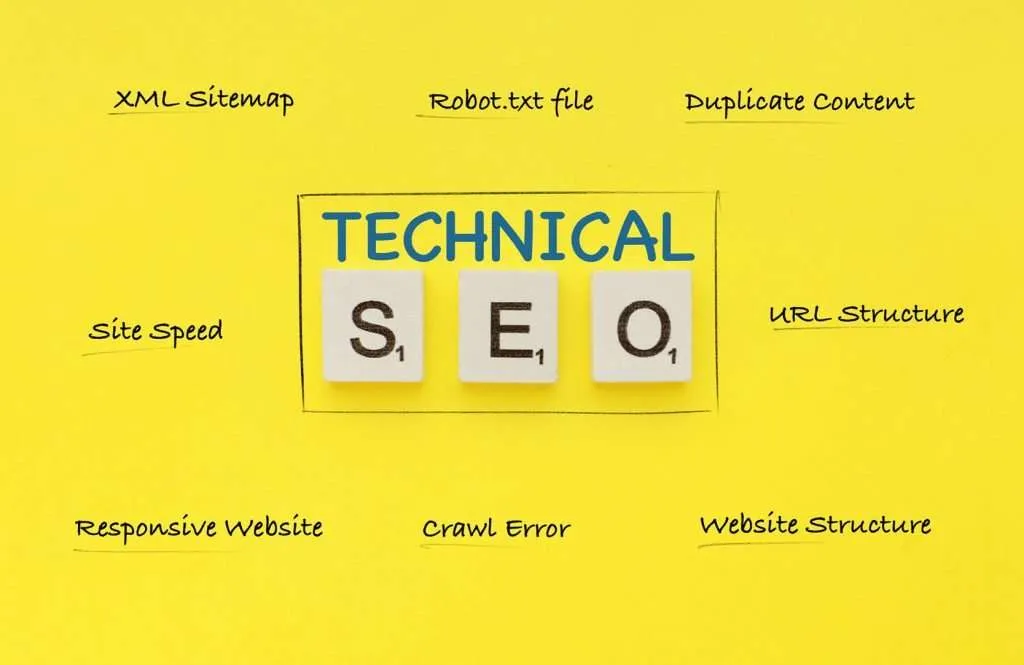
If Search Engine Optimization (SEO) were a race car, then technical SEO would be the engine. You can have amazing content and perfect keywords, but if your site loads slowly, isn’t mobile-friendly, or has broken links—Google will likely push you down the ranks.
Technical SEO ensures that your website runs like a well-oiled machine—fast, structured, secure, and mobile-ready. In this article, we’ll explore the foundational elements of technical SEO: speed, structure, and mobile optimization.
Digital strategist Kamlesh Singad, founder of CWK Agency, puts it this way: “Technical SEO is what ensures Google not only finds your website but trusts it enough to rank it.”
Table of Contents
What is Technical SEO?
Technical SEO refers to optimizing the infrastructure of your website so that search engines can crawl, index, and rank it efficiently. It doesn’t involve keyword targeting or content strategy—it’s all about performance, accessibility, and structure.
Key elements include:
Website speed and performance
Mobile responsiveness
Secure browsing (HTTPS)
Crawlability and indexability
Structured data and sitemaps
Why Technical SEO is Crucial in 2025
With Google’s algorithm becoming more user-centric, technical factors play a huge role in ranking:
Page experience is a confirmed ranking factor
Core Web Vitals directly affect how Google evaluates your page
Mobile-first indexing makes mobile optimization a top priority
According to Kamlesh Singad, “Ignoring technical SEO is like trying to run a marathon in flip-flops.”
What’s the difference between technical SEO and on-page SEO? Technical SEO focuses on backend performance, while on-page SEO focuses on content and keywords.
How often should I perform a technical SEO audit? Every 3–6 months, or after a major site update.
Can I do technical SEO without a developer? Yes, especially with platforms like WordPress and tools like WP Rocket and Rank Math.
What’s the biggest technical SEO mistake beginners make? Ignoring mobile optimization and not compressing images.
Does technical SEO help with local SEO? Absolutely. Speed and mobile-friendliness directly impact local rankings and mobile map searches.
Conclusion: Don’t Let Poor Tech Hold Back Great Content
You can write the best blog in the world, but if your site loads slowly, breaks on mobile, or confuses Google—you won’t rank. Technical SEO is your silent hero. It works in the background to ensure everything else—content, links, social media—gets the attention it deserves.
With the expert strategies from Kamlesh Singad and the results-driven systems of CWK Agency, you now have a clear roadmap to master speed, structure, and mobile optimization—and take your SEO game to the next level.
In today’s digital landscape, mobile devices dominate online browsing. As search engines increasingly prioritize mobile-first indexing, SEO best practices have evolved to emphasize mobile friendliness as a critical ranking factor. A mobile-friendly website not only enhances user experience but also drives better search engine rankings.
This blog will explore why mobile friendliness is vital for SEO, key strategies to optimize your site, and how to ensure your website meets the latest standards in mobile optimization.
Why Mobile Friendliness Matters for SEO
The era of desktop-dominated web browsing has shifted, with over 60% of internet users accessing websites via mobile devices. Search engines like Google now prioritize mobile-first indexing, meaning they assess the mobile version of a website to determine rankings.
A mobile-friendly website improves user experience, reduces bounce rates, and increases engagement—key metrics that influence SEO performance. Neglecting SEO best practices in mobile optimization can lead to missed opportunities for visibility and conversion.
To achieve mobile friendliness, your website must incorporate:
Responsive Design: Ensures your site adapts seamlessly to various screen sizes.
Fast Loading Speed: Mobile users expect pages to load within three seconds.
Readable Text and Touch-Friendly Buttons: Avoids the need for zooming or squinting.
Clear Navigation: Simplifies browsing with intuitive menus.
Each of these elements contributes to a positive user experience, which search engines reward with better rankings.
Implementing SEO Best Practices for Mobile Friendliness
1. Optimize for Speed
Speed is a critical factor in mobile SEO. Use tools like Google PageSpeed Insights to identify issues slowing down your website.
Compress images to reduce file sizes.
Leverage browser caching.
Minimize server response times.
SEO best practices dictate that faster websites perform better in search rankings, especially for mobile users.
2. Use a Responsive Web Design
Responsive design is a cornerstone of mobile friendliness. This approach allows your website to adapt automatically to any screen size or orientation. Platforms like WordPress offer themes optimized for responsiveness, ensuring compatibility across all devices.
3. Prioritize Mobile-First Content
Create content that caters to mobile users:
Use short paragraphs and bullet points for readability.
Ensure images and videos are optimized for mobile display.
Incorporate call-to-actions (CTAs) that are easily clickable on smaller screens.
4. Test Mobile Usability Regularly
Use Google’s Mobile-Friendly Test Tool to evaluate your site’s performance. Fix issues such as improperly formatted text, unresponsive design, or intrusive pop-ups.
5. Implement Schema Markup
Schema markup enhances your content’s visibility in search results, especially on mobile devices. Rich snippets like FAQs, reviews, and local business details improve click-through rates (CTR).
6. Avoid Intrusive Interstitials
Google penalizes websites that use intrusive pop-ups or ads, which disrupt the user experience on mobile devices. Keep pop-ups minimal and ensure they don’t block essential content.
Google’s mobile-first indexing means the mobile version of your site serves as the baseline for ranking. If your site isn’t optimized for mobile, your SEO performance can suffer, even if your desktop site is flawless.
Adhering to SEO best practices ensures your website ranks well regardless of the device users browse on.
Common Mistakes to Avoid in Mobile Optimization
Ignoring Site Speed: A slow site alienates mobile users and increases bounce rates.
Non-Responsive Design: Forces users to zoom or scroll horizontally.
Large Media Files: Slows down loading time, frustrating users.
Overloading Pages: Excessive content can overwhelm mobile users.
Avoiding these pitfalls is critical to maintaining mobile friendliness and improving SEO performance.
FAQs About SEO Best Practices: Mobile Friendliness
What is mobile-first indexing, and why is it important? Mobile-first indexing means search engines primarily use the mobile version of your site to determine rankings. This approach reflects the growing number of mobile users and emphasizes the need for mobile optimization.
How does mobile friendliness affect SEO rankings? A mobile-friendly website improves user experience, lowers bounce rates, and increases engagement—all factors that positively impact SEO rankings.
What tools can I use to check my site’s mobile performance? Tools like Google’s Mobile-Friendly Test and PageSpeed Insights help identify and fix issues affecting mobile performance.
Is responsive design necessary for mobile friendliness? Yes, responsive design ensures your website adapts to various screen sizes, providing a seamless user experience across devices.
Can intrusive ads harm my mobile SEO? Absolutely. Intrusive ads disrupt the user experience and can result in penalties from search engines.
How often should I test my site for mobile usability? Regular testing is recommended, especially after making updates or changes to your website.
Embracing SEO best practices for mobile friendliness is no longer optional—it’s essential. With mobile users forming the majority of internet traffic, optimizing your website for mobile ensures better rankings, user engagement, and overall success.
By implementing responsive design, optimizing site speed, and prioritizing mobile-first content, you can create a seamless browsing experience that search engines and users alike will appreciate. Don’t let your website fall behind—start enhancing your mobile friendliness today!
A professional, well-designed website is no longer just a luxury for small businesses—it’s essential. Whether you’re a local business or an online startup, having a user-friendly and aesthetically appealing website helps establish credibility, attract customers, and grow your brand. But where do you start when building a website that drives business success? Web Design for Small Businesses.
This guide breaks down 12 simple steps to help you create an effective, engaging website that can serve as the digital hub for your small business. Whether you’re building it yourself or working with a web designer, these steps will help ensure your site is set up for success.
Web Design for Small Businesses
Step 1: Define Your Website’s Purpose and Goals
Before diving into design and layout, it’s crucial to clarify your website’s primary purpose. Are you aiming to sell products, generate leads, build an online portfolio, or share information about your services? Defining clear goals helps you create a website that aligns with your business objectives.
Common Goals for Small Business Websites:
E-commerce: Sell products online and integrate a secure shopping cart.
Lead Generation: Capture customer information through forms or sign-ups.
Brand Awareness: Showcase your services or portfolio to establish credibility.
Customer Engagement: Provide valuable content, blogs, or contact information to keep users engaged.
Knowing your goals upfront will guide the design choices and functionality you need, helping create a seamless experience for your users.
Step 2: Choose a Domain Name and Hosting Provider
Your domain name is your business’s online address. It should be easy to remember, relevant to your business, and reflect your brand. A good domain name is typically short, easy to spell, and ideally includes your business name or keywords related to your industry.
Tips for Choosing a Domain Name:
Keep it simple and memorable.
Avoid numbers and hyphens.
Use keywords relevant to your business, if possible.
Once you’ve secured your domain name, selecting a reliable hosting provider is essential. Your hosting provider is responsible for storing your website files and making them accessible to users. Look for a hosting plan that offers strong uptime, fast loading speeds, and good customer support.
Step 3: Select a User-Friendly Website Builder or CMS
Choosing the right platform for building your website is one of the most important decisions you’ll make. For small businesses, the ideal website builder or content management system (CMS) should be easy to use, customizable, and scalable as your business grows.
Popular Website Builders for Small Businesses:
WordPress: The most popular CMS, offering a wide range of themes, plugins, and customization options.
Wix: A drag-and-drop website builder that’s user-friendly and ideal for beginners.
Squarespace: Known for its design-forward templates, perfect for visually-focused businesses.
Shopify: Tailored for e-commerce, Shopify offers tools for online store creation and management.
The right choice depends on your business needs—if you’re running an online store, Shopify or WooCommerce (for WordPress) may be ideal, while a portfolio site may do better on Squarespace or Wix.
Step 4: Plan Your Website’s Structure and Navigation
Good web design starts with thoughtful planning. A well-structured site makes it easier for visitors to find what they’re looking for, which improves the user experience and boosts SEO. Start by outlining the essential pages you need on your website.
Key Pages for a Small Business Website:
Homepage: The first impression of your business; it should highlight your value proposition and key offerings.
About Page: Tell the story of your business, including its mission, values, and history.
Services or Products Page: Showcase what you offer with clear descriptions, images, and pricing (if applicable).
Contact Page: Make it easy for visitors to reach you via contact forms, phone numbers, or email addresses.
Blog (Optional): Share valuable content, industry news, or business updates to engage your audience and improve SEO.
Plan your site’s navigation to be intuitive and user-friendly. Limit the number of menu items, organize pages logically, and avoid overwhelming visitors with too many options.
Step 5: Choose a Responsive and Mobile-Friendly Design
With over half of web traffic now coming from mobile devices, having a mobile-friendly website is no longer optional. Responsive design ensures that your website looks great and functions well on devices of all sizes, including smartphones, tablets, and desktop computers.
Why Responsive Design is Essential:
Better User Experience: Mobile visitors can easily navigate and interact with your site.
Improved SEO: Google prioritizes mobile-friendly sites in search results.
Increased Conversion Rates: A seamless mobile experience leads to higher sales and inquiries.
Choose a theme or template that’s built with responsive design in mind, and test your site on different devices to ensure it performs well across the board.
Step 6: Optimize for Search Engines (SEO)
Search engine optimization (SEO) is the process of improving your website so that it ranks higher in search engine results. For small businesses, ranking on the first page of Google can be a game-changer, driving organic traffic to your site without the need for paid ads.
Basic SEO Practices for Small Business Websites:
Keyword Research: Identify the keywords your customers are searching for, and incorporate them into your content, titles, and meta descriptions.
Title Tags and Meta Descriptions: Each page should have a unique title tag and meta description that clearly describe its content.
Alt Text for Images: Use descriptive alt text for all images to help search engines understand your visual content.
Internal Linking: Link to other relevant pages on your site to help visitors navigate and improve your SEO.
Optimizing your website for SEO may take time, but it’s one of the most effective ways to attract long-term, organic traffic.
Step 7: Focus on Fast Loading Speeds
A slow-loading website can drive visitors away before they even have a chance to explore your offerings. In fact, studies show that users expect websites to load within 2-3 seconds, and anything longer can lead to higher bounce rates.
Ways to Improve Website Loading Speed:
Compress Images: Large image files can slow down your site. Use compression tools like TinyPNG to reduce file sizes without sacrificing quality.
Use a Content Delivery Network (CDN): A CDN distributes your website files across multiple servers worldwide, reducing the time it takes to load your site for visitors in different locations.
Minimize Plugins: Limit the use of unnecessary plugins or scripts that can slow down performance.
Investing in fast, reliable hosting and optimizing your site’s performance will ensure a smooth experience for your visitors.
Visual content is a powerful way to engage visitors and convey your brand’s message. High-quality images, videos, and graphics can enhance the overall aesthetic of your site, while poor-quality visuals can make your site appear unprofessional.
Best Practices for Visual Content:
Use Professional Photos: Whether it’s product photography or team photos, use high-quality, professional images.
Include Videos: Videos can showcase your products, explain services, or provide testimonials in an engaging format.
Be Consistent with Branding: Use a consistent color scheme, typography, and style that align with your brand identity.
Visual content helps communicate your brand’s story, enhances the user experience, and can improve conversions.
Step 9: Ensure Easy Contact and Clear Calls-to-Action (CTAs)
A successful small business website makes it easy for visitors to take action, whether that’s contacting you, signing up for a newsletter, or purchasing a product. Clear calls-to-action (CTAs) guide users toward their next step.
Effective CTAs:
Contact Forms: Include easy-to-use contact forms on key pages.
Clickable Phone Numbers: For mobile users, make sure your phone number is clickable for one-tap calling.
Strategic CTAs: Use CTAs like “Get a Quote,” “Sign Up,” or “Buy Now” to encourage users to engage.
Don’t overload your visitors with too many CTAs—focus on a few clear actions that align with your website’s goals.
Step 10: Integrate Social Proof and Testimonials
Social proof is a powerful way to build trust with potential customers. By showcasing customer reviews, testimonials, and case studies, you demonstrate that others have had positive experiences with your business.
Types of Social Proof to Include:
Customer Testimonials: Share written or video testimonials from satisfied customers.
Case Studies: Showcase successful projects or clients you’ve worked with.
User-Generated Content: Feature content created by your customers, such as photos of them using your products.
Incorporating social proof into your website not only builds credibility but can also encourage visitors to take the next step.
Step 11: Implement Analytics and Tracking
To measure your website’s performance and understand how visitors are interacting with your content, it’s important to set up website analytics. Google Analytics is a free and powerful tool that can track a variety of metrics, including traffic sources, user behavior, and conversion rates.
**Key Metrics
to Monitor:**
Traffic Volume: How many visitors are coming to your site.
Bounce Rate: The percentage of visitors who leave your site without interacting.
Conversion Rate: How many visitors are taking the desired action, such as making a purchase or submitting a form.
By analyzing this data, you can make informed decisions about how to improve your website over time.
Step 12: Maintain and Update Your Website Regularly
Once your website is live, your job isn’t done. Regular updates and maintenance are crucial for keeping your site secure, functional, and relevant.
Website Maintenance Checklist:
Update Software and Plugins: Ensure your CMS and plugins are up to date to protect against security vulnerabilities.
Check for Broken Links: Use tools like Broken Link Checker to find and fix any broken links on your site.
Update Content: Regularly update your website with fresh content, such as new blog posts, product updates, or service offerings.
Maintaining your website ensures it continues to perform well, both for users and search engines.
FAQs
How important is a website for small businesses? A website is essential for small businesses to establish credibility, attract new customers, and provide information about their products and services.
What platform is best for small business websites? Platforms like WordPress, Wix, Squarespace, and Shopify are popular choices for small businesses. The right one depends on your specific needs, such as e-commerce or simple portfolio websites.
How can I improve my small business website’s SEO? Improve SEO by conducting keyword research, optimizing title tags and meta descriptions, using internal links, and creating valuable content that answers customer questions.
What makes a good small business website? A good small business website is user-friendly, mobile-optimized, fast-loading, visually appealing, and designed with clear goals in mind, such as lead generation or sales.
How often should I update my small business website? Your website should be updated regularly to ensure it’s secure, functional, and relevant. Update content frequently and perform routine maintenance checks every few months.
Mobile marketing has become a pivotal part of the digital marketing landscape, owing to the ubiquitous nature of mobile devices. In a world where nearly everyone has a smartphone within arm’s reach, marketers have developed sophisticated methods to target audiences effectively and personally. This blog will delve into the multifaceted strategies that make mobile marketing an essential tool for reaching consumers directly and contextually.
Understanding the Basics of Mobile Marketing
Mobile Marketing: A Definition
Mobile marketing is a digital marketing strategy aimed at reaching a target audience on their smartphones, tablets, and other mobile devices through websites, email, SMS and MMS, social media, and apps. In the age of mobile technology, marketers can’t afford to overlook the potential of mobile marketing.
Mobile marketing is the art and science of reaching audiences through their mobile devices, such as smartphones and tablets, utilizing a variety of digital strategies and channels. At its core, mobile marketing seeks to capitalize on the pervasive nature of mobile devices in modern society, leveraging technology to deliver personalized, timely, and effective marketing messages.
The Essence of Mobile Marketing
At the intersection of technology and consumer behavior, mobile marketing involves communicating with the target audience on their mobile devices. This can be achieved through:
SMS and MMS Messages: These are direct messages sent to a mobile phone and can include text (SMS) or multimedia content such as images, video, and audio (MMS).
Mobile Applications: Businesses use apps to provide a seamless and interactive experience. They can push notifications to users to promote sales, updates, or new content.
Emails Optimized for Mobile: Designing email campaigns that are mobile-friendly ensures that communications are effective across all device types.
Social Media: Platforms like Facebook, Instagram, and Twitter are predominantly accessed via mobile devices. Ads and updates on these platforms are a key part of mobile marketing.
Location-Based Marketing: This strategy uses GPS technology to tailor marketing messages based on the geographic location of users, often in real-time.
Goals of Mobile Marketing
The primary goal of mobile marketing is to engage customers on devices they use most frequently and personally. This form of marketing is tailored to fit the unique behavior of mobile users and the technical constraints and opportunities of mobile devices, including:
Personalization: Mobile devices are personal items, which makes them an ideal channel for personalized marketing messages.
Convenience and Timeliness: Messages can be delivered at times when they are most likely to be effective and in formats that are easy for consumers to interact with on the go.
Geo-Targeting: Marketers can send content specific to a customer’s location, enhancing the relevance and effectiveness of their campaigns.
Why Mobile Marketing Matters
With increasing numbers of consumers using mobile devices as their primary means of accessing the internet, mobile marketing is not just a novelty but a necessity. Here are some compelling reasons why:
Ubiquity of Smartphones: The widespread use of smartphones globally means that mobile marketing can reach a vast audience.
Higher Engagement Rates: Mobile marketing campaigns often see higher engagement rates than those delivered on other platforms due to the personal nature of mobile devices.
Immediate and Actionable: Mobile marketing allows for immediate consumer actions, such as visiting a website, making a purchase, or obtaining directions to a store.
In summary, mobile marketing harnesses the potential of mobile devices to provide a direct, personalized, and effective way to communicate with consumers. As technology evolves and consumer habits shift, the strategies employed in mobile marketing will continue to adapt, making it an exciting and essential area of digital marketing.
The Scope of Mobile Marketing
With mobile devices now central to our lives, the scope of mobile marketing has expanded exponentially. This form of marketing not only includes sending messages or creating apps but also encompasses responsive website design, mobile-specific advertising, location-based marketing, and integrated marketing campaigns that leverage mobile as a key component.
Mobile marketing has evolved far beyond its origins as a novel method of reaching consumers through their mobile devices. Today, it encompasses a broad array of strategies and technologies designed to engage an audience that is increasingly reliant on smartphones, tablets, and other mobile devices for daily communication, entertainment, and information. The scope of mobile marketing is broad, dynamic, and intrinsically linked to how modern consumers interact with digital content.
Key Components of Mobile Marketing
The scope of mobile marketing includes several key components that together create a comprehensive approach to digital marketing:
Responsive Web Design: Ensuring that websites are optimized for mobile devices, providing a seamless user experience whether a visitor is using a desktop computer, a tablet, or a smartphone.
App Development and Marketing: Creating mobile applications that offer functionalities unique to mobile devices, such as touch interactions and sensor data (like GPS and motion sensors), and using these platforms for direct marketing.
SMS/MMS Campaigns: Utilizing text messaging services to deliver concise, timely marketing messages directly to a user’s mobile phone.
Mobile Advertising: Includes display ads, video ads, and other promotional materials specifically designed for mobile formats and published on various platforms, including social media and mobile-friendly websites.
Location-Based Services (LBS): Using a mobile device’s GPS capability to tailor marketing messages based on the user’s location, such as sending special offers when a user is near a specific store.
Augmented Reality (AR) and Virtual Reality (VR): Deploying immersive technologies that enhance real-world environments with digital overlays or create completely virtual worlds, respectively, often for engaging marketing experiences.
Voice Search Optimization: Adapting marketing content to be more discoverable through voice search, recognizing the growing use of voice assistants on mobile devices.
Expanding Reach and Capabilities
The scope of mobile marketing is not just about reaching more users; it’s about deepening engagement with them through more personalized and contextually relevant experiences. Here’s how mobile marketing is expanding its reach and capabilities:
Personalization at Scale: Mobile devices provide marketers with rich data about user behavior, preferences, and location. This data allows for personalized marketing at scale, tailoring messages to individual users based on real-time data.
Integration with Other Marketing Channels: Mobile marketing does not exist in isolation. It is often part of a multi-channel strategy that includes digital and traditional marketing methods. This integration allows for a cohesive customer journey across different touchpoints.
Technological Innovations: Advances in mobile technology, such as faster mobile networks (e.g., 5G), improved smartphone capabilities, and new applications of AI and machine learning, continue to expand what is possible in mobile marketing.
Why the Scope Matters
Understanding the broad scope of mobile marketing is crucial for businesses aiming to compete in a digital age. Here’s why:
Consumer Expectations: Modern consumers expect brands to provide seamless interactions across all devices and platforms. They value convenience, relevance, and personalization, all of which are facilitated by effective mobile marketing.
Competitive Advantage: Businesses that effectively leverage mobile marketing can engage with their audience in real-time, build stronger brand loyalty, and ultimately, achieve a competitive advantage in their market.
ROI and Effectiveness: Mobile marketing campaigns can be highly effective due to their targeted nature and the direct connection they establish with consumers. They often yield higher return on investment compared to more traditional marketing methods.
The scope of mobile marketing continues to grow as new technologies emerge and consumer habits evolve. For marketers, staying informed and adaptable is key to leveraging the power of mobile to meet their marketing objectives and drive business success.
Strategies to Target Audiences in Mobile Marketing
Geo-Targeting and Location-Based Services
One of the most powerful features of mobile marketing is the ability to target users based on their location. Geo-targeting uses GPS technology to send content to a user’s phone, tailored to their geographical location. This can range from location-specific ads to offering special deals when they are near a particular store.
Behavioral Targeting Through Mobile Metrics
Mobile devices offer marketers a wealth of data about user behavior. From app usage patterns to browsing habits, mobile marketers can gather detailed insights to create highly personalized marketing campaigns.
Demographic Targeting Via Mobile
Demographic targeting in mobile marketing involves reaching audiences based on age, gender, income level, education, and more. This segmentation helps marketers tailor their messaging and offers to increase relevance and engagement.
The Role of SMS and MMS in Audience Targeting
Direct Engagement Through SMS
SMS marketing remains one of the most direct ways to reach an audience. With high open rates, SMS allows marketers to send timely, relevant messages directly to individuals, fostering immediate engagement.
Enhancing Campaigns with MMS
MMS, or Multimedia Messaging Service, takes SMS a step further by allowing the inclusion of images, video, and audio. This rich media format can significantly enhance engagement and message retention.
Utilizing Mobile Apps for Personalized Marketing
Mobile apps offer a unique and potent venue for personalized marketing. With most users consistently logged into their personal devices, apps provide marketers with a direct channel to deliver tailored content, enhancing user engagement and improving customer loyalty. The personalized marketing capabilities of mobile apps leverage user data and behavior to create individualized experiences that resonate deeply with each user.
Leveraging User Data for Personalization
At the heart of personalized marketing through mobile apps is the collection and analysis of user data. Here’s how mobile apps gather and use this data for marketing:
User Behavior Tracking: Mobile apps can track a wide range of user activities, from basic interactions within the app to more complex patterns like purchase history and browsing behavior.
Custom User Profiles: Apps often encourage users to create profiles, which not only help in storing preferences and settings but also provide marketers with valuable data about demographics, interests, and more.
Location Data: Many apps request access to a user’s GPS data, which can be used for location-based marketing, offering promotions and features relevant to the user’s current or frequently visited locations.
Techniques for Personalization in Mobile Apps
The data collected through mobile apps can be utilized to craft marketing strategies that are not only personalized but also highly relevant and timely. Some of the most effective techniques include:
Push Notifications: These are messages that pop up on a user’s device, providing timely updates, offers, or reminders. By tailoring these notifications based on the user’s past behavior or current location, businesses can significantly increase relevance and engagement.
In-App Messages: These messages appear while the user is actively using the app. They can be used to promote offers, guide users through new features, or provide personalized recommendations.
Personalized Content and Recommendations: Based on the user’s previous actions, apps can display customized content and product or service recommendations. This not only enhances the user experience but also increases the likelihood of conversion.
Dynamic Content Adaptation: Some apps can alter their interface and functionality based on the user’s preferences and behavior. This can range from changing the layout to highlighting certain features, effectively creating a user-specific experience.
Integration with Other Marketing Channels
For maximum impact, mobile app marketing often integrates with broader marketing strategies. Here’s how:
Email Marketing: By linking user accounts to mobile apps, businesses can send personalized email content that complements the app experience, such as reminders to complete a purchase started in the app.
Social Media Integration: Apps can integrate social media features, allowing users to share content or achievements on their social networks, which not only engages users but also provides free promotion.
Cross-Promotion Between Apps: Businesses with multiple apps can use one app to promote another, particularly if the apps cater to similar demographics or interests.
Challenges and Considerations
While mobile apps are a powerful tool for personalized marketing, there are challenges and considerations that need to be addressed:
Privacy Concerns: Collecting and using personal data comes with the responsibility to protect user privacy. Transparency about data collection practices and adherence to data protection regulations is crucial.
User Experience vs. Marketing Needs: Balancing the user experience with the push for marketing messages is vital. Overdoing push notifications or in-app messages can lead to user frustration and app uninstalls.
Resource Intensive: Developing and maintaining a mobile app, especially one that offers personalized experiences, can be resource-intensive. It requires ongoing updates, testing, and marketing to remain effective and secure.
Utilizing mobile apps for personalized marketing represents a convergence of technology, data analytics, and consumer engagement strategies. When executed thoughtfully, it not only boosts marketing efforts but also significantly enhances the user experience, leading to higher engagement rates and customer loyalty. As mobile technology continues to evolve, so too will the strategies for leveraging apps in marketing, making it a continually adapting and exciting field.
Integration of Mobile Marketing with Other Digital Strategies
Mobile marketing, while powerful on its own, achieves its greatest potential when integrated seamlessly with other digital marketing strategies. This holistic approach not only ensures a consistent message across all platforms but also leverages the unique strengths of each channel to enhance overall marketing effectiveness and user experience.
Cross-Channel Marketing Synergy
The key to successful integration lies in the synergy between mobile marketing and other digital channels. Here’s how mobile marketing can be harmoniously integrated with other strategies:
Social Media Marketing: Mobile devices are the primary medium for social media usage. Integrating mobile marketing strategies with social media involves optimizing social media ads for mobile devices, sharing mobile-specific offers, and using social platforms to drive traffic to mobile apps or websites.
Email Marketing: Email is a significant touchpoint in digital marketing and one that is frequently accessed via mobile devices. By designing emails to be mobile-friendly and linking directly to mobile-optimized landing pages or apps, marketers can create a seamless experience for mobile users.
Content Marketing: The content designed for mobile marketing needs to be concise and impactful. Integration involves ensuring that content such as blogs, videos, and infographics is optimized for mobile devices, considering factors like screen size and load time.
Search Engine Optimization (SEO): With Google’s mobile-first indexing, mobile SEO has become critical. Integrating mobile marketing with SEO involves optimizing websites for mobile search, focusing on speed, responsive design, and mobile-friendly content.
Leveraging Data for Unified Customer Views
One of the most critical aspects of integrating mobile marketing with other digital strategies is the unified customer view it provides. Here’s how integration helps in understanding and targeting customers better:
Data Consolidation: Combining data from mobile apps, websites, social media, and other digital platforms offers a comprehensive view of customer behavior and preferences.
Personalization Across Channels: With a unified view of customer data, businesses can deliver personalized experiences across all touchpoints. For instance, a user’s interaction with a mobile app can inform the type of content they receive in emails or the ads they see on social media.
Behavioral Analysis and Segmentation: Integrated data allows for more sophisticated behavioral analyses and segmentation. This can lead to more targeted campaigns that are consistent across all digital channels.
Technological Integration
Effective integration of mobile marketing with other digital strategies also relies on the appropriate use of technology:
Marketing Automation Platforms: These platforms can automate and coordinate messages across channels including mobile, email, and social media, ensuring a cohesive customer experience.
Customer Relationship Management (CRM) Systems: CRMs that integrate mobile marketing data along with other customer interactions help create detailed customer profiles, aiding in tailored marketing efforts.
Analytics and Reporting Tools: Tools that can analyze cross-channel performance are essential for understanding how mobile marketing efforts are contributing to overall digital strategy goals.
Challenges in Integration
While the integration of mobile marketing with other digital strategies offers numerous benefits, it also presents several challenges:
Consistency in Messaging: Ensuring consistent messaging and branding across multiple platforms and devices can be challenging but is crucial for maintaining customer trust and recognition.
Technology and Resource Allocation: Integrating various technologies and platforms often requires significant investment in both technology and skilled personnel.
Privacy and Data Security: As more data is collected and shared across platforms, ensuring the privacy and security of customer information becomes increasingly complex.
Integration of mobile marketing with other digital strategies is not merely beneficial; it is necessary in a digital landscape dominated by multi-device users who expect seamless interactions. When executed effectively, this integration not only enhances the reach and effectiveness of marketing campaigns but also improves customer satisfaction and loyalty. As mobile technology continues to evolve, so too must the strategies that businesses use to engage with their users, ensuring a coherent and unified marketing approach across all digital fronts.
FAQs on Mobile Marketing Audience Targeting
What makes mobile marketing an essential tool for modern businesses?
How does geo-targeting enhance customer engagement?
What are the benefits of using SMS and MMS in mobile marketing?
How can mobile apps be used to increase customer loyalty?
What are the key metrics to track in mobile marketing?
How does integrating mobile marketing with other channels improve campaign results?
Conclusion
Mobile marketing represents a dynamic and essential strategy for targeting modern consumers. Through a combination of technological advancements and strategic targeting techniques, mobile marketing allows businesses to engage with their audience in a personalized and impactful way. As mobile technology continues to evolve, so too will the strategies marketers use to reach their audiences, making staying current with mobile marketing tactics more important than ever.