Tag: online reviews

  • Online Reputation Management for Small Businesses: Complete Guide by Code With Kamlesh

    Online Reputation Management for Small Businesses: Complete Guide by Code With Kamlesh

    In today’s digital world, your business reputation is no longer built only through word of mouth. Instead, it is shaped online through Google reviews, social media comments, customer feedback, and ratings. For Small Businesses, maintaining a positive online image is extremely important for growth and success.

    This is where Online Reputation Management (ORM) plays a crucial role. At Code With Kamlesh, led by Kamlesh Singad, we help businesses build, manage, and protect their online reputation effectively.

    In this complete guide, you will learn everything about Online Reputation Management, why it matters, and how small businesses can use it to grow faster.
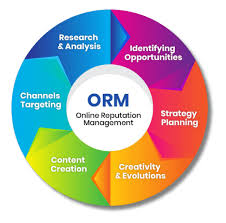
    Online Reputation Management

    What is Online Reputation Management?

    Online Reputation Management (ORM) is the process of monitoring, managing, and improving how your business appears online. It includes:

    • Managing customer reviews
    • Responding to feedback
    • Handling negative comments
    • Promoting positive content
    • Building trust online

    In simple words, ORM helps you control what people see when they search for your business on Google or social media.
    Online Reputation Management

    Why Online Reputation Management is Important for Small Businesses

    For Small Businesses, reputation is everything. Unlike big brands, small businesses rely heavily on trust and customer relationships.

    1. Builds Customer Trust

    People trust online reviews as much as personal recommendations. A positive reputation increases trust instantly.

    2. Influences Buying Decisions

    Before purchasing, customers check reviews. Good ratings can directly increase your sales.

    3. Improves Online Visibility

    Positive reviews and engagement help improve rankings in Digital Marketing in Indore strategies like SEO.

    4. Creates Brand Image

    Your online presence reflects your brand personality. ORM helps maintain a professional image.

    5. Gives Competitive Advantage

    A strong reputation can help you stand out from competitors in a crowded market.

    Read also : 6 Advanced Social Media Marketing Tips to Grow Your Business Fast | Code With Kamlesh

    Key Elements of Online Reputation Management

    To manage your reputation effectively, you need to focus on these important areas:

    1. Online Reviews Management

    Platforms like Google, Justdial, and social media are full of customer reviews. Managing them is essential.

    2. Social Media Presence

    Your activity on platforms like Facebook, Instagram, and LinkedIn impacts your reputation.

    3. Search Engine Results

    What appears on Google when someone searches your business matters a lot.

    4. Customer Feedback

    Listening to your customers and improving based on their feedback builds trust.

    5. Content Management

    Positive blogs, testimonials, and posts help push down negative content.

    Online Reputation Management

    Read also : 5 Powerful SEO Techniques to Grow Organic Traffic Fast | Code With Kamlesh

    Step-by-Step Guide to Online Reputation Management

    Step 1: Monitor Your Online Presence

    First, you need to know what people are saying about your business.

    • Search your business name on Google
    • Check reviews regularly
    • Track social media mentions

    This helps you understand your current reputation.

    Step 2: Respond to Customer Reviews

    Always reply to reviews—both positive and negative.

    For Positive Reviews:

    • Say thank you
    • Appreciate the customer
    • Encourage repeat visits

    For Negative Reviews:

    • Stay calm and professional
    • Apologize if needed
    • Offer a solution

    Quick and polite responses show that you care about customers.

    Step 3: Encourage Happy Customers to Leave Reviews

    Many satisfied customers don’t leave reviews unless asked.

    You can:

    • Ask customers after a successful service
    • Send follow-up messages
    • Provide direct review links

    More positive reviews improve your online reputation.

    Step 4: Handle Negative Feedback Smartly

    Negative reviews are normal. What matters is how you handle them.

    • Never argue online
    • Solve the issue privately if possible
    • Show professionalism in your response

    This builds trust even in difficult situations.

    Step 5: Improve Your Social Media Image

    Social media is a powerful tool in Digital Marketing in Indore.

    • Post regularly
    • Share customer success stories
    • Engage with followers
    • Reply to comments

    Active social media creates a strong brand impression.

    Step 6: Create Positive Content

    Content helps you control your online image.

    You can create:

    • Blog posts
    • Customer testimonials
    • Case studies
    • Social media posts

    At Code With Kamlesh Agency Indore, we focus on creating positive content that highlights your brand strengths.

    Step 7: Focus on Local SEO

    For small businesses, local visibility is very important.

    • Optimize your Google Business Profile
    • Use local keywords
    • Add location details
    • Collect local reviews

    This helps your business rank higher in local searches.

    Read also : Online Marketing Indore: 7 Powerful Strategies to Grow Your Business Faster

    Common Mistakes Small Businesses Should Avoid

    Many businesses unknowingly damage their reputation. Avoid these mistakes:

    1. Ignoring Reviews

    Not responding to reviews gives a negative impression.

    2. Deleting Negative Feedback

    Instead of deleting, address the issue professionally.

    3. Being Inactive Online

    No updates make your business look outdated.

    4. Fake Reviews

    Buying fake reviews can harm your credibility.

    5. Poor Customer Service

    Bad service leads to negative reviews and reputation loss.

    Tools for Online Reputation Management

    Here are some useful tools to manage your reputation:

    • Google Alerts – Track mentions of your business
    • Social Media Insights – Monitor engagement
    • Review Platforms – Manage customer feedback
    • SEO Tools – Improve search visibility

    Using the right tools makes ORM easier and more effective.

    How Code With Kamlesh Helps in ORM

    At Code With Kamlesh Agency Indore, we provide complete Online Reputation Management services for small businesses.

    Our Services Include:

    • Review management
    • Social media handling
    • SEO optimization
    • Content creation
    • Brand monitoring

    Under the guidance of Kamlesh Singad, we focus on delivering real results through proven strategies in Digital Marketing in Indore.

    Benefits of Online Reputation Management

    When done correctly, ORM offers many benefits:

    • Increased customer trust
    • Higher sales and conversions
    • Better search engine ranking
    • Strong brand image
    • Long-term business growth

    For Small Businesses, these benefits can make a huge difference.

    Future of Online Reputation Management

    The importance of Online Reputation Management will continue to grow.

    • More customers will rely on online reviews
    • Social media influence will increase
    • Businesses will need stronger digital strategies

    Small businesses that invest in ORM today will have a big advantage in the future.

    Final Thoughts

    In today’s competitive market, your online reputation can make or break your business. For Small Businesses, maintaining a strong and positive image online is essential for success.

    By following the right strategies and staying active online, you can build trust, attract more customers, and grow your business faster.

    If you want expert help, Code With Kamlesh Agency Indore, led by Kamlesh Singad, is here to guide you with the best solutions in Digital Marketing in Indore and Online Reputation Management.

    FAQs

    1. What is Online Reputation Management for small businesses?

    Online Reputation Management (ORM) is the process of monitoring, managing, and improving how a business is perceived online through reviews, ratings, and digital content.

    2. Why is Online Reputation Management important for small businesses?

    It helps Small Businesses build trust, attract more customers, improve search rankings, and create a strong brand image in competitive markets like Digital Marketing in Indore.

    3. How can small businesses improve their online reputation?

    Businesses can improve their reputation by:

    • Responding to customer reviews
    • Encouraging positive feedback
    • Staying active on social media
    • Creating quality content

    4. How does Code With Kamlesh Agency Indore help in ORM?

    Code With Kamlesh Agency Indore, led by Kamlesh Singad, offers services like review management, SEO, content creation, and brand monitoring to improve online reputation.

    5. Can negative reviews harm my business reputation?

    Yes, but if handled properly—by responding professionally and resolving issues—negative reviews can actually build trust and show transparency.

  • How Digital Marketing Help to Grow Coaching Institutes

    How Digital Marketing Help to Grow Coaching Institutes

    In today’s digital age, the success of coaching institutes heavily relies on their ability to adapt and excel in the online realm. Traditional marketing strategies alone no longer suffice. Enter digital marketing – a powerful tool that can help coaching institutes not only survive but thrive in this competitive landscape. In this comprehensive guide, we’ll explore how digital marketing can be a game-changer for coaching institutes. We’ll break down complex concepts into simple language, supported by real-world examples to help you understand how to harness the full potential of digital marketing to grow your coaching business.

    Learn how Digital Marketing helps coaching institutes grow by increasing visibility, generating student leads, and boosting enrollments. Discover proven strategies like SEO, social media, and ads to scale your coaching business effectively.

    Chapter 1: Understanding Digital Marketing

    Before we dive into how digital marketing can boost coaching institutes, let’s start with the basics.

    What is Digital Marketing?

    Digital marketing encompasses all marketing efforts that use an electronic device or the internet. It’s the umbrella term for a wide range of online strategies and tactics aimed at connecting with potential students and nurturing them into paying customers.

    Why Digital Marketing?

    Digital marketing offers numerous advantages, including:

    1. Cost-Efficiency: Compared to traditional advertising channels like print and TV, digital marketing is often more cost-effective.
    2. Precise Targeting: It allows you to target specific demographics, ensuring your message reaches the right audience.
    3. Measurable Results: Digital marketing tools provide data on performance, enabling you to make data-driven decisions and optimize your campaigns.
    4. Global Reach: With the internet, you can reach students not only locally but also globally.
    Digital Marketing

    Chapter 2: Building a Strong Online Presence

    The foundation of a successful digital marketing strategy for coaching institutes is a strong online presence. Here’s how to get started:

    1. Website Development

    Your website is your virtual campus. Make sure it’s user-friendly, informative, and visually appealing. Showcase your coaching programs, faculty, success stories, and contact information.

    Example: Khan Academy

    Khan Academy’s website is a prime example of simplicity and effectiveness. It offers free educational content, making it an excellent resource for students and parents.

    2. Search Engine Optimization (SEO)

    SEO is the process of optimizing your website to rank higher in search engine results. Implementing relevant keywords and creating valuable content can help improve your website’s visibility.

    Example: Coursera

    Coursera’s SEO strategy has allowed it to dominate the online education space. A search for “online courses” will likely lead you to Coursera.

    3. Content Marketing

    Creating and sharing valuable content such as blogs, videos, and infographics can establish your coaching institute as an authority in your niche.

    Example: Byju’s

    Byju’s, an Indian ed-tech company, publishes engaging educational content on various platforms. Their YouTube channel features lessons, making learning fun and accessible.

    Chapter 3: Social Media Marketing

    Social media platforms are fertile ground for reaching and engaging with your target audience.

    1. Choose the Right Platforms

    Identify which social media platforms your target audience frequents. For instance, if you’re coaching for competitive exams, platforms like LinkedIn and YouTube might be more effective than Instagram or TikTok.

    Example: The Princeton Review

    The Princeton Review maintains an active presence on LinkedIn, offering valuable content to professionals looking to advance their careers.

    2. Content Strategy

    Create and share content that resonates with your audience. Share success stories, tips, and informative posts related to your niche.

    Example: Udacity

    Udacity’s Twitter account is a blend of informative posts about technology trends and stories of students who have achieved career success with their courses.

    3. Paid Advertising

    Consider investing in paid advertising on social media platforms. Targeted ads can reach a broader audience and drive traffic to your website or enrollment pages.

    Example: Khan Academy

    Khan Academy often runs Facebook ads, promoting their free educational resources to a wider audience.

    Digital Marketing

    Chapter 4: Email Marketing

    Email marketing remains one of the most effective ways to nurture leads and convert them into paying students.

    1. Building an Email List

    Collect email addresses through your website, social media, and events. Offer incentives like e-books or newsletters to encourage sign-ups.

    Example: Coursera

    Coursera offers a free trial and encourages users to sign up with their email to access a wide range of courses.

    2. Personalized Email Campaigns

    Segment your email list based on user behavior and preferences. Send personalized emails with relevant content and offers.

    Example: Duolingo

    Duolingo’s emails include tailored language learning exercises and reminders to keep users engaged.

    3. Automation

    Use email marketing automation tools to send timely emails, such as welcome messages, course recommendations, and follow-ups.

    Example: edX

    edX sends automated reminders to students about upcoming course deadlines and offers course recommendations based on their interests.

    Chapter 5: Pay-Per-Click (PPC) Advertising

    PPC advertising allows you to display ads on search engines and other platforms, paying only when a user clicks on your ad.

    1. Google Ads

    Google Ads is a powerful platform for coaching institutes. You can bid on keywords related to your courses to appear at the top of search results.

    Example: Kaplan

    Kaplan uses Google Ads to appear at the top of search results for keywords like “MCAT prep courses.”

    2. Facebook and Instagram Ads

    These platforms allow you to target users based on their interests, demographics, and behavior. Create visually appealing ads to capture attention.

    Example: Udemy

    Udemy uses Facebook and Instagram ads to promote its vast selection of online courses.

    3. Remarketing

    Remarketing involves showing ads to users who have visited your website but didn’t enroll. It’s a powerful way to re-engage potential students.

    Example: Udacity

    Udacity uses remarketing to remind users about the courses they viewed but didn’t enroll in, encouraging them to return and complete their enrollment.

    Chapter 6: Influencer Marketing

    Leverage influencers in your niche to promote your coaching institute.

    1. Identify Relevant Influencers

    Find influencers whose audience aligns with your target demographic. Reach out to them for collaborations.

    Example: MasterClass

    MasterClass partners with well-known experts and celebrities to teach various courses, attracting a broad audience.

    2. Collaborate on Content

    Work with influencers to create engaging and informative content that showcases your coaching institute’s strengths.

    Example: LinkedIn Learning*

    LinkedIn Learning collaborates with industry experts and influencers to create courses that cater to professionals seeking career growth.

    3. Measure Impact

    Track the performance of influencer marketing campaigns to ensure they deliver a positive return on investment (ROI).

    Example: LinkedIn Learning*

    LinkedIn Learning likely evaluates the success of influencer partnerships by monitoring course enrollments and engagement levels.

    Chapter 7: Analytics and Data-driven Decision Making

    One of the significant advantages of digital marketing is the wealth of data it provides.

    1. Google Analytics

    Use tools like Google Analytics to monitor website traffic, user behavior, and conversion rates.

    Example: Khan Academy

    Khan Academy likely uses Google Analytics to track user engagement with their educational content.

    2. Social Media Insights

    Platforms like Facebook and Instagram offer insights into the performance of your social media posts and ads.

    Example: Byju’s

    Byju’s can analyze social media insights to determine which types of content resonate best with their audience.

    3. A/B Testing

    Experiment with different ad copies

    , images, and landing pages to determine what works best.

    Example: Coursera

    Coursera might run A/B tests to optimize its course landing pages and increase conversion rates.

    Chapter 8: Online Reputation Management

    Your coaching institute’s online reputation can significantly impact its success.

    1. Reviews and Ratings

    Encourage satisfied students to leave positive reviews and ratings on platforms like Google, Yelp, and Trustpilot.

    Example: Kaplan

    Kaplan features positive student testimonials on its website, reinforcing its credibility.

    2. Addressing Negative Feedback

    Respond professionally to negative feedback and take steps to resolve issues to demonstrate your commitment to student satisfaction.

    Example: Udemy

    Udemy actively engages with users who leave negative feedback, offering solutions and seeking to improve their experience.

    3. Showcase Achievements

    Highlight your coaching institute’s achievements, such as high exam pass rates or student success stories.

    Example: The Princeton Review

    The Princeton Review proudly displays its high average score improvements and success stories on its website.

    Chapter 9: Mobile Marketing

    With the increasing use of smartphones, optimizing your marketing for mobile is crucial.

    1. Mobile-Friendly Website

    Ensure your website is responsive and offers a seamless experience on mobile devices.

    Example: Udacity

    Udacity’s website is mobile-friendly, providing an excellent user experience on smartphones.

    2. Mobile Apps

    Consider developing a mobile app for your coaching institute. Apps can offer additional learning resources and engagement opportunities.

    Example: Duolingo*

    Duolingo’s mobile app provides convenient language learning on the go, attracting millions of users worldwide.

    3. SMS Marketing

    Send targeted SMS messages to students about course updates, events, and special offers.

    Example: Coursera

    Coursera occasionally sends SMS notifications to users about new courses and discounts.

    Chapter 10: Staying Updated

    The digital marketing landscape is constantly evolving. It’s essential to stay informed about the latest trends and technologies.

    1. Continuous Learning

    Invest in the ongoing education of your marketing team or consider outsourcing to agencies with expertise in digital marketing.

    Example: HubSpot Academy*

    HubSpot offers free courses on digital marketing, making it easy for marketing professionals to stay updated.

    2. Networking and Conferences

    Attend industry conferences and connect with experts to gain insights into emerging trends.

    Example: MozCon*

    MozCon is a well-known conference in the digital marketing industry, featuring presentations from leading experts.

    3. Monitor Competitors

    Keep an eye on your competitors’ digital marketing strategies and adapt as needed.

    Example: Udemy*

    Udemy likely monitors competitors’ course offerings and pricing to stay competitive.

    Conclusion

    In today’s digital age, digital marketing is not an option but a necessity for coaching institutes looking to grow and succeed. By building a strong online presence, leveraging social media, harnessing the power of email marketing, and utilizing paid advertising, analytics, influencer marketing, and more, coaching institutes can connect with their target audience and thrive in the competitive education industry.

    Remember, digital marketing is not a one-size-fits-all solution. Each coaching institute is unique, and your digital marketing strategy should reflect your institution’s values, strengths, and goals. With continuous learning and adaptation, you can harness the full potential of digital marketing to drive growth and success for your coaching institute in the digital age,help digital marketing to grow .

    Thank You!

    Read More –

    Top 10 niche to create youtube channels and earn passive income

    Why SEO is important for website ?

    Digital Marketing Services in India

  • How to do digital marketing for coaching institute?

    How to do digital marketing for coaching institute?

    In today’s digital age, where almost everything happens online, it’s essential for coaching institutes to harness the power of digital marketing to reach and engage with potential students. Whether you’re offering academic tutoring, skill-based coaching, or test preparation, a strong online presence can make all the difference in attracting and retaining students. In this beginner’s guide, we’ll break down the steps of How to do digital marketing for coaching institute? in simple terms.

    Step 1: Define Your Target Audience

    Before diving into any marketing strategies, it’s crucial to know who you’re trying to reach. Think about the age group, academic level, location, and specific needs of your potential students. Are you targeting high school students, college graduates, or working professionals? Defining your audience helps tailor your marketing efforts for maximum impact.

    Step 2: Create a Professional Website

    Your website is your virtual storefront. It should be user-friendly, visually appealing, and easy to navigate. Include important information like the courses you offer, faculty credentials, schedules, pricing, and contact details. Make sure your website is mobile-responsive, as many people browse the internet on their smartphones.

    Step 3: Search Engine Optimization (SEO)

    SEO helps your website rank higher in search engine results when potential students look for coaching services online. Use relevant keywords throughout your website content, meta descriptions, and blog posts. High-quality content, such as informative blog articles related to education or exam preparation, not only improves your website’s SEO but also establishes you as an authority in your field.

    digital marketing for coaching institute

    Step 4: Leverage Social Media

    Create profiles on popular social media platforms like Facebook, Instagram, Twitter, and LinkedIn. Share engaging content, such as success stories, tips for exam preparation, and motivational posts. Use visuals, like images and videos, to capture attention. Paid social media advertising can help you target specific demographics and expand your reach.

    Step 5: Pay-Per-Click (PPC) Advertising

    PPC advertising, like Google Ads, allows you to display ads at the top of search engine results. You only pay when someone clicks on your ad. This is a great way to target potential students who are actively searching for coaching services.

    Step 6: Email Marketing

    Collect email addresses from interested individuals and send them regular newsletters. Share valuable content, updates on courses, and any special offers. Email marketing helps you stay connected and top-of-mind with your audience.

    Step 7: Online Video Content

    Create informative and engaging video content. You can make short videos with study tips, subject explanations, or even virtual campus tours. Video content is highly shareable and can help you connect with a wider audience.

    Step 8: Online Reviews and Testimonials

    Encourage your satisfied students to leave positive reviews and testimonials on platforms like Google, Yelp, or your social media pages. Positive reviews build trust and credibility among potential students.

    Step 9: Collaborate and Network

    Build partnerships with local schools, colleges, or educational influencers. Collaborations can include guest lectures, joint webinars, or cross-promotions. Networking can help you tap into new audiences.

    Step 10: Analyze and Adapt

    Regularly monitor the performance of your digital marketing efforts. Use tools like Google Analytics and social media insights to track website traffic, engagement, and conversion rates. Analyze what’s working and what isn’t. If a particular strategy isn’t yielding results, be prepared to adapt and try something new.

    In conclusion, digital marketing for coaching institutes is all about reaching the right audience at the right time with the right message. By following these simple steps and staying consistent in your efforts, you can effectively promote your coaching institute in the digital realm. Remember, it’s a gradual process, so be patient and open to learning from your experiences. With determination and creativity, your coaching institute can thrive in the digital age and help students achieve their educational goals.(digital marketing for coaching institute)

    digital marketing for coaching institute

    Scenario: Boosting Enrollment for a Test Prep Coaching Institute

    Imagine you’re the owner of a test preparation coaching institute that specializes in helping students excel in standardized exams like the SAT and ACT. Your institute is located in a competitive urban area with several other coaching centers offering similar services. You’ve been relying on traditional marketing methods, but you’ve realized that to truly stand out and reach a wider audience, you need to embrace digital marketing strategies.

    Step 1: Define Your Target Audience

    You identify your target audience as high school students, specifically juniors and seniors, who are preparing for college admissions exams. These students are tech-savvy and spend a significant amount of time online researching and seeking academic assistance.

    Step 2: Create a Professional Website

    You revamp your institute’s website to showcase your coaching programs, experienced faculty, success stories, and a clear registration process. The website is mobile-responsive, ensuring a seamless experience across devices.

    Step 3: Search Engine Optimization (SEO)

    You conduct keyword research and identify terms like “best SAT prep in [your city],” “effective ACT coaching,” and “college entrance exam tips.” You integrate these keywords naturally into your website’s content and blog articles.

    Step 4: Leverage Social Media

    You set up profiles on Facebook, Instagram, and LinkedIn. You share posts about strategies for tackling tough questions, time management during exams, and student achievements.Also run targeted ads on these platforms to reach high school students in your local area.

    Step 5: Pay-Per-Click (PPC) Advertising

    Using Google Ads, you create ads that appear at the top of search results when someone searches for “SAT prep classes” or related terms. You set a budget and bid for these keywords to ensure your ads show up prominently.

    Step 6: Email Marketing

    Create an opt-in form on your website where visitors can subscribe to your newsletter. You send out monthly newsletters featuring study tips, success stories, and upcoming course schedules. You also offer exclusive discounts to subscribers.

    Step 7: Online Video Content

    You start a YouTube channel where you post short videos on various test-taking strategies, time management techniques, and sample questions. These videos provide valuable content to students and establish your institute as an expert in test preparation.

    Step 8: Online Reviews and Testimonials

    You encourage your satisfied students to leave reviews on platforms like Google and Facebook. You showcase these positive reviews on your website to build credibility and trust.

    Step 9: Collaborate and Network

    You collaborate with local high schools to offer free workshops on test-taking strategies. You also partner with influential educational bloggers in your city who can write about your coaching institute on their platforms.

    Step 10: Analyze and Adapt

    Using Google Analytics and social media insights, you track the performance of your digital marketing efforts. You find that your YouTube videos are gaining traction, and your PPC ads are driving traffic to your website. However, your email open rates could be improved. You adjust your email content and subject lines to make them more engaging.

    Over time, your efforts start to pay off. Your coaching institute gains recognition as a go-to destination for test preparation, and your enrollments increase. By consistently implementing these digital marketing strategies and staying attuned to your audience’s needs, you successfully differentiate your coaching institute in the competitive education landscape.

    Thank You!

    Read More –

    How to do YouTube SEO ?

    Digital marketing agency in Thandla

    Digital marketing agency in Indore

    digital marketing for coaching institute