Tag: Online Presence

  • Social Media Management 101: The Ultimate Guide to Mastering Your Online Presence

    Social Media Management 101: The Ultimate Guide to Mastering Your Online Presence

    In the digital age, social media has become one of the most powerful tools for businesses and individuals to establish and grow their online presence. Whether you’re a small business owner, an influencer, or a marketing professional, social media management is essential for connecting with your audience, building your brand, and driving engagement. However, mastering the art of social media can seem daunting, given the constant evolution of platforms and algorithms. This guide aims to simplify social media management 101 by breaking down the fundamentals, providing you with actionable tips, and highlighting essential tools to help you succeed.

    Understanding the Importance of Social Media Management 101

    In today’s interconnected world, having a strong social media presence is crucial for any brand. Social media management involves not only posting content but also actively engaging with your audience, analyzing data, and adjusting strategies to meet your business goals.

    Why Social Media Matters:

    • Reach and Visibility: Social media platforms like Facebook, Instagram, Twitter, and LinkedIn have billions of users worldwide. Establishing a presence on these platforms allows you to reach a larger audience than traditional marketing methods.
    • Brand Awareness: A well-managed social media profile can significantly increase brand visibility. Consistent content creation, engagement, and interaction help build a strong brand identity.
    • Customer Engagement: Social media allows for direct communication with your audience, providing an opportunity to build relationships, gather feedback, and respond to customer concerns in real-time.

    In essence, social media is the bridge between your brand and its audience. Mastering it can elevate your business by turning casual visitors into loyal followers and, eventually, customers.

    Read More – Guide to Select Reliable Cyber Security Services for Your Business Security

    Social Media Management 101

    The Key Pillars of Social Media Management

    Effective social media management rests on several key pillars: content creation, engagement, analytics, and adaptation. Each one plays a vital role in shaping a cohesive and impactful strategy.

    Content Creation: The Heart of Social Media
    Content is the backbone of any social media strategy. Your posts, stories, and videos must reflect your brand’s message while engaging your audience.

    Key Considerations for Content Creation:

    • Consistency: Posting regularly is crucial for maintaining an active presence. Use a content calendar to ensure you’re posting consistently across all platforms.
    • Variety: Mix different types of content—such as images, videos, articles, infographics, and stories—to keep your audience engaged. Different platforms favor different types of content, so tailor your posts accordingly.
    • Value: Ensure that your content provides value to your audience, whether it’s through education, entertainment, or inspiration. The goal is to create posts that resonate with your followers.

    Engagement: Building Relationships
    Engagement goes beyond likes and shares. It involves responding to comments, engaging in conversations, and even participating in relevant discussions within your niche. High engagement signals to algorithms that your content is valuable, increasing its visibility.

    Tips for Increasing Engagement:

    • Respond Promptly: Interact with followers who comment on your posts, answer their questions, and acknowledge feedback.
    • Encourage Interaction: Use call-to-actions (CTAs) to encourage likes, shares, and comments. Posing questions or running polls are great ways to spark interaction.
    • Humanize Your Brand: People connect with people, not logos. Show behind-the-scenes content or use humor and relatability to engage with your audience on a personal level.

    Analytics: Measuring Success
    To master social media management, you must regularly analyze your performance. Without data, you’re essentially guessing what works and what doesn’t.

    Important Metrics to Track:

    • Engagement Rate: This measures how actively people interact with your content. High engagement rates usually indicate that your content resonates with your audience.
    • Follower Growth: Tracking the increase or decrease in followers helps you gauge the overall appeal of your profile over time.
    • Reach and Impressions: Reach refers to the number of unique users who see your post, while impressions indicate how many times your content has been displayed.
    • Click-Through Rate (CTR): This tracks how often people click on the links you share. It’s especially important for driving traffic to your website or landing page.

    Adaptation: Staying Agile
    Social media is constantly evolving, and so should your strategy. Algorithms change, new features are added, and audience preferences shift. Staying agile and ready to adapt your approach is key to long-term success.

    How to Stay Agile:

    • Stay Informed: Follow industry blogs, social media experts, and platform updates to stay ahead of changes.
    • Test New Features: Platforms like Instagram, TikTok, and LinkedIn regularly introduce new tools or content formats. Experiment with these to see if they boost engagement or reach.
    • Refine Your Strategy: Regularly review your performance analytics and adjust your content, posting schedule, or audience targeting to align with the latest trends and data.

    Read More : How to Sell on Amazon in 2024: The Ultimate Guide

    Social Media Management

    Choosing the Right Platforms for Your Business

    Not all social media platforms are created equal, and not every platform is suitable for every business. Selecting the right platforms is a crucial first step in any social media management strategy.

    Popular Social Media Platforms:

    • Facebook: With over 2.8 billion monthly users, Facebook is an excellent platform for businesses that want to reach a broad demographic. It’s versatile, allowing for text posts, videos, images, and even e-commerce integration.
    • Instagram: Ideal for brands with a strong visual identity, Instagram is especially popular among younger audiences. Features like Stories, Reels, and IGTV make it a great platform for creative content.
    • Twitter: Twitter’s fast-paced environment is perfect for real-time updates, customer service, and engaging with trending topics. Brands in tech, news, and entertainment often thrive on this platform.
    • LinkedIn: As a professional network, LinkedIn is ideal for B2B businesses, thought leadership, and industry-related content.
    • TikTok: One of the fastest-growing platforms, TikTok is highly engaging and perfect for brands targeting Gen Z with short, viral videos.

    How to Choose the Right Platform:

    • Know Your Audience: Understand where your target audience spends their time online. For instance, if your demographic is Gen Z, TikTok might be your best bet, while LinkedIn is better suited for B2B interactions.
    • Platform Strengths: Consider each platform’s strengths and weaknesses. Instagram is great for visuals, while Twitter excels in short-form updates.
    • Content-Type Alignment: Choose platforms that align with the content you’re producing. If you’re focusing on video marketing, platforms like Instagram, YouTube, and TikTok will be a better fit.

    Also Read: How to Remove Unwanted Results from Google Search Effectively (and Why You Should)

    Social Media Management

    Creating a Social Media Strategy: A Step-by-Step Guide

    To effectively manage social media, you need a well-defined strategy. It’s not enough to post random content and hope for engagement. A clear, cohesive strategy ensures that your efforts align with your business goals.

    Step 1: Define Your Goals
    Every social media strategy should begin with clear, actionable goals. These might include:

    • Increasing brand awareness.
    • Driving traffic to your website.
    • Generating leads or sales.
    • Growing a community around your brand.

    Step 2: Know Your Audience
    You can’t create content that resonates with your audience if you don’t understand who they are. Create detailed audience personas that define your target demographics, interests, behaviors, and pain points.

    Step 3: Develop a Content Plan
    Once you’ve defined your goals and audience, develop a content plan that outlines the type of content you’ll create, how often you’ll post, and which platforms you’ll focus on. Consistency is key, so create a content calendar to organize your posts.

    Step 4: Leverage Social Media Tools
    There are numerous tools available to help you manage your social media more efficiently. These tools can automate posting, analyze performance, and even help with content creation.

    Popular Social Media Management Tools:

    • Hootsuite: Offers scheduling, analytics, and monitoring features across multiple platforms.
    • Buffer: Helps schedule posts, track performance, and manage engagement.
    • Canva: A graphic design tool that allows you to create stunning visuals for social media posts.
    • Sprout Social: An all-in-one platform for social media management, scheduling, and analytics.

    Step 5: Track and Adjust
    After implementing your strategy, consistently track your performance and make adjustments as needed. Analyze what’s working and what’s not, and refine your approach based on data.


    Best Practices for Successful Social Media Management

    Be Authentic: Authenticity builds trust. Show your brand’s personality and be transparent in your communications. Avoid overly promotional content; instead, focus on building relationships with your audience.

    Post at Optimal Times: Posting at the right time can increase your content’s visibility. Use analytics to determine when your audience is most active and schedule posts during these times.

    Use Hashtags Strategically: Hashtags can expand the reach of your posts, but using too many can look spammy. Use relevant, targeted hashtags to reach a broader audience without overwhelming your message.

    Collaborate with Influencers: Partnering with influencers can help you tap into their audience and gain credibility. Choose influencers who align with your brand values and audience.

    Host Contests and Giveaways: Contests and giveaways are excellent for increasing engagement

    and growing your audience. Make participation easy and encourage sharing to maximize reach.


    Conclusion

    Mastering social media management requires a mix of creativity, strategic thinking, and a keen understanding of your audience. Whether you’re just getting started or looking to refine your approach, the tips and strategies outlined in this guide will help you build and maintain a strong online presence. By focusing on consistent content creation, genuine engagement, data-driven analytics, and agility, you’ll be well on your way to social media success.

    Social media is a dynamic and constantly evolving field, but with the right approach, you can navigate it with confidence and ensure your brand stands out in the crowded digital landscape.

  • What is Online Reputation Management? Strategies to Improve Your Brand Trust

    What is Online Reputation Management? Strategies to Improve Your Brand Trust

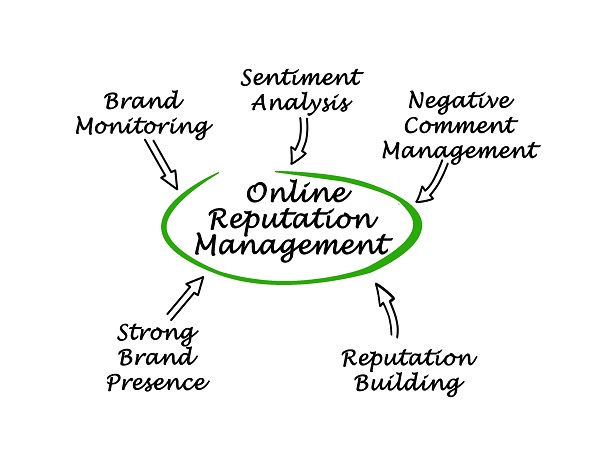
    In today’s digital age, your online reputation is a crucial component of your personal and professional life. Whether you’re an individual, a small business owner, or part of a large corporation, what people say about you online can have a significant impact on your success. Online reputation management (ORM) is the practice of controlling and influencing how you are perceived on the internet. In this blog, we will delve into the dos and don’ts of online reputation management, providing you with essential guidance to safeguard and enhance your online image.

    The Dos of Online Reputation Management

    1. Monitor Your Online Presence

    Do: Regularly monitor what is being said about you or your brand on the internet. Use tools like Google Alerts, social media monitoring tools, and online reputation management software to stay informed about mentions, reviews, and discussions related to you.

    Example: Imagine you are a restaurant owner. By using monitoring tools, you can quickly identify when a customer posts a positive review about your food and service on a popular review site like Yelp. You can then thank the customer and use the positive feedback to promote your restaurant.

    2. Create High-Quality Content

    Do: Develop and share valuable content that reflects your expertise and values. Publish blog posts, videos, infographics, and other content that educates and engages your target audience. High-quality content can push down negative search results and establish your authority in your field.

    Example: If you’re a fitness trainer, regularly publishing informative articles on topics like nutrition, workout routines, and health tips can help you establish yourself as an authoritative source in the fitness industry.

    3. Engage Positively on Social Media

    Do: Actively engage with your audience on social media platforms. Respond to comments, messages, and mentions promptly and professionally. Showcase your personality and authenticity in your interactions, demonstrating that you care about your audience’s opinions and concerns.

    Example: If you run a small e-commerce business selling handmade jewelry, responding to customer inquiries and comments on your Instagram posts can create a positive impression and build trust among your followers.

    4. Encourage Positive Reviews and Testimonials

    Do: Encourage satisfied customers, clients, or colleagues to leave positive reviews and testimonials on relevant platforms. Make it easy for them by providing clear instructions and links to the review sites. Genuine, positive feedback can counteract negative reviews.

    Example: If you are a freelance graphic designer, asking satisfied clients to leave reviews on platforms like Upwork or LinkedIn can boost your credibility and attract more clients.

    5. Address Negative Feedback Professionally

    Do: When you receive negative feedback, respond professionally and empathetically. Try to resolve the issue or concern privately if possible. Acknowledge the feedback and show a willingness to improve.

    Example: If you run a software company and a customer posts a negative review about a bug in your product, respond with a comment acknowledging the issue and offering to assist the customer in finding a solution. This demonstrates your commitment to customer satisfaction.

    Online Reputation Management

    6. Optimize Your Online Profiles

    Do: Ensure that your online profiles on social media, professional networking sites, and directories are complete, up-to-date, and consistent. Use relevant keywords in your profiles to enhance your visibility in search results.

    Example: A marketing professional should have a LinkedIn profile with a professional photo, a detailed summary, and a list of skills and endorsements that accurately represent their expertise in marketing.

    7. Seek Professional Help When Necessary

    Do: If your online reputation faces serious challenges, consider seeking professional assistance from an online reputation management company. They have the expertise to address complex reputation issues effectively.

    Example: A CEO of a well-known company accused of financial misconduct may need the expertise of an ORM firm to manage the fallout and repair their damaged reputation.

    The Don’ts of Online Reputation Management

    1. Don’t Ignore Negative Content

    Don’t: Ignoring negative content or hoping it will disappear on its own is a big mistake. Negative information can linger online for a long time and harm your reputation. Instead, address it proactively.

    Example: If you run a local bakery, and a customer writes a scathing review about finding a hair in their pastry, ignoring the review may lead to more negative comments and deter potential customers.

    2. Don’t React Emotionally

    Don’t: Responding emotionally to criticism or negative comments can escalate the situation. Avoid getting defensive, using aggressive language, or engaging in online arguments. Maintain professionalism and composure.

    Example: If you’re a public figure and receive harsh criticism on social media, responding with anger or insults can damage your reputation further. Instead, address the criticism calmly and thoughtfully.

    3. Don’t Use Fake Reviews or Deceptive Tactics

    Don’t: Posting fake positive reviews or trying to manipulate search results through deceptive tactics is unethical and can result in severe consequences, including legal action and further damage to your reputation.

    Example: If you’re a real estate agent, resist the temptation to create fake accounts to leave glowing reviews for your services. Such dishonest practices can destroy trust and credibility.

    4. Don’t Neglect Privacy Settings

    Don’t: Be mindful of your privacy settings on social media and other online platforms. Sharing personal information or controversial opinions publicly can be detrimental to your reputation if it’s misinterpreted or used against you.

    Example: If you’re a teacher, it’s wise to keep your personal Facebook profile private to prevent students and their parents from accessing your personal life and opinions that may be taken out of context.

    5. Don’t Rely Solely on Automation

    Don’t: While automation tools can be helpful for monitoring and managing your online reputation, don’t rely on them entirely. Automated responses can come across as insincere, and personal engagement is often more effective.

    Example: If you’re a customer service representative for an online retailer, using an automated response for every customer inquiry can frustrate customers seeking a genuine connection and assistance.

    6. Don’t Underestimate the Power of Transparency

    Don’t: Trying to cover up mistakes or negative events can often make the situation worse. Transparency and honesty are valued by consumers and can help rebuild trust.

    Example: If you’re the CEO of a company facing a data breach, being transparent about the breach, its causes, and the steps taken to rectify it can reassure customers and stakeholders that you are handling the situation responsibly.

    7. Don’t Disregard Consistency

    Don’t: Inconsistency in your online behavior, messaging, or branding can confuse your audience and harm your reputation. Ensure that your online presence aligns with your values and goals.

    Example: If you’re a fitness influencer promoting a healthy lifestyle, posting content that contradicts your message, like binge-drinking photos, can undermine your credibility and confuse your followers.

    Conclusion

    Online reputation management is a vital practice in the digital age, and understanding the dos and don’ts is essential for maintaining and enhancing your online image. By monitoring your online presence, creating high-quality content, engaging positively on social media, and addressing feedback professionally, you can build a strong and positive reputation. On the other hand, ignoring negative content, reacting emotionally, using deceptive tactics, neglecting privacy settings, relying solely on automation, and disregarding consistency can all have detrimental effects on your online reputation.

  • 10 Proven Strategies for Explosive Social Media Growth

    10 Proven Strategies for Explosive Social Media Growth

    Introduction

    In today’s digital age, social media has become a powerful tool for individuals and businesses alike to connect with their audience, build brand awareness, and drive engagement. Whether you’re an aspiring influencer, a small business owner, or a marketer, achieving explosive growth on social media can be a game-changer. In this blog, we’ll explore ten proven strategies that can help you unlock the potential for massive social media growth, all explained in simple language with real-world examples.

    Define Your Goals and Audience

    Before diving into any social media strategy, it’s essential to define your goals and target audience. Knowing what you want to achieve and who you want to reach will guide your efforts. For instance, if you’re running a fitness blog, your goal might be to increase engagement with fitness enthusiasts. Your audience could include people interested in weight loss, muscle gain, or healthy eating.

    Example: Kayla Itsines, a fitness influencer, clearly defines her audience as women interested in fitness and wellness. Her goal is to inspire and motivate them to lead a healthy lifestyle.

    Create High-Quality Content

    Compelling content is the heart of any successful social media strategy. Your content should be visually appealing, informative, and relevant to your audience. Use a mix of text, images, videos, and infographics to keep your content fresh and engaging.

    Example: National Geographic’s Instagram account is a prime example of high-quality content. They share stunning photos and videos of wildlife and nature, captivating their audience.

    Consistency is Key

    Consistency in posting is vital to keep your audience engaged and informed. Develop a content calendar to plan your posts in advance, and stick to a regular posting schedule. This consistency helps build trust with your followers.

    Example: Starbucks maintains a consistent posting schedule on Instagram, with frequent updates about new products, promotions, and behind-the-scenes glimpses. This keeps their followers engaged.

    Engage with Your Audience

    Social media is a two-way street. Respond to comments, messages, and mentions promptly. Engaging with your audience not only builds a sense of community but also boosts your algorithm ranking, making your content more visible.

    Example: Wendy’s Twitter account gained fame for its witty responses to customer comments and competitors. Their engagement with their audience has led to increased brand visibility and a loyal following.

    Use Hashtags Strategically

    Hashtags can expand your content’s reach by making it discoverable by a wider audience. Research and use relevant hashtags that align with your content and industry. Avoid overloading your posts with hashtags, as this can appear spammy.

    Example: The beauty brand Sephora often uses popular beauty-related hashtags like #MakeupMonday and #SkincareSunday to increase the visibility of their Instagram posts.

    Collaborate with Influencers

    Partnering with influencers in your niche can give your social media growth a significant boost. Influencers already have a dedicated following, and their endorsement can introduce your brand or content to a larger audience.

    Example: Daniel Wellington, a watch brand, collaborated with various fashion influencers to showcase their products. This strategy helped them gain widespread recognition and a substantial increase in followers.

    Run Contests and Giveaways

    Contests and giveaways are an effective way to generate excitement and engagement among your followers. Encourage users to participate by liking, sharing, or tagging friends in your posts. Ensure that the prizes are relevant to your target audience.

    Example: GoPro often runs user-generated content contests, encouraging its customers to share their adventures captured with GoPro cameras. This strategy not only boosts engagement but also provides them with user-generated content for marketing.

    Analytics and Optimization

    Regularly analyze your social media performance using built-in analytics tools or third-party apps. Pay attention to metrics like engagement rates, follower growth, and post reach. Use this data to refine your strategy and focus on what works best.

    Example: Buffer, a social media management platform, offers detailed analytics that help users track the performance of their social media posts. This data helps businesses optimize their content strategy.

    Paid Advertising

    While organic growth is valuable, consider investing in paid advertising to reach a broader audience. Social media platforms offer various advertising options, such as sponsored posts and targeted ads. Allocate a budget and experiment with different ad formats to see what yields the best results.

    Example: Airbnb uses paid advertising on Facebook and Instagram to showcase unique and beautiful properties to potential travelers. This approach helps them reach a global audience.

    Stay Updated with Trends

    Social media is constantly evolving, with new trends and features emerging regularly. Stay informed about platform updates, algorithm changes, and industry trends. Adapt your strategy to take advantage of these developments.

    Example: TikTok, a relatively new platform, quickly gained popularity due to its short-form video format. Many businesses, such as Ocean Spray, jumped on the TikTok trend to increase brand visibility.

    Conclusion

    Achieving explosive social media growth requires a well-thought-out strategy, dedication, and a willingness to adapt. By defining your goals, creating high-quality content, engaging with your audience, and utilizing these ten proven strategies, you can unlock the full potential of social media to propel your brand or personal profile to new heights. Remember that success may not happen overnight, but with patience and persistence, you can achieve remarkable growth in the digital realm.

    Read More –

    Digital Marketing on a Budget: Kamlesh Singad Agency – Your Best Choice in Indore – https://kamleshsingad.com/agency/digital-marketing-on-a-budget-kamlesh-singad-agency-in-indore/

    15 Best WordPress Themes for Blogs in 2023 – https://kamleshsingad.com/agency/15-best-wordpress-themes-for-blogs-in-2023/

    The Future of Digital Marketing: Trends to Watch in 2023 – https://kamleshsingad.com/agency/the-future-of-digital-marketing-trends-to-watch-in-2023/

  • Best Doctor Website Design Service in Indore | Code With Kamlesh

    Best Doctor Website Design Service in Indore | Code With Kamlesh


    Looking for professional Website Design Service? Build a high-converting doctor website with Code With Kamlesh and grow your clinic online with expert design, SEO, and digital marketing solutions.

    In today’s digital age, having a strong online presence is crucial for businesses and professionals, including doctors and healthcare practitioners. A well-designed and informative website not only helps you reach a wider audience but also establishes credibility and trust among your potential patients. However, many doctors may hesitate to create a website due to concerns about cost and complexity. In this comprehensive guide, we will show you how to build a professional doctor’s website for just ₹12,999 (approximately $175) using simple language and examples. Let’s get started!

    Best Doctor Website Design Service in Indore

    Table of Contents:

    1. Choosing a Domain Name
    2. Selecting a Hosting Provider
    3. Setting Up Your Website
    4. Designing Your Doctor Website
    5. Adding Essential Website Pages
    6. Content Creation and Blogging
    7. Contact Forms and Appointment Booking
    8. Search Engine Optimization (SEO)
    9. Mobile Optimization
    10. Security and Privacy
    11. Maintenance and Updates

    1. Choosing a Domain Name

    A domain name is your website’s address on the internet, like www.yourdoctorwebsite.com. When selecting a domain name, consider the following tips:

    • Keep it simple and easy to remember.
    • Use your name or clinic’s name for a professional touch.
    • Avoid special characters or hyphens.
    • Ensure the domain is available by using domain registrars like GoDaddy or Namecheap.
    Website Design Service

    2. Selecting a Hosting Provider

    Web hosting is where your website’s files and data are stored. You can find affordable hosting providers like Bluehost, HostGator, or SiteGround. Look for providers that offer good customer support and reliable uptime.

    3. Setting Up Your Website

    Most hosting providers offer easy website setup through content management systems (CMS) like WordPress. Here’s how to do it:

    • Log in to your hosting account.
    • Find the “One-Click Install” option.
    • Choose WordPress and follow the installation prompts.

    4. Designing Your Doctor Website

    Your website’s design should be clean, professional, and easy to navigate. Consider using a medical or health-themed template or hire a web designer if your budget allows. Make sure your website’s color scheme and fonts align with your practice’s branding.

    5. Adding Essential Website Pages

    Your doctor website should include these essential pages:

    • Home Page: A brief introduction to your practice and services.
    • About Page: Information about you, your qualifications, and your team (if applicable).
    • Services: Detailed descriptions of the medical services you offer.
    • Testimonials: Patient reviews and success stories.
    • Contact Page: Contact information, including a contact form.
    • Blog/Articles: For sharing healthcare tips, news, and updates.
    • Privacy Policy and Terms of Service: Important for legal compliance.

    6. Content Creation and Blogging

    Regularly update your website with informative blog posts and articles related to your field. This not only provides value to your visitors but also boosts your website’s search engine ranking. For example, you can write articles on “Tips for Maintaining Good Heart Health” or “Common Cold vs. COVID-19: Know the Difference.”

    7. Contact Forms and Appointment Booking:

    Make it easy for patients to get in touch with you and schedule appointments. Use contact forms and integrate appointment booking systems. You can use free plugins like Contact Form 7 for forms and plugins like Bookly for appointment booking.

    Website Design Service

    8. Search Engine Optimization (SEO):

    Optimizing your website for search engines is vital for attracting organic traffic. Some key SEO practices include:

    • Keyword research: Identify keywords patients might use to find you.
    • On-page SEO: Optimize page titles, meta descriptions, and content.
    • High-quality content: Write informative and engaging content.
    • Local SEO: Ensure your practice shows up in local searches.
    • Mobile optimization: Make your website mobile-friendly.

    9. Mobile Optimization:

    Many users access websites from mobile devices, so ensure your website is responsive and looks good on smartphones and tablets. Most WordPress themes are mobile-friendly by default.

    10. Security and Privacy:

    Protect your website and patient information by:

    • Installing a security plugin like Wordfence or Sucuri.
    • Using strong passwords and two-factor authentication.
    • Regularly updating plugins and themes.
    • Complying with privacy regulations like HIPAA.

    11. Maintenance and Updates:

    Regularly maintain your website by:

    • Backing up your site regularly.
    • Updating WordPress, themes, and plugins.
    • Monitoring website performance.
    • Fixing broken links and errors.

    Conclusion:

    Building a professional doctor website for just ₹12,999 is entirely feasible with the right guidance and tools. Your website is an essential tool for connecting with patients, providing valuable information, and establishing your online presence as a trusted healthcare professional. By following this comprehensive guide, you can create a cost-effective and impactful online presence that benefits both you and your patients.

    Remember, your website is a reflection of your professionalism and commitment to patient care, so invest the time and effort needed to make it stand out in the digital healthcare landscape.

    Website Design Service

  • Website development company for coaching institutes | Code With Kamlesh

    Website development company for coaching institutes | Code With Kamlesh

    In today’s digital age, an online presence is paramount for any organization or business, including coaching institutes. A well-crafted website not only serves as a digital storefront but also provides a platform to engage with students, parents, and the community. In this comprehensive blog, we’ll explore the significance of having a professional website for coaching institutes and discuss various aspects of website development, Website development company for coaching. We’ll also delve into real-world examples and insights to help you understand how a website can transform your coaching institute’s online identity.

    Introduction to Coaching Institutes and the Digital Shift

    Coaching institutes play a vital role in the education sector by offering specialized guidance and support to students aiming to excel in various examinations. Over the years, the coaching industry has witnessed significant growth, leading to increased competition. In this competitive landscape, having a strong online presence is not just an option; it’s a necessity.

    Why Does a Coaching Institute Need a Website?

    1. Online Visibility

    Having a website ensures that your coaching institute is discoverable online. Potential students and parents often turn to the internet to find coaching institutes in their area or for specific courses. Without a website, you might miss out on a considerable chunk of your target audience.

    Example: Imagine a parent searching for “best SAT coaching in [your city].” If your coaching institute doesn’t have an online presence, you won’t appear in their search results, potentially losing a valuable enrollment.

    2. Credibility and Trust

    A professionally designed website exudes credibility and trustworthiness. It portrays your coaching institute as a serious player in the education sector. When prospective students and their parents visit your website, they are more likely to trust your services if they find a well-structured, informative, and visually appealing platform.

    Example: Consider two coaching institutes offering similar courses. One has a polished website with detailed information about faculty, courses, and testimonials. The other lacks an online presence. Which one do you think prospective students will trust more?

    Website development company

    3. Information Dissemination

    Your website acts as a central hub for disseminating information about your coaching institute. You can provide details about courses offered, faculty credentials, admission procedures, fee structures, and upcoming events. This transparency helps students and parents make informed decisions.

    Example: A website can showcase detailed course modules, study materials, and sample test papers, giving potential students a clear understanding of what to expect from your coaching.

    4. Engagement and Interaction

    Websites offer various engagement opportunities. You can incorporate features like blogs, forums, or chat support, enabling students and parents to interact with your institute. This not only fosters a sense of community but also allows you to address queries promptly.

    Example: Imagine hosting a blog on your website discussing tips for acing competitive exams. Students can leave comments or questions, and your faculty can respond, creating a valuable online resource.

    5. Marketing and Promotion

    A website serves as a powerful marketing tool. You can run targeted online advertising campaigns, optimize your site for search engines (SEO), and leverage social media integration to reach a wider audience. Additionally, you can showcase success stories and achievements, attracting more students.

    Example: Using Google Ads, you can target specific keywords related to your coaching institute’s courses. When someone searches for those keywords, your website appears at the top of search results.

    Real-World Examples of Successful Coaching Institute Websites

    Let’s look at some real-world examples of coaching institute websites that have leveraged web development to enhance their online presence:

    1. Khan Academy

    Khan Academy is a globally recognized platform offering free educational content. While they provide a wide range of resources, their website is a prime example of user-friendly design and content organization. It’s easy to navigate, offers interactive lessons, and provides a sense of progress as users complete exercises and quizzes.

    Key Takeaway: Simplicity and user-friendliness are essential. Khan Academy’s website caters to both students and parents with a focus on learning.

    2. Byju’s

    Byju’s is an Indian ed-tech company that has gained immense popularity. Their website combines informative content with engaging visuals. They offer detailed information about their courses, testimonials from successful students, and a personalized learning app that can be accessed directly from the website.

    Key Takeaway: Integrating mobile apps and providing a seamless transition between the website and the app can enhance the user experience.

    3. Vidya Mandir Classes

    Vidya Mandir Classes is a coaching institute in India specializing in IIT JEE preparation. Their website is a comprehensive resource for students and parents. It includes course details, faculty profiles, results, and a blog with valuable exam tips.

    Key Takeaway: Regularly updating a blog with relevant content can establish your coaching institute as an authority in your field.

    Website Development for Coaching Institutes: Step by Step

    Now that we’ve established the importance of a website for coaching institutes, let’s explore the step-by-step process of website development. Keep in mind that while the following steps provide a general guideline, the specific requirements for your coaching institute’s website may vary.

    1. Define Your Objectives

    Before diving into web development, it’s crucial to outline your goals. What do you want to achieve with your website? This could include increasing enrollment, providing educational resources, or building an online community.

    Example: Your primary goal might be to increase enrollment by 20% within the next academic year.

    2. Choose a Domain Name and Hosting

    Your domain name is your web address (e.g., www.yourcoachinginstitute.com). Choose a domain name that is easy to remember and reflects your institute’s identity. Additionally, select a reliable web hosting provider to ensure your website remains accessible.

    Example: If your coaching institute is named “Excel Academy,” consider a domain name like www.excelacademytutorials.com.

    Website development company

    3. Select a Content Management System (CMS)

    A CMS simplifies website management. Popular CMS options include WordPress, Joomla, and Drupal. WordPress, in particular, is user-friendly and offers numerous plugins and themes tailored for educational websites.

    Example: Opting for WordPress allows you to easily update course information, upload study materials, and add blog posts without extensive coding.

    4. Design and Development

    This is where the creative aspect comes into play. Work on the design of your website, ensuring it aligns with your coaching institute’s branding. Consider the layout, color scheme, and typography. Your website should be responsive, meaning it adapts to various screen sizes (e.g., smartphones, tablets, desktops).

    Example: If your coaching institute’s logo features blue and green, incorporate these colors into your website’s design for brand consistency.

    5. Content Creation

    Populate your website with relevant content. Create informative pages about your courses, faculty, facilities, admission procedures, and contact details. Don’t forget to add captivating images and videos.

    Example: Include a virtual tour of your coaching institute’s classrooms and facilities to give visitors a sense of what to expect.

    6. Interactive Features

    Implement interactive features to engage visitors. You can add features like contact forms, chat support, forums, and social media integration. These elements enhance user experience and facilitate communication.

    Example: Include a “Ask a Question” button that allows visitors to inquire about courses directly from the website.

    7. SEO Optimization

    Optimize your website for search engines (SEO) to improve its visibility on platforms like Google. This involves keyword research, meta tags, image optimization, and creating high-quality, shareable content.

    Example: If your coaching institute specializes in SAT preparation, ensure that relevant keywords like “SAT coaching” and “SAT exam tips” are incorporated into your content.

    8. Testing and Quality Assurance

    Before launching your website, thoroughly test it across different browsers and devices to ensure compatibility. Check for broken links, typos, and any functionality issues.

    Example: Make use of testing tools to identify and fix any compatibility issues with mobile devices.

    9. Launch and Promotion

    Once your website is polished and fully functional, it’s time to launch it. Promote your website through various channels, including social media, email newsletters, and offline marketing materials.

    Example: Announce the launch of your website on social media platforms and encourage your current students to share the news.

    10. Monitoring and Maintenance

    After the launch, regularly monitor your website’s performance using tools like Google Analytics. Make updates and improvements based on user feedback and changing requirements.

    Example: If you notice that the “Ask a Question” feature is heavily used, consider expanding it to include a live chat support option.

    Cost Considerations

    Website development costs can vary significantly depending on your requirements. Here are some cost considerations to keep in mind:

    1. Domain and Hosting: Domain registration typically costs around $10 to $20 per year, while hosting costs can range from $50 to $200 per year, depending on the hosting provider and plan.
    2. Content Management System: Many CMS platforms like WordPress are open-source and free to use. However, you may incur costs if you opt for premium themes or plugins.
    3. Design and Development: Costs for web design and development can vary widely based on complexity and the expertise of the developer or agency. It’s essential to request quotes and compare prices.
    4. Maintenance and Updates: Budget for ongoing maintenance and updates, including security patches and content additions.
    5. SEO and Marketing: If you plan to invest in SEO services or online advertising, factor in these costs as well.

    Remember that while there are upfront costs associated with website development, the long-term benefits, such as increased enrollments and enhanced brand reputation, often outweigh the initial investment.

    Website development company

    Conclusion

    In today’s digital era, a professional website is more than just a digital presence for coaching institutes—it’s a powerful tool for attracting students, building credibility, and providing valuable resources. By following the steps outlined in this blog, coaching institutes can embark on a journey to create a successful online platform that benefits both students and the institution itself.

    Investing in website development is an investment in the future of your coaching institute. It’s a step toward staying competitive, expanding your reach, and providing an enriching learning experience for students. So, whether you’re a small coaching center or a well-established institute, don’t underestimate the impact a well-crafted website can have on your educational journey.

    Thank You!

  • Google ads vs Facebook ads which one is better?

    Google ads vs Facebook ads which one is better?

    In today’s digital age, advertising has evolved beyond traditional methods.

    Two of the most prominent and influential players in the online advertising arena are Google Ads and Facebook Ads. These platforms offer distinct advantages and cater to different marketing goals. In this comprehensive guide, we will compare Google Ads and Facebook Ads to help you determine which one is better for your business.

    Understanding Google Ads

    Google Ads, formerly known as Google AdWords, is Google’s online advertising platform. It operates on a pay-per-click (PPC) model,

    where advertisers bid on keywords to display ads in Google’s search results and on various partner websites. Google Ads primarily serves ads to users who are actively searching for specific products or services.

    Key Features of Google Ads

    1. Keyword Targeting: Advertisers can choose specific keywords related to their business, and when users search for those keywords, their ads appear in the search results.
    2. Ad Formats: Google offers various ad formats, including text ads, display ads, shopping ads, and video ads, to suit different marketing objectives.
    3. Budget Control: Advertisers can set daily budgets, bid amounts, and maximum costs per click (CPC), allowing for precise budget management.
    4. Advanced Targeting Options: Google Ads provides detailed targeting options, such as location, demographics, and device type, to reach a highly specific audience.
    5. Conversion Tracking: Businesses can track conversions and measure the effectiveness of their campaigns, helping optimize ad spend.
    6. Google Display Network: This feature extends ad reach to a vast network of partner websites, blogs, and apps, increasing brand visibility.

    Understanding Facebook Ads

    Facebook Ads is Facebook’s advertising platform that enables businesses to reach their target audience on Facebook and Instagram. Unlike Google Ads, Facebook Ads serves ads to users based on their interests, behavior, and demographics, allowing for a more audience-centric approach.

    Key Features of Facebook Ads

    1. Audience Targeting: Advertisers can target users based on factors such as age, gender, location, interests, and behavior, creating highly customized campaigns.
    2. Ad Formats: Facebook offers a variety of ad formats, including image ads, video ads, carousel ads, and more, making it suitable for different content types.
    3. Budget Flexibility: Advertisers can set daily or lifetime budgets and choose between CPC, CPM (cost per thousand impressions), or CPA (cost per acquisition) bidding.
    4. Instagram Integration: With Facebook Ads, you can also promote your business on Instagram, which is especially popular among younger audiences.
    5. Pixel Tracking: Facebook’s Pixel allows businesses to track user interactions on their websites, helping measure the impact of their ad campaigns.
    6. Dynamic Ads: These automatically show the most relevant products to users who have previously visited your website, enhancing retargeting efforts.

    Comparing Google Ads and Facebook Ads

    Now that we have a basic understanding of both platforms, let’s delve deeper into the comparison to help you decide which one aligns better with your business goals.

    1. Intent vs. Discovery

    Google Ads: Google Ads excels in capturing users with a high intent to purchase. When someone searches for “buy running shoes,” an ad for a sports store selling running shoes can appear at the top of the search results. This is known as capturing “demand” traffic.

    Facebook Ads: Facebook Ads are more about discovery. They show ads to users who may not be actively searching for a specific product but are interested in related topics. For example, if you sell gourmet coffee, you can target users who follow coffee-related pages or have expressed interest in artisanal beverages.

    Example: If you’re running a small coffee roastery and want to attract local coffee enthusiasts actively looking for specialty beans, Google Ads may be the better choice. On the other hand, if you’re launching a new coffee brand and want to build awareness and engagement, Facebook Ads might be more effective in reaching a broader audience.

    2. Targeting Options

    Google Ads: While Google Ads offers detailed targeting options, it primarily relies on keywords and user search behavior. It is great for reaching users actively seeking specific products or services.

    Facebook Ads: Facebook Ads offer unparalleled targeting options. You can pinpoint your audience based on demographics, interests, behavior, and even their past interactions with your brand.

    Example: If you run an e-commerce store selling athletic wear for women, you can use Facebook Ads to target women aged 25-35 who have shown an interest in fitness and yoga, aligning perfectly with your product offering. Google Ads, in this case, might not be as precise in reaching your desired audience.

    3. Ad Formats

    Google Ads: Google provides various ad formats, including text, display, shopping, and video ads. Text ads are ideal for search results, while display and video ads are suitable for brand awareness and visual storytelling.

    Facebook Ads: Facebook offers a wide range of ad formats, from image and video ads to carousel ads and canvas ads. This diversity allows you to craft engaging ad campaigns that align with your content strategy.

    Example: If you’re promoting a new clothing collection, you can use Facebook’s carousel ad format to showcase multiple products in a single ad, providing a visually appealing and interactive experience. Google Ads’ text-based format, while effective, may not offer the same level of engagement for showcasing a product line.

    4. Budget and Bidding

    Google Ads: Google Ads offers precise budget control, allowing you to set daily budgets, maximum CPC bids, and more. You pay when someone clicks on your ad, making it a suitable choice for businesses with a specific ROI goal in mind.

    Facebook Ads: Facebook offers flexibility in budgeting, allowing you to set daily or lifetime budgets. You can choose between CPC, CPM, or CPA bidding, depending on your campaign objectives.

    Example: If you’re running a limited-time promotion and want to ensure every click leads to a purchase, Google Ads’ CPC model may be preferred. Conversely, if you’re focused on generating brand awareness and impressions, Facebook Ads’ CPM model might be more suitable.

    5. Ad Placement

    Google Ads: Your ads on Google can appear in search results, on websites within the Google Display Network, on YouTube, and in mobile apps. You have control over ad placement to some extent.

    Facebook Ads: Your ads on Facebook can appear in users’ news feeds, Instagram feeds, in the right column of the desktop version, and even in Messenger. Facebook automatically optimizes ad placement based on your campaign objective.

    Example: If you’re a mobile game developer looking to promote your latest game, Facebook Ads can place your video ad within the Facebook and Instagram feeds of users who are likely to enjoy gaming. This offers a seamless and engaging experience for potential players. Google Ads can also promote your game on YouTube, targeting users interested in gaming content.

    6. Ad Tracking and Analytics

    Google Ads: Google Ads provides robust tracking and analytics tools, including conversion tracking, Google Analytics integration, and detailed reports on ad performance. This helps you measure the direct impact of your campaigns on website visits, conversions, and sales.

    Facebook Ads: Facebook’s Pixel allows you to track user interactions on your website, such as page views, add-to-cart actions, and completed purchases. It provides valuable insights into user behavior after clicking on your ads.

    Example: If you’re running an e-commerce store, Google Ads’ conversion tracking can help you determine which keywords and ads are driving the most sales. Facebook’s Pixel, on the other hand, can help you understand the customer journey on your website, identifying drop-off points in the sales funnel.

    7. Ad Performance and ROI

    Google Ads: Google Ads is known for its high intent traffic, which often leads to higher conversion rates. However, the competition for certain keywords can drive up costs per click.

    Facebook Ads: Facebook Ads can be more cost-effective for brand awareness and engagement campaigns. It may take more effort to convert users who are in the early stages of the buying cycle.

    Example: If you’re an insurance company, Google Ads may deliver better ROI for users actively searching for “car insurance quotes.” However, if you’re launching a brand awareness campaign to introduce your insurance services to a wider audience, Facebook Ads might be the better choice to start building your brand presence.

    8. Ad Creativity and Content

    Google Ads: Google Ads’ text-based format requires concise and compelling ad copy. While extensions and ad formats like responsive search ads provide some flexibility, the focus is on the message rather than visual creativity.

    Facebook Ads: Facebook’s ad formats allow for creative visual storytelling. You can use images, videos, and carousels to capture users’ attention and convey your brand message effectively.

    Example: If you’re promoting a luxury travel destination, Facebook Ads can showcase stunning images of the location, creating a desire to explore. Google Ads can complement this by appearing when users search for related terms, reinforcing your brand’s presence.

    9. Mobile Advertising

    Google Ads: Google Ads provides opportunities for mobile advertising, especially through its mobile search and display network. Mobile optimization is crucial for success here.

    Facebook Ads: Facebook and Instagram are highly mobile-centric platforms, making them ideal for mobile advertising. Advertisers can reach users while they’re scrolling through their mobile feeds.

    Example: If you’re launching a mobile app, both platforms can be effective. Facebook Ads can showcase your app with engaging visuals, while Google Ads can target users searching for keywords related to your app’s features.

    10. Remarketing and Retargeting

    Google Ads: Google Ads offers powerful remarketing capabilities, allowing you to show ads to users who have previously visited your website or engaged with your app.

    Facebook Ads: Facebook’s dynamic ads are perfect for retargeting users who have interacted with your brand on the platform or visited your website.

    Example: Google Ads can complement this by targeting users who abandoned their shopping carts with text or display ads.

    Conclusion

    In the Google Ads vs. Facebook Ads debate, there isn’t a one-size-fits-all answer. Here’s a simplified summary to help you decide:

    Choose Google Ads if:

    • You want to capture high-intent users actively searching for your products or services.
    • Your goal is to drive direct conversions and sales.
    • You have a clear understanding of relevant keywords for your industry.

    Choose Facebook Ads if:

    • You want to build brand awareness and engage a broader audience.
    • Your target audience is defined by specific demographics, interests, or behaviors.
    • Visual storytelling and creative content are essential for your campaigns.

    In many cases, the most effective strategy is to use both Google Ads and Facebook Ads in a complementary manner.

    Ultimately, successful digital marketing requires continuous monitoring, testing, and optimization.

    Thank You!

    Read More –

    Why SEO is important for website ?

    Digital Marketing Services in India

    How Digital Marketing Help to Grow Coaching Institutes

  • How Digital Marketing Help to Grow Coaching Institutes

    How Digital Marketing Help to Grow Coaching Institutes

    In today’s digital age, the success of coaching institutes heavily relies on their ability to adapt and excel in the online realm. Traditional marketing strategies alone no longer suffice. Enter digital marketing – a powerful tool that can help coaching institutes not only survive but thrive in this competitive landscape. In this comprehensive guide, we’ll explore how digital marketing can be a game-changer for coaching institutes. We’ll break down complex concepts into simple language, supported by real-world examples to help you understand how to harness the full potential of digital marketing to grow your coaching business.

    Learn how Digital Marketing helps coaching institutes grow by increasing visibility, generating student leads, and boosting enrollments. Discover proven strategies like SEO, social media, and ads to scale your coaching business effectively.

    Chapter 1: Understanding Digital Marketing

    Before we dive into how digital marketing can boost coaching institutes, let’s start with the basics.

    What is Digital Marketing?

    Digital marketing encompasses all marketing efforts that use an electronic device or the internet. It’s the umbrella term for a wide range of online strategies and tactics aimed at connecting with potential students and nurturing them into paying customers.

    Why Digital Marketing?

    Digital marketing offers numerous advantages, including:

    1. Cost-Efficiency: Compared to traditional advertising channels like print and TV, digital marketing is often more cost-effective.
    2. Precise Targeting: It allows you to target specific demographics, ensuring your message reaches the right audience.
    3. Measurable Results: Digital marketing tools provide data on performance, enabling you to make data-driven decisions and optimize your campaigns.
    4. Global Reach: With the internet, you can reach students not only locally but also globally.
    Digital Marketing

    Chapter 2: Building a Strong Online Presence

    The foundation of a successful digital marketing strategy for coaching institutes is a strong online presence. Here’s how to get started:

    1. Website Development

    Your website is your virtual campus. Make sure it’s user-friendly, informative, and visually appealing. Showcase your coaching programs, faculty, success stories, and contact information.

    Example: Khan Academy

    Khan Academy’s website is a prime example of simplicity and effectiveness. It offers free educational content, making it an excellent resource for students and parents.

    2. Search Engine Optimization (SEO)

    SEO is the process of optimizing your website to rank higher in search engine results. Implementing relevant keywords and creating valuable content can help improve your website’s visibility.

    Example: Coursera

    Coursera’s SEO strategy has allowed it to dominate the online education space. A search for “online courses” will likely lead you to Coursera.

    3. Content Marketing

    Creating and sharing valuable content such as blogs, videos, and infographics can establish your coaching institute as an authority in your niche.

    Example: Byju’s

    Byju’s, an Indian ed-tech company, publishes engaging educational content on various platforms. Their YouTube channel features lessons, making learning fun and accessible.

    Chapter 3: Social Media Marketing

    Social media platforms are fertile ground for reaching and engaging with your target audience.

    1. Choose the Right Platforms

    Identify which social media platforms your target audience frequents. For instance, if you’re coaching for competitive exams, platforms like LinkedIn and YouTube might be more effective than Instagram or TikTok.

    Example: The Princeton Review

    The Princeton Review maintains an active presence on LinkedIn, offering valuable content to professionals looking to advance their careers.

    2. Content Strategy

    Create and share content that resonates with your audience. Share success stories, tips, and informative posts related to your niche.

    Example: Udacity

    Udacity’s Twitter account is a blend of informative posts about technology trends and stories of students who have achieved career success with their courses.

    3. Paid Advertising

    Consider investing in paid advertising on social media platforms. Targeted ads can reach a broader audience and drive traffic to your website or enrollment pages.

    Example: Khan Academy

    Khan Academy often runs Facebook ads, promoting their free educational resources to a wider audience.

    Digital Marketing

    Chapter 4: Email Marketing

    Email marketing remains one of the most effective ways to nurture leads and convert them into paying students.

    1. Building an Email List

    Collect email addresses through your website, social media, and events. Offer incentives like e-books or newsletters to encourage sign-ups.

    Example: Coursera

    Coursera offers a free trial and encourages users to sign up with their email to access a wide range of courses.

    2. Personalized Email Campaigns

    Segment your email list based on user behavior and preferences. Send personalized emails with relevant content and offers.

    Example: Duolingo

    Duolingo’s emails include tailored language learning exercises and reminders to keep users engaged.

    3. Automation

    Use email marketing automation tools to send timely emails, such as welcome messages, course recommendations, and follow-ups.

    Example: edX

    edX sends automated reminders to students about upcoming course deadlines and offers course recommendations based on their interests.

    Chapter 5: Pay-Per-Click (PPC) Advertising

    PPC advertising allows you to display ads on search engines and other platforms, paying only when a user clicks on your ad.

    1. Google Ads

    Google Ads is a powerful platform for coaching institutes. You can bid on keywords related to your courses to appear at the top of search results.

    Example: Kaplan

    Kaplan uses Google Ads to appear at the top of search results for keywords like “MCAT prep courses.”

    2. Facebook and Instagram Ads

    These platforms allow you to target users based on their interests, demographics, and behavior. Create visually appealing ads to capture attention.

    Example: Udemy

    Udemy uses Facebook and Instagram ads to promote its vast selection of online courses.

    3. Remarketing

    Remarketing involves showing ads to users who have visited your website but didn’t enroll. It’s a powerful way to re-engage potential students.

    Example: Udacity

    Udacity uses remarketing to remind users about the courses they viewed but didn’t enroll in, encouraging them to return and complete their enrollment.

    Chapter 6: Influencer Marketing

    Leverage influencers in your niche to promote your coaching institute.

    1. Identify Relevant Influencers

    Find influencers whose audience aligns with your target demographic. Reach out to them for collaborations.

    Example: MasterClass

    MasterClass partners with well-known experts and celebrities to teach various courses, attracting a broad audience.

    2. Collaborate on Content

    Work with influencers to create engaging and informative content that showcases your coaching institute’s strengths.

    Example: LinkedIn Learning*

    LinkedIn Learning collaborates with industry experts and influencers to create courses that cater to professionals seeking career growth.

    3. Measure Impact

    Track the performance of influencer marketing campaigns to ensure they deliver a positive return on investment (ROI).

    Example: LinkedIn Learning*

    LinkedIn Learning likely evaluates the success of influencer partnerships by monitoring course enrollments and engagement levels.

    Chapter 7: Analytics and Data-driven Decision Making

    One of the significant advantages of digital marketing is the wealth of data it provides.

    1. Google Analytics

    Use tools like Google Analytics to monitor website traffic, user behavior, and conversion rates.

    Example: Khan Academy

    Khan Academy likely uses Google Analytics to track user engagement with their educational content.

    2. Social Media Insights

    Platforms like Facebook and Instagram offer insights into the performance of your social media posts and ads.

    Example: Byju’s

    Byju’s can analyze social media insights to determine which types of content resonate best with their audience.

    3. A/B Testing

    Experiment with different ad copies

    , images, and landing pages to determine what works best.

    Example: Coursera

    Coursera might run A/B tests to optimize its course landing pages and increase conversion rates.

    Chapter 8: Online Reputation Management

    Your coaching institute’s online reputation can significantly impact its success.

    1. Reviews and Ratings

    Encourage satisfied students to leave positive reviews and ratings on platforms like Google, Yelp, and Trustpilot.

    Example: Kaplan

    Kaplan features positive student testimonials on its website, reinforcing its credibility.

    2. Addressing Negative Feedback

    Respond professionally to negative feedback and take steps to resolve issues to demonstrate your commitment to student satisfaction.

    Example: Udemy

    Udemy actively engages with users who leave negative feedback, offering solutions and seeking to improve their experience.

    3. Showcase Achievements

    Highlight your coaching institute’s achievements, such as high exam pass rates or student success stories.

    Example: The Princeton Review

    The Princeton Review proudly displays its high average score improvements and success stories on its website.

    Chapter 9: Mobile Marketing

    With the increasing use of smartphones, optimizing your marketing for mobile is crucial.

    1. Mobile-Friendly Website

    Ensure your website is responsive and offers a seamless experience on mobile devices.

    Example: Udacity

    Udacity’s website is mobile-friendly, providing an excellent user experience on smartphones.

    2. Mobile Apps

    Consider developing a mobile app for your coaching institute. Apps can offer additional learning resources and engagement opportunities.

    Example: Duolingo*

    Duolingo’s mobile app provides convenient language learning on the go, attracting millions of users worldwide.

    3. SMS Marketing

    Send targeted SMS messages to students about course updates, events, and special offers.

    Example: Coursera

    Coursera occasionally sends SMS notifications to users about new courses and discounts.

    Chapter 10: Staying Updated

    The digital marketing landscape is constantly evolving. It’s essential to stay informed about the latest trends and technologies.

    1. Continuous Learning

    Invest in the ongoing education of your marketing team or consider outsourcing to agencies with expertise in digital marketing.

    Example: HubSpot Academy*

    HubSpot offers free courses on digital marketing, making it easy for marketing professionals to stay updated.

    2. Networking and Conferences

    Attend industry conferences and connect with experts to gain insights into emerging trends.

    Example: MozCon*

    MozCon is a well-known conference in the digital marketing industry, featuring presentations from leading experts.

    3. Monitor Competitors

    Keep an eye on your competitors’ digital marketing strategies and adapt as needed.

    Example: Udemy*

    Udemy likely monitors competitors’ course offerings and pricing to stay competitive.

    Conclusion

    In today’s digital age, digital marketing is not an option but a necessity for coaching institutes looking to grow and succeed. By building a strong online presence, leveraging social media, harnessing the power of email marketing, and utilizing paid advertising, analytics, influencer marketing, and more, coaching institutes can connect with their target audience and thrive in the competitive education industry.

    Remember, digital marketing is not a one-size-fits-all solution. Each coaching institute is unique, and your digital marketing strategy should reflect your institution’s values, strengths, and goals. With continuous learning and adaptation, you can harness the full potential of digital marketing to drive growth and success for your coaching institute in the digital age,help digital marketing to grow .

    Thank You!

    Read More –

    Top 10 niche to create youtube channels and earn passive income

    Why SEO is important for website ?

    Digital Marketing Services in India

  • Digital Marketing Services in India

    Digital Marketing Services in India

    In today’s fast-paced digital age, businesses in India are continually evolving to meet the demands of the online consumer. Digital marketing has emerged as a powerful tool for companies to connect with their target audience, promote their products or services, and drive growth. In this comprehensive guide, we will explore the world of digital marketing services in India, breaking down the key components, strategies, and trends that are shaping the landscape.

    Chapter 1: Understanding Digital Marketing

    Digital marketing is a multifaceted approach to promoting products, services, or brands through digital channels. In India, it has witnessed explosive growth in recent years due to increased internet penetration and smartphone usage. Let’s delve into the fundamental aspects of digital marketing:

    1.1. Channels of Digital Marketing

    • Search Engine Optimization (SEO)
    • Social Media Marketing (SMM)
    • Email Marketing
    • Content Marketing
    • Pay-Per-Click (PPC) Advertising
    • Affiliate Marketing
    • Influencer Marketing

    1.2. Importance of Digital Marketing

    • Cost-Effective
    • Targeted Reach
    • Measurable Results
    • Real-Time Engagement
    • Global Reach
    Digital Marketing Services in India

    Chapter 2: The Role of SEO

    Search Engine Optimization (SEO) plays a pivotal role in digital marketing. It involves optimizing a website’s content and structure to rank higher in search engine results pages (SERPs). In India, SEO is an essential component of any digital marketing strategy:

    2.1. On-Page SEO

    • Keyword Research
    • Content Optimization
    • Meta Tags
    • URL Structure

    2.2. Off-Page SEO

    • Backlink Building
    • Social Signals
    • Guest Blogging

    2.3. Local SEO

    • Google My Business
    • Local Citations
    • Reviews and Ratings

    Chapter 3: The Power of Social Media Marketing

    Social Media Marketing (SMM) is an integral part of digital marketing services in India. With millions of active social media users, businesses can’t afford to ignore this channel:

    3.1. Popular Social Media Platforms in India

    • Facebook
    • Instagram
    • Twitter
    • LinkedIn
    • YouTube

    3.2. Strategies for Effective SMM

    • Content Planning and Creation
    • Audience Segmentation
    • Paid Advertising
    • Engagement and Interaction
    • Analytics and Measurement

    Chapter 4: The Impact of Email Marketing

    Email marketing remains a potent tool for reaching and engaging with your audience. In India, email marketing is used for various purposes, including customer acquisition and retention:

    4.1. Building an Email List

    • Opt-In Forms
    • Lead Magnets

    4.2. Creating Compelling Email Campaigns

    • Personalization
    • A/B Testing
    • Automation

    4.3. Legal Considerations

    • GDPR Compliance
    • CAN-SPAM Act Compliance

    Chapter 5: The Art of Content Marketing

    Content is king in the digital marketing world. High-quality content can drive traffic, engage audiences, and establish authority. In India, content marketing is an indispensable strategy:

    5.1. Types of Content

    • Blog Posts
    • Infographics
    • Videos
    • Ebooks
    • Podcasts

    5.2. Content Creation and Distribution

    • Content Calendar
    • SEO-Optimized Content
    • Social Media Sharing
    • Email Newsletters

    Chapter 6: The World of Pay-Per-Click Advertising

    Pay-Per-Click (PPC) advertising is a way to buy visits to your website rather than earning them organically. In India, PPC is a competitive arena:

    6.1. Google Ads

    • Keyword Research
    • Ad Campaigns
    • Quality Score

    6.2. Facebook Ads

    • Targeting Options
    • Ad Formats
    • Budgeting

    6.3. Measuring PPC Success

    • Click-Through Rate (CTR)
    • Conversion Rate
    • Return on Investment (ROI)

    Chapter 7: Affiliate and Influencer Marketing

    Affiliate marketing and influencer marketing are innovative approaches to expand your reach and generate sales:

    7.1. Affiliate Marketing

    • Affiliate Programs
    • Commission Structure
    • Tracking Sales

    7.2. Influencer Marketing

    • Finding the Right Influencers
    • Collaboration Strategies
    • Measuring Influencer ROI

    Chapter 8: Digital Marketing Trends in India

    The digital marketing landscape in India is constantly evolving. Stay ahead of the curve by keeping an eye on the latest trends:

    8.1. Voice Search Optimization

    • Siri, Google Assistant, Alexa
    • Long-tail Keyword Usage

    8.2. Video Marketing

    • Short-Form Videos (TikTok, Reels)
    • Live Streaming

    8.3. Chatbots and AI

    • Customer Service Automation
    • Personalized Recommendations

    8.4. Data Privacy and Compliance

    • GDPR and India
    • Data Security Measures

    Chapter 9: Challenges and Opportunities

    While digital marketing in India presents immense opportunities, it also comes with challenges:

    9.1. Competition

    • Saturated Markets
    • Rising Advertising Costs

    9.2. Changing Algorithms

    • SEO and Social Media Algorithm Updates

    9.3. Talent Shortage

    • Demand for Skilled Digital Marketers

    9.4. Navigating Cultural Diversity

    • Tailoring Marketing Messages

    Chapter 10: Hiring Digital Marketing Services in India

    If you’re a business owner in India, you might be considering outsourcing your digital marketing efforts. Here’s how to choose the right agency or freelancer:

    10.1. Evaluating Your Needs

    • Define Your Goals
    • Budget Considerations

    10.2. Researching Agencies or Freelancers

    • Portfolio
    • Client Reviews
    • Case Studies

    10.3. Communication and Collaboration

    • Clear Expectations
    • Regular Reporting

    Conclusion

    In the ever-evolving landscape of digital marketing services in India, staying informed and adapting to trends and changes is crucial. As the digital sphere continues to grow, businesses in India have a unique opportunity to leverage the power of digital marketing to expand their reach, engage with their audience, and drive growth. Whether you choose to handle your digital marketing in-house or work with a professional agency, the key is to remain agile and responsive to the dynamic digital world.

    Remember, digital marketing is not just a trend; it’s an essential component of success in the modern business landscape in India. Embrace it, harness its power, and watch your business flourish in the digital era.

    Thank You!

    Read More –

    How to search topics or content research for Youtube videos? – https://kamleshsingad.com/agency/how-to-search-topics-or-content-research-for-youtube-videos/

    Top 10 niche to create youtube channels and earn passive income – https://kamleshsingad.com/agency/top-10-niche-to-create-youtube-channels-and-earn-passive-income/

    Why SEO is important for website ? – https://kamleshsingad.com/agency/why-seo-is-important-for-website/

  • How to do digital marketing for coaching institute?

    How to do digital marketing for coaching institute?

    In today’s digital age, where almost everything happens online, it’s essential for coaching institutes to harness the power of digital marketing to reach and engage with potential students. Whether you’re offering academic tutoring, skill-based coaching, or test preparation, a strong online presence can make all the difference in attracting and retaining students. In this beginner’s guide, we’ll break down the steps of How to do digital marketing for coaching institute? in simple terms.

    Step 1: Define Your Target Audience

    Before diving into any marketing strategies, it’s crucial to know who you’re trying to reach. Think about the age group, academic level, location, and specific needs of your potential students. Are you targeting high school students, college graduates, or working professionals? Defining your audience helps tailor your marketing efforts for maximum impact.

    Step 2: Create a Professional Website

    Your website is your virtual storefront. It should be user-friendly, visually appealing, and easy to navigate. Include important information like the courses you offer, faculty credentials, schedules, pricing, and contact details. Make sure your website is mobile-responsive, as many people browse the internet on their smartphones.

    Step 3: Search Engine Optimization (SEO)

    SEO helps your website rank higher in search engine results when potential students look for coaching services online. Use relevant keywords throughout your website content, meta descriptions, and blog posts. High-quality content, such as informative blog articles related to education or exam preparation, not only improves your website’s SEO but also establishes you as an authority in your field.

    digital marketing for coaching institute

    Step 4: Leverage Social Media

    Create profiles on popular social media platforms like Facebook, Instagram, Twitter, and LinkedIn. Share engaging content, such as success stories, tips for exam preparation, and motivational posts. Use visuals, like images and videos, to capture attention. Paid social media advertising can help you target specific demographics and expand your reach.

    Step 5: Pay-Per-Click (PPC) Advertising

    PPC advertising, like Google Ads, allows you to display ads at the top of search engine results. You only pay when someone clicks on your ad. This is a great way to target potential students who are actively searching for coaching services.

    Step 6: Email Marketing

    Collect email addresses from interested individuals and send them regular newsletters. Share valuable content, updates on courses, and any special offers. Email marketing helps you stay connected and top-of-mind with your audience.

    Step 7: Online Video Content

    Create informative and engaging video content. You can make short videos with study tips, subject explanations, or even virtual campus tours. Video content is highly shareable and can help you connect with a wider audience.

    Step 8: Online Reviews and Testimonials

    Encourage your satisfied students to leave positive reviews and testimonials on platforms like Google, Yelp, or your social media pages. Positive reviews build trust and credibility among potential students.

    Step 9: Collaborate and Network

    Build partnerships with local schools, colleges, or educational influencers. Collaborations can include guest lectures, joint webinars, or cross-promotions. Networking can help you tap into new audiences.

    Step 10: Analyze and Adapt

    Regularly monitor the performance of your digital marketing efforts. Use tools like Google Analytics and social media insights to track website traffic, engagement, and conversion rates. Analyze what’s working and what isn’t. If a particular strategy isn’t yielding results, be prepared to adapt and try something new.

    In conclusion, digital marketing for coaching institutes is all about reaching the right audience at the right time with the right message. By following these simple steps and staying consistent in your efforts, you can effectively promote your coaching institute in the digital realm. Remember, it’s a gradual process, so be patient and open to learning from your experiences. With determination and creativity, your coaching institute can thrive in the digital age and help students achieve their educational goals.(digital marketing for coaching institute)

    digital marketing for coaching institute

    Scenario: Boosting Enrollment for a Test Prep Coaching Institute

    Imagine you’re the owner of a test preparation coaching institute that specializes in helping students excel in standardized exams like the SAT and ACT. Your institute is located in a competitive urban area with several other coaching centers offering similar services. You’ve been relying on traditional marketing methods, but you’ve realized that to truly stand out and reach a wider audience, you need to embrace digital marketing strategies.

    Step 1: Define Your Target Audience

    You identify your target audience as high school students, specifically juniors and seniors, who are preparing for college admissions exams. These students are tech-savvy and spend a significant amount of time online researching and seeking academic assistance.

    Step 2: Create a Professional Website

    You revamp your institute’s website to showcase your coaching programs, experienced faculty, success stories, and a clear registration process. The website is mobile-responsive, ensuring a seamless experience across devices.

    Step 3: Search Engine Optimization (SEO)

    You conduct keyword research and identify terms like “best SAT prep in [your city],” “effective ACT coaching,” and “college entrance exam tips.” You integrate these keywords naturally into your website’s content and blog articles.

    Step 4: Leverage Social Media

    You set up profiles on Facebook, Instagram, and LinkedIn. You share posts about strategies for tackling tough questions, time management during exams, and student achievements.Also run targeted ads on these platforms to reach high school students in your local area.

    Step 5: Pay-Per-Click (PPC) Advertising

    Using Google Ads, you create ads that appear at the top of search results when someone searches for “SAT prep classes” or related terms. You set a budget and bid for these keywords to ensure your ads show up prominently.

    Step 6: Email Marketing

    Create an opt-in form on your website where visitors can subscribe to your newsletter. You send out monthly newsletters featuring study tips, success stories, and upcoming course schedules. You also offer exclusive discounts to subscribers.

    Step 7: Online Video Content

    You start a YouTube channel where you post short videos on various test-taking strategies, time management techniques, and sample questions. These videos provide valuable content to students and establish your institute as an expert in test preparation.

    Step 8: Online Reviews and Testimonials

    You encourage your satisfied students to leave reviews on platforms like Google and Facebook. You showcase these positive reviews on your website to build credibility and trust.

    Step 9: Collaborate and Network

    You collaborate with local high schools to offer free workshops on test-taking strategies. You also partner with influential educational bloggers in your city who can write about your coaching institute on their platforms.

    Step 10: Analyze and Adapt

    Using Google Analytics and social media insights, you track the performance of your digital marketing efforts. You find that your YouTube videos are gaining traction, and your PPC ads are driving traffic to your website. However, your email open rates could be improved. You adjust your email content and subject lines to make them more engaging.

    Over time, your efforts start to pay off. Your coaching institute gains recognition as a go-to destination for test preparation, and your enrollments increase. By consistently implementing these digital marketing strategies and staying attuned to your audience’s needs, you successfully differentiate your coaching institute in the competitive education landscape.

    Thank You!

    Read More –

    How to do YouTube SEO ?

    Digital marketing agency in Thandla

    Digital marketing agency in Indore

    digital marketing for coaching institute