Tag: digital marketing tools

  • Best AI Tools for Digital Marketing to Boost Your Business Growth

    Best AI Tools for Digital Marketing to Boost Your Business Growth

    Today’s fast-changing online world, using the Best AI Tools for Digital Marketing is no longer optional—it is essential. Businesses that adopt AI (Artificial Intelligence) are growing faster, saving time, and making smarter decisions. Whether you are a small business owner or working with a professional like a Digital Marketer in Indore, AI tools can completely transform your marketing strategy.

    Experts like kamlesh singad and agencies such as Code With Kamlesh Digital Marketing Agency are already using AI-powered tools to deliver better results for their clients. In this blog, you will learn about the best AI tools, their benefits, and how they can help your business grow.

    What Are AI Tools in Digital Marketing?

    AI tools are software that use machine learning, data analysis, and automation to improve marketing performance. These tools help in:

    • Content creation
    • SEO optimization
    • Social media management
    • Email marketing
    • Customer support
    • Data analysis

    Instead of doing everything manually, AI tools automate tasks and give better insights.

    Best AI Tools for Digital Marketing

    Read also : Boost Your Online Sales with E-commerce Services by Code With Kamlesh

    Why AI Tools Are Important for Digital Marketing

    Using the Best AI Tools for Digital Marketing gives you a strong advantage over competitors. Here’s why:

    1. Save Time and Effort

    AI tools automate repetitive tasks like posting, reporting, and keyword research.

    2. Improve Accuracy

    AI analyzes data better than humans and gives accurate results.

    3. Better Customer Targeting

    AI helps you understand customer behavior and target the right audience.

    4. Increase ROI

    With better targeting and automation, you get more results with less investment.

    Best AI Tools for Digital Marketing

    Read also : Looking for a Website Designer? Grow Your Business with Code With Kamlesh

    Best AI Tools for Digital Marketing in 2026

    Let’s explore the top AI tools used by professionals like Code With Kamlesh Digital Marketing Agency to boost business growth.

    1. ChatGPT – AI Content Creation Tool

    ChatGPT is one of the most popular AI tools for content writing. It helps you create:

    • Blog posts
    • Social media captions
    • Ad copy
    • Emails

    Benefits:

    • Saves time
    • Generates ideas quickly
    • Improves writing quality

    2. Jasper AI – Advanced Content Writing

    Jasper AI is another powerful tool for content creation. It is mainly used by agencies and professionals.

    Features:

    • SEO-friendly content
    • Long-form blog writing
    • Brand voice customization

    Professionals like kamlesh singad use such tools to create high-quality content faster.

    3. Surfer SEO – SEO Optimization Tool

    Surfer SEO helps you optimize your content for Google rankings.

    What it does:

    • Keyword analysis
    • Content scoring
    • Competitor research

    It is one of the Best AI Tools for Digital Marketing for improving website ranking.

    Read also : Expert Marketing Consultant in Indore for Business Growth | Code With Kamlesh

    4. Canva AI – Design Made Easy

    Canva AI helps you create attractive graphics without design skills.

    Use it for:

    • Social media posts
    • Ads
    • Presentations

    Benefits:

    • Easy to use
    • Saves design cost
    • Professional results

    5. Copy.ai – Marketing Copy Generator

    Copy.ai is perfect for creating:

    • Ad headlines
    • Product descriptions
    • Email campaigns

    It is widely used by every Digital Marketer in Indore to create engaging content quickly.

    6. HubSpot AI – Marketing Automation

    HubSpot AI is a complete marketing platform that helps with:

    • Email marketing
    • CRM management
    • Lead generation

    Why it’s useful:

    • Automates marketing
    • Tracks customer journey
    • Improves conversions

    7. Pictory AI – Video Creation Tool

    Video content is very important in digital marketing. Pictory AI helps you create videos from text.

    Features:

    • Convert blogs into videos
    • Add captions automatically
    • Easy editing

    8. SEMrush – AI SEO & Marketing Tool

    SEMrush is an all-in-one tool for digital marketing.

    Use it for:

    • Keyword research
    • Competitor analysis
    • SEO audits

    It is widely used by agencies like Code With Kamlesh Digital Marketing Agency.

    9. Mailchimp AI – Email Marketing Tool

    Mailchimp uses AI to improve email campaigns.

    Benefits:

    • Smart recommendations
    • Audience targeting
    • Automation

    10. Hootsuite AI – Social Media Management

    Hootsuite helps you manage all social media platforms in one place.

    Features:

    • Schedule posts
    • Analyze performance
    • AI caption suggestions
    Best AI Tools for Digital Marketing

    How AI Tools Help in Business Growth

    Using the Best AI Tools for Digital Marketing can directly impact your business growth.

    1. Better Decision Making

    AI tools provide data insights that help you make smarter decisions.

    2. Improved Customer Experience

    AI chatbots and automation improve customer interaction.

    3. Faster Marketing Execution

    Campaigns can be launched quickly with AI tools.

    4. Higher Conversion Rates

    Better targeting leads to more sales.

    How Code With Kamlesh Digital Marketing Agency Uses AI

    Code With Kamlesh Digital Marketing Agency uses advanced AI tools to help businesses grow online. Their strategy includes:

    • AI-based SEO optimization
    • Automated ad campaigns
    • Smart content creation
    • Data-driven marketing

    With the expertise of kamlesh singad, businesses get better visibility, more leads, and higher ROI.

    Tips to Choose the Right AI Tools

    Not all tools are suitable for every business. Here are some tips:

    1. Define Your Goal

    Know whether you need SEO, content, or social media tools.

    2. Check Budget

    Some tools are free, while others are paid.

    3. Ease of Use

    Choose tools that are easy to understand.

    4. Integration

    Make sure the tool works with your existing systems.

    Future of AI in Digital Marketing

    AI will continue to grow in the coming years. Future trends include:

    • Voice search optimization
    • AI chatbots
    • Personalized marketing
    • Predictive analytics

    Every Digital Marketer in Indore must adapt to AI to stay competitive.

    Common Mistakes to Avoid

    While using AI tools, avoid these mistakes:

    • Relying only on AI without human creativity
    • Ignoring data insights
    • Using too many tools at once
    • Not updating strategies

    Final Thoughts

    The Best AI Tools for Digital Marketing are powerful resources that can take your business to the next level. They save time, improve efficiency, and deliver better results.

    If you want to grow your business faster, start using AI tools today or work with experts like Code With Kamlesh Digital Marketing Agency. With guidance from professionals like kamlesh singad, you can build a strong online presence and achieve long-term success.

    FAQs

    1. What are the Best AI Tools for Digital Marketing in 2026?

    The Best AI Tools for Digital Marketing include ChatGPT, Jasper AI, Surfer SEO, Canva AI, and SEMrush. These tools help in content creation, SEO, automation, and analytics.

    2. How can AI tools improve business growth?

    AI tools automate tasks, provide data insights, and improve customer targeting, which helps increase leads, conversions, and overall business growth.

    3. Are AI tools suitable for small businesses?

    Yes, AI tools are perfect for small businesses. They help save time, reduce costs, and improve marketing performance even with a small budget.

    4. How does Code With Kamlesh Digital Marketing Agency use AI tools?

    Code With Kamlesh Digital Marketing Agency uses AI for SEO optimization, content creation, ad campaigns, and data analysis to deliver better results for clients.

    5. Why should I hire a Digital Marketer in Indore for AI marketing?

    Hiring a Digital Marketer in Indore like experts guided by kamlesh singad helps you use AI tools effectively and create strategies that deliver faster and better results.

  • Setting Up GA4 (Google Analytics 4) Property: 7 Easy Steps for Beginners (2026 Guide)

    Setting Up GA4 (Google Analytics 4) Property: 7 Easy Steps for Beginners (2026 Guide)

    In today’s digital world, understanding your website data is not optional—it’s essential. Whether you are a business owner, blogger, or digital marketer, tracking your website performance helps you make better decisions and grow faster. This is where Google Analytics comes in.

    With the shift from Universal Analytics to Google Analytics 4 (GA4), many beginners feel confused. The interface looks different, and the setup process seems technical. But don’t worry—this guide will help you understand setting up GA4 property in a very simple and practical way.

    If you are learning Digital Marketing in Indore, or working with experts like kamlesh singad or code with kamlesh agency indore, this guide will give you a strong foundation.

    Let’s get started step by step.

    What is Google Analytics 4 (GA4)?

    Google Analytics 4 (GA4) is the latest version of Google Analytics. It helps you track and analyze how users interact with your website or app.

    Unlike the old version, GA4 is based on an event-based tracking system, which means:

    • Every action (click, scroll, page view) is tracked as an event
    • You get deeper insights into user behavior
    • It works better across devices (mobile and desktop)
    Google Analytics 4 (GA4)

    Why GA4 is Important in 2026

    • Universal Analytics is no longer active
    • GA4 provides advanced tracking features
    • Better privacy and data control
    • Helps improve marketing strategies

    For anyone doing Digital Marketing in Indore, learning GA4 is now a must-have skill.

    Why You Should Set Up GA4 Property

    Before jumping into steps, let’s understand why setting up GA4 property is important.

    Key Benefits:

    • Track website visitors in real-time
    • Understand user behavior
    • Measure conversions and goals
    • Improve marketing campaigns
    • Make data-driven decisions

    Whether you run a small business or work in an agency like code with kamlesh agency indore, GA4 helps you grow smarter.

    Read also : Online Reputation Management for Small Businesses: Complete Guide by Code With Kamlesh

    7 Easy Steps for Setting Up GA4 Property

    Now let’s go step by step. Follow these carefully and your GA4 will be ready.

    Step 1: Go to Google Analytics Website

    • Open your browser
    • Search for Google Analytics
    • Click on the official website
    • Sign in using your Gmail account

    If you already have an account, just log in. If not, create a new one.

    Step 2: Create a New Account

    Once you log in:

    • Click on Admin (bottom left corner)
    • Under the Account column, click Create Account
    • Enter your account name (for example: your business name)

    Settings to Select:

    • Data sharing settings (keep default or customize)
    • Click Next

    Step 3: Create GA4 Property

    Now comes the most important step—setting up GA4 property.

    • Enter Property Name (example: Your Website Name)
    • Select your Time Zone (India)
    • Select Currency (INR)
    • Click Next

    Business Details:

    • Choose your industry (Marketing, Education, etc.)
    • Select business size
    • Choose how you will use GA4

    Click Create

    Step 4: Set Up Data Stream

    After creating the property, you need to connect your website.

    • Select Web (for website tracking)
    • Enter your Website URL
    • Enter Stream Name (example: Main Website)

    Click Create Stream

    Step 5: Get GA4 Tracking Code

    Once your stream is created:

    • You will see a Measurement ID (G-XXXXXXX)
    • Scroll down and click View Tag Instructions

    Now you have two options:

    1. Install manually
    2. Use Google Tag Manager (recommended)

    Step 6: Install GA4 on Your Website

    Option 1: Manual Installation

    • Copy the tracking code
    • Paste it inside the <head> section of your website

    Option 2: Using Google Tag Manager

    • Open Google Tag Manager
    • Create a new tag
    • Choose GA4 Configuration
    • Paste Measurement ID
    • Publish the container

    Most professionals in Digital Marketing in Indore prefer Tag Manager because it’s easy and flexible.

    Step 7: Verify Your Setup

    After installing the code:

    • Go to GA4 dashboard
    • Click on Reports → Realtime
    • Visit your website in another tab

    If everything is correct, you will see active users (maybe just you)

    Congratulations. You have successfully completed setting up GA4 property.

    Google Analytics 4 (GA4)

    Common Mistakes to Avoid

    Many beginners make small mistakes during setup. Avoid these:

    • Not installing tracking code properly
    • Using wrong website URL
    • Forgetting to publish Tag Manager
    • Not checking real-time data
    • Ignoring event tracking

    Even experienced marketers like kamlesh singad recommend double-checking every step.

    Understanding GA4 Dashboard (Basic Overview)

    Once your GA4 is ready, you should understand the dashboard.

    Important Sections:

    1. Realtime Report

    Shows live users on your website

    2. Acquisition

    Shows where your traffic is coming from

    3. Engagement

    Shows user activity and time spent

    4. Monetization

    Tracks revenue (if applicable)

    5. Retention

    Shows returning users

    This data is very useful for improving your marketing strategies.

    Google Analytics 4 (GA4)

    Read also : 5 Powerful SEO Techniques to Grow Organic Traffic Fast | Code With Kamlesh

    How GA4 Helps in Digital Marketing

    If you are learning or doing Digital Marketing in Indore, GA4 plays a major role.

    Benefits for Marketers:

    • Track campaign performance
    • Understand customer journey
    • Optimize ads and SEO
    • Improve website experience
    • Increase conversions

    Agencies like code with kamlesh agency indore use GA4 daily to deliver better results for clients.

    Advanced Tips for Beginners

    Once your setup is done, try these:

    1. Set Up Events

    Track actions like:

    • Button clicks
    • Form submissions
    • Scroll depth

    2. Enable Conversions

    Mark important events as conversions

    3. Link Google Ads

    Connect GA4 with Google Ads for better tracking

    4. Use Custom Reports

    Create reports based on your needs

    Why Businesses in Indore Need GA4

    Indore is growing fast in the digital space. Businesses are moving online, and competition is increasing.

    Without data, you are guessing. With GA4, you are making smart decisions.

    That’s why professionals like kamlesh singad focus on tools like Google Analytics to help businesses grow.

    Real-Life Example

    Imagine you run a local business in Indore.

    Without GA4:

    • You don’t know who visits your site
    • You don’t know which page works
    • You don’t know where traffic comes from

    With GA4:

    • You see user behavior
    • You track conversions
    • You improve performance

    This is the power of setting up GA4 property.

    Read also : Advanced Digital Marketing Course in Indore | Learn with Code With Kamlesh Agency

    Who Should Learn GA4?

    This guide is useful for:

    • Beginners in digital marketing
    • Business owners
    • Bloggers
    • Students
    • Freelancers

    If you are part of Digital Marketing in Indore, GA4 is a must-learn skill in 2026.

    Final Thoughts

    Setting up GA4 may look complicated at first, but once you follow the steps, it becomes easy.

    You Learned:

    • What is Google Analytics 4
    • Why it is important
    • 7 easy steps for setup
    • Common mistakes
    • How it helps in marketing

    If you want to grow online, start with setting up GA4 property today.

    And if you need expert guidance, learning from professionals like kamlesh singad or agencies like code with kamlesh agency indore can help you move faster.

    FAQs

    1. What is GA4 property in Google Analytics?

    A GA4 property is a setup in Google Analytics 4 where your website or app data is collected and analyzed. It helps track user activity, traffic sources, and conversions in one place.

    2. How do I start setting up GA4 property?

    To start setting up GA4 property, you need to create a Google Analytics account, add a new property, set up a data stream, and install the tracking code on your website.

    3. Is Google Analytics 4 free to use?

    Yes, Google Analytics 4 is completely free and can be used by beginners, businesses, and marketers to track and analyze website performance.

    4. Do I need coding knowledge for setting up GA4 property?

    No, you do not need coding skills. You can set up GA4 using simple steps or tools like Google Tag Manager without writing code.

    5. How can GA4 help in digital marketing?

    GA4 helps in digital marketing by tracking user behavior, measuring campaign performance, identifying traffic sources, and improving conversions through data-driven insights.

  • Top Skills You Need to Become a Successful Digital Marketer (Part-4)

    Top Skills You Need to Become a Successful Digital Marketer (Part-4)

    In today’s connected world, the demand for skilled digital marketers has never been higher. Whether you’re a student, job-seeker, entrepreneur, or simply curious about this booming industry, understanding the skills needed to become a successful digital marketer is your first big step.

    Kamlesh Singad, the founder of CWK Agency, puts it simply: “Digital marketing is no longer optional—it’s foundational. And becoming a standout digital marketer means developing a broad yet focused skillset.”

    Let’s explore the most important skills you’ll need to thrive in this exciting and fast-evolving industry.

    Why Digital Marketing Skills Matter More Than Ever

    The digital marketing landscape changes by the minute. From TikTok trends to Google algorithm updates, a successful digital marketer needs to be both creative and analytical—always one step ahead of change.

    Kamlesh Singad notes, “Brands today don’t just want marketers—they want growth strategists, storytellers, and data-driven decision-makers all rolled into one.”

    Top Skills Every Aspiring Digital Marketer Should Master

    Digital Marketer

    Strategic Thinking

    Before you dive into tools or tactics, you need to think like a strategist. A good digital marketer sees the bigger picture, sets clear objectives, and knows how to guide users through the funnel.

    Why It Matters:

    • Helps align marketing efforts with business goals
    • Informs decisions across all digital channels
    • Boosts ROI by focusing on what truly works

    CWK Agency often starts client projects by asking: “What does success look like for you?”

    Content Creation and Copywriting

    Content is still king. Whether it’s a tweet, blog, email, or video script, your words can attract, convert, and build relationships.

    Core Skills:

    • Writing clear, engaging, and persuasive content
    • Storytelling that builds brand voice
    • Repurposing content across formats (text, video, infographics)

    Kamlesh Singad says, “Content is how you win trust—and in marketing, trust is everything.”

    Also Read: 7 Powerful Google Ads Hacks to Scale Your Campaigns Profitably

    Digital Marketer

    Search Engine Optimization (SEO)

    SEO is what helps people find your content on Google without paying for ads. It’s a long-term strategy, but it pays off in traffic, leads, and authority.

    What You Need to Learn:

    • Keyword research
    • On-page SEO (meta titles, content structure)
    • Off-page SEO (backlinks, digital PR)
    • Technical SEO (site speed, mobile-friendliness)

    At CWK Agency, SEO is baked into every content strategy from day one.

    Social Media Management

    Every digital marketer should understand how to manage and grow social media channels. Beyond posting, it’s about engagement, consistency, and creating community.

    Essential Abilities:

    • Knowing platform differences (Instagram vs. LinkedIn)
    • Scheduling and automation tools (like Buffer or Hootsuite)
    • Analyzing engagement metrics

    Pro tip from Kamlesh Singad: “Social media isn’t about you—it’s about your audience. Serve them, and growth will follow.”

    Email Marketing and Automation

    Email marketing is one of the highest ROI channels available. From newsletters to drip campaigns, knowing how to write, design, and automate emails is critical.

    Key Concepts:

    • Building segmented email lists
    • Writing irresistible subject lines
    • Using platforms like Mailchimp or ConvertKit
    • Analyzing open and click-through rates

    CWK Agency uses automation to nurture leads into loyal customers—without overwhelming inboxes.

    Also Read: Best Free Digital Marketing Courses & Certifications 2025

    Digital Marketer

    Analytics and Data Interpretation

    A great digital marketer doesn’t just create—they measure. Understanding performance metrics helps you adjust and improve your strategy in real-time.

    Analytics Tools to Know:

    • Google Analytics
    • Facebook Insights
    • UTM tracking
    • Conversion rate metrics

    Kamlesh Singad advises: “If you’re not tracking, you’re guessing. And guessing in marketing is expensive.”

    PPC and Paid Ads Management

    While SEO builds long-term traffic, paid ads offer instant visibility. Platforms like Google Ads and Meta Ads are essential to learn.

    Key Knowledge Areas:

    • Keyword targeting and bidding strategies
    • Ad copywriting
    • Landing page design
    • A/B testing and ROI tracking

    CWK Agency uses PPC in combination with organic strategies for maximum impact.

    Basic Design and Visual Communication

    You don’t need to be a full-time graphic designer, but understanding basic design principles will help your content stand out.

    Tools to Try:

    • Canva for social graphics
    • Figma for mockups
    • Adobe tools for advanced design

    Visuals aren’t just pretty—they help your message land.

    Also Read: How to Start a Career in Digital Marketing in 2025 – Beginner’s Guide

    CRM and Customer Journey Mapping

    Knowing how to guide users from interest to purchase is essential. CRMs help manage that journey, from contact to conversion.

    What to Focus On:

    • Tools like HubSpot, Zoho, or Salesforce
    • Lead scoring
    • Lifecycle email campaigns

    CWK Agency maps every customer touchpoint to maximize engagement and retention.

    Adaptability and Continuous Learning

    The digital landscape changes fast. What works today may not work tomorrow. A successful digital marketer embraces change and never stops learning.

    Tips:

    • Follow industry blogs (Moz, HubSpot, Neil Patel)
    • Take short online courses (Coursera, Google Skillshop)
    • Join marketing communities (Reddit, Facebook Groups)

    Kamlesh Singad says: “Stay curious. Every click, trend, and failure has something to teach you.”

    Bonus Soft Skills That Make a Big Difference

    • Time management: Juggling multiple campaigns
    • Communication: Clear reporting and team collaboration
    • Problem-solving: Quick thinking when tools or tactics fail
    • Empathy: Understanding your audience’s emotions and behavior

    CWK Agency’s Approach to Building Future Digital Marketers

    CWK Agency doesn’t just deliver campaigns—they mentor new marketers. Under Kamlesh Singad’s leadership, they run workshops and offer internships designed to develop real-world skills across content, SEO, analytics, and strategy.

    If you want to become a job-ready digital marketer, learning from agencies like CWK is a game-changer.

    FAQs

    Do I need a degree to become a digital marketer?
    Nope! Skills, portfolio, and results matter more than formal education in this industry.

    How long does it take to learn digital marketing?
    You can start with basic skills in 3–6 months and continue building expertise over time.

    Which digital marketing skill is most in demand?
    SEO, content creation, and data analytics are highly sought-after across industries.

    Is digital marketing a good career in 2025?
    Absolutely. With more businesses shifting online, demand for skilled digital marketers continues to grow.

    How can I get hands-on experience?
    Start a blog, freelance for local businesses, or intern with agencies like CWK.

    Conclusion: Ready to Level Up Your Skills as a Digital Marketer?

    Becoming a successful digital marketer isn’t just about knowing tools—it’s about strategy, storytelling, and service. Start with the basics, commit to learning, and apply your skills consistently.

    Take inspiration from Kamlesh Singad and the team at CWK Agency—who built careers and brands from scratch using the exact skills listed above.

    Your journey as a digital marketer starts now. Are you ready?

  • What is Digital Marketing? A Beginner’s Guide (Part-1)

    What is Digital Marketing? A Beginner’s Guide (Part-1)

    Ever wondered how brands like Amazon, Netflix, or your favorite local cafe reach you through your phone, laptop, or email? That’s the magic of Digital Marketing. In a world where screens dominate our attention, marketing has evolved to meet audiences where they spend their time—online.

    If you’re new to the concept, this guide is here to demystify Digital Marketing with simple explanations, real-world examples, and tips from industry expert Kamlesh Singad, founder of CWK Agency—a digital powerhouse helping businesses grow online.

    What is Digital Marketing?

    At its core, Digital Marketing refers to all marketing efforts that use an electronic device or the internet. Businesses leverage digital channels such as search engines, social media, email, and websites to connect with current and prospective customers.

    Unlike traditional marketing—which includes TV, radio, newspapers, and billboards—Digital Marketing is measurable, cost-effective, and far-reaching. You can start a campaign today and reach audiences across the globe by tomorrow.

    Digital Marketing

    Why is Digital Marketing Important Today?

    It is no longer optional—it’s essential. Here’s why:

    • Wider Reach: Over 5 billion internet users worldwide (and counting).
    • Cost-Effective: Cheaper than print or TV ads, especially for small businesses.
    • Measurable Results: See how many people clicked your ad or signed up for your newsletter in real time.
    • Personalized Marketing: Target customers based on age, location, interests, and more.

    According to Kamlesh Singad, “Digital marketing isn’t just a tool—it’s a business growth engine. Whether you’re a startup or a large corporation, digital is where your customers are.”

    Also Read: WordPress Web Design: How to Create a Professional and User-Friendly Site

    Key Components of Digital Marketing

    Understanding Marketing means getting familiar with its building blocks. Here’s a breakdown of the most crucial channels:

    Search Engine Optimization (SEO)

    SEO helps your website appear on search engines like Google. It’s all about optimizing content so your site ranks higher when users search relevant keywords.

    Content Marketing

    This involves creating and sharing valuable content to attract and retain an audience. Think blog posts, videos, podcasts, infographics, and more.

    Social Media Marketing

    Promoting your brand and engaging with your audience via platforms like Facebook, Instagram, LinkedIn, and X (formerly Twitter).

    Email Marketing

    Sending emails to prospects and customers to build relationships and drive sales.

    Pay-Per-Click (PPC) Advertising

    Paid ads on platforms like Google Ads or Facebook Ads where you pay each time someone clicks.

    Affiliate Marketing

    Earning a commission for promoting someone else’s products or services.

    Influencer Marketing

    Collaborating with influencers to promote products to their followers.

    Also Read: Top 4 SEO Tools (And 3 That Wasted My Time)

    Digital Marketing

    How Digital Marketing Works: A Simple Breakdown

    Here’s a quick overview of how a typical digital marketing process flows:

    1. Goal Setting: What do you want—more sales, leads, brand awareness?
    2. Audience Research: Understand who you’re targeting.
    3. Choose Your Channels: SEO, social, email, etc.
    4. Create Engaging Content: Add value and stand out.
    5. Launch Campaigns: Go live and track performance.
    6. Optimize: Adjust based on what’s working.

    Getting Started with Digital Marketing

    Here are the first steps to get you started:

    • Learn the Basics: Just like this blog!
    • Create a Website: Your digital home.
    • Start a Blog: Content is king—and a powerful SEO tool.
    • Open Social Media Accounts: Begin building your online presence.
    • Try Email Marketing: Start collecting email addresses.
    • Explore Free Tools: Use Google Analytics, Canva, Mailchimp, and more.

    Kamlesh Singad recommends starting small and focusing on consistency. “You don’t need to be everywhere—just be where your audience is,” he says.

    Also Read: How to Start a Digital Marketing Agency in 2025 (Beginner’s Guide)

    Digital Marketing

    How CWK Agency Can Help You

    CWK Agency, led by Kamlesh Singad, specializes in digital strategies that deliver real results. Whether it’s building a high-converting website, launching a killer ad campaign, or boosting your SEO rankings—CWK is your partner in growth.

    With a mission to simplify marketing for businesses, CWK Agency offers tailored solutions for startups, small businesses, and enterprise clients alike.

    Benefits of Digital Marketing

    • Flexibility: Adapt campaigns in real-time.
    • Scalability: Grow from a single ad to multi-platform campaigns.
    • Engagement: Directly interact with your audience.
    • Data-Driven: Make smarter decisions using analytics.
    • Global Reach: Expand your brand beyond borders.

    Common Myths

    Let’s bust a few:

    • “Digital Marketing is just for big brands.” Nope! It’s more accessible than ever.
    • “It’s all about social media.” Social is just one piece of the puzzle.
    • “SEO is dead.” Absolutely not—it’s more relevant than ever.

    Top Tools for Beginners

    ToolPurposeFree Version?
    Google AnalyticsWebsite traffic trackingYes
    CanvaGraphic designYes
    MailchimpEmail marketingYes
    Ahrefs/SEMRushSEO analysisLimited
    BufferSocial media schedulingYes

    FAQs

    What is the best way to start learning Digital Marketing?
    Start with free resources, blogs, and online courses. Focus on one channel like SEO or social media before expanding.

    How long does it take to see results from Digital Marketing?
    It depends on your strategy. SEO may take months, but PPC and social can show results quickly.

    Is Digital Marketing good for small businesses?
    Yes! It’s cost-effective and scalable. Small businesses can compete with larger ones by using smart strategies.

    What is the role of a Digital Marketer?
    They plan, create, execute, and analyze campaigns across multiple digital channels.

    Can I learn Digital Marketing on my own?
    Absolutely. Many top marketers are self-taught using free tools and platforms.

    How does CWK Agency help with Digital Marketing?
    CWK Agency offers tailored services like SEO, content marketing, PPC, and strategy consulting to help your business grow online.

    Conclusion

    Digital Marketing is a game-changer for businesses of all sizes. From understanding SEO to crafting killer social media content, there’s a world of opportunity waiting for you. With the right mindset, tools, and guidance from experts like Kamlesh Singad and the team at CWK Agency, you can build a strong digital presence and start attracting the customers your brand deserves.

    Whether you’re a curious beginner or an entrepreneur looking to expand your digital footprint, now is the perfect time to dive in and start exploring the exciting world of Marketing.

  • Top 4 SEO Tools (And 3 That Wasted My Time)

    Top 4 SEO Tools (And 3 That Wasted My Time)

    There are dozens — if not hundreds — of SEO tools out there. But let’s be real, not all are created equal. After years of testing and tweaking, I’ve found the Top 4 SEO Tools that actually move the needle. They’re efficient, insightful, and focused on ROI — and most importantly, they don’t waste your time. Let’s get into it.

    Ubersuggest: The Smart All-In-One SEO Toolkit

    Ubersuggest is the one tool I lean on more than any other — and not just because it’s my own. It’s because it actually delivers real insights with practical actions.

    Top 4 SEO Tools

    Here’s what I love about it:

    Keyword Ideas + Page 1 Ranking Potential
    This feature is a gem. You enter your URL and it scans your domain authority, content quality, and history. Then — bam — it shows you the exact keywords you have the potential to rank on page one for right now. If you’re tired of guesswork, this cuts through the noise.

    Competitor Analysis That’s Actually Useful
    Drop in your site and a competitor’s — Ubersuggest shows you which keywords you both rank for, and more importantly, the keywords they rank for that you don’t. That’s the keyword gap, and that’s where the money is.

    Backlink Opportunities
    If a domain is linking to three of your competitors, chances are they’re open to linking to you too. Ubersuggest finds those for you. This is your outreach goldmine — no more cold emailing in the dark.

    Also Read: Best Free Digital Marketing Courses & Certifications 2025

    ClickFlow: A/B Testing for Titles That Boost CTRs

    Think SEO is all about links? Not quite. ClickFlow is about clicks. You can split-test title tags and meta descriptions to see which variation gets more users clicking through.

    Top 4 SEO Tools

    And when more people click your link from search? Google notices — and rankings follow.

    This tool is especially helpful if you’re stuck on page two. Sometimes, all you need is a better title, not more backlinks.

    Google Search Console: The OG That Never Fails

    It’s free. It’s powerful. And it’s one of the most underused tools in SEO.

    Here’s my move:
    Find the pages getting traffic → Look at the keywords ranking near the bottom of page one or on page two → Make sure those keywords are naturally added to the content.

    Simple tweaks like this can boost rankings fast. Results? Often within 30 days. It’s like lifting the hood on your site’s performance.

    Top 4 SEO Tools

    Also Read: How to Start a Career in Digital Marketing in 2025 – Beginner’s Guide

    If you’re in content or affiliate SEO, you’ll want to spot trends before they explode.

    Google Trends lets you:

    • Compare the popularity of keywords over time
    • Identify rising topics before the competition
    • Avoid content ideas on a downward spiral

    It’s the best way to stay one step ahead and not waste time producing content for dying topics.

    Now, Let’s Talk About SEO Tools That Wasted My Time

    Not all that glitters is gold. Some tools may sound great on paper, but end up being time sinks that deliver little value — especially if you’re not an enterprise-level company.

    Overly Technical SEO Auditing Tools
    Unless you’re running a site with thousands of pages and a ton of legacy code issues, you don’t need ultra-technical audits. Most of what you need (broken links, duplicate titles, missing meta) is already in Ubersuggest or Search Console.

    Bloated All-in-One Platforms
    Some tools try to do everything, but end up doing none of it well. You’re better off with 2–3 reliable tools than 10 bloated dashboards that overlap each other and confuse your strategy.

    Tools With Steep Learning Curves
    Time is money. If a tool takes weeks to learn and hours to use, it’s already too expensive — even if it’s “free.” Good SEO tools should make your work faster, not slower.

    Also Read: Fastest Ways to Get Traffic to a New Website

    The Real Problem Isn’t Cost — It’s Time

    You don’t need to spend $500/month on tools. But if you’re spending 20 hours a week bouncing between dashboards, reports, and tasks that don’t move the needle? That’s a bigger loss.

    Your time is better spent analyzing what’s actually converting. Dive into your Google Analytics. Look at your top pages. What content drives leads? What traffic converts?

    Put your energy there — and let tools support those efforts, not distract you from them.

    Wrapping It Up: What’s In My SEO Toolbox Right Now

    ✔ Ubersuggest — Keyword research, backlink analysis, competitive gaps, page one keyword potential.
    ✔ ClickFlow — A/B testing to boost clicks and rankings.
    ✔ Google Search Console — Real-time ranking data and optimization ideas.
    ✔ Google Trends — Discover what’s hot before it’s mainstream.

    Everything else? Nice to have, but not necessary. Especially if it costs you time.

    Want to Get Ahead in SEO? Focus.

    Don’t waste your days juggling tools. Focus on what brings in ROI, what moves rankings, what improves traffic and conversion. Let go of the fluff. Your future self will thank you.

    FAQs

    What are the top 4 SEO tools recommended in this blog?
    The top 4 SEO tools I recommend are Ubersuggest, ClickFlow, Google Search Console, and Google Trends. These tools offer actionable insights, help boost rankings, and are efficient for both beginners and pros.

    Why is Ubersuggest considered one of the best SEO tools?
    Ubersuggest is an all-in-one SEO toolkit that excels in keyword research, backlink analysis, competitor tracking, and ranking opportunities. Its intuitive features, like the “Page One Ranking Potential,” make it incredibly valuable for quick SEO wins.

    How does ClickFlow improve search rankings?
    ClickFlow lets you A/B test your title tags and meta descriptions to increase your organic click-through rates. Higher CTRs often result in better rankings, as Google sees your content as more relevant.

    Is Google Search Console enough for SEO analysis?
    For many websites, yes. Google Search Console offers detailed data on keyword performance, indexing issues, and ranking positions. It’s also free and perfect for identifying optimization opportunities.

    Why do some SEO tools waste your time?
    SEO tools with overly technical reports, steep learning curves, or redundant features can waste your time and resources. Many tools offer features you’ll never use unless you manage massive, complex websites.

    How can I choose the right SEO tools for my business?
    Focus on tools that align with your business goals. Start with free or low-cost options like Ubersuggest and Google Search Console, then expand based on your site’s needs and growth.

  • 10 Best Influencer Marketing Platforms to Elevate Your Brand

    10 Best Influencer Marketing Platforms to Elevate Your Brand

    The meteoric rise of social media influencers has transformed the way brands approach marketing. In an era dominated by digital conversations and user-generated content, influencer marketing platforms have emerged as essential tools for facilitating collaborations between companies and influencers. These platforms simplify the process of finding the right influencers, managing campaigns, and analyzing performance, making it easier for brands to reach targeted audiences effectively.

    What Are Influencer Marketing Platforms?

    Influencer marketing platforms are online tools that connect brands with social media influencers. They streamline the collaboration process by offering databases of influencers, campaign management tools, performance tracking, and even payment facilitation. With these platforms, businesses can launch strategic campaigns that resonate with their audience while leveraging the authenticity of influencer endorsements.

    Why Are Influencer Marketing Platforms Essential?

    The importance of these platforms cannot be overstated. Here’s why businesses are increasingly relying on them:

    • Efficient Influencer Discovery: Searching for influencers manually can be daunting. Platforms provide filters to identify influencers based on niche, audience demographics, engagement rates, and more.
    • Streamlined Campaign Management: Many platforms allow brands to manage multiple campaigns in one place, saving time and reducing complexity.
    • Performance Analytics: Detailed analytics offered by these platforms help brands measure ROI, understand audience behavior, and refine future strategies.
    • Secure Payment Processes: Built-in payment systems ensure secure and timely transactions between brands and influencers.

    Also Read: What is a Digital Marketing Job Description?

    10 Best Influencer Marketing Platforms to Elevate Your Brand

    Top Features to Look for in Influencer Marketing Platforms

    Not all influencer marketing platforms are created equal. The ideal platform for your business should offer the following features:

    1. Comprehensive Influencer Database
    Platforms like AspireIQ and Upfluence provide access to thousands of influencers across various industries. Advanced search tools make it easy to filter influencers by metrics such as engagement rate, follower count, and location.

    2. Campaign Creation Tools
    Some platforms allow brands to design and launch influencer campaigns directly within the tool. For instance, platforms like Traackr offer campaign templates and collaborative tools.

    3. Analytics and Reporting
    Understanding the success of your campaigns is critical. Tools like HypeAuditor deliver real-time insights into impressions, clicks, conversions, and overall performance.

    4. Audience Insights
    To ensure your campaigns resonate, choose platforms that provide detailed insights into influencer audiences. This includes age, location, interests, and purchasing behavior.

    5. Budget Management
    Managing your budget effectively is essential. Platforms like Heepsy and NeoReach allow brands to set budgets and track spending to ensure cost-effectiveness.

    Also Read: Udemy Digital Marketing Courses: What You Need to Know in 2025

    The Role of Influencer Marketing Platforms in Brand Success

    Collaborating with influencers can feel like a gamble without the right tools. However, influencer marketing platforms ensure transparency and precision, enabling brands to forge partnerships that yield tangible results.

    For example, a fashion brand using GRIN might identify micro-influencers whose followers align perfectly with its target demographic. These authentic collaborations often lead to higher engagement and better ROI compared to traditional advertising.

    Top Influencer Marketing Platforms in 2024

    Here’s a closer look at some of the most popular influencer marketing platforms making waves:

    1. AspireIQ

    • Specializes in influencer discovery and campaign automation.
    • Integrates with e-commerce platforms for seamless collaboration.

    2. Upfluence

    • Offers advanced filters and a database of over 3 million influencers.
    • Features tools for affiliate marketing integration.

    3. NeoReach

    • Focuses on large-scale campaigns with big-budget influencers.
    • Provides comprehensive analytics to track campaign ROI.

    4. Heepsy

    • Ideal for finding micro and nano influencers.
    • Affordable pricing for small businesses.

    5. GRIN

    • Tailored for e-commerce brands with direct Shopify integration.
    • Helps manage long-term partnerships with influencers.

    6. Traackr

    • Offers robust campaign management tools.
    • Tracks brand reputation and social listening metrics.

    Also Read: How Does SEO Help with Lead Generation?

    10 Best Influencer Marketing Platforms to Elevate Your Brand

    How to Choose the Right Influencer Marketing Platform

    Selecting the perfect platform depends on your brand’s needs, goals, and budget. Here are some tips to guide your choice:

    • Define Your Goals: Are you aiming for brand awareness, sales, or community engagement?
    • Know Your Budget: Some platforms cater to small businesses, while others are designed for enterprise-level campaigns.
    • Assess Ease of Use: User-friendly platforms can save time and reduce the learning curve for your team.
    • Look for Niche Focus: If your brand operates in a specific niche, find a platform with expertise in that area.

    The Future of Influencer Marketing Platforms

    As influencer marketing continues to grow, so will the technology supporting it. Emerging trends include:

    • AI-Powered Insights: Advanced algorithms will offer even more precise influencer recommendations.
    • Integration with Emerging Platforms: Expect to see tools optimized for TikTok, Threads, and other newer social media platforms.
    • Focus on Micro-Influencers: With higher engagement rates and lower costs, micro-influencers will remain in demand.

    FAQs

    What are influencer marketing platforms?
    Influencer marketing platforms are tools that help brands discover, collaborate with, and manage campaigns involving social media influencers.

    Why are influencer marketing platforms important?
    They simplify finding influencers, managing campaigns, and tracking performance, making marketing efforts more efficient and effective.

    Which influencer marketing platform is best for small businesses?
    Platforms like Heepsy and Upfluence are affordable options ideal for small businesses.

    How do I measure the success of influencer marketing campaigns?
    Use platforms with analytics tools to track metrics like engagement, impressions, clicks, and sales conversions.

    Are influencer marketing platforms only for big brands?
    No, many platforms cater to small businesses and startups, offering tools to collaborate with micro and nano influencers.

    What’s the difference between micro and macro influencers?
    Micro-influencers have smaller but highly engaged audiences, while macro influencers have a broader reach but may offer less targeted engagement.

    10 Best Influencer Marketing Platforms to Elevate Your Brand

    Conclusion

    In today’s digital-first landscape, leveraging influencer marketing platforms is essential for brands looking to stay competitive. These tools provide a seamless way to identify the right influencers, execute impactful campaigns, and measure success—all while fostering authentic connections with audiences.

    With the right platform, your brand can unlock the full potential of influencer collaborations, driving growth, engagement, and loyalty.

  • 8 Benefits of Hiring a Digital Marketing Consultant for business growth and strategy optimization

    8 Benefits of Hiring a Digital Marketing Consultant for business growth and strategy optimization

    In today’s fast-paced, technology-driven world, the significance of a robust digital presence cannot be overstated. Whether you’re a small startup or a well-established enterprise, effective digital marketing is the key to success. But with the digital landscape continuously evolving, staying ahead can be challenging. This is where a Digital Marketing Consultant can make a world of difference. Hiring a seasoned professional to guide your digital marketing efforts offers a multitude of benefits, from strategic planning to executing targeted campaigns. In this article, we’ll explore eight transformative benefits of hiring a Digital Marketing Consultant and why it might be the best investment for your business.

    What is a Digital Marketing Consultant?

    A Digital Marketing Consultant is a seasoned expert who specializes in the strategic planning and execution of online marketing campaigns. These professionals bring a wealth of knowledge and experience, enabling businesses to navigate the complexities of the digital world. Their role typically involves analyzing your current marketing efforts, identifying areas of improvement, and developing strategies that align with your business goals. By leveraging various digital channels—such as SEO, content marketing, social media, email marketing, and paid advertising—a Digital Marketing Consultant ensures that your brand reaches the right audience at the right time.

    Also Read: Marketing Automation Trends 2024

    Benefits of Hiring a Digital Marketing Consultant

    Understanding the Role of a Digital Marketing Consultant

    Before delving into the benefits, it’s crucial to understand what a Digital Marketing Consultant brings to the table. Unlike in-house teams that may focus on day-to-day tasks, a consultant takes a more holistic approach. They assess your entire digital marketing ecosystem, including website performance, content strategy, social media engagement, and advertising ROI. They then create a comprehensive plan designed to optimize every aspect of your digital presence. With their help, businesses can avoid common pitfalls, capitalize on emerging trends, and stay competitive in a rapidly changing market.

    Benefits of Hiring a Digital Marketing Consultant

    In a world where digital trends shift almost daily, businesses need more than just a basic understanding of online marketing. They need expertise, insight, and a strategic approach that only a Digital Marketing Consultant can provide. Here are eight compelling reasons why hiring one could be the game-changer your business needs.

    Expertise in the Latest Digital Marketing Trends

    The digital marketing landscape is in a constant state of flux, with new technologies, platforms, and strategies emerging regularly. Staying updated on these changes can be overwhelming, especially for business owners who already have their hands full. A Digital Marketing Consultant brings specialized knowledge of the latest trends, tools, and best practices. They can quickly adapt your strategy to leverage new opportunities, ensuring your brand remains relevant and competitive.

    For instance, while your in-house team might be skilled in traditional marketing tactics, a consultant will introduce you to advanced techniques like programmatic advertising, AI-driven analytics, or influencer marketing. This expertise ensures that your campaigns are not only current but also optimized for maximum impact.

    Also Read: What is a Content Community? Examples

    Cost-Effective Solution for Small and Medium Businesses

    Hiring a full-time digital marketing team can be costly, particularly for small and medium-sized businesses. On the other hand, working with a Digital Marketing Consultant offers a more cost-effective solution. You gain access to top-tier expertise without the overhead costs associated with hiring full-time employees. This means you can allocate your budget more efficiently, focusing on areas that deliver the highest return on investment (ROI).

    Moreover, a consultant’s experience allows them to identify cost-saving opportunities that an in-house team might overlook. Whether it’s negotiating better rates for advertising or optimizing your spending on digital tools, a Digital Marketing Consultant ensures your marketing budget goes further.

    Customized Strategies Tailored to Your Business Needs

    Every business is unique, and so are its marketing needs. A Digital Marketing Consultant understands this and takes the time to develop strategies tailored specifically to your brand. They don’t rely on one-size-fits-all solutions. Instead, they conduct a thorough analysis of your business, industry, and target audience to create a customized marketing plan.

    This personalized approach ensures that your campaigns resonate with your audience and align with your business objectives. Whether you’re looking to increase brand awareness, drive traffic, or boost sales, a consultant will develop a strategy that addresses your specific goals.

    Increased Focus on Core Business Activities

    Running a business requires juggling multiple responsibilities, and digital marketing can quickly become overwhelming. By hiring a Digital Marketing Consultant, you can delegate the complexities of online marketing to an expert, allowing you to focus on your core business activities. This not only reduces stress but also ensures that your marketing efforts are in capable hands.

    With a consultant managing your digital strategy, you can concentrate on what you do best—whether it’s product development, customer service, or expanding your operations. This division of labor allows for greater efficiency and productivity across your business.

    Also Read: What is Video Marketing? Definition, How it Works, Examples, and Strategies

    Digital Marketing Consultant

    Enhanced Return on Investment (ROI)

    One of the primary goals of any marketing campaign is to achieve a high ROI. A Digital Marketing Consultant is skilled at optimizing your marketing efforts to deliver the best possible results. They use data-driven insights to fine-tune your campaigns, ensuring that every dollar spent contributes to your bottom line.

    Consultants are experts at identifying underperforming areas and reallocating resources to more effective strategies. For example, if a particular social media platform isn’t generating leads, a consultant might recommend shifting your focus to SEO or content marketing, where you might see a better return. This level of optimization is difficult to achieve without the specialized knowledge that a consultant brings.

    Access to Advanced Tools and Technologies

    Digital marketing relies heavily on various tools and technologies for analytics, automation, and campaign management. These tools can be expensive and require specialized knowledge to use effectively. A Digital Marketing Consultant not only has access to these advanced tools but also knows how to leverage them to maximize your marketing efforts.

    From using sophisticated SEO software to track your search engine rankings to utilizing analytics platforms to monitor campaign performance, a consultant ensures that your digital marketing is data-driven and results-oriented. This access to cutting-edge technology gives your business a competitive edge.

    Scalability and Flexibility

    As your business grows, your marketing needs will evolve. A significant advantage of hiring a Digital Marketing Consultant is the scalability and flexibility they offer. Consultants can easily adjust your marketing strategy to accommodate changes in your business size, market conditions, or goals.

    For example, if you’re launching a new product or entering a new market, a consultant can quickly develop and implement a targeted campaign to support your expansion. Conversely, if you need to scale back on certain activities due to budget constraints, they can help you prioritize the most critical areas. This adaptability ensures that your marketing remains effective regardless of the circumstances.

    Objective and Unbiased Perspective

    Sometimes, being too close to your business can cloud your judgment, leading to biased decisions in your marketing strategy. A Digital Marketing Consultant provides an objective, third-party perspective that can be invaluable. They aren’t influenced by internal politics or preconceived notions, allowing them to offer honest, constructive feedback.

    This unbiased approach is particularly useful when it comes to identifying weaknesses or missed opportunities in your current marketing efforts. A consultant will give you a clear, unfiltered view of what’s working and what needs improvement, helping you make informed decisions that benefit your business.

    Also Read: What is Influencer Marketing?

    Digital Marketing Consultant: The Key to Sustainable Growth

    In the dynamic world of digital marketing, staying ahead of the competition requires more than just a basic understanding of online platforms. It demands strategic planning, continuous optimization, and a deep understanding of the latest trends and technologies. A Digital Marketing Consultant brings all of this and more to the table, making them an invaluable asset to any business looking to thrive in the digital age.

    From providing expert insights and customized strategies to enhancing your ROI and offering scalability, the benefits of hiring a Digital Marketing Consultant are clear. They not only help you navigate the complexities of digital marketing but also ensure that your business remains agile and competitive.

    Conclusion

    In an era where digital marketing plays a crucial role in business success, the value of hiring a Digital Marketing Consultant cannot be overstated. These experts bring the knowledge, tools, and strategies needed to navigate the complex digital landscape and achieve sustainable growth. Whether you’re looking to enhance your current marketing efforts, stay ahead of the competition, or simply free up time to focus on other aspects of your business, a Digital Marketing Consultant offers the expertise and support you need to succeed.

    Also Read: What is Live Streaming Technology, and How Does it Work?

    Benefits of hiring a Digital Marketing Consultant for business growth and strategy optimization

    Frequently Asked Questions

    What exactly does a Digital Marketing Consultant do?
    A Digital Marketing Consultant specializes in analyzing, developing, and executing digital marketing strategies tailored to a business’s specific needs. They work across various channels like SEO, content marketing, social media, and paid advertising to optimize brand visibility and drive growth.

    How can a Digital Marketing Consultant improve my ROI?
    A Digital Marketing Consultant uses data-driven insights to fine-tune marketing campaigns, ensuring that your budget is spent efficiently. By identifying high-performing strategies and eliminating wasteful spending, they maximize your return on investment.

    Is hiring a Digital Marketing Consultant expensive?
    While there are costs involved, hiring a Digital Marketing Consultant is often more cost-effective than building an in-house team. The consultant’s expertise can lead to significant savings in the long run by improving the efficiency and effectiveness of your marketing efforts.

    Can a Digital Marketing Consultant help with social media marketing?
    Yes, social media marketing is often a key component of the strategies that a Digital Marketing Consultant develops. They can help you optimize your social media presence, engage with your audience, and leverage platforms like Facebook, Instagram, and LinkedIn to drive business results.

    How do I know if I need a Digital Marketing Consultant?
    If you’re struggling to keep up with the latest digital marketing trends, not seeing the desired results from your current efforts, or simply want to enhance your online presence, hiring a Digital Marketing Consultant could be a wise decision.

    What should I look for in a Digital Marketing Consultant?
    Look for a consultant with a proven track record, relevant experience in your industry, and a deep understanding of digital marketing tools and strategies. It’s also important to choose someone who can provide a tailored approach to meet your specific business needs.

  • What is Digital Marketing? Types, Examples and Benefits

    What is Digital Marketing? Types, Examples and Benefits

    In today’s digital age, traditional marketing methods are increasingly being complemented, if not replaced, by digital marketing strategies. Digital marketing refers to the use of digital channels, platforms, and technologies to promote products, services, or brands to consumers. It encompasses a wide range of activities, each with its own unique characteristics and benefits. In this blog, we’ll explore the types of digital marketing, provide examples, and discuss the benefits it offers to businesses.

    Types of Digital Marketing

    Let’s delve deeper into each type of digital marketing and explore some additional examples and benefits:

    Search Engine Optimization (SEO)

    • SEO involves optimizing your website and content to rank higher in search engine results pages (SERPs) organically.
    • Example: A local bakery optimizing their website for keywords like “best cupcakes in [city]” to attract local customers searching for cupcakes.
    • Benefits: Increased organic traffic, higher visibility, and credibility as a top search result.

    Pay-Per-Click (PPC) Advertising

    • PPC ads appear at the top of search engine results and on various websites and social media platforms.
    • Example: A clothing retailer using Google Ads to display their ads when users search for “buy winter jackets online.”
    • Benefits: Instant visibility, targeted advertising, and measurable results through click-through rates (CTR) and conversion tracking.

    Social Media Marketing

    • Social media platforms are used to engage with audiences, promote products/services, and drive website traffic.
    • Example: A cosmetics brand running a Facebook ad campaign to promote a new makeup line and drive sales.
    • Benefits: Increased brand awareness, customer engagement, and the ability to target specific demographics.

    Content Marketing

    • Content marketing involves creating and sharing valuable content to attract and retain a target audience.
    • Example: A software company publishing blog posts, infographics, and videos to educate users about new software features.
    • Benefits: Builds brand authority, improves SEO, and fosters customer loyalty through valuable, relevant content.

    Email Marketing

    • Email marketing involves sending targeted emails to nurture leads, promote products, and drive sales.
    • Example: An online retailer sending personalized emails with product recommendations based on a customer’s purchase history.
    • Benefits: Cost-effective, direct communication with customers, and the ability to track open rates and click-through rates.

    Influencer Marketing

    • Influencer marketing involves partnering with influencers to promote products/services to their followers.
    • Example: A fitness brand collaborating with a popular fitness influencer to endorse their workout gear.
    • Benefits: Builds trust with the influencer’s audience, extends brand reach, and generates authentic content.

    Affiliate Marketing

    • Affiliate marketing involves partnering with affiliates who earn a commission for promoting products/services.
    • Example: An e-commerce store offering affiliate commissions to bloggers who write product reviews and include affiliate links.
    • Benefits: Cost-effective, performance-based marketing, and the ability to reach new audiences through affiliates’ networks.

    Each type of digital marketing offers unique advantages and can be tailored to suit different business goals and target audiences. By understanding these types and their benefits, businesses can create comprehensive digital marketing strategies to achieve their objectives.

    Examples of Digital Marketing

    Coca-Cola’s Share a Coke Campaign: Coca-Cola’s “Share a Coke” campaign personalized its packaging by printing popular names on its bottles and cans. This campaign not only encouraged consumers to purchase their own personalized Coke but also generated buzz on social media.

    Airbnb’s Instagram Campaign: Airbnb launched a successful Instagram campaign called #AirbnbViews, where they encouraged users to share photos of their Airbnb stays with breath taking views. This campaign not only showcased the unique accommodations available through Airbnb but also leveraged user-generated content to promote the brand.

    Amazon’s Affiliate Program: Amazon’s affiliate program allows website owners and bloggers to earn a commission by promoting Amazon products on their websites. This program has helped Amazon increase its reach and sales through the efforts of its affiliates.

    Benefits of Digital Marketing

    Increased Reach and Visibility: Digital marketing allows businesses to reach a global audience and increase their visibility online, regardless of their size or location.

    Cost-Effective: Digital marketing is often more cost-effective than traditional marketing methods, making it accessible to businesses with limited budgets.

    Targeted Advertising: Digital marketing allows businesses to target specific demographics, interests, and behaviors, ensuring that their marketing efforts are focused on the most relevant audience.

    Measurable Results: Digital marketing provides detailed analytics and reporting, allowing businesses to track the performance of their campaigns and make data-driven decisions.

    Improved Customer Engagement: Digital marketing enables businesses to engage with their customers in real-time through social media, email, and other channels, fostering stronger relationships and brand loyalty.

    In conclusion, digital marketing has become an essential component of a comprehensive marketing strategy for businesses of all sizes. By leveraging the various types of digital marketing, businesses can increase their reach, engage with their target audience, and drive meaningful results. https://kamleshsingad.com/

    image 6

    Why is digital marketing important?

    Digital marketing is important for several reasons

    Increased Reach: Digital marketing allows businesses to reach a global audience. Unlike traditional marketing, which is limited by geography, digital marketing can target audiences anywhere in the world, expanding the potential customer base.

    Cost-Effective: Digital marketing is often more cost-effective than traditional marketing methods. For example, social media marketing and email marketing can reach thousands of people at a fraction of the cost of a print or TV ad.

    Targeted Advertising: Digital marketing allows for highly targeted advertising. Businesses can target specific demographics, interests, and behaviors, ensuring that their marketing efforts are reaching the most relevant audience.

    Measurable Results: Digital marketing provides detailed analytics and reporting, allowing businesses to track the performance of their campaigns in real-time. This data can help businesses make informed decisions and optimize their marketing strategies for better results.

    Improved Customer Engagement: Digital marketing enables businesses to engage with their customers in real-time through social media, email, and other channels. This can lead to stronger relationships, increased brand loyalty, and higher customer satisfaction.

    Accessibility: Digital marketing is accessible to businesses of all sizes. Small businesses can use digital marketing to compete with larger competitors and reach their target audience without a massive marketing budget.

    Flexibility and Adaptability: Digital marketing allows businesses to quickly adapt to changing market conditions and customer preferences. Campaigns can be adjusted on the fly based on real-time data, ensuring that businesses stay relevant and competitive.

    Overall, digital marketing is essential for businesses looking to increase their reach, engage with their audience, and drive meaningful results in today’s digital world.

    image 5

    B2B versus B2C digital marketing

    B2B (business-to-business) and B2C (business-to-consumer) digital marketing differ in their target audiences, strategies, and goals. Here’s a comparison of the two:

    Target Audience

    B2B: Targets businesses and decision-makers within those businesses. The audience is typically smaller and more focused, often consisting of professionals seeking solutions to business challenges.

    B2C: Targets individual consumers. The audience is larger and more diverse, consisting of individuals with varying interests, preferences, and purchasing behaviors.

    Sales Cycle

    B2B: Typically has a longer and more complex sales cycle. This is because B2B purchases often involve multiple decision-makers, extensive research, and a focus on ROI and long-term value.

    B2C: Generally has a shorter and more straightforward sales cycle. B2C purchases are often driven by impulse, emotion, and immediate needs or desires.

    Content and Messaging

    B2B: Focuses on providing detailed and informative content that addresses the specific needs and challenges of businesses. The messaging is often more formal and professional.

    B2C: Emphasizes emotional appeal, lifestyle benefits, and value propositions that resonate with individual consumers. The messaging is often more creative and consumer-friendly.

    Relationship Building

    B2B: Prioritizes building long-term relationships with clients. This involves personalized communication, ongoing support, and a focus on delivering value beyond the initial sale.

    B2C: Focuses on creating positive brand experiences and building brand loyalty. This can involve loyalty programs, personalized offers, and engaging content that keeps consumers coming back.

    Channels and Tactics

    B2B: Often uses channels like LinkedIn, industry-specific forums, and email marketing to reach decision-makers. Tactics may include whitepapers, case studies, and webinars.

    B2C: Utilizes channels like social media, influencer marketing, and online advertising to reach a broader audience. Tactics may include promotions, contests, and interactive content.

    Metrics and KPIs

    B2B: Focuses on metrics like lead generation, lead quality, conversion rates, and customer lifetime value (CLV).

    B2C: Focuses on metrics like website traffic, click-through rates (CTR), conversion rates, and customer acquisition cost (CAC).

    In summary, while both B2B and B2C digital marketing aim to drive sales and engagement, they require different approaches due to their distinct target audiences, sales cycles, and objectives. Understanding these differences is key to developing effective digital marketing strategies for each type of business.

    image 4

    How to create a digital marketing strategy

    Creating a digital marketing strategy involves several key steps to ensure its effectiveness and alignment with your business goals. Here’s a step-by-step guide to help you create a digital marketing strategy:

    Define Your Goals: Start by defining clear, specific, and measurable goals for your digital marketing efforts. These could include increasing brand awareness, driving website traffic, generating leads, or increasing sales.

    Know Your Target Audience: Understand your target audience’s demographics, interests, preferences, and pain points. This will help you tailor your messaging and content to resonate with your audience.

    Conduct a SWOT Analysis: Perform a SWOT (Strengths, Weaknesses, Opportunities, Threats) analysis to assess your current digital marketing efforts and identify areas for improvement and growth.

    Choose the Right Channels: Select the digital marketing channels that are most relevant to your audience and goals. This could include social media, email marketing, search engine optimization (SEO), pay-per-click (PPC) advertising, content marketing, and more.

    Develop Compelling Content: Create high-quality, relevant, and engaging content that addresses your audience’s needs and interests. This could include blog posts, videos, infographics, case studies, and more.

    Set a Budget: Determine your digital marketing budget based on your goals, resources, and the channels you plan to use. Allocate your budget strategically to maximize your ROI.

    Create a Content Calendar: Develop a content calendar to plan and schedule your content across different channels. This will help you maintain consistency and stay organized.

    Implement and Monitor: Implement your digital marketing tactics and campaigns, and regularly monitor their performance. Use analytics tools to track key metrics and make data-driven decisions to optimize your strategy.

    Optimize and Adjust: Continuously optimize your digital marketing strategy based on the performance data you gather. Test different approaches, measure the results, and make adjustments to improve your outcomes.

    Measure Success: Regularly review your progress against your goals and KPIs. Identify what’s working well and what can be improved, and use these insights to refine your strategy moving forward.

    By following these steps, you can create a comprehensive digital marketing strategy that helps you achieve your business objectives and effectively reach your target audience.

    Logo

    Contact Person: Kamlesh Singad

    Phone no. +91 9131341638

    Web Page: https://kamleshsingad.in/

    contact@kamleshsingad.com

    Read More –

    Power of Conversational Marketing: Transforming Customer Engagement in the Digital Age – https://kamleshsingad.in/power-of-conversational-marketing-transforming-customer-engagement-in-the-digital-age/

    What is Affiliate Marketing? – https://kamleshsingad.in/what-is-affiliate-marketing/

    Top Digital Marketing Agencies in Indore – https://kamleshsingad.in/top-digital-marketing-agencies-in-indore/

  • What is Digital Marketing? A Complete Beginner’s Guide 2026

    What is Digital Marketing? A Complete Beginner’s Guide 2026

    Imagine you have a lemonade stand. You want to sell your delicious lemonade to as many people as possible. Now, think of the internet as a big market where people from all around the world come to buy and sell things. Digital marketing is like using special tools and tricks to make sure lots of people see your lemonade stand and want to buy your lemonade.

    What is Digital Marketing?
    Here are some simple examples to help you understand:

    Making Your Lemonade Stand Look Awesome (Website): Imagine you create a super cool sign for your lemonade stand that grabs people’s attention. Your website is like that sign, but on the internet. It’s a place where people can come to see what you’re selling and learn how amazing your lemonade is.

    Getting People to Visit Your Stand (Traffic): Just having a great sign won’t help if no one comes to your stand. So, you use some magic to tell people about your lemonade stand. You might use social media like Facebook or Instagram to show pictures of your tasty lemonade, and people start coming to your website to check it out.

    Showing Up When People Look (Search Engines): Imagine someone in your town asks, “Where can I get the best lemonade?” You’d want your stand to pop up in their mind, right? Digital marketing helps your website show up when people type things like “yummy lemonade” into a special computer search box. This is like making sure your lemonade stand is the first thing people see when they’re looking for lemonade online.

    Telling Friends to Tell Friends (Word of Mouth): Sometimes, when you tell your friends how awesome your lemonade is, they tell their friends, and then more people come to your stand. In digital marketing, you might ask people who love your lemonade to tell others online, like writing reviews or sharing your posts. This way, more and more people learn about your tasty lemonade.

    Making Your Stand More Attractive (Content): People love stories, right? So, you share stories about how you make your lemonade with the freshest lemons, or maybe you share funny videos of you and your lemonade team. This makes people like your stand even more and want to buy your lemonade.

    Special Offers to Attract Customers (Deals and Promotions): Sometimes, you might say, “Buy one lemonade, get another one free!” or offer a discount. This makes people excited to buy from your stand. Similarly, in digital marketing, you might offer special deals or coupons online to attract more customers.

    Keeping in Touch (Emails and Social Media): When someone buys your lemonade, you want them to come back, right? In digital marketing, you can ask people if they want to hear about your new flavours through emails or social media. It’s like inviting them back to your stand whenever you have something new and exciting.

    So, digital marketing is all about using clever tricks to make sure lots of people know about your lemonade stand, visit your website, and want to buy your delicious lemonade. Just like you want to be the best lemonade seller in your town, businesses want to be the best online, and digital marketing helps them do that!

    “Digital marketing encompasses a broad range of strategies and techniques used by businesses and organizations to promote their products, services, or brands through various online channels. In today’s digital age, where a significant portion of the global population is actively engaged online, digital marketing has become an indispensable tool for businesses to connect with their target audience, build brand awareness, drive sales, and achieve overall marketing goals”.

    What is Digital Marketing


    Types or Components of Digital Marketing:


    Search Engine Optimization (SEO): SEO is like making your lemonade stand show up first when someone asks, “Where can I get tasty lemonade?” You use special ingredients (keywords and website improvements) to make sure your stand is the first thing people see. Example: If you have a website selling handmade candles, you optimize it with keywords like “unique candles” or “handcrafted scented candles” so that when people search for those terms on Google, your website appears at the top of the results.
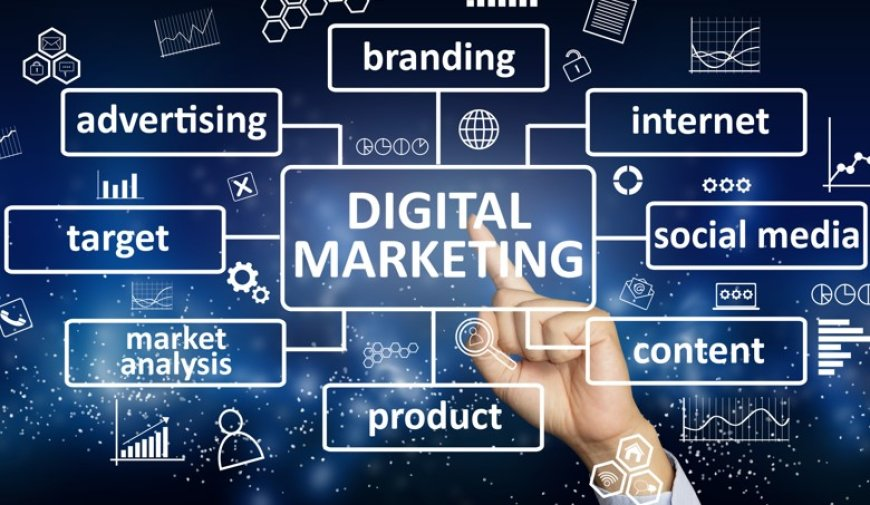
    Social Media Marketing: This is like telling all your friends and their friends about your lemonade stand. You use platforms like Facebook, Instagram, and Twitter to show everyone your delicious lemonade and interact with them. Example: You create Instagram posts with mouth watering pictures of your lemonade, share fun stories of how you make it, and engage with customers by responding to their comments and messages.

    Pay-Per-Click Advertising (PPC): Imagine you pay a small amount every time someone takes a sip of your lemonade. With PPC, you pay a small fee when someone clicks on your online ad, and they’re taken to your website. Example: You create an ad that appears on Google when people search for “best lemonade near me.” You only pay if someone clicks on your ad and visits your website to order lemonade.

    Content Marketing: Content marketing is like sharing stories about why your lemonade is so refreshing. You create interesting and helpful content that makes people want to come to your stand. Example: If you sell gardening tools, you create blog posts about tips for a beautiful garden, and people who read your helpful articles might also be interested in your gardening products.

    Email Marketing: Sending emails to people who love your lemonade and telling them about your new flavors is email marketing. It’s like inviting them back to your stand whenever you have something exciting. Example: You send an email to your loyal customers, offering them a special discount on your new lemonade flavor, and they can use the coupon code when they order online.

    Influencer Marketing: Imagine a famous lemonade lover telling everyone how amazing your lemonade is. Influencer marketing is when popular people on social media talk about and promote your products to their followers. Example: A fitness influencer posts a picture on Instagram with your healthy lemonade, and their health-conscious followers become interested in trying it too.

    Affiliate Marketing: Affiliate marketing is like having friends who tell everyone about your lemonade and get a small cut when someone buys. Affiliates promote your products, and you give them a commission for each sale they bring. Example: You partner with bloggers who write about refreshing drinks, and they share a special link to your lemonade on their blog. When people buy using that link, the blogger earns a percentage of the sale.

    Video Marketing: This is like making a fun video of you and your team making lemonade and sharing it online. Videos capture attention and help people get to know your brand better. Example: You create a short video showing the process of making your lemonade, from squeezing lemons to adding ice, and post it on YouTube and social media.

    Online PR (Public Relations): Online PR is like managing your lemonade stand’s reputation online. You respond to reviews, handle any negative feedback, and make sure your stand looks good to everyone. Example: You address a customer’s complaint on social media, apologize for their bad experience, and offer to make it right. This shows other customers that you care about their satisfaction.

    Social Proof and Reviews: Imagine having a wall of happy customer notes at your lemonade stand. Online, you encourage customers to leave positive reviews and testimonials about your products. Example: On your website, you showcase reviews from customers who say your lemonade is the best they’ve ever tasted, building trust with potential buyers.


    Career in Digital Marketing:


    Digital marketing is a rapidly growing field that offers exciting career opportunities. As a digital marketer, you’ll be responsible for promoting products, services, or brands using online channels and strategies. Here are key points about a career in digital marketing:

    Diverse Roles: Digital marketing offers a variety of roles, including SEO specialist, social media manager, content creator, email marketer, PPC specialist, and more.

    Constant Learning: The digital landscape evolves quickly, so continuous learning is essential to stay updated with new tools, trends, and strategies.

    Creativity: Digital marketers need to think creatively to develop engaging content, campaigns, and strategies that capture the audience’s attention.

    Analytical Skills: Data analysis is crucial to measure the effectiveness of campaigns and make data-driven decisions for optimization.

    Communication: Effective communication is essential for conveying messages across different online platforms and engaging with the audience.

    Salary:

    Digital marketing salaries vary based on experience, role, location, and company size. Here’s a general overview:

    Entry-Level: Junior roles like social media assistant or content writer may start around $30,000 to $40,000 per year.
    Mid-Level: As you gain experience and specialize, salaries can range from $50,000 to $80,000 or more annually.
    Senior-Level: With several years of experience and expertise, digital marketing managers, directors, or specialists can earn $80,000 to $150,000 or higher.

    Skills to Become a Digital Marketer:

    To excel in digital marketing, you need a mix of technical, creative, and interpersonal skills:

    Digital Literacy: Familiarity with online platforms, tools, and technologies used in digital marketing is essential.

    SEO and SEM: Understanding of search engine optimization (SEO) and search engine marketing (SEM) principles to improve online visibility.

    Content Creation: Ability to create compelling and relevant content for various platforms, such as blogs, social media, and videos.

    Social Media Expertise: Proficiency in managing and strategizing social media campaigns across platforms like Facebook, Instagram, Twitter, and LinkedIn.

    Data Analysis: Skill to interpret data from tools like Google Analytics to measure campaign performance and make informed decisions.

    Copywriting: Writing persuasive and engaging copy for ads, emails, social media posts, and website content.

    Email Marketing: Knowledge of email marketing tools, list management, and crafting effective email campaigns.

    PPC Advertising: Understanding of pay-per-click advertising platforms like Google Ads and Facebook Ads.

    Creative Design: Basic design skills to create visually appealing graphics and images for digital marketing assets.

    Communication Skills: Ability to communicate clearly and effectively with team members, clients, and the target audience.

    Adaptability: Being open to learning and adapting to changes in digital marketing trends and algorithms.

    Digital marketing offers a dynamic and rewarding career path for individuals who are passionate about the online world, enjoy creativity, and are willing to stay updated with the latest industry developments.

    What is Digital Marketing


    Importance of Digital Marketing for Businesses:


    Global Reach: Digital marketing allows businesses to reach a global audience, breaking down geographical barriers and expanding their market reach.

    Cost-Effectiveness: Compared to traditional marketing methods, digital marketing often offers a more cost-effective way to promote products and services.

    Targeted Advertising: Digital marketing enables precise targeting of specific demographics, interests, and behaviors, ensuring that marketing efforts reach the right audience.

    Measurable Results: With digital marketing tools and analytics, businesses can track and measure the performance of their campaigns in real-time, allowing for data-driven decision-making and optimization.

    Higher Engagement: Interactive content, social media interactions, and personalized marketing efforts foster higher engagement and better customer relationships.

    Brand Building: Consistent digital presence and engagement help build brand awareness and loyalty over time.

    Adaptability: Digital marketing campaigns can be quickly adjusted and optimized based on real-time data, allowing businesses to adapt to changing market conditions.

    In today’s competitive landscape, digital marketing is not just an option but a necessity for businesses of all sizes.

    What is Digital Marketing