Tag: content creation

  • Power of Social Media Marketing: Building Your Brand Online

    Power of Social Media Marketing: Building Your Brand Online

    Social media marketing has revolutionized the way brands interact with their audience. By leveraging the power of social media platforms, businesses can reach a wider audience, build stronger relationships, and ultimately enhance their brand presence online.

    Introduction

    In today’s digital age, social media marketing is not just a trend; it’s a necessity. From small businesses to multinational corporations, the strategic use of social media can significantly impact a brand’s visibility and customer engagement. This article delves into the importance of social media marketing and provides actionable strategies to effectively build and promote your brand online.

    The Importance of Social Media Marketing

    Social media marketing plays a pivotal role in today’s business landscape. It allows brands to communicate directly with their audience, fostering a sense of community and trust. The real-time nature of social media means that brands can stay current, engage in conversations, and respond to customer inquiries instantly. This immediate interaction not only enhances customer satisfaction but also builds brand loyalty.

    image 39

    Choosing the Right Platforms

    Identifying Your Target Audience

    Before diving into social media marketing, it’s crucial to understand who your target audience is. Analyzing demographics, interests, and online behavior can help you determine where your potential customers are most active. Platforms like Facebook, Instagram, LinkedIn, and Twitter cater to different audiences, so selecting the right ones is essential for effective engagement.

    Selecting the Best Platforms for Your Brand

    Not all social media platforms are created equal. Each has its own strengths and caters to specific types of content and audiences. For instance, Instagram is ideal for visually appealing content, while LinkedIn is best for professional networking. Assessing your brand’s needs and aligning them with the strengths of each platform will help you maximize your reach and impact.

    Developing a Social Media Strategy

    Setting Clear Goals and Objectives

    A successful social media strategy starts with clear, measurable goals. Whether it’s increasing brand awareness, driving website traffic, or boosting sales, having specific objectives helps guide your efforts and measure success. Define what you want to achieve and set realistic, time-bound targets.

    Creating a Content Calendar

    Consistency is key in social media marketing. A content calendar helps you plan and organize your posts, ensuring a steady stream of content. This not only keeps your audience engaged but also helps in maintaining a cohesive brand message. Plan your content around key dates, events, and campaigns to stay relevant and timely.

    Creating Engaging Content

    The Role of Visuals in Social Media

    Visual content is more likely to be shared and remembered. High-quality images, videos, and graphics can significantly boost your engagement rates. Invest in professional photography and design to create visually appealing content that resonates with your audience.

    Crafting Compelling Captions

    Captions are just as important as visuals. They provide context, evoke emotions, and encourage interaction. Crafting compelling captions that align with your brand voice and message can enhance the impact of your posts. Use storytelling techniques, ask questions, and include calls to action to engage your audience.

    Utilizing User-Generated Content

    User-generated content (UGC) is a powerful tool in social media marketing. It not only provides social proof but also engages your audience by making them a part of your brand story. Encourage your followers to share their experiences with your products and feature their content on your social media pages.

    Building a Consistent Brand Voice

    Establishing Brand Guidelines

    Consistency in brand voice and aesthetics is crucial for building a recognizable brand. Establish clear brand guidelines that outline your tone, style, and visual elements. This ensures that all your social media posts are aligned and reinforce your brand identity.

    Maintaining Consistency Across Platforms

    While each social media platform has its own unique features, maintaining a consistent brand voice across all of them is essential. Tailor your content to suit the platform while ensuring that your brand’s personality and message remain consistent. This helps in building a strong and cohesive brand image.

    Leveraging Influencers

    Identifying the Right Influencers

    Influencers can significantly amplify your brand’s reach and credibility. Identify influencers whose audience aligns with your target market and whose values match your brand’s. Collaborating with the right influencers can lead to authentic endorsements and a more engaged audience.

    Collaborating Effectively

    Effective collaboration with influencers involves more than just paying for a post. Work closely with them to create content that feels genuine and resonates with their followers. Provide creative freedom while ensuring that your brand message is communicated effectively. This collaborative approach leads to more authentic and impactful campaigns.

    Utilizing Social Media Advertising

    The Basics of Paid Advertising

    Paid social media advertising allows you to reach a larger and more targeted audience. Start with understanding the basics, such as different ad formats, budgeting, and targeting options. Platforms like Facebook, Instagram, and LinkedIn offer robust advertising tools to help you achieve your marketing goals.

    Advanced Targeting Techniques

    Advanced targeting techniques enable you to reach specific segments of your audience based on demographics, interests, behaviors, and more. Utilize features like lookalike audiences, retargeting, and custom audiences to optimize your ad campaigns and achieve better results.

    Engaging with Your Audience

    Importance of Timely Responses

    Timely responses to comments, messages, and mentions show that you value your audience’s input and are attentive to their needs. This not only builds trust but also encourages more engagement. Set up notifications and allocate time for regular interaction to stay responsive.

    Encouraging Interaction and Feedback

    Encouraging interaction and feedback fosters a sense of community and helps you understand your audience better. Ask questions, create polls, and invite your followers to share their thoughts and experiences. This not only increases engagement but also provides valuable insights for your brand.

    Analyzing Performance Metrics

    Key Metrics to Track

    Tracking performance metrics is essential to understand the effectiveness of your social media efforts. Key metrics include engagement rates, reach, impressions, click-through rates, and conversions. Regularly analyzing these metrics helps you identify what’s working and where there’s room for improvement.

    Adjusting Strategies Based on Data

    Data-driven decision-making is crucial in social media marketing. Use insights from performance metrics to adjust your strategies. Experiment with different types of content, posting times, and ad campaigns to find what resonates best with your audience. Continuously optimizing based on data helps in achieving better results.

    Staying Updated with Trends

    Monitoring Social Media Trends

    Social media is constantly evolving, with new trends emerging regularly. Staying updated with the latest trends helps you keep your content fresh and relevant. Follow industry leaders, join relevant groups, and participate in discussions to stay informed about what’s trending.

    Adapting Your Strategy Accordingly

    Adaptability is key in social media marketing. Be open to trying new trends and adjusting your strategy accordingly. Whether it’s incorporating new features, adopting new content formats, or exploring new platforms, staying flexible helps you stay ahead of the competition and keep your audience engaged.

    Social Media Marketing Tools

    Essential Tools for Management

    Managing multiple social media accounts can be challenging. Essential tools like Hootsuite, Buffer, and Sprout Social help you schedule posts, monitor engagement, and analyze performance from a single dashboard. These tools streamline your efforts and improve efficiency.

    Tools for Content Creation

    Creating high-quality content consistently requires the right tools. Use tools like Canva for graphic design, Adobe Spark for video creation, and Grammarly for proofreading. These tools help you produce professional and engaging content without needing extensive design skills.

    Case Studies of Successful Campaigns

    Analyzing Big Brand Successes

    Studying successful social media campaigns from big brands provides valuable insights. Analyze what made these campaigns successful, such as their strategy, creativity, and execution. Brands like Nike, Starbucks, and Airbnb have set benchmarks in social media marketing that can inspire your own efforts.

    Learning from Small Business Triumphs

    Small businesses often achieve great success on social media with limited resources. Learn from their innovative approaches, community engagement, and authentic storytelling. These case studies show that creativity and authenticity can outweigh budget constraints in social media marketing.

    image 40

    Common Mistakes to Avoid

    Navigating the dynamic landscape of social media marketing requires not only a robust strategy but also an awareness of potential pitfalls. Even seasoned marketers can make mistakes that hinder their efforts. Here are some common mistakes to avoid to ensure your social media marketing strategy is effective and efficient.

    Over-Promotion and Under-Engagement

    One of the most frequent mistakes in social media marketing is focusing too heavily on promotion and not enough on engagement. Brands often flood their feeds with sales pitches, product announcements, and promotional content, neglecting the interactive and social nature of these platforms. While it’s essential to promote your products and services, balance is key. Engaging content that informs, entertains, and involves your audience should make up a significant portion of your social media presence.

    Over-promotion can lead to audience fatigue, where followers feel overwhelmed and disconnected from the brand. To avoid this, adopt the 80/20 rule: 80% of your content should be engaging and informative, and only 20% should be directly promotional. This approach fosters a more genuine connection with your audience and keeps them interested in your brand.

    Neglecting Analytics

    Another major mistake is neglecting the wealth of data available through social media analytics. Without tracking and analyzing performance metrics, it’s impossible to know what’s working and what isn’t. Many brands post content blindly without evaluating its impact, missing out on crucial insights that could enhance their strategy.

    Analytics tools provide valuable data on engagement rates, reach, impressions, click-through rates, and conversions. Regularly reviewing these metrics allows you to understand your audience better, identify successful content, and adjust your strategy accordingly. Ignoring this data can lead to wasted efforts and missed opportunities.

    Ignoring Audience Feedback

    Social media is a two-way street. Ignoring feedback from your audience can severely damage your brand’s reputation and trust. Whether it’s comments on posts, direct messages, or mentions, timely and thoughtful responses are essential. Failing to acknowledge your audience’s feedback can make them feel undervalued and lead to decreased engagement.

    Positive feedback should be celebrated and shared to build community spirit, while negative feedback should be addressed promptly and constructively. Use feedback as a tool for improvement, showing your audience that you value their opinions and are committed to enhancing their experience.

    Inconsistent Posting

    Inconsistency in posting can harm your social media presence. Brands that post irregularly risk losing their audience’s interest and engagement. On the other hand, over-posting can overwhelm your followers and lead to disengagement. Finding the right balance and maintaining a consistent posting schedule is crucial for keeping your audience engaged.

    Creating a content calendar can help maintain consistency. Plan your posts around key dates, events, and campaigns, ensuring a steady stream of content that keeps your audience interested and engaged. Consistent posting also helps in building a reliable and recognizable brand image.

    Failing to Adapt to Platform Trends

    Social media platforms constantly evolve, introducing new features and trends. Failing to adapt to these changes can make your brand appear outdated and out of touch. For example, ignoring trends like Stories, Reels, or new interactive features can limit your engagement potential and audience reach.

    Stay informed about the latest trends and updates on each platform. Experiment with new features to see how they resonate with your audience. Being an early adopter of trends can give you a competitive edge and keep your content fresh and engaging.

    Not Defining Clear Goals

    Without clear goals, it’s challenging to measure the success of your social media efforts. Many brands jump into social media marketing without defining what they want to achieve, leading to scattered efforts and inconsistent results. Clear, measurable goals provide direction and help in evaluating the effectiveness of your strategy.

    Define specific objectives, such as increasing brand awareness, driving website traffic, or boosting sales. These goals should be SMART (Specific, Measurable, Achievable, Relevant, and Time-bound) to ensure they are actionable and trackable. Regularly review and adjust your goals based on your performance and business needs.

    Overlooking the Importance of Visual Content

    In the visually driven world of social media, neglecting the quality and appeal of your visual content can be a significant mistake. Poor-quality images, unappealing graphics, and uninspired videos can turn off your audience and diminish your brand’s credibility. High-quality, visually appealing content is crucial for capturing attention and driving engagement.

    Invest in professional photography, graphic design, and video production to enhance the visual appeal of your content. Use tools like Canva or Adobe Spark to create eye-catching graphics and videos. Remember, first impressions matter, and visual content is often the first thing your audience notices.

    Ignoring Competitor Analysis

    Ignoring what your competitors are doing on social media can put you at a disadvantage. Competitor analysis provides valuable insights into what works and what doesn’t in your industry. By understanding your competitors’ strategies, you can identify opportunities, avoid their mistakes, and differentiate your brand.

    Regularly monitor your competitors’ social media activities, including their content, engagement rates, and follower growth. Analyze their successful campaigns and learn from their missteps. This information can help you refine your own strategy and stay ahead in the competitive landscape.

    Lack of Authenticity

    In an era where consumers value authenticity, brands that fail to be genuine can quickly lose trust and credibility. Overly polished, salesy, or inauthentic content can alienate your audience. Authenticity involves being true to your brand values, showing behind-the-scenes content, and engaging with your audience in a human and relatable manner.

    Showcase your brand’s personality, share real stories, and connect with your audience on a personal level. Authenticity builds trust and fosters a loyal community that resonates with your brand’s mission and values.

    Underestimating the Power of Influencers

    Underestimating the influence of social media influencers can limit your brand’s reach and impact. Influencers have dedicated followings that trust their recommendations. Collaborating with the right influencers can significantly boost your brand’s visibility and credibility.

    Identify influencers whose audience aligns with your target market and values. Develop genuine partnerships that allow influencers to create authentic content for their followers. Properly leveraging influencer marketing can amplify your brand message and drive significant engagement.

    Conclusion

    Avoiding these common mistakes can greatly enhance the effectiveness of your social media marketing efforts. By focusing on engagement, utilizing analytics, adapting to trends, and maintaining authenticity, you can build a strong, recognizable brand that resonates with your audience. Stay informed, be strategic, and continuously refine your approach to achieve lasting success in the ever-evolving world of social media marketing.

    FAQs

    What are the best platforms for social media marketing?

    The best platforms depend on your target audience and business goals. Facebook and Instagram are great for visual content, LinkedIn is ideal for B2B networking, and Twitter excels in real-time updates. Analyze where your audience is most active to choose the best platforms for your brand.

    How often should I post on social media?

    Posting frequency varies by platform and audience. Generally, posting once per day on Facebook and Instagram, multiple times a day on Twitter, and a few times a week on LinkedIn works well. Consistency is more important than frequency, so find a schedule that you can maintain.

    What kind of content performs best on social media?

    Visual content, such as images and videos, tends to perform best. Engaging captions, stories, and user-generated content also drive higher engagement. Experiment with different types of content to see what resonates most with your audience.

    How can I measure the success of my social media campaigns?

    Success can be measured using various metrics, including engagement rates, reach, impressions, click-through rates, and conversions. Setting clear goals and using analytics tools to track these metrics will help you evaluate the effectiveness of your campaigns.

    What is the role of influencers in social media marketing?

    Influencers can amplify your brand’s reach and credibility by promoting your products to their followers. They provide authentic endorsements and create engaging content that resonates with their audience. Collaborating with the right influencers can significantly boost your brand’s visibility and engagement.

    How can I increase engagement on my social media posts?

    To increase engagement, focus on creating high-quality, relevant content that resonates with your audience. Use compelling visuals, ask questions, and encourage interaction. Respond promptly to comments and messages, and use hashtags to increase discoverability.

    image 41

    Conclusion

    Social media marketing is a powerful tool for building and promoting your brand online. By choosing the right platforms, creating engaging content, leveraging influencers, and utilizing paid advertising, you can significantly enhance your brand’s visibility and engagement. Regularly analyzing performance metrics and staying updated with trends will help you refine your strategies and achieve better results. Embrace the power of social media marketing to build a strong, recognizable brand that resonates with your audience.

    Social Media Marketing

    Logo

    Contact Person: Kamlesh Singad

    Phone no. +91 9131341638

    Web Page: https://kamleshsingad.in/

    contact@kamleshsingad.com

    https://kamleshsingad.com

    Read More –

    What is programmatic advertising in digital marketing? – https://kamleshsingad.in/what-is-programmatic-advertising-in-digital-marketing/

    What factors influence your online reputation? – https://kamleshsingad.in/what-factors-influence-your-online-reputation/

    How to optimize your content for voice search? – https://kamleshsingad.in/optimize-content-voice-search/

  • Top 15 YouTube Channel Ideas

    Top 15 YouTube Channel Ideas

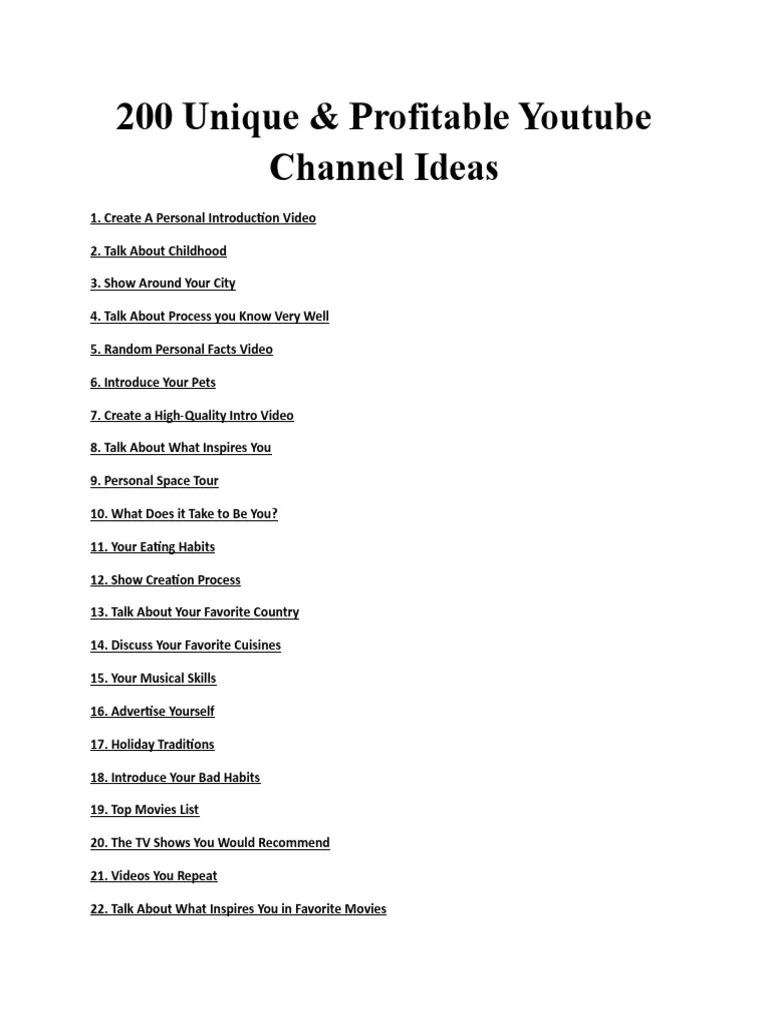
    YouTube has become a vast platform where people can share their passions, expertise, and creativity with the world. Creating a successful YouTube channel can be a rewarding endeavor, both personally and financially. If you’re looking for YouTube channel ideas, you’ve come to the right place. In this blog post, we’ll explore 15 YouTube channel ideas in simple language, accompanied by real-life examples to inspire you.

    Vlogging Channel

    Example: Casey Neistat

    Vlogging is all about sharing your daily life, adventures, and experiences with your audience. Casey Neistat’s channel is a prime example of how vlogging can turn into a thriving YouTube career.

    Tech Review Channel

    Example: Marques Brownlee (MKBHD)

    Tech enthusiasts can create channels where they review gadgets, smartphones, laptops, and other tech-related products. MKBHD is known for his insightful tech reviews and analysis.

    Cooking and Recipe Channel

    Example: Tasty

    If you’re passionate about cooking, share your culinary skills through cooking tutorials. Tasty, a part of Buzzfeed, creates engaging recipe videos that are both fun and educational.

    Also Read: Mastering SEO: Top 50 Quiz Questions and Answers

    YouTube Channel Ideas

    Fitness and Health Channel

    Example: Blogilates

    Help people stay fit and healthy by creating workout routines, nutritional tips, and wellness advice. Blogilates provides viewers with fitness motivation and guidance.

    Travel Channel

    Example: FunForLouis

    Travel enthusiasts can document their adventures, share travel tips, and explore different cultures. FunForLouis is an excellent example of a travel vlogger who takes viewers on exciting journeys.

    Gaming Channel

    Example: PewDiePie

    Gamers can record themselves playing video games, provide commentary, and entertain their audience. PewDiePie is one of the most well-known gaming YouTubers.

    Educational Channel

    Example: Vsauce

    Educational channels cover a wide range of topics, from science and history to language and technology. Vsauce, hosted by Michael Stevens, offers fascinating explanations on various subjects.

    DIY and Crafting Channel

    Example: 5-Minute Crafts

    If you love crafting, DIY, or home improvement projects, showcase your creativity through tutorials. 5-Minute Crafts is renowned for its simple yet inventive DIY ideas.

    Fashion and Beauty Channel

    Example: Zoe Sugg (Zoella)

    Fashionistas can create channels to share fashion advice, makeup tutorials, and product reviews. Zoella is a popular beauty influencer on YouTube.

    Comedy Channel

    Example: Jenna Marbles

    If you have a great sense of humor, entertain your audience with funny sketches, parodies, and stand-up comedy. Jenna Marbles made a name for herself with her comedic content.

    YouTube Channel Ideas

    Parenting and Family Channel

    Example: The Holderness Family

    Share your parenting experiences, tips, and family adventures. The Holderness Family creates humorous and relatable family-oriented content.

    Also Read: How to do YouTube SEO ?

    Music Channel

    Example: Justin Bieber

    If you’re a musician or singer, YouTube can be a platform to showcase your talent. Justin Bieber started his career by posting covers on YouTube.

    Motivational and Self-Improvement Channel

    Example: TEDx Talks

    Inspire and empower your audience with motivational speeches, personal development tips, and success stories. TEDx Talks feature thought-provoking talks on various subjects.

    Science and Nature Channel

    Example: National Geographic

    Explore the wonders of the natural world, scientific discoveries, and wildlife. National Geographic’s YouTube channel provides breathtaking documentaries and educational content.

    Pet Channel

    Example: The Dodo

    Share the adorable antics of your pets or create informative content about pet care. The Dodo is known for heartwarming animal stories and rescue missions.

    Conclusion

    With these 15 YouTube channel ideas and real-life examples, you have a solid starting point to begin your YouTube journey. Remember, success on YouTube requires dedication, consistency, and a genuine passion for your chosen niche. Whether you’re a budding chef, a tech enthusiast, or a travel adventurer, there’s a YouTube channel waiting for you to create and share your unique content with the world. So, pick an idea that resonates with you and start creating! Who knows, you might be the next YouTube sensation.

    YouTube Channel Ideas
  • Best Doctor Website Design Service in Indore | Code With Kamlesh

    Best Doctor Website Design Service in Indore | Code With Kamlesh


    Looking for professional Website Design Service? Build a high-converting doctor website with Code With Kamlesh and grow your clinic online with expert design, SEO, and digital marketing solutions.

    In today’s digital age, having a strong online presence is crucial for businesses and professionals, including doctors and healthcare practitioners. A well-designed and informative website not only helps you reach a wider audience but also establishes credibility and trust among your potential patients. However, many doctors may hesitate to create a website due to concerns about cost and complexity. In this comprehensive guide, we will show you how to build a professional doctor’s website for just ₹12,999 (approximately $175) using simple language and examples. Let’s get started!

    Best Doctor Website Design Service in Indore

    Table of Contents:

    1. Choosing a Domain Name
    2. Selecting a Hosting Provider
    3. Setting Up Your Website
    4. Designing Your Doctor Website
    5. Adding Essential Website Pages
    6. Content Creation and Blogging
    7. Contact Forms and Appointment Booking
    8. Search Engine Optimization (SEO)
    9. Mobile Optimization
    10. Security and Privacy
    11. Maintenance and Updates

    1. Choosing a Domain Name

    A domain name is your website’s address on the internet, like www.yourdoctorwebsite.com. When selecting a domain name, consider the following tips:

    • Keep it simple and easy to remember.
    • Use your name or clinic’s name for a professional touch.
    • Avoid special characters or hyphens.
    • Ensure the domain is available by using domain registrars like GoDaddy or Namecheap.
    Website Design Service

    2. Selecting a Hosting Provider

    Web hosting is where your website’s files and data are stored. You can find affordable hosting providers like Bluehost, HostGator, or SiteGround. Look for providers that offer good customer support and reliable uptime.

    3. Setting Up Your Website

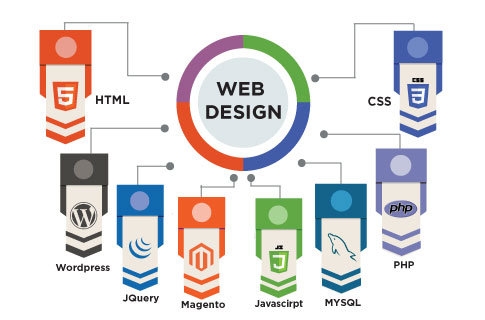
    Most hosting providers offer easy website setup through content management systems (CMS) like WordPress. Here’s how to do it:

    • Log in to your hosting account.
    • Find the “One-Click Install” option.
    • Choose WordPress and follow the installation prompts.

    4. Designing Your Doctor Website

    Your website’s design should be clean, professional, and easy to navigate. Consider using a medical or health-themed template or hire a web designer if your budget allows. Make sure your website’s color scheme and fonts align with your practice’s branding.

    5. Adding Essential Website Pages

    Your doctor website should include these essential pages:

    • Home Page: A brief introduction to your practice and services.
    • About Page: Information about you, your qualifications, and your team (if applicable).
    • Services: Detailed descriptions of the medical services you offer.
    • Testimonials: Patient reviews and success stories.
    • Contact Page: Contact information, including a contact form.
    • Blog/Articles: For sharing healthcare tips, news, and updates.
    • Privacy Policy and Terms of Service: Important for legal compliance.

    6. Content Creation and Blogging

    Regularly update your website with informative blog posts and articles related to your field. This not only provides value to your visitors but also boosts your website’s search engine ranking. For example, you can write articles on “Tips for Maintaining Good Heart Health” or “Common Cold vs. COVID-19: Know the Difference.”

    7. Contact Forms and Appointment Booking:

    Make it easy for patients to get in touch with you and schedule appointments. Use contact forms and integrate appointment booking systems. You can use free plugins like Contact Form 7 for forms and plugins like Bookly for appointment booking.

    Website Design Service

    8. Search Engine Optimization (SEO):

    Optimizing your website for search engines is vital for attracting organic traffic. Some key SEO practices include:

    • Keyword research: Identify keywords patients might use to find you.
    • On-page SEO: Optimize page titles, meta descriptions, and content.
    • High-quality content: Write informative and engaging content.
    • Local SEO: Ensure your practice shows up in local searches.
    • Mobile optimization: Make your website mobile-friendly.

    9. Mobile Optimization:

    Many users access websites from mobile devices, so ensure your website is responsive and looks good on smartphones and tablets. Most WordPress themes are mobile-friendly by default.

    10. Security and Privacy:

    Protect your website and patient information by:

    • Installing a security plugin like Wordfence or Sucuri.
    • Using strong passwords and two-factor authentication.
    • Regularly updating plugins and themes.
    • Complying with privacy regulations like HIPAA.

    11. Maintenance and Updates:

    Regularly maintain your website by:

    • Backing up your site regularly.
    • Updating WordPress, themes, and plugins.
    • Monitoring website performance.
    • Fixing broken links and errors.

    Conclusion:

    Building a professional doctor website for just ₹12,999 is entirely feasible with the right guidance and tools. Your website is an essential tool for connecting with patients, providing valuable information, and establishing your online presence as a trusted healthcare professional. By following this comprehensive guide, you can create a cost-effective and impactful online presence that benefits both you and your patients.

    Remember, your website is a reflection of your professionalism and commitment to patient care, so invest the time and effort needed to make it stand out in the digital healthcare landscape.

    Website Design Service

  • Website development company for coaching institutes | Code With Kamlesh

    Website development company for coaching institutes | Code With Kamlesh

    In today’s digital age, an online presence is paramount for any organization or business, including coaching institutes. A well-crafted website not only serves as a digital storefront but also provides a platform to engage with students, parents, and the community. In this comprehensive blog, we’ll explore the significance of having a professional website for coaching institutes and discuss various aspects of website development, Website development company for coaching. We’ll also delve into real-world examples and insights to help you understand how a website can transform your coaching institute’s online identity.

    Introduction to Coaching Institutes and the Digital Shift

    Coaching institutes play a vital role in the education sector by offering specialized guidance and support to students aiming to excel in various examinations. Over the years, the coaching industry has witnessed significant growth, leading to increased competition. In this competitive landscape, having a strong online presence is not just an option; it’s a necessity.

    Why Does a Coaching Institute Need a Website?

    1. Online Visibility

    Having a website ensures that your coaching institute is discoverable online. Potential students and parents often turn to the internet to find coaching institutes in their area or for specific courses. Without a website, you might miss out on a considerable chunk of your target audience.

    Example: Imagine a parent searching for “best SAT coaching in [your city].” If your coaching institute doesn’t have an online presence, you won’t appear in their search results, potentially losing a valuable enrollment.

    2. Credibility and Trust

    A professionally designed website exudes credibility and trustworthiness. It portrays your coaching institute as a serious player in the education sector. When prospective students and their parents visit your website, they are more likely to trust your services if they find a well-structured, informative, and visually appealing platform.

    Example: Consider two coaching institutes offering similar courses. One has a polished website with detailed information about faculty, courses, and testimonials. The other lacks an online presence. Which one do you think prospective students will trust more?

    Website development company

    3. Information Dissemination

    Your website acts as a central hub for disseminating information about your coaching institute. You can provide details about courses offered, faculty credentials, admission procedures, fee structures, and upcoming events. This transparency helps students and parents make informed decisions.

    Example: A website can showcase detailed course modules, study materials, and sample test papers, giving potential students a clear understanding of what to expect from your coaching.

    4. Engagement and Interaction

    Websites offer various engagement opportunities. You can incorporate features like blogs, forums, or chat support, enabling students and parents to interact with your institute. This not only fosters a sense of community but also allows you to address queries promptly.

    Example: Imagine hosting a blog on your website discussing tips for acing competitive exams. Students can leave comments or questions, and your faculty can respond, creating a valuable online resource.

    5. Marketing and Promotion

    A website serves as a powerful marketing tool. You can run targeted online advertising campaigns, optimize your site for search engines (SEO), and leverage social media integration to reach a wider audience. Additionally, you can showcase success stories and achievements, attracting more students.

    Example: Using Google Ads, you can target specific keywords related to your coaching institute’s courses. When someone searches for those keywords, your website appears at the top of search results.

    Real-World Examples of Successful Coaching Institute Websites

    Let’s look at some real-world examples of coaching institute websites that have leveraged web development to enhance their online presence:

    1. Khan Academy

    Khan Academy is a globally recognized platform offering free educational content. While they provide a wide range of resources, their website is a prime example of user-friendly design and content organization. It’s easy to navigate, offers interactive lessons, and provides a sense of progress as users complete exercises and quizzes.

    Key Takeaway: Simplicity and user-friendliness are essential. Khan Academy’s website caters to both students and parents with a focus on learning.

    2. Byju’s

    Byju’s is an Indian ed-tech company that has gained immense popularity. Their website combines informative content with engaging visuals. They offer detailed information about their courses, testimonials from successful students, and a personalized learning app that can be accessed directly from the website.

    Key Takeaway: Integrating mobile apps and providing a seamless transition between the website and the app can enhance the user experience.

    3. Vidya Mandir Classes

    Vidya Mandir Classes is a coaching institute in India specializing in IIT JEE preparation. Their website is a comprehensive resource for students and parents. It includes course details, faculty profiles, results, and a blog with valuable exam tips.

    Key Takeaway: Regularly updating a blog with relevant content can establish your coaching institute as an authority in your field.

    Website Development for Coaching Institutes: Step by Step

    Now that we’ve established the importance of a website for coaching institutes, let’s explore the step-by-step process of website development. Keep in mind that while the following steps provide a general guideline, the specific requirements for your coaching institute’s website may vary.

    1. Define Your Objectives

    Before diving into web development, it’s crucial to outline your goals. What do you want to achieve with your website? This could include increasing enrollment, providing educational resources, or building an online community.

    Example: Your primary goal might be to increase enrollment by 20% within the next academic year.

    2. Choose a Domain Name and Hosting

    Your domain name is your web address (e.g., www.yourcoachinginstitute.com). Choose a domain name that is easy to remember and reflects your institute’s identity. Additionally, select a reliable web hosting provider to ensure your website remains accessible.

    Example: If your coaching institute is named “Excel Academy,” consider a domain name like www.excelacademytutorials.com.

    Website development company

    3. Select a Content Management System (CMS)

    A CMS simplifies website management. Popular CMS options include WordPress, Joomla, and Drupal. WordPress, in particular, is user-friendly and offers numerous plugins and themes tailored for educational websites.

    Example: Opting for WordPress allows you to easily update course information, upload study materials, and add blog posts without extensive coding.

    4. Design and Development

    This is where the creative aspect comes into play. Work on the design of your website, ensuring it aligns with your coaching institute’s branding. Consider the layout, color scheme, and typography. Your website should be responsive, meaning it adapts to various screen sizes (e.g., smartphones, tablets, desktops).

    Example: If your coaching institute’s logo features blue and green, incorporate these colors into your website’s design for brand consistency.

    5. Content Creation

    Populate your website with relevant content. Create informative pages about your courses, faculty, facilities, admission procedures, and contact details. Don’t forget to add captivating images and videos.

    Example: Include a virtual tour of your coaching institute’s classrooms and facilities to give visitors a sense of what to expect.

    6. Interactive Features

    Implement interactive features to engage visitors. You can add features like contact forms, chat support, forums, and social media integration. These elements enhance user experience and facilitate communication.

    Example: Include a “Ask a Question” button that allows visitors to inquire about courses directly from the website.

    7. SEO Optimization

    Optimize your website for search engines (SEO) to improve its visibility on platforms like Google. This involves keyword research, meta tags, image optimization, and creating high-quality, shareable content.

    Example: If your coaching institute specializes in SAT preparation, ensure that relevant keywords like “SAT coaching” and “SAT exam tips” are incorporated into your content.

    8. Testing and Quality Assurance

    Before launching your website, thoroughly test it across different browsers and devices to ensure compatibility. Check for broken links, typos, and any functionality issues.

    Example: Make use of testing tools to identify and fix any compatibility issues with mobile devices.

    9. Launch and Promotion

    Once your website is polished and fully functional, it’s time to launch it. Promote your website through various channels, including social media, email newsletters, and offline marketing materials.

    Example: Announce the launch of your website on social media platforms and encourage your current students to share the news.

    10. Monitoring and Maintenance

    After the launch, regularly monitor your website’s performance using tools like Google Analytics. Make updates and improvements based on user feedback and changing requirements.

    Example: If you notice that the “Ask a Question” feature is heavily used, consider expanding it to include a live chat support option.

    Cost Considerations

    Website development costs can vary significantly depending on your requirements. Here are some cost considerations to keep in mind:

    1. Domain and Hosting: Domain registration typically costs around $10 to $20 per year, while hosting costs can range from $50 to $200 per year, depending on the hosting provider and plan.
    2. Content Management System: Many CMS platforms like WordPress are open-source and free to use. However, you may incur costs if you opt for premium themes or plugins.
    3. Design and Development: Costs for web design and development can vary widely based on complexity and the expertise of the developer or agency. It’s essential to request quotes and compare prices.
    4. Maintenance and Updates: Budget for ongoing maintenance and updates, including security patches and content additions.
    5. SEO and Marketing: If you plan to invest in SEO services or online advertising, factor in these costs as well.

    Remember that while there are upfront costs associated with website development, the long-term benefits, such as increased enrollments and enhanced brand reputation, often outweigh the initial investment.

    Website development company

    Conclusion

    In today’s digital era, a professional website is more than just a digital presence for coaching institutes—it’s a powerful tool for attracting students, building credibility, and providing valuable resources. By following the steps outlined in this blog, coaching institutes can embark on a journey to create a successful online platform that benefits both students and the institution itself.

    Investing in website development is an investment in the future of your coaching institute. It’s a step toward staying competitive, expanding your reach, and providing an enriching learning experience for students. So, whether you’re a small coaching center or a well-established institute, don’t underestimate the impact a well-crafted website can have on your educational journey.

    Thank You!

  • Digital Marketing Services in India

    Digital Marketing Services in India

    In today’s fast-paced digital age, businesses in India are continually evolving to meet the demands of the online consumer. Digital marketing has emerged as a powerful tool for companies to connect with their target audience, promote their products or services, and drive growth. In this comprehensive guide, we will explore the world of digital marketing services in India, breaking down the key components, strategies, and trends that are shaping the landscape.

    Chapter 1: Understanding Digital Marketing

    Digital marketing is a multifaceted approach to promoting products, services, or brands through digital channels. In India, it has witnessed explosive growth in recent years due to increased internet penetration and smartphone usage. Let’s delve into the fundamental aspects of digital marketing:

    1.1. Channels of Digital Marketing

    • Search Engine Optimization (SEO)
    • Social Media Marketing (SMM)
    • Email Marketing
    • Content Marketing
    • Pay-Per-Click (PPC) Advertising
    • Affiliate Marketing
    • Influencer Marketing

    1.2. Importance of Digital Marketing

    • Cost-Effective
    • Targeted Reach
    • Measurable Results
    • Real-Time Engagement
    • Global Reach
    Digital Marketing Services in India

    Chapter 2: The Role of SEO

    Search Engine Optimization (SEO) plays a pivotal role in digital marketing. It involves optimizing a website’s content and structure to rank higher in search engine results pages (SERPs). In India, SEO is an essential component of any digital marketing strategy:

    2.1. On-Page SEO

    • Keyword Research
    • Content Optimization
    • Meta Tags
    • URL Structure

    2.2. Off-Page SEO

    • Backlink Building
    • Social Signals
    • Guest Blogging

    2.3. Local SEO

    • Google My Business
    • Local Citations
    • Reviews and Ratings

    Chapter 3: The Power of Social Media Marketing

    Social Media Marketing (SMM) is an integral part of digital marketing services in India. With millions of active social media users, businesses can’t afford to ignore this channel:

    3.1. Popular Social Media Platforms in India

    • Facebook
    • Instagram
    • Twitter
    • LinkedIn
    • YouTube

    3.2. Strategies for Effective SMM

    • Content Planning and Creation
    • Audience Segmentation
    • Paid Advertising
    • Engagement and Interaction
    • Analytics and Measurement

    Chapter 4: The Impact of Email Marketing

    Email marketing remains a potent tool for reaching and engaging with your audience. In India, email marketing is used for various purposes, including customer acquisition and retention:

    4.1. Building an Email List

    • Opt-In Forms
    • Lead Magnets

    4.2. Creating Compelling Email Campaigns

    • Personalization
    • A/B Testing
    • Automation

    4.3. Legal Considerations

    • GDPR Compliance
    • CAN-SPAM Act Compliance

    Chapter 5: The Art of Content Marketing

    Content is king in the digital marketing world. High-quality content can drive traffic, engage audiences, and establish authority. In India, content marketing is an indispensable strategy:

    5.1. Types of Content

    • Blog Posts
    • Infographics
    • Videos
    • Ebooks
    • Podcasts

    5.2. Content Creation and Distribution

    • Content Calendar
    • SEO-Optimized Content
    • Social Media Sharing
    • Email Newsletters

    Chapter 6: The World of Pay-Per-Click Advertising

    Pay-Per-Click (PPC) advertising is a way to buy visits to your website rather than earning them organically. In India, PPC is a competitive arena:

    6.1. Google Ads

    • Keyword Research
    • Ad Campaigns
    • Quality Score

    6.2. Facebook Ads

    • Targeting Options
    • Ad Formats
    • Budgeting

    6.3. Measuring PPC Success

    • Click-Through Rate (CTR)
    • Conversion Rate
    • Return on Investment (ROI)

    Chapter 7: Affiliate and Influencer Marketing

    Affiliate marketing and influencer marketing are innovative approaches to expand your reach and generate sales:

    7.1. Affiliate Marketing

    • Affiliate Programs
    • Commission Structure
    • Tracking Sales

    7.2. Influencer Marketing

    • Finding the Right Influencers
    • Collaboration Strategies
    • Measuring Influencer ROI

    Chapter 8: Digital Marketing Trends in India

    The digital marketing landscape in India is constantly evolving. Stay ahead of the curve by keeping an eye on the latest trends:

    8.1. Voice Search Optimization

    • Siri, Google Assistant, Alexa
    • Long-tail Keyword Usage

    8.2. Video Marketing

    • Short-Form Videos (TikTok, Reels)
    • Live Streaming

    8.3. Chatbots and AI

    • Customer Service Automation
    • Personalized Recommendations

    8.4. Data Privacy and Compliance

    • GDPR and India
    • Data Security Measures

    Chapter 9: Challenges and Opportunities

    While digital marketing in India presents immense opportunities, it also comes with challenges:

    9.1. Competition

    • Saturated Markets
    • Rising Advertising Costs

    9.2. Changing Algorithms

    • SEO and Social Media Algorithm Updates

    9.3. Talent Shortage

    • Demand for Skilled Digital Marketers

    9.4. Navigating Cultural Diversity

    • Tailoring Marketing Messages

    Chapter 10: Hiring Digital Marketing Services in India

    If you’re a business owner in India, you might be considering outsourcing your digital marketing efforts. Here’s how to choose the right agency or freelancer:

    10.1. Evaluating Your Needs

    • Define Your Goals
    • Budget Considerations

    10.2. Researching Agencies or Freelancers

    • Portfolio
    • Client Reviews
    • Case Studies

    10.3. Communication and Collaboration

    • Clear Expectations
    • Regular Reporting

    Conclusion

    In the ever-evolving landscape of digital marketing services in India, staying informed and adapting to trends and changes is crucial. As the digital sphere continues to grow, businesses in India have a unique opportunity to leverage the power of digital marketing to expand their reach, engage with their audience, and drive growth. Whether you choose to handle your digital marketing in-house or work with a professional agency, the key is to remain agile and responsive to the dynamic digital world.

    Remember, digital marketing is not just a trend; it’s an essential component of success in the modern business landscape in India. Embrace it, harness its power, and watch your business flourish in the digital era.

    Thank You!

    Read More –

    How to search topics or content research for Youtube videos? – https://kamleshsingad.com/agency/how-to-search-topics-or-content-research-for-youtube-videos/

    Top 10 niche to create youtube channels and earn passive income – https://kamleshsingad.com/agency/top-10-niche-to-create-youtube-channels-and-earn-passive-income/

    Why SEO is important for website ? – https://kamleshsingad.com/agency/why-seo-is-important-for-website/

  • How to do digital marketing for coaching institute?

    How to do digital marketing for coaching institute?

    In today’s digital age, where almost everything happens online, it’s essential for coaching institutes to harness the power of digital marketing to reach and engage with potential students. Whether you’re offering academic tutoring, skill-based coaching, or test preparation, a strong online presence can make all the difference in attracting and retaining students. In this beginner’s guide, we’ll break down the steps of How to do digital marketing for coaching institute? in simple terms.

    Step 1: Define Your Target Audience

    Before diving into any marketing strategies, it’s crucial to know who you’re trying to reach. Think about the age group, academic level, location, and specific needs of your potential students. Are you targeting high school students, college graduates, or working professionals? Defining your audience helps tailor your marketing efforts for maximum impact.

    Step 2: Create a Professional Website

    Your website is your virtual storefront. It should be user-friendly, visually appealing, and easy to navigate. Include important information like the courses you offer, faculty credentials, schedules, pricing, and contact details. Make sure your website is mobile-responsive, as many people browse the internet on their smartphones.

    Step 3: Search Engine Optimization (SEO)

    SEO helps your website rank higher in search engine results when potential students look for coaching services online. Use relevant keywords throughout your website content, meta descriptions, and blog posts. High-quality content, such as informative blog articles related to education or exam preparation, not only improves your website’s SEO but also establishes you as an authority in your field.

    digital marketing for coaching institute

    Step 4: Leverage Social Media

    Create profiles on popular social media platforms like Facebook, Instagram, Twitter, and LinkedIn. Share engaging content, such as success stories, tips for exam preparation, and motivational posts. Use visuals, like images and videos, to capture attention. Paid social media advertising can help you target specific demographics and expand your reach.

    Step 5: Pay-Per-Click (PPC) Advertising

    PPC advertising, like Google Ads, allows you to display ads at the top of search engine results. You only pay when someone clicks on your ad. This is a great way to target potential students who are actively searching for coaching services.

    Step 6: Email Marketing

    Collect email addresses from interested individuals and send them regular newsletters. Share valuable content, updates on courses, and any special offers. Email marketing helps you stay connected and top-of-mind with your audience.

    Step 7: Online Video Content

    Create informative and engaging video content. You can make short videos with study tips, subject explanations, or even virtual campus tours. Video content is highly shareable and can help you connect with a wider audience.

    Step 8: Online Reviews and Testimonials

    Encourage your satisfied students to leave positive reviews and testimonials on platforms like Google, Yelp, or your social media pages. Positive reviews build trust and credibility among potential students.

    Step 9: Collaborate and Network

    Build partnerships with local schools, colleges, or educational influencers. Collaborations can include guest lectures, joint webinars, or cross-promotions. Networking can help you tap into new audiences.

    Step 10: Analyze and Adapt

    Regularly monitor the performance of your digital marketing efforts. Use tools like Google Analytics and social media insights to track website traffic, engagement, and conversion rates. Analyze what’s working and what isn’t. If a particular strategy isn’t yielding results, be prepared to adapt and try something new.

    In conclusion, digital marketing for coaching institutes is all about reaching the right audience at the right time with the right message. By following these simple steps and staying consistent in your efforts, you can effectively promote your coaching institute in the digital realm. Remember, it’s a gradual process, so be patient and open to learning from your experiences. With determination and creativity, your coaching institute can thrive in the digital age and help students achieve their educational goals.(digital marketing for coaching institute)

    digital marketing for coaching institute

    Scenario: Boosting Enrollment for a Test Prep Coaching Institute

    Imagine you’re the owner of a test preparation coaching institute that specializes in helping students excel in standardized exams like the SAT and ACT. Your institute is located in a competitive urban area with several other coaching centers offering similar services. You’ve been relying on traditional marketing methods, but you’ve realized that to truly stand out and reach a wider audience, you need to embrace digital marketing strategies.

    Step 1: Define Your Target Audience

    You identify your target audience as high school students, specifically juniors and seniors, who are preparing for college admissions exams. These students are tech-savvy and spend a significant amount of time online researching and seeking academic assistance.

    Step 2: Create a Professional Website

    You revamp your institute’s website to showcase your coaching programs, experienced faculty, success stories, and a clear registration process. The website is mobile-responsive, ensuring a seamless experience across devices.

    Step 3: Search Engine Optimization (SEO)

    You conduct keyword research and identify terms like “best SAT prep in [your city],” “effective ACT coaching,” and “college entrance exam tips.” You integrate these keywords naturally into your website’s content and blog articles.

    Step 4: Leverage Social Media

    You set up profiles on Facebook, Instagram, and LinkedIn. You share posts about strategies for tackling tough questions, time management during exams, and student achievements.Also run targeted ads on these platforms to reach high school students in your local area.

    Step 5: Pay-Per-Click (PPC) Advertising

    Using Google Ads, you create ads that appear at the top of search results when someone searches for “SAT prep classes” or related terms. You set a budget and bid for these keywords to ensure your ads show up prominently.

    Step 6: Email Marketing

    Create an opt-in form on your website where visitors can subscribe to your newsletter. You send out monthly newsletters featuring study tips, success stories, and upcoming course schedules. You also offer exclusive discounts to subscribers.

    Step 7: Online Video Content

    You start a YouTube channel where you post short videos on various test-taking strategies, time management techniques, and sample questions. These videos provide valuable content to students and establish your institute as an expert in test preparation.

    Step 8: Online Reviews and Testimonials

    You encourage your satisfied students to leave reviews on platforms like Google and Facebook. You showcase these positive reviews on your website to build credibility and trust.

    Step 9: Collaborate and Network

    You collaborate with local high schools to offer free workshops on test-taking strategies. You also partner with influential educational bloggers in your city who can write about your coaching institute on their platforms.

    Step 10: Analyze and Adapt

    Using Google Analytics and social media insights, you track the performance of your digital marketing efforts. You find that your YouTube videos are gaining traction, and your PPC ads are driving traffic to your website. However, your email open rates could be improved. You adjust your email content and subject lines to make them more engaging.

    Over time, your efforts start to pay off. Your coaching institute gains recognition as a go-to destination for test preparation, and your enrollments increase. By consistently implementing these digital marketing strategies and staying attuned to your audience’s needs, you successfully differentiate your coaching institute in the competitive education landscape.

    Thank You!

    Read More –

    How to do YouTube SEO ?

    Digital marketing agency in Thandla

    Digital marketing agency in Indore

    digital marketing for coaching institute