In today’s digital age, where attention spans are shorter than ever, grabbing and holding your audience’s attention has become a challenging task for marketers. This is where visual storytelling comes into play. Visual storytelling is the art of using images, graphics, videos, and other visual elements to convey a compelling narrative that resonates with your target audience. In this blog, we’ll explore the immense power of visual storytelling in marketing, and we’ll back it up with some real-life examples to illustrate its effectiveness.
1. A Picture is Worth a Thousand Words
Visual content is processed faster by the human brain than text. When you combine visuals with a well-crafted story, you create a powerful tool for engaging your audience. Take National Geographic, for instance. They are experts at visual storytelling, using stunning photographs to tell stories about wildlife, cultures, and landscapes. These visuals draw viewers into their narratives, making them feel like they are part of the adventure.
2. Emotionally Connect with Your Audience
Visual storytelling is an effective way to evoke emotions in your audience. Emotions drive decisions, and when you connect with your audience on an emotional level, they are more likely to remember your brand. Dove’s “Real Beauty” campaign is an excellent example. They used real women instead of models in their advertisements, empowering women to feel beautiful just as they are. This emotional connection boosted Dove’s brand image and increased customer loyalty.
3. Simplify Complex Information
Visuals are excellent for simplifying complex information. Take infographics, for instance. They combine text and graphics to make data and statistics more digestible. Companies like Google often use infographics to explain their products and services in a visually appealing and easy-to-understand manner.
4. Create Shareable Content
Visual storytelling also makes your content more shareable. When people come across a visually engaging story, they are more likely to share it on social media, extending your brand’s reach. An excellent example of this is the ALS Ice Bucket Challenge. People all over the world shared videos of themselves dumping ice water on their heads to raise awareness for ALS. This viral campaign used visual storytelling to connect people to the cause, and it raised millions of dollars for ALS research.
5. Build Brand Identity
Your brand is not just a logo or a tagline; it’s a story. Visual storytelling helps you shape and communicate that story. Take Coca-Cola, for example. Their iconic holiday commercials featuring the Coca-Cola truck and the polar bears have become a part of their brand’s story. These visuals are instantly recognizable and evoke a sense of nostalgia, reinforcing Coca-Cola’s brand identity.
6. Drive Engagement and Conversion
Visual storytelling can significantly boost user engagement and conversion rates. Videos, in particular, have become a staple in online marketing. Think about how successful YouTube channels like Tasty have become by visually showcasing simple cooking recipes. By showing the step-by-step process with mouthwatering visuals, they engage their audience and drive people to try the recipes.
7. Stand Out in a Crowded Market
With the sheer volume of content available online, it’s essential to stand out. Visual storytelling helps you do just that. Airbnb’s Instagram account is a great example. They feature stunning photos of unique accommodations worldwide, capturing the essence of travel and adventure. These visuals set them apart from the competition and draw people to their platform.
In conclusion, the power of visual storytelling in marketing cannot be overstated. It helps you grab attention, connect emotionally, simplify complex information, create shareable content, build brand identity, drive engagement, and stand out in a crowded market. So, whether you’re a small business or a global brand, harness the power of visual storytelling to bring your brand to life and connect with your audience in a memorable way. Remember, a picture is worth a thousand words, and a well-told visual story can leave a lasting impression on your customers.
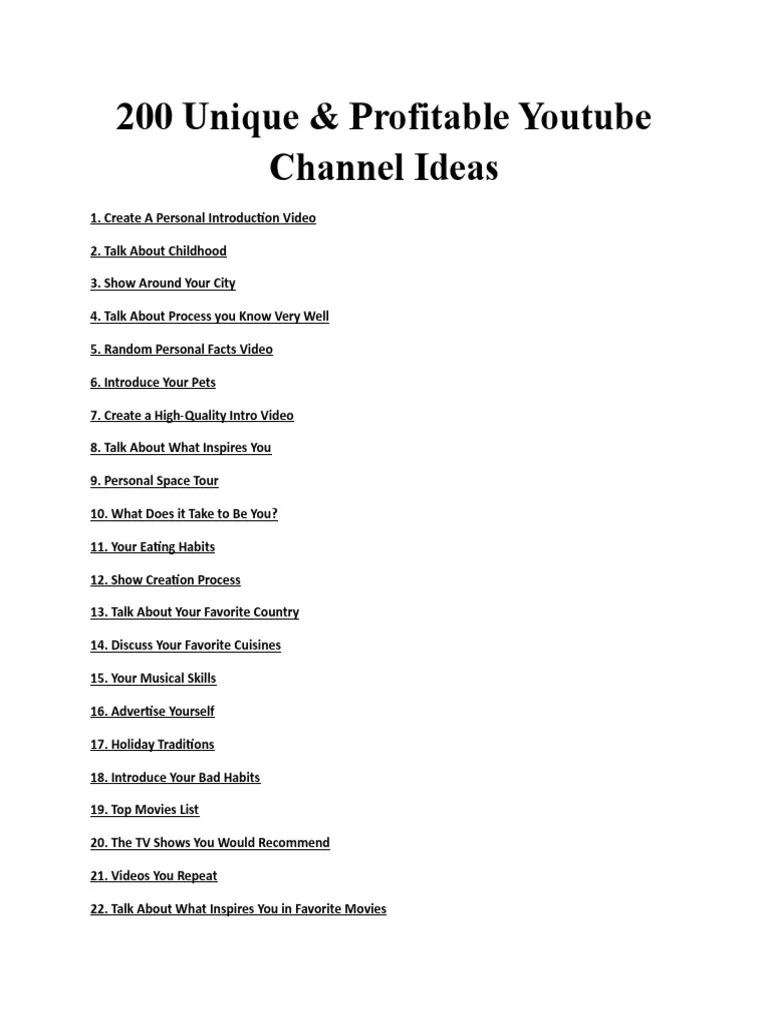
YouTube has become a vast platform where people can share their passions, expertise, and creativity with the world. Creating a successful YouTube channel can be a rewarding endeavor, both personally and financially. If you’re looking for YouTube channel ideas, you’ve come to the right place. In this blog post, we’ll explore 15 YouTube channel ideas in simple language, accompanied by real-life examples to inspire you.
Vlogging Channel
Example: Casey Neistat
Vlogging is all about sharing your daily life, adventures, and experiences with your audience. Casey Neistat’s channel is a prime example of how vlogging can turn into a thriving YouTube career.
Tech Review Channel
Example: Marques Brownlee (MKBHD)
Tech enthusiasts can create channels where they review gadgets, smartphones, laptops, and other tech-related products. MKBHD is known for his insightful tech reviews and analysis.
Cooking and Recipe Channel
Example: Tasty
If you’re passionate about cooking, share your culinary skills through cooking tutorials. Tasty, a part of Buzzfeed, creates engaging recipe videos that are both fun and educational.
Help people stay fit and healthy by creating workout routines, nutritional tips, and wellness advice. Blogilates provides viewers with fitness motivation and guidance.
Travel Channel
Example: FunForLouis
Travel enthusiasts can document their adventures, share travel tips, and explore different cultures. FunForLouis is an excellent example of a travel vlogger who takes viewers on exciting journeys.
Gaming Channel
Example: PewDiePie
Gamers can record themselves playing video games, provide commentary, and entertain their audience. PewDiePie is one of the most well-known gaming YouTubers.
Educational Channel
Example: Vsauce
Educational channels cover a wide range of topics, from science and history to language and technology. Vsauce, hosted by Michael Stevens, offers fascinating explanations on various subjects.
DIY and Crafting Channel
Example: 5-Minute Crafts
If you love crafting, DIY, or home improvement projects, showcase your creativity through tutorials. 5-Minute Crafts is renowned for its simple yet inventive DIY ideas.
Fashion and Beauty Channel
Example: Zoe Sugg (Zoella)
Fashionistas can create channels to share fashion advice, makeup tutorials, and product reviews. Zoella is a popular beauty influencer on YouTube.
Comedy Channel
Example: Jenna Marbles
If you have a great sense of humor, entertain your audience with funny sketches, parodies, and stand-up comedy. Jenna Marbles made a name for herself with her comedic content.
Parenting and Family Channel
Example: The Holderness Family
Share your parenting experiences, tips, and family adventures. The Holderness Family creates humorous and relatable family-oriented content.
If you’re a musician or singer, YouTube can be a platform to showcase your talent. Justin Bieber started his career by posting covers on YouTube.
Motivational and Self-Improvement Channel
Example: TEDx Talks
Inspire and empower your audience with motivational speeches, personal development tips, and success stories. TEDx Talks feature thought-provoking talks on various subjects.
Science and Nature Channel
Example: National Geographic
Explore the wonders of the natural world, scientific discoveries, and wildlife. National Geographic’s YouTube channel provides breathtaking documentaries and educational content.
Pet Channel
Example: The Dodo
Share the adorable antics of your pets or create informative content about pet care. The Dodo is known for heartwarming animal stories and rescue missions.
Conclusion
With these 15 YouTube channel ideas and real-life examples, you have a solid starting point to begin your YouTube journey. Remember, success on YouTube requires dedication, consistency, and a genuine passion for your chosen niche. Whether you’re a budding chef, a tech enthusiast, or a travel adventurer, there’s a YouTube channel waiting for you to create and share your unique content with the world. So, pick an idea that resonates with you and start creating! Who knows, you might be the next YouTube sensation.
In the digital age, YouTube has emerged as one of the most popular platforms for content creators to share their passion and knowledge while earning a passive income. With millions of viewers and a vast array of niches to explore, there’s something for everyone. If you’re thinking of starting your own YouTube channel to generate passive income, you’re in the right place. In this blog, we’ll delve into the top 10 niches that can help you build a successful YouTube channel and enjoy the financial rewards that come with it.
Discover the Top 10 niche to create YouTube channels in 2026 that can help you grow fast and earn money. Explore profitable ideas, trending topics, and beginner-friendly niches to start your YouTube journey successfully.
Gaming
The gaming niche is one of the most lucrative on YouTube, with millions of gamers tuning in to watch their favorite YouTubers play and discuss video games. Channels like PewDiePie and Markiplier have made millions by creating content centered around gaming. You can create Let’s Play videos, game reviews, tutorials, or even explore gaming culture and news. The gaming niche offers a wide variety of content opportunities, making it a great choice for passionate gamers.
Tech and Gadgets
Tech enthusiasts are always on the lookout for the latest gadgets, reviews, and tutorials. Creating a tech and gadgets channel allows you to share your insights on smartphones, laptops, cameras, and more. Unbox Therapy and Marques Brownlee (MKBHD) have built substantial followings by diving into the world of technology. You can also explore niche areas like coding tutorials or DIY tech projects if you have expertise in those domains.
Cooking and Food
Food-related content is immensely popular on YouTube. Whether you’re a seasoned chef or a home cook, you can share your favorite recipes, cooking tips, and food adventures. Channels like Tasty and Bon Appétit have amassed millions of subscribers by creating engaging and visually appealing cooking content. The food niche offers room for creativity and specialization, from vegan recipes to baking and barbecue.
Lifestyle and Vlogging
Vlogging is all about sharing your daily life, experiences, and opinions. Lifestyle vloggers like Casey Neistat and Zoe Sugg (Zoella) have turned their personal stories into lucrative YouTube channels. You can vlog about travel, beauty, fitness, parenting, or any other aspect of your life that you’re passionate about. Authenticity and consistency are key to success in the lifestyle niche.
Education and How-To
Sharing knowledge and teaching skills is a powerful way to build a YouTube channel. Whether you’re an expert in a particular field or have a knack for explaining things, educational content can attract a dedicated audience. Channels like Vsauce and Khan Academy have flourished by providing insightful explanations and tutorials. Topics can range from science and math to arts and crafts, making this niche highly versatile.
Personal Finance and Investing
In an era of financial uncertainty, many people turn to YouTube for guidance on managing money and investing. Channels like Graham Stephan and Andrei Jikh have gained prominence by offering practical financial advice, investment strategies, and real estate insights. If you have expertise in personal finance, stocks, cryptocurrency, or real estate, this niche can be both rewarding and educational.
Health and Fitness
The health and fitness niche on YouTube is perfect for fitness enthusiasts, trainers, and wellness experts. You can create workout routines, nutritional guides, and motivational content. Channels like Athlean-X and Yoga with Adriene have attracted millions of subscribers with their fitness-focused videos. Whether you’re into weightlifting, yoga, or cardio workouts, there’s a vast audience looking for guidance in this niche.
Travel and Adventure
For globetrotters and adventurers, the travel niche is a dream come true. Documenting your travels, sharing travel tips, and showcasing stunning destinations can draw in viewers hungry for adventure. Channels like Kara and Nate and FunForLouis have built thriving communities by sharing their world exploration. Just remember, your travel content should be unique and inspiring to stand out in this competitive niche.
Fashion and Beauty
If you have a passion for fashion, makeup, or skincare, the fashion and beauty niche offers numerous opportunities. You can create makeup tutorials, fashion lookbooks, or product reviews. Channels like Tati Westbrook and James Charles have leveraged their love for beauty to achieve YouTube stardom. Keep up with the latest trends and engage with your audience to succeed in this niche.
Home Improvement and DIY
Home improvement and DIY projects are immensely popular on YouTube. Whether you’re a skilled carpenter, a crafty DIY enthusiast, or a homeowner looking to share your renovation journey, this niche has a dedicated audience. Channels like DIY Creators and Home Repair Tutor have established themselves by offering practical tips and step-by-step guides for various home improvement projects.
Tips for Success on YouTube
Now that you’ve explored these top 10 niches, it’s essential to understand that success on YouTube requires more than just picking a niche. Here are some essential tips to help you on your journey:
Consistency: Regularly upload content to keep your audience engaged and coming back for more.
Quality Over Quantity: Focus on creating high-quality, engaging videos rather than rushing to produce numerous low-quality ones.
SEO Optimization: Learn about search engine optimization (SEO) to help your videos rank higher in search results.
Engage with Your Audience: Respond to comments and create a sense of community on your channel.
Collaborate: Collaborate with other YouTubers in your niche to expand your reach.
Stay Informed: Stay updated with YouTube’s policies, trends, and algorithm changes to adapt your content strategy.
Monetization: Explore different monetization options, such as ads, merchandise, and affiliate marketing, to maximize your earnings.
Conclusion
Starting a YouTube channel in one of these top 10 niches can be a rewarding and profitable venture. However, remember that building a successful channel takes time, dedication, and passion. Whether you’re into gaming, tech, cooking, or any other niche, the key is to create valuable and engaging content that resonates with your target audience. So, pick a niche you’re passionate about, start creating, and watch your YouTube channel grow into a source of passive income and creative fulfillment.
In this blog, learn how to use storytelling for YouTube success with proven techniques, engaging content strategies, and tips to increase views, watch time, and subscribers.
We’ll dive into why storytelling is so important when it comes to creating videos for YouTube. Think about your favourite movies or TV shows; they capture your attention because of the stories they tell. Similarly, on YouTube, stories have the ability to connect with viewers emotionally and keep them engaged. When you tell a story in your videos, whether it’s about your experiences, knowledge, or even fictional tales, you’re making your content more relatable and interesting. For example, a travel vlogger sharing their adventures isn’t just showing places, but they’re telling a story of exploration and discovery, which makes their videos captivating to watch.
How to Use Storytelling for YouTube Success
Here, we’ll explore why having a captivating and interesting narrative is crucial for achieving success on YouTube. Imagine two cooking channels: one just shows recipes being prepared, while the other shares the story behind each recipe – where it came from, the memories associated with it, or the challenges faced while cooking it. The channel with the compelling narrative is likely to stand out because it’s not only teaching how to cook but also connecting on a personal level. A great narrative can make viewers stay longer, watch more videos, and even subscribe to your channel. It’s like reading a good book – you want to keep turning the pages, or in this case, watching more videos.
The Basics of Storytelling
Character: In a story, characters are the people or creatures who experience the events. They can be heroes, villains, or regular individuals. Characters make the story relatable and interesting. For example, in a YouTube video, if you’re telling a story about overcoming challenges, your main character could be someone who faced difficulties and grew stronger.
Conflict: Every good story has a problem or challenge that the characters need to deal with. This conflict creates tension and keeps the audience engaged. Imagine your character wants to achieve a dream, but they encounter obstacles like self-doubt, financial issues, or competition. This conflict makes the story more exciting and gives the character a goal to work towards.
Resolution: The resolution is how the conflict is resolved. It’s the outcome or solution to the problem. Your character might overcome their obstacles through hard work, support from friends, or personal growth. This resolution provides a sense of closure and satisfaction for your audience.
Building Blocks of Narrative: Beginning, Middle, and End
Beginning: This is where you introduce your characters and set the stage. You give viewers the necessary information to understand the story’s context. For instance, if your story is about a chef who opens a unique restaurant, the beginning would introduce the chef, the restaurant’s concept, and maybe a glimpse of their struggles.
Middle: The middle is where the story develops. It’s where the conflicts arise, challenges are faced, and emotions intensify. Continuing with the chef example, the middle could show the chef’s struggles to get customers, develop their menu, and handle unexpected setbacks.
End: The end wraps up the story. It shows how the characters’ efforts pay off and resolves the conflicts. In the chef’s story, the end might depict the successful launch of the restaurant, the chef’s fulfillment, and maybe a heartfelt moment of gratitude from satisfied customers.
The Hero’s Journey: A Framework for Crafting Engaging Stories
The Hero’s Journey is a storytelling framework that many successful stories follow. It involves a hero (your main character) embarking on an adventure, facing challenges, and growing through the experience. Here’s how it breaks down:
Call to Adventure: The hero receives a challenge or a quest that sets the story in motion. This could be an opportunity they’re unsure about, like our chef deciding to start a restaurant.
Departure: The hero leaves their comfort zone and enters the unknown. This mirrors the chef’s decision to leave their stable job and venture into the risky world of entrepreneurship.
Trials and Tests: The hero encounters obstacles and enemies, which test their abilities and determination. In the chef’s story, these could be challenges like finding investors or dealing with negative reviews.
Climax: The hero faces the biggest challenge, often a decisive confrontation. For the chef, this could be a critical moment when they need a positive review from a renowned food critic to save their struggling restaurant.
Return: The hero returns home transformed, having learned important lessons. The chef might return to their restaurant with a renewed passion and innovative ideas that lead to success.
Resolution: The hero’s journey concludes with the resolution of conflicts and a sense of growth. The chef’s journey ends with a flourishing restaurant and personal fulfillment.
Remember, these storytelling elements and frameworks can be adapted creatively to suit the content you want to create for your YouTube channel.
Identifying Your Audience and Niche
When you’re making YouTube videos, it’s like having a conversation with a group of people. Your target audience is the group of people you want to talk to and share your stories with. Think about who these people are: their age, interests, hobbies, and what problems or interests they have. For example, if you love cooking and want to share recipes and cooking tips, your target audience might be people who enjoy cooking at home but want to learn new techniques.
Choosing a Niche: Tailoring Your Stories to Match Viewer Interests
A “niche” is like a special topic or subject that you focus on in your videos. It’s something you’re really passionate about and knowledgeable in. For example, your niche could be travel, video games, beauty, or DIY crafts. When you choose a niche, you’re deciding what your videos will mainly be about. This helps you connect with people who are also interested in that topic. If you’re a travel enthusiast, your niche might be exploring different countries and cultures, and your videos could be about your travel experiences, tips for travelers, and exciting places to visit.
Example: Imagine you love playing guitar and you’re really good at it. Your target audience could be people who want to learn how to play the guitar or improve their skills. So, your niche could be “Guitar Tutorials and Tips.” You’d make videos teaching different guitar techniques, explaining how to play popular songs, and sharing advice on choosing the right guitar. This way, you’re tailoring your content to the interests of people who love music and want to become better guitar players.
Research and Pre-production
Look at popular YouTube channels that tell stories effectively. Observe what makes their stories engaging. For instance, if you’re interested in travel storytelling, channels like “Lost LeBlanc” and “Kara and Nate” often share their travel experiences in captivating ways.
Story Concept Development: Brainstorming and Refining Ideas
Think about what stories you want to share on your YouTube channel. It could be personal experiences, life lessons, or even fictional tales. For instance, if you’re passionate about cooking, you might brainstorm stories about learning to cook from family traditions or experimenting with new recipes.
Scriptwriting Techniques: Creating Engaging and Conversational Scripts
Once you have a story idea, write a script for your video. Make it sound like a casual conversation rather than a formal lecture. Imagine you’re talking to a friend. Use relatable language and include pauses for effect. If you’re telling a story about a hiking adventure, your script might have sentences like, “So there I was, standing at the edge of the cliff, heart racing, wondering if I should take the leap.”
Remember, research helps you understand what works, brainstorming helps you generate unique ideas, and scriptwriting ensures your story is engaging and relatable to your viewers.
Structuring Your Storytelling
This is the beginning of your video where you need to catch the attention of your viewers right away. Imagine starting your video with something exciting or intriguing, like a surprising fact, a funny joke, or a thought-provoking question. The goal is to make people curious and excited about what they’re going to watch. For example, if you’re making a video about a travel adventure, you might start with a sentence like, “Have you ever wanted to explore hidden, breath taking places that only a few people have seen?”
Establishing Characters and Setting: Making Your Story Relatable In this part, you introduce the main characters (people or animals) of your story and describe the place where the story is happening. This helps viewers connect with the story by getting to know who’s involved and where things are taking place. For instance, if you’re making a cooking video, you might introduce yourself as the chef and show the kitchen where you’ll be preparing the delicious recipe you’re about to share.
Building Conflict and Tension: Keeping Viewers Invested Every good story needs something interesting or challenging to happen. This is where conflict and tension come in. Conflict can be a problem, a challenge, or a mystery that needs to be solved. Tension is the feeling of curiosity or excitement that comes from wondering what’s going to happen next. In a video about solving a mystery, you could introduce a puzzling clue that leaves viewers curious and eager to find out more.
Climax and Resolution: Delivering Satisfying Endings The climax is the most exciting part of your story, where everything comes to a peak. It’s like the turning point when things really get intense. After that, you provide the resolution, which is the ending that ties up all the loose ends and answers the questions raised in the story. In a video about an adventure race, the climax might be the moment when the racers are neck and neck, and the resolution could be revealing who wins and how they celebrated their victory.
Remember, each of these parts helps create a flow that keeps your viewers engaged and curious about what happens next in your story.
Visual and Audio Elements
Visual and audio elements play a crucial role in making your YouTube stories engaging and memorable. They help create an immersive experience for your viewers and enhance the emotions and atmosphere of your narratives.
The Role of Visuals: Using B-roll, Cutaways, and Visual Metaphors
Visuals refer to the images and videos you show on screen while telling your story. Instead of just showing yourself talking throughout the entire video, you can use different types of visuals to keep your viewers interested. Here are a few techniques:
B-roll: This is additional footage that you can use to show what you’re talking about. For example, if you’re telling a story about a vacation, you can include clips of the places you visited, the food you ate, and the activities you did.
Cutaways: These are quick shots that you insert to break up the main footage. For instance, if you’re narrating a cooking tutorial, you can show close-up shots of the ingredients, the cooking process, and the final dish while you’re explaining each step.
Visual Metaphors: These are images or scenes that symbolize an idea or emotion. Let’s say you’re discussing personal growth; you could use footage of a seed sprouting into a plant to visually represent the concept of transformation.
Music and Sound Effects: Enhancing Emotions and Atmosphere
Music and sound effects add an extra layer of emotion and atmosphere to your storytelling. They can help set the mood and make your viewers feel more connected to your story:
Music: The right music can emphasize emotions in your story. For example, if you’re telling a heartwarming story, gentle and uplifting music can evoke those feelings. On the other hand, if your story is about suspense, using tense music can heighten the drama.
Sound Effects: These are sounds that you can add to enhance specific moments. If you’re describing a scene where someone is walking through a forest, adding the sounds of rustling leaves and chirping birds can make the viewers feel like they’re right there with the character.
Imagine you’re making a YouTube video about a hiking adventure. As you narrate your experience, you can show breathtaking visuals of the landscapes you explored (B-roll), insert shots of details like wildflowers and wildlife (cutaways), and use soft, inspiring music to accompany those visuals. When you reach a moment where you conquered a challenging hill, you could use triumphant music to emphasize the accomplishment. And when you’re describing the serene silence of reaching the mountain peak, you can enhance it with the sound of wind blowing and birds chirping.
Narration and Voiceover Techniques
1. Developing Your On-screen Presence: Connecting with Viewers This is about how you present yourself while speaking on camera. It’s important to be natural, relatable, and confident. Imagine you’re having a friendly conversation with your viewers. Make eye contact with the camera, smile, and be yourself. Share your enthusiasm for the story to draw viewers in.
Example: If you’re telling a story about your travel experiences, show genuine excitement when talking about the places you visited. Your energy and engagement will make viewers feel like they’re right there with you.
2. Voice Modulation and Delivery: Conveying Emotions Effectively This involves using your voice to match the emotions of the story. Adjust your tone, volume, and pace based on what’s happening in the narrative. If it’s an exciting part, speak faster and with excitement. If it’s a sad moment, slow down and use a softer tone to evoke empathy.
Example: If your story involves a suspenseful moment, speak a bit slower and lower your voice to build tension. Then, when the exciting part comes, speed up your speech and raise your voice to create a dynamic and engaging experience for your viewers.
Remember, practice makes perfect. As you get more comfortable with these techniques, your storytelling on YouTube will become even more captivating.
Pacing and Timing
Controlling the Pace: Maintaining Interest Throughout Your Story Pacing is like the speed at which your story unfolds. Imagine you’re telling a story to a friend: if you talk too fast, they might miss important details, but if you talk too slowly, they might get bored. Similarly, in your YouTube video, you want to keep the right balance so that viewers stay engaged.
Example: Let’s say you’re making a video about a travel adventure. You would want to show exciting parts like exploring new places, trying local food, and meeting interesting people at a slightly faster pace. But when you’re describing something emotional, like a meaningful conversation you had during the trip, you might slow down a bit to let the feelings sink in.
Leveraging Cliffhangers: Keeping Viewers Coming Back for More A cliffhanger is like a little suspenseful ending that leaves viewers curious and excited to know what happens next. It’s like when a TV show stops at an intense moment, making you want to watch the next episode to find out what happens.
Example: Imagine you’re making a video about a cooking challenge. Just as you’re about to reveal whether your dish turned out great or not, you stop the video. This makes viewers wonder if you succeeded or not, and they’ll be more likely to come back to see the next part. It’s a way to create anticipation and keep people interested in your content.
Remember, the goal is to keep your viewers engaged and wanting to see more, and understanding pacing and timing can help you do that effectively.
Editing and Post-production
Editing and post-production involve taking the raw footage you’ve shot and turning it into a polished and engaging video that tells a compelling story. It’s like putting together all the puzzle pieces to create a complete picture.
Crafting Seamless Transitions: Maintaining Flow in Your Story
Transitions are like bridges that connect different parts of your video smoothly. Imagine you’re telling a story about a vacation. If you jump abruptly from one scene to another, it might confuse your viewers. Instead, use transitions like fades, cuts, or creative transitions (like swipes or zooms) to guide viewers from one scene to the next. For instance, if you’re showing a transition from packing your bags to arriving at the airport, a fade could gently lead viewers between these moments without them feeling lost.
Adding Graphics and Text: Enhancing Understanding and Engagement
Graphics and text help provide additional information or emphasize key points in your video. They’re like signposts that guide your viewers. For example, if you’re explaining a recipe, you can use text to display the ingredients and their quantities on the screen as you talk about them. This makes it easier for viewers to follow along and remember the details.
Color Grading and Visual Style: Setting the Tone for Your Narrative
Color grading is like giving your video a specific mood or atmosphere using colors. Think of it as choosing the “filter” for your video, just like the filters you use on social media photos. For instance, if you’re telling a nostalgic story, you might use warm and soft colors to evoke a sense of fond memories. If you’re telling a suspenseful story, you might use darker tones to create a sense of mystery and tension.
Visual style is about maintaining a consistent look throughout your video. If you’re creating a series of videos, having a consistent visual style helps your viewers recognize your content easily. It could include things like using the same font for text, using specific types of shots (like close-ups or wide shots), and using a similar color palette in all your videos.
Feedback and Iteration
Seeking and Incorporating Viewer Feedback: This step is about asking your viewers for their opinions and thoughts about your videos. You want to know what they liked, what they didn’t like, and any suggestions they might have. It’s like asking a friend how you can make your cake taste better. For example, if you make videos about travel, you might ask your viewers if they enjoyed the destinations you covered or if they’d like to see more details about local food and culture. When you get this feedback, you can use it to make your videos more interesting and enjoyable for your audience.
The Art of Iterative Storytelling: Learning and Evolving: “Art of iterative storytelling” means that you don’t just make a video and forget about it. You make it, you show it to people, you listen to their thoughts, and then you use those thoughts to improve the next video. It’s like painting a picture, looking at it from a distance, and then adding more colors to make it even better. For instance, if you’re telling stories about technology, and your viewers say they want more explanations about how things work, you can start adding more detailed explanations in your future videos. This way, your videos keep getting better and more interesting over time.
Promotion and Engagement
Crafting Captivating Thumbnails and Titles
When you’re scrolling through YouTube, you often decide what to watch based on the images and titles you see. Thumbnails are the small pictures that represent videos, and titles are the names of the videos. Making these really interesting can attract more people to click on your videos. For example, if your video is about cooking a delicious dessert, you could have a thumbnail showing that dessert with a bright, colorful background, and your title could be something like “Mouth-Watering Chocolate Delight: Easy Dessert Recipe!”
Using Social Media and Collaborations to Extend Your Story’s Reach
Social media platforms like Instagram, Twitter, and Facebook are places where people hang out online. You can use these platforms to tell people about your videos. Let’s say you made a video about traveling to a beautiful beach. You could share a picture from that beach on your Instagram and tell people that they can watch the full adventure on your YouTube channel. Collaborations are when you work with other YouTubers. If you and a friend both make videos about hiking, you could make a video together where you explore a trail, and then both of you tell your viewers to check out the other’s video. This way, you both get to reach new audiences.
In simple words, promotion and engagement mean making your videos more attractive to people and telling them about your videos in different ways, like using social media and working with others. This helps more people find and watch your stories on YouTube.
Measuring Success and Analytics
This section is all about figuring out how well your storytelling videos are doing and using data to improve. It’s like checking if people are enjoying your stories and finding ways to make them even better.
Understanding YouTube Analytics: Tracking Story Engagement
Think of YouTube Analytics like a special tool that shows you how many people are watching your videos, how long they’re watching, and what parts they like the most. It’s like having a window into your viewers’ minds. For example, if you see that many viewers stop watching after a certain point in your story, you might want to figure out what’s causing them to lose interest at that moment.
Imagine you have a video where you tell a thrilling adventure story, but a lot of viewers stop watching just before the exciting part. By looking at the analytics, you’d notice this drop-off. This tells you that maybe you need to make the beginning more exciting to grab their attention right away.
Adapting Strategies Based on Viewer Insights
This means changing your storytelling plans based on what you learn from the analytics. It’s like if you’re cooking a dish and you taste it to see if it needs more salt or spices. Similarly, you “taste” your videos’ performance through analytics and adjust your storytelling to make it even more interesting for your viewers.
For instance, if you notice that viewers from a certain age group are really enjoying the mystery elements of your stories, you might decide to add more mysteries to your future videos to keep them engaged. Or if you find that most people are watching your videos on weekends, you might plan to release new stories specifically on those days to catch more attention.
In simpler words, you’re using the information from YouTube Analytics to fine-tune your storytelling so that it resonates better with your audience and keeps them wanting more.