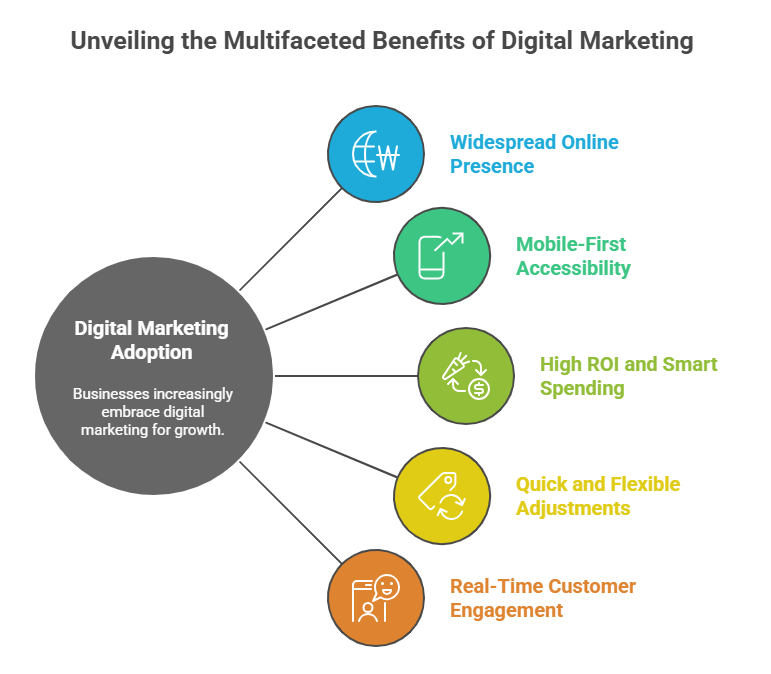
The proliferation of voice-activated devices like Amazon Alexa, Google Assistant, and Apple Siri has revolutionized how people interact with technology. This transformation presents an exciting opportunity for businesses to enhance their online visibility through Voice Search Optimization. By crafting content designed to meet the unique needs of voice-based queries, businesses can connect with their audiences in more natural and conversational ways.
Why Voice Search Optimization Matters
Voice Search Usage is Growing According to recent studies, over 40% of internet users employ voice search daily. This shift is fueled by the convenience of hands-free, instant access to information.
Changing Search Behavior Voice search queries are often longer and more conversational than text-based searches. Users typically phrase questions as complete sentences, such as “What’s the best Italian restaurant near me?” rather than typing “Italian restaurant nearby.”
Impact on Search Rankings Search engines like Google prioritize delivering relevant, succinct, and user-friendly answers for voice searches. Websites optimized for Voice Search Optimization are more likely to secure higher rankings and gain featured snippets or “position zero” in search results.
1. Prioritize Conversational Keywords Since voice searches mimic natural speech patterns, long-tail keywords that reflect conversational language are essential. Focus on questions beginning with “Who,” “What,” “Where,” “When,” and “How.”
2. Optimize for Local Search A significant proportion of voice searches are location-specific. Ensure your business is listed on Google My Business, and include local keywords in your content to improve visibility.
3. Emphasize Mobile Responsiveness Most voice searches are conducted on mobile devices. A mobile-friendly website with fast loading times and easy navigation is critical for Voice Search Optimization success.
4. Structure Content for Featured Snippets Google often pulls answers from featured snippets for voice search results. Format your content with clear headings, bullet points, and concise answers to common questions.
5. Improve Page Speed Voice search users expect instant results. Optimize your website’s speed by compressing images, using a reliable hosting service, and leveraging browser caching.
Creating Voice-Friendly Content
Answer FAQs Directly FAQs (Frequently Asked Questions) cater perfectly to voice searches. Craft precise answers that are conversational and straight to the point.
Use Schema Markup Schema markup helps search engines understand the context of your content. Adding structured data can increase your chances of appearing in voice search results.
Include Actionable Information Provide actionable steps or tips in your content to engage users. For example, if your business offers fitness advice, include “5 tips for a healthier lifestyle” in your blog.
Incorporate Natural Language Avoid jargon and overly technical terms. Instead, write as if you’re having a conversation with your audience.
Voice Search Optimization: Challenges and Solutions
Challenge: Understanding the nuances of voice search. Solution: Analyze your audience’s voice search behavior using tools like Google Analytics and keyword research platforms.
Challenge: Competing for local search results. Solution: Regularly update your Google My Business profile and encourage customer reviews to strengthen your local SEO efforts.
Benefits of Voice Search Optimization for Businesses
Improved Visibility: Rank higher in voice search results, attracting more traffic.
Enhanced User Experience: Provide quick, accurate, and conversational answers.
Competitive Edge: Stay ahead by adopting the latest SEO trends.
Increased Engagement: Engage users who prefer hands-free browsing, particularly on mobile.
Future Trends in Voice Search Optimization
AI and Personalization: Advanced AI will further personalize search results, making optimization for individual preferences essential.
Multilingual Optimization: With global voice search adoption, creating content in multiple languages will become more critical.
Integration with IoT: The rise of smart homes and IoT devices will amplify the demand for voice-search-friendly content.
What is voice search optimization? Voice Search Optimization is the process of tailoring content and website elements to rank better in voice-based search results.
Why is voice search important for SEO? Voice search is growing rapidly, and optimizing for it ensures better visibility, improved user engagement, and higher search rankings.
How can I optimize my website for voice search? Focus on conversational keywords, local SEO, mobile responsiveness, and structured data to enhance your website for voice search.
What role does schema markup play in voice search optimization? Schema markup helps search engines understand the context of your content, improving your chances of appearing in voice search results.
What tools can help with voice search optimization? Tools like Google Analytics, SEMrush, and Ahrefs can provide insights into voice search trends and opportunities.
Will voice search replace text search entirely? While voice search is growing, text search remains dominant. Businesses should optimize for both to maximize their reach.
Conclusion
As voice-activated devices continue to shape how people search online, embracing Voice Search Optimization is no longer optional. By adapting your SEO strategy to align with voice search trends, you can improve visibility, provide better user experiences, and secure a competitive edge in the digital landscape. Start optimizing today to make your brand heard—literally!
In today’s digital age, achieving better rankings on search engines is crucial for any business or website. Higher rankings lead to increased visibility, more traffic, and ultimately, greater success. However, navigating the world of SEO (Search Engine Optimization) can be challenging due to its ever-changing nature. This comprehensive guide will delve into 14 SEO Best Practices for Better Rankings. By implementing these strategies, you’ll be well on your way to mastering search engine optimization and achieving your online goals. kamleshsingad.com
Introduction to SEO and Its Importance
What is SEO?
Search Engine Optimization (SEO) involves optimizing your website to improve its visibility on search engines like Google. This process includes various strategies and techniques aimed at increasing your site’s ranking for relevant keywords.
Why SEO Matters
SEO is essential because higher rankings on search engines lead to more organic traffic. Organic traffic, which comes from users finding your site through search engines, is highly valuable as it tends to be more targeted and relevant.
The Role of Keywords in SEO
Keywords play a crucial role in SEO. These are the terms and phrases that users type into search engines when looking for information. By optimizing your website for these keywords, you can attract more relevant traffic.
SEO Best Practices for Better Rankings
1. Conduct Thorough Keyword Research
Importance of Keyword Research
Keyword research is the foundation of any successful SEO strategy. It involves identifying the terms and phrases that your target audience is searching for.
Tools for Keyword Research
Use tools like Google Keyword Planner, SEMrush, and Ahrefs to find high-performing keywords. These tools provide insights into search volume, competition, and keyword difficulty.
Long-Tail Keywords
Focus on long-tail keywords, which are more specific and less competitive. These keywords often have a higher conversion rate as they cater to users with clear intent.
2. Optimize On-Page SEO
Title Tags
Title tags are one of the most important on-page SEO elements. Ensure your title tags are unique, descriptive, and include your primary keywords.
Meta Descriptions
Meta descriptions should provide a concise summary of your content. While they don’t directly affect rankings, well-crafted meta descriptions can improve click-through rates.
Header Tags
Use header tags (H1, H2, H3, etc.) to structure your content. These tags help search engines understand the hierarchy and importance of your content.
Keyword Placement
Strategically place your primary and secondary keywords throughout your content. Avoid keyword stuffing, which can lead to penalties from search engines.
3. Create High-Quality Content
Content is King
High-quality content is essential for SEO. It attracts visitors, encourages engagement, and earns backlinks, all of which contribute to better rankings.
Content-Length
Longer content tends to rank higher on search engines. Aim for comprehensive articles that thoroughly cover your topic.
Originality and Uniqueness
Ensure your content is original and provides unique value to your audience. Plagiarized or duplicate content can harm your SEO efforts.
4. Enhance User Experience (UX)
Page Load Speed
A fast-loading website improves user experience and can positively impact your rankings. Use tools like Google PageSpeed Insights to identify and fix speed issues.
Mobile-Friendliness
With the increasing use of mobile devices, having a mobile-friendly website is crucial. Use responsive design to ensure your site looks good on all devices.
Navigation and Structure
A well-structured website with clear navigation improves user experience. Make it easy for visitors to find the information they’re looking for.
5. Optimize for Voice Search
Voice Search Popularity
Voice search is becoming increasingly popular with the rise of digital assistants like Siri, Alexa, and Google Assistant. Optimizing for voice search can help you capture this growing audience.
Conversational Keywords
Use conversational keywords and phrases that people are likely to use when speaking. These often include questions and natural language.
Featured Snippets
Aim to appear in featured snippets, which are the short answers displayed at the top of Google search results. These are often used for voice search responses.
6. Build Quality Backlinks
Importance of Backlinks
Backlinks from reputable websites signal to search engines that your site is trustworthy and authoritative. They are a crucial factor in SEO.
Strategies for Earning Backlinks
Create high-quality, shareable content that naturally attracts backlinks. Reach out to influencers and industry leaders for guest blogging opportunities.
Avoid Black Hat Techniques
Avoid black hat techniques like buying backlinks or participating in link schemes. These practices can lead to severe penalties from search engines.
7. Use Social Media to Boost SEO
Social Signals
While social signals don’t directly impact rankings, a strong social media presence can drive traffic to your site and increase brand awareness.
Content Promotion
Promote your content on social media platforms to reach a broader audience. Encourage sharing to increase its reach and potential for earning backlinks.
Engagement
Engage with your audience on social media. Respond to comments and messages to build relationships and encourage repeat visits to your site.
8. Implement Local SEO Strategies
Importance of Local SEO
Local SEO is crucial for businesses that serve specific geographic areas. It helps you attract local customers and appear in local search results.
Google My Business
Create and optimize your Google My Business listing. Ensure your business name, address, and phone number (NAP) are consistent across all online directories.
Local Keywords
Use local keywords in your content and meta tags. These include terms related to your location, such as city names and neighborhoods.
9. Utilize Structured Data Markup
What is Structured Data?
Structured data markup helps search engines understand the content of your site. It can improve your visibility in search results by enabling rich snippets.
Types of Structured Data
There are various types of structured data, including schema.org, JSON-LD, and Microdata. Use the most appropriate type for your content.
Implementation
Use Google’s Structured Data Markup Helper to generate the necessary code and implement it on your site. Regularly test your structured data with Google’s Rich Results Test.
10. Optimize Images and Videos
Image Optimization
Optimize images by using descriptive file names and alt text. Compress images to reduce their size without compromising quality.
Video Content
Video content is increasingly popular and can enhance your SEO. Create engaging videos and optimize them with relevant keywords in the title, description, and tags.
Multimedia Sitemaps
Create multimedia sitemaps to help search engines index your images and videos. This can improve your visibility in search results.
11. Improve Site Architecture
Flat Site Structure
A flat site structure ensures that all pages are accessible within a few clicks from the homepage. This improves user experience and helps search engines crawl your site.
Internal Linking
Use internal linking to connect related content on your site. This helps distribute page authority and improve navigation.
XML Sitemaps
Create and submit an XML sitemap to search engines. This helps them understand the structure of your site and index your pages more efficiently.
12. Regularly Update Your Content
Freshness Factor
Search engines favor fresh content. Regularly updating your content signals to search engines that your site is current and relevant.
Content Audits
Perform regular content audits to identify outdated or underperforming content. Update or remove content that no longer provides value.
Repurposing Content
Repurpose existing content into different formats, such as videos, infographics, or podcasts. This can reach new audiences and provide additional SEO benefits.
13. Monitor and Analyze Your SEO Performance
Use Analytics Tools
Use tools like Google Analytics and Google Search Console to monitor your SEO performance. Track key metrics such as traffic, bounce rate, and keyword rankings.
Regular Reporting
Regularly generate reports to analyze your SEO efforts. Identify areas of improvement and adjust your strategy accordingly.
Competitor Analysis
Analyze your competitors’ SEO strategies to identify opportunities and gaps. Use tools like SEMrush and Ahrefs to gain insights into their performance.
14. Stay Updated with SEO Trends
SEO is Ever-Evolving
SEO is constantly changing, with new trends and updates regularly emerging. Staying updated with these changes is crucial for maintaining and improving your rankings.
Follow Industry Experts
Follow industry experts and thought leaders in SEO. Read blogs, attend webinars, and participate in forums to stay informed.
Experiment and Adapt
Experiment with new strategies and techniques. SEO is not a one-size-fits-all approach, so be willing to adapt and try new things to see what works best for your site.
Conclusion
Mastering SEO is essential for achieving better rankings and driving organic traffic to your website. By implementing these 14 SEO best practices, you can significantly improve your search engine optimization efforts. Remember, SEO is a continuous process that requires regular monitoring and adaptation. Stay updated with the latest trends, experiment with new strategies, and always strive to provide high-quality content that meets the needs of your audience. With dedication and persistence, you can achieve lasting success in the world of SEO.
FAQs
What are the most important factors for improving SEO rankings? The most important factors include conducting thorough keyword research, creating high-quality content, optimizing on-page SEO elements, building quality backlinks, and enhancing user experience.
How can I conduct effective keyword research? Use tools like Google Keyword Planner, SEMrush, and Ahrefs to identify high-performing keywords. Focus on long-tail keywords and consider the search volume, competition, and keyword difficulty.
Why is user experience important for SEO? User experience affects how visitors interact with your site. A positive user experience, including fast loading times, mobile-friendliness, and easy navigation, can lead to higher engagement and better rankings.
How can I optimize my website for mobile devices? Use responsive design to ensure your site looks good on all devices. Test your site on various devices and screen sizes to ensure a seamless user experience.
What is the role of backlinks in SEO? Backlinks from reputable websites signal to search engines that your site is trustworthy and authoritative. They are a crucial factor in SEO and can significantly impact your rankings.
How often should I update my website’s content? Regularly updating your content signals to search engines that your site is current and relevant. Aim to update your content at least once a year, or more frequently if possible.
In the competitive digital landscape of 2024, achieving higher rankings on Google requires a strategic approach to search engine optimization (SEO). As algorithms become more sophisticated, adapting to the latest SEO trends and best practices is crucial for enhancing your website’s visibility and driving more organic traffic. This comprehensive guide explores essential tips and techniques to improve your website’s search engine optimization and achieve higher rankings on Google using SEO Best Practices.
Understanding SEO in 2024
The landscape of SEO is constantly evolving. In 2024, it’s more important than ever to understand these changes and how they impact your strategy. SEO today goes beyond keyword stuffing and backlinks; it’s about delivering value, improving user experience, and staying ahead of technological advancements.
Evolution of SEO: From the early days of keyword stuffing to the current emphasis on user intent and experience, SEO has undergone significant transformations. Understanding these changes helps you stay relevant and effective.
Importance of SEO Today: SEO remains a critical component of digital marketing, influencing how easily users can find your website. Effective SEO strategies enhance your online presence, drive traffic, and ultimately boost conversions.
Key Trends in 2024: This year, key trends include the rise of voice search, the importance of mobile-first indexing, and the increasing role of artificial intelligence (AI) in search algorithms. Keeping abreast of these trends ensures your SEO efforts are aligned with current best practices.
Keyword Research
Effective SEO starts with thorough keyword research. Identifying the right keywords can significantly impact your search rankings.
Long-Tail Keywords: These are more specific and often less competitive than short-tail keywords. Targeting long-tail keywords can attract more qualified traffic and improve your chances of ranking higher.
LSI Keywords: Latent Semantic Indexing (LSI) keywords are related terms that help search engines understand the context of your content. Using LSI keywords can improve your relevance and visibility.
Competitor Analysis: Analyzing your competitors’ keywords can provide valuable insights. Tools like Ahrefs and SEMrush can help you identify which keywords are driving traffic to their sites.
On-Page SEO Best Practices
On-page SEO involves optimizing individual web pages to rank higher and earn more relevant traffic in search engines.
Meta Titles and Descriptions: Crafting compelling meta titles and descriptions can improve your click-through rate (CTR). Ensure they are concise, relevant, and include your primary keywords.
Header Tags: Proper use of header tags (H1, H2, H3, etc.) helps structure your content and makes it easier for search engines to understand. Each page should have one H1 tag and multiple H2 or H3 tags to break up the content.
Image Optimization: Images should be optimized for faster load times. Use descriptive file names and alt text to help search engines understand the content of your images.
Content Creation
Creating high-quality, relevant content is fundamental to SEO. Search engines prioritize content that is valuable to users.
Quality Content: Focus on creating content that provides value, answers questions, and solves problems. High-quality content is more likely to be shared and linked to, boosting your rankings.
Content Length: Longer content tends to rank better. Aim for comprehensive articles that thoroughly cover a topic. However, ensure the content remains engaging and not overly verbose.
Regular Updates: Keeping your content fresh and updated signals to search engines that your site is active and relevant. Regularly update old posts with new information and insights.
User Experience (UX) Optimization
User experience plays a crucial role in SEO. Google prioritizes websites that provide a positive user experience.
Mobile Friendliness: With mobile-first indexing, it’s essential that your site is fully optimized for mobile devices. Responsive design and fast load times are key components of mobile optimization.
Page Speed: Slow loading pages can negatively impact user experience and rankings. Use tools like Google PageSpeed Insights to identify and fix issues that are slowing down your site.
Navigation: Ensure your site is easy to navigate. Clear, intuitive navigation helps users find what they’re looking for and improves overall user experience.
Technical SEO
Technical SEO involves optimizing the backend structure of your site to help search engines crawl and index your content more effectively.
XML Sitemaps: An XML sitemap helps search engines understand the structure of your site and find all your pages. Regularly update your sitemap and submit it to Google Search Console.
Robots.txt: This file tells search engines which pages they can or cannot crawl. Properly configuring your robots.txt file is essential for controlling how search engines interact with your site.
Schema Markup: Adding schema markup to your pages can enhance your search listings with rich snippets, providing more information to users and improving CTR.
Backlink Strategies
Backlinks are links from other websites to your site. They are a key ranking factor in SEO.
Quality Over Quantity: Focus on acquiring high-quality backlinks from reputable sites. A few authoritative links are more valuable than numerous low-quality ones.
Guest Blogging: Writing guest posts for reputable sites in your industry can help you build backlinks and reach a broader audience.
Influencer Outreach: Collaborate with influencers in your niche to create content and build backlinks. Influencers can help amplify your reach and credibility.
Local SEO Techniques
Local SEO is essential for businesses that operate in specific geographic areas. Optimizing your local presence can help attract customers from your area.
Google My Business: Ensure your Google My Business profile is complete and accurate. Regularly update it with your latest business information, photos, and posts.
Local Citations: Consistency in your business name, address, and phone number (NAP) across online directories helps improve your local search visibility.
Reviews: Encourage satisfied customers to leave positive reviews. Respond to reviews promptly, showing that you value customer feedback.
Leveraging Social Media
Social media can amplify your SEO efforts by driving traffic and engagement.
Social Signals: While social signals (likes, shares, comments) are not direct ranking factors, they can indirectly impact your SEO by increasing visibility and traffic.
Content Sharing: Share your content across social media platforms to reach a wider audience. Engaging content is more likely to be shared, increasing your reach and potential for backlinks.
Engagement: Actively engage with your audience on social media. Respond to comments and messages to build a loyal following and encourage more interaction with your content.
Analytics and Monitoring
Monitoring your SEO performance is crucial for understanding what works and what needs improvement.
Google Analytics: Use Google Analytics to track your website’s traffic, user behavior, and other key metrics. Analyzing this data helps you make informed decisions about your SEO strategy.
Search Console: Google Search Console provides insights into how your site is performing in search results. It can help you identify and fix technical issues that may be affecting your rankings.
KPIs: Identify key performance indicators (KPIs) that align with your SEO goals. Common KPIs include organic traffic, bounce rate, conversion rate, and keyword rankings.
Voice Search Optimization
With the rise of voice-activated devices, optimizing for voice search is becoming increasingly important.
Conversational Keywords: Voice searches tend to be more conversational and question-based. Optimize your content with natural language and long-tail keywords.
Structured Data: Use structured data to help search engines understand the context of your content. This can improve your chances of appearing in voice search results.
Mobile Optimization: Since many voice searches are conducted on mobile devices, ensure your site is mobile-friendly and loads quickly.
Video SEO
Video content is a powerful tool for engaging users and improving SEO.
YouTube Optimization: YouTube is the second largest search engine. Optimize your videos with relevant titles, descriptions, and tags to increase visibility.
Video Transcripts: Providing transcripts for your videos can improve accessibility and help search engines index your content.
Thumbnails: Create eye-catching thumbnails to attract clicks. A compelling thumbnail can significantly increase your video’s CTR.
E-A-T: Expertise, Authority, Trustworthiness
E-A-T is a critical factor in Google’s search quality guidelines.
Building Authority: Publish authoritative content that showcases your expertise. Contributing to reputable sites and obtaining quality backlinks can enhance your authority.
Creating Trust: Ensure your site is secure (HTTPS), display trust signals like testimonials and certifications, and maintain a professional design to build trust with your audience.
Demonstrating Expertise: Regularly publish in-depth content that demonstrates your expertise in your field. Detailed guides, case studies, and whitepapers can help establish you as an expert.
Artificial Intelligence and SEO
AI is revolutionizing SEO by enabling more personalized and efficient strategies.
AI Tools: Utilize AI-powered tools for keyword research, content creation, and analytics. Tools like Clearscope and MarketMuse can help you optimize content for better rankings.
Content Personalization: AI can help you create personalized content that resonates with your audience. Personalized content is more likely to engage users and improve SEO.
Predictive Analytics: Use AI to analyze data and predict trends. This can help you stay ahead of the competition and adjust your SEO strategy accordingly.
SEO for E-commerce
E-commerce websites have unique SEO challenges and opportunities.
Product Descriptions: Write unique, detailed product descriptions that include relevant keywords. Avoid using manufacturer descriptions that may be duplicated across multiple sites.
User Reviews: Encourage customers to leave reviews on your product pages. Reviews can provide fresh content and help improve search rankings.
Secure Checkout: Ensure your site has a secure checkout process. Use HTTPS and display security badges to build trust with customers.
Common SEO Mistakes to Avoid
Avoiding common SEO mistakes can save you from potential penalties and drops in rankings.
Keyword Stuffing: Overloading your content with keywords can harm your rankings. Focus on natural, relevant use of keywords.
Duplicate Content: Ensure your content is unique. Duplicate content can confuse search engines and lead to lower rankings.
Ignoring Mobile Users: With the majority of searches now conducted on mobile devices, ignoring mobile optimization can severely impact your rankings.
SEO Tools and Resources
Utilizing the right tools and resources can streamline your SEO efforts and improve results.
Keyword Research Tools: Tools like Ahrefs, SEMrush, and Google Keyword Planner can help you identify valuable keywords and analyze your competitors.
Analytics Tools: Google Analytics and Search Console are essential for tracking your SEO performance and identifying areas for improvement.
SEO Plugins: Plugins like Yoast SEO and All in One SEO Pack can help you optimize your content and technical SEO on WordPress sites.
Here are some essential SEO tools and resources, along with detailed explanations of their features and how they can benefit your SEO strategy:
1. Google Analytics
Features:
Tracks website traffic and user behavior.
Provides insights into traffic sources, user demographics, and conversion rates.
Offers custom reports and goal tracking.
Benefits:
Helps you understand how visitors interact with your site.
Identifies which content performs best.
Allows you to measure the effectiveness of your SEO efforts.
2. Google Search Console
Features:
Monitors website performance in Google search results.
Identifies and fixes indexing issues.
Provides data on search queries, backlinks, and website errors.
Benefits:
Helps improve your site’s visibility in search results.
Identifies and resolves technical SEO issues.
Offers insights into keyword performance and click-through rates.
3. SEMrush
Features:
Keyword research and competitive analysis.
Site audit tool for technical SEO issues.
Backlink analysis and link building tools.
Rank tracking for your keywords.
Benefits:
Provides comprehensive insights into your competitors’ SEO strategies.
Identifies high-value keywords and backlink opportunities.
Helps you monitor your site’s SEO health and track progress over time.
4. Ahrefs
Features:
Extensive backlink analysis.
Keyword research tool with keyword difficulty scores.
Content explorer for identifying popular content in your niche.
Site audit tool for technical SEO issues.
Benefits:
Helps you build a strong backlink profile.
Identifies high-performing content ideas.
Provides actionable insights to improve your site’s SEO.
5. Moz Pro
Features:
Keyword explorer for finding profitable keywords.
Link explorer for backlink analysis.
Site crawl tool for identifying and fixing SEO issues.
On-page optimization recommendations.
Benefits:
Offers a user-friendly interface for SEO beginners.
Provides valuable insights into your site’s SEO performance.
Helps you optimize your site for better search engine rankings.
6. Screaming Frog SEO Spider
Features:
Crawls websites to identify technical SEO issues.
Analyzes page titles, meta descriptions, headers, and more.
Identifies broken links and redirects.
Benefits:
Helps you conduct in-depth technical SEO audits.
Identifies and fixes on-page SEO issues.
Improves website structure and internal linking.
7. Yoast SEO (for WordPress)
Features:
On-page SEO optimization tool.
Readability analysis and content suggestions.
XML sitemap generation.
Integration with Google Search Console.
Benefits:
Makes it easy to optimize WordPress sites for search engines.
Provides real-time content analysis and improvement suggestions.
Helps you manage technical SEO aspects effortlessly.
8. Ubersuggest
Features:
Keyword research and suggestion tool.
Competitive analysis and domain overview.
Content ideas and top-performing pages analysis.
Backlink data and link building opportunities.
Benefits:
Offers a cost-effective alternative for keyword research.
Provides insights into competitors’ SEO strategies.
Helps identify content gaps and backlink opportunities.
9. AnswerThePublic
Features:
Visual keyword research tool.
Identifies questions and phrases people search for.
Generates keyword ideas based on user queries.
Benefits:
Helps you understand what your audience is searching for.
Provides content ideas based on popular questions.
Enhances your keyword strategy with long-tail keywords.
10. GTmetrix
Features:
Analyzes website speed and performance.
Provides detailed reports on page load times.
Offers recommendations for improving site speed.
Benefits:
Helps you optimize your site’s loading speed.
Improves user experience and reduces bounce rates.
Contributes to better search engine rankings.
11. Surfer SEO
Features:
Content optimization tool based on SERP analysis.
Provides on-page SEO recommendations.
Analyzes top-ranking pages for targeted keywords.
Benefits:
Helps create SEO-friendly content that ranks higher.
Provides data-driven optimization suggestions.
Enhances your content strategy with actionable insights.
12. KWFinder
Features:
Keyword research tool with difficulty scores.
Finds long-tail keywords with low competition.
Provides SERP analysis and keyword trends.
Benefits:
Helps identify profitable keywords with low competition.
Improves your keyword targeting strategy.
Provides insights into keyword trends and search volumes.
13. Majestic
Features:
Backlink analysis and link building tool.
Trust Flow and Citation Flow metrics.
Site Explorer for detailed backlink data.
Benefits:
Helps build a high-quality backlink profile.
Provides insights into your competitors’ link strategies.
Enhances your link building efforts with actionable data.
14. SpyFu
Features:
Competitor analysis and keyword research tool.
Provides data on competitors’ PPC and SEO strategies.
Identifies profitable keywords and ad copy.
Benefits:
Helps you understand your competitors’ SEO and PPC tactics.
Identifies high-value keywords for your campaigns.
Provides insights into successful ad copy and strategies.
These tools and resources can significantly enhance your SEO strategy by providing valuable data, insights, and recommendations. Using a combination of these tools will help you optimize your website, improve search engine rankings, and drive more organic traffic.
FAQs
What is the importance of long-tail keywords in SEO? Long-tail keywords are specific and less competitive, making it easier to rank for them and attract highly targeted traffic.
How does mobile optimization affect SEO? Mobile optimization ensures your site is user-friendly on mobile devices, which is crucial as Google uses mobile-first indexing.
Why is user experience important for SEO? A positive user experience leads to higher engagement and lower bounce rates, both of which can improve your search rankings.
What role do backlinks play in SEO? Backlinks from reputable sites act as endorsements, helping to increase your site’s authority and improve search rankings.
How can social media impact SEO? While social signals are not direct ranking factors, they can increase visibility and drive traffic, indirectly boosting SEO.
What is the significance of E-A-T in SEO? E-A-T (Expertise, Authority, Trustworthiness) is critical for establishing credibility and improving rankings, especially for YMYL (Your Money Your Life) content.
Conclusion
Achieving higher rankings on Google in 2024 requires a comprehensive and adaptive SEO strategy. By focusing on the latest trends, optimizing your content and user experience, and leveraging advanced tools and techniques, you can enhance your website’s visibility and drive more organic traffic. Stay informed, be proactive, and continuously refine your approach to stay ahead in the ever-evolving world of SEO.
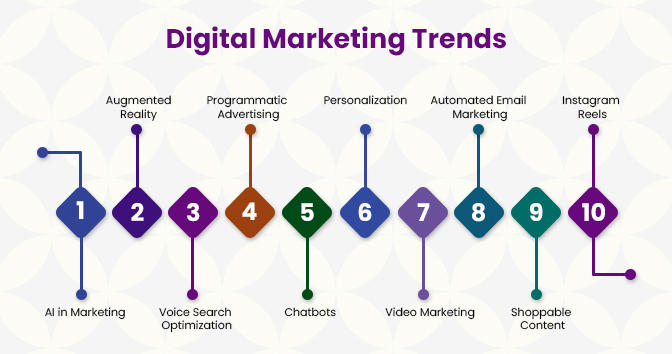
In the ever-evolving world of digital marketing, staying ahead of the curve is essential for success. As we look towards 2024, a host of emerging trends and technologies promise to reshape the landscape, offering innovative ways to engage audiences and drive business growth. This article explores the key trends that will define the future of digital marketing and how businesses can leverage these advancements to stay competitive.
Introduction
Digital marketing has undergone significant transformations over the past decade, driven by technological advancements and changing consumer behaviors. As we approach 2024, marketers must prepare for a future where artificial intelligence, data-driven strategies, and immersive experiences take center stage. This article delves into the most anticipated trends and technologies set to revolutionize digital marketing, providing insights on how businesses can adapt and thrive in this dynamic environment.
Artificial Intelligence in Digital Marketing
Artificial intelligence (AI) is no longer a futuristic concept but a present reality, reshaping various aspects of digital marketing. From chatbots and predictive analytics to personalized content, AI is enhancing the way businesses interact with their audiences. In 2024, the role of AI in digital marketing is expected to expand further, with more sophisticated applications and tools becoming mainstream.
AI-Driven Personalization
One of the most impactful applications of AI in digital marketing is personalization. AI algorithms analyze vast amounts of data to deliver highly personalized experiences to users. By understanding individual preferences and behaviors, businesses can tailor their marketing efforts to meet specific needs, enhancing engagement and conversion rates.
Predictive Analytics for Better Decision Making
Predictive analytics uses AI to analyze historical data and predict future outcomes. This technology enables marketers to make data-driven decisions, optimize campaigns, and anticipate market trends. In 2024, we can expect predictive analytics to become even more accurate and accessible, empowering businesses to stay ahead of the competition.
The Rise of Voice Search in Digital Marketing
Voice search is transforming the way consumers find information online. With the increasing popularity of smart speakers and virtual assistants, more people are using voice commands to search the web. This trend is set to grow in 2024, making it essential for businesses to optimize their content for voice search.
Optimizing for Voice Search
To capitalize on the rise of voice search, businesses need to focus on natural language processing and long-tail keywords. Voice searches are typically more conversational, so creating content that mirrors this style will improve search visibility. Additionally, optimizing for local search queries is crucial, as many voice searches are location-specific.
Augmented Reality and Virtual Reality in Digital Marketing
Augmented Reality (AR) and Virtual Reality (VR) are transforming the digital marketing landscape by offering immersive and engaging experiences that captivate audiences. As we look towards 2024, these technologies are expected to become even more integral to marketing strategies across various industries. Here’s a comprehensive look at how AR and VR are shaping digital marketing and the innovative ways businesses can leverage these technologies.
Augmented Reality (AR) overlays digital information—such as images, videos, or sounds—onto the real world through devices like smartphones, tablets, or AR glasses. This technology enhances the user’s perception of reality by adding interactive elements to their physical surroundings.
Virtual Reality (VR), on the other hand, immerses users in a completely digital environment, often through the use of VR headsets. This technology creates a simulated experience that can be similar to or completely different from the real world, providing a fully immersive experience.
The Impact of AR and VR on Digital Marketing
Enhanced User Engagement: AR and VR provide highly engaging and interactive experiences, making users more likely to interact with and remember the brand.
Personalized Experiences: These technologies can offer personalized experiences based on user preferences and behaviors, increasing relevance and effectiveness.
Innovative Storytelling: AR and VR enable brands to tell stories in new and immersive ways, enhancing emotional connections with their audience.
Competitive Advantage: Early adopters of AR and VR can differentiate themselves from competitors by offering cutting-edge experiences that attract and retain customers.
Applications of AR in Digital Marketing
Virtual Try-Ons: One of the most popular uses of AR is virtual try-ons, particularly in the fashion and beauty industries. Brands like Sephora and Warby Parker allow customers to try on makeup or glasses virtually through their apps. This not only enhances the shopping experience but also reduces the return rate by helping customers make informed purchasing decisions.
Interactive Product Visualization: AR enables users to visualize products in their real environment. For instance, furniture retailers like IKEA use AR to let customers see how furniture pieces would look in their homes. This application helps customers make better choices and increases their confidence in purchasing.
AR Advertising: AR can turn traditional advertisements into interactive experiences. For example, print ads or billboards can be scanned with a smartphone to reveal hidden AR content, such as 3D animations or product demonstrations. This makes advertisements more engaging and memorable.
Location-Based AR Experiences: AR can enhance physical locations by adding digital layers of information or entertainment. For example, restaurants can use AR to show digital menus or special offers when customers point their phones at the table. Tourist attractions can provide AR-guided tours, enhancing the visitor experience with interactive content.
Applications of VR in Digital Marketing
Virtual Showrooms and Tours: VR can create virtual showrooms or tours that allow customers to explore products or properties remotely. Real estate companies use VR to offer virtual property tours, enabling potential buyers to explore homes without being physically present. Automotive brands use VR to create virtual showrooms where customers can experience cars in a fully immersive environment.
Immersive Brand Experiences: VR enables brands to create fully immersive experiences that transport users to different environments. For example, travel companies can use VR to give users a taste of exotic destinations, while entertainment brands can create VR experiences that place users in the middle of a movie or game.
Virtual Events and Conferences: With the rise of remote work and virtual events, VR offers a way to create more engaging and interactive virtual conferences, trade shows, and product launches. Attendees can explore virtual booths, network with other attendees, and participate in interactive sessions, all within a virtual environment.
Training and Education: VR can be used for immersive training and educational experiences. For example, brands can create VR training programs for employees, allowing them to practice skills in a realistic, simulated environment. Educational institutions can use VR to offer virtual field trips or interactive learning experiences.
Challenges and Considerations
Cost and Accessibility: Developing high-quality AR and VR experiences can be costly, and not all consumers have access to the necessary hardware, such as VR headsets. Brands need to weigh the potential benefits against the costs and ensure that their target audience has access to the technology required to experience AR and VR content.
Technical Complexity: Creating AR and VR content requires specialized skills and technology. Brands need to invest in the right tools and expertise to develop and maintain these experiences effectively.
User Adoption: While AR is widely accessible through smartphones, VR adoption is still limited compared to other digital technologies. Brands need to consider the adoption rate of VR among their target audience and develop strategies to encourage its use.
Privacy and Security: As with any digital technology, privacy and security concerns must be addressed. Brands need to ensure that they are handling user data responsibly and providing secure experiences.
Future Trends in AR and VR
Integration with AI: The combination of AR, VR, and AI will create even more sophisticated and personalized experiences. AI can enhance AR and VR by providing real-time data analysis, predictive modeling, and adaptive content.
Social AR and VR: As social media platforms integrate AR and VR features, these technologies will become more mainstream. Platforms like Snapchat and Instagram already offer AR filters, and we can expect more social AR and VR experiences that enable users to interact with brands in new ways.
5G Connectivity: The rollout of 5G networks will significantly enhance the capabilities of AR and VR by providing faster data transfer and lower latency. This will enable more complex and seamless AR and VR experiences, making them more accessible to a broader audience.
Wearable AR Devices: As wearable AR devices, such as AR glasses, become more advanced and affordable, they will open up new possibilities for AR marketing. These devices will allow users to access AR content hands-free, making it more convenient and integrated into everyday life.
Augmented Reality and Virtual Reality are set to revolutionize digital marketing by offering immersive and interactive experiences that engage audiences in unprecedented ways. By understanding and leveraging these technologies, businesses can create innovative marketing strategies that captivate their audience, differentiate their brand, and drive meaningful engagement. As AR and VR continue to evolve, staying ahead of the trends and incorporating these technologies into your marketing efforts will be crucial for success in the digital age.
The Power of Video Marketing
Video content continues to dominate digital marketing, and its importance is only set to grow in 2024. With the rise of platforms like TikTok and the enduring popularity of YouTube, video marketing offers unparalleled opportunities for engagement.
Short-Form Videos and Reels
Short-form videos, such as those on TikTok and Instagram Reels, have become incredibly popular. These bite-sized pieces of content are highly engaging and shareable, making them a powerful tool for reaching younger audiences. Businesses should leverage short-form videos to showcase products, share behind-the-scenes content, and connect with their audience on a personal level.
Live Streaming
Live streaming has gained significant traction, offering real-time interaction between brands and their audience. Platforms like Facebook Live, Instagram Live, and Twitch provide opportunities for live product demonstrations, Q&A sessions, and exclusive content. In 2024, live streaming is expected to become an integral part of digital marketing strategies.
Data Privacy and Ethical Marketing
As data collection becomes more sophisticated, so do concerns about privacy and ethical marketing practices. In 2024, businesses must prioritize data privacy and transparency to build trust with their audience.
Compliance with Data Protection Regulations
Compliance with regulations like the General Data Protection Regulation (GDPR) and the California Consumer Privacy Act (CCPA) is essential. Businesses need to ensure that they collect, store, and use data responsibly, providing clear information about how user data is handled.
Ethical Marketing Practices
Ethical marketing involves being honest and transparent in all marketing efforts. This includes avoiding misleading claims, respecting consumer privacy, and promoting products and services in a responsible manner. By adopting ethical marketing practices, businesses can build long-term trust and loyalty with their customers.
Influencer Marketing Evolution
Influencer marketing has become a staple in digital marketing strategies, and its evolution will continue in 2024. As consumers become more discerning, the focus will shift towards authenticity and long-term partnerships.
Micro-Influencers and Nano-Influencers
While celebrities and mega-influencers have their place, micro-influencers and nano-influencers are gaining prominence. These influencers have smaller but highly engaged audiences, making their recommendations more relatable and trustworthy. Collaborating with micro-influencers and nano-influencers can yield significant results for brands looking to build authentic connections.
Long-Term Partnerships
Long-term partnerships between brands and influencers are becoming more common. These collaborations allow for deeper integration and more meaningful content, fostering genuine relationships with audiences. In 2024, brands will focus on building sustained partnerships rather than one-off campaigns.
The Future of Social Media Marketing
Social media platforms are constantly evolving, introducing new features and changing algorithms that impact marketing strategies. Staying updated with these changes is crucial for maintaining a strong social media presence in 2024.
Emerging Social Media Platforms
While established platforms like Facebook, Instagram, and Twitter remain important, emerging platforms like TikTok and Clubhouse are gaining traction. Businesses should explore these new platforms to reach diverse audiences and experiment with different content formats.
Social Commerce
Social commerce, the integration of e-commerce and social media, is set to grow in 2024. Features like shoppable posts and in-app purchases make it easier for consumers to buy directly from social media platforms. Businesses should leverage social commerce to streamline the customer journey and drive sales.
Content Marketing in 2024
Content marketing continues to be a cornerstone of digital marketing strategies, but as technology and consumer preferences evolve, so too must the approaches that businesses take. In 2024, content marketing is expected to be more dynamic, interactive, and personalized than ever before. Here’s a detailed look at the trends and strategies that will define content marketing in 2024.
Interactive Content
Interactive content is poised to dominate the content marketing landscape in 2024. This form of content engages users actively rather than passively, creating a more immersive and memorable experience. Examples of interactive content include quizzes, polls, interactive infographics, and augmented reality (AR) experiences.
Benefits of Interactive Content:
Increased Engagement: Interactive content requires user participation, which can significantly boost engagement rates.
Enhanced User Experience: By making content interactive, brands can provide a more enjoyable and valuable experience for their audience.
Better Data Collection: Interactive elements can help gather valuable insights about user preferences and behaviors.
Implementing Interactive Content:
Quizzes and Polls: These can be used to gather feedback, entertain users, or guide them to products and services that match their needs.
Interactive Infographics: Visual content that allows users to click, hover, and interact with the data presented.
AR Experiences: Augmented reality can be used in apps and on websites to create immersive experiences, such as virtual try-ons for fashion and beauty products.
Personalized Content Marketing
Personalization has been a growing trend in digital marketing, and in 2024, it will become even more critical. Advances in AI and machine learning enable businesses to create highly personalized content that resonates with individual users on a deeper level.
Benefits of Personalized Content:
Improved Customer Experience: Personalized content meets the specific needs and interests of users, making their interactions with a brand more relevant and enjoyable.
Higher Engagement and Conversion Rates: Tailored content is more likely to capture attention and drive actions, such as clicks, shares, and purchases.
Increased Loyalty: When users feel understood and valued, they are more likely to develop loyalty to the brand.
Implementing Personalized Content:
Dynamic Content: Use AI to dynamically change content based on user behavior and preferences.
Segmentation: Divide your audience into segments based on demographics, behavior, and preferences, and tailor content to each segment.
Behavioral Targeting: Use data on user interactions to deliver content that matches their current needs and interests.
User-Generated Content (UGC)
User-generated content remains a powerful tool for building authenticity and trust. Encouraging customers to share their experiences and create content related to your brand can significantly enhance your marketing efforts.
Benefits of User-Generated Content:
Authenticity: UGC is seen as more genuine and trustworthy compared to branded content.
Engagement: Encouraging users to create and share content fosters a sense of community and engagement.
Cost-Effective: Leveraging content created by users can be more cost-effective than producing all content in-house.
Implementing User-Generated Content:
Hashtag Campaigns: Encourage users to share their experiences on social media using a specific hashtag.
Customer Reviews and Testimonials: Highlight customer reviews and testimonials on your website and social media channels.
Contests and Challenges: Run contests that encourage users to create and share content, offering incentives for participation.
Voice Search Optimization
As voice search continues to grow in popularity, optimizing content for voice queries is becoming increasingly important. Voice search typically involves more conversational language, and content needs to be adapted to fit this style.
Benefits of Voice Search Optimization:
Improved Search Visibility: Optimizing for voice search can help your content rank higher in voice search results.
Enhanced User Experience: Providing content that aligns with the way users are searching makes it easier for them to find what they need.
Implementing Voice Search Optimization:
Natural Language Processing: Write content in a conversational tone that mirrors how people speak.
Long-Tail Keywords: Focus on long-tail keywords that match voice search queries.
FAQ Pages: Create FAQ pages that address common questions users might ask through voice search.
Video Content Marketing
Video content continues to be a dominant force in content marketing. With platforms like YouTube, TikTok, and Instagram prioritizing video, businesses need to leverage this format to stay competitive.
Benefits of Video Content Marketing:
High Engagement: Videos are highly engaging and can capture attention more effectively than text-based content.
Versatility: Video content can be used for a variety of purposes, including tutorials, product demos, testimonials, and behind-the-scenes looks.
Wide Reach: Video content is easily shareable and can reach a broad audience across multiple platforms.
Implementing Video Content Marketing:
Short-Form Videos: Utilize platforms like TikTok and Instagram Reels to create short, engaging videos that capture attention quickly.
Live Streaming: Use live streaming to interact with your audience in real-time, answer questions, and provide exclusive content.
Storytelling: Create compelling stories that resonate with your audience and highlight your brand’s values and mission.
SEO and Content Marketing Integration
SEO and content marketing are closely intertwined, and their integration will be even more critical in 2024. High-quality content that is optimized for search engines can significantly enhance your visibility and drive organic traffic.
Benefits of SEO-Integrated Content Marketing:
Increased Visibility: Optimized content ranks higher in search engine results, increasing your brand’s visibility.
Higher Quality Traffic: By targeting specific keywords, you can attract users who are actively searching for what you offer.
Long-Term Results: Unlike paid advertising, the benefits of SEO-optimized content continue to accrue over time.
Implementing SEO-Integrated Content Marketing:
Keyword Research: Identify relevant keywords and incorporate them naturally into your content.
Content Quality: Focus on creating high-quality, informative content that provides value to your audience.
Technical SEO: Ensure your website’s technical aspects, such as load speed and mobile-friendliness, are optimized for search engines.
Content marketing in 2024 is set to be more dynamic, personalized, and engaging than ever before. By embracing interactive content, personalization, user-generated content, voice search optimization, video content, and integrating SEO, businesses can create powerful content marketing strategies that resonate with their audience and drive meaningful results. Staying ahead of these trends will be crucial for maintaining a competitive edge and achieving long-term success in the ever-evolving digital landscape.
FAQs
What is the importance of AI in digital marketing? AI enhances personalization, predictive analytics, and customer interaction, making marketing efforts more efficient and effective.
How can businesses optimize for voice search? Focus on natural language, long-tail keywords, and local search optimization to improve visibility in voice search results.
Why is video marketing crucial in 2024? Video content is highly engaging and shareable, offering unparalleled opportunities for audience interaction and brand promotion.
What are the benefits of AR and VR in e-commerce? AR and VR provide immersive shopping experiences, allowing customers to visualize products in their environment and offering virtual store tours.
How can businesses ensure data privacy and ethical marketing? Compliance with data protection regulations and adopting transparent, honest marketing practices are essential for building trust with consumers.
What trends are shaping the future of social media marketing? Emerging platforms, social commerce, and evolving algorithms are key trends that will impact social media marketing strategies in 2024.
Conclusion
As we move towards 2024, the future of digital marketing is bright and full of opportunities. By embracing emerging technologies, prioritizing data privacy, and focusing on authentic engagement, businesses can navigate the evolving landscape and achieve sustained success. Staying informed about these trends and being adaptable will be crucial for marketers looking to thrive in the digital age.
Local SEO has become an indispensable tool for businesses aiming to attract nearby customers and increase their online visibility. As consumers increasingly rely on search engines to find local services and products, optimizing your website for local searches can significantly impact your business’s success. This comprehensive guide will explore the essential strategies and best practices for local SEO, helping you connect with local searchers and drive more traffic to your website.
Introduction to Local SEO
Local SEO refers to the process of optimizing your online presence to attract more business from relevant local searches. These searches take place on various search engines, but particularly on Google, which holds a significant market share. Local SEO helps businesses promote their products and services to local prospects and customers.
The Importance of Local SEO
1. Increased Online Visibility
Optimizing for local SEO enhances your business’s visibility on search engine results pages (SERPs), making it easier for local customers to find you. Appearing in local search results and Google Maps increases your chances of being discovered by potential customers.
2. Targeted Traffic
Local SEO attracts highly targeted traffic. When users perform local searches, they are often ready to make a purchase or visit a business. By optimizing your website for local searches, you attract customers who are more likely to convert.
3. Competitive Advantage
Local SEO provides a competitive edge over businesses that do not optimize their online presence for local searches. By appearing in local search results, you can stand out from competitors and attract more customers.
Key Elements of Local SEO
1. Google My Business (GMB)
Claiming and optimizing your Google My Business listing is one of the most crucial steps in local SEO. GMB helps your business appear in local search results and on Google Maps. Here’s how to optimize your GMB listing:
a. Complete Your Profile
Ensure that all information on your GMB profile is complete and accurate. This includes your business name, address, phone number, website, business hours, and category. Add high-quality images of your business and services to enhance your profile.
b. Use Relevant Keywords
Incorporate relevant keywords in your business description and services to help Google understand what your business offers. Avoid keyword stuffing; instead, use natural language that accurately describes your business.
c. Collect Reviews
Encourage satisfied customers to leave positive reviews on your GMB listing. Reviews not only improve your local rankings but also build trust with potential customers. Respond to reviews to show that you value customer feedback.
2. Local Citations
Local citations are online mentions of your business’s name, address, and phone number (NAP). These citations appear on local business directories, websites, and social media platforms. Consistent and accurate NAP information across all citations is crucial for local SEO.
a. Consistency is Key
Ensure that your NAP information is consistent across all platforms. Inconsistent information can confuse search engines and negatively impact your local rankings.
b. Leverage Local Directories
Submit your business to reputable local directories, such as Yelp, Yellow Pages, and industry-specific directories. This helps increase your online visibility and build authority.
3. On-Page SEO
On-page SEO involves optimizing the content and HTML source code of your website. Key on-page SEO elements for local SEO include:
a. Title Tags and Meta Descriptions
Incorporate local keywords in your title tags and meta descriptions. These elements appear in search results and can influence click-through rates. For example, use titles like “Best Italian Restaurant in [City]” to target local searches.
b. Header Tags
Use header tags (H1, H2, H3) to structure your content and include local keywords. This helps search engines understand the context of your content and improves readability for users.
c. Local Content
Create content that resonates with local audiences. This could include blog posts about local events, news, or community involvement. Highlighting your local presence and expertise can attract more local visitors.
4. Mobile Optimization
With the rise of mobile searches, ensuring your website is mobile-friendly is crucial for local SEO. Mobile optimization involves:
a. Responsive Design
Use a responsive design that adapts to different screen sizes and devices. A mobile-friendly website provides a better user experience and is favored by search engines.
b. Fast Loading Speed
Optimize your website’s loading speed for mobile devices. Slow-loading websites can frustrate users and negatively impact your rankings.
c. Click-to-Call Buttons
Implement click-to-call buttons on your website, making it easy for mobile users to contact your business directly from their devices.
Advanced Local SEO Strategies
1. Local Backlinks
Backlinks from local websites and directories can boost your local SEO efforts. Local backlinks signal to search engines that your business is relevant to the local area.
a. Partner with Local Businesses
Collaborate with local businesses and organizations to earn backlinks. Participate in local events, sponsor community activities, and get featured on local news websites to gain valuable backlinks.
b. Guest Blogging
Write guest posts for local blogs and websites. This not only helps with backlinks but also increases your exposure to the local audience.
2. Schema Markup
Schema markup is a form of microdata that helps search engines understand the content on your website. Implementing local schema markup can improve your chances of appearing in local search results.
a. Local Business Schema
Use local business schema markup to provide search engines with detailed information about your business, such as your address, phone number, business hours, and services.
b. Event Schema
If your business hosts local events, use event schema markup to provide search engines with information about the events, including dates, locations, and descriptions.
3. Voice Search Optimization
With the increasing use of voice assistants like Siri, Alexa, and Google Assistant, optimizing for voice search is becoming essential for local SEO.
a. Natural Language Keywords
Use natural language keywords that reflect how people speak. Voice searches are often more conversational, so optimize your content with long-tail keywords and phrases.
b. Answer Questions
Create content that answers common questions related to your business and industry. This can increase your chances of appearing in voice search results.
Monitoring and Measuring Local SEO Success
Successfully optimizing for local SEO requires continuous monitoring and measurement to ensure that your efforts yield the desired results. By tracking key performance indicators (KPIs) and using the right tools, you can gain valuable insights into how well your local SEO strategy is performing and identify areas for improvement. Here, we will discuss the essential metrics to monitor, the tools to use, and the steps to take to effectively measure your local SEO success.
1. Key Performance Indicators (KPIs) for Local SEO
To accurately assess your local SEO performance, you need to track specific KPIs that reflect your visibility, engagement, and overall effectiveness. Here are the primary KPIs to focus on:
a. Local Search Rankings: Your position in local search results is a critical indicator of your SEO success. Track your rankings for key local search terms and phrases relevant to your business. Tools like Google Search Console and third-party SEO platforms can help you monitor these rankings over time.
b. Organic Traffic: Measure the amount of organic traffic coming to your website from local searches. Google Analytics can provide detailed insights into the volume of traffic, the geographic locations of your visitors, and the pages they visit.
c. Google My Business Insights: Google My Business (GMB) provides a wealth of data on how users interact with your business listing. Key metrics include:
Search Views: How often your listing appears in search results.
Maps Views: How often your listing appears in Google Maps.
Customer Actions: The number of actions taken by users, such as visiting your website, requesting directions, or calling your business.
d. Click-Through Rate (CTR): CTR measures the percentage of users who click on your listing after seeing it in search results. A high CTR indicates that your listing is attractive and relevant to searchers. Google Search Console can help you track CTR for your site.
e. Conversion Rate: Conversion rate tracks the percentage of visitors who take a desired action, such as filling out a contact form, making a purchase, or booking an appointment. This metric is crucial for understanding the effectiveness of your local SEO in driving actual business results.
f. Online Reviews and Ratings: Monitor the number and quality of online reviews across platforms like Google, Yelp, and Facebook. Positive reviews and high ratings not only enhance your reputation but also influence your local search rankings.
g. Local Backlinks: Track the number and quality of backlinks from local websites and directories. Tools like Ahrefs and Moz can help you identify these backlinks and assess their impact on your SEO.
2. Tools for Monitoring Local SEO
Several tools can help you effectively monitor and measure your local SEO performance. Here are some of the most useful ones:
a. Google Analytics: Google Analytics provides comprehensive data on your website traffic, including the sources of traffic, user behavior, and conversion rates. Use it to track organic traffic from local searches and measure the effectiveness of your SEO efforts.
b. Google Search Console: Google Search Console helps you monitor your website’s performance in Google search results. It provides data on search impressions, clicks, and average position for your pages, as well as insights into any issues affecting your site’s visibility.
c. Google My Business: The Google My Business dashboard offers detailed insights into how users interact with your GMB listing. Track metrics such as search views, maps views, and customer actions to understand how your listing is performing.
d. Moz Local: Moz Local helps you manage your local business listings and track your local search performance. It provides insights into your visibility across various local directories and highlights any inconsistencies in your NAP information.
e. BrightLocal: BrightLocal offers a suite of tools designed specifically for local SEO. It includes features for tracking local search rankings, managing online reviews, and monitoring local citations and backlinks.
f. Ahrefs: Ahrefs is a powerful SEO tool that can help you track your backlink profile, analyze your competitors, and monitor your search rankings. Use it to identify local backlinks and assess their impact on your SEO.
g. SEMrush: SEMrush provides a range of SEO tools, including local SEO tracking features. It can help you monitor your local search rankings, analyze your competitors, and track your online visibility.
3. Steps to Measure Local SEO Success
To effectively measure your local SEO success, follow these steps:
a. Set Clear Goals: Before you start tracking metrics, define clear goals for your local SEO efforts. These goals should align with your overall business objectives and be specific, measurable, achievable, relevant, and time-bound (SMART).
b. Establish Baselines: Establish baseline metrics for your key KPIs before implementing your local SEO strategy. This will provide a reference point to measure your progress and assess the impact of your efforts.
c. Regular Monitoring: Monitor your key metrics regularly to track your progress and identify any trends or issues. Use the tools mentioned above to gather data and generate reports on a weekly or monthly basis.
d. Analyze the Data: Analyze the data to gain insights into your local SEO performance. Look for patterns and correlations between different metrics, such as the relationship between search rankings and organic traffic or the impact of online reviews on customer actions.
e. Adjust Your Strategy: Based on your analysis, make data-driven adjustments to your local SEO strategy. This might include optimizing your GMB listing, creating more localized content, building additional local backlinks, or improving your website’s mobile experience.
f. Continuous Improvement: Local SEO is an ongoing process that requires continuous monitoring and optimization. Regularly review your goals, track your performance, and make necessary adjustments to stay ahead of the competition and maintain high local search rankings.
Monitoring and measuring local SEO success is crucial for understanding the effectiveness of your efforts and making informed decisions to improve your strategy. By tracking key performance indicators, using the right tools, and following a systematic approach, you can gain valuable insights into your local SEO performance and drive better results for your business. Stay proactive and adaptive in your local SEO efforts to ensure continued growth and success in attracting local customers and enhancing your online presence.
Case Studies: Successful Local SEO Implementations
To illustrate the effectiveness of local SEO strategies, let’s delve into some real-world case studies. These examples demonstrate how businesses across various industries have successfully implemented local SEO to enhance their online presence, attract local customers, and achieve significant business growth.
1. Local Restaurant: From Hidden Gem to Local Favorite
Background: A family-owned Italian restaurant in a suburban area was struggling to attract new customers. Despite offering high-quality food and exceptional service, their visibility in local search results was limited, and their online presence was minimal.
Challenges:
Low visibility in local search results
Inconsistent online reviews
Limited engagement on social media
Strategy:
a. Google My Business Optimization
The restaurant claimed and optimized their Google My Business (GMB) listing. They ensured all information was accurate and complete, including their address, phone number, website, hours of operation, and menu. They also added high-quality photos of their dishes and the restaurant ambiance.
b. Encouraging Customer Reviews
To build credibility and improve their online reputation, the restaurant actively encouraged satisfied customers to leave positive reviews on their GMB listing and other review sites like Yelp and TripAdvisor. They also responded to reviews, thanking customers for their feedback and addressing any concerns.
c. Local Content Creation
The restaurant started a blog on their website featuring local content, such as recipes, cooking tips, and articles about Italian cuisine. They also wrote posts about local events they were participating in, helping to create a sense of community and engagement.
d. Social Media Engagement
They increased their activity on social media platforms, sharing behind-the-scenes content, daily specials, and customer testimonials. This helped to engage with their local audience and attract new followers.
Results:
Increased Online Visibility: The restaurant’s visibility in local search results improved significantly, leading to a higher number of website visits and calls for reservations.
Higher Foot Traffic: As their online reviews and ratings improved, more local customers discovered and visited the restaurant.
Enhanced Brand Loyalty: Regular engagement on social media and positive customer interactions fostered a loyal customer base.
2. Home Services Company: Dominating Local Searches
Background: A home services company specializing in plumbing and electrical work faced stiff competition from other local providers. Although they had a strong reputation for quality service, they were not appearing in local search results, resulting in fewer inquiries and service bookings.
Challenges:
High competition in local search results
Lack of online visibility
Limited customer engagement online
Strategy:
a. Local Keyword Optimization
The company conducted keyword research to identify relevant local search terms, such as “plumber in [City]” and “emergency electrical services [City].” They incorporated these keywords into their website’s meta titles, descriptions, headers, and content.
b. Google My Business and Local Directories
They optimized their GMB listing with detailed information, including service descriptions, high-quality images, and regular updates about their services. They also ensured their business was listed in local directories and industry-specific sites, maintaining consistent NAP (Name, Address, Phone number) information across all platforms.
c. Earning Local Backlinks
To build authority and improve search rankings, the company sought backlinks from reputable local websites. They partnered with local businesses and participated in community events, earning mentions and links from local news websites and blogs.
d. Mobile-Friendly Website
They revamped their website to ensure it was mobile-friendly, with fast loading times and an easy-to-navigate design. This improved the user experience for visitors accessing their site via mobile devices.
Results:
Improved Local Search Rankings: The company’s website began to appear in the top positions for relevant local search queries, significantly increasing their visibility.
Increased Inquiries and Bookings: Higher search rankings led to an increase in service inquiries and bookings, driving business growth.
Stronger Online Presence: Consistent NAP information and positive customer reviews across multiple platforms enhanced their online reputation.
3. Boutique Retail Store: Attracting Local Shoppers
Background: A boutique retail store offering unique handmade products wanted to attract more local shoppers to their physical location. Although they had an online presence, they struggled to compete with larger retailers in local search results.
Challenges:
Limited online visibility in local searches
Competing with larger retailers
Low foot traffic to the physical store
Strategy:
a. Optimizing Google My Business
The store optimized their GMB profile by adding detailed descriptions of their products, high-quality photos, and regular updates about new arrivals and promotions. They also utilized GMB posts to share upcoming events and special offers.
b. Creating Localized Content
They created a blog focused on local interests and events, such as local artisan fairs, community initiatives, and spotlights on local artists whose products were sold in the store. This helped to connect with the local community and attract readers interested in local culture.
c. Hosting Local Events
The boutique hosted local events, such as craft workshops and meet-the-artist sessions, which they promoted through their website, social media, and GMB posts. These events attracted local customers and provided opportunities for in-person engagement.
d. Utilizing Social Media and Influencers
They collaborated with local influencers and bloggers to review and promote their products. This extended their reach and introduced the store to new local audiences.
Results:
Higher Local Search Visibility: The store’s optimization efforts led to higher rankings in local search results, increasing online visibility.
Increased Foot Traffic: Local events and collaborations with influencers drove more foot traffic to the physical store.
Stronger Community Engagement: The store’s focus on local content and events helped build a loyal customer base and stronger community ties.
FAQs
What is local SEO?
Local SEO is the process of optimizing your online presence to attract more business from relevant local searches. It involves optimizing your website and online profiles to rank higher in local search results and on Google Maps.
Why is local SEO important?
Local SEO is important because it helps businesses increase their visibility in local search results, attract targeted traffic, and gain a competitive advantage over businesses that do not optimize for local searches.
How can I optimize my Google My Business listing?
To optimize your Google My Business listing, complete your profile with accurate information, use relevant keywords, upload high-quality images, and encourage customers to leave reviews. Respond to reviews to show you value customer feedback.
What are local citations?
Local citations are online mentions of your business’s name, address, and phone number (NAP). These citations appear on local business directories, websites, and social media platforms. Consistent and accurate NAP information is crucial for local SEO.
How does mobile optimization impact local SEO?
Mobile optimization impacts local SEO by providing a better user experience for mobile users, who make up a significant portion of local searchers. A mobile-friendly website is favored by search engines and can improve your local search rankings.
What are some advanced local SEO strategies?
Advanced local SEO strategies include earning local backlinks, implementing local schema markup, and optimizing for voice search. These strategies enhance your local search visibility and attract more targeted traffic.
Conclusion
Local SEO is a powerful tool for businesses looking to attract local customers and increase their online visibility. By optimizing your Google My Business listing, ensuring consistent local citations, implementing on-page SEO strategies, and leveraging advanced tactics like local backlinks and schema markup, you can improve your local search rankings and drive more traffic to your website. Monitoring your performance and making continuous adjustments to your strategy will help you stay ahead in the competitive local market. Embrace the potential of local SEO to connect with your local audience, build trust, and grow your business.
Voice search is rapidly transforming how we interact with our devices. From smartphones and tablets to home assistants like Amazon Echo and Google Home, the prevalence of voice-activated technology is reshaping the landscape of search engine optimization (SEO). As such, businesses and content creators must adapt their strategies to accommodate this shift, ensuring their content remains visible and relevant in voice search queries.
In this blog, we delve deep into the nuances of voice search optimization, offering detailed strategies, best practices, and real-world applications to enhance your digital content’s compatibility with voice search technology. By the end, you’ll have a thorough understanding of how to tailor your SEO efforts to capitalize on the voice search trend.
Understanding Voice Search: What It Is and Why It Matters
Voice search utilizes speech recognition technology to allow users to perform searches by speaking instead of typing. This mode of search is not only convenient but also faster, often yielding immediate results. The rise of mobile internet usage and improvements in AI have significantly driven the adoption of voice search.
The growing reliance on voice search impacts SEO in several ways. Firstly, voice search queries tend to be more conversational and longer than text-based searches. Secondly, these queries often involve direct questions, prompting digital marketers to rethink their content strategies to cater to these patterns.
In the rapidly evolving world of digital technology, voice search stands out as a significant innovation that is shaping the way we interact with our devices. From smartphones to home assistants, voice-activated technology is becoming an integral part of our daily lives. This section delves into what voice search is, its rise to prominence, and why it is becoming a critical factor in digital marketing and SEO strategies.
What is Voice Search?
Voice search allows users to perform searches by speaking into a device. This technology uses speech recognition to understand user queries and then searches for relevant information in its database or on the internet. The results are then spoken back to the user, making it a hands-free, efficient, and often more accessible way of accessing information.
The Technology Behind Voice Search
At the core of this technology lies advanced algorithms and artificial intelligence (AI) systems, including natural language processing (NLP) and machine learning. NLP helps the system understand human speech nuances, while machine learning improves the accuracy of the search results by learning from various search patterns and behaviors.
Rise of Voice Search
The adoption of voice search has been fueled by several factors:
Improvements in Accuracy: Speech recognition accuracy has significantly improved, with error rates dropping considerably over the past few years. This enhancement makes voice search more reliable and appealing to users.
Increase in Mobile and Smart Device Usage: With more people using mobile devices and smart home assistants, voice search has become a convenient option for multitasking and obtaining quick answers.
Changes in User Behavior: As digital literacy increases, more users are turning to voice search for its convenience and speed. It’s especially popular among younger demographics and in situations where typing is inconvenient.
Why Voice Search Matters
Changing Search Patterns: Voice searches tend to be more conversational and are often phrased as questions. This shift requires a change in how content is created and optimized.
Impact on SEO: The rise of voice search affects SEO strategies. Websites need to optimize for conversational keywords and strive to appear in quick, direct answers that voice assistants can easily provide.
Local SEO Enhancement: Voice search is particularly influential in local search. People often use voice search to find local businesses or get directions, which means local SEO can drive significant traffic and conversions.
Accessibility: Voice search makes technology more accessible, especially for people with disabilities or those who are not proficient in typing. By improving accessibility, businesses can reach a broader audience.
The Importance of Voice Search in Business
Incorporating voice search into a business strategy is no longer an option but a necessity. Here’s why:
Competitive Advantage: Businesses that optimize for voice search can gain a significant edge over competitors by being more visible in voice search results.
Increased Engagement: Voice search can lead to higher engagement rates as it offers users a more interactive and convenient way to access content.
Consumer Insights: Analyzing voice search queries can provide valuable insights into what consumers are looking for, helping businesses better tailor their products and services.
The importance of voice search will continue to grow as technology advances and consumer habits evolve. Businesses and content creators must understand and embrace this change to stay relevant and competitive in a digital-first world. Optimizing for voice search is not just about following trends; it’s about proactively adapting to shifts in the technological landscape to meet the changing needs and expectations of users. By doing so, businesses can enhance user experience, improve accessibility, and drive engagement in innovative and impactful ways.
Key Techniques to Optimize for Voice Search
Optimizing content for voice search requires a nuanced approach that differs somewhat from traditional search engine optimization. The distinctive characteristics of voice search—its conversational tone, reliance on natural language, and focus on delivering immediate, precise answers—necessitate specific strategies. Below, we explore several key techniques that can help improve your content’s visibility and effectiveness in voice-driven searches.
Focus on Conversational Keywords
The first step in optimizing for voice search is to understand and implement conversational keywords. Unlike typical keyword strategies that might focus on shorter, more fragmented terms, voice search demands a natural, conversational approach.
Use Long-Tail Keywords: Since voice searches are often longer and more detailed due to the nature of speech, long-tail keywords become crucial. These keywords are usually more specific and less competitive, which can help improve the chances of your content being the top result.
Natural Language Processing: Incorporate phrases that people are likely to use in everyday conversation. This doesn’t just help with ranking but also aligns with the AI’s understanding of human language, which is fundamental in voice search algorithms.
Prioritize Question-Based Content
Voice searches frequently involve direct questions. Users might ask, “Where is the nearest coffee shop?” or “What’s the weather like today?” This requires a shift in how content is structured:
Create Content That Answers Questions: Identify common questions related to your niche and provide clear, concise, and authoritative answers in your content.
Use FAQ Pages: These are particularly effective for voice search optimization because they directly answer questions. Ensure that your FAQ pages use a question-and-answer format that voice search devices can easily interpret.
Improve Website Loading Speed
Voice search devices, particularly mobile ones, prioritize websites that load quickly. This is because speed enhances user experience, a key factor in SEO rankings.
Optimize Images: Reduce the size of images without sacrificing quality to boost page loading times.
Leverage Browser Caching: Store aspects of your site locally in the user’s browser to decrease loading times on repeat visits.
Minimize Redirects: Each redirect creates additional HTTP requests and can significantly increase load time.
Utilize Structured Data (Schema Markup)
Structured data is a standardized format to provide information about a page and classify the page content. For voice search, structured data helps to clarify the context of your content, making it easier for search engines to understand and retrieve it for relevant queries.
Implement Local Business Schema: If you’re a local business, using local business schema can help voice search devices provide your information quickly during local searches.
Use FAQ Schema: This can help your site appear in voice search answers, especially for question-based queries.
Optimize for Local SEO
Since many voice searches are local in nature, optimizing for local SEO can significantly increase your visibility.
Google My Business: Ensure your Google My Business listing is up-to-date with accurate information, as this is crucial for appearing in local searches.
Local Keywords: Include phrases and landmarks specific to your area in your content to boost your visibility in local searches.
Adapt for Featured Snippets
Featured snippets are short snippets of text that appear at the top of Google’s search results; they aim to answer the user’s question right away. Given that voice search often reads these snippets aloud, securing a position in featured snippets can be particularly beneficial.
Structure Your Content Appropriately: Use clear, concise headings and lists to increase the chances of your content being picked up as a featured snippet.
Directly Answer Questions: Provide straightforward, authoritative answers early in your content to align with the requirements of featured snippets.
By implementing these key techniques, you can better prepare your content for the nuances of voice search. The focus should be on being as clear, conversational, and informative as possible. Optimizing for voice search not only improves your chances of being found in voice queries but also enhances the overall user experience, leading to better engagement and conversion rates. Voice search optimization is an ongoing process, so continually refining these strategies as technology evolves will be crucial for maintaining competitive advantage.
Best Practices for Content Creation and Optimization
Optimizing content for voice search involves a blend of traditional SEO techniques and newer methods tailored to the unique demands of voice-driven interactions. Content that performs well in voice search is not only SEO-friendly but also structured in a way that aligns with how people naturally speak. Below are detailed best practices for creating and optimizing content to maximize effectiveness in voice search environments.
Write Naturally and Conversationally
The most fundamental aspect of voice search optimization is to ensure that the content sounds natural when read aloud. This mirrors the conversational nature of voice queries.
Mimic Spoken Language: Use a conversational tone that reflects how people talk in everyday situations. This includes using contractions, casual language, and direct addresses to the reader.
Read Your Content Aloud: This can help identify any awkward phrasing or overly formal language that might sound unnatural in a voice search context.
Structure Content for Accessibility
It often pulls data from content that is easy for search engines to interpret. Structuring your content appropriately can make a significant difference.
Use Headings Wisely: Clear, descriptive headings help break down the content into manageable chunks, which is beneficial for both traditional and voice search SEO.
Bullet Points and Numbered Lists: These can help organize information clearly, making it easier for search engines to pick up key points during a voice search.
Incorporate Frequently Asked Questions
Dedicated FAQ sections are incredibly valuable for it because they directly answer questions that users are likely to ask.
Anticipate User Questions: Think about the queries related to your topic that users might voice to their devices. Structure these questions and their answers in a natural, conversational style.
Keyword Integration in FAQs: Embed long-tail, conversational keywords within your FAQs to boost their visibility in voice search results.
Optimize for Featured Snippets
Being featured in a snippet can provide significant visibility in voice search results, as these are often the direct answers read back to users.
Target Question-Based Queries: Organize content to answer specific questions that are commonly searched. Provide concise, direct answers early in the content to increase your chances of being selected for a snippet.
Format for Clarity: Use formatting tools such as bolding for emphasis, bullet points for lists, and sufficient spacing to enhance readability and snippet suitability.
Enhance Content with Visuals and Supplementary Media
While it is primarily audio, supporting your content with relevant visuals and media can enhance user engagement and provide additional context.
Alt Text and Descriptions: Always include alt text with images, which can help with traditional SEO and provide context for what visuals represent, even if it’s not directly beneficial for voice search.
Supplementary Videos: Videos can be beneficial for complex topics where visuals can aid in understanding. Ensure your videos have clear titles, descriptions, and transcripts.
Leverage Local Content for Local SEO
Given the prevalence of local queries in it, local content optimization is crucial.
Local Information and Keywords: Include relevant local information, such as landmarks or local issues, and ensure that local keywords are naturally integrated into your content.
Local Events and News: Cover local events and news in your content to appear in local search results, making your site a go-to resource for local voice search users.
Keep Mobile Optimization in Mind
With the majority of voice searches being made on mobile devices, your content must be optimized for mobile users.
Responsive Design: Ensure that your website is fully responsive, meaning it adjusts smoothly to fit the screen size of any device.
Fast Loading Times: Mobile users expect quick access to information, so optimizing for speed is essential. This includes minimizing heavy graphics and streamlining the site’s code.
Regularly Update Your Content
It often prioritizes the most current, relevant answers. Keeping your content up-to-date is crucial.
Regular Reviews and Updates: Schedule regular reviews of your content to update any outdated information, statistics, or references.
Stay Informed on Industry Changes: Keep abreast of changes in your field and incorporate this new information into your content, which can help maintain its relevance and authority.
Adhering to these best practices in content creation and optimization can significantly enhance your visibility in voice search results. By focusing on natural language, question-based content, structured formatting, and continuous updates, you can create a robust foundation for SEO success in the voice-driven digital landscape. Remember, the goal is not just to perform well in search rankings but also to provide a seamless and informative user experience that reflects well on your brand.
Challenges in Voice Search Optimization
While the advantages of optimizing for voice search are evident, this strategy also poses unique challenges. The very features that make it appealing—its use of natural language, reliance on AI, and the need for rapid, precise answers—require careful consideration and adaptation of SEO practices. Here we explore some of the key obstacles faced when optimizing for voice search and offer insights into navigating these challenges effectively.
1. Understanding and Integrating Natural Language
It dramatically shifts how keywords are used. Users speak more naturally and conversationally, which can be quite different from the typical keyword-focused search queries typed into a search bar.
Challenge: Adapting content to fit a conversational tone without sacrificing the inclusion of important SEO keywords can be difficult. The balance between sounding natural and being optimized is not always easy to achieve.
Solution: Employ tools like natural language processing (NLP) to better understand conversational queries and develop content that answers these naturally. Also, focus on semantic search principles, which prioritize the intent behind words rather than the words themselves.
2. Capturing Featured Snippets
Voice search devices often use the concise answers provided in featured snippets. Being the source for a snippet can significantly boost visibility.
Challenge: Only one featured snippet is shown per query, making competition for these spots intense. Additionally, crafting content that directly answers questions in a concise yet detailed manner is challenging.
Solution: Analyze existing snippets in your field to understand the type of content that tends to win out. Structure your answers clearly and authoritatively at the beginning of your articles, and use schema markup to help search engines understand the content’s context.
3. Local Search Variability
It is heavily used for local inquiries, which means local optimization is critical. However, local search results can vary significantly based on slight differences in how queries are phrased.
Challenge: Keeping local content consistently in front of voice search users, especially when dealing with the nuances of local dialects and phrasing, can be difficult.
Solution: Ensure your local listings are comprehensive and up-to-date. Use a wide variety of local keywords, including slang and colloquialisms, to cover various ways locals might phrase their queries.
4. Privacy and Security Concerns
As it becomes more popular, concerns about the privacy and security of voice data have also grown. Users may be hesitant to adopt this technology due to fears about how their data is collected and used.
Challenge: Overcoming user skepticism about voice technology’s security can be an obstacle for businesses promoting voice interaction.
Solution: Be transparent about data usage and privacy policies. Educate users on the security measures in place to protect their information, which can help alleviate concerns and encourage more widespread adoption of this technologies.
5. Limited User Interaction and Feedback
It typically offers less direct user interaction with content, which can impact how users engage with and respond to content.
Challenge: Without traditional engagement metrics like clicks or time spent on page, it can be difficult to gauge user interest or satisfaction with the content delivered via voice search.
Solution: Implement alternative metrics for voice search engagement, such as return rate or follow-up questions, and focus on the quality and relevance of the content to ensure users find the answers helpful.
6. Dependence on Dynamic Algorithms
It’s algorithms are continually evolving, which means strategies that work today might not be as effective tomorrow.
Challenge: Keeping up with the frequent changes in how voice search engines process and prioritize information requires constant vigilance and adaptability.
Solution: Stay informed about updates in voice search technology and adapt strategies accordingly. Regularly test different approaches to understanding what works best with new algorithm updates.
Optimizing for voice search is a dynamic and ongoing process that presents unique challenges. By understanding these challenges and implementing strategic solutions, businesses and content creators can enhance their presence in voice search results and effectively engage with their audience through this increasingly popular medium. As with all aspects of digital marketing, the key to success lies in adaptability, ongoing learning, and a commitment to understanding user behavior.
The Future of Voice Search and SEO
As technology evolves, so too does the landscape of it. Future trends might include more personalized responses based on user history, enhanced localization of search results, and increasingly sophisticated AI that can interpret the nuances of human speech with greater accuracy.
To stay competitive in this dynamic environment, continual learning and adaptation of SEO strategies will be crucial. By staying informed and proactive, you can ensure that your content not only meets the current standards but sets new benchmarks in optimization.
Frequently Asked Questions
What is the difference between voice search optimization and traditional SEO? How can small businesses adapt their websites for voice search? What tools can help analyze the effectiveness of a voice search optimization strategy? Are there specific industries that benefit more from voice search optimization? How can voice search optimization improve user experience?
Conclusion
Optimizing your content for voice search is not just a trend but a fundamental shift in how users interact with search technology. By understanding the specifics of voice search and implementing the strategies outlined above, you can enhance your visibility and relevance in this ever-evolving digital age. Embrace the change, optimize with intent, and watch as your efforts translate into tangible results.
Future-Proof Your Skills: Top 10 Digital Marketing Topics to Master in 2024
As digital landscapes continue to evolve at a breakneck pace, staying ahead in the digital marketing game demands constant learning and adaptation. The year 2024 is poised to bring groundbreaking changes and innovations, making it crucial for marketers to update their knowledge and skills. Here’s a rundown of the top 10 digital marketing topics that are set to dominate the scene in 2024, offering insights into future trends and tools that will shape the marketing strategies of tomorrow.
Some statistics to prove to you the importance of digital marketing
Digital marketing has cemented its role as a cornerstone of modern business strategy, driven by the expanding digital footprint of consumers worldwide. The importance of digital marketing is underscored by a wealth of statistics that highlight its effectiveness and reach. Here are several compelling statistics that prove the importance of digital marketing:
Global Internet Usage: As of 2023, over 4.9 billion people use the internet globally, which is more than 60% of the world’s population. This number is continuously growing, providing a vast audience for digital marketing campaigns.
E-commerce Sales: Global e-commerce sales are expected to reach $6.3 trillion in 2023 and are projected to grow to $8.1 trillion by 2026. Digital marketing plays a crucial role in driving these sales through online advertising, SEO, and social media marketing.
Digital Advertising Spend: In 2023, worldwide digital ad spending is expected to surpass $520 billion, indicating the significant investment businesses are making in digital marketing to reach their target audiences.
Mobile Marketing: With over 5 billion mobile users worldwide, mobile marketing has become a key strategy for businesses. In fact, mobile accounts for approximately half of the web traffic globally, highlighting the importance of optimizing digital marketing strategies for mobile devices.
SEO Impact: Search engines drive 93% of all website traffic, and SEO leads have a 14.6% close rate, compared to only 1.7% for traditional outbound marketing methods. This demonstrates the effectiveness of SEO as a digital marketing strategy.
Social Media Influence: As of 2023, there are over 4.2 billion active social media users. Businesses using social media marketing strategies report an increase in exposure, traffic, and lead generation, with 90% of marketers confirming increased exposure for their business through social media.
Email Marketing ROI: Email marketing remains one of the most effective digital marketing strategies, with an average return on investment (ROI) of $42 for every $1 spent.
Video Marketing Growth: Video is projected to account for over 82% of all internet traffic by the end of 2023, making video marketing a critical strategy for engaging audiences and promoting products or services.
Influencer Marketing: The influencer marketing industry is set to grow to approximately $16.4 billion in 2023. With 89% of marketers stating that ROI from influencer marketing is comparable to or better than other marketing channels, it underscores the effectiveness of this strategy.
Consumer Trust and Reviews: Online reviews influence the purchasing decisions of 93% of consumers, highlighting the importance of reputation management and customer feedback in digital marketing strategies.
These statistics clearly illustrate the growing significance of digital marketing across various industries. By leveraging digital channels, businesses can reach wider audiences more efficiently, enhance engagement, and drive significant growth, making digital marketing an indispensable part of any successful business strategy.
Importance of Digital Marketers in Today’s Business World
In today’s digital-first world, the role of digital marketers has become more crucial than ever. These professionals leverage online platforms to promote brands, connect with potential customers, and drive business growth. Their expertise in SEO, social media, and content marketing helps businesses increase online visibility, engage with audiences, and stay competitive in their respective industries. Digital marketers not only adapt to the ever-changing digital landscape but also anticipate trends, making them indispensable for businesses aiming to thrive in the digital age.
Top 10 Digital Marketing Topics to Master in 2024
1. Artificial Intelligence in Marketing AI continues to redefine the marketing sector, offering unparalleled insights and automation capabilities. In 2024, delve into how AI can optimize customer journeys, personalize marketing messages, and analyze data more efficiently than ever before.
Example: Netflix uses AI algorithms to analyze viewing patterns and preferences, enabling personalized recommendations for each user. This customization enhances user engagement and satisfaction, encouraging longer viewing times and subscription loyalty.
2. Voice Search Optimization With the rising use of voice-activated devices, optimizing for voice search is becoming crucial. Understanding the nuances of natural language queries and integrating them into your SEO strategy will be key to capturing this growing market.
Example: Voice search optimization involves tailoring content and SEO strategies to align with the conversational tone and phrasing people use when conducting searches through voice-activated devices. A prime example is optimizing for long-tail keywords and questions that users are likely to ask. For instance, instead of focusing solely on the keyword “Italian restaurants,” you would optimize for a full question that someone might ask a voice assistant, such as “What are the best Italian restaurants near me?” This approach involves including natural language patterns in your content, ensuring your business information is up-to-date on local listings, and structuring content to directly answer common questions, enhancing the likelihood of appearing in voice search results.
3. Visual and Video Search As technology advances, so does the way we search for information. Learning how to optimize content for visual and video search engines can set your brand apart and tap into new audiences who prefer these dynamic search methods.
Example: A pioneer in visual search technology, Pinterest introduced Lens, allowing users to snap a photo of an object in the real world and find related images or pins on the platform. Whether it’s a piece of clothing, a home decor item, or a plant, Pinterest Lens uses advanced image recognition technology to connect users with similar or related content.
4. Influencer Marketing Evolution Influencer marketing is set to become more nuanced, with a shift towards long-term partnerships and a focus on micro and nano influencers. Understanding how to leverage these relationships authentically will be vital.
Example: With the advent of social media, everyday people began gaining significant followings based on their expertise, interests, or personalities. These influencers, often micro-influencers at the beginning, were seen as more relatable and trustworthy by their followers compared to traditional celebrities.
5. Social Media Shopping E-commerce and social media are becoming increasingly intertwined. Mastering social media shopping features and strategies will be essential for brands looking to capitalize on direct-to-consumer sales channels.
Example: Social media shopping allows users to discover and buy products directly from social media platforms, often through posts or ads from influencers or brands. This seamless integration of shopping into the social media experience has transformed the way people shop online.
6. Sustainability in Digital Marketing As consumers become more environmentally conscious, they expect the same from brands. Learning how to integrate sustainability into your marketing efforts can boost your brand’s image and appeal to a broader audience.
Example: A company selling sustainable, eco-friendly products could use digital marketing to highlight the environmental benefits of their products. They could create content that educates consumers about the importance of sustainability and how their products contribute to a greener lifestyle. This content could be shared on social media, in email campaigns, and on their website.
Additionally, the company could partner with eco-conscious influencers to promote their products to a wider audience. By aligning their digital marketing efforts with sustainability values, the company not only attracts environmentally conscious consumers but also demonstrates its commitment to reducing its environmental impact.
7. Privacy-Focused Marketing With increasing concerns over data privacy, marketers need to navigate the fine line between personalization and privacy. Strategies that respect user consent and data protection will become increasingly important.
Example: Privacy-focused marketing involves strategies that prioritize user privacy and data protection, such as contextual advertising, emphasis on first-party data, transparency in data collection practices, and data minimization.
8. Blockchain for Marketing Blockchain technology offers new ways to ensure transparency, security, and trust in marketing practices. Familiarizing yourself with blockchain applications in marketing can provide a competitive edge.
Example: Blockchain technology can be used in marketing for various purposes, such as enhancing transparency, improving data security, and enabling decentralized advertising networks. For example, blockchain can be used to track the provenance of products, ensuring authenticity and reducing counterfeiting. It can also be used in digital advertising to create a more transparent and efficient ecosystem by verifying ad delivery and ensuring that advertisers get what they pay for. Overall, blockchain has the potential to revolutionize marketing by providing a secure and transparent way to track and verify transactions.
9. Content Experience Beyond content marketing, creating immersive content experiences will be crucial. This involves using AR, VR, and interactive elements to engage users in novel and memorable ways.
Example: Content experience refers to how content is presented and consumed by users. An example of content experience is a well-designed website that offers a seamless and engaging experience for visitors, with easy navigation, visually appealing layouts, and high-quality content that is relevant and valuable to the audience.
10. Agile Marketing The ability to quickly adapt and respond to market changes and consumer behavior is more critical than ever. Embracing agile marketing methodologies can help teams stay flexible and innovative.
Example: Agile marketing is a methodology that applies the principles of agile software development to marketing processes. It emphasizes flexibility, adaptability, and rapid iteration to respond quickly to changing market conditions and customer feedback. In short, agile marketing involves breaking down marketing campaigns into smaller, manageable tasks called “sprints,” which are completed in short timeframes, typically 1-4 weeks. This allows marketing teams to quickly test ideas, gather feedback, and make adjustments to improve campaign performance.
Conclusion As we look towards 2024, the digital marketing landscape is set to be more dynamic and integrated with emerging technologies. By focusing on these top 10 topics, marketers can ensure they’re well-equipped to navigate the future of digital marketing, driving growth and building meaningful connections with their audiences in an ever-evolving digital world.
In the fast-paced world of digital marketing, staying ahead of the curve is crucial for success. What worked yesterday may not work today, and as a marketer, you need to adapt to the ever-evolving landscape. In this blog, we’ll explore the top emerging digital marketing trends you must know as Digital Marketer, and we’ll break them down into simple language with real-world examples of Digital Marketer.
Video Marketing Continues to Soar
Video marketing is not new, but its significance is growing exponentially. People love watching videos, and platforms like YouTube, TikTok, and Instagram Reels are perfect examples of this trend.
Example: Let’s say you run a small bakery. Instead of just posting pictures of your delicious treats, you could create short videos showcasing the baking process, customer reviews, or even behind-the-scenes footage. This engages your audience and gives them a more immersive experience.
Conversational Marketing with Chatbots
Chatbots are becoming smarter and more personalized. They can provide instant answers to customer queries, making user interactions smoother and more efficient.
Example: If you have an e-commerce website, you can implement a chatbot that asks visitors what they are looking for and guides them to the right products. It can also handle frequently asked questions, reducing the workload on your customer support team.
Artificial Intelligence (AI) is changing the game in digital marketing. AI algorithms can analyze user data to offer highly personalized content and product recommendations.
Example: Think about Netflix. It uses AI to suggest movies and shows based on your viewing history. As a marketer, you can employ AI to send personalized email campaigns, tailored product recommendations, and even website content.
Voice Search Optimization
Voice assistants like Siri, Alexa, and Google Assistant are becoming increasingly popular. Optimizing your content for voice search is a must.
Example: If you’re a local pizza restaurant, optimizing for voice search means focusing on long-tail keywords and answering questions like, “Where’s the nearest pizza place?” in your website content. This can help you rank higher when someone asks their voice assistant for pizza recommendations.
Influencer Marketing Evolution
Influencer marketing is not just about celebrities anymore. Micro-influencers (those with smaller but highly engaged followings) are gaining traction.
Example: Instead of paying a celebrity chef to promote your kitchen gadgets, you could collaborate with a food blogger who has a dedicated audience of home cooks. Their recommendations are often perceived as more authentic and trustworthy.
Augmented Reality (AR) and Virtual Reality (VR)
AR and VR technologies are making their way into digital marketing. They allow consumers to interact with products and experiences in immersive ways.
Example: Imagine you’re in the fashion industry. You could develop an AR app that lets customers “try on” clothes virtually before making a purchase. This enhances the online shopping experience and reduces return rates.
User-Generated Content
User-generated content (UGC) involves customers creating content related to your brand. It’s a powerful way to build trust and authenticity.
Example: If you run a fitness brand, encourage your customers to share their workout videos or before-and-after photos on social media using a specific hashtag. You can then showcase this UGC on your website or social channels, demonstrating real people achieving real results with your products.
With increasing concerns about data privacy, marketers need to be transparent about how they collect and use customer data.
Example: Make sure your website clearly outlines your data collection practices and gives users the option to opt out. Being transparent builds trust, and customers are more likely to share their information if they know it’s handled responsibly.
Conclusion
The digital marketing landscape is dynamic, and staying updated on emerging trends is vital for success. From video marketing and chatbots to AI-powered personalization and AR/VR experiences, these trends offer exciting opportunities for Digital Marketer to connect with their audience in innovative ways. Embracing these trends and adapting your strategies accordingly can help you stay at the forefront of digital marketing and drive better results for your brand or business.
In today’s fast-paced digital age, businesses in India are continually evolving to meet the demands of the online consumer. Digital marketing has emerged as a powerful tool for companies to connect with their target audience, promote their products or services, and drive growth. In this comprehensive guide, we will explore the world of digital marketing services in India, breaking down the key components, strategies, and trends that are shaping the landscape.
Chapter 1: Understanding Digital Marketing
Digital marketing is a multifaceted approach to promoting products, services, or brands through digital channels. In India, it has witnessed explosive growth in recent years due to increased internet penetration and smartphone usage. Let’s delve into the fundamental aspects of digital marketing:
1.1. Channels of Digital Marketing
Search Engine Optimization (SEO)
Social Media Marketing (SMM)
Email Marketing
Content Marketing
Pay-Per-Click (PPC) Advertising
Affiliate Marketing
Influencer Marketing
1.2. Importance of Digital Marketing
Cost-Effective
Targeted Reach
Measurable Results
Real-Time Engagement
Global Reach
Chapter 2: The Role of SEO
Search Engine Optimization (SEO) plays a pivotal role in digital marketing. It involves optimizing a website’s content and structure to rank higher in search engine results pages (SERPs). In India, SEO is an essential component of any digital marketing strategy:
2.1. On-Page SEO
Keyword Research
Content Optimization
Meta Tags
URL Structure
2.2. Off-Page SEO
Backlink Building
Social Signals
Guest Blogging
2.3. Local SEO
Google My Business
Local Citations
Reviews and Ratings
Chapter 3: The Power of Social Media Marketing
Social Media Marketing (SMM) is an integral part of digital marketing services in India. With millions of active social media users, businesses can’t afford to ignore this channel:
3.1. Popular Social Media Platforms in India
Facebook
Instagram
Twitter
LinkedIn
YouTube
3.2. Strategies for Effective SMM
Content Planning and Creation
Audience Segmentation
Paid Advertising
Engagement and Interaction
Analytics and Measurement
Chapter 4: The Impact of Email Marketing
Email marketing remains a potent tool for reaching and engaging with your audience. In India, email marketing is used for various purposes, including customer acquisition and retention:
4.1. Building an Email List
Opt-In Forms
Lead Magnets
4.2. Creating Compelling Email Campaigns
Personalization
A/B Testing
Automation
4.3. Legal Considerations
GDPR Compliance
CAN-SPAM Act Compliance
Chapter 5: The Art of Content Marketing
Content is king in the digital marketing world. High-quality content can drive traffic, engage audiences, and establish authority. In India, content marketing is an indispensable strategy:
5.1. Types of Content
Blog Posts
Infographics
Videos
Ebooks
Podcasts
5.2. Content Creation and Distribution
Content Calendar
SEO-Optimized Content
Social Media Sharing
Email Newsletters
Chapter 6: The World of Pay-Per-Click Advertising
Pay-Per-Click (PPC) advertising is a way to buy visits to your website rather than earning them organically. In India, PPC is a competitive arena:
6.1. Google Ads
Keyword Research
Ad Campaigns
Quality Score
6.2. Facebook Ads
Targeting Options
Ad Formats
Budgeting
6.3. Measuring PPC Success
Click-Through Rate (CTR)
Conversion Rate
Return on Investment (ROI)
Chapter 7: Affiliate and Influencer Marketing
Affiliate marketing and influencer marketing are innovative approaches to expand your reach and generate sales:
7.1. Affiliate Marketing
Affiliate Programs
Commission Structure
Tracking Sales
7.2. Influencer Marketing
Finding the Right Influencers
Collaboration Strategies
Measuring Influencer ROI
Chapter 8: Digital Marketing Trends in India
The digital marketing landscape in India is constantly evolving. Stay ahead of the curve by keeping an eye on the latest trends:
8.1. Voice Search Optimization
Siri, Google Assistant, Alexa
Long-tail Keyword Usage
8.2. Video Marketing
Short-Form Videos (TikTok, Reels)
Live Streaming
8.3. Chatbots and AI
Customer Service Automation
Personalized Recommendations
8.4. Data Privacy and Compliance
GDPR and India
Data Security Measures
Chapter 9: Challenges and Opportunities
While digital marketing in India presents immense opportunities, it also comes with challenges:
9.1. Competition
Saturated Markets
Rising Advertising Costs
9.2. Changing Algorithms
SEO and Social Media Algorithm Updates
9.3. Talent Shortage
Demand for Skilled Digital Marketers
9.4. Navigating Cultural Diversity
Tailoring Marketing Messages
Chapter 10: Hiring Digital Marketing Services in India
If you’re a business owner in India, you might be considering outsourcing your digital marketing efforts. Here’s how to choose the right agency or freelancer:
10.1. Evaluating Your Needs
Define Your Goals
Budget Considerations
10.2. Researching Agencies or Freelancers
Portfolio
Client Reviews
Case Studies
10.3. Communication and Collaboration
Clear Expectations
Regular Reporting
Conclusion
In the ever-evolving landscape of digital marketing services in India, staying informed and adapting to trends and changes is crucial. As the digital sphere continues to grow, businesses in India have a unique opportunity to leverage the power of digital marketing to expand their reach, engage with their audience, and drive growth. Whether you choose to handle your digital marketing in-house or work with a professional agency, the key is to remain agile and responsive to the dynamic digital world.
Remember, digital marketing is not just a trend; it’s an essential component of success in the modern business landscape in India. Embrace it, harness its power, and watch your business flourish in the digital era.