In today’s fast-changing digital world, businesses are no longer limited to traditional marketing methods. The internet has become the most powerful platform to reach customers, build brand awareness, and generate sales. In 2026, companies that invest in Internet Marketing Services are growing faster than those that rely only on offline strategies.
Whether you are a small business owner or running a large company, digital presence is no longer optional—it is essential. With the right strategy, tools, and expert guidance, you can turn your website into a lead-generating machine.
Internet Marketing Services include all online strategies used to promote a business, product, or service. These services help businesses connect with their target audience through different digital platforms.
Key Services Include:
Search Engine Optimization (SEO)
Social Media Marketing
Google Ads & Paid Advertising
Content Marketing
Email Marketing
Website Development & Optimization
These services work together to create a strong online presence and drive real business results.
Why Internet Marketing Services Are Important in 2026
The way people search, shop, and interact with brands has completely changed. In 2026, most customers:
Search online before making a purchase
Trust brands with strong digital presence
Compare multiple options before choosing
Without Internet Marketing Services, your business may not even appear in front of potential customers.
Key Benefits:
Increased online visibility
Better customer targeting
Higher conversion rates
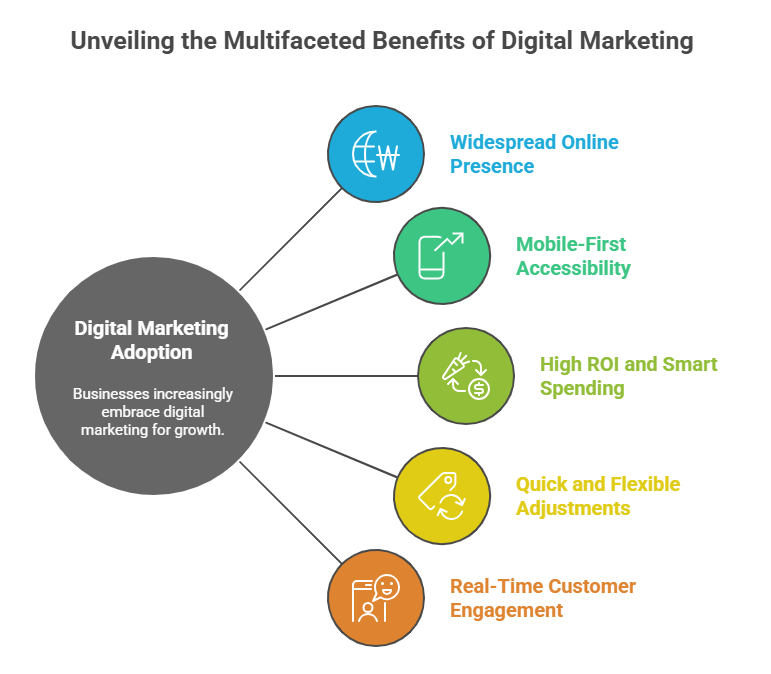
Cost-effective marketing
Measurable results
Experts like kamlesh singad understand these trends and use smart strategies to help businesses stay ahead.
SEO helps your website rank higher on Google. It includes:
Keyword optimization
Technical SEO
Content creation
Backlink building
A strong SEO strategy ensures long-term growth.
2. Social Media Marketing
Platforms like Instagram, Facebook, and LinkedIn are powerful tools for business growth.
Benefits:
Direct customer interaction
Brand awareness
Lead generation
3. Google Ads & Paid Marketing
Paid ads give quick results. You can target:
Specific locations
Age groups
Interests
This helps in reaching the right audience at the right time.
4. Content Marketing
Content is the backbone of digital marketing.
Blogs, videos, and infographics help:
Educate customers
Build trust
Improve SEO
5. Local SEO
For businesses in cities like Indore, local SEO is very important.
A Digital Marketer in Indore like kamlesh singad ensures your business appears in:
Google Maps
Local search results
Real Business Impact of Internet Marketing
Businesses using Internet Marketing Services have seen:
2x to 5x increase in website traffic
Higher customer engagement
Better ROI compared to traditional marketing
With the right guidance from code with kamlesh (CWK) agency indore, even small businesses can compete with big brands.
Common Mistakes to Avoid
Many businesses fail in digital marketing because of simple mistakes:
Not having a clear strategy
Ignoring SEO
Targeting the wrong audience
Inconsistent posting
Not tracking performance
Working with experts like kamlesh singad helps avoid these mistakes and ensures steady growth.
Future of Internet Marketing Services
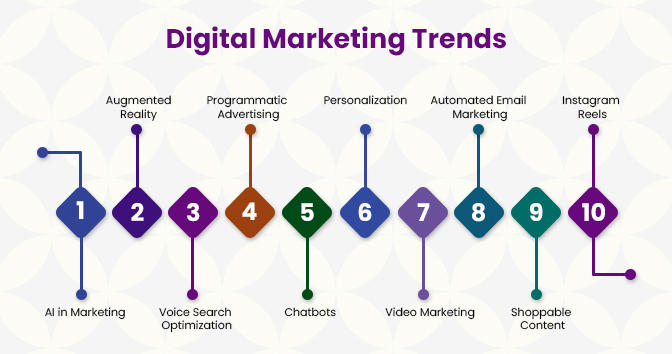
In 2026 and beyond, digital marketing will continue to evolve. Key trends include:
AI-based marketing tools
Voice search optimization
Video-first content
Personalized user experience
Businesses that adapt to these trends will grow faster.
Why Choose a Digital Marketer in Indore?
Hiring a local expert like kamlesh singad has many advantages:
Better understanding of local market
Easy communication
Cost-effective services
Personalized support
code with kamlesh (CWK) agency indore provides all these benefits along with proven results.
Final Thought
Success in digital marketing is not about luck—it’s about strategy, consistency, and execution.
Choose the right partner, use the right tools, and focus on long-term growth. With the right Internet Marketing Services, your business can reach new heights in 2026 and beyond
FAQs
1. What are Internet Marketing Services? Internet Marketing Services include online strategies like SEO, social media marketing, Google Ads, and content marketing that help businesses grow their online presence and attract customers.
2. How do Internet Marketing Services help in business growth? They increase website traffic, generate quality leads, improve brand visibility, and boost sales by targeting the right audience online.
3. Why should I choose a Digital Marketer in Indore like kamlesh singad? A Digital Marketer in Indore like kamlesh singad understands the local market and provides customized strategies through code with kamlesh (CWK) agency indore for better results.
4. Which is the most effective Internet Marketing strategy in 2026? SEO and paid ads (Google Ads) are the most effective strategies, along with social media marketing and high-quality content creation.
5. Is Internet Marketing better than traditional marketing? Yes, Internet Marketing Services are more cost-effective, measurable, and targeted compared to traditional marketing methods, making them ideal for modern businesses.
The digital world is evolving rapidly, and so is the way businesses connect with their audience. Understanding the types of digital marketing is fundamental for anyone stepping into the online marketing world. Whether you’re a startup founder, small business owner, or aspiring marketer, this beginner-level guide will introduce you to all the essential digital marketing channels used today.
Kamlesh Singad, the digital strategist behind CWK Agency, emphasizes the need for brands to adopt a diverse digital approach to remain competitive and customer-focused in 2025. This article draws on his expertise and CWK Agency’s practical experience in deploying various digital marketing techniques.
Table of Contents
What is Digital Marketing?
Digital marketing refers to all marketing efforts that use the internet or electronic devices. Businesses leverage digital channels like search engines, social media, email, websites, and mobile apps to connect with current and prospective customers.
Unlike traditional marketing, digital marketing offers a more measurable, customizable, and interactive way to engage audiences.
Why Are There So Many Types of Digital Marketing?
With different audiences engaging on various platforms, a one-size-fits-all strategy no longer works. Each type of digital marketing caters to unique user behavior, goals, and content formats.
According to Kamlesh Singad from CWK Agency, “The more touchpoints you create through different digital marketing channels, the more trust you build—and trust is everything in marketing.”
SEO is the art and science of getting pages to rank higher in search engines like Google. It’s one of the most powerful and long-term traffic strategies.
Key Components:
Keyword research
On-page SEO (meta tags, content, images)
Off-page SEO (backlinks, authority)
Technical SEO (site speed, mobile usability)
CWK Agency uses SEO to help brands appear at the top of Google results, focusing on local and global visibility.
Pay-Per-Click (PPC) Advertising
PPC allows businesses to appear on search engines and social platforms by paying for each click. Google Ads and Facebook Ads are the most common platforms.
Why It Works:
Immediate visibility
Targeted audience reach
Budget control
CWK Agency often combines PPC with SEO to create a two-pronged approach: immediate visibility and long-term traffic.
Content Marketing
This involves creating and sharing valuable content to attract, educate, and convert an audience. Blog posts, videos, infographics, and eBooks are examples.
Benefits:
Builds trust and authority
Supports SEO
Encourages social sharing
Kamlesh Singad insists content should “answer questions your customers are already asking online.”
Social Media Marketing (SMM)
Social media platforms like Facebook, Instagram, LinkedIn, and TikTok are crucial for brand awareness, engagement, and community building.
Why Use It:
Real-time engagement
Targeted advertising
Brand personality display
CWK Agency runs tailored campaigns based on platform-specific behavior and analytics.
Case Study: CWK Agency’s Digital Marketing Approach
CWK Agency combines data-driven strategies with human creativity. A recent campaign that used SEO, influencer marketing, and content strategy grew a startup’s online leads by 78% in just 3 months.
Kamlesh Singad attributes this success to understanding customer behavior and adapting across digital channels rather than relying on just one.
Tips from Kamlesh Singad for Beginners
Start with one or two marketing types and master them.
Track everything—use tools like Google Analytics and SEMrush.
Focus on solving customer problems, not just promoting.
Build a brand, not just a campaign.
FAQs
What’s the most effective type of digital marketing? It depends on your goals. SEO is best for long-term traffic, while PPC gives instant results.
Is content marketing the same as SEO? No, but they complement each other. Great content supports SEO rankings.
How can I learn digital marketing from scratch? Start with free resources like Google Digital Garage, or follow experts like Kamlesh Singad.
What’s the easiest type of digital marketing to start with? Social media marketing is beginner-friendly due to its low cost and accessibility.
Can I do digital marketing without a website? Yes, but a website provides credibility and serves as your digital hub.
What tools do I need for digital marketing? Email marketing tools (Mailchimp), analytics tools (Google Analytics), and SEO tools (Ahrefs, SEMrush) are a good start.
Conclusion: Ready to Dive into Digital Marketing?
Digital marketing is vast, but you don’t have to master it all at once. Start small, stay consistent, and let your customer guide your strategy. With insights from Kamlesh Singad and real-world applications by CWK Agency, you now have a solid foundation to begin your journey.
Want to take your business to the next level? Explore multiple types of digital marketing and watch your brand thrive online.
Video content has become the cornerstone of digital marketing strategies, and the buzz around video marketing trends continues to grow. In 2024, marketers are exploring innovative ways to connect with audiences through immersive video experiences. From bite-sized videos to real-time interaction via live streaming, video marketing is evolving rapidly. Let’s explore the four most significant video marketing trends and how they’re transforming the industry.
Why Video Marketing Trends Matter in 2024
Consumers crave dynamic, engaging content, and video delivers exactly that. Research shows that over 80% of online traffic now consists of video consumption, making it essential for brands to stay ahead of the curve. By understanding and leveraging the latest video marketing trends, businesses can create campaigns that resonate with their audience, boost engagement, and drive conversions.
Short-form videos, typically lasting less than 60 seconds, are dominating platforms like TikTok, Instagram Reels, and YouTube Shorts. Their quick, engaging format perfectly aligns with decreasing attention spans and the desire for digestible content.
Why Are Short-Form Videos So Effective?
High Engagement Rates: Viewers are more likely to watch a 15-second clip than a 10-minute explainer video.
Platform Algorithms Favor Them: Social media algorithms prioritize short videos, boosting visibility and reach.
Easily Shareable: Snackable content is perfect for sharing, increasing organic reach.
How Brands Are Leveraging This Trend
Brands use short-form videos for product launches, tutorials, and behind-the-scenes glimpses. For example, showcasing a “day in the life” video or a quick demonstration of a product can captivate audiences and encourage immediate interaction.
2. Live Streaming: The Power of Real-Time Connection
Live streaming offers an unparalleled way to engage with audiences directly. Platforms like YouTube, Facebook, Instagram, and Twitch have made live video more accessible, and the format has surged in popularity among brands and creators.
Benefits of Live Streaming
Real-Time Interaction: Enables direct communication with viewers through Q&A sessions and live chats.
Authenticity: Live videos feel unscripted and genuine, building trust and relatability.
Cost-Effective: Requires minimal setup while delivering maximum engagement.
Top Uses of Live Streaming in Marketing
Hosting live events or webinars.
Launching new products with an interactive audience.
Streaming behind-the-scenes content to give followers an insider look.
3. Personalized Video Content for Deeper Engagement
Personalization has become a buzzword in marketing, and video content is no exception. Customized videos tailored to the preferences of specific audience segments have proven highly effective.
How Does Personalized Video Content Work?
Data-Driven Insights: Analyzing viewer preferences and behaviors allows brands to create targeted messages.
Dynamic Content: Tools like AI-driven video generators can create personalized content at scale.
Boosts Retention Rates: Viewers are more likely to engage with content that feels directly relevant to them.
Examples of Personalized Video Strategies
E-commerce brands sending personalized thank-you messages or order updates.
SaaS companies using video tutorials tailored to individual user needs.
4. Interactive Videos: Engaging Viewers Like Never Before
Interactive videos invite viewers to become active participants in the content, rather than passive consumers. Features like clickable hotspots, branching storylines, and quizzes make these videos highly engaging.
Advantages of Interactive Video Content
Enhanced Engagement: Users spend more time interacting with the content.
Better Insights: Collect valuable data on viewer preferences and behavior.
Memorability: Interactive elements make the content more impactful and memorable.
Real-Life Applications
Online learning platforms using interactive videos for lessons.
Retail brands creating shoppable videos where viewers can click on products to buy.
Best Practices for Embracing Video Marketing Trends
To fully capitalize on the latest video marketing trends, marketers must adopt best practices:
Focus on Quality Over Quantity: Ensure videos are well-produced, visually appealing, and relevant.
Optimize for Mobile: The majority of video consumption happens on mobile devices. Use vertical video formats where appropriate.
Analyze Performance Metrics: Regularly review engagement rates, watch time, and click-through rates to refine your strategy.
FAQs
What are the top platforms for short-form video marketing? TikTok, Instagram Reels, and YouTube Shorts are currently the leading platforms for short-form videos due to their massive user base and algorithmic support for this format.
Why is live streaming important in video marketing? Live streaming fosters real-time engagement and authenticity, helping brands build trust and connect with audiences on a personal level.
How can I start using interactive videos? You can use tools like Wistia, Vidyard, or Adobe Captivate to create interactive elements in your videos. Start with simple clickable links or branching narratives to test engagement.
What are the benefits of personalized video marketing? Personalized videos boost engagement, improve retention, and make viewers feel valued, leading to stronger customer relationships.
How do video marketing trends impact ROI? Implementing current trends, like short-form and personalized videos, can significantly improve engagement and conversion rates, enhancing overall ROI.
Should small businesses invest in video marketing? Absolutely! Video marketing offers cost-effective options, like live streaming and short-form videos, that deliver high engagement without a massive budget.
Conclusion
The world of video marketing trends is constantly evolving, with short-form videos, live streaming, personalization, and interactivity leading the charge in 2024. By understanding these trends and adapting your strategies accordingly, you can stay ahead of the competition and create content that truly resonates with your audience. Start exploring these innovative approaches today to elevate your brand’s digital presence.
The Evolution of E-commerce: Digital Marketing Strategies for Online Stores
E-commerce has come a long way since its inception, evolving rapidly with technological advancements and changing consumer behaviors. In this dynamic landscape, online retailers must adapt and innovate to stay competitive. This article explores the evolution of e-commerce and discusses the latest digital marketing strategies that can help online stores thrive.
Introduction
The e-commerce industry has transformed significantly over the past few decades. What started as a simple online shopping experience has now evolved into a sophisticated, multi-faceted ecosystem. With the rise of mobile commerce, social media, and advanced analytics, the strategies that online retailers use to attract and retain customers have also changed dramatically. In this article, we will delve into the key trends shaping the e-commerce landscape and outline effective digital marketing strategies for online stores.
The Early Days of E-commerce
E-commerce began in the early 1990s with the advent of the internet. The first online transaction is widely believed to have taken place in 1994 when a man sold a CD by the band Sting to his friend through his website NetMarket. These early days were characterized by limited technology, slow internet speeds, and a general lack of consumer trust in online transactions. However, as technology improved and the internet became more accessible, e-commerce started to gain traction.
The Rise of Online Marketplaces
The late 1990s and early 2000s saw the rise of online marketplaces like Amazon and eBay. These platforms revolutionized the way people shopped online by offering a wide variety of products, secure payment methods, and reliable shipping options. Amazon, in particular, has become a dominant force in the e-commerce industry, continually innovating with services like Amazon Prime, Amazon Fresh, and Amazon Web Services (AWS).
Mobile Commerce Revolution
The proliferation of smartphones and tablets in the late 2000s led to the rise of mobile commerce (m-commerce). Consumers now had the ability to shop from anywhere at any time. Mobile-friendly websites and apps became essential for online retailers. The introduction of mobile payment solutions like Apple Pay and Google Wallet further streamlined the shopping experience.
Social Media Integration
Social media platforms have become powerful tools for e-commerce. Sites like Facebook, Instagram, and Pinterest have integrated shopping features that allow users to purchase products directly from the platform. Social media also provides a space for brands to engage with their audience, build communities, and leverage influencer marketing to reach a wider audience.
Personalization and Customer Experience
Today, personalization is key to delivering a superior customer experience. Online retailers use data analytics and artificial intelligence to tailor their offerings to individual customer preferences. Personalized product recommendations, targeted email campaigns, and customized landing pages enhance the shopping experience and increase conversion rates.
Latest Trends in E-commerce
The e-commerce landscape continues to evolve with several key trends shaping the industry. Here are some of the latest trends that online retailers should be aware of:
Artificial Intelligence and Machine Learning
AI and machine learning are transforming e-commerce by providing insights into customer behavior, optimizing pricing strategies, and enhancing customer service through chatbots. AI-driven algorithms can predict trends, automate inventory management, and personalize marketing efforts.
Artificial intelligence (AI) and machine learning (ML) are revolutionizing e-commerce by providing advanced tools for understanding and predicting customer behavior. These technologies enable personalized shopping experiences, optimize inventory management, and enhance customer service.
Personalized Recommendations: AI algorithms analyze customer data to provide personalized product recommendations, increasing the likelihood of conversions and improving customer satisfaction.
Chatbots and Virtual Assistants: AI-powered chatbots offer real-time customer support, answer queries, and assist with order processing, enhancing the overall customer experience.
Predictive Analytics: Machine learning models predict future sales trends, helping businesses manage inventory more efficiently and reduce operational costs.
Voice Commerce
With the increasing popularity of smart speakers like Amazon Echo and Google Home, voice commerce is on the rise. Consumers are using voice commands to search for products, make purchases, and track orders. Online retailers need to optimize their websites for voice search and consider integrating voice-enabled shopping features.
Voice commerce is gaining traction as more consumers use smart speakers and voice assistants like Amazon Alexa, Google Assistant, and Apple Siri to shop online. This trend is transforming how consumers search for and purchase products.
Voice Search Optimization: Online retailers need to optimize their websites for voice search by using natural language keywords and phrases that customers are likely to use when speaking.
Seamless Shopping Experience: Integrating voice-enabled shopping features allows customers to add items to their cart, make purchases, and track orders using simple voice commands.
Augmented Reality (AR) and Virtual Reality (VR)
AR and VR technologies are enhancing the online shopping experience by allowing customers to visualize products in their real-world environment. For example, furniture retailers use AR to let customers see how a piece of furniture will look in their home before making a purchase. VR can provide immersive virtual shopping experiences, such as virtual store tours.
AR and VR technologies are enhancing the online shopping experience by providing immersive and interactive ways for customers to engage with products.
Virtual Try-Ons: AR enables customers to virtually try on clothing, accessories, and cosmetics, helping them make more informed purchase decisions.
Product Visualization: VR offers virtual store tours and 3D product views, allowing customers to explore products in detail from the comfort of their homes.
Sustainability and Ethical Practices
Consumers are increasingly concerned about sustainability and ethical practices. Online retailers are responding by offering eco-friendly products, transparent supply chains, and sustainable packaging. Highlighting these practices in marketing efforts can attract environmentally conscious consumers.
Consumers are increasingly prioritizing sustainability and ethical practices in their purchasing decisions. E-commerce businesses are responding by adopting eco-friendly practices and promoting their commitment to sustainability.
Eco-Friendly Products: Offering sustainable and ethically sourced products appeals to environmentally conscious consumers.
Sustainable Packaging: Using biodegradable or recyclable packaging materials reduces the environmental impact and resonates with eco-minded customers.
Transparent Supply Chains: Providing transparency in supply chains builds trust and demonstrates a commitment to ethical business practices.
Subscription Services
Subscription services are becoming popular in various industries, from fashion to food to beauty products. These services provide convenience and personalized experiences, encouraging customer loyalty and recurring revenue.
Subscription services are becoming popular across various industries, providing convenience and personalized experiences that drive customer loyalty and recurring revenue.
Curated Subscription Boxes: Offering curated product boxes based on customer preferences keeps customers engaged and excited about receiving personalized items regularly.
Subscription-Based Models: Businesses can offer products as a subscription service, ensuring a steady stream of revenue and fostering long-term customer relationships.
Omnichannel Strategies
An omnichannel approach integrates various sales and marketing channels to provide a seamless customer experience. Online retailers are combining their e-commerce platforms with physical stores, social media, and mobile apps to create a unified shopping journey. Click-and-collect services, where customers buy online and pick up in-store, are an example of an omnichannel strategy.
An omnichannel approach integrates multiple sales and marketing channels to provide a seamless customer experience. This strategy ensures that customers can interact with the brand across various touchpoints.
Click-and-Collect Services: Allowing customers to purchase online and pick up in-store combines the convenience of online shopping with the immediacy of physical stores.
Consistent Branding: Maintaining a consistent brand presence across all channels, including online stores, social media, and physical locations, ensures a cohesive customer experience.
Social Commerce
Social commerce leverages social media platforms to facilitate online shopping, making it easier for customers to discover and purchase products directly within social media apps.
Shoppable Posts: Platforms like Instagram and Facebook offer shoppable posts, enabling users to click on products within posts and complete the purchase without leaving the app.
Influencer Partnerships: Collaborating with influencers to promote products on social media increases brand visibility and drives sales through trusted recommendations.
Mobile Commerce
With the widespread use of smartphones, mobile commerce (m-commerce) continues to grow, requiring businesses to optimize their websites and apps for mobile users.
Responsive Design: Ensuring that websites are mobile-friendly with responsive design enhances the user experience on various devices.
Mobile Payment Solutions: Integrating mobile payment options like Apple Pay, Google Wallet, and PayPal makes the checkout process quick and convenient for mobile users.
Enhanced Payment Options
Offering a variety of payment options improves the customer experience and reduces cart abandonment rates.
Buy Now, Pay Later (BNPL): BNPL services like Afterpay and Klarna allow customers to split payments into installments, making purchases more affordable and increasing conversion rates.
Cryptocurrency Payments: Accepting cryptocurrencies as a payment method caters to tech-savvy consumers and provides an additional layer of security.
Data Privacy and Security
With increasing concerns about data privacy, businesses must prioritize data protection and comply with regulations to build customer trust.
Compliance with Regulations: Adhering to data protection laws like GDPR and CCPA ensures that customer data is handled responsibly.
Secure Payment Processing: Implementing secure payment gateways and encryption technologies protects customer data during transactions.
Customer Experience (CX) Focus
Providing an exceptional customer experience is crucial for retaining customers and fostering brand loyalty.
Personalized Experiences: Tailoring the shopping experience to individual preferences through personalized recommendations and content enhances customer satisfaction.
Seamless Checkout Process: Streamlining the checkout process by reducing steps and offering multiple payment options improves the overall shopping experience.
Micro-Moments
Micro-moments refer to the brief, intent-driven moments when consumers turn to their devices for quick answers or actions. Businesses can capitalize on these moments by providing relevant and timely information.
Immediate Responses: Offering instant solutions to customer queries through chatbots or quick customer service responses capitalizes on micro-moments.
Relevant Content: Creating content that addresses common questions and needs during micro-moments drives engagement and conversions.
Hyper-Personalization
Hyper-personalization goes beyond traditional personalization by using AI and data analytics to deliver highly tailored experiences at every touchpoint.
Dynamic Content: Displaying real-time, personalized content based on user behavior and preferences enhances the relevance of the shopping experience.
Predictive Recommendations: Using predictive analytics to anticipate customer needs and offer relevant product suggestions increases the likelihood of conversions.
Sustainability Initiatives
As consumers become more eco-conscious, businesses are adopting sustainability initiatives to reduce their environmental impact and appeal to green consumers.
Carbon Neutral Shipping: Offering carbon-neutral shipping options reduces the environmental footprint of online orders.
Sustainable Sourcing: Ensuring products are sourced sustainably and ethically aligns with consumer values and enhances brand reputation.
Influencer-Driven Commerce
Influencer marketing continues to be a powerful strategy for e-commerce businesses, driving brand awareness and sales through authentic endorsements.
Niche Influencers: Partnering with niche influencers who have a dedicated and engaged following can yield higher conversion rates.
Authentic Content: Encouraging influencers to create authentic, relatable content that resonates with their audience builds trust and drives sales.
Experiential Commerce
Experiential commerce focuses on creating memorable shopping experiences that engage customers beyond just the transactional aspect.
Virtual Events: Hosting virtual events, such as product launches or live Q&A sessions, engages customers and creates a sense of community.
Interactive Features: Incorporating interactive features like quizzes, polls, and gamification enhances the shopping experience and keeps customers engaged.
Blockchain Technology
Blockchain technology offers transparency and security in e-commerce transactions, building trust with consumers.
Supply Chain Transparency: Using blockchain to track and verify the authenticity of products provides transparency and reduces counterfeiting.
Secure Payments: Blockchain-based payment systems offer secure and efficient transactions, reducing the risk of fraud.
Effective Digital Marketing Strategies for Online Stores
To succeed in the competitive e-commerce landscape, online retailers must adopt effective digital marketing strategies. Here are some key strategies to consider:
Search Engine Optimization (SEO)
SEO is crucial for driving organic traffic to your online store. Optimize your website for relevant keywords, ensure fast loading times, and create high-quality content that answers customer queries. Implementing technical SEO practices, such as improving site structure and using schema markup, can also boost your search engine rankings.
Content Marketing
Content marketing involves creating valuable content that attracts and engages your target audience. Blog posts, videos, infographics, and social media posts can drive traffic to your site and build brand awareness. Consider creating how-to guides, product reviews, and user-generated content to provide value to your customers.
Email Marketing
Email marketing is a powerful tool for nurturing customer relationships and driving sales. Segment your email list to send personalized messages, promotions, and product recommendations. Automated email campaigns, such as abandoned cart reminders and post-purchase follow-ups, can also increase conversions.
Social Media Marketing
Leverage social media platforms to reach your target audience and drive engagement. Create compelling content, run targeted ad campaigns, and collaborate with influencers to promote your products. Use social media analytics to measure the effectiveness of your campaigns and adjust your strategy accordingly.
Pay-Per-Click (PPC) Advertising
PPC advertising allows you to reach potential customers through paid search engine ads and social media ads. Create targeted ad campaigns with clear calls-to-action and optimized landing pages. Monitor your ad performance and adjust your bids, keywords, and ad copy to maximize your return on investment (ROI).
Influencer Marketing
Influencer marketing involves partnering with influencers who have a large and engaged following. Influencers can promote your products through authentic and relatable content, reaching a wider audience. Choose influencers who align with your brand values and have a genuine connection with their followers.
Affiliate Marketing
Affiliate marketing involves partnering with affiliates who promote your products in exchange for a commission on sales. This strategy can expand your reach and drive sales through trusted third-party recommendations. Provide your affiliates with marketing materials and track their performance to optimize your affiliate program.
Customer Reviews and Testimonials
Encourage satisfied customers to leave reviews and testimonials on your website and third-party review sites. Positive reviews build trust and credibility, influencing potential customers’ purchase decisions. Respond to reviews, both positive and negative, to show that you value customer feedback.
Retargeting
Retargeting involves showing ads to people who have previously visited your website but did not make a purchase. This strategy keeps your brand top-of-mind and encourages customers to return and complete their purchase. Use retargeting ads on social media, search engines, and display networks.
Data Analytics
Utilize data analytics to gain insights into customer behavior, sales trends, and marketing performance. Tools like Google Analytics can help you track key metrics such as traffic sources, conversion rates, and average order value. Use this data to make informed decisions and optimize your marketing strategies.
Mobile Optimization
With the increasing use of mobile devices for online shopping, it’s essential to optimize your website for mobile users. Ensure your site is mobile-friendly with responsive design, fast loading times, and easy navigation. Mobile optimization enhances the user experience and improves your search engine rankings.
User-Generated Content (UGC)
Encourage your customers to create content related to your products, such as photos, videos, and reviews. User-generated content provides social proof and authenticity, increasing trust and engagement. Feature UGC on your website and social media channels to showcase real customer experiences.
Live Chat and Chatbots
Implement live chat and chatbot features on your website to provide instant customer support. Live chat allows customers to get answers to their questions in real-time, improving their shopping experience. Chatbots can handle common queries and assist with product recommendations, enhancing customer service.
Video Marketing
Video content is highly engaging and can effectively showcase your products. Create product demos, tutorials, and customer testimonials to highlight the benefits of your products. Share your videos on your website, social media channels, and YouTube to reach a broader audience.
Loyalty Programs
Implement loyalty programs to reward repeat customers and encourage long-term engagement. Offer points, discounts, or exclusive access to new products as incentives for loyal customers. A well-designed loyalty program can increase customer retention and drive repeat purchases.
Personalized Marketing
Use data and analytics to personalize your marketing efforts based on customer preferences and behaviors. Personalized product recommendations, targeted email campaigns, and customized landing pages can enhance the shopping experience and increase conversions.
Interactive Content
Create interactive content such as quizzes, polls, and surveys to engage your audience and gather valuable insights. Interactive content can capture attention, provide personalized experiences, and encourage social sharing.
FAQs
How has e-commerce evolved over the years? E-commerce has evolved from basic online transactions to sophisticated, multi-channel experiences driven by advancements in technology, mobile commerce, and consumer behavior.
What are the latest trends in e-commerce? Latest trends include artificial intelligence, voice commerce, augmented reality, sustainability practices, subscription services, and omnichannel strategies.
How can online retailers optimize their websites for SEO? Online retailers can optimize their websites for SEO by using relevant keywords, improving site structure, ensuring fast loading times, and creating high-quality content.
Why is social media important for e-commerce? Social media is important for e-commerce because it helps retailers reach and engage with their target audience, promote products, and leverage influencer marketing for wider visibility.
What role does personalization play in e-commerce? Personalization enhances the customer experience by tailoring marketing efforts and product recommendations to individual preferences, increasing engagement and conversion rates.
How can data analytics improve e-commerce strategies? Data analytics provides insights into customer behavior, sales trends, and marketing performance, enabling retailers to make informed decisions and optimize their strategies.
Conclusion
The evolution of e-commerce has brought about significant changes in the way online retailers operate and market their products. By staying abreast of the latest trends and implementing effective digital marketing strategies, online stores can thrive in this competitive landscape. From SEO and content marketing to personalization and data analytics, leveraging these strategies will help online retailers attract, engage, and retain customers, driving long-term success.
In today’s digital age, the way businesses reach and engage their audience is constantly evolving. Among the many strategies available, video marketing has emerged as a powerful tool to connect with customers, drive brand awareness, and boost sales. In this blog, we will explore the profound impact of video marketing and why your business needs to embrace it now, with simple language and real-world examples.
What is Video Marketing?
Video marketing is the practice of using videos to promote and market your products or services. These videos can be created in various formats, including explainer videos, product demonstrations, customer testimonials, vlogs, and more. The goal is to engage your target audience, convey your message effectively, and ultimately drive actions such as purchases or subscriptions.
The Power of Visual Content
Humans are naturally drawn to visual content, making videos an incredibly effective tool for marketing. Here are some key reasons why:
Increased Engagement: Videos are more engaging than text or static images. According to a report by Wyzowl, 84% of people have been convinced to make a purchase after watching a brand’s video.
Better Retention: People tend to remember information better when presented in video format. It’s estimated that we retain 95% of a message. When we watch it in a video compared to just 10% when reading it in text.
Emotional Connection: Videos allow you to convey emotions, tell stories, and build a deeper connection with your audience. This emotional connection can lead to greater brand loyalty.
Examples of Video Marketing Success
Let’s take a look at some real-world examples of businesses that have harnessed the power of video marketing to achieve impressive results:
1. Blendtec’s “Will It Blend?” Campaign:
Blendtec, a blender manufacturer, created a series of videos where they blended unusual items like iPhones and golf balls to demonstrate the strength of their blenders. These quirky and entertaining videos went viral and significantly boosted their brand awareness. The company’s sales also saw a substantial increase.
2. Dove’s “Real Beauty” Campaign:
Dove’s “Real Beauty” campaign aimed to challenge conventional beauty standards. They created a video titled “Dove Real Beauty Sketches” where an FBI-trained forensic artist drew women based on their self-descriptions and then based on descriptions from strangers. The video sparked a global conversation on self-esteem and body image issues and garnered millions of views, reinforcing Dove’s brand as a champion of real beauty.
3. GoPro’s User-Generated Content:
GoPro encourages its users to share their adventurous experiences captured with GoPro cameras. This user-generated content has been a cornerstone of GoPro’s marketing strategy. It not only showcases the product’s capabilities but also creates a strong community of brand advocates.
Benefits of Video Marketing
Now that we’ve seen some inspiring examples, let’s explore the concrete benefits of incorporating video marketing into your business strategy:
Increased Brand Awareness: Engaging videos have the potential to reach a vast audience, making your brand more visible and recognizable.
Higher Conversion Rates: Videos can lead to higher conversion rates, whether it’s signing up for a newsletter, making a purchase, or requesting more information.
Improved SEO: Videos can boost your website’s search engine ranking, making it easier for potential customers to find you.
Better Social Media Engagement: Videos are highly shareable on social media platforms, increasing your reach and interaction with your audience.
Enhanced Customer Trust: Video content can establish your expertise in your industry and build trust with your audience.
Getting Started with Video Marketing
Here are some simple steps to kickstart your video marketing journey:
Define Your Goals: Determine what you want to achieve with video marketing, whether it’s brand awareness, lead generation, or sales.
Know Your Audience: Understand your target audience’s preferences, pain points, and interests to create content that resonates with them.
Create High-Quality Content: Invest in good equipment, hire professionals if needed. And ensure your videos are well-produced and engaging.
Choose the Right Platforms: Select the platforms (e.g., YouTube, Facebook, Instagram, TikTok) where your audience is most active.
Analyze and Adapt: Use analytics to track the performance of your videos and adjust your strategy based on what works best.
In conclusion, the impact of video marketing on businesses today cannot be overstated. It’s a versatile, engaging, and highly effective tool for reaching and connecting with your target audience. By leveraging the power of video, you can tell your brand’s story, engage customers emotionally, and ultimately drive growth for your business. So, don’t wait any longer – start incorporating video marketing into your strategy today, and watch your business thrive in the digital age.
In the fast-paced world of digital marketing, staying ahead of the curve is crucial for success. What worked yesterday may not work today, and as a marketer, you need to adapt to the ever-evolving landscape. In this blog, we’ll explore the top emerging digital marketing trends you must know as Digital Marketer, and we’ll break them down into simple language with real-world examples of Digital Marketer.
Video Marketing Continues to Soar
Video marketing is not new, but its significance is growing exponentially. People love watching videos, and platforms like YouTube, TikTok, and Instagram Reels are perfect examples of this trend.
Example: Let’s say you run a small bakery. Instead of just posting pictures of your delicious treats, you could create short videos showcasing the baking process, customer reviews, or even behind-the-scenes footage. This engages your audience and gives them a more immersive experience.
Conversational Marketing with Chatbots
Chatbots are becoming smarter and more personalized. They can provide instant answers to customer queries, making user interactions smoother and more efficient.
Example: If you have an e-commerce website, you can implement a chatbot that asks visitors what they are looking for and guides them to the right products. It can also handle frequently asked questions, reducing the workload on your customer support team.
Artificial Intelligence (AI) is changing the game in digital marketing. AI algorithms can analyze user data to offer highly personalized content and product recommendations.
Example: Think about Netflix. It uses AI to suggest movies and shows based on your viewing history. As a marketer, you can employ AI to send personalized email campaigns, tailored product recommendations, and even website content.
Voice Search Optimization
Voice assistants like Siri, Alexa, and Google Assistant are becoming increasingly popular. Optimizing your content for voice search is a must.
Example: If you’re a local pizza restaurant, optimizing for voice search means focusing on long-tail keywords and answering questions like, “Where’s the nearest pizza place?” in your website content. This can help you rank higher when someone asks their voice assistant for pizza recommendations.
Influencer Marketing Evolution
Influencer marketing is not just about celebrities anymore. Micro-influencers (those with smaller but highly engaged followings) are gaining traction.
Example: Instead of paying a celebrity chef to promote your kitchen gadgets, you could collaborate with a food blogger who has a dedicated audience of home cooks. Their recommendations are often perceived as more authentic and trustworthy.
Augmented Reality (AR) and Virtual Reality (VR)
AR and VR technologies are making their way into digital marketing. They allow consumers to interact with products and experiences in immersive ways.
Example: Imagine you’re in the fashion industry. You could develop an AR app that lets customers “try on” clothes virtually before making a purchase. This enhances the online shopping experience and reduces return rates.
User-Generated Content
User-generated content (UGC) involves customers creating content related to your brand. It’s a powerful way to build trust and authenticity.
Example: If you run a fitness brand, encourage your customers to share their workout videos or before-and-after photos on social media using a specific hashtag. You can then showcase this UGC on your website or social channels, demonstrating real people achieving real results with your products.
With increasing concerns about data privacy, marketers need to be transparent about how they collect and use customer data.
Example: Make sure your website clearly outlines your data collection practices and gives users the option to opt out. Being transparent builds trust, and customers are more likely to share their information if they know it’s handled responsibly.
Conclusion
The digital marketing landscape is dynamic, and staying updated on emerging trends is vital for success. From video marketing and chatbots to AI-powered personalization and AR/VR experiences, these trends offer exciting opportunities for Digital Marketer to connect with their audience in innovative ways. Embracing these trends and adapting your strategies accordingly can help you stay at the forefront of digital marketing and drive better results for your brand or business.