Tag: User Engagement

  • What is the conversion rate from visitors to customers?

    What is the conversion rate from visitors to customers?

    What is the Conversion Rate from Visitors to Customers?

    In the digital marketplace, the conversion rate from visitors to customers is a critical metric that directly reflects the effectiveness of a website or a marketing campaign in converting incoming traffic into definitive sales or desired actions. Understanding and optimizing this conversion rate is vital for any business looking to thrive online.

    Exploring Conversion Rates: A Primer

    Defining Conversion Rate

    The conversion rate is a key metric in digital marketing that measures the effectiveness of a particular campaign or website in turning visitors into actual customers or achieving other defined goals. It is typically expressed as a percentage and calculated by dividing the number of conversions by the total number of visitors to the site, then multiplying the result by 100.

    Understanding Conversion Rates:

    • Conversions: This term can represent various actions depending on the objectives of the website or campaign. Common types of conversions include making a purchase, signing up for a newsletter, downloading a file, completing a contact form, or registering for a service.
    • Calculation: If a website receives 1,000 visitors in a month and 50 of them complete a purchase, the conversion rate would be 5% (50 conversions/1,000 visitors * 100 = 5%).

    Importance of Conversion Rates:

    Conversion rates serve as a benchmark for the success of a website and its associated marketing efforts. High conversion rates indicate successful marketing and web design, suggesting that the site effectively resonates with its target audience and compels them to take action.

    • Performance Indicator: The conversion rate is an essential indicator of how well a website is performing against its primary objectives. A higher conversion rate implies that the site is effective in persuading visitors to take the desired actions.
    • Optimization and ROI: Understanding conversion rates helps businesses optimize their sales processes and marketing strategies, ultimately improving return on investment (ROI). By analyzing what influences conversions, companies can make data-driven decisions to enhance user experience and increase efficiency.
    image 33

    Applications in Digital Marketing:

    • Campaign Assessment: Marketers use conversion rates to evaluate the success of different marketing strategies, from email campaigns to paid advertising and beyond.
    • A/B Testing: Conversion rates are crucial for A/B testing, where two versions of a page are compared to see which one performs better in terms of converting visitors.

    Overall, the conversion rate is not just a measure of traffic but of how well that traffic is being converted into actions that have real value for the business.

    Factors Influencing Conversion Rates

    Conversion rates are influenced by a myriad of factors that can either enhance or inhibit the effectiveness of a website in turning visitors into customers. These factors can be broadly categorized into website-related, user experience, content quality, and external elements. Understanding and optimizing these can lead to significant improvements in conversion rates.

    Website Design and User Experience (UX)

    The design of a website and its user experience significantly impact conversion rates. A clean, intuitive design with easy navigation and a straightforward call-to-action (CTA) can dramatically increase the likelihood of converting visitors into customers.

    Navigation and Layout: A clear, intuitive site layout helps users find what they need quickly. Complex or confusing navigation can lead to frustration and abandonment of the site.

    Call-to-Action (CTA) Buttons: The visibility and appeal of CTA buttons play a crucial role. These should stand out and be placed strategically across the website to guide users gently towards conversion points without being too forceful or obtrusive.

    Page Load Speed: Speed is a critical factor. Websites that load quickly tend to retain visitors better. According to Google, as page load time goes from one second to ten seconds, the probability of a mobile site visitor bouncing increases 123%.

    Mobile Optimization: With increasing mobile traffic, a website that is not optimized for mobile devices may alienate a large portion of potential customers. Mobile optimization includes responsive design, fast loading times, and accessible navigation on smaller screens.

    Content Relevance and Quality

    Content that speaks directly to the interests and needs of the target audience can significantly boost conversions. High-quality, relevant content not only attracts the right audience but also keeps them engaged and moves them towards making a purchase.

    Targeted Content: Content should be specifically designed to meet the needs and solve the problems of the intended audience. When visitors find the content relevant and valuable, they are more likely to convert.

    Clarity and Conciseness: Clear and concise content helps convey the value proposition effectively. Overwhelming visitors with too much information or using overly complex language can detract from the main message.

    Trust and Credibility: Content that establishes authority and trust can significantly affect conversion rates. This includes professional quality articles, accurate information, user testimonials, and case studies.

    Psychological Triggers

    Scarcity and Urgency: Incorporating elements of scarcity (limited-time offer) and urgency (only a few left in stock) can compel visitors to act swiftly, fearing they might miss out.

    Social Proof: Social proof, such as customer reviews and testimonials, leverages the influence of other consumers. Seeing that others have had positive experiences can encourage new users to convert.

    Personalization: Personalizing the user’s experience on a website can greatly enhance the likelihood of conversion. This could include personalized greetings, recommendations based on past behavior, and retargeted advertising.

    Technical Aspects

    Security Features: Online security is vital. Features like SSL certificates, trust seals, and transparent privacy policies can reassure visitors, making them more willing to complete transactions.

    Analytics and Testing: Regular testing and analysis are crucial. Tools like Google Analytics and A/B testing platforms allow for continuous monitoring and tweaking of various elements on a website to improve conversion rates.

    image 34

    External Factors

    Market Competition: The level of competition can influence conversion rates. In highly competitive markets, businesses might need to offer more compelling reasons for visitors to convert, such as better prices, superior customer service, or exclusive products.

    Economic Conditions: Broader economic conditions can also affect conversion rates. For example, in times of economic downturn, luxury goods and non-essential services might see lower conversion rates.

    Seasonal Variations: Many businesses experience seasonal fluctuations in conversion rates. For example, retail stores might see higher conversion rates during the holiday season.

    By addressing these diverse factors, businesses can create a more engaging and effective environment that encourages visitors to convert into customers, thereby maximizing their online potential and improving overall business performance.

    Speed and Performance

    Website speed and performance also play critical roles in conversion rates. Slow-loading pages can lead to high bounce rates and lost conversions, as today’s users expect quick and responsive online experiences.

    Mobile Optimization

    With an increasing number of users accessing websites from mobile devices, mobile optimization has become crucial. A mobile-friendly website is more likely to retain visitors and convert them into customers.

    Strategies to Improve Conversion Rates

    Optimizing Landing Pages

    Landing pages are often the first impression a visitor has of a website. Optimizing these pages for conversion by clarifying the value proposition and including compelling CTAs can lead to significant improvements in conversion rates.

    Optimizing landing pages is crucial for converting incoming traffic into leads, sales, or other intended outcomes. A well-designed landing page focuses on a specific audience, with content and design aligned to a singular call to action (CTA). Here’s how to ensure your landing pages are optimized effectively:

    Clear and Compelling Headlines

    The headline is often the first thing a visitor sees. It should be compelling and clear, instantly conveying the value of what’s being offered. The headline must align with the content or ads that brought the visitor to the page to maintain message consistency.

    Simplify the Design

    The design of your landing page should facilitate the conversion process, not hinder it. This means:

    • Minimalistic Approach: Keep the design simple and the layout uncluttered. Avoid excessive use of colors and graphics that can distract from the main message.
    • Visual Hierarchy: Structure the page so that the most important elements, like headlines and CTAs, stand out and draw attention first.
    • Whitespace: Use whitespace effectively to help focus attention on critical content and make the page easier to read.

    Crafting a Strong Value Proposition

    Your landing page should clearly articulate the value proposition. This is the fundamental reason a prospective customer should buy from you or take the desired action. It should be easily identifiable and ideally positioned at the top of the page.

    Persuasive and Concise Content

    • Benefits Over Features: Focus on how your product or service benefits the user, rather than just listing features. Benefits connect on an emotional level and are more effective in driving conversions.
    • Bullet Points: Use bullet points to break down information into easy-to-digest pieces, making the content quick to read and understand.

    Use High-Quality Images and Videos

    Visuals can convey more information more quickly than text alone. Use high-quality images or videos that reinforce your message and show your product or service in action. Ensure these visuals are optimized for fast loading.

    Optimize the Call-to-Action (CTA)

    • Visibility: The CTA should be one of the most prominent elements on the page.
    • Message: The wording should inspire action (e.g., “Get Started,” “Join Now,” “Get Your Free Trial”). Be clear about what visitors will get by clicking the CTA.
    • Design: Use contrasting colors to make the CTA button stand out from the rest of the page.

    Enhance Trust

    Trust elements can significantly boost conversion rates. Include:

    • Testimonials and Reviews: Social proof can help alleviate anxieties about purchasing or signing up.
    • Trust Seals and Certifications: Display security badges and certifications to reassure visitors that their data is safe.
    • Clear Contact Information: Showing that there is a real company behind the website can increase trust.

    Optimize for Mobile

    With an increasing amount of web traffic coming from mobile devices, your landing page must perform well on all screen sizes. Mobile optimization includes:

    • Responsive Design: Ensure the page adjusts to fit the screen size and resolution.
    • Touch-friendly Interfaces: Make buttons and links easy to tap.
    • Fast Loading Times: Mobile users expect quick access, so optimize images and scripts to reduce load times.

    A/B Testing

    A/B testing involves creating two versions of a webpage or a specific element on a page, such as a CTA button, to see which version performs better in terms of converting visitors into customers. This method allows marketers to fine-tune their web elements based on actual performance data.

    Personalization Techniques

    Personalizing the user experience on a website can significantly increase conversion rates. This could involve displaying content based on the user’s past behavior, location, or other personal data.

    Trust Signals

    Incorporating elements that increase trust, such as testimonials, reviews, security badges, and guarantees, can reassure visitors and improve conversion rates.

    image 35

    Measuring and Analyzing Conversion Rates

    Tools for Tracking Conversion Rates

    Several tools, such as Google Analytics, provide comprehensive insights into website traffic and conversion rates, helping businesses measure the effectiveness of different pages and campaigns.

    Tracking conversion rates is essential for understanding the effectiveness of your online marketing efforts and for making data-driven decisions to optimize your campaigns. Here’s a look at some of the most effective tools available for tracking and analyzing conversion rates:

    Google Analytics

    Google Analytics is one of the most popular and powerful tools for tracking website performance, including conversion rates. It allows you to:

    • Set Up Goals: Define what constitutes a conversion for your site, whether it’s a purchase, a sign-up, or a download.
    • Analyze Traffic: Understand where your traffic is coming from and how users behave on your site.
    • Conversion Funnels: Set up and analyze the steps your visitors take before completing a conversion, helping identify where you are losing potential customers.

    Adobe Analytics

    Adobe Analytics is a more advanced analytics platform that offers detailed insights into user behavior and conversion metrics. It is particularly useful for larger businesses or those with more complex needs. Features include:

    • Multi-channel Tracking: Integrates data from both online and offline channels to provide a comprehensive view of customer behavior.
    • Real-Time Analytics: Monitor data as it happens, allowing for immediate responses to trends or issues.
    • Advanced Segmentation: Drill down into specific customer segments to tailor marketing strategies effectively.

    Mixpanel

    Mixpanel focuses on user interaction with websites and mobile applications, offering detailed insights into every action taken by visitors. This can help you understand the user journey and optimize for conversions through:

    • Event Tracking: Instead of tracking page views, Mixpanel tracks actions people take in an app or on a website.
    • Funnel Analysis: See where users drop off on the path to conversion.
    • A/B Testing: Test different versions of your site to see which performs better in terms of user engagement and conversion.

    Hotjar

    Hotjar provides tools for visualizing how users interact with your site, including heatmaps, visitor recordings, and conversion funnels, making it a great tool for understanding user experience and behavior:

    • Heatmaps: Show where users click, move, and scroll on your site, which can help identify what catches attention and what gets ignored.
    • Visitor Recordings: Record browsing sessions to observe directly how users navigate your site.
    • Conversion Funnels: Identify at which point visitors are dropping off.

    Optimizely

    Optimizely is focused on experimentation and personalization, which includes extensive A/B testing capabilities along with tools for tracking conversions:

    • A/B Testing: Easily test different versions of webpages to find out which elements convert best.
    • Personalization: Tailor experiences to different audiences based on their behavior and traits.
    • Integration: Seamlessly integrates with other data analytics tools and marketing platforms.

    Crazy Egg

    Crazy Egg helps you track where your visitors are clicking through heatmaps, scroll maps, and other visual tools. It’s particularly good for optimizing landing pages and other key conversion points on your site:

    • Heatmaps: Understand what users want, care about, and interact with on your site by visually representing their clicks, taps, and scrolling behavior.
    • A/B Testing: Test out changes to see if they improve your conversion rates.
    • User Recordings: Watch recordings of user sessions to observe what might be causing confusion or abandonment.

    Kissmetrics

    Kissmetrics provides analytics that focus on individuals throughout their entire customer journey. It helps businesses understand how behaviors correlate with conversions:

    • Behavioral Analytics: Track the entire customer journey from initial contact to final conversion.
    • Segmentation: Analyze how specific behaviors are linked to different segments of your audience.
    • Email Campaign Automation: Engage with potential customers based on their behavior on your site.

    Choosing the right tools depends largely on your specific needs, the size of your business, the complexity of your conversion goals, and your budget. Most of these tools offer free trials, so you can experiment with them to see which one best suits your requirements for tracking and improving your conversion rates.

    The Role of Data in Optimizing Conversions

    Continuous analysis of conversion data allows businesses to understand what works and what doesn’t, enabling them to make informed decisions that can lead to better conversion rates.


    FAQs on Conversion Rates

    How is the conversion rate calculated?

    What is a good conversion rate for online retailers?

    How can A/B testing be used to improve conversion rates?

    What role does content play in conversion rate optimization?

    How does website speed influence conversion rates?

    Can mobile optimization affect my website’s conversion rate?


    Conclusion

    Understanding and improving the conversion rate from visitors to customers is crucial for any online business aiming to maximize its digital presence and profitability. By focusing on optimizing various aspects such as website design, user experience, content quality, and trust signals, businesses can enhance their engagement with potential customers and boost their overall conversion rates. In the evolving digital landscape, staying abreast of these metrics and continually refining your approach is key to online success.

    Logo

    Contact Person: Kamlesh Singad

    Phone no. +91 9131341638

    Web Page: https://kamleshsingad.in/

    contact@kamleshsingad.com

    https://kamleshsingad.com

    Read More –

    Social Media Marketing on Facebook, Instagram & Twitter – https://kamleshsingad.in/social-media-marketing-facebook-instagram-twitter/

    10 Email Marketing Best Practices – https://kamleshsingad.in/10-email-marketing-best-practices/

    Boost ROI with Google AdWords & Facebook Ads – https://kamleshsingad.in/digital-advertising-strategies/

  • How does mobile marketing target their audience?

    How does mobile marketing target their audience?

    How Does Mobile Marketing Target Their Audience?

    Mobile marketing has become a pivotal part of the digital marketing landscape, owing to the ubiquitous nature of mobile devices. In a world where nearly everyone has a smartphone within arm’s reach, marketers have developed sophisticated methods to target audiences effectively and personally. This blog will delve into the multifaceted strategies that make mobile marketing an essential tool for reaching consumers directly and contextually.

    Understanding the Basics of Mobile Marketing

    Mobile Marketing: A Definition

    Mobile marketing is a digital marketing strategy aimed at reaching a target audience on their smartphones, tablets, and other mobile devices through websites, email, SMS and MMS, social media, and apps. In the age of mobile technology, marketers can’t afford to overlook the potential of mobile marketing.

    Mobile marketing is the art and science of reaching audiences through their mobile devices, such as smartphones and tablets, utilizing a variety of digital strategies and channels. At its core, mobile marketing seeks to capitalize on the pervasive nature of mobile devices in modern society, leveraging technology to deliver personalized, timely, and effective marketing messages.

    The Essence of Mobile Marketing

    At the intersection of technology and consumer behavior, mobile marketing involves communicating with the target audience on their mobile devices. This can be achieved through:

    • SMS and MMS Messages: These are direct messages sent to a mobile phone and can include text (SMS) or multimedia content such as images, video, and audio (MMS).
    • Mobile Applications: Businesses use apps to provide a seamless and interactive experience. They can push notifications to users to promote sales, updates, or new content.
    • Emails Optimized for Mobile: Designing email campaigns that are mobile-friendly ensures that communications are effective across all device types.
    • Social Media: Platforms like Facebook, Instagram, and Twitter are predominantly accessed via mobile devices. Ads and updates on these platforms are a key part of mobile marketing.
    • Location-Based Marketing: This strategy uses GPS technology to tailor marketing messages based on the geographic location of users, often in real-time.

    Goals of Mobile Marketing

    The primary goal of mobile marketing is to engage customers on devices they use most frequently and personally. This form of marketing is tailored to fit the unique behavior of mobile users and the technical constraints and opportunities of mobile devices, including:

    • Personalization: Mobile devices are personal items, which makes them an ideal channel for personalized marketing messages.
    • Convenience and Timeliness: Messages can be delivered at times when they are most likely to be effective and in formats that are easy for consumers to interact with on the go.
    • Geo-Targeting: Marketers can send content specific to a customer’s location, enhancing the relevance and effectiveness of their campaigns.
    image 30

    Why Mobile Marketing Matters

    With increasing numbers of consumers using mobile devices as their primary means of accessing the internet, mobile marketing is not just a novelty but a necessity. Here are some compelling reasons why:

    • Ubiquity of Smartphones: The widespread use of smartphones globally means that mobile marketing can reach a vast audience.
    • Higher Engagement Rates: Mobile marketing campaigns often see higher engagement rates than those delivered on other platforms due to the personal nature of mobile devices.
    • Immediate and Actionable: Mobile marketing allows for immediate consumer actions, such as visiting a website, making a purchase, or obtaining directions to a store.

    In summary, mobile marketing harnesses the potential of mobile devices to provide a direct, personalized, and effective way to communicate with consumers. As technology evolves and consumer habits shift, the strategies employed in mobile marketing will continue to adapt, making it an exciting and essential area of digital marketing.

    The Scope of Mobile Marketing

    With mobile devices now central to our lives, the scope of mobile marketing has expanded exponentially. This form of marketing not only includes sending messages or creating apps but also encompasses responsive website design, mobile-specific advertising, location-based marketing, and integrated marketing campaigns that leverage mobile as a key component.

    Mobile marketing has evolved far beyond its origins as a novel method of reaching consumers through their mobile devices. Today, it encompasses a broad array of strategies and technologies designed to engage an audience that is increasingly reliant on smartphones, tablets, and other mobile devices for daily communication, entertainment, and information. The scope of mobile marketing is broad, dynamic, and intrinsically linked to how modern consumers interact with digital content.

    Key Components of Mobile Marketing

    The scope of mobile marketing includes several key components that together create a comprehensive approach to digital marketing:

    • Responsive Web Design: Ensuring that websites are optimized for mobile devices, providing a seamless user experience whether a visitor is using a desktop computer, a tablet, or a smartphone.
    • App Development and Marketing: Creating mobile applications that offer functionalities unique to mobile devices, such as touch interactions and sensor data (like GPS and motion sensors), and using these platforms for direct marketing.
    • SMS/MMS Campaigns: Utilizing text messaging services to deliver concise, timely marketing messages directly to a user’s mobile phone.
    • Mobile Advertising: Includes display ads, video ads, and other promotional materials specifically designed for mobile formats and published on various platforms, including social media and mobile-friendly websites.
    • Location-Based Services (LBS): Using a mobile device’s GPS capability to tailor marketing messages based on the user’s location, such as sending special offers when a user is near a specific store.
    • Augmented Reality (AR) and Virtual Reality (VR): Deploying immersive technologies that enhance real-world environments with digital overlays or create completely virtual worlds, respectively, often for engaging marketing experiences.
    • Voice Search Optimization: Adapting marketing content to be more discoverable through voice search, recognizing the growing use of voice assistants on mobile devices.

    Expanding Reach and Capabilities

    The scope of mobile marketing is not just about reaching more users; it’s about deepening engagement with them through more personalized and contextually relevant experiences. Here’s how mobile marketing is expanding its reach and capabilities:

    • Personalization at Scale: Mobile devices provide marketers with rich data about user behavior, preferences, and location. This data allows for personalized marketing at scale, tailoring messages to individual users based on real-time data.
    • Integration with Other Marketing Channels: Mobile marketing does not exist in isolation. It is often part of a multi-channel strategy that includes digital and traditional marketing methods. This integration allows for a cohesive customer journey across different touchpoints.
    • Technological Innovations: Advances in mobile technology, such as faster mobile networks (e.g., 5G), improved smartphone capabilities, and new applications of AI and machine learning, continue to expand what is possible in mobile marketing.

    Why the Scope Matters

    Understanding the broad scope of mobile marketing is crucial for businesses aiming to compete in a digital age. Here’s why:

    • Consumer Expectations: Modern consumers expect brands to provide seamless interactions across all devices and platforms. They value convenience, relevance, and personalization, all of which are facilitated by effective mobile marketing.
    • Competitive Advantage: Businesses that effectively leverage mobile marketing can engage with their audience in real-time, build stronger brand loyalty, and ultimately, achieve a competitive advantage in their market.
    • ROI and Effectiveness: Mobile marketing campaigns can be highly effective due to their targeted nature and the direct connection they establish with consumers. They often yield higher return on investment compared to more traditional marketing methods.

    The scope of mobile marketing continues to grow as new technologies emerge and consumer habits evolve. For marketers, staying informed and adaptable is key to leveraging the power of mobile to meet their marketing objectives and drive business success.

    image 31

    Strategies to Target Audiences in Mobile Marketing

    Geo-Targeting and Location-Based Services

    One of the most powerful features of mobile marketing is the ability to target users based on their location. Geo-targeting uses GPS technology to send content to a user’s phone, tailored to their geographical location. This can range from location-specific ads to offering special deals when they are near a particular store.

    Behavioral Targeting Through Mobile Metrics

    Mobile devices offer marketers a wealth of data about user behavior. From app usage patterns to browsing habits, mobile marketers can gather detailed insights to create highly personalized marketing campaigns.

    Demographic Targeting Via Mobile

    Demographic targeting in mobile marketing involves reaching audiences based on age, gender, income level, education, and more. This segmentation helps marketers tailor their messaging and offers to increase relevance and engagement.

    The Role of SMS and MMS in Audience Targeting

    Direct Engagement Through SMS

    SMS marketing remains one of the most direct ways to reach an audience. With high open rates, SMS allows marketers to send timely, relevant messages directly to individuals, fostering immediate engagement.

    Enhancing Campaigns with MMS

    MMS, or Multimedia Messaging Service, takes SMS a step further by allowing the inclusion of images, video, and audio. This rich media format can significantly enhance engagement and message retention.

    Utilizing Mobile Apps for Personalized Marketing

    Mobile apps offer a unique and potent venue for personalized marketing. With most users consistently logged into their personal devices, apps provide marketers with a direct channel to deliver tailored content, enhancing user engagement and improving customer loyalty. The personalized marketing capabilities of mobile apps leverage user data and behavior to create individualized experiences that resonate deeply with each user.

    Leveraging User Data for Personalization

    At the heart of personalized marketing through mobile apps is the collection and analysis of user data. Here’s how mobile apps gather and use this data for marketing:

    • User Behavior Tracking: Mobile apps can track a wide range of user activities, from basic interactions within the app to more complex patterns like purchase history and browsing behavior.
    • Custom User Profiles: Apps often encourage users to create profiles, which not only help in storing preferences and settings but also provide marketers with valuable data about demographics, interests, and more.
    • Location Data: Many apps request access to a user’s GPS data, which can be used for location-based marketing, offering promotions and features relevant to the user’s current or frequently visited locations.

    Techniques for Personalization in Mobile Apps

    The data collected through mobile apps can be utilized to craft marketing strategies that are not only personalized but also highly relevant and timely. Some of the most effective techniques include:

    • Push Notifications: These are messages that pop up on a user’s device, providing timely updates, offers, or reminders. By tailoring these notifications based on the user’s past behavior or current location, businesses can significantly increase relevance and engagement.
    • In-App Messages: These messages appear while the user is actively using the app. They can be used to promote offers, guide users through new features, or provide personalized recommendations.
    • Personalized Content and Recommendations: Based on the user’s previous actions, apps can display customized content and product or service recommendations. This not only enhances the user experience but also increases the likelihood of conversion.
    • Dynamic Content Adaptation: Some apps can alter their interface and functionality based on the user’s preferences and behavior. This can range from changing the layout to highlighting certain features, effectively creating a user-specific experience.

    Integration with Other Marketing Channels

    For maximum impact, mobile app marketing often integrates with broader marketing strategies. Here’s how:

    • Email Marketing: By linking user accounts to mobile apps, businesses can send personalized email content that complements the app experience, such as reminders to complete a purchase started in the app.
    • Social Media Integration: Apps can integrate social media features, allowing users to share content or achievements on their social networks, which not only engages users but also provides free promotion.
    • Cross-Promotion Between Apps: Businesses with multiple apps can use one app to promote another, particularly if the apps cater to similar demographics or interests.

    Challenges and Considerations

    While mobile apps are a powerful tool for personalized marketing, there are challenges and considerations that need to be addressed:

    • Privacy Concerns: Collecting and using personal data comes with the responsibility to protect user privacy. Transparency about data collection practices and adherence to data protection regulations is crucial.
    • User Experience vs. Marketing Needs: Balancing the user experience with the push for marketing messages is vital. Overdoing push notifications or in-app messages can lead to user frustration and app uninstalls.
    • Resource Intensive: Developing and maintaining a mobile app, especially one that offers personalized experiences, can be resource-intensive. It requires ongoing updates, testing, and marketing to remain effective and secure.

    Utilizing mobile apps for personalized marketing represents a convergence of technology, data analytics, and consumer engagement strategies. When executed thoughtfully, it not only boosts marketing efforts but also significantly enhances the user experience, leading to higher engagement rates and customer loyalty. As mobile technology continues to evolve, so too will the strategies for leveraging apps in marketing, making it a continually adapting and exciting field.

    image 32

    Integration of Mobile Marketing with Other Digital Strategies

    Mobile marketing, while powerful on its own, achieves its greatest potential when integrated seamlessly with other digital marketing strategies. This holistic approach not only ensures a consistent message across all platforms but also leverages the unique strengths of each channel to enhance overall marketing effectiveness and user experience.

    Cross-Channel Marketing Synergy

    The key to successful integration lies in the synergy between mobile marketing and other digital channels. Here’s how mobile marketing can be harmoniously integrated with other strategies:

    • Social Media Marketing: Mobile devices are the primary medium for social media usage. Integrating mobile marketing strategies with social media involves optimizing social media ads for mobile devices, sharing mobile-specific offers, and using social platforms to drive traffic to mobile apps or websites.
    • Email Marketing: Email is a significant touchpoint in digital marketing and one that is frequently accessed via mobile devices. By designing emails to be mobile-friendly and linking directly to mobile-optimized landing pages or apps, marketers can create a seamless experience for mobile users.
    • Content Marketing: The content designed for mobile marketing needs to be concise and impactful. Integration involves ensuring that content such as blogs, videos, and infographics is optimized for mobile devices, considering factors like screen size and load time.
    • Search Engine Optimization (SEO): With Google’s mobile-first indexing, mobile SEO has become critical. Integrating mobile marketing with SEO involves optimizing websites for mobile search, focusing on speed, responsive design, and mobile-friendly content.

    Leveraging Data for Unified Customer Views

    One of the most critical aspects of integrating mobile marketing with other digital strategies is the unified customer view it provides. Here’s how integration helps in understanding and targeting customers better:

    • Data Consolidation: Combining data from mobile apps, websites, social media, and other digital platforms offers a comprehensive view of customer behavior and preferences.
    • Personalization Across Channels: With a unified view of customer data, businesses can deliver personalized experiences across all touchpoints. For instance, a user’s interaction with a mobile app can inform the type of content they receive in emails or the ads they see on social media.
    • Behavioral Analysis and Segmentation: Integrated data allows for more sophisticated behavioral analyses and segmentation. This can lead to more targeted campaigns that are consistent across all digital channels.

    Technological Integration

    Effective integration of mobile marketing with other digital strategies also relies on the appropriate use of technology:

    • Marketing Automation Platforms: These platforms can automate and coordinate messages across channels including mobile, email, and social media, ensuring a cohesive customer experience.
    • Customer Relationship Management (CRM) Systems: CRMs that integrate mobile marketing data along with other customer interactions help create detailed customer profiles, aiding in tailored marketing efforts.
    • Analytics and Reporting Tools: Tools that can analyze cross-channel performance are essential for understanding how mobile marketing efforts are contributing to overall digital strategy goals.

    Challenges in Integration

    While the integration of mobile marketing with other digital strategies offers numerous benefits, it also presents several challenges:

    • Consistency in Messaging: Ensuring consistent messaging and branding across multiple platforms and devices can be challenging but is crucial for maintaining customer trust and recognition.
    • Technology and Resource Allocation: Integrating various technologies and platforms often requires significant investment in both technology and skilled personnel.
    • Privacy and Data Security: As more data is collected and shared across platforms, ensuring the privacy and security of customer information becomes increasingly complex.

    Integration of mobile marketing with other digital strategies is not merely beneficial; it is necessary in a digital landscape dominated by multi-device users who expect seamless interactions. When executed effectively, this integration not only enhances the reach and effectiveness of marketing campaigns but also improves customer satisfaction and loyalty. As mobile technology continues to evolve, so too must the strategies that businesses use to engage with their users, ensuring a coherent and unified marketing approach across all digital fronts.


    FAQs on Mobile Marketing Audience Targeting

    What makes mobile marketing an essential tool for modern businesses?

    How does geo-targeting enhance customer engagement?

    What are the benefits of using SMS and MMS in mobile marketing?

    How can mobile apps be used to increase customer loyalty?

    What are the key metrics to track in mobile marketing?

    How does integrating mobile marketing with other channels improve campaign results?


    Conclusion

    Mobile marketing represents a dynamic and essential strategy for targeting modern consumers. Through a combination of technological advancements and strategic targeting techniques, mobile marketing allows businesses to engage with their audience in a personalized and impactful way. As mobile technology continues to evolve, so too will the strategies marketers use to reach their audiences, making staying current with mobile marketing tactics more important than ever.

    Logo

    Contact Person: Kamlesh Singad

    Phone no. +91 9131341638

    Web Page: https://kamleshsingad.in/

    contact@kamleshsingad.com

    https://kamleshsingad.com

    Read More –

    Social Media Marketing on Facebook, Instagram & Twitter – https://kamleshsingad.in/social-media-marketing-facebook-instagram-twitter/

    10 Email Marketing Best Practices – https://kamleshsingad.in/10-email-marketing-best-practices/

    Boost ROI with Google AdWords & Facebook Ads – https://kamleshsingad.in/digital-advertising-strategies/

  • The Power of Visual Storytelling in Marketing: Bringing Your Brand to Life

    The Power of Visual Storytelling in Marketing: Bringing Your Brand to Life

    In today’s digital age, where attention spans are shorter than ever, grabbing and holding your audience’s attention has become a challenging task for marketers. This is where visual storytelling comes into play. Visual storytelling is the art of using images, graphics, videos, and other visual elements to convey a compelling narrative that resonates with your target audience. In this blog, we’ll explore the immense power of visual storytelling in marketing, and we’ll back it up with some real-life examples to illustrate its effectiveness.

    1. A Picture is Worth a Thousand Words

    Visual content is processed faster by the human brain than text. When you combine visuals with a well-crafted story, you create a powerful tool for engaging your audience. Take National Geographic, for instance. They are experts at visual storytelling, using stunning photographs to tell stories about wildlife, cultures, and landscapes. These visuals draw viewers into their narratives, making them feel like they are part of the adventure.

    2. Emotionally Connect with Your Audience

    Visual storytelling is an effective way to evoke emotions in your audience. Emotions drive decisions, and when you connect with your audience on an emotional level, they are more likely to remember your brand. Dove’s “Real Beauty” campaign is an excellent example. They used real women instead of models in their advertisements, empowering women to feel beautiful just as they are. This emotional connection boosted Dove’s brand image and increased customer loyalty.

    3. Simplify Complex Information

    Visuals are excellent for simplifying complex information. Take infographics, for instance. They combine text and graphics to make data and statistics more digestible. Companies like Google often use infographics to explain their products and services in a visually appealing and easy-to-understand manner.

    4. Create Shareable Content

    Visual storytelling also makes your content more shareable. When people come across a visually engaging story, they are more likely to share it on social media, extending your brand’s reach. An excellent example of this is the ALS Ice Bucket Challenge. People all over the world shared videos of themselves dumping ice water on their heads to raise awareness for ALS. This viral campaign used visual storytelling to connect people to the cause, and it raised millions of dollars for ALS research.

    5. Build Brand Identity

    Your brand is not just a logo or a tagline; it’s a story. Visual storytelling helps you shape and communicate that story. Take Coca-Cola, for example. Their iconic holiday commercials featuring the Coca-Cola truck and the polar bears have become a part of their brand’s story. These visuals are instantly recognizable and evoke a sense of nostalgia, reinforcing Coca-Cola’s brand identity.

    6. Drive Engagement and Conversion

    Visual storytelling can significantly boost user engagement and conversion rates. Videos, in particular, have become a staple in online marketing. Think about how successful YouTube channels like Tasty have become by visually showcasing simple cooking recipes. By showing the step-by-step process with mouthwatering visuals, they engage their audience and drive people to try the recipes.

    7. Stand Out in a Crowded Market

    With the sheer volume of content available online, it’s essential to stand out. Visual storytelling helps you do just that. Airbnb’s Instagram account is a great example. They feature stunning photos of unique accommodations worldwide, capturing the essence of travel and adventure. These visuals set them apart from the competition and draw people to their platform.

    In conclusion, the power of visual storytelling in marketing cannot be overstated. It helps you grab attention, connect emotionally, simplify complex information, create shareable content, build brand identity, drive engagement, and stand out in a crowded market. So, whether you’re a small business or a global brand, harness the power of visual storytelling to bring your brand to life and connect with your audience in a memorable way. Remember, a picture is worth a thousand words, and a well-told visual story can leave a lasting impression on your customers.

    https://kamleshsingad.com/building-your-first-android-app-a-step-by-step-tutorial/

    Read More –

    The Art of Crafting Irresistible Clickbait: Dos and Don’ts – https://kamleshsingad.com/agency/the-art-of-crafting-irresistible-clickbait-dos-and-donts/

    How to Create Viral Content: A Step-by-Step Guide – https://kamleshsingad.com/agency/how-to-create-viral-content-a-step-by-step-guide/

    Influencer Marketing Secrets: How to Partner with Influencers for Maximum Impact – https://kamleshsingad.com/agency/how-to-partner-with-influencers-for-maximum-impact/

  • How Digital Marketing Help to Grow Coaching Institutes

    How Digital Marketing Help to Grow Coaching Institutes

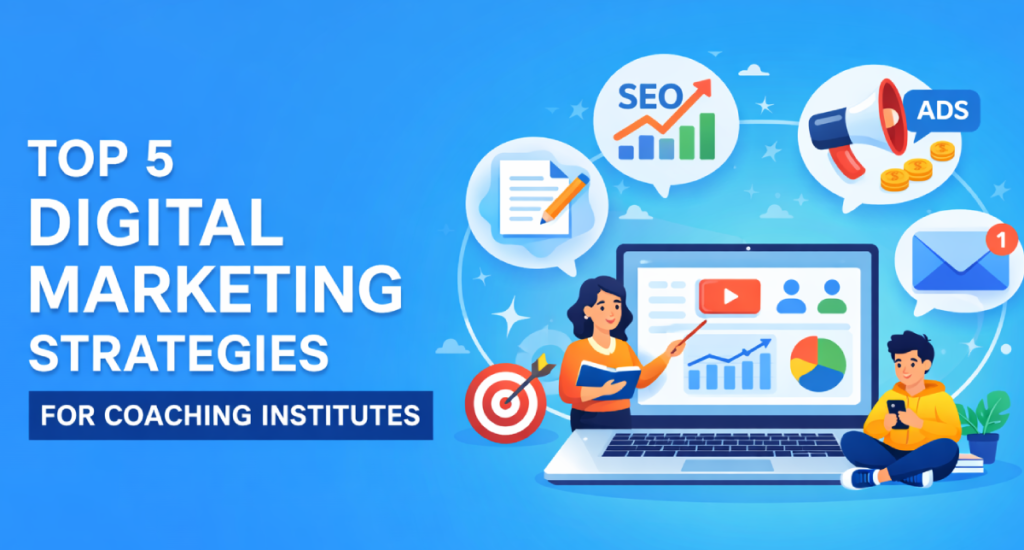
    In today’s digital age, the success of coaching institutes heavily relies on their ability to adapt and excel in the online realm. Traditional marketing strategies alone no longer suffice. Enter digital marketing – a powerful tool that can help coaching institutes not only survive but thrive in this competitive landscape. In this comprehensive guide, we’ll explore how digital marketing can be a game-changer for coaching institutes. We’ll break down complex concepts into simple language, supported by real-world examples to help you understand how to harness the full potential of digital marketing to grow your coaching business.

    Learn how Digital Marketing helps coaching institutes grow by increasing visibility, generating student leads, and boosting enrollments. Discover proven strategies like SEO, social media, and ads to scale your coaching business effectively.

    Chapter 1: Understanding Digital Marketing

    Before we dive into how digital marketing can boost coaching institutes, let’s start with the basics.

    What is Digital Marketing?

    Digital marketing encompasses all marketing efforts that use an electronic device or the internet. It’s the umbrella term for a wide range of online strategies and tactics aimed at connecting with potential students and nurturing them into paying customers.

    Why Digital Marketing?

    Digital marketing offers numerous advantages, including:

    1. Cost-Efficiency: Compared to traditional advertising channels like print and TV, digital marketing is often more cost-effective.
    2. Precise Targeting: It allows you to target specific demographics, ensuring your message reaches the right audience.
    3. Measurable Results: Digital marketing tools provide data on performance, enabling you to make data-driven decisions and optimize your campaigns.
    4. Global Reach: With the internet, you can reach students not only locally but also globally.
    Digital Marketing

    Chapter 2: Building a Strong Online Presence

    The foundation of a successful digital marketing strategy for coaching institutes is a strong online presence. Here’s how to get started:

    1. Website Development

    Your website is your virtual campus. Make sure it’s user-friendly, informative, and visually appealing. Showcase your coaching programs, faculty, success stories, and contact information.

    Example: Khan Academy

    Khan Academy’s website is a prime example of simplicity and effectiveness. It offers free educational content, making it an excellent resource for students and parents.

    2. Search Engine Optimization (SEO)

    SEO is the process of optimizing your website to rank higher in search engine results. Implementing relevant keywords and creating valuable content can help improve your website’s visibility.

    Example: Coursera

    Coursera’s SEO strategy has allowed it to dominate the online education space. A search for “online courses” will likely lead you to Coursera.

    3. Content Marketing

    Creating and sharing valuable content such as blogs, videos, and infographics can establish your coaching institute as an authority in your niche.

    Example: Byju’s

    Byju’s, an Indian ed-tech company, publishes engaging educational content on various platforms. Their YouTube channel features lessons, making learning fun and accessible.

    Chapter 3: Social Media Marketing

    Social media platforms are fertile ground for reaching and engaging with your target audience.

    1. Choose the Right Platforms

    Identify which social media platforms your target audience frequents. For instance, if you’re coaching for competitive exams, platforms like LinkedIn and YouTube might be more effective than Instagram or TikTok.

    Example: The Princeton Review

    The Princeton Review maintains an active presence on LinkedIn, offering valuable content to professionals looking to advance their careers.

    2. Content Strategy

    Create and share content that resonates with your audience. Share success stories, tips, and informative posts related to your niche.

    Example: Udacity

    Udacity’s Twitter account is a blend of informative posts about technology trends and stories of students who have achieved career success with their courses.

    3. Paid Advertising

    Consider investing in paid advertising on social media platforms. Targeted ads can reach a broader audience and drive traffic to your website or enrollment pages.

    Example: Khan Academy

    Khan Academy often runs Facebook ads, promoting their free educational resources to a wider audience.

    Digital Marketing

    Chapter 4: Email Marketing

    Email marketing remains one of the most effective ways to nurture leads and convert them into paying students.

    1. Building an Email List

    Collect email addresses through your website, social media, and events. Offer incentives like e-books or newsletters to encourage sign-ups.

    Example: Coursera

    Coursera offers a free trial and encourages users to sign up with their email to access a wide range of courses.

    2. Personalized Email Campaigns

    Segment your email list based on user behavior and preferences. Send personalized emails with relevant content and offers.

    Example: Duolingo

    Duolingo’s emails include tailored language learning exercises and reminders to keep users engaged.

    3. Automation

    Use email marketing automation tools to send timely emails, such as welcome messages, course recommendations, and follow-ups.

    Example: edX

    edX sends automated reminders to students about upcoming course deadlines and offers course recommendations based on their interests.

    Chapter 5: Pay-Per-Click (PPC) Advertising

    PPC advertising allows you to display ads on search engines and other platforms, paying only when a user clicks on your ad.

    1. Google Ads

    Google Ads is a powerful platform for coaching institutes. You can bid on keywords related to your courses to appear at the top of search results.

    Example: Kaplan

    Kaplan uses Google Ads to appear at the top of search results for keywords like “MCAT prep courses.”

    2. Facebook and Instagram Ads

    These platforms allow you to target users based on their interests, demographics, and behavior. Create visually appealing ads to capture attention.

    Example: Udemy

    Udemy uses Facebook and Instagram ads to promote its vast selection of online courses.

    3. Remarketing

    Remarketing involves showing ads to users who have visited your website but didn’t enroll. It’s a powerful way to re-engage potential students.

    Example: Udacity

    Udacity uses remarketing to remind users about the courses they viewed but didn’t enroll in, encouraging them to return and complete their enrollment.

    Chapter 6: Influencer Marketing

    Leverage influencers in your niche to promote your coaching institute.

    1. Identify Relevant Influencers

    Find influencers whose audience aligns with your target demographic. Reach out to them for collaborations.

    Example: MasterClass

    MasterClass partners with well-known experts and celebrities to teach various courses, attracting a broad audience.

    2. Collaborate on Content

    Work with influencers to create engaging and informative content that showcases your coaching institute’s strengths.

    Example: LinkedIn Learning*

    LinkedIn Learning collaborates with industry experts and influencers to create courses that cater to professionals seeking career growth.

    3. Measure Impact

    Track the performance of influencer marketing campaigns to ensure they deliver a positive return on investment (ROI).

    Example: LinkedIn Learning*

    LinkedIn Learning likely evaluates the success of influencer partnerships by monitoring course enrollments and engagement levels.

    Chapter 7: Analytics and Data-driven Decision Making

    One of the significant advantages of digital marketing is the wealth of data it provides.

    1. Google Analytics

    Use tools like Google Analytics to monitor website traffic, user behavior, and conversion rates.

    Example: Khan Academy

    Khan Academy likely uses Google Analytics to track user engagement with their educational content.

    2. Social Media Insights

    Platforms like Facebook and Instagram offer insights into the performance of your social media posts and ads.

    Example: Byju’s

    Byju’s can analyze social media insights to determine which types of content resonate best with their audience.

    3. A/B Testing

    Experiment with different ad copies

    , images, and landing pages to determine what works best.

    Example: Coursera

    Coursera might run A/B tests to optimize its course landing pages and increase conversion rates.

    Chapter 8: Online Reputation Management

    Your coaching institute’s online reputation can significantly impact its success.

    1. Reviews and Ratings

    Encourage satisfied students to leave positive reviews and ratings on platforms like Google, Yelp, and Trustpilot.

    Example: Kaplan

    Kaplan features positive student testimonials on its website, reinforcing its credibility.

    2. Addressing Negative Feedback

    Respond professionally to negative feedback and take steps to resolve issues to demonstrate your commitment to student satisfaction.

    Example: Udemy

    Udemy actively engages with users who leave negative feedback, offering solutions and seeking to improve their experience.

    3. Showcase Achievements

    Highlight your coaching institute’s achievements, such as high exam pass rates or student success stories.

    Example: The Princeton Review

    The Princeton Review proudly displays its high average score improvements and success stories on its website.

    Chapter 9: Mobile Marketing

    With the increasing use of smartphones, optimizing your marketing for mobile is crucial.

    1. Mobile-Friendly Website

    Ensure your website is responsive and offers a seamless experience on mobile devices.

    Example: Udacity

    Udacity’s website is mobile-friendly, providing an excellent user experience on smartphones.

    2. Mobile Apps

    Consider developing a mobile app for your coaching institute. Apps can offer additional learning resources and engagement opportunities.

    Example: Duolingo*

    Duolingo’s mobile app provides convenient language learning on the go, attracting millions of users worldwide.

    3. SMS Marketing

    Send targeted SMS messages to students about course updates, events, and special offers.

    Example: Coursera

    Coursera occasionally sends SMS notifications to users about new courses and discounts.

    Chapter 10: Staying Updated

    The digital marketing landscape is constantly evolving. It’s essential to stay informed about the latest trends and technologies.

    1. Continuous Learning

    Invest in the ongoing education of your marketing team or consider outsourcing to agencies with expertise in digital marketing.

    Example: HubSpot Academy*

    HubSpot offers free courses on digital marketing, making it easy for marketing professionals to stay updated.

    2. Networking and Conferences

    Attend industry conferences and connect with experts to gain insights into emerging trends.

    Example: MozCon*

    MozCon is a well-known conference in the digital marketing industry, featuring presentations from leading experts.

    3. Monitor Competitors

    Keep an eye on your competitors’ digital marketing strategies and adapt as needed.

    Example: Udemy*

    Udemy likely monitors competitors’ course offerings and pricing to stay competitive.

    Conclusion

    In today’s digital age, digital marketing is not an option but a necessity for coaching institutes looking to grow and succeed. By building a strong online presence, leveraging social media, harnessing the power of email marketing, and utilizing paid advertising, analytics, influencer marketing, and more, coaching institutes can connect with their target audience and thrive in the competitive education industry.

    Remember, digital marketing is not a one-size-fits-all solution. Each coaching institute is unique, and your digital marketing strategy should reflect your institution’s values, strengths, and goals. With continuous learning and adaptation, you can harness the full potential of digital marketing to drive growth and success for your coaching institute in the digital age,help digital marketing to grow .

    Thank You!

    Read More –

    Top 10 niche to create youtube channels and earn passive income

    Why SEO is important for website ?

    Digital Marketing Services in India