Tag: Transparency

  • What is Online Reputation Management? Strategies to Improve Your Brand Trust

    What is Online Reputation Management? Strategies to Improve Your Brand Trust

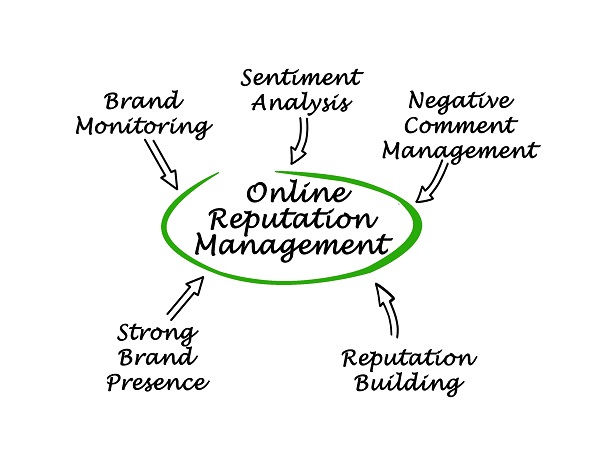
    In today’s digital age, your online reputation is a crucial component of your personal and professional life. Whether you’re an individual, a small business owner, or part of a large corporation, what people say about you online can have a significant impact on your success. Online reputation management (ORM) is the practice of controlling and influencing how you are perceived on the internet. In this blog, we will delve into the dos and don’ts of online reputation management, providing you with essential guidance to safeguard and enhance your online image.

    The Dos of Online Reputation Management

    1. Monitor Your Online Presence

    Do: Regularly monitor what is being said about you or your brand on the internet. Use tools like Google Alerts, social media monitoring tools, and online reputation management software to stay informed about mentions, reviews, and discussions related to you.

    Example: Imagine you are a restaurant owner. By using monitoring tools, you can quickly identify when a customer posts a positive review about your food and service on a popular review site like Yelp. You can then thank the customer and use the positive feedback to promote your restaurant.

    2. Create High-Quality Content

    Do: Develop and share valuable content that reflects your expertise and values. Publish blog posts, videos, infographics, and other content that educates and engages your target audience. High-quality content can push down negative search results and establish your authority in your field.

    Example: If you’re a fitness trainer, regularly publishing informative articles on topics like nutrition, workout routines, and health tips can help you establish yourself as an authoritative source in the fitness industry.

    3. Engage Positively on Social Media

    Do: Actively engage with your audience on social media platforms. Respond to comments, messages, and mentions promptly and professionally. Showcase your personality and authenticity in your interactions, demonstrating that you care about your audience’s opinions and concerns.

    Example: If you run a small e-commerce business selling handmade jewelry, responding to customer inquiries and comments on your Instagram posts can create a positive impression and build trust among your followers.

    4. Encourage Positive Reviews and Testimonials

    Do: Encourage satisfied customers, clients, or colleagues to leave positive reviews and testimonials on relevant platforms. Make it easy for them by providing clear instructions and links to the review sites. Genuine, positive feedback can counteract negative reviews.

    Example: If you are a freelance graphic designer, asking satisfied clients to leave reviews on platforms like Upwork or LinkedIn can boost your credibility and attract more clients.

    5. Address Negative Feedback Professionally

    Do: When you receive negative feedback, respond professionally and empathetically. Try to resolve the issue or concern privately if possible. Acknowledge the feedback and show a willingness to improve.

    Example: If you run a software company and a customer posts a negative review about a bug in your product, respond with a comment acknowledging the issue and offering to assist the customer in finding a solution. This demonstrates your commitment to customer satisfaction.
    Online Reputation Management

    6. Optimize Your Online Profiles

    Do: Ensure that your online profiles on social media, professional networking sites, and directories are complete, up-to-date, and consistent. Use relevant keywords in your profiles to enhance your visibility in search results.

    Example: A marketing professional should have a LinkedIn profile with a professional photo, a detailed summary, and a list of skills and endorsements that accurately represent their expertise in marketing.

    7. Seek Professional Help When Necessary

    Do: If your online reputation faces serious challenges, consider seeking professional assistance from an online reputation management company. They have the expertise to address complex reputation issues effectively.

    Example: A CEO of a well-known company accused of financial misconduct may need the expertise of an ORM firm to manage the fallout and repair their damaged reputation.

    The Don’ts of Online Reputation Management

    1. Don’t Ignore Negative Content

    Don’t: Ignoring negative content or hoping it will disappear on its own is a big mistake. Negative information can linger online for a long time and harm your reputation. Instead, address it proactively.

    Example: If you run a local bakery, and a customer writes a scathing review about finding a hair in their pastry, ignoring the review may lead to more negative comments and deter potential customers.

    2. Don’t React Emotionally

    Don’t: Responding emotionally to criticism or negative comments can escalate the situation. Avoid getting defensive, using aggressive language, or engaging in online arguments. Maintain professionalism and composure.

    Example: If you’re a public figure and receive harsh criticism on social media, responding with anger or insults can damage your reputation further. Instead, address the criticism calmly and thoughtfully.

    3. Don’t Use Fake Reviews or Deceptive Tactics

    Don’t: Posting fake positive reviews or trying to manipulate search results through deceptive tactics is unethical and can result in severe consequences, including legal action and further damage to your reputation.

    Example: If you’re a real estate agent, resist the temptation to create fake accounts to leave glowing reviews for your services. Such dishonest practices can destroy trust and credibility.

    4. Don’t Neglect Privacy Settings

    Don’t: Be mindful of your privacy settings on social media and other online platforms. Sharing personal information or controversial opinions publicly can be detrimental to your reputation if it’s misinterpreted or used against you.

    Example: If you’re a teacher, it’s wise to keep your personal Facebook profile private to prevent students and their parents from accessing your personal life and opinions that may be taken out of context.

    5. Don’t Rely Solely on Automation

    Don’t: While automation tools can be helpful for monitoring and managing your online reputation, don’t rely on them entirely. Automated responses can come across as insincere, and personal engagement is often more effective.

    Example: If you’re a customer service representative for an online retailer, using an automated response for every customer inquiry can frustrate customers seeking a genuine connection and assistance.

    6. Don’t Underestimate the Power of Transparency

    Don’t: Trying to cover up mistakes or negative events can often make the situation worse. Transparency and honesty are valued by consumers and can help rebuild trust.

    Example: If you’re the CEO of a company facing a data breach, being transparent about the breach, its causes, and the steps taken to rectify it can reassure customers and stakeholders that you are handling the situation responsibly.

    7. Don’t Disregard Consistency

    Don’t: Inconsistency in your online behavior, messaging, or branding can confuse your audience and harm your reputation. Ensure that your online presence aligns with your values and goals.

    Example: If you’re a fitness influencer promoting a healthy lifestyle, posting content that contradicts your message, like binge-drinking photos, can undermine your credibility and confuse your followers.

    Conclusion

    Online reputation management is a vital practice in the digital age, and understanding the dos and don’ts is essential for maintaining and enhancing your online image. By monitoring your online presence, creating high-quality content, engaging positively on social media, and addressing feedback professionally, you can build a strong and positive reputation. On the other hand, ignoring negative content, reacting emotionally, using deceptive tactics, neglecting privacy settings, relying solely on automation, and disregarding consistency can all have detrimental effects on your online reputation.
  • The Psychology of Consumer Behaviour: How to Influence Purchasing Decisions

    The Psychology of Consumer Behaviour: How to Influence Purchasing Decisions

    Learn about Consumer Behaviour and how understanding customer preferences, decision-making patterns, and buying psychology can help businesses create effective marketing strategies and boost sales.

    Have you ever wondered why you can’t resist buying that new gadget, even when you know you don’t really need it? Or why you prefer one brand of soda over another, even though they both taste similar? The answer lies in the fascinating world of consumer psychology. Understanding the psychology behind consumer behavior can help businesses tailor their marketing strategies to influence purchasing decisions effectively. In this blog, we’ll explore the key principles of consumer psychology using simple language and real-life examples.

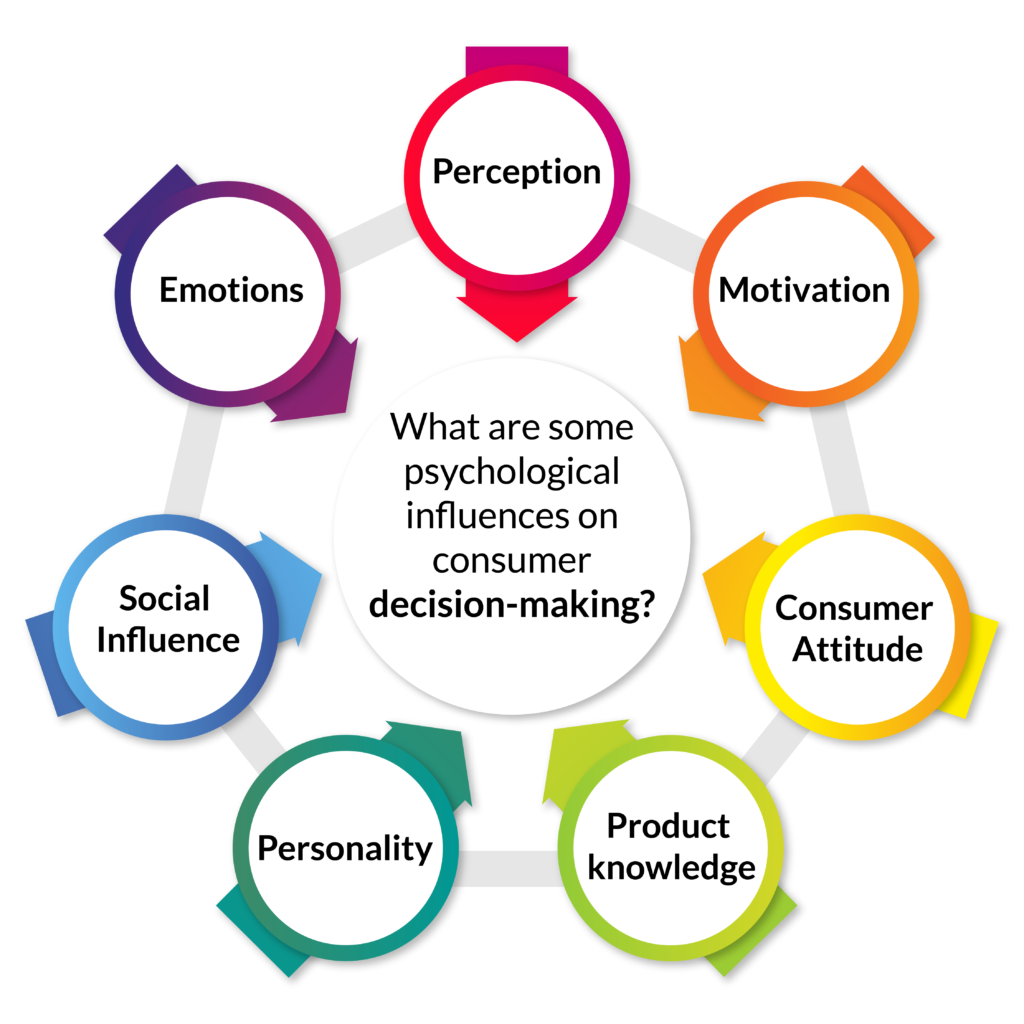
    The Psychology of Consumer Behaviour

    Perception

    Perception plays a vital role in consumer behavior. People tend to perceive products and brands based on their sensory experiences. This includes how a product looks, smells, sounds, and feels.

    Example: Imagine you’re in a grocery store, and you see two bottles of wine side by side. One has an elegant label, while the other has a plain, unattractive one. You’re more likely to choose the wine with the appealing label, even though you have no idea about the taste.

    Takeaway: Businesses can influence consumer perception by investing in product packaging, aesthetics, and overall presentation.

    Emotions

    Emotions have a powerful impact on purchasing decisions. People often buy products or services that make them feel a certain way. Marketers use emotional appeal to connect with consumers on a personal level.

    Example: Think about a heartwarming commercial for a charity organization featuring children and animals. This evokes empathy and a desire to contribute to the cause.

    Takeaway: Businesses can use emotional marketing to create a connection with their target audience and drive purchases.

    Social Influence

    Humans are inherently social creatures, and our purchasing decisions are often influenced by what others are doing. This phenomenon is known as social proof.

    Example: You’re more likely to try a new restaurant that’s always packed with customers than one that’s empty, assuming that many people can’t be wrong.

    Takeaway: Businesses can leverage social proof through customer reviews, testimonials, and showcasing popularity to attract more customers.

    Consumer Behaviour

    Cognitive Biases

    Cognitive biases are mental shortcuts that our brains take to make quick decisions. These biases can lead us to make irrational purchasing choices.

    Example: You might see a “limited-time offer” and feel a sense of urgency to buy a product, even if you didn’t plan to. This is known as the scarcity bias.

    Takeaway: Businesses can use cognitive biases like scarcity or anchoring (setting a high initial price to make a discount seem more appealing) to influence consumer behavior.

    Consumer Trust

    Trust is a critical factor in consumer behavior. People are more likely to buy from brands they trust. Trust can be built through consistent quality, transparency, and ethical business practices.

    Example: Consider a tech company known for its reliable products and excellent customer service. Consumers are more likely to buy their products because they trust the brand.

    Takeaway: Building and maintaining trust should be a priority for businesses aiming to influence purchasing decisions positively.

    Personalization

    Personalization tailors marketing messages and product recommendations to individual customers.

    Example: Online retailers like Amazon use algorithms to suggest products based on your past purchases and browsing history.

    Takeaway: Businesses can increase sales by offering personalized experiences that cater to individual customer preferences.

    Conclusion

    Understanding the psychology of consumer behavior is essential for businesses looking to influence purchasing decisions effectively. By leveraging principles such as perception, emotions, social influence, cognitive biases, trust, and personalization, companies can connect with their target audience on a deeper level. The key is to create positive experiences that resonate with consumers and make them more likely to choose your product or service over others.

  • Influencer Marketing Secrets: How to Partner with Influencers for Maximum Impact

    Influencer Marketing Secrets: How to Partner with Influencers for Maximum Impact

    In the ever-evolving landscape of digital marketing, influencer marketing has emerged as a powerful strategy to reach and engage target audiences. Partnering with influencers can be a game-changer for your brand, but it’s essential to understand the secrets behind a successful influencer marketing campaign. In this blog, we’ll delve into the world of influencer marketing, How to Partner with Influencers for Maximum Impact and reveal some key secrets to help you achieve maximum impact, with simple language and real-world examples.

    What Is Influencer Marketing?

    Influencer marketing is a form of collaboration between a brand and a social media influencer who has a dedicated and engaged following. The influencer promotes the brand’s products or services to their audience, leveraging their credibility and trust to drive sales, increase brand awareness, or achieve other marketing goals.

    Secret 1: Choose the Right Influencer

    The success of your influencer marketing campaign begins with selecting the right influencer. It’s not just about the number of followers but also about relevance and authenticity. You should consider the following:

    • Niche Alignment: Look for influencers whose niche aligns with your brand. For instance, if you sell fitness products, partnering with a fitness influencer makes more sense than a food blogger.
    • Audience Demographics: Analyze the influencer’s audience demographics to ensure they match your target audience. If you’re targeting young professionals, partnering with a teen-focused influencer might not be effective.

    Example: Let’s say you run a sustainable fashion brand. Partnering with an eco-conscious fashion influencer like Emma Watson, who has a passion for sustainability, would be an ideal choice.

    Secret 2: Authenticity is Key

    Authenticity is the cornerstone of influencer marketing. The influencer’s endorsement should feel genuine, not forced. Audiences can spot inauthenticity from a mile away, and it can damage your brand’s reputation.

    • Content Alignment: Allow influencers creative freedom. Their content should reflect their style and voice while showcasing your product naturally.

    Example: Consider Daniel Wellington, a watch brand that allows influencers to showcase their watches in various settings, letting the influencers integrate the product into their daily lives.

    Secret 3: Set Clear Goals and Expectations

    Before starting any influencer partnership, define your goals and expectations. Whether it’s driving website traffic, increasing sales, or boosting brand awareness, having clear objectives will guide your campaign.

    • Measurable KPIs: Establish key performance indicators (KPIs) to track the campaign’s success. For instance, if your goal is brand awareness, track metrics like impressions and reach.

    Example: Glossier, a beauty brand, collaborated with beauty influencers to generate buzz around their new product launch. Their goal was to create excitement and anticipation, measured through pre-launch engagement metrics and post-launch sales.

    Secret 4: Build Strong Relationships

    Long-term relationships with influencers can be more fruitful than one-off partnerships. Invest time in building trust and rapport with influencers. Remember, influencers have their brand to protect too.

    • Mutual Respect: Treat influencers as partners, not just tools for promotion. Respect their opinions and ideas, and compensate them fairly.

    Example: Coca-Cola has maintained a long-term partnership with Selena Gomez. By doing so, they’ve not only promoted their products but also built a lasting brand association with the pop star.

    Secret 5: Compliance and Transparency

    Influencer marketing is subject to regulations and guidelines. Ensure that influencers disclose their partnerships with your brand clearly. Compliance and transparency build trust with consumers.

    • FTC Guidelines: Familiarize yourself and your influencers with the Federal Trade Commission (FTC) guidelines on influencer marketing.

    Example: In 2017, Kim Kardashian faced backlash for not clearly labeling a sponsored Instagram post. Since then, she has been diligent about including #ad in her sponsored content, ensuring transparency.

    Secret 6: Measure and Optimize

    Once your campaign is live, regularly analyze the performance data. Use the insights to refine your strategy for future campaigns.

    • Analytics Tools: Utilize analytics tools provided by social media platforms to track engagement, conversions, and ROI.

    Example: Airbnb continually analyzes the success of their influencer partnerships by measuring bookings generated through influencer referrals. This data informs their future collaborations.

    In Conclusion

    Influencer marketing, when executed strategically, can yield significant results for your brand. By choosing the right influencer, prioritizing authenticity, setting clear goals, building relationships, ensuring compliance, and measuring success, you can unlock the full potential of influencer partnerships. Remember, each campaign is unique, and learning from both successes and failures is essential for continued growth in this dynamic marketing landscape.

    Read More –

    10 Proven Strategies for Explosive Social Media Growth – https://kamleshsingad.com/agency/10-proven-strategies-for-explosive-social-media-growth/

    The Art of Crafting Irresistible Clickbait: Dos and Don’ts – https://kamleshsingad.com/agency/the-art-of-crafting-irresistible-clickbait-dos-and-donts/

    How to Create Viral Content: A Step-by-Step Guide – https://kamleshsingad.com/agency/how-to-create-viral-content-a-step-by-step-guide/

  • The Art of Crafting Irresistible Clickbait: Dos and Don’ts

    The Art of Crafting Irresistible Clickbait: Dos and Don’ts

    Clickbait. We’ve all fallen for it at some point. Those tantalizing headlines and eye-catching thumbnails that lure us into clicking on an article or video. But what exactly is clickbait, and how can you craft it effectively without resorting to deceptive tactics? In this blog, we’ll explore the Art of Crafting Irresistible Clickbait, with a focus on dos and don’ts, using simple language and real-life examples.

    Understanding Clickbait

    Clickbait is content that is designed to grab your attention and entice you to click on it. It’s like the tantalizing aroma of your favorite food wafting through the air, making you hungry and eager to taste it. However, just like not all delicious-looking dishes are as satisfying as they seem, not all clickbait delivers what it promises.

    Dos

    1. Create Curiosity: One of the main tactics in crafting clickbait is sparking curiosity. Pose a question or make a statement that makes people wonder and want to know more. For instance:
    • Do You Know the Secret to a Long and Happy Life? This headline plays on people’s natural curiosity about longevity and happiness.
    1. Use Powerful Imagery: Visuals play a crucial role in clickbait. High-quality and relevant images or thumbnails can significantly increase the appeal of your content. Here’s an example:
    • Imagine an article about a spectacular meteor shower with a thumbnail showcasing a vivid night sky filled with shooting stars.
    1. Emphasize Benefits: People click on content because they believe it will benefit them in some way. Highlight the advantages or takeaways they can expect from consuming your content. For instance:
    • Discover 10 Life Hacks to Supercharge Your Productivity Here, the potential benefit is becoming more productive.
    1. Create Urgency: Encourage immediate action by implying that time is running out. This can be done through phrases like:
    • Limited Time Offer: Get 50% Off Your Dream Vacation The urgency suggests that if you don’t act quickly, you’ll miss out on a great deal.

    Don’ts

    1. Deception: The cardinal sin of clickbait is deceiving your audience. If your content doesn’t deliver what your headline promises, you’ll lose trust and credibility. Example:
    • Shocking Alien Encounter Caught on Tape! (When the video has no such encounter) This not only disappoints viewers but also damages your reputation.
    1. Overhype: While it’s okay to create excitement, avoid exaggerated claims that can’t be substantiated. People may click once, but they won’t trust your content in the future. Example:
    • The Most Mind-Blowing Discovery in Human History! (When it’s just a minor scientific breakthrough) Hyperbole can backfire.
    1. Misleading Thumbnails: Ensure that your thumbnail accurately represents the content. A misleading image can irritate viewers and lead to negative feedback. For example:
    • Using an image of a famous celebrity in a video that’s unrelated to them.
    1. Spammy Tactics: Avoid tactics like using excessive capitalization, multiple exclamation marks, or irrelevant keywords in your headlines. They make your content appear spammy and untrustworthy.

    The Balance Between Clickbait and Quality Content

    While crafting irresistible clickbait can boost your initial engagement, remember that the ultimate goal is to provide valuable, high-quality content. Clickbait may get people through the door, but it’s the substance of your content that will keep them coming back for more.

    Here are some final tips to strike that balance:

    • Deliver on Your Promise: If your clickbait promises a secret, a solution, or a revelation, make sure your content provides it.
    • Maintain Transparency: Be honest about what your content contains. Transparency builds trust, which is essential for long-term success.
    • Test and Refine: Experiment with different clickbait techniques, and analyze which ones work best for your audience. Continuously refine your approach based on data and feedback.

    In conclusion, The Art of Crafting Irresistible Clickbait, when used responsibly, can be a powerful tool for grabbing your audience’s attention. However, it should never come at the expense of honesty and quality. Craft your clickbait carefully, and you’ll be able to entice and engage your audience while building a reputation as a trustworthy content creator.

    Read More –

    15 Best WordPress Themes for Blogs in 2023 – https://kamleshsingad.com/agency/15-best-wordpress-themes-for-blogs-in-2023/

    The Future of Digital Marketing: Trends to Watch in 2023 – https://kamleshsingad.com/agency/the-future-of-digital-marketing-trends-to-watch-in-2023/

    10 Proven Strategies for Explosive Social Media Growth – https://kamleshsingad.com/agency/10-proven-strategies-for-explosive-social-media-growth/

  • Digital Marketing on a Budget | Code With Kamlesh Indore

    Digital Marketing on a Budget | Code With Kamlesh Indore

    In today’s fast-paced digital world, businesses of all sizes understand the importance of a robust online presence. Digital marketing has become the go-to strategy for reaching a wider audience, building brand recognition, and increasing revenue. However, many businesses, especially smaller ones, are often deterred by the high costs associated with digital marketing services. That’s where CWK Agency by Kamlesh Singad comes into the picture. Offering top-notch Digital Marketing on a Budget in Indore at an affordable price. In this blog, we’ll explore how CWK Agency can help your business grow without breaking the bank.

    Digital Marketing on a Budget

    CWK Agency is renowned for providing cost-effective digital marketing services tailored to the specific needs of your business. They understand that every company is unique, and a one-size-fits-all approach simply doesn’t work. Kamlesh Singad Agency offers a range of services that can be customized to suit your budget and goals.

    Services Offered

    Search Engine Optimization (SEO): SEO is crucial for improving your website’s visibility on search engines like Google. CWK Agency employs proven SEO strategies to help your website rank higher, drive organic traffic, and boost your online presence.

    Social Media Marketing: Social media platforms are powerful tools for engaging with your audience. They can create and manage compelling social media campaigns on platforms like Facebook, Instagram, Twitter, and LinkedIn to enhance your brand’s reach and engagement.

    Content Marketing: Quality content is the backbone of any successful digital marketing strategy. The agency can develop captivating and informative content, including blog posts, videos, and infographics, to engage your audience and establish your authority in your niche.

    Pay-Per-Click (PPC) Advertising: CWK Agency can create and manage PPC campaigns on platforms like Google Ads to drive targeted traffic to your website. You only pay when someone clicks on your ad, making it a cost-effective advertising option.

    Email Marketing: Stay in touch with your customers and prospects through email marketing campaigns. CWK Agency can help you design and execute email marketing strategies to nurture leads and drive conversions.

    Website Design and Development: A user-friendly website is essential for converting visitors into customers. CWK Agency can design and develop a professional website that reflects your brand and converts visitors into customers.

    Analytics and Reporting: The agency provides comprehensive analytics and reporting services to track the performance of your digital marketing campaigns. This data-driven approach allows for continuous optimization and improvement.

    Digital Marketing

    Why Choose CWK Agency?

    Affordability: CWK Agency understands the budget constraints of businesses, especially startups and small enterprises. They offer competitive pricing without compromising on the quality of services.

    Experienced Team: The agency boasts a team of experienced digital marketing professionals who are well-versed in the latest industry trends and best practices.

    Customized Solutions: Your business is unique, and so are your digital marketing needs. CWK Agency creates customized strategies that align with your goals and budget.

    Proven Track Record: This Agency has a successful track record of helping businesses in Indore and beyond achieve their digital marketing objectives.

    Transparency: They believe in transparency and keep you informed about the progress of your campaigns through regular reports and updates.

    Conclusion

    In the competitive world of digital marketing, CWK Agency stands out as an affordable and reliable partner for businesses looking to boost their online presence. Whether you’re a startup or an established company, their customized solutions can help you achieve your goals without breaking the bank. Don’t let budget constraints hold you back from reaching your full potential online. Choose Kamlesh Singad Agency as your trusted digital marketing partner in Indore.

    If you’re ready to take your digital marketing game to the next level, get in touch with CWK Agency today. And experience the benefits of professional, budget-friendly digital marketing services tailored to your unique needs.

  • Top Emerging Digital Marketing Trends You Must Know as a Marketer

    Top Emerging Digital Marketing Trends You Must Know as a Marketer

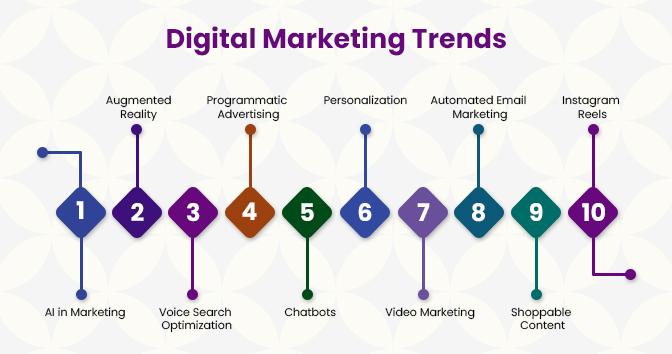
    In the fast-paced world of digital marketing, staying ahead of the curve is crucial for success. What worked yesterday may not work today, and as a marketer, you need to adapt to the ever-evolving landscape. In this blog, we’ll explore the top emerging digital marketing trends you must know as Digital Marketer, and we’ll break them down into simple language with real-world examples of Digital Marketer.

    Video Marketing Continues to Soar

    Video marketing is not new, but its significance is growing exponentially. People love watching videos, and platforms like YouTube, TikTok, and Instagram Reels are perfect examples of this trend.

    Example: Let’s say you run a small bakery. Instead of just posting pictures of your delicious treats, you could create short videos showcasing the baking process, customer reviews, or even behind-the-scenes footage. This engages your audience and gives them a more immersive experience.

    Conversational Marketing with Chatbots

    Chatbots are becoming smarter and more personalized. They can provide instant answers to customer queries, making user interactions smoother and more efficient.

    Example: If you have an e-commerce website, you can implement a chatbot that asks visitors what they are looking for and guides them to the right products. It can also handle frequently asked questions, reducing the workload on your customer support team.

    Also Read: 10 Powerful Reasons Why You Should Outsource Your Digital Marketing

    Digital Marketing Trends

    AI-Powered Personalization

    Artificial Intelligence (AI) is changing the game in digital marketing. AI algorithms can analyze user data to offer highly personalized content and product recommendations.

    Example: Think about Netflix. It uses AI to suggest movies and shows based on your viewing history. As a marketer, you can employ AI to send personalized email campaigns, tailored product recommendations, and even website content.

    Voice Search Optimization

    Voice assistants like Siri, Alexa, and Google Assistant are becoming increasingly popular. Optimizing your content for voice search is a must.

    Example: If you’re a local pizza restaurant, optimizing for voice search means focusing on long-tail keywords and answering questions like, “Where’s the nearest pizza place?” in your website content. This can help you rank higher when someone asks their voice assistant for pizza recommendations.

    Digital Marketing Trends

    Influencer Marketing Evolution

    Influencer marketing is not just about celebrities anymore. Micro-influencers (those with smaller but highly engaged followings) are gaining traction.

    Example: Instead of paying a celebrity chef to promote your kitchen gadgets, you could collaborate with a food blogger who has a dedicated audience of home cooks. Their recommendations are often perceived as more authentic and trustworthy.

    Augmented Reality (AR) and Virtual Reality (VR)

    AR and VR technologies are making their way into digital marketing. They allow consumers to interact with products and experiences in immersive ways.

    Example: Imagine you’re in the fashion industry. You could develop an AR app that lets customers “try on” clothes virtually before making a purchase. This enhances the online shopping experience and reduces return rates.

    User-Generated Content

    User-generated content (UGC) involves customers creating content related to your brand. It’s a powerful way to build trust and authenticity.

    Example: If you run a fitness brand, encourage your customers to share their workout videos or before-and-after photos on social media using a specific hashtag. You can then showcase this UGC on your website or social channels, demonstrating real people achieving real results with your products.

    Also Read: Advanced Digital Marketing Course in Indore | Learn with Code With Kamlesh Agency

    Data Privacy and Transparency

    With increasing concerns about data privacy, marketers need to be transparent about how they collect and use customer data.

    Example: Make sure your website clearly outlines your data collection practices and gives users the option to opt out. Being transparent builds trust, and customers are more likely to share their information if they know it’s handled responsibly.

    Conclusion

    The digital marketing landscape is dynamic, and staying updated on emerging trends is vital for success. From video marketing and chatbots to AI-powered personalization and AR/VR experiences, these trends offer exciting opportunities for Digital Marketer to connect with their audience in innovative ways. Embracing these trends and adapting your strategies accordingly can help you stay at the forefront of digital marketing and drive better results for your brand or business.

    Also Read: Advanced AI Digital Marketing Course in Indore by Code With Kamlesh

    Digital Marketing Trends