In today’s digital world, every business wants one thing—more leads and more customers. Whether you run a small shop, a startup, or a well-established company, getting consistent leads is the key to growth. This is where Social Media Marketing in AB Road, Indore plays a powerful role.
If you are struggling to get inquiries, low engagement, or not seeing results from your online presence, then it’s time to rethink your strategy. With the right approach and expert guidance from Code With Kamlesh Digital Marketing Agency, you can turn your social media into a lead-generating machine.
Let’s understand how.
Why Social Media Marketing is Important for Your Business
Social media is no longer just for entertainment. Platforms like Facebook, Instagram, and LinkedIn have become powerful tools for businesses.
Here’s why it matters:
People spend hours daily on social media
Customers search for brands before buying
Trust is built through consistent online presence
It is one of the most cost-effective marketing methods
If your business is not active on social media, you are already missing potential customers.
Using the right platform at the right time is crucial.
Real Benefits You Can Expect
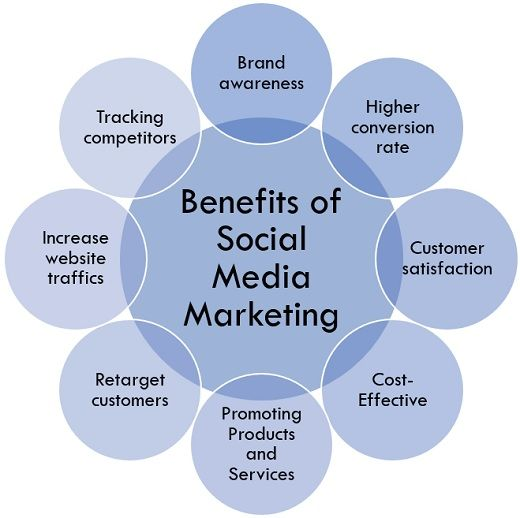
With expert Social Media Marketing in AB Road, Indore, you can achieve:
More leads and inquiries
Increased brand awareness
Better customer engagement
Higher sales
Strong online presence
Why Choose Kamlesh Singad?
Kamlesh Singad is known for practical and result-oriented digital marketing strategies.
Key strengths:
Real project experience
Data-driven approach
Focus on ROI
Personalized strategy
Instead of generic marketing, you get a custom solution for your business.
Who Should Use Social Media Marketing?
This service is ideal for:
Small business owners
Startups
Local shops
Service providers
Coaches and trainers
Real estate agents
If you want more customers, social media marketing is a must.
Tips to Improve Your Social Media Presence
Even if you are starting, follow these tips:
1. Post Regularly
Consistency builds trust.
2. Use High-Quality Images
Visual content performs better.
3. Engage with Audience
Reply to comments and messages.
4. Use Local Keywords
Like “Social Media Marketing in AB Road, Indore”.
5. Run Targeted Ads
Organic reach alone is not enough.
Mistakes to Avoid
Avoid these common mistakes:
Ignoring analytics
Posting without strategy
Targeting everyone instead of a niche
Not using paid ads
Inconsistent branding
Fixing these can improve your results quickly.
Future of Social Media Marketing
Social media is growing rapidly. Trends to watch:
Short video content (Reels)
AI-based marketing
Personalized ads
Influencer collaborations
Businesses that adapt early will grow faster.
Final Thoughts
If you want to grow your business and generate consistent leads, then investing in Social Media Marketing in AB Road, Indore is a smart decision.
Instead of wasting time and money on trial and error, working with experts like Code With Kamlesh Digital Marketing Agency can give you faster and better results.
With the right strategy, content, and targeting, your business can:
Reach the right audience
Build trust
Generate leads
Increase sales
And most importantly, grow continuously.
FAQs
1. What is Social Media Marketing and how does it help generate leads?
Social Media Marketing helps promote your business on platforms like Facebook and Instagram. It attracts the right audience, builds trust, and converts them into leads through ads, content, and engagement.
2. Why is Social Media Marketing in AB Road, Indore important for local businesses?
Social Media Marketing in AB Road, Indore helps businesses target nearby customers with high buying intent, increasing chances of getting more leads and sales.
3. How can Code With Kamlesh Digital Marketing Agency help my business grow?
They create customized strategies, run targeted ads, and optimize campaigns to generate high-quality leads and improve your overall online presence.
4. Who is Kamlesh Singad and why should I choose him?
Kamlesh Singad is an experienced Digital Marketer in Indore known for delivering result-driven strategies focused on lead generation and business growth.
5. How long does it take to see results from Social Media Marketing?
Results usually start within a few weeks, but consistent and optimized campaigns over 2–3 months bring the best long-term lead generation and growth.
In today’s digital world, every business wants to grow fast, get more customers, and increase profits. But without the right strategy, it becomes very difficult. This is where a Marketing Consultant plays an important role.
In this blog, we will understand how a Digital Marketer in Indore can help your business grow and why hiring a marketing consultant is a smart decision in 2026.
What is a Marketing Consultant?
A Marketing Consultant is an expert who helps businesses improve their marketing strategies. They analyze your business, understand your audience, and create a plan to increase your sales and brand awareness.
Instead of guessing what works, a marketing consultant uses data, tools, and experience to give you the best results.
Why Businesses in Indore Need a Marketing Consultant
Indore is growing fast as a business hub. Many startups, small businesses, and companies are competing online. Without proper marketing, it is easy to get lost in the crowd.
Here are some reasons why you need a Marketing Consultant in Indore:
1. High Competition
Every business is going online. To stand out, you need expert strategies.
2. Changing Digital Trends
Marketing trends change quickly. A Digital Marketer in Indore stays updated with the latest tools and techniques.
3. Save Time and Money
Instead of trying random strategies, a consultant helps you invest in what actually works.
Code With Kamlesh Digital Marketing Agency is one of the growing digital marketing agencies in Indore. Founded by kamlesh singad, the agency focuses on delivering real results for businesses.
They provide services like:
SEO (Search Engine Optimization)
Social Media Marketing
Google Ads
Lead Generation
Website Development
Content Marketing
The main goal of the agency is simple: help businesses grow faster with smart marketing strategies.
Understanding your business, goals, and competition.
Step 2: Market Research
Finding your target audience and their needs.
Step 3: Strategy Planning
Creating a customized marketing plan.
Step 4: Execution
Running campaigns, SEO, ads, and content.
Step 5: Monitoring & Optimization
Checking results and improving performance.
Benefits of Hiring a Marketing Consultant
1. Expert Guidance
You get advice from someone who understands marketing deeply.
2. Better ROI
Your money is invested in the right strategies.
3. Faster Growth
With proper planning, your business grows quickly.
4. Focus on Your Business
You can focus on operations while the consultant handles marketing.
Marketing Trends in 2026
To stay ahead, you need to follow the latest trends:
1. AI in Marketing
Automation tools are making marketing faster and smarter.
2. Video Content
Short videos are dominating social media.
3. Voice Search Optimization
People are using voice search more than typing.
4. Personalization
Customers expect personalized experiences.
A Digital Marketer in Indore like kamlesh singad understands these trends and uses them effectively.
Common Mistakes Businesses Make
Many businesses fail because of simple mistakes:
No clear strategy
Ignoring SEO
Not using social media properly
Running ads without planning
Not tracking results
A Marketing Consultant helps you avoid these mistakes.
Case Example (Simple Understanding)
Let’s say you own a local business in Indore.
Without marketing:
No website traffic
No leads
Low sales
With Code With Kamlesh Digital Marketing Agency:
Website ranks on Google
Leads increase
Sales grow
This shows the power of expert marketing.
How to Get Started
If you want to grow your business, follow these steps:
Contact a Marketing Consultant
Discuss your business goals
Get a customized strategy
Start marketing campaigns
Track your growth
Why Local Businesses Trust Digital Marketers in Indore
Local experts understand:
Market behavior
Customer preferences
Local competition
This makes strategies more effective.
Future of Digital Marketing in Indore
Indore is becoming a digital city. More businesses are going online.
In the future:
Online competition will increase
Digital marketing will become essential
Businesses without online presence will struggle
So, hiring a Marketing Consultant in Indore is not an option—it is a necessity.
Final Thoughts
If you want real business growth, you need the right strategy and expert guidance. A professional Marketing Consultant can completely transform your business.
With the help of kamlesh singad and Code With Kamlesh Digital Marketing Agency, you can:
Increase your online visibility
Get more leads
Grow your brand
Boost your sales
Whether you are a startup or an established business, investing in a Digital Marketer in Indore is one of the best decisions you can make in 2026.
FAQs
1. What services does a Marketing Consultant provide? A Marketing Consultant helps with SEO, social media marketing, Google Ads, lead generation, and creating strategies to grow your business.
2. Why should I hire a Digital Marketer in Indore for my business? A Digital Marketer in Indore understands the local market, audience behavior, and competition, which helps in creating effective marketing strategies.
3. How does Code With Kamlesh Digital Marketing Agency help in business growth? Code With Kamlesh Digital Marketing Agency uses result-driven strategies like SEO, paid ads, and content marketing to increase traffic, leads, and sales.
4. How long does it take to see results from digital marketing? SEO takes around 3–6 months for long-term results, while paid ads can generate leads and traffic instantly.
5. Is hiring a Marketing Consultant worth it for small businesses? Yes, a Marketing Consultant helps small businesses save time, reduce costs, and achieve faster growth with the right strategies.
In today’s digital world, Social Media Marketingis not just an option—it is a powerful tool to grow any business fast. Whether you run a small startup or a big company, social media platforms like Instagram, Facebook, LinkedIn, and YouTube can help you reach thousands of potential customers every day.
But here is the truth: Just posting regularly is not enough anymore.
To get real results like leads, sales, and brand growth, you need advanced strategies. That’s where experts like kamlesh singadand the code with kamlesh (CWK) agency indore come in. As a leading Digital Marketer in Indore, they focus on result-driven techniques that actually work in today’s competitive market.
In this blog, you will learn 6 advanced social media marketing tips that can help you grow your business faster.
1. Focus on Content That Solves Problems
The biggest mistake many businesses make is posting random content. If your content is not useful, people will scroll past it.
Led by kamlesh singad, a trusted Digital Marketer in Indore, the agency focuses on real results and business growth.
Final Thoughts
Social media is changing every day. If you want to grow your business fast, you need to use advanced strategies, not just basic posting.
Let’s quickly recap the 6 tips:
Create value-driven content
Focus on short videos
Use analytics
Build personal brand
Run paid ads
Engage with your audience
When you apply these strategies consistently, you will see real growth in your business.
If you are serious about success, learning from experts like kamlesh singad and working with code with kamlesh (CWK) agency indore can make a big difference.
Start today, stay consistent, and grow your business with smart Social Media Marketing strategies.
FAQs
1. What is Social Media Marketing and why is it important for business?
Social Media Marketing is the process of promoting your business on platforms like Instagram, Facebook, and LinkedIn. It helps increase brand awareness, generate leads, and grow sales faster in today’s digital world.
2. How can a Digital Marketer in Indore help grow my business?
A professional Digital Marketer in Indore like kamlesh singad can create result-driven strategies, run ads, manage content, and help you reach the right audience to grow your business quickly.
3. Why should I choose Code With Kamlesh (CWK) agency Indore?
code with kamlesh (CWK) agency indore provides expert social media marketing services, practical training, and lead generation strategies that focus on real business growth and ROI.
4. Which social media platform is best for business growth?
It depends on your business type:
Instagram – best for visuals and reels
Facebook – good for ads and local audience
LinkedIn – best for B2B marketing Using multiple platforms together gives better results in Social Media Marketing.
5. How often should I post on social media for better results?
For consistent growth, you should:
Post 4–5 times per week
Upload reels regularly
Stay active with stories daily
Consistency is key to success in Social Media Marketing.
In the age of digital transformation, social media has evolved from a communication tool into a critical marketing weapon. Whether you’re a solopreneur or an enterprise, leveraging Social Media Marketing (SMM) is essential for brand growth, engagement, and conversions. In Module 3 of the Digital Marketing Course by Kamlesh Singad, powered by CWK Agency, we dive deep into Social Media Strategy, how to create result-driven campaigns for different platforms.
In this blog, you will learn:
What is social media marketing
The importance of planning platform-specific campaigns
Strategies for Facebook, Instagram, LinkedIn, YouTube, Twitter, Pinterest, and WhatsApp
Real-world campaign examples
Tools to use
How Kamlesh Singad and CWK Agency deliver results using smart social strategies
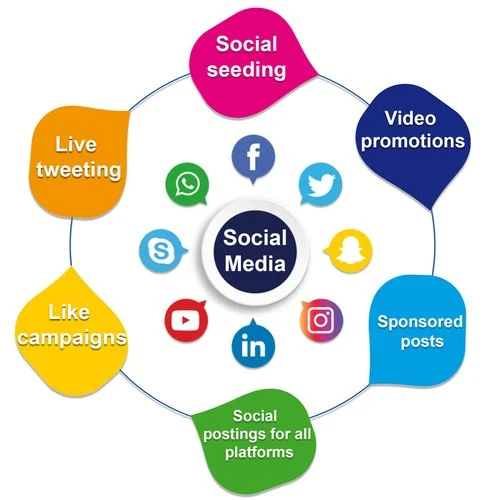
Social Media Marketing (SMM) refers to the process of promoting products, services, or content using social media platforms such as Facebook, Instagram, LinkedIn, YouTube, and others. It encompasses a range of tactics like content creation, paid ads, influencer partnerships, and community engagement.
At its core, SMM is about understanding your audience, creating content that resonates, and delivering it on the right platform with the right message.
Why Campaigns Need to Be Platform-Specific
Each platform serves a unique user base with distinct behavior, preferences, and expectations. A strategy that works on Instagram might flop on LinkedIn. Therefore, building platform-specific campaigns for different platforms is key to increasing effectiveness and ROI.
“Social media is not just about ‘likes’—it’s about delivering value and building trust. Create with purpose, analyze relentlessly, and adapt quickly. That’s the CWK way.” — Kamlesh Singad
Final Words: The Future of Social Media Marketing
The landscape of Social Media Marketing is constantly evolving. New platforms emerge, algorithms change, and user behavior shifts. What remains constant is the need for tailored campaigns for different platforms—a strategy that puts the user first.
Whether you’re building a personal brand, scaling an agency like CWK, or starting your journey as a student in the Kamlesh Singad Digital Marketing Course, always remember: Strategy without data is just guesswork.
FAQs
Q1. What is social media marketing? Social media marketing is using platforms like Facebook, Instagram, and LinkedIn to promote your brand, engage users, and drive sales.
Q2. Why do campaigns need to be different for each platform? Each platform has a unique audience, content format, and user behavior, requiring a customized strategy to be effective.
Q3. Who is Kamlesh Singad? Kamlesh Singad is a digital marketing educator, founder of CWK Agency, and mentor to thousands of students in India and abroad.
Q4. What tools help manage social media campaigns? Meta Ads Manager, Hootsuite, Canva, Google Analytics, and WhatsApp Business are among the top tools for SMM.
Q5. How can CWK Agency help? CWK Agency offers end-to-end social media campaign planning, execution, and performance optimization under the leadership of Kamlesh Singad.
In the digital age, social media has become one of the most powerful tools for businesses and individuals to establish and grow their online presence. Whether you’re a small business owner, an influencer, or a marketing professional, social media management is essential for connecting with your audience, building your brand, and driving engagement. However, mastering the art of social media can seem daunting, given the constant evolution of platforms and algorithms. This guide aims to simplify social media management 101 by breaking down the fundamentals, providing you with actionable tips, and highlighting essential tools to help you succeed.
Understanding the Importance of Social Media Management 101
In today’s interconnected world, having a strong social media presence is crucial for any brand. Social media management involves not only posting content but also actively engaging with your audience, analyzing data, and adjusting strategies to meet your business goals.
Why Social Media Matters:
Reach and Visibility: Social media platforms like Facebook, Instagram, Twitter, and LinkedIn have billions of users worldwide. Establishing a presence on these platforms allows you to reach a larger audience than traditional marketing methods.
Brand Awareness: A well-managed social media profile can significantly increase brand visibility. Consistent content creation, engagement, and interaction help build a strong brand identity.
Customer Engagement: Social media allows for direct communication with your audience, providing an opportunity to build relationships, gather feedback, and respond to customer concerns in real-time.
In essence, social media is the bridge between your brand and its audience. Mastering it can elevate your business by turning casual visitors into loyal followers and, eventually, customers.
Effective social media management rests on several key pillars: content creation, engagement, analytics, and adaptation. Each one plays a vital role in shaping a cohesive and impactful strategy.
Content Creation: The Heart of Social Media Content is the backbone of any social media strategy. Your posts, stories, and videos must reflect your brand’s message while engaging your audience.
Key Considerations for Content Creation:
Consistency: Posting regularly is crucial for maintaining an active presence. Use a content calendar to ensure you’re posting consistently across all platforms.
Variety: Mix different types of content—such as images, videos, articles, infographics, and stories—to keep your audience engaged. Different platforms favor different types of content, so tailor your posts accordingly.
Value: Ensure that your content provides value to your audience, whether it’s through education, entertainment, or inspiration. The goal is to create posts that resonate with your followers.
Engagement: Building Relationships Engagement goes beyond likes and shares. It involves responding to comments, engaging in conversations, and even participating in relevant discussions within your niche. High engagement signals to algorithms that your content is valuable, increasing its visibility.
Tips for Increasing Engagement:
Respond Promptly: Interact with followers who comment on your posts, answer their questions, and acknowledge feedback.
Encourage Interaction: Use call-to-actions (CTAs) to encourage likes, shares, and comments. Posing questions or running polls are great ways to spark interaction.
Humanize Your Brand: People connect with people, not logos. Show behind-the-scenes content or use humor and relatability to engage with your audience on a personal level.
Analytics: Measuring Success To master social media management, you must regularly analyze your performance. Without data, you’re essentially guessing what works and what doesn’t.
Important Metrics to Track:
Engagement Rate: This measures how actively people interact with your content. High engagement rates usually indicate that your content resonates with your audience.
Follower Growth: Tracking the increase or decrease in followers helps you gauge the overall appeal of your profile over time.
Reach and Impressions: Reach refers to the number of unique users who see your post, while impressions indicate how many times your content has been displayed.
Click-Through Rate (CTR): This tracks how often people click on the links you share. It’s especially important for driving traffic to your website or landing page.
Adaptation: Staying Agile Social media is constantly evolving, and so should your strategy. Algorithms change, new features are added, and audience preferences shift. Staying agile and ready to adapt your approach is key to long-term success.
How to Stay Agile:
Stay Informed: Follow industry blogs, social media experts, and platform updates to stay ahead of changes.
Test New Features: Platforms like Instagram, TikTok, and LinkedIn regularly introduce new tools or content formats. Experiment with these to see if they boost engagement or reach.
Refine Your Strategy: Regularly review your performance analytics and adjust your content, posting schedule, or audience targeting to align with the latest trends and data.
Not all social media platforms are created equal, and not every platform is suitable for every business. Selecting the right platforms is a crucial first step in any social media management strategy.
Popular Social Media Platforms:
Facebook: With over 2.8 billion monthly users, Facebook is an excellent platform for businesses that want to reach a broad demographic. It’s versatile, allowing for text posts, videos, images, and even e-commerce integration.
Instagram: Ideal for brands with a strong visual identity, Instagram is especially popular among younger audiences. Features like Stories, Reels, and IGTV make it a great platform for creative content.
Twitter: Twitter’s fast-paced environment is perfect for real-time updates, customer service, and engaging with trending topics. Brands in tech, news, and entertainment often thrive on this platform.
LinkedIn: As a professional network, LinkedIn is ideal for B2B businesses, thought leadership, and industry-related content.
TikTok: One of the fastest-growing platforms, TikTok is highly engaging and perfect for brands targeting Gen Z with short, viral videos.
How to Choose the Right Platform:
Know Your Audience: Understand where your target audience spends their time online. For instance, if your demographic is Gen Z, TikTok might be your best bet, while LinkedIn is better suited for B2B interactions.
Platform Strengths: Consider each platform’s strengths and weaknesses. Instagram is great for visuals, while Twitter excels in short-form updates.
Content-Type Alignment: Choose platforms that align with the content you’re producing. If you’re focusing on video marketing, platforms like Instagram, YouTube, and TikTok will be a better fit.
Creating a Social Media Strategy: A Step-by-Step Guide
To effectively manage social media, you need a well-defined strategy. It’s not enough to post random content and hope for engagement. A clear, cohesive strategy ensures that your efforts align with your business goals.
Step 1: Define Your Goals Every social media strategy should begin with clear, actionable goals. These might include:
Increasing brand awareness.
Driving traffic to your website.
Generating leads or sales.
Growing a community around your brand.
Step 2: Know Your Audience You can’t create content that resonates with your audience if you don’t understand who they are. Create detailed audience personas that define your target demographics, interests, behaviors, and pain points.
Step 3: Develop a Content Plan Once you’ve defined your goals and audience, develop a content plan that outlines the type of content you’ll create, how often you’ll post, and which platforms you’ll focus on. Consistency is key, so create a content calendar to organize your posts.
Step 4: Leverage Social Media Tools There are numerous tools available to help you manage your social media more efficiently. These tools can automate posting, analyze performance, and even help with content creation.
Popular Social Media Management Tools:
Hootsuite: Offers scheduling, analytics, and monitoring features across multiple platforms.
Buffer: Helps schedule posts, track performance, and manage engagement.
Canva: A graphic design tool that allows you to create stunning visuals for social media posts.
Sprout Social: An all-in-one platform for social media management, scheduling, and analytics.
Step 5: Track and Adjust After implementing your strategy, consistently track your performance and make adjustments as needed. Analyze what’s working and what’s not, and refine your approach based on data.
Best Practices for Successful Social Media Management
Be Authentic: Authenticity builds trust. Show your brand’s personality and be transparent in your communications. Avoid overly promotional content; instead, focus on building relationships with your audience.
Post at Optimal Times: Posting at the right time can increase your content’s visibility. Use analytics to determine when your audience is most active and schedule posts during these times.
Use Hashtags Strategically: Hashtags can expand the reach of your posts, but using too many can look spammy. Use relevant, targeted hashtags to reach a broader audience without overwhelming your message.
Collaborate with Influencers: Partnering with influencers can help you tap into their audience and gain credibility. Choose influencers who align with your brand values and audience.
Host Contests and Giveaways: Contests and giveaways are excellent for increasing engagement
and growing your audience. Make participation easy and encourage sharing to maximize reach.
Conclusion
Mastering social media management requires a mix of creativity, strategic thinking, and a keen understanding of your audience. Whether you’re just getting started or looking to refine your approach, the tips and strategies outlined in this guide will help you build and maintain a strong online presence. By focusing on consistent content creation, genuine engagement, data-driven analytics, and agility, you’ll be well on your way to social media success.
Social media is a dynamic and constantly evolving field, but with the right approach, you can navigate it with confidence and ensure your brand stands out in the crowded digital landscape.
Social media marketing has revolutionized the way brands interact with their audience. By leveraging the power of social media platforms, businesses can reach a wider audience, build stronger relationships, and ultimately enhance their brand presence online.
Introduction
In today’s digital age, social media marketing is not just a trend; it’s a necessity. From small businesses to multinational corporations, the strategic use of social media can significantly impact a brand’s visibility and customer engagement. This article delves into the importance of social media marketing and provides actionable strategies to effectively build and promote your brand online.
The Importance of Social Media Marketing
Social media marketing plays a pivotal role in today’s business landscape. It allows brands to communicate directly with their audience, fostering a sense of community and trust. The real-time nature of social media means that brands can stay current, engage in conversations, and respond to customer inquiries instantly. This immediate interaction not only enhances customer satisfaction but also builds brand loyalty.
Choosing the Right Platforms
Identifying Your Target Audience
Before diving into social media marketing, it’s crucial to understand who your target audience is. Analyzing demographics, interests, and online behavior can help you determine where your potential customers are most active. Platforms like Facebook, Instagram, LinkedIn, and Twitter cater to different audiences, so selecting the right ones is essential for effective engagement.
Selecting the Best Platforms for Your Brand
Not all social media platforms are created equal. Each has its own strengths and caters to specific types of content and audiences. For instance, Instagram is ideal for visually appealing content, while LinkedIn is best for professional networking. Assessing your brand’s needs and aligning them with the strengths of each platform will help you maximize your reach and impact.
Developing a Social Media Strategy
Setting Clear Goals and Objectives
A successful social media strategy starts with clear, measurable goals. Whether it’s increasing brand awareness, driving website traffic, or boosting sales, having specific objectives helps guide your efforts and measure success. Define what you want to achieve and set realistic, time-bound targets.
Creating a Content Calendar
Consistency is key in social media marketing. A content calendar helps you plan and organize your posts, ensuring a steady stream of content. This not only keeps your audience engaged but also helps in maintaining a cohesive brand message. Plan your content around key dates, events, and campaigns to stay relevant and timely.
Creating Engaging Content
The Role of Visuals in Social Media
Visual content is more likely to be shared and remembered. High-quality images, videos, and graphics can significantly boost your engagement rates. Invest in professional photography and design to create visually appealing content that resonates with your audience.
Crafting Compelling Captions
Captions are just as important as visuals. They provide context, evoke emotions, and encourage interaction. Crafting compelling captions that align with your brand voice and message can enhance the impact of your posts. Use storytelling techniques, ask questions, and include calls to action to engage your audience.
Utilizing User-Generated Content
User-generated content (UGC) is a powerful tool in social media marketing. It not only provides social proof but also engages your audience by making them a part of your brand story. Encourage your followers to share their experiences with your products and feature their content on your social media pages.
Building a Consistent Brand Voice
Establishing Brand Guidelines
Consistency in brand voice and aesthetics is crucial for building a recognizable brand. Establish clear brand guidelines that outline your tone, style, and visual elements. This ensures that all your social media posts are aligned and reinforce your brand identity.
Maintaining Consistency Across Platforms
While each social media platform has its own unique features, maintaining a consistent brand voice across all of them is essential. Tailor your content to suit the platform while ensuring that your brand’s personality and message remain consistent. This helps in building a strong and cohesive brand image.
Leveraging Influencers
Identifying the Right Influencers
Influencers can significantly amplify your brand’s reach and credibility. Identify influencers whose audience aligns with your target market and whose values match your brand’s. Collaborating with the right influencers can lead to authentic endorsements and a more engaged audience.
Collaborating Effectively
Effective collaboration with influencers involves more than just paying for a post. Work closely with them to create content that feels genuine and resonates with their followers. Provide creative freedom while ensuring that your brand message is communicated effectively. This collaborative approach leads to more authentic and impactful campaigns.
Utilizing Social Media Advertising
The Basics of Paid Advertising
Paid social media advertising allows you to reach a larger and more targeted audience. Start with understanding the basics, such as different ad formats, budgeting, and targeting options. Platforms like Facebook, Instagram, and LinkedIn offer robust advertising tools to help you achieve your marketing goals.
Advanced Targeting Techniques
Advanced targeting techniques enable you to reach specific segments of your audience based on demographics, interests, behaviors, and more. Utilize features like lookalike audiences, retargeting, and custom audiences to optimize your ad campaigns and achieve better results.
Engaging with Your Audience
Importance of Timely Responses
Timely responses to comments, messages, and mentions show that you value your audience’s input and are attentive to their needs. This not only builds trust but also encourages more engagement. Set up notifications and allocate time for regular interaction to stay responsive.
Encouraging Interaction and Feedback
Encouraging interaction and feedback fosters a sense of community and helps you understand your audience better. Ask questions, create polls, and invite your followers to share their thoughts and experiences. This not only increases engagement but also provides valuable insights for your brand.
Analyzing Performance Metrics
Key Metrics to Track
Tracking performance metrics is essential to understand the effectiveness of your social media efforts. Key metrics include engagement rates, reach, impressions, click-through rates, and conversions. Regularly analyzing these metrics helps you identify what’s working and where there’s room for improvement.
Adjusting Strategies Based on Data
Data-driven decision-making is crucial in social media marketing. Use insights from performance metrics to adjust your strategies. Experiment with different types of content, posting times, and ad campaigns to find what resonates best with your audience. Continuously optimizing based on data helps in achieving better results.
Staying Updated with Trends
Monitoring Social Media Trends
Social media is constantly evolving, with new trends emerging regularly. Staying updated with the latest trends helps you keep your content fresh and relevant. Follow industry leaders, join relevant groups, and participate in discussions to stay informed about what’s trending.
Adapting Your Strategy Accordingly
Adaptability is key in social media marketing. Be open to trying new trends and adjusting your strategy accordingly. Whether it’s incorporating new features, adopting new content formats, or exploring new platforms, staying flexible helps you stay ahead of the competition and keep your audience engaged.
Social Media Marketing Tools
Essential Tools for Management
Managing multiple social media accounts can be challenging. Essential tools like Hootsuite, Buffer, and Sprout Social help you schedule posts, monitor engagement, and analyze performance from a single dashboard. These tools streamline your efforts and improve efficiency.
Tools for Content Creation
Creating high-quality content consistently requires the right tools. Use tools like Canva for graphic design, Adobe Spark for video creation, and Grammarly for proofreading. These tools help you produce professional and engaging content without needing extensive design skills.
Case Studies of Successful Campaigns
Analyzing Big Brand Successes
Studying successful social media campaigns from big brands provides valuable insights. Analyze what made these campaigns successful, such as their strategy, creativity, and execution. Brands like Nike, Starbucks, and Airbnb have set benchmarks in social media marketing that can inspire your own efforts.
Learning from Small Business Triumphs
Small businesses often achieve great success on social media with limited resources. Learn from their innovative approaches, community engagement, and authentic storytelling. These case studies show that creativity and authenticity can outweigh budget constraints in social media marketing.
Common Mistakes to Avoid
Navigating the dynamic landscape of social media marketing requires not only a robust strategy but also an awareness of potential pitfalls. Even seasoned marketers can make mistakes that hinder their efforts. Here are some common mistakes to avoid to ensure your social media marketing strategy is effective and efficient.
Over-Promotion and Under-Engagement
One of the most frequent mistakes in social media marketing is focusing too heavily on promotion and not enough on engagement. Brands often flood their feeds with sales pitches, product announcements, and promotional content, neglecting the interactive and social nature of these platforms. While it’s essential to promote your products and services, balance is key. Engaging content that informs, entertains, and involves your audience should make up a significant portion of your social media presence.
Over-promotion can lead to audience fatigue, where followers feel overwhelmed and disconnected from the brand. To avoid this, adopt the 80/20 rule: 80% of your content should be engaging and informative, and only 20% should be directly promotional. This approach fosters a more genuine connection with your audience and keeps them interested in your brand.
Neglecting Analytics
Another major mistake is neglecting the wealth of data available through social media analytics. Without tracking and analyzing performance metrics, it’s impossible to know what’s working and what isn’t. Many brands post content blindly without evaluating its impact, missing out on crucial insights that could enhance their strategy.
Analytics tools provide valuable data on engagement rates, reach, impressions, click-through rates, and conversions. Regularly reviewing these metrics allows you to understand your audience better, identify successful content, and adjust your strategy accordingly. Ignoring this data can lead to wasted efforts and missed opportunities.
Ignoring Audience Feedback
Social media is a two-way street. Ignoring feedback from your audience can severely damage your brand’s reputation and trust. Whether it’s comments on posts, direct messages, or mentions, timely and thoughtful responses are essential. Failing to acknowledge your audience’s feedback can make them feel undervalued and lead to decreased engagement.
Positive feedback should be celebrated and shared to build community spirit, while negative feedback should be addressed promptly and constructively. Use feedback as a tool for improvement, showing your audience that you value their opinions and are committed to enhancing their experience.
Inconsistent Posting
Inconsistency in posting can harm your social media presence. Brands that post irregularly risk losing their audience’s interest and engagement. On the other hand, over-posting can overwhelm your followers and lead to disengagement. Finding the right balance and maintaining a consistent posting schedule is crucial for keeping your audience engaged.
Creating a content calendar can help maintain consistency. Plan your posts around key dates, events, and campaigns, ensuring a steady stream of content that keeps your audience interested and engaged. Consistent posting also helps in building a reliable and recognizable brand image.
Failing to Adapt to Platform Trends
Social media platforms constantly evolve, introducing new features and trends. Failing to adapt to these changes can make your brand appear outdated and out of touch. For example, ignoring trends like Stories, Reels, or new interactive features can limit your engagement potential and audience reach.
Stay informed about the latest trends and updates on each platform. Experiment with new features to see how they resonate with your audience. Being an early adopter of trends can give you a competitive edge and keep your content fresh and engaging.
Not Defining Clear Goals
Without clear goals, it’s challenging to measure the success of your social media efforts. Many brands jump into social media marketing without defining what they want to achieve, leading to scattered efforts and inconsistent results. Clear, measurable goals provide direction and help in evaluating the effectiveness of your strategy.
Define specific objectives, such as increasing brand awareness, driving website traffic, or boosting sales. These goals should be SMART (Specific, Measurable, Achievable, Relevant, and Time-bound) to ensure they are actionable and trackable. Regularly review and adjust your goals based on your performance and business needs.
Overlooking the Importance of Visual Content
In the visually driven world of social media, neglecting the quality and appeal of your visual content can be a significant mistake. Poor-quality images, unappealing graphics, and uninspired videos can turn off your audience and diminish your brand’s credibility. High-quality, visually appealing content is crucial for capturing attention and driving engagement.
Invest in professional photography, graphic design, and video production to enhance the visual appeal of your content. Use tools like Canva or Adobe Spark to create eye-catching graphics and videos. Remember, first impressions matter, and visual content is often the first thing your audience notices.
Ignoring Competitor Analysis
Ignoring what your competitors are doing on social media can put you at a disadvantage. Competitor analysis provides valuable insights into what works and what doesn’t in your industry. By understanding your competitors’ strategies, you can identify opportunities, avoid their mistakes, and differentiate your brand.
Regularly monitor your competitors’ social media activities, including their content, engagement rates, and follower growth. Analyze their successful campaigns and learn from their missteps. This information can help you refine your own strategy and stay ahead in the competitive landscape.
Lack of Authenticity
In an era where consumers value authenticity, brands that fail to be genuine can quickly lose trust and credibility. Overly polished, salesy, or inauthentic content can alienate your audience. Authenticity involves being true to your brand values, showing behind-the-scenes content, and engaging with your audience in a human and relatable manner.
Showcase your brand’s personality, share real stories, and connect with your audience on a personal level. Authenticity builds trust and fosters a loyal community that resonates with your brand’s mission and values.
Underestimating the Power of Influencers
Underestimating the influence of social media influencers can limit your brand’s reach and impact. Influencers have dedicated followings that trust their recommendations. Collaborating with the right influencers can significantly boost your brand’s visibility and credibility.
Identify influencers whose audience aligns with your target market and values. Develop genuine partnerships that allow influencers to create authentic content for their followers. Properly leveraging influencer marketing can amplify your brand message and drive significant engagement.
Conclusion
Avoiding these common mistakes can greatly enhance the effectiveness of your social media marketing efforts. By focusing on engagement, utilizing analytics, adapting to trends, and maintaining authenticity, you can build a strong, recognizable brand that resonates with your audience. Stay informed, be strategic, and continuously refine your approach to achieve lasting success in the ever-evolving world of social media marketing.
FAQs
What are the best platforms for social media marketing?
The best platforms depend on your target audience and business goals. Facebook and Instagram are great for visual content, LinkedIn is ideal for B2B networking, and Twitter excels in real-time updates. Analyze where your audience is most active to choose the best platforms for your brand.
How often should I post on social media?
Posting frequency varies by platform and audience. Generally, posting once per day on Facebook and Instagram, multiple times a day on Twitter, and a few times a week on LinkedIn works well. Consistency is more important than frequency, so find a schedule that you can maintain.
What kind of content performs best on social media?
Visual content, such as images and videos, tends to perform best. Engaging captions, stories, and user-generated content also drive higher engagement. Experiment with different types of content to see what resonates most with your audience.
How can I measure the success of my social media campaigns?
Success can be measured using various metrics, including engagement rates, reach, impressions, click-through rates, and conversions. Setting clear goals and using analytics tools to track these metrics will help you evaluate the effectiveness of your campaigns.
What is the role of influencers in social media marketing?
Influencers can amplify your brand’s reach and credibility by promoting your products to their followers. They provide authentic endorsements and create engaging content that resonates with their audience. Collaborating with the right influencers can significantly boost your brand’s visibility and engagement.
How can I increase engagement on my social media posts?
To increase engagement, focus on creating high-quality, relevant content that resonates with your audience. Use compelling visuals, ask questions, and encourage interaction. Respond promptly to comments and messages, and use hashtags to increase discoverability.
Conclusion
Social media marketing is a powerful tool for building and promoting your brand online. By choosing the right platforms, creating engaging content, leveraging influencers, and utilizing paid advertising, you can significantly enhance your brand’s visibility and engagement. Regularly analyzing performance metrics and staying updated with trends will help you refine your strategies and achieve better results. Embrace the power of social media marketing to build a strong, recognizable brand that resonates with your audience.
Social media marketing is one of the most powerful ways for businesses to connect with their audience, build brand awareness, and generate leads online. In simple terms, it refers to using platforms like Facebook, Instagram, LinkedIn, and YouTube to promote products or services through content, ads, and engagement strategies. Today, when most customers spend a significant amount of time on social media, businesses that actively use these platforms have a higher chance of attracting attention, building trust, and converting users into paying customers. In this blog, you will understand what social media marketing is, how it works, and why it has become essential for business growth in 2026.
What is Social Media Marketing?
Imagine you’re throwing a big party, and you want everyone to know about it and have a great time. Social media marketing is a bit like that, but instead of a party, you’re promoting a business, product, or service on social media platforms like Facebook, Instagram, Twitter, and LinkedIn.
Here’s how it works:
Setting Up Shop: Just like you’d decorate your party venue, businesses set up profiles on social media platforms. They create pages that showcase what they offer, like pictures of their products, details about their services, and a bit about themselves.
Inviting Guests: You want people to come to your party, right? Social media marketing is about inviting people to your “online party.” You encourage users to follow or like your social media pages so they can stay updated on what you’re doing.
Sharing Fun Stuff: At your party, you’d entertain your guests with fun activities, games, and maybe even a dance floor. Similarly, businesses share interesting and engaging content on social media, like posts, images, videos, and articles, to entertain and inform their followers.
Starting Conversations: Just like you’d strike up conversations at your party, businesses use social media to talk to their customers. They reply to comments, answer questions, and interact with people to build relationships.
Showcasing Highlights: If you’re hosting a party, you’d take pictures to remember the fun moments. Businesses showcase their best work, success stories, and satisfied customers to show everyone how awesome their products or services are.
Getting the Word Out: Just as you’d spread the word about your party through invitations and word of mouth, social media marketing helps businesses reach a larger audience by sharing their posts and running ads.
Feedback and Improvement: At your party, you’d listen to your guests’ feedback to make the next one even better. Businesses use social media to get feedback from customers and learn how they can improve.
Making Friends: Think of social media as a place to make new friends. Businesses can connect with potential customers, partners, and others in their industry to grow and collaborate.
In a nutshell, social media marketing is like throwing an online party for your business. You use social media platforms to connect with people, share interesting content, build relationships, and spread the word about what you have to offer. Just like a successful party leaves everyone with a good time and great memories, effective social media marketing helps businesses connect with their audience and achieve their goals.
Absolutely, building a strong social media presence, engaging with followers, and using platforms effectively are key aspects of successful social media marketing. Let’s dive into strategies for each of these areas:
Building a Strong Social Media Presence:
Choose the Right Places: Pick the best social media sites where your customers hang out.
Set Up Nicely: Make your social media pages look good with pictures and info about you.
Keep Things the Same: Use the same colors and logos everywhere to look consistent.
Post Good Stuff: Share interesting things, like pictures and videos, that people like.
Talk with People: When folks comment, chat back to them fast.
Ask Questions: Make people chat by asking things they like.
Hold Fun Contests: Have games where folks can win something to join in.
Show What Fans Say: Share what happy customers tell you.
Use Hashtags: Add #words to your posts so more people can find them.
Look at the Numbers: Check how many people like and see your posts to know what’s working.
Remember, the goal is to make your social media pages look nice, share interesting stuff, and talk with people to make your business more popular.
Engaging with Followers:
Respond Promptly: When followers comment, ask questions, or mention your brand, respond promptly. Engaging in real-time shows that you value their input and care about their interactions.
Ask Questions: Encourage engagement by asking questions in your posts. This can spark discussions and encourage followers to share their opinions.
Run Contests and Giveaways: Contests and giveaways can boost engagement and attract new followers. Encourage participants to like, share, or comment for a chance to win.
User-Generated Content: Share content created by your followers, such as reviews, testimonials, or photos of them using your products. This not only engages them but also builds social proof.
Utilizing Platforms Effectively:
Visual Content: Visual content like images and videos tend to perform better on social media. Use high-quality visuals that align with your brand and message.
Hashtags: Research and use relevant hashtags to expand the reach of your posts. Don’t overdo it; use a mix of popular and niche hashtags.
Live Streaming: Platforms like Facebook Live, Instagram Live, and others allow you to connect with your audience in real-time. Use live streaming for Q&A sessions, product launches, behind-the-scenes looks, and more.
Analytics and Insights: Use the analytics provided by each platform to track the performance of your posts. Pay attention to metrics like engagement, reach, and clicks to understand what works best.
Paid Advertising: Consider using paid advertising to reach a broader audience. Most social media platforms offer advanced targeting options to ensure your ads reach the right people.
Influencer Collaborations: Partnering with influencers in your industry can help you tap into their follower base and gain credibility.
Community Building: Create and nurture online communities or groups that revolve around your brand, industry, or interests. These spaces can foster deeper engagement and connections.
Remember, social media success takes time and effort. Consistency, authenticity, and genuine interactions are the keys to building a strong social media presence and fostering meaningful connections with your audience.
Certainly, I’d be happy to provide you with information about the career, salary, skills, and scope of a social media marketer:
Career Overview:
A social media marketer is responsible for creating, implementing, and managing a company’s or client’s social media strategy. They aim to enhance brand visibility, engagement, and customer loyalty through various social media platforms. Social media marketers create and curate content, interact with followers, and collaborate with other teams to achieve marketing goals.
A social media marketer handles a company’s online presence. They make posts, chat with followers, and analyse results to help the business do better on social media.
Salary:
Salaries for social media marketers vary based on factors such as location, experience, industry, and company size. Here’s a general salary range:
Entry-Level: $35,000 – $45,000 per year
Mid-Level: $45,000 – $70,000 per year
Experienced/Senior: $70,000 – $100,000+ per year
Social media marketers earn different amounts based on where they work and how much experience they have. Beginners might earn around $35,000 to $45,000 a year, while experienced ones can make $70,000 or more.
Skills Required:
Social Media Platforms: Proficiency in major social media platforms such as Facebook, Instagram, Twitter, LinkedIn, and others.
Content Creation: Ability to create engaging and visually appealing content, including images, videos, and written posts.
Copywriting: Strong writing skills to craft compelling captions, headlines, and social media posts.
Analytics: Familiarity with social media analytics tools to track and interpret data to optimize campaigns.
Strategy Development: Creating effective social media strategies aligned with marketing goals.
Community Management: Engaging with followers, responding to comments, and managing online communities.
Digital Marketing Knowledge: Understanding of broader digital marketing concepts and how social media fits into the overall strategy.
Creativity: Thinking outside the box to come up with innovative and attention-grabbing ideas.
Graphic Design: Basic design skills for creating visually appealing graphics and images.
Ad Campaigns: Knowledge of social media advertising and paid campaigns for targeting specific audiences.
Customer Service: Providing excellent customer service through social media interactions.
Adaptability: Staying up-to-date with the ever-changing social media landscape and trends.
You need to know about popular social media like Facebook and Instagram. You should be good at making posts, using numbers to understand how well things are going, and working with others to plan what to do.
Scope:
The scope of a social media marketer is promising and continues to grow as businesses recognize the importance of maintaining a strong online presence. Here’s why the scope is significant:
Increasing Demand: The rise of digital marketing has led to a higher demand for skilled social media marketers to effectively manage online brand image and communication.
Varied Industries: Almost every industry, from retail and e-commerce to healthcare and finance, requires social media marketing.
Freelancing/Consulting: Social media marketers can work as freelancers or consultants, offering their services to multiple clients.
Remote Work: Many social media marketing tasks can be done remotely, allowing for flexible work arrangements.
Entrepreneurship: Social media marketers can start their own agencies or consultancy services.
Influencer Collaboration: With influencer marketing on the rise, social media marketers can also collaborate with influencers to promote products and services.
As businesses continue to invest in digital marketing and social media strategies, the role of a social media marketer remains crucial for building brand awareness, engaging with audiences, and driving business growth.
Being a social media marketer is a good choice because more businesses want help with their online stuff. It works for many types of businesses like stores, hospitals, and banks. You can work on your own or with a team, and even help famous people tell others about their stuff.