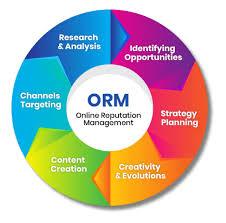
In today’s digital world, your business reputation is no longer built only through word of mouth. Instead, it is shaped online through Google reviews, social media comments, customer feedback, and ratings. For Small Businesses, maintaining a positive online image is extremely important for growth and success.
This is where Online Reputation Management (ORM) plays a crucial role. At Code With Kamlesh, led by Kamlesh Singad, we help businesses build, manage, and protect their online reputation effectively.
In this complete guide, you will learn everything about Online Reputation Management, why it matters, and how small businesses can use it to grow faster.
What is Online Reputation Management?
Online Reputation Management (ORM) is the process of monitoring, managing, and improving how your business appears online. It includes:
Managing customer reviews
Responding to feedback
Handling negative comments
Promoting positive content
Building trust online
In simple words, ORM helps you control what people see when they search for your business on Google or social media.
Why Online Reputation Management is Important for Small Businesses
For Small Businesses, reputation is everything. Unlike big brands, small businesses rely heavily on trust and customer relationships.
1. Builds Customer Trust
People trust online reviews as much as personal recommendations. A positive reputation increases trust instantly.
2. Influences Buying Decisions
Before purchasing, customers check reviews. Good ratings can directly increase your sales.
3. Improves Online Visibility
Positive reviews and engagement help improve rankings in Digital Marketing in Indore strategies like SEO.
4. Creates Brand Image
Your online presence reflects your brand personality. ORM helps maintain a professional image.
5. Gives Competitive Advantage
A strong reputation can help you stand out from competitors in a crowded market.
Small businesses that invest in ORM today will have a big advantage in the future.
Final Thoughts
In today’s competitive market, your online reputation can make or break your business. For Small Businesses, maintaining a strong and positive image online is essential for success.
By following the right strategies and staying active online, you can build trust, attract more customers, and grow your business faster.
If you want expert help, Code With Kamlesh Agency Indore, led by Kamlesh Singad, is here to guide you with the best solutions in Digital Marketing in Indore and Online Reputation Management.
FAQs
1. What is Online Reputation Management for small businesses?
Online Reputation Management (ORM) is the process of monitoring, managing, and improving how a business is perceived online through reviews, ratings, and digital content.
2. Why is Online Reputation Management important for small businesses?
It helps Small Businesses build trust, attract more customers, improve search rankings, and create a strong brand image in competitive markets like Digital Marketing in Indore.
3. How can small businesses improve their online reputation?
Businesses can improve their reputation by:
Responding to customer reviews
Encouraging positive feedback
Staying active on social media
Creating quality content
4. How does Code With Kamlesh Agency Indore help in ORM?
Code With Kamlesh Agency Indore, led by Kamlesh Singad, offers services like review management, SEO, content creation, and brand monitoring to improve online reputation.
5. Can negative reviews harm my business reputation?
Yes, but if handled properly—by responding professionally and resolving issues—negative reviews can actually build trust and show transparency.
In today’s digital age, an individual’s or organization’s online reputation can be as crucial as their real-world standing. This intangible asset can significantly affect how they are perceived and, consequently, their overall success and interactions. From the feedback left by customers to the subtleties of how a brand conducts itself online, numerous elements contribute to shaping an online reputation. This blog delves deep into the various factors that can influence your online presence and provides insights into managing and enhancing your digital footprint.
Exploring the Multi-Faceted Elements of Online Reputation
Online reputation is shaped by a complex interplay of factors. Each element has the potential to either uplift or tarnish how individuals, brands, or businesses are perceived online. Understanding these components can help in strategizing more effective ways to manage your online presence.
An online reputation is a complex construct influenced by numerous factors, each interplaying to paint a picture of an individual, brand, or company on digital platforms. Whether it’s a multinational corporation or a small business, understanding these elements is crucial to managing how they are perceived online. This in-depth exploration covers the critical components that anyone looking to improve their online presence should consider.
Customer Reviews and Feedback: The Voice of the Public
Customer reviews are often the first touchpoint for potential new clients or customers researching a brand. Positive feedback, especially on platforms like Google, Yelp, and social media, can enhance a brand’s reputation and drive more business. However, negative reviews have the power to harm reputations quickly. Companies need to actively engage with this feedback, addressing complaints and thanking customers for positive reviews to show that they value customer input and are committed to improvement.
Social Media Influence: Engagement and Perception
Social media channels are pivotal in shaping a brand’s online image. These platforms not only provide a space for marketing and communication but also serve as venues for public discourse about the brand. How a company conducts itself in these spaces—its tone, frequency of interaction, responsiveness to issues, and the content it shares—can significantly impact public perception.
Content Quality: Establishing Authority and Trust
The adage “content is king” holds particularly true in digital reputation management. High-quality, relevant content positions a brand as a thought leader and builds trust among its audience. Regular updates with valuable information keep the audience engaged and help maintain a positive online presence. Conversely, outdated or low-quality content can make a brand seem neglected or irrelevant.
Transparency: Building Trust Through Honesty
Transparency has become a cornerstone of modern consumer expectations. Businesses that openly discuss their processes, decisions, successes, and failures are often viewed as more trustworthy and reliable. This element of reputation management involves clear communication about product sourcing, business practices, pricing models, and corporate values.
Search Engine Optimization (SEO): Visibility and Accessibility
SEO practices influence how easily people can find a brand online. A well-optimized website appears higher in search engine results, leading to greater visibility and potentially a more positive reputation. SEO involves optimizing website content, using relevant keywords, building backlinks, and ensuring a user-friendly website design.
Legal and Ethical Behavior: The Foundations of Trust
A brand’s legal and ethical stance can significantly affect its online reputation. Any legal issues, controversies, or ethical missteps can quickly become public and damage a reputation. It’s essential for businesses to operate lawfully and uphold high ethical standards to maintain a positive image.
Privacy and Data Security: Consumer Confidence in the Digital Age
With increasing concerns about data privacy and security, how a company handles personal information can greatly impact its reputation. Implementing strong security measures and transparent privacy policies can reassure customers and enhance a company’s reputation as a trustworthy entity.
Public Relations and Media Coverage: Managing the Narrative
Effective public relations are crucial for reputation management. Positive media coverage can enhance a brand’s image, while negative coverage can do considerable damage. A proactive PR strategy that includes regular press releases, media outreach, and crisis management plans is vital for maintaining control over how the brand is perceived publicly.
Cultural Sensitivity and Global Outreach: Adapting to a Diverse Marketplace
In a globalized world, understanding and respecting cultural differences is crucial. Brands that successfully navigate international markets and show cultural sensitivity in their communications are likely to enjoy a positive reputation globally.
Technology Adoption: Staying Ahead in a Digital World
Lastly, how a brand uses technology and adapts to new digital trends can influence its reputation. Companies that leverage new technologies to improve customer service or streamline operations are often viewed as forward-thinking and competent.
The Immediate Impact of Customer Reviews and Feedback
Customer reviews and feedback are the frontline influencers of online reputation. Positive reviews can attract more customers and create a ripple effect that enhances a brand’s image. Conversely, negative feedback can deter potential customers and instigate doubt about a brand’s reliability.
Certainly! Let’s look closely at how customer reviews and feedback directly influence businesses and personal brands in today’s digital marketplace.
Customer Reviews and Feedback: Direct Implications for Businesses
Customer reviews and feedback have become pivotal in shaping the reputation and success of businesses online. This phenomenon is primarily driven by the transparent nature of the internet, where opinions about products and services are readily available to a global audience. Here’s an in-depth look at how these reviews and feedback can have an immediate impact:
1. Enhanced Visibility and Discoverability When customers leave reviews, whether on specialized platforms like Yelp and TripAdvisor or on broader platforms like Google and Facebook, these contributions help to improve the visibility of a business. Search engines often rank businesses with more reviews higher in search results, based on the logic that user-generated content confirms the legitimacy and operational status of the business.
2. Trust and Credibility Positive reviews build trust. For many consumers, a review from another customer is as trustworthy as a personal recommendation. This trust is crucial, especially for new or small businesses competing against established names in the industry. Conversely, a lack of reviews or predominantly negative feedback can raise red flags for potential customers.
3. Influence on Buying Decisions Reviews can significantly influence purchasing decisions. Detailed, positive feedback can sway consumers who are undecided, providing the reassurance that they are making a wise choice. On the flip side, negative reviews can deter potential customers, especially if they highlight poor service, quality, or other critical failures.
4. Real-Time Feedback for Quality and Service Improvement Customer feedback acts as a real-time evaluation tool for businesses to gauge satisfaction levels and identify areas needing improvement. This can range from product quality, customer service, to user experience. Proactive businesses use this feedback to make swift adjustments to their operations, products, or services, thereby directly affecting their market adaptation and improvements.
5. Emotional Connect and Brand Loyalty Reviews often contain emotional content that can resonate more deeply with potential customers. A customer’s story about a particularly positive or negative experience can create an emotional precept that other customers might connect with, influencing their loyalty and perception of the brand.
6. Legal and Ethical Implications Feedback isn’t just influential in the court of public opinion. In some cases, consistent complaints about certain issues can lead to regulatory scrutiny or legal challenges. Businesses need to monitor and address potentially damaging feedback not only to improve business practices but also to comply with consumer protection laws.
7. Competitive Advantage In markets saturated with options, businesses often find themselves in intense competition. Reviews can be a critical differentiator. A higher rating or better reviews can steer customers towards one business over another, effectively shaping the competitive landscape.
8. Community and Engagement Finally, engaging with customer reviews can help build a community around a brand. When businesses respond to reviews, whether thanking a customer for positive feedback or addressing an issue raised in a negative review, it shows that the business values its customers and their input, fostering a stronger connection.
The immediate impact of customer reviews and feedback is profound and multifaceted. For businesses in today’s digital era, actively managing these aspects of online presence is not just beneficial but essential. Engaging positively with customer feedback, addressing concerns, and leveraging positive reviews can enhance reputation, build customer trust, and ultimately drive success.
The Role of Social Media Dynamics
Social media platforms are powerful tools for building or breaking reputations. They serve as a stage where opinions are voiced, stories are shared, and brand personalities are broadcasted. How a brand engages on social media, responds to crises, and communicates with its audience can significantly sway its online reputation.
Social media has fundamentally transformed how brands interact with their audiences, serving as a dynamic platform for engagement, branding, and even customer service. The role of social media dynamics in shaping an organization’s or individual’s online reputation is multifaceted and powerful. Here’s an in-depth exploration of this role:
1. Brand Identity and Voice Social media allows businesses to craft and showcase their brand identity and voice more vividly than ever before. Whether it’s through regular posts, stories, or interactions with users, each piece of content contributes to a brand’s overall personality. This could be professional, quirky, compassionate, or innovative. Social media provides the canvas on which this personality is painted, influencing how the brand is perceived by the broader public.
2. Customer Engagement and Interaction Unlike traditional media, social media is inherently interactive. Brands can engage directly with their customers in real-time. This engagement can be in the form of responding to customer inquiries, addressing complaints, or even interacting casually with users. Each interaction is an opportunity to positively influence the brand’s reputation by demonstrating attentiveness, responsiveness, and care for the customer base.
3. Crisis Management Social media can be a double-edged sword. While it offers the chance to build a strong relationship with customers, it also poses risks if not managed properly, especially during a crisis. How a company handles a crisis on social media can significantly affect its reputation. Timely and tactful responses to crises can mitigate damage and demonstrate a brand’s commitment to transparency and accountability.
4. Viral Marketing and Content Sharing Social media’s architecture is built to share and spread content rapidly across networks, potentially reaching a global audience. Content that is engaging, entertaining, or valuable can go viral, significantly boosting a brand’s visibility and reputation. Conversely, negative content can also spread quickly, which can damage a reputation almost instantaneously.
5. Influencer Collaborations Influencers wield significant power on social media due to their large followings and perceived authenticity. Brands often collaborate with influencers to tap into their audiences. These partnerships can enhance a brand’s reputation and reach, particularly if the influencers’ values align well with the brand’s ethos. However, the converse is also true; missteps by influencers or mismatches in brand-influencer alignment can negatively impact a brand’s reputation.
6. Real-Time Feedback and Insights Social media provides immediate feedback from customers through likes, comments, and shares. This feedback is invaluable for understanding customer preferences and market trends. Brands can leverage this data to adapt their strategies in real-time, tailoring content, and campaigns to better meet the needs and interests of their audience.
7. Content Diversity and Rich Media The use of various media types, from text and photos to videos and live streams, allows brands to engage audiences in diverse ways. This versatility can enhance a user’s experience and interaction with the brand, catering to different preferences and increasing the chances of capturing attention across different segments of the market.
8. Building Communities Social media enables brands to go beyond traditional customer relationships and foster community among their users. This community can be a powerful tool for enhancing brand loyalty, providing peer support among users, and creating a sense of belonging. Community-driven brands tend to enjoy stronger reputations and customer loyalty.
Social media dynamics play a critical role in online reputation management. Through careful strategy and proactive engagement, brands can utilize these platforms to build a positive reputation, manage crises more effectively, and connect with their audience on a deeper level. However, the open nature of social media also requires brands to be vigilant and responsive to maintain their reputation in the face of challenges and opportunities alike.
The Significance of Online Content Quality
Content is king in the digital world. The quality, relevancy, and frequency of the content you produce can either establish you as an authority in your field or cast doubts about your expertise and authenticity. High-quality, engaging content that resonates with the audience can enhance trust and loyalty among consumers.
The significance of online content quality cannot be understated in the digital era, where information is abundant and attention spans are short. High-quality content not only engages and retains the audience but also establishes a brand’s credibility and authority in its field. Here’s a detailed look at why content quality is crucial for any online presence:
1. Establishing Credibility and Authority High-quality content is a major determinant of a brand’s credibility. Informative, accurate, and well-researched content can position a brand as a thought leader in its industry. This authoritative status can boost consumer confidence in the brand, influencing purchasing decisions and fostering long-term loyalty.
2. Enhancing Search Engine Rankings Search engines prioritize high-quality content in their algorithms. Websites that consistently publish clear, accurate, and engaging content are likely to rank higher in search results. This increased visibility leads to more organic traffic, which is critical for online success. Good content is also more likely to earn backlinks from reputable sites, further boosting SEO efforts.
3. Increasing User Engagement Quality content captures and holds the attention of readers, encouraging them to spend more time on your website. This engagement can take many forms, including reading articles, watching videos, or browsing infographics. The longer visitors stay on a site, the more likely they are to convert into customers or followers. Additionally, engaging content is more likely to be shared on social media, extending its reach and impact.
4. Reducing Bounce Rates When visitors find valuable content on a website, they are less likely to leave immediately, which reduces the site’s bounce rate. A lower bounce rate signals to search engines that the website is valuable to visitors, which can improve search rankings. Moreover, visitors who find content meaningful are more likely to explore other parts of the site, increasing the opportunities for engagement and conversion.
5. Building Brand Personality and Voice Consistent, high-quality content helps in shaping a brand’s personality and voice. Whether the tone is professional, friendly, informative, or casual, it should resonate with the target audience and reflect the brand’s values and mission. This consistency in voice and tone helps in building a strong, recognizable brand that audiences feel connected to.
6. Facilitating Customer Education For many businesses, particularly in complex industries like technology, finance, or healthcare, educating customers is crucial. High-quality educational content can help customers understand products or services better, making them more comfortable with making a purchase. Additionally, well-crafted educational content can answer common questions, reducing the burden on customer service teams.
7. Encouraging Conversion Ultimately, the goal of most online content is to encourage some form of conversion, whether it’s making a sale, signing up for a newsletter, or downloading a white paper. Content of high quality can effectively persuade readers to take these actions, particularly if it includes strong calls to action and clearly communicates the benefits of the conversion.
8. Mitigating Misinformation In an age where misinformation can spread quickly, maintaining high content quality ensures that accurate, reliable information prevails. Brands that are known for their reliable content can be seen as trustworthy sources, which is crucial in maintaining consumer trust and loyalty.
The quality of online content is more than just a reflection of a brand’s commitment to its audience; it’s a powerful tool for building authority, enhancing SEO, engaging users, and driving conversions. In the crowded digital landscape, where consumers are bombarded with information, the quality of content can set a brand apart, making it a key factor in online success and reputation management.
The Effect of Brand Transparency
Transparency is becoming increasingly important to consumers. A brand that openly shares its processes, challenges, and solutions can foster a stronger bond with its customers, thereby enhancing its reputation.
Brand transparency is increasingly becoming a cornerstone of modern business practices, especially in an era where consumers are more informed and have higher expectations regarding the ethics and authenticity of the companies they support. Transparency can profoundly influence how a brand is perceived, its trustworthiness, and ultimately its success in a competitive market.
Building Trust with Consumers Transparency is a direct pathway to building trust. When companies openly share information about their business practices, sourcing, pricing strategies, and the impact of their products or services, they demonstrate accountability and openness. This kind of honesty is highly valued by today’s consumers, who are often skeptical of corporate motives and more likely to support businesses they believe are acting in good faith.
Enhancing Customer Loyalty Customers feel more loyal to brands that they trust. By being transparent, companies can foster a sense of loyalty and long-term engagement among their customers. This loyalty can be particularly strong when customers feel they are being treated with respect and honesty, which encourages them to continue supporting the brand and even advocating for it within their personal networks.
Differentiating from Competitors In crowded markets, transparency can be a key differentiator. Many consumers today make purchasing decisions based on a company’s ethical standing and transparency about its operations. Businesses that provide clear and truthful information about their products and practices can stand out from competitors who are less forthcoming.
Managing Crises More Effectively Transparency is critical when managing crises. Companies that are open about their mistakes and the steps they are taking to rectify them can often mitigate damage to their reputation more effectively than those that try to hide their failures. Open communication during crises shows that a company is committed to resolving issues and maintaining trust with its customers.
Attracting and Retaining Talent Transparency not only affects how customers see a brand, but also how it is viewed by current and potential employees. Companies known for their transparent practices are often more attractive to top talent, who prefer to work for organizations that value integrity and openness. Furthermore, transparency within internal operations can lead to higher employee satisfaction and retention rates, as staff members feel more valued and involved in the company’s mission.
Encouraging Greater Corporate Responsibility When companies are transparent about their actions, especially concerning social and environmental impacts, they are more likely to be held accountable by consumers, regulators, and even shareholders. This accountability can drive companies to operate more responsibly and push for improvements in areas like sustainability and social equity.
Improving Investor Confidence Transparency is also crucial for attracting and maintaining investor confidence. Investors are more likely to commit to a company that offers clear, consistent, and truthful reporting on its financial health and business strategies. This openness reduces investment risk, making the company a more attractive investment opportunity.
The impact of brand transparency is significant and multifaceted, affecting everything from consumer trust and loyalty to competitive differentiation and crisis management. As consumers continue to demand more honesty and integrity from the businesses they support, transparency will remain a critical element in building a successful, sustainable brand. In the digital age, where information is readily accessible, the importance of being open and clear in all business practices cannot be overstated.
Search Engine Visibility and SEO Practices
How easily you can be found online also affects your reputation. Effective SEO practices that lead to higher search engine rankings can enhance visibility and credibility. Poor SEO, on the other hand, might make it difficult for your brand to be seen, even if what is visible is positive.
Legal and Ethical Conduct Online
Legal issues or ethical missteps can severely damage an online reputation. Ensuring compliance with laws and maintaining ethical standards in all online interactions and transactions is crucial.
Handling of Privacy and Data Security
In an era where data breaches and privacy concerns are rampant, how a company handles personal information can impact its reputation. Ensuring robust data security measures and respecting customer privacy can boost a company’s reputation significantly.
Impact of Public Relations and Media Coverage
The media’s portrayal of an individual or a company can significantly affect public perception. Positive press coverage can enhance a reputation, while negative media can damage it. Managing public relations effectively is therefore essential for reputation management.
Cultural and Global Influence
In a global marketplace, understanding cultural sensitivities and managing them adeptly in communications and offerings is crucial. Missteps in this area can lead to significant backlash and negative reputation impacts.
Technological Advancements and Adaptability
How a brand utilizes technology and adapts to digital advancements also plays into its reputation. Brands that are seen as innovators and leaders in adopting new technologies tend to have a more positive reputation compared to those that are slow to adapt.
Conclusion
Managing your online reputation requires vigilance, strategy, and adaptability. It involves a thorough understanding of the various factors that influence it and a proactive approach to cultivating a positive digital presence. By focusing on positive customer interactions, maintaining a robust online presence, ensuring transparency, and adapting to technological changes, you can significantly influence how your brand is perceived online.