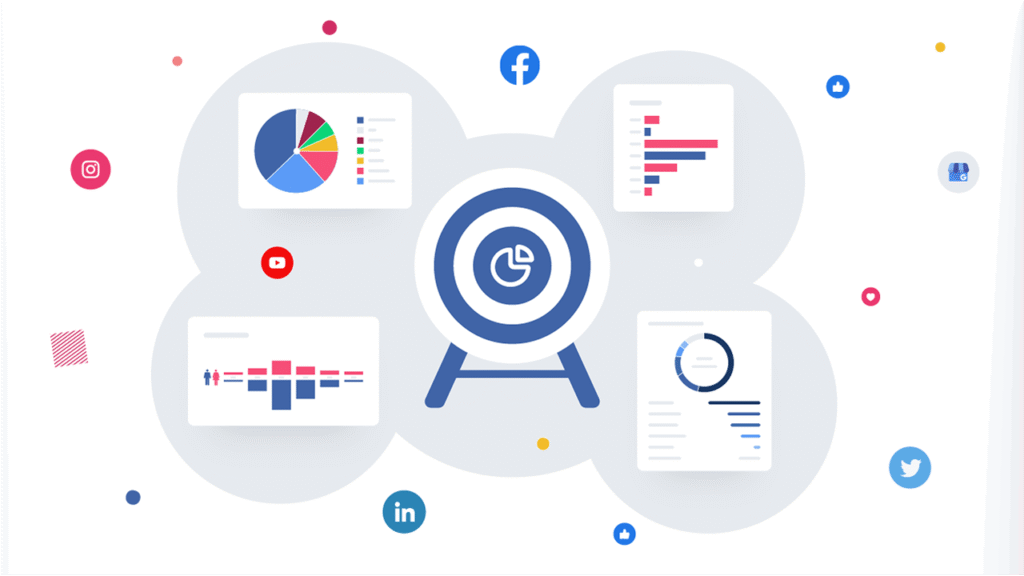
In the fast-paced world of Social Media Marketing (SMM), understanding what’s working—and what’s not—is crucial. That’s where Social Media Analytics comes in.
Social Media Analytics is the process of collecting and analyzing data from social media platforms to measure performance, track trends, and guide marketing decisions.
At CWK Agency, under the guidance of Kamlesh Singad, we emphasize that data-driven decisions are the future of digital growth. This blog will help you, as a student, learn how to monitor social media efforts effectively, using tools and tracking the right metrics.
Why Social Media Analytics Matters in SMM
Whether you’re handling a brand page, running ads, or growing a YouTube channel—analytics is your roadmap. Without it, you’re guessing.
Tools Used: Meta Ads Manager, YouTube Studio, UTM tracking via Google Analytics
Metrics Tracked:
Engagement Rate (Instagram)
CTR (Ad Campaign)
Watch Time (YouTube)
Link Clicks to Website
Result: Over 12K targeted visitors in 1 week, with a 9.3% conversion rate on the landing page.
Beginner-Friendly Steps to Start Tracking Analytics
Step 1: Set Goals
Example: Get 10,000 impressions per month or 500 clicks to your website.
Step 2: Identify Key Metrics
Based on your goal (reach, engagement, conversions)
Step 3: Choose Tools
Start with free tools like Meta Business Suite or Google Analytics.
Step 4: Monitor Weekly
Set aside one day to check analytics and log insights.
Step 5: Optimize Strategy
Double down on what’s working. Stop what’s not.
Social Media Reporting Template for Students
Metric
Instagram
Facebook
YouTube
Total
Reach
3,200
2,900
1,800
7,900
Engagement Rate
4.5%
3.8%
5.2%
Avg: 4.5%
Follower Growth
+150
+90
+120
+360
Website Clicks
180
130
220
530
Comments & Mentions
45
38
56
139
Common Mistakes to Avoid
Focusing only on vanity metrics (likes, followers)
Not tracking conversions
Ignoring negative comments and mentions
Checking analytics too infrequently
Failing to adjust strategy based on data
Future Trends in Social Media Analytics
AI-Powered Tools like ChatGPT for content suggestions.
Real-Time Sentiment Analysis to respond faster.
Predictive Analytics for smarter decisions.
Social Listening Integration to understand consumer voice.
Conclusion
Understanding Social Media Analytics is not optional—it’s essential. It helps you sharpen your strategy, improve performance, and achieve real business results in Social Media Marketing (SMM).
As a student learning under the CWK Agency digital marketing program, make analytics a weekly habit. Practice with real campaigns. Even a simple Excel sheet can teach you how numbers tell a story.
Remember: Don’t just post—measure, learn, and grow!
FAQs
What is Social Media Analytics?
Ans: It’s the process of collecting and analyzing social media data to make informed marketing decisions.
Which tool is best for beginners?
Ans: Start with free tools like Meta Business Suite or YouTube Studio Analytics.
How often should I track metrics?
Ans: Weekly tracking is recommended to stay agile and optimize strategy.
What is the difference between reach and impressions?
Ans: Reach is the number of unique users who saw your content; impressions count every time it’s shown—even to the same user.
Why should students learn Social Media Analytics?
Ans: It helps you understand campaign performance and build job-ready digital marketing skills.
In the digital age, social media has become one of the most powerful tools for businesses and individuals to establish and grow their online presence. Whether you’re a small business owner, an influencer, or a marketing professional, social media management is essential for connecting with your audience, building your brand, and driving engagement. However, mastering the art of social media can seem daunting, given the constant evolution of platforms and algorithms. This guide aims to simplify social media management 101 by breaking down the fundamentals, providing you with actionable tips, and highlighting essential tools to help you succeed.
Understanding the Importance of Social Media Management 101
In today’s interconnected world, having a strong social media presence is crucial for any brand. Social media management involves not only posting content but also actively engaging with your audience, analyzing data, and adjusting strategies to meet your business goals.
Why Social Media Matters:
Reach and Visibility: Social media platforms like Facebook, Instagram, Twitter, and LinkedIn have billions of users worldwide. Establishing a presence on these platforms allows you to reach a larger audience than traditional marketing methods.
Brand Awareness: A well-managed social media profile can significantly increase brand visibility. Consistent content creation, engagement, and interaction help build a strong brand identity.
Customer Engagement: Social media allows for direct communication with your audience, providing an opportunity to build relationships, gather feedback, and respond to customer concerns in real-time.
In essence, social media is the bridge between your brand and its audience. Mastering it can elevate your business by turning casual visitors into loyal followers and, eventually, customers.
Effective social media management rests on several key pillars: content creation, engagement, analytics, and adaptation. Each one plays a vital role in shaping a cohesive and impactful strategy.
Content Creation: The Heart of Social Media Content is the backbone of any social media strategy. Your posts, stories, and videos must reflect your brand’s message while engaging your audience.
Key Considerations for Content Creation:
Consistency: Posting regularly is crucial for maintaining an active presence. Use a content calendar to ensure you’re posting consistently across all platforms.
Variety: Mix different types of content—such as images, videos, articles, infographics, and stories—to keep your audience engaged. Different platforms favor different types of content, so tailor your posts accordingly.
Value: Ensure that your content provides value to your audience, whether it’s through education, entertainment, or inspiration. The goal is to create posts that resonate with your followers.
Engagement: Building Relationships Engagement goes beyond likes and shares. It involves responding to comments, engaging in conversations, and even participating in relevant discussions within your niche. High engagement signals to algorithms that your content is valuable, increasing its visibility.
Tips for Increasing Engagement:
Respond Promptly: Interact with followers who comment on your posts, answer their questions, and acknowledge feedback.
Encourage Interaction: Use call-to-actions (CTAs) to encourage likes, shares, and comments. Posing questions or running polls are great ways to spark interaction.
Humanize Your Brand: People connect with people, not logos. Show behind-the-scenes content or use humor and relatability to engage with your audience on a personal level.
Analytics: Measuring Success To master social media management, you must regularly analyze your performance. Without data, you’re essentially guessing what works and what doesn’t.
Important Metrics to Track:
Engagement Rate: This measures how actively people interact with your content. High engagement rates usually indicate that your content resonates with your audience.
Follower Growth: Tracking the increase or decrease in followers helps you gauge the overall appeal of your profile over time.
Reach and Impressions: Reach refers to the number of unique users who see your post, while impressions indicate how many times your content has been displayed.
Click-Through Rate (CTR): This tracks how often people click on the links you share. It’s especially important for driving traffic to your website or landing page.
Adaptation: Staying Agile Social media is constantly evolving, and so should your strategy. Algorithms change, new features are added, and audience preferences shift. Staying agile and ready to adapt your approach is key to long-term success.
How to Stay Agile:
Stay Informed: Follow industry blogs, social media experts, and platform updates to stay ahead of changes.
Test New Features: Platforms like Instagram, TikTok, and LinkedIn regularly introduce new tools or content formats. Experiment with these to see if they boost engagement or reach.
Refine Your Strategy: Regularly review your performance analytics and adjust your content, posting schedule, or audience targeting to align with the latest trends and data.
Not all social media platforms are created equal, and not every platform is suitable for every business. Selecting the right platforms is a crucial first step in any social media management strategy.
Popular Social Media Platforms:
Facebook: With over 2.8 billion monthly users, Facebook is an excellent platform for businesses that want to reach a broad demographic. It’s versatile, allowing for text posts, videos, images, and even e-commerce integration.
Instagram: Ideal for brands with a strong visual identity, Instagram is especially popular among younger audiences. Features like Stories, Reels, and IGTV make it a great platform for creative content.
Twitter: Twitter’s fast-paced environment is perfect for real-time updates, customer service, and engaging with trending topics. Brands in tech, news, and entertainment often thrive on this platform.
LinkedIn: As a professional network, LinkedIn is ideal for B2B businesses, thought leadership, and industry-related content.
TikTok: One of the fastest-growing platforms, TikTok is highly engaging and perfect for brands targeting Gen Z with short, viral videos.
How to Choose the Right Platform:
Know Your Audience: Understand where your target audience spends their time online. For instance, if your demographic is Gen Z, TikTok might be your best bet, while LinkedIn is better suited for B2B interactions.
Platform Strengths: Consider each platform’s strengths and weaknesses. Instagram is great for visuals, while Twitter excels in short-form updates.
Content-Type Alignment: Choose platforms that align with the content you’re producing. If you’re focusing on video marketing, platforms like Instagram, YouTube, and TikTok will be a better fit.
Creating a Social Media Strategy: A Step-by-Step Guide
To effectively manage social media, you need a well-defined strategy. It’s not enough to post random content and hope for engagement. A clear, cohesive strategy ensures that your efforts align with your business goals.
Step 1: Define Your Goals Every social media strategy should begin with clear, actionable goals. These might include:
Increasing brand awareness.
Driving traffic to your website.
Generating leads or sales.
Growing a community around your brand.
Step 2: Know Your Audience You can’t create content that resonates with your audience if you don’t understand who they are. Create detailed audience personas that define your target demographics, interests, behaviors, and pain points.
Step 3: Develop a Content Plan Once you’ve defined your goals and audience, develop a content plan that outlines the type of content you’ll create, how often you’ll post, and which platforms you’ll focus on. Consistency is key, so create a content calendar to organize your posts.
Step 4: Leverage Social Media Tools There are numerous tools available to help you manage your social media more efficiently. These tools can automate posting, analyze performance, and even help with content creation.
Popular Social Media Management Tools:
Hootsuite: Offers scheduling, analytics, and monitoring features across multiple platforms.
Buffer: Helps schedule posts, track performance, and manage engagement.
Canva: A graphic design tool that allows you to create stunning visuals for social media posts.
Sprout Social: An all-in-one platform for social media management, scheduling, and analytics.
Step 5: Track and Adjust After implementing your strategy, consistently track your performance and make adjustments as needed. Analyze what’s working and what’s not, and refine your approach based on data.
Best Practices for Successful Social Media Management
Be Authentic: Authenticity builds trust. Show your brand’s personality and be transparent in your communications. Avoid overly promotional content; instead, focus on building relationships with your audience.
Post at Optimal Times: Posting at the right time can increase your content’s visibility. Use analytics to determine when your audience is most active and schedule posts during these times.
Use Hashtags Strategically: Hashtags can expand the reach of your posts, but using too many can look spammy. Use relevant, targeted hashtags to reach a broader audience without overwhelming your message.
Collaborate with Influencers: Partnering with influencers can help you tap into their audience and gain credibility. Choose influencers who align with your brand values and audience.
Host Contests and Giveaways: Contests and giveaways are excellent for increasing engagement
and growing your audience. Make participation easy and encourage sharing to maximize reach.
Conclusion
Mastering social media management requires a mix of creativity, strategic thinking, and a keen understanding of your audience. Whether you’re just getting started or looking to refine your approach, the tips and strategies outlined in this guide will help you build and maintain a strong online presence. By focusing on consistent content creation, genuine engagement, data-driven analytics, and agility, you’ll be well on your way to social media success.
Social media is a dynamic and constantly evolving field, but with the right approach, you can navigate it with confidence and ensure your brand stands out in the crowded digital landscape.
The landscape of social media marketing is ever-evolving, with platforms constantly emerging to challenge established giants. As businesses seek to optimize their strategies for lead generation, the question often arises: Threads vs Twitter—which platform offers better potential? Both platforms have unique strengths, and choosing the right one for your lead generation efforts can significantly impact your success. In this comprehensive comparison, we’ll delve into the nuances of Threads and Twitter to determine which platform can best serve your lead generation goals.
Understanding the Basics of Threads and Twitter
Before diving into the comparison, it’s crucial to understand what Threads and Twitter offer as social media platforms.
Threads is a relatively new social networking platform developed by Meta, primarily designed as a companion to Instagram. It’s focused on private and close-knit interactions, enabling users to share text updates, photos, and videos with a select group of followers. The app promotes a more intimate and personal communication style, which could be beneficial for nurturing leads.
On the other hand, Twitter has been a dominant force in social media for over a decade. Known for its brevity and real-time communication, Twitter allows users to share text-based posts, images, and videos with a broader audience. It is a platform built for public discourse, making it a powerful tool for brand awareness and engagement.
When considering Threads vs Twitter for lead generation, understanding the audience reach and demographics of each platform is essential.
Threads is integrated with Instagram, meaning its user base primarily consists of Instagram users who prefer more private interactions. This makes it an excellent choice for businesses that already have a strong presence on Instagram and are looking to target a younger, more visually-driven audience. However, the platform’s focus on small, tight-knit communities may limit its potential for reaching a broader audience quickly.
Twitter boasts over 450 million active users globally, with a diverse demographic ranging from teens to professionals. Its open nature allows businesses to reach a vast audience, including those outside of their immediate followers. This makes Twitter ideal for companies looking to generate leads through broad exposure and viral content.
Engagement Levels
Engagement is a critical factor in lead generation, as higher engagement often translates to more opportunities for converting leads into customers.
Threads fosters a high level of engagement within its close-knit communities. Users on Threads are more likely to engage deeply with content, as the platform’s private nature encourages more meaningful interactions. For businesses, this means a higher likelihood of building strong relationships with potential leads, which can be crucial for nurturing them down the sales funnel.
Conversely, Twitter is renowned for its rapid-fire interactions and the ability to go viral. Tweets can quickly garner attention, leading to increased engagement from a wide audience. However, the fast-paced nature of Twitter can also result in fleeting interactions, where messages may be quickly buried under a flood of new content. This can make it challenging to maintain consistent engagement with leads over time.
Another crucial aspect of the Threads vs Twitter debate is how each platform supports different content strategies.
Threads emphasizes visual content and personal connections. For businesses, this means the platform is well-suited for sharing behind-the-scenes content, product updates, and personalized messages that resonate with a smaller, more engaged audience. The platform’s simplicity and focus on close connections also encourage more authentic and less polished content, which can help build trust with potential leads.
In contrast, Twitter offers greater flexibility in content types, including text-based posts, images, videos, GIFs, and polls. This versatility allows businesses to experiment with different content strategies to see what resonates best with their audience. Twitter’s emphasis on public conversations also enables brands to participate in trending topics and engage with users on a broader scale, which can be advantageous for lead generation.
Advertising Capabilities
Advertising is a powerful tool for lead generation, and both Threads and Twitter offer unique approaches to social media advertising.
Threads is still in its early stages, and its advertising capabilities are limited compared to more established platforms like Twitter. As a companion to Instagram, Threads may eventually offer more robust advertising options, but for now, businesses are limited to organic reach and engagement. This can be a disadvantage for companies looking to scale their lead generation efforts quickly through paid ads.
Twitter, on the other hand, has a well-developed advertising platform that allows businesses to target specific audiences based on demographics, interests, and behaviors. Twitter Ads offer various formats, including promoted tweets, accounts, and trends, which can significantly enhance lead generation efforts. Additionally, Twitter’s analytics tools provide valuable insights into campaign performance, allowing businesses to refine their strategies for better results.
Customer Support and Communication
Effective communication with leads is essential for successful lead generation, and both platforms offer different strengths in this area.
Threads excels at facilitating direct and personal communication with leads. The platform’s focus on smaller groups means businesses can engage with potential customers in a more personalized manner, fostering trust and loyalty. This can be particularly beneficial for small businesses or brands that rely heavily on building strong relationships with their customers.
Twitter is a powerhouse for customer support, thanks to its real-time nature and public discourse. Many businesses use Twitter as a customer service channel, quickly addressing customer queries and concerns. This public engagement can also demonstrate a brand’s commitment to customer satisfaction, which can be a powerful lead generation tool in itself.
When it comes to Threads vs Twitter for lead generation, the ability to track and analyze performance is vital.
Threads is currently limited in terms of analytics tools. As a newer platform, it lacks the comprehensive tracking and reporting features found on more established social media networks. This can make it challenging for businesses to measure the success of their lead generation efforts and make data-driven decisions.
In contrast, Twitter offers robust analytics tools that provide detailed insights into engagement, audience demographics, and campaign performance. These tools allow businesses to monitor the effectiveness of their lead generation strategies and make necessary adjustments to improve results. Twitter’s analytics also enable businesses to track trends and conversations, helping them stay ahead of the curve and capitalize on emerging opportunities.
Cost Considerations
Budget is a significant factor in any lead generation strategy, and the costs associated with using Threads and Twitter can vary.
Threads is currently a cost-effective option for businesses, as its primary focus is on organic engagement. However, the platform’s limited advertising options mean that businesses may need to invest more time and effort into creating content and engaging with their audience to generate leads.
Twitter offers a range of paid advertising options, which can be tailored to fit different budgets. While advertising on Twitter can be more expensive, the platform’s targeting capabilities and analytics tools can help ensure that businesses get a good return on investment. Additionally, the ability to reach a broader audience quickly can make Twitter a more efficient option for generating leads at scale.
Brand Presence and Authority
Establishing a strong brand presence is key to successful lead generation, and both Threads and Twitter offer unique opportunities for businesses to build authority.
Threads allows brands to cultivate a more intimate and exclusive presence. By focusing on personal connections and community building, businesses can position themselves as trusted authorities within their niche. This can be particularly effective for brands that rely on word-of-mouth marketing and customer loyalty to generate leads.
Twitter enables businesses to build a public brand presence through consistent engagement and participation in relevant conversations. The platform’s open nature allows brands to showcase their expertise, share thought leadership content, and connect with industry influencers. This can help establish authority and credibility, which are critical factors in attracting and converting leads.
The effectiveness of Threads vs Twitter for lead generation can also depend on the industry in which a business operates.
For industries that thrive on personal connections and community engagement, such as fashion, wellness, or creative services, Threads may offer a more suitable platform for lead generation. The platform’s emphasis on visual content and private interactions can help businesses build deeper relationships with their audience.
For industries that require broad exposure and real-time communication, such as technology, finance, or media, Twitter may be the better choice. Twitter’s public and fast-paced nature allows businesses to reach a wide audience and engage in industry conversations, making it an ideal platform for generating leads in these sectors.
The Verdict: Threads vs Twitter for Lead Generation
Ultimately, the choice between Threads vs Twitter for lead generation depends on your business goals, target audience, and industry.
Threads is best suited for businesses looking to build strong, personal connections with a smaller, more engaged audience. Its focus on privacy and close-knit communities makes it an excellent choice for brands that prioritize relationship-building and customer loyalty in their lead generation efforts.
Twitter, on the other hand, offers a broader reach and greater flexibility in content and advertising strategies. Its robust analytics and advertising tools make it a powerful platform for businesses looking to generate leads at scale and engage with a wider audience.
For businesses with the resources, the best approach may be to leverage both platforms in a complementary manner. By using Threads to nurture relationships and Twitter to drive broad engagement, companies can create a comprehensive lead generation strategy that maximizes the strengths of both platforms.
Is Threads a good platform for B2B lead generation?
Threads can be effective for B2B lead generation, especially for businesses that rely on personal relationships and community engagement. However, its reach is more limited compared to Twitter, so it may be more suitable for niche markets.
Can Twitter Ads improve lead generation efforts?
Yes, Twitter Ads can significantly enhance lead generation by allowing businesses to target specific demographics, interests, and behaviors. The platform’s robust analytics also help in optimizing campaigns for better results.
Which platform offers better engagement rates for lead generation?
Threads typically offers higher engagement rates within its close-knit communities, making it ideal for nurturing leads. However, Twitter’s ability to reach a broader audience can result in more interactions overall.
How can I track lead generation performance on Twitter?
Twitter provides comprehensive analytics tools that allow businesses to monitor engagement, audience demographics, and campaign performance. These insights can be used to refine lead generation strategies.
Is it expensive to generate leads on Twitter compared to Threads?
Generating leads on Twitter can be more expensive due to the costs associated with paid advertising. However, Twitter’s extensive reach and targeting capabilities can provide a good return on investment, especially for businesses looking to scale their efforts.
Can I use both Threads and Twitter for lead generation?
Absolutely. Using both platforms can provide a balanced approach to lead generation. Threads can be used to build deeper relationships, while Twitter can be leveraged for broader reach and engagement.
In the rapidly evolving world of digital eCommerce, mastering a robust social media marketing strategy is crucial to stand out in a crowded marketplace. With millions of businesses competing for attention on platforms like Facebook, Instagram, Twitter, and TikTok, having a well-thought-out plan can be the difference between thriving and merely surviving.
Understanding Social Media Marketing in the Context of eCommerce
Social media marketing involves leveraging social networks to promote products and engage with customers. For eCommerce businesses, social media platforms are not just tools for brand awareness; they are powerful engines for driving traffic, generating leads, and increasing sales. The right social media marketing strategy can help eCommerce brands connect with their audience on a deeper level, turning casual browsers into loyal customers.
The Importance of a Tailored Social Media Marketing Strategy for eCommerce
While it might be tempting to treat social media marketing as a one-size-fits-all endeavor, the reality is that each eCommerce business requires a customized approach. Factors such as target audience, product type, and brand identity all influence how your strategy should be crafted.
1. Defining Your Goals and Objectives
Every successful social media marketing strategy begins with clear, actionable goals. For an eCommerce business, these goals might include increasing brand awareness, driving website traffic, boosting online sales, or growing your customer base. Whatever your objectives, they should be specific, measurable, achievable, relevant, and time-bound (SMART).
2. Identifying Your Target Audience
Understanding your target audience is crucial in crafting a social media marketing strategy that resonates. Who are your ideal customers? What are their demographics, interests, and online behaviors? By creating detailed buyer personas, you can tailor your content and campaigns to meet the specific needs and preferences of your audience, making your social media efforts more effective.
3. Choosing the Right Social Media Platforms
Not all social media platforms are created equal, especially when it comes to eCommerce. Different platforms cater to different demographics and content types, so it’s important to choose the ones that align with your brand and audience. For instance, Instagram and Pinterest are highly visual platforms, making them ideal for fashion, beauty, and lifestyle brands. LinkedIn, on the other hand, is better suited for B2B eCommerce businesses.
Content is the cornerstone of any social media marketing strategy. For eCommerce, this means creating a mix of promotional content, engaging visuals, and valuable information that not only attracts followers but also drives them to take action. This could include product showcases, user-generated content, behind-the-scenes looks, and informative blog posts. Consistency in posting is key to maintaining engagement and building a loyal following.
5. Leveraging Influencer Marketing
Influencer marketing has become a powerful tool in digital eCommerce. Collaborating with influencers who have a strong following in your niche can help you reach a wider audience and build trust with potential customers. When done right, influencer partnerships can lead to a significant increase in traffic and sales.
6. Utilizing Paid Advertising
While organic reach on social media is valuable, paid advertising can amplify your efforts by targeting specific audiences with precision. Platforms like Facebook, Instagram, and Pinterest offer advanced targeting options, allowing you to reach users based on demographics, interests, and behaviors. Paid ads can be particularly effective for driving traffic to product pages, promoting special offers, and retargeting users who have previously interacted with your brand.
7. Engaging with Your Audience
Social media is not just a broadcasting tool; it’s a two-way communication channel. Engaging with your audience by responding to comments, answering questions, and participating in conversations helps build a community around your brand. This engagement fosters trust and loyalty, which are essential for long-term success in eCommerce.
The digital eCommerce landscape is constantly changing, which means your social media marketing strategy should be flexible and adaptable. Regularly analyzing your performance through metrics like engagement rates, click-through rates, and conversion rates will give you insights into what’s working and what needs improvement. Based on these insights, you can tweak your strategy to optimize results.
Best Practices for Social Media Marketing in eCommerce
To get the most out of your social media marketing efforts, consider incorporating these best practices:
Use High-Quality Visuals: Since eCommerce is highly visual, ensure that your images and videos are of high quality. This not only attracts attention but also enhances the perceived value of your products.
Optimize Your Social Media Profiles: Your social media profiles should be fully optimized with relevant keywords, a clear brand description, and links to your eCommerce site. This improves your visibility in search results and makes it easier for users to find your store.
Run Contests and Giveaways: Contests and giveaways are effective ways to increase engagement and grow your following. They encourage users to interact with your brand, often leading to higher visibility and more sales.
Incorporate User-Generated Content: Sharing content created by your customers, such as reviews, photos, and testimonials, can build trust and authenticity. It shows potential buyers that real people love your products.
Monitor Competitor Activity: Keeping an eye on your competitors can provide valuable insights into what strategies work in your industry. While you shouldn’t copy their tactics outright, understanding their approach can help you refine your own strategy.
Use Social Proof: Social proof, like customer reviews and testimonials, can significantly influence purchasing decisions. Make sure to highlight positive feedback on your social media channels.
Create Shoppable Posts: Platforms like Instagram and Pinterest offer shoppable posts, allowing users to purchase directly from your social media posts. This feature streamlines the buying process, making it easier for users to convert.
The Role of SEO in Social Media Marketing for eCommerce
SEO (Search Engine Optimization) and social media marketing are closely linked. By optimizing your social media profiles and content with relevant keywords, such as “social media marketing strategy” and “digital eCommerce,” you can improve your visibility on both social media platforms and search engines. Additionally, links from your social media channels can drive traffic to your eCommerce site, boosting its SEO performance.
1. Keyword Optimization
Incorporate relevant keywords into your social media content, hashtags, and profiles to enhance discoverability. This can help your posts rank higher in search results, both within social media platforms and on search engines like Google.
2. Content Sharing and Backlinks
Sharing blog posts, product pages, and other content from your eCommerce site on social media not only drives traffic but also generates backlinks. These backlinks can improve your site’s authority and SEO ranking.
3. Local SEO for eCommerce
If your eCommerce business also has a physical presence, optimizing for local SEO is crucial. Ensure your social media profiles are up-to-date with your location information, and use local hashtags to attract nearby customers.
As technology and consumer behavior continue to evolve, so too will social media marketing strategies. Here are a few trends to keep an eye on:
1. Increased Use of AI and Automation
AI-powered tools and automation are becoming increasingly important in managing social media marketing strategies. From chatbots that handle customer inquiries to algorithms that optimize ad targeting, these technologies are making social media marketing more efficient and effective.
2. The Rise of Social Commerce
Social commerce, where social media platforms are used directly for buying and selling, is on the rise. Features like Instagram Checkout and Facebook Shops are blurring the lines between social media and eCommerce, offering new opportunities for brands to sell products directly through these platforms.
3. Video Content Dominance
Video content continues to dominate social media. With platforms like TikTok and Instagram Reels growing in popularity, eCommerce brands are increasingly using video to showcase products, tell stories, and engage with audiences.
4. Personalization and Customer Experience
Personalization will play a significant role in the future of social media marketing for eCommerce. As consumers expect more tailored experiences, brands that can deliver personalized content and offers through social media will have a competitive edge.
Consumers are becoming more conscious of the ethical practices of the brands they support. Social media is a powerful platform for eCommerce businesses to communicate their commitment to sustainability and social responsibility, helping to build trust and loyalty.
Conclusion
The ultimate social media marketing strategy for eCommerce involves a combination of clear goals, audience understanding, platform selection, content creation, and continuous optimization. By following the best practices outlined in this guide and staying attuned to emerging trends, eCommerce businesses can harness the power of social media to drive traffic, increase sales, and grow their brand.
FAQs
What is the most effective social media platform for eCommerce?
The most effective platform depends on your target audience and product type. Instagram and Facebook are generally good for visual products, while LinkedIn may be better for B2B eCommerce.
How often should I post on social media for my eCommerce business?
Posting frequency can vary based on the platform and audience engagement, but consistency is key. Aim for at least once a day on platforms like Instagram and Facebook.
Can social media marketing help with SEO?
Yes, social media marketing can help with SEO by driving traffic to your site, generating backlinks, and increasing brand visibility.
What is social commerce?
Social commerce refers to the buying and selling of products directly through social media platforms, allowing for a seamless shopping experience.
Should I use paid advertising in my social media marketing strategy?
Paid advertising can be a valuable part of your social media marketing strategy, especially for reaching targeted audiences and driving immediate results.
How can I measure the success of my social media marketing efforts?
You can measure success through metrics like engagement rates, click-through rates, conversion rates, and return on investment (ROI). Regular analysis of these metrics will help you refine your strategy.
Data analytics has become the backbone of digital marketing strategies across industries. As businesses strive to stay competitive in an increasingly digital landscape, understanding the role of data analytics in measuring and improving digital marketing performance is crucial. By leveraging data analytics, companies can gain actionable insights, optimize their marketing efforts, and ultimately drive better results. This comprehensive guide explores the significance of data analytics in digital marketing, highlighting its various applications, benefits, and best practices.
Introduction
In today’s digital age, marketing is no longer a shot in the dark. The advent of data analytics has transformed digital marketing from an art to a science, enabling marketers to make data-driven decisions that enhance their campaigns’ effectiveness. By collecting, analyzing, and interpreting vast amounts of data, businesses can gain a deep understanding of their audience, measure the performance of their marketing activities, and continuously refine their strategies for maximum impact.
Understanding Data Analytics in Digital Marketing
What is Data Analytics?
Data analytics involves the systematic computational analysis of data or statistics. In the context of digital marketing, it refers to the process of examining raw data to draw meaningful insights and conclusions. This process helps marketers understand patterns, trends, and relationships within their data, which can then be used to inform strategic decisions.
The Evolution of Digital Marketing
Digital marketing has evolved significantly over the past few decades. From the early days of email marketing and banner ads to the sophisticated, multi-channel strategies of today, the field has grown increasingly complex. With this complexity comes the need for robust data analytics tools and techniques to manage, measure, and optimize marketing efforts.
Key Components of Data Analytics in Digital Marketing
Data Collection: Gathering data from various digital marketing channels such as websites, social media, email campaigns, and more.
Data Processing: Cleaning and organizing the collected data to ensure accuracy and usability.
Data Analysis: Using statistical methods and software tools to examine the data and extract insights.
Data Interpretation: Translating analytical findings into actionable recommendations for marketing strategies.
Data Visualization: Presenting data in a visual format (e.g., charts, graphs) to make it easier to understand and communicate.
The Role of Data Analytics in Measuring Digital Marketing Performance
Tracking Key Performance Indicators (KPIs)
Key Performance Indicators (KPIs) are measurable values that indicate how effectively a company is achieving its business objectives. In digital marketing, KPIs can include metrics such as website traffic, conversion rates, click-through rates (CTR), and return on investment (ROI). Data analytics allows marketers to track these KPIs accurately and in real-time, providing a clear picture of campaign performance.
Analyzing Customer Behavior
Understanding customer behavior is essential for creating targeted and effective marketing campaigns. Data analytics enables marketers to analyze how customers interact with their digital touchpoints, such as websites, social media platforms, and email newsletters. By examining metrics like bounce rates, session durations, and user pathways, businesses can identify areas for improvement and tailor their strategies to better meet customer needs.
Optimizing Campaigns
Data analytics plays a pivotal role in optimizing digital marketing campaigns. By analyzing performance data, marketers can identify which elements of their campaigns are working well and which are not. This insight allows them to make data-driven adjustments, such as refining ad copy, targeting different audience segments, or reallocating budget to higher-performing channels.
Enhancing Customer Segmentation
Effective customer segmentation is crucial for delivering personalized marketing messages. Data analytics enables marketers to segment their audience based on various criteria, such as demographics, behavior, and purchase history. This granular approach allows for more targeted marketing efforts, resulting in higher engagement and conversion rates.
Improving Digital Marketing Strategies with Data Analytics
Personalization and Customer Experience
Personalization has become a key differentiator in digital marketing. Data analytics allows marketers to create highly personalized experiences by leveraging customer data. By understanding individual preferences, behaviors, and purchase history, businesses can deliver tailored content and offers that resonate with their audience, enhancing customer satisfaction and loyalty.
Predictive Analytics and Future Trends
Predictive analytics involves using historical data to forecast future outcomes. In digital marketing, this technique can help businesses anticipate customer behavior, identify emerging trends, and make proactive decisions. For instance, predictive analytics can forecast which products are likely to be popular during a particular season, allowing marketers to plan their campaigns accordingly.
Content Strategy Optimization
Content is a cornerstone of digital marketing. Data analytics can provide valuable insights into which types of content resonate most with your audience. By analyzing metrics such as page views, social shares, and time spent on content, marketers can refine their content strategy to focus on topics and formats that drive the most engagement.
Social Media Analytics
Social media platforms are a goldmine of data. Social media analytics involves examining data from platforms like Facebook, Twitter, and Instagram to understand audience preferences and behavior. This analysis can inform social media strategies, helping businesses to create more compelling content, engage with their audience more effectively, and measure the impact of their social media efforts.
The Benefits of Data Analytics in Digital Marketing
Enhanced Decision-Making
One of the most significant benefits of data analytics in digital marketing is improved decision-making. By providing a clear, data-driven picture of campaign performance and customer behavior, analytics empowers marketers to make informed decisions that enhance their strategies’ effectiveness.
Increased ROI
Data analytics helps businesses optimize their marketing spend by identifying the most effective channels, tactics, and audience segments. This optimization leads to a higher return on investment (ROI) as marketers can allocate their budget more efficiently and avoid wasting resources on underperforming initiatives.
Better Customer Insights
Understanding your customers is crucial for successful marketing. Data analytics provides deep insights into customer preferences, behaviors, and pain points. These insights allow businesses to create more relevant and engaging marketing messages, improving customer satisfaction and driving loyalty.
Competitive Advantage
In today’s competitive market, data-driven marketing strategies can provide a significant edge. Companies that leverage data analytics to inform their marketing efforts are better positioned to identify opportunities, respond to market changes, and outperform their competitors.
Implementing Data Analytics in Digital Marketing
Choosing the Right Tools
There are numerous data analytics tools available, each with its strengths and weaknesses. Some popular tools include Google Analytics, HubSpot, and Tableau. When selecting a tool, consider factors such as ease of use, integration capabilities, and the specific needs of your business.
Building a Skilled Team
Successful data analytics implementation requires a skilled team. This team should include data analysts, marketing professionals, and IT specialists who can work together to collect, analyze, and interpret data. Investing in training and development for your team is essential to stay up-to-date with the latest tools and techniques.
Establishing Clear Objectives
Before diving into data analytics, it’s crucial to establish clear objectives. What do you hope to achieve with your analytics efforts? Whether it’s increasing website traffic, improving conversion rates, or enhancing customer segmentation, having well-defined goals will guide your data collection and analysis efforts.
Ensuring Data Quality
The accuracy and reliability of your data are paramount. Ensure that your data collection processes are robust and that the data is regularly cleaned and validated. High-quality data is the foundation of effective data analytics and decision-making.
Challenges and Solutions in Data Analytics for Digital Marketing
Data Overload
One of the challenges of data analytics is managing the sheer volume of data available. To avoid data overload, focus on collecting and analyzing the most relevant data that aligns with your marketing objectives. Use data visualization tools to make large datasets more manageable and easier to interpret.
Integrating Data Sources
Digital marketing data often comes from multiple sources, such as websites, social media platforms, and CRM systems. Integrating these data sources can be challenging but is essential for a holistic view of your marketing efforts. Use integration tools and platforms to consolidate data and ensure a seamless flow of information.
Maintaining Data Privacy and Security
Data privacy and security are critical considerations in data analytics. Ensure that your data collection and storage practices comply with relevant regulations, such as GDPR or CCPA. Implement robust security measures to protect sensitive data and maintain customer trust.
Interpreting Data Correctly
Misinterpreting data can lead to misguided decisions. Ensure that your team is skilled in data analysis and interpretation. Use statistical methods and tools to validate your findings and avoid drawing incorrect conclusions from your data.
Case Studies: Success Stories of Data Analytics in Digital Marketing
Company A: Enhancing Customer Engagement
Company A, a leading e-commerce retailer, used data analytics to enhance customer engagement. By analyzing customer behavior data, they identified that a significant portion of their audience preferred mobile shopping. As a result, they optimized their mobile app and tailored their marketing campaigns for mobile users, leading to a 20% increase in mobile sales.
Company B: Optimizing Ad Spend
Company B, a global software company, faced challenges in optimizing their ad spend. Using data analytics, they analyzed the performance of their digital advertising campaigns across different channels. They discovered that their paid search campaigns were delivering the highest ROI. By reallocating budget to these high-performing campaigns, they achieved a 30% increase in overall ROI.
Company C: Improving Email Marketing
Company C, a financial services provider, used data analytics to improve their email marketing efforts. By analyzing email open rates, click-through rates, and customer demographics, they created more
targeted and personalized email campaigns. This approach resulted in a 25% increase in email engagement and a 15% boost in conversion rates.
Future Trends in Data Analytics for Digital Marketing
Artificial Intelligence and Machine Learning
Artificial Intelligence (AI) and Machine Learning (ML) are set to revolutionize data analytics in digital marketing. These technologies can process vast amounts of data at unprecedented speeds, uncovering insights that would be impossible for humans to detect. AI and ML can enhance predictive analytics, automate data analysis, and deliver highly personalized marketing experiences.
Real-Time Analytics
Real-time analytics is becoming increasingly important in digital marketing. With real-time data, marketers can make immediate adjustments to their campaigns, responding swiftly to changes in customer behavior or market conditions. This agility can provide a significant competitive advantage.
Advanced Customer Segmentation
Advanced customer segmentation techniques, powered by data analytics, will enable even more precise targeting. By leveraging sophisticated algorithms and big data, marketers can create highly specific customer segments based on a wide range of factors, from purchasing behavior to social media activity.
Integration of Offline and Online Data
As the lines between online and offline marketing continue to blur, integrating data from both realms will become increasingly important. Data analytics will play a crucial role in providing a unified view of customer interactions across all touchpoints, enabling more cohesive and effective marketing strategies.
Conclusion
Data analytics is an indispensable tool in digital marketing. By harnessing the power of data, businesses can gain deep insights into their audience, measure the effectiveness of their campaigns, and continuously optimize their strategies for better results. As technology continues to advance, the role of data analytics in digital marketing will only grow, offering even more opportunities for businesses to connect with their customers and drive success. Embracing data analytics is not just a competitive advantage; it’s a necessity in today’s data-driven world.
Social media marketing has revolutionized the way brands interact with their audience. By leveraging the power of social media platforms, businesses can reach a wider audience, build stronger relationships, and ultimately enhance their brand presence online.
Introduction
In today’s digital age, social media marketing is not just a trend; it’s a necessity. From small businesses to multinational corporations, the strategic use of social media can significantly impact a brand’s visibility and customer engagement. This article delves into the importance of social media marketing and provides actionable strategies to effectively build and promote your brand online.
The Importance of Social Media Marketing
Social media marketing plays a pivotal role in today’s business landscape. It allows brands to communicate directly with their audience, fostering a sense of community and trust. The real-time nature of social media means that brands can stay current, engage in conversations, and respond to customer inquiries instantly. This immediate interaction not only enhances customer satisfaction but also builds brand loyalty.
Choosing the Right Platforms
Identifying Your Target Audience
Before diving into social media marketing, it’s crucial to understand who your target audience is. Analyzing demographics, interests, and online behavior can help you determine where your potential customers are most active. Platforms like Facebook, Instagram, LinkedIn, and Twitter cater to different audiences, so selecting the right ones is essential for effective engagement.
Selecting the Best Platforms for Your Brand
Not all social media platforms are created equal. Each has its own strengths and caters to specific types of content and audiences. For instance, Instagram is ideal for visually appealing content, while LinkedIn is best for professional networking. Assessing your brand’s needs and aligning them with the strengths of each platform will help you maximize your reach and impact.
Developing a Social Media Strategy
Setting Clear Goals and Objectives
A successful social media strategy starts with clear, measurable goals. Whether it’s increasing brand awareness, driving website traffic, or boosting sales, having specific objectives helps guide your efforts and measure success. Define what you want to achieve and set realistic, time-bound targets.
Creating a Content Calendar
Consistency is key in social media marketing. A content calendar helps you plan and organize your posts, ensuring a steady stream of content. This not only keeps your audience engaged but also helps in maintaining a cohesive brand message. Plan your content around key dates, events, and campaigns to stay relevant and timely.
Creating Engaging Content
The Role of Visuals in Social Media
Visual content is more likely to be shared and remembered. High-quality images, videos, and graphics can significantly boost your engagement rates. Invest in professional photography and design to create visually appealing content that resonates with your audience.
Crafting Compelling Captions
Captions are just as important as visuals. They provide context, evoke emotions, and encourage interaction. Crafting compelling captions that align with your brand voice and message can enhance the impact of your posts. Use storytelling techniques, ask questions, and include calls to action to engage your audience.
Utilizing User-Generated Content
User-generated content (UGC) is a powerful tool in social media marketing. It not only provides social proof but also engages your audience by making them a part of your brand story. Encourage your followers to share their experiences with your products and feature their content on your social media pages.
Building a Consistent Brand Voice
Establishing Brand Guidelines
Consistency in brand voice and aesthetics is crucial for building a recognizable brand. Establish clear brand guidelines that outline your tone, style, and visual elements. This ensures that all your social media posts are aligned and reinforce your brand identity.
Maintaining Consistency Across Platforms
While each social media platform has its own unique features, maintaining a consistent brand voice across all of them is essential. Tailor your content to suit the platform while ensuring that your brand’s personality and message remain consistent. This helps in building a strong and cohesive brand image.
Leveraging Influencers
Identifying the Right Influencers
Influencers can significantly amplify your brand’s reach and credibility. Identify influencers whose audience aligns with your target market and whose values match your brand’s. Collaborating with the right influencers can lead to authentic endorsements and a more engaged audience.
Collaborating Effectively
Effective collaboration with influencers involves more than just paying for a post. Work closely with them to create content that feels genuine and resonates with their followers. Provide creative freedom while ensuring that your brand message is communicated effectively. This collaborative approach leads to more authentic and impactful campaigns.
Utilizing Social Media Advertising
The Basics of Paid Advertising
Paid social media advertising allows you to reach a larger and more targeted audience. Start with understanding the basics, such as different ad formats, budgeting, and targeting options. Platforms like Facebook, Instagram, and LinkedIn offer robust advertising tools to help you achieve your marketing goals.
Advanced Targeting Techniques
Advanced targeting techniques enable you to reach specific segments of your audience based on demographics, interests, behaviors, and more. Utilize features like lookalike audiences, retargeting, and custom audiences to optimize your ad campaigns and achieve better results.
Engaging with Your Audience
Importance of Timely Responses
Timely responses to comments, messages, and mentions show that you value your audience’s input and are attentive to their needs. This not only builds trust but also encourages more engagement. Set up notifications and allocate time for regular interaction to stay responsive.
Encouraging Interaction and Feedback
Encouraging interaction and feedback fosters a sense of community and helps you understand your audience better. Ask questions, create polls, and invite your followers to share their thoughts and experiences. This not only increases engagement but also provides valuable insights for your brand.
Analyzing Performance Metrics
Key Metrics to Track
Tracking performance metrics is essential to understand the effectiveness of your social media efforts. Key metrics include engagement rates, reach, impressions, click-through rates, and conversions. Regularly analyzing these metrics helps you identify what’s working and where there’s room for improvement.
Adjusting Strategies Based on Data
Data-driven decision-making is crucial in social media marketing. Use insights from performance metrics to adjust your strategies. Experiment with different types of content, posting times, and ad campaigns to find what resonates best with your audience. Continuously optimizing based on data helps in achieving better results.
Staying Updated with Trends
Monitoring Social Media Trends
Social media is constantly evolving, with new trends emerging regularly. Staying updated with the latest trends helps you keep your content fresh and relevant. Follow industry leaders, join relevant groups, and participate in discussions to stay informed about what’s trending.
Adapting Your Strategy Accordingly
Adaptability is key in social media marketing. Be open to trying new trends and adjusting your strategy accordingly. Whether it’s incorporating new features, adopting new content formats, or exploring new platforms, staying flexible helps you stay ahead of the competition and keep your audience engaged.
Social Media Marketing Tools
Essential Tools for Management
Managing multiple social media accounts can be challenging. Essential tools like Hootsuite, Buffer, and Sprout Social help you schedule posts, monitor engagement, and analyze performance from a single dashboard. These tools streamline your efforts and improve efficiency.
Tools for Content Creation
Creating high-quality content consistently requires the right tools. Use tools like Canva for graphic design, Adobe Spark for video creation, and Grammarly for proofreading. These tools help you produce professional and engaging content without needing extensive design skills.
Case Studies of Successful Campaigns
Analyzing Big Brand Successes
Studying successful social media campaigns from big brands provides valuable insights. Analyze what made these campaigns successful, such as their strategy, creativity, and execution. Brands like Nike, Starbucks, and Airbnb have set benchmarks in social media marketing that can inspire your own efforts.
Learning from Small Business Triumphs
Small businesses often achieve great success on social media with limited resources. Learn from their innovative approaches, community engagement, and authentic storytelling. These case studies show that creativity and authenticity can outweigh budget constraints in social media marketing.
Common Mistakes to Avoid
Navigating the dynamic landscape of social media marketing requires not only a robust strategy but also an awareness of potential pitfalls. Even seasoned marketers can make mistakes that hinder their efforts. Here are some common mistakes to avoid to ensure your social media marketing strategy is effective and efficient.
Over-Promotion and Under-Engagement
One of the most frequent mistakes in social media marketing is focusing too heavily on promotion and not enough on engagement. Brands often flood their feeds with sales pitches, product announcements, and promotional content, neglecting the interactive and social nature of these platforms. While it’s essential to promote your products and services, balance is key. Engaging content that informs, entertains, and involves your audience should make up a significant portion of your social media presence.
Over-promotion can lead to audience fatigue, where followers feel overwhelmed and disconnected from the brand. To avoid this, adopt the 80/20 rule: 80% of your content should be engaging and informative, and only 20% should be directly promotional. This approach fosters a more genuine connection with your audience and keeps them interested in your brand.
Neglecting Analytics
Another major mistake is neglecting the wealth of data available through social media analytics. Without tracking and analyzing performance metrics, it’s impossible to know what’s working and what isn’t. Many brands post content blindly without evaluating its impact, missing out on crucial insights that could enhance their strategy.
Analytics tools provide valuable data on engagement rates, reach, impressions, click-through rates, and conversions. Regularly reviewing these metrics allows you to understand your audience better, identify successful content, and adjust your strategy accordingly. Ignoring this data can lead to wasted efforts and missed opportunities.
Ignoring Audience Feedback
Social media is a two-way street. Ignoring feedback from your audience can severely damage your brand’s reputation and trust. Whether it’s comments on posts, direct messages, or mentions, timely and thoughtful responses are essential. Failing to acknowledge your audience’s feedback can make them feel undervalued and lead to decreased engagement.
Positive feedback should be celebrated and shared to build community spirit, while negative feedback should be addressed promptly and constructively. Use feedback as a tool for improvement, showing your audience that you value their opinions and are committed to enhancing their experience.
Inconsistent Posting
Inconsistency in posting can harm your social media presence. Brands that post irregularly risk losing their audience’s interest and engagement. On the other hand, over-posting can overwhelm your followers and lead to disengagement. Finding the right balance and maintaining a consistent posting schedule is crucial for keeping your audience engaged.
Creating a content calendar can help maintain consistency. Plan your posts around key dates, events, and campaigns, ensuring a steady stream of content that keeps your audience interested and engaged. Consistent posting also helps in building a reliable and recognizable brand image.
Failing to Adapt to Platform Trends
Social media platforms constantly evolve, introducing new features and trends. Failing to adapt to these changes can make your brand appear outdated and out of touch. For example, ignoring trends like Stories, Reels, or new interactive features can limit your engagement potential and audience reach.
Stay informed about the latest trends and updates on each platform. Experiment with new features to see how they resonate with your audience. Being an early adopter of trends can give you a competitive edge and keep your content fresh and engaging.
Not Defining Clear Goals
Without clear goals, it’s challenging to measure the success of your social media efforts. Many brands jump into social media marketing without defining what they want to achieve, leading to scattered efforts and inconsistent results. Clear, measurable goals provide direction and help in evaluating the effectiveness of your strategy.
Define specific objectives, such as increasing brand awareness, driving website traffic, or boosting sales. These goals should be SMART (Specific, Measurable, Achievable, Relevant, and Time-bound) to ensure they are actionable and trackable. Regularly review and adjust your goals based on your performance and business needs.
Overlooking the Importance of Visual Content
In the visually driven world of social media, neglecting the quality and appeal of your visual content can be a significant mistake. Poor-quality images, unappealing graphics, and uninspired videos can turn off your audience and diminish your brand’s credibility. High-quality, visually appealing content is crucial for capturing attention and driving engagement.
Invest in professional photography, graphic design, and video production to enhance the visual appeal of your content. Use tools like Canva or Adobe Spark to create eye-catching graphics and videos. Remember, first impressions matter, and visual content is often the first thing your audience notices.
Ignoring Competitor Analysis
Ignoring what your competitors are doing on social media can put you at a disadvantage. Competitor analysis provides valuable insights into what works and what doesn’t in your industry. By understanding your competitors’ strategies, you can identify opportunities, avoid their mistakes, and differentiate your brand.
Regularly monitor your competitors’ social media activities, including their content, engagement rates, and follower growth. Analyze their successful campaigns and learn from their missteps. This information can help you refine your own strategy and stay ahead in the competitive landscape.
Lack of Authenticity
In an era where consumers value authenticity, brands that fail to be genuine can quickly lose trust and credibility. Overly polished, salesy, or inauthentic content can alienate your audience. Authenticity involves being true to your brand values, showing behind-the-scenes content, and engaging with your audience in a human and relatable manner.
Showcase your brand’s personality, share real stories, and connect with your audience on a personal level. Authenticity builds trust and fosters a loyal community that resonates with your brand’s mission and values.
Underestimating the Power of Influencers
Underestimating the influence of social media influencers can limit your brand’s reach and impact. Influencers have dedicated followings that trust their recommendations. Collaborating with the right influencers can significantly boost your brand’s visibility and credibility.
Identify influencers whose audience aligns with your target market and values. Develop genuine partnerships that allow influencers to create authentic content for their followers. Properly leveraging influencer marketing can amplify your brand message and drive significant engagement.
Conclusion
Avoiding these common mistakes can greatly enhance the effectiveness of your social media marketing efforts. By focusing on engagement, utilizing analytics, adapting to trends, and maintaining authenticity, you can build a strong, recognizable brand that resonates with your audience. Stay informed, be strategic, and continuously refine your approach to achieve lasting success in the ever-evolving world of social media marketing.
FAQs
What are the best platforms for social media marketing?
The best platforms depend on your target audience and business goals. Facebook and Instagram are great for visual content, LinkedIn is ideal for B2B networking, and Twitter excels in real-time updates. Analyze where your audience is most active to choose the best platforms for your brand.
How often should I post on social media?
Posting frequency varies by platform and audience. Generally, posting once per day on Facebook and Instagram, multiple times a day on Twitter, and a few times a week on LinkedIn works well. Consistency is more important than frequency, so find a schedule that you can maintain.
What kind of content performs best on social media?
Visual content, such as images and videos, tends to perform best. Engaging captions, stories, and user-generated content also drive higher engagement. Experiment with different types of content to see what resonates most with your audience.
How can I measure the success of my social media campaigns?
Success can be measured using various metrics, including engagement rates, reach, impressions, click-through rates, and conversions. Setting clear goals and using analytics tools to track these metrics will help you evaluate the effectiveness of your campaigns.
What is the role of influencers in social media marketing?
Influencers can amplify your brand’s reach and credibility by promoting your products to their followers. They provide authentic endorsements and create engaging content that resonates with their audience. Collaborating with the right influencers can significantly boost your brand’s visibility and engagement.
How can I increase engagement on my social media posts?
To increase engagement, focus on creating high-quality, relevant content that resonates with your audience. Use compelling visuals, ask questions, and encourage interaction. Respond promptly to comments and messages, and use hashtags to increase discoverability.
Conclusion
Social media marketing is a powerful tool for building and promoting your brand online. By choosing the right platforms, creating engaging content, leveraging influencers, and utilizing paid advertising, you can significantly enhance your brand’s visibility and engagement. Regularly analyzing performance metrics and staying updated with trends will help you refine your strategies and achieve better results. Embrace the power of social media marketing to build a strong, recognizable brand that resonates with your audience.