In today’s digital world, every business wants more customers, more leads, and more sales. But the biggest challenge is reaching the right audience at the right time. This is where Google Ads becomes a powerful tool. If you are running a business in Rajwada, Indore, using Google Ads can help you grow faster than traditional marketing methods.
In this blog, we will explain how Google Ads Services in Rajwada, Indore can boost your business and why choosing Code With Kamlesh Digital Marketing Agency is a smart decision.
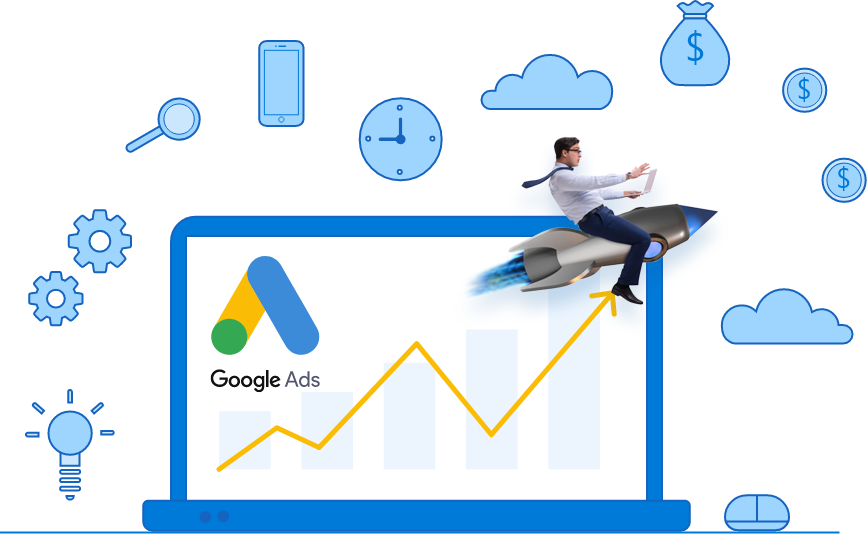
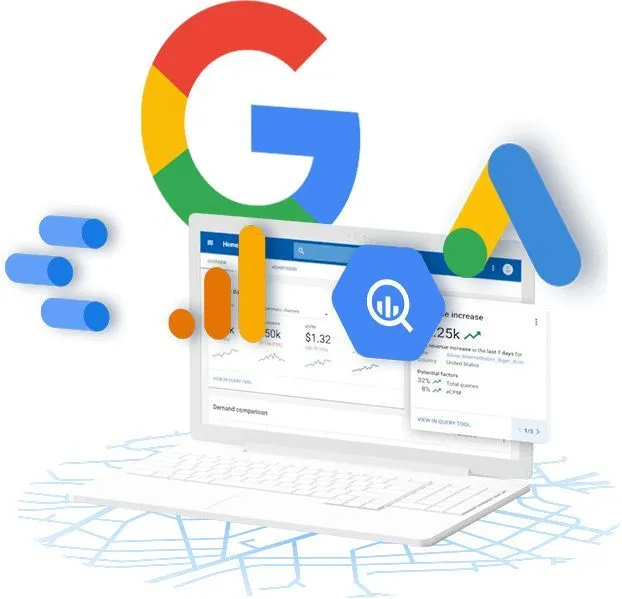
Google Ads is an online advertising platform by Google where businesses can show their ads on Google search results, YouTube, and other websites.
What is Google Ads?
For example, when someone searches:
“best restaurant in Rajwada”
“digital marketing agency in Indore”
“salon near me”
The top results you see are usually Google Ads.
This means your business can appear at the top of Google instantly, even if your website is new.
Why Google Ads is Important for Your Business
If you want fast results, Google Ads is one of the best options. Here’s why:
1. Instant Visibility
Unlike SEO, which takes time, Google Ads shows your business at the top immediately.
2. Targeted Audience
You can target people based on:
Location (Rajwada, Indore)
Age
Interests
Search behavior
3. Pay Only for Results
You only pay when someone clicks on your ad. This is called PPC (Pay Per Click).
4. High ROI
If your ads are optimized properly, you can get more leads at a lower cost.
Why Choose Google Ads Services in Rajwada, Indore?
Rajwada is one of the busiest and most popular areas in Indore. Many businesses are competing for attention. Whether you run a shop, restaurant, coaching institute, or service business, you need to stand out.
Using Google Ads Services in Rajwada, Indore helps you:
Running Google Ads is not just about creating an ad. It requires strategy, testing, and optimization.
Here’s why hiring an expert like kamlesh singad is important:
1. Keyword Research
Choosing the right keywords is the most important step.
2. Ad Copywriting
Attractive ads increase clicks and conversions.
3. Budget Management
Avoid wasting money on wrong clicks.
4. Performance Tracking
Experts track results and improve campaigns regularly.
About Code With Kamlesh Digital Marketing Agency
Code With Kamlesh Digital Marketing Agency is a trusted name in Indore for digital marketing services. Founded by kamlesh singad, the agency helps businesses grow online with effective strategies.
What Makes Them Different?
Practical experience with real clients
Result-oriented approach
Affordable pricing
Personalized strategy for each business
They understand the local market of Indore, especially areas like Rajwada, which helps in better targeting.
Complete setup, optimization, and scaling of campaigns.
2. SEO Services
Improve your website ranking organically.
3. Social Media Marketing
Grow your presence on Instagram, Facebook, etc.
4. Website Development
Create high-converting websites.
5. Lead Generation
Focus on getting real customers, not just clicks.
Step-by-Step Process of Google Ads
Here’s how a professional campaign is created:
Step 1: Business Analysis
Understanding your business, goals, and target audience.
Step 2: Keyword Research
Finding high-performing keywords like:
Google Ads Services in Rajwada, Indore
Digital marketing agency in Indore
Step 3: Campaign Setup
Creating ad groups, ads, and targeting settings.
Step 4: Ad Launch
Ads go live on Google.
Step 5: Optimization
Improving performance based on data.
Benefits of Hiring a Digital Marketer in Indore
Working with a local expert has many advantages:
Better understanding of local market
Easy communication
Faster support
Personalized strategies
A skilled Digital Marketer in Indore like kamlesh singad knows what works best for businesses in Rajwada.
Common Mistakes to Avoid in Google Ads
Many businesses waste money because of these mistakes:
1. Wrong Keywords
Targeting irrelevant keywords leads to useless clicks.
2. Poor Ad Copy
If your ad is not attractive, people won’t click.
3. No Landing Page Optimization
Even if people click, they may not convert.
4. No Tracking
Without tracking, you don’t know what’s working.
Tips to Get Best Results from Google Ads
Use location targeting for Rajwada
Focus on high-intent keywords
Write clear and simple ads
Use call extensions
Optimize regularly
Why Local Businesses Should Invest in Google Ads
If you are still relying only on offline marketing, you are missing a big opportunity.
People today search everything on Google before buying.
By using Google Ads Services in Rajwada, Indore, you can:
Beat your competitors
Get instant leads
Increase sales
Build brand trust
Real Growth with the Right Strategy
Many businesses fail with Google Ads because they don’t use the right strategy. But with the right guidance, you can achieve amazing results.
Code With Kamlesh Digital Marketing Agency focuses on:
Data-driven decisions
Continuous improvement
Result-focused campaigns
This ensures your money is used effectively.
Final Thoughts
If you want to grow your business quickly and effectively, Google Ads is one of the best tools available today.
Especially in a competitive area like Rajwada, having a strong online presence is very important.
Choosing the right partner makes all the difference.
With the expertise of kamlesh singad and the professional approach of Code With Kamlesh Digital Marketing Agency, you can take your business to the next level.
So, if you are looking for the best Google Ads Services in Rajwada, Indore, now is the right time to start.
FAQs
What are Google Ads Services in Rajwada, Indore? Google Ads services help businesses run paid ads on Google to reach local customers in Rajwada, Indore and generate leads, calls, and sales.
How can Google Ads help my local business in Rajwada? Google Ads shows your business at the top of search results, helping you attract nearby customers who are actively searching for your services.
Why should I hire a Digital Marketer in Indore for Google Ads? A Digital Marketer in Indore understands the local market and can create targeted campaigns that deliver better results and higher ROI.
Is Google Ads suitable for small businesses? Yes, Google Ads is budget-friendly and flexible, making it ideal for small businesses to get quick visibility and leads.
Why choose Code With Kamlesh Digital Marketing Agency for Google Ads? Code With Kamlesh Digital Marketing Agency offers expert strategies, proper campaign optimization, and result-focused services to help businesses grow faster.
In today’s competitive business environment, growth is not optional—it is necessary. However, growth does not come from random posting or running ads without strategy. Instead, it comes from measurable systems that generate leads and sales consistently. That is why hiring a Performance Marketing Expert in Indore has become essential for modern businesses.
If you are searching for a reliable digital marketing agency indore, then working with kamlesh singad at code with kamlesh (CWK) agency indore can help you achieve real return on investment (ROI). This detailed guide explains performance marketing in simple English and shows how structured digital strategies can transform your business.
What is Performance Marketing?
Performance marketing is a results-based form of digital advertising. In simple words, you pay for measurable outcomes rather than assumptions. These outcomes may include:
Qualified leads
Direct sales
Website conversions
App downloads
Form submissions
Unlike traditional advertising, every click and conversion is tracked. Therefore, you always know where your money is going. Moreover, campaigns can be adjusted quickly if performance drops.
A skilled Performance Marketing Expert in Indore focuses on improving metrics such as cost per lead, conversion rate, and return on ad spend. As a result, marketing becomes predictable and scalable.
Why Businesses in Indore Need Performance Marketing
Indore is developing rapidly as a commercial and startup hub. Because of this expansion, competition across industries is increasing. Traditional marketing methods still create awareness; however, they do not provide accurate performance data.
On the other hand, digital platforms allow precise targeting. For example, businesses can target specific age groups, interests, and locations. In addition, campaign performance can be measured in real time.
Consequently, companies that adopt performance marketing gain a strong competitive advantage. This is why partnering with a professional digital marketing agency indore is no longer optional—it is strategic.
kamlesh singad is the founder of code with kamlesh (CWK) agency indore. He specializes in data-driven advertising strategies focused on ROI. Rather than running generic campaigns, he builds customized systems aligned with business goals.
Over time, he has helped local businesses generate quality leads and increase sales using structured paid campaigns. Because of his practical approach, many brands consider him a trusted Performance Marketing Expert in Indore.
His philosophy is simple: Spend smart. Track everything. Optimize continuously.
About Code With Kamlesh (CWK) Agency Indore
code with kamlesh (CWK) agency indore is a performance-focused digital marketing agency indore. The agency works with:
Coaching institutes
Real estate companies
E-commerce brands
Healthcare providers
Local service businesses
Instead of offering random marketing services, CWK builds measurable growth systems. Moreover, every campaign is backed by analytics and reporting.
First, detailed audience research is conducted. Next, high-converting ad creatives are developed. After that, campaigns are launched with proper tracking tools installed.
Because campaigns are monitored daily, improvements are made quickly. As a result, cost per lead decreases while conversions increase.
2. Lead Generation Funnels
Getting traffic is only the first step. Therefore, CWK builds complete funnels that convert visitors into customers.
These systems include:
Landing pages
Lead forms
WhatsApp automation
CRM integration
Email follow-ups
Consequently, businesses do not lose potential customers due to poor follow-up.
3. Conversion Optimization
Sometimes ads bring clicks but not sales. In such cases, conversion optimization becomes essential.
A professional Performance Marketing Expert in Indore improves:
Landing page design
Headlines and offers
Call-to-action buttons
Page loading speed
Through A/B testing, different variations are tested. As a result, the highest-performing version is selected.
4. Social Media Strategy
Although paid ads drive results, brand trust also matters. Therefore, CWK provides social media strategy support.
This includes:
Content planning
Creative design
Reel marketing
Brand positioning
When organic and paid strategies work together, growth becomes consistent.
Every project begins with understanding the business model, pricing structure, target audience, and competitors. Without clarity, campaigns cannot succeed.
Step 2: Strategy Development
Next, a customized roadmap is created. Budget allocation, funnel design, and key performance indicators (KPIs) are defined clearly.
Step 3: Technical Setup
Tracking tools such as Facebook Pixel and Google conversion tracking are installed. Therefore, all user actions can be measured accurately.
Step 4: Campaign Launch
Ads are launched in structured stages. Instead of spending the entire budget immediately, testing is done first.
Step 5: Optimization and Scaling
Data is analyzed daily. Winning ads receive higher budgets, while weak ads are paused or improved. Consequently, ROI improves steadily.
Benefits of Hiring a Performance Marketing Expert in Indore
Working with a specialist provides several advantages:
Accurate audience targeting
Lower cost per lead
Better conversion rate
Clear ROI tracking
Faster business growth
Reduced budget waste
Instead of experimenting blindly, you benefit from structured expertise.
Performance Marketing vs Traditional Marketing
Traditional marketing often focuses on visibility. However, visibility alone does not guarantee sales.
Performance marketing, in contrast, focuses on measurable actions. For example, if you spend ₹10,000 on ads, you can calculate exactly how many leads or sales you received.
Therefore, businesses prefer performance marketing because results are transparent and scalable.
Common Mistakes Businesses Make
Many business owners try running ads themselves. Although this approach may save money initially, it often leads to losses.
Incorrect targeting increases costs. Weak creatives reduce engagement. Lack of tracking makes optimization impossible. Moreover, stopping campaigns too early prevents proper testing.
As a result, businesses misunderstand digital marketing. In reality, the problem lies in strategy and execution.
By working with code with kamlesh (CWK) agency indore, these errors can be avoided.
Industries That Benefit the Most
Coaching Institutes
Generate admission leads through webinar funnels and targeted ads.
Real Estate
Attract serious property buyers using location-based campaigns.
E-commerce
Increase product sales through conversion and remarketing ads.
Healthcare
Drive appointment bookings with structured campaigns.
Because each industry is unique, strategy customization is essential.
Why ROI Matters More Than Likes
Likes and followers create social proof. However, they do not directly increase revenue.
Instead, businesses should focus on:
Cost per acquisition
Conversion rate
Customer lifetime value
Return on ad spend
A reliable digital marketing agency indore prioritizes profit-driven metrics.
Long-Term Growth Strategy
Short-term campaigns may generate quick leads. However, sustainable growth requires long-term planning.
CWK builds:
Retargeting audiences
Email databases
Repeat purchase campaigns
Loyalty strategies
Consequently, businesses generate revenue consistently rather than occasionally.
Because data is shared openly, decision-making becomes collaborative.
Future of Performance Marketing in Indore
Digital adoption in Indore is increasing every year. As more businesses shift online, competition will become stronger. Therefore, structured and data-driven marketing will dominate.
A knowledgeable Performance Marketing Expert in Indore will remain in high demand because businesses need measurable outcomes.
Final Thoughts
Business growth today depends on clarity, data, and smart execution. Random marketing efforts may create short-term visibility; however, they rarely produce consistent revenue. Therefore, businesses must focus on measurable strategies that directly impact profit.
A skilled Performance Marketing Expert in Indore understands how to combine audience targeting, creative strategy, tracking systems, and continuous optimization. As a result, every rupee spent on advertising is monitored and improved over time.
By working with a professional digital marketing agency indore like code with kamlesh (CWK) agency indore, businesses gain more than just ads—they gain a structured growth system. Under the guidance of kamlesh singad, campaigns are built around ROI, not guesswork.
In the long run, success does not come from spending more. Instead, it comes from spending wisely, analyzing data carefully, and scaling what works. If your goal is predictable leads, higher sales, and sustainable growth, partnering with a trusted
FAQs
1. What does a Performance Marketing Expert in Indore do?
A Performance Marketing Expert in Indore helps businesses generate measurable results like leads, sales, and conversions through paid advertising. They focus on data-driven strategies, audience targeting, campaign optimization, and ROI tracking instead of just increasing likes or followers.
2. Why should I hire a digital marketing agency indore for performance marketing?
Hiring a professional digital marketing agency indore ensures that your ad budget is used effectively. Agencies like code with kamlesh (CWK) agency indore use proper tracking systems, advanced tools, and tested strategies to reduce cost per lead and improve return on investment.
3. How is performance marketing different from traditional marketing?
Performance marketing is fully trackable and result-oriented. You only pay for measurable actions such as clicks, leads, or sales. Traditional marketing methods often lack proper tracking and may not guarantee ROI, while a Performance Marketing Expert in Indore focuses on real business growth.
4. How can Kamlesh Singad help my business grow?
kamlesh singad, founder of code with kamlesh (CWK) agency indore, creates customized advertising strategies based on your business goals. From campaign setup to optimization and scaling, he focuses on improving conversions, lowering ad costs, and increasing revenue.
5. What industries can benefit from performance marketing in Indore?
Almost every industry can benefit, including coaching institutes, real estate, e-commerce, healthcare, and local service businesses. A professional Performance Marketing Expert in Indore designs industry-specific strategies to generate high-quality leads and sales.
In today’s digital landscape, content marketing has emerged as a cornerstone of successful business strategies. Creating content that not only engages but also converts is a nuanced art and science. This comprehensive guide will delve into the intricacies of content marketing, providing actionable insights to help you craft content that resonates with your target audience and drives conversions.
Introduction to Content Marketing
The essence of content marketing lies in delivering valuable, relevant, and consistent content to attract and retain a clearly defined audience. Unlike traditional marketing methods that interrupt consumers with promotional messages, content marketing focuses on providing helpful information that addresses the needs and interests of your audience.
Importance of Content Marketing
Content marketing is critical for several reasons. It builds trust and credibility with your audience, enhances brand awareness, and ultimately drives profitable customer actions. By offering valuable content, you position your brand as a thought leader in your industry, which can lead to increased customer loyalty and higher conversion rates.
Evolution of Content Marketing
Content marketing has evolved significantly over the years. From simple blog posts and articles, it has expanded to include a variety of formats such as videos, podcasts, infographics, and interactive content. This evolution reflects changes in consumer behavior and technological advancements, making it essential for marketers to stay abreast of the latest trends and tools.
Understanding Your Audience
Creating content that converts starts with a deep understanding of your audience. Knowing who they are, what they need, and how they consume content allows you to tailor your messaging effectively.
Creating Audience Personas
Audience personas are fictional representations of your ideal customers. They help you understand your audience’s demographics, interests, pain points, and buying behavior. Creating detailed personas enables you to create targeted content that speaks directly to their needs and preferences.
Identifying Pain Points and Needs
Understanding your audience’s pain points and needs is crucial for creating content that resonates. Conduct surveys, interviews, and market research to gather insights into the challenges your audience faces and the solutions they seek. Addressing these pain points in your content positions your brand as a valuable resource.
Setting Clear Objectives
Clear objectives are the foundation of any successful content marketing strategy. Without defined goals, it is challenging to measure success and determine the effectiveness of your efforts.
Defining Your Goals
Set specific, measurable, achievable, relevant, and time-bound (SMART) goals for your content marketing strategy. Whether your objective is to increase website traffic, generate leads, or boost sales, having clear goals will guide your content creation and distribution efforts.
Measuring Success
Measuring the success of your content marketing efforts involves tracking key performance indicators (KPIs) such as website traffic, engagement rates, lead generation, and conversion rates. Use analytics tools to monitor these metrics and assess the impact of your content.
Types of High-Converting Content
Different types of content serve various purposes and resonate differently with audiences. To maximize conversions, diversify your content mix.
Blog Posts
Blog posts are a staple of content marketing. They provide valuable information, enhance SEO, and drive organic traffic to your website. Focus on creating well-researched, in-depth articles that address your audience’s interests and questions.
Videos
Video content is highly engaging and can significantly boost conversion rates. Whether through explainer videos, product demos, or customer testimonials, videos can convey complex information in an easily digestible format.
Infographics
Infographics are visually appealing and can simplify complex data. They are highly shareable and can drive traffic and backlinks to your website, enhancing your SEO efforts.
E-books and Whitepapers
E-books and whitepapers are excellent for capturing leads. Offer them as gated content in exchange for contact information, providing in-depth knowledge on specific topics relevant to your audience.
Content Ideation and Planning
Effective content marketing requires a structured approach to ideation and planning.
Brainstorming Techniques
Use brainstorming techniques such as mind mapping, SWOT analysis, and competitor analysis to generate content ideas. Engage your team in brainstorming sessions to tap into diverse perspectives and creativity.
Content Calendars
A content calendar helps you plan and organize your content production and distribution. It ensures consistency and allows you to align your content with key dates, events, and marketing campaigns.
Crafting Compelling Headlines
The headline is often the first thing your audience sees. A compelling headline can make the difference between someone clicking on your content or scrolling past it.
The Role of Headlines in Conversion
Headlines are crucial for capturing attention and enticing readers to engage with your content. They should be clear, concise, and convey the value of your content.
Tips for Writing Effective Headlines
Use power words, numbers, and questions in your headlines to increase their appeal. Test different headlines through A/B testing to determine which ones resonate best with your audience.
Creating Value-Driven Content
Value-driven content is key to converting your audience. It should educate, inform, and provide solutions to their problems.
Educating and Informing
Provide in-depth information and insights that help your audience make informed decisions. Educational content builds trust and positions your brand as an authority in your industry.
Solving Problems and Offering Solutions
Address your audience’s pain points and offer practical solutions. Content that solves problems demonstrates your brand’s value and encourages conversions.
Utilizing Storytelling
Storytelling is a powerful tool in content marketing. It creates an emotional connection with your audience and makes your content more memorable.
The Power of Stories in Marketing
Stories engage the emotional part of the brain, making your message more impactful. They can convey complex ideas in a relatable and engaging manner.
Elements of a Good Story
A good story includes a clear plot, relatable characters, and a compelling message. Use storytelling techniques to make your content more engaging and persuasive.
Optimizing Content for SEO
SEO optimization ensures your content is discoverable by search engines and reaches a broader audience.
Keyword Research
Conduct thorough keyword research to identify the terms your audience uses to search for information related to your industry. Use these keywords strategically in your content to improve its search engine ranking.
On-Page SEO Techniques
Optimize your content’s title tags, meta descriptions, headers, and images for SEO. Use internal and external links to enhance your content’s credibility and searchability.
Leveraging Visual Content
Visual content enhances the appeal and effectiveness of your content marketing efforts.
Importance of Visuals
Visuals such as images, videos, and infographics capture attention and make your content more engaging. They help convey information quickly and effectively.
Types of Visual Content
Incorporate various types of visual content, such as charts, graphs, and illustrations, to support your messaging and make your content more dynamic.
Incorporating Calls to Action (CTAs)
CTAs guide your audience towards taking the desired action, whether it’s signing up for a newsletter, downloading a resource, or making a purchase.
Crafting Effective CTAs
Effective CTAs are clear, concise, and compelling. Use action-oriented language and create a sense of urgency to encourage immediate response.
Placement of CTAs
Place CTAs strategically within your content. They should be prominent and seamlessly integrated to guide the reader through the conversion funnel.
Content Distribution Strategies
Creating high-quality content is only half the battle. You need effective distribution strategies to ensure it reaches your target audience.
Social Media Marketing
Leverage social media platforms to distribute your content and engage with your audience. Tailor your content to suit each platform’s unique characteristics and audience preferences.
Email Marketing
Email marketing is a powerful tool for content distribution. Use email newsletters to share your latest content and drive traffic to your website.
Paid Advertising
Invest in paid advertising to amplify your content’s reach. Use targeted ads on platforms like Google Ads and social media to reach specific segments of your audience.
Analyzing and Measuring Performance
To achieve success in content marketing, it’s crucial to understand how your content is performing and how it contributes to your overall business goals. Analyzing and measuring performance allows you to identify what’s working, what needs improvement, and where to allocate resources more effectively. This process involves tracking key metrics, using the right tools, and making data-driven decisions.
Key Metrics to Track
The first step in analyzing content performance is identifying the key metrics that align with your objectives. These metrics will vary depending on your goals, whether it’s increasing website traffic, generating leads, boosting engagement, or driving sales. Here are some essential metrics to consider:
Website Traffic: This includes the total number of visitors to your website, the number of page views, and unique visitors. Analyzing traffic patterns helps you understand which content attracts the most visitors.
Engagement Rates: Metrics such as time on page, bounce rate, and scroll depth indicate how engaged users are with your content. High engagement rates typically mean your content is relevant and valuable to your audience.
Social Media Metrics: Track likes, shares, comments, and follower growth on social media platforms. These metrics provide insights into how well your content resonates with your audience and its potential for viral reach.
Lead Generation: Measure the number of leads generated through content assets like e-books, whitepapers, webinars, and newsletter sign-ups. This helps evaluate the effectiveness of your content in capturing contact information.
Conversion Rates: This metric measures the percentage of visitors who take a desired action, such as making a purchase, filling out a form, or subscribing to a service. High conversion rates indicate that your content is persuasive and compelling.
Return on Investment (ROI): Calculate the ROI of your content marketing efforts by comparing the costs of content creation and distribution to the revenue generated. This helps determine the financial effectiveness of your strategy.
Tools for Measurement
Several tools can help you track and analyze your content’s performance. These tools provide detailed insights and data to inform your strategy. Here are some of the most commonly used tools:
Google Analytics: A powerful tool for tracking website traffic, user behavior, and conversions. Google Analytics provides comprehensive reports on various metrics, helping you understand your audience and their interactions with your content.
HubSpot: This all-in-one marketing platform offers tools for content management, social media, email marketing, and analytics. HubSpot’s analytics features allow you to track the performance of your entire content marketing strategy in one place.
SEMrush: A versatile tool for SEO, SEMrush offers features for keyword research, competitor analysis, and content performance tracking. It helps you optimize your content for search engines and monitor its impact.
BuzzSumo: This tool allows you to analyze the performance of your content across social media platforms. BuzzSumo helps you identify which types of content are most shared and engaged with by your audience.
Hootsuite: A social media management tool that provides analytics and insights on your social media content’s performance. Hootsuite helps you track engagement metrics and schedule posts for optimal reach.
Interpreting the Data
Once you’ve collected data using these tools, the next step is to interpret it. Look for patterns and trends that can inform your content strategy. Here are some tips for effective data interpretation:
Identify Top-Performing Content: Analyze which pieces of content generate the most traffic, engagement, and conversions. Identify common characteristics such as topics, formats, and distribution channels that contribute to their success.
Understand Audience Preferences: Use demographic and behavioral data to gain insights into your audience’s preferences. This helps tailor your content to meet their needs and interests more effectively.
Spot Weaknesses and Opportunities: Look for content that underperforms and identify potential reasons, such as poor keyword optimization, lack of promotion, or irrelevant topics. Use this information to make necessary improvements or pivot your strategy.
Benchmark Against Competitors: Compare your performance metrics with industry benchmarks and competitors’ data. This provides context and helps you gauge your content’s effectiveness relative to others in your niche.
Making Data-Driven Decisions
Data-driven decision-making involves using the insights gained from your analysis to inform your content marketing strategy. Here are some ways to apply these insights:
Optimize Content for SEO: Use keyword performance data to refine your SEO strategy. Focus on high-performing keywords and improve underperforming content by optimizing on-page elements such as titles, meta descriptions, and headers.
Enhance User Experience: Use engagement metrics to improve the user experience on your website. For example, if users are spending little time on your pages, consider improving the content’s readability, adding multimedia elements, or simplifying navigation.
Tailor Content to Audience Segments: Use demographic data to create personalized content for different audience segments. This increases relevance and engagement, leading to higher conversion rates.
Refine Distribution Strategies: Analyze the performance of various distribution channels and allocate resources to the most effective ones. Experiment with different posting times, formats, and promotional tactics to maximize reach and engagement.
Set Realistic Goals: Use historical performance data to set realistic, achievable goals for your content marketing efforts. Regularly review and adjust these goals based on ongoing performance analysis.
Continuous Improvement
Content marketing is an iterative process that requires continuous improvement. Regularly update and refine your strategy based on performance data and evolving market trends. Here are some tips for maintaining a cycle of continuous improvement:
Regular Content Audits: Conduct periodic content audits to assess the relevance, accuracy, and effectiveness of your existing content. Identify gaps and opportunities for updating or repurposing content.
Solicit Feedback: Encourage feedback from your audience, team members, and stakeholders. Use surveys, comments, and reviews to gather insights and suggestions for improvement.
Stay Informed: Keep up with industry news, trends, and best practices. Attend conferences, participate in webinars, and engage with thought leaders to stay ahead of the curve.
Experiment and Innovate: Continuously experiment with new content formats, topics, and distribution channels. Embrace innovation and be willing to take calculated risks to stay competitive.
By analyzing and measuring performance, you can make informed decisions that enhance your content marketing strategy. This approach not only improves the effectiveness of your efforts but also helps build a stronger connection with your audience, ultimately driving greater engagement, conversions, and business success.
Adapting and Improving Your Strategy
Content marketing is not a one-time effort but a continuous process that requires constant evaluation and refinement. As the digital landscape evolves, so do consumer preferences and behaviors. To maintain an effective content marketing strategy, you must be willing to adapt and improve based on data, feedback, and emerging trends. This section will explore the importance of learning from data, the process of continuous improvement, and practical steps to keep your strategy relevant and effective.
Learning from Data
Data-driven decision-making is crucial for refining your content marketing strategy. By analyzing performance metrics, you can gain insights into what works, what doesn’t, and why.
Collecting and Analyzing Data
Start by collecting data from various sources, including website analytics, social media insights, email marketing reports, and customer feedback. Key metrics to focus on include:
Website Traffic: Monitor the number of visitors, page views, and unique visitors to understand your content’s reach.
Engagement Rates: Track likes, shares, comments, and time spent on your content to gauge how well it resonates with your audience.
Lead Generation: Measure the number of leads generated through your content, such as newsletter sign-ups, contact form submissions, and downloads.
Conversion Rates: Assess the percentage of visitors who take the desired action, such as making a purchase or signing up for a webinar.
Interpreting the Data
Analyzing data involves looking for patterns and trends that can inform your strategy. For instance, if you notice that blog posts on specific topics consistently receive higher engagement, consider creating more content around those themes. Conversely, if certain types of content are underperforming, investigate the reasons behind this and adjust accordingly.
Learning from Competitors
Competitor analysis is another valuable tool for improving your content marketing strategy. Observe what your competitors are doing well and identify opportunities to differentiate yourself. Tools like SEMrush, Ahrefs, and BuzzSumo can help you analyze competitors’ content performance and uncover gaps in your own strategy.
Continuous Improvement
The concept of continuous improvement, or Kaizen, is central to maintaining an effective content marketing strategy. This involves regularly evaluating your content, processes, and results to identify areas for enhancement.
Content Audits
Conduct periodic content audits to evaluate the performance of your existing content. Assess factors such as relevance, accuracy, engagement, and SEO effectiveness. Identify outdated or underperforming content and decide whether to update, repurpose, or remove it.
Feedback Loops
Establish feedback loops with your audience and internal teams to gather insights and suggestions for improvement. Encourage readers to leave comments, participate in surveys, and provide reviews. Additionally, hold regular meetings with your marketing team to discuss performance and brainstorm new ideas.
Staying Informed and Adapting to Trends
The digital landscape is constantly changing, with new technologies, platforms, and consumer behaviors emerging regularly. Staying informed about industry trends and adapting your strategy accordingly is crucial.
Industry Trends
Keep up with industry news, attend conferences, and participate in webinars to stay informed about the latest trends and best practices in content marketing. Subscribe to industry blogs, follow thought leaders on social media, and join professional networks to stay connected with the latest developments.
Experimentation and Innovation
Don’t be afraid to experiment with new content formats, distribution channels, and marketing tactics. A/B testing, for instance, allows you to compare different versions of your content or calls to action to determine which performs better. Embrace innovation and be willing to take calculated risks to stay ahead of the competition.
Practical Steps for Adapting and Improving Your Strategy
To effectively adapt and improve your content marketing strategy, follow these practical steps:
Set Clear Benchmarks: Define what success looks like for your content marketing efforts by setting clear benchmarks and KPIs.
Regularly Review Performance: Schedule regular reviews of your content performance using analytics tools and feedback.
Update and Repurpose Content: Keep your content fresh and relevant by updating outdated information and repurposing high-performing content in different formats.
Engage with Your Audience: Foster a strong relationship with your audience by actively engaging with them through comments, social media, and email marketing.
Stay Agile: Be prepared to pivot your strategy based on data, feedback, and emerging trends. Maintain a flexible approach to adapt quickly to changes in the market.
Adapting and improving your content marketing strategy is an ongoing process that requires a commitment to data-driven decision-making, continuous improvement, and staying informed about industry trends. By regularly evaluating your performance, engaging with your audience, and embracing innovation, you can ensure that your content marketing efforts remain effective and relevant. This approach not only helps you stay ahead of the competition but also fosters a deeper connection with your audience, ultimately driving greater engagement and conversions.
Conclusion
Content marketing is a dynamic and multifaceted discipline that requires a strategic approach and a deep understanding of your audience. By creating high-quality, value-driven content and leveraging effective distribution strategies, you can drive engagement, build trust, and achieve your business goals. As the digital landscape continues to evolve, staying adaptable and informed will be key to maintaining a successful content marketing strategy.
FAQs
How can I identify my audience’s pain points? To identify your audience’s pain points, conduct surveys, interviews, and market research. Engage with your audience through social media and analyze feedback and comments to gain insights into their challenges and needs.
What are the best types of content for conversion? The best types of content for conversion include blog posts, videos, infographics, e-books, and whitepapers. Each type serves a different purpose and resonates differently with audiences, so a diverse content mix is recommended.
How important is SEO in content marketing? SEO is crucial in content marketing as it ensures your content is discoverable by search engines. Optimized content ranks higher in search results, driving organic traffic and increasing visibility.
What makes a compelling headline? A compelling headline is clear, concise, and conveys the value of the content. It should include power words, numbers, and questions to capture attention and entice readers to click.
How can I measure the success of my content marketing efforts? Measure the success of your content marketing efforts by tracking key metrics such as website traffic, engagement rates, lead generation, and conversion rates. Use analytics tools to monitor these metrics and assess the impact of your content.
How often should I update my content strategy? Your content strategy should be regularly reviewed and updated based on performance data and industry trends. Continuous improvement ensures your strategy remains effective and relevant.
In today’s digital age, social media has become a powerful tool for individuals and businesses alike to connect with their audience, build brand awareness, and drive engagement. Whether you’re an aspiring influencer, a small business owner, or a marketer, achieving explosive growth on social media can be a game-changer. In this blog, we’ll explore ten proven strategies that can help you unlock the potential for massive social media growth, all explained in simple language with real-world examples.
Define Your Goals and Audience
Before diving into any social media strategy, it’s essential to define your goals and target audience. Knowing what you want to achieve and who you want to reach will guide your efforts. For instance, if you’re running a fitness blog, your goal might be to increase engagement with fitness enthusiasts. Your audience could include people interested in weight loss, muscle gain, or healthy eating.
Example: Kayla Itsines, a fitness influencer, clearly defines her audience as women interested in fitness and wellness. Her goal is to inspire and motivate them to lead a healthy lifestyle.
Create High-Quality Content
Compelling content is the heart of any successful social media strategy. Your content should be visually appealing, informative, and relevant to your audience. Use a mix of text, images, videos, and infographics to keep your content fresh and engaging.
Example: National Geographic’s Instagram account is a prime example of high-quality content. They share stunning photos and videos of wildlife and nature, captivating their audience.
Consistency is Key
Consistency in posting is vital to keep your audience engaged and informed. Develop a content calendar to plan your posts in advance, and stick to a regular posting schedule. This consistency helps build trust with your followers.
Example: Starbucks maintains a consistent posting schedule on Instagram, with frequent updates about new products, promotions, and behind-the-scenes glimpses. This keeps their followers engaged.
Engage with Your Audience
Social media is a two-way street. Respond to comments, messages, and mentions promptly. Engaging with your audience not only builds a sense of community but also boosts your algorithm ranking, making your content more visible.
Example: Wendy’s Twitter account gained fame for its witty responses to customer comments and competitors. Their engagement with their audience has led to increased brand visibility and a loyal following.
Use Hashtags Strategically
Hashtags can expand your content’s reach by making it discoverable by a wider audience. Research and use relevant hashtags that align with your content and industry. Avoid overloading your posts with hashtags, as this can appear spammy.
Example: The beauty brand Sephora often uses popular beauty-related hashtags like #MakeupMonday and #SkincareSunday to increase the visibility of their Instagram posts.
Collaborate with Influencers
Partnering with influencers in your niche can give your social media growth a significant boost. Influencers already have a dedicated following, and their endorsement can introduce your brand or content to a larger audience.
Example: Daniel Wellington, a watch brand, collaborated with various fashion influencers to showcase their products. This strategy helped them gain widespread recognition and a substantial increase in followers.
Run Contests and Giveaways
Contests and giveaways are an effective way to generate excitement and engagement among your followers. Encourage users to participate by liking, sharing, or tagging friends in your posts. Ensure that the prizes are relevant to your target audience.
Example: GoPro often runs user-generated content contests, encouraging its customers to share their adventures captured with GoPro cameras. This strategy not only boosts engagement but also provides them with user-generated content for marketing.
Analytics and Optimization
Regularly analyze your social media performance using built-in analytics tools or third-party apps. Pay attention to metrics like engagement rates, follower growth, and post reach. Use this data to refine your strategy and focus on what works best.
Example: Buffer, a social media management platform, offers detailed analytics that help users track the performance of their social media posts. This data helps businesses optimize their content strategy.
Paid Advertising
While organic growth is valuable, consider investing in paid advertising to reach a broader audience. Social media platforms offer various advertising options, such as sponsored posts and targeted ads. Allocate a budget and experiment with different ad formats to see what yields the best results.
Example: Airbnb uses paid advertising on Facebook and Instagram to showcase unique and beautiful properties to potential travelers. This approach helps them reach a global audience.
Stay Updated with Trends
Social media is constantly evolving, with new trends and features emerging regularly. Stay informed about platform updates, algorithm changes, and industry trends. Adapt your strategy to take advantage of these developments.
Example: TikTok, a relatively new platform, quickly gained popularity due to its short-form video format. Many businesses, such as Ocean Spray, jumped on the TikTok trend to increase brand visibility.
Conclusion
Achieving explosive social media growth requires a well-thought-out strategy, dedication, and a willingness to adapt. By defining your goals, creating high-quality content, engaging with your audience, and utilizing these ten proven strategies, you can unlock the full potential of social media to propel your brand or personal profile to new heights. Remember that success may not happen overnight, but with patience and persistence, you can achieve remarkable growth in the digital realm.
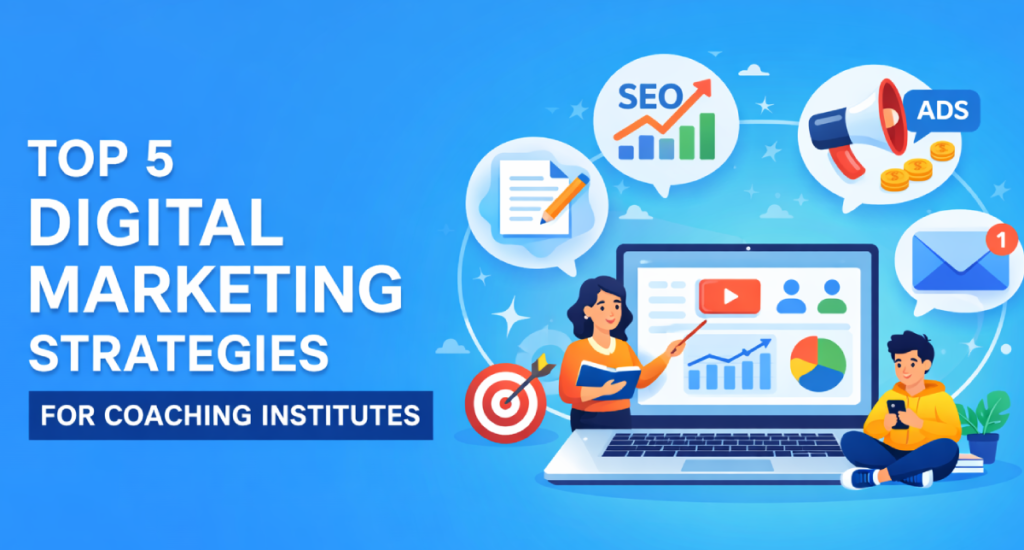
In today’s digital age, the success of coaching institutes heavily relies on their ability to adapt and excel in the online realm. Traditional marketing strategies alone no longer suffice. Enter digital marketing – a powerful tool that can help coaching institutes not only survive but thrive in this competitive landscape. In this comprehensive guide, we’ll explore how digital marketing can be a game-changer for coaching institutes. We’ll break down complex concepts into simple language, supported by real-world examples to help you understand how to harness the full potential of digital marketing to grow your coaching business.
Learn how Digital Marketing helps coaching institutes grow by increasing visibility, generating student leads, and boosting enrollments. Discover proven strategies like SEO, social media, and ads to scale your coaching business effectively.
Chapter 1: Understanding Digital Marketing
Before we dive into how digital marketing can boost coaching institutes, let’s start with the basics.
What is Digital Marketing?
Digital marketing encompasses all marketing efforts that use an electronic device or the internet. It’s the umbrella term for a wide range of online strategies and tactics aimed at connecting with potential students and nurturing them into paying customers.
Why Digital Marketing?
Digital marketing offers numerous advantages, including:
Cost-Efficiency: Compared to traditional advertising channels like print and TV, digital marketing is often more cost-effective.
Precise Targeting: It allows you to target specific demographics, ensuring your message reaches the right audience.
Measurable Results: Digital marketing tools provide data on performance, enabling you to make data-driven decisions and optimize your campaigns.
Global Reach: With the internet, you can reach students not only locally but also globally.
Chapter 2: Building a Strong Online Presence
The foundation of a successful digital marketing strategy for coaching institutes is a strong online presence. Here’s how to get started:
1. Website Development
Your website is your virtual campus. Make sure it’s user-friendly, informative, and visually appealing. Showcase your coaching programs, faculty, success stories, and contact information.
Example: Khan Academy
Khan Academy’s website is a prime example of simplicity and effectiveness. It offers free educational content, making it an excellent resource for students and parents.
2. Search Engine Optimization (SEO)
SEO is the process of optimizing your website to rank higher in search engine results. Implementing relevant keywords and creating valuable content can help improve your website’s visibility.
Example: Coursera
Coursera’s SEO strategy has allowed it to dominate the online education space. A search for “online courses” will likely lead you to Coursera.
3. Content Marketing
Creating and sharing valuable content such as blogs, videos, and infographics can establish your coaching institute as an authority in your niche.
Example: Byju’s
Byju’s, an Indian ed-tech company, publishes engaging educational content on various platforms. Their YouTube channel features lessons, making learning fun and accessible.
Chapter 3: Social Media Marketing
Social media platforms are fertile ground for reaching and engaging with your target audience.
1. Choose the Right Platforms
Identify which social media platforms your target audience frequents. For instance, if you’re coaching for competitive exams, platforms like LinkedIn and YouTube might be more effective than Instagram or TikTok.
Example: The Princeton Review
The Princeton Review maintains an active presence on LinkedIn, offering valuable content to professionals looking to advance their careers.
2. Content Strategy
Create and share content that resonates with your audience. Share success stories, tips, and informative posts related to your niche.
Example: Udacity
Udacity’s Twitter account is a blend of informative posts about technology trends and stories of students who have achieved career success with their courses.
3. Paid Advertising
Consider investing in paid advertising on social media platforms. Targeted ads can reach a broader audience and drive traffic to your website or enrollment pages.
Example: Khan Academy
Khan Academy often runs Facebook ads, promoting their free educational resources to a wider audience.
Chapter 4: Email Marketing
Email marketing remains one of the most effective ways to nurture leads and convert them into paying students.
1. Building an Email List
Collect email addresses through your website, social media, and events. Offer incentives like e-books or newsletters to encourage sign-ups.
Example: Coursera
Coursera offers a free trial and encourages users to sign up with their email to access a wide range of courses.
2. Personalized Email Campaigns
Segment your email list based on user behavior and preferences. Send personalized emails with relevant content and offers.
Example: Duolingo
Duolingo’s emails include tailored language learning exercises and reminders to keep users engaged.
3. Automation
Use email marketing automation tools to send timely emails, such as welcome messages, course recommendations, and follow-ups.
Example: edX
edX sends automated reminders to students about upcoming course deadlines and offers course recommendations based on their interests.
Chapter 5: Pay-Per-Click (PPC) Advertising
PPC advertising allows you to display ads on search engines and other platforms, paying only when a user clicks on your ad.
1. Google Ads
Google Ads is a powerful platform for coaching institutes. You can bid on keywords related to your courses to appear at the top of search results.
Example: Kaplan
Kaplan uses Google Ads to appear at the top of search results for keywords like “MCAT prep courses.”
2. Facebook and Instagram Ads
These platforms allow you to target users based on their interests, demographics, and behavior. Create visually appealing ads to capture attention.
Example: Udemy
Udemy uses Facebook and Instagram ads to promote its vast selection of online courses.
3. Remarketing
Remarketing involves showing ads to users who have visited your website but didn’t enroll. It’s a powerful way to re-engage potential students.
Example: Udacity
Udacity uses remarketing to remind users about the courses they viewed but didn’t enroll in, encouraging them to return and complete their enrollment.
Chapter 6: Influencer Marketing
Leverage influencers in your niche to promote your coaching institute.
1. Identify Relevant Influencers
Find influencers whose audience aligns with your target demographic. Reach out to them for collaborations.
Example: MasterClass
MasterClass partners with well-known experts and celebrities to teach various courses, attracting a broad audience.
2. Collaborate on Content
Work with influencers to create engaging and informative content that showcases your coaching institute’s strengths.
Example: LinkedIn Learning*
LinkedIn Learning collaborates with industry experts and influencers to create courses that cater to professionals seeking career growth.
3. Measure Impact
Track the performance of influencer marketing campaigns to ensure they deliver a positive return on investment (ROI).
Example: LinkedIn Learning*
LinkedIn Learning likely evaluates the success of influencer partnerships by monitoring course enrollments and engagement levels.
Chapter 7: Analytics and Data-driven Decision Making
One of the significant advantages of digital marketing is the wealth of data it provides.
1. Google Analytics
Use tools like Google Analytics to monitor website traffic, user behavior, and conversion rates.
Example: Khan Academy
Khan Academy likely uses Google Analytics to track user engagement with their educational content.
2. Social Media Insights
Platforms like Facebook and Instagram offer insights into the performance of your social media posts and ads.
Example: Byju’s
Byju’s can analyze social media insights to determine which types of content resonate best with their audience.
3. A/B Testing
Experiment with different ad copies
, images, and landing pages to determine what works best.
Example: Coursera
Coursera might run A/B tests to optimize its course landing pages and increase conversion rates.
Chapter 8: Online Reputation Management
Your coaching institute’s online reputation can significantly impact its success.
1. Reviews and Ratings
Encourage satisfied students to leave positive reviews and ratings on platforms like Google, Yelp, and Trustpilot.
Example: Kaplan
Kaplan features positive student testimonials on its website, reinforcing its credibility.
2. Addressing Negative Feedback
Respond professionally to negative feedback and take steps to resolve issues to demonstrate your commitment to student satisfaction.
Example: Udemy
Udemy actively engages with users who leave negative feedback, offering solutions and seeking to improve their experience.
3. Showcase Achievements
Highlight your coaching institute’s achievements, such as high exam pass rates or student success stories.
Example: The Princeton Review
The Princeton Review proudly displays its high average score improvements and success stories on its website.
Chapter 9: Mobile Marketing
With the increasing use of smartphones, optimizing your marketing for mobile is crucial.
1. Mobile-Friendly Website
Ensure your website is responsive and offers a seamless experience on mobile devices.
Example: Udacity
Udacity’s website is mobile-friendly, providing an excellent user experience on smartphones.
2. Mobile Apps
Consider developing a mobile app for your coaching institute. Apps can offer additional learning resources and engagement opportunities.
Example: Duolingo*
Duolingo’s mobile app provides convenient language learning on the go, attracting millions of users worldwide.
3. SMS Marketing
Send targeted SMS messages to students about course updates, events, and special offers.
Example: Coursera
Coursera occasionally sends SMS notifications to users about new courses and discounts.
Chapter 10: Staying Updated
The digital marketing landscape is constantly evolving. It’s essential to stay informed about the latest trends and technologies.
1. Continuous Learning
Invest in the ongoing education of your marketing team or consider outsourcing to agencies with expertise in digital marketing.
Example: HubSpot Academy*
HubSpot offers free courses on digital marketing, making it easy for marketing professionals to stay updated.
2. Networking and Conferences
Attend industry conferences and connect with experts to gain insights into emerging trends.
Example: MozCon*
MozCon is a well-known conference in the digital marketing industry, featuring presentations from leading experts.
3. Monitor Competitors
Keep an eye on your competitors’ digital marketing strategies and adapt as needed.
Example: Udemy*
Udemy likely monitors competitors’ course offerings and pricing to stay competitive.
Conclusion
In today’s digital age, digital marketing is not an option but a necessity for coaching institutes looking to grow and succeed. By building a strong online presence, leveraging social media, harnessing the power of email marketing, and utilizing paid advertising, analytics, influencer marketing, and more, coaching institutes can connect with their target audience and thrive in the competitive education industry.
Remember, digital marketing is not a one-size-fits-all solution. Each coaching institute is unique, and your digital marketing strategy should reflect your institution’s values, strengths, and goals. With continuous learning and adaptation, you can harness the full potential of digital marketing to drive growth and success for your coaching institute in the digital age,help digital marketing to grow .
Imagine you have a shop and you want to attract more customers to your website. One way to do this is through something called “Pay Per Click” or PPC.
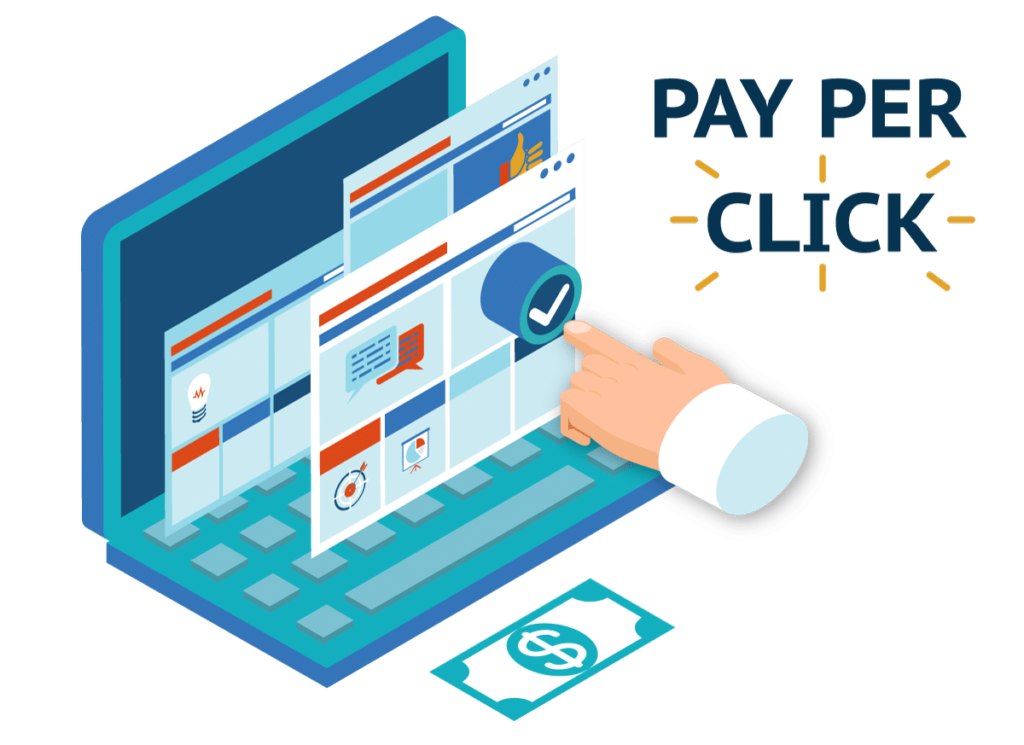
Think of PPC as a kind of online advertising where you only pay when someone clicks on your ad. It’s like putting up a billboard on a busy street, but you only pay the billboard company when someone actually stops and takes a closer look at your billboard.
In the online world, PPC works similarly. You create a little ad that shows up when people search for something related to what you offer. These ads usually appear on search engines like Google or on websites. When someone clicks on your ad, they get directed to your website, and you pay a small amount for that click.
The cool thing about PPC is that you can choose exactly who sees your ad. For instance, if you’re selling sneakers, you can make sure your ad shows up when someone types in “cool sneakers” in a search engine. This means your ad reaches people who are already interested in what you’re selling.
PPC can be a great way to bring potential customers to your website and hopefully turn them into actual buyers. It’s like paying a small fee for each visitor who walks into your virtual store after being attracted by your online ad. Just remember, it’s important to make sure your ad and website are interesting and relevant to what people are looking for, so they’re more likely to stick around and make a purchase.
1. What is PPC?
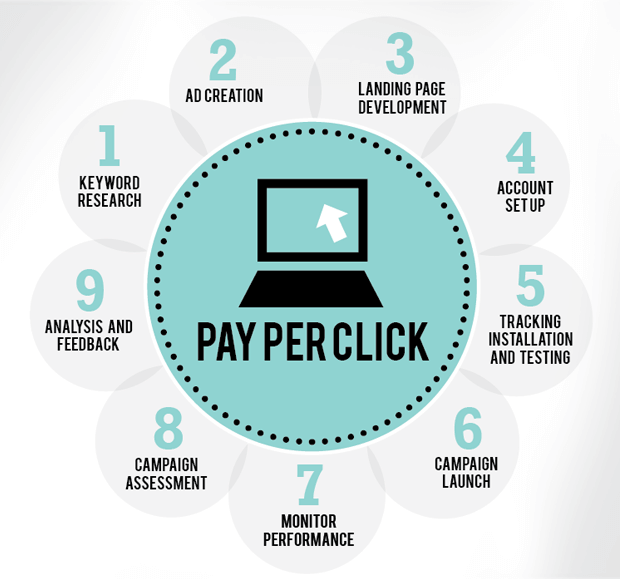
Definition of PPC: Pay Per Click (PPC) is an online advertising model where advertisers pay a fee each time their ad is clicked. It’s a way to buy visits to your website rather than trying to earn those visits organically.
How PPC works: Advertisers bid on specific keywords related to their products or services. When someone searches for those keywords, the ads are shown at the top of the search results. If the user clicks on the ad, the advertiser pays the search engine (like Google) for that click.
Benefits of PPC advertising: It offers immediate visibility in search results, targets specific audiences, provides measurable results, and allows for precise budget control.
2. Components of PPC Campaigns:
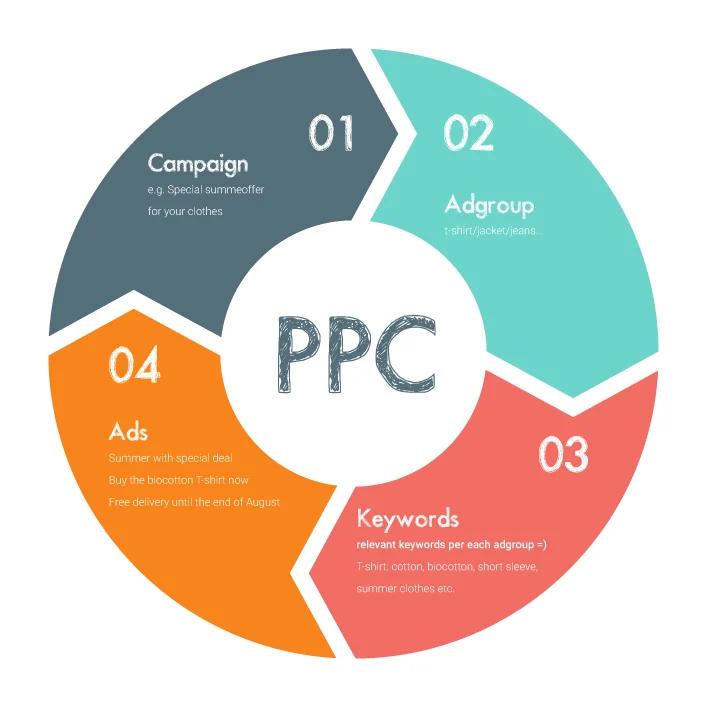
Keywords: Keywords are the words or phrases that trigger your ads to appear. For instance, if you sell running shoes, “best running shoes” could be a keyword.
Ad Copy: This is the text of your advertisement. It should be catchy, relevant to the keyword, and include a call-to-action (CTA). For example, “Shop the latest running shoe collection now!”
Landing Pages: The page where users are directed after clicking your ad. It should match the ad’s promise and provide a seamless user experience.
Ad Extensions: These are extra pieces of information added to your ad, like your phone number, location, or links to specific pages on your website.
Budget and Bidding: You set a daily or monthly budget, and you bid on keywords. The bid amount affects how often your ad appears and where it’s placed on the page.
3. Setting Up Your PPC Campaign:
Researching Keywords: Use tools like Google Keyword Planner to find relevant keywords for your business. Focus on keywords with high search volume and relevance to your offerings.
Campaign Structure: Divide your campaigns into smaller ad groups, each with a specific theme. This helps you tailor your ads and track performance more effectively.
Ad Platforms: Popular platforms include Google Ads (for search and display ads), Bing Ads (Microsoft’s search engine), and social media platforms like Facebook Ads.
Targeting Options: Define your target audience by factors like location, demographics, interests, and device types.
4. Creating Effective Ad Campaigns:
Writing Compelling Ad Copy: Use action-oriented language, highlight benefits, and create a sense of urgency. For example, “Limited-time offer: 50% off running shoes!”
Ad Formats: Experiment with different formats, such as text ads, display ads with images, and video ads.
Ad Quality Score: This is a rating given by platforms like Google to your ads and landing pages. It affects your ad’s position and cost. To improve it, focus on relevance and user experience.
A/B Testing: Create multiple versions of your ads and test different elements like headlines, descriptions, and images to see what resonates best with your audience.
5. Keyword Research and Selection:
Types: Broad match (wide keyword variations), exact match (precise keywords), phrase match (specific phrases), and negative keywords (words you don’t want your ad to appear for).
Tools: Besides Google Keyword Planner, tools like SEMrush, Ahrefs, and Moz can help you find valuable keywords.
Long-Tail Keywords: These are longer, more specific phrases. For example, “affordable lightweight running shoes for beginners.”
6. Managing Bids and Budgets:
Bid Strategies: Manual Bidding, Automated Bidding, and Bid Adjustments:
Manual Bidding: With manual bidding, you set the maximum amount you’re willing to pay for a click. It gives you precise control over your bids but requires constant monitoring and adjustments.
Automated Bidding: Automated bidding uses algorithms to adjust bids based on various factors, such as user behavior and conversion likelihood. It can save time and optimize bids for better results.
Bid Adjustments: These allow you to modify bids for specific criteria like device type, location, or time of day. For example, you can increase bids for mobile users if your website is mobile-friendly.
Budget Allocation: Determining How Much to Spend on Each Campaign:
Start Small: Begin with a modest budget to test different keywords and ads. As you gather data and optimize your campaigns, you can gradually increase your budget.
Allocate by Campaign Goals: Allocate more budget to campaigns that are driving better results or have higher potential for conversions.
Consider Seasonality: Adjust your budget based on peak seasons for your business. For instance, if you sell winter clothing, allocate more budget during the colder months.
Cost-Per-Click (CPC): Understanding the Cost of Each Click:
Auction-Based Pricing: In PPC, you participate in an auction for ad placement. You’re competing with other advertisers, and the amount you’re willing to pay (your bid) determines your ad’s position.
Ad Rank: Your ad’s position is determined by your bid, ad quality score, and other factors. A higher ad quality score can lead to a better position at a lower cost.
Calculating CPC: Your CPC is the actual amount you pay when someone clicks your ad. It’s often lower than your maximum bid because you pay just enough to beat the ad rank of the competitor below you.
Budget Considerations: Keep an eye on your CPC to ensure it aligns with your budget. If CPC is too high, you might need to adjust your bids or target more specific keywords.
Click-Through Rate (CTR): CTR measures the percentage of people who click on your ad after seeing it. A higher CTR indicates that your ad is relevant and engaging to users.
Conversion Rate: Conversion rate shows the percentage of users who take a desired action, like making a purchase or filling out a form, after clicking your ad. It’s a crucial metric for measuring campaign effectiveness.
Quality Score: This score rates the quality and relevance of your ads, keywords, and landing pages. Higher quality scores can lead to better ad positions and lower CPC.
Impressions: The number of times your ad is displayed to users. High impressions coupled with low clicks might suggest that your ad needs improvement.
Conversion Tracking: Monitoring User Actions and Goals:
Setting Up Goals: Define what actions you want users to take on your website, such as making a purchase or signing up for a newsletter.
Tracking Codes: Use tracking codes (e.g., Google Analytics) to monitor user behavior. These codes help you see which ads and keywords are driving conversions.
Attribution: Understand which interactions contributed to conversions. Attribution models (first click, last click, etc.) help you attribute value to different touchpoints.
Optimizing for Conversions: Analyze data to identify patterns and trends. Focus on campaigns, keywords, and ads that generate the highest conversion rates.
Analytics Tools: Utilizing Tools like Google Analytics for Deeper Insights:
Google Analytics: This powerful tool provides detailed insights into user behavior on your website. You can track traffic sources, user demographics, bounce rates, and more.
Conversion Tracking Platforms: Besides Google Analytics, platform-specific conversion tracking tools like Google Ads Conversion Tracking provide direct insights into campaign performance.
Data Analysis: Regularly review data to identify trends and anomalies. Adjust your campaigns based on the insights you gain from these tools.
Continuous Optimization: Use data to make informed decisions about which aspects of your campaigns need improvement. A/B testing different elements can lead to higher conversion rates over time.
By focusing on these metrics and tools, you can measure the effectiveness of your PPC campaigns and make informed decisions to improve their performance.
8. Optimizing Your PPC Campaigns:
Ad Performance Review: Analysing What’s Working and What Isn’t:
Regularly assess your campaign’s performance metrics, like CTR, conversion rate, and cost per conversion. Identify which ads and keywords are generating the best results and which ones are underperforming. Pause or adjust ads that aren’t delivering desired results and focus more on successful elements.
Ad Copy Refinement: Making Improvements Based on Data:
Experiment with different ad copy variations to see what resonates best with your audience. Analyze the performance of each ad by comparing CTR and conversion rates. Incorporate successful phrases, keywords, and calls-to-action into your ad copy.
Keyword Adjustments: Adding, Pausing, or Modifying Keywords as Needed:
Review the performance of your keywords regularly to identify high-performing and low-performing ones.
Add new keywords based on emerging trends or user search behaviors.
Pause or remove keywords that are driving irrelevant traffic or not converting.
Landing Page Optimization: Enhancing User Experience and Conversion Rates:
Ensure your landing page matches the promise of your ad and provides relevant information. Use clear and compelling headlines, along with engaging visuals. Place your CTA prominently and make the conversion process intuitive and simple.
Page Load Speed: A slow-loading page can lead to high bounce rates. Optimize images and code to improve loading times.
Mobile Responsiveness: As many users access sites on mobile devices, make sure your landing page is mobile-friendly.
A/B Testing: Experiment with different layouts, content, and designs to find the most effective landing page variations.
Continuous Optimization:
Optimization is an ongoing process. Regularly review your campaigns, analyze data, and make adjustments. Keep a close eye on industry trends, seasonal changes, and user behavour shifts. Don’t be afraid to try new strategies and learn from both successes and failures.
9. Advanced PPC Strategies:
Remarketing: Reaching Out to Previous Website Visitors:
Remarketing targets users who have previously visited your website. You can show them tailored ads as they browse other sites.
It’s a powerful way to re-engage potential customers who might not have converted during their initial visit.
Display ads are graphical ads that appear on websites, often in the form of banners or sidebars.
Use eye-catching visuals, compelling copy, and a clear call-to-action to entice users to click.
Video Advertising: Engaging Users with Video Content:
Video ads can be shown on platforms like YouTube and social media.
Create engaging and concise videos that quickly capture viewers’ attention and communicate your message.
Geographic Targeting: Focusing on Specific Locations for Local Businesses:
Specify where your ads should be shown based on geographical criteria like city, state, or even radius around a location.
Ideal for local businesses looking to attract nearby customers.
Local Keywords: Use location-specific keywords to connect with users searching for products or services in your area.
Location-Specific Messaging: Tailor your ad copy to include references to the local area you’re targeting.
Local Landing Pages: If you have multiple business locations, create landing pages specific to each location for a personalized user experience.
Remember, Advanced Strategies Require Testing and Monitoring:
When implementing advanced strategies like remarketing or video ads, closely monitor their performance.
A/B test different variations to find the most effective approach.
Continuously refine and adjust these strategies based on real-time data.
Utilizing these advanced strategies can take your PPC campaigns to the next level, helping you reach and engage your target audience more effectively.
10. Avoiding Click Fraud and Irrelevant Clicks:
Click Fraud: This occurs when someone clicks on your ads with malicious intent, like trying to deplete your budget or harm your campaign. To prevent click fraud, regularly monitor your campaigns for unusual activity, such as sudden spikes in clicks from the same IP address.
Invalid Clicks: These are clicks that are unintentional or accidental, often due to user errors. While they may not be malicious, they can still waste your budget. Utilize click tracking and analytics tools to identify patterns of invalid clicks.
Ad Policy Compliance: Following Platform Guidelines:
Each PPC platform, such as Google Ads or Facebook Ads, has specific guidelines for ad content, language, images, and landing pages. Failure to comply can result in disapproval or even suspension of your ads or account.
Budget Management: Preventing Overspending:
Set a clear budget for each campaign and regularly review your spending. Keep an eye on your daily or monthly expenditure to prevent overspending.
Ad Copy Tips: Writing Engaging and Relevant Ads:
Captivating Headlines: Start with attention-grabbing headlines that entice users to read further.
Unique Selling Proposition (USP): Highlight what sets your product or service apart from the competition.
Clear Call-to-Action (CTA): Prompt users to take the desired action, whether it’s making a purchase, signing up, or learning more.
Relevance: Ensure your ad copy directly relates to the user’s search query and the content of your landing page.
Keywords: Incorporate relevant keywords strategically while maintaining natural-sounding copy.
Benefits Over Features: Focus on how your product or service benefits the user, rather than just listing features.
11. future trends in PPC advertising:
Automation and AI in PPC:
Automation and AI technologies are becoming more integral in managing PPC campaigns efficiently. Machine learning algorithms can optimize bidding strategies, adjusting bids in real-time based on factors like user behavior and conversion likelihood.
AI can analyze vast amounts of data to identify trends, patterns, and opportunities that humans might miss.
Voice Search and PPC:
As voice assistants like Siri, Google Assistant, and Alexa become increasingly popular, voice search is changing the way people search for information. PPC campaigns need to adapt to voice search queries, which are often longer and more conversational. Long-tail keywords and natural language targeting become crucial for reaching users using voice commands.
Mobile-Friendly PPC Strategies:
Mobile devices continue to dominate online activities, including searches and purchases. PPC strategies should prioritize mobile optimization, ensuring landing pages are responsive and load quickly on mobile devices.
Cross-Channel Integration:
PPC campaigns are increasingly being integrated with other digital marketing channels like social media, email marketing, and content marketing.
Privacy and Data Protection:
Increasing concerns about privacy and data protection are leading to changes in how data is collected and used for advertising.
Visual and Video Ads:
Visual and video content is gaining prominence, especially on platforms like Instagram, YouTube, and TikTok.
Video ads, in particular, are becoming more popular due to their engaging nature and ability to convey information effectively.
Interactive and Immersive Ads:
Interactive ads, such as quizzes, polls, and playable ads, are becoming more prevalent, allowing users to engage directly with the ad content.
Augmented reality (AR) and virtual reality (VR) ads are also emerging as ways to provide immersive experiences to users.
12. Conclusion :
PPC Advertising: Pay Per Click (PPC) is an online advertising model where advertisers pay only when users click on their ads, directing them to their websites.
Components of PPC Campaigns: PPC campaigns involve keywords, ad copy, landing pages, ad extensions, and budget management.
Measuring Performance: Key metrics include CTR, conversion rate, quality score, and impressions. Conversion tracking and analytics tools like Google Analytics provide insights.
Advanced Strategies: Remarketing, display and video ads, geographic targeting, and continuous optimization enhance campaign effectiveness.
Final Thoughts on the Power of PPC Advertising:
PPC advertising is a dynamic and impactful tool for businesses:
Targeted Reach: PPC allows precise targeting of specific audiences, ensuring your ads reach those most likely to be interested in your offerings.
Quick Results: Unlike some other marketing efforts, PPC delivers fast results, making it ideal for short-term promotions or new product launches.
Measurable and Trackable: Every aspect of a PPC campaign is measurable, allowing you to track your performance and adjust strategies accordingly.
Scalability: PPC campaigns can be scaled up or down easily based on your business goals and budget.
Flexibility: Ad campaigns can be tailored to suit various goals, whether it’s driving sales, increasing brand awareness, or promoting specific events.
Continuous Learning: PPC advertising encourages ongoing learning and adaptation, helping you stay ahead in the ever-changing digital landscape.
By understanding and harnessing the power of PPC advertising, businesses can effectively connect with their target audience, drive conversions, and achieve their marketing objectives.
If you have more inquiries or need further guidance, feel free to ask!