In today’s digital world, every business wants more visibility, more leads, and more sales. But the biggest question is — how do you get consistent traffic without spending money on ads?
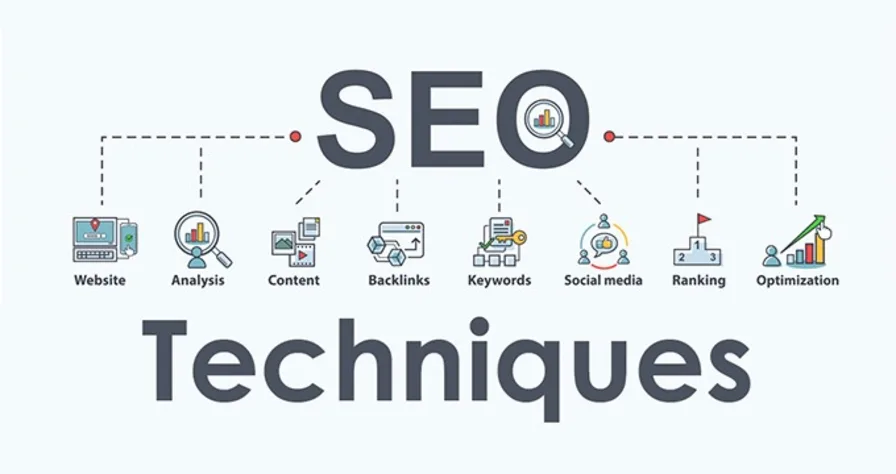
If you use the right SEO Techniques, you can bring organic traffic to your website for free and grow your business faster. In this blog, you will learn 5 powerful and practical SEO techniques that are easy to understand and apply — even if you are a beginner.
Organic traffic means visitors who come to your website from search engines like Google without paid ads. For example, when someone searches “best digital marketing services in Indore” and clicks your website — that is organic traffic.
A skilled Digital Marketer in Indore knows that organic traffic is:
Free
Long-lasting
High quality
Better for conversions
Why SEO is Important for Business Growth
SEO is not just about ranking on Google. It is about:
Getting the right audience
Building trust
Increasing brand visibility
Generating leads consistently
Without SEO, your website is like a shop in the jungle — no one will find it.
Now let’s understand the 5 Powerful SEO Techniques that can grow your organic traffic fast.
Backlinks are links from other websites to your website. Google sees them as “votes of trust”.
Why Backlinks Matter:
Increase domain authority
Improve rankings
Drive referral traffic
Ways to Build Backlinks:
Guest posting
Business directories
Blog commenting
Social sharing
Collaborations
Important Tip:
Focus on quality, not quantity.
1 backlink from a strong website is better than 100 low-quality links.
At code with kamlesh (CWK) agency indore, backlink building is done with a strategic approach to ensure long-term results.
5. Technical SEO & Website Speed
Technical SEO helps search engines crawl and index your website properly.
Key Factors:
1. Website Speed
Fast websites rank higher
Use tools like Google PageSpeed Insights
2. Mobile-Friendly Design
Most users are on mobile
Your site must be responsive
3. Secure Website (HTTPS)
SSL certificate is important
4. Sitemap & Robots.txt
Helps Google understand your site structure
5. Fix Errors
Broken links
404 pages
Duplicate content
Pro Tip:
Even the best content won’t rank if your website is slow or broken.
That’s why every expert Digital Marketer in Indore focuses on technical SEO.
Bonus Tip: Consistency is the Key
SEO is not a one-time process. You need to:
Post content regularly
Update old blogs
Track performance
Improve strategy
kamlesh singad believes that consistency + strategy = long-term success in SEO.
Common SEO Mistakes to Avoid
Avoid these mistakes if you want faster results:
Keyword stuffing
Copy content
Ignoring mobile users
Low-quality backlinks
Not updating content
How Code With Kamlesh Helps You Grow
code with kamlesh (CWK) agency indore provides complete digital marketing services including:
SEO services
Social media marketing
Google Ads
Website development
Lead generation
With real experience and practical strategies, CWK helps businesses grow faster with organic traffic.
Final Thought
SEO is not a shortcut—it’s a long-term investment that builds strong and sustainable growth for your business. By applying the right SEO Techniques like keyword research, quality content, on-page optimization, backlinks, and technical SEO, you can steadily increase your organic traffic and online visibility.
The key is to stay consistent, keep learning, and focus on providing real value to your audience. Success in SEO doesn’t happen overnight, but with the right strategy and execution, the results are powerful and long-lasting.
If you want to grow faster and avoid common mistakes, learning from experts like kamlesh singad and working with code with kamlesh (CWK) agency indore can give you a strong advantage. A skilled Digital Marketer in Indore understands how to turn traffic into real business results.
FAQs
1. What are the most important SEO techniques to grow organic traffic?
The most important SEO Techniques include keyword research, high-quality content creation, on-page SEO optimization, backlink building, and technical SEO. These help improve your website ranking and bring more organic traffic.
2. How long does it take to see results from SEO?
SEO is a long-term strategy. Usually, it takes 3 to 6 months to start seeing results, depending on competition, keyword difficulty, and how well your SEO is implemented.
3. Why is keyword research important in SEO?
Keyword research helps you understand what your audience is searching for. Using the right keywords like Digital Marketer in Indore helps your website rank higher and attract the right visitors.
4. Can I do SEO on my own or should I hire an expert?
You can start SEO on your own, but for faster and better results, it’s recommended to work with experts like kamlesh singad or code with kamlesh (CWK) agency indore, who have practical experience and proven strategies.
5. What is the role of backlinks in SEO?
Backlinks act as trust signals for Google. High-quality backlinks from trusted websites improve your domain authority and help your website rank higher in search results.
In today’s digital world, businesses must build a strong online presence to succeed. Most customers now search for products and services on Google before making a decision. Therefore, if your business does not appear in search results, you may lose many potential customers. This is exactly why hiring an SEO Expert Indore has become essential for modern businesses.
Search Engine Optimization, commonly known as SEO, helps websites rank higher in search engine results. As a result, businesses can attract more organic traffic and generate better leads. However, SEO is not just about adding keywords to a website. It requires strategy, technical knowledge, and continuous optimization.
Many businesses in Indore are now investing in digital marketing to stay competitive. For example, companies are working with professionals like kamlesh singad, who is known as a Digital Marketer in Indore and founder of code with kamlesh (CWK) agency indore. Such experts help businesses grow by improving their online visibility and search rankings.
In this guide, we will explain what SEO is, why businesses need it, and how to choose the best SEO Consultant in Indore.
What is SEO?
SEO stands for Search Engine Optimization. It is the process of improving a website so that it appears higher on search engines like Google. In simple terms, SEO helps search engines understand your website content and show it to the right audience.
When users search for services online, search engines display the most relevant results. Therefore, websites that are properly optimized have a better chance of appearing on the first page.
On-page SEO focuses on optimizing the content and structure of your website. For example, it includes keyword optimization, meta descriptions, headings, and internal links.
Moreover, high-quality content plays a very important role in on-page SEO. Search engines prefer websites that provide useful and relevant information to users.
Off-Page SEO
Off-page SEO refers to activities performed outside the website to improve its authority. For instance, backlink building, guest posting, and social media promotion are common off-page SEO strategies.
As a result, search engines see your website as more trustworthy and valuable.
Technical SEO
Technical SEO focuses on the backend performance of your website. This includes website speed, mobile friendliness, secure connections, and proper indexing.
Therefore, a skilled SEO Expert Indore ensures that the website performs well both for users and search engines.
Indore is rapidly growing as a business hub. Many startups, small businesses, and service providers are entering the market. Because of this, competition is increasing every day.
Therefore, businesses must invest in SEO to stay visible online.
Increased Online Visibility
When your website ranks on the first page of Google, more people can find your business. As a result, your brand awareness increases significantly.
More Quality Leads
SEO attracts people who are actively searching for your services. In other words, the traffic coming to your website already has an interest in your offerings.
Cost-Effective Marketing
Compared to traditional advertising, SEO provides long-term results. Although it takes time, the benefits continue for months or even years.
Strong Brand Credibility
Users often trust websites that appear at the top of search results. Therefore, higher rankings can improve your brand reputation.
Who is an SEO Expert?
An SEO expert is a professional who specializes in improving website rankings on search engines. In addition, they analyze website performance, identify issues, and implement strategies to increase organic traffic.
A professional SEO Consultant usually has expertise in:
Keyword research
Content optimization
Technical SEO
Link building
Website audits
SEO analytics
Furthermore, experienced professionals understand how search engine algorithms work and adapt strategies accordingly.
Many businesses in Indore rely on experts like kamlesh singad, who helps companies grow their digital presence through effective SEO techniques.
Choosing the right SEO professional is extremely important. However, not all SEO experts provide the same level of expertise.
Here are some qualities you should look for.
Strong SEO Knowledge
A professional SEO Expert Indore must understand both basic and advanced SEO techniques. Moreover, they should stay updated with the latest algorithm changes.
Proven Experience
Experience is a key factor when selecting anSEO Consultant. Therefore, always review their previous work and case studies.
Transparent Strategy
A trustworthy SEO expert explains their approach clearly. For example, they should inform you about keyword strategies, content plans, and link-building methods.
Analytical Skills
SEO involves data analysis. Therefore, experts use tools like Google Analytics and Search Console to track performance and improve strategies.
Communication and Reporting
Regular updates are important in SEO campaigns. Thus, a professional expert provides clear reports showing website progress and ranking improvements.
Role of a Digital Marketer in Indore
A Digital Marketer in Indore focuses on complete online marketing strategies rather than just SEO.
These professionals help businesses grow using multiple digital channels.
Services Provided by Digital Marketers
Search Engine Optimization
Social Media Marketing
Content Marketing
Google Ads Management
Lead Generation
Website Optimization
In addition, digital marketers combine different strategies to maximize results.
Professionals like kamlesh singad help businesses implement these strategies effectively.
Code With Kamlesh (CWK) Agency Indore
One of the emerging digital marketing agencies in Indore is code with kamlesh (CWK) agency indore.
The agency was founded by kamlesh singad with the goal of helping businesses succeed in the digital space. Moreover, the agency also provides practical digital marketing training for students and entrepreneurs.
Services Offered by CWK Agency
SEO services
Social media marketing
Digital marketing consulting
Lead generation strategies
Content marketing
Website optimization
As a result, many local businesses have improved their online presence through the strategies implemented by the agency.
How to Choose the Best SEO Expert Indore
Selecting the right SEO expert requires careful evaluation. Therefore, businesses should follow a structured approach.
Review Their Portfolio
First, check the previous projects handled by the SEO Consultant. This helps you understand their experience and expertise.
Ask About SEO Strategies
A reliable expert will explain their strategy in detail. For example, they may discuss keyword research, content optimization, and backlink building.
Request an SEO Audit
Before starting work, many professionals perform a website audit. This analysis identifies problems affecting your rankings.
Avoid Unrealistic Promises
Some agencies promise instant rankings. However, SEO is a long-term process and requires consistent effort.
Look for Long-Term Collaboration
SEO success requires ongoing work. Therefore, choose an expert who focuses on long-term growth rather than quick results.
Common SEO Mistakes Businesses Should Avoid
Even small mistakes can negatively impact your rankings. Therefore, businesses should avoid the following issues.
Keyword Stuffing
Using too many keywords in content can harm your website ranking. Instead, content should be natural and informative.
Ignoring Mobile Optimization
Most users browse websites on mobile devices. Therefore, mobile-friendly websites perform better in search results.
Low-Quality Content
Search engines prioritize valuable content. Thus, businesses must focus on creating helpful and engaging content.
Lack of Analytics Tracking
Without proper data tracking, it becomes difficult to measure SEO success. For this reason, analytics tools are essential.
Future of SEO in Indore
The digital landscape is constantly evolving. Therefore, SEO strategies must also adapt to new trends.
Important SEO Trends
AI-powered search results
Voice search optimization
Video SEO
User experience optimization
Local SEO strategies
As technology advances, businesses must adopt these trends to remain competitive.
A skilled SEO Expert Indore helps businesses adapt to these changes and maintain strong search rankings.
Final Thought
In conclusion, choosing the right SEO Expert Indore is a crucial step for any business that wants to grow in the digital world. Today, most customers search online before making a purchase decision. Therefore, having a well-optimized website can significantly improve your chances of attracting the right audience.
Moreover, a professional SEO Consultant can help you understand your market, target the right keywords, and improve your website’s overall performance. As a result, your business can gain higher search rankings, increased website traffic, and better lead generation.
In addition, working with an experienced Digital Marketer in Indore allows businesses to implement a complete digital strategy instead of relying on a single marketing method. Experts like kamlesh singad and agencies such as code with kamlesh (CWK) agency indore focus on practical SEO techniques that help businesses build a strong and sustainable online presence.
Ultimately, SEO is not a one-time task but a continuous process. However, with the right guidance, consistent optimization, and a clear strategy, businesses can achieve long-term success and stay ahead in the competitive digital marketplace.
FAQs
1. Who is the best SEO Expert in Indore for business growth? The best SEO Expert Indore is someone who has strong experience, proven results, and a clear SEO strategy. Professionals like kamlesh singad, founder of code with kamlesh (CWK) agency indore, help businesses improve their website rankings, increase organic traffic, and generate quality leads through effective SEO techniques.
2. Why should I hire an SEO Consultant for my business? Hiring an SEO Consultant helps improve your website’s visibility on search engines like Google. A professional consultant can optimize your website, target the right keywords, build quality backlinks, and implement strategies that bring more potential customers to your business.
3. How long does SEO take to show results? SEO is a long-term strategy. Usually, it takes 3 to 6 months to start seeing noticeable improvements in rankings and traffic. However, the exact time depends on factors like competition, website quality, and the SEO strategy implemented by the SEO Expert Indore.
4. What services does a Digital Marketer in Indore provide? A Digital Marketer in Indore provides services such as search engine optimization (SEO), social media marketing, Google Ads, content marketing, and lead generation. These services help businesses increase their online visibility and attract more customers.
5. What makes Code With Kamlesh (CWK) agency Indore different from other agencies? code with kamlesh (CWK) agency indore, founded by kamlesh singad, focuses on practical digital marketing strategies, customized SEO solutions, and result-oriented services. The agency helps businesses build a strong online presence through effective SEO and digital marketing techniques.
In today’s digital landscape, search engine optimization (SEO) is crucial for any business looking to establish a strong online presence. But how do you know if your SEO efforts are paying off? Measuring SEO success is not just about checking your website’s ranking on Google; it involves a comprehensive analysis of various metrics that provide insights into the effectiveness of your strategies. Understanding these metrics and the tools used to track them can help you optimize your campaigns, drive better results, and ultimately, achieve your business goals.
Why Measuring SEO Success is Essential
Measuring SEO success is essential for several reasons. First, it allows you to determine whether your SEO strategies are working and where adjustments might be needed. Without tracking your performance, you may continue investing time and resources into tactics that aren’t delivering results. Second, understanding the metrics behind SEO success helps you demonstrate the value of your efforts to stakeholders, clients, or management. In an environment where ROI (Return on Investment) is paramount, being able to quantify the impact of SEO is crucial. Finally, regular measurement and analysis help you stay ahead of the competition by continuously refining and improving your strategies based on data.
To effectively measure SEO success, it’s important to focus on the right metrics. These metrics give you a clear picture of how well your website is performing in search engines and how users interact with your content. Below, we explore some of the most critical SEO metrics that every digital marketer should track.
1. Organic Traffic
Organic traffic is one of the most important metrics for measuring SEO success. It refers to the number of visitors who come to your website through unpaid search engine results. This metric is a direct indicator of how well your SEO efforts are working. An increase in organic traffic suggests that your site is ranking higher for relevant keywords, which in turn means that your SEO strategies are effective.
To track organic traffic, tools like Google Analytics are essential. In Google Analytics, you can segment your traffic sources to view only the organic traffic, providing a clear picture of how much of your overall traffic is coming from search engines.
2. Keyword Rankings
Keyword rankings are another fundamental metric for measuring SEO success. This metric tracks the position of your website in search engine results pages (SERPs) for specific keywords. Higher rankings typically lead to more visibility and, consequently, more traffic.
However, it’s important to note that keyword rankings alone don’t guarantee success. You should focus on ranking for keywords that are relevant to your business and have a high search intent. Tools like Ahrefs, SEMrush, and Moz are particularly useful for tracking keyword rankings over time, allowing you to see how your SEO efforts impact your search visibility.
Click-through rate (CTR) measures the percentage of people who click on your website link after seeing it in the search results. A high CTR indicates that your meta titles and descriptions are compelling and relevant to the search query. Conversely, a low CTR might suggest that your titles and descriptions need optimization to better align with user intent.
You can track CTR in Google Search Console, where you’ll find reports that show the performance of your website pages in search results, including impressions, clicks, and the CTR for each keyword.
4. Bounce Rate
Bounce rate is the percentage of visitors who leave your website after viewing only one page. A high bounce rate may indicate that visitors are not finding what they’re looking for, which can negatively affect your SEO performance. While bounce rate isn’t a direct ranking factor, it’s a signal of user engagement and content relevance. Reducing your bounce rate can lead to improved user experience, which can, in turn, positively impact your rankings.
Google Analytics is the go-to tool for tracking bounce rate, providing insights into how users are interacting with your site and where improvements might be needed.
5. Conversion Rate
Ultimately, the success of your SEO efforts should be measured by how well they drive conversions. The conversion rate is the percentage of visitors who complete a desired action on your site, such as making a purchase, signing up for a newsletter, or filling out a contact form. High conversion rates indicate that your website is effectively turning visitors into customers or leads.
By setting up goals in Google Analytics, you can track conversions and see which traffic sources, including organic search, are contributing to your overall success. This metric is crucial for understanding the ROI of your SEO efforts.
Backlinks, or inbound links from other websites, are a significant factor in SEO success. A strong backlink profile with high-quality, relevant links can improve your site’s authority and boost its rankings in search results. Monitoring your backlink profile helps you ensure that your link-building strategies are effective and that you’re not acquiring harmful or low-quality links.
Tools like Ahrefs, SEMrush, and Moz offer comprehensive backlink analysis, allowing you to track new and lost links, assess link quality, and identify opportunities for acquiring more authoritative backlinks.
7. Page Load Time
Page load time, or how quickly your website loads, is another critical metric for SEO success. Google considers page speed as a ranking factor, and slow-loading pages can lead to a poor user experience, higher bounce rates, and lower rankings. Improving your page load time can enhance both user satisfaction and your position in search engine results.
Google’s Page Speed Insights tool is an excellent resource for analyzing your site’s load time and getting actionable recommendations to improve speed. Regularly monitoring and optimizing your page load time can help ensure that your site remains competitive in the search landscape.
8. Mobile Usability
With the increasing use of mobile devices for browsing, mobile usability has become a vital aspect of SEO success. Google prioritizes mobile-friendly websites, and mobile usability issues can negatively impact your rankings. Ensuring that your site is responsive, easy to navigate, and fast-loading on mobile devices is crucial for maintaining and improving your SEO performance.
Google Search Console provides a Mobile Usability report that highlights any issues with your site’s mobile experience. Regularly reviewing and addressing these issues can help you maintain a strong mobile presence in search results.
9. SERP Features
Search engine results pages (SERPs) have evolved beyond the traditional blue links, with features like featured snippets, local packs, and knowledge panels now playing a significant role in visibility. Tracking your presence in these SERP features is essential for measuring SEO success, as they can drive significant traffic to your site.
Tools like Ahrefs and SEMrush allow you to monitor which SERP features your website appears in, helping you optimize your content to increase your chances of capturing these valuable spots.
10. Domain Authority (DA) and Page Authority (PA)
Domain Authority (DA) and Page Authority (PA) are metrics developed by Moz that predict how well a website or a specific page will rank in search engine results. While not official Google metrics, DA and PA are widely used in the SEO industry to gauge the strength of a website relative to its competitors. A higher DA or PA indicates a greater likelihood of ranking well in search results.
You can check your site’s DA and PA using Moz’s free tools or by integrating their API into your reporting systems. Regularly monitoring these metrics can give you an idea of how your SEO efforts are affecting your site’s overall authority.
Tracking and analyzing the above metrics requires the right tools. Here are some of the most effective tools for measuring SEO success:
1. Google Analytics
Google Analytics is an indispensable tool for any SEO professional. It provides comprehensive data on website traffic, user behavior, conversion rates, and more. With Google Analytics, you can track organic traffic, set up goals to monitor conversions, and analyze user engagement metrics like bounce rate and average session duration.
2. Google Search Console
Google Search Console is another essential tool for measuring SEO success. It offers valuable insights into how your website performs in Google search, including keyword rankings, CTR, and any technical issues affecting your site’s visibility. The tool also provides data on your mobile usability and allows you to submit sitemaps and request indexing for new or updated content.
3. Ahrefs
Ahrefs is a powerful tool for keyword research, backlink analysis, and competitive analysis. It allows you to track your keyword rankings, monitor your backlink profile, and identify opportunities for improving your SEO strategy. Ahrefs also offers comprehensive site audits that highlight any technical SEO issues that might be hindering your performance.
4. SEMrush
SEMrush is an all-in-one SEO tool that provides insights into keyword rankings, backlink profiles, and on-page SEO. It also includes features for tracking your competitors’ SEO performance, helping you identify gaps and opportunities in your own strategy. SEMrush’s position tracking tool is particularly useful for monitoring how your keyword rankings change over time.
5. Moz Pro
Moz Pro is another comprehensive SEO toolset that includes keyword research, link building, and site audits. Moz’s unique features, such as Domain Authority and Page Authority, help you measure the overall strength of your website. Moz also offers a keyword explorer that provides detailed data on search volume, difficulty, and potential CTR, helping you choose the most effective keywords for your strategy.
Google PageSpeed Insights analyzes your website’s load time and provides recommendations for improving page speed. Since page speed is a crucial ranking factor, regularly using this tool can help you optimize your site for better performance and user experience. The tool scores your site’s speed on both mobile and desktop devices, giving you a clear understanding of how well your site performs across different platforms.
7. Screaming Frog SEO Spider
Screaming Frog SEO Spider is a powerful tool for conducting technical SEO audits. It crawls your website and provides detailed reports on issues like broken links, duplicate content, missing meta tags, and more. By identifying and fixing these issues, you can ensure that your site is optimized for search engines and that no technical barriers are hindering your SEO success.
8. Google Keyword Planner
Google Keyword Planner is a free tool that helps you discover new keywords and estimate the search volume and competition for each keyword. While primarily designed for Google Ads, it’s also valuable for SEO keyword research. By using Keyword Planner, you can identify high-potential keywords to target in your content and track how well you rank for them over time.
9. Yoast SEO (for WordPress Users)
Yoast SEO is a popular plugin for WordPress that helps you optimize your content for search engines. It offers real-time analysis of your content, ensuring that your titles, meta descriptions, and on-page SEO elements are fully optimized. Yoast also provides readability analysis and suggests improvements to make your content more accessible to readers.
10. Uber suggest
Ubersuggest, developed by Neil Patel, is a free SEO tool that provides keyword ideas, content suggestions, and backlink data. It’s a great tool for beginners and professionals alike, offering an easy-to-use interface with actionable insights. Ubersuggest also includes a site audit feature that highlights SEO issues and provides recommendations for improvement.
How to Use These Tools to Measure SEO Success
Now that we’ve covered the essential tools, let’s explore how to use them effectively to measure SEO success.
Step 1: Set Clear SEO Goals
Before you start tracking metrics, it’s important to set clear, measurable goals for your SEO efforts. These goals should align with your overall business objectives and be specific enough to allow for accurate measurement. Examples of SEO goals include increasing organic traffic by 20% in six months, achieving a top 3 ranking for specific keywords, or improving the conversion rate by 10%.
Using the tools mentioned above, regularly track the key SEO metrics that align with your goals. For example, if your goal is to increase organic traffic, monitor your traffic data in Google Analytics and Google Search Console. If you’re focused on improving keyword rankings, use Ahrefs or SEMrush to track your positions in SERPs.
Step 3: Conduct Regular SEO Audits
Regular SEO audits are essential for identifying and fixing issues that could be hindering your performance. Tools like Screaming Frog and Google Search Console can help you conduct comprehensive audits, highlighting areas that need improvement. Addressing these issues promptly can prevent them from negatively impacting your rankings and overall SEO success.
Step 4: Optimize Your Content and Site Structure
Based on the insights gained from your metrics and audits, continuously optimize your content and site structure. This might involve updating old content with new keywords, improving page load times, or making your site more mobile-friendly. Tools like Yoast SEO and Google Page Speed Insights are invaluable for ensuring that your content and technical SEO are up to par.
Step 5: Monitor Competitor Performance
Measuring SEO success also involves keeping an eye on your competitors. Use tools like SEMrush and Ahrefs to track your competitors’ keyword rankings, backlink profiles, and content strategies. By understanding what’s working for them, you can adapt and refine your own strategies to stay competitive.
Step 6: Report on SEO Performance
Regularly report on your SEO performance to stakeholders, clients, or management. Use data from Google Analytics, Google Search Console, and other tools to create clear, actionable reports that demonstrate the impact of your SEO efforts. Highlight key successes, areas for improvement, and the steps you plan to take to achieve your goals.
Step 7: Continuously Refine Your SEO Strategy
SEO is an ongoing process, not a one-time effort. Continuously refine your SEO strategy based on the data and insights you gather. This might involve experimenting with new keywords, adjusting your content strategy, or adopting new tools and techniques. By staying proactive and adaptable, you can ensure long-term SEO success.
Measuring SEO success is critical for understanding the effectiveness of your strategies and making informed decisions about how to improve them. By focusing on key metrics like organic traffic, keyword rankings, CTR, and conversion rates, and using tools like Google Analytics, Ahrefs, and SEMrush, you can gain valuable insights into your SEO performance. Regularly tracking these metrics, conducting audits, and refining your strategies will help you achieve your SEO goals and drive better results for your business.
FAQs
How do I measure SEO success?
To measure SEO success, track key metrics like organic traffic, keyword rankings, CTR, bounce rate, and conversion rate. Use tools like Google Analytics, Google Search Console, and Ahrefs to monitor these metrics and analyze your SEO performance.
Why is organic traffic important for SEO success?
Organic traffic is important because it represents visitors coming to your website through unpaid search results. An increase in organic traffic indicates that your SEO strategies are effective and that your website is ranking well for relevant keywords.
What are the best tools for measuring SEO success?
The best tools for measuring SEO success include Google Analytics, Google Search Console, Ahrefs, SEMrush, Moz Pro, and Google PageSpeed Insights. These tools provide comprehensive data on various SEO metrics, helping you track and optimize your performance.
How can I improve my website’s keyword rankings?
To improve your website’s keyword rankings, focus on creating high-quality, relevant content, optimizing your on-page SEO elements, building high-quality backlinks, and ensuring your site is technically sound. Regularly monitor your rankings using tools like Ahrefs and SEMrush.
What role does page load time play in SEO success?
Page load time plays a significant role in SEO success because Google considers it a ranking factor. A fast-loading website provides a better user experience, leading to lower bounce rates and higher rankings in search engine results.
How often should I conduct an SEO audit?
It’s recommended to conduct an SEO audit at least twice a year. However, depending on the size and complexity of your website, you might need to perform audits more frequently, especially if you’re making significant changes to your content or site structure.
In today’s digital age, search engine optimization (SEO) plays a critical role in the success of online businesses. As a result, companies are constantly on the lookout for talented SEO executives who can help them improve their online visibility and drive organic traffic to their websites. If you’re aspiring to be an SEO executive, it’s essential to prepare for the interview process, as it can be quite competitive. In this blog, we’ll delve into the top 50 SEO executive interview questions in simple language, providing examples and explanations to help you ace your interview.
1. Can you explain what SEO is and why it’s important for websites?
Example Answer: SEO stands for Search Engine Optimization. It’s the practice of optimizing a website to improve its visibility on search engine results pages (SERPs). SEO is crucial because it helps websites rank higher on search engines like Google, leading to increased organic traffic and potential customers.
2. What are the main components of SEO?
Example Answer: SEO consists of on-page optimization (content, keywords, meta tags), off-page optimization (backlinks, social signals), and technical optimization (site structure, load speed).
3. What is the difference between on-page and off-page SEO?
Example Answer: On-page SEO refers to optimizing elements on your website itself, like content and meta tags. Off-page SEO involves activities outside your website, such as link-building and social media marketing.
4. Explain the concept of keyword research. How would you choose relevant keywords for a website?
Example Answer: Keyword research involves identifying the words and phrases people use when searching online. You can use tools like Google Keyword Planner to find relevant keywords, considering factors like search volume and competition.
5. What is the significance of high-quality content in SEO?
Example Answer: High-quality content is essential for SEO because it attracts visitors, keeps them engaged, and encourages them to share your content. It also helps search engines understand your website’s relevance to specific keywords.
6. How do you optimize a webpage for a specific keyword?
Example Answer: To optimize a webpage for a keyword, you should include it in the page’s title, headers, meta description, and throughout the content. However, avoid keyword stuffing, as it can negatively impact your SEO.
7. Can you explain the importance of backlinks in SEO?
Example Answer: Backlinks are links from other websites to your site. They are crucial because they indicate the authority and trustworthiness of your site to search engines. High-quality backlinks can boost your search engine rankings.
8. What is the difference between follow and nofollow links?
Example Answer: Follow links pass authority from one page to another, affecting SEO rankings. Nofollow links, on the other hand, don’t pass authority and are often used for user-generated content or paid promotions.
9. How would you approach an SEO audit for a website?
Example Answer: An SEO audit involves assessing a website’s performance, identifying issues, and recommending improvements. It includes evaluating on-page elements, backlinks, technical aspects, and content quality.
10. What are the key on-page SEO factors you would consider while optimizing a website?
Example Answer: Key on-page factors include optimizing title tags, meta descriptions, header tags, keyword usage, internal linking, and ensuring mobile-friendliness and fast page load times.
11. Can you explain the importance of mobile optimization for SEO?
Example Answer: Mobile optimization is crucial because Google prioritizes mobile-friendly websites in its search results. If your site isn’t mobile-responsive, you may lose rankings and traffic.
12. What is the purpose of XML sitemaps in SEO, and how do they work?
Example Answer: XML sitemaps help search engines understand the structure of your website and index its pages more efficiently. They list URLs and provide additional information about each page.
13. How do you deal with duplicate content issues on a website?
Example Answer: Duplicate content can harm SEO. To address it, use canonical tags, set preferred versions of pages, and ensure that your content is unique and valuable.
14. What is page speed optimization, and why is it important for SEO?
Example Answer: Page speed optimization involves making a website load faster. Google considers page speed when ranking websites, so a slow site can lead to lower rankings and user dissatisfaction.
15. What is HTTPS, and why is it important for SEO?
Example Answer: HTTPS is a secure version of HTTP. Google gives preference to secure sites, so switching to HTTPS can boost your SEO rankings and increase user trust.
16. How can you improve a website’s user experience (UX) for SEO?
Example Answer: Improving UX involves making navigation intuitive, improving page load times, using clear calls-to-action, and ensuring mobile-friendliness. A better UX can lead to higher user engagement and rankings.
17. Explain the concept of long-tail keywords. Why are they important in SEO?
Example Answer: Long-tail keywords are longer, more specific keyword phrases. They are valuable because they often have less competition and can attract highly targeted traffic to your website.
18. What are SEO algorithms, and how do they impact website rankings?
Example Answer: SEO algorithms are sets of rules search engines use to determine rankings. They consider factors like content quality, backlinks, and user experience. Understanding these algorithms helps SEO professionals optimize websites effectively.
19. How can you track and measure the success of an SEO campaign?
Example Answer: You can use tools like Google Analytics and Google Search Console to track organic traffic, rankings, click-through rates (CTR), and conversion rates. Monitoring these metrics helps assess the effectiveness of your SEO efforts.
20. What is the importance of local SEO, and how can it benefit businesses?
Example Answer: Local SEO focuses on optimizing a website for local search results. It’s essential for brick-and-mortar businesses as it helps them attract local customers and improve visibility in their target areas.
21. What are Google’s core web vitals, and why are they important for SEO?
Example Answer: Google’s core web vitals are a set of performance metrics, including page load time, interactivity, and visual stability. They are crucial because Google considers them when ranking websites, emphasizing a better user experience.
22. How would you handle a sudden drop in website rankings?
Example Answer: Investigate potential issues, such as algorithm updates or technical problems, by reviewing Google Search Console data, checking for penalties, and monitoring competitor changes. Develop a plan to address and recover from the drop.
23. What are schema markup and rich snippets, and how do they impact SEO?
Example Answer: Schema markup is code added to a website to provide search engines with structured data. Rich snippets are the enhanced search results that appear with additional information. They can increase click-through rates and improve SEO.
24. Can you explain the concept of E-A-T in SEO, and why is it important?
Example Answer: E-A-T stands for Expertise, Authoritativeness, and Trustworthiness. Google considers these factors when assessing the quality of a website’s content. Demonstrating E-A-T can improve rankings and user trust.
25. What are 301 and 302 redirects, and when would you use them?
Example Answer: A 301 redirect is a permanent redirection, while a 302 redirect is temporary. You would use a 301 redirect when permanently moving a page, and a 302 when temporarily redirecting traffic.
26. What is a robots.txt file, and how does it influence search engine crawling?
Example Answer: A robots.txt file tells search engines which pages they can and cannot crawl on a website. Properly configuring it ensures that search engines access the right content and exclude sensitive or duplicate pages.
27. How do you identify and handle toxic backlinks that may harm a website’s SEO?
Example Answer: Use tools like Google Search Console and third-party backlink analysis tools to identify toxic backlinks. Once identified, create a disavow file and submit it to Google to disavow those links.
28. Explain the importance of anchor text in SEO. How should you optimize it?
Example Answer: Anchor text is the clickable text in a hyperlink. It’s essential because it provides context to both users and search engines. To optimize it, use relevant keywords that describe the linked content accurately.
29. What are header tags, and how do they impact SEO?
Example Answer: Header tags (H1, H2, H3, etc.) structure the content on a webpage. They help search engines understand the hierarchy and importance of different sections of the page, influencing SEO rankings.
30. What is the Google Search Console, and how can it help SEO efforts?
Example Answer: Google Search Console is a free tool provided by Google to monitor and manage a website’s presence in Google search results. It helps identify and resolve issues, track performance, and submit sitemaps.
31. How can you optimize images for SEO, and why is it important?
Example Answer: Image optimization involves using descriptive filenames, alt tags, and compressing images to reduce file size. It’s essential because optimized images can improve page load times and enhance user experience.
32. Can you explain the concept of user intent in SEO, and how does it affect keyword targeting?
Example Answer: User intent refers to the reason behind a user’s search query. It’s crucial because it helps you understand what users are looking for and tailor your content and keyword targeting accordingly.
33. What is Google Analytics, and how can it help in SEO analysis?
Example Answer: Google Analytics is a web analytics tool that provides insights into website traffic, user behavior, and conversions. It helps SEO professionals track the effectiveness of their strategies and make data-driven decisions.
34. How do you create an effective SEO strategy for a new website?
Example Answer: An effective SEO strategy for a new website includes keyword research, on-page optimization, content creation, link-building, and ongoing monitoring. It should align with the website’s goals and target audience.
35. What are the best practices for optimizing a website’s meta titles and descriptions?
Example Answer: Meta titles should be concise, include primary keywords, and accurately describe the page’s content. Meta descriptions should be compelling, informative, and encourage clicks.
36. How does social media impact SEO, and what strategies can you use to leverage it?
Example Answer: Social media can indirectly impact SEO by driving traffic, building brand authority, and attracting backlinks. Strategies include sharing high-quality content, engaging with your audience, and promoting content on social platforms.
37. What is the role of user-generated content in SEO, and how would you encourage it?
Example Answer: User-generated content, like reviews and comments, can enhance SEO by providing fresh content and social proof. Encourage it by creating a user-friendly platform, asking for feedback, and incentivizing contributions.
38. What is a site map, and how does it benefit SEO and user experience?
Example Answer: A sitemap is a list of all the pages on a website. It helps search engines crawl and index your site efficiently, and it provides users with a clear overview of your website’s structure.
39. How do you stay updated with the latest SEO trends and algorithm changes?
Example Answer: Staying updated involves following industry blogs, attending conferences, and participating in online communities. Tools like Google Webmaster Central and Moz can also provide valuable insights.
40. Can you explain the concept of keyword cannibalization, and how can it be resolved?
Example Answer: Keyword cannibalization occurs when multiple pages on a website target the same keyword. It can dilute SEO efforts. To resolve it, consolidate content, use canonical tags, and update page titles and content.
41. What is the role of structured data in SEO, and how can it enhance search results?
Example Answer: Structured data provides search engines with additional information about a webpage’s content, making it easier for them to display rich snippets in search results, which can improve click-through rates.
42. How can you improve a website’s internal linking structure for better SEO?
Example Answer: Improving internal linking involves creating a logical hierarchy, using descriptive anchor text, and linking to relevant content. It enhances user navigation and helps search engines understand the site’s structure.
43. What is the impact of social signals on SEO, and how can you leverage them?
Example Answer: Social signals, like shares and likes on social media, can indirectly influence SEO by increasing brand visibility and driving traffic. You can leverage them by creating shareable content and engaging with your audience.
44. How do you approach international SEO, and what are the key considerations?
Example Answer: International SEO involves optimizing a website for multiple countries or languages. Key considerations include hreflang tags, content localization, and targeting the right keywords for each audience.
45. What are the benefits of content marketing in SEO, and how can it be integrated into an SEO strategy?
Example Answer: Content marketing can attract and engage users, generate backlinks, and establish industry authority. Integrating it into an SEO strategy involves creating valuable content that aligns with SEO goals.
46. Can you explain the concept of click-through rate (CTR) and its relevance in SEO?
Example Answer: CTR measures the percentage of users who click on a search result. It’s relevant in SEO because higher CTRs can improve rankings, indicating that users find your content relevant and engaging.
47. How would you approach link-building for SEO, and what are some effective strategies?
Example Answer: Link-building involves acquiring high-quality backlinks to your site. Effective strategies include guest blogging, outreach, creating link-worthy content, and leveraging industry relationships.
48. What is the role of online reputation management in SEO, and how can it be achieved?
Example Answer: Online reputation management involves monitoring and maintaining a positive online image. It’s essential because negative reviews or content can harm SEO. Achieve it by addressing issues promptly, encouraging positive reviews, and creating valuable content.
49. How can you assess the competitiveness of keywords, and why is it important?
Example Answer: Assess keyword competitiveness by analyzing factors like search volume, keyword difficulty, and competitor rankings. It’s crucial because targeting highly competitive keywords may require more effort and resources.
50. Can you provide an example of a successful SEO campaign you’ve worked on, including the goals, strategies, and outcomes?
Example Answer: Describe a specific SEO
campaign you’ve been a part of, highlighting the goals, the strategies implemented, and the outcomes achieved. Be sure to mention any challenges faced and how they were overcome.
Conclusion
Preparing for an SEO executive interview can be a challenging but rewarding process. By familiarizing yourself with these top 50 SEO interview questions and their example answers, you’ll be well-equipped to demonstrate your expertise and secure that coveted role in the dynamic world of search engine optimization. Remember that practical experience and a deep understanding of SEO concepts are just as important as acing the interview questions, so keep honing your skills and staying updated with the latest industry trends.50 SEO executive interview. Good luck with your SEO career!