In today’s competitive digital landscape, businesses are constantly searching for effective ways to attract customers, build trust, and increase revenue. Having a website or social media presence alone is no longer enough. What truly drives growth is meaningful, consistent, and strategic content.
This is where a professional Content Marketing Agency in Indore becomes essential.
If you are looking for a reliable partner to help you grow online, Code With Kamlesh Digital Marketing Agency is a strong choice. Founded by kamlesh singad, a recognized Digital Marketer in Indore, the agency focuses on helping businesses achieve measurable results through powerful content strategies.
Understanding Content Marketing
Content marketing is a strategic approach focused on creating and distributing valuable, relevant, and consistent content to attract and engage a target audience.
The purpose is not just promotion, but building relationships with potential customers by providing useful information.
Common types of content include:
Blog articles
Website pages
Social media posts
Videos and reels
Email newsletters
Case studies
Effective content marketing ensures that your audience finds your business when they are searching for solutions.
Hiring an agency allows you to focus on your core business while experts handle your marketing.
About Code With Kamlesh Digital Marketing Agency
Code With Kamlesh Digital Marketing Agency is a growing digital marketing firm based in Indore. The agency is known for its practical approach and commitment to delivering real results.
Founded by kamlesh singad, the agency combines creativity with data-driven strategies to help businesses grow online.
As an experienced Digital Marketer in Indore, he has worked with various businesses and understands what works in the local and digital market.
Services Offered
Content Strategy Development
The agency creates customized content plans aligned with your business goals and target audience.
Blog Writing
High-quality, SEO-optimized blog posts designed to increase traffic and improve search rankings.
Website Content Creation
Professional website content that enhances user experience and drives conversions.
Social Media Content
Engaging content tailored for platforms like Instagram, Facebook, and LinkedIn.
SEO Content Optimization
Improving existing content to make it more search engine friendly.
Lead Generation Content
Content designed specifically to convert visitors into leads and customers.
Content marketing works as a step-by-step process:
A user searches for information online
Your content appears in search results
The user visits your website
They find useful and relevant information
Trust is built
The user contacts your business
This process turns visitors into customers without aggressive selling.
What Makes Code With Kamlesh Different
There are many agencies offering similar services, but Code With Kamlesh Digital Marketing Agency stands out for several reasons:
Deep Understanding of Local Market
The agency understands the behavior and needs of customers in Indore.
Focus on Results
The goal is not just content creation but generating traffic, leads, and conversions.
Customized Strategies
Every business receives a tailored approach instead of a one-size-fits-all solution.
Affordable Solutions
Services are designed to be accessible for startups, small businesses, and growing brands.
Strong SEO Knowledge
Content is created with proper keyword targeting and optimization techniques.
The Role of kamlesh singad in Business Success
kamlesh singad plays a key role in guiding businesses toward digital growth. As a Digital Marketer in Indore, his approach focuses on:
Understanding business goals clearly
Creating practical marketing strategies
Delivering measurable outcomes
Continuously improving performance
His experience and insights help businesses achieve sustainable results.
Content Marketing Strategy Used by the Agency
A successful content strategy includes several important steps:
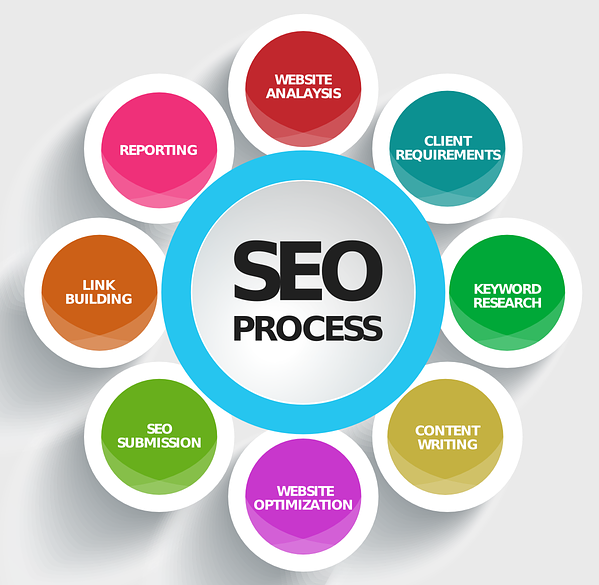
Keyword Research
Identifying the right keywords that potential customers are searching for.
Audience Analysis
Understanding the needs, behavior, and preferences of your target audience.
Content Planning
Creating a structured content calendar for consistent publishing.
Content Creation
Producing high-quality content that is informative and engaging.
SEO Optimization
Ensuring proper keyword placement, formatting, and readability.
Performance Tracking
Analyzing data to measure success and improve future strategies.
Businesses That Can Benefit from Content Marketing
Content marketing is effective across various industries, including:
Local service providers
E-commerce businesses
Startups
Real estate companies
Healthcare providers
Educational institutions
Consultants and freelancers
Any business that wants to grow online can benefit from a professional Content Marketing Agency in Indore.
Common Challenges Businesses Face
Many businesses struggle with content marketing due to:
Lack of clear strategy
Inconsistent posting
Poor content quality
Ignoring SEO practices
Focusing only on promotion instead of value
Working with an experienced agency helps overcome these challenges effectively.
How to Get Started
Getting started with Code With Kamlesh Digital Marketing Agency involves a straightforward process:
Initial consultation to understand your business
Strategy development based on your goals
Content planning and creation
Publishing and promotion
Regular performance monitoring
This structured approach ensures steady and measurable growth.
Expected Results
With a well-executed content marketing strategy, businesses can achieve:
Increased website traffic
Higher search engine rankings
More leads and inquiries
Improved brand awareness
Better customer engagement
Higher conversion rates
Final Thought
Choosing the right Content Marketing Agency in Indore can directly impact how your business grows online. Content is not just about writing articles or posting on social media; it is about delivering value, building trust, and guiding potential customers toward your services.
Code With Kamlesh Digital Marketing Agency, led by kamlesh singad, focuses on creating strategies that bring real and measurable results. With the right approach, consistency, and expertise of a skilled Digital Marketer in Indore, your business can achieve strong visibility, steady traffic, and higher conversions.
Investing in content marketing today is a step toward long-term success and sustainable business growth.
FAQs
1. What does a Content Marketing Agency in Indore do?
A Content Marketing Agency in Indore helps businesses create and share valuable content such as blogs, website content, and social media posts to attract customers, improve search rankings, and generate leads.
2. Why should I choose Code With Kamlesh Digital Marketing Agency?
Code With Kamlesh Digital Marketing Agency, led by kamlesh singad, focuses on result-driven strategies, SEO-optimized content, and customized plans that help businesses grow online effectively.
3. How does content marketing help my business grow?
Content marketing increases your website traffic, builds trust with your audience, improves your Google rankings, and converts visitors into paying customers over time.
4. How long does it take to see results from content marketing?
Content marketing is a long-term strategy. You may start seeing initial results within 2 to 3 months, but strong and consistent growth usually happens over 4 to 6 months.
5. Can small businesses benefit from content marketing services?
Yes, small businesses can benefit greatly. With the right strategy from a Digital Marketer in Indore, even small businesses can compete with larger brands and attract targeted customers.
If you’re wondering how to make your website rank higher on Google and attract more customers — the answer lies in powerful On-Page SEO and Off-Page SEO. At Kamlesh Singad Digital Marketing Agency, we specialize in complete SEO optimization that helps you improve visibility, generate leads, and increase online credibility.
Whether you’re a small business, an eCommerce store, or a personal brand — our tailored SEO strategies ensure long-term results.
What is On-Page SEO Optimization?
On-Page SEO (also called on-site SEO) refers to all the techniques you apply within your website to help search engines understand your content better. It ensures that your website is user-friendly, keyword-optimized, and structured properly for Google’s algorithms.
Key Elements of On-Page SEO
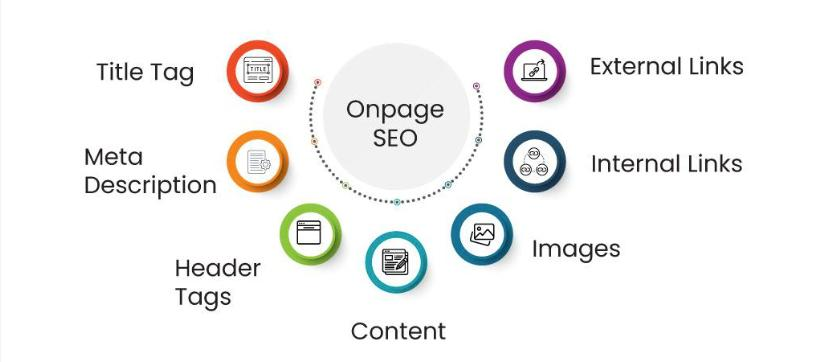
Optimized title tags and meta descriptions
Keyword placement in content and headings
SEO-friendly URLs
Internal linking between pages
Image optimization with alt text
Mobile responsiveness and fast loading speed
Schema markup for rich snippets
Content readability and structure
These factors help Google crawl your website effectively and rank it higher for relevant keywords.
What is Off-Page SEO?
While On-Page SEO happens on your website, Off-Page SEO refers to the actions taken outside your site to improve its authority and trustworthiness. It focuses on building your website’s reputation through high-quality backlinks, brand mentions, and external engagement.
Off-Page SEO Includes:
Link building (guest posts, outreach, directory submissions)
Social media sharing
Google My Business optimization
Brand mentions and citations
Influencer collaborations
Forum posting & Q&A sites (Quora, Reddit)
Both On-Page SEO and Off-Page SEO work together to build your site’s overall strength and ranking potential.
Why Both On-Page and Off-Page SEO Matter
If On-Page SEO is the foundation of your digital house, Off-Page SEO is the reputation you build for it in the neighborhood. Without proper On-Page SEO, your content won’t be visible — and without Off-Page SEO, it won’t be trusted. That’s why Kamlesh Singad’s SEO team implements a balanced strategy that boosts both visibility and credibility.
On-Page SEO Checklist (For 2025)
Here’s a quick checklist for On-Page SEO to see if your website is optimized for Google:
Keyword research done for each page
Title tag within 60 characters
Meta description under 160 characters
Focus keyword in first 100 words
Header tags (H1, H2, H3) structured properly
SEO-friendly URL structure
Internal and external links added
Image names & alt tags optimized
Mobile-friendly & responsive design
Page speed score above 85
Schema markup implemented
No broken links or duplicate content
What Kamlesh Singad’s Agency Offers
We don’t just provide services — we deliver measurable growth.
Our SEO Service Includes:
Full On-Page SEO Optimization
Strategic Off-Page SEO Campaigns
Keyword & competitor analysis
Technical SEO fixes
Monthly performance reporting
Local SEO (Google My Business)
Benefits of Doing SEO with Kamlesh Singad
Rank higher on Google
Get more website traffic
Build brand trust & authority
Generate qualified leads
Save on ad costs through organic visibility
With years of digital marketing experience, Kamlesh Singad has helped businesses across India — from startups to established brands — achieve top positions on Google.
Why Choose Us for On-Page & Off-Page SEO
Expert SEO team using advanced tools
Customized strategies for every business
100% ethical (white-hat) techniques
Transparent reporting & results tracking
Dedicated support and monthly updates
FAQ
1. What is On-Page SEO and Off-Page SEO? On-Page SEO optimizes your website internally (content, tags, URLs), while Off-Page SEO builds your authority externally (backlinks, mentions, social sharing).
2. What is On-Page SEO Optimization? It’s the process of improving individual web pages to rank higher on search engines using titles, keywords, content, and internal linking.
3. What is included in the On-Page SEO Checklist? Title tags, meta descriptions, keyword usage, internal links, image optimization, mobile speed, and content structure.
4. Do I need both On-Page and Off-Page SEO? Yes! It helps Google understand your website, and Off-Page SEO helps Google trust it.
5. How can I get On-Page SEO done for my website? You can contact Kamlesh Singad Digital Marketing Agency for a free SEO audit and get a custom optimization plan.
In the world of Search Engine Optimization (SEO), one term that stands out for consistent success is On-Page SEO. It’s the foundation of every optimized website and an essential skill if you want to rank higher on Google.
According to Kamlesh Singad, founder of CWK Agency, “On-Page SEO is the part of your digital strategy you control 100%. Done right, it can turn your content into a 24/7 traffic machine.”
Whether you’re a blogger, small business owner, or digital marketing enthusiast, this guide will give you the actionable techniques you need to boost visibility, increase traffic, and dominate Google rankings.
Table of Contents
What is On-Page SEO?
On-Page SEO refers to the optimization of individual web pages—both the content and HTML source code—to improve search engine rankings and earn more relevant traffic.
Unlike off-page SEO (which deals with backlinks and authority), on-page SEO is all about what you can control directly on your site.
Why On-Page SEO is Crucial for Ranking on Google
Google’s algorithms prioritize relevance, quality, and user experience. On-Page SEO helps search engines:
Understand your content
Index it correctly
Evaluate its relevance for specific search queries
Kamlesh Singad from CWK Agency states, “Even the best content will stay invisible without proper on-page SEO.”
Core Techniques to Rank Higher on Google Using On-Page SEO
1. Use Target Keywords Strategically
Identify one primary keyword and a few secondary (LSI) keywords. Then use them naturally across:
Title tag
URL
Meta description
First 100 words
Subheadings (H2, H3)
Image ALT text
Example: If your keyword is “best running shoes,” a good H2 might be “What Makes the Best Running Shoes for Marathon Training?”
With Google’s mobile-first indexing, your site must be responsive.
Checklist:
Buttons are easy to tap
Fonts are legible
Menus are accessible
Content adapts to screen size
CWK Agency tests all client websites on multiple devices before launch.
Bonus Techniques from CWK Agency’s Toolbox
Schema Markup: Helps Google display rich snippets
Content Updates: Refresh content every 6–12 months to stay relevant
Breadcrumbs: Improves navigation and internal linking
Anchor Links: Great for long-form content (like this guide!)
Common Mistakes to Avoid
Keyword stuffing
Duplicate meta tags across pages
Ignoring image optimization
Not linking to internal or external resources
No clear CTA (Call to Action)
FAQs
Is on-page SEO more important than backlinks? They work together. On-page SEO is the foundation; backlinks build authority.
How often should I update my content? Every 6–12 months for competitive niches. More often if Google updates algorithms.
Can I do on-page SEO without plugins? Yes, but tools like Yoast SEO or Rank Math make it easier, especially for WordPress users.
How long does it take to see results? Generally, 3–6 months for noticeable improvements, depending on niche and competition.
Conclusion: Get Google to Love Your Pages
If you want to climb the Google ranks, mastering On-Page SEO is non-negotiable. From keyword placement to page speed, every element counts. And the best part? You don’t need a massive budget—just consistency and strategy.
With guidance from Kamlesh Singad and proven systems by CWK Agency, you now have the tools to optimize your content and make Google take notice.
So what are you waiting for? Start optimizing—and start ranking.
In the digital age, visibility is power. If you’ve ever wondered how websites end up on the first page of Google—or why some never get seen at all—it all comes down to Search Engine Optimization (SEO).
Understanding SEO basics is essential for anyone building an online presence. Whether you’re a blogger, entrepreneur, or digital marketer, this guide will walk you through how search engines work and how you can make them work for you.
Kamlesh Singad, founder of CWK Agency, puts it best: “SEO is the art of being found when your customer is searching, not selling. That’s powerful.”
Table of Contents
What is SEO?
SEO stands for Search Engine Optimization. It’s the process of optimizing your website so it ranks higher on search engine results pages (SERPs) for relevant keywords.
In simple terms, it’s how you tell Google (and other search engines) that your site is helpful, trustworthy, and deserves to be shown to users.
Why SEO Matters in 2025 and Beyond
Over 93% of online experiences begin with a search engine, and Google handles over 8.5 billion searches a day. SEO offers:
Free traffic (unlike paid ads)
Long-term brand visibility
Higher credibility and trust
Better user experience
At CWK Agency, SEO is a core pillar of every campaign—because consistent, organic traffic compounds over time.
How Search Engines Actually Work (In Simple Terms)
Step 1: Crawling
Search engines like Google use bots (also known as spiders or crawlers) to scan the web. They go from link to link, collecting information about each page.
What They Look At:
URLs
Content
Titles
Links
Think of crawling as search engines “discovering” your pages.
Step 2: Indexing
After crawling, search engines store and organize information in a massive database called the index.
Key Indexing Factors:
Keywords
Page topic and structure
Content freshness
Internal links
If a page isn’t indexed, it won’t show up in search results—no matter how good the content is.
Step 3: Ranking
When a user types a query into Google, the search engine retrieves relevant results from its index and ranks them based on hundreds of factors, including:
Relevance to the search query
Website authority
Mobile usability
Page speed
Backlinks
Engagement metrics (like bounce rate)
Kamlesh Singad says: “Ranking is where SEO gets competitive. It’s not just about content—it’s about context, trust, and experience.”
It’s a long game—but one that pays compounding dividends.
Beginner SEO Tools You Should Start Using Today
Google Analytics – Track traffic and behavior
Google Search Console – Monitor site health and indexing
Yoast SEO (WordPress) – On-page SEO assistance
Screaming Frog – Site audits and crawl analysis
Ubersuggest – Affordable keyword and backlink insights
CWK Agency provides clients with SEO dashboards using Google Data Studio for visual progress tracking.
FAQs
Do I need to pay to appear in search results? No. Organic results are free, but require SEO effort. You can also run paid ads (PPC) for immediate visibility.
What’s more important—content or backlinks? Both! Great content gets links naturally, and backlinks increase your authority.
Can I do SEO myself as a beginner? Yes, especially with tools like Yoast and beginner guides. Start with on-page and content SEO.
Is SEO still relevant in 2025? Absolutely. Search intent hasn’t changed—only the algorithms and best practices evolve.
Conclusion: Master SEO Basics to Win the Digital Game
Learning SEO basics isn’t about tricking Google—it’s about building a website that deserves to rank. When you align technical setup, content value, and trust signals, search engines reward you with visibility and traffic.
With guidance from Kamlesh Singad and real-world application at CWK Agency, you now have a solid foundation to start optimizing your website and climbing the search rankings.
Your digital journey starts with being found—SEO is how you make that happen.
In today’s digital age, achieving better rankings on search engines is crucial for any business or website. Higher rankings lead to increased visibility, more traffic, and ultimately, greater success. However, navigating the world of SEO (Search Engine Optimization) can be challenging due to its ever-changing nature. This comprehensive guide will delve into 14 SEO Best Practices for Better Rankings. By implementing these strategies, you’ll be well on your way to mastering search engine optimization and achieving your online goals. kamleshsingad.com
Introduction to SEO and Its Importance
What is SEO?
Search Engine Optimization (SEO) involves optimizing your website to improve its visibility on search engines like Google. This process includes various strategies and techniques aimed at increasing your site’s ranking for relevant keywords.
Why SEO Matters
SEO is essential because higher rankings on search engines lead to more organic traffic. Organic traffic, which comes from users finding your site through search engines, is highly valuable as it tends to be more targeted and relevant.
The Role of Keywords in SEO
Keywords play a crucial role in SEO. These are the terms and phrases that users type into search engines when looking for information. By optimizing your website for these keywords, you can attract more relevant traffic.
SEO Best Practices for Better Rankings
1. Conduct Thorough Keyword Research
Importance of Keyword Research
Keyword research is the foundation of any successful SEO strategy. It involves identifying the terms and phrases that your target audience is searching for.
Tools for Keyword Research
Use tools like Google Keyword Planner, SEMrush, and Ahrefs to find high-performing keywords. These tools provide insights into search volume, competition, and keyword difficulty.
Long-Tail Keywords
Focus on long-tail keywords, which are more specific and less competitive. These keywords often have a higher conversion rate as they cater to users with clear intent.
2. Optimize On-Page SEO
Title Tags
Title tags are one of the most important on-page SEO elements. Ensure your title tags are unique, descriptive, and include your primary keywords.
Meta Descriptions
Meta descriptions should provide a concise summary of your content. While they don’t directly affect rankings, well-crafted meta descriptions can improve click-through rates.
Header Tags
Use header tags (H1, H2, H3, etc.) to structure your content. These tags help search engines understand the hierarchy and importance of your content.
Keyword Placement
Strategically place your primary and secondary keywords throughout your content. Avoid keyword stuffing, which can lead to penalties from search engines.
3. Create High-Quality Content
Content is King
High-quality content is essential for SEO. It attracts visitors, encourages engagement, and earns backlinks, all of which contribute to better rankings.
Content-Length
Longer content tends to rank higher on search engines. Aim for comprehensive articles that thoroughly cover your topic.
Originality and Uniqueness
Ensure your content is original and provides unique value to your audience. Plagiarized or duplicate content can harm your SEO efforts.
4. Enhance User Experience (UX)
Page Load Speed
A fast-loading website improves user experience and can positively impact your rankings. Use tools like Google PageSpeed Insights to identify and fix speed issues.
Mobile-Friendliness
With the increasing use of mobile devices, having a mobile-friendly website is crucial. Use responsive design to ensure your site looks good on all devices.
Navigation and Structure
A well-structured website with clear navigation improves user experience. Make it easy for visitors to find the information they’re looking for.
5. Optimize for Voice Search
Voice Search Popularity
Voice search is becoming increasingly popular with the rise of digital assistants like Siri, Alexa, and Google Assistant. Optimizing for voice search can help you capture this growing audience.
Conversational Keywords
Use conversational keywords and phrases that people are likely to use when speaking. These often include questions and natural language.
Featured Snippets
Aim to appear in featured snippets, which are the short answers displayed at the top of Google search results. These are often used for voice search responses.
6. Build Quality Backlinks
Importance of Backlinks
Backlinks from reputable websites signal to search engines that your site is trustworthy and authoritative. They are a crucial factor in SEO.
Strategies for Earning Backlinks
Create high-quality, shareable content that naturally attracts backlinks. Reach out to influencers and industry leaders for guest blogging opportunities.
Avoid Black Hat Techniques
Avoid black hat techniques like buying backlinks or participating in link schemes. These practices can lead to severe penalties from search engines.
7. Use Social Media to Boost SEO
Social Signals
While social signals don’t directly impact rankings, a strong social media presence can drive traffic to your site and increase brand awareness.
Content Promotion
Promote your content on social media platforms to reach a broader audience. Encourage sharing to increase its reach and potential for earning backlinks.
Engagement
Engage with your audience on social media. Respond to comments and messages to build relationships and encourage repeat visits to your site.
8. Implement Local SEO Strategies
Importance of Local SEO
Local SEO is crucial for businesses that serve specific geographic areas. It helps you attract local customers and appear in local search results.
Google My Business
Create and optimize your Google My Business listing. Ensure your business name, address, and phone number (NAP) are consistent across all online directories.
Local Keywords
Use local keywords in your content and meta tags. These include terms related to your location, such as city names and neighborhoods.
9. Utilize Structured Data Markup
What is Structured Data?
Structured data markup helps search engines understand the content of your site. It can improve your visibility in search results by enabling rich snippets.
Types of Structured Data
There are various types of structured data, including schema.org, JSON-LD, and Microdata. Use the most appropriate type for your content.
Implementation
Use Google’s Structured Data Markup Helper to generate the necessary code and implement it on your site. Regularly test your structured data with Google’s Rich Results Test.
10. Optimize Images and Videos
Image Optimization
Optimize images by using descriptive file names and alt text. Compress images to reduce their size without compromising quality.
Video Content
Video content is increasingly popular and can enhance your SEO. Create engaging videos and optimize them with relevant keywords in the title, description, and tags.
Multimedia Sitemaps
Create multimedia sitemaps to help search engines index your images and videos. This can improve your visibility in search results.
11. Improve Site Architecture
Flat Site Structure
A flat site structure ensures that all pages are accessible within a few clicks from the homepage. This improves user experience and helps search engines crawl your site.
Internal Linking
Use internal linking to connect related content on your site. This helps distribute page authority and improve navigation.
XML Sitemaps
Create and submit an XML sitemap to search engines. This helps them understand the structure of your site and index your pages more efficiently.
12. Regularly Update Your Content
Freshness Factor
Search engines favor fresh content. Regularly updating your content signals to search engines that your site is current and relevant.
Content Audits
Perform regular content audits to identify outdated or underperforming content. Update or remove content that no longer provides value.
Repurposing Content
Repurpose existing content into different formats, such as videos, infographics, or podcasts. This can reach new audiences and provide additional SEO benefits.
13. Monitor and Analyze Your SEO Performance
Use Analytics Tools
Use tools like Google Analytics and Google Search Console to monitor your SEO performance. Track key metrics such as traffic, bounce rate, and keyword rankings.
Regular Reporting
Regularly generate reports to analyze your SEO efforts. Identify areas of improvement and adjust your strategy accordingly.
Competitor Analysis
Analyze your competitors’ SEO strategies to identify opportunities and gaps. Use tools like SEMrush and Ahrefs to gain insights into their performance.
14. Stay Updated with SEO Trends
SEO is Ever-Evolving
SEO is constantly changing, with new trends and updates regularly emerging. Staying updated with these changes is crucial for maintaining and improving your rankings.
Follow Industry Experts
Follow industry experts and thought leaders in SEO. Read blogs, attend webinars, and participate in forums to stay informed.
Experiment and Adapt
Experiment with new strategies and techniques. SEO is not a one-size-fits-all approach, so be willing to adapt and try new things to see what works best for your site.
Conclusion
Mastering SEO is essential for achieving better rankings and driving organic traffic to your website. By implementing these 14 SEO best practices, you can significantly improve your search engine optimization efforts. Remember, SEO is a continuous process that requires regular monitoring and adaptation. Stay updated with the latest trends, experiment with new strategies, and always strive to provide high-quality content that meets the needs of your audience. With dedication and persistence, you can achieve lasting success in the world of SEO.
FAQs
What are the most important factors for improving SEO rankings? The most important factors include conducting thorough keyword research, creating high-quality content, optimizing on-page SEO elements, building quality backlinks, and enhancing user experience.
How can I conduct effective keyword research? Use tools like Google Keyword Planner, SEMrush, and Ahrefs to identify high-performing keywords. Focus on long-tail keywords and consider the search volume, competition, and keyword difficulty.
Why is user experience important for SEO? User experience affects how visitors interact with your site. A positive user experience, including fast loading times, mobile-friendliness, and easy navigation, can lead to higher engagement and better rankings.
How can I optimize my website for mobile devices? Use responsive design to ensure your site looks good on all devices. Test your site on various devices and screen sizes to ensure a seamless user experience.
What is the role of backlinks in SEO? Backlinks from reputable websites signal to search engines that your site is trustworthy and authoritative. They are a crucial factor in SEO and can significantly impact your rankings.
How often should I update my website’s content? Regularly updating your content signals to search engines that your site is current and relevant. Aim to update your content at least once a year, or more frequently if possible.
In today’s digital landscape, content marketing has emerged as a cornerstone of successful business strategies. Creating content that not only engages but also converts is a nuanced art and science. This comprehensive guide will delve into the intricacies of content marketing, providing actionable insights to help you craft content that resonates with your target audience and drives conversions.
Introduction to Content Marketing
The essence of content marketing lies in delivering valuable, relevant, and consistent content to attract and retain a clearly defined audience. Unlike traditional marketing methods that interrupt consumers with promotional messages, content marketing focuses on providing helpful information that addresses the needs and interests of your audience.
Importance of Content Marketing
Content marketing is critical for several reasons. It builds trust and credibility with your audience, enhances brand awareness, and ultimately drives profitable customer actions. By offering valuable content, you position your brand as a thought leader in your industry, which can lead to increased customer loyalty and higher conversion rates.
Evolution of Content Marketing
Content marketing has evolved significantly over the years. From simple blog posts and articles, it has expanded to include a variety of formats such as videos, podcasts, infographics, and interactive content. This evolution reflects changes in consumer behavior and technological advancements, making it essential for marketers to stay abreast of the latest trends and tools.
Understanding Your Audience
Creating content that converts starts with a deep understanding of your audience. Knowing who they are, what they need, and how they consume content allows you to tailor your messaging effectively.
Creating Audience Personas
Audience personas are fictional representations of your ideal customers. They help you understand your audience’s demographics, interests, pain points, and buying behavior. Creating detailed personas enables you to create targeted content that speaks directly to their needs and preferences.
Identifying Pain Points and Needs
Understanding your audience’s pain points and needs is crucial for creating content that resonates. Conduct surveys, interviews, and market research to gather insights into the challenges your audience faces and the solutions they seek. Addressing these pain points in your content positions your brand as a valuable resource.
Setting Clear Objectives
Clear objectives are the foundation of any successful content marketing strategy. Without defined goals, it is challenging to measure success and determine the effectiveness of your efforts.
Defining Your Goals
Set specific, measurable, achievable, relevant, and time-bound (SMART) goals for your content marketing strategy. Whether your objective is to increase website traffic, generate leads, or boost sales, having clear goals will guide your content creation and distribution efforts.
Measuring Success
Measuring the success of your content marketing efforts involves tracking key performance indicators (KPIs) such as website traffic, engagement rates, lead generation, and conversion rates. Use analytics tools to monitor these metrics and assess the impact of your content.
Types of High-Converting Content
Different types of content serve various purposes and resonate differently with audiences. To maximize conversions, diversify your content mix.
Blog Posts
Blog posts are a staple of content marketing. They provide valuable information, enhance SEO, and drive organic traffic to your website. Focus on creating well-researched, in-depth articles that address your audience’s interests and questions.
Videos
Video content is highly engaging and can significantly boost conversion rates. Whether through explainer videos, product demos, or customer testimonials, videos can convey complex information in an easily digestible format.
Infographics
Infographics are visually appealing and can simplify complex data. They are highly shareable and can drive traffic and backlinks to your website, enhancing your SEO efforts.
E-books and Whitepapers
E-books and whitepapers are excellent for capturing leads. Offer them as gated content in exchange for contact information, providing in-depth knowledge on specific topics relevant to your audience.
Content Ideation and Planning
Effective content marketing requires a structured approach to ideation and planning.
Brainstorming Techniques
Use brainstorming techniques such as mind mapping, SWOT analysis, and competitor analysis to generate content ideas. Engage your team in brainstorming sessions to tap into diverse perspectives and creativity.
Content Calendars
A content calendar helps you plan and organize your content production and distribution. It ensures consistency and allows you to align your content with key dates, events, and marketing campaigns.
Crafting Compelling Headlines
The headline is often the first thing your audience sees. A compelling headline can make the difference between someone clicking on your content or scrolling past it.
The Role of Headlines in Conversion
Headlines are crucial for capturing attention and enticing readers to engage with your content. They should be clear, concise, and convey the value of your content.
Tips for Writing Effective Headlines
Use power words, numbers, and questions in your headlines to increase their appeal. Test different headlines through A/B testing to determine which ones resonate best with your audience.
Creating Value-Driven Content
Value-driven content is key to converting your audience. It should educate, inform, and provide solutions to their problems.
Educating and Informing
Provide in-depth information and insights that help your audience make informed decisions. Educational content builds trust and positions your brand as an authority in your industry.
Solving Problems and Offering Solutions
Address your audience’s pain points and offer practical solutions. Content that solves problems demonstrates your brand’s value and encourages conversions.
Utilizing Storytelling
Storytelling is a powerful tool in content marketing. It creates an emotional connection with your audience and makes your content more memorable.
The Power of Stories in Marketing
Stories engage the emotional part of the brain, making your message more impactful. They can convey complex ideas in a relatable and engaging manner.
Elements of a Good Story
A good story includes a clear plot, relatable characters, and a compelling message. Use storytelling techniques to make your content more engaging and persuasive.
Optimizing Content for SEO
SEO optimization ensures your content is discoverable by search engines and reaches a broader audience.
Keyword Research
Conduct thorough keyword research to identify the terms your audience uses to search for information related to your industry. Use these keywords strategically in your content to improve its search engine ranking.
On-Page SEO Techniques
Optimize your content’s title tags, meta descriptions, headers, and images for SEO. Use internal and external links to enhance your content’s credibility and searchability.
Leveraging Visual Content
Visual content enhances the appeal and effectiveness of your content marketing efforts.
Importance of Visuals
Visuals such as images, videos, and infographics capture attention and make your content more engaging. They help convey information quickly and effectively.
Types of Visual Content
Incorporate various types of visual content, such as charts, graphs, and illustrations, to support your messaging and make your content more dynamic.
Incorporating Calls to Action (CTAs)
CTAs guide your audience towards taking the desired action, whether it’s signing up for a newsletter, downloading a resource, or making a purchase.
Crafting Effective CTAs
Effective CTAs are clear, concise, and compelling. Use action-oriented language and create a sense of urgency to encourage immediate response.
Placement of CTAs
Place CTAs strategically within your content. They should be prominent and seamlessly integrated to guide the reader through the conversion funnel.
Content Distribution Strategies
Creating high-quality content is only half the battle. You need effective distribution strategies to ensure it reaches your target audience.
Social Media Marketing
Leverage social media platforms to distribute your content and engage with your audience. Tailor your content to suit each platform’s unique characteristics and audience preferences.
Email Marketing
Email marketing is a powerful tool for content distribution. Use email newsletters to share your latest content and drive traffic to your website.
Paid Advertising
Invest in paid advertising to amplify your content’s reach. Use targeted ads on platforms like Google Ads and social media to reach specific segments of your audience.
Analyzing and Measuring Performance
To achieve success in content marketing, it’s crucial to understand how your content is performing and how it contributes to your overall business goals. Analyzing and measuring performance allows you to identify what’s working, what needs improvement, and where to allocate resources more effectively. This process involves tracking key metrics, using the right tools, and making data-driven decisions.
Key Metrics to Track
The first step in analyzing content performance is identifying the key metrics that align with your objectives. These metrics will vary depending on your goals, whether it’s increasing website traffic, generating leads, boosting engagement, or driving sales. Here are some essential metrics to consider:
Website Traffic: This includes the total number of visitors to your website, the number of page views, and unique visitors. Analyzing traffic patterns helps you understand which content attracts the most visitors.
Engagement Rates: Metrics such as time on page, bounce rate, and scroll depth indicate how engaged users are with your content. High engagement rates typically mean your content is relevant and valuable to your audience.
Social Media Metrics: Track likes, shares, comments, and follower growth on social media platforms. These metrics provide insights into how well your content resonates with your audience and its potential for viral reach.
Lead Generation: Measure the number of leads generated through content assets like e-books, whitepapers, webinars, and newsletter sign-ups. This helps evaluate the effectiveness of your content in capturing contact information.
Conversion Rates: This metric measures the percentage of visitors who take a desired action, such as making a purchase, filling out a form, or subscribing to a service. High conversion rates indicate that your content is persuasive and compelling.
Return on Investment (ROI): Calculate the ROI of your content marketing efforts by comparing the costs of content creation and distribution to the revenue generated. This helps determine the financial effectiveness of your strategy.
Tools for Measurement
Several tools can help you track and analyze your content’s performance. These tools provide detailed insights and data to inform your strategy. Here are some of the most commonly used tools:
Google Analytics: A powerful tool for tracking website traffic, user behavior, and conversions. Google Analytics provides comprehensive reports on various metrics, helping you understand your audience and their interactions with your content.
HubSpot: This all-in-one marketing platform offers tools for content management, social media, email marketing, and analytics. HubSpot’s analytics features allow you to track the performance of your entire content marketing strategy in one place.
SEMrush: A versatile tool for SEO, SEMrush offers features for keyword research, competitor analysis, and content performance tracking. It helps you optimize your content for search engines and monitor its impact.
BuzzSumo: This tool allows you to analyze the performance of your content across social media platforms. BuzzSumo helps you identify which types of content are most shared and engaged with by your audience.
Hootsuite: A social media management tool that provides analytics and insights on your social media content’s performance. Hootsuite helps you track engagement metrics and schedule posts for optimal reach.
Interpreting the Data
Once you’ve collected data using these tools, the next step is to interpret it. Look for patterns and trends that can inform your content strategy. Here are some tips for effective data interpretation:
Identify Top-Performing Content: Analyze which pieces of content generate the most traffic, engagement, and conversions. Identify common characteristics such as topics, formats, and distribution channels that contribute to their success.
Understand Audience Preferences: Use demographic and behavioral data to gain insights into your audience’s preferences. This helps tailor your content to meet their needs and interests more effectively.
Spot Weaknesses and Opportunities: Look for content that underperforms and identify potential reasons, such as poor keyword optimization, lack of promotion, or irrelevant topics. Use this information to make necessary improvements or pivot your strategy.
Benchmark Against Competitors: Compare your performance metrics with industry benchmarks and competitors’ data. This provides context and helps you gauge your content’s effectiveness relative to others in your niche.
Making Data-Driven Decisions
Data-driven decision-making involves using the insights gained from your analysis to inform your content marketing strategy. Here are some ways to apply these insights:
Optimize Content for SEO: Use keyword performance data to refine your SEO strategy. Focus on high-performing keywords and improve underperforming content by optimizing on-page elements such as titles, meta descriptions, and headers.
Enhance User Experience: Use engagement metrics to improve the user experience on your website. For example, if users are spending little time on your pages, consider improving the content’s readability, adding multimedia elements, or simplifying navigation.
Tailor Content to Audience Segments: Use demographic data to create personalized content for different audience segments. This increases relevance and engagement, leading to higher conversion rates.
Refine Distribution Strategies: Analyze the performance of various distribution channels and allocate resources to the most effective ones. Experiment with different posting times, formats, and promotional tactics to maximize reach and engagement.
Set Realistic Goals: Use historical performance data to set realistic, achievable goals for your content marketing efforts. Regularly review and adjust these goals based on ongoing performance analysis.
Continuous Improvement
Content marketing is an iterative process that requires continuous improvement. Regularly update and refine your strategy based on performance data and evolving market trends. Here are some tips for maintaining a cycle of continuous improvement:
Regular Content Audits: Conduct periodic content audits to assess the relevance, accuracy, and effectiveness of your existing content. Identify gaps and opportunities for updating or repurposing content.
Solicit Feedback: Encourage feedback from your audience, team members, and stakeholders. Use surveys, comments, and reviews to gather insights and suggestions for improvement.
Stay Informed: Keep up with industry news, trends, and best practices. Attend conferences, participate in webinars, and engage with thought leaders to stay ahead of the curve.
Experiment and Innovate: Continuously experiment with new content formats, topics, and distribution channels. Embrace innovation and be willing to take calculated risks to stay competitive.
By analyzing and measuring performance, you can make informed decisions that enhance your content marketing strategy. This approach not only improves the effectiveness of your efforts but also helps build a stronger connection with your audience, ultimately driving greater engagement, conversions, and business success.
Adapting and Improving Your Strategy
Content marketing is not a one-time effort but a continuous process that requires constant evaluation and refinement. As the digital landscape evolves, so do consumer preferences and behaviors. To maintain an effective content marketing strategy, you must be willing to adapt and improve based on data, feedback, and emerging trends. This section will explore the importance of learning from data, the process of continuous improvement, and practical steps to keep your strategy relevant and effective.
Learning from Data
Data-driven decision-making is crucial for refining your content marketing strategy. By analyzing performance metrics, you can gain insights into what works, what doesn’t, and why.
Collecting and Analyzing Data
Start by collecting data from various sources, including website analytics, social media insights, email marketing reports, and customer feedback. Key metrics to focus on include:
Website Traffic: Monitor the number of visitors, page views, and unique visitors to understand your content’s reach.
Engagement Rates: Track likes, shares, comments, and time spent on your content to gauge how well it resonates with your audience.
Lead Generation: Measure the number of leads generated through your content, such as newsletter sign-ups, contact form submissions, and downloads.
Conversion Rates: Assess the percentage of visitors who take the desired action, such as making a purchase or signing up for a webinar.
Interpreting the Data
Analyzing data involves looking for patterns and trends that can inform your strategy. For instance, if you notice that blog posts on specific topics consistently receive higher engagement, consider creating more content around those themes. Conversely, if certain types of content are underperforming, investigate the reasons behind this and adjust accordingly.
Learning from Competitors
Competitor analysis is another valuable tool for improving your content marketing strategy. Observe what your competitors are doing well and identify opportunities to differentiate yourself. Tools like SEMrush, Ahrefs, and BuzzSumo can help you analyze competitors’ content performance and uncover gaps in your own strategy.
Continuous Improvement
The concept of continuous improvement, or Kaizen, is central to maintaining an effective content marketing strategy. This involves regularly evaluating your content, processes, and results to identify areas for enhancement.
Content Audits
Conduct periodic content audits to evaluate the performance of your existing content. Assess factors such as relevance, accuracy, engagement, and SEO effectiveness. Identify outdated or underperforming content and decide whether to update, repurpose, or remove it.
Feedback Loops
Establish feedback loops with your audience and internal teams to gather insights and suggestions for improvement. Encourage readers to leave comments, participate in surveys, and provide reviews. Additionally, hold regular meetings with your marketing team to discuss performance and brainstorm new ideas.
Staying Informed and Adapting to Trends
The digital landscape is constantly changing, with new technologies, platforms, and consumer behaviors emerging regularly. Staying informed about industry trends and adapting your strategy accordingly is crucial.
Industry Trends
Keep up with industry news, attend conferences, and participate in webinars to stay informed about the latest trends and best practices in content marketing. Subscribe to industry blogs, follow thought leaders on social media, and join professional networks to stay connected with the latest developments.
Experimentation and Innovation
Don’t be afraid to experiment with new content formats, distribution channels, and marketing tactics. A/B testing, for instance, allows you to compare different versions of your content or calls to action to determine which performs better. Embrace innovation and be willing to take calculated risks to stay ahead of the competition.
Practical Steps for Adapting and Improving Your Strategy
To effectively adapt and improve your content marketing strategy, follow these practical steps:
Set Clear Benchmarks: Define what success looks like for your content marketing efforts by setting clear benchmarks and KPIs.
Regularly Review Performance: Schedule regular reviews of your content performance using analytics tools and feedback.
Update and Repurpose Content: Keep your content fresh and relevant by updating outdated information and repurposing high-performing content in different formats.
Engage with Your Audience: Foster a strong relationship with your audience by actively engaging with them through comments, social media, and email marketing.
Stay Agile: Be prepared to pivot your strategy based on data, feedback, and emerging trends. Maintain a flexible approach to adapt quickly to changes in the market.
Adapting and improving your content marketing strategy is an ongoing process that requires a commitment to data-driven decision-making, continuous improvement, and staying informed about industry trends. By regularly evaluating your performance, engaging with your audience, and embracing innovation, you can ensure that your content marketing efforts remain effective and relevant. This approach not only helps you stay ahead of the competition but also fosters a deeper connection with your audience, ultimately driving greater engagement and conversions.
Conclusion
Content marketing is a dynamic and multifaceted discipline that requires a strategic approach and a deep understanding of your audience. By creating high-quality, value-driven content and leveraging effective distribution strategies, you can drive engagement, build trust, and achieve your business goals. As the digital landscape continues to evolve, staying adaptable and informed will be key to maintaining a successful content marketing strategy.
FAQs
How can I identify my audience’s pain points? To identify your audience’s pain points, conduct surveys, interviews, and market research. Engage with your audience through social media and analyze feedback and comments to gain insights into their challenges and needs.
What are the best types of content for conversion? The best types of content for conversion include blog posts, videos, infographics, e-books, and whitepapers. Each type serves a different purpose and resonates differently with audiences, so a diverse content mix is recommended.
How important is SEO in content marketing? SEO is crucial in content marketing as it ensures your content is discoverable by search engines. Optimized content ranks higher in search results, driving organic traffic and increasing visibility.
What makes a compelling headline? A compelling headline is clear, concise, and conveys the value of the content. It should include power words, numbers, and questions to capture attention and entice readers to click.
How can I measure the success of my content marketing efforts? Measure the success of your content marketing efforts by tracking key metrics such as website traffic, engagement rates, lead generation, and conversion rates. Use analytics tools to monitor these metrics and assess the impact of your content.
How often should I update my content strategy? Your content strategy should be regularly reviewed and updated based on performance data and industry trends. Continuous improvement ensures your strategy remains effective and relevant.
In the competitive digital landscape of 2024, achieving higher rankings on Google requires a strategic approach to search engine optimization (SEO). As algorithms become more sophisticated, adapting to the latest SEO trends and best practices is crucial for enhancing your website’s visibility and driving more organic traffic. This comprehensive guide explores essential tips and techniques to improve your website’s search engine optimization and achieve higher rankings on Google using SEO Best Practices.
Understanding SEO in 2024
The landscape of SEO is constantly evolving. In 2024, it’s more important than ever to understand these changes and how they impact your strategy. SEO today goes beyond keyword stuffing and backlinks; it’s about delivering value, improving user experience, and staying ahead of technological advancements.
Evolution of SEO: From the early days of keyword stuffing to the current emphasis on user intent and experience, SEO has undergone significant transformations. Understanding these changes helps you stay relevant and effective.
Importance of SEO Today: SEO remains a critical component of digital marketing, influencing how easily users can find your website. Effective SEO strategies enhance your online presence, drive traffic, and ultimately boost conversions.
Key Trends in 2024: This year, key trends include the rise of voice search, the importance of mobile-first indexing, and the increasing role of artificial intelligence (AI) in search algorithms. Keeping abreast of these trends ensures your SEO efforts are aligned with current best practices.
Keyword Research
Effective SEO starts with thorough keyword research. Identifying the right keywords can significantly impact your search rankings.
Long-Tail Keywords: These are more specific and often less competitive than short-tail keywords. Targeting long-tail keywords can attract more qualified traffic and improve your chances of ranking higher.
LSI Keywords: Latent Semantic Indexing (LSI) keywords are related terms that help search engines understand the context of your content. Using LSI keywords can improve your relevance and visibility.
Competitor Analysis: Analyzing your competitors’ keywords can provide valuable insights. Tools like Ahrefs and SEMrush can help you identify which keywords are driving traffic to their sites.
On-Page SEO Best Practices
On-page SEO involves optimizing individual web pages to rank higher and earn more relevant traffic in search engines.
Meta Titles and Descriptions: Crafting compelling meta titles and descriptions can improve your click-through rate (CTR). Ensure they are concise, relevant, and include your primary keywords.
Header Tags: Proper use of header tags (H1, H2, H3, etc.) helps structure your content and makes it easier for search engines to understand. Each page should have one H1 tag and multiple H2 or H3 tags to break up the content.
Image Optimization: Images should be optimized for faster load times. Use descriptive file names and alt text to help search engines understand the content of your images.
Content Creation
Creating high-quality, relevant content is fundamental to SEO. Search engines prioritize content that is valuable to users.
Quality Content: Focus on creating content that provides value, answers questions, and solves problems. High-quality content is more likely to be shared and linked to, boosting your rankings.
Content Length: Longer content tends to rank better. Aim for comprehensive articles that thoroughly cover a topic. However, ensure the content remains engaging and not overly verbose.
Regular Updates: Keeping your content fresh and updated signals to search engines that your site is active and relevant. Regularly update old posts with new information and insights.
User Experience (UX) Optimization
User experience plays a crucial role in SEO. Google prioritizes websites that provide a positive user experience.
Mobile Friendliness: With mobile-first indexing, it’s essential that your site is fully optimized for mobile devices. Responsive design and fast load times are key components of mobile optimization.
Page Speed: Slow loading pages can negatively impact user experience and rankings. Use tools like Google PageSpeed Insights to identify and fix issues that are slowing down your site.
Navigation: Ensure your site is easy to navigate. Clear, intuitive navigation helps users find what they’re looking for and improves overall user experience.
Technical SEO
Technical SEO involves optimizing the backend structure of your site to help search engines crawl and index your content more effectively.
XML Sitemaps: An XML sitemap helps search engines understand the structure of your site and find all your pages. Regularly update your sitemap and submit it to Google Search Console.
Robots.txt: This file tells search engines which pages they can or cannot crawl. Properly configuring your robots.txt file is essential for controlling how search engines interact with your site.
Schema Markup: Adding schema markup to your pages can enhance your search listings with rich snippets, providing more information to users and improving CTR.
Backlink Strategies
Backlinks are links from other websites to your site. They are a key ranking factor in SEO.
Quality Over Quantity: Focus on acquiring high-quality backlinks from reputable sites. A few authoritative links are more valuable than numerous low-quality ones.
Guest Blogging: Writing guest posts for reputable sites in your industry can help you build backlinks and reach a broader audience.
Influencer Outreach: Collaborate with influencers in your niche to create content and build backlinks. Influencers can help amplify your reach and credibility.
Local SEO Techniques
Local SEO is essential for businesses that operate in specific geographic areas. Optimizing your local presence can help attract customers from your area.
Google My Business: Ensure your Google My Business profile is complete and accurate. Regularly update it with your latest business information, photos, and posts.
Local Citations: Consistency in your business name, address, and phone number (NAP) across online directories helps improve your local search visibility.
Reviews: Encourage satisfied customers to leave positive reviews. Respond to reviews promptly, showing that you value customer feedback.
Leveraging Social Media
Social media can amplify your SEO efforts by driving traffic and engagement.
Social Signals: While social signals (likes, shares, comments) are not direct ranking factors, they can indirectly impact your SEO by increasing visibility and traffic.
Content Sharing: Share your content across social media platforms to reach a wider audience. Engaging content is more likely to be shared, increasing your reach and potential for backlinks.
Engagement: Actively engage with your audience on social media. Respond to comments and messages to build a loyal following and encourage more interaction with your content.
Analytics and Monitoring
Monitoring your SEO performance is crucial for understanding what works and what needs improvement.
Google Analytics: Use Google Analytics to track your website’s traffic, user behavior, and other key metrics. Analyzing this data helps you make informed decisions about your SEO strategy.
Search Console: Google Search Console provides insights into how your site is performing in search results. It can help you identify and fix technical issues that may be affecting your rankings.
KPIs: Identify key performance indicators (KPIs) that align with your SEO goals. Common KPIs include organic traffic, bounce rate, conversion rate, and keyword rankings.
Voice Search Optimization
With the rise of voice-activated devices, optimizing for voice search is becoming increasingly important.
Conversational Keywords: Voice searches tend to be more conversational and question-based. Optimize your content with natural language and long-tail keywords.
Structured Data: Use structured data to help search engines understand the context of your content. This can improve your chances of appearing in voice search results.
Mobile Optimization: Since many voice searches are conducted on mobile devices, ensure your site is mobile-friendly and loads quickly.
Video SEO
Video content is a powerful tool for engaging users and improving SEO.
YouTube Optimization: YouTube is the second largest search engine. Optimize your videos with relevant titles, descriptions, and tags to increase visibility.
Video Transcripts: Providing transcripts for your videos can improve accessibility and help search engines index your content.
Thumbnails: Create eye-catching thumbnails to attract clicks. A compelling thumbnail can significantly increase your video’s CTR.
E-A-T: Expertise, Authority, Trustworthiness
E-A-T is a critical factor in Google’s search quality guidelines.
Building Authority: Publish authoritative content that showcases your expertise. Contributing to reputable sites and obtaining quality backlinks can enhance your authority.
Creating Trust: Ensure your site is secure (HTTPS), display trust signals like testimonials and certifications, and maintain a professional design to build trust with your audience.
Demonstrating Expertise: Regularly publish in-depth content that demonstrates your expertise in your field. Detailed guides, case studies, and whitepapers can help establish you as an expert.
Artificial Intelligence and SEO
AI is revolutionizing SEO by enabling more personalized and efficient strategies.
AI Tools: Utilize AI-powered tools for keyword research, content creation, and analytics. Tools like Clearscope and MarketMuse can help you optimize content for better rankings.
Content Personalization: AI can help you create personalized content that resonates with your audience. Personalized content is more likely to engage users and improve SEO.
Predictive Analytics: Use AI to analyze data and predict trends. This can help you stay ahead of the competition and adjust your SEO strategy accordingly.
SEO for E-commerce
E-commerce websites have unique SEO challenges and opportunities.
Product Descriptions: Write unique, detailed product descriptions that include relevant keywords. Avoid using manufacturer descriptions that may be duplicated across multiple sites.
User Reviews: Encourage customers to leave reviews on your product pages. Reviews can provide fresh content and help improve search rankings.
Secure Checkout: Ensure your site has a secure checkout process. Use HTTPS and display security badges to build trust with customers.
Common SEO Mistakes to Avoid
Avoiding common SEO mistakes can save you from potential penalties and drops in rankings.
Keyword Stuffing: Overloading your content with keywords can harm your rankings. Focus on natural, relevant use of keywords.
Duplicate Content: Ensure your content is unique. Duplicate content can confuse search engines and lead to lower rankings.
Ignoring Mobile Users: With the majority of searches now conducted on mobile devices, ignoring mobile optimization can severely impact your rankings.
SEO Tools and Resources
Utilizing the right tools and resources can streamline your SEO efforts and improve results.
Keyword Research Tools: Tools like Ahrefs, SEMrush, and Google Keyword Planner can help you identify valuable keywords and analyze your competitors.
Analytics Tools: Google Analytics and Search Console are essential for tracking your SEO performance and identifying areas for improvement.
SEO Plugins: Plugins like Yoast SEO and All in One SEO Pack can help you optimize your content and technical SEO on WordPress sites.
Here are some essential SEO tools and resources, along with detailed explanations of their features and how they can benefit your SEO strategy:
1. Google Analytics
Features:
Tracks website traffic and user behavior.
Provides insights into traffic sources, user demographics, and conversion rates.
Offers custom reports and goal tracking.
Benefits:
Helps you understand how visitors interact with your site.
Identifies which content performs best.
Allows you to measure the effectiveness of your SEO efforts.
2. Google Search Console
Features:
Monitors website performance in Google search results.
Identifies and fixes indexing issues.
Provides data on search queries, backlinks, and website errors.
Benefits:
Helps improve your site’s visibility in search results.
Identifies and resolves technical SEO issues.
Offers insights into keyword performance and click-through rates.
3. SEMrush
Features:
Keyword research and competitive analysis.
Site audit tool for technical SEO issues.
Backlink analysis and link building tools.
Rank tracking for your keywords.
Benefits:
Provides comprehensive insights into your competitors’ SEO strategies.
Identifies high-value keywords and backlink opportunities.
Helps you monitor your site’s SEO health and track progress over time.
4. Ahrefs
Features:
Extensive backlink analysis.
Keyword research tool with keyword difficulty scores.
Content explorer for identifying popular content in your niche.
Site audit tool for technical SEO issues.
Benefits:
Helps you build a strong backlink profile.
Identifies high-performing content ideas.
Provides actionable insights to improve your site’s SEO.
5. Moz Pro
Features:
Keyword explorer for finding profitable keywords.
Link explorer for backlink analysis.
Site crawl tool for identifying and fixing SEO issues.
On-page optimization recommendations.
Benefits:
Offers a user-friendly interface for SEO beginners.
Provides valuable insights into your site’s SEO performance.
Helps you optimize your site for better search engine rankings.
6. Screaming Frog SEO Spider
Features:
Crawls websites to identify technical SEO issues.
Analyzes page titles, meta descriptions, headers, and more.
Identifies broken links and redirects.
Benefits:
Helps you conduct in-depth technical SEO audits.
Identifies and fixes on-page SEO issues.
Improves website structure and internal linking.
7. Yoast SEO (for WordPress)
Features:
On-page SEO optimization tool.
Readability analysis and content suggestions.
XML sitemap generation.
Integration with Google Search Console.
Benefits:
Makes it easy to optimize WordPress sites for search engines.
Provides real-time content analysis and improvement suggestions.
Helps you manage technical SEO aspects effortlessly.
8. Ubersuggest
Features:
Keyword research and suggestion tool.
Competitive analysis and domain overview.
Content ideas and top-performing pages analysis.
Backlink data and link building opportunities.
Benefits:
Offers a cost-effective alternative for keyword research.
Provides insights into competitors’ SEO strategies.
Helps identify content gaps and backlink opportunities.
9. AnswerThePublic
Features:
Visual keyword research tool.
Identifies questions and phrases people search for.
Generates keyword ideas based on user queries.
Benefits:
Helps you understand what your audience is searching for.
Provides content ideas based on popular questions.
Enhances your keyword strategy with long-tail keywords.
10. GTmetrix
Features:
Analyzes website speed and performance.
Provides detailed reports on page load times.
Offers recommendations for improving site speed.
Benefits:
Helps you optimize your site’s loading speed.
Improves user experience and reduces bounce rates.
Contributes to better search engine rankings.
11. Surfer SEO
Features:
Content optimization tool based on SERP analysis.
Provides on-page SEO recommendations.
Analyzes top-ranking pages for targeted keywords.
Benefits:
Helps create SEO-friendly content that ranks higher.
Provides data-driven optimization suggestions.
Enhances your content strategy with actionable insights.
12. KWFinder
Features:
Keyword research tool with difficulty scores.
Finds long-tail keywords with low competition.
Provides SERP analysis and keyword trends.
Benefits:
Helps identify profitable keywords with low competition.
Improves your keyword targeting strategy.
Provides insights into keyword trends and search volumes.
13. Majestic
Features:
Backlink analysis and link building tool.
Trust Flow and Citation Flow metrics.
Site Explorer for detailed backlink data.
Benefits:
Helps build a high-quality backlink profile.
Provides insights into your competitors’ link strategies.
Enhances your link building efforts with actionable data.
14. SpyFu
Features:
Competitor analysis and keyword research tool.
Provides data on competitors’ PPC and SEO strategies.
Identifies profitable keywords and ad copy.
Benefits:
Helps you understand your competitors’ SEO and PPC tactics.
Identifies high-value keywords for your campaigns.
Provides insights into successful ad copy and strategies.
These tools and resources can significantly enhance your SEO strategy by providing valuable data, insights, and recommendations. Using a combination of these tools will help you optimize your website, improve search engine rankings, and drive more organic traffic.
FAQs
What is the importance of long-tail keywords in SEO? Long-tail keywords are specific and less competitive, making it easier to rank for them and attract highly targeted traffic.
How does mobile optimization affect SEO? Mobile optimization ensures your site is user-friendly on mobile devices, which is crucial as Google uses mobile-first indexing.
Why is user experience important for SEO? A positive user experience leads to higher engagement and lower bounce rates, both of which can improve your search rankings.
What role do backlinks play in SEO? Backlinks from reputable sites act as endorsements, helping to increase your site’s authority and improve search rankings.
How can social media impact SEO? While social signals are not direct ranking factors, they can increase visibility and drive traffic, indirectly boosting SEO.
What is the significance of E-A-T in SEO? E-A-T (Expertise, Authority, Trustworthiness) is critical for establishing credibility and improving rankings, especially for YMYL (Your Money Your Life) content.
Conclusion
Achieving higher rankings on Google in 2024 requires a comprehensive and adaptive SEO strategy. By focusing on the latest trends, optimizing your content and user experience, and leveraging advanced tools and techniques, you can enhance your website’s visibility and drive more organic traffic. Stay informed, be proactive, and continuously refine your approach to stay ahead in the ever-evolving world of SEO.
Creating an effective digital marketing strategy is essential for businesses looking to thrive in the competitive online landscape. A well-crafted strategy helps you reach your target audience, achieve your business goals, and stay ahead of the competition. This step-by-step guide will walk you through the process of developing a comprehensive digital marketing strategy tailored to your business needs.
Introduction
In today’s digital age, a robust digital marketing strategy is crucial for success. Whether you’re a small business owner or a marketing professional, understanding the steps to create a cohesive and effective strategy is key. This guide will provide you with the insights and tools needed to build a strategy that drives results and supports your business objectives.
Understanding Your Business Goals
The foundation of any digital marketing strategy is a clear understanding of your business goals. These goals will guide your strategy and help you measure its success.
Define Your Objectives
Start by defining what you want to achieve with your digital marketing efforts. Common objectives include increasing brand awareness, generating leads, driving website traffic, boosting sales, and improving customer engagement. Ensure your objectives are Specific, Measurable, Achievable, Relevant, and Time-bound (SMART).
Align Marketing Goals with Business Goals
Ensure that your digital marketing goals align with your overall business goals. For example, if your business goal is to increase sales by 20% in the next year, your digital marketing goal might be to increase website conversions by optimizing the user experience and launching targeted ad campaigns.
Conducting Market Research
Market research is essential for understanding your target audience, competition, and industry trends. This information will help you create a strategy that resonates with your audience and differentiates your brand.
Identify Your Target Audience
Define your target audience by creating detailed buyer personas. These personas should include demographic information (age, gender, income, location), psychographic information (interests, values, lifestyle), and behavioral information (buying habits, pain points, preferences).
Analyze Your Competitors
Conduct a competitive analysis to understand what your competitors are doing well and where they fall short. Analyze their digital marketing strategies, content, social media presence, and customer engagement. This will help you identify opportunities to differentiate your brand and improve your strategy.
Stay Updated on Industry Trends
Stay informed about the latest trends and developments in your industry. This will help you adapt your strategy to changing market conditions and take advantage of new opportunities.
Developing Your Digital Marketing Plan
With a clear understanding of your goals and market, it’s time to develop a comprehensive digital marketing plan. This plan should outline the strategies and tactics you’ll use to achieve your objectives.
Choose Your Digital Marketing Channels
Select the digital marketing channels that are most effective for reaching your target audience. Common channels include:
Search Engine Optimization (SEO): Improve your website’s visibility on search engines to attract organic traffic.
Content Marketing: Create and distribute valuable content to attract and engage your audience.
Social Media Marketing: Use social media platforms to promote your brand and interact with your audience.
Email Marketing: Send targeted emails to nurture leads and build customer relationships.
Pay-Per-Click (PPC) Advertising: Run targeted ads on search engines and social media to drive traffic and conversions.
Influencer Marketing: Partner with influencers to promote your brand to their followers.
Create a Content Strategy
Content is the backbone of digital marketing. Develop a content strategy that outlines the types of content you’ll create, the topics you’ll cover, and the channels you’ll use to distribute it. Your content should be tailored to your audience’s interests and needs, and it should support your overall marketing goals.
Types of Content:
Blog posts
Videos
Infographics
E-books and whitepapers
Case studies
Social media posts
Content Calendar: Create a content calendar to plan and organize your content production and distribution. This will help you stay consistent and ensure that your content supports your marketing campaigns.
Implementing and Managing Your Strategy
Once your plan is in place, it’s time to implement and manage your digital marketing strategy. This involves executing your tactics, monitoring performance, and making adjustments as needed.
Execute Your Plan
Start by implementing your chosen tactics across the selected digital marketing channels. Ensure that all team members are aligned and understand their roles and responsibilities. Use project management tools to keep track of tasks and deadlines.
Monitor and Measure Performance
Regularly monitor the performance of your digital marketing efforts to ensure they’re achieving the desired results. Use analytics tools to track key metrics such as website traffic, engagement rates, conversion rates, and return on investment (ROI).
Key Metrics:
Website traffic and user behavior (Google Analytics)
Social media engagement (likes, shares, comments)
Email open and click-through rates
Conversion rates (form submissions, sales)
ROI on advertising spend
Optimize and Adjust
Based on your performance data, identify areas for improvement and make necessary adjustments to your strategy. This might involve tweaking your content, targeting different keywords, adjusting your ad spend, or experimenting with new tactics.
Leveraging SEO for Long-Term Success
Search Engine Optimization (SEO) is a critical component of any digital marketing strategy. By optimizing your website and content for search engines, you can attract organic traffic and improve your online visibility.
On-Page SEO
On-page SEO involves optimizing individual web pages to rank higher in search engine results. Key elements of on-page SEO include:
Keyword Research: Identify relevant keywords that your target audience is searching for.
Title Tags and Meta Descriptions: Optimize these elements to improve click-through rates and search visibility.
Header Tags (H1, H2, H3): Use header tags to structure your content and make it easier for search engines to understand.
Content Optimization: Create high-quality, keyword-rich content that provides value to your audience.
Internal Linking: Link to other relevant pages on your website to improve navigation and SEO.
Off-Page SEO
Off-page SEO focuses on building your website’s authority and reputation through external efforts. Key elements of off-page SEO include:
Backlink Building: Acquire high-quality backlinks from reputable websites to improve your site’s authority.
Social Media Marketing: Promote your content on social media to drive traffic and engagement.
Guest Blogging: Write guest posts for other websites to reach new audiences and build backlinks.
Technical SEO
Technical SEO involves optimizing your website’s technical elements to improve its performance and user experience. Key elements of technical SEO include:
Site Speed: Ensure your website loads quickly to improve user experience and search rankings.
Mobile Optimization: Optimize your website for mobile devices to accommodate the growing number of mobile users.
XML Sitemaps: Create and submit an XML sitemap to help search engines crawl and index your site.
Robots.txt: Use the robots.txt file to control which pages search engines can crawl and index.
Utilizing Social Media for Brand Awareness
In today’s digital age, social media is an essential tool for building and enhancing brand awareness. With billions of active users across various platforms, social media offers unparalleled opportunities for businesses to reach and engage with their target audience. This comprehensive guide will explore how to effectively utilize social media to increase brand awareness, foster engagement, and grow your brand.
Social media platforms have revolutionized the way businesses connect with consumers. From Facebook and Instagram to LinkedIn and TikTok, each platform offers unique features and benefits that can be leveraged to boost brand visibility. By understanding how to strategically use social media, businesses can create impactful campaigns that resonate with their audience and build lasting brand recognition.
Choosing the Right Social Media Platforms
The first step in utilizing social media for brand awareness is selecting the right platforms for your business. Different platforms cater to different audiences and types of content, so it’s essential to choose those that align with your brand and target audience.
Popular Social Media Platforms:
Facebook: Ideal for reaching a broad audience with diverse content, including posts, videos, and events.
Instagram: Best for visual content, including photos, stories, and reels, targeting a younger demographic.
Twitter: Suitable for real-time updates, news, and engaging in conversations with a broad audience.
LinkedIn: Focused on professional networking, B2B marketing, and industry-related content.
TikTok: Popular for short-form video content and trends, appealing primarily to a younger audience.
Pinterest: Great for sharing visual content, ideas, and inspirations, especially in lifestyle and DIY niches.
Creating a Strong Social Media Presence
Building a strong social media presence involves consistent branding, high-quality content, and active engagement with your audience. Here are key strategies to establish and maintain a robust social media presence.
Consistent Branding
Ensure that your brand is recognizable across all social media platforms by maintaining consistent branding elements, such as:
Profile and Cover Photos: Use your logo and brand imagery for profile and cover photos.
Bio and Description: Craft a clear and compelling bio that conveys your brand’s mission and values.
Visual Style: Maintain a consistent visual style, including colors, fonts, and image quality, across all posts.
Voice and Tone: Develop a distinct voice and tone that reflects your brand’s personality and resonates with your audience.
High-Quality Content
Content is the cornerstone of social media marketing. Create and share high-quality content that is relevant, engaging, and valuable to your audience.
Types of Content to Share:
Educational Content: Share tips, tutorials, and industry insights that educate your audience.
Visual Content: Use high-quality images, videos, infographics, and graphics to capture attention.
User-Generated Content: Encourage customers to share their experiences and feature their content on your profiles.
Behind-the-Scenes: Give followers a glimpse into your company culture and behind-the-scenes activities.
Interactive Content: Engage your audience with polls, quizzes, contests, and Q&A sessions.
Content Calendar: Plan and organize your content with a content calendar. This helps you maintain consistency, align content with marketing campaigns, and ensure a balanced mix of content types.
Engaging with Your Audience
Active engagement is crucial for building relationships and fostering brand loyalty on social media. Here are strategies to effectively engage with your audience.
Respond to Comments and Messages
Promptly respond to comments, messages, and mentions. Show appreciation for positive feedback, address questions, and resolve any issues. This demonstrates that you value your audience and are committed to providing excellent customer service.
Encourage Interaction
Encourage your followers to interact with your content by asking questions, inviting them to share their opinions, and prompting discussions. This not only boosts engagement but also helps you gain valuable insights into your audience’s preferences and interests.
Host Live Sessions
Live sessions on platforms like Facebook, Instagram, and LinkedIn allow you to connect with your audience in real-time. Use live sessions for product launches, Q&A sessions, behind-the-scenes tours, and other interactive activities.
Leverage Hashtags
Use relevant hashtags to increase the visibility of your posts and reach a broader audience. Create branded hashtags to promote campaigns and encourage user-generated content. Research trending hashtags in your industry and incorporate them into your posts to enhance discoverability.
Utilizing Influencer Marketing
Influencer marketing is a powerful way to boost brand awareness by leveraging the reach and credibility of influencers. Collaborate with influencers who align with your brand values and have a significant following within your target audience.
Steps for Effective Influencer Marketing:
Identify Suitable Influencers: Look for influencers whose audience matches your target demographic and who share values aligned with your brand.
Build Relationships: Establish genuine relationships with influencers before pitching collaborations. Engage with their content and understand their audience.
Create Authentic Partnerships: Collaborate on campaigns that allow influencers to create authentic content in their unique style. Authenticity resonates more with followers and drives better engagement.
Track and Measure Impact: Monitor the performance of influencer campaigns using metrics such as engagement rates, reach, and conversions. Use this data to assess the effectiveness and refine future collaborations.
Analyzing and Optimizing Your Social Media Strategy
Continuous analysis and optimization are essential to ensure the success of your social media strategy. Use analytics tools to track performance and gain insights into what works and what doesn’t.
Key Metrics to Track:
Reach: The number of unique users who see your content. This helps measure brand visibility.
Engagement: The total interactions (likes, comments, shares) with your content. Higher engagement indicates that your content resonates with your audience.
Followers Growth: The increase in your followers over time. Steady growth shows expanding brand awareness.
Click-Through Rate (CTR): The percentage of users who click on links in your posts. A higher CTR indicates effective calls to action.
Conversion Rate: The percentage of users who take a desired action (e.g., sign up, purchase) from social media. This metric helps assess the ROI of your social media efforts.
Optimizing Your Strategy:
Analyze Performance: Regularly review your performance metrics to understand what content and strategies drive the best results.
A/B Testing: Experiment with different types of content, posting times, and formats to see what works best for your audience.
Refine Your Approach: Use the insights gained from your analysis to refine and improve your social media strategy. Focus on creating more of the content that performs well and adjusting or eliminating content that doesn’t resonate.
Utilizing social media for brand awareness involves selecting the right platforms, creating consistent and high-quality content, actively engaging with your audience, leveraging influencer partnerships, and continuously analyzing and optimizing your strategy. By following these steps, businesses can effectively harness the power of social media to build a strong brand presence, engage their audience, and drive long-term growth.
Implementing Email Marketing Campaigns
Email marketing remains one of the most effective channels for digital marketing, offering a direct line of communication to your audience. With a well-planned email marketing campaign, businesses can nurture leads, build strong customer relationships, and drive significant conversions. Here’s a comprehensive guide on how to implement email marketing campaigns effectively.
Building Your Email List
An email campaign’s success starts with a robust and engaged email list. Growing this list with quality contacts is crucial for achieving high open and conversion rates.
Strategies for Building Your Email List:
Lead Magnets: Offer valuable content, such as e-books, whitepapers, or exclusive discounts, in exchange for email addresses. This incentivizes visitors to subscribe.
Sign-Up Forms: Place sign-up forms prominently on your website, including on the homepage, blog, and landing pages. Ensure they are easy to find and complete.
Pop-Ups and Slide-Ins: Use timed pop-ups or slide-ins to capture email addresses. These can be triggered by user behavior, such as scrolling or exit intent.
Social Media: Promote your email newsletter on social media platforms, encouraging followers to subscribe for updates, promotions, and exclusive content.
Events and Webinars: Collect email addresses at physical events, webinars, and online workshops. Offer follow-up materials as an incentive for sign-ups.
Segmenting Your Audience
Segmentation involves dividing your email list into smaller, targeted groups based on specific criteria. This allows for more personalized and relevant email marketing.
Common Segmentation Criteria:
Demographics: Age, gender, location, job title, etc.
Behavioral Data: Purchase history, website activity, email engagement, etc.
Preferences: Interests, preferred content type, communication frequency, etc.
Lifecycle Stage: New subscribers, active customers, lapsed customers, etc.
Benefits of Segmentation:
Increased Relevance: Targeted emails are more relevant to recipients, leading to higher engagement rates.
Improved Open and Click-Through Rates: Personalized content is more likely to be opened and clicked on.
Higher Conversion Rates: Tailored messages are more effective at driving desired actions.
Creating Compelling Email Content
The content of your emails should be engaging, valuable, and aligned with your marketing goals. High-quality content encourages recipients to open, read, and act on your emails.
Elements of Effective Email Content:
Subject Line: Craft attention-grabbing subject lines that entice recipients to open the email. Use personalization, curiosity, and urgency to increase open rates.
Preheader Text: The text that follows the subject line in the inbox. Use this space to provide additional context and encourage opens.
Personalization: Use the recipient’s name and tailor content based on their preferences and behavior. Personalized emails can significantly improve engagement.
Clear and Concise Copy: Write clear, concise, and compelling copy that gets straight to the point. Highlight key messages and benefits.
Visuals: Incorporate high-quality images, graphics, and videos to make your emails visually appealing and engaging.
Call to Action (CTA): Include clear and compelling CTAs that guide recipients towards the desired action, such as clicking a link, making a purchase, or downloading content.
Mobile Optimization: Ensure your emails are responsive and look good on all devices, especially mobile phones.
Automating Your Email Campaigns
Email marketing automation allows you to send targeted emails based on user actions and predefined triggers. Automation can save time and increase the effectiveness of your campaigns.
Types of Automated Email Campaigns:
Welcome Series: Introduce new subscribers to your brand, highlight key offerings, and set expectations.
Drip Campaigns: Send a series of emails over time to nurture leads and guide them through the sales funnel.
Abandoned Cart Emails: Remind customers about products left in their shopping cart and encourage them to complete the purchase.
Re-Engagement Campaigns: Target inactive subscribers with special offers or compelling content to rekindle their interest.
Birthday or Anniversary Emails: Send personalized emails to celebrate special occasions and offer exclusive deals.
Tools for Email Automation:
Email Marketing Platforms: Use tools like Mailchimp, HubSpot, and ActiveCampaign to set up and manage automated email campaigns.
Customer Relationship Management (CRM) Systems: Integrate your email marketing platform with your CRM to leverage customer data for more personalized campaigns.
Measuring and Optimizing Your Campaigns
Regularly analyzing the performance of your email campaigns is crucial for continuous improvement. Use key metrics to assess effectiveness and make data-driven adjustments.
Key Email Marketing Metrics:
Open Rate: The percentage of recipients who open your email. A low open rate may indicate issues with your subject line or sender reputation.
Click-Through Rate (CTR): The percentage of recipients who click on a link within your email. This metric shows how engaging and relevant your content is.
Conversion Rate: The percentage of recipients who complete the desired action, such as making a purchase or filling out a form.
Bounce Rate: The percentage of emails that could not be delivered. A high bounce rate may indicate issues with your email list quality.
Unsubscribe Rate: The percentage of recipients who opt out of your email list. Monitor this to ensure your content remains relevant and engaging.
Optimizing Your Campaigns:
A/B Testing: Test different elements of your emails, such as subject lines, CTAs, and content, to determine what works best.
Analyze Engagement Data: Use engagement data to refine your segmentation and personalization strategies.
Adjust Frequency and Timing: Experiment with different sending frequencies and times to find what works best for your audience.
Seek Feedback: Ask your subscribers for feedback on your emails and use it to improve future campaigns.
Implementing effective email marketing campaigns involves building a robust email list, segmenting your audience, creating compelling content, automating your processes, and continuously measuring and optimizing your efforts. By following these steps, you can create targeted and engaging email campaigns that drive meaningful results for your business. Email marketing remains a powerful tool in the digital marketing arsenal, and with careful planning and execution, it can significantly contribute to your overall marketing success.
Conclusion
Creating an effective digital marketing strategy requires careful planning, execution, and continuous optimization. By understanding your business goals, conducting thorough market research, and developing a comprehensive marketing plan, you can build a strategy that drives results.
Search Engine Optimization (SEO) is a dynamic field that plays a crucial role in helping websites rank higher on search engine results pages (SERPs). Whether you’re an SEO enthusiast, a digital marketer, or a website owner, testing your SEO knowledge through an online quiz can be an engaging and educational experience. In this blog, we’ve compiled a list of the top 50 SEO quiz questions with detailed answers and examples to help you sharpen your skills and stay up-to-date with SEO trends.
Explore the most important SEO Questions with clear answers to improve your knowledge of search engine optimization, boost website rankings, and prepare for interviews or practical SEO implementation.
Note: Before attempting the quiz questions, it’s recommended to have a basic understanding of SEO concepts. If you’re new to SEO, consider learning the fundamentals first.
Let’s get started!
Section 1: SEO Basics
1. What does SEO stand for, and why is it important for websites?
Answer: SEO stands for “Search Engine Optimization.” It is important for websites because it helps them improve their visibility on search engines like Google, leading to increased organic (non-paid) traffic and better online presence.
2. Explain the difference between on-page and off-page SEO.
Answer: On-page SEO refers to optimizing elements on a webpage itself, such as content, meta tags, and images. Off-page SEO involves activities outside the website, like link-building and social media marketing, to improve its authority and credibility.
3. Define keyword research in SEO.
Answer: Keyword research is the process of identifying and analyzing the specific words and phrases people use in search engines. It helps determine which keywords to target to rank for relevant searches.
4. What is the purpose of a meta title tag, and how does it affect SEO?
Answer: A meta title tag is an HTML element that specifies the title of a webpage. It appears in search engine results and browser tabs. Optimizing it with relevant keywords can improve click-through rates and SEO rankings.
Example:
<meta name="title" content="Best SEO Practices - Boost Your Website's Ranking">
Section 2: On-Page SEO
5. Explain the concept of keyword density.
Answer: Keyword density is the percentage of times a target keyword appears within a webpage’s content compared to the total word count. It’s important to maintain a natural balance to avoid keyword stuffing.
6. What is the importance of header tags (H1, H2, H3, etc.) in on-page SEO?
Answer: Header tags provide structure to content and help search engines understand the hierarchy of information on a page. H1 tags represent the main title, while H2 and H3 tags indicate subheadings, contributing to SEO optimization.
Example:
<h1>Top 10 SEO Tips</h1>
<h2>1. Keyword Research</h2>
7. What is the significance of optimizing images for SEO, and how can you do it?
Answer: Optimizing images involves reducing file sizes, using descriptive file names, and adding alt text. This helps improve page load speed and makes images accessible to search engines, enhancing overall SEO.
Example:
<img src="image.jpg" alt="SEO Tips for Beginners">
8. How can you improve your website’s page loading speed for better SEO performance?
Answer: To enhance page loading speed, you can optimize images, use content delivery networks (CDNs), enable browser caching, and minimize HTTP requests by reducing unnecessary elements.
9. What is a 404 error, and how does it impact SEO?
Answer: A 404 error occurs when a webpage is not found. It negatively affects SEO by creating a poor user experience and reducing trust with search engines. To mitigate this, set up custom 404 error pages with helpful navigation options.
Example:
<h1>404 - Page Not Found</h1>
<p>Sorry, the page you're looking for doesn't exist.</p>
Section 3: Off-Page SEO
10. Define backlinks and their role in SEO.
Answer: Backlinks are incoming links from other websites to yours. They are crucial for SEO because they act as “votes of confidence” from other sites, improving your website’s authority and ranking.
11. What is guest posting, and how can it benefit off-page SEO?
Answer: Guest posting involves writing articles for other websites in your niche with backlinks to your site. It benefits off-page SEO by increasing backlink opportunities and driving referral traffic.
12. Explain the concept of domain authority (DA) and its significance in off-page SEO.
Answer: Domain authority is a metric that measures the overall authority and credibility of a website. A higher DA indicates better SEO potential and makes it easier to rank for competitive keywords.
13. How can social media activity impact off-page SEO?
Answer: Active social media profiles and sharing content can increase brand visibility, drive traffic, and generate social signals, which can indirectly influence SEO rankings.
Example: Sharing blog posts on Twitter and Facebook can attract more visitors to your website.
Section 4: Technical SEO
14. What is the importance of an XML sitemap in SEO?
Answer: An XML sitemap is a list of all the pages on a website. It helps search engines understand the website’s structure and ensures all pages get indexed, improving SEO.
15. Define canonicalization and its role in preventing duplicate content issues.
Answer: Canonicalization is the process of specifying the preferred version of a webpage when multiple similar pages exist. It helps prevent duplicate content issues that can harm SEO.
16. What is mobile optimization, and why is it essential for SEO?
Answer: Mobile optimization involves designing and optimizing a website for mobile devices. It’s crucial for SEO because Google prioritizes mobile-friendly websites in mobile search results.
Example: Responsive web design ensures your site looks and functions well on smartphones and tablets.
17. What is page speed optimization, and how can it be achieved?
Answer: Page speed optimization focuses on making webpages load quickly. It involves compressing images, reducing server response times, and using browser caching to enhance the user experience and SEO rankings.
Section 5: SEO Metrics and Analysis
18. Explain the difference between organic and paid search traffic.
Answer: Organic search traffic comes from unpaid search engine results, while paid search traffic is generated through advertising campaigns like Google Ads.
19. What are bounce rate and click-through rate (CTR), and how do they relate to SEO?
Answer: Bounce rate measures the percentage of visitors who leave a website without interacting further. CTR is the percentage of users who click on a specific link. Both metrics provide insights into user engagement and can impact SEO rankings.
20. How can Google Analytics and Google Search Console help in SEO analysis?
Answer: Google Analytics provides detailed data on website traffic, user behavior, and conversions. Google Search Console offers insights into how Google views your site, indexing issues, and search performance, aiding SEO optimization efforts.
Example: Analyzing Google Analytics data can help identify which pages are performing well and which need improvement.
Section 6: Advanced SEO Strategies
21. What is schema markup, and how can it enhance SEO?
Answer: Schema markup is structured data added to a webpage’s HTML code to provide search engines with specific information about the content. It can result in rich snippets in search results, improving click-through rates and SEO.
22. How can long-tail keywords be beneficial in SEO strategies?
Answer: Long-tail keywords are longer and more specific search queries. They are valuable in SEO because they often have less competition and can attract highly targeted traffic.
23. What is the importance of content quality and relevance in SEO?
Answer: High-quality, relevant content is crucial for SEO success. It engages visitors, earns backlinks, and demonstrates expertise, authority, and trustworthiness (E-A-T) to search engines.
24. What is the concept of local SEO, and how can businesses benefit from it?
Answer: Local SEO focuses on optimizing a website for local search results. It is beneficial for businesses that serve a specific geographic area, as it helps them appear in local search listings and Google Maps.
Example: A local bakery can optimize its website to appear in Google’s local pack when users search for “best bakeries near me.”
Section 7: SEO Trends and Future
25. Name some emerging SEO trends and technologies to watch for in the near future.
Answer: Some emerging SEO trends include voice search optimization, video SEO, artificial intelligence (AI), and the increasing importance of user experience (UX) signals in search engine rankings.
26. How do Core Web Vitals affect SEO, and why are they important?
Answer: Core Web Vitals are a set of user experience metrics that measure page loading speed, interactivity, and visual stability. Google uses them as ranking factors, making them crucial for SEO.
Example: A website that loads quickly and provides a smooth user experience is more likely to rank higher in search results.
27. Explain the concept of E-A-T in SEO, and why does it matter?
Answer: E-A-T stands for Expertise, Authoritativeness, and Trustworthiness. It is a framework used by Google to assess the quality of content and websites. Demonstrating high E-A-T is essential for SEO success.
Example: A medical website should have content written by medical experts to establish expertise and trustworthiness.
Conclusion
SEO is an ever-evolving field, and staying informed about the latest trends and best practices is vital for success. This quiz with 50 questions and answers has covered a wide range of SEO topics, from the basics to advanced strategies. By mastering these concepts and staying up-to-date with industry developments, you’ll be better equipped to improve your website’s SEO and drive organic traffic.
Remember that SEO is an ongoing process, and it’s essential to adapt to changes in search engine algorithms and user behavior. Regularly testing your knowledge through quizzes and staying engaged with the SEO community can help you maintain a competitive edge in the digital landscape.
Happy quizzing, and may your SEO efforts lead to greater online visibility and success!
In the ever-evolving landscape of digital marketing, search engine optimization (SEO) remains a crucial aspect of any successful online strategy. SEO helps your website rank higher in search engine results, making it easier for potential visitors to discover your content. While SEO involves various techniques and strategies, having the right tools can significantly simplify the process. One such tool that has gained immense popularity is the Yoast SEO Plugin for WordPress.
If you’re new to SEO or looking to optimize your WordPress website, this comprehensive guide will walk you through everything you need to know about the Yoast SEO Plugin, from setup to advanced settings. By the end of this article, you’ll have a clear understanding of how to make the most of this powerful tool to boost your website’s visibility and performance.
Chapter 1: Introduction to Yoast SEO Plugin
What is Yoast SEO Plugin?
Yoast SEO is a WordPress plugin that assists website owners and content creators in optimizing their websites for search engines. Developed by Joost de Valk and his team, this plugin simplifies the often complex process of SEO by providing a user-friendly interface and valuable insights to improve your website’s SEO.
Why Use Yoast SEO Plugin?
Here are some compelling reasons to consider using Yoast SEO Plugin:
Simplified SEO: Yoast SEO breaks down the complex world of SEO into manageable tasks, making it accessible to users of all levels of expertise.
On-Page Optimization: It helps you optimize individual pages and posts on your website by providing real-time suggestions and analysis.
Content Analysis: Yoast SEO evaluates the readability and SEO-friendliness of your content, offering suggestions to improve it.
XML Sitemap Generation: It automatically generates an XML sitemap for your website, which is essential for search engines to index your content effectively.
Social Media Integration: Yoast SEO helps you optimize your content for social media platforms by allowing you to set custom titles, descriptions, and images for shared posts.
Breadcrumb Navigation: The plugin can create breadcrumb navigation, enhancing the user experience and SEO of your website.
Focus Keywords: You can set focus keywords for your content, and Yoast SEO provides feedback on their usage and optimization.
Now that you understand the benefits of using Yoast SEO, let’s move on to setting it up on your WordPress website.
Chapter 2: Setting Up Yoast SEO Plugin
Download and Installation
Before we dive into the settings and usage of Yoast SEO, you need to install the plugin on your WordPress website. Here’s how:
Log in to Your WordPress Dashboard: You must have administrator access to your WordPress site.
Navigate to Plugins: On the left-hand menu, click on “Plugins.”
Add New Plugin: Click the “Add New” button at the top of the Plugins page.
Search for Yoast SEO: In the search bar, type “Yoast SEO” and hit Enter.
Install and Activate: Click the “Install Now” button next to the Yoast SEO plugin, and then click “Activate.”
Once you’ve activated the plugin, you’ll see a new menu item on the left-hand side of your WordPress dashboard labeled “SEO.” Click on it to start configuring the plugin.
Configuration Wizard
Upon clicking the “SEO” menu item, you’ll be prompted to run the Yoast SEO Configuration Wizard. This wizard helps you set up the plugin according to your website’s specific needs. Let’s go through the steps:
Welcome: The wizard begins with a welcome message. Click “Open the configuration wizard” to get started.
Environment: You’ll be asked about your site’s environment. Choose the option that best suits your situation. Most users can select the “Option A: My site is live and ready to be indexed” option.
Site Type: Select your site’s type. Is it a blog, an online shop, a news website, or something else? Choose the appropriate option.
Company or Person: Indicate whether you’re optimizing the website for a company or a person. Provide the necessary details.
Social Media Profiles: Enter the URLs of your social media profiles, which will be used for social media optimization.
Search Engine Visibility: Decide whether you want your site to be indexed by search engines. Typically, you should leave this option unchecked while setting up the plugin.
Title Settings: The wizard will suggest a title structure for your website. Review and customize it according to your preferences. This title will appear in search engine results.
Multiple Authors: If your website has multiple authors, indicate whether you want to optimize for multiple authors or a single author.
Google Search Console: Connect your website to Google Search Console (formerly Google Webmaster Tools) if you have an account. This is beneficial for tracking your site’s performance in Google search results.
Congratulations: You’ve completed the configuration wizard. Click “Close” to finish.
With the wizard completed, you’ve set up the basic settings for Yoast SEO. Now, let’s explore the plugin’s advanced settings and how to optimize your content effectively.
Chapter 3: Yoast SEO Settings
General Settings
Once you’ve completed the configuration wizard, you can access the Yoast SEO settings by clicking on the “SEO” menu in your WordPress dashboard and selecting “General.”
Features Tab
The “Features” tab allows you to enable or disable specific features of Yoast SEO. Here are some essential features to consider:
SEO Analysis: Leave this enabled to benefit from Yoast SEO’s content analysis and suggestions.
Readability Analysis: Enable this to receive insights on improving the readability of your content.
Cornerstone Content: Marking content as cornerstone helps Yoast SEO identify your most important articles.
Webmaster Tools
In this section, you can verify your site with various search engines, such as Google, Bing, and Yandex, by adding their verification codes. This helps you access valuable data and insights from these search engines.
Security
Yoast SEO offers an advanced setting for experienced users, allowing you to disable the plugin’s admin notices. However, it’s generally recommended to keep these notices enabled as they provide important updates and notifications about your website’s SEO health.
Search Appearance
Under “Search Appearance,” you can fine-tune how your website appears in search engine results. This section is vital for optimizing the visual aspects of your site.
General
Title Separator: Choose a separator character that appears between your site’s name and the page title in search results.
Homepage Title: Customize the title that appears when users search for your homepage.
Meta Description: Set a default template for meta descriptions. You can also customize these descriptions for individual posts and pages.
Content Types
This section allows you to configure the appearance of different content types in search results, including posts, pages, and media. For each content type, you can specify the title template, meta description template, and whether you want to show the date in search results.
Taxonomies
Here, you can control how categories and tags appear in search results. Customize the title and meta description templates for these taxonomies.
Archives
Archives are pages that display a list of posts, and they can be indexed by search engines. You can choose to disable
indexing of author archives and date-based archives if they are not valuable for your SEO strategy.
Breadcrumbs
Breadcrumbs are a navigational aid that can enhance the user experience and SEO of your site. Yoast SEO allows you to enable or disable breadcrumbs and customize their appearance.
Social
The “Social” section of Yoast SEO settings allows you to optimize how your content appears on social media platforms like Facebook and Twitter.
Facebook
Default Settings: Configure the default image, title, and description for when your content is shared on Facebook.
Facebook Admin: Add the Facebook username or ID of the admin who manages your website’s Facebook presence.
Twitter
Twitter Card: Enable Twitter card support and configure the default card type (Summary or Summary with Large Image).
Twitter Username: Add your Twitter username to attribute shared content to your account.
XML Sitemaps
Yoast SEO automatically generates XML sitemaps for your website, which help search engines discover and index your content. You can access your XML sitemap by clicking the “XML Sitemaps” link at the top of the “General” settings page.
Advanced
The “Advanced” settings section is for experienced users who want to make specific customizations to their website’s SEO. Here, you can modify the meta robots settings, clean up the head section, and set up 301 redirects.
Chapter 4: Optimizing Content with Yoast SEO
Now that you’ve set up Yoast SEO and configured its settings, let’s explore how you can use the plugin to optimize your content effectively.
Writing Posts and Pages
When creating or editing a post or page in WordPress, you’ll find the Yoast SEO meta box below the text editor. Here’s how to use it:
Focus Keyphrase
Focus Keyphrase: Enter the target keyword or keyphrase for your content. This is the keyword you want your content to rank for in search engines.
SEO Analysis: Yoast SEO will analyze your content and provide feedback on how well your keyphrase is integrated into your content. It will also offer suggestions for improvement.
Readability Analysis
Readability Score: Yoast SEO rates the readability of your content based on factors like sentence length and paragraph structure. Aim for a green score for better readability.
Suggestions: The plugin offers suggestions to improve your content’s readability, such as using shorter sentences or adding transition words.
SEO Analysis
Snippet Preview: See how your content will appear in search engine results. Yoast SEO displays a preview of your title, URL, and meta description.
Content Analysis: Get real-time feedback on your content’s SEO. Yoast SEO checks for factors like keyphrase usage, internal and external links, and more.
Suggestions: The plugin provides specific recommendations to improve your content’s SEO. Follow these suggestions to enhance your chances of ranking higher in search results.
Cornerstone Content
If your content is essential and represents a cornerstone of your website, you can mark it as such in the Yoast SEO meta box. This helps the plugin identify and prioritize your most critical articles.
Improving Content with Yoast SEO Suggestions
To optimize your content effectively with Yoast SEO, follow these best practices:
Focus on the Focus Keyphrase: Ensure your target keyphrase is naturally integrated into your content, including the title, headings, and body text.
Optimize Meta Information: Craft compelling and concise titles and meta descriptions for better click-through rates in search results.
Use Internal and External Links: Link to relevant pages within your website (internal links) and reputable external sources (external links) to enhance the credibility of your content.
Improve Readability: Aim for a green readability score by using shorter sentences, clear headings, and proper formatting.
Add High-Quality Images: Visual content can enhance engagement. Optimize images for SEO by using descriptive file names and alt text.
Monitor Yoast SEO Suggestions: Regularly check the Yoast SEO meta box for suggestions and implement them to enhance your content’s SEO.
Chapter 5: Troubleshooting and FAQs
Troubleshooting Common Issues
While Yoast SEO is a user-friendly plugin, you may encounter some common issues. Here’s how to troubleshoot them:
The Yoast SEO Meta Box is Missing: Ensure that Yoast SEO is installed and activated. Also, check if the plugin is enabled for the specific post type you’re editing.
Focus Keyphrase Analysis is Not Working: Verify that you’ve entered a focus keyphrase in the Yoast SEO meta box. Check for plugin conflicts that might affect its functionality.
SEO Analysis is Not Generating Suggestions: Ensure that you’ve entered a focus keyphrase and written substantial content. Sometimes, shorter posts may not trigger suggestions.
Readability Score Stays Red or Orange: Review your content for readability issues like long sentences and complex vocabulary. Make necessary adjustments.
Content is Not Ranking: SEO is a long-term strategy. Be patient, and consistently produce high-quality, optimized content. Monitor your rankings over time.
Frequently Asked Questions
1. Can I use Yoast SEO with other SEO plugins?
Yes, you can use Yoast SEO alongside other SEO plugins, but it’s advisable to avoid redundancy. Yoast SEO is a comprehensive solution and often sufficient on its own.
2. Can I change my focus keyphrase later?
Yes, you can change your focus keyphrase for a post or page at any time. Simply edit the content, access the Yoast SEO meta box, and update the focus keyphrase.
3. Do I need to purchase the premium version of Yoast SEO?
The free version of Yoast SEO offers robust SEO capabilities. However, the premium version provides additional features like internal linking suggestions, content insights, and more advanced control over SEO settings. The choice depends on your specific needs and budget.
4. Can I use Yoast SEO on websites other than WordPress?
No, Yoast SEO is exclusively designed for WordPress websites. If you use a different content management system, you’ll need to explore alternative SEO plugins or tools.
Chapter 6: Conclusion
In this comprehensive guide, we’ve covered everything you need to know about the Yoast SEO Plugin, from setup to advanced settings and content optimization. By leveraging the power of Yoast SEO, you can improve your website’s search engine visibility, attract more organic traffic, and ultimately achieve your online goals.
Remember that SEO is an ongoing process, and staying updated with industry trends and search engine algorithms is essential. Regularly revisit your content, monitor your rankings, and make adjustments to maintain and improve your website’s SEO performance.
With Yoast SEO as your trusted companion, you have a powerful tool at your disposal to help you navigate the complex world of SEO and drive success in the digital realm. So, go ahead, download and install Yoast SEO on your WordPress website, and embark on your journey to SEO excellence!