Tag: on-page SEO checklist

  • On-Page SEO and Off-Page SEO Services – Kamlesh Singad

    On-Page SEO and Off-Page SEO Services – Kamlesh Singad

    If you’re wondering how to make your website rank higher on Google and attract more customers — the answer lies in powerful On-Page SEO and Off-Page SEO. At Kamlesh Singad Digital Marketing Agency, we specialize in complete SEO optimization that helps you improve visibility, generate leads, and increase online credibility.

    Whether you’re a small business, an eCommerce store, or a personal brand — our tailored SEO strategies ensure long-term results.

    What is On-Page SEO Optimization?

    On-Page SEO (also called on-site SEO) refers to all the techniques you apply within your website to help search engines understand your content better. It ensures that your website is user-friendly, keyword-optimized, and structured properly for Google’s algorithms.

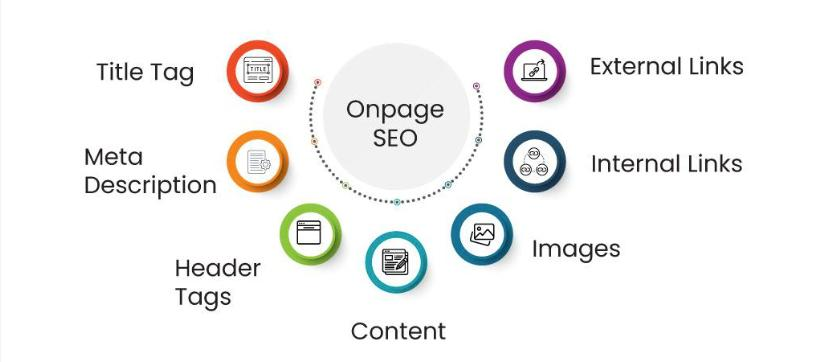
    Key Elements of On-Page SEO

    • Optimized title tags and meta descriptions
    • Keyword placement in content and headings
    • SEO-friendly URLs
    • Internal linking between pages
    • Image optimization with alt text
    • Mobile responsiveness and fast loading speed
    • Schema markup for rich snippets
    • Content readability and structure

    These factors help Google crawl your website effectively and rank it higher for relevant keywords.
    On-Page SEO

    What is Off-Page SEO?

    While On-Page SEO happens on your website, Off-Page SEO refers to the actions taken outside your site to improve its authority and trustworthiness.
    It focuses on building your website’s reputation through high-quality backlinks, brand mentions, and external engagement.

    Off-Page SEO Includes:

    • Link building (guest posts, outreach, directory submissions)
    • Social media sharing
    • Google My Business optimization
    • Brand mentions and citations
    • Influencer collaborations
    • Forum posting & Q&A sites (Quora, Reddit)

    Both On-Page SEO and Off-Page SEO work together to build your site’s overall strength and ranking potential.

    Why Both On-Page and Off-Page SEO Matter

    If On-Page SEO is the foundation of your digital house, Off-Page SEO is the reputation you build for it in the neighborhood.
    Without proper On-Page SEO, your content won’t be visible — and without Off-Page SEO, it won’t be trusted.
    That’s why Kamlesh Singad’s SEO team implements a balanced strategy that boosts both visibility and credibility.

    On-Page SEO Checklist (For 2025)

    Here’s a quick checklist for On-Page SEO to see if your website is optimized for Google:

    1. Keyword research done for each page
    2. Title tag within 60 characters
    3. Meta description under 160 characters
    4. Focus keyword in first 100 words
    5. Header tags (H1, H2, H3) structured properly
    6. SEO-friendly URL structure
    7. Internal and external links added
    8. Image names & alt tags optimized
    9. Mobile-friendly & responsive design
    10. Page speed score above 85
    11. Schema markup implemented
    12. No broken links or duplicate content

    What Kamlesh Singad’s Agency Offers

    We don’t just provide services — we deliver measurable growth.

    Our SEO Service Includes:

    • Full On-Page SEO Optimization
    • Strategic Off-Page SEO Campaigns
    • Keyword & competitor analysis
    • Technical SEO fixes
    • Monthly performance reporting
    • Local SEO (Google My Business)

    Benefits of Doing SEO with Kamlesh Singad

    • Rank higher on Google
    • Get more website traffic
    • Build brand trust & authority
    • Generate qualified leads
    • Save on ad costs through organic visibility

    With years of digital marketing experience, Kamlesh Singad has helped businesses across India — from startups to established brands — achieve top positions on Google.

    Why Choose Us for On-Page & Off-Page SEO

    • Expert SEO team using advanced tools
    • Customized strategies for every business
    • 100% ethical (white-hat) techniques
    • Transparent reporting & results tracking
    • Dedicated support and monthly updates

    FAQ

    1. What is On-Page SEO and Off-Page SEO?
    On-Page SEO optimizes your website internally (content, tags, URLs), while Off-Page SEO builds your authority externally (backlinks, mentions, social sharing).

    2. What is On-Page SEO Optimization?
    It’s the process of improving individual web pages to rank higher on search engines using titles, keywords, content, and internal linking.

    3. What is included in the On-Page SEO Checklist?
    Title tags, meta descriptions, keyword usage, internal links, image optimization, mobile speed, and content structure.

    4. Do I need both On-Page and Off-Page SEO?
    Yes! It helps Google understand your website, and Off-Page SEO helps Google trust it.

    5. How can I get On-Page SEO done for my website?
    You can contact Kamlesh Singad Digital Marketing Agency for a free SEO audit and get a custom optimization plan.

    Contact Kamlesh Singad for Complete SEO Solutions

    Locations: All over India
    Website: www.kamleshsingad.com
    Email: info@kamleshsingad.com
    Book Your Free SEO Consultation Today!
  • On-Page SEO: Techniques to Rank Higher on Google (Part-12)

    On-Page SEO: Techniques to Rank Higher on Google (Part-12)

    Module 2: SEO – Search Engine Optimization

    In the world of Search Engine Optimization (SEO), one term that stands out for consistent success is On-Page SEO. It’s the foundation of every optimized website and an essential skill if you want to rank higher on Google.

    According to Kamlesh Singad, founder of CWK Agency, “On-Page SEO is the part of your digital strategy you control 100%. Done right, it can turn your content into a 24/7 traffic machine.”

    Whether you’re a blogger, small business owner, or digital marketing enthusiast, this guide will give you the actionable techniques you need to boost visibility, increase traffic, and dominate Google rankings.

    What is On-Page SEO?

    On-Page SEO refers to the optimization of individual web pages—both the content and HTML source code—to improve search engine rankings and earn more relevant traffic.

    Unlike off-page SEO (which deals with backlinks and authority), on-page SEO is all about what you can control directly on your site.

    On-Page SEO

    Why On-Page SEO is Crucial for Ranking on Google

    Google’s algorithms prioritize relevance, quality, and user experience. On-Page SEO helps search engines:

    • Understand your content
    • Index it correctly
    • Evaluate its relevance for specific search queries

    Kamlesh Singad from CWK Agency states, “Even the best content will stay invisible without proper on-page SEO.”

    Core Techniques to Rank Higher on Google Using On-Page SEO

    1. Use Target Keywords Strategically

    Identify one primary keyword and a few secondary (LSI) keywords. Then use them naturally across:

    • Title tag
    • URL
    • Meta description
    • First 100 words
    • Subheadings (H2, H3)
    • Image ALT text

    Example: If your keyword is “best running shoes,” a good H2 might be “What Makes the Best Running Shoes for Marathon Training?”

    Also Read: How to Use Hyper-Personalized LinkedIn Outreach to Build Stronger Connections

    2. Optimize Your Title Tag

    Your title tag is the clickable link in search results. It should:

    • Include your target keyword
    • Be under 60 characters
    • Be unique for every page
    • Spark curiosity or offer value

    Bad: “Home”
    Good: “On-Page SEO Techniques to Rank Higher on Google | CWK Agency Tips”

    On-Page SEO

    3. Craft a Compelling Meta Description

    This doesn’t directly impact rankings but influences click-through rate (CTR).

    • Include your keyword
    • Keep it under 160 characters
    • Use action-oriented language

    Example: “Master On-Page SEO and learn expert techniques to rank higher on Google with Kamlesh Singad’s step-by-step guide.”

    4. Create SEO-Friendly URLs

    Clean URLs improve both user experience and rankings.

    Tips:

    • Keep it short
    • Use hyphens (-), not underscores (_)
    • Include the primary keyword

    Example:
    Bad: /page?id=123
    Good: /on-page-seo-techniques

    5. Use Header Tags Properly (H1, H2, H3)

    Header tags help structure your content and improve readability.

    • H1: Only one per page, should contain your keyword
    • H2/H3: Used for subtopics and supporting points

    Kamlesh Singad advises, “Think of headers as signposts—they help Google and your readers navigate your content smoothly.”

    Also Read: Best Marketing Management Courses to Enroll in 2025

    6. Improve Internal Linking

    Internal links help distribute page authority and keep users engaged longer.

    Best Practices:

    • Link to at least 2–3 relevant internal pages
    • Use keyword-rich anchor text
    • Avoid overlinking the same page

    At CWK Agency, every blog post is linked to a relevant product, service, or related article.

    7. Use Optimized Images and ALT Tags

    Search engines can’t see images—they rely on ALT text.

    Tips:

    • Compress images to speed up loading
    • Name files descriptively (e.g., on-page-seo-checklist.jpg)
    • Add ALT text with relevant keywords

    8. Write High-Quality, User-Centric Content

    Google values content that solves problems, answers questions, and keeps users engaged.

    Keys to great content:

    • Use short paragraphs
    • Add bullet points and visuals
    • Include outbound links to credible sources
    • Aim for 1000–2500 words per post

    Kamlesh Singad says, “Write for humans first, but format for search engines.”

    On-Page SEO

    9. Improve Page Load Speed

    A slow website = lower rankings and higher bounce rates.

    Tools:

    • Google PageSpeed Insights
    • GTmetrix
    • WebPageTest

    Quick Fixes:

    • Compress images
    • Use a fast hosting provider (like SiteGround)
    • Minimize plugins and scripts

    Also Read: 10 Powerful Advantages of YouTube Marketing to Boost Your Business

    10. Ensure Mobile Friendliness

    With Google’s mobile-first indexing, your site must be responsive.

    Checklist:

    • Buttons are easy to tap
    • Fonts are legible
    • Menus are accessible
    • Content adapts to screen size

    CWK Agency tests all client websites on multiple devices before launch.

    Bonus Techniques from CWK Agency’s Toolbox

    • Schema Markup: Helps Google display rich snippets
    • Content Updates: Refresh content every 6–12 months to stay relevant
    • Breadcrumbs: Improves navigation and internal linking
    • Anchor Links: Great for long-form content (like this guide!)

    Common Mistakes to Avoid

    • Keyword stuffing
    • Duplicate meta tags across pages
    • Ignoring image optimization
    • Not linking to internal or external resources
    • No clear CTA (Call to Action)

    FAQs

    Is on-page SEO more important than backlinks?
    They work together. On-page SEO is the foundation; backlinks build authority.

    How often should I update my content?
    Every 6–12 months for competitive niches. More often if Google updates algorithms.

    Can I do on-page SEO without plugins?
    Yes, but tools like Yoast SEO or Rank Math make it easier, especially for WordPress users.

    How long does it take to see results?
    Generally, 3–6 months for noticeable improvements, depending on niche and competition.

    Conclusion: Get Google to Love Your Pages

    If you want to climb the Google ranks, mastering On-Page SEO is non-negotiable. From keyword placement to page speed, every element counts. And the best part? You don’t need a massive budget—just consistency and strategy.

    With guidance from Kamlesh Singad and proven systems by CWK Agency, you now have the tools to optimize your content and make Google take notice.

    So what are you waiting for? Start optimizing—and start ranking.