Businesses worldwide are harnessing the transformative power of artificial intelligence to revolutionize their marketing efforts. AI-Driven Marketing Strategies are reshaping how brands connect with their audience, offering enhanced personalization, improved efficiency, and data-driven decision-making. From automating content creation to refining customer segmentation and implementing predictive analytics, AI is the new cornerstone of modern marketing.
What Are AI-Driven Marketing Strategies?
AI-Driven Marketing Strategies involve using artificial intelligence tools and techniques to optimize various aspects of marketing. These strategies streamline tasks such as data analysis, customer behavior prediction, and real-time decision-making, ensuring brands can deliver hyper-personalized experiences.
Faster Decision-Making: Leveraging predictive analytics for timely and accurate marketing actions.
Applications of AI-Driven Marketing Strategies
AI for Content Creation
Artificial intelligence can generate high-quality, relevant, and SEO-optimized content tailored to audience preferences. Tools like ChatGPT and Jasper AI assist marketers in producing blog posts, social media captions, and email newsletters quickly and efficiently.
Customer Segmentation
AI empowers businesses to segment customers more accurately based on data such as purchase history, online behavior, and demographics. This targeted approach enhances marketing campaigns and boosts conversion rates.
Predictive Analytics
Predictive analytics uses historical data and AI algorithms to forecast future customer actions. Businesses can use this information to predict product demand, optimize inventory, and create personalized marketing campaigns.
Chatbots and Virtual Assistants
AI-driven chatbots provide instant support to customers, answering queries and guiding them through the sales funnel. These virtual assistants are cost-effective and available 24/7, enhancing customer satisfaction.
Programmatic Advertising
AI-driven marketing strategies also play a pivotal role in programmatic advertising, where AI automates the buying and placement of ads to ensure they reach the right audience at the right time.
How Businesses Can Implement AI-Driven Marketing Strategies
Identify Business Goals
The first step is understanding your marketing objectives. Whether it’s improving customer retention, increasing ROI, or driving website traffic, defining goals ensures alignment with AI capabilities.
Choose the Right AI Tools
Selecting the best tools tailored to your business needs is critical. For content creation, platforms like Writesonic are ideal, while Salesforce Einstein excels in customer relationship management.
Leverage Data Collection and Analysis
Data is the backbone of AI. Collect and analyze customer data to uncover valuable insights, enabling more informed decision-making.
Train Your Team
Integrating AI requires a skilled workforce. Invest in training programs to equip your team with the necessary expertise to maximize the potential of AI-driven tools.
Monitor and Adjust Strategies
Regularly monitor your AI-driven marketing strategies to ensure they deliver the expected results. Use insights from analytics tools to refine your approach.
Despite its advantages, adopting AI-Driven Marketing Strategies comes with challenges:
Data Privacy Concerns: Striking a balance between personalization and user privacy.
High Implementation Costs: Investing in AI infrastructure can be costly.
Skill Gaps: Ensuring your team is equipped to handle advanced AI tools.
Real-World Examples of AI-Driven Marketing Strategies
Netflix
Netflix uses AI to deliver personalized recommendations based on viewers’ preferences and viewing history, enhancing customer satisfaction and retention.
Amazon
Amazon’s AI-driven algorithms suggest products based on browsing and purchase history, driving cross-sell and upsell opportunities.
Coca-Cola
Coca-Cola leverages AI in social media marketing to identify trending content and engage with its audience more effectively.
The Future of AI-Driven Marketing Strategies
AI-driven marketing is not just a passing trend; it’s the future. As AI technology advances, businesses can expect even greater capabilities, such as emotion recognition and real-time marketing optimizations.
FAQs
What are AI-Driven Marketing Strategies? AI-Driven Marketing Strategies are approaches that leverage artificial intelligence to optimize marketing processes, improve personalization, and enhance decision-making.
How does AI enhance content creation? AI tools can create high-quality, SEO-optimized content efficiently by analyzing data and understanding audience preferences.
What are the benefits of customer segmentation using AI? AI enables precise segmentation by analyzing customer data, allowing businesses to target specific groups with tailored marketing campaigns.
Can small businesses adopt AI-Driven Marketing Strategies? Yes, small businesses can use affordable AI tools for tasks like email marketing, chatbots, and social media management.
How does predictive analytics help in marketing? Predictive analytics forecasts customer behavior, enabling businesses to create targeted campaigns and optimize resources effectively.
What industries benefit most from AI-Driven Marketing Strategies? Industries such as e-commerce, entertainment, healthcare, and finance are seeing significant benefits from AI-driven marketing initiatives.
Conclusion
AI-Driven Marketing Strategies are transforming the business landscape, offering unparalleled efficiency and personalization. Whether you’re automating content creation, improving customer segmentation, or utilizing predictive analytics, integrating AI into your marketing efforts ensures you stay ahead of the competition.
Ready to elevate your marketing game? Embrace AI today and watch your business soar.
Promoting a business is an art and science that requires strategic thinking, innovation, and adaptability. With the ever-changing digital landscape, finding the 50 Types of marketing strategies for promoting a business can feel overwhelming. However, understanding the different methods available can help businesses make informed decisions that align with their goals. This guide explores 50 diverse marketing strategies—from traditional methods to cutting-edge digital tactics—to help you grow your brand, reach your target audience, and achieve long-term success.
Traditional Marketing Strategies
Print Advertising Print ads in newspapers, magazines, or brochures remain an effective way to reach local audiences. They offer high credibility and a tangible touchpoint for customers.
Broadcast Advertising Television and radio ads provide widespread reach. Crafting compelling jingles or visuals can leave a lasting impression.
Outdoor Advertising Billboards, transit ads, and posters are excellent for grabbing attention in high-traffic areas, creating brand visibility.
Direct Mail Sending personalized postcards, catalogs, or offers directly to potential customers fosters a personal connection and encourages engagement.
Event Sponsorship Supporting local or global events boosts brand exposure while associating your business with relevant causes or themes.
Search Engine Optimization (SEO) Optimizing your website for search engines improves visibility and attracts organic traffic. Use trending keywords like “effective SEO tactics” to rank higher.
Content Marketing Creating valuable content, such as blogs, eBooks, or videos, establishes your authority in the industry. Quality content attracts and retains a loyal audience.
Pay-Per-Click Advertising (PPC) Platforms like Google Ads allow businesses to target specific keywords, ensuring that their ads appear to the right audience at the right time.
Social Media Marketing Platforms like Instagram, LinkedIn, and TikTok provide opportunities to engage directly with audiences through posts, stories, and live events.
Email Marketing Building a robust email list and crafting tailored messages drive customer retention and encourage repeat business.
Affiliate Marketing Partnering with affiliates to promote your products expands your reach while ensuring you pay only for performance-based results.
Influencer Marketing Collaborating with influencers lets you tap into their established audience, building trust and visibility.
Online Reviews and Reputation Management Encouraging reviews on platforms like Google or Yelp boosts credibility and helps attract more customers.
Website Optimization A user-friendly, fast, and mobile-responsive website ensures that visitors have a seamless experience, encouraging conversions.
Voice Search Optimization As voice assistants gain popularity, optimizing for voice search ensures you capture this growing segment.
Micro-Moments Marketing Meeting customers at the right moment of need—whether they’re searching, buying, or exploring—enhances brand relevance.
User-Generated Content (UGC) Encouraging customers to share photos or testimonials about your product creates authentic promotion.
Cause Marketing Aligning with social or environmental causes resonates with values-driven consumers.
Blockchain Marketing Using blockchain ensures secure transactions and fosters customer trust, especially in industries like finance or e-commerce.
FAQs
What are the most effective digital marketing strategies? The most effective digital strategies include SEO, social media marketing, and email marketing, as they provide measurable results and broad reach.
How can small businesses afford marketing? Small businesses can utilize cost-effective methods like social media, content marketing, and email campaigns.
What is the role of content marketing in promotion? Content marketing builds trust, educates audiences, and drives organic traffic, making it essential for long-term growth.
How can businesses measure marketing success? Metrics like website traffic, conversion rates, and ROI help evaluate the effectiveness of marketing campaigns.
Why is personalization important in marketing? Personalization enhances customer experience, improves engagement, and increases loyalty by addressing individual needs.
What are emerging marketing trends to watch? Emerging trends include voice search optimization, augmented reality, and cause marketing, reflecting evolving consumer behavior.
Conclusion
The world of marketing offers endless opportunities to grow and promote your business. From traditional strategies like print ads to innovative digital tactics such as AR experiences, finding the right mix is key. Implementing these 50 marketing strategies for promoting a business can help you reach your target audience, enhance brand visibility, and drive sustainable success.
In the bustling world of business, where competition looms at every corner and the consumer’s attention span grows ever so fickle, marketing stands out as the beacon that guides potential customers to a brand’s doorstep. But what exactly is marketing? It’s a term that encompasses a vast realm of activities, strategies, and philosophies all aimed at promoting and selling products or services. Let’s embark on a journey to demystify this crucial aspect of business, exploring its various facets and understanding why it’s the lifeblood of any enterprise seeking to thrive in today’s economy.
The Essence of Marketing
Marketing Defined At its core, marketing is the art and science of identifying, anticipating, and satisfying customer needs and desires profitably. It’s a multifaceted process that involves understanding your audience, creating valuable offerings, communicating those offerings effectively, and delivering satisfaction.
Why Marketing Matters In a world teeming with options, marketing helps businesses stand out, convey their message, and connect with individuals who are most likely to become customers. It’s not just about selling but about creating relationships and building trust.
The Evolution of Marketing
From Traditional to Digital The digital age has transformed marketing from a predominantly one-way conversation (think TV ads and billboards) into a dynamic dialogue between brands and consumers. Digital marketing channels, such as social media, SEO, and email marketing, offer unprecedented ways to engage directly with audiences.
Understanding Consumer Behavior Today’s marketing strategies are increasingly driven by data analytics, allowing marketers to understand consumer behavior like never before. This data-driven approach enables personalized marketing, enhancing the consumer experience and increasing effectiveness.
Marketing Strategies and Their Impact
Content Marketing By offering valuable and relevant content, brands educate and engage their audience, building trust and establishing authority in their domain. Content marketing isn’t overtly promotional but seeks to inform and entertain, thereby fostering a deeper connection with potential customers.
Social Media Marketing With billions of users worldwide, social media platforms offer a vast stage for brands to showcase their personality, engage with customers, and promote their offerings. Effective social media marketing leverages these platforms’ conversational nature, encouraging user interaction and brand loyalty.
SEO: Connecting with the Digital Consumer Search Engine Optimization (SEO) enhances a website’s visibility in search engine results, making it easier for potential customers to find a business online. A robust SEO strategy involves optimizing content, structure, and on-page elements to improve rankings and drive organic traffic.
The Human Touch in Marketing
Building Brand Awareness At its heart, marketing is about storytelling. It’s how a brand communicates its essence, values, and personality. Creating a strong, relatable brand image can make a business memorable and foster a loyal customer base.
Customer Engagement and Retention Engaging with customers on a personal level, acknowledging their feedback, and providing exceptional service are pivotal in retaining customers. Loyal customers not only contribute to sales but also become brand ambassadors, spreading the word to friends and family.
What Are the 4 P’s of Marketing?
The 4 P’s of Marketing, also known as the marketing mix, are a set of four key elements that are central to any marketing strategy. They are:
Product: This refers to what you are selling, including all of the features, advantages, and benefits that your customers can enjoy from buying your goods or services.
Price: This pertains to how much your product costs. Pricing strategies can greatly affect how the market perceives your product and can be a determinant of success or failure.
Place: This is all about distribution and where your product is made available to your target market. “Place” strategies involve making your product as accessible as possible to your intended customers.
Promotion: This involves all the ways you tell your customers about your product or service and how you then market and sell to them. This includes advertising, sales tactics, promotions and direct marketing.
These four elements work together to help create a cohesive and effective marketing strategy.
Types of Marketing Strategies
There are numerous types of marketing strategies used by companies to reach their target audience, promote their brand, and increase sales. Here are some key types, briefly explained:
Content Marketing: Involves creating and distributing valuable, relevant, and consistent content to attract and retain a clearly-defined audience.
Social Media Marketing: Utilizes social media platforms to connect with your audience to build your brand, increase sales, and drive website traffic.
Search Engine Optimization (SEO): Focuses on improving your website’s visibility in search engine results pages to increase organic (non-paid) traffic.
Pay-Per-Click (PPC) Advertising: A model of internet marketing in which advertisers pay a fee each time one of their ads is clicked.
Email Marketing: The use of email to promote products or services while developing relationships with potential customers or clients.
Influencer Marketing: Involves partnering with influential people in your industry to expose your brand to a larger audience.
Affiliate Marketing: A performance-based marketing strategy where a business pays one or more affiliates for each visitor or customer brought by the affiliate’s own marketing efforts.
Viral Marketing: Aims to spread information about a product or service from person to person by word of mouth or sharing via the internet or email.
Public Relations (PR): Focuses on managing the public perception of a company or product through media coverage and communication strategies.
Direct Marketing: Directly reaches out to potential customers on a personal level (such as via mail, email, or text) instead of through a third-party medium.
Guerrilla Marketing: An unconventional strategy intended to get maximum results from minimal resources.
Event Marketing: Involves promoting a brand, product, or service through in-person or virtual events.
Experiential Marketing: Focuses on creating immersive experiences that engage consumers directly, making them part of the brand story.
Each of these strategies has its own set of advantages and can be used in various combinations depending on the business goals, target audience, and budget.
What Are the Benefits of Marketing?
Marketing offers a wide array of benefits to businesses, large and small. Here’s a concise overview of its key advantages:
Increases Brand Awareness: Marketing strategies help introduce and promote your brand to potential customers, making it more recognizable.
Boosts Sales: Effective marketing directly influences buying behavior, leading to increased sales and revenue.
Engages Customers: It allows businesses to maintain an ongoing relationship with their audience, keeping them engaged and interested in the brand.
Builds Company Reputation: Through consistent and positive marketing messages, businesses can build and maintain a strong reputation.
Facilitates Customer Feedback: Marketing strategies, especially digital ones, provide valuable data on customer preferences and feedback, which can guide future strategies.
Enhances Customer Experience: By understanding customer needs through marketing research, businesses can improve their products, services, and the overall customer experience.
Increases Competitive Edge: Marketing enables businesses to stand out in a crowded market, highlighting their unique selling proposition.
Drives Targeted Traffic: Specific marketing tactics, like SEO and PPC, can attract highly targeted traffic to your business, increasing the chances of conversion.
Supports Business Growth: Strategic marketing contributes to the expansion of business operations and entry into new markets.
Improves Product Development: Insights gained from marketing efforts can inform product development, ensuring offerings meet the current demands of the market.
Marketing is not just about selling products or services; it’s about creating a connection with your audience, understanding their needs, and providing value, which in turn, contributes to the success and growth of your business.
The Future of Marketing
Emerging Technologies With the advent of AI, augmented reality, and other technologies, the future of marketing holds endless possibilities for creating immersive and personalized consumer experiences.
Sustainability and Ethical Marketing Consumers are increasingly conscious of their impact on the planet, leading to a rise in demand for sustainable and ethically produced products. Brands that align their marketing strategies with these values are seeing a positive response from the market.
Conclusion
Marketing is an ever-evolving field that sits at the intersection of business and creativity. It’s about understanding people, what they need, what they value, and how they want to receive information. Effective marketing doesn’t just sell products; it builds relationships, fosters communities, and creates brand advocates. As we move forward, the brands that succeed will be those that prioritize authenticity, engage with their audience on a human level, and adapt to the changing landscape of consumer behavior and technological advancements.
FAQs
What makes marketing essential for businesses? Marketing is essential for businesses as it helps in building brand awareness, engaging customers, and driving sales. It allows businesses to communicate their value proposition effectively to their target audience.
How has digital marketing changed the landscape? Digital marketing has transformed the marketing landscape by enabling direct communication with the audience, providing detailed analytics, and allowing for personalized marketing strategies, thereby increasing efficiency and effectiveness.
What is the importance of SEO in marketing? SEO is crucial in marketing as it improves a website’s visibility in search engine results, making it easier for potential customers to find a business online, thus increasing organic traffic and potential sales.
Can small businesses benefit from marketing? Absolutely, small businesses can benefit significantly from marketing by leveraging cost-effective digital marketing strategies to reach a wider audience, build brand awareness, and compete with larger companies.
How do marketing strategies impact consumer behavior? Marketing strategies, especially those that are data-driven and customer-centric, can significantly influence consumer behavior by addressing their needs, preferences, and pain points, leading to increased customer engagement and loyalty.
What is the future of marketing? The future of marketing lies in leveraging emerging technologies to create more personalized, immersive, and sustainable marketing experiences that resonate with consumers on a deeper level.
Learn about Consumer Behaviour and how understanding customer preferences, decision-making patterns, and buying psychology can help businesses create effective marketing strategies and boost sales.
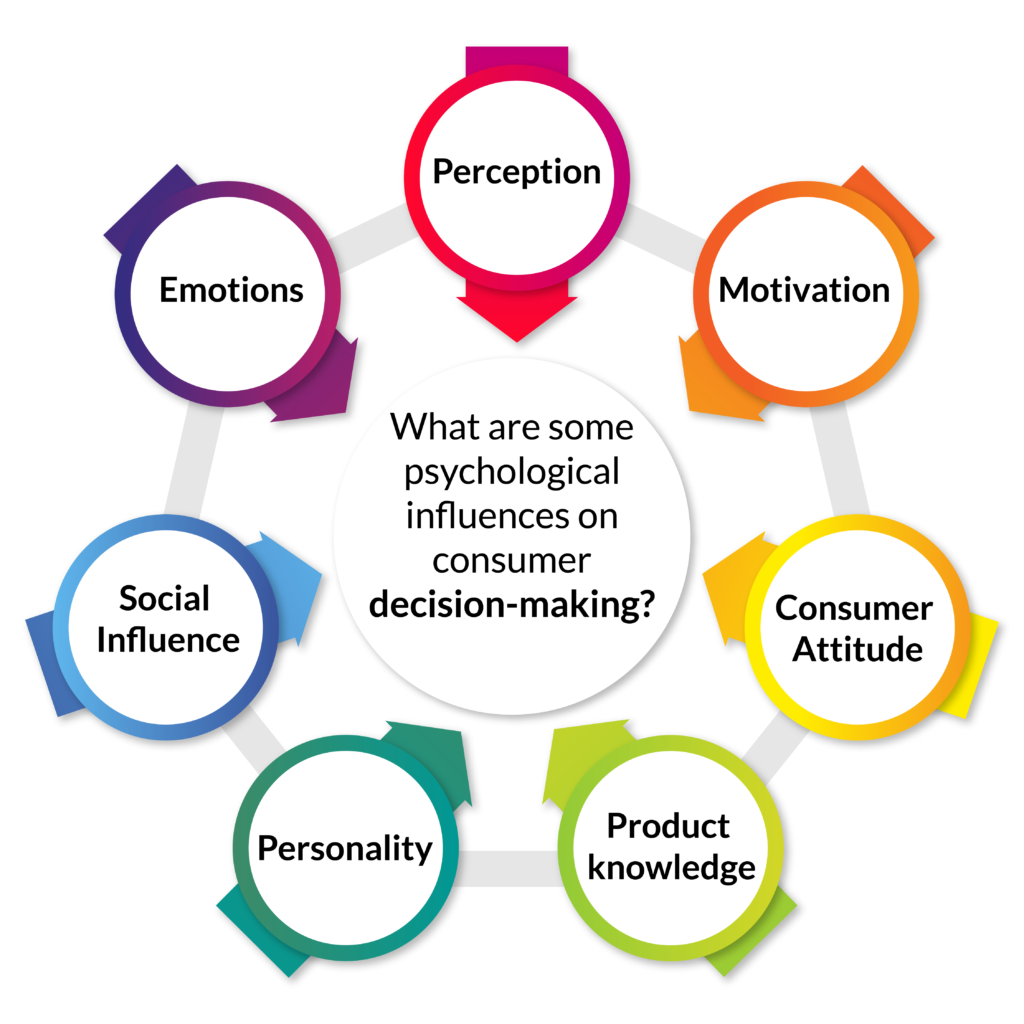
Have you ever wondered why you can’t resist buying that new gadget, even when you know you don’t really need it? Or why you prefer one brand of soda over another, even though they both taste similar? The answer lies in the fascinating world of consumer psychology. Understanding the psychology behind consumer behavior can help businesses tailor their marketing strategies to influence purchasing decisions effectively. In this blog, we’ll explore the key principles of consumer psychology using simple language and real-life examples.
The Psychology of Consumer Behaviour
Perception
Perception plays a vital role in consumer behavior. People tend to perceive products and brands based on their sensory experiences. This includes how a product looks, smells, sounds, and feels.
Example: Imagine you’re in a grocery store, and you see two bottles of wine side by side. One has an elegant label, while the other has a plain, unattractive one. You’re more likely to choose the wine with the appealing label, even though you have no idea about the taste.
Takeaway: Businesses can influence consumer perception by investing in product packaging, aesthetics, and overall presentation.
Emotions
Emotions have a powerful impact on purchasing decisions. People often buy products or services that make them feel a certain way. Marketers use emotional appeal to connect with consumers on a personal level.
Example: Think about a heartwarming commercial for a charity organization featuring children and animals. This evokes empathy and a desire to contribute to the cause.
Takeaway: Businesses can use emotional marketing to create a connection with their target audience and drive purchases.
Social Influence
Humans are inherently social creatures, and our purchasing decisions are often influenced by what others are doing. This phenomenon is known as social proof.
Example: You’re more likely to try a new restaurant that’s always packed with customers than one that’s empty, assuming that many people can’t be wrong.
Takeaway: Businesses can leverage social proof through customer reviews, testimonials, and showcasing popularity to attract more customers.
Cognitive Biases
Cognitive biases are mental shortcuts that our brains take to make quick decisions. These biases can lead us to make irrational purchasing choices.
Example: You might see a “limited-time offer” and feel a sense of urgency to buy a product, even if you didn’t plan to. This is known as the scarcity bias.
Takeaway: Businesses can use cognitive biases like scarcity or anchoring (setting a high initial price to make a discount seem more appealing) to influence consumer behavior.
Consumer Trust
Trust is a critical factor in consumer behavior. People are more likely to buy from brands they trust. Trust can be built through consistent quality, transparency, and ethical business practices.
Example: Consider a tech company known for its reliable products and excellent customer service. Consumers are more likely to buy their products because they trust the brand.
Takeaway: Building and maintaining trust should be a priority for businesses aiming to influence purchasing decisions positively.
Personalization
Personalization tailors marketing messages and product recommendations to individual customers.
Example: Online retailers like Amazon use algorithms to suggest products based on your past purchases and browsing history.
Takeaway: Businesses can increase sales by offering personalized experiences that cater to individual customer preferences.
Conclusion
Understanding the psychology of consumer behavior is essential for businesses looking to influence purchasing decisions effectively. By leveraging principles such as perception, emotions, social influence, cognitive biases, trust, and personalization, companies can connect with their target audience on a deeper level. The key is to create positive experiences that resonate with consumers and make them more likely to choose your product or service over others.
Think about how we usually find information or learn new things today. We often use the internet to search for stuff, watch videos, or read articles. Just like companies use the internet to show people their products, schools and educational places can also use it to share information about what they offer. This is where digital marketing comes in.
Discover how Digital Marketing for Education sector helps schools, coaching institutes, and edtech platforms attract more students, build brand authority, and boost admissions through SEO, social media, and paid advertising strategies.
Understanding the Importance of Digital Marketing:
Imagine you’re looking for a good school for your child, and you start searching online. You might see websites, social media pages, and videos from schools telling you about their programs and teachers. This is digital marketing. It helps schools and educational places get noticed by people like you who are interested in learning more.
Benefits of Digital Marketing for Educational Institutions:
Let’s say you’re a student who loves painting. With digital marketing, schools can show you their art classes on the internet. They can even let you know about special events or workshops related to painting. For schools, digital marketing helps them reach students who are excited about what they teach. It’s like telling the right people about the cool things they do, so more students can join and enjoy their learning experiences.
Defining Your Digital Marketing Strategy
Think of your digital marketing strategy like planning a trip. Just like you decide where to go, how to get there, and what to do, a digital marketing strategy is like a plan for your online activities. It helps you figure out how to reach people and make your school or educational program known.
Setting Clear Goals and Objectives: Imagine you’re playing a game. Before you start, you usually have a goal, right? Maybe your goal is to score a certain number of points or finish a level. In digital marketing, you set goals too, but they’re about things like getting more students to enroll in your classes or making more parents aware of your school.
Identifying Target Audience (Students, Parents, Educators): Think about when you want to show a cool toy to someone. You choose who to show it to based on what they like, right? In digital marketing, your “target audience” is like the people you want to show your educational stuff to. It could be students who want to learn new things, parents who want the best education for their kids, or teachers who want helpful resources.
Analyzing Competitors in the Education Industry: Imagine you’re in a race. Before you run, you might want to know who you’re racing against. You look at other runners to see how fast they are. In the education world, there are other schools and programs trying to attract students too. So, you look at what they’re doing to see if there are things you can do even better.
Think of building a strong online presence like setting up a welcoming shop on the internet. It’s about making sure people can find you easily and have a great experience when they visit your online “shop.”
Creating a Professional and User-Friendly Website:
Imagine you’re opening a store in a busy street. You’d want the store to look nice and organized, right? Well, a website is like your online store. You want it to look professional, with all the information neatly arranged. Just like customers like to see clean shelves and signs in a physical store, visitors to your website should be able to find what they need without confusion.
Developing Engaging Landing Pages:
Landing pages are like the special sections or displays you create in your store to catch people’s attention. For example, if you’re selling toys, you might set up a fun display of new toys right at the entrance. Similarly, on your website, a landing page is a page designed to grab visitors’ interest, usually showcasing something important like a new course or event.
Optimizing for Mobile and Responsive Design:
Nowadays, people use different devices to browse the internet – like phones, tablets, and computers. Imagine if your store looked amazing on a big window but messy and hard to navigate through a small window. To make sure your online shop looks great no matter how someone visits it, you need responsive design. It’s like having your store rearrange itself to look perfect, whether people are looking through the big shop window or a small one.
Content Marketing for Education
Imagine you’re trying to teach people about something interesting or helpful. You create materials like stories, articles, and videos that explain things in a way that’s easy to understand. You’re not just throwing random things out there – you’re making content that’s useful to others.
Creating Relevant and Valuable Content (Blogs, Articles, Videos):
Think of this like making helpful guides or interesting stories. Let’s say you’re an expert in math, and you make short videos explaining how to solve tricky math problems. People who struggle with those problems find your videos super helpful. That’s because you’ve made content that’s relevant (related to math problems) and valuable (helps them understand and solve the problems).
Showcasing Expertise through Educational Resources:
Imagine you’re really good at playing the guitar. You decide to create a series of short lessons and tips for beginners who want to learn to play the guitar. By sharing your knowledge in those lessons, you’re showing that you’re an expert in guitar playing. People will trust your guidance because you’re sharing educational stuff.
Utilizing SEO to Improve Visibility in Search Engines:
Think of the internet like a huge library. When you want to find a specific book, you use keywords like the book’s title or author. In the same way, people use keywords to find things on the internet. If you write a helpful article about cooking pasta and use the right words people might search for (like “easy pasta recipes”), your article shows up at the top of search results. This is called SEO (Search Engine Optimization), and it helps more people find your content.
Social Media Marketing
Imagine you have a really cool idea or something interesting to share with a lot of people. Social media marketing is like using platforms on the internet to tell everyone about your idea or share your cool thing.
Choosing the Right Social Media Platforms: Think of social media platforms like different playgrounds. Some people like to play basketball, some like to play soccer, and some like to ride bikes. In the same way, there are different websites where people hang out online. For example, Facebook is like a basketball court, Instagram is like a bike track, and Twitter is like a soccer field. You need to pick the right place to share your idea, depending on the type of people you want to reach. If you’re telling students about a new course, you might choose Instagram because that’s where many students spend time.
Engaging with the Education Community Online: Imagine you’re at a big party where everyone is talking about different things. Engaging with the education community online is like joining conversations about learning and schools in those playgrounds (social media platforms). It’s like joining a group of people who like the same things you do. You can share your thoughts, answer questions, and learn from others. For example, you might join a group of teachers on Facebook where they discuss new teaching methods.
Running Effective Social Media Campaigns: A social media campaign is like throwing a big party online. Imagine you want to invite everyone to a special event. It’s all about getting people excited and interested in what you’re offering. Just like how a bakery might post pictures of delicious cakes to make people want to visit their shop.
Email marketing is like sending messages to people’s email addresses, but it’s not just random messages. It’s a smart way for schools or educational places to share important and interesting things with students, parents, and teachers using emails.
Building an Opt-in Email List:
Imagine you have a cool club that shares exciting news about a topic you really like. People who are interested can join the club voluntarily. Building an opt-in email list is like creating that club. It’s about asking people if they want to receive emails from your school or educational organization. For example, when students or parents say, “Yes, I want to know what’s happening at school,” you add their email addresses to your special list.
Crafting Compelling Email Campaigns:
Think of an email campaign as a series of stories. Just like how your favorite TV show has episodes that keep you excited, an email campaign has a bunch of emails that tell interesting stories about your school. These stories could be about upcoming events, fun activities, or important updates. Crafting compelling email campaigns means creating emails that are interesting and make people want to read them. It’s like writing a really good story that everyone wants to hear.
Sending Personalized Updates and Newsletters:
Imagine getting a birthday card with your name on it. It feels special, right? Sending personalized updates is a bit like that. Instead of sending the same email to everyone, you can send emails that are made just for each person. For example, if someone is really into sports, you can send them updates about the school’s sports events. And newsletters are like big update emails that have a bunch of cool things all in one place. It’s like a collection of exciting news and fun stuff.
Paid Advertising Strategies
Think of paid advertising strategies as a way to make your school or educational services more noticeable to people who might be interested. It’s a bit like putting up a big poster or billboard to get attention.
Using Google Ads for Education Keywords:
Imagine you’re searching for a recipe online, and you type “easy chocolate cake recipe” into Google. You’ll notice that some of the search results are labeled as “Ad.” These are like mini ads that people have paid for, so their recipe website shows up at the top. Similarly, schools and education providers can pay to have their websites show up at the top when someone searches for keywords related to education, like “best online courses.”
Implementing Social Media Advertising (Facebook, Instagram):
You know those sponsored posts that show up in your Facebook or Instagram feeds? These are like little ads that show up in between your friends’ posts. Schools can use these ads to tell people about their courses or programs. It’s like when a friend tells you about a cool new restaurant they tried, but in this case, it’s the school telling you about their education offerings.
Display Advertising on Relevant Websites:
Have you ever noticed ads on websites you visit? Sometimes, when you’re reading an article about a new movie, you might see an ad for tickets to that movie. Schools can place these types of ads on websites that are related to education or learning. For example, if you’re reading an article about studying tips, you might see an ad for an online learning platform.
So, paid advertising strategies are all about using different methods to get the word out about education, just like how businesses use advertising to tell you about their products or services.
Imagine you have a bakery and you want people to find it easily when they search for “delicious cakes” on the internet. SEO is like making your bakery more visible so that when someone searches for cakes, your bakery’s name pops up at the top of the list.
On-Page and Off-Page SEO Techniques
On-Page SEO: This is like baking your cakes with the best ingredients. On-page SEO is about making your website as tasty and appealing as possible to visitors and search engines. You use good titles, descriptions, and relevant keywords that people might use to find your bakery. It’s like having a nice menu with all your delicious cakes listed.
Off-Page SEO: Imagine your bakery getting popular because people talk about it. Off-page SEO is about getting other websites to talk about your bakery. This could be through social media, reviews, or even other websites linking to your bakery’s website. It’s like having people recommend your cakes to their friends.
Local SEO for Targeted Location-based Searches
Suppose you want people nearby to find your bakery. Local SEO is like putting a sign outside your bakery with your location. It’s making sure that when someone nearby searches for “cakes near me,” your bakery shows up on their map. It helps people find you easily when they’re looking for cakes in your area.
Monitoring and Improving Search Engine Rankings
Think of it like checking how well your bakery is doing. Monitoring your search engine rankings is like seeing where your bakery shows up when people search for cakes. If you’re not showing up high enough, you might need to make your cakes even more delicious (improve your website) or tell more people about your bakery (off-page SEO). It’s like keeping track of how many customers are coming to your bakery.
Video Marketing in Education
Think about how you watch videos on YouTube to learn how to cook a new recipe or fix something around the house. In a similar way, educational institutions and teachers can use videos to teach students new things and share useful information. This is what we mean by “Video Marketing in Education.”
Creating Engaging Educational Videos:
Imagine your teacher making short videos where they explain math problems using fun animations or tell stories that help you understand history better. These videos make learning more interesting because you can see and hear the explanations, almost like having your teacher right there with you.
Using YouTube as a Platform for Sharing Knowledge:
You know how people upload videos of cute animals or funny sketches on YouTube? Well, teachers and schools can use YouTube too, but instead of funny videos, they share educational videos. This way, students from all over the world can watch and learn from these videos, just like how you watch your favorite videos on YouTube.
Live Streaming and Webinars for Interactive Learning:
Imagine tuning in to a live show on TV, where you can send messages to the host and they reply to you in real-time. Live streaming and webinars in education work a bit like that. Teachers can teach lessons live on the internet, and you can ask questions or take part in discussions as the lesson happens. It’s like being in a virtual classroom where you can interact with your teacher and classmates, even if you’re not in the same place. It is Digital Marketing in the Education Sector.
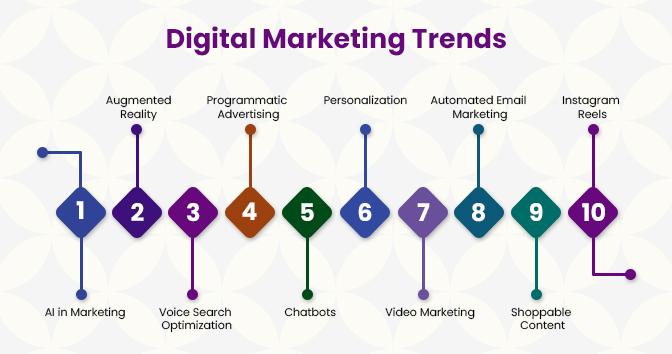
In the fast-paced world of digital marketing, staying ahead of the curve is crucial for success. What worked yesterday may not work today, and as a marketer, you need to adapt to the ever-evolving landscape. In this blog, we’ll explore the top emerging digital marketing trends you must know as Digital Marketer, and we’ll break them down into simple language with real-world examples of Digital Marketer.
Video Marketing Continues to Soar
Video marketing is not new, but its significance is growing exponentially. People love watching videos, and platforms like YouTube, TikTok, and Instagram Reels are perfect examples of this trend.
Example: Let’s say you run a small bakery. Instead of just posting pictures of your delicious treats, you could create short videos showcasing the baking process, customer reviews, or even behind-the-scenes footage. This engages your audience and gives them a more immersive experience.
Conversational Marketing with Chatbots
Chatbots are becoming smarter and more personalized. They can provide instant answers to customer queries, making user interactions smoother and more efficient.
Example: If you have an e-commerce website, you can implement a chatbot that asks visitors what they are looking for and guides them to the right products. It can also handle frequently asked questions, reducing the workload on your customer support team.
Artificial Intelligence (AI) is changing the game in digital marketing. AI algorithms can analyze user data to offer highly personalized content and product recommendations.
Example: Think about Netflix. It uses AI to suggest movies and shows based on your viewing history. As a marketer, you can employ AI to send personalized email campaigns, tailored product recommendations, and even website content.
Voice Search Optimization
Voice assistants like Siri, Alexa, and Google Assistant are becoming increasingly popular. Optimizing your content for voice search is a must.
Example: If you’re a local pizza restaurant, optimizing for voice search means focusing on long-tail keywords and answering questions like, “Where’s the nearest pizza place?” in your website content. This can help you rank higher when someone asks their voice assistant for pizza recommendations.
Influencer Marketing Evolution
Influencer marketing is not just about celebrities anymore. Micro-influencers (those with smaller but highly engaged followings) are gaining traction.
Example: Instead of paying a celebrity chef to promote your kitchen gadgets, you could collaborate with a food blogger who has a dedicated audience of home cooks. Their recommendations are often perceived as more authentic and trustworthy.
Augmented Reality (AR) and Virtual Reality (VR)
AR and VR technologies are making their way into digital marketing. They allow consumers to interact with products and experiences in immersive ways.
Example: Imagine you’re in the fashion industry. You could develop an AR app that lets customers “try on” clothes virtually before making a purchase. This enhances the online shopping experience and reduces return rates.
User-Generated Content
User-generated content (UGC) involves customers creating content related to your brand. It’s a powerful way to build trust and authenticity.
Example: If you run a fitness brand, encourage your customers to share their workout videos or before-and-after photos on social media using a specific hashtag. You can then showcase this UGC on your website or social channels, demonstrating real people achieving real results with your products.
With increasing concerns about data privacy, marketers need to be transparent about how they collect and use customer data.
Example: Make sure your website clearly outlines your data collection practices and gives users the option to opt out. Being transparent builds trust, and customers are more likely to share their information if they know it’s handled responsibly.
Conclusion
The digital marketing landscape is dynamic, and staying updated on emerging trends is vital for success. From video marketing and chatbots to AI-powered personalization and AR/VR experiences, these trends offer exciting opportunities for Digital Marketer to connect with their audience in innovative ways. Embracing these trends and adapting your strategies accordingly can help you stay at the forefront of digital marketing and drive better results for your brand or business.
In today’s digital age, marketing has evolved significantly. Gone are the days of traditional advertising dominating the scene; now, digital marketing is at the forefront. To succeed in this ever-changing field, mastering specific skills is crucial. In this blog, we’ll explore the top five skills you need to excel in digital marketing, providing simple explanations, real-world examples, and practical advice.
1. Search Engine Optimization (SEO)
What is SEO? Search Engine Optimization (SEO) is the practice of optimizing your online content to improve its visibility on search engines like Google. The goal is to increase organic (non-paid) traffic to your website by ranking higher in search results.
Why is it important? SEO is the foundation of digital marketing because most online experiences start with a search engine. If your website doesn’t appear in relevant search results, potential customers may never find you.
Example: Imagine you run a small bakery in New York City. When someone searches for “best cupcakes in NYC” on Google, you want your bakery to appear on the first page of results. This visibility can significantly boost your business.
How to Master SEO:
Learn keyword research: Identify the words and phrases people use to search for your products or services.
Create high-quality content: Develop informative, engaging, and relevant content that incorporates these keywords.
Optimize on-page elements: Ensure your website’s titles, meta descriptions, headings, and images are optimized for search engines.
Build high-quality backlinks: Acquire links from reputable websites to improve your site’s authority.
Stay updated: SEO algorithms evolve, so keep learning and adapting your strategy.
2. Content Marketing
What is Content Marketing? Content marketing involves creating and distributing valuable, relevant, and consistent content to attract and engage a target audience. This content can take various forms, including blog posts, videos, infographics, and social media updates.
Why is it important? Quality content can build trust, establish your brand as an authority, and drive organic traffic. It also forms the basis for many other digital marketing strategies, like SEO and social media marketing.
Example: Suppose you operate a fitness website. Publishing informative articles on topics like “Effective Home Workouts” or “Healthy Eating Tips” can attract fitness enthusiasts and establish you as a reliable source of information.
How to Master Content Marketing:
Understand your audience: Research your target audience’s preferences, problems, and interests.
Create valuable content: Develop content that addresses your audience’s needs and provides solutions.
Consistency is key: Regularly update your content to keep your audience engaged and informed.
Use various formats: Experiment with different content formats to cater to different preferences.
Promote your content: Share your content on social media, email newsletters, and other channels to reach a wider audience.
3. Social Media Marketing
What is Social Media Marketing? Social media marketing involves using social platforms like Facebook, Instagram, Twitter, and LinkedIn to promote your brand, connect with your audience, and drive traffic to your website.
Why is it important? Social media platforms have billions of active users, making them ideal for building brand awareness, engaging with customers, and driving conversions.
Example: Suppose you own an online fashion store. Posting high-quality images of your latest clothing collections on Instagram and using relevant hashtags can attract fashion enthusiasts and drive them to your website for purchases.
How to Master Social Media Marketing:
Choose the right platforms: Focus on the social media platforms that align with your target audience.
Develop a content strategy: Plan your posts, including the type of content, posting schedule, and goals.
Engage with your audience: Respond to comments, messages, and interact with your followers to build relationships.
Use paid advertising: Consider using paid social media ads to reach a broader audience.
Analyze and adapt: Monitor your social media metrics and adjust your strategy based on performance.
4. Email Marketing
What is Email Marketing? Email marketing involves sending targeted emails to a list of subscribers or potential customers. It can be used for various purposes, such as promoting products, sharing content, or nurturing leads.
Why is it important? Email marketing is a cost-effective way to reach a specific audience and drive conversions. It allows for personalized communication and relationship-building.
Example: Suppose you run a software company. Sending a monthly newsletter to your subscribers with updates on new features, helpful tips, and exclusive offers can keep them engaged and interested in your products.
How to Master Email Marketing:
Build a quality email list: Collect email addresses through opt-ins and ensure you have permission to contact subscribers.
Personalize your emails: Tailor your messages to each recipient’s preferences and behavior.
Craft compelling content: Write engaging subject lines and email content that encourages action.
Automate campaigns: Use email marketing tools to schedule and automate email sequences.
Analyze results: Monitor open rates, click-through rates, and conversion rates to optimize your campaigns.
5. Data Analysis and Analytics
What is Data Analysis and Analytics? Data analysis involves collecting, interpreting, and using data to make informed marketing decisions. Analytics tools provide valuable insights into user behavior, website performance, and campaign effectiveness.
Why is it important? Data-driven decisions can lead to more effective marketing strategies, cost savings, and better understanding of customer behavior.
Example: Suppose you run an e-commerce store. Analyzing data on your website traffic can reveal which products are most popular, where users drop off during the checkout process, and which marketing channels drive the most sales. With this information, you can optimize your product offerings and marketing efforts.
How to Master Data Analysis and Analytics:
Set up tracking: Use tools like Google Analytics to track website traffic, user behavior, and conversions.
Define key metrics: Identify the specific metrics that matter most for your business goals.
Regularly review data: Analyze data to uncover trends, patterns, and areas for improvement.
A/B testing: Conduct split tests to compare different marketing strategies and determine which performs better.
Continuous learning: Stay updated on data analysis tools and techniques to make informed decisions.
Conclusion
In the ever-evolving landscape of digital marketing, mastering these five skills is essential for success. Whether you’re a seasoned marketer or just starting, a strong foundation in SEO, content marketing, social media marketing, email marketing, and data analysis will empower you to connect with your audience, drive traffic, and achieve your business objectives. Remember that practice and adaptation are key, as the digital marketing landscape is constantly changing. Stay curious, stay updated, and keep experimenting to refine your skills and stay ahead in the competitive world of digital marketing.
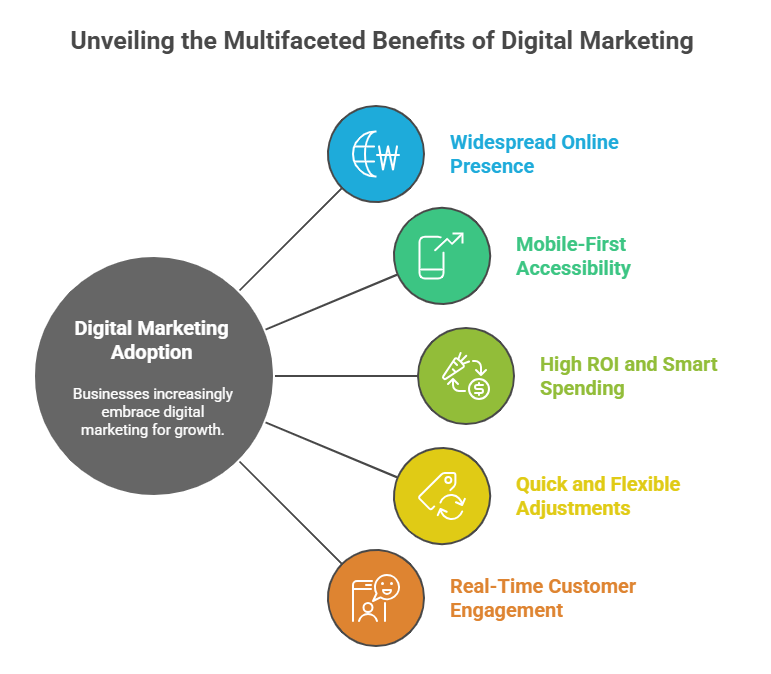
In today’s fast-paced digital age, businesses in India are continually evolving to meet the demands of the online consumer. Digital marketing has emerged as a powerful tool for companies to connect with their target audience, promote their products or services, and drive growth. In this comprehensive guide, we will explore the world of digital marketing services in India, breaking down the key components, strategies, and trends that are shaping the landscape.
Chapter 1: Understanding Digital Marketing
Digital marketing is a multifaceted approach to promoting products, services, or brands through digital channels. In India, it has witnessed explosive growth in recent years due to increased internet penetration and smartphone usage. Let’s delve into the fundamental aspects of digital marketing:
1.1. Channels of Digital Marketing
Search Engine Optimization (SEO)
Social Media Marketing (SMM)
Email Marketing
Content Marketing
Pay-Per-Click (PPC) Advertising
Affiliate Marketing
Influencer Marketing
1.2. Importance of Digital Marketing
Cost-Effective
Targeted Reach
Measurable Results
Real-Time Engagement
Global Reach
Chapter 2: The Role of SEO
Search Engine Optimization (SEO) plays a pivotal role in digital marketing. It involves optimizing a website’s content and structure to rank higher in search engine results pages (SERPs). In India, SEO is an essential component of any digital marketing strategy:
2.1. On-Page SEO
Keyword Research
Content Optimization
Meta Tags
URL Structure
2.2. Off-Page SEO
Backlink Building
Social Signals
Guest Blogging
2.3. Local SEO
Google My Business
Local Citations
Reviews and Ratings
Chapter 3: The Power of Social Media Marketing
Social Media Marketing (SMM) is an integral part of digital marketing services in India. With millions of active social media users, businesses can’t afford to ignore this channel:
3.1. Popular Social Media Platforms in India
Facebook
Instagram
Twitter
LinkedIn
YouTube
3.2. Strategies for Effective SMM
Content Planning and Creation
Audience Segmentation
Paid Advertising
Engagement and Interaction
Analytics and Measurement
Chapter 4: The Impact of Email Marketing
Email marketing remains a potent tool for reaching and engaging with your audience. In India, email marketing is used for various purposes, including customer acquisition and retention:
4.1. Building an Email List
Opt-In Forms
Lead Magnets
4.2. Creating Compelling Email Campaigns
Personalization
A/B Testing
Automation
4.3. Legal Considerations
GDPR Compliance
CAN-SPAM Act Compliance
Chapter 5: The Art of Content Marketing
Content is king in the digital marketing world. High-quality content can drive traffic, engage audiences, and establish authority. In India, content marketing is an indispensable strategy:
5.1. Types of Content
Blog Posts
Infographics
Videos
Ebooks
Podcasts
5.2. Content Creation and Distribution
Content Calendar
SEO-Optimized Content
Social Media Sharing
Email Newsletters
Chapter 6: The World of Pay-Per-Click Advertising
Pay-Per-Click (PPC) advertising is a way to buy visits to your website rather than earning them organically. In India, PPC is a competitive arena:
6.1. Google Ads
Keyword Research
Ad Campaigns
Quality Score
6.2. Facebook Ads
Targeting Options
Ad Formats
Budgeting
6.3. Measuring PPC Success
Click-Through Rate (CTR)
Conversion Rate
Return on Investment (ROI)
Chapter 7: Affiliate and Influencer Marketing
Affiliate marketing and influencer marketing are innovative approaches to expand your reach and generate sales:
7.1. Affiliate Marketing
Affiliate Programs
Commission Structure
Tracking Sales
7.2. Influencer Marketing
Finding the Right Influencers
Collaboration Strategies
Measuring Influencer ROI
Chapter 8: Digital Marketing Trends in India
The digital marketing landscape in India is constantly evolving. Stay ahead of the curve by keeping an eye on the latest trends:
8.1. Voice Search Optimization
Siri, Google Assistant, Alexa
Long-tail Keyword Usage
8.2. Video Marketing
Short-Form Videos (TikTok, Reels)
Live Streaming
8.3. Chatbots and AI
Customer Service Automation
Personalized Recommendations
8.4. Data Privacy and Compliance
GDPR and India
Data Security Measures
Chapter 9: Challenges and Opportunities
While digital marketing in India presents immense opportunities, it also comes with challenges:
9.1. Competition
Saturated Markets
Rising Advertising Costs
9.2. Changing Algorithms
SEO and Social Media Algorithm Updates
9.3. Talent Shortage
Demand for Skilled Digital Marketers
9.4. Navigating Cultural Diversity
Tailoring Marketing Messages
Chapter 10: Hiring Digital Marketing Services in India
If you’re a business owner in India, you might be considering outsourcing your digital marketing efforts. Here’s how to choose the right agency or freelancer:
10.1. Evaluating Your Needs
Define Your Goals
Budget Considerations
10.2. Researching Agencies or Freelancers
Portfolio
Client Reviews
Case Studies
10.3. Communication and Collaboration
Clear Expectations
Regular Reporting
Conclusion
In the ever-evolving landscape of digital marketing services in India, staying informed and adapting to trends and changes is crucial. As the digital sphere continues to grow, businesses in India have a unique opportunity to leverage the power of digital marketing to expand their reach, engage with their audience, and drive growth. Whether you choose to handle your digital marketing in-house or work with a professional agency, the key is to remain agile and responsive to the dynamic digital world.
Remember, digital marketing is not just a trend; it’s an essential component of success in the modern business landscape in India. Embrace it, harness its power, and watch your business flourish in the digital era.