Today’s fast-changing online world, using the Best AI Tools for Digital Marketing is no longer optional—it is essential. Businesses that adopt AI (Artificial Intelligence) are growing faster, saving time, and making smarter decisions. Whether you are a small business owner or working with a professional like a Digital Marketer in Indore, AI tools can completely transform your marketing strategy.
Experts like kamlesh singadand agencies such as Code With Kamlesh Digital Marketing Agency are already using AI-powered tools to deliver better results for their clients. In this blog, you will learn about the best AI tools, their benefits, and how they can help your business grow.
What Are AI Tools in Digital Marketing?
AI tools are software that use machine learning, data analysis, and automation to improve marketing performance. These tools help in:
Content creation
SEO optimization
Social media management
Email marketing
Customer support
Data analysis
Instead of doing everything manually, AI tools automate tasks and give better insights.
Canva AI helps you create attractive graphics without design skills.
Use it for:
Social media posts
Ads
Presentations
Benefits:
Easy to use
Saves design cost
Professional results
5. Copy.ai – Marketing Copy Generator
Copy.ai is perfect for creating:
Ad headlines
Product descriptions
Email campaigns
It is widely used by every Digital Marketer in Indore to create engaging content quickly.
6. HubSpot AI – Marketing Automation
HubSpot AI is a complete marketing platform that helps with:
Email marketing
CRM management
Lead generation
Why it’s useful:
Automates marketing
Tracks customer journey
Improves conversions
7. Pictory AI – Video Creation Tool
Video content is very important in digital marketing. Pictory AI helps you create videos from text.
Features:
Convert blogs into videos
Add captions automatically
Easy editing
8. SEMrush – AI SEO & Marketing Tool
SEMrush is an all-in-one tool for digital marketing.
Use it for:
Keyword research
Competitor analysis
SEO audits
It is widely used by agencies like Code With Kamlesh Digital Marketing Agency.
9. Mailchimp AI – Email Marketing Tool
Mailchimp uses AI to improve email campaigns.
Benefits:
Smart recommendations
Audience targeting
Automation
10. Hootsuite AI – Social Media Management
Hootsuite helps you manage all social media platforms in one place.
Features:
Schedule posts
Analyze performance
AI caption suggestions
How AI Tools Help in Business Growth
Using the Best AI Tools for Digital Marketing can directly impact your business growth.
1. Better Decision Making
AI tools provide data insights that help you make smarter decisions.
2. Improved Customer Experience
AI chatbots and automation improve customer interaction.
3. Faster Marketing Execution
Campaigns can be launched quickly with AI tools.
4. Higher Conversion Rates
Better targeting leads to more sales.
How Code With Kamlesh Digital Marketing Agency Uses AI
Code With Kamlesh Digital Marketing Agency uses advanced AI tools to help businesses grow online. Their strategy includes:
AI-based SEO optimization
Automated ad campaigns
Smart content creation
Data-driven marketing
With the expertise of kamlesh singad, businesses get better visibility, more leads, and higher ROI.
Tips to Choose the Right AI Tools
Not all tools are suitable for every business. Here are some tips:
1. Define Your Goal
Know whether you need SEO, content, or social media tools.
2. Check Budget
Some tools are free, while others are paid.
3. Ease of Use
Choose tools that are easy to understand.
4. Integration
Make sure the tool works with your existing systems.
Future of AI in Digital Marketing
AI will continue to grow in the coming years. Future trends include:
Voice search optimization
AI chatbots
Personalized marketing
Predictive analytics
Every Digital Marketer in Indore must adapt to AI to stay competitive.
Common Mistakes to Avoid
While using AI tools, avoid these mistakes:
Relying only on AI without human creativity
Ignoring data insights
Using too many tools at once
Not updating strategies
Final Thoughts
The Best AI Tools for Digital Marketing are powerful resources that can take your business to the next level. They save time, improve efficiency, and deliver better results.
If you want to grow your business faster, start using AI tools today or work with experts like Code With Kamlesh Digital Marketing Agency. With guidance from professionals like kamlesh singad, you can build a strong online presence and achieve long-term success.
FAQs
1. What are the Best AI Tools for Digital Marketing in 2026?
The Best AI Tools for Digital Marketing include ChatGPT, Jasper AI, Surfer SEO, Canva AI, and SEMrush. These tools help in content creation, SEO, automation, and analytics.
2. How can AI tools improve business growth?
AI tools automate tasks, provide data insights, and improve customer targeting, which helps increase leads, conversions, and overall business growth.
3. Are AI tools suitable for small businesses?
Yes, AI tools are perfect for small businesses. They help save time, reduce costs, and improve marketing performance even with a small budget.
4. How does Code With Kamlesh Digital Marketing Agency use AI tools?
Code With Kamlesh Digital Marketing Agency uses AI for SEO optimization, content creation, ad campaigns, and data analysis to deliver better results for clients.
5. Why should I hire a Digital Marketer in Indore for AI marketing?
Hiring a Digital Marketer in Indore like experts guided by kamlesh singad helps you use AI tools effectively and create strategies that deliver faster and better results.
In today’s fast-changing digital world, businesses are no longer limited to traditional marketing methods. The internet has become the most powerful platform to reach customers, build brand awareness, and generate sales. In 2026, companies that invest in Internet Marketing Services are growing faster than those that rely only on offline strategies.
Whether you are a small business owner or running a large company, digital presence is no longer optional—it is essential. With the right strategy, tools, and expert guidance, you can turn your website into a lead-generating machine.
Internet Marketing Services include all online strategies used to promote a business, product, or service. These services help businesses connect with their target audience through different digital platforms.
Key Services Include:
Search Engine Optimization (SEO)
Social Media Marketing
Google Ads & Paid Advertising
Content Marketing
Email Marketing
Website Development & Optimization
These services work together to create a strong online presence and drive real business results.
Why Internet Marketing Services Are Important in 2026
The way people search, shop, and interact with brands has completely changed. In 2026, most customers:
Search online before making a purchase
Trust brands with strong digital presence
Compare multiple options before choosing
Without Internet Marketing Services, your business may not even appear in front of potential customers.
Key Benefits:
Increased online visibility
Better customer targeting
Higher conversion rates
Cost-effective marketing
Measurable results
Experts like kamlesh singad understand these trends and use smart strategies to help businesses stay ahead.
SEO helps your website rank higher on Google. It includes:
Keyword optimization
Technical SEO
Content creation
Backlink building
A strong SEO strategy ensures long-term growth.
2. Social Media Marketing
Platforms like Instagram, Facebook, and LinkedIn are powerful tools for business growth.
Benefits:
Direct customer interaction
Brand awareness
Lead generation
3. Google Ads & Paid Marketing
Paid ads give quick results. You can target:
Specific locations
Age groups
Interests
This helps in reaching the right audience at the right time.
4. Content Marketing
Content is the backbone of digital marketing.
Blogs, videos, and infographics help:
Educate customers
Build trust
Improve SEO
5. Local SEO
For businesses in cities like Indore, local SEO is very important.
A Digital Marketer in Indore like kamlesh singad ensures your business appears in:
Google Maps
Local search results
Real Business Impact of Internet Marketing
Businesses using Internet Marketing Services have seen:
2x to 5x increase in website traffic
Higher customer engagement
Better ROI compared to traditional marketing
With the right guidance from code with kamlesh (CWK) agency indore, even small businesses can compete with big brands.
Common Mistakes to Avoid
Many businesses fail in digital marketing because of simple mistakes:
Not having a clear strategy
Ignoring SEO
Targeting the wrong audience
Inconsistent posting
Not tracking performance
Working with experts like kamlesh singad helps avoid these mistakes and ensures steady growth.
Future of Internet Marketing Services
In 2026 and beyond, digital marketing will continue to evolve. Key trends include:
AI-based marketing tools
Voice search optimization
Video-first content
Personalized user experience
Businesses that adapt to these trends will grow faster.
Why Choose a Digital Marketer in Indore?
Hiring a local expert like kamlesh singad has many advantages:
Better understanding of local market
Easy communication
Cost-effective services
Personalized support
code with kamlesh (CWK) agency indore provides all these benefits along with proven results.
Final Thought
Success in digital marketing is not about luck—it’s about strategy, consistency, and execution.
Choose the right partner, use the right tools, and focus on long-term growth. With the right Internet Marketing Services, your business can reach new heights in 2026 and beyond
FAQs
1. What are Internet Marketing Services? Internet Marketing Services include online strategies like SEO, social media marketing, Google Ads, and content marketing that help businesses grow their online presence and attract customers.
2. How do Internet Marketing Services help in business growth? They increase website traffic, generate quality leads, improve brand visibility, and boost sales by targeting the right audience online.
3. Why should I choose a Digital Marketer in Indore like kamlesh singad? A Digital Marketer in Indore like kamlesh singad understands the local market and provides customized strategies through code with kamlesh (CWK) agency indore for better results.
4. Which is the most effective Internet Marketing strategy in 2026? SEO and paid ads (Google Ads) are the most effective strategies, along with social media marketing and high-quality content creation.
5. Is Internet Marketing better than traditional marketing? Yes, Internet Marketing Services are more cost-effective, measurable, and targeted compared to traditional marketing methods, making them ideal for modern businesses.
In today’s digital-first world, marketing is no longer just about creativity and storytelling — it’s powered by technology and data. Whether you’re running a social media campaign, automating emails, or tracking customer journeys, technology drives every action.
That’s where Martech (Marketing Technology) comes in. Martech empowers marketers to create smarter, faster, and more personalized experiences using the right mix of tools and platforms.
In this detailed guide, we’ll explore what Martech is, how it works, why it matters, and how you can build a Martech stack for your business in 2025.
What is Martech?
Martech stands for Marketing Technology, which refers to the set of software, tools, and platforms used to plan, execute, automate, and analyze marketing activities.
It includes everything from:
Social media schedulers (like Buffer, Hootsuite)
Email automation tools (like Mailchimp, HubSpot)
CRM systems (like Salesforce, Zoho)
Analytics dashboards (like Google Analytics, Data Studio)
In short, Martech helps marketers make data-driven decisions and deliver personalized experiences at scale.
Why Martech Matters in 2025
Marketing is data-driven. With billions of touchpoints — from social media clicks to website visits — marketers need tools that collect and interpret this data.
Here’s how Martech tools integrate to create a connected marketing ecosystem:
Data Collection: Tools collect user data from multiple channels — websites, social media, emails, etc.
Automation: Based on user behavior, automation tools send relevant messages or trigger campaigns.
Segmentation: CRM systems categorize leads by demographics, behavior, or interest.
Analytics: Data platforms measure engagement, ROI, and conversion rates.
Optimization: AI tools analyze results and suggest improvements.
This integration ensures that every marketing decision is guided by real-time data.
Benefits of Martech
Efficiency: Automate repetitive work. Accuracy: Make data-backed decisions. Scalability: Manage thousands of leads simultaneously. Personalization: Tailor content to each user. Measurement: Track performance across channels.
Martech Trends in 2025
AI-Driven Marketing: From predictive analytics to AI copywriting tools like ChatGPT, AI is now part of every marketing workflow.
Generative Content Creation: Tools generate social media posts, emails, and blogs automatically based on your brand tone.
Data Privacy and Consent Marketing: With new regulations (like GDPR 2.0), Martech platforms are prioritizing consent-based data collection.
No-Code Integration: Platforms like Zapier and Make allow marketers to connect tools without coding.
Customer Data Platforms (CDPs): Centralizing user data from multiple channels for unified insights.
Omnichannel Marketing Automation: One tool managing campaigns across email, SMS, WhatsApp, and social media.
Examples of a Martech Stack
Example 1 – Small Business Stack:
Website: WordPress
CRM: HubSpot
Email Automation: Mailchimp
Analytics: Google Analytics
Social Media: Buffer
Example 2 – Enterprise Stack:
CRM: Salesforce
Marketing Automation: Marketo
Data Management: Segment
Analytics: Tableau
Personalization: Adobe Experience Cloud
How to Build Your Martech Stack
Identify Business Goals Define what you want to achieve — lead generation, customer retention, or brand awareness.
Audit Existing Tools Check which tools you already use and which need upgrades.
Choose Scalable Solutions Pick tools that integrate easily and can grow with your business.
Integrate Everything Use APIs or automation tools to sync data between platforms.
Train Your Team Ensure marketers understand how to use and interpret Martech tools.
Challenges of Martech
Too Many Tools: The Martech landscape has over 11,000+ tools—it’s easy to get overwhelmed.
Data Silos: When systems don’t talk to each other, insights get lost.
Complex Integration: Connecting CRMs, ads, and analytics can require technical expertise.
Cost Management: Premium tools can get expensive; balancing ROI is key.
Skill Gap: Teams must understand both marketing strategy and technology to use Martech effectively.
Future of Martech
The future of Martech is AI-driven, data-integrated, and customer-centric.
AI will predict user intent and generate real-time recommendations.
Automation will expand across multi-channel experiences.
Personalization will go beyond demographics — it’ll be emotional and behavioral.
Marketers will rely on one unified Martech ecosystem instead of dozens of disconnected tools.
By 2030, Martech will no longer be a support system — it will be the marketing engine itself.
FAQs
Q1: What does Martech mean? Martech = Marketing + Technology. It’s the set of tools marketers use to plan, automate, and analyze marketing campaigns.
Q2: How is Martech different from AdTech?
Martech focuses on owned channels (email, website, CRM).
AdTech focuses on paid media (ads, bidding, targeting).
Q3: Do small businesses need Martech? Yes! Even small businesses can use affordable tools like HubSpot, Mailchimp, and Google Analytics to grow faster.
Q4: Is AI part of Martech? Absolutely. AI now powers recommendations, personalization, analytics, and content creation.
Q5: How do I choose the right Martech tools? Define your marketing goals, set a budget, and pick tools that integrate seamlessly with your existing systems.
Conclusion
Martech is not just a buzzword — it’s the engine behind modern marketing success. It allows brands to automate repetitive tasks, understand audiences deeply, and create personalized customer journeys.
In 2025, marketing without Martech is like flying blind. Whether you’re a startup or a global brand, your growth depends on how smartly you combine creativity with technology.
Start building your Martech stack today — because the future of marketing is already here.
In today’s fast‑moving digital landscape, marketers cannot rely on manual content production or guesswork to stay competitive. That’s where Generative AI (GenAI) comes in — an advanced class of AI that can create new content (text, images, video, code) from prompts, helping marketers scale creativity, personalization, and efficiency.
In this blog, we’ll dive into what GenAI is, how it applies to marketing (with examples), tips to use it responsibly, and a practical roadmap you (or your clients) can follow.
What Is Generative AI (GenAI)?
Generative AI refers to AI models that can produce new content—such as text, images, video, code, or audio—from input prompts. These models (for instance, GPT‑4, DALL·E, Stable Diffusion, Midjourney, LLaMA, etc.) learn patterns from large datasets and then generate novel outputs that mimic human style or creativity.
Key features of GenAI:
Prompt-based: You feed it a text prompt or input, and it generates output.
Multimodal: Many models now combine text, image, audio, etc.
Adaptive: Outputs can be refined, edited, or constrained via additional prompts.
Scalable: Once set up, can generate many variants quickly.
In marketing, GenAI becomes a “co‑pilot” — not replacing human creativity, but accelerating ideation, drafting, iteration, and experimentation.
Why GenAI Matters for Marketing & SEO
Before exploring use cases, let’s understand why GenAI is especially relevant for marketing, and how it aligns with SEO.
Challenge in Traditional Marketing
How GenAI Helps
High volume of content demands (blogs, emails, ads)
Rapid content generation and draft creation
Personalization at scale is costly
Dynamic personalization through data + prompts
Visual and multimedia assets are resource‑intensive
AI image / video generation from prompts
A/B testing many creatives is slow
Generate multiple variants easily
SEO keyword and topic research is manual
GenAI can suggest clusters, titles, structure
Customer queries need fast response
AI chatbots with natural replies
Ideation bottleneck / writer’s block
Prompt-driven brainstorming possible
From SEO perspective, GenAI can assist with keyword research, topic clustering, meta descriptions, internal linking suggestions, schema generation, and more. But the key is to use GenAI as a support tool, not a blind autopilot, to maintain originality, brand voice, and quality.
Core Use Cases of GenAI in Marketing
Below are major areas where generative AI is already making an impact in marketing. Each includes a practical tip or mini example.
1. Content Generation & Ideation
Blog posts, articles, newsletters: Use GenAI to generate first drafts, outlines, or sections. You provide prompts like “Write 500 words about the benefits of SEO for e-commerce”.
Ad copy, taglines, subject lines: Generate multiple variants and pick the best.
Social media captions & posts: From one long post, GenAI can spin smaller social snippets.
Content reframing & tone adjustments: Convert formal text to casual, or rewrite in brand voice.
Content ideation & topic clusters: Prompt GenAI: “Give me 10 blog topic ideas related to local SEO in Mumbai.”
Example / Tip: Suppose you want content around “SEO for local restaurants in Mumbai.” You prompt:
“Generate 5 blog post titles + outlines targeting ‘SEO for restaurants Mumbai’.”
Then expand the outline manually or via AI to full content.
2. Visual & Video Generation
Image generation: Use tools like DALL·E, Midjourney, Adobe Firefly to create custom visuals.
Video snippets / animations: Tools like Runway, OpenAI’s multimodal models can generate short videos or motion.
Ad creative generation: Create multiple visual creatives for social or display ads, then test which performs best.
Example / Brand Case: BMW used generative AI to project AI‑generated art onto its car models, blending brand identity with creativity. Heinz ran a campaign where a simple prompt “ketchup” generated AI visuals of its iconic bottle.
3. Personalization & Dynamic Content
Dynamic email content: Use customer data (e.g. name, purchase, location) along with AI to generate personalized message bodies or subject lines.
Website content adaptation: Based on region, device, past behavior, GenAI can present slightly varied headlines, images, CTAs.
Offer customization: AI can tailor discount or offer copy to each user segment.
Persona generation: From analytics data, generate user personas and prompts for content aligned with them.
Academic research has even proposed models like SLM4Offer, which fine-tune GenAI to generate personalized marketing offers using contrastive learning to match customer personas to offers.
4. Automation, Chatbots & Customer Support
Conversational AI / Chatbots: Use GenAI (e.g. ChatGPT, GPT-based) to respond to user queries on websites, support, or sales.
Email response automation: AI drafts replies to common customer emails or tickets.
Social media comments: Auto-respond to comments, DMs, reviews (with oversight).
Sentiment-aware responses: Use AI to detect user sentiment and adjust tone.
Brands like Seattle Ballooning use an AI-powered bot for booking and answering queries.
5. SEO & Keyword / Topic Research
Keyword generation & clustering: Prompt AI to suggest keyword clusters, long tails, related topics.
Meta titles & descriptions: AI can draft SEO‑friendly meta tags, then you optimize them.
Internal linking suggestions: Suggest relevant internal pages to link to.
Content gap detection: AI can analyze competitor content and suggest missing topics.
Schema / structured data templates: AI can help generate JSON-LD schemas for FAQ, product, how-to.
6. Campaign Design & Creative Testing
Ad campaign setup: Use GenAI to generate multiple ad copy + image combinations for testing.
Creative variant generation: AI can produce dozens of variants quickly to support A/B or multivariate testing.
Budget & bidding suggestions: Some platforms integrate AI to suggest bid ranges or ad scheduling.
Predictive forecasting: Use GenAI (or hybrid models) to forecast campaign performance, optimize media mix.
Omneky is one such platform that uses AI to generate ad creatives and optimize omnichannel campaigns.
Real‑World Examples & Brands Doing It Right
Let’s look at actual companies or campaigns using generative AI in marketing, so you see how theory becomes practice.
Brand / Campaign
What They Did
Outcome & Lesson
Coca-Cola – “Create Real Magic”
Allowed users to generate art combining Coca-Cola assets using AI (e.g. DALL·E) and featured them.
Engaged user creativity and brand loyalty; user‑generated content became promotional assets.
BMW
Turned its 8 Series cars into art canvases using AI to generate visual designs to be projected.
Merged product + creativity; boosted social buzz.
Nestlé
Maintains brand consistency across global social media using AI that grades content for brand fit.
Useful when many teams / agencies produce content.
Nike
Created AI video showing two virtual versions of Serena Williams (one young, one older) competing.
High storytelling, emotional resonance via AI.
Microsoft / Surface ad
Created parts of a minute-long ad using generative AI for visuals & transitions, integrated with live shots.
Time and cost savings—though still required human editing.
IBM + Adobe Firefly
IBM tested Firefly to generate marketing assets and reportedly got 26× higher engagement over benchmark campaigns.
Demonstrates power of AI visuals + variation at scale.
These show that GenAI use is often hybrid: human + machine collaboration, iterative prompt refining, and post‑editing are key.
Step‑by‑Step Implementation Guide
Here’s a practical roadmap (for you or your clients) to integrate Generative AI into marketing and SEO workflows:
Step 1: Audit & Identify Use Cases
Examine your content pipeline, creative load, campaign bottlenecks.
Identify 1–2 pilot use cases (e.g. blog drafts, ad variants, image creatives, chatbots) to test.
Step 2: Select Tools & Models
Choose tools aligned with your needs (text, image, video).
Text: OpenAI GPT, Claude, etc.
Images: DALL·E, Midjourney, Adobe Firefly.
Video / multimodal: Runway, Sora, etc.
Ensure licensing, commercial-use terms, and brand safety.
Step 3: Prompt Engineering & Templates
Develop prompt templates for your recurring tasks (e.g. “Write 300-word blog intro about X in a conversational tone”).
Keep prompts modular—inputs + context.
Step 4: Generate & Filter
Generate several variants for each asset (copy, image, etc.).
Filter, refine, post-edit. Always human in the loop.
Step 5: Test & A/B
In ads, use AI-generated variants in A/B or multivar testing to see what performs best.
For content, monitor engagement, SEO metrics.
Step 6: Integrate with SEO & Analytics
Feed performance data back into prompt logic (which variants performed better, which keywords landed).
Use AI to re-optimize or refresh content periodically.
Step 7: Scale & Automate
Expand successful pilots to more campaigns.
Use automation to pipeline prompt + generation + publishing workflows (via APIs).
Monitor for quality drift or hallucinations.
Step 8: Review Legal, Brand & Ethical Checks
Check for copyright, brand consistency, hallucinated facts.
Maintain a content approval layer.
Example roadmap for Kamlesh Singad’s SEO service client:
Pilot: Use GenAI to generate blog drafts + meta descriptions for low-traffic pages.
Test: Publish two versions and monitor SEO metrics (CTR, dwell time).
Scale: Use AI to generate interlink suggestions and content expansions.
Creative: Generate hero images or infographics via AI and test visual impact.
Chatbot: Deploy GenAI-based chatbot for FAQs and lead generation on website.
Best Practices, Risks & Ethical Considerations
Generative AI is powerful—but misuse or blind reliance brings pitfalls. Below are guidelines and precautions.
Best Practices
Human-in-the-loop: Always review, edit, fact-check AI outputs.
Prompt variance & iteration: Don’t rely on single prompt; try variations.
Maintain brand consistency: Use brand style guides, tone guidelines.
Set guardrails: Limit output length, forbid certain topics or content styles.
Use versions and backups: Retain earlier versions so you can revert mistakes.
Track performance & feedback: Use analytics to see which types of AI output perform.
Store prompt libraries: Build a reusable prompt repository.
Risks & Challenges
Hallucinations / incorrect content AI sometimes generates plausible but false statements. Always verify especially in technical or factual writing.
Copyright / IP issues If AI is trained on copyrighted works, there’s risk. Use models with clear licensing (e.g. Adobe Firefly ensures commercial-safe output).
Overuniformity & loss of originality If you use AI heavily, content may feel generic or repetitive. Add human voice, local context, data, insights.
Brand misuse & reputation risk Incorrect claims, tone mismatch, offensive outputs can hurt. Always review.
Detection / search engine reaction As search engines evolve, overuse of AI-generated content might trigger scrutiny. Use AI as support, not full autopilot.
Ethical / transparency concerns In some contexts, disclosing AI use or providing transparency may be important (e.g. in sensitive content).
Bias and fairness AI can reflect biases from training data. Monitor for gender, cultural, regional, or demographic bias.
Mitigation Tips
Use AI for drafts & ideation, not final assets (especially on high-stakes content).
Layer in human storytelling, case studies, data, and unique voice.
Maintain version control and review cycles.
Regularly audit content for bias, accuracy, and freshness.
Stay updated with legal and policy developments in AI content.
Key Advantages (Why Choose GenAI)
Speed & scalability: Generate many content variants, visuals, quickly.
Cost efficiency: Reduce creative costs per variant.
Personalization at scale: Tailor messaging per user.
Enhanced testing & optimization: More options to test and refine.
Data‑driven creativity: Use performance data to drive prompt refinement.
SEO support: Faster keyword clustering, topic ideation, meta drafts.
By combining GenAI with your SEO expertise, you (or your clients) can stay ahead in content velocity, creative experimentation, and audience relevance.
Tips for Getting the Most Out of GenAI
Start small: Pilot with one use case (e.g. blog intros, social posts) before scaling.
Build prompt templates: Reusable, modular prompts save time.
Refine prompts with performance feedback: See what outputs get better engagement and adjust prompts accordingly.
Use “chain-of-thought” prompts: Ask AI to reason step-by-step for better outputs.
Mix AI + human content: Blend AI drafts with human editing and storytelling.
Track metrics: CTR, click depth, engagement to see which AI outputs work.
Update / refresh AI-generated content: Re-generate with new data or trends to keep content fresh.
Use version control & backups: Always archive drafts.
Guard against plagiarism: Run outputs through plagiarism or similarity checks.
Stay ethical & transparent: If needed, disclose AI use or ensure no deceptive claims.
FAQs
Q1: Will using AI-generated content hurt SEO or be penalized by Google? A1: Not inherently. If the content is unique, valuable, well‑edited, and provides real user value, it won’t be penalized. The risk comes when content is low-quality, generic, or spam-like. Always edit and add value.
Q2: Can I use GenAI for all my content marketing needs? A2: It’s better used selectively. Use it for ideation, drafts, variants, repetitive content, but retain human oversight and creativity for high-impact pieces (e.g., cornerstone articles, brand storytelling).
Q3: Which GenAI tools should I use? A3: Choose based on use case. For text: OpenAI APIs, Claude, etc. Image: Midjourney, DALL·E, Adobe Firefly. For video: Runway, multimodal models. Always check licensing and commercial usage.
Q4: How do I ensure brand voice and style consistency? A4: Provide the model with style guidelines, examples, do prompt engineering (“Write in a friendly professional tone, follow these rules…”). Maintain a brand style sheet and enforce edits.
Q5: What data do I need for personalization? A5: Basic user profile data (name, location, past purchases, behavior) plus segmentation. The more relevant data you feed, the more meaningful the personalization.
Q6: Will GenAI replace marketers and creators? A6: No. It augments rather than replaces. Human insight, strategy, emotional nuance, domain expertise remains essential. AI is a co‑pilot.
Conclusion
Generative AI is no longer future speculation—it’s a tool that marketers and SEOs must understand, test, and integrate. For Kamlesh Singad and his audience, leveraging GenAI can bring a competitive edge: faster content, smarter personalization, creative variation, testable campaigns, and SEO synergies.
But success depends on balance: human oversight, ethical guardrails, brand consistency, and ongoing performance feedback. Use GenAI as your creative accelerator, not autopilot.
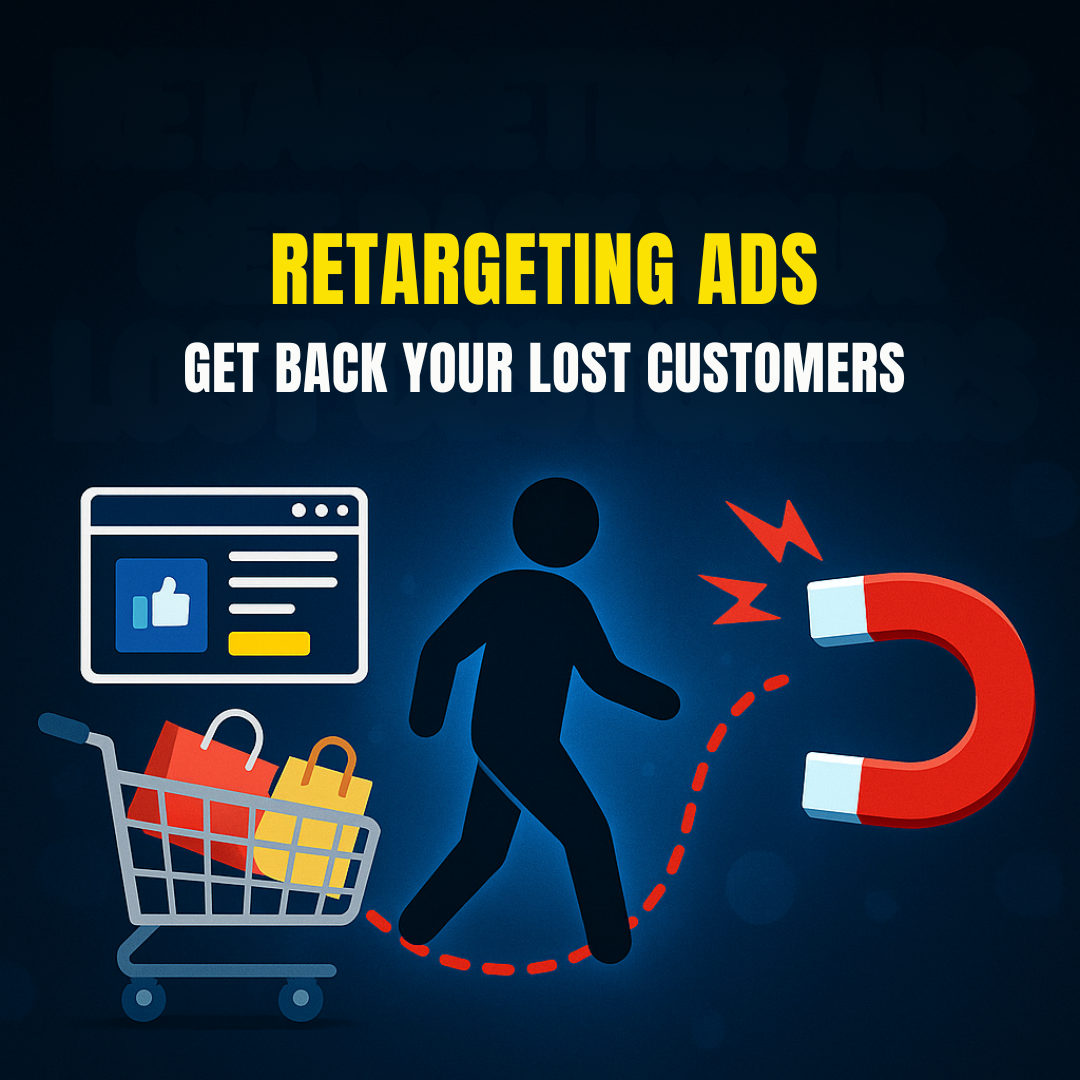
In today’s competitive digital landscape, most website visitors do not convert on their first visit. According to various studies, only around 2% of users convert on their first interaction with your website. So what happens to the other 98%? Do they vanish forever? Not if you understand the power of Retargeting Ads.
Retargeting Ads (also known as remarketing) are a type of Search Engine Marketing (SEM) strategy used to get back your lost customers by displaying personalized ads to users who have previously visited your website or interacted with your content.
This module from the Digital Marketing Course by Kamlesh Singad at CWK Agency will break down everything you need to know about retargeting ads on Google Ads, including step-by-step setup, best practices, and advanced strategies for maximum ROI.
What Are Retargeting Ads?
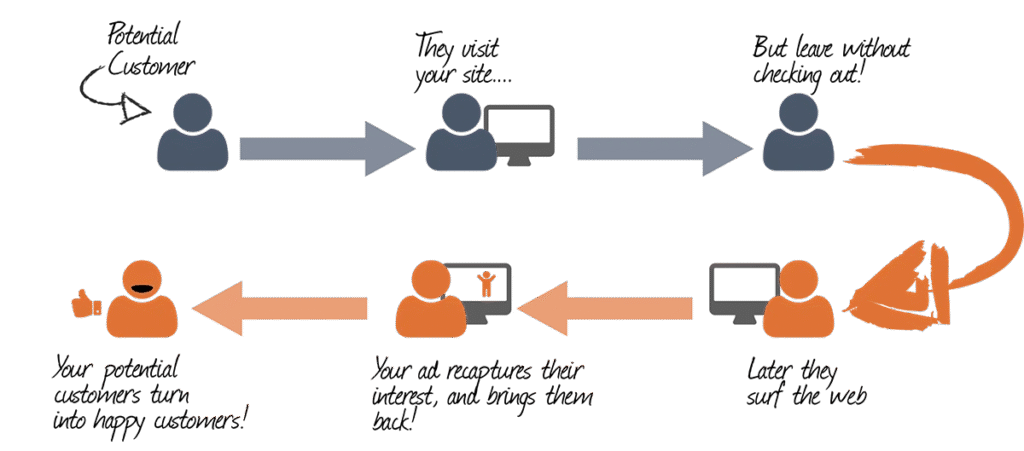
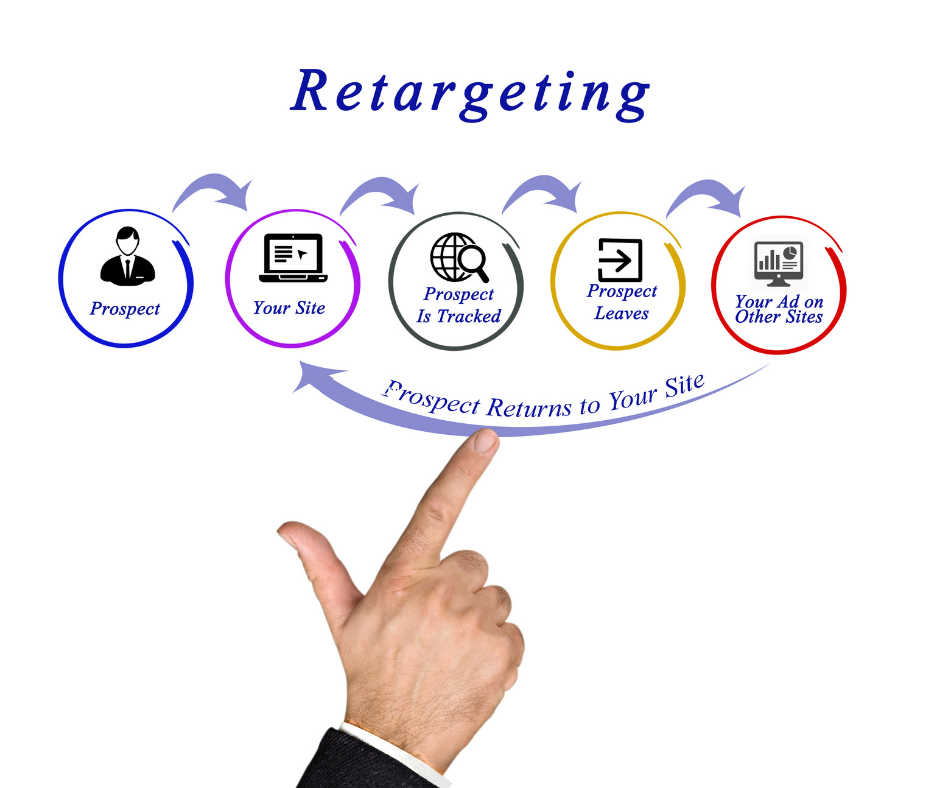
Retargeting Ads are ads that follow your potential customers across the web. If someone visited your product page but didn’t make a purchase, a retargeting ad can show them that exact product again while they scroll Facebook, watch YouTube, or browse another website.
These ads keep your brand at the top of the mind and significantly improve conversion rates.
How Retargeting Complements Your Overall SEM Strategy
While search ads bring new users, retargeting ads bring them back and improve lifetime value. A balanced SEM strategy must include:
Google Search Ads (New customer acquisition)
Display Ads (Brand awareness)
Video Ads (Engagement)
Retargeting Ads (Conversion boost and recovery)
By combining all of these, businesses achieve greater returns and more control over the user journey.
Advanced Retargeting Strategies
1. Time-Based Retargeting
Target users based on how long ago they visited. E.g., “1-3 days” vs. “15-30 days”.
2. Sequential Retargeting
Show different messages in a series to guide users through the funnel.
3. Cross-Platform Retargeting
Show ads on web, mobile apps, YouTube, and Gmail.
4. Retarget Based on Intent
Use AI/ML tools in Google Ads to predict intent and auto-adjust bids.
5. Integrate with Email and WhatsApp
Use CRM lists to sync and retarget across platforms.
Common Mistakes to Avoid
Retargeting all users with same ads
Not excluding converters
Ignoring mobile users
Using generic creatives
Not analyzing performance data
Tools to Enhance Your Retargeting Ads
Google Tag Manager – Tag deployment
Google Analytics 4 – Audience insights
Looker Studio (Data Studio) – Performance dashboards
Canva / Adobe Express – Ad creatives
CWK Agency Audit Tool – Custom audit of retargeting campaigns
Conclusion: Get Back Your Lost Customers with Smart Retargeting
Retargeting is no longer optional. If you want to get back your lost customers, you need a smart and structured retargeting strategy.
Using Google Ads and other SEM platforms, you can remind, re-engage, and recover your website visitors. By applying the steps and strategies in this module, you’ll turn bounce rates into business growth.
This is just one part of our ongoing digital marketing journey with Kamlesh Singad at CWK Agency. Stay tuned for more insights in the next module!
FAQs
What are Retargeting Ads in Google Ads?
Answer: Retargeting Ads are a type of digital advertisement that targets users who have previously visited your website but didn’t convert. Google Ads uses cookies to track these users and display relevant ads across its Display Network, Search Network, YouTube, and more.
How do Retargeting Ads help to get back lost customers?
Answer: Retargeting Ads serve personalized content to users who left your website without taking action. By re-engaging them with tailored messages, offers, or product reminders, you significantly increase the chances of converting them into paying customers.
What’s the difference between retargeting and standard display ads?
Answer: Standard display ads target a broad audience, while retargeting ads focus only on users who have previously interacted with your brand. Retargeting is more personalized and cost-effective, as it targets warmer leads.
Is retargeting part of Search Engine Marketing (SEM)?
Answer: Yes, retargeting is a key component of SEM. It complements your search ads by helping recover users who clicked your ads but didn’t convert. Platforms like Google Ads provide full retargeting capabilities within SEM campaigns.
What platforms support retargeting with Google Ads?
Answer: Retargeting in Google Ads works on:
Google Display Network (websites, blogs, etc.)
Google Search Network
YouTube
Gmail
Google Shopping
Mobile Apps (via AdMob)
How can I set up a Retargeting Ad campaign on Google Ads?
Answer: To set up a retargeting campaign:
Install the Google Ads tag on your website.
Create custom audience lists based on user behavior.
Build a new Display, Search, or YouTube campaign.
Add your retargeting audience.
Launch and optimize your campaign regularly.
What’s dynamic retargeting and how is it different?
Answer: Dynamic retargeting shows users personalized ads with the exact products they viewed on your website. It uses your product feed to automatically generate relevant ad creatives, making it highly effective for eCommerce businesses.
How long should I run retargeting ads for each user?
Answer: The ideal duration is 7–30 days, depending on your sales cycle. Use shorter durations for time-sensitive offers and longer for high-ticket products. Frequency capping is essential to avoid ad fatigue.
What budget is recommended for retargeting campaigns?
Answer: Start with a small daily budget (e.g., ₹500–₹1,000/day) and scale up based on performance. Retargeting is generally more cost-effective than cold audience targeting, offering a higher ROI.
Can I run retargeting ads without a website?
Answer: You need some form of digital presence (like a website or landing page) to track users and build audience lists. However, you can also use YouTube channel views, app installs, or email lists for retargeting in Google Ads.
Why should businesses include retargeting in their digital marketing strategy?
Answer: Retargeting helps businesses maximize the value of their existing traffic. Instead of losing potential customers, retargeting keeps your brand top-of-mind, nurtures leads, and drives them toward conversion with targeted reminders.
How does CWK Agency implement retargeting strategies?
Answer: At CWK Agency, under the guidance of Kamlesh Singad, we create customized audience segments, use dynamic creatives, and implement multi-channel retargeting (including YouTube and Display) to maximize client conversions and ROI.
In today’s connected world, the demand for skilled digital marketers has never been higher. Whether you’re a student, job-seeker, entrepreneur, or simply curious about this booming industry, understanding the skills needed to become a successful digital marketer is your first big step.
Kamlesh Singad, the founder of CWK Agency, puts it simply: “Digital marketing is no longer optional—it’s foundational. And becoming a standout digital marketer means developing a broad yet focused skillset.”
Let’s explore the most important skills you’ll need to thrive in this exciting and fast-evolving industry.
Table of Contents
Why Digital Marketing Skills Matter More Than Ever
The digital marketing landscape changes by the minute. From TikTok trends to Google algorithm updates, a successful digital marketer needs to be both creative and analytical—always one step ahead of change.
Kamlesh Singad notes, “Brands today don’t just want marketers—they want growth strategists, storytellers, and data-driven decision-makers all rolled into one.”
Top Skills Every Aspiring Digital Marketer Should Master
Strategic Thinking
Before you dive into tools or tactics, you need to think like a strategist. A good digital marketer sees the bigger picture, sets clear objectives, and knows how to guide users through the funnel.
Why It Matters:
Helps align marketing efforts with business goals
Informs decisions across all digital channels
Boosts ROI by focusing on what truly works
CWK Agency often starts client projects by asking: “What does success look like for you?”
Content Creation and Copywriting
Content is still king. Whether it’s a tweet, blog, email, or video script, your words can attract, convert, and build relationships.
Core Skills:
Writing clear, engaging, and persuasive content
Storytelling that builds brand voice
Repurposing content across formats (text, video, infographics)
Kamlesh Singad says, “Content is how you win trust—and in marketing, trust is everything.”
SEO is what helps people find your content on Google without paying for ads. It’s a long-term strategy, but it pays off in traffic, leads, and authority.
What You Need to Learn:
Keyword research
On-page SEO (meta titles, content structure)
Off-page SEO (backlinks, digital PR)
Technical SEO (site speed, mobile-friendliness)
At CWK Agency, SEO is baked into every content strategy from day one.
Social Media Management
Every digital marketer should understand how to manage and grow social media channels. Beyond posting, it’s about engagement, consistency, and creating community.
Essential Abilities:
Knowing platform differences (Instagram vs. LinkedIn)
Scheduling and automation tools (like Buffer or Hootsuite)
Analyzing engagement metrics
Pro tip from Kamlesh Singad: “Social media isn’t about you—it’s about your audience. Serve them, and growth will follow.”
Email Marketing and Automation
Email marketing is one of the highest ROI channels available. From newsletters to drip campaigns, knowing how to write, design, and automate emails is critical.
Key Concepts:
Building segmented email lists
Writing irresistible subject lines
Using platforms like Mailchimp or ConvertKit
Analyzing open and click-through rates
CWK Agency uses automation to nurture leads into loyal customers—without overwhelming inboxes.
Kamlesh Singad says: “Stay curious. Every click, trend, and failure has something to teach you.”
Bonus Soft Skills That Make a Big Difference
Time management: Juggling multiple campaigns
Communication: Clear reporting and team collaboration
Problem-solving: Quick thinking when tools or tactics fail
Empathy: Understanding your audience’s emotions and behavior
CWK Agency’s Approach to Building Future Digital Marketers
CWK Agency doesn’t just deliver campaigns—they mentor new marketers. Under Kamlesh Singad’s leadership, they run workshops and offer internships designed to develop real-world skills across content, SEO, analytics, and strategy.
If you want to become a job-ready digital marketer, learning from agencies like CWK is a game-changer.
FAQs
Do I need a degree to become a digital marketer? Nope! Skills, portfolio, and results matter more than formal education in this industry.
How long does it take to learn digital marketing? You can start with basic skills in 3–6 months and continue building expertise over time.
Which digital marketing skill is most in demand? SEO, content creation, and data analytics are highly sought-after across industries.
Is digital marketing a good career in 2025? Absolutely. With more businesses shifting online, demand for skilled digital marketers continues to grow.
How can I get hands-on experience? Start a blog, freelance for local businesses, or intern with agencies like CWK.
Conclusion: Ready to Level Up Your Skills as a Digital Marketer?
Becoming a successful digital marketer isn’t just about knowing tools—it’s about strategy, storytelling, and service. Start with the basics, commit to learning, and apply your skills consistently.
Take inspiration from Kamlesh Singad and the team at CWK Agency—who built careers and brands from scratch using the exact skills listed above.
Your journey as a digital marketer starts now. Are you ready?
Personalization in digital marketing has become a cornerstone for businesses striving to enhance customer experience and drive conversions. In an era where consumers are bombarded with a plethora of content, personalized marketing emerges as a powerful tool to cut through the noise and deliver relevant messages that resonate with individual users. This article delves into the myriad benefits of personalized marketing and offers insights into implementing effective personalization strategies.
Introduction
Digital marketing has evolved significantly over the past decade, with personalization emerging as a key trend. As consumers increasingly expect tailored experiences, businesses that fail to personalize their marketing efforts risk falling behind. This article explores why personalization is essential in digital marketing, the benefits it offers, and practical strategies for implementation.
The Rising Demand for Personalization in Digital Marketing
Consumers today are inundated with generic ads and content, making it challenging for brands to capture their attention. Personalization addresses this challenge by delivering relevant and timely messages based on individual preferences and behaviors. This approach not only enhances user experience but also drives engagement and conversions, making it a vital component of modern digital marketing strategies.
Understanding the Benefits of Personalization in Digital Marketing
Enhanced Customer Experience
Personalization creates a more engaging and satisfying customer experience. By tailoring content and offers to individual preferences, businesses can make customers feel valued and understood. This personalized approach can significantly improve customer satisfaction and loyalty.
Increased Engagement and Conversion Rates
Personalized marketing messages are more likely to resonate with consumers, leading to higher engagement rates. When customers receive relevant content, they are more inclined to interact with it, whether by clicking on an ad, reading an article, or making a purchase. This increased engagement often translates into higher conversion rates.
Better Customer Insights
Implementing personalization strategies requires businesses to gather and analyze customer data. This process provides valuable insights into customer preferences, behaviors, and needs, enabling companies to refine their marketing strategies and create more targeted campaigns.
Higher Return on Investment (ROI)
Personalized marketing campaigns are often more effective, leading to a higher ROI. By delivering relevant messages to the right audience, businesses can reduce wasted ad spend and improve the overall efficiency of their marketing efforts.
Building Stronger Customer Relationships
Personalization fosters stronger relationships between brands and their customers. When consumers feel that a brand understands their needs and preferences, they are more likely to develop a sense of loyalty and trust. This emotional connection can lead to long-term customer relationships and increased brand advocacy.
Effective Personalization Strategies in Digital Marketing
Segmentation
Segmentation involves dividing a broader audience into smaller, more specific groups based on various criteria such as demographics, behaviors, or preferences. This allows marketers to tailor their messages to the unique needs of each segment, enhancing the relevance and effectiveness of their campaigns.
Behavioral Targeting
Behavioral targeting leverages data on past customer behaviors, such as browsing history, purchase patterns, and engagement metrics, to deliver personalized content. By understanding how users interact with a brand, marketers can predict future behaviors and create more targeted and effective campaigns.
Dynamic Content
Dynamic content involves creating web pages, emails, or advertisements that change based on user data. For example, an e-commerce site might show different products to different users based on their browsing history or previous purchases. This approach ensures that each user sees the most relevant content, enhancing the overall user experience.
Personalized Email Campaigns
Email marketing remains one of the most effective channels for personalization. By using customer data to tailor email content, subject lines, and offers, businesses can significantly improve open rates, click-through rates, and conversions. Personalized emails can include product recommendations, personalized discounts, and content tailored to the recipient’s interests.
Utilizing AI and Machine Learning
Artificial intelligence (AI) and machine learning technologies can analyze vast amounts of data to identify patterns and predict future behaviors. These insights can then be used to create highly personalized marketing campaigns. For instance, AI can help recommend products to customers based on their past purchases or predict the best time to send marketing messages.
Implementing Personalized Marketing Across Channels
Website Personalization
Personalizing a website involves tailoring the content and user experience based on individual preferences and behaviors. This can include displaying personalized product recommendations, customizing the homepage based on user interests, and providing relevant content suggestions. Website personalization helps create a more engaging and relevant experience for each visitor, increasing the likelihood of conversion.
Social Media Personalization
Social media platforms offer a wealth of data that can be used for personalization. Marketers can create personalized ads and content based on user interests, behaviors, and demographics. Additionally, engaging with users through personalized messages and responses can help build stronger relationships and increase brand loyalty.
Personalized Mobile Marketing
Mobile marketing provides unique opportunities for personalization, given the ubiquity of smartphones and the vast amount of data they generate. Marketers can use location-based data to send personalized offers and notifications, tailor mobile app experiences based on user behavior, and utilize SMS and push notifications for timely, relevant communication.
Challenges and Solutions in Implementing Personalization
Implementing personalization in digital marketing is crucial for enhancing customer experience and driving engagement. However, it also comes with its own set of challenges. Overcoming these obstacles is essential for creating effective and efficient personalized marketing strategies. This article explores the common challenges in implementing personalization and offers practical solutions to address them.
Personalization in digital marketing has transformed how businesses interact with their customers. By tailoring content and offers to individual preferences and behaviors, businesses can create more relevant and engaging experiences. However, implementing personalization is not without its challenges. From data privacy concerns to technological limitations, businesses must navigate various obstacles to successfully personalize their marketing efforts.
Data Privacy Concerns
One of the most significant challenges in personalization is ensuring data privacy. With increasing regulations like the General Data Protection Regulation (GDPR) and the California Consumer Privacy Act (CCPA), businesses must be careful about how they collect, store, and use customer data. Privacy concerns can also affect customer trust, making it crucial to handle data responsibly.
Solution: Transparency and Compliance
To address data privacy concerns, businesses should be transparent about their data collection practices and comply with relevant regulations. This includes obtaining explicit consent from customers before collecting their data, providing clear information on how the data will be used, and ensuring that data storage and processing meet regulatory standards. Implementing robust data security measures is also essential to protect customer information from breaches.
Balancing Personalization and Privacy
Balancing the need for personalization with respect for user privacy is a delicate task. Collecting too much data can be intrusive, while collecting too little can limit the effectiveness of personalization efforts.
Solution: Use Anonymized and Consent-Based Data
Using anonymized data can help protect user privacy while still allowing for effective personalization. Businesses should also ensure that they only collect data with explicit user consent. Providing users with control over their data, such as the ability to opt-out of data collection, can help build trust and make them more comfortable with personalization efforts.
Ensuring Data Accuracy
Personalization relies heavily on accurate data. Inaccurate or outdated data can lead to irrelevant and ineffective marketing efforts, diminishing the impact of personalization.
Solution: Regular Data Updates and Verification
To ensure data accuracy, businesses should regularly update and verify customer data. This can be achieved through automated data cleansing processes and manual verification when necessary. Encouraging customers to update their information and using data validation techniques can also help maintain accuracy.
Scalability
Scaling personalization efforts can be challenging, especially for large businesses with diverse customer bases. Creating personalized content and offers for a vast number of users requires significant resources and technological capabilities.
Solution: Leverage Automation and AI
Automation and AI technologies can help scale personalization efforts efficiently. By automating data collection, analysis, and content generation processes, businesses can manage large volumes of data and deliver personalized experiences at scale. AI-powered tools can also analyze customer data to identify patterns and predict behaviors, enabling more targeted and effective personalization.
Integrating Data from Multiple Sources
Personalization often requires integrating data from various sources, such as websites, mobile apps, social media, and offline interactions. Combining data from different channels can be complex and time-consuming.
Solution: Use a Unified Data Platform
Using a unified data platform can streamline the integration process by consolidating data from multiple sources into a single system. This allows businesses to gain a comprehensive view of their customers and create more cohesive and personalized experiences. Data management platforms (DMPs) and customer data platforms (CDPs) are valuable tools for achieving this integration.
Technical Limitations
Implementing personalization requires advanced technological capabilities, including data analytics, machine learning, and automation tools. Some businesses may lack the technical expertise or resources to develop and maintain these capabilities.
Solution: Invest in Technology and Expertise
Investing in the right technology and expertise is essential for successful personalization. Businesses should consider partnering with technology providers or hiring specialists with experience in data analytics and machine learning. Investing in robust personalization platforms and tools can also enhance technical capabilities and streamline the implementation process.
Content Management
Creating personalized content for different segments of customers can be resource-intensive and challenging to manage. Ensuring that the content remains relevant and up-to-date adds another layer of complexity.
Solution: Dynamic Content Creation
Dynamic content creation involves using templates and automated systems to generate personalized content based on customer data. This approach reduces the need for manual content creation and ensures that the content is always relevant and up-to-date. Using content management systems (CMS) with personalization features can also simplify the process and enhance efficiency.
Measuring Effectiveness
Measuring the effectiveness of personalization efforts can be challenging, as it requires tracking various metrics and understanding their impact on overall marketing goals.
Solution: Define Clear Metrics and Use Analytics Tools
Businesses should define clear metrics to measure the effectiveness of their personalization efforts, such as engagement rates, conversion rates, and customer satisfaction scores. Using analytics tools to track these metrics can provide valuable insights into the performance of personalization strategies and help identify areas for improvement.
Personalization Across Channels
Delivering a consistent personalized experience across multiple channels, such as email, social media, and websites, can be challenging. Each channel has its own unique requirements and limitations.
Solution: Omni-Channel Personalization Strategy
An omni-channel personalization strategy ensures that customers receive a consistent and personalized experience across all touchpoints. This involves integrating data from various channels, using unified messaging, and leveraging technology to deliver personalized content seamlessly across platforms. Coordinating efforts across different teams and departments is also crucial for achieving omni-channel personalization.
Implementing personalization in digital marketing presents several challenges, but with the right strategies and tools, businesses can overcome these obstacles and create highly effective personalized experiences. By addressing data privacy concerns, ensuring data accuracy, leveraging automation and AI, and adopting an omni-channel approach, businesses can enhance their personalization efforts and drive better engagement and conversions. Personalization is a powerful tool for building stronger customer relationships and staying competitive in the digital landscape.
Future Trends in Personalization
Personalization in digital marketing is constantly evolving, driven by technological advancements and changing consumer expectations. As we look to the future, several emerging trends promise to reshape how businesses connect with their customers on a personal level. This article explores the latest trends in personalization and their potential impact on digital marketing strategies.
The digital landscape is ever-changing, and personalization remains at the forefront of this evolution. As businesses strive to meet the growing demand for tailored experiences, new trends and technologies are emerging to enhance personalization efforts. Understanding these trends is crucial for marketers looking to stay ahead of the curve and deliver exceptional customer experiences.
Hyper-Personalization
Hyper-personalization takes traditional personalization to the next level by leveraging real-time data and advanced analytics to create highly individualized experiences. This trend involves using AI and machine learning to analyze vast amounts of data, including behavioral, transactional, and contextual information, to deliver content and offers that are uniquely relevant to each user.
Businesses adopting hyper-personalization can anticipate customer needs more accurately, offer real-time recommendations, and create dynamic experiences that adjust based on user interactions. This level of personalization not only enhances customer satisfaction but also drives higher engagement and conversion rates.
Voice and Visual Search Personalization
As voice assistants and visual search technologies gain popularity, personalization in these areas is becoming increasingly important. Consumers are using voice-activated devices like Amazon’s Alexa and Google Assistant to search for information, make purchases, and interact with brands. Similarly, visual search allows users to find products and information using images instead of text.
To capitalize on these trends, marketers must optimize their content for voice and visual search and provide personalized experiences tailored to these platforms. This includes creating conversational content, optimizing for natural language queries, and using image recognition technology to offer relevant product recommendations.
Predictive Personalization
Predictive personalization uses AI and machine learning to anticipate customer behaviors and preferences based on past interactions. By analyzing historical data, marketers can predict future actions and tailor their marketing efforts accordingly. This proactive approach enables businesses to deliver personalized content and offers before customers even express their needs.
For example, an e-commerce site might use predictive personalization to recommend products that a customer is likely to purchase based on their browsing history and past purchases. This not only enhances the shopping experience but also increases the likelihood of conversion.
Personalized Video Content
Video content is becoming a dominant force in digital marketing, and personalization is making it even more effective. Personalized video content tailors the message to individual viewers, incorporating their names, preferences, and relevant information. This creates a more engaging and impactful experience, capturing the viewer’s attention and driving higher engagement.
Businesses can use personalized video content in various ways, such as personalized product demonstrations, customized onboarding videos, and tailored promotional messages. Leveraging data and automation, marketers can create and deliver personalized videos at scale, enhancing customer engagement and loyalty.
Omni-Channel Personalization
Omni-channel personalization ensures that customers receive a consistent and personalized experience across all touchpoints, including online and offline channels. This trend involves integrating data from various sources, such as websites, mobile apps, social media, and physical stores, to create a seamless and cohesive customer journey.
By delivering personalized content and offers across multiple channels, businesses can enhance the overall customer experience and build stronger relationships. For instance, a customer might receive a personalized email with product recommendations based on their online browsing history and then see similar recommendations when visiting a physical store.
Privacy-Conscious Personalization
With increasing concerns about data privacy, businesses must find ways to personalize experiences while respecting customer privacy. Privacy-conscious personalization involves using anonymized and consent-based data to create relevant and personalized experiences without compromising user trust.
Marketers can achieve this by being transparent about data collection practices, obtaining explicit consent from users, and using privacy-focused technologies such as differential privacy and federated learning. Balancing personalization with privacy helps build trust and loyalty among customers.
Augmented Reality (AR) and Virtual Reality (VR) Personalization
AR and VR technologies are opening new avenues for personalization by creating immersive and interactive experiences. These technologies allow businesses to offer personalized product demonstrations, virtual try-ons, and customized virtual environments.
For example, a furniture retailer might use AR to let customers visualize how a piece of furniture would look in their home, or a fashion brand might use VR to offer a personalized virtual shopping experience. By integrating AR and VR with personalization strategies, businesses can create memorable and engaging experiences that drive customer satisfaction and sales.
Personalized Chatbots and Conversational AI
Chatbots and conversational AI are becoming more sophisticated, enabling businesses to deliver personalized interactions at scale. These technologies use natural language processing and machine learning to understand and respond to customer queries in a personalized manner.
Personalized chatbots can offer tailored product recommendations, provide personalized support, and engage users in meaningful conversations. By leveraging customer data, chatbots can create a more relevant and engaging experience, enhancing customer satisfaction and loyalty.
Content Personalization with User-Generated Content (UGC)
User-generated content (UGC) is a powerful tool for personalization, as it allows businesses to leverage authentic and relatable content created by their customers. By incorporating UGC into personalization strategies, businesses can create more engaging and relevant experiences.
For example, a brand might feature personalized product reviews, social media posts, or photos from customers in their marketing campaigns. This not only enhances personalization but also builds trust and credibility by showcasing real customer experiences.
The future of personalization in digital marketing is bright, with emerging trends and technologies offering new ways to connect with customers on a personal level. By embracing hyper-personalization, optimizing for voice and visual search, leveraging predictive personalization, and integrating AR, VR, and conversational AI, businesses can create more relevant, engaging, and satisfying experiences for their customers. As privacy concerns continue to grow, balancing personalization with privacy will be crucial to maintaining trust and loyalty. By staying ahead of these trends, businesses can ensure they remain competitive and successful in the ever-evolving digital landscape.
Conclusion
Personalization in digital marketing is no longer a luxury; it’s a necessity. As consumers demand more relevant and tailored experiences, businesses must embrace personalization to stay competitive. By understanding the benefits and implementing effective personalization strategies, companies can enhance customer experience, increase engagement and conversions, and build stronger customer relationships. The future of digital marketing lies in personalization, and those who master it will be well-positioned for success.
FAQs
How can businesses balance personalization with privacy concerns? Businesses can balance personalization with privacy concerns by being transparent about data collection practices, complying with data privacy regulations, and giving customers control over their data.
What role does AI play in personalized marketing? AI plays a crucial role in personalized marketing by analyzing large datasets to identify patterns, predict behaviors, and create highly targeted and effective marketing campaigns.
Why is data accuracy important in personalized marketing? Data accuracy is important because inaccurate or outdated information can lead to irrelevant and ineffective marketing efforts, diminishing the effectiveness of personalization.
What are some examples of personalized mobile marketing? Personalized mobile marketing can include location-based offers, tailored app experiences, and personalized SMS and push notifications based on user behavior and preferences.
How can businesses implement website personalization effectively? Businesses can implement website personalization by using dynamic content to tailor the user experience, displaying personalized product recommendations, and providing relevant content suggestions based on individual preferences.
What is hyper-personalization in digital marketing? Hyper-personalization goes beyond traditional personalization by using real-time data and AI to deliver highly individualized experiences, including personalized product recommendations, dynamic pricing, and tailored content based on real-time user interactions.
Creating an effective digital marketing strategy is essential for businesses looking to thrive in the competitive online landscape. A well-crafted strategy helps you reach your target audience, achieve your business goals, and stay ahead of the competition. This step-by-step guide will walk you through the process of developing a comprehensive digital marketing strategy tailored to your business needs.
Introduction
In today’s digital age, a robust digital marketing strategy is crucial for success. Whether you’re a small business owner or a marketing professional, understanding the steps to create a cohesive and effective strategy is key. This guide will provide you with the insights and tools needed to build a strategy that drives results and supports your business objectives.
Understanding Your Business Goals
The foundation of any digital marketing strategy is a clear understanding of your business goals. These goals will guide your strategy and help you measure its success.
Define Your Objectives
Start by defining what you want to achieve with your digital marketing efforts. Common objectives include increasing brand awareness, generating leads, driving website traffic, boosting sales, and improving customer engagement. Ensure your objectives are Specific, Measurable, Achievable, Relevant, and Time-bound (SMART).
Align Marketing Goals with Business Goals
Ensure that your digital marketing goals align with your overall business goals. For example, if your business goal is to increase sales by 20% in the next year, your digital marketing goal might be to increase website conversions by optimizing the user experience and launching targeted ad campaigns.
Conducting Market Research
Market research is essential for understanding your target audience, competition, and industry trends. This information will help you create a strategy that resonates with your audience and differentiates your brand.
Identify Your Target Audience
Define your target audience by creating detailed buyer personas. These personas should include demographic information (age, gender, income, location), psychographic information (interests, values, lifestyle), and behavioral information (buying habits, pain points, preferences).
Analyze Your Competitors
Conduct a competitive analysis to understand what your competitors are doing well and where they fall short. Analyze their digital marketing strategies, content, social media presence, and customer engagement. This will help you identify opportunities to differentiate your brand and improve your strategy.
Stay Updated on Industry Trends
Stay informed about the latest trends and developments in your industry. This will help you adapt your strategy to changing market conditions and take advantage of new opportunities.
Developing Your Digital Marketing Plan
With a clear understanding of your goals and market, it’s time to develop a comprehensive digital marketing plan. This plan should outline the strategies and tactics you’ll use to achieve your objectives.
Choose Your Digital Marketing Channels
Select the digital marketing channels that are most effective for reaching your target audience. Common channels include:
Search Engine Optimization (SEO): Improve your website’s visibility on search engines to attract organic traffic.
Content Marketing: Create and distribute valuable content to attract and engage your audience.
Social Media Marketing: Use social media platforms to promote your brand and interact with your audience.
Email Marketing: Send targeted emails to nurture leads and build customer relationships.
Pay-Per-Click (PPC) Advertising: Run targeted ads on search engines and social media to drive traffic and conversions.
Influencer Marketing: Partner with influencers to promote your brand to their followers.
Create a Content Strategy
Content is the backbone of digital marketing. Develop a content strategy that outlines the types of content you’ll create, the topics you’ll cover, and the channels you’ll use to distribute it. Your content should be tailored to your audience’s interests and needs, and it should support your overall marketing goals.
Types of Content:
Blog posts
Videos
Infographics
E-books and whitepapers
Case studies
Social media posts
Content Calendar: Create a content calendar to plan and organize your content production and distribution. This will help you stay consistent and ensure that your content supports your marketing campaigns.
Implementing and Managing Your Strategy
Once your plan is in place, it’s time to implement and manage your digital marketing strategy. This involves executing your tactics, monitoring performance, and making adjustments as needed.
Execute Your Plan
Start by implementing your chosen tactics across the selected digital marketing channels. Ensure that all team members are aligned and understand their roles and responsibilities. Use project management tools to keep track of tasks and deadlines.
Monitor and Measure Performance
Regularly monitor the performance of your digital marketing efforts to ensure they’re achieving the desired results. Use analytics tools to track key metrics such as website traffic, engagement rates, conversion rates, and return on investment (ROI).
Key Metrics:
Website traffic and user behavior (Google Analytics)
Social media engagement (likes, shares, comments)
Email open and click-through rates
Conversion rates (form submissions, sales)
ROI on advertising spend
Optimize and Adjust
Based on your performance data, identify areas for improvement and make necessary adjustments to your strategy. This might involve tweaking your content, targeting different keywords, adjusting your ad spend, or experimenting with new tactics.
Leveraging SEO for Long-Term Success
Search Engine Optimization (SEO) is a critical component of any digital marketing strategy. By optimizing your website and content for search engines, you can attract organic traffic and improve your online visibility.
On-Page SEO
On-page SEO involves optimizing individual web pages to rank higher in search engine results. Key elements of on-page SEO include:
Keyword Research: Identify relevant keywords that your target audience is searching for.
Title Tags and Meta Descriptions: Optimize these elements to improve click-through rates and search visibility.
Header Tags (H1, H2, H3): Use header tags to structure your content and make it easier for search engines to understand.
Content Optimization: Create high-quality, keyword-rich content that provides value to your audience.
Internal Linking: Link to other relevant pages on your website to improve navigation and SEO.
Off-Page SEO
Off-page SEO focuses on building your website’s authority and reputation through external efforts. Key elements of off-page SEO include:
Backlink Building: Acquire high-quality backlinks from reputable websites to improve your site’s authority.
Social Media Marketing: Promote your content on social media to drive traffic and engagement.
Guest Blogging: Write guest posts for other websites to reach new audiences and build backlinks.
Technical SEO
Technical SEO involves optimizing your website’s technical elements to improve its performance and user experience. Key elements of technical SEO include:
Site Speed: Ensure your website loads quickly to improve user experience and search rankings.
Mobile Optimization: Optimize your website for mobile devices to accommodate the growing number of mobile users.
XML Sitemaps: Create and submit an XML sitemap to help search engines crawl and index your site.
Robots.txt: Use the robots.txt file to control which pages search engines can crawl and index.
Utilizing Social Media for Brand Awareness
In today’s digital age, social media is an essential tool for building and enhancing brand awareness. With billions of active users across various platforms, social media offers unparalleled opportunities for businesses to reach and engage with their target audience. This comprehensive guide will explore how to effectively utilize social media to increase brand awareness, foster engagement, and grow your brand.
Social media platforms have revolutionized the way businesses connect with consumers. From Facebook and Instagram to LinkedIn and TikTok, each platform offers unique features and benefits that can be leveraged to boost brand visibility. By understanding how to strategically use social media, businesses can create impactful campaigns that resonate with their audience and build lasting brand recognition.
Choosing the Right Social Media Platforms
The first step in utilizing social media for brand awareness is selecting the right platforms for your business. Different platforms cater to different audiences and types of content, so it’s essential to choose those that align with your brand and target audience.
Popular Social Media Platforms:
Facebook: Ideal for reaching a broad audience with diverse content, including posts, videos, and events.
Instagram: Best for visual content, including photos, stories, and reels, targeting a younger demographic.
Twitter: Suitable for real-time updates, news, and engaging in conversations with a broad audience.
LinkedIn: Focused on professional networking, B2B marketing, and industry-related content.
TikTok: Popular for short-form video content and trends, appealing primarily to a younger audience.
Pinterest: Great for sharing visual content, ideas, and inspirations, especially in lifestyle and DIY niches.
Creating a Strong Social Media Presence
Building a strong social media presence involves consistent branding, high-quality content, and active engagement with your audience. Here are key strategies to establish and maintain a robust social media presence.
Consistent Branding
Ensure that your brand is recognizable across all social media platforms by maintaining consistent branding elements, such as:
Profile and Cover Photos: Use your logo and brand imagery for profile and cover photos.
Bio and Description: Craft a clear and compelling bio that conveys your brand’s mission and values.
Visual Style: Maintain a consistent visual style, including colors, fonts, and image quality, across all posts.
Voice and Tone: Develop a distinct voice and tone that reflects your brand’s personality and resonates with your audience.
High-Quality Content
Content is the cornerstone of social media marketing. Create and share high-quality content that is relevant, engaging, and valuable to your audience.
Types of Content to Share:
Educational Content: Share tips, tutorials, and industry insights that educate your audience.
Visual Content: Use high-quality images, videos, infographics, and graphics to capture attention.
User-Generated Content: Encourage customers to share their experiences and feature their content on your profiles.
Behind-the-Scenes: Give followers a glimpse into your company culture and behind-the-scenes activities.
Interactive Content: Engage your audience with polls, quizzes, contests, and Q&A sessions.
Content Calendar: Plan and organize your content with a content calendar. This helps you maintain consistency, align content with marketing campaigns, and ensure a balanced mix of content types.
Engaging with Your Audience
Active engagement is crucial for building relationships and fostering brand loyalty on social media. Here are strategies to effectively engage with your audience.
Respond to Comments and Messages
Promptly respond to comments, messages, and mentions. Show appreciation for positive feedback, address questions, and resolve any issues. This demonstrates that you value your audience and are committed to providing excellent customer service.
Encourage Interaction
Encourage your followers to interact with your content by asking questions, inviting them to share their opinions, and prompting discussions. This not only boosts engagement but also helps you gain valuable insights into your audience’s preferences and interests.
Host Live Sessions
Live sessions on platforms like Facebook, Instagram, and LinkedIn allow you to connect with your audience in real-time. Use live sessions for product launches, Q&A sessions, behind-the-scenes tours, and other interactive activities.
Leverage Hashtags
Use relevant hashtags to increase the visibility of your posts and reach a broader audience. Create branded hashtags to promote campaigns and encourage user-generated content. Research trending hashtags in your industry and incorporate them into your posts to enhance discoverability.
Utilizing Influencer Marketing
Influencer marketing is a powerful way to boost brand awareness by leveraging the reach and credibility of influencers. Collaborate with influencers who align with your brand values and have a significant following within your target audience.
Steps for Effective Influencer Marketing:
Identify Suitable Influencers: Look for influencers whose audience matches your target demographic and who share values aligned with your brand.
Build Relationships: Establish genuine relationships with influencers before pitching collaborations. Engage with their content and understand their audience.
Create Authentic Partnerships: Collaborate on campaigns that allow influencers to create authentic content in their unique style. Authenticity resonates more with followers and drives better engagement.
Track and Measure Impact: Monitor the performance of influencer campaigns using metrics such as engagement rates, reach, and conversions. Use this data to assess the effectiveness and refine future collaborations.
Analyzing and Optimizing Your Social Media Strategy
Continuous analysis and optimization are essential to ensure the success of your social media strategy. Use analytics tools to track performance and gain insights into what works and what doesn’t.
Key Metrics to Track:
Reach: The number of unique users who see your content. This helps measure brand visibility.
Engagement: The total interactions (likes, comments, shares) with your content. Higher engagement indicates that your content resonates with your audience.
Followers Growth: The increase in your followers over time. Steady growth shows expanding brand awareness.
Click-Through Rate (CTR): The percentage of users who click on links in your posts. A higher CTR indicates effective calls to action.
Conversion Rate: The percentage of users who take a desired action (e.g., sign up, purchase) from social media. This metric helps assess the ROI of your social media efforts.
Optimizing Your Strategy:
Analyze Performance: Regularly review your performance metrics to understand what content and strategies drive the best results.
A/B Testing: Experiment with different types of content, posting times, and formats to see what works best for your audience.
Refine Your Approach: Use the insights gained from your analysis to refine and improve your social media strategy. Focus on creating more of the content that performs well and adjusting or eliminating content that doesn’t resonate.
Utilizing social media for brand awareness involves selecting the right platforms, creating consistent and high-quality content, actively engaging with your audience, leveraging influencer partnerships, and continuously analyzing and optimizing your strategy. By following these steps, businesses can effectively harness the power of social media to build a strong brand presence, engage their audience, and drive long-term growth.
Implementing Email Marketing Campaigns
Email marketing remains one of the most effective channels for digital marketing, offering a direct line of communication to your audience. With a well-planned email marketing campaign, businesses can nurture leads, build strong customer relationships, and drive significant conversions. Here’s a comprehensive guide on how to implement email marketing campaigns effectively.
Building Your Email List
An email campaign’s success starts with a robust and engaged email list. Growing this list with quality contacts is crucial for achieving high open and conversion rates.
Strategies for Building Your Email List:
Lead Magnets: Offer valuable content, such as e-books, whitepapers, or exclusive discounts, in exchange for email addresses. This incentivizes visitors to subscribe.
Sign-Up Forms: Place sign-up forms prominently on your website, including on the homepage, blog, and landing pages. Ensure they are easy to find and complete.
Pop-Ups and Slide-Ins: Use timed pop-ups or slide-ins to capture email addresses. These can be triggered by user behavior, such as scrolling or exit intent.
Social Media: Promote your email newsletter on social media platforms, encouraging followers to subscribe for updates, promotions, and exclusive content.
Events and Webinars: Collect email addresses at physical events, webinars, and online workshops. Offer follow-up materials as an incentive for sign-ups.
Segmenting Your Audience
Segmentation involves dividing your email list into smaller, targeted groups based on specific criteria. This allows for more personalized and relevant email marketing.
Common Segmentation Criteria:
Demographics: Age, gender, location, job title, etc.
Behavioral Data: Purchase history, website activity, email engagement, etc.
Preferences: Interests, preferred content type, communication frequency, etc.
Lifecycle Stage: New subscribers, active customers, lapsed customers, etc.
Benefits of Segmentation:
Increased Relevance: Targeted emails are more relevant to recipients, leading to higher engagement rates.
Improved Open and Click-Through Rates: Personalized content is more likely to be opened and clicked on.
Higher Conversion Rates: Tailored messages are more effective at driving desired actions.
Creating Compelling Email Content
The content of your emails should be engaging, valuable, and aligned with your marketing goals. High-quality content encourages recipients to open, read, and act on your emails.
Elements of Effective Email Content:
Subject Line: Craft attention-grabbing subject lines that entice recipients to open the email. Use personalization, curiosity, and urgency to increase open rates.
Preheader Text: The text that follows the subject line in the inbox. Use this space to provide additional context and encourage opens.
Personalization: Use the recipient’s name and tailor content based on their preferences and behavior. Personalized emails can significantly improve engagement.
Clear and Concise Copy: Write clear, concise, and compelling copy that gets straight to the point. Highlight key messages and benefits.
Visuals: Incorporate high-quality images, graphics, and videos to make your emails visually appealing and engaging.
Call to Action (CTA): Include clear and compelling CTAs that guide recipients towards the desired action, such as clicking a link, making a purchase, or downloading content.
Mobile Optimization: Ensure your emails are responsive and look good on all devices, especially mobile phones.
Automating Your Email Campaigns
Email marketing automation allows you to send targeted emails based on user actions and predefined triggers. Automation can save time and increase the effectiveness of your campaigns.
Types of Automated Email Campaigns:
Welcome Series: Introduce new subscribers to your brand, highlight key offerings, and set expectations.
Drip Campaigns: Send a series of emails over time to nurture leads and guide them through the sales funnel.
Abandoned Cart Emails: Remind customers about products left in their shopping cart and encourage them to complete the purchase.
Re-Engagement Campaigns: Target inactive subscribers with special offers or compelling content to rekindle their interest.
Birthday or Anniversary Emails: Send personalized emails to celebrate special occasions and offer exclusive deals.
Tools for Email Automation:
Email Marketing Platforms: Use tools like Mailchimp, HubSpot, and ActiveCampaign to set up and manage automated email campaigns.
Customer Relationship Management (CRM) Systems: Integrate your email marketing platform with your CRM to leverage customer data for more personalized campaigns.
Measuring and Optimizing Your Campaigns
Regularly analyzing the performance of your email campaigns is crucial for continuous improvement. Use key metrics to assess effectiveness and make data-driven adjustments.
Key Email Marketing Metrics:
Open Rate: The percentage of recipients who open your email. A low open rate may indicate issues with your subject line or sender reputation.
Click-Through Rate (CTR): The percentage of recipients who click on a link within your email. This metric shows how engaging and relevant your content is.
Conversion Rate: The percentage of recipients who complete the desired action, such as making a purchase or filling out a form.
Bounce Rate: The percentage of emails that could not be delivered. A high bounce rate may indicate issues with your email list quality.
Unsubscribe Rate: The percentage of recipients who opt out of your email list. Monitor this to ensure your content remains relevant and engaging.
Optimizing Your Campaigns:
A/B Testing: Test different elements of your emails, such as subject lines, CTAs, and content, to determine what works best.
Analyze Engagement Data: Use engagement data to refine your segmentation and personalization strategies.
Adjust Frequency and Timing: Experiment with different sending frequencies and times to find what works best for your audience.
Seek Feedback: Ask your subscribers for feedback on your emails and use it to improve future campaigns.
Implementing effective email marketing campaigns involves building a robust email list, segmenting your audience, creating compelling content, automating your processes, and continuously measuring and optimizing your efforts. By following these steps, you can create targeted and engaging email campaigns that drive meaningful results for your business. Email marketing remains a powerful tool in the digital marketing arsenal, and with careful planning and execution, it can significantly contribute to your overall marketing success.
Conclusion
Creating an effective digital marketing strategy requires careful planning, execution, and continuous optimization. By understanding your business goals, conducting thorough market research, and developing a comprehensive marketing plan, you can build a strategy that drives results.
The Ultimate Guide to Personalization in Marketing: Tailoring Messages and Offers to Individual Preferences and Behaviors
In today’s fast-paced digital landscape, the key to capturing consumer attention lies in the power of personalization. Tailoring marketing messages and offers to individual user preferences and behaviors is no longer just an innovative approach; it’s a necessity. This comprehensive guide will explore the intricate details of personalized marketing strategies, their benefits, and how to implement them effectively.
Introduction
The digital era has transformed how businesses interact with consumers. The generic one-size-fits-all marketing strategy is quickly becoming obsolete. Consumers now expect personalized experiences that cater to their unique preferences and behaviors. Personalization in marketing is about understanding your audience on a granular level and delivering tailored messages and offers that resonate with each individual. This approach not only enhances customer engagement but also drives higher conversion rates and fosters brand loyalty.
Understanding Personalization in Marketing
What is Personalization in Marketing?
Personalization in marketing involves customizing messages, offers, and experiences based on individual user data. This data can include browsing behavior, purchase history, demographic information, and more. The goal is to make each interaction with the consumer feel relevant and personal.
Why is Personalization Important?
Personalization is crucial because it addresses the growing demand for relevant content. Consumers are inundated with marketing messages daily, and personalized content helps cut through the noise, making the communication more effective. It enhances user experience, increases engagement, and builds stronger customer relationships.
The Benefits of Personalization
Enhanced Customer Experience
Personalized marketing creates a seamless and enjoyable customer experience. When consumers receive content and offers that are relevant to their interests and needs, they are more likely to engage with the brand.
Increased Engagement
Tailored messages capture the attention of consumers more effectively than generic ones. This increased engagement can lead to higher click-through rates, longer time spent on your site, and more social media interactions.
Higher Conversion Rates
Personalized marketing strategies can significantly boost conversion rates. By delivering the right message to the right person at the right time, you increase the likelihood of turning prospects into customers.
Improved Customer Retention
Customers who feel understood and valued are more likely to stay loyal to a brand. Personalization fosters a sense of connection and trust, encouraging repeat purchases and long-term loyalty.
Key Elements of Personalized Marketing
Data Collection
Effective personalization starts with data collection. This involves gathering information on user behavior, preferences, and demographics through various channels such as website analytics, social media, and customer surveys.
Segmentation
Once you have collected data, the next step is segmentation. This involves dividing your audience into smaller groups based on shared characteristics or behaviors. This allows you to create targeted campaigns for each segment.
Customized Content
Creating customized content is at the heart of personalization. This can include personalized emails, product recommendations, targeted ads, and tailored landing pages. The content should be relevant and resonate with the specific needs and interests of each segment.
Automation
Automation tools are essential for implementing personalized marketing strategies at scale. These tools can help you deliver personalized messages in real-time, track user interactions, and adjust campaigns based on performance.
Implementing Personalized Marketing Strategies
Email Personalization
Email marketing remains one of the most effective channels for personalization. Use data to segment your email list and send personalized content based on user preferences and behaviors. Personalized subject lines and tailored content can significantly increase open and click-through rates.
Website Personalization
Website personalization involves creating a unique experience for each visitor based on their behavior and preferences. This can include personalized product recommendations, dynamic content, and targeted offers. Tools like AI and machine learning can enhance the effectiveness of website personalization.
Social Media Personalization
Social media platforms offer robust targeting options that allow you to deliver personalized content to specific audience segments. Use social media analytics to understand your audience and create tailored posts, ads, and engagement strategies.
Product Recommendations
Product recommendations are a powerful personalization tool, especially for e-commerce businesses. Use data on past purchases and browsing behavior to suggest products that are relevant to each individual customer. This can increase sales and improve the customer experience.
Challenges of Personalization
Data Privacy Concerns
Collecting and using personal data for marketing purposes comes with privacy concerns. It’s essential to be transparent about data usage and comply with regulations such as GDPR and CCPA. Building trust with your audience by protecting their data is crucial for the success of personalized marketing.
Data Management
Effective personalization requires managing large volumes of data. This can be challenging, especially for small businesses with limited resources. Investing in robust data management tools and platforms is essential to ensure accurate and efficient data handling.
Integration
Integrating personalization across multiple channels can be complex. It’s important to have a cohesive strategy and the right tools to ensure a seamless and consistent experience for the customer across all touchpoints.
Future Trends in Personalized Marketing
Hyper-Personalization
Overview: Hyper-personalization goes beyond traditional personalization by leveraging real-time data and advanced technologies such as artificial intelligence (AI) and machine learning to deliver highly customized experiences at an individual level.
Key Elements:
Real-Time Data Analysis: Utilizing data from various touchpoints (social media, browsing history, purchase behavior) to offer immediate and relevant recommendations.
Advanced AI and ML Algorithms: Implementing sophisticated algorithms to predict customer needs and preferences with high accuracy.
Dynamic Content: Creating content that changes in real-time based on user interactions and context, such as location and time of day.
Impact:
Enhanced customer satisfaction through highly relevant interactions.
Increased engagement and conversion rates due to more precise targeting.
2. Personalized Video Marketing
Overview: Video content is a powerful tool for engagement, and its personalization can significantly boost its effectiveness. Personalized video marketing involves creating videos tailored to individual users’ preferences and behaviors.
Key Elements:
Data-Driven Video Content: Using customer data to create personalized video messages and product recommendations.
Interactive Videos: Allowing users to interact with video content to choose their own paths or outcomes, enhancing engagement.
Automated Video Creation: Leveraging AI to automatically generate personalized video content at scale.
Impact:
Improved customer engagement and retention through relevant and engaging video content.
Higher conversion rates from personalized product demonstrations and testimonials.
3. Voice and Conversational AI Personalization
Overview: With the rise of voice assistants and chatbots, personalized marketing is extending to voice and conversational interfaces. This involves delivering personalized experiences through voice commands and conversations.
Key Elements:
Voice Search Optimization: Ensuring that content and products are optimized for voice search to provide relevant results.
Conversational AI: Utilizing chatbots and virtual assistants to offer personalized recommendations and customer support in real-time.
Natural Language Processing (NLP): Enhancing the ability of AI to understand and respond to individual user queries accurately.
Impact:
More natural and engaging customer interactions.
Increased adoption of voice-based technologies for shopping and customer service.
4. Predictive Personalization
Overview: Predictive personalization uses AI and machine learning to anticipate customer needs and deliver personalized experiences before the customer explicitly states their preferences.
Key Elements:
Predictive Analytics: Analyzing historical data to predict future behaviors and preferences.
Proactive Recommendations: Offering suggestions and solutions based on predicted needs, such as replenishing frequently bought items.
Behavioral Analysis: Monitoring user behavior to refine and improve predictive models continuously.
Impact:
Enhanced customer satisfaction through proactive service and recommendations.
Increased sales and loyalty by addressing needs before they arise.
5. Omnichannel Personalization
Overview: Omnichannel personalization ensures a seamless and consistent personalized experience across all channels and touchpoints, whether online or offline.
Key Elements:
Unified Customer Profiles: Integrating data from various sources to create a comprehensive view of each customer.
Consistent Messaging: Ensuring personalized messages are consistent across email, social media, websites, mobile apps, and in-store experiences.
Cross-Channel Tracking: Monitoring customer interactions across channels to refine and optimize personalization efforts.
Impact:
Improved customer experience through seamless transitions between channels.
Higher engagement and conversion rates by delivering consistent and relevant messaging.
6. Ethical and Transparent Personalization
Overview: As consumers become more concerned about data privacy, ethical and transparent personalization will be crucial. This involves using data responsibly and being transparent about how customer data is collected and used.
Key Elements:
Data Privacy Compliance: Adhering to regulations such as GDPR and CCPA to ensure customer data is protected.
Transparent Practices: Clearly communicating how data is used and offering customers control over their data.
Ethical AI: Ensuring AI algorithms are fair and unbiased in personalization efforts.
Impact:
Increased trust and loyalty from customers who feel their data is handled responsibly.
Reduced risk of legal issues and reputational damage from data privacy concerns.
7. Augmented Reality (AR) and Virtual Reality (VR) Personalization
Overview: AR and VR technologies are creating new opportunities for personalized marketing by offering immersive and interactive experiences.
Key Elements:
AR Product Try-Ons: Allowing customers to virtually try on products such as clothing, makeup, or furniture to see how they fit or look.
VR Experiences: Creating personalized virtual environments or tours to showcase products and services.
Interactive AR Ads: Developing AR ads that change based on user interactions and preferences.
Impact:
Enhanced customer engagement through immersive experiences.
Higher conversion rates from interactive and personalized product demonstrations.
Personalization in Action: Success Stories
Netflix: Tailored Content Recommendations
Overview: Netflix is renowned for its personalized content recommendations, which have significantly contributed to its success. By leveraging advanced algorithms and user data, Netflix delivers a customized viewing experience for each subscriber.
How It Works:
Data Collection: Netflix gathers data on users’ viewing habits, including what they watch, how much of it they watch, and their interactions with the platform (e.g., likes, searches, and pauses).
Machine Learning Algorithms: These algorithms analyze the collected data to identify patterns and preferences. Netflix uses this information to recommend shows and movies that align with each user’s tastes.
Dynamic User Interface: The platform’s UI adapts to show personalized rows and categories, making it easier for users to discover new content they are likely to enjoy.
Success Metrics:
Increased Engagement: Personalized recommendations have led to higher user engagement and longer viewing times.
Customer Retention: By constantly offering content that matches users’ preferences, Netflix has achieved higher retention rates.
New Subscriptions: Positive word-of-mouth about the tailored viewing experience attracts new subscribers.
2. Amazon: Customized Shopping Experience
Overview: Amazon’s personalization strategies have set a benchmark in the e-commerce industry. The company uses extensive customer data to provide a personalized shopping experience that boosts sales and customer satisfaction.
How It Works:
Personalized Product Recommendations: Amazon uses browsing history, purchase history, and search queries to recommend products. The “Customers who bought this also bought” feature is a prime example.
Customized Email Campaigns: Amazon sends personalized emails with product recommendations based on users’ previous interactions and purchase history.
Dynamic Pricing and Promotions: Amazon adjusts prices and promotions in real-time based on user behavior and market trends.
Success Metrics:
Increased Sales: Personalized recommendations contribute to a significant portion of Amazon’s sales, with customers often purchasing suggested products.
Enhanced Customer Loyalty: By offering a tailored shopping experience, Amazon has built strong customer loyalty and repeat purchases.
Market Dominance: Personalization has played a crucial role in Amazon’s dominance in the e-commerce market, setting it apart from competitors.
3. Spotify: Personalized Playlists and Music Discovery
Overview: Spotify uses personalization to enhance user experience and drive engagement. Its personalized playlists and music discovery features keep users hooked to the platform.
How It Works:
Discover Weekly: This feature creates a personalized playlist for each user every week, based on their listening history and preferences.
Daily Mixes: Spotify curates multiple playlists combining users’ favorite tracks with new recommendations.
Release Radar: This feature keeps users updated with new releases from their favorite artists and similar genres.
Success Metrics:
User Engagement: Personalized playlists have led to higher user engagement and daily active users.
Subscriber Growth: The tailored music discovery experience attracts new subscribers and retains existing ones.
Increased Streaming Hours: Personalized content encourages users to spend more time on the platform, increasing overall streaming hours.
4. Sephora: Personalized Beauty Recommendations
Overview: Sephora leverages personalization to offer tailored beauty recommendations and enhance customer experience both online and in-store.
How It Works:
Sephora Virtual Artist: This AR tool allows users to try on products virtually and receive personalized recommendations based on their preferences and skin tone.
Personalized Emails: Sephora sends customized emails with product recommendations, special offers, and beauty tips based on users’ purchase history and preferences.
Beauty Insider Program: This loyalty program offers personalized rewards and recommendations, enhancing customer loyalty and satisfaction.
Success Metrics:
Increased Sales: Personalized recommendations drive higher conversion rates and sales.
Customer Loyalty: The Beauty Insider Program has built strong customer loyalty and repeat purchases.
5. Nike: Personalized Marketing and Product Customization
Overview: Nike uses personalization to deliver targeted marketing campaigns and offer customized products, enhancing customer experience and driving brand loyalty.
How It Works:
Nike By You: This service allows customers to design and personalize their own Nike products, from shoes to apparel.
Targeted Marketing: Nike uses data analytics to deliver personalized marketing messages and product recommendations through emails, social media, and the Nike app.
Nike Training Club: This app offers personalized workout plans and fitness recommendations based on users’ goals and activity levels.
Success Metrics:
Increased Sales: Personalized products and marketing campaigns have driven higher sales and conversions.
Customer Loyalty: Offering customized products and tailored fitness solutions has built strong customer loyalty.
Brand Engagement: Personalized marketing and product customization enhance customer engagement and brand affinity.
Conclusion
Personalization in marketing is no longer a luxury; it’s a necessity. By tailoring messages and offers to individual user preferences and behaviors, businesses can enhance customer experiences, increase engagement, and drive higher conversion rates. While there are challenges to implementing personalized marketing strategies, the benefits far outweigh the obstacles. Embrace the power of personalization to connect with your audience on a deeper level and achieve long-term success.
FAQs
How can I start personalizing my marketing messages?
Begin by collecting data on your audience’s preferences and behaviors. Use this data to segment your audience and create tailored content for each segment.
What tools can help with marketing personalization?
There are many tools available, including customer relationship management (CRM) systems, email marketing platforms, and AI-powered personalization software. Choose tools that fit your business needs and budget.
Is personalization suitable for small businesses?
Yes, personalization can be highly effective for small businesses. Start with simple strategies, such as personalized emails and product recommendations, and gradually expand your efforts as you collect more data and resources.
How does personalization affect customer loyalty?
Personalization fosters a sense of connection and trust with your customers. When customers feel understood and valued, they are more likely to remain loyal to your brand and make repeat purchases.
What are the ethical considerations of personalization?
It’s important to be transparent about how you collect and use customer data. Ensure that you comply with data privacy regulations and build trust with your audience by protecting their data.
Can personalization improve my marketing ROI?
Yes, personalization can significantly improve your return on investment by increasing engagement, conversion rates, and customer retention. Tailored messages are more likely to resonate with your audience, leading to better marketing outcomes.
How Chatbots are Revolutionizing Digital Marketing
In the digital age, the adoption of new technologies is key to staying ahead in marketing strategies. Among these innovations, chatbots have emerged as a critical tool in the arsenal of digital marketing, enhancing interactions between companies and their customers. Let’s dive into the multifaceted roles that chatbots used in digital marketing, examining their benefits, implementation strategies, and future trends.
Understanding Chatbots and Their Importance in Digital Marketing
Chatbots, driven by artificial intelligence (AI), are programmed to simulate interactive conversations with users through text or text-to-speech. They are designed to interpret, process, and respond to user queries instantaneously. This capability makes chatbots an invaluable asset in digital marketing, where timely and personalized responses are crucial.
What is Chatbot ?
A chatbot is a software application designed to simulate human-like conversation with users through text or voice interactions. This technology leverages artificial intelligence (AI) to interpret and respond to user inputs, making it a valuable tool across various sectors, including customer service, entertainment, education, and more. By automating interactions that would typically require human intervention, chatbots enhance efficiency and accessibility, providing users with instant responses and support.
Understanding the Mechanics of Chatbots
Chatbots operate primarily through two mechanisms: rule-based systems and machine learning models.
Rule-Based Systems: These chatbots follow predefined pathways or scripts created by developers. They operate based on a set of rules and can only respond to specific inputs with corresponding programmed outputs. This makes them very reliable within their scope but somewhat limited in flexibility. They are ideal for applications where responses can be predicted and templated, such as answering FAQs or guiding users through a structured process.
Machine Learning Models: More advanced chatbots utilize machine learning, particularly natural language processing (NLP) and natural language understanding (NLU), to learn from data and user interactions over time. Unlike rule-based systems, these AI-driven chatbots can understand the context and nuances of language, allowing them to handle a broader range of queries with more human-like responses. They continuously improve and become more effective as they process more data.
Key Components of Chatbots
Natural Language Processor (NLP): This is the backbone of AI-based chatbots, enabling them to parse and make sense of the human language.
Dialogue Management: This component manages the flow of conversation based on user inputs and the bot’s responses.
User Interface (UI): Whether text-based or voice-activated, the UI is where interactions between the user and the chatbot take place.
Applications of Chatbots
Chatbots are used in a variety of settings:
Customer Service: They provide quick responses to customer inquiries, handle complaints, and offer 24/7 support.
E-commerce: Chatbots assist customers in finding products, provide recommendations, handle transactions, and support order tracking.
Healthcare: They can triage patient inquiries, provide basic health information, and help schedule appointments.
Education: Chatbots serve as learning assistants to students, providing tutoring or answering academic questions.
Challenges and Considerations
Despite their benefits, chatbots face several challenges:
Complex Queries: Chatbots can struggle with complex or ambiguous queries that require human intuition or deep understanding.
Emotional Nuance: Capturing and responding to emotional cues is still a developing aspect of chatbot technology.
Privacy Concerns: Handling personal data responsibly and securely is crucial, as chatbots often process sensitive information.
The Future of Chatbots
As AI technology continues to evolve, chatbots are expected to become even more sophisticated, with enhanced capabilities to handle complex interactions and provide more nuanced responses. The integration of advanced NLP, sentiment analysis, and adaptive learning algorithms will likely make chatbots indistinguishable from human agents in many scenarios, pushing the boundaries of automation and AI interaction.
Key Benefits of chatbots used in digital marketing
Enhanced Customer Service: Chatbots provide immediate responses to customer inquiries, reducing wait times and improving overall satisfaction.
Scalability: Unlike human personnel, chatbots can handle thousands of interactions simultaneously, ensuring efficient customer service even during peak times.
Cost Efficiency: Deploying chatbots can be more cost-effective than maintaining a large staff for customer service, especially for routine and repetitive tasks.
Personalized Experiences: AI-powered chatbots analyze customer data to deliver personalized marketing messages based on user behavior and preferences.
Types of Chatbots Used in Digital Marketing
Rule-Based Chatbots: These operate under predefined pathways and responses. Ideal for structured queries and basic customer service.
AI-Based Chatbots: More advanced, these chatbots use machine learning to adapt responses based on the context and complexity of conversations.
Strategic Implementation of Chatbots Used in Digital Marketing
Implementing chatbots requires strategic planning to align them with marketing goals. Here’s how businesses can integrate chatbots effectively:
Steps for Chatbot Integration
Integrating chatbots into your digital marketing strategy requires meticulous planning and execution. By following these detailed steps, businesses can ensure that their chatbot implementation enhances user interactions and achieves their marketing objectives.
Step 1: Define Your Objectives
Begin by identifying what you hope to achieve with the chatbot. Common objectives include improving customer support efficiency, increasing sales, automating routine tasks, and collecting user data for insights. Setting clear goals helps to tailor the chatbot’s design and functionality to meet specific business needs.
Step 2: Choose the Right Platform
Decide where to deploy the chatbot based on where your audience is most active. For example:
Website Integration: Ideal for providing instant support to visitors, helping with navigation, and capturing leads.
Social Media Platforms: Such as Facebook Messenger or WhatsApp, perfect for engaging users where they already spend a lot of time.
Mobile Apps: To enhance the functionality and user experience of a proprietary app.
Step 3: Design the Chatbot’s Conversational Flow
The chatbot should have a conversational flow that feels natural and is easy to navigate. Consider the following:
Scripting: Develop scripts that guide users through various scenarios, from initial greetings to closing conversations.
User Intent Recognition: Ensure the chatbot can recognize and respond to different user intents effectively.
Branching Logic: Create a decision tree that helps the chatbot navigate through different conversation paths based on user responses.
Step 4: Develop and Test the Chatbot
Use a chatbot development platform that suits your needs, such as Dialogflow, Microsoft Bot Framework, or IBM Watson. During development:
Integration of AI and NLP: Integrate natural language processing (NLP) capabilities to handle diverse user queries.
Testing: Rigorously test the chatbot with a variety of users and scenarios to ensure it handles conversations as expected. Identify any bugs or areas of confusion in the conversation flow.
Step 5: Train the Chatbot
Training involves feeding the chatbot information and conversational logs to improve its understanding and responses. Continuously update its knowledge base with new information and user queries. Utilize machine learning to refine its responses over time.
Step 6: Deploy the Chatbot
Once the chatbot is developed and tested, deploy it on the chosen platform. Ensure it is integrated smoothly with backend systems such as CRM software and databases for a seamless experience.
Step 7: Monitor and Optimize
Post-deployment, continuously monitor the chatbot’s performance and user interactions. Key performance indicators might include response accuracy, user satisfaction ratings, and conversion rates. Use this data to:
Optimize Conversational Flows: Refine scripts and user paths based on common sticking points or questions.
Upgrade Capabilities: Implement advanced features based on user feedback and technological advancements.
Step 8: Scale and Expand
As the chatbot proves successful in its initial objectives, consider scaling it to handle more complex tasks or integrating it into additional platforms. Expansion could also involve enhancing its AI capabilities to handle more nuanced conversations.
By following these steps, businesses can effectively integrate chatbots into their digital marketing strategies, enhancing customer engagement, streamlining communications, and driving business outcomes.
Best Practices for Chatbot Conversations
Use clear and concise language.
Ensure the chatbot reflects the brand’s personality.
Prepare the chatbot to escalate complex issues to human agents.
When deploying chatbots used in digital marketing, establishing best practices for conversations is crucial to ensure effectiveness and maintain a positive user experience. Here are key best practices to consider:
Maintain Clarity and Simplicity
The language used by Chatbots Used in Digital Marketing should be clear, concise, and free of jargon. This ensures that all users, regardless of their technical knowledge, can understand and effectively communicate with the chatbot. Simple and direct responses can help avoid confusion and keep the conversation flowing smoothly.
Reflect Your Brand’s Voice
A Chatbots Used in Digital Marketing should be more than just a tool; it should be an extension of your brand’s personality. Whether your brand is more formal and professional or laid-back and friendly, the chatbot’s tone should consistently reflect these traits. This helps in maintaining brand consistency and enhances the user’s experience by making interactions feel more familiar and engaging.
Design Conversations to Guide Users
Structure chatbot conversations in a way that naturally guides users towards fulfilling their objectives, whether it’s learning more about a product, making a purchase, or getting customer support. This involves designing a conversational flow that anticipates user needs based on common inquiries and paths that lead to successful interactions.
Provide Quick Replies for Common Queries
Utilize quick replies for frequently asked questions. This not only speeds up the interaction but also reduces the likelihood of the user disengaging due to slow response times. Additionally, it helps in managing user expectations by providing them with multiple predefined options from which they can choose.
Enable Seamless Handoffs to Human Agents
While chatbots are effective for handling many aspects of customer interaction, they are not always the best option for more complex issues. Ensure that there is an easy option for users to transfer their conversation from the chatbot to a human agent when needed. This handoff should be smooth and the human agent should have access to the previous interactions to provide context.
Incorporate Feedback Mechanisms
Always include a way for users to provide feedback about their chatbot experience. This not only helps in improving the chatbot’s performance but also makes users feel valued, knowing that their input could lead to better service. Analyzing feedback can provide critical insights into both the successes and shortcomings of your chatbot.
Keep Content Updated
Regularly update the chatbot’s database with new information, answers to additional queries, and improved responses based on user interactions and feedback. Staying current ensures that the chatbot remains helpful and relevant, thereby enhancing user satisfaction.
Test and Iterate
Continuously test different conversational strategies and monitor how users interact with the chatbot. Use data-driven insights to refine the chatbot’s responses, conversation flows, and overall functionality. Regularly iterating based on testing and real-world use ensures that the chatbot evolves to better meet the needs of users.
Implementing these best practices will help ensure that chatbots serve as an effective tool for engaging users, handling inquiries, and delivering a satisfying customer experience that aligns with the goals of digital marketing strategies.
Impact of Chatbots on Consumer Behavior
Chatbots are revolutionizing the way businesses interact with consumers, significantly influencing consumer behavior across various industries. From streamlining customer service to personalizing marketing efforts, the impact of chatbots on consumer behavior is profound and multifaceted. Here’s a detailed exploration of how chatbots are reshaping consumer interactions and behaviors:
Instantaneous Customer Service
One of the most noticeable impacts of chatbots is their ability to provide immediate responses to consumer inquiries. This instantaneous support satisfies the modern consumer’s expectation for quick, if not immediate, information and assistance. By reducing wait times and providing 24/7 availability, chatbots enhance consumer satisfaction and can improve the overall perception of a brand’s responsiveness and customer service quality.
Enhanced Customer Engagement
Chatbots increase engagement by keeping consumers involved with interactive and tailored conversations. This continuous engagement helps maintain consumer interest and can lead to deeper brand relationships. For example, a chatbot might suggest products based on previous purchases or browsing behaviors, keeping the consumer engaged through personalized interactions. This not only enhances the user experience but also increases the likelihood of conversions.
Personalization of Consumer Interactions
With the help of advanced data analytics and machine learning, chatbots can deliver highly personalized experiences to consumers. They analyze past interactions, purchase history, and browsing data to tailor conversations and recommendations. This level of personalization makes consumers feel understood and valued, which is crucial for building trust and loyalty. Personalized marketing has been shown to significantly impact consumer behavior, leading to higher retention rates and increased sales.
Increased Convenience in Transactions
Chatbots simplify the process of browsing products, comparing them, and making purchases directly through chat interfaces. This convenience can change consumer purchasing behavior, making them more likely to buy items through a chatbot due to the seamless experience. For instance, a chatbot can handle the entire transaction, from inquiry to payment, without the consumer needing to leave the chat interface, thereby reducing the friction typically associated with online shopping.
Consumer Education and Decision-Making Support
Chatbots provide valuable information and support that can influence consumer decisions. By offering timely facts, helping to compare different options, and answering queries, chatbots play a crucial role in the informational phase of the consumer decision-making process. Well-informed consumers are more confident in their choices, which can lead to increased satisfaction and fewer returns or negative feedback.
Shift in Consumer Expectations
As more consumers interact with chatbots, their expectations for digital interactions are evolving. Consumers increasingly expect businesses to offer chatbot services that provide instant, round-the-clock assistance. This shift is compelling even smaller businesses and traditional industries to adopt chatbot technology to meet new consumer standards, thus altering the competitive landscape.
Impact on Brand Perception
The efficiency and quality of a chatbot can significantly affect how consumers perceive a brand. A well-designed chatbot that offers effective solutions and pleasant interactions can enhance a brand’s image, making it appear more innovative and customer-focused. Conversely, a poorly implemented chatbot can lead to frustration and negative perceptions, potentially harming the brand reputation.
Privacy Concerns and Consumer Trust
As chatbots collect and process a vast amount of personal information, they also raise privacy concerns among consumers. The way a company addresses these concerns can impact consumer trust significantly. Transparent communication about data use, robust security measures, and compliance with privacy regulations are essential to maintaining and enhancing consumer trust in the age of chatbots.
The integration of chatbots into consumer interactions is transforming the landscape of digital marketing and customer service. By offering real-time responses, personalized experiences, and transactional support, they are positively influencing consumer behavior, leading to greater engagement, satisfaction, and loyalty. However, to fully leverage the benefits of it while minimizing potential drawbacks, businesses must focus on designing user-centric, intelligent, and secure chatbot applications that align with their brand values and consumer expectations. As technology advances, the role of chatbots is likely to expand further, making their thoughtful integration into business strategies more crucial than ever.
Future Trends in Chatbot Technology
The future of Chatbots Used in Digital Marketing looks promising with advancements in AI and machine learning. Expect to see more sophisticated chatbots that can handle complex interactions and offer more personalized experiences.
Predictions for Chatbot Advancements
Voice-Activated Chatbots: As voice interaction gains popularity, voice-based chatbots will likely become more common.
Predictive Behavior Modeling: Chatbots might soon predict user needs and provide solutions proactively.
FAQs
How do chatbots save time in digital marketing?
Chatbots automate routine tasks and respond to multiple customers at once, significantly saving time that can be redirected towards more strategic tasks.
What makes chatbots cost-effective in digital marketing?
Reducing the need for a large customer service team and minimizing human error, chatbots offer a cost-effective solution for managing customer interactions.
Can chatbots improve customer retention?
Yes, by providing timely and relevant responses, chatbots help in maintaining high customer engagement levels, which is crucial for retention.
Are chatbots suitable for all types of businesses?
Chatbots are versatile and can be programmed to suit the needs of almost any business, from small startups to large enterprises.
How can chatbots drive sales?
By engaging customers through personalized recommendations and offers, chatbots can effectively drive conversions and sales.
What are the limitations of chatbots? Chatbots may struggle with complex queries and lack the human touch, which is sometimes necessary for nuanced interactions.
Conclusion
Chatbots have become a transformative force in digital marketing, offering numerous advantages such as improved customer service, cost efficiency, and enhanced user engagement. As technology evolves, the capabilities of chatbots will expand, making them even more integral to digital marketing strategies. Businesses looking to stay competitive should consider integrating chatbots into their marketing frameworks to enhance customer interactions and drive business growth.