In today’s digital world, every business wants to be visible online. Whether you run a small shop, a service business, or a large company, your customers are searching for you on Google. If your business is not showing up in search results, you are missing a lot of opportunities.
This is where Local SEO Services in Indorebecome very important. Local SEO helps your business appear in search results when people nearby search for your services. And if you are looking for the right partner to help you grow, Code With Kamlesh Digital Marketing Agency is one of the best choices.
kamlesh singad is a professional Digital Marketer in Indore who has helped many businesses grow online. He is the founder of Code With Kamlesh Digital Marketing Agency, which focuses on delivering real results through smart marketing strategies.
With practical experience and client-based learning, Kamlesh understands what works in the real market. His approach is simple, result-driven, and focused on business growth.
About Code With Kamlesh Digital Marketing Agency
Code With Kamlesh Digital Marketing Agency is known for providing high-quality digital marketing services. The agency offers:
Local SEO
Search Engine Optimization (SEO)
Google Ads (PPC)
Social Media Marketing
Website Development
Lead Generation
The main goal of the agency is to help businesses grow faster and get real customers, not just traffic.
Many businesses avoid SEO because they think it is expensive. But Code With Kamlesh Digital Marketing Agency offers affordable pricing.
This makes it perfect for:
Small businesses
Startups
Local service providers
You get quality service without spending too much.
5. Personalized Support
Every business is different. That’s why kamlesh singad provides customized solutions.
Instead of using the same strategy for everyone, the agency:
Understands your business goals
Studies your target audience
Creates a unique plan
This personal attention helps achieve better results.
6. Transparency and Honest Work
Transparency is very important in digital marketing.
With Code With Kamlesh Digital Marketing Agency, you get:
Regular updates
Clear reports
Honest communication
You always know what work is being done and what results you are getting.
7. Practical Experience
Unlike many agencies that only follow theory, kamlesh singad focuses on practical learning.
The agency has:
Worked with real clients
Tested different strategies
Improved based on results
This practical approach makes their SEO strategies more effective.
8. Focus on Long-Term Growth
Local SEO is not a one-time task. It requires continuous work.
The agency focuses on:
Long-term rankings
Consistent traffic
Sustainable growth
This ensures your business keeps growing over time.
9. Strong Online Presence Building
With Local SEO Services in Indore, the goal is not just ranking but building a strong online presence.
They help you:
Appear on Google Maps
Rank in local searches
Build trust with customers
This increases your brand value in the market.
10. Multi-Service Advantage
Another benefit of choosing Code With Kamlesh Digital Marketing Agency is that you get multiple services in one place.
Along with Local SEO, you can also get:
Paid ads (Google Ads)
Social media marketing
Website design
This helps create a complete digital strategy for your business.
How Local SEO Helps Your Business Grow
Let’s understand the benefits of Local SEO in simple terms.
More Visibility
When your business appears on Google, more people can find you.
More Customers
Local SEO brings people who are already searching for your services. This means higher chances of getting customers.
Better Trust
Businesses that appear on top are trusted more by customers.
Increased Sales
More visibility + more customers = more sales.
Who Should Use Local SEO Services in Indore?
Local SEO is useful for almost every business, including:
Restaurants
Salons
Clinics
Coaching institutes
Real estate agents
Freelancers
Digital marketers
If your customers are in Indore, you need Local SEO.
Why Code With Kamlesh is Better Than Others
There are many agencies in the market, but Code With Kamlesh Digital Marketing Agency stands out because:
Focus on real results
Affordable pricing
Personal attention
Strong local expertise
Practical strategies
This combination makes it a reliable choice for businesses.
Real Growth with the Right Strategy
Choosing the right digital marketing partner can change your business completely.
With kamlesh singad, you get:
Clear strategy
Consistent support
Measurable results
This helps you grow step by step.
Simple Example
Let’s say you run a salon in Indore.
Without Local SEO:
Customers don’t find you online
Low visibility
Less business
With Local SEO Services in Indore:
Your salon appears on Google
Customers call you directly
You get more bookings
This is the power of Local SEO.
Final Thoughts
If you want to grow your business in today’s competitive market, Local SEO is not optional—it is necessary.
Choosing the right agency makes a big difference. Code With Kamlesh Digital Marketing Agency, led by kamlesh singad, offers reliable and result-driven Local SEO Services in Indore.
With the right strategy, proper execution, and continuous support, your business can reach new heights.
So, if you are looking for a trusted Digital Marketer in Indore, this is the right place to start your journey.
FAQs
1. What are Local SEO Services in Indore?
Local SEO Services in Indore help your business appear in local search results on Google. It includes Google My Business optimization, local keywords, and improving your online visibility to attract nearby customers.
2. Why should I choose Code With Kamlesh Digital Marketing Agency?
Code With Kamlesh Digital Marketing Agency offers result-driven strategies, affordable pricing, and personalized support. Led by kamlesh singad, the agency focuses on real business growth, not just rankings.
3. How can a Digital Marketer in Indore help my business?
A Digital Marketer in Indore understands the local market and customer behavior. This helps in creating better strategies that bring more leads, calls, and sales to your business.
4. How long does Local SEO take to show results?
Local SEO usually takes 2 to 4 months to show noticeable results. However, it depends on your competition, business type, and current online presence.
5. Is Local SEO important for small businesses in Indore?
Yes, Local SEO is very important for small businesses. It helps them compete with bigger brands by improving visibility, attracting local customers, and increasing sales.
In today’s digital world, your business reputation is no longer built only through word of mouth. Instead, it is shaped online through Google reviews, social media comments, customer feedback, and ratings. For Small Businesses, maintaining a positive online image is extremely important for growth and success.
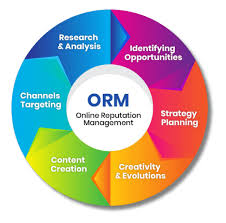
This is where Online Reputation Management (ORM) plays a crucial role. At Code With Kamlesh, led by Kamlesh Singad, we help businesses build, manage, and protect their online reputation effectively.
In this complete guide, you will learn everything about Online Reputation Management, why it matters, and how small businesses can use it to grow faster.
What is Online Reputation Management?
Online Reputation Management (ORM) is the process of monitoring, managing, and improving how your business appears online. It includes:
Managing customer reviews
Responding to feedback
Handling negative comments
Promoting positive content
Building trust online
In simple words, ORM helps you control what people see when they search for your business on Google or social media.
Why Online Reputation Management is Important for Small Businesses
For Small Businesses, reputation is everything. Unlike big brands, small businesses rely heavily on trust and customer relationships.
1. Builds Customer Trust
People trust online reviews as much as personal recommendations. A positive reputation increases trust instantly.
2. Influences Buying Decisions
Before purchasing, customers check reviews. Good ratings can directly increase your sales.
3. Improves Online Visibility
Positive reviews and engagement help improve rankings in Digital Marketing in Indore strategies like SEO.
4. Creates Brand Image
Your online presence reflects your brand personality. ORM helps maintain a professional image.
5. Gives Competitive Advantage
A strong reputation can help you stand out from competitors in a crowded market.
Small businesses that invest in ORM today will have a big advantage in the future.
Final Thoughts
In today’s competitive market, your online reputation can make or break your business. For Small Businesses, maintaining a strong and positive image online is essential for success.
By following the right strategies and staying active online, you can build trust, attract more customers, and grow your business faster.
If you want expert help, Code With Kamlesh Agency Indore, led by Kamlesh Singad, is here to guide you with the best solutions in Digital Marketing in Indore and Online Reputation Management.
FAQs
1. What is Online Reputation Management for small businesses?
Online Reputation Management (ORM) is the process of monitoring, managing, and improving how a business is perceived online through reviews, ratings, and digital content.
2. Why is Online Reputation Management important for small businesses?
It helps Small Businesses build trust, attract more customers, improve search rankings, and create a strong brand image in competitive markets like Digital Marketing in Indore.
3. How can small businesses improve their online reputation?
Businesses can improve their reputation by:
Responding to customer reviews
Encouraging positive feedback
Staying active on social media
Creating quality content
4. How does Code With Kamlesh Agency Indore help in ORM?
Code With Kamlesh Agency Indore, led by Kamlesh Singad, offers services like review management, SEO, content creation, and brand monitoring to improve online reputation.
5. Can negative reviews harm my business reputation?
Yes, but if handled properly—by responding professionally and resolving issues—negative reviews can actually build trust and show transparency.
In today’s digital world, every business wants more visibility, more leads, and more sales. But the biggest question is — how do you get consistent traffic without spending money on ads?
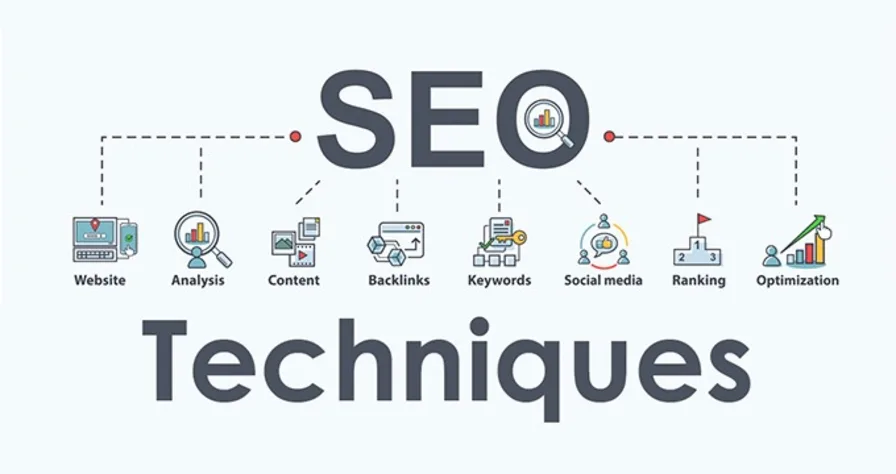
If you use the right SEO Techniques, you can bring organic traffic to your website for free and grow your business faster. In this blog, you will learn 5 powerful and practical SEO techniques that are easy to understand and apply — even if you are a beginner.
Organic traffic means visitors who come to your website from search engines like Google without paid ads. For example, when someone searches “best digital marketing services in Indore” and clicks your website — that is organic traffic.
A skilled Digital Marketer in Indore knows that organic traffic is:
Free
Long-lasting
High quality
Better for conversions
Why SEO is Important for Business Growth
SEO is not just about ranking on Google. It is about:
Getting the right audience
Building trust
Increasing brand visibility
Generating leads consistently
Without SEO, your website is like a shop in the jungle — no one will find it.
Now let’s understand the 5 Powerful SEO Techniques that can grow your organic traffic fast.
Backlinks are links from other websites to your website. Google sees them as “votes of trust”.
Why Backlinks Matter:
Increase domain authority
Improve rankings
Drive referral traffic
Ways to Build Backlinks:
Guest posting
Business directories
Blog commenting
Social sharing
Collaborations
Important Tip:
Focus on quality, not quantity.
1 backlink from a strong website is better than 100 low-quality links.
At code with kamlesh (CWK) agency indore, backlink building is done with a strategic approach to ensure long-term results.
5. Technical SEO & Website Speed
Technical SEO helps search engines crawl and index your website properly.
Key Factors:
1. Website Speed
Fast websites rank higher
Use tools like Google PageSpeed Insights
2. Mobile-Friendly Design
Most users are on mobile
Your site must be responsive
3. Secure Website (HTTPS)
SSL certificate is important
4. Sitemap & Robots.txt
Helps Google understand your site structure
5. Fix Errors
Broken links
404 pages
Duplicate content
Pro Tip:
Even the best content won’t rank if your website is slow or broken.
That’s why every expert Digital Marketer in Indore focuses on technical SEO.
Bonus Tip: Consistency is the Key
SEO is not a one-time process. You need to:
Post content regularly
Update old blogs
Track performance
Improve strategy
kamlesh singad believes that consistency + strategy = long-term success in SEO.
Common SEO Mistakes to Avoid
Avoid these mistakes if you want faster results:
Keyword stuffing
Copy content
Ignoring mobile users
Low-quality backlinks
Not updating content
How Code With Kamlesh Helps You Grow
code with kamlesh (CWK) agency indore provides complete digital marketing services including:
SEO services
Social media marketing
Google Ads
Website development
Lead generation
With real experience and practical strategies, CWK helps businesses grow faster with organic traffic.
Final Thought
SEO is not a shortcut—it’s a long-term investment that builds strong and sustainable growth for your business. By applying the right SEO Techniques like keyword research, quality content, on-page optimization, backlinks, and technical SEO, you can steadily increase your organic traffic and online visibility.
The key is to stay consistent, keep learning, and focus on providing real value to your audience. Success in SEO doesn’t happen overnight, but with the right strategy and execution, the results are powerful and long-lasting.
If you want to grow faster and avoid common mistakes, learning from experts like kamlesh singad and working with code with kamlesh (CWK) agency indore can give you a strong advantage. A skilled Digital Marketer in Indore understands how to turn traffic into real business results.
FAQs
1. What are the most important SEO techniques to grow organic traffic?
The most important SEO Techniques include keyword research, high-quality content creation, on-page SEO optimization, backlink building, and technical SEO. These help improve your website ranking and bring more organic traffic.
2. How long does it take to see results from SEO?
SEO is a long-term strategy. Usually, it takes 3 to 6 months to start seeing results, depending on competition, keyword difficulty, and how well your SEO is implemented.
3. Why is keyword research important in SEO?
Keyword research helps you understand what your audience is searching for. Using the right keywords like Digital Marketer in Indore helps your website rank higher and attract the right visitors.
4. Can I do SEO on my own or should I hire an expert?
You can start SEO on your own, but for faster and better results, it’s recommended to work with experts like kamlesh singad or code with kamlesh (CWK) agency indore, who have practical experience and proven strategies.
5. What is the role of backlinks in SEO?
Backlinks act as trust signals for Google. High-quality backlinks from trusted websites improve your domain authority and help your website rank higher in search results.
In today’s digital world, having a website is not enough. If your website does not appear on Google when people search for your products or services, you are losing potential customers every day. This is where Search Engine Optimization (SEO) plays a critical role.
SEO is not a single activity. It is a set of techniques, strategies, and best practices used to improve a website’s visibility on search engines like Google, Bing, and Yahoo.
In this detailed guide, we will understand:
What SEO is
Why SEO is important
Different types of SEO techniques
How each SEO technique works
Best practices to follow
What Is Search Engine Optimization (SEO)?
Search Engine Optimization (SEO) is the process of optimizing a website so that it ranks higher in organic (non-paid) search engine results for relevant keywords.
Example: If someone searches “digital marketing agency in Indore”, SEO helps a relevant website appear on Page 1 of Google.
SEO focuses on:
Improving website structure
Creating high-quality content
Optimizing keywords
Building trust and authority
Enhancing user experience
The main goal of SEO is to increase organic traffic and convert visitors into customers.
Why Are SEO Techniques Important?
SEO techniques are important because:
Most users click only top 5 Google results
Organic traffic is free and long-term
SEO builds brand credibility and trust
SEO delivers high ROI compared to ads
Helps local and global business growth
Without proper SEO techniques, even a well-designed website can remain invisible.
Types of Search Engine Optimization Techniques
SEO techniques are broadly divided into five major categories:
On-Page SEO Techniques
Off-Page SEO Techniques
Technical SEO Techniques
Local SEO Techniques
Advanced & Modern SEO Techniques
Let’s understand each one in detail.
1. On-Page SEO Techniques
On-Page SEO refers to optimizations done inside the website to help search engines understand content better.
Key On-Page SEO Techniques
a) Keyword Research & Placement
Find relevant keywords users search for
Use keywords naturally in:
Page title
Headings (H1, H2, H3)
URL
Content body
Image alt text
Avoid keyword stuffing.
b) SEO-Optimized Title Tags
Title should be 50–60 characters
Include primary keyword
Make it clickable and clear
Example: Best SEO Services in Indore | Affordable Digital Marketing Agency
c) Meta Description Optimization
150–160 characters
Describe page content clearly
Include main keyword
Meta description improves CTR (Click Through Rate).
d) Heading Structure (H1–H6)
Use only one H1 per page
Use H2 and H3 for subtopics
Helps Google understand content hierarchy
e) High-Quality Content Creation
Content should be:
Original
Informative
Easy to read
User-focused
Google rewards helpful content, not copied or thin content.
f) Internal Linking
Link one page to another relevant page
Improves website navigation
Passes SEO value (link equity)
g) Image Optimization
Compress images for fast loading
Use descriptive file names
Add alt text with keywords
2. Off-Page SEO Techniques
Off-Page SEO focuses on activities outside your website that build authority and trust.
Key Off-Page SEO Techniques
a) Backlink Building
Backlinks are links from other websites to your website.
High-quality backlinks:
Improve domain authority
Increase rankings
Build trust
Sources of backlinks:
Guest posting
Business listings
Blogs & articles
PR mentions
b) Social Media Marketing
Share content on Facebook, Instagram, LinkedIn, Twitter
Increases visibility and engagement
Drives referral traffic
c) Brand Mentions
Even without links, brand mentions help Google recognize authority.
d) Influencer & Outreach Marketing
Collaborate with bloggers and influencers
Earn natural backlinks and exposure
3. Technical SEO Techniques
Technical SEO ensures that search engines can crawl, index, and understand your website properly.
Important Technical SEO Techniques
a) Website Speed Optimization
Faster websites rank better
Use caching, compression, and optimized images
b) Mobile-Friendly Design
Google uses mobile-first indexing
Website must work perfectly on smartphones
c) Secure Website (HTTPS)
SSL certificate is mandatory
Builds user trust and improves ranking
d) XML Sitemap
Helps Google find all website pages
Essential for large websites
e) Robots.txt File
Controls which pages search engines should crawl
f) Fixing Crawl Errors
Remove broken links
Fix 404 errors
Improve index coverage
g) Structured Data (Schema Markup)
Helps search engines understand content type
Improves rich results like FAQs, reviews, ratings
4. Local SEO Techniques
Local SEO helps businesses appear in location-based searches.
Example: “SEO expert near me” “Digital marketing agency in Indore”
Local SEO Techniques
a) Google My Business (GMB) Optimization
Accurate name, address, phone number
Add photos, services, posts
Collect genuine reviews
b) Local Citations
List business on local directories
Keep NAP (Name, Address, Phone) consistent
c) Location-Based Keywords
Add city and area keywords in content
d) Reviews & Ratings
Positive reviews increase local trust and ranking
5. Advanced & Modern SEO Techniques
SEO is evolving. Modern techniques focus on user intent and AI-based search.
a) Search Intent Optimization
Understand what user wants:
Informational
Navigational
Commercial
Transactional
Create content accordingly.
b) Voice Search Optimization
Use conversational keywords
Answer questions directly
c) AI SEO & Semantic SEO
Use related topics, entities, and context
Not just exact keywords
d) Core Web Vitals Optimization
Page loading
Interactivity
Visual stability
White Hat vs Black Hat SEO Techniques
White Hat SEO (Recommended)
Follows Google guidelines
Long-term growth
Safe and sustainable
Black Hat SEO (Avoid)
Keyword stuffing
Fake backlinks
Hidden text
Black Hat SEO can cause Google penalties.
Best Practices for SEO Techniques
Focus on user experience
Create helpful, long-form content
Optimize regularly
Track performance with tools like:
Google Search Console
Google Analytics
Ahrefs / SEMrush
Conclusion: SEO Techniques Are the Backbone of Online Success
Search Engine Optimization techniques are not optional anymore. They are essential for online visibility, brand growth, and business success. SEO is a long-term investment that delivers consistent traffic, leads, and credibility.
If done correctly using ethical and modern SEO techniques, your website can rank higher, attract the right audience, and outperform competitors.
FAQS
1. What are SEO techniques?
SEO techniques are methods used to improve a website’s visibility on search engines like Google. These techniques include on-page optimization, off-page link building, technical improvements, and content optimization to rank higher in organic search results.
2. How long does SEO take to show results?
SEO usually takes 3 to 6 months to show noticeable results, depending on competition, keyword difficulty, website age, and the quality of SEO techniques used. SEO is a long-term strategy, not an instant process.
3. What is the difference between on-page and off-page SEO?
On-page SEO focuses on optimizing website content and structure, such as keywords, titles, headings, and internal links. Off-page SEO focuses on external factors like backlinks, brand mentions, and social signals that improve website authority.
4. Are SEO techniques better than paid advertising?
SEO techniques provide long-term, organic traffic without paying for every click, while paid ads give instant but temporary results. SEO is more cost-effective in the long run, whereas ads are useful for short-term campaigns.
5. Is SEO still relevant in 2025?
Yes, SEO is more relevant than ever in 2025. With AI search, voice search, and user-focused algorithms, modern SEO techniques focusing on content quality, user intent, and experience are essential for online success.
If you’re searching for the best SEO course in Indore that combines practical knowledge, expert mentorship, and live project training — you’ve found the right place. At Code With Kamlesh, we offer an advanced, career-oriented SEO training in Indore designed for students, freelancers, professionals, and business owners who want to master the art of ranking websites on Google.
What Makes Our SEO Course in Indore Unique?
Unlike theoretical classes, our SEO institute in Indore focuses on real-time implementation and result-driven learning. You’ll not only learn “what SEO is” but also how SEO actually works in today’s competitive market.
Here’s why hundreds of learners choose Code With Kamlesh:
1. Learn from an Industry Expert – Kamlesh Singad
Kamlesh Singad is one of Indore’s most trusted SEO mentors and digital marketing educators, with 8+ years of experience. He has trained 1000+ students and helped multiple businesses achieve top Google rankings and consistent organic traffic growth.
2. Complete, Step-by-Step Curriculum
Our SEO training in Indore covers everything from the basics of keyword research to advanced SEO strategies. You’ll gain complete confidence to handle client projects or grow your own website.
What You’ll Learn in Our SEO Course in Indore
Here’s an overview of our comprehensive SEO syllabus, designed to take you from beginner to professional:
Introduction to SEO
What is SEO and how it works
Understanding search engine algorithms
How Google ranks websites
Types of SEO – On-Page, Off-Page, Technical
Keyword Research
Importance of keyword research
Short-tail vs Long-tail keywords
Tools: Google Keyword Planner, Ahrefs, SEMrush, Ubersuggest
Competitor keyword analysis
On-Page Optimization
Title tags, meta descriptions, header tags
URL structure, internal linking
Image optimization and alt tags
Keyword placement & content optimization
Off-Page Optimization
Link building techniques (guest posts, outreach, directories)
Social media signals & brand mentions
Domain authority & trust flow building
Avoiding black-hat SEO
Technical SEO
Website speed optimization
Mobile-friendly design
XML sitemap & robots.txt
Canonical tags, redirects, crawl errors
Local SEO
Google My Business setup
Local citations and reviews
NAP consistency
Local keyword targeting
SEO Tools & Analytics
Google Analytics & Search Console
Rank tracking and audit tools
Screaming Frog, Ahrefs, SEMrush
SEO reporting templates
Career Growth & Freelancing
Building your SEO portfolio
Client proposal writing
Freelancing platforms for SEO
Resume and interview preparation
Why Choose Code With Kamlesh – SEO Institute in Indore?
Our SEO institute in Indore stands out because of our personalized approach, live practical sessions, and real-time case studies.
100% Practical Learning – You’ll practice SEO on live websites, analyze data, and execute strategies that actually get results.
Industry-Recognized Certification – After course completion, you’ll receive a professional SEO certificate that validates your skills and adds credibility to your career.
Internship & Job Assistance – We connect our top students with partner agencies and businesses hiring SEO executives, digital marketers, and content strategists.
Lifetime Access & Free Updates – Stay updated with future SEO algorithm changes, tools, and resources — accessible anytime through your student dashboard.
Who Can Join Our SEO Training in Indore?
Our SEO course is designed to suit every learner’s need:
Students: Build a digital marketing career right after graduation.
Working Professionals: Upgrade your skillset for better job opportunities.
Freelancers: Learn how to rank client websites and increase earnings.
Entrepreneurs: Grow your business organically and save ad costs.
Course Fees & Duration
Duration: 2 Months (Including Live Projects & Assignments)
Fees: Affordable and flexible (Installment options available)
Upon completion, you’ll earn a “Certified SEO Professional” certificate from Code With Kamlesh, recognized by top marketing companies and agencies.
Tools You’ll Master During Training
Google Search Console
Google Analytics
Ahrefs
SEMrush
Screaming Frog
RankMath / Yoast SEO
Ubersuggest
Google Tag Manager
FAQ
Q1. How long does the SEO course in Indore take to complete? The course duration is 8 weeks, including assignments and practical implementation.
Q2. Is prior digital marketing experience required? Not at all. The course starts from basics and gradually advances to professional SEO techniques.
Q3. Do you provide a certificate after course completion? Yes, a professional certificate is provided after successful completion and assessment.
Q4. Will I get job assistance after training? Yes, our SEO institute in Indore provides placement guidance and internship support.
Q5. Do you offer online classes? Yes, we offer both online SEO training and offline classroom sessions for flexibility.
Start Your SEO Journey with Kamlesh Singad Today!
The digital world runs on visibility — and SEO is the key. Join the most trusted SEO course in Indore by Code With Kamlesh, gain real-world experience, and become a certified SEO professional ready to dominate search engines.
Local SEO continues to evolve rapidly. For small businesses that rely on foot traffic, localized leads, or neighborhood clients, staying ahead of trends is critical. In 2025, the rules are shifting—not just in how search engines operate, but in how consumers discover nearby services. Below, we explore the top 10 Local SEO trends you must watch (and act on) to ensure your business remains visible, competitive, and profitable.
Why Local SEO Still Matters (and Even More in 2025)
Before diving into trends, let’s reestablish why local SEO is so important for small businesses:
According to recent statistics, 76% of people who search “near me” visit a business within a day.
88% of consumers conducting local searches on smartphones will call or visit a store within a day.
Local search is high-intent; users often have immediate needs (e.g. “plumber near me,” “coffee shop open now”).
Even with AI, maps, voice assistants, and evolving features, the core remains: show up when someone nearby is looking for your service.
So neglecting local SEO is akin to turning off your “open for business” sign in the digital world.
Now, let’s see where local SEO is heading in 2025.
In 2025, generic city-level optimization is not enough. Users don’t just search “plumber Mumbai” — they search “plumber in Bandra East near Linking Road” or “best bakery in Andheri West with vegan options.”
What this means for small businesses:
Create hyperlocal pages: If your business serves multiple neighborhoods or zones, consider separate landing pages per micro-area (e.g. “Salon in Powai East,” “Salon near Hiranandani Gardens”).
Include landmarks, corridors, street names: Add references to well-known roads, apartment complexes, shopping malls in your content and meta tags.
Local content / blog posts tied to neighborhoods: Write posts like “Top 5 AC repair services in Vile Parle West” or “How to choose café near Marine Drive.”
Geo-tag assets: Photos, videos, and metadata should carry geolocation tags where possible.
This hyperlocal focus helps match ultra-specific queries and strengthens local relevance.
Voice search continues its upward trajectory, especially for local queries. People speak differently than they type—more conversational, with longer phrases and natural language.
Actions to take:
Use question-format keywords: “Where can I get dry cleaning near me”, “Which plumber is open now in Surat.”
Provide direct answers in your content (e.g. FAQ sections) so voice assistants can easily pick them.
Use natural tone and context rather than robotic keyword stuffing.
Ensure your business name, address, phone (NAP) is precise and standardized across platforms—voice assistants heavily rely on this data.
Voice queries often tie directly into local intent, giving an advantage to businesses well optimized for spoken language queries.
Trend 3: Mobile-First & Performance Optimization
Google has already shifted to mobile-first indexing, meaning the mobile version of your site is the primary one considered for rankings.
In local search especially, users on mobile devices expect instant access to directions, contact, hours, and map links.
What small businesses should ensure:
Responsive design optimized for small screens.
Fast load times, especially on mobile (minimize heavy images, scripts).
Clean interface: clickable phone numbers, map buttons, service buttons.
Local landing pages accessible and well-structured on mobile.
If your mobile site is poor, you’ll lose local visitors and rankings.
Trend 4: AI, Machine Learning & Predictive Local Search
AI is no longer a background helper—it’s shaping how local search results are curated and personalized. Search engines increasingly use machine learning models to tailor local results based on user behavior, context, and intent.
Implications for you:
Behavior signals matter: CTRs, dwell time, map interactions influence your local ranking strength.
Personalization & user signals: Repeat searches, user profiles, past visits can shift ranking priority.
Use AI in your local SEO process: Tools that analyze competitor maps listings, suggest gaps, or forecast local trends can help you outperform.
Optimize for generative AI / answer engines: As search interfaces evolve to include AI-overviews, optimization for these answer engines (sometimes called AEO or “answer engine optimization”) is becoming relevant.
You’ll need to blend traditional local SEO with strategies that anticipate AI-driven local ranking shifts.
Trend 5: Google Business Profile (GBP) Evolves & Becomes More Central
Your Google Business Profile (formerly Google My Business) remains a pillar of local visibility. But in 2025, its features, expectations, and importance are expanding.
In local SEO, reviews act as social proof and ranking signal. In 2025, not just the star count, but the quality, richness, recency, and response to reviews matter more than ever.
Best practices:
Encourage customers to leave detailed reviews, not just “Great service.”
Ask them to mention particulars: “XYZ salon in Powai did my hair color beautifully.”
Respond to both positive and negative reviews quickly, with thoughtful replies.
Feature user photos in reviews, and tag those photos (e.g. location, product used).
Periodically audit for deleted reviews or spam—monitor review health.
Integrate UGC in your site (e.g. review snippets, testimonial sections, local photos).
Well-managed reviews boost trust and local ranking strength.
Trend 7: Local Link Building & Community Mentions
Local backlinks and citations from nearby, relevant websites still carry weight—but in 2025, Google emphasizes community involvement, mentions, and local context over just link volume.
Approaches to focus on:
Get mentions from local news sites, blogs, community portals (even non-link mentions can help).
Collaborate with neighboring businesses, nonprofits, local events, sponsorships.
Press releases around local events or causes.
Ensure citations (business listings) in local directories, maps apps, local listing sites.
Guest posts on city blogs, hyperlocal content websites.
The more your business is seen and mentioned in your geography, the stronger your local authority signal.
Trend 8: Visual & Video Content for Local SEO
Search engines increasingly support visual and video elements in local results: image carousels, map-based visuals, video previews.
Use short video snippets (Reels, Shorts) showing interior, services, staff.
Add descriptive captions and alt texts referencing your neighborhood.
Use “Google Posts” or “GBP posts” with images or videos to engage users.
Consider AR / visual search elements (images that map to “what’s nearby” claims).
Rich media helps your listing stand out and may improve click-throughs from local result listings.
Trend 9: Structured Data, Schema & Local Signals
Structured data (schema markup) helps search engines understand your content context. In local SEO, adding the right schemas can improve your chances in rich snippets, map packs, and AI answer surfaces.
Review / AggregateRating schema for your business reviews
Service or Product schema for services offered
FAQ schema (especially for queries like “Does this store deliver?”)
Event schema (if you host local events or workshops)
GeoCoordinates schema in structured format
Using structured data helps Google and AI systems better parse your business’s relevance.
Trend 10: Syndication with AI & Answer Engine Optimization (AEO / GEO)
As AI-powered systems and generative answer engines grow, local businesses must not only optimize for search, but optimize for being referenced by AI agents (sometimes known as Answer Engine Optimization or Generative Engine Optimization—GEO).
Strategies to adopt:
Produce concise, SEO-friendly answer snippets in your content (for example, answer a question clearly at the start).
Use authoritative, local citations and references, so AI systems are more likely to cite your content.
Maintain freshness and topical relevance—AI systems prefer up-to-date answers.
Optimize for question-answer pairings and conversational queries.
Monitor AI / SERP answer panels to see where your business is cited or omitted.
In 2025, it’s not just about ranking in Google; it’s about getting cited by the AI systems users increasingly rely on.
Implementation Roadmap for Small Businesses
Knowing trends is useful—but execution is what counts. Here’s a practical roadmap:
Audit your current local presence
Check GBP completeness, mobile site, citations, reviews.
Identify neighborhood gaps or missing location pages.
Choose priority trends to act on
For many small businesses, start with GBP optimization, review management, local citations, and hyperlocal pages.
Produce local, conversational content
Blog posts, FAQs, neighborhood guides, “near me” landing pages.
Collect reviews & encourage detail
Ask satisfied customers to mention service + location.
Respond professionally and promptly.
Develop local link/mention strategy
Partner with local bloggers, news sites, chambers, events.
Request mention or feature in local directories and community sites.
Add structured data / schema
Use LocalBusiness, review, FAQ, event schemas.
Validate schema with structured data testing tools.
Optimize for voice / answer queries
Build conversational FAQs and answer boxes in pages.
Monitor voice search performance.
Visual & local media deployment
Upload geo-tagged photos, video tours, virtual walkthroughs.
Use GBP posts regularly with images/videos.
Track & iterate based on data
Use Google Business Insights, Search Console, analytics to see which location pages, posts, or review types drive conversions.
Adjust and refine.
Monitor AI / answer engine citations
Track when your content is used in AI summaries or answer panels.
Update content accordingly.
Real-World Examples & Small Business Use Cases
A neighborhood café in Pune created separate pages for each locality it delivered to (“Café in Kalyani Nagar,” “Café near Aundh”) and saw each page start ranking in local SERPs.
A dental clinic prompted patients to write reviews specifying “root canal in Goregaon West by Dr. X” instead of “good clinic” — these richer reviews started showing in GBP and map pack highlights.
A boutique store uploaded 360° video tours tagged with geo-coordinates and saw increased map-clicks from Google Maps.
A local plumber added an FAQ “Is your service 24/7?” and was featured as a quick answer in voice search results.
A home repair business got featured on a community blog, and that mention, even without a backlink, improved its local credibility.
Common Pitfalls & How to Avoid Them
Ignoring negative reviews — respond to them diplomatically to show care.
Over-optimizing without context — stuffing “near me” everywhere looks unnatural.
Broken or inconsistent NAP data — even small discrepancies can confuse search engines.
Neglecting mobile performance — slow or non-responsive pages kill conversions.
Ignoring AI/answer engine trends — if you wait, your competitors may gain advantage.
Summary & Final Thoughts
Local SEO in 2025 is not about doing the same tactics from years ago more aggressively—it’s about precision, context, experience, and adaptation. Small businesses need to:
Get hyperlocal and specific.
Speak naturally (voice & conversational).
Keep their mobile presence flawless.
Embrace AI insights and shift toward being cited in answer engines.
Manage GBP, reviews, visuals, local mentions actively.
Local advertising is a crucial component of any small business’s marketing strategy. With consumers increasingly looking for local businesses online, having a killer local ads campaign can significantly boost your visibility and drive local traffic. In this guide, we’ll explore the essential steps to creating an effective local ads campaign that not only reaches your target audience but also converts them into loyal customers.
Understanding the Importance of a Local Ads Campaign
Before diving into the nuts and bolts of building a local ads campaign, it’s important to understand why local advertising is vital for small businesses. Unlike national campaigns, local ads target a specific geographic area, ensuring that your marketing efforts are concentrated where they matter most. This targeted approach allows you to reach potential customers who are likely to visit your physical location, thus increasing foot traffic and sales.
Moreover, local ads campaigns are more cost-effective than broader advertising efforts. By focusing on a smaller, more relevant audience, you can optimize your budget and achieve a higher return on investment (ROI). This is especially beneficial for small businesses with limited marketing budgets.
Setting Clear Objectives for Your Local Ads Campaign
Every successful local ads campaign starts with clear, measurable objectives. These goals will guide your strategy and help you evaluate the effectiveness of your campaign. Common objectives for local ads campaigns include:
Increasing foot traffic: Driving more customers to your physical store.
Boosting online visibility: Improving your presence in local search results.
Generating leads: Collecting contact information from potential customers.
Driving sales: Encouraging direct purchases either in-store or online.
Once you’ve defined your objectives, you can tailor your local ads campaign to meet these specific goals. For instance, if your primary objective is to increase foot traffic, you might focus on geo-targeted ads that attract nearby customers. On the other hand, if you aim to boost online visibility, you could prioritize search ads and local SEO tactics.
Researching Your Local Market
Understanding your local market is key to creating a successful local ads campaign. Start by researching your target audience—who they are, where they live, what they need, and how they shop. This will help you craft ads that resonate with your potential customers and address their specific pain points.
Next, analyze your competition. Look at what other businesses in your area are doing in terms of local advertising. What strategies are they using? What seems to be working for them? This competitive analysis will provide valuable insights into how you can differentiate your ads and stand out in the local market.
Choosing the Right Platforms for Your Local Ads Campaign
Selecting the right advertising platforms is crucial for reaching your target audience. Here are some of the most effective platforms for local ads campaigns:
Google Ads: Google Ads allows you to create search and display ads that appear to users within a specific geographic area. You can target keywords related to your business and location, ensuring that your ads reach people who are searching for products or services like yours.
Facebook Ads: With its robust targeting options, Facebook is a powerful tool for local advertising. You can create ads that target users based on their location, demographics, interests, and behaviors. Facebook also allows you to create local awareness ads, which are designed specifically to reach people near your business.
Instagram Ads: Instagram, owned by Facebook, offers similar targeting capabilities but with a more visual focus. This platform is ideal for businesses with visually appealing products or services, such as restaurants, boutiques, and fitness studios.
Local Business Listings: Don’t underestimate the power of local business directories like Google My Business, Yelp, and Bing Places. Ensuring your business is listed and optimized on these platforms can significantly improve your visibility in local search results.
Crafting Compelling Ad Copy and Visuals
The success of your local ads campaign heavily depends on the quality of your ad copy and visuals. Your ads should grab attention, communicate your value proposition, and compel users to take action.
Ad Copy: Keep your ad copy concise and focused. Highlight what sets your business apart and why customers should choose you over competitors. Include a strong call-to-action (CTA) that tells users exactly what to do next, whether it’s “Visit our store today,” “Call now for a free quote,” or “Shop online now.”
Visuals: Use high-quality images or videos that reflect your brand and resonate with your target audience. Visual content is particularly important on platforms like Facebook and Instagram, where users are more likely to engage with ads that feature eye-catching imagery.
Geo-Targeting Your Local Ads Campaign
One of the biggest advantages of a local ads campaign is the ability to geo-target your ads. Geo-targeting allows you to show your ads to users in specific locations, ensuring that your message reaches people who are most likely to become customers.
For instance, if you own a restaurant in downtown Austin, you can set your ads to appear only to users within a 5-mile radius of your location. This not only improves the relevance of your ads but also increases the likelihood of attracting local customers.
When setting up geo-targeting, consider factors such as:
Proximity to your business: Focus on areas where customers are most likely to travel to your location.
Demographics: Target areas where your ideal customers live or work.
Competitors: Consider targeting areas where your competitors are less prevalent.
While paid advertising is a key component of any local ads campaign, don’t overlook the importance of local SEO. Optimizing your online presence for local search is essential for driving organic traffic to your business.
Google My Business: Claiming and optimizing your Google My Business listing is one of the most effective ways to improve your local SEO. Ensure your listing is complete with accurate business information, high-quality images, and positive customer reviews.
Local Keywords: Incorporate local keywords into your website content, meta tags, and ad copy. For example, if you’re a plumber in Chicago, use keywords like “Chicago plumber,” “plumbing services in Chicago,” and “local plumbing Chicago.”
Citations and Reviews: Consistent citations (mentions of your business name, address, and phone number) across the web, along with positive customer reviews, can boost your local search rankings and increase trust with potential customers.
Setting a Budget for Your Local Ads Campaign
Determining your budget is a critical step in planning your local ads campaign. The amount you spend will depend on several factors, including your business size, industry, and objectives. Here are some tips for setting a budget:
Start Small: If you’re new to local advertising, start with a small budget to test different strategies and platforms. This will help you identify what works best for your business without risking too much upfront.
Focus on ROI: Rather than spending a large sum on a single campaign, consider allocating your budget across multiple platforms and campaigns. Monitor the performance of each and adjust your spending based on which ads deliver the highest ROI.
Factor in Competition: In highly competitive markets, you may need to allocate more budget to ensure your ads stand out. However, don’t overspend—focus on creating high-quality, targeted ads that resonate with your audience.
Monitoring and Optimizing Your Local Ads Campaign
A successful local ads campaign requires ongoing monitoring and optimization. Regularly review your campaign performance to identify what’s working and what’s not. Key metrics to track include:
Click-through rate (CTR): The percentage of users who click on your ad after seeing it. A high CTR indicates that your ad is resonating with your audience.
Conversion rate: The percentage of users who take the desired action after clicking on your ad, such as making a purchase or filling out a contact form.
Cost per conversion: The amount you spend on your ad campaign to generate a single conversion. Aim to reduce this cost over time by optimizing your ads.
Return on ad spend (ROAS): The revenue generated from your ad campaign compared to the amount spent. A positive ROAS indicates that your campaign is profitable.
Based on your analysis, make adjustments to your ads, targeting, and budget to improve performance. For example, if one ad is generating a high CTR but low conversions, you may need to tweak the landing page or CTA to encourage more conversions.
Leveraging Customer Reviews and Testimonials
Customer reviews and testimonials can significantly enhance the effectiveness of your local ads campaign. Positive reviews not only build trust with potential customers but also improve your local SEO.
Encourage satisfied customers to leave reviews on platforms like Google, Yelp, and Facebook. You can also feature testimonials in your ads to add credibility and demonstrate the value of your products or services.
Integrating Social Media into Your Local Ads Campaign
Social media platforms like Facebook and Instagram offer powerful tools for local advertising. By integrating social media into your local ads campaign, you can engage with your audience in a more personal and interactive way.
Engagement: Respond to comments and messages from users who interact with your ads. This not only builds relationships with potential customers but also increases the visibility of your ads.
Local Influencers: Partner with local influencers who have a strong following in your area. Influencer marketing can amplify your reach and attract new customers to your business.
Social Proof: Share user-generated content, such as photos and reviews from satisfied customers, to build social proof and encourage others to visit your business.
Creating Seasonal and Event-Specific Campaigns
To keep your local ads campaign fresh and relevant, consider creating seasonal and event-specific campaigns. Tailoring your ads to align with holidays, local events, and seasons can capture the attention of your target audience and drive more traffic to your business.
For example, if you own a retail store, you could create a back-to-school campaign in late summer, offering special discounts on school supplies. Or, if you run a restaurant, you might launch a holiday-themed menu with targeted ads promoting seasonal dishes.
Conclusion
Building a killer local ads campaign is a powerful way to enhance your small business’s visibility, attract local customers, and drive sales. By understanding your target audience, choosing the right platforms, crafting compelling ads, and continuously monitoring and optimizing your campaigns, you can create a local advertising strategy that delivers measurable results. Whether you’re a small business owner looking to increase foot traffic or a service provider aiming to boost online leads, a well-executed local ads campaign can help you achieve your goals and grow your business.
How do I choose the right keywords for my local ads campaign?
Choosing the right keywords for your local ads campaign involves understanding what your potential customers are searching for and how they phrase their queries. Use tools like Google Keyword Planner to identify high-traffic local keywords relevant to your business. Focus on long-tail keywords that include your location, such as “best pizza in Boston” or “affordable wedding photography Los Angeles.”
What is the most effective way to track the success of my local ads campaign?
The most effective way to track the success of your local ads campaign is by setting up conversion tracking in platforms like Google Ads or Facebook Ads Manager. This allows you to see how many users take the desired action after clicking on your ad, such as making a purchase, signing up for a newsletter, or visiting your store. Additionally, monitoring metrics like CTR, conversion rate, and ROAS can provide valuable insights into your campaign’s performance.
How can I make my local ads stand out from competitors?
To make your local ads stand out from competitors, focus on what makes your business unique. Highlight your unique selling points, such as exclusive products, exceptional customer service, or special promotions. Use compelling visuals and strong CTAs to grab attention. Additionally, leveraging customer reviews and testimonials in your ads can add credibility and differentiate your business from others.
What role does mobile optimization play in a local ads campaign?
Mobile optimization is crucial in a local ads campaign because many users search for local businesses on their smartphones. Ensure your ads and landing pages are mobile-friendly, with fast loading times, easy navigation, and clear CTAs. Google’s mobile-first indexing also means that a mobile-optimized website can improve your search rankings, making it easier for local customers to find your business.
How often should I update my local ads campaign?
Regularly updating your local ads campaign is important to keep it relevant and effective. Monitor your campaign performance weekly or monthly and make adjustments as needed. This could involve updating your ad copy, changing your targeting parameters, or increasing your budget during peak seasons. Seasonal and event-specific campaigns should be planned in advance and launched at appropriate times.
Can I run a successful local ads campaign on a small budget?
Yes, you can run a successful local ads campaign on a small budget by focusing on highly targeted ads that reach your most relevant audience. Start with a small budget and test different strategies to see what works best for your business. Optimize your campaigns based on performance data, and allocate more budget to the ads that deliver the highest ROI. Geo-targeting, using long-tail keywords, and optimizing your landing pages can also help you get the most out of a limited budget.
In today’s digital age, achieving better rankings on search engines is crucial for any business or website. Higher rankings lead to increased visibility, more traffic, and ultimately, greater success. However, navigating the world of SEO (Search Engine Optimization) can be challenging due to its ever-changing nature. This comprehensive guide will delve into 14 SEO Best Practices for Better Rankings. By implementing these strategies, you’ll be well on your way to mastering search engine optimization and achieving your online goals. kamleshsingad.com
Introduction to SEO and Its Importance
What is SEO?
Search Engine Optimization (SEO) involves optimizing your website to improve its visibility on search engines like Google. This process includes various strategies and techniques aimed at increasing your site’s ranking for relevant keywords.
Why SEO Matters
SEO is essential because higher rankings on search engines lead to more organic traffic. Organic traffic, which comes from users finding your site through search engines, is highly valuable as it tends to be more targeted and relevant.
The Role of Keywords in SEO
Keywords play a crucial role in SEO. These are the terms and phrases that users type into search engines when looking for information. By optimizing your website for these keywords, you can attract more relevant traffic.
SEO Best Practices for Better Rankings
1. Conduct Thorough Keyword Research
Importance of Keyword Research
Keyword research is the foundation of any successful SEO strategy. It involves identifying the terms and phrases that your target audience is searching for.
Tools for Keyword Research
Use tools like Google Keyword Planner, SEMrush, and Ahrefs to find high-performing keywords. These tools provide insights into search volume, competition, and keyword difficulty.
Long-Tail Keywords
Focus on long-tail keywords, which are more specific and less competitive. These keywords often have a higher conversion rate as they cater to users with clear intent.
2. Optimize On-Page SEO
Title Tags
Title tags are one of the most important on-page SEO elements. Ensure your title tags are unique, descriptive, and include your primary keywords.
Meta Descriptions
Meta descriptions should provide a concise summary of your content. While they don’t directly affect rankings, well-crafted meta descriptions can improve click-through rates.
Header Tags
Use header tags (H1, H2, H3, etc.) to structure your content. These tags help search engines understand the hierarchy and importance of your content.
Keyword Placement
Strategically place your primary and secondary keywords throughout your content. Avoid keyword stuffing, which can lead to penalties from search engines.
3. Create High-Quality Content
Content is King
High-quality content is essential for SEO. It attracts visitors, encourages engagement, and earns backlinks, all of which contribute to better rankings.
Content-Length
Longer content tends to rank higher on search engines. Aim for comprehensive articles that thoroughly cover your topic.
Originality and Uniqueness
Ensure your content is original and provides unique value to your audience. Plagiarized or duplicate content can harm your SEO efforts.
4. Enhance User Experience (UX)
Page Load Speed
A fast-loading website improves user experience and can positively impact your rankings. Use tools like Google PageSpeed Insights to identify and fix speed issues.
Mobile-Friendliness
With the increasing use of mobile devices, having a mobile-friendly website is crucial. Use responsive design to ensure your site looks good on all devices.
Navigation and Structure
A well-structured website with clear navigation improves user experience. Make it easy for visitors to find the information they’re looking for.
5. Optimize for Voice Search
Voice Search Popularity
Voice search is becoming increasingly popular with the rise of digital assistants like Siri, Alexa, and Google Assistant. Optimizing for voice search can help you capture this growing audience.
Conversational Keywords
Use conversational keywords and phrases that people are likely to use when speaking. These often include questions and natural language.
Featured Snippets
Aim to appear in featured snippets, which are the short answers displayed at the top of Google search results. These are often used for voice search responses.
6. Build Quality Backlinks
Importance of Backlinks
Backlinks from reputable websites signal to search engines that your site is trustworthy and authoritative. They are a crucial factor in SEO.
Strategies for Earning Backlinks
Create high-quality, shareable content that naturally attracts backlinks. Reach out to influencers and industry leaders for guest blogging opportunities.
Avoid Black Hat Techniques
Avoid black hat techniques like buying backlinks or participating in link schemes. These practices can lead to severe penalties from search engines.
7. Use Social Media to Boost SEO
Social Signals
While social signals don’t directly impact rankings, a strong social media presence can drive traffic to your site and increase brand awareness.
Content Promotion
Promote your content on social media platforms to reach a broader audience. Encourage sharing to increase its reach and potential for earning backlinks.
Engagement
Engage with your audience on social media. Respond to comments and messages to build relationships and encourage repeat visits to your site.
8. Implement Local SEO Strategies
Importance of Local SEO
Local SEO is crucial for businesses that serve specific geographic areas. It helps you attract local customers and appear in local search results.
Google My Business
Create and optimize your Google My Business listing. Ensure your business name, address, and phone number (NAP) are consistent across all online directories.
Local Keywords
Use local keywords in your content and meta tags. These include terms related to your location, such as city names and neighborhoods.
9. Utilize Structured Data Markup
What is Structured Data?
Structured data markup helps search engines understand the content of your site. It can improve your visibility in search results by enabling rich snippets.
Types of Structured Data
There are various types of structured data, including schema.org, JSON-LD, and Microdata. Use the most appropriate type for your content.
Implementation
Use Google’s Structured Data Markup Helper to generate the necessary code and implement it on your site. Regularly test your structured data with Google’s Rich Results Test.
10. Optimize Images and Videos
Image Optimization
Optimize images by using descriptive file names and alt text. Compress images to reduce their size without compromising quality.
Video Content
Video content is increasingly popular and can enhance your SEO. Create engaging videos and optimize them with relevant keywords in the title, description, and tags.
Multimedia Sitemaps
Create multimedia sitemaps to help search engines index your images and videos. This can improve your visibility in search results.
11. Improve Site Architecture
Flat Site Structure
A flat site structure ensures that all pages are accessible within a few clicks from the homepage. This improves user experience and helps search engines crawl your site.
Internal Linking
Use internal linking to connect related content on your site. This helps distribute page authority and improve navigation.
XML Sitemaps
Create and submit an XML sitemap to search engines. This helps them understand the structure of your site and index your pages more efficiently.
12. Regularly Update Your Content
Freshness Factor
Search engines favor fresh content. Regularly updating your content signals to search engines that your site is current and relevant.
Content Audits
Perform regular content audits to identify outdated or underperforming content. Update or remove content that no longer provides value.
Repurposing Content
Repurpose existing content into different formats, such as videos, infographics, or podcasts. This can reach new audiences and provide additional SEO benefits.
13. Monitor and Analyze Your SEO Performance
Use Analytics Tools
Use tools like Google Analytics and Google Search Console to monitor your SEO performance. Track key metrics such as traffic, bounce rate, and keyword rankings.
Regular Reporting
Regularly generate reports to analyze your SEO efforts. Identify areas of improvement and adjust your strategy accordingly.
Competitor Analysis
Analyze your competitors’ SEO strategies to identify opportunities and gaps. Use tools like SEMrush and Ahrefs to gain insights into their performance.
14. Stay Updated with SEO Trends
SEO is Ever-Evolving
SEO is constantly changing, with new trends and updates regularly emerging. Staying updated with these changes is crucial for maintaining and improving your rankings.
Follow Industry Experts
Follow industry experts and thought leaders in SEO. Read blogs, attend webinars, and participate in forums to stay informed.
Experiment and Adapt
Experiment with new strategies and techniques. SEO is not a one-size-fits-all approach, so be willing to adapt and try new things to see what works best for your site.
Conclusion
Mastering SEO is essential for achieving better rankings and driving organic traffic to your website. By implementing these 14 SEO best practices, you can significantly improve your search engine optimization efforts. Remember, SEO is a continuous process that requires regular monitoring and adaptation. Stay updated with the latest trends, experiment with new strategies, and always strive to provide high-quality content that meets the needs of your audience. With dedication and persistence, you can achieve lasting success in the world of SEO.
FAQs
What are the most important factors for improving SEO rankings? The most important factors include conducting thorough keyword research, creating high-quality content, optimizing on-page SEO elements, building quality backlinks, and enhancing user experience.
How can I conduct effective keyword research? Use tools like Google Keyword Planner, SEMrush, and Ahrefs to identify high-performing keywords. Focus on long-tail keywords and consider the search volume, competition, and keyword difficulty.
Why is user experience important for SEO? User experience affects how visitors interact with your site. A positive user experience, including fast loading times, mobile-friendliness, and easy navigation, can lead to higher engagement and better rankings.
How can I optimize my website for mobile devices? Use responsive design to ensure your site looks good on all devices. Test your site on various devices and screen sizes to ensure a seamless user experience.
What is the role of backlinks in SEO? Backlinks from reputable websites signal to search engines that your site is trustworthy and authoritative. They are a crucial factor in SEO and can significantly impact your rankings.
How often should I update my website’s content? Regularly updating your content signals to search engines that your site is current and relevant. Aim to update your content at least once a year, or more frequently if possible.
In the competitive digital landscape of 2024, achieving higher rankings on Google requires a strategic approach to search engine optimization (SEO). As algorithms become more sophisticated, adapting to the latest SEO trends and best practices is crucial for enhancing your website’s visibility and driving more organic traffic. This comprehensive guide explores essential tips and techniques to improve your website’s search engine optimization and achieve higher rankings on Google using SEO Best Practices.
Understanding SEO in 2024
The landscape of SEO is constantly evolving. In 2024, it’s more important than ever to understand these changes and how they impact your strategy. SEO today goes beyond keyword stuffing and backlinks; it’s about delivering value, improving user experience, and staying ahead of technological advancements.
Evolution of SEO: From the early days of keyword stuffing to the current emphasis on user intent and experience, SEO has undergone significant transformations. Understanding these changes helps you stay relevant and effective.
Importance of SEO Today: SEO remains a critical component of digital marketing, influencing how easily users can find your website. Effective SEO strategies enhance your online presence, drive traffic, and ultimately boost conversions.
Key Trends in 2024: This year, key trends include the rise of voice search, the importance of mobile-first indexing, and the increasing role of artificial intelligence (AI) in search algorithms. Keeping abreast of these trends ensures your SEO efforts are aligned with current best practices.
Keyword Research
Effective SEO starts with thorough keyword research. Identifying the right keywords can significantly impact your search rankings.
Long-Tail Keywords: These are more specific and often less competitive than short-tail keywords. Targeting long-tail keywords can attract more qualified traffic and improve your chances of ranking higher.
LSI Keywords: Latent Semantic Indexing (LSI) keywords are related terms that help search engines understand the context of your content. Using LSI keywords can improve your relevance and visibility.
Competitor Analysis: Analyzing your competitors’ keywords can provide valuable insights. Tools like Ahrefs and SEMrush can help you identify which keywords are driving traffic to their sites.
On-Page SEO Best Practices
On-page SEO involves optimizing individual web pages to rank higher and earn more relevant traffic in search engines.
Meta Titles and Descriptions: Crafting compelling meta titles and descriptions can improve your click-through rate (CTR). Ensure they are concise, relevant, and include your primary keywords.
Header Tags: Proper use of header tags (H1, H2, H3, etc.) helps structure your content and makes it easier for search engines to understand. Each page should have one H1 tag and multiple H2 or H3 tags to break up the content.
Image Optimization: Images should be optimized for faster load times. Use descriptive file names and alt text to help search engines understand the content of your images.
Content Creation
Creating high-quality, relevant content is fundamental to SEO. Search engines prioritize content that is valuable to users.
Quality Content: Focus on creating content that provides value, answers questions, and solves problems. High-quality content is more likely to be shared and linked to, boosting your rankings.
Content Length: Longer content tends to rank better. Aim for comprehensive articles that thoroughly cover a topic. However, ensure the content remains engaging and not overly verbose.
Regular Updates: Keeping your content fresh and updated signals to search engines that your site is active and relevant. Regularly update old posts with new information and insights.
User Experience (UX) Optimization
User experience plays a crucial role in SEO. Google prioritizes websites that provide a positive user experience.
Mobile Friendliness: With mobile-first indexing, it’s essential that your site is fully optimized for mobile devices. Responsive design and fast load times are key components of mobile optimization.
Page Speed: Slow loading pages can negatively impact user experience and rankings. Use tools like Google PageSpeed Insights to identify and fix issues that are slowing down your site.
Navigation: Ensure your site is easy to navigate. Clear, intuitive navigation helps users find what they’re looking for and improves overall user experience.
Technical SEO
Technical SEO involves optimizing the backend structure of your site to help search engines crawl and index your content more effectively.
XML Sitemaps: An XML sitemap helps search engines understand the structure of your site and find all your pages. Regularly update your sitemap and submit it to Google Search Console.
Robots.txt: This file tells search engines which pages they can or cannot crawl. Properly configuring your robots.txt file is essential for controlling how search engines interact with your site.
Schema Markup: Adding schema markup to your pages can enhance your search listings with rich snippets, providing more information to users and improving CTR.
Backlink Strategies
Backlinks are links from other websites to your site. They are a key ranking factor in SEO.
Quality Over Quantity: Focus on acquiring high-quality backlinks from reputable sites. A few authoritative links are more valuable than numerous low-quality ones.
Guest Blogging: Writing guest posts for reputable sites in your industry can help you build backlinks and reach a broader audience.
Influencer Outreach: Collaborate with influencers in your niche to create content and build backlinks. Influencers can help amplify your reach and credibility.
Local SEO Techniques
Local SEO is essential for businesses that operate in specific geographic areas. Optimizing your local presence can help attract customers from your area.
Google My Business: Ensure your Google My Business profile is complete and accurate. Regularly update it with your latest business information, photos, and posts.
Local Citations: Consistency in your business name, address, and phone number (NAP) across online directories helps improve your local search visibility.
Reviews: Encourage satisfied customers to leave positive reviews. Respond to reviews promptly, showing that you value customer feedback.
Leveraging Social Media
Social media can amplify your SEO efforts by driving traffic and engagement.
Social Signals: While social signals (likes, shares, comments) are not direct ranking factors, they can indirectly impact your SEO by increasing visibility and traffic.
Content Sharing: Share your content across social media platforms to reach a wider audience. Engaging content is more likely to be shared, increasing your reach and potential for backlinks.
Engagement: Actively engage with your audience on social media. Respond to comments and messages to build a loyal following and encourage more interaction with your content.
Analytics and Monitoring
Monitoring your SEO performance is crucial for understanding what works and what needs improvement.
Google Analytics: Use Google Analytics to track your website’s traffic, user behavior, and other key metrics. Analyzing this data helps you make informed decisions about your SEO strategy.
Search Console: Google Search Console provides insights into how your site is performing in search results. It can help you identify and fix technical issues that may be affecting your rankings.
KPIs: Identify key performance indicators (KPIs) that align with your SEO goals. Common KPIs include organic traffic, bounce rate, conversion rate, and keyword rankings.
Voice Search Optimization
With the rise of voice-activated devices, optimizing for voice search is becoming increasingly important.
Conversational Keywords: Voice searches tend to be more conversational and question-based. Optimize your content with natural language and long-tail keywords.
Structured Data: Use structured data to help search engines understand the context of your content. This can improve your chances of appearing in voice search results.
Mobile Optimization: Since many voice searches are conducted on mobile devices, ensure your site is mobile-friendly and loads quickly.
Video SEO
Video content is a powerful tool for engaging users and improving SEO.
YouTube Optimization: YouTube is the second largest search engine. Optimize your videos with relevant titles, descriptions, and tags to increase visibility.
Video Transcripts: Providing transcripts for your videos can improve accessibility and help search engines index your content.
Thumbnails: Create eye-catching thumbnails to attract clicks. A compelling thumbnail can significantly increase your video’s CTR.
E-A-T: Expertise, Authority, Trustworthiness
E-A-T is a critical factor in Google’s search quality guidelines.
Building Authority: Publish authoritative content that showcases your expertise. Contributing to reputable sites and obtaining quality backlinks can enhance your authority.
Creating Trust: Ensure your site is secure (HTTPS), display trust signals like testimonials and certifications, and maintain a professional design to build trust with your audience.
Demonstrating Expertise: Regularly publish in-depth content that demonstrates your expertise in your field. Detailed guides, case studies, and whitepapers can help establish you as an expert.
Artificial Intelligence and SEO
AI is revolutionizing SEO by enabling more personalized and efficient strategies.
AI Tools: Utilize AI-powered tools for keyword research, content creation, and analytics. Tools like Clearscope and MarketMuse can help you optimize content for better rankings.
Content Personalization: AI can help you create personalized content that resonates with your audience. Personalized content is more likely to engage users and improve SEO.
Predictive Analytics: Use AI to analyze data and predict trends. This can help you stay ahead of the competition and adjust your SEO strategy accordingly.
SEO for E-commerce
E-commerce websites have unique SEO challenges and opportunities.
Product Descriptions: Write unique, detailed product descriptions that include relevant keywords. Avoid using manufacturer descriptions that may be duplicated across multiple sites.
User Reviews: Encourage customers to leave reviews on your product pages. Reviews can provide fresh content and help improve search rankings.
Secure Checkout: Ensure your site has a secure checkout process. Use HTTPS and display security badges to build trust with customers.
Common SEO Mistakes to Avoid
Avoiding common SEO mistakes can save you from potential penalties and drops in rankings.
Keyword Stuffing: Overloading your content with keywords can harm your rankings. Focus on natural, relevant use of keywords.
Duplicate Content: Ensure your content is unique. Duplicate content can confuse search engines and lead to lower rankings.
Ignoring Mobile Users: With the majority of searches now conducted on mobile devices, ignoring mobile optimization can severely impact your rankings.
SEO Tools and Resources
Utilizing the right tools and resources can streamline your SEO efforts and improve results.
Keyword Research Tools: Tools like Ahrefs, SEMrush, and Google Keyword Planner can help you identify valuable keywords and analyze your competitors.
Analytics Tools: Google Analytics and Search Console are essential for tracking your SEO performance and identifying areas for improvement.
SEO Plugins: Plugins like Yoast SEO and All in One SEO Pack can help you optimize your content and technical SEO on WordPress sites.
Here are some essential SEO tools and resources, along with detailed explanations of their features and how they can benefit your SEO strategy:
1. Google Analytics
Features:
Tracks website traffic and user behavior.
Provides insights into traffic sources, user demographics, and conversion rates.
Offers custom reports and goal tracking.
Benefits:
Helps you understand how visitors interact with your site.
Identifies which content performs best.
Allows you to measure the effectiveness of your SEO efforts.
2. Google Search Console
Features:
Monitors website performance in Google search results.
Identifies and fixes indexing issues.
Provides data on search queries, backlinks, and website errors.
Benefits:
Helps improve your site’s visibility in search results.
Identifies and resolves technical SEO issues.
Offers insights into keyword performance and click-through rates.
3. SEMrush
Features:
Keyword research and competitive analysis.
Site audit tool for technical SEO issues.
Backlink analysis and link building tools.
Rank tracking for your keywords.
Benefits:
Provides comprehensive insights into your competitors’ SEO strategies.
Identifies high-value keywords and backlink opportunities.
Helps you monitor your site’s SEO health and track progress over time.
4. Ahrefs
Features:
Extensive backlink analysis.
Keyword research tool with keyword difficulty scores.
Content explorer for identifying popular content in your niche.
Site audit tool for technical SEO issues.
Benefits:
Helps you build a strong backlink profile.
Identifies high-performing content ideas.
Provides actionable insights to improve your site’s SEO.
5. Moz Pro
Features:
Keyword explorer for finding profitable keywords.
Link explorer for backlink analysis.
Site crawl tool for identifying and fixing SEO issues.
On-page optimization recommendations.
Benefits:
Offers a user-friendly interface for SEO beginners.
Provides valuable insights into your site’s SEO performance.
Helps you optimize your site for better search engine rankings.
6. Screaming Frog SEO Spider
Features:
Crawls websites to identify technical SEO issues.
Analyzes page titles, meta descriptions, headers, and more.
Identifies broken links and redirects.
Benefits:
Helps you conduct in-depth technical SEO audits.
Identifies and fixes on-page SEO issues.
Improves website structure and internal linking.
7. Yoast SEO (for WordPress)
Features:
On-page SEO optimization tool.
Readability analysis and content suggestions.
XML sitemap generation.
Integration with Google Search Console.
Benefits:
Makes it easy to optimize WordPress sites for search engines.
Provides real-time content analysis and improvement suggestions.
Helps you manage technical SEO aspects effortlessly.
8. Ubersuggest
Features:
Keyword research and suggestion tool.
Competitive analysis and domain overview.
Content ideas and top-performing pages analysis.
Backlink data and link building opportunities.
Benefits:
Offers a cost-effective alternative for keyword research.
Provides insights into competitors’ SEO strategies.
Helps identify content gaps and backlink opportunities.
9. AnswerThePublic
Features:
Visual keyword research tool.
Identifies questions and phrases people search for.
Generates keyword ideas based on user queries.
Benefits:
Helps you understand what your audience is searching for.
Provides content ideas based on popular questions.
Enhances your keyword strategy with long-tail keywords.
10. GTmetrix
Features:
Analyzes website speed and performance.
Provides detailed reports on page load times.
Offers recommendations for improving site speed.
Benefits:
Helps you optimize your site’s loading speed.
Improves user experience and reduces bounce rates.
Contributes to better search engine rankings.
11. Surfer SEO
Features:
Content optimization tool based on SERP analysis.
Provides on-page SEO recommendations.
Analyzes top-ranking pages for targeted keywords.
Benefits:
Helps create SEO-friendly content that ranks higher.
Provides data-driven optimization suggestions.
Enhances your content strategy with actionable insights.
12. KWFinder
Features:
Keyword research tool with difficulty scores.
Finds long-tail keywords with low competition.
Provides SERP analysis and keyword trends.
Benefits:
Helps identify profitable keywords with low competition.
Improves your keyword targeting strategy.
Provides insights into keyword trends and search volumes.
13. Majestic
Features:
Backlink analysis and link building tool.
Trust Flow and Citation Flow metrics.
Site Explorer for detailed backlink data.
Benefits:
Helps build a high-quality backlink profile.
Provides insights into your competitors’ link strategies.
Enhances your link building efforts with actionable data.
14. SpyFu
Features:
Competitor analysis and keyword research tool.
Provides data on competitors’ PPC and SEO strategies.
Identifies profitable keywords and ad copy.
Benefits:
Helps you understand your competitors’ SEO and PPC tactics.
Identifies high-value keywords for your campaigns.
Provides insights into successful ad copy and strategies.
These tools and resources can significantly enhance your SEO strategy by providing valuable data, insights, and recommendations. Using a combination of these tools will help you optimize your website, improve search engine rankings, and drive more organic traffic.
FAQs
What is the importance of long-tail keywords in SEO? Long-tail keywords are specific and less competitive, making it easier to rank for them and attract highly targeted traffic.
How does mobile optimization affect SEO? Mobile optimization ensures your site is user-friendly on mobile devices, which is crucial as Google uses mobile-first indexing.
Why is user experience important for SEO? A positive user experience leads to higher engagement and lower bounce rates, both of which can improve your search rankings.
What role do backlinks play in SEO? Backlinks from reputable sites act as endorsements, helping to increase your site’s authority and improve search rankings.
How can social media impact SEO? While social signals are not direct ranking factors, they can increase visibility and drive traffic, indirectly boosting SEO.
What is the significance of E-A-T in SEO? E-A-T (Expertise, Authority, Trustworthiness) is critical for establishing credibility and improving rankings, especially for YMYL (Your Money Your Life) content.
Conclusion
Achieving higher rankings on Google in 2024 requires a comprehensive and adaptive SEO strategy. By focusing on the latest trends, optimizing your content and user experience, and leveraging advanced tools and techniques, you can enhance your website’s visibility and drive more organic traffic. Stay informed, be proactive, and continuously refine your approach to stay ahead in the ever-evolving world of SEO.
Local SEO has become an indispensable tool for businesses aiming to attract nearby customers and increase their online visibility. As consumers increasingly rely on search engines to find local services and products, optimizing your website for local searches can significantly impact your business’s success. This comprehensive guide will explore the essential strategies and best practices for local SEO, helping you connect with local searchers and drive more traffic to your website.
Introduction to Local SEO
Local SEO refers to the process of optimizing your online presence to attract more business from relevant local searches. These searches take place on various search engines, but particularly on Google, which holds a significant market share. Local SEO helps businesses promote their products and services to local prospects and customers.
The Importance of Local SEO
1. Increased Online Visibility
Optimizing for local SEO enhances your business’s visibility on search engine results pages (SERPs), making it easier for local customers to find you. Appearing in local search results and Google Maps increases your chances of being discovered by potential customers.
2. Targeted Traffic
Local SEO attracts highly targeted traffic. When users perform local searches, they are often ready to make a purchase or visit a business. By optimizing your website for local searches, you attract customers who are more likely to convert.
3. Competitive Advantage
Local SEO provides a competitive edge over businesses that do not optimize their online presence for local searches. By appearing in local search results, you can stand out from competitors and attract more customers.
Key Elements of Local SEO
1. Google My Business (GMB)
Claiming and optimizing your Google My Business listing is one of the most crucial steps in local SEO. GMB helps your business appear in local search results and on Google Maps. Here’s how to optimize your GMB listing:
a. Complete Your Profile
Ensure that all information on your GMB profile is complete and accurate. This includes your business name, address, phone number, website, business hours, and category. Add high-quality images of your business and services to enhance your profile.
b. Use Relevant Keywords
Incorporate relevant keywords in your business description and services to help Google understand what your business offers. Avoid keyword stuffing; instead, use natural language that accurately describes your business.
c. Collect Reviews
Encourage satisfied customers to leave positive reviews on your GMB listing. Reviews not only improve your local rankings but also build trust with potential customers. Respond to reviews to show that you value customer feedback.
2. Local Citations
Local citations are online mentions of your business’s name, address, and phone number (NAP). These citations appear on local business directories, websites, and social media platforms. Consistent and accurate NAP information across all citations is crucial for local SEO.
a. Consistency is Key
Ensure that your NAP information is consistent across all platforms. Inconsistent information can confuse search engines and negatively impact your local rankings.
b. Leverage Local Directories
Submit your business to reputable local directories, such as Yelp, Yellow Pages, and industry-specific directories. This helps increase your online visibility and build authority.
3. On-Page SEO
On-page SEO involves optimizing the content and HTML source code of your website. Key on-page SEO elements for local SEO include:
a. Title Tags and Meta Descriptions
Incorporate local keywords in your title tags and meta descriptions. These elements appear in search results and can influence click-through rates. For example, use titles like “Best Italian Restaurant in [City]” to target local searches.
b. Header Tags
Use header tags (H1, H2, H3) to structure your content and include local keywords. This helps search engines understand the context of your content and improves readability for users.
c. Local Content
Create content that resonates with local audiences. This could include blog posts about local events, news, or community involvement. Highlighting your local presence and expertise can attract more local visitors.
4. Mobile Optimization
With the rise of mobile searches, ensuring your website is mobile-friendly is crucial for local SEO. Mobile optimization involves:
a. Responsive Design
Use a responsive design that adapts to different screen sizes and devices. A mobile-friendly website provides a better user experience and is favored by search engines.
b. Fast Loading Speed
Optimize your website’s loading speed for mobile devices. Slow-loading websites can frustrate users and negatively impact your rankings.
c. Click-to-Call Buttons
Implement click-to-call buttons on your website, making it easy for mobile users to contact your business directly from their devices.
Advanced Local SEO Strategies
1. Local Backlinks
Backlinks from local websites and directories can boost your local SEO efforts. Local backlinks signal to search engines that your business is relevant to the local area.
a. Partner with Local Businesses
Collaborate with local businesses and organizations to earn backlinks. Participate in local events, sponsor community activities, and get featured on local news websites to gain valuable backlinks.
b. Guest Blogging
Write guest posts for local blogs and websites. This not only helps with backlinks but also increases your exposure to the local audience.
2. Schema Markup
Schema markup is a form of microdata that helps search engines understand the content on your website. Implementing local schema markup can improve your chances of appearing in local search results.
a. Local Business Schema
Use local business schema markup to provide search engines with detailed information about your business, such as your address, phone number, business hours, and services.
b. Event Schema
If your business hosts local events, use event schema markup to provide search engines with information about the events, including dates, locations, and descriptions.
3. Voice Search Optimization
With the increasing use of voice assistants like Siri, Alexa, and Google Assistant, optimizing for voice search is becoming essential for local SEO.
a. Natural Language Keywords
Use natural language keywords that reflect how people speak. Voice searches are often more conversational, so optimize your content with long-tail keywords and phrases.
b. Answer Questions
Create content that answers common questions related to your business and industry. This can increase your chances of appearing in voice search results.
Monitoring and Measuring Local SEO Success
Successfully optimizing for local SEO requires continuous monitoring and measurement to ensure that your efforts yield the desired results. By tracking key performance indicators (KPIs) and using the right tools, you can gain valuable insights into how well your local SEO strategy is performing and identify areas for improvement. Here, we will discuss the essential metrics to monitor, the tools to use, and the steps to take to effectively measure your local SEO success.
1. Key Performance Indicators (KPIs) for Local SEO
To accurately assess your local SEO performance, you need to track specific KPIs that reflect your visibility, engagement, and overall effectiveness. Here are the primary KPIs to focus on:
a. Local Search Rankings: Your position in local search results is a critical indicator of your SEO success. Track your rankings for key local search terms and phrases relevant to your business. Tools like Google Search Console and third-party SEO platforms can help you monitor these rankings over time.
b. Organic Traffic: Measure the amount of organic traffic coming to your website from local searches. Google Analytics can provide detailed insights into the volume of traffic, the geographic locations of your visitors, and the pages they visit.
c. Google My Business Insights: Google My Business (GMB) provides a wealth of data on how users interact with your business listing. Key metrics include:
Search Views: How often your listing appears in search results.
Maps Views: How often your listing appears in Google Maps.
Customer Actions: The number of actions taken by users, such as visiting your website, requesting directions, or calling your business.
d. Click-Through Rate (CTR): CTR measures the percentage of users who click on your listing after seeing it in search results. A high CTR indicates that your listing is attractive and relevant to searchers. Google Search Console can help you track CTR for your site.
e. Conversion Rate: Conversion rate tracks the percentage of visitors who take a desired action, such as filling out a contact form, making a purchase, or booking an appointment. This metric is crucial for understanding the effectiveness of your local SEO in driving actual business results.
f. Online Reviews and Ratings: Monitor the number and quality of online reviews across platforms like Google, Yelp, and Facebook. Positive reviews and high ratings not only enhance your reputation but also influence your local search rankings.
g. Local Backlinks: Track the number and quality of backlinks from local websites and directories. Tools like Ahrefs and Moz can help you identify these backlinks and assess their impact on your SEO.
2. Tools for Monitoring Local SEO
Several tools can help you effectively monitor and measure your local SEO performance. Here are some of the most useful ones:
a. Google Analytics: Google Analytics provides comprehensive data on your website traffic, including the sources of traffic, user behavior, and conversion rates. Use it to track organic traffic from local searches and measure the effectiveness of your SEO efforts.
b. Google Search Console: Google Search Console helps you monitor your website’s performance in Google search results. It provides data on search impressions, clicks, and average position for your pages, as well as insights into any issues affecting your site’s visibility.
c. Google My Business: The Google My Business dashboard offers detailed insights into how users interact with your GMB listing. Track metrics such as search views, maps views, and customer actions to understand how your listing is performing.
d. Moz Local: Moz Local helps you manage your local business listings and track your local search performance. It provides insights into your visibility across various local directories and highlights any inconsistencies in your NAP information.
e. BrightLocal: BrightLocal offers a suite of tools designed specifically for local SEO. It includes features for tracking local search rankings, managing online reviews, and monitoring local citations and backlinks.
f. Ahrefs: Ahrefs is a powerful SEO tool that can help you track your backlink profile, analyze your competitors, and monitor your search rankings. Use it to identify local backlinks and assess their impact on your SEO.
g. SEMrush: SEMrush provides a range of SEO tools, including local SEO tracking features. It can help you monitor your local search rankings, analyze your competitors, and track your online visibility.
3. Steps to Measure Local SEO Success
To effectively measure your local SEO success, follow these steps:
a. Set Clear Goals: Before you start tracking metrics, define clear goals for your local SEO efforts. These goals should align with your overall business objectives and be specific, measurable, achievable, relevant, and time-bound (SMART).
b. Establish Baselines: Establish baseline metrics for your key KPIs before implementing your local SEO strategy. This will provide a reference point to measure your progress and assess the impact of your efforts.
c. Regular Monitoring: Monitor your key metrics regularly to track your progress and identify any trends or issues. Use the tools mentioned above to gather data and generate reports on a weekly or monthly basis.
d. Analyze the Data: Analyze the data to gain insights into your local SEO performance. Look for patterns and correlations between different metrics, such as the relationship between search rankings and organic traffic or the impact of online reviews on customer actions.
e. Adjust Your Strategy: Based on your analysis, make data-driven adjustments to your local SEO strategy. This might include optimizing your GMB listing, creating more localized content, building additional local backlinks, or improving your website’s mobile experience.
f. Continuous Improvement: Local SEO is an ongoing process that requires continuous monitoring and optimization. Regularly review your goals, track your performance, and make necessary adjustments to stay ahead of the competition and maintain high local search rankings.
Monitoring and measuring local SEO success is crucial for understanding the effectiveness of your efforts and making informed decisions to improve your strategy. By tracking key performance indicators, using the right tools, and following a systematic approach, you can gain valuable insights into your local SEO performance and drive better results for your business. Stay proactive and adaptive in your local SEO efforts to ensure continued growth and success in attracting local customers and enhancing your online presence.
Case Studies: Successful Local SEO Implementations
To illustrate the effectiveness of local SEO strategies, let’s delve into some real-world case studies. These examples demonstrate how businesses across various industries have successfully implemented local SEO to enhance their online presence, attract local customers, and achieve significant business growth.
1. Local Restaurant: From Hidden Gem to Local Favorite
Background: A family-owned Italian restaurant in a suburban area was struggling to attract new customers. Despite offering high-quality food and exceptional service, their visibility in local search results was limited, and their online presence was minimal.
Challenges:
Low visibility in local search results
Inconsistent online reviews
Limited engagement on social media
Strategy:
a. Google My Business Optimization
The restaurant claimed and optimized their Google My Business (GMB) listing. They ensured all information was accurate and complete, including their address, phone number, website, hours of operation, and menu. They also added high-quality photos of their dishes and the restaurant ambiance.
b. Encouraging Customer Reviews
To build credibility and improve their online reputation, the restaurant actively encouraged satisfied customers to leave positive reviews on their GMB listing and other review sites like Yelp and TripAdvisor. They also responded to reviews, thanking customers for their feedback and addressing any concerns.
c. Local Content Creation
The restaurant started a blog on their website featuring local content, such as recipes, cooking tips, and articles about Italian cuisine. They also wrote posts about local events they were participating in, helping to create a sense of community and engagement.
d. Social Media Engagement
They increased their activity on social media platforms, sharing behind-the-scenes content, daily specials, and customer testimonials. This helped to engage with their local audience and attract new followers.
Results:
Increased Online Visibility: The restaurant’s visibility in local search results improved significantly, leading to a higher number of website visits and calls for reservations.
Higher Foot Traffic: As their online reviews and ratings improved, more local customers discovered and visited the restaurant.
Enhanced Brand Loyalty: Regular engagement on social media and positive customer interactions fostered a loyal customer base.
2. Home Services Company: Dominating Local Searches
Background: A home services company specializing in plumbing and electrical work faced stiff competition from other local providers. Although they had a strong reputation for quality service, they were not appearing in local search results, resulting in fewer inquiries and service bookings.
Challenges:
High competition in local search results
Lack of online visibility
Limited customer engagement online
Strategy:
a. Local Keyword Optimization
The company conducted keyword research to identify relevant local search terms, such as “plumber in [City]” and “emergency electrical services [City].” They incorporated these keywords into their website’s meta titles, descriptions, headers, and content.
b. Google My Business and Local Directories
They optimized their GMB listing with detailed information, including service descriptions, high-quality images, and regular updates about their services. They also ensured their business was listed in local directories and industry-specific sites, maintaining consistent NAP (Name, Address, Phone number) information across all platforms.
c. Earning Local Backlinks
To build authority and improve search rankings, the company sought backlinks from reputable local websites. They partnered with local businesses and participated in community events, earning mentions and links from local news websites and blogs.
d. Mobile-Friendly Website
They revamped their website to ensure it was mobile-friendly, with fast loading times and an easy-to-navigate design. This improved the user experience for visitors accessing their site via mobile devices.
Results:
Improved Local Search Rankings: The company’s website began to appear in the top positions for relevant local search queries, significantly increasing their visibility.
Increased Inquiries and Bookings: Higher search rankings led to an increase in service inquiries and bookings, driving business growth.
Stronger Online Presence: Consistent NAP information and positive customer reviews across multiple platforms enhanced their online reputation.
3. Boutique Retail Store: Attracting Local Shoppers
Background: A boutique retail store offering unique handmade products wanted to attract more local shoppers to their physical location. Although they had an online presence, they struggled to compete with larger retailers in local search results.
Challenges:
Limited online visibility in local searches
Competing with larger retailers
Low foot traffic to the physical store
Strategy:
a. Optimizing Google My Business
The store optimized their GMB profile by adding detailed descriptions of their products, high-quality photos, and regular updates about new arrivals and promotions. They also utilized GMB posts to share upcoming events and special offers.
b. Creating Localized Content
They created a blog focused on local interests and events, such as local artisan fairs, community initiatives, and spotlights on local artists whose products were sold in the store. This helped to connect with the local community and attract readers interested in local culture.
c. Hosting Local Events
The boutique hosted local events, such as craft workshops and meet-the-artist sessions, which they promoted through their website, social media, and GMB posts. These events attracted local customers and provided opportunities for in-person engagement.
d. Utilizing Social Media and Influencers
They collaborated with local influencers and bloggers to review and promote their products. This extended their reach and introduced the store to new local audiences.
Results:
Higher Local Search Visibility: The store’s optimization efforts led to higher rankings in local search results, increasing online visibility.
Increased Foot Traffic: Local events and collaborations with influencers drove more foot traffic to the physical store.
Stronger Community Engagement: The store’s focus on local content and events helped build a loyal customer base and stronger community ties.
FAQs
What is local SEO?
Local SEO is the process of optimizing your online presence to attract more business from relevant local searches. It involves optimizing your website and online profiles to rank higher in local search results and on Google Maps.
Why is local SEO important?
Local SEO is important because it helps businesses increase their visibility in local search results, attract targeted traffic, and gain a competitive advantage over businesses that do not optimize for local searches.
How can I optimize my Google My Business listing?
To optimize your Google My Business listing, complete your profile with accurate information, use relevant keywords, upload high-quality images, and encourage customers to leave reviews. Respond to reviews to show you value customer feedback.
What are local citations?
Local citations are online mentions of your business’s name, address, and phone number (NAP). These citations appear on local business directories, websites, and social media platforms. Consistent and accurate NAP information is crucial for local SEO.
How does mobile optimization impact local SEO?
Mobile optimization impacts local SEO by providing a better user experience for mobile users, who make up a significant portion of local searchers. A mobile-friendly website is favored by search engines and can improve your local search rankings.
What are some advanced local SEO strategies?
Advanced local SEO strategies include earning local backlinks, implementing local schema markup, and optimizing for voice search. These strategies enhance your local search visibility and attract more targeted traffic.
Conclusion
Local SEO is a powerful tool for businesses looking to attract local customers and increase their online visibility. By optimizing your Google My Business listing, ensuring consistent local citations, implementing on-page SEO strategies, and leveraging advanced tactics like local backlinks and schema markup, you can improve your local search rankings and drive more traffic to your website. Monitoring your performance and making continuous adjustments to your strategy will help you stay ahead in the competitive local market. Embrace the potential of local SEO to connect with your local audience, build trust, and grow your business.