Tag: local search results

  • Local Businesses Rank Faster on Google | SEO Tips by CWK Agency

    Local Businesses Rank Faster on Google | SEO Tips by CWK Agency

    In today’s digital world, every business wants to appear at the top of Google search results. Interestingly, local businesses often rank faster on Google compared to large companies. But why is this the case? And how can small and medium-sized businesses take advantage of this to grow online?

    At Code With Kamlesh (CWK) agency Indore, we specialize in helping businesses improve their digital presence. As a Digital Marketer in Indore, we have seen many local businesses quickly climb search rankings using effective strategies. In this blog, we’ll explore why local businesses have an edge on Google and how you can leverage it for your business growth.

    What Makes Local Businesses Special in Google Search?

    Google’s algorithms are designed to provide users with the most relevant and useful information. When someone searches for a service or product in a specific location, Google prioritizes businesses that are close by and have a strong local presence.

    Here’s why local businesses have an advantage:

    1. Geographical Relevance:
      Local searches include location-specific queries like “Digital Marketer in Indore” or “best bakery near me.” Google identifies businesses near the user’s location and ranks them higher for convenience.
    2. Google My Business (GMB) Listings:
      Local businesses can create and optimize a Google My Business profile. This allows them to show up in Google Maps, local packs, and organic search results. GMB gives Google accurate information about your business, making it easier to rank faster.
    3. Customer Reviews:
      Reviews are crucial for local SEO. Businesses with more positive reviews on platforms like Google, Justdial, and Yelp build credibility and trust, which helps them rank faster.
    4. Local Backlinks:
      Local businesses often get backlinks from nearby partners, local blogs, or directories. These links signal Google that the business is relevant to a specific region.
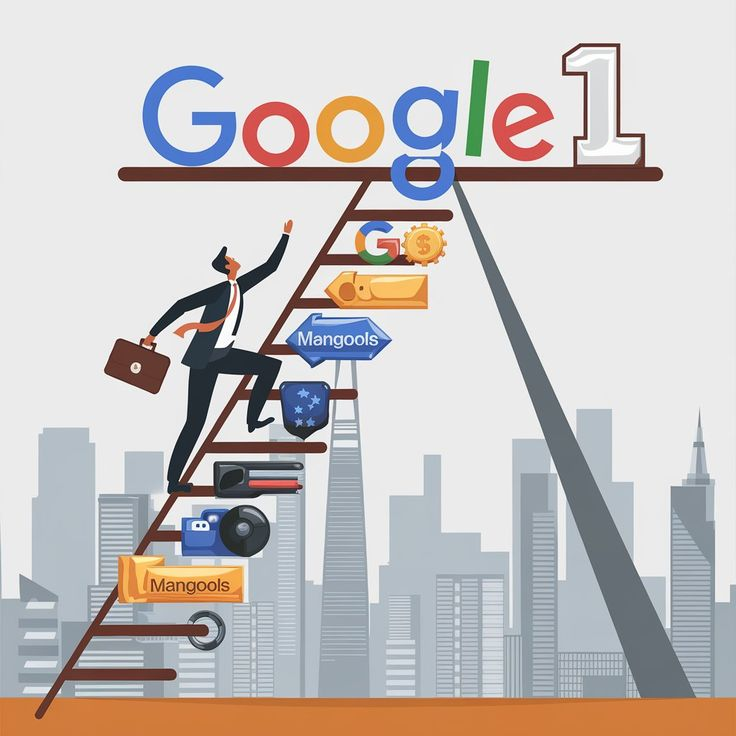
    image 40

    How Local SEO Helps Businesses Rank Faster on Google

    Local SEO is the practice of optimizing your website and online presence to attract more business from local searches. Here’s how it helps local businesses rank faster:

    1. Optimized Google My Business Profile

    A fully optimized GMB profile ensures your business information—like address, phone number, website, and opening hours—is correct. This helps Google trust your business and show it to local searchers.

    2. Location-Based Keywords

    Using location-specific keywords in your website content, meta tags, and blog posts is essential. For example, a Digital Marketer in Indore should include phrases like “best digital marketing services in Indore” on their site.

    3. Consistent NAP (Name, Address, Phone Number)

    Consistency across all online directories and your website strengthens your business’s credibility. Google uses this information to verify your location and business details.

    4. Positive Customer Reviews

    Encourage satisfied customers to leave reviews. Reviews not only improve trust but also signal to Google that your business is active and valuable to users.

    5. Mobile-Friendly Website

    Most local searches happen on mobile devices. A fast, responsive website ensures a better user experience and higher chances of ranking faster on Google.

    6. Local Backlinks

    Collaborating with local blogs, news websites, and directories provides backlinks that improve your domain authority and relevance for local searches.

    Why Local Businesses Rank Faster than Big Companies

    You might wonder, “Why can a small business outrank a large company in Google search?” Here are some reasons:

    1. Less Competition Locally:
      Large companies often compete nationally or globally, while local businesses focus on a smaller geographic area. This reduces competition and makes it easier to rank.
    2. Google Loves Relevance:
      Google prioritizes relevance over size. A nearby pizza shop with accurate information, good reviews, and active engagement will often rank higher than a national chain for a “pizza near me” search.
    3. Quick Implementation:
      Small businesses can implement SEO strategies faster, update content frequently, and respond to reviews immediately. This agility helps them climb search rankings quickly.
    4. Local Community Engagement:
      Businesses that participate in local events, sponsor activities, or get mentioned in local news build backlinks and authority, helping them rank faster.
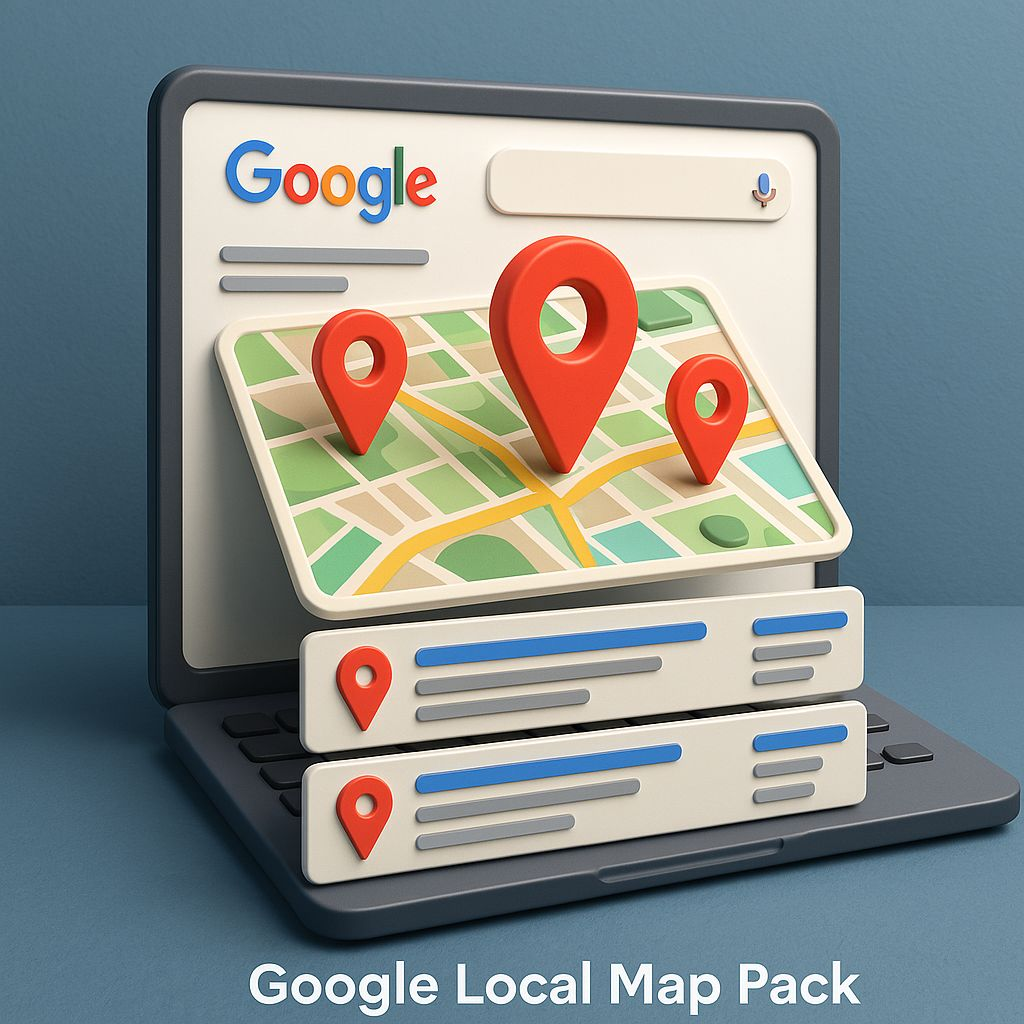
    image 41

    Read also : Online Marketing Indore: 7 Powerful Strategies to Grow Your Business Faster

    How Code With Kamlesh (CWK) Agency Indore Helps Local Businesses

    At Code With Kamlesh (CWK) agency Indore, we understand the importance of local SEO. We help businesses grow by:

    • Optimizing Google My Business profiles for better visibility.
    • Creating location-based content that attracts the right audience.
    • Generating high-quality local backlinks from credible websites.
    • Managing online reviews to improve trust and rankings.
    • Offering website optimization for mobile and faster loading speed.

    As a trusted Digital Marketer in Indore, our team ensures local businesses get noticed by potential customers and rank faster on Google.

    Tips for Local Businesses to Rank Faster on Google

    Here are some actionable tips for local businesses:

    1. Claim and Optimize Your Google My Business Listing
      Ensure your business name, address, phone number, website, and categories are accurate. Add photos and posts regularly.
    2. Use Local Keywords in Your Content
      Include keywords like “Digital Marketer in Indore” naturally in your website pages, blogs, and meta tags.
    3. Encourage Customer Reviews
      Politely ask customers to leave reviews after a service. Respond to all reviews to show engagement.
    4. Build Local Backlinks
      Partner with other local businesses, blogs, and directories to get links to your website.
    5. Optimize Your Website for Mobile
      Make sure your website loads quickly and works well on smartphones. Google favors mobile-friendly sites.
    6. Engage on Social Media
      Share updates, promotions, and local events on social platforms. Google considers social activity when evaluating relevance.

    Read also : SEO Expert Indore: The Ultimate Guide to Choosing the Best SEO Consultant

    Common Mistakes Local Businesses Make in SEO

    Even with a strong potential to rank faster, many local businesses fail due to common mistakes:

    • Ignoring Google My Business optimization
    • Using generic content without location focus
    • Neglecting online reviews
    • Poor website speed and mobile responsiveness
    • Not tracking SEO performance

    Avoiding these mistakes can make the difference between ranking on the first page or staying invisible.

    The Future of Local SEO

    Local SEO is continuously evolving. Here’s what to expect:

    • Voice Search Optimization: People increasingly search using voice commands, like “best coffee shop near me.” Local businesses must optimize for conversational keywords.
    • AI and Chatbots: AI tools can help answer customer queries instantly, improving user experience and ranking potential.
    • Hyper-Local Marketing: Targeting neighborhoods or micro-locations will become more important for local businesses.

    Staying updated with these trends ensures that local businesses continue to rank faster on Google and attract more customers.

    image 42

    Read also : Kamlesh Singad – Digital Marketing Consultant in Indore | Code With Kamlesh

    Final Thoughts

    Ranking on Google is no longer just for big corporations. Local businesses have a unique advantage because of geographical relevance, focused competition, and Google’s preference for local engagement.

    If you are a local business owner looking to improve your online presence, partnering with an experienced Digital Marketer in Indore like Code With Kamlesh (CWK) agency Indore can make all the difference. With the right strategy, you can attract more local customers, increase sales, and rank faster on Google than ever before.

    Remember, success in local SEO is about consistency, relevance, and engagement. Start implementing these strategies today and watch your business grow!

    FAQs

    Q1: What is local SEO?
    Local SEO is the process of optimizing your website and online presence to attract customers from local searches.

    Q2: Why do local businesses rank faster on Google?
    Because Google prioritizes relevance, local engagement, and proximity to searchers, small businesses often climb search results faster than large companies.

    Q3: How important are reviews for local SEO?
    Extremely important. Positive reviews improve trust, credibility, and rankings.

    Q4: Can a small business compete with big companies online?
    Yes. With the right local SEO strategies, small businesses can outrank national brands in their local area.

    Q5: How can Code With Kamlesh (CWK) agency Indore help my business?
    We optimize your Google My Business profile, create local content, manage reviews, and implement SEO strategies to help your business rank faster on Google.


  • Top 50 SEO Executive Interview Questions: A Comprehensive Guide

    Top 50 SEO Executive Interview Questions: A Comprehensive Guide

    In today’s digital age, search engine optimization (SEO) plays a critical role in the success of online businesses. As a result, companies are constantly on the lookout for talented SEO executives who can help them improve their online visibility and drive organic traffic to their websites. If you’re aspiring to be an SEO executive, it’s essential to prepare for the interview process, as it can be quite competitive. In this blog, we’ll delve into the top 50 SEO executive interview questions in simple language, providing examples and explanations to help you ace your interview.

    1. Can you explain what SEO is and why it’s important for websites?

    Example Answer: SEO stands for Search Engine Optimization. It’s the practice of optimizing a website to improve its visibility on search engine results pages (SERPs). SEO is crucial because it helps websites rank higher on search engines like Google, leading to increased organic traffic and potential customers.

    2. What are the main components of SEO?

    Example Answer: SEO consists of on-page optimization (content, keywords, meta tags), off-page optimization (backlinks, social signals), and technical optimization (site structure, load speed).

    3. What is the difference between on-page and off-page SEO?

    Example Answer: On-page SEO refers to optimizing elements on your website itself, like content and meta tags. Off-page SEO involves activities outside your website, such as link-building and social media marketing.

    4. Explain the concept of keyword research. How would you choose relevant keywords for a website?

    Example Answer: Keyword research involves identifying the words and phrases people use when searching online. You can use tools like Google Keyword Planner to find relevant keywords, considering factors like search volume and competition.

    Interview Questions

    5. What is the significance of high-quality content in SEO?

    Example Answer: High-quality content is essential for SEO because it attracts visitors, keeps them engaged, and encourages them to share your content. It also helps search engines understand your website’s relevance to specific keywords.

    6. How do you optimize a webpage for a specific keyword?

    Example Answer: To optimize a webpage for a keyword, you should include it in the page’s title, headers, meta description, and throughout the content. However, avoid keyword stuffing, as it can negatively impact your SEO.

    7. Can you explain the importance of backlinks in SEO?

    Example Answer: Backlinks are links from other websites to your site. They are crucial because they indicate the authority and trustworthiness of your site to search engines. High-quality backlinks can boost your search engine rankings.

    8. What is the difference between follow and nofollow links?

    Example Answer: Follow links pass authority from one page to another, affecting SEO rankings. Nofollow links, on the other hand, don’t pass authority and are often used for user-generated content or paid promotions.

    9. How would you approach an SEO audit for a website?

    Example Answer: An SEO audit involves assessing a website’s performance, identifying issues, and recommending improvements. It includes evaluating on-page elements, backlinks, technical aspects, and content quality.

    10. What are the key on-page SEO factors you would consider while optimizing a website?

    Example Answer: Key on-page factors include optimizing title tags, meta descriptions, header tags, keyword usage, internal linking, and ensuring mobile-friendliness and fast page load times.

    11. Can you explain the importance of mobile optimization for SEO?

    Example Answer: Mobile optimization is crucial because Google prioritizes mobile-friendly websites in its search results. If your site isn’t mobile-responsive, you may lose rankings and traffic.

    12. What is the purpose of XML sitemaps in SEO, and how do they work?

    Example Answer: XML sitemaps help search engines understand the structure of your website and index its pages more efficiently. They list URLs and provide additional information about each page.

    13. How do you deal with duplicate content issues on a website?

    Example Answer: Duplicate content can harm SEO. To address it, use canonical tags, set preferred versions of pages, and ensure that your content is unique and valuable.

    14. What is page speed optimization, and why is it important for SEO?

    Example Answer: Page speed optimization involves making a website load faster. Google considers page speed when ranking websites, so a slow site can lead to lower rankings and user dissatisfaction.

    15. What is HTTPS, and why is it important for SEO?

    Example Answer: HTTPS is a secure version of HTTP. Google gives preference to secure sites, so switching to HTTPS can boost your SEO rankings and increase user trust.

    16. How can you improve a website’s user experience (UX) for SEO?

    Example Answer: Improving UX involves making navigation intuitive, improving page load times, using clear calls-to-action, and ensuring mobile-friendliness. A better UX can lead to higher user engagement and rankings.

    17. Explain the concept of long-tail keywords. Why are they important in SEO?

    Example Answer: Long-tail keywords are longer, more specific keyword phrases. They are valuable because they often have less competition and can attract highly targeted traffic to your website.

    18. What are SEO algorithms, and how do they impact website rankings?

    Example Answer: SEO algorithms are sets of rules search engines use to determine rankings. They consider factors like content quality, backlinks, and user experience. Understanding these algorithms helps SEO professionals optimize websites effectively.

    19. How can you track and measure the success of an SEO campaign?

    Example Answer: You can use tools like Google Analytics and Google Search Console to track organic traffic, rankings, click-through rates (CTR), and conversion rates. Monitoring these metrics helps assess the effectiveness of your SEO efforts.

    20. What is the importance of local SEO, and how can it benefit businesses?

    Example Answer: Local SEO focuses on optimizing a website for local search results. It’s essential for brick-and-mortar businesses as it helps them attract local customers and improve visibility in their target areas.

    21. What are Google’s core web vitals, and why are they important for SEO?

    Example Answer: Google’s core web vitals are a set of performance metrics, including page load time, interactivity, and visual stability. They are crucial because Google considers them when ranking websites, emphasizing a better user experience.

    22. How would you handle a sudden drop in website rankings?

    Example Answer: Investigate potential issues, such as algorithm updates or technical problems, by reviewing Google Search Console data, checking for penalties, and monitoring competitor changes. Develop a plan to address and recover from the drop.

    23. What are schema markup and rich snippets, and how do they impact SEO?

    Example Answer: Schema markup is code added to a website to provide search engines with structured data. Rich snippets are the enhanced search results that appear with additional information. They can increase click-through rates and improve SEO.

    Interview Questions

    24. Can you explain the concept of E-A-T in SEO, and why is it important?

    Example Answer: E-A-T stands for Expertise, Authoritativeness, and Trustworthiness. Google considers these factors when assessing the quality of a website’s content. Demonstrating E-A-T can improve rankings and user trust.

    25. What are 301 and 302 redirects, and when would you use them?

    Example Answer: A 301 redirect is a permanent redirection, while a 302 redirect is temporary. You would use a 301 redirect when permanently moving a page, and a 302 when temporarily redirecting traffic.

    26. What is a robots.txt file, and how does it influence search engine crawling?

    Example Answer: A robots.txt file tells search engines which pages they can and cannot crawl on a website. Properly configuring it ensures that search engines access the right content and exclude sensitive or duplicate pages.

    27. How do you identify and handle toxic backlinks that may harm a website’s SEO?

    Example Answer: Use tools like Google Search Console and third-party backlink analysis tools to identify toxic backlinks. Once identified, create a disavow file and submit it to Google to disavow those links.

    28. Explain the importance of anchor text in SEO. How should you optimize it?

    Example Answer: Anchor text is the clickable text in a hyperlink. It’s essential because it provides context to both users and search engines. To optimize it, use relevant keywords that describe the linked content accurately.

    29. What are header tags, and how do they impact SEO?

    Example Answer: Header tags (H1, H2, H3, etc.) structure the content on a webpage. They help search engines understand the hierarchy and importance of different sections of the page, influencing SEO rankings.

    30. What is the Google Search Console, and how can it help SEO efforts?

    Example Answer: Google Search Console is a free tool provided by Google to monitor and manage a website’s presence in Google search results. It helps identify and resolve issues, track performance, and submit sitemaps.

    31. How can you optimize images for SEO, and why is it important?

    Example Answer: Image optimization involves using descriptive filenames, alt tags, and compressing images to reduce file size. It’s essential because optimized images can improve page load times and enhance user experience.

    32. Can you explain the concept of user intent in SEO, and how does it affect keyword targeting?

    Example Answer: User intent refers to the reason behind a user’s search query. It’s crucial because it helps you understand what users are looking for and tailor your content and keyword targeting accordingly.

    33. What is Google Analytics, and how can it help in SEO analysis?

    Example Answer: Google Analytics is a web analytics tool that provides insights into website traffic, user behavior, and conversions. It helps SEO professionals track the effectiveness of their strategies and make data-driven decisions.

    34. How do you create an effective SEO strategy for a new website?

    Example Answer: An effective SEO strategy for a new website includes keyword research, on-page optimization, content creation, link-building, and ongoing monitoring. It should align with the website’s goals and target audience.

    35. What are the best practices for optimizing a website’s meta titles and descriptions?

    Example Answer: Meta titles should be concise, include primary keywords, and accurately describe the page’s content. Meta descriptions should be compelling, informative, and encourage clicks.

    36. How does social media impact SEO, and what strategies can you use to leverage it?

    Example Answer: Social media can indirectly impact SEO by driving traffic, building brand authority, and attracting backlinks. Strategies include sharing high-quality content, engaging with your audience, and promoting content on social platforms.

    37. What is the role of user-generated content in SEO, and how would you encourage it?

    Example Answer: User-generated content, like reviews and comments, can enhance SEO by providing fresh content and social proof. Encourage it by creating a user-friendly platform, asking for feedback, and incentivizing contributions.

    38. What is a site map, and how does it benefit SEO and user experience?

    Example Answer: A sitemap is a list of all the pages on a website. It helps search engines crawl and index your site efficiently, and it provides users with a clear overview of your website’s structure.

    39. How do you stay updated with the latest SEO trends and algorithm changes?

    Example Answer: Staying updated involves following industry blogs, attending conferences, and participating in online communities. Tools like Google Webmaster Central and Moz can also provide valuable insights.

    40. Can you explain the concept of keyword cannibalization, and how can it be resolved?

    Example Answer: Keyword cannibalization occurs when multiple pages on a website target the same keyword. It can dilute SEO efforts. To resolve it, consolidate content, use canonical tags, and update page titles and content.

    41. What is the role of structured data in SEO, and how can it enhance search results?

    Example Answer: Structured data provides search engines with additional information about a webpage’s content, making it easier for them to display rich snippets in search results, which can improve click-through rates.

    42. How can you improve a website’s internal linking structure for better SEO?

    Example Answer: Improving internal linking involves creating a logical hierarchy, using descriptive anchor text, and linking to relevant content. It enhances user navigation and helps search engines understand the site’s structure.

    43. What is the impact of social signals on SEO, and how can you leverage them?

    Example Answer: Social signals, like shares and likes on social media, can indirectly influence SEO by increasing brand visibility and driving traffic. You can leverage them by creating shareable content and engaging with your audience.

    44. How do you approach international SEO, and what are the key considerations?

    Example Answer: International SEO involves optimizing a website for multiple countries or languages. Key considerations include hreflang tags, content localization, and targeting the right keywords for each audience.

    45. What are the benefits of content marketing in SEO, and how can it be integrated into an SEO strategy?

    Example Answer: Content marketing can attract and engage users, generate backlinks, and establish industry authority. Integrating it into an SEO strategy involves creating valuable content that aligns with SEO goals.

    Interview Questions

    46. Can you explain the concept of click-through rate (CTR) and its relevance in SEO?

    Example Answer: CTR measures the percentage of users who click on a search result. It’s relevant in SEO because higher CTRs can improve rankings, indicating that users find your content relevant and engaging.

    47. How would you approach link-building for SEO, and what are some effective strategies?

    Example Answer: Link-building involves acquiring high-quality backlinks to your site. Effective strategies include guest blogging, outreach, creating link-worthy content, and leveraging industry relationships.

    48. What is the role of online reputation management in SEO, and how can it be achieved?

    Example Answer: Online reputation management involves monitoring and maintaining a positive online image. It’s essential because negative reviews or content can harm SEO. Achieve it by addressing issues promptly, encouraging positive reviews, and creating valuable content.

    49. How can you assess the competitiveness of keywords, and why is it important?

    Example Answer: Assess keyword competitiveness by analyzing factors like search volume, keyword difficulty, and competitor rankings. It’s crucial because targeting highly competitive keywords may require more effort and resources.

    50. Can you provide an example of a successful SEO campaign you’ve worked on, including the goals, strategies, and outcomes?

    Example Answer: Describe a specific SEO

    campaign you’ve been a part of, highlighting the goals, the strategies implemented, and the outcomes achieved. Be sure to mention any challenges faced and how they were overcome.

    Conclusion

    Preparing for an SEO executive interview can be a challenging but rewarding process. By familiarizing yourself with these top 50 SEO interview questions and their example answers, you’ll be well-equipped to demonstrate your expertise and secure that coveted role in the dynamic world of search engine optimization. Remember that practical experience and a deep understanding of SEO concepts are just as important as acing the interview questions, so keep honing your skills and staying updated with the latest industry trends.50 SEO executive interview. Good luck with your SEO career!

    Thank You!

    Read More –

    How to do digital marketing for coaching institute?

    How to search topics or content research for Youtube videos?

    Top 10 niche to create youtube channels and earn passive income