In today’s digital world, every business wants to appear at the top of Google search results. Interestingly, local businesses often rank faster on Googlecompared to large companies. But why is this the case? And how can small and medium-sized businesses take advantage of this to grow online?
AtCode With Kamlesh (CWK) agency Indore, we specialize in helping businesses improve their digital presence. As aDigital Marketer in Indore, we have seen many local businesses quickly climb search rankings using effective strategies. In this blog, we’ll explore why local businesses have an edge on Google and how you can leverage it for your business growth.
What Makes Local Businesses Special in Google Search?
Google’s algorithms are designed to provide users with the most relevant and useful information. When someone searches for a service or product in a specific location, Google prioritizes businesses that are close by and have a strong local presence.
Here’s why local businesses have an advantage:
Geographical Relevance: Local searches include location-specific queries like “Digital Marketer in Indore” or “best bakery near me.” Google identifies businesses near the user’s location and ranks them higher for convenience.
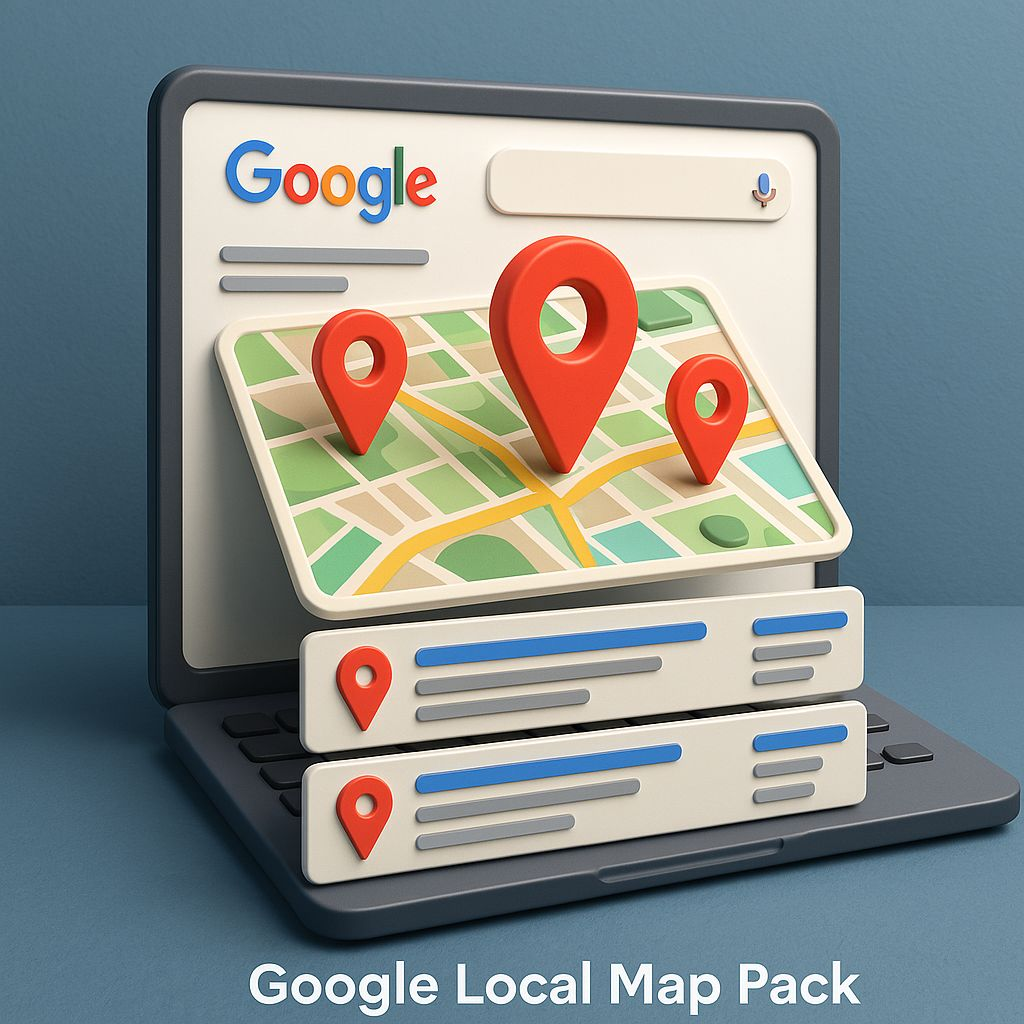
Google My Business (GMB) Listings: Local businesses can create and optimize a Google My Business profile. This allows them to show up in Google Maps, local packs, and organic search results. GMB gives Google accurate information about your business, making it easier to rank faster.
Customer Reviews: Reviews are crucial for local SEO. Businesses with more positive reviews on platforms like Google, Justdial, and Yelp build credibility and trust, which helps them rank faster.
Local Backlinks: Local businesses often get backlinks from nearby partners, local blogs, or directories. These links signal Google that the business is relevant to a specific region.
How Local SEO Helps Businesses Rank Faster on Google
Local SEO is the practice of optimizing your website and online presence to attract more business from local searches. Here’s how it helps local businesses rank faster:
1. Optimized Google My Business Profile
A fully optimized GMB profile ensures your business information—like address, phone number, website, and opening hours—is correct. This helps Google trust your business and show it to local searchers.
2. Location-Based Keywords
Using location-specific keywords in your website content, meta tags, and blog posts is essential. For example, a Digital Marketer in Indore should include phrases like “best digital marketing services in Indore” on their site.
3. Consistent NAP (Name, Address, Phone Number)
Consistency across all online directories and your website strengthens your business’s credibility. Google uses this information to verify your location and business details.
4. Positive Customer Reviews
Encourage satisfied customers to leave reviews. Reviews not only improve trust but also signal to Google that your business is active and valuable to users.
5. Mobile-Friendly Website
Most local searches happen on mobile devices. A fast, responsive website ensures a better user experience and higher chances of ranking faster on Google.
6. Local Backlinks
Collaborating with local blogs, news websites, and directories provides backlinks that improve your domain authority and relevance for local searches.
Why Local Businesses Rank Faster than Big Companies
You might wonder, “Why can a small business outrank a large company in Google search?” Here are some reasons:
Less Competition Locally: Large companies often compete nationally or globally, while local businesses focus on a smaller geographic area. This reduces competition and makes it easier to rank.
Google Loves Relevance: Google prioritizes relevance over size. A nearby pizza shop with accurate information, good reviews, and active engagement will often rank higher than a national chain for a “pizza near me” search.
Quick Implementation: Small businesses can implement SEO strategies faster, update content frequently, and respond to reviews immediately. This agility helps them climb search rankings quickly.
Local Community Engagement: Businesses that participate in local events, sponsor activities, or get mentioned in local news build backlinks and authority, helping them rank faster.
How Code With Kamlesh (CWK) Agency Indore Helps Local Businesses
At Code With Kamlesh (CWK) agency Indore, we understand the importance of local SEO. We help businesses grow by:
Optimizing Google My Business profiles for better visibility.
Creating location-based content that attracts the right audience.
Generating high-quality local backlinks from credible websites.
Managing online reviews to improve trust and rankings.
Offering website optimization for mobile and faster loading speed.
As a trusted Digital Marketer in Indore, our team ensures local businesses get noticed by potential customers and rank faster on Google.
Tips for Local Businesses to Rank Faster on Google
Here are some actionable tips for local businesses:
Claim and Optimize Your Google My Business Listing Ensure your business name, address, phone number, website, and categories are accurate. Add photos and posts regularly.
Use Local Keywords in Your Content Include keywords like “Digital Marketer in Indore” naturally in your website pages, blogs, and meta tags.
Encourage Customer Reviews Politely ask customers to leave reviews after a service. Respond to all reviews to show engagement.
Build Local Backlinks Partner with other local businesses, blogs, and directories to get links to your website.
Optimize Your Website for Mobile Make sure your website loads quickly and works well on smartphones. Google favors mobile-friendly sites.
Engage on Social Media Share updates, promotions, and local events on social platforms. Google considers social activity when evaluating relevance.
Even with a strong potential to rank faster, many local businesses fail due to common mistakes:
Ignoring Google My Business optimization
Using generic content without location focus
Neglecting online reviews
Poor website speed and mobile responsiveness
Not tracking SEO performance
Avoiding these mistakes can make the difference between ranking on the first page or staying invisible.
The Future of Local SEO
Local SEO is continuously evolving. Here’s what to expect:
Voice Search Optimization: People increasingly search using voice commands, like “best coffee shop near me.” Local businesses must optimize for conversational keywords.
AI and Chatbots: AI tools can help answer customer queries instantly, improving user experience and ranking potential.
Hyper-Local Marketing: Targeting neighborhoods or micro-locations will become more important for local businesses.
Staying updated with these trends ensures that local businesses continue to rank faster on Google and attract more customers.
Ranking on Google is no longer just for big corporations. Local businesses have a unique advantage because of geographical relevance, focused competition, and Google’s preference for local engagement.
If you are a local business owner looking to improve your online presence, partnering with an experienced Digital Marketer in Indore like Code With Kamlesh (CWK) agency Indore can make all the difference. With the right strategy, you can attract more local customers, increase sales, and rank faster on Google than ever before.
Remember, success in local SEO is about consistency, relevance, and engagement. Start implementing these strategies today and watch your business grow!
FAQs
Q1: What is local SEO? Local SEO is the process of optimizing your website and online presence to attract customers from local searches.
Q2: Why do local businesses rank faster on Google? Because Google prioritizes relevance, local engagement, and proximity to searchers, small businesses often climb search results faster than large companies.
Q3: How important are reviews for local SEO? Extremely important. Positive reviews improve trust, credibility, and rankings.
Q4: Can a small business compete with big companies online? Yes. With the right local SEO strategies, small businesses can outrank national brands in their local area.
Q5: How can Code With Kamlesh (CWK) agency Indore help my business? We optimize your Google My Business profile, create local content, manage reviews, and implement SEO strategies to help your business rank faster on Google.
Local SEO has become an indispensable tool for businesses aiming to attract nearby customers and increase their online visibility. As consumers increasingly rely on search engines to find local services and products, optimizing your website for local searches can significantly impact your business’s success. This comprehensive guide will explore the essential strategies and best practices for local SEO, helping you connect with local searchers and drive more traffic to your website.
Introduction to Local SEO
Local SEO refers to the process of optimizing your online presence to attract more business from relevant local searches. These searches take place on various search engines, but particularly on Google, which holds a significant market share. Local SEO helps businesses promote their products and services to local prospects and customers.
The Importance of Local SEO
1. Increased Online Visibility
Optimizing for local SEO enhances your business’s visibility on search engine results pages (SERPs), making it easier for local customers to find you. Appearing in local search results and Google Maps increases your chances of being discovered by potential customers.
2. Targeted Traffic
Local SEO attracts highly targeted traffic. When users perform local searches, they are often ready to make a purchase or visit a business. By optimizing your website for local searches, you attract customers who are more likely to convert.
3. Competitive Advantage
Local SEO provides a competitive edge over businesses that do not optimize their online presence for local searches. By appearing in local search results, you can stand out from competitors and attract more customers.
Key Elements of Local SEO
1. Google My Business (GMB)
Claiming and optimizing your Google My Business listing is one of the most crucial steps in local SEO. GMB helps your business appear in local search results and on Google Maps. Here’s how to optimize your GMB listing:
a. Complete Your Profile
Ensure that all information on your GMB profile is complete and accurate. This includes your business name, address, phone number, website, business hours, and category. Add high-quality images of your business and services to enhance your profile.
b. Use Relevant Keywords
Incorporate relevant keywords in your business description and services to help Google understand what your business offers. Avoid keyword stuffing; instead, use natural language that accurately describes your business.
c. Collect Reviews
Encourage satisfied customers to leave positive reviews on your GMB listing. Reviews not only improve your local rankings but also build trust with potential customers. Respond to reviews to show that you value customer feedback.
2. Local Citations
Local citations are online mentions of your business’s name, address, and phone number (NAP). These citations appear on local business directories, websites, and social media platforms. Consistent and accurate NAP information across all citations is crucial for local SEO.
a. Consistency is Key
Ensure that your NAP information is consistent across all platforms. Inconsistent information can confuse search engines and negatively impact your local rankings.
b. Leverage Local Directories
Submit your business to reputable local directories, such as Yelp, Yellow Pages, and industry-specific directories. This helps increase your online visibility and build authority.
3. On-Page SEO
On-page SEO involves optimizing the content and HTML source code of your website. Key on-page SEO elements for local SEO include:
a. Title Tags and Meta Descriptions
Incorporate local keywords in your title tags and meta descriptions. These elements appear in search results and can influence click-through rates. For example, use titles like “Best Italian Restaurant in [City]” to target local searches.
b. Header Tags
Use header tags (H1, H2, H3) to structure your content and include local keywords. This helps search engines understand the context of your content and improves readability for users.
c. Local Content
Create content that resonates with local audiences. This could include blog posts about local events, news, or community involvement. Highlighting your local presence and expertise can attract more local visitors.
4. Mobile Optimization
With the rise of mobile searches, ensuring your website is mobile-friendly is crucial for local SEO. Mobile optimization involves:
a. Responsive Design
Use a responsive design that adapts to different screen sizes and devices. A mobile-friendly website provides a better user experience and is favored by search engines.
b. Fast Loading Speed
Optimize your website’s loading speed for mobile devices. Slow-loading websites can frustrate users and negatively impact your rankings.
c. Click-to-Call Buttons
Implement click-to-call buttons on your website, making it easy for mobile users to contact your business directly from their devices.
Advanced Local SEO Strategies
1. Local Backlinks
Backlinks from local websites and directories can boost your local SEO efforts. Local backlinks signal to search engines that your business is relevant to the local area.
a. Partner with Local Businesses
Collaborate with local businesses and organizations to earn backlinks. Participate in local events, sponsor community activities, and get featured on local news websites to gain valuable backlinks.
b. Guest Blogging
Write guest posts for local blogs and websites. This not only helps with backlinks but also increases your exposure to the local audience.
2. Schema Markup
Schema markup is a form of microdata that helps search engines understand the content on your website. Implementing local schema markup can improve your chances of appearing in local search results.
a. Local Business Schema
Use local business schema markup to provide search engines with detailed information about your business, such as your address, phone number, business hours, and services.
b. Event Schema
If your business hosts local events, use event schema markup to provide search engines with information about the events, including dates, locations, and descriptions.
3. Voice Search Optimization
With the increasing use of voice assistants like Siri, Alexa, and Google Assistant, optimizing for voice search is becoming essential for local SEO.
a. Natural Language Keywords
Use natural language keywords that reflect how people speak. Voice searches are often more conversational, so optimize your content with long-tail keywords and phrases.
b. Answer Questions
Create content that answers common questions related to your business and industry. This can increase your chances of appearing in voice search results.
Monitoring and Measuring Local SEO Success
Successfully optimizing for local SEO requires continuous monitoring and measurement to ensure that your efforts yield the desired results. By tracking key performance indicators (KPIs) and using the right tools, you can gain valuable insights into how well your local SEO strategy is performing and identify areas for improvement. Here, we will discuss the essential metrics to monitor, the tools to use, and the steps to take to effectively measure your local SEO success.
1. Key Performance Indicators (KPIs) for Local SEO
To accurately assess your local SEO performance, you need to track specific KPIs that reflect your visibility, engagement, and overall effectiveness. Here are the primary KPIs to focus on:
a. Local Search Rankings: Your position in local search results is a critical indicator of your SEO success. Track your rankings for key local search terms and phrases relevant to your business. Tools like Google Search Console and third-party SEO platforms can help you monitor these rankings over time.
b. Organic Traffic: Measure the amount of organic traffic coming to your website from local searches. Google Analytics can provide detailed insights into the volume of traffic, the geographic locations of your visitors, and the pages they visit.
c. Google My Business Insights: Google My Business (GMB) provides a wealth of data on how users interact with your business listing. Key metrics include:
Search Views: How often your listing appears in search results.
Maps Views: How often your listing appears in Google Maps.
Customer Actions: The number of actions taken by users, such as visiting your website, requesting directions, or calling your business.
d. Click-Through Rate (CTR): CTR measures the percentage of users who click on your listing after seeing it in search results. A high CTR indicates that your listing is attractive and relevant to searchers. Google Search Console can help you track CTR for your site.
e. Conversion Rate: Conversion rate tracks the percentage of visitors who take a desired action, such as filling out a contact form, making a purchase, or booking an appointment. This metric is crucial for understanding the effectiveness of your local SEO in driving actual business results.
f. Online Reviews and Ratings: Monitor the number and quality of online reviews across platforms like Google, Yelp, and Facebook. Positive reviews and high ratings not only enhance your reputation but also influence your local search rankings.
g. Local Backlinks: Track the number and quality of backlinks from local websites and directories. Tools like Ahrefs and Moz can help you identify these backlinks and assess their impact on your SEO.
2. Tools for Monitoring Local SEO
Several tools can help you effectively monitor and measure your local SEO performance. Here are some of the most useful ones:
a. Google Analytics: Google Analytics provides comprehensive data on your website traffic, including the sources of traffic, user behavior, and conversion rates. Use it to track organic traffic from local searches and measure the effectiveness of your SEO efforts.
b. Google Search Console: Google Search Console helps you monitor your website’s performance in Google search results. It provides data on search impressions, clicks, and average position for your pages, as well as insights into any issues affecting your site’s visibility.
c. Google My Business: The Google My Business dashboard offers detailed insights into how users interact with your GMB listing. Track metrics such as search views, maps views, and customer actions to understand how your listing is performing.
d. Moz Local: Moz Local helps you manage your local business listings and track your local search performance. It provides insights into your visibility across various local directories and highlights any inconsistencies in your NAP information.
e. BrightLocal: BrightLocal offers a suite of tools designed specifically for local SEO. It includes features for tracking local search rankings, managing online reviews, and monitoring local citations and backlinks.
f. Ahrefs: Ahrefs is a powerful SEO tool that can help you track your backlink profile, analyze your competitors, and monitor your search rankings. Use it to identify local backlinks and assess their impact on your SEO.
g. SEMrush: SEMrush provides a range of SEO tools, including local SEO tracking features. It can help you monitor your local search rankings, analyze your competitors, and track your online visibility.
3. Steps to Measure Local SEO Success
To effectively measure your local SEO success, follow these steps:
a. Set Clear Goals: Before you start tracking metrics, define clear goals for your local SEO efforts. These goals should align with your overall business objectives and be specific, measurable, achievable, relevant, and time-bound (SMART).
b. Establish Baselines: Establish baseline metrics for your key KPIs before implementing your local SEO strategy. This will provide a reference point to measure your progress and assess the impact of your efforts.
c. Regular Monitoring: Monitor your key metrics regularly to track your progress and identify any trends or issues. Use the tools mentioned above to gather data and generate reports on a weekly or monthly basis.
d. Analyze the Data: Analyze the data to gain insights into your local SEO performance. Look for patterns and correlations between different metrics, such as the relationship between search rankings and organic traffic or the impact of online reviews on customer actions.
e. Adjust Your Strategy: Based on your analysis, make data-driven adjustments to your local SEO strategy. This might include optimizing your GMB listing, creating more localized content, building additional local backlinks, or improving your website’s mobile experience.
f. Continuous Improvement: Local SEO is an ongoing process that requires continuous monitoring and optimization. Regularly review your goals, track your performance, and make necessary adjustments to stay ahead of the competition and maintain high local search rankings.
Monitoring and measuring local SEO success is crucial for understanding the effectiveness of your efforts and making informed decisions to improve your strategy. By tracking key performance indicators, using the right tools, and following a systematic approach, you can gain valuable insights into your local SEO performance and drive better results for your business. Stay proactive and adaptive in your local SEO efforts to ensure continued growth and success in attracting local customers and enhancing your online presence.
Case Studies: Successful Local SEO Implementations
To illustrate the effectiveness of local SEO strategies, let’s delve into some real-world case studies. These examples demonstrate how businesses across various industries have successfully implemented local SEO to enhance their online presence, attract local customers, and achieve significant business growth.
1. Local Restaurant: From Hidden Gem to Local Favorite
Background: A family-owned Italian restaurant in a suburban area was struggling to attract new customers. Despite offering high-quality food and exceptional service, their visibility in local search results was limited, and their online presence was minimal.
Challenges:
Low visibility in local search results
Inconsistent online reviews
Limited engagement on social media
Strategy:
a. Google My Business Optimization
The restaurant claimed and optimized their Google My Business (GMB) listing. They ensured all information was accurate and complete, including their address, phone number, website, hours of operation, and menu. They also added high-quality photos of their dishes and the restaurant ambiance.
b. Encouraging Customer Reviews
To build credibility and improve their online reputation, the restaurant actively encouraged satisfied customers to leave positive reviews on their GMB listing and other review sites like Yelp and TripAdvisor. They also responded to reviews, thanking customers for their feedback and addressing any concerns.
c. Local Content Creation
The restaurant started a blog on their website featuring local content, such as recipes, cooking tips, and articles about Italian cuisine. They also wrote posts about local events they were participating in, helping to create a sense of community and engagement.
d. Social Media Engagement
They increased their activity on social media platforms, sharing behind-the-scenes content, daily specials, and customer testimonials. This helped to engage with their local audience and attract new followers.
Results:
Increased Online Visibility: The restaurant’s visibility in local search results improved significantly, leading to a higher number of website visits and calls for reservations.
Higher Foot Traffic: As their online reviews and ratings improved, more local customers discovered and visited the restaurant.
Enhanced Brand Loyalty: Regular engagement on social media and positive customer interactions fostered a loyal customer base.
2. Home Services Company: Dominating Local Searches
Background: A home services company specializing in plumbing and electrical work faced stiff competition from other local providers. Although they had a strong reputation for quality service, they were not appearing in local search results, resulting in fewer inquiries and service bookings.
Challenges:
High competition in local search results
Lack of online visibility
Limited customer engagement online
Strategy:
a. Local Keyword Optimization
The company conducted keyword research to identify relevant local search terms, such as “plumber in [City]” and “emergency electrical services [City].” They incorporated these keywords into their website’s meta titles, descriptions, headers, and content.
b. Google My Business and Local Directories
They optimized their GMB listing with detailed information, including service descriptions, high-quality images, and regular updates about their services. They also ensured their business was listed in local directories and industry-specific sites, maintaining consistent NAP (Name, Address, Phone number) information across all platforms.
c. Earning Local Backlinks
To build authority and improve search rankings, the company sought backlinks from reputable local websites. They partnered with local businesses and participated in community events, earning mentions and links from local news websites and blogs.
d. Mobile-Friendly Website
They revamped their website to ensure it was mobile-friendly, with fast loading times and an easy-to-navigate design. This improved the user experience for visitors accessing their site via mobile devices.
Results:
Improved Local Search Rankings: The company’s website began to appear in the top positions for relevant local search queries, significantly increasing their visibility.
Increased Inquiries and Bookings: Higher search rankings led to an increase in service inquiries and bookings, driving business growth.
Stronger Online Presence: Consistent NAP information and positive customer reviews across multiple platforms enhanced their online reputation.
3. Boutique Retail Store: Attracting Local Shoppers
Background: A boutique retail store offering unique handmade products wanted to attract more local shoppers to their physical location. Although they had an online presence, they struggled to compete with larger retailers in local search results.
Challenges:
Limited online visibility in local searches
Competing with larger retailers
Low foot traffic to the physical store
Strategy:
a. Optimizing Google My Business
The store optimized their GMB profile by adding detailed descriptions of their products, high-quality photos, and regular updates about new arrivals and promotions. They also utilized GMB posts to share upcoming events and special offers.
b. Creating Localized Content
They created a blog focused on local interests and events, such as local artisan fairs, community initiatives, and spotlights on local artists whose products were sold in the store. This helped to connect with the local community and attract readers interested in local culture.
c. Hosting Local Events
The boutique hosted local events, such as craft workshops and meet-the-artist sessions, which they promoted through their website, social media, and GMB posts. These events attracted local customers and provided opportunities for in-person engagement.
d. Utilizing Social Media and Influencers
They collaborated with local influencers and bloggers to review and promote their products. This extended their reach and introduced the store to new local audiences.
Results:
Higher Local Search Visibility: The store’s optimization efforts led to higher rankings in local search results, increasing online visibility.
Increased Foot Traffic: Local events and collaborations with influencers drove more foot traffic to the physical store.
Stronger Community Engagement: The store’s focus on local content and events helped build a loyal customer base and stronger community ties.
FAQs
What is local SEO?
Local SEO is the process of optimizing your online presence to attract more business from relevant local searches. It involves optimizing your website and online profiles to rank higher in local search results and on Google Maps.
Why is local SEO important?
Local SEO is important because it helps businesses increase their visibility in local search results, attract targeted traffic, and gain a competitive advantage over businesses that do not optimize for local searches.
How can I optimize my Google My Business listing?
To optimize your Google My Business listing, complete your profile with accurate information, use relevant keywords, upload high-quality images, and encourage customers to leave reviews. Respond to reviews to show you value customer feedback.
What are local citations?
Local citations are online mentions of your business’s name, address, and phone number (NAP). These citations appear on local business directories, websites, and social media platforms. Consistent and accurate NAP information is crucial for local SEO.
How does mobile optimization impact local SEO?
Mobile optimization impacts local SEO by providing a better user experience for mobile users, who make up a significant portion of local searchers. A mobile-friendly website is favored by search engines and can improve your local search rankings.
What are some advanced local SEO strategies?
Advanced local SEO strategies include earning local backlinks, implementing local schema markup, and optimizing for voice search. These strategies enhance your local search visibility and attract more targeted traffic.
Conclusion
Local SEO is a powerful tool for businesses looking to attract local customers and increase their online visibility. By optimizing your Google My Business listing, ensuring consistent local citations, implementing on-page SEO strategies, and leveraging advanced tactics like local backlinks and schema markup, you can improve your local search rankings and drive more traffic to your website. Monitoring your performance and making continuous adjustments to your strategy will help you stay ahead in the competitive local market. Embrace the potential of local SEO to connect with your local audience, build trust, and grow your business.