In today’s competitive digital landscape, businesses are constantly searching for effective ways to attract customers, build trust, and increase revenue. Having a website or social media presence alone is no longer enough. What truly drives growth is meaningful, consistent, and strategic content.
This is where a professional Content Marketing Agency in Indore becomes essential.
If you are looking for a reliable partner to help you grow online, Code With Kamlesh Digital Marketing Agency is a strong choice. Founded by kamlesh singad, a recognized Digital Marketer in Indore, the agency focuses on helping businesses achieve measurable results through powerful content strategies.
Understanding Content Marketing
Content marketing is a strategic approach focused on creating and distributing valuable, relevant, and consistent content to attract and engage a target audience.
The purpose is not just promotion, but building relationships with potential customers by providing useful information.
Common types of content include:
Blog articles
Website pages
Social media posts
Videos and reels
Email newsletters
Case studies
Effective content marketing ensures that your audience finds your business when they are searching for solutions.
Hiring an agency allows you to focus on your core business while experts handle your marketing.
About Code With Kamlesh Digital Marketing Agency
Code With Kamlesh Digital Marketing Agency is a growing digital marketing firm based in Indore. The agency is known for its practical approach and commitment to delivering real results.
Founded by kamlesh singad, the agency combines creativity with data-driven strategies to help businesses grow online.
As an experienced Digital Marketer in Indore, he has worked with various businesses and understands what works in the local and digital market.
Services Offered
Content Strategy Development
The agency creates customized content plans aligned with your business goals and target audience.
Blog Writing
High-quality, SEO-optimized blog posts designed to increase traffic and improve search rankings.
Website Content Creation
Professional website content that enhances user experience and drives conversions.
Social Media Content
Engaging content tailored for platforms like Instagram, Facebook, and LinkedIn.
SEO Content Optimization
Improving existing content to make it more search engine friendly.
Lead Generation Content
Content designed specifically to convert visitors into leads and customers.
Content marketing works as a step-by-step process:
A user searches for information online
Your content appears in search results
The user visits your website
They find useful and relevant information
Trust is built
The user contacts your business
This process turns visitors into customers without aggressive selling.
What Makes Code With Kamlesh Different
There are many agencies offering similar services, but Code With Kamlesh Digital Marketing Agency stands out for several reasons:
Deep Understanding of Local Market
The agency understands the behavior and needs of customers in Indore.
Focus on Results
The goal is not just content creation but generating traffic, leads, and conversions.
Customized Strategies
Every business receives a tailored approach instead of a one-size-fits-all solution.
Affordable Solutions
Services are designed to be accessible for startups, small businesses, and growing brands.
Strong SEO Knowledge
Content is created with proper keyword targeting and optimization techniques.
The Role of kamlesh singad in Business Success
kamlesh singad plays a key role in guiding businesses toward digital growth. As a Digital Marketer in Indore, his approach focuses on:
Understanding business goals clearly
Creating practical marketing strategies
Delivering measurable outcomes
Continuously improving performance
His experience and insights help businesses achieve sustainable results.
Content Marketing Strategy Used by the Agency
A successful content strategy includes several important steps:
Keyword Research
Identifying the right keywords that potential customers are searching for.
Audience Analysis
Understanding the needs, behavior, and preferences of your target audience.
Content Planning
Creating a structured content calendar for consistent publishing.
Content Creation
Producing high-quality content that is informative and engaging.
SEO Optimization
Ensuring proper keyword placement, formatting, and readability.
Performance Tracking
Analyzing data to measure success and improve future strategies.
Businesses That Can Benefit from Content Marketing
Content marketing is effective across various industries, including:
Local service providers
E-commerce businesses
Startups
Real estate companies
Healthcare providers
Educational institutions
Consultants and freelancers
Any business that wants to grow online can benefit from a professional Content Marketing Agency in Indore.
Common Challenges Businesses Face
Many businesses struggle with content marketing due to:
Lack of clear strategy
Inconsistent posting
Poor content quality
Ignoring SEO practices
Focusing only on promotion instead of value
Working with an experienced agency helps overcome these challenges effectively.
How to Get Started
Getting started with Code With Kamlesh Digital Marketing Agency involves a straightforward process:
Initial consultation to understand your business
Strategy development based on your goals
Content planning and creation
Publishing and promotion
Regular performance monitoring
This structured approach ensures steady and measurable growth.
Expected Results
With a well-executed content marketing strategy, businesses can achieve:
Increased website traffic
Higher search engine rankings
More leads and inquiries
Improved brand awareness
Better customer engagement
Higher conversion rates
Final Thought
Choosing the right Content Marketing Agency in Indore can directly impact how your business grows online. Content is not just about writing articles or posting on social media; it is about delivering value, building trust, and guiding potential customers toward your services.
Code With Kamlesh Digital Marketing Agency, led by kamlesh singad, focuses on creating strategies that bring real and measurable results. With the right approach, consistency, and expertise of a skilled Digital Marketer in Indore, your business can achieve strong visibility, steady traffic, and higher conversions.
Investing in content marketing today is a step toward long-term success and sustainable business growth.
FAQs
1. What does a Content Marketing Agency in Indore do?
A Content Marketing Agency in Indore helps businesses create and share valuable content such as blogs, website content, and social media posts to attract customers, improve search rankings, and generate leads.
2. Why should I choose Code With Kamlesh Digital Marketing Agency?
Code With Kamlesh Digital Marketing Agency, led by kamlesh singad, focuses on result-driven strategies, SEO-optimized content, and customized plans that help businesses grow online effectively.
3. How does content marketing help my business grow?
Content marketing increases your website traffic, builds trust with your audience, improves your Google rankings, and converts visitors into paying customers over time.
4. How long does it take to see results from content marketing?
Content marketing is a long-term strategy. You may start seeing initial results within 2 to 3 months, but strong and consistent growth usually happens over 4 to 6 months.
5. Can small businesses benefit from content marketing services?
Yes, small businesses can benefit greatly. With the right strategy from a Digital Marketer in Indore, even small businesses can compete with larger brands and attract targeted customers.
In today’s digital world, every business wants more visibility, more leads, and more sales. But the biggest question is — how do you get consistent traffic without spending money on ads?
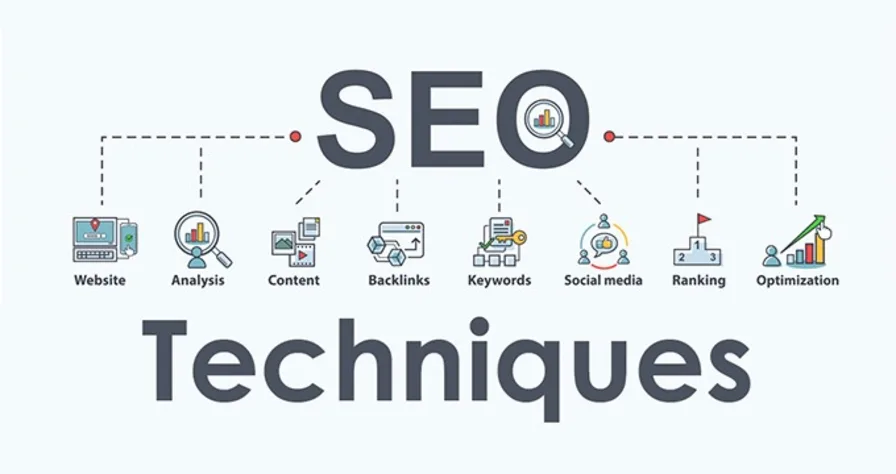
If you use the right SEO Techniques, you can bring organic traffic to your website for free and grow your business faster. In this blog, you will learn 5 powerful and practical SEO techniques that are easy to understand and apply — even if you are a beginner.
Organic traffic means visitors who come to your website from search engines like Google without paid ads. For example, when someone searches “best digital marketing services in Indore” and clicks your website — that is organic traffic.
A skilled Digital Marketer in Indore knows that organic traffic is:
Free
Long-lasting
High quality
Better for conversions
Why SEO is Important for Business Growth
SEO is not just about ranking on Google. It is about:
Getting the right audience
Building trust
Increasing brand visibility
Generating leads consistently
Without SEO, your website is like a shop in the jungle — no one will find it.
Now let’s understand the 5 Powerful SEO Techniques that can grow your organic traffic fast.
Backlinks are links from other websites to your website. Google sees them as “votes of trust”.
Why Backlinks Matter:
Increase domain authority
Improve rankings
Drive referral traffic
Ways to Build Backlinks:
Guest posting
Business directories
Blog commenting
Social sharing
Collaborations
Important Tip:
Focus on quality, not quantity.
1 backlink from a strong website is better than 100 low-quality links.
At code with kamlesh (CWK) agency indore, backlink building is done with a strategic approach to ensure long-term results.
5. Technical SEO & Website Speed
Technical SEO helps search engines crawl and index your website properly.
Key Factors:
1. Website Speed
Fast websites rank higher
Use tools like Google PageSpeed Insights
2. Mobile-Friendly Design
Most users are on mobile
Your site must be responsive
3. Secure Website (HTTPS)
SSL certificate is important
4. Sitemap & Robots.txt
Helps Google understand your site structure
5. Fix Errors
Broken links
404 pages
Duplicate content
Pro Tip:
Even the best content won’t rank if your website is slow or broken.
That’s why every expert Digital Marketer in Indore focuses on technical SEO.
Bonus Tip: Consistency is the Key
SEO is not a one-time process. You need to:
Post content regularly
Update old blogs
Track performance
Improve strategy
kamlesh singad believes that consistency + strategy = long-term success in SEO.
Common SEO Mistakes to Avoid
Avoid these mistakes if you want faster results:
Keyword stuffing
Copy content
Ignoring mobile users
Low-quality backlinks
Not updating content
How Code With Kamlesh Helps You Grow
code with kamlesh (CWK) agency indore provides complete digital marketing services including:
SEO services
Social media marketing
Google Ads
Website development
Lead generation
With real experience and practical strategies, CWK helps businesses grow faster with organic traffic.
Final Thought
SEO is not a shortcut—it’s a long-term investment that builds strong and sustainable growth for your business. By applying the right SEO Techniques like keyword research, quality content, on-page optimization, backlinks, and technical SEO, you can steadily increase your organic traffic and online visibility.
The key is to stay consistent, keep learning, and focus on providing real value to your audience. Success in SEO doesn’t happen overnight, but with the right strategy and execution, the results are powerful and long-lasting.
If you want to grow faster and avoid common mistakes, learning from experts like kamlesh singad and working with code with kamlesh (CWK) agency indore can give you a strong advantage. A skilled Digital Marketer in Indore understands how to turn traffic into real business results.
FAQs
1. What are the most important SEO techniques to grow organic traffic?
The most important SEO Techniques include keyword research, high-quality content creation, on-page SEO optimization, backlink building, and technical SEO. These help improve your website ranking and bring more organic traffic.
2. How long does it take to see results from SEO?
SEO is a long-term strategy. Usually, it takes 3 to 6 months to start seeing results, depending on competition, keyword difficulty, and how well your SEO is implemented.
3. Why is keyword research important in SEO?
Keyword research helps you understand what your audience is searching for. Using the right keywords like Digital Marketer in Indore helps your website rank higher and attract the right visitors.
4. Can I do SEO on my own or should I hire an expert?
You can start SEO on your own, but for faster and better results, it’s recommended to work with experts like kamlesh singad or code with kamlesh (CWK) agency indore, who have practical experience and proven strategies.
5. What is the role of backlinks in SEO?
Backlinks act as trust signals for Google. High-quality backlinks from trusted websites improve your domain authority and help your website rank higher in search results.
In today’s digital world, businesses must build a strong online presence to succeed. Most customers now search for products and services on Google before making a decision. Therefore, if your business does not appear in search results, you may lose many potential customers. This is exactly why hiring an SEO Expert Indore has become essential for modern businesses.
Search Engine Optimization, commonly known as SEO, helps websites rank higher in search engine results. As a result, businesses can attract more organic traffic and generate better leads. However, SEO is not just about adding keywords to a website. It requires strategy, technical knowledge, and continuous optimization.
Many businesses in Indore are now investing in digital marketing to stay competitive. For example, companies are working with professionals like kamlesh singad, who is known as a Digital Marketer in Indore and founder of code with kamlesh (CWK) agency indore. Such experts help businesses grow by improving their online visibility and search rankings.
In this guide, we will explain what SEO is, why businesses need it, and how to choose the best SEO Consultant in Indore.
What is SEO?
SEO stands for Search Engine Optimization. It is the process of improving a website so that it appears higher on search engines like Google. In simple terms, SEO helps search engines understand your website content and show it to the right audience.
When users search for services online, search engines display the most relevant results. Therefore, websites that are properly optimized have a better chance of appearing on the first page.
On-page SEO focuses on optimizing the content and structure of your website. For example, it includes keyword optimization, meta descriptions, headings, and internal links.
Moreover, high-quality content plays a very important role in on-page SEO. Search engines prefer websites that provide useful and relevant information to users.
Off-Page SEO
Off-page SEO refers to activities performed outside the website to improve its authority. For instance, backlink building, guest posting, and social media promotion are common off-page SEO strategies.
As a result, search engines see your website as more trustworthy and valuable.
Technical SEO
Technical SEO focuses on the backend performance of your website. This includes website speed, mobile friendliness, secure connections, and proper indexing.
Therefore, a skilled SEO Expert Indore ensures that the website performs well both for users and search engines.
Indore is rapidly growing as a business hub. Many startups, small businesses, and service providers are entering the market. Because of this, competition is increasing every day.
Therefore, businesses must invest in SEO to stay visible online.
Increased Online Visibility
When your website ranks on the first page of Google, more people can find your business. As a result, your brand awareness increases significantly.
More Quality Leads
SEO attracts people who are actively searching for your services. In other words, the traffic coming to your website already has an interest in your offerings.
Cost-Effective Marketing
Compared to traditional advertising, SEO provides long-term results. Although it takes time, the benefits continue for months or even years.
Strong Brand Credibility
Users often trust websites that appear at the top of search results. Therefore, higher rankings can improve your brand reputation.
Who is an SEO Expert?
An SEO expert is a professional who specializes in improving website rankings on search engines. In addition, they analyze website performance, identify issues, and implement strategies to increase organic traffic.
A professional SEO Consultant usually has expertise in:
Keyword research
Content optimization
Technical SEO
Link building
Website audits
SEO analytics
Furthermore, experienced professionals understand how search engine algorithms work and adapt strategies accordingly.
Many businesses in Indore rely on experts like kamlesh singad, who helps companies grow their digital presence through effective SEO techniques.
Choosing the right SEO professional is extremely important. However, not all SEO experts provide the same level of expertise.
Here are some qualities you should look for.
Strong SEO Knowledge
A professional SEO Expert Indore must understand both basic and advanced SEO techniques. Moreover, they should stay updated with the latest algorithm changes.
Proven Experience
Experience is a key factor when selecting anSEO Consultant. Therefore, always review their previous work and case studies.
Transparent Strategy
A trustworthy SEO expert explains their approach clearly. For example, they should inform you about keyword strategies, content plans, and link-building methods.
Analytical Skills
SEO involves data analysis. Therefore, experts use tools like Google Analytics and Search Console to track performance and improve strategies.
Communication and Reporting
Regular updates are important in SEO campaigns. Thus, a professional expert provides clear reports showing website progress and ranking improvements.
Role of a Digital Marketer in Indore
A Digital Marketer in Indore focuses on complete online marketing strategies rather than just SEO.
These professionals help businesses grow using multiple digital channels.
Services Provided by Digital Marketers
Search Engine Optimization
Social Media Marketing
Content Marketing
Google Ads Management
Lead Generation
Website Optimization
In addition, digital marketers combine different strategies to maximize results.
Professionals like kamlesh singad help businesses implement these strategies effectively.
Code With Kamlesh (CWK) Agency Indore
One of the emerging digital marketing agencies in Indore is code with kamlesh (CWK) agency indore.
The agency was founded by kamlesh singad with the goal of helping businesses succeed in the digital space. Moreover, the agency also provides practical digital marketing training for students and entrepreneurs.
Services Offered by CWK Agency
SEO services
Social media marketing
Digital marketing consulting
Lead generation strategies
Content marketing
Website optimization
As a result, many local businesses have improved their online presence through the strategies implemented by the agency.
How to Choose the Best SEO Expert Indore
Selecting the right SEO expert requires careful evaluation. Therefore, businesses should follow a structured approach.
Review Their Portfolio
First, check the previous projects handled by the SEO Consultant. This helps you understand their experience and expertise.
Ask About SEO Strategies
A reliable expert will explain their strategy in detail. For example, they may discuss keyword research, content optimization, and backlink building.
Request an SEO Audit
Before starting work, many professionals perform a website audit. This analysis identifies problems affecting your rankings.
Avoid Unrealistic Promises
Some agencies promise instant rankings. However, SEO is a long-term process and requires consistent effort.
Look for Long-Term Collaboration
SEO success requires ongoing work. Therefore, choose an expert who focuses on long-term growth rather than quick results.
Common SEO Mistakes Businesses Should Avoid
Even small mistakes can negatively impact your rankings. Therefore, businesses should avoid the following issues.
Keyword Stuffing
Using too many keywords in content can harm your website ranking. Instead, content should be natural and informative.
Ignoring Mobile Optimization
Most users browse websites on mobile devices. Therefore, mobile-friendly websites perform better in search results.
Low-Quality Content
Search engines prioritize valuable content. Thus, businesses must focus on creating helpful and engaging content.
Lack of Analytics Tracking
Without proper data tracking, it becomes difficult to measure SEO success. For this reason, analytics tools are essential.
Future of SEO in Indore
The digital landscape is constantly evolving. Therefore, SEO strategies must also adapt to new trends.
Important SEO Trends
AI-powered search results
Voice search optimization
Video SEO
User experience optimization
Local SEO strategies
As technology advances, businesses must adopt these trends to remain competitive.
A skilled SEO Expert Indore helps businesses adapt to these changes and maintain strong search rankings.
Final Thought
In conclusion, choosing the right SEO Expert Indore is a crucial step for any business that wants to grow in the digital world. Today, most customers search online before making a purchase decision. Therefore, having a well-optimized website can significantly improve your chances of attracting the right audience.
Moreover, a professional SEO Consultant can help you understand your market, target the right keywords, and improve your website’s overall performance. As a result, your business can gain higher search rankings, increased website traffic, and better lead generation.
In addition, working with an experienced Digital Marketer in Indore allows businesses to implement a complete digital strategy instead of relying on a single marketing method. Experts like kamlesh singad and agencies such as code with kamlesh (CWK) agency indore focus on practical SEO techniques that help businesses build a strong and sustainable online presence.
Ultimately, SEO is not a one-time task but a continuous process. However, with the right guidance, consistent optimization, and a clear strategy, businesses can achieve long-term success and stay ahead in the competitive digital marketplace.
FAQs
1. Who is the best SEO Expert in Indore for business growth? The best SEO Expert Indore is someone who has strong experience, proven results, and a clear SEO strategy. Professionals like kamlesh singad, founder of code with kamlesh (CWK) agency indore, help businesses improve their website rankings, increase organic traffic, and generate quality leads through effective SEO techniques.
2. Why should I hire an SEO Consultant for my business? Hiring an SEO Consultant helps improve your website’s visibility on search engines like Google. A professional consultant can optimize your website, target the right keywords, build quality backlinks, and implement strategies that bring more potential customers to your business.
3. How long does SEO take to show results? SEO is a long-term strategy. Usually, it takes 3 to 6 months to start seeing noticeable improvements in rankings and traffic. However, the exact time depends on factors like competition, website quality, and the SEO strategy implemented by the SEO Expert Indore.
4. What services does a Digital Marketer in Indore provide? A Digital Marketer in Indore provides services such as search engine optimization (SEO), social media marketing, Google Ads, content marketing, and lead generation. These services help businesses increase their online visibility and attract more customers.
5. What makes Code With Kamlesh (CWK) agency Indore different from other agencies? code with kamlesh (CWK) agency indore, founded by kamlesh singad, focuses on practical digital marketing strategies, customized SEO solutions, and result-oriented services. The agency helps businesses build a strong online presence through effective SEO and digital marketing techniques.
In today’s digital world, having a website is not enough. If your website does not appear on Google when people search for your products or services, you are losing potential customers every day. This is where Search Engine Optimization (SEO) plays a critical role.
SEO is not a single activity. It is a set of techniques, strategies, and best practices used to improve a website’s visibility on search engines like Google, Bing, and Yahoo.
In this detailed guide, we will understand:
What SEO is
Why SEO is important
Different types of SEO techniques
How each SEO technique works
Best practices to follow
What Is Search Engine Optimization (SEO)?
Search Engine Optimization (SEO) is the process of optimizing a website so that it ranks higher in organic (non-paid) search engine results for relevant keywords.
Example: If someone searches “digital marketing agency in Indore”, SEO helps a relevant website appear on Page 1 of Google.
SEO focuses on:
Improving website structure
Creating high-quality content
Optimizing keywords
Building trust and authority
Enhancing user experience
The main goal of SEO is to increase organic traffic and convert visitors into customers.
Why Are SEO Techniques Important?
SEO techniques are important because:
Most users click only top 5 Google results
Organic traffic is free and long-term
SEO builds brand credibility and trust
SEO delivers high ROI compared to ads
Helps local and global business growth
Without proper SEO techniques, even a well-designed website can remain invisible.
Types of Search Engine Optimization Techniques
SEO techniques are broadly divided into five major categories:
On-Page SEO Techniques
Off-Page SEO Techniques
Technical SEO Techniques
Local SEO Techniques
Advanced & Modern SEO Techniques
Let’s understand each one in detail.
1. On-Page SEO Techniques
On-Page SEO refers to optimizations done inside the website to help search engines understand content better.
Key On-Page SEO Techniques
a) Keyword Research & Placement
Find relevant keywords users search for
Use keywords naturally in:
Page title
Headings (H1, H2, H3)
URL
Content body
Image alt text
Avoid keyword stuffing.
b) SEO-Optimized Title Tags
Title should be 50–60 characters
Include primary keyword
Make it clickable and clear
Example: Best SEO Services in Indore | Affordable Digital Marketing Agency
c) Meta Description Optimization
150–160 characters
Describe page content clearly
Include main keyword
Meta description improves CTR (Click Through Rate).
d) Heading Structure (H1–H6)
Use only one H1 per page
Use H2 and H3 for subtopics
Helps Google understand content hierarchy
e) High-Quality Content Creation
Content should be:
Original
Informative
Easy to read
User-focused
Google rewards helpful content, not copied or thin content.
f) Internal Linking
Link one page to another relevant page
Improves website navigation
Passes SEO value (link equity)
g) Image Optimization
Compress images for fast loading
Use descriptive file names
Add alt text with keywords
2. Off-Page SEO Techniques
Off-Page SEO focuses on activities outside your website that build authority and trust.
Key Off-Page SEO Techniques
a) Backlink Building
Backlinks are links from other websites to your website.
High-quality backlinks:
Improve domain authority
Increase rankings
Build trust
Sources of backlinks:
Guest posting
Business listings
Blogs & articles
PR mentions
b) Social Media Marketing
Share content on Facebook, Instagram, LinkedIn, Twitter
Increases visibility and engagement
Drives referral traffic
c) Brand Mentions
Even without links, brand mentions help Google recognize authority.
d) Influencer & Outreach Marketing
Collaborate with bloggers and influencers
Earn natural backlinks and exposure
3. Technical SEO Techniques
Technical SEO ensures that search engines can crawl, index, and understand your website properly.
Important Technical SEO Techniques
a) Website Speed Optimization
Faster websites rank better
Use caching, compression, and optimized images
b) Mobile-Friendly Design
Google uses mobile-first indexing
Website must work perfectly on smartphones
c) Secure Website (HTTPS)
SSL certificate is mandatory
Builds user trust and improves ranking
d) XML Sitemap
Helps Google find all website pages
Essential for large websites
e) Robots.txt File
Controls which pages search engines should crawl
f) Fixing Crawl Errors
Remove broken links
Fix 404 errors
Improve index coverage
g) Structured Data (Schema Markup)
Helps search engines understand content type
Improves rich results like FAQs, reviews, ratings
4. Local SEO Techniques
Local SEO helps businesses appear in location-based searches.
Example: “SEO expert near me” “Digital marketing agency in Indore”
Local SEO Techniques
a) Google My Business (GMB) Optimization
Accurate name, address, phone number
Add photos, services, posts
Collect genuine reviews
b) Local Citations
List business on local directories
Keep NAP (Name, Address, Phone) consistent
c) Location-Based Keywords
Add city and area keywords in content
d) Reviews & Ratings
Positive reviews increase local trust and ranking
5. Advanced & Modern SEO Techniques
SEO is evolving. Modern techniques focus on user intent and AI-based search.
a) Search Intent Optimization
Understand what user wants:
Informational
Navigational
Commercial
Transactional
Create content accordingly.
b) Voice Search Optimization
Use conversational keywords
Answer questions directly
c) AI SEO & Semantic SEO
Use related topics, entities, and context
Not just exact keywords
d) Core Web Vitals Optimization
Page loading
Interactivity
Visual stability
White Hat vs Black Hat SEO Techniques
White Hat SEO (Recommended)
Follows Google guidelines
Long-term growth
Safe and sustainable
Black Hat SEO (Avoid)
Keyword stuffing
Fake backlinks
Hidden text
Black Hat SEO can cause Google penalties.
Best Practices for SEO Techniques
Focus on user experience
Create helpful, long-form content
Optimize regularly
Track performance with tools like:
Google Search Console
Google Analytics
Ahrefs / SEMrush
Conclusion: SEO Techniques Are the Backbone of Online Success
Search Engine Optimization techniques are not optional anymore. They are essential for online visibility, brand growth, and business success. SEO is a long-term investment that delivers consistent traffic, leads, and credibility.
If done correctly using ethical and modern SEO techniques, your website can rank higher, attract the right audience, and outperform competitors.
FAQS
1. What are SEO techniques?
SEO techniques are methods used to improve a website’s visibility on search engines like Google. These techniques include on-page optimization, off-page link building, technical improvements, and content optimization to rank higher in organic search results.
2. How long does SEO take to show results?
SEO usually takes 3 to 6 months to show noticeable results, depending on competition, keyword difficulty, website age, and the quality of SEO techniques used. SEO is a long-term strategy, not an instant process.
3. What is the difference between on-page and off-page SEO?
On-page SEO focuses on optimizing website content and structure, such as keywords, titles, headings, and internal links. Off-page SEO focuses on external factors like backlinks, brand mentions, and social signals that improve website authority.
4. Are SEO techniques better than paid advertising?
SEO techniques provide long-term, organic traffic without paying for every click, while paid ads give instant but temporary results. SEO is more cost-effective in the long run, whereas ads are useful for short-term campaigns.
5. Is SEO still relevant in 2025?
Yes, SEO is more relevant than ever in 2025. With AI search, voice search, and user-focused algorithms, modern SEO techniques focusing on content quality, user intent, and experience are essential for online success.
Keyword research is the process of discovering the words and phrases (keywords) people use when searching for information, products, or services online. It’s the first and most crucial step of Search Engine Optimization (SEO) — helping you understand what your audience is searching for and how to align your content accordingly.
In simple terms, it means identifying the right set of words that can drive traffic, conversions, and brand awareness. Whether you are writing a blog, creating a YouTube video, or selling on Amazon — keywords define your visibility.
What Are Keywords in SEO?
In SEO, keywords are specific search terms entered into search engines like Google. For example, if someone searches “best digital marketing agency in Indore,” then that phrase is a keyword.
These keywords help Google understand what your page or content is about. Optimizing your titles, meta descriptions, and content with targeted keywords improves your ranking and organic visibility.
Why Keywords Matter in SEO:
They connect user intent with your content.
They help Google categorize your webpage accurately.
They improve your chances of appearing in top search results.
They guide your entire content strategy — from blog topics to ad campaigns.
What Are Keywords in Research?
In academic or marketing research, keywords are the core terms or concepts that summarize your topic or study. In SEO and marketing, they help categorize content and make it easily discoverable in search engines or research databases.
For instance, in a research paper about digital marketing trends, keywords might include: “digital marketing,” “SEO strategy,” “content marketing,” and “social media advertising.”
The 4 Types of Keywords in SEO
Understanding different keyword types helps you plan your SEO strategy better. Here are the four main types of SEO keywords:
Short-tail keywords:
1–2 words, e.g., “digital marketing”
High search volume, tough competition
Long-tail keywords:
3+ words, e.g., “best digital marketing course in Indore”
Lower competition, higher conversion
LSI (Latent Semantic Index) keywords:
Related or supporting terms, e.g., “SEO optimization,” “content strategy”
Intent-based keyword:
Based on user intent
Informational – “what is keyword research?”
Navigational – “Ahrefs keyword research tool login”
Transactional – “buy keyword planner tool”
Commercial – “best keyword research tools for agencies”
How Keyword Research Works in SEO
Keyword research in SEO involves analyzing search volume, competition, CPC (cost per click), and user intent to pick the right words that can drive organic traffic.
Steps for Effective Keyword Research:
Identify your niche and target audience.
Use keyword research tools to find ideas.
Analyze keyword difficulty (KD) and search intent.
Create a keyword list – categorize by topic and intent.
Include keywords naturally in your titles, headings, and content.
Top Keyword Research Tools (Free + Paid)
To make keyword research easy and accurate, several tools can help you find the best keywords for your niche.
1. Google Keyword Research Tool (Free)
The Google Keyword Planner is the most trusted free keyword research tool. It helps you analyze search volume, CPC, and competition for specific keywords. Ideal for beginners and PPC campaigns.
2. SEMrush Keyword Research
SEMrush keyword research offers advanced insights like keyword trends, SERP features, and competitor data. It’s perfect for professional marketers who want a 360° keyword strategy.
3. Ahrefs Keyword Research
Ahrefs keyword research tool provides accurate keyword difficulty scores, backlink data, and click metrics — helping you find low-competition, high-traffic opportunities.
4. Ubersuggest (Neil Patel)
A great keyword research tool free for beginners. It provides keyword ideas, content suggestions, and traffic estimations.
5. YouTube Keyword Research Tools
Platforms like TubeBuddy and vidIQ help you discover YouTube keyword research ideas for better video visibility.
6. Fiverr Keyword Research Services
If you’re new to SEO, you can hire Fiverr keyword research experts to create keyword lists for blogs, Amazon, or YouTube.
7. Amazon Keyword Research
Tools like Helium10 or Jungle Scout help with Amazon keyword research — ideal for eCommerce sellers.
Best Free Keyword Research Tools (2025 Edition)
Here’s a list of top-performing free keyword research tools you can try:
Tool Name
Platform Type
Best For
Google Keyword Planner
Free
Google Ads & SEO
Ubersuggest
Free + Paid
SEO beginners
AnswerThePublic
Free
Topic ideas
Keyword Surfer
Free Chrome Extension
Quick keyword insights
Ahrefs Free Keyword Generator
Free
SEO keyword discovery
YouTube Autosuggest
Free
YouTube SEO
Keywordtool.io
Freemium
Multi-platform research
Keyword Research for YouTube
YouTube keyword research is all about finding the right video titles, tags, and descriptions that users are actively searching for.
Tips:
Use YouTube’s autosuggest feature.
Analyze top-ranking videos’ titles and tags.
Use tools like vidIQ or TubeBuddy.
Include your keyword in your title, thumbnail text, and description.
Example: If your keyword is “digital marketing tutorial for beginners,” make sure it appears in your video title and first two lines of your description.
Keyword Research in Google
Google keyword research helps you understand the exact queries people type on Google Search. Using Google Keyword Planner or Google Trends, you can see seasonal patterns, regional interests, and keyword competitiveness.
Combine Google Keyword Planner with Search Console insights for the most accurate data.
Free Keyword Research Methods (Without Tools)
If you’re just starting out, here are some manual ways to find keywords for free:
Google Autocomplete: Start typing your topic in Google Search and note down suggestions.
People Also Ask Section: Check related questions for long-tail keyword ideas.
Related Searches (bottom of SERP): Google shows related keywords that users often search for.
Reddit & Quora: Search for real user queries and convert them into SEO topics.
YouTube Comments: Find keywords from the language your audience uses.
Keyword Research for Websites
If you’re doing keyword research for websites, focus on terms that bring both traffic and conversions.
Pro Tips:
Always check search intent — don’t just chase high volume.
Use competitor keyword analysis via Ahrefs or SEMrush.
Cluster keywords into topic groups (pillar + supporting content).
Optimize title tags, URLs, and meta descriptions.
SEO Keyword Research Strategy
An effective SEO strategy includes both short-term wins and long-term growth.
Use high-volume keywords for authority pages.
Use long-tail keywords for blog posts and YouTube.
Track keyword performance monthly through Google Search Console.
Conclusion
This isn’t just about finding words — it’s about understanding your audience’s intent, competitor strategy, and market trends. From Google searches to YouTube videos and Amazon listings — keywords are the backbone of visibility. Whether you use free tools like Google Keyword Planner or advanced platforms like SEMrush and Ahrefs, mastering keyword research will make your SEO campaigns more powerful and profitable.
FAQs
1. What is keyword research? It’s finding words people search on Google to optimize your content for better visibility.
2. What are the 4 types of SEO keywords? Short-tail, long-tail, LSI, and intent-based keywords.
3. Which is the best free tool? Google Keyword Planner and Ubersuggest are top free options.
4. How does keyword research help YouTube? It helps find trending video titles and tags to boost views.
5. Is keyword research free or paid? Both—free tools for beginners and paid ones like SEMrush or Ahrefs for pros.
If you’re searching for the best SEO course in Indore that combines practical knowledge, expert mentorship, and live project training — you’ve found the right place. At Code With Kamlesh, we offer an advanced, career-oriented SEO training in Indore designed for students, freelancers, professionals, and business owners who want to master the art of ranking websites on Google.
What Makes Our SEO Course in Indore Unique?
Unlike theoretical classes, our SEO institute in Indore focuses on real-time implementation and result-driven learning. You’ll not only learn “what SEO is” but also how SEO actually works in today’s competitive market.
Here’s why hundreds of learners choose Code With Kamlesh:
1. Learn from an Industry Expert – Kamlesh Singad
Kamlesh Singad is one of Indore’s most trusted SEO mentors and digital marketing educators, with 8+ years of experience. He has trained 1000+ students and helped multiple businesses achieve top Google rankings and consistent organic traffic growth.
2. Complete, Step-by-Step Curriculum
Our SEO training in Indore covers everything from the basics of keyword research to advanced SEO strategies. You’ll gain complete confidence to handle client projects or grow your own website.
What You’ll Learn in Our SEO Course in Indore
Here’s an overview of our comprehensive SEO syllabus, designed to take you from beginner to professional:
Introduction to SEO
What is SEO and how it works
Understanding search engine algorithms
How Google ranks websites
Types of SEO – On-Page, Off-Page, Technical
Keyword Research
Importance of keyword research
Short-tail vs Long-tail keywords
Tools: Google Keyword Planner, Ahrefs, SEMrush, Ubersuggest
Competitor keyword analysis
On-Page Optimization
Title tags, meta descriptions, header tags
URL structure, internal linking
Image optimization and alt tags
Keyword placement & content optimization
Off-Page Optimization
Link building techniques (guest posts, outreach, directories)
Social media signals & brand mentions
Domain authority & trust flow building
Avoiding black-hat SEO
Technical SEO
Website speed optimization
Mobile-friendly design
XML sitemap & robots.txt
Canonical tags, redirects, crawl errors
Local SEO
Google My Business setup
Local citations and reviews
NAP consistency
Local keyword targeting
SEO Tools & Analytics
Google Analytics & Search Console
Rank tracking and audit tools
Screaming Frog, Ahrefs, SEMrush
SEO reporting templates
Career Growth & Freelancing
Building your SEO portfolio
Client proposal writing
Freelancing platforms for SEO
Resume and interview preparation
Why Choose Code With Kamlesh – SEO Institute in Indore?
Our SEO institute in Indore stands out because of our personalized approach, live practical sessions, and real-time case studies.
100% Practical Learning – You’ll practice SEO on live websites, analyze data, and execute strategies that actually get results.
Industry-Recognized Certification – After course completion, you’ll receive a professional SEO certificate that validates your skills and adds credibility to your career.
Internship & Job Assistance – We connect our top students with partner agencies and businesses hiring SEO executives, digital marketers, and content strategists.
Lifetime Access & Free Updates – Stay updated with future SEO algorithm changes, tools, and resources — accessible anytime through your student dashboard.
Who Can Join Our SEO Training in Indore?
Our SEO course is designed to suit every learner’s need:
Students: Build a digital marketing career right after graduation.
Working Professionals: Upgrade your skillset for better job opportunities.
Freelancers: Learn how to rank client websites and increase earnings.
Entrepreneurs: Grow your business organically and save ad costs.
Course Fees & Duration
Duration: 2 Months (Including Live Projects & Assignments)
Fees: Affordable and flexible (Installment options available)
Upon completion, you’ll earn a “Certified SEO Professional” certificate from Code With Kamlesh, recognized by top marketing companies and agencies.
Tools You’ll Master During Training
Google Search Console
Google Analytics
Ahrefs
SEMrush
Screaming Frog
RankMath / Yoast SEO
Ubersuggest
Google Tag Manager
FAQ
Q1. How long does the SEO course in Indore take to complete? The course duration is 8 weeks, including assignments and practical implementation.
Q2. Is prior digital marketing experience required? Not at all. The course starts from basics and gradually advances to professional SEO techniques.
Q3. Do you provide a certificate after course completion? Yes, a professional certificate is provided after successful completion and assessment.
Q4. Will I get job assistance after training? Yes, our SEO institute in Indore provides placement guidance and internship support.
Q5. Do you offer online classes? Yes, we offer both online SEO training and offline classroom sessions for flexibility.
Start Your SEO Journey with Kamlesh Singad Today!
The digital world runs on visibility — and SEO is the key. Join the most trusted SEO course in Indore by Code With Kamlesh, gain real-world experience, and become a certified SEO professional ready to dominate search engines.
In the digital age, visibility is power. If you’ve ever wondered how websites end up on the first page of Google—or why some never get seen at all—it all comes down to Search Engine Optimization (SEO).
Understanding SEO basics is essential for anyone building an online presence. Whether you’re a blogger, entrepreneur, or digital marketer, this guide will walk you through how search engines work and how you can make them work for you.
Kamlesh Singad, founder of CWK Agency, puts it best: “SEO is the art of being found when your customer is searching, not selling. That’s powerful.”
Table of Contents
What is SEO?
SEO stands for Search Engine Optimization. It’s the process of optimizing your website so it ranks higher on search engine results pages (SERPs) for relevant keywords.
In simple terms, it’s how you tell Google (and other search engines) that your site is helpful, trustworthy, and deserves to be shown to users.
Why SEO Matters in 2025 and Beyond
Over 93% of online experiences begin with a search engine, and Google handles over 8.5 billion searches a day. SEO offers:
Free traffic (unlike paid ads)
Long-term brand visibility
Higher credibility and trust
Better user experience
At CWK Agency, SEO is a core pillar of every campaign—because consistent, organic traffic compounds over time.
How Search Engines Actually Work (In Simple Terms)
Step 1: Crawling
Search engines like Google use bots (also known as spiders or crawlers) to scan the web. They go from link to link, collecting information about each page.
What They Look At:
URLs
Content
Titles
Links
Think of crawling as search engines “discovering” your pages.
Step 2: Indexing
After crawling, search engines store and organize information in a massive database called the index.
Key Indexing Factors:
Keywords
Page topic and structure
Content freshness
Internal links
If a page isn’t indexed, it won’t show up in search results—no matter how good the content is.
Step 3: Ranking
When a user types a query into Google, the search engine retrieves relevant results from its index and ranks them based on hundreds of factors, including:
Relevance to the search query
Website authority
Mobile usability
Page speed
Backlinks
Engagement metrics (like bounce rate)
Kamlesh Singad says: “Ranking is where SEO gets competitive. It’s not just about content—it’s about context, trust, and experience.”
It’s a long game—but one that pays compounding dividends.
Beginner SEO Tools You Should Start Using Today
Google Analytics – Track traffic and behavior
Google Search Console – Monitor site health and indexing
Yoast SEO (WordPress) – On-page SEO assistance
Screaming Frog – Site audits and crawl analysis
Ubersuggest – Affordable keyword and backlink insights
CWK Agency provides clients with SEO dashboards using Google Data Studio for visual progress tracking.
FAQs
Do I need to pay to appear in search results? No. Organic results are free, but require SEO effort. You can also run paid ads (PPC) for immediate visibility.
What’s more important—content or backlinks? Both! Great content gets links naturally, and backlinks increase your authority.
Can I do SEO myself as a beginner? Yes, especially with tools like Yoast and beginner guides. Start with on-page and content SEO.
Is SEO still relevant in 2025? Absolutely. Search intent hasn’t changed—only the algorithms and best practices evolve.
Conclusion: Master SEO Basics to Win the Digital Game
Learning SEO basics isn’t about tricking Google—it’s about building a website that deserves to rank. When you align technical setup, content value, and trust signals, search engines reward you with visibility and traffic.
With guidance from Kamlesh Singad and real-world application at CWK Agency, you now have a solid foundation to start optimizing your website and climbing the search rankings.
Your digital journey starts with being found—SEO is how you make that happen.
Are you struggling to get your website to the top of Google’s search results? You’re not alone. Finding the right keywords to rank #1 on Google is a challenge many businesses face. But with the right strategies and tools, you can uncover keywords that will boost your rankings and drive traffic to your site.
Today, I’m going to share actionable tips and free tools that will help you find the right keywords to rank #1 on Google. Whether you’re new to SEO or looking to refine your current strategy, these methods will give you the edge you need to succeed.
Table of Contents
1. Use SEMrush to Analyze Competitors’ Keywords
Why Competitor Research Matters: If your competitors are ranking high on Google, they’ve likely figured out which keywords drive traffic and conversions. By analyzing their strategies, you can uncover valuable keywords that will help you rank without starting from scratch.
How to Use SEMrush for Keyword Research:
Enter Your Competitor’s URL: Go to SEMrush and input the URL of one of your top competitors. SEMrush will provide a detailed breakdown of their most popular pages and the keywords they rank for.
Identify High-Traffic Pages: Focus on the pages that are driving the most traffic to your competitors. These pages are ranking for keywords that are likely profitable and high-converting.
Extract Keyword Ideas: Once you’ve identified popular pages, extract the keywords they’re targeting. This will give you a roadmap for creating content that can compete with or even outperform your competitors.
Pro Tip: If your competitors are larger and more established, they’ve likely done extensive keyword research. Leverage their efforts by focusing on the keywords they’re targeting.
Why This Helps You Rank #1 on Google: By identifying and targeting proven keywords, you can create content that fills gaps your competitors might have missed, giving you a better chance to rank higher.
Why Backlink Analysis is Important: While backlinks are important for SEO, building them can be time-consuming and challenging. But what if you could find high-traffic keywords that don’t require a lot of backlinks to rank?
How to Use Ahrefs for Keyword Opportunities:
Analyze Competitor Pages: Take the popular pages you found in SEMrush and plug them into Ahrefs. This will show you how many backlinks each page has.
Find Low-Link Opportunities: Look for pages that are driving a lot of traffic but have few backlinks. These pages are ranking well because of strong keyword optimization, not link-building.
Target These Keywords: Focus on these low-competition keywords. Since these keywords don’t require a ton of backlinks, you can rank faster by optimizing your content effectively.
Pro Tip: Look for long-tail keywords with decent search volume but low competition. These are often easier to rank for and can drive highly targeted traffic.
Why This Helps You Rank #1 on Google: By targeting keywords that are already ranking well without heavy backlink support, you can outperform competitors with less effort.
3. Use Google Search Console to Optimize Existing Content
Why Google Search Console is a Game-Changer: Did you know that Google offers a free tool that shows you exactly how your site is performing in search? Google Search Console provides valuable insights into your current rankings and helps you identify keywords you’re already close to ranking #1 for.
How to Use Google Search Console for Keyword Optimization:
Access Your Search Analytics: Go to Google Search Console and navigate to the Search Analytics section. Here, you’ll see a list of keywords your site is ranking for, along with impressions, clicks, and average position.
Identify Low-Hanging Fruit: Look for keywords where you’re ranking at the bottom of page one (positions 8-10). It’s easier to move from the bottom to the top of page one than to rank for entirely new keywords.
Optimize Your Content: Update the relevant pages by:
Including the keyword in your title tag, meta description, and heading tags
Adding the keyword naturally within your content
Improving your internal linking structure to point to these pages
Pro Tip: Google Search Console may show you keywords you weren’t even targeting but are still generating impressions. Optimize for these unexpected opportunities to drive more traffic.
Why This Helps You Rank #1 on Google: By optimizing content that’s already performing well, you can quickly boost rankings and move closer to the top spot.
Why Trending Keywords Matter: Jumping on trends early can give you a significant SEO advantage. Google Trends shows you what people are searching for right now, allowing you to target keywords before they become highly competitive.
How to Use Google Trends for Keyword Research:
Search for Industry Topics: Enter broad topics related to your niche into Google Trends to see which keywords are gaining popularity.
Focus on Rising Queries: Look for keywords that are climbing in popularity but haven’t peaked yet. These keywords are often less competitive, giving you an opportunity to rank before everyone else jumps on the trend.
Create Content Early: Start creating content around these trending keywords before they become mainstream. For example, if Apple is rumored to release a new iPhone model, writing about it before the official announcement can help you rank when search volume spikes.
Pro Tip: Use Google Trends to find seasonal keywords that spike at certain times of the year. Preparing content in advance can help you capitalize on these trends.
Why This Helps You Rank #1 on Google: By being an early adopter, you can secure top rankings for trending keywords before the competition catches up.
Final Thoughts: Find the Right Keywords to Rank #1 on Google
Ranking #1 on Google doesn’t have to be a mystery. By using the right tools and strategies, you can uncover keywords that will drive traffic and help your website climb to the top of search results.
Here’s a quick recap of how to find the right keywords to rank #1 on Google:
SEMrush: Analyze competitor keywords to uncover proven opportunities
Ahrefs: Find low-competition keywords that don’t require backlinks
Google Search Console: Optimize existing content for quick ranking boosts
Google Trends: Identify emerging keywords and capitalize on trends
By implementing these strategies, you’ll be well on your way to ranking #1 on Google. Start using these tools today, and watch your SEO efforts pay off!
In today’s digital age, achieving better rankings on search engines is crucial for any business or website. Higher rankings lead to increased visibility, more traffic, and ultimately, greater success. However, navigating the world of SEO (Search Engine Optimization) can be challenging due to its ever-changing nature. This comprehensive guide will delve into 14 SEO Best Practices for Better Rankings. By implementing these strategies, you’ll be well on your way to mastering search engine optimization and achieving your online goals. kamleshsingad.com
Introduction to SEO and Its Importance
What is SEO?
Search Engine Optimization (SEO) involves optimizing your website to improve its visibility on search engines like Google. This process includes various strategies and techniques aimed at increasing your site’s ranking for relevant keywords.
Why SEO Matters
SEO is essential because higher rankings on search engines lead to more organic traffic. Organic traffic, which comes from users finding your site through search engines, is highly valuable as it tends to be more targeted and relevant.
The Role of Keywords in SEO
Keywords play a crucial role in SEO. These are the terms and phrases that users type into search engines when looking for information. By optimizing your website for these keywords, you can attract more relevant traffic.
SEO Best Practices for Better Rankings
1. Conduct Thorough Keyword Research
Importance of Keyword Research
Keyword research is the foundation of any successful SEO strategy. It involves identifying the terms and phrases that your target audience is searching for.
Tools for Keyword Research
Use tools like Google Keyword Planner, SEMrush, and Ahrefs to find high-performing keywords. These tools provide insights into search volume, competition, and keyword difficulty.
Long-Tail Keywords
Focus on long-tail keywords, which are more specific and less competitive. These keywords often have a higher conversion rate as they cater to users with clear intent.
2. Optimize On-Page SEO
Title Tags
Title tags are one of the most important on-page SEO elements. Ensure your title tags are unique, descriptive, and include your primary keywords.
Meta Descriptions
Meta descriptions should provide a concise summary of your content. While they don’t directly affect rankings, well-crafted meta descriptions can improve click-through rates.
Header Tags
Use header tags (H1, H2, H3, etc.) to structure your content. These tags help search engines understand the hierarchy and importance of your content.
Keyword Placement
Strategically place your primary and secondary keywords throughout your content. Avoid keyword stuffing, which can lead to penalties from search engines.
3. Create High-Quality Content
Content is King
High-quality content is essential for SEO. It attracts visitors, encourages engagement, and earns backlinks, all of which contribute to better rankings.
Content-Length
Longer content tends to rank higher on search engines. Aim for comprehensive articles that thoroughly cover your topic.
Originality and Uniqueness
Ensure your content is original and provides unique value to your audience. Plagiarized or duplicate content can harm your SEO efforts.
4. Enhance User Experience (UX)
Page Load Speed
A fast-loading website improves user experience and can positively impact your rankings. Use tools like Google PageSpeed Insights to identify and fix speed issues.
Mobile-Friendliness
With the increasing use of mobile devices, having a mobile-friendly website is crucial. Use responsive design to ensure your site looks good on all devices.
Navigation and Structure
A well-structured website with clear navigation improves user experience. Make it easy for visitors to find the information they’re looking for.
5. Optimize for Voice Search
Voice Search Popularity
Voice search is becoming increasingly popular with the rise of digital assistants like Siri, Alexa, and Google Assistant. Optimizing for voice search can help you capture this growing audience.
Conversational Keywords
Use conversational keywords and phrases that people are likely to use when speaking. These often include questions and natural language.
Featured Snippets
Aim to appear in featured snippets, which are the short answers displayed at the top of Google search results. These are often used for voice search responses.
6. Build Quality Backlinks
Importance of Backlinks
Backlinks from reputable websites signal to search engines that your site is trustworthy and authoritative. They are a crucial factor in SEO.
Strategies for Earning Backlinks
Create high-quality, shareable content that naturally attracts backlinks. Reach out to influencers and industry leaders for guest blogging opportunities.
Avoid Black Hat Techniques
Avoid black hat techniques like buying backlinks or participating in link schemes. These practices can lead to severe penalties from search engines.
7. Use Social Media to Boost SEO
Social Signals
While social signals don’t directly impact rankings, a strong social media presence can drive traffic to your site and increase brand awareness.
Content Promotion
Promote your content on social media platforms to reach a broader audience. Encourage sharing to increase its reach and potential for earning backlinks.
Engagement
Engage with your audience on social media. Respond to comments and messages to build relationships and encourage repeat visits to your site.
8. Implement Local SEO Strategies
Importance of Local SEO
Local SEO is crucial for businesses that serve specific geographic areas. It helps you attract local customers and appear in local search results.
Google My Business
Create and optimize your Google My Business listing. Ensure your business name, address, and phone number (NAP) are consistent across all online directories.
Local Keywords
Use local keywords in your content and meta tags. These include terms related to your location, such as city names and neighborhoods.
9. Utilize Structured Data Markup
What is Structured Data?
Structured data markup helps search engines understand the content of your site. It can improve your visibility in search results by enabling rich snippets.
Types of Structured Data
There are various types of structured data, including schema.org, JSON-LD, and Microdata. Use the most appropriate type for your content.
Implementation
Use Google’s Structured Data Markup Helper to generate the necessary code and implement it on your site. Regularly test your structured data with Google’s Rich Results Test.
10. Optimize Images and Videos
Image Optimization
Optimize images by using descriptive file names and alt text. Compress images to reduce their size without compromising quality.
Video Content
Video content is increasingly popular and can enhance your SEO. Create engaging videos and optimize them with relevant keywords in the title, description, and tags.
Multimedia Sitemaps
Create multimedia sitemaps to help search engines index your images and videos. This can improve your visibility in search results.
11. Improve Site Architecture
Flat Site Structure
A flat site structure ensures that all pages are accessible within a few clicks from the homepage. This improves user experience and helps search engines crawl your site.
Internal Linking
Use internal linking to connect related content on your site. This helps distribute page authority and improve navigation.
XML Sitemaps
Create and submit an XML sitemap to search engines. This helps them understand the structure of your site and index your pages more efficiently.
12. Regularly Update Your Content
Freshness Factor
Search engines favor fresh content. Regularly updating your content signals to search engines that your site is current and relevant.
Content Audits
Perform regular content audits to identify outdated or underperforming content. Update or remove content that no longer provides value.
Repurposing Content
Repurpose existing content into different formats, such as videos, infographics, or podcasts. This can reach new audiences and provide additional SEO benefits.
13. Monitor and Analyze Your SEO Performance
Use Analytics Tools
Use tools like Google Analytics and Google Search Console to monitor your SEO performance. Track key metrics such as traffic, bounce rate, and keyword rankings.
Regular Reporting
Regularly generate reports to analyze your SEO efforts. Identify areas of improvement and adjust your strategy accordingly.
Competitor Analysis
Analyze your competitors’ SEO strategies to identify opportunities and gaps. Use tools like SEMrush and Ahrefs to gain insights into their performance.
14. Stay Updated with SEO Trends
SEO is Ever-Evolving
SEO is constantly changing, with new trends and updates regularly emerging. Staying updated with these changes is crucial for maintaining and improving your rankings.
Follow Industry Experts
Follow industry experts and thought leaders in SEO. Read blogs, attend webinars, and participate in forums to stay informed.
Experiment and Adapt
Experiment with new strategies and techniques. SEO is not a one-size-fits-all approach, so be willing to adapt and try new things to see what works best for your site.
Conclusion
Mastering SEO is essential for achieving better rankings and driving organic traffic to your website. By implementing these 14 SEO best practices, you can significantly improve your search engine optimization efforts. Remember, SEO is a continuous process that requires regular monitoring and adaptation. Stay updated with the latest trends, experiment with new strategies, and always strive to provide high-quality content that meets the needs of your audience. With dedication and persistence, you can achieve lasting success in the world of SEO.
FAQs
What are the most important factors for improving SEO rankings? The most important factors include conducting thorough keyword research, creating high-quality content, optimizing on-page SEO elements, building quality backlinks, and enhancing user experience.
How can I conduct effective keyword research? Use tools like Google Keyword Planner, SEMrush, and Ahrefs to identify high-performing keywords. Focus on long-tail keywords and consider the search volume, competition, and keyword difficulty.
Why is user experience important for SEO? User experience affects how visitors interact with your site. A positive user experience, including fast loading times, mobile-friendliness, and easy navigation, can lead to higher engagement and better rankings.
How can I optimize my website for mobile devices? Use responsive design to ensure your site looks good on all devices. Test your site on various devices and screen sizes to ensure a seamless user experience.
What is the role of backlinks in SEO? Backlinks from reputable websites signal to search engines that your site is trustworthy and authoritative. They are a crucial factor in SEO and can significantly impact your rankings.
How often should I update my website’s content? Regularly updating your content signals to search engines that your site is current and relevant. Aim to update your content at least once a year, or more frequently if possible.
In today’s digital landscape, content marketing has emerged as a cornerstone of successful business strategies. Creating content that not only engages but also converts is a nuanced art and science. This comprehensive guide will delve into the intricacies of content marketing, providing actionable insights to help you craft content that resonates with your target audience and drives conversions.
Introduction to Content Marketing
The essence of content marketing lies in delivering valuable, relevant, and consistent content to attract and retain a clearly defined audience. Unlike traditional marketing methods that interrupt consumers with promotional messages, content marketing focuses on providing helpful information that addresses the needs and interests of your audience.
Importance of Content Marketing
Content marketing is critical for several reasons. It builds trust and credibility with your audience, enhances brand awareness, and ultimately drives profitable customer actions. By offering valuable content, you position your brand as a thought leader in your industry, which can lead to increased customer loyalty and higher conversion rates.
Evolution of Content Marketing
Content marketing has evolved significantly over the years. From simple blog posts and articles, it has expanded to include a variety of formats such as videos, podcasts, infographics, and interactive content. This evolution reflects changes in consumer behavior and technological advancements, making it essential for marketers to stay abreast of the latest trends and tools.
Understanding Your Audience
Creating content that converts starts with a deep understanding of your audience. Knowing who they are, what they need, and how they consume content allows you to tailor your messaging effectively.
Creating Audience Personas
Audience personas are fictional representations of your ideal customers. They help you understand your audience’s demographics, interests, pain points, and buying behavior. Creating detailed personas enables you to create targeted content that speaks directly to their needs and preferences.
Identifying Pain Points and Needs
Understanding your audience’s pain points and needs is crucial for creating content that resonates. Conduct surveys, interviews, and market research to gather insights into the challenges your audience faces and the solutions they seek. Addressing these pain points in your content positions your brand as a valuable resource.
Setting Clear Objectives
Clear objectives are the foundation of any successful content marketing strategy. Without defined goals, it is challenging to measure success and determine the effectiveness of your efforts.
Defining Your Goals
Set specific, measurable, achievable, relevant, and time-bound (SMART) goals for your content marketing strategy. Whether your objective is to increase website traffic, generate leads, or boost sales, having clear goals will guide your content creation and distribution efforts.
Measuring Success
Measuring the success of your content marketing efforts involves tracking key performance indicators (KPIs) such as website traffic, engagement rates, lead generation, and conversion rates. Use analytics tools to monitor these metrics and assess the impact of your content.
Types of High-Converting Content
Different types of content serve various purposes and resonate differently with audiences. To maximize conversions, diversify your content mix.
Blog Posts
Blog posts are a staple of content marketing. They provide valuable information, enhance SEO, and drive organic traffic to your website. Focus on creating well-researched, in-depth articles that address your audience’s interests and questions.
Videos
Video content is highly engaging and can significantly boost conversion rates. Whether through explainer videos, product demos, or customer testimonials, videos can convey complex information in an easily digestible format.
Infographics
Infographics are visually appealing and can simplify complex data. They are highly shareable and can drive traffic and backlinks to your website, enhancing your SEO efforts.
E-books and Whitepapers
E-books and whitepapers are excellent for capturing leads. Offer them as gated content in exchange for contact information, providing in-depth knowledge on specific topics relevant to your audience.
Content Ideation and Planning
Effective content marketing requires a structured approach to ideation and planning.
Brainstorming Techniques
Use brainstorming techniques such as mind mapping, SWOT analysis, and competitor analysis to generate content ideas. Engage your team in brainstorming sessions to tap into diverse perspectives and creativity.
Content Calendars
A content calendar helps you plan and organize your content production and distribution. It ensures consistency and allows you to align your content with key dates, events, and marketing campaigns.
Crafting Compelling Headlines
The headline is often the first thing your audience sees. A compelling headline can make the difference between someone clicking on your content or scrolling past it.
The Role of Headlines in Conversion
Headlines are crucial for capturing attention and enticing readers to engage with your content. They should be clear, concise, and convey the value of your content.
Tips for Writing Effective Headlines
Use power words, numbers, and questions in your headlines to increase their appeal. Test different headlines through A/B testing to determine which ones resonate best with your audience.
Creating Value-Driven Content
Value-driven content is key to converting your audience. It should educate, inform, and provide solutions to their problems.
Educating and Informing
Provide in-depth information and insights that help your audience make informed decisions. Educational content builds trust and positions your brand as an authority in your industry.
Solving Problems and Offering Solutions
Address your audience’s pain points and offer practical solutions. Content that solves problems demonstrates your brand’s value and encourages conversions.
Utilizing Storytelling
Storytelling is a powerful tool in content marketing. It creates an emotional connection with your audience and makes your content more memorable.
The Power of Stories in Marketing
Stories engage the emotional part of the brain, making your message more impactful. They can convey complex ideas in a relatable and engaging manner.
Elements of a Good Story
A good story includes a clear plot, relatable characters, and a compelling message. Use storytelling techniques to make your content more engaging and persuasive.
Optimizing Content for SEO
SEO optimization ensures your content is discoverable by search engines and reaches a broader audience.
Keyword Research
Conduct thorough keyword research to identify the terms your audience uses to search for information related to your industry. Use these keywords strategically in your content to improve its search engine ranking.
On-Page SEO Techniques
Optimize your content’s title tags, meta descriptions, headers, and images for SEO. Use internal and external links to enhance your content’s credibility and searchability.
Leveraging Visual Content
Visual content enhances the appeal and effectiveness of your content marketing efforts.
Importance of Visuals
Visuals such as images, videos, and infographics capture attention and make your content more engaging. They help convey information quickly and effectively.
Types of Visual Content
Incorporate various types of visual content, such as charts, graphs, and illustrations, to support your messaging and make your content more dynamic.
Incorporating Calls to Action (CTAs)
CTAs guide your audience towards taking the desired action, whether it’s signing up for a newsletter, downloading a resource, or making a purchase.
Crafting Effective CTAs
Effective CTAs are clear, concise, and compelling. Use action-oriented language and create a sense of urgency to encourage immediate response.
Placement of CTAs
Place CTAs strategically within your content. They should be prominent and seamlessly integrated to guide the reader through the conversion funnel.
Content Distribution Strategies
Creating high-quality content is only half the battle. You need effective distribution strategies to ensure it reaches your target audience.
Social Media Marketing
Leverage social media platforms to distribute your content and engage with your audience. Tailor your content to suit each platform’s unique characteristics and audience preferences.
Email Marketing
Email marketing is a powerful tool for content distribution. Use email newsletters to share your latest content and drive traffic to your website.
Paid Advertising
Invest in paid advertising to amplify your content’s reach. Use targeted ads on platforms like Google Ads and social media to reach specific segments of your audience.
Analyzing and Measuring Performance
To achieve success in content marketing, it’s crucial to understand how your content is performing and how it contributes to your overall business goals. Analyzing and measuring performance allows you to identify what’s working, what needs improvement, and where to allocate resources more effectively. This process involves tracking key metrics, using the right tools, and making data-driven decisions.
Key Metrics to Track
The first step in analyzing content performance is identifying the key metrics that align with your objectives. These metrics will vary depending on your goals, whether it’s increasing website traffic, generating leads, boosting engagement, or driving sales. Here are some essential metrics to consider:
Website Traffic: This includes the total number of visitors to your website, the number of page views, and unique visitors. Analyzing traffic patterns helps you understand which content attracts the most visitors.
Engagement Rates: Metrics such as time on page, bounce rate, and scroll depth indicate how engaged users are with your content. High engagement rates typically mean your content is relevant and valuable to your audience.
Social Media Metrics: Track likes, shares, comments, and follower growth on social media platforms. These metrics provide insights into how well your content resonates with your audience and its potential for viral reach.
Lead Generation: Measure the number of leads generated through content assets like e-books, whitepapers, webinars, and newsletter sign-ups. This helps evaluate the effectiveness of your content in capturing contact information.
Conversion Rates: This metric measures the percentage of visitors who take a desired action, such as making a purchase, filling out a form, or subscribing to a service. High conversion rates indicate that your content is persuasive and compelling.
Return on Investment (ROI): Calculate the ROI of your content marketing efforts by comparing the costs of content creation and distribution to the revenue generated. This helps determine the financial effectiveness of your strategy.
Tools for Measurement
Several tools can help you track and analyze your content’s performance. These tools provide detailed insights and data to inform your strategy. Here are some of the most commonly used tools:
Google Analytics: A powerful tool for tracking website traffic, user behavior, and conversions. Google Analytics provides comprehensive reports on various metrics, helping you understand your audience and their interactions with your content.
HubSpot: This all-in-one marketing platform offers tools for content management, social media, email marketing, and analytics. HubSpot’s analytics features allow you to track the performance of your entire content marketing strategy in one place.
SEMrush: A versatile tool for SEO, SEMrush offers features for keyword research, competitor analysis, and content performance tracking. It helps you optimize your content for search engines and monitor its impact.
BuzzSumo: This tool allows you to analyze the performance of your content across social media platforms. BuzzSumo helps you identify which types of content are most shared and engaged with by your audience.
Hootsuite: A social media management tool that provides analytics and insights on your social media content’s performance. Hootsuite helps you track engagement metrics and schedule posts for optimal reach.
Interpreting the Data
Once you’ve collected data using these tools, the next step is to interpret it. Look for patterns and trends that can inform your content strategy. Here are some tips for effective data interpretation:
Identify Top-Performing Content: Analyze which pieces of content generate the most traffic, engagement, and conversions. Identify common characteristics such as topics, formats, and distribution channels that contribute to their success.
Understand Audience Preferences: Use demographic and behavioral data to gain insights into your audience’s preferences. This helps tailor your content to meet their needs and interests more effectively.
Spot Weaknesses and Opportunities: Look for content that underperforms and identify potential reasons, such as poor keyword optimization, lack of promotion, or irrelevant topics. Use this information to make necessary improvements or pivot your strategy.
Benchmark Against Competitors: Compare your performance metrics with industry benchmarks and competitors’ data. This provides context and helps you gauge your content’s effectiveness relative to others in your niche.
Making Data-Driven Decisions
Data-driven decision-making involves using the insights gained from your analysis to inform your content marketing strategy. Here are some ways to apply these insights:
Optimize Content for SEO: Use keyword performance data to refine your SEO strategy. Focus on high-performing keywords and improve underperforming content by optimizing on-page elements such as titles, meta descriptions, and headers.
Enhance User Experience: Use engagement metrics to improve the user experience on your website. For example, if users are spending little time on your pages, consider improving the content’s readability, adding multimedia elements, or simplifying navigation.
Tailor Content to Audience Segments: Use demographic data to create personalized content for different audience segments. This increases relevance and engagement, leading to higher conversion rates.
Refine Distribution Strategies: Analyze the performance of various distribution channels and allocate resources to the most effective ones. Experiment with different posting times, formats, and promotional tactics to maximize reach and engagement.
Set Realistic Goals: Use historical performance data to set realistic, achievable goals for your content marketing efforts. Regularly review and adjust these goals based on ongoing performance analysis.
Continuous Improvement
Content marketing is an iterative process that requires continuous improvement. Regularly update and refine your strategy based on performance data and evolving market trends. Here are some tips for maintaining a cycle of continuous improvement:
Regular Content Audits: Conduct periodic content audits to assess the relevance, accuracy, and effectiveness of your existing content. Identify gaps and opportunities for updating or repurposing content.
Solicit Feedback: Encourage feedback from your audience, team members, and stakeholders. Use surveys, comments, and reviews to gather insights and suggestions for improvement.
Stay Informed: Keep up with industry news, trends, and best practices. Attend conferences, participate in webinars, and engage with thought leaders to stay ahead of the curve.
Experiment and Innovate: Continuously experiment with new content formats, topics, and distribution channels. Embrace innovation and be willing to take calculated risks to stay competitive.
By analyzing and measuring performance, you can make informed decisions that enhance your content marketing strategy. This approach not only improves the effectiveness of your efforts but also helps build a stronger connection with your audience, ultimately driving greater engagement, conversions, and business success.
Adapting and Improving Your Strategy
Content marketing is not a one-time effort but a continuous process that requires constant evaluation and refinement. As the digital landscape evolves, so do consumer preferences and behaviors. To maintain an effective content marketing strategy, you must be willing to adapt and improve based on data, feedback, and emerging trends. This section will explore the importance of learning from data, the process of continuous improvement, and practical steps to keep your strategy relevant and effective.
Learning from Data
Data-driven decision-making is crucial for refining your content marketing strategy. By analyzing performance metrics, you can gain insights into what works, what doesn’t, and why.
Collecting and Analyzing Data
Start by collecting data from various sources, including website analytics, social media insights, email marketing reports, and customer feedback. Key metrics to focus on include:
Website Traffic: Monitor the number of visitors, page views, and unique visitors to understand your content’s reach.
Engagement Rates: Track likes, shares, comments, and time spent on your content to gauge how well it resonates with your audience.
Lead Generation: Measure the number of leads generated through your content, such as newsletter sign-ups, contact form submissions, and downloads.
Conversion Rates: Assess the percentage of visitors who take the desired action, such as making a purchase or signing up for a webinar.
Interpreting the Data
Analyzing data involves looking for patterns and trends that can inform your strategy. For instance, if you notice that blog posts on specific topics consistently receive higher engagement, consider creating more content around those themes. Conversely, if certain types of content are underperforming, investigate the reasons behind this and adjust accordingly.
Learning from Competitors
Competitor analysis is another valuable tool for improving your content marketing strategy. Observe what your competitors are doing well and identify opportunities to differentiate yourself. Tools like SEMrush, Ahrefs, and BuzzSumo can help you analyze competitors’ content performance and uncover gaps in your own strategy.
Continuous Improvement
The concept of continuous improvement, or Kaizen, is central to maintaining an effective content marketing strategy. This involves regularly evaluating your content, processes, and results to identify areas for enhancement.
Content Audits
Conduct periodic content audits to evaluate the performance of your existing content. Assess factors such as relevance, accuracy, engagement, and SEO effectiveness. Identify outdated or underperforming content and decide whether to update, repurpose, or remove it.
Feedback Loops
Establish feedback loops with your audience and internal teams to gather insights and suggestions for improvement. Encourage readers to leave comments, participate in surveys, and provide reviews. Additionally, hold regular meetings with your marketing team to discuss performance and brainstorm new ideas.
Staying Informed and Adapting to Trends
The digital landscape is constantly changing, with new technologies, platforms, and consumer behaviors emerging regularly. Staying informed about industry trends and adapting your strategy accordingly is crucial.
Industry Trends
Keep up with industry news, attend conferences, and participate in webinars to stay informed about the latest trends and best practices in content marketing. Subscribe to industry blogs, follow thought leaders on social media, and join professional networks to stay connected with the latest developments.
Experimentation and Innovation
Don’t be afraid to experiment with new content formats, distribution channels, and marketing tactics. A/B testing, for instance, allows you to compare different versions of your content or calls to action to determine which performs better. Embrace innovation and be willing to take calculated risks to stay ahead of the competition.
Practical Steps for Adapting and Improving Your Strategy
To effectively adapt and improve your content marketing strategy, follow these practical steps:
Set Clear Benchmarks: Define what success looks like for your content marketing efforts by setting clear benchmarks and KPIs.
Regularly Review Performance: Schedule regular reviews of your content performance using analytics tools and feedback.
Update and Repurpose Content: Keep your content fresh and relevant by updating outdated information and repurposing high-performing content in different formats.
Engage with Your Audience: Foster a strong relationship with your audience by actively engaging with them through comments, social media, and email marketing.
Stay Agile: Be prepared to pivot your strategy based on data, feedback, and emerging trends. Maintain a flexible approach to adapt quickly to changes in the market.
Adapting and improving your content marketing strategy is an ongoing process that requires a commitment to data-driven decision-making, continuous improvement, and staying informed about industry trends. By regularly evaluating your performance, engaging with your audience, and embracing innovation, you can ensure that your content marketing efforts remain effective and relevant. This approach not only helps you stay ahead of the competition but also fosters a deeper connection with your audience, ultimately driving greater engagement and conversions.
Conclusion
Content marketing is a dynamic and multifaceted discipline that requires a strategic approach and a deep understanding of your audience. By creating high-quality, value-driven content and leveraging effective distribution strategies, you can drive engagement, build trust, and achieve your business goals. As the digital landscape continues to evolve, staying adaptable and informed will be key to maintaining a successful content marketing strategy.
FAQs
How can I identify my audience’s pain points? To identify your audience’s pain points, conduct surveys, interviews, and market research. Engage with your audience through social media and analyze feedback and comments to gain insights into their challenges and needs.
What are the best types of content for conversion? The best types of content for conversion include blog posts, videos, infographics, e-books, and whitepapers. Each type serves a different purpose and resonates differently with audiences, so a diverse content mix is recommended.
How important is SEO in content marketing? SEO is crucial in content marketing as it ensures your content is discoverable by search engines. Optimized content ranks higher in search results, driving organic traffic and increasing visibility.
What makes a compelling headline? A compelling headline is clear, concise, and conveys the value of the content. It should include power words, numbers, and questions to capture attention and entice readers to click.
How can I measure the success of my content marketing efforts? Measure the success of your content marketing efforts by tracking key metrics such as website traffic, engagement rates, lead generation, and conversion rates. Use analytics tools to monitor these metrics and assess the impact of your content.
How often should I update my content strategy? Your content strategy should be regularly reviewed and updated based on performance data and industry trends. Continuous improvement ensures your strategy remains effective and relevant.