
Tag: keyword research tools

  • Top Free SEO Tools You Should Be Using in 2025 (Part-15)

    Top Free SEO Tools You Should Be Using in 2025 (Part-15)

    Module 2: SEO – Search Engine Optimization

    In 2025, Search Engine Optimization remains one of the most vital components of any digital marketing strategy. With Google’s algorithm becoming increasingly intelligent and competition heating up across all industries, leveraging the right tools has become essential—not optional.

    Kamlesh Singad, founder of CWK Agency, shares, “SEO isn’t dead—it’s evolving. And the right free tools can still deliver massive value if used strategically.” In this guide, we’ll explore the top free SEO tools you should be using to sharpen your search visibility, even on a budget.

    Why Use Free SEO Tools?

    Not every business can afford $99/month subscriptions to premium SEO platforms. But thanks to a growing ecosystem of freemium tools, you can still perform:

    • Keyword research
    • Site audits
    • Backlink analysis
    • Rank tracking
    • Technical SEO fixes

    These tools help you build a solid SEO foundation—without spending a dime.
    Top Free SEO Tools

    Google Search Console

    Purpose: Monitor your site’s presence in Google search results
    Best For: Tracking impressions, clicks, indexing issues, Core Web Vitals

    Why CWK Agency loves it:

    • Offers direct data from Google
    • Identifies keywords your site is already ranking for
    • Alerts you to crawling or indexing issues

    Pro Tip from Kamlesh Singad: “Check GSC weekly to spot keyword gaps and performance drops early.”

    Also Read: What is an Email Domain? Benefits, Examples, and How to Choose

    Google Analytics 4 (GA4)

    Purpose: Track website traffic and user behavior
    Best For: Understanding how visitors interact with your site

    Key Benefits:

    • Real-time analytics
    • Tracks conversions and funnels
    • Integrates seamlessly with Google Search Console

    CWK Agency uses GA4 for monthly SEO reporting and user journey analysis.

    Ubersuggest (Free Tier)

    Founder: Neil Patel
    Best For: Keyword research, content ideas, competitor analysis

    Features:

    • Keyword suggestions
    • SEO audit reports
    • Traffic overview of competitor websites

    Although it has limitations in the free version, Ubersuggest remains a solid tool for beginners looking to understand the search landscape.

    AnswerThePublic

    Purpose: Content ideation and keyword discovery
    Best For: Discovering long-tail keyword questions

    Features:

    • Visual keyword cloud
    • Exports keyword ideas in bulk
    • Ideal for content and blog strategy

    Kamlesh Singad uses this tool to find trending questions users are asking on Google, ideal for SEO blogging.

    Also Read: Digital Marketing Company in Vijay Nagar, Indore

    Ahrefs Webmaster Tools

    Free Tool by Ahrefs
    Best For: Backlink checking, SEO health audits

    Features:

    • Crawl errors
    • Site health score
    • Internal linking tips

    While full Ahrefs is paid, this free tool still delivers serious SEO insight for technical optimization.

    Yoast SEO (Free Plugin for WordPress)

    Purpose: On-page SEO optimization
    Best For: Bloggers and WordPress users

    Features:

    • Real-time SEO analysis
    • Readability scoring
    • XML sitemap generation

    CWK Agency installs Yoast SEO on all WordPress projects to help clients optimize content efficiently.
    Top Free SEO Tools

    Screaming Frog SEO Spider (Free for up to 500 URLs)

    Purpose: Website crawling and audit
    Best For: Identifying broken links, duplicate content, metadata issues

    Benefits:

    • Desktop-based SEO crawler
    • Export issues to CSV
    • Useful for technical audits

    Kamlesh Singad says, “It’s like having an X-ray machine for your website’s SEO.”

    SEOquake (Chrome Extension)

    Purpose: Quick on-page SEO analysis
    Best For: Competitor page audits

    Features:

    • View meta tags, headings, keyword density
    • Analyze SERP features
    • Compare domains instantly

    Great for marketers who want quick data while browsing.

    GTmetrix

    Purpose: Page speed and performance testing
    Best For: Diagnosing slow-loading pages

    Features:

    • Core Web Vitals breakdown
    • Waterfall view for asset loading
    • Mobile vs desktop analysis

    CWK Agency uses GTmetrix alongside Google PageSpeed Insights for speed optimization.

    Also Read: Digital Marketing Company in Indore: Your Gateway to Online Success

    Purpose: Keyword trend analysis
    Best For: Comparing keyword popularity over time

    Benefits:

    • Discover rising search terms
    • Spot seasonal content opportunities
    • Filter by region and category

    Use this to plan future blog posts, YouTube videos, or seasonal campaigns.

    Bonus Tools Worth Mentioning

    • MozBar: SEO Chrome extension with page authority and keyword overlay
    • CanIRank: SEO tool for ranking potential and content suggestions
    • SERP Robot: Simple rank tracking tool
    • Bing Webmaster Tools: Similar to Google Search Console but for Bing
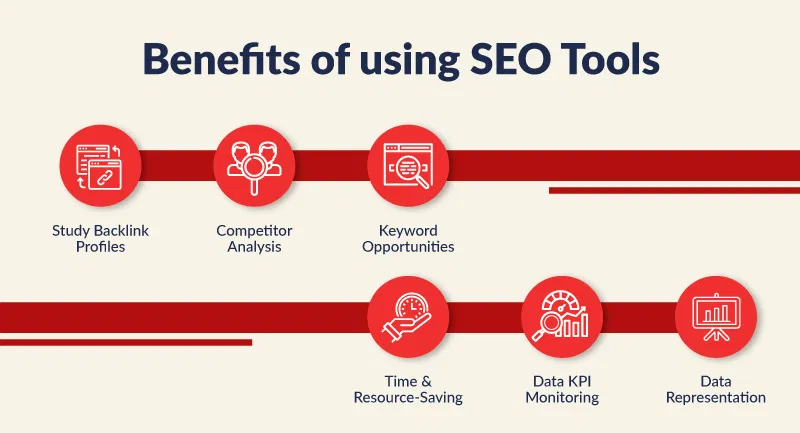
    Top Free SEO Tools

    How CWK Agency Uses Free SEO Tools

    Kamlesh Singad’s approach combines creativity with analytics. At CWK Agency, they use a workflow where:

    • Google Search Console tracks real performance
    • AnswerThePublic fuels blog strategy
    • Screaming Frog handles audits
    • Yoast SEO powers content optimization
    • GA4 tracks conversions

    They often say: “It’s not about how many tools you use—it’s how well you use them.”

    FAQs

    Can I do SEO with only free tools?
    Yes, especially when starting out. Free tools offer 80% of what beginners need.

    What’s the best free SEO tool overall?
    Google Search Console—it provides official data and shows how Google sees your site.

    Are these tools beginner-friendly?
    Most of them are designed with user-friendly interfaces and tutorials.

    Should I eventually invest in paid SEO tools?
    Yes, as your business grows and your SEO needs become more complex.

    Can I use multiple tools together?
    Absolutely. Many marketers use 3–5 tools depending on their goals.

    Conclusion: Work Smarter, Not Expensive

    SEO success doesn’t require a big budget—it requires smart tools, strategy, and consistency. These top free SEO tools help marketers of all levels audit, optimize, and elevate their search visibility in 2025.

    With expert insights from Kamlesh Singad and hands-on applications from CWK Agency, you now have everything you need to grow organically and compete effectively.

    So go ahead—equip your SEO toolkit and watch your rankings rise!

  • Top 4 SEO Tools (And 3 That Wasted My Time)

    Top 4 SEO Tools (And 3 That Wasted My Time)

    There are dozens — if not hundreds — of SEO tools out there. But let’s be real, not all are created equal. After years of testing and tweaking, I’ve found the Top 4 SEO Tools that actually move the needle. They’re efficient, insightful, and focused on ROI — and most importantly, they don’t waste your time. Let’s get into it.

    Ubersuggest: The Smart All-In-One SEO Toolkit

    Ubersuggest is the one tool I lean on more than any other — and not just because it’s my own. It’s because it actually delivers real insights with practical actions.

    Top 4 SEO Tools

    Here’s what I love about it:

    Keyword Ideas + Page 1 Ranking Potential
    This feature is a gem. You enter your URL and it scans your domain authority, content quality, and history. Then — bam — it shows you the exact keywords you have the potential to rank on page one for right now. If you’re tired of guesswork, this cuts through the noise.

    Competitor Analysis That’s Actually Useful
    Drop in your site and a competitor’s — Ubersuggest shows you which keywords you both rank for, and more importantly, the keywords they rank for that you don’t. That’s the keyword gap, and that’s where the money is.

    Backlink Opportunities
    If a domain is linking to three of your competitors, chances are they’re open to linking to you too. Ubersuggest finds those for you. This is your outreach goldmine — no more cold emailing in the dark.

    Also Read: Best Free Digital Marketing Courses & Certifications 2025

    ClickFlow: A/B Testing for Titles That Boost CTRs

    Think SEO is all about links? Not quite. ClickFlow is about clicks. You can split-test title tags and meta descriptions to see which variation gets more users clicking through.

    Top 4 SEO Tools

    And when more people click your link from search? Google notices — and rankings follow.

    This tool is especially helpful if you’re stuck on page two. Sometimes, all you need is a better title, not more backlinks.

    Google Search Console: The OG That Never Fails

    It’s free. It’s powerful. And it’s one of the most underused tools in SEO.

    Here’s my move:
    Find the pages getting traffic → Look at the keywords ranking near the bottom of page one or on page two → Make sure those keywords are naturally added to the content.

    Simple tweaks like this can boost rankings fast. Results? Often within 30 days. It’s like lifting the hood on your site’s performance.

    Top 4 SEO Tools

    Also Read: How to Start a Career in Digital Marketing in 2025 – Beginner’s Guide

    If you’re in content or affiliate SEO, you’ll want to spot trends before they explode.

    Google Trends lets you:

    • Compare the popularity of keywords over time
    • Identify rising topics before the competition
    • Avoid content ideas on a downward spiral

    It’s the best way to stay one step ahead and not waste time producing content for dying topics.

    Now, Let’s Talk About SEO Tools That Wasted My Time

    Not all that glitters is gold. Some tools may sound great on paper, but end up being time sinks that deliver little value — especially if you’re not an enterprise-level company.

    Overly Technical SEO Auditing Tools
    Unless you’re running a site with thousands of pages and a ton of legacy code issues, you don’t need ultra-technical audits. Most of what you need (broken links, duplicate titles, missing meta) is already in Ubersuggest or Search Console.

    Bloated All-in-One Platforms
    Some tools try to do everything, but end up doing none of it well. You’re better off with 2–3 reliable tools than 10 bloated dashboards that overlap each other and confuse your strategy.

    Tools With Steep Learning Curves
    Time is money. If a tool takes weeks to learn and hours to use, it’s already too expensive — even if it’s “free.” Good SEO tools should make your work faster, not slower.

    Also Read: Fastest Ways to Get Traffic to a New Website

    The Real Problem Isn’t Cost — It’s Time

    You don’t need to spend $500/month on tools. But if you’re spending 20 hours a week bouncing between dashboards, reports, and tasks that don’t move the needle? That’s a bigger loss.

    Your time is better spent analyzing what’s actually converting. Dive into your Google Analytics. Look at your top pages. What content drives leads? What traffic converts?

    Put your energy there — and let tools support those efforts, not distract you from them.

    Wrapping It Up: What’s In My SEO Toolbox Right Now

    ✔ Ubersuggest — Keyword research, backlink analysis, competitive gaps, page one keyword potential.
    ✔ ClickFlow — A/B testing to boost clicks and rankings.
    ✔ Google Search Console — Real-time ranking data and optimization ideas.
    ✔ Google Trends — Discover what’s hot before it’s mainstream.

    Everything else? Nice to have, but not necessary. Especially if it costs you time.

    Want to Get Ahead in SEO? Focus.

    Don’t waste your days juggling tools. Focus on what brings in ROI, what moves rankings, what improves traffic and conversion. Let go of the fluff. Your future self will thank you.

    FAQs

    What are the top 4 SEO tools recommended in this blog?
    The top 4 SEO tools I recommend are Ubersuggest, ClickFlow, Google Search Console, and Google Trends. These tools offer actionable insights, help boost rankings, and are efficient for both beginners and pros.

    Why is Ubersuggest considered one of the best SEO tools?
    Ubersuggest is an all-in-one SEO toolkit that excels in keyword research, backlink analysis, competitor tracking, and ranking opportunities. Its intuitive features, like the “Page One Ranking Potential,” make it incredibly valuable for quick SEO wins.

    How does ClickFlow improve search rankings?
    ClickFlow lets you A/B test your title tags and meta descriptions to increase your organic click-through rates. Higher CTRs often result in better rankings, as Google sees your content as more relevant.

    Is Google Search Console enough for SEO analysis?
    For many websites, yes. Google Search Console offers detailed data on keyword performance, indexing issues, and ranking positions. It’s also free and perfect for identifying optimization opportunities.

    Why do some SEO tools waste your time?
    SEO tools with overly technical reports, steep learning curves, or redundant features can waste your time and resources. Many tools offer features you’ll never use unless you manage massive, complex websites.

    How can I choose the right SEO tools for my business?
    Focus on tools that align with your business goals. Start with free or low-cost options like Ubersuggest and Google Search Console, then expand based on your site’s needs and growth.

  • How to Find the Right Keywords to Rank #1 on Google

    How to Find the Right Keywords to Rank #1 on Google

    Are you struggling to get your website to the top of Google’s search results? You’re not alone. Finding the right keywords to rank #1 on Google is a challenge many businesses face. But with the right strategies and tools, you can uncover keywords that will boost your rankings and drive traffic to your site.

    Today, I’m going to share actionable tips and free tools that will help you find the right keywords to rank #1 on Google. Whether you’re new to SEO or looking to refine your current strategy, these methods will give you the edge you need to succeed.

    1. Use SEMrush to Analyze Competitors’ Keywords

    Why Competitor Research Matters: If your competitors are ranking high on Google, they’ve likely figured out which keywords drive traffic and conversions. By analyzing their strategies, you can uncover valuable keywords that will help you rank without starting from scratch.

    How to Use SEMrush for Keyword Research:

    1. Enter Your Competitor’s URL: Go to SEMrush and input the URL of one of your top competitors. SEMrush will provide a detailed breakdown of their most popular pages and the keywords they rank for.
    2. Identify High-Traffic Pages: Focus on the pages that are driving the most traffic to your competitors. These pages are ranking for keywords that are likely profitable and high-converting.
    3. Extract Keyword Ideas: Once you’ve identified popular pages, extract the keywords they’re targeting. This will give you a roadmap for creating content that can compete with or even outperform your competitors.

    Pro Tip: If your competitors are larger and more established, they’ve likely done extensive keyword research. Leverage their efforts by focusing on the keywords they’re targeting.

    Why This Helps You Rank #1 on Google: By identifying and targeting proven keywords, you can create content that fills gaps your competitors might have missed, giving you a better chance to rank higher.

    Also Read: Are Blog Posts the Best SEO Strategy Today?

    Find the Right Keywords to Rank #1 on Google

    2. Use Ahrefs to Find Low-Competition Keywords

    Why Backlink Analysis is Important: While backlinks are important for SEO, building them can be time-consuming and challenging. But what if you could find high-traffic keywords that don’t require a lot of backlinks to rank?

    How to Use Ahrefs for Keyword Opportunities:

    1. Analyze Competitor Pages: Take the popular pages you found in SEMrush and plug them into Ahrefs. This will show you how many backlinks each page has.
    2. Find Low-Link Opportunities: Look for pages that are driving a lot of traffic but have few backlinks. These pages are ranking well because of strong keyword optimization, not link-building.
    3. Target These Keywords: Focus on these low-competition keywords. Since these keywords don’t require a ton of backlinks, you can rank faster by optimizing your content effectively.

    Pro Tip: Look for long-tail keywords with decent search volume but low competition. These are often easier to rank for and can drive highly targeted traffic.

    Why This Helps You Rank #1 on Google: By targeting keywords that are already ranking well without heavy backlink support, you can outperform competitors with less effort.

    Also Read: Why a Digital Marketing Agency in Indore is Essential for Your Business

    Find the Right Keywords to Rank #1 on Google

    3. Use Google Search Console to Optimize Existing Content

    Why Google Search Console is a Game-Changer:
    Did you know that Google offers a free tool that shows you exactly how your site is performing in search? Google Search Console provides valuable insights into your current rankings and helps you identify keywords you’re already close to ranking #1 for.

    How to Use Google Search Console for Keyword Optimization:

    1. Access Your Search Analytics: Go to Google Search Console and navigate to the Search Analytics section. Here, you’ll see a list of keywords your site is ranking for, along with impressions, clicks, and average position.
    2. Identify Low-Hanging Fruit: Look for keywords where you’re ranking at the bottom of page one (positions 8-10). It’s easier to move from the bottom to the top of page one than to rank for entirely new keywords.
    3. Optimize Your Content: Update the relevant pages by:
      • Including the keyword in your title tag, meta description, and heading tags
      • Adding the keyword naturally within your content
      • Improving your internal linking structure to point to these pages

    Pro Tip: Google Search Console may show you keywords you weren’t even targeting but are still generating impressions. Optimize for these unexpected opportunities to drive more traffic.

    Why This Helps You Rank #1 on Google: By optimizing content that’s already performing well, you can quickly boost rankings and move closer to the top spot.

    Also Read: How to Make Your Podcast More Popular: 12 Proven Strategies for Growth

    Find the Right Keywords to Rank #1 on Google

    Why Trending Keywords Matter: Jumping on trends early can give you a significant SEO advantage. Google Trends shows you what people are searching for right now, allowing you to target keywords before they become highly competitive.

    How to Use Google Trends for Keyword Research:

    1. Search for Industry Topics: Enter broad topics related to your niche into Google Trends to see which keywords are gaining popularity.
    2. Focus on Rising Queries: Look for keywords that are climbing in popularity but haven’t peaked yet. These keywords are often less competitive, giving you an opportunity to rank before everyone else jumps on the trend.
    3. Create Content Early: Start creating content around these trending keywords before they become mainstream. For example, if Apple is rumored to release a new iPhone model, writing about it before the official announcement can help you rank when search volume spikes.

    Pro Tip: Use Google Trends to find seasonal keywords that spike at certain times of the year. Preparing content in advance can help you capitalize on these trends.

    Why This Helps You Rank #1 on Google: By being an early adopter, you can secure top rankings for trending keywords before the competition catches up.

    Final Thoughts: Find the Right Keywords to Rank #1 on Google

    Ranking #1 on Google doesn’t have to be a mystery. By using the right tools and strategies, you can uncover keywords that will drive traffic and help your website climb to the top of search results.

    Here’s a quick recap of how to find the right keywords to rank #1 on Google:

    1. SEMrush: Analyze competitor keywords to uncover proven opportunities
    2. Ahrefs: Find low-competition keywords that don’t require backlinks
    3. Google Search Console: Optimize existing content for quick ranking boosts
    4. Google Trends: Identify emerging keywords and capitalize on trends

    By implementing these strategies, you’ll be well on your way to ranking #1 on Google. Start using these tools today, and watch your SEO efforts pay off!

  • Get 4 Million Visits/Month with One Keyword Hack

    Get 4 Million Visits/Month with One Keyword Hack

    Are you tired of chasing new keyword opportunities with little to no success? What if I told you there’s a simple keyword hack that could skyrocket your website traffic to 4 million visits per month—and you don’t even have to be an SEO expert to pull it off? Sounds too good to be true, right? But it’s not.

    I’m about to let you in on a little secret. I get the majority of my traffic from one simple keyword hack that hardly anyone is using. This isn’t some complex strategy; in fact, it’s incredibly easy to implement. So, buckle up because I’m about to show you exactly how to replicate this strategy and boost your traffic in no time.

    The Secret Behind the Keyword Hack

    Let’s get one thing straight—you don’t need to constantly hunt for new keywords to rank for. Instead, focus on the keywords you’re already ranking for, even if they’re small. The real trick lies in finding long-tail variations of those existing keywords. By targeting these, you can effortlessly generate more traffic without reinventing the wheel.

    What Are Long-Tail Keywords?

    Long-tail keywords are longer, more specific phrases that people search for. They tend to have less competition and are easier to rank for compared to broad, generic terms (also known as head terms). For example, if you rank for the term dog food, Google will find it much easier to rank your site for related searches like:

    • Best organic dog food for small breeds
    • Affordable dog food for puppies
    • How to choose the right dog food

    Because you’ve already proven authority for the main term, Google trusts your content and pushes you up the ranks for these variations.

    Also Read: Are Blog Posts the Best SEO Strategy Today?

    image

    Why This Keyword Hack Works

    Ranking for a head term like “dog food” is challenging because of the high competition. But once you’ve established authority with that term, Google starts recognizing your relevance in the niche. This makes it easier to rank for related long-tail variations.

    Even if most of your traffic comes from a long-tail term like how to become rich, there are countless other variations:

    • How to become rich online
    • How to become rich using social media
    • How to become rich with passive income

    When you target these additional phrases, you expand your reach significantly, tapping into search queries you might have overlooked.

    Step-by-Step Guide to Implementing This Keyword Hack

    Ready to put this strategy into action? Here’s a step-by-step breakdown to help you start generating millions of visits per month.

    Step 1: Identify Your Top Performing Pages

    First things first, head over to Ubersuggest and type in your domain. Navigate to the Top Pages section to see which pages are driving the most traffic. This will also show you the keywords that are bringing in the rankings.

    These pages are goldmines. They’re already ranking well, and with a few tweaks, they can bring in even more traffic.

    Step 2: Analyze Your Current Rankings

    Next, log into Google Search Console. Here, you’ll find a list of all the search terms you’re currently ranking for, including those hidden gems you might not even realize are bringing in traffic.

    Look for patterns. Are there any recurring themes or topics? This will give you an idea of which keywords to target with long-tail variations.

    Step 3: Find Long-Tail Variations

    Now, head back to Ubersuggest and type in the exact phrases you’re already ranking for. Use the Keyword Ideas report to discover a list of long-tail variations for those terms.

    For example, if your site ranks for healthy recipes, Ubersuggest might suggest:

    • Easy healthy recipes for beginners
    • Quick healthy recipes for busy weeknights
    • Healthy recipes with chicken

    Each of these variations represents a new opportunity to drive traffic.

    Also Read: Why a Digital Marketing Agency in Indore is Essential for Your Business

    Step 4: Optimize Your Existing Content

    Here’s where the magic happens. Take the long-tail keywords you’ve found and incorporate them into your existing content. Update the pages that are already ranking for the head term by adding sections that address the new long-tail variations.

    Keyword Hack

    Make sure to:

    • Re-write and expand your content to cover these new angles
    • Add subheadings and bullet points for better readability
    • Ensure you’re providing real value—the more helpful and comprehensive your content, the better

    The goal is to create a page so comprehensive and detailed that readers won’t need to look elsewhere.

    Step 5: Monitor and Adjust

    After making your updates, give it some time—usually around 30 days. You’ll start to see your pages rank higher, not just for the head term but also for the new long-tail keywords.

    Keep an eye on your analytics and adjust as needed. If you see certain variations performing well, consider creating dedicated blog posts around those topics to capture even more traffic.

    Why This Strategy Can Get You 4 Million Visits/Month

    This keyword hack isn’t just theory—it’s a proven strategy I’ve applied to every single one of my 2,000+ blog posts. By focusing on long-tail variations of keywords I already ranked for, I’ve been able to consistently grow my traffic.

    Here’s the kicker: over 4 million visits a month—with 2 million of those being unique visitors—come from this exact approach. And you can achieve similar results by simply following these steps.

    Key Takeaways from the Keyword Hack

    • Leverage existing rankings: Don’t waste time chasing new keywords when you can maximize the ones you already rank for.
    • Focus on long-tail variations: They’re easier to rank for and can generate significant traffic when combined.
    • Update existing content: Optimize your high-performing pages with new keyword variations to expand your reach.
    • Consistency is key: Apply this strategy across all your content to see exponential growth in traffic.

    Also Read: How to Make Your Podcast More Popular: 12 Proven Strategies for Growth

    Keyword Hack

    Frequently Asked Questions

    What is a keyword hack?
    A keyword hack is a strategic approach to SEO where you optimize existing content with long-tail keyword variations of terms you already rank for, leading to increased traffic with minimal effort.

    Why are long-tail keywords important?
    Long-tail keywords are less competitive and more specific, making them easier to rank for. They also attract highly targeted traffic, increasing your chances of conversion.

    How long does it take to see results from this keyword hack?
    Typically, you’ll start noticing improvements in your rankings and traffic within 30 days of implementing the strategy.

    Do I need to be an SEO expert to use this keyword hack?
    Not at all! This strategy is simple and doesn’t require any advanced SEO knowledge. If you can use tools like Ubersuggest and Google Search Console, you’re good to go.

    Can this keyword hack work for any niche?
    Yes! Whether you’re in tech, health, finance, or lifestyle, this strategy can be applied to any niche to boost traffic.

    What tools do I need for this keyword hack?
    You’ll need Ubersuggest to find keyword variations and Google Search Console to analyze your current rankings.


    Final Thoughts

    If you’re looking to grow your website traffic without constantly hunting for new keywords, this simple keyword hack is your ticket to success. By optimizing your existing content with long-tail variations, you’ll not only rank higher but also drive millions of visits per month.

    It’s a strategy that’s worked wonders for me, and I’m confident it will do the same for you. So, what are you waiting for? Start applying this hack today and watch your traffic soar!