In the fast-paced world of digital marketing, staying ahead of the curve is crucial for success. What worked yesterday may not work today, and as a marketer, you need to adapt to the ever-evolving landscape. In this blog, we’ll explore the top emerging digital marketing trends you must know as Digital Marketer, and we’ll break them down into simple language with real-world examples of Digital Marketer.
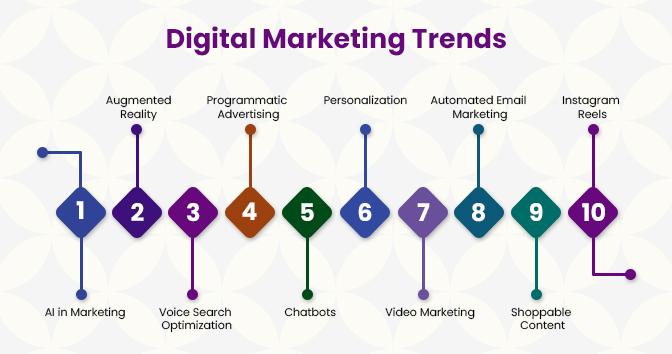
Video Marketing Continues to Soar
Video marketing is not new, but its significance is growing exponentially. People love watching videos, and platforms like YouTube, TikTok, and Instagram Reels are perfect examples of this trend.
Example: Let’s say you run a small bakery. Instead of just posting pictures of your delicious treats, you could create short videos showcasing the baking process, customer reviews, or even behind-the-scenes footage. This engages your audience and gives them a more immersive experience.
Conversational Marketing with Chatbots
Chatbots are becoming smarter and more personalized. They can provide instant answers to customer queries, making user interactions smoother and more efficient.
Example: If you have an e-commerce website, you can implement a chatbot that asks visitors what they are looking for and guides them to the right products. It can also handle frequently asked questions, reducing the workload on your customer support team.
Artificial Intelligence (AI) is changing the game in digital marketing. AI algorithms can analyze user data to offer highly personalized content and product recommendations.
Example: Think about Netflix. It uses AI to suggest movies and shows based on your viewing history. As a marketer, you can employ AI to send personalized email campaigns, tailored product recommendations, and even website content.
Voice Search Optimization
Voice assistants like Siri, Alexa, and Google Assistant are becoming increasingly popular. Optimizing your content for voice search is a must.
Example: If you’re a local pizza restaurant, optimizing for voice search means focusing on long-tail keywords and answering questions like, “Where’s the nearest pizza place?” in your website content. This can help you rank higher when someone asks their voice assistant for pizza recommendations.
Influencer Marketing Evolution
Influencer marketing is not just about celebrities anymore. Micro-influencers (those with smaller but highly engaged followings) are gaining traction.
Example: Instead of paying a celebrity chef to promote your kitchen gadgets, you could collaborate with a food blogger who has a dedicated audience of home cooks. Their recommendations are often perceived as more authentic and trustworthy.
Augmented Reality (AR) and Virtual Reality (VR)
AR and VR technologies are making their way into digital marketing. They allow consumers to interact with products and experiences in immersive ways.
Example: Imagine you’re in the fashion industry. You could develop an AR app that lets customers “try on” clothes virtually before making a purchase. This enhances the online shopping experience and reduces return rates.
User-Generated Content
User-generated content (UGC) involves customers creating content related to your brand. It’s a powerful way to build trust and authenticity.
Example: If you run a fitness brand, encourage your customers to share their workout videos or before-and-after photos on social media using a specific hashtag. You can then showcase this UGC on your website or social channels, demonstrating real people achieving real results with your products.
With increasing concerns about data privacy, marketers need to be transparent about how they collect and use customer data.
Example: Make sure your website clearly outlines your data collection practices and gives users the option to opt out. Being transparent builds trust, and customers are more likely to share their information if they know it’s handled responsibly.
Conclusion
The digital marketing landscape is dynamic, and staying updated on emerging trends is vital for success. From video marketing and chatbots to AI-powered personalization and AR/VR experiences, these trends offer exciting opportunities for Digital Marketer to connect with their audience in innovative ways. Embracing these trends and adapting your strategies accordingly can help you stay at the forefront of digital marketing and drive better results for your brand or business.
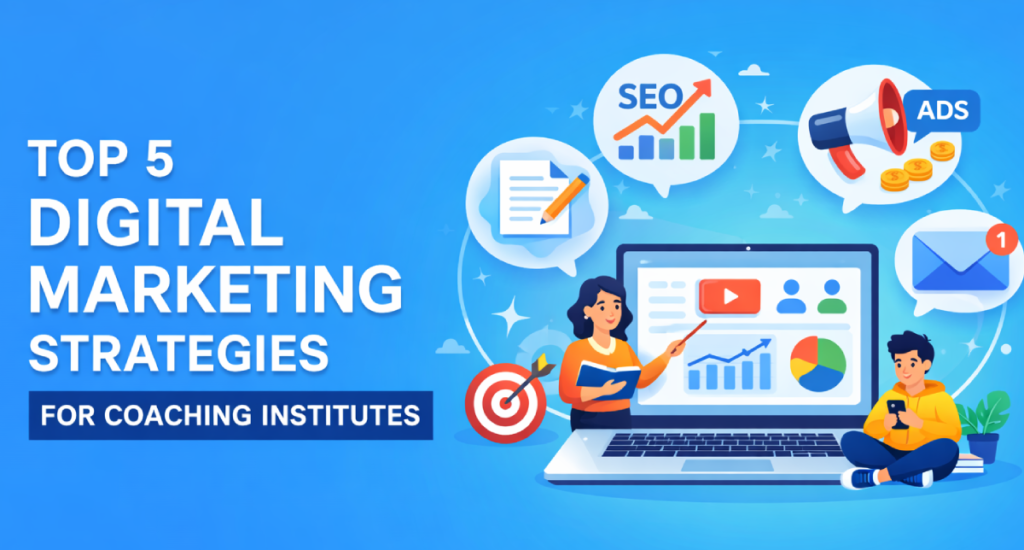
In today’s digital age, the success of coaching institutes heavily relies on their ability to adapt and excel in the online realm. Traditional marketing strategies alone no longer suffice. Enter digital marketing – a powerful tool that can help coaching institutes not only survive but thrive in this competitive landscape. In this comprehensive guide, we’ll explore how digital marketing can be a game-changer for coaching institutes. We’ll break down complex concepts into simple language, supported by real-world examples to help you understand how to harness the full potential of digital marketing to grow your coaching business.
Learn how Digital Marketing helps coaching institutes grow by increasing visibility, generating student leads, and boosting enrollments. Discover proven strategies like SEO, social media, and ads to scale your coaching business effectively.
Chapter 1: Understanding Digital Marketing
Before we dive into how digital marketing can boost coaching institutes, let’s start with the basics.
What is Digital Marketing?
Digital marketing encompasses all marketing efforts that use an electronic device or the internet. It’s the umbrella term for a wide range of online strategies and tactics aimed at connecting with potential students and nurturing them into paying customers.
Why Digital Marketing?
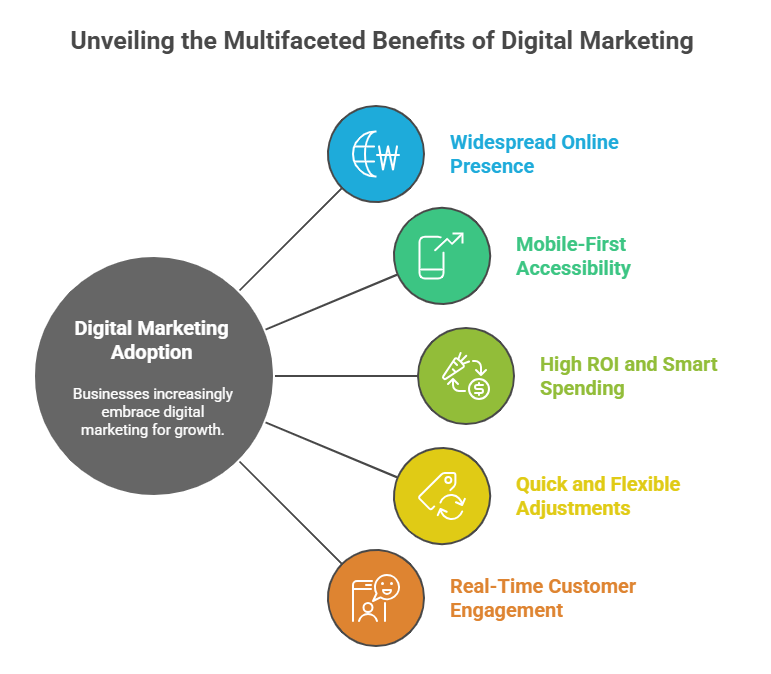
Digital marketing offers numerous advantages, including:
Cost-Efficiency: Compared to traditional advertising channels like print and TV, digital marketing is often more cost-effective.
Precise Targeting: It allows you to target specific demographics, ensuring your message reaches the right audience.
Measurable Results: Digital marketing tools provide data on performance, enabling you to make data-driven decisions and optimize your campaigns.
Global Reach: With the internet, you can reach students not only locally but also globally.
Chapter 2: Building a Strong Online Presence
The foundation of a successful digital marketing strategy for coaching institutes is a strong online presence. Here’s how to get started:
1. Website Development
Your website is your virtual campus. Make sure it’s user-friendly, informative, and visually appealing. Showcase your coaching programs, faculty, success stories, and contact information.
Example: Khan Academy
Khan Academy’s website is a prime example of simplicity and effectiveness. It offers free educational content, making it an excellent resource for students and parents.
2. Search Engine Optimization (SEO)
SEO is the process of optimizing your website to rank higher in search engine results. Implementing relevant keywords and creating valuable content can help improve your website’s visibility.
Example: Coursera
Coursera’s SEO strategy has allowed it to dominate the online education space. A search for “online courses” will likely lead you to Coursera.
3. Content Marketing
Creating and sharing valuable content such as blogs, videos, and infographics can establish your coaching institute as an authority in your niche.
Example: Byju’s
Byju’s, an Indian ed-tech company, publishes engaging educational content on various platforms. Their YouTube channel features lessons, making learning fun and accessible.
Chapter 3: Social Media Marketing
Social media platforms are fertile ground for reaching and engaging with your target audience.
1. Choose the Right Platforms
Identify which social media platforms your target audience frequents. For instance, if you’re coaching for competitive exams, platforms like LinkedIn and YouTube might be more effective than Instagram or TikTok.
Example: The Princeton Review
The Princeton Review maintains an active presence on LinkedIn, offering valuable content to professionals looking to advance their careers.
2. Content Strategy
Create and share content that resonates with your audience. Share success stories, tips, and informative posts related to your niche.
Example: Udacity
Udacity’s Twitter account is a blend of informative posts about technology trends and stories of students who have achieved career success with their courses.
3. Paid Advertising
Consider investing in paid advertising on social media platforms. Targeted ads can reach a broader audience and drive traffic to your website or enrollment pages.
Example: Khan Academy
Khan Academy often runs Facebook ads, promoting their free educational resources to a wider audience.
Chapter 4: Email Marketing
Email marketing remains one of the most effective ways to nurture leads and convert them into paying students.
1. Building an Email List
Collect email addresses through your website, social media, and events. Offer incentives like e-books or newsletters to encourage sign-ups.
Example: Coursera
Coursera offers a free trial and encourages users to sign up with their email to access a wide range of courses.
2. Personalized Email Campaigns
Segment your email list based on user behavior and preferences. Send personalized emails with relevant content and offers.
Example: Duolingo
Duolingo’s emails include tailored language learning exercises and reminders to keep users engaged.
3. Automation
Use email marketing automation tools to send timely emails, such as welcome messages, course recommendations, and follow-ups.
Example: edX
edX sends automated reminders to students about upcoming course deadlines and offers course recommendations based on their interests.
Chapter 5: Pay-Per-Click (PPC) Advertising
PPC advertising allows you to display ads on search engines and other platforms, paying only when a user clicks on your ad.
1. Google Ads
Google Ads is a powerful platform for coaching institutes. You can bid on keywords related to your courses to appear at the top of search results.
Example: Kaplan
Kaplan uses Google Ads to appear at the top of search results for keywords like “MCAT prep courses.”
2. Facebook and Instagram Ads
These platforms allow you to target users based on their interests, demographics, and behavior. Create visually appealing ads to capture attention.
Example: Udemy
Udemy uses Facebook and Instagram ads to promote its vast selection of online courses.
3. Remarketing
Remarketing involves showing ads to users who have visited your website but didn’t enroll. It’s a powerful way to re-engage potential students.
Example: Udacity
Udacity uses remarketing to remind users about the courses they viewed but didn’t enroll in, encouraging them to return and complete their enrollment.
Chapter 6: Influencer Marketing
Leverage influencers in your niche to promote your coaching institute.
1. Identify Relevant Influencers
Find influencers whose audience aligns with your target demographic. Reach out to them for collaborations.
Example: MasterClass
MasterClass partners with well-known experts and celebrities to teach various courses, attracting a broad audience.
2. Collaborate on Content
Work with influencers to create engaging and informative content that showcases your coaching institute’s strengths.
Example: LinkedIn Learning*
LinkedIn Learning collaborates with industry experts and influencers to create courses that cater to professionals seeking career growth.
3. Measure Impact
Track the performance of influencer marketing campaigns to ensure they deliver a positive return on investment (ROI).
Example: LinkedIn Learning*
LinkedIn Learning likely evaluates the success of influencer partnerships by monitoring course enrollments and engagement levels.
Chapter 7: Analytics and Data-driven Decision Making
One of the significant advantages of digital marketing is the wealth of data it provides.
1. Google Analytics
Use tools like Google Analytics to monitor website traffic, user behavior, and conversion rates.
Example: Khan Academy
Khan Academy likely uses Google Analytics to track user engagement with their educational content.
2. Social Media Insights
Platforms like Facebook and Instagram offer insights into the performance of your social media posts and ads.
Example: Byju’s
Byju’s can analyze social media insights to determine which types of content resonate best with their audience.
3. A/B Testing
Experiment with different ad copies
, images, and landing pages to determine what works best.
Example: Coursera
Coursera might run A/B tests to optimize its course landing pages and increase conversion rates.
Chapter 8: Online Reputation Management
Your coaching institute’s online reputation can significantly impact its success.
1. Reviews and Ratings
Encourage satisfied students to leave positive reviews and ratings on platforms like Google, Yelp, and Trustpilot.
Example: Kaplan
Kaplan features positive student testimonials on its website, reinforcing its credibility.
2. Addressing Negative Feedback
Respond professionally to negative feedback and take steps to resolve issues to demonstrate your commitment to student satisfaction.
Example: Udemy
Udemy actively engages with users who leave negative feedback, offering solutions and seeking to improve their experience.
3. Showcase Achievements
Highlight your coaching institute’s achievements, such as high exam pass rates or student success stories.
Example: The Princeton Review
The Princeton Review proudly displays its high average score improvements and success stories on its website.
Chapter 9: Mobile Marketing
With the increasing use of smartphones, optimizing your marketing for mobile is crucial.
1. Mobile-Friendly Website
Ensure your website is responsive and offers a seamless experience on mobile devices.
Example: Udacity
Udacity’s website is mobile-friendly, providing an excellent user experience on smartphones.
2. Mobile Apps
Consider developing a mobile app for your coaching institute. Apps can offer additional learning resources and engagement opportunities.
Example: Duolingo*
Duolingo’s mobile app provides convenient language learning on the go, attracting millions of users worldwide.
3. SMS Marketing
Send targeted SMS messages to students about course updates, events, and special offers.
Example: Coursera
Coursera occasionally sends SMS notifications to users about new courses and discounts.
Chapter 10: Staying Updated
The digital marketing landscape is constantly evolving. It’s essential to stay informed about the latest trends and technologies.
1. Continuous Learning
Invest in the ongoing education of your marketing team or consider outsourcing to agencies with expertise in digital marketing.
Example: HubSpot Academy*
HubSpot offers free courses on digital marketing, making it easy for marketing professionals to stay updated.
2. Networking and Conferences
Attend industry conferences and connect with experts to gain insights into emerging trends.
Example: MozCon*
MozCon is a well-known conference in the digital marketing industry, featuring presentations from leading experts.
3. Monitor Competitors
Keep an eye on your competitors’ digital marketing strategies and adapt as needed.
Example: Udemy*
Udemy likely monitors competitors’ course offerings and pricing to stay competitive.
Conclusion
In today’s digital age, digital marketing is not an option but a necessity for coaching institutes looking to grow and succeed. By building a strong online presence, leveraging social media, harnessing the power of email marketing, and utilizing paid advertising, analytics, influencer marketing, and more, coaching institutes can connect with their target audience and thrive in the competitive education industry.
Remember, digital marketing is not a one-size-fits-all solution. Each coaching institute is unique, and your digital marketing strategy should reflect your institution’s values, strengths, and goals. With continuous learning and adaptation, you can harness the full potential of digital marketing to drive growth and success for your coaching institute in the digital age,help digital marketing to grow .