Tag: Influencer Marketing

  • How Digital Marketing Help to Grow Coaching Institutes

    How Digital Marketing Help to Grow Coaching Institutes

    In today’s digital age, the success of coaching institutes heavily relies on their ability to adapt and excel in the online realm. Traditional marketing strategies alone no longer suffice. Enter digital marketing – a powerful tool that can help coaching institutes not only survive but thrive in this competitive landscape. In this comprehensive guide, we’ll explore how digital marketing can be a game-changer for coaching institutes. We’ll break down complex concepts into simple language, supported by real-world examples to help you understand how to harness the full potential of digital marketing to grow your coaching business.

    Learn how Digital Marketing helps coaching institutes grow by increasing visibility, generating student leads, and boosting enrollments. Discover proven strategies like SEO, social media, and ads to scale your coaching business effectively.

    Chapter 1: Understanding Digital Marketing

    Before we dive into how digital marketing can boost coaching institutes, let’s start with the basics.

    What is Digital Marketing?

    Digital marketing encompasses all marketing efforts that use an electronic device or the internet. It’s the umbrella term for a wide range of online strategies and tactics aimed at connecting with potential students and nurturing them into paying customers.

    Why Digital Marketing?

    Digital marketing offers numerous advantages, including:

    1. Cost-Efficiency: Compared to traditional advertising channels like print and TV, digital marketing is often more cost-effective.
    2. Precise Targeting: It allows you to target specific demographics, ensuring your message reaches the right audience.
    3. Measurable Results: Digital marketing tools provide data on performance, enabling you to make data-driven decisions and optimize your campaigns.
    4. Global Reach: With the internet, you can reach students not only locally but also globally.
    Digital Marketing

    Chapter 2: Building a Strong Online Presence

    The foundation of a successful digital marketing strategy for coaching institutes is a strong online presence. Here’s how to get started:

    1. Website Development

    Your website is your virtual campus. Make sure it’s user-friendly, informative, and visually appealing. Showcase your coaching programs, faculty, success stories, and contact information.

    Example: Khan Academy

    Khan Academy’s website is a prime example of simplicity and effectiveness. It offers free educational content, making it an excellent resource for students and parents.

    2. Search Engine Optimization (SEO)

    SEO is the process of optimizing your website to rank higher in search engine results. Implementing relevant keywords and creating valuable content can help improve your website’s visibility.

    Example: Coursera

    Coursera’s SEO strategy has allowed it to dominate the online education space. A search for “online courses” will likely lead you to Coursera.

    3. Content Marketing

    Creating and sharing valuable content such as blogs, videos, and infographics can establish your coaching institute as an authority in your niche.

    Example: Byju’s

    Byju’s, an Indian ed-tech company, publishes engaging educational content on various platforms. Their YouTube channel features lessons, making learning fun and accessible.

    Chapter 3: Social Media Marketing

    Social media platforms are fertile ground for reaching and engaging with your target audience.

    1. Choose the Right Platforms

    Identify which social media platforms your target audience frequents. For instance, if you’re coaching for competitive exams, platforms like LinkedIn and YouTube might be more effective than Instagram or TikTok.

    Example: The Princeton Review

    The Princeton Review maintains an active presence on LinkedIn, offering valuable content to professionals looking to advance their careers.

    2. Content Strategy

    Create and share content that resonates with your audience. Share success stories, tips, and informative posts related to your niche.

    Example: Udacity

    Udacity’s Twitter account is a blend of informative posts about technology trends and stories of students who have achieved career success with their courses.

    3. Paid Advertising

    Consider investing in paid advertising on social media platforms. Targeted ads can reach a broader audience and drive traffic to your website or enrollment pages.

    Example: Khan Academy

    Khan Academy often runs Facebook ads, promoting their free educational resources to a wider audience.
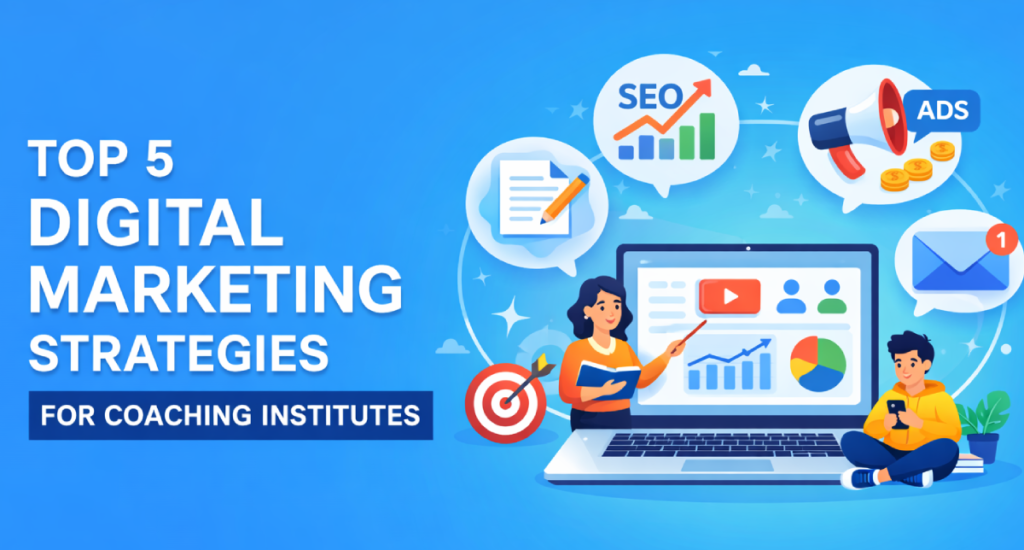
    Digital Marketing

    Chapter 4: Email Marketing

    Email marketing remains one of the most effective ways to nurture leads and convert them into paying students.

    1. Building an Email List

    Collect email addresses through your website, social media, and events. Offer incentives like e-books or newsletters to encourage sign-ups.

    Example: Coursera

    Coursera offers a free trial and encourages users to sign up with their email to access a wide range of courses.

    2. Personalized Email Campaigns

    Segment your email list based on user behavior and preferences. Send personalized emails with relevant content and offers.

    Example: Duolingo

    Duolingo’s emails include tailored language learning exercises and reminders to keep users engaged.

    3. Automation

    Use email marketing automation tools to send timely emails, such as welcome messages, course recommendations, and follow-ups.

    Example: edX

    edX sends automated reminders to students about upcoming course deadlines and offers course recommendations based on their interests.

    Chapter 5: Pay-Per-Click (PPC) Advertising

    PPC advertising allows you to display ads on search engines and other platforms, paying only when a user clicks on your ad.

    1. Google Ads

    Google Ads is a powerful platform for coaching institutes. You can bid on keywords related to your courses to appear at the top of search results.

    Example: Kaplan

    Kaplan uses Google Ads to appear at the top of search results for keywords like “MCAT prep courses.”

    2. Facebook and Instagram Ads

    These platforms allow you to target users based on their interests, demographics, and behavior. Create visually appealing ads to capture attention.

    Example: Udemy

    Udemy uses Facebook and Instagram ads to promote its vast selection of online courses.

    3. Remarketing

    Remarketing involves showing ads to users who have visited your website but didn’t enroll. It’s a powerful way to re-engage potential students.

    Example: Udacity

    Udacity uses remarketing to remind users about the courses they viewed but didn’t enroll in, encouraging them to return and complete their enrollment.

    Chapter 6: Influencer Marketing

    Leverage influencers in your niche to promote your coaching institute.

    1. Identify Relevant Influencers

    Find influencers whose audience aligns with your target demographic. Reach out to them for collaborations.

    Example: MasterClass

    MasterClass partners with well-known experts and celebrities to teach various courses, attracting a broad audience.

    2. Collaborate on Content

    Work with influencers to create engaging and informative content that showcases your coaching institute’s strengths.

    Example: LinkedIn Learning*

    LinkedIn Learning collaborates with industry experts and influencers to create courses that cater to professionals seeking career growth.

    3. Measure Impact

    Track the performance of influencer marketing campaigns to ensure they deliver a positive return on investment (ROI).

    Example: LinkedIn Learning*

    LinkedIn Learning likely evaluates the success of influencer partnerships by monitoring course enrollments and engagement levels.

    Chapter 7: Analytics and Data-driven Decision Making

    One of the significant advantages of digital marketing is the wealth of data it provides.

    1. Google Analytics

    Use tools like Google Analytics to monitor website traffic, user behavior, and conversion rates.

    Example: Khan Academy

    Khan Academy likely uses Google Analytics to track user engagement with their educational content.

    2. Social Media Insights

    Platforms like Facebook and Instagram offer insights into the performance of your social media posts and ads.

    Example: Byju’s

    Byju’s can analyze social media insights to determine which types of content resonate best with their audience.

    3. A/B Testing

    Experiment with different ad copies

    , images, and landing pages to determine what works best.

    Example: Coursera

    Coursera might run A/B tests to optimize its course landing pages and increase conversion rates.

    Chapter 8: Online Reputation Management

    Your coaching institute’s online reputation can significantly impact its success.

    1. Reviews and Ratings

    Encourage satisfied students to leave positive reviews and ratings on platforms like Google, Yelp, and Trustpilot.

    Example: Kaplan

    Kaplan features positive student testimonials on its website, reinforcing its credibility.

    2. Addressing Negative Feedback

    Respond professionally to negative feedback and take steps to resolve issues to demonstrate your commitment to student satisfaction.

    Example: Udemy

    Udemy actively engages with users who leave negative feedback, offering solutions and seeking to improve their experience.

    3. Showcase Achievements

    Highlight your coaching institute’s achievements, such as high exam pass rates or student success stories.

    Example: The Princeton Review

    The Princeton Review proudly displays its high average score improvements and success stories on its website.

    Chapter 9: Mobile Marketing

    With the increasing use of smartphones, optimizing your marketing for mobile is crucial.

    1. Mobile-Friendly Website

    Ensure your website is responsive and offers a seamless experience on mobile devices.

    Example: Udacity

    Udacity’s website is mobile-friendly, providing an excellent user experience on smartphones.

    2. Mobile Apps

    Consider developing a mobile app for your coaching institute. Apps can offer additional learning resources and engagement opportunities.

    Example: Duolingo*

    Duolingo’s mobile app provides convenient language learning on the go, attracting millions of users worldwide.

    3. SMS Marketing

    Send targeted SMS messages to students about course updates, events, and special offers.

    Example: Coursera

    Coursera occasionally sends SMS notifications to users about new courses and discounts.

    Chapter 10: Staying Updated

    The digital marketing landscape is constantly evolving. It’s essential to stay informed about the latest trends and technologies.

    1. Continuous Learning

    Invest in the ongoing education of your marketing team or consider outsourcing to agencies with expertise in digital marketing.

    Example: HubSpot Academy*

    HubSpot offers free courses on digital marketing, making it easy for marketing professionals to stay updated.

    2. Networking and Conferences

    Attend industry conferences and connect with experts to gain insights into emerging trends.

    Example: MozCon*

    MozCon is a well-known conference in the digital marketing industry, featuring presentations from leading experts.

    3. Monitor Competitors

    Keep an eye on your competitors’ digital marketing strategies and adapt as needed.

    Example: Udemy*

    Udemy likely monitors competitors’ course offerings and pricing to stay competitive.

    Conclusion

    In today’s digital age, digital marketing is not an option but a necessity for coaching institutes looking to grow and succeed. By building a strong online presence, leveraging social media, harnessing the power of email marketing, and utilizing paid advertising, analytics, influencer marketing, and more, coaching institutes can connect with their target audience and thrive in the competitive education industry.

    Remember, digital marketing is not a one-size-fits-all solution. Each coaching institute is unique, and your digital marketing strategy should reflect your institution’s values, strengths, and goals. With continuous learning and adaptation, you can harness the full potential of digital marketing to drive growth and success for your coaching institute in the digital age,help digital marketing to grow .

    Thank You!

    Read More –

    Top 10 niche to create youtube channels and earn passive income

    Why SEO is important for website ?

    Digital Marketing Services in India

  • Digital Marketing Services in India

    Digital Marketing Services in India

    In today’s fast-paced digital age, businesses in India are continually evolving to meet the demands of the online consumer. Digital marketing has emerged as a powerful tool for companies to connect with their target audience, promote their products or services, and drive growth. In this comprehensive guide, we will explore the world of digital marketing services in India, breaking down the key components, strategies, and trends that are shaping the landscape.

    Chapter 1: Understanding Digital Marketing

    Digital marketing is a multifaceted approach to promoting products, services, or brands through digital channels. In India, it has witnessed explosive growth in recent years due to increased internet penetration and smartphone usage. Let’s delve into the fundamental aspects of digital marketing:

    1.1. Channels of Digital Marketing

    • Search Engine Optimization (SEO)
    • Social Media Marketing (SMM)
    • Email Marketing
    • Content Marketing
    • Pay-Per-Click (PPC) Advertising
    • Affiliate Marketing
    • Influencer Marketing

    1.2. Importance of Digital Marketing

    • Cost-Effective
    • Targeted Reach
    • Measurable Results
    • Real-Time Engagement
    • Global Reach
    Digital Marketing Services in India

    Chapter 2: The Role of SEO

    Search Engine Optimization (SEO) plays a pivotal role in digital marketing. It involves optimizing a website’s content and structure to rank higher in search engine results pages (SERPs). In India, SEO is an essential component of any digital marketing strategy:

    2.1. On-Page SEO

    • Keyword Research
    • Content Optimization
    • Meta Tags
    • URL Structure

    2.2. Off-Page SEO

    • Backlink Building
    • Social Signals
    • Guest Blogging

    2.3. Local SEO

    • Google My Business
    • Local Citations
    • Reviews and Ratings

    Chapter 3: The Power of Social Media Marketing

    Social Media Marketing (SMM) is an integral part of digital marketing services in India. With millions of active social media users, businesses can’t afford to ignore this channel:

    3.1. Popular Social Media Platforms in India

    • Facebook
    • Instagram
    • Twitter
    • LinkedIn
    • YouTube

    3.2. Strategies for Effective SMM

    • Content Planning and Creation
    • Audience Segmentation
    • Paid Advertising
    • Engagement and Interaction
    • Analytics and Measurement

    Chapter 4: The Impact of Email Marketing

    Email marketing remains a potent tool for reaching and engaging with your audience. In India, email marketing is used for various purposes, including customer acquisition and retention:

    4.1. Building an Email List

    • Opt-In Forms
    • Lead Magnets

    4.2. Creating Compelling Email Campaigns

    • Personalization
    • A/B Testing
    • Automation

    4.3. Legal Considerations

    • GDPR Compliance
    • CAN-SPAM Act Compliance

    Chapter 5: The Art of Content Marketing

    Content is king in the digital marketing world. High-quality content can drive traffic, engage audiences, and establish authority. In India, content marketing is an indispensable strategy:

    5.1. Types of Content

    • Blog Posts
    • Infographics
    • Videos
    • Ebooks
    • Podcasts

    5.2. Content Creation and Distribution

    • Content Calendar
    • SEO-Optimized Content
    • Social Media Sharing
    • Email Newsletters

    Chapter 6: The World of Pay-Per-Click Advertising

    Pay-Per-Click (PPC) advertising is a way to buy visits to your website rather than earning them organically. In India, PPC is a competitive arena:

    6.1. Google Ads

    • Keyword Research
    • Ad Campaigns
    • Quality Score

    6.2. Facebook Ads

    • Targeting Options
    • Ad Formats
    • Budgeting

    6.3. Measuring PPC Success

    • Click-Through Rate (CTR)
    • Conversion Rate
    • Return on Investment (ROI)

    Chapter 7: Affiliate and Influencer Marketing

    Affiliate marketing and influencer marketing are innovative approaches to expand your reach and generate sales:

    7.1. Affiliate Marketing

    • Affiliate Programs
    • Commission Structure
    • Tracking Sales

    7.2. Influencer Marketing

    • Finding the Right Influencers
    • Collaboration Strategies
    • Measuring Influencer ROI

    Chapter 8: Digital Marketing Trends in India

    The digital marketing landscape in India is constantly evolving. Stay ahead of the curve by keeping an eye on the latest trends:

    8.1. Voice Search Optimization

    • Siri, Google Assistant, Alexa
    • Long-tail Keyword Usage

    8.2. Video Marketing

    • Short-Form Videos (TikTok, Reels)
    • Live Streaming

    8.3. Chatbots and AI

    • Customer Service Automation
    • Personalized Recommendations

    8.4. Data Privacy and Compliance

    • GDPR and India
    • Data Security Measures

    Chapter 9: Challenges and Opportunities

    While digital marketing in India presents immense opportunities, it also comes with challenges:

    9.1. Competition

    • Saturated Markets
    • Rising Advertising Costs

    9.2. Changing Algorithms

    • SEO and Social Media Algorithm Updates

    9.3. Talent Shortage

    • Demand for Skilled Digital Marketers

    9.4. Navigating Cultural Diversity

    • Tailoring Marketing Messages

    Chapter 10: Hiring Digital Marketing Services in India

    If you’re a business owner in India, you might be considering outsourcing your digital marketing efforts. Here’s how to choose the right agency or freelancer:

    10.1. Evaluating Your Needs

    • Define Your Goals
    • Budget Considerations

    10.2. Researching Agencies or Freelancers

    • Portfolio
    • Client Reviews
    • Case Studies

    10.3. Communication and Collaboration

    • Clear Expectations
    • Regular Reporting

    Conclusion

    In the ever-evolving landscape of digital marketing services in India, staying informed and adapting to trends and changes is crucial. As the digital sphere continues to grow, businesses in India have a unique opportunity to leverage the power of digital marketing to expand their reach, engage with their audience, and drive growth. Whether you choose to handle your digital marketing in-house or work with a professional agency, the key is to remain agile and responsive to the dynamic digital world.

    Remember, digital marketing is not just a trend; it’s an essential component of success in the modern business landscape in India. Embrace it, harness its power, and watch your business flourish in the digital era.

    Thank You!

    Read More –

    How to search topics or content research for Youtube videos? – https://kamleshsingad.com/agency/how-to-search-topics-or-content-research-for-youtube-videos/

    Top 10 niche to create youtube channels and earn passive income – https://kamleshsingad.com/agency/top-10-niche-to-create-youtube-channels-and-earn-passive-income/

    Why SEO is important for website ? – https://kamleshsingad.com/agency/why-seo-is-important-for-website/

  • The Power of Influencer Marketing in a Digital World

    The Power of Influencer Marketing in a Digital World

    What is Influencer Marketing ?

    Imagine you want to buy a new phone, but you’re not sure which one is best for you. Instead of just relying on advertisements from the phone company, you look at reviews and recommendations from people you trust. These could be friends, family members, or even popular personalities on social media like Instagram, YouTube, or TikTok.

    Influencer marketing is like a modern version of word-of-mouth recommendations, but on a larger scale. Companies team up with these popular and trustworthy individuals, called influencers, who have a big following on social media. These influencers share their experiences and opinions about products or services, like that new phone, with their followers. Since their followers trust their opinions, they might be more likely to try out those products or services themselves.

    So, influencer marketing is when companies collaborate with these social media influencers to spread the word about their stuff and hopefully get more people interested in buying or using what they’re offering. It’s like getting advice from a cool friend who knows a lot about things you like!

    Identifying, approaching, and collaborating with influencers can be a powerful way to boost your brand’s reach.

    Here’s a step-by-step guide to help you through the process:

    1. Define Your Goals:
    Before you start, clarify what you want to achieve through influencer marketing. Is it to increase brand awareness, drive sales, promote a new product, or something else? Having clear goals will help you choose the right influencers and measure the success of your campaigns.

    2. Identify Your Target Audience:
    Understand who your ideal customers are. This will guide you in finding influencers whose followers match your target audience. Make sure their interests, demographics, and values align with your brand.

    3. Research and Shortlist Influencers:
    Use social media platforms and influencer marketing tools to find influencers who have a strong presence in your niche. Look for engagement (likes, comments, shares) as well as the authenticity of their content. Make a shortlist of potential influencers whose style and audience align with your brand.

    4. Evaluate Influencers:
    Go deeper into your shortlisted influencers’ profiles. Look at their past collaborations, content quality, follower growth, and audience demographics. You want to ensure their followers are real and engaged, not fake or bought.

    5. Approach with Personalization:
    Craft personalized messages when reaching out to influencers. Mention why you admire their content, how it fits your brand, and what you’re looking to achieve. Be genuine and show that you’ve done your homework.

    6. Propose Collaboration:
    When approaching influencers, propose a collaboration idea that aligns with their style and your brand. It could be a product review, unboxing, tutorial, giveaway, or any creative concept that showcases your product/service.

    7. Negotiate Terms:
    Discuss the terms of collaboration, including compensation (if applicable), content format, posting schedule, and expectations. Some influencers charge fees, while others might be willing to collaborate in exchange for products or exposure.

    8. Create Clear Guidelines:
    Provide influencers with clear guidelines about your brand’s values, key messaging, and any specific content requirements. This ensures that the content they create aligns with your brand identity.

    9. Review Content:
    Before the influencer posts, review the content they’ve created to ensure it meets your brand standards and guidelines. Provide feedback if needed, but also respect their creative input.

    10. Engage and Amplify:
    Once the influencer’s content goes live, engage with their posts by liking, commenting, and sharing. This not only shows appreciation but also encourages their followers to check out your brand. You can also share their content on your own social media channels.

    11. Measure Results:
    After the collaboration, track the results based on your goals. Monitor metrics like engagement, website traffic, conversions, and sales attributed to the influencer’s efforts. This will help you assess the effectiveness of the campaign.

    12. Build Relationships:
    If the collaboration goes well, consider maintaining a long-term relationship with the influencer. Consistent partnerships can lead to more authentic and impactful campaigns.

    Remember that influencer marketing is a two-way relationship. Approach influencers with respect, transparency, and a willingness to create mutually beneficial content that resonates with their audience and reflects your brand positively.

    Influencer Marketing

    Top 10 Effective Influencer Marketing Strategies :

    1. Product Reviews and Demos:
      Have influencers review and demonstrate your product. They can show how it works, share their experience, and highlight its benefits. For instance, a beauty influencer could review a new skincare line by showcasing their daily routine using the products.
    2. Giveaways and Contests:
      Collaborate with influencers to host giveaways or contests. Their followers can participate for a chance to win your product or service. An influencer who loves fitness could partner with a sports equipment brand to run a giveaway for workout gear.
    3. Takeovers and Day-in-the-Life:
      Allow influencers to “take over” your social media accounts for a day. They can share behind-the-scenes glimpses, personal stories, and engage with your audience. A travel influencer taking over a hotel’s Instagram account to document their stay is a great example.
    4. Tutorials and How-To Guides:
      Have influencers create tutorials or guides related to your product. A cooking influencer could make a video showing how to create a delicious dish using your kitchen appliances.
    5. Influencer-Generated Content:
      Let influencers create content showcasing your product in their own style. It could be a photo shoot, video montage, or even a funny meme. A fashion influencer could share outfit inspiration featuring your clothing line.
    6. Affiliate Partnerships:
      Set up affiliate programs where influencers earn a commission for each sale they drive. A tech influencer could share a unique discount code for their followers to use when purchasing your gadgets.
    7. Branded Challenges:
      Create a challenge that aligns with your brand and encourages user participation. An eco-friendly brand could collaborate with influencers to promote a “Green Living Challenge” where participants share their sustainable habits.
    8. Guest Blogging and Content Creation:
      Invite influencers to write guest blog posts or create content for your website. A travel influencer could write about their favorite destinations, including tips for fellow travelers.
    9. Influencer Events and Webinars:
      Host virtual events or webinars featuring influencers as speakers or panelists. A wellness influencer could participate in a webinar discussing mental health and self-care.
    10. Long-Term Partnerships:
      Establish ongoing relationships with influencers to create a consistent brand presence. A parenting influencer could partner with a baby product company for a series of posts about raising children.

    These strategies leverage influencers’ credibility and connection with their audience to promote your brand in an engaging and relatable way. Remember, the key is to align the influencer’s style and content with your brand’s values to create an authentic partnership that resonates with their followers.

    What are the 4 Ps of Influencer Marketing ?

    The 4 Ps of influencer marketing are a framework that adapts the traditional marketing mix (Product, Price, Place, Promotion) to the context of influencer marketing. These elements help businesses and marketers develop a comprehensive strategy for their influencer campaigns. Here’s how the 4 Ps of influencer marketing break down:

    1. People:
      This refers to the influencers themselves. You need to carefully select the right influencers who align with your brand, target audience, and campaign goals. Consider factors like their niche, follower demographics, engagement rates, and overall online presence.
    2. Platform:
      Choose the social media platforms where your target audience and chosen influencers are most active. Different platforms have varying user demographics and content formats, so selecting the right platform is crucial for effectively reaching your intended audience.
    3. Program:
      Develop a well-defined influencer marketing program that outlines your campaign objectives, content guidelines, compensation structure (if applicable), and key performance indicators (KPIs) for measuring success. This includes the specific tasks, timelines, and expectations for both the brand and the influencers.
    4. Performance:
      Monitor and measure the performance of your influencer campaigns. Analyze metrics such as engagement rates, reach, clicks, conversions, and overall return on investment (ROI). Based on these insights, optimize your strategies for future influencer collaborations.

    These 4 Ps provide a structured approach to influencer marketing, ensuring that you effectively identify, engage, and collaborate with the right influencers on the most suitable platforms, while also tracking and evaluating the results of your campaigns.

    Influencer Marketing

    What Techniques do Influencers use ?

    Influencers use various techniques to connect with their followers and create engaging content. Here are some simple explanations of these techniques:

    1. Authentic Storytelling: Influencers share personal stories, experiences, and challenges to connect with their followers on a genuine level. This helps build trust and relatability.
    2. Product Reviews: They review and talk about products or services, sharing their honest opinions and showing how these things fit into their daily lives.
    3. Tutorials and How-Tos: Influencers create step-by-step guides or videos showing how to do something, like makeup tutorials or DIY projects.
    4. Behind-the-Scenes: They offer glimpses into their everyday life, behind-the-scenes of their work, or the making of their content. This makes their followers feel closer to them.
    5. Challenges and Trends: Influencers participate in popular challenges or trends, adding their unique spin. This keeps their content current and relatable.
    6. Q&A Sessions: They answer questions from their followers, helping to build a sense of community and engagement.
    7. Giveaways and Contests: Influencers run contests or giveaways where their followers can win prizes. This encourages interaction and excitement.
    8. Collaborations: They team up with other influencers or brands to create joint content, expanding their reach to new audiences.
    9. Educational Posts: Sharing informative content on a subject they’re knowledgeable about, like health tips or travel advice.
    10. Humor and Entertainment: Using humor, memes, or funny anecdotes to entertain and make their followers laugh.
    11. Visual Aesthetics: Crafting a consistent and visually appealing theme for their posts, creating a recognizable style.
    12. Motivational Content: Sharing inspirational quotes, stories, or messages to uplift and motivate their followers.
    13. Reviews and Recommendations: Influencers suggest books, movies, products, or places they like, helping their followers discover new things.
    14. Live Streams: Going live on platforms like Instagram or Facebook to interact with followers in real-time, answering questions and having conversations.
    15. Engagement: Responding to comments, messages, and interacting with their followers’ content to show appreciation and build a stronger connection.

    These techniques help influencers create content that resonates with their audience, keeps them engaged, and encourages them to participate and share. The goal is to build a loyal and interactive community around their content.

    Thankyou!

    Influencer Marketing