Tag: how digital marketing works

  • How Digital Marketing Works: The Basics Explained (Part-3)

    How Digital Marketing Works: The Basics Explained (Part-3)

    Have you ever clicked on a Facebook ad or searched Google and found a business that seemed to know exactly what you were looking for? That’s not a coincidence—it’s digital marketing at work. Understanding how digital marketing works is crucial for businesses of all sizes in today’s online-first world.

    Kamlesh Singad, the founder of CWK Agency, describes digital marketing as “the ultimate blend of art, data, and psychology.” This article breaks down the process step-by-step, so even beginners can get a clear understanding of how digital marketing functions to attract, engage, and convert customers.

    What is Digital Marketing?

    Digital marketing involves using online platforms, digital channels, and technologies to promote a brand, product, or service. It encompasses websites, email campaigns, search engine marketing, social media, mobile apps, and more.

    The key objective? To reach the right audience at the right time, with the right message.

    How Digital Marketing Works

    Why You Need to Understand How Digital Marketing Works

    Digital marketing has completely transformed how businesses grow and communicate. Here’s why it’s essential to understand:

    • Cost-Effective: Small businesses can compete with large enterprises.
    • Measurable: Every action can be tracked and optimized.
    • Targeted: You can reach very specific demographics and customer segments.
    • Flexible: Strategies can evolve in real-time based on performance.

    Kamlesh Singad says, “Once you grasp how digital marketing works, you can create systems that attract clients while you sleep.”

    Also Read: How to Choose a Great Business Name & Build an Amazing Brand

    The Core Components of How Digital Marketing Works

    1. Identifying Your Target Audience

    Before launching any campaign, you need to understand who you’re marketing to.

    Key Actions:

    • Build buyer personas
    • Analyze market data
    • Use tools like Google Analytics and Facebook Insights

    CWK Agency always starts with research to ensure every campaign is laser-targeted.

    2. Choosing the Right Channels

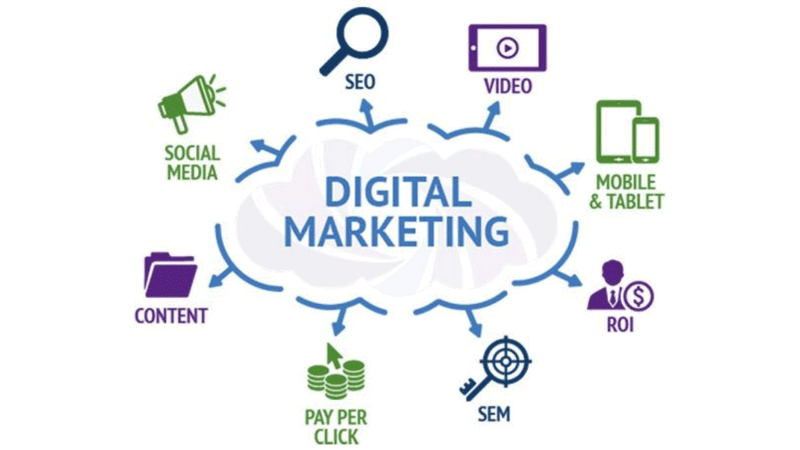
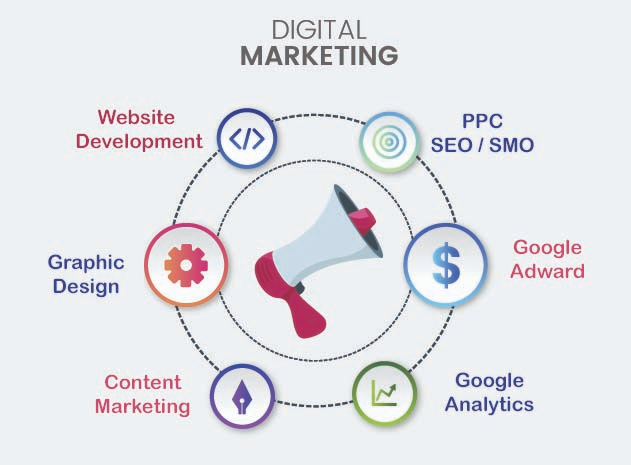
    Each business requires a unique mix of digital marketing channels based on its goals and audience. The main ones include:

    • SEO (Search Engine Optimization)
    • PPC (Pay-Per-Click Advertising)
    • Social Media Marketing
    • Content Marketing
    • Email Marketing
    • Affiliate & Influencer Marketing

    A successful campaign uses a combination of these based on customer touchpoints.

    3. Crafting Valuable Content

    Content is the engine of digital marketing. It drives SEO, fuels social media, and converts email readers into customers.

    Types of Content:

    • Blog posts
    • Infographics
    • Videos
    • Webinars
    • Case studies

    Kamlesh Singad emphasizes storytelling: “People don’t remember facts; they remember stories that make them feel something.”

    Also Read: Tips to Ace Your Digital Marketing Job Interview

    How Digital Marketing Works

    4. Driving Traffic to Your Website or Landing Page

    Once your content is live, the goal is to attract eyeballs. This is done via:

    • SEO optimization for organic reach
    • Paid ads for immediate visibility
    • Social media engagement
    • Email marketing

    CWK Agency uses integrated traffic campaigns, focusing on both long-term SEO and short-term PPC.

    5. Capturing Leads

    When users land on your website, the next step is to get their contact information.

    Tools Used:

    • Lead magnets (eBooks, free trials)
    • Signup forms
    • Landing pages
    • Chatbots

    A/B testing plays a major role here to see which copy or design converts best.

    6. Nurturing Leads with Email Marketing and Retargeting

    Once leads are captured, businesses must build trust and provide value before the sale.

    Lead Nurturing Tactics:

    • Welcome sequences
    • Educational emails
    • Personalized recommendations
    • Retargeting ads via Facebook and Google

    Kamlesh Singad says, “Most people need 5–7 touchpoints before they buy. That’s where email automation shines.”

    Also Read: Selling the Invisible: 5 Best Ways to Sell Your Services Successfully

    How Digital Marketing Works

    7. Converting Leads into Paying Customers

    When a lead is ready to buy, your funnel should make the process seamless.

    Conversion Techniques:

    • Clear CTAs
    • Scarcity and urgency (limited offers)
    • Social proof (testimonials and reviews)
    • Easy checkout process

    CWK Agency uses heatmaps and session recordings to optimize user journeys for better conversions.

    8. Measuring Results and Optimizing

    Digital marketing is a continuous loop of testing and learning.

    Important KPIs:

    • Click-through rate (CTR)
    • Conversion rate
    • Bounce rate
    • Cost per lead/sale
    • Customer lifetime value

    CWK Agency uses tools like Google Data Studio to provide real-time dashboards for clients.

    How Digital Marketing Works Together Across Channels

    Here’s an example of a working digital strategy:

    • A person searches “best skincare for dry skin” → finds a blog via SEO
    • Reads the blog and signs up for a free skincare guide → lead captured
    • Gets emails for 7 days with helpful skincare tips
    • Sees Facebook ads from the brand → retargeting in action
    • Finally clicks and buys a product via an email coupon

    This is a textbook digital marketing funnel.

    Common Myths About How Digital Marketing Works

    Myth: You need a big budget to succeed.
    Truth: Strategic planning and creativity often beat big budgets.

    Myth: Results are instant.
    Truth: Some channels (like SEO) take time to build momentum.

    Myth: More traffic means more sales.
    Truth: Quality of traffic matters more than quantity.

    Insights from Kamlesh Singad on How Digital Marketing Works

    Kamlesh Singad, through CWK Agency, has helped brands in retail, health, tech, and eCommerce grow through strategic digital marketing. His key advice for beginners:

    • Learn to think like your customer
    • Don’t chase every shiny object—focus on what works
    • Use automation, but don’t lose the human touch

    FAQs

    What’s the first step in digital marketing?
    Understanding your target audience and goals is always step one.

    Can digital marketing really help small businesses?
    Absolutely! Digital marketing levels the playing field for businesses of all sizes.

    How long before I see results?
    SEO might take 3–6 months; PPC and email marketing can yield results faster.

    Do I need a website to do digital marketing?
    Yes, a website serves as your digital home base—even for social-focused strategies.

    Is digital marketing difficult to learn?
    Not with the right guidance. Start small, practice consistently, and learn from experts like Kamlesh Singad.

    Conclusion: Your Digital Marketing Journey Starts Now

    Digital marketing isn’t magic—it’s a system. Once you understand how digital marketing works, you can leverage its components to drive traffic, build relationships, and grow your business sustainably.

    With the practical framework provided by Kamlesh Singad and the real-world applications from CWK Agency, you now have the blueprint to get started confidently.
  • What is Digital Marketing? A Complete Beginner’s Guide 2026

    What is Digital Marketing? A Complete Beginner’s Guide 2026

    Imagine you have a lemonade stand. You want to sell your delicious lemonade to as many people as possible. Now, think of the internet as a big market where people from all around the world come to buy and sell things. Digital marketing is like using special tools and tricks to make sure lots of people see your lemonade stand and want to buy your lemonade.

    What is Digital Marketing?
    Here are some simple examples to help you understand:

    Making Your Lemonade Stand Look Awesome (Website): Imagine you create a super cool sign for your lemonade stand that grabs people’s attention. Your website is like that sign, but on the internet. It’s a place where people can come to see what you’re selling and learn how amazing your lemonade is.

    Getting People to Visit Your Stand (Traffic): Just having a great sign won’t help if no one comes to your stand. So, you use some magic to tell people about your lemonade stand. You might use social media like Facebook or Instagram to show pictures of your tasty lemonade, and people start coming to your website to check it out.

    Showing Up When People Look (Search Engines): Imagine someone in your town asks, “Where can I get the best lemonade?” You’d want your stand to pop up in their mind, right? Digital marketing helps your website show up when people type things like “yummy lemonade” into a special computer search box. This is like making sure your lemonade stand is the first thing people see when they’re looking for lemonade online.

    Telling Friends to Tell Friends (Word of Mouth): Sometimes, when you tell your friends how awesome your lemonade is, they tell their friends, and then more people come to your stand. In digital marketing, you might ask people who love your lemonade to tell others online, like writing reviews or sharing your posts. This way, more and more people learn about your tasty lemonade.

    Making Your Stand More Attractive (Content): People love stories, right? So, you share stories about how you make your lemonade with the freshest lemons, or maybe you share funny videos of you and your lemonade team. This makes people like your stand even more and want to buy your lemonade.

    Special Offers to Attract Customers (Deals and Promotions): Sometimes, you might say, “Buy one lemonade, get another one free!” or offer a discount. This makes people excited to buy from your stand. Similarly, in digital marketing, you might offer special deals or coupons online to attract more customers.

    Keeping in Touch (Emails and Social Media): When someone buys your lemonade, you want them to come back, right? In digital marketing, you can ask people if they want to hear about your new flavours through emails or social media. It’s like inviting them back to your stand whenever you have something new and exciting.

    So, digital marketing is all about using clever tricks to make sure lots of people know about your lemonade stand, visit your website, and want to buy your delicious lemonade. Just like you want to be the best lemonade seller in your town, businesses want to be the best online, and digital marketing helps them do that!

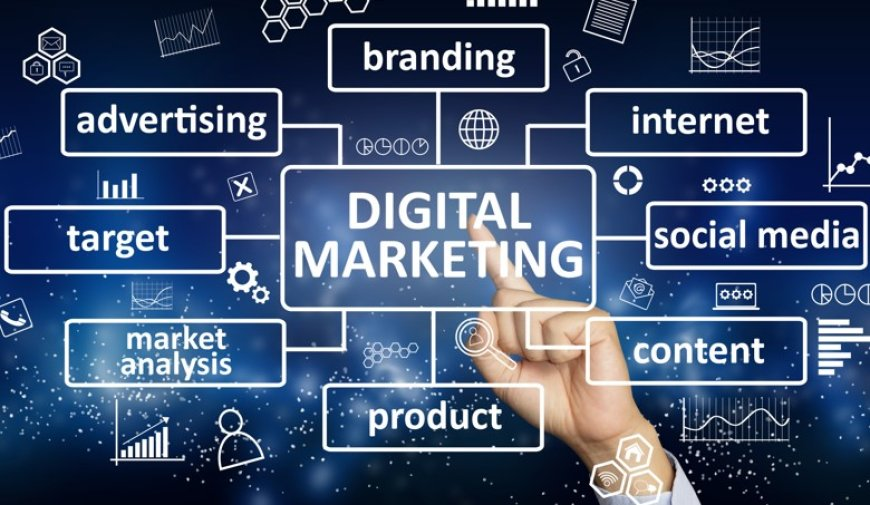
    “Digital marketing encompasses a broad range of strategies and techniques used by businesses and organizations to promote their products, services, or brands through various online channels. In today’s digital age, where a significant portion of the global population is actively engaged online, digital marketing has become an indispensable tool for businesses to connect with their target audience, build brand awareness, drive sales, and achieve overall marketing goals”.

    What is Digital Marketing


    Types or Components of Digital Marketing:


    Search Engine Optimization (SEO): SEO is like making your lemonade stand show up first when someone asks, “Where can I get tasty lemonade?” You use special ingredients (keywords and website improvements) to make sure your stand is the first thing people see. Example: If you have a website selling handmade candles, you optimize it with keywords like “unique candles” or “handcrafted scented candles” so that when people search for those terms on Google, your website appears at the top of the results.

    Social Media Marketing: This is like telling all your friends and their friends about your lemonade stand. You use platforms like Facebook, Instagram, and Twitter to show everyone your delicious lemonade and interact with them. Example: You create Instagram posts with mouth watering pictures of your lemonade, share fun stories of how you make it, and engage with customers by responding to their comments and messages.

    Pay-Per-Click Advertising (PPC): Imagine you pay a small amount every time someone takes a sip of your lemonade. With PPC, you pay a small fee when someone clicks on your online ad, and they’re taken to your website. Example: You create an ad that appears on Google when people search for “best lemonade near me.” You only pay if someone clicks on your ad and visits your website to order lemonade.

    Content Marketing: Content marketing is like sharing stories about why your lemonade is so refreshing. You create interesting and helpful content that makes people want to come to your stand. Example: If you sell gardening tools, you create blog posts about tips for a beautiful garden, and people who read your helpful articles might also be interested in your gardening products.

    Email Marketing: Sending emails to people who love your lemonade and telling them about your new flavors is email marketing. It’s like inviting them back to your stand whenever you have something exciting. Example: You send an email to your loyal customers, offering them a special discount on your new lemonade flavor, and they can use the coupon code when they order online.

    Influencer Marketing: Imagine a famous lemonade lover telling everyone how amazing your lemonade is. Influencer marketing is when popular people on social media talk about and promote your products to their followers. Example: A fitness influencer posts a picture on Instagram with your healthy lemonade, and their health-conscious followers become interested in trying it too.

    Affiliate Marketing: Affiliate marketing is like having friends who tell everyone about your lemonade and get a small cut when someone buys. Affiliates promote your products, and you give them a commission for each sale they bring. Example: You partner with bloggers who write about refreshing drinks, and they share a special link to your lemonade on their blog. When people buy using that link, the blogger earns a percentage of the sale.

    Video Marketing: This is like making a fun video of you and your team making lemonade and sharing it online. Videos capture attention and help people get to know your brand better. Example: You create a short video showing the process of making your lemonade, from squeezing lemons to adding ice, and post it on YouTube and social media.

    Online PR (Public Relations): Online PR is like managing your lemonade stand’s reputation online. You respond to reviews, handle any negative feedback, and make sure your stand looks good to everyone. Example: You address a customer’s complaint on social media, apologize for their bad experience, and offer to make it right. This shows other customers that you care about their satisfaction.

    Social Proof and Reviews: Imagine having a wall of happy customer notes at your lemonade stand. Online, you encourage customers to leave positive reviews and testimonials about your products. Example: On your website, you showcase reviews from customers who say your lemonade is the best they’ve ever tasted, building trust with potential buyers.


    Career in Digital Marketing:


    Digital marketing is a rapidly growing field that offers exciting career opportunities. As a digital marketer, you’ll be responsible for promoting products, services, or brands using online channels and strategies. Here are key points about a career in digital marketing:

    Diverse Roles: Digital marketing offers a variety of roles, including SEO specialist, social media manager, content creator, email marketer, PPC specialist, and more.

    Constant Learning: The digital landscape evolves quickly, so continuous learning is essential to stay updated with new tools, trends, and strategies.

    Creativity: Digital marketers need to think creatively to develop engaging content, campaigns, and strategies that capture the audience’s attention.

    Analytical Skills: Data analysis is crucial to measure the effectiveness of campaigns and make data-driven decisions for optimization.

    Communication: Effective communication is essential for conveying messages across different online platforms and engaging with the audience.

    Salary:

    Digital marketing salaries vary based on experience, role, location, and company size. Here’s a general overview:

    Entry-Level: Junior roles like social media assistant or content writer may start around $30,000 to $40,000 per year.
    Mid-Level: As you gain experience and specialize, salaries can range from $50,000 to $80,000 or more annually.
    Senior-Level: With several years of experience and expertise, digital marketing managers, directors, or specialists can earn $80,000 to $150,000 or higher.

    Skills to Become a Digital Marketer:

    To excel in digital marketing, you need a mix of technical, creative, and interpersonal skills:

    Digital Literacy: Familiarity with online platforms, tools, and technologies used in digital marketing is essential.

    SEO and SEM: Understanding of search engine optimization (SEO) and search engine marketing (SEM) principles to improve online visibility.

    Content Creation: Ability to create compelling and relevant content for various platforms, such as blogs, social media, and videos.

    Social Media Expertise: Proficiency in managing and strategizing social media campaigns across platforms like Facebook, Instagram, Twitter, and LinkedIn.

    Data Analysis: Skill to interpret data from tools like Google Analytics to measure campaign performance and make informed decisions.

    Copywriting: Writing persuasive and engaging copy for ads, emails, social media posts, and website content.

    Email Marketing: Knowledge of email marketing tools, list management, and crafting effective email campaigns.

    PPC Advertising: Understanding of pay-per-click advertising platforms like Google Ads and Facebook Ads.

    Creative Design: Basic design skills to create visually appealing graphics and images for digital marketing assets.

    Communication Skills: Ability to communicate clearly and effectively with team members, clients, and the target audience.

    Adaptability: Being open to learning and adapting to changes in digital marketing trends and algorithms.

    Digital marketing offers a dynamic and rewarding career path for individuals who are passionate about the online world, enjoy creativity, and are willing to stay updated with the latest industry developments.

    What is Digital Marketing


    Importance of Digital Marketing for Businesses:


    Global Reach: Digital marketing allows businesses to reach a global audience, breaking down geographical barriers and expanding their market reach.

    Cost-Effectiveness: Compared to traditional marketing methods, digital marketing often offers a more cost-effective way to promote products and services.

    Targeted Advertising: Digital marketing enables precise targeting of specific demographics, interests, and behaviors, ensuring that marketing efforts reach the right audience.

    Measurable Results: With digital marketing tools and analytics, businesses can track and measure the performance of their campaigns in real-time, allowing for data-driven decision-making and optimization.

    Higher Engagement: Interactive content, social media interactions, and personalized marketing efforts foster higher engagement and better customer relationships.

    Brand Building: Consistent digital presence and engagement help build brand awareness and loyalty over time.

    Adaptability: Digital marketing campaigns can be quickly adjusted and optimized based on real-time data, allowing businesses to adapt to changing market conditions.

    In today’s competitive landscape, digital marketing is not just an option but a necessity for businesses of all sizes.

    What is Digital Marketing