Tag: High-Quality Content

  • 14 SEO Best Practices for Better Rankings

    14 SEO Best Practices for Better Rankings

    Expert Tips to Improve Your SEO

    In today’s digital age, achieving better rankings on search engines is crucial for any business or website. Higher rankings lead to increased visibility, more traffic, and ultimately, greater success. However, navigating the world of SEO (Search Engine Optimization) can be challenging due to its ever-changing nature. This comprehensive guide will delve into 14 SEO Best Practices for Better Rankings. By implementing these strategies, you’ll be well on your way to mastering search engine optimization and achieving your online goals. kamleshsingad.com

    Introduction to SEO and Its Importance

    What is SEO?

    Search Engine Optimization (SEO) involves optimizing your website to improve its visibility on search engines like Google. This process includes various strategies and techniques aimed at increasing your site’s ranking for relevant keywords.

    Why SEO Matters

    SEO is essential because higher rankings on search engines lead to more organic traffic. Organic traffic, which comes from users finding your site through search engines, is highly valuable as it tends to be more targeted and relevant.

    The Role of Keywords in SEO

    Keywords play a crucial role in SEO. These are the terms and phrases that users type into search engines when looking for information. By optimizing your website for these keywords, you can attract more relevant traffic.

    SEO Best Practices for Better Rankings

    1. Conduct Thorough Keyword Research

    Importance of Keyword Research

    Keyword research is the foundation of any successful SEO strategy. It involves identifying the terms and phrases that your target audience is searching for.

    Tools for Keyword Research

    Use tools like Google Keyword Planner, SEMrush, and Ahrefs to find high-performing keywords. These tools provide insights into search volume, competition, and keyword difficulty.

    Long-Tail Keywords

    Focus on long-tail keywords, which are more specific and less competitive. These keywords often have a higher conversion rate as they cater to users with clear intent.

    image 45

    2. Optimize On-Page SEO

    Title Tags

    Title tags are one of the most important on-page SEO elements. Ensure your title tags are unique, descriptive, and include your primary keywords.

    Meta Descriptions

    Meta descriptions should provide a concise summary of your content. While they don’t directly affect rankings, well-crafted meta descriptions can improve click-through rates.

    Header Tags

    Use header tags (H1, H2, H3, etc.) to structure your content. These tags help search engines understand the hierarchy and importance of your content.

    Keyword Placement

    Strategically place your primary and secondary keywords throughout your content. Avoid keyword stuffing, which can lead to penalties from search engines.

    3. Create High-Quality Content

    Content is King

    High-quality content is essential for SEO. It attracts visitors, encourages engagement, and earns backlinks, all of which contribute to better rankings.

    Content-Length

    Longer content tends to rank higher on search engines. Aim for comprehensive articles that thoroughly cover your topic.

    Originality and Uniqueness

    Ensure your content is original and provides unique value to your audience. Plagiarized or duplicate content can harm your SEO efforts.

    4. Enhance User Experience (UX)

    Page Load Speed

    A fast-loading website improves user experience and can positively impact your rankings. Use tools like Google PageSpeed Insights to identify and fix speed issues.

    Mobile-Friendliness

    With the increasing use of mobile devices, having a mobile-friendly website is crucial. Use responsive design to ensure your site looks good on all devices.

    Navigation and Structure

    A well-structured website with clear navigation improves user experience. Make it easy for visitors to find the information they’re looking for.

    image 46

    5. Optimize for Voice Search

    Voice Search Popularity

    Voice search is becoming increasingly popular with the rise of digital assistants like Siri, Alexa, and Google Assistant. Optimizing for voice search can help you capture this growing audience.

    Conversational Keywords

    Use conversational keywords and phrases that people are likely to use when speaking. These often include questions and natural language.

    Featured Snippets

    Aim to appear in featured snippets, which are the short answers displayed at the top of Google search results. These are often used for voice search responses.

    6. Build Quality Backlinks

    Importance of Backlinks

    Backlinks from reputable websites signal to search engines that your site is trustworthy and authoritative. They are a crucial factor in SEO.

    Strategies for Earning Backlinks

    Create high-quality, shareable content that naturally attracts backlinks. Reach out to influencers and industry leaders for guest blogging opportunities.

    Avoid Black Hat Techniques

    Avoid black hat techniques like buying backlinks or participating in link schemes. These practices can lead to severe penalties from search engines.

    7. Use Social Media to Boost SEO

    Social Signals

    While social signals don’t directly impact rankings, a strong social media presence can drive traffic to your site and increase brand awareness.

    Content Promotion

    Promote your content on social media platforms to reach a broader audience. Encourage sharing to increase its reach and potential for earning backlinks.

    Engagement

    Engage with your audience on social media. Respond to comments and messages to build relationships and encourage repeat visits to your site.

    8. Implement Local SEO Strategies

    Importance of Local SEO

    Local SEO is crucial for businesses that serve specific geographic areas. It helps you attract local customers and appear in local search results.

    Google My Business

    Create and optimize your Google My Business listing. Ensure your business name, address, and phone number (NAP) are consistent across all online directories.

    Local Keywords

    Use local keywords in your content and meta tags. These include terms related to your location, such as city names and neighborhoods.

    image 47

    9. Utilize Structured Data Markup

    What is Structured Data?

    Structured data markup helps search engines understand the content of your site. It can improve your visibility in search results by enabling rich snippets.

    Types of Structured Data

    There are various types of structured data, including schema.org, JSON-LD, and Microdata. Use the most appropriate type for your content.

    Implementation

    Use Google’s Structured Data Markup Helper to generate the necessary code and implement it on your site. Regularly test your structured data with Google’s Rich Results Test.

    10. Optimize Images and Videos

    Image Optimization

    Optimize images by using descriptive file names and alt text. Compress images to reduce their size without compromising quality.

    Video Content

    Video content is increasingly popular and can enhance your SEO. Create engaging videos and optimize them with relevant keywords in the title, description, and tags.

    Multimedia Sitemaps

    Create multimedia sitemaps to help search engines index your images and videos. This can improve your visibility in search results.

    11. Improve Site Architecture

    Flat Site Structure

    A flat site structure ensures that all pages are accessible within a few clicks from the homepage. This improves user experience and helps search engines crawl your site.

    Internal Linking

    Use internal linking to connect related content on your site. This helps distribute page authority and improve navigation.

    XML Sitemaps

    Create and submit an XML sitemap to search engines. This helps them understand the structure of your site and index your pages more efficiently.

    12. Regularly Update Your Content

    Freshness Factor

    Search engines favor fresh content. Regularly updating your content signals to search engines that your site is current and relevant.

    Content Audits

    Perform regular content audits to identify outdated or underperforming content. Update or remove content that no longer provides value.

    Repurposing Content

    Repurpose existing content into different formats, such as videos, infographics, or podcasts. This can reach new audiences and provide additional SEO benefits.

    image 48

    13. Monitor and Analyze Your SEO Performance

    Use Analytics Tools

    Use tools like Google Analytics and Google Search Console to monitor your SEO performance. Track key metrics such as traffic, bounce rate, and keyword rankings.

    Regular Reporting

    Regularly generate reports to analyze your SEO efforts. Identify areas of improvement and adjust your strategy accordingly.

    Competitor Analysis

    Analyze your competitors’ SEO strategies to identify opportunities and gaps. Use tools like SEMrush and Ahrefs to gain insights into their performance.

    14. Stay Updated with SEO Trends

    SEO is Ever-Evolving

    SEO is constantly changing, with new trends and updates regularly emerging. Staying updated with these changes is crucial for maintaining and improving your rankings.

    Follow Industry Experts

    Follow industry experts and thought leaders in SEO. Read blogs, attend webinars, and participate in forums to stay informed.

    Experiment and Adapt

    Experiment with new strategies and techniques. SEO is not a one-size-fits-all approach, so be willing to adapt and try new things to see what works best for your site.

    Conclusion

    Mastering SEO is essential for achieving better rankings and driving organic traffic to your website. By implementing these 14 SEO best practices, you can significantly improve your search engine optimization efforts. Remember, SEO is a continuous process that requires regular monitoring and adaptation. Stay updated with the latest trends, experiment with new strategies, and always strive to provide high-quality content that meets the needs of your audience. With dedication and persistence, you can achieve lasting success in the world of SEO.


    FAQs

    What are the most important factors for improving SEO rankings?
    The most important factors include conducting thorough keyword research, creating high-quality content, optimizing on-page SEO elements, building quality backlinks, and enhancing user experience.

    How can I conduct effective keyword research?
    Use tools like Google Keyword Planner, SEMrush, and Ahrefs to identify high-performing keywords. Focus on long-tail keywords and consider the search volume, competition, and keyword difficulty.

    Why is user experience important for SEO?
    User experience affects how visitors interact with your site. A positive user experience, including fast loading times, mobile-friendliness, and easy navigation, can lead to higher engagement and better rankings.

    How can I optimize my website for mobile devices?
    Use responsive design to ensure your site looks good on all devices. Test your site on various devices and screen sizes to ensure a seamless user experience.

    What is the role of backlinks in SEO?
    Backlinks from reputable websites signal to search engines that your site is trustworthy and authoritative. They are a crucial factor in SEO and can significantly impact your rankings.

    How often should I update my website’s content?
    Regularly updating your content signals to search engines that your site is current and relevant. Aim to update your content at least once a year, or more frequently if possible.

    Read More –

    Importance of Data Analytics in Digital Marketing
    – https://kamleshsingad.in/importance-of-data-analytics-in-digital-marketing/

    Digital Marketing Consultant in India
    – https://kamleshsingad.in/digital-marketing-consultant-in-india/

    #1 Digital Marketing Consultant in India: Kamlesh Singad
    – https://kamleshsingad.in/1-digital-marketing-consultant-in-india-kamlesh/

  • What is Online Reputation Management? Strategies to Improve Your Brand Trust

    What is Online Reputation Management? Strategies to Improve Your Brand Trust

    In today’s digital age, your online reputation is a crucial component of your personal and professional life. Whether you’re an individual, a small business owner, or part of a large corporation, what people say about you online can have a significant impact on your success. Online reputation management (ORM) is the practice of controlling and influencing how you are perceived on the internet. In this blog, we will delve into the dos and don’ts of online reputation management, providing you with essential guidance to safeguard and enhance your online image.

    The Dos of Online Reputation Management

    1. Monitor Your Online Presence

    Do: Regularly monitor what is being said about you or your brand on the internet. Use tools like Google Alerts, social media monitoring tools, and online reputation management software to stay informed about mentions, reviews, and discussions related to you.

    Example: Imagine you are a restaurant owner. By using monitoring tools, you can quickly identify when a customer posts a positive review about your food and service on a popular review site like Yelp. You can then thank the customer and use the positive feedback to promote your restaurant.

    2. Create High-Quality Content

    Do: Develop and share valuable content that reflects your expertise and values. Publish blog posts, videos, infographics, and other content that educates and engages your target audience. High-quality content can push down negative search results and establish your authority in your field.

    Example: If you’re a fitness trainer, regularly publishing informative articles on topics like nutrition, workout routines, and health tips can help you establish yourself as an authoritative source in the fitness industry.

    3. Engage Positively on Social Media

    Do: Actively engage with your audience on social media platforms. Respond to comments, messages, and mentions promptly and professionally. Showcase your personality and authenticity in your interactions, demonstrating that you care about your audience’s opinions and concerns.

    Example: If you run a small e-commerce business selling handmade jewelry, responding to customer inquiries and comments on your Instagram posts can create a positive impression and build trust among your followers.

    4. Encourage Positive Reviews and Testimonials

    Do: Encourage satisfied customers, clients, or colleagues to leave positive reviews and testimonials on relevant platforms. Make it easy for them by providing clear instructions and links to the review sites. Genuine, positive feedback can counteract negative reviews.

    Example: If you are a freelance graphic designer, asking satisfied clients to leave reviews on platforms like Upwork or LinkedIn can boost your credibility and attract more clients.

    5. Address Negative Feedback Professionally

    Do: When you receive negative feedback, respond professionally and empathetically. Try to resolve the issue or concern privately if possible. Acknowledge the feedback and show a willingness to improve.

    Example: If you run a software company and a customer posts a negative review about a bug in your product, respond with a comment acknowledging the issue and offering to assist the customer in finding a solution. This demonstrates your commitment to customer satisfaction.

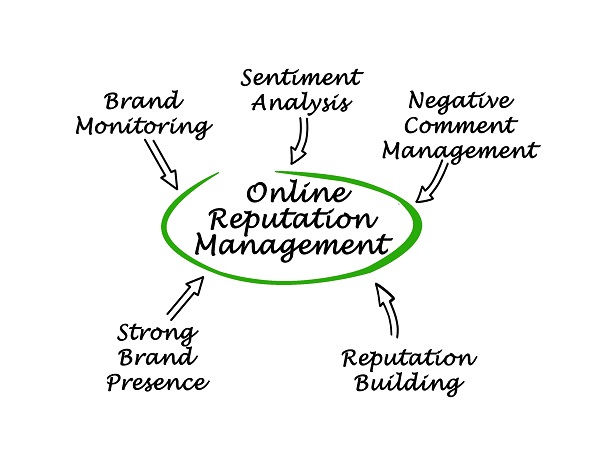
    Online Reputation Management

    6. Optimize Your Online Profiles

    Do: Ensure that your online profiles on social media, professional networking sites, and directories are complete, up-to-date, and consistent. Use relevant keywords in your profiles to enhance your visibility in search results.

    Example: A marketing professional should have a LinkedIn profile with a professional photo, a detailed summary, and a list of skills and endorsements that accurately represent their expertise in marketing.

    7. Seek Professional Help When Necessary

    Do: If your online reputation faces serious challenges, consider seeking professional assistance from an online reputation management company. They have the expertise to address complex reputation issues effectively.

    Example: A CEO of a well-known company accused of financial misconduct may need the expertise of an ORM firm to manage the fallout and repair their damaged reputation.

    The Don’ts of Online Reputation Management

    1. Don’t Ignore Negative Content

    Don’t: Ignoring negative content or hoping it will disappear on its own is a big mistake. Negative information can linger online for a long time and harm your reputation. Instead, address it proactively.

    Example: If you run a local bakery, and a customer writes a scathing review about finding a hair in their pastry, ignoring the review may lead to more negative comments and deter potential customers.

    2. Don’t React Emotionally

    Don’t: Responding emotionally to criticism or negative comments can escalate the situation. Avoid getting defensive, using aggressive language, or engaging in online arguments. Maintain professionalism and composure.

    Example: If you’re a public figure and receive harsh criticism on social media, responding with anger or insults can damage your reputation further. Instead, address the criticism calmly and thoughtfully.

    3. Don’t Use Fake Reviews or Deceptive Tactics

    Don’t: Posting fake positive reviews or trying to manipulate search results through deceptive tactics is unethical and can result in severe consequences, including legal action and further damage to your reputation.

    Example: If you’re a real estate agent, resist the temptation to create fake accounts to leave glowing reviews for your services. Such dishonest practices can destroy trust and credibility.

    4. Don’t Neglect Privacy Settings

    Don’t: Be mindful of your privacy settings on social media and other online platforms. Sharing personal information or controversial opinions publicly can be detrimental to your reputation if it’s misinterpreted or used against you.

    Example: If you’re a teacher, it’s wise to keep your personal Facebook profile private to prevent students and their parents from accessing your personal life and opinions that may be taken out of context.

    5. Don’t Rely Solely on Automation

    Don’t: While automation tools can be helpful for monitoring and managing your online reputation, don’t rely on them entirely. Automated responses can come across as insincere, and personal engagement is often more effective.

    Example: If you’re a customer service representative for an online retailer, using an automated response for every customer inquiry can frustrate customers seeking a genuine connection and assistance.

    6. Don’t Underestimate the Power of Transparency

    Don’t: Trying to cover up mistakes or negative events can often make the situation worse. Transparency and honesty are valued by consumers and can help rebuild trust.

    Example: If you’re the CEO of a company facing a data breach, being transparent about the breach, its causes, and the steps taken to rectify it can reassure customers and stakeholders that you are handling the situation responsibly.

    7. Don’t Disregard Consistency

    Don’t: Inconsistency in your online behavior, messaging, or branding can confuse your audience and harm your reputation. Ensure that your online presence aligns with your values and goals.

    Example: If you’re a fitness influencer promoting a healthy lifestyle, posting content that contradicts your message, like binge-drinking photos, can undermine your credibility and confuse your followers.

    Conclusion

    Online reputation management is a vital practice in the digital age, and understanding the dos and don’ts is essential for maintaining and enhancing your online image. By monitoring your online presence, creating high-quality content, engaging positively on social media, and addressing feedback professionally, you can build a strong and positive reputation. On the other hand, ignoring negative content, reacting emotionally, using deceptive tactics, neglecting privacy settings, relying solely on automation, and disregarding consistency can all have detrimental effects on your online reputation.

  • How Google Algorithms Work for SEO: A Beginner to Advanced Guide

    How Google Algorithms Work for SEO: A Beginner to Advanced Guide

    In the ever-evolving landscape of online search, Google reigns supreme. With billions of daily searches, it’s no surprise that businesses and website owners are constantly striving to rank higher on Google’s search results pages. Achieving this coveted top spot requires a deep understanding of Google’s algorithms and how they impact Google Algorithms for Website SEO (Search Engine Optimization).

    Google’s algorithms are complex sets of rules and formulas that determine the order in which websites appear in search results. These algorithms are updated frequently to provide users with the most relevant and high-quality content. In this comprehensive guide, we’ll break down Google’s algorithms in simple language and provide actionable tips for improving your website’s SEO.

    Chapter 1: Understanding Google’s Mission

    Before delving into Google’s algorithms, it’s essential to understand Google’s mission. Google’s primary goal is to provide users with the most relevant and high-quality search results possible. To achieve this, Google continuously refines its algorithms to ensure that websites with valuable content are rewarded and those employing deceptive tactics are penalized.

    Chapter 2: Google’s Core Algorithms

    Google employs several core algorithms to rank websites in search results. Let’s take a closer look at some of the most significant ones:

    • Google Panda: This algorithm assesses the quality of your website’s content. It penalizes low-quality or duplicate content and rewards websites with original, informative, and engaging content.
    • Google Penguin: Penguin focuses on backlinks, penalizing websites with spammy or manipulative link profiles. Building high-quality, natural backlinks is essential to avoid penalties from this algorithm.
    • Google Hummingbird: Hummingbird is all about understanding user intent. It helps Google deliver more accurate results by considering the context and meaning of search queries, making long-tail keywords and natural language crucial for SEO.
    • Google RankBrain: RankBrain is Google’s machine learning algorithm. It helps interpret ambiguous queries and fine-tune search results based on user behavior. Understanding user intent and providing relevant content is key to ranking well with RankBrain.
    • Google BERT: BERT (Bidirectional Encoder Representations from Transformers) improves language understanding. It focuses on understanding the context of words in a search query, making it crucial to create content that answers specific user questions.

    Also Read: Local Businesses Rank Faster on Google | SEO Tips by CWK Agency

    Google Algorithms

    Chapter 3: The Importance of Mobile-Friendly Design

    In the mobile-first era, Google prioritizes mobile-friendly websites. A mobile-friendly design ensures that your site looks and performs well on smartphones and tablets. Google’s Mobile-First Index means that mobile versions of web pages are used for ranking. To optimize for mobile, ensure responsive design, fast loading times, and a user-friendly interface.

    Chapter 4: Content is King

    Content is the foundation of SEO. Creating high-quality, relevant, and valuable content is essential. Here are some key considerations:

    • High-Quality Content: Your content should be well-researched, well-written, and free from errors. It should provide value to your audience and address their needs.
    • Keyword Research: Keyword research helps you understand what your target audience is searching for. Use tools like Google Keyword Planner to find relevant keywords to include in your content.
    • Content Length: In general, longer content tends to perform better in search results. However, it should be long because it provides value, not just for the sake of length.
    • Content Freshness: Updating and adding new content keeps your website relevant. Google often rewards fresh content with higher rankings.

    Chapter 5: Backlinks and Off-Page SEO

    Backlinks, also known as inbound links, are crucial for SEO. They represent trust and authority in the eyes of search engines. However, not all backlinks are created equal:

    • The Power of Backlinks: High-quality, authoritative backlinks from reputable websites are more valuable than a large number of low-quality links.
    • Link Quality vs. Quantity: Focus on earning quality backlinks rather than trying to accumulate as many as possible. Building relationships with other websites in your niche can lead to natural backlink opportunities.
    • Avoiding Black Hat SEO: Stay away from black hat SEO tactics like buying links or participating in link schemes. Google’s algorithms are adept at detecting and penalizing such practices.

    Also Read: SEO Expert Indore: The Ultimate Guide to Choosing the Best SEO Consultant

    Chapter 6: Technical SEO

    Technical SEO involves optimizing your website’s infrastructure and technical elements for search engines. Some key technical SEO aspects include:

    • Website Speed: A fast-loading website is crucial for SEO. Use tools like Google PageSpeed Insights to identify and fix speed issues.
    • Mobile Optimization: Ensure that your website is mobile-friendly and loads quickly on mobile devices.
    • Secure (HTTPS) Connection: Google prefers secure websites. Implementing an SSL certificate to enable HTTPS is essential.
    • XML Sitemaps: XML sitemaps help search engines understand your website’s structure and content, making it easier for them to crawl and index your pages.
    • Schema Markup: Adding schema markup to your content can enhance how your website appears in search results, providing additional information to users.

    Chapter 7: User Experience (UX) and SEO

    User experience directly impacts your website’s performance in search results. Google wants to provide users with a positive experience, so consider these UX factors:

    • Page Layout and Design: Ensure your website has an organized and visually appealing layout that makes it easy for users to navigate.
    • Mobile Responsiveness: Mobile users should have the same great experience as desktop users. Optimize for various screen sizes.
    • Website Navigation: Create a clear and intuitive navigation structure to help users find what they’re looking for.
    • Page Loading Speed: Slow-loading pages frustrate users and can lead to higher bounce rates. Optimize your website’s speed for better rankings.
    Google Algorithms

    Chapter 8: Local SEO

    If your business serves a local audience, optimizing for local search is essential. Here are some key aspects of local SEO:

    • Google My Business: Claim and optimize your Google My Business listing. Provide accurate information, high-quality images, and encourage customer reviews.
    • Online Reviews: Positive online reviews not only boost your reputation but can also improve local search rankings.
    • NAP Citations: Ensure that your business’s name, address, and phone number (NAP) are consistent across all online directories and listings.

    Chapter 9: Tracking and Analytics

    To gauge the effectiveness of your Google Algorithms for Website SEO efforts, you need to track and analyze data. Here are some essential tools and metrics:

    • Google Analytics: Provides insights into website traffic, user behavior, and more.
    • Google Search Console: Offers data on how your website appears in search results and helps identify and fix issues.
    • SEO Tools: Utilize various SEO tools like Moz, SEMrush, and Ahrefs to monitor rankings, analyze backlinks, and conduct keyword research.

    Chapter 10: Staying Updated

    The world of SEO is constantly evolving, with Google regularly rolling out algorithm updates. To stay ahead, consider these strategies:

    • Algorithm Updates: Stay informed about Google’s algorithm updates and adapt your Google Algorithms for Website SEO strategies accordingly.
    • Industry News: Follow industry news and blogs to keep up with the latest trends and best practices in Google Algorithms for Website SEO.

    Also Read: Certified SEO Expert Indore | Complete Guide to Growing Your Business Online

    Chapter 11: Conclusion

    In the competitive online landscape, understanding Google’s algorithms and implementing effective SEO strategies is crucial for your website’s success. By focusing on high-quality content, technical optimization, user experience, and staying up-to-date with industry changes, you can improve your website’s visibility in Google’s search results. Remember that Google Algorithms for Website SEO is an ongoing process, and consistent efforts are key to achieving and maintaining high rankings.

    Google Algorithms