Tag: google ads

  • 10 Powerful Reasons Why You Should Outsource Your Digital Marketing

    10 Powerful Reasons Why You Should Outsource Your Digital Marketing

    In today’s fast-moving online world, businesses need strong digital marketing to grow. Whether you run a small business, startup, or large company, your online presence matters a lot. Many business owners try to handle marketing themselves, but it often becomes difficult, time-consuming, and less effective.

    That’s why many smart businesses are now choosing to outsource their marketing work. If you are thinking about it, this guide will help you understand Why You Should Outsource Your Digital Marketing and how it can benefit your business.

    If you are based in Madhya Pradesh, especially looking for Digital Marketing in Indore, agencies like Code With Kamlesh Digital Marketing Agency, led by kamlesh singad, are helping businesses grow faster with expert strategies.

    1. You Get Expert Knowledge and Skills

    Digital marketing is not just posting on social media. It includes SEO, Google Ads, content marketing, email marketing, analytics, and more.

    When you outsource, you get a team of experts who:

    • Know the latest trends
    • Understand Google algorithms
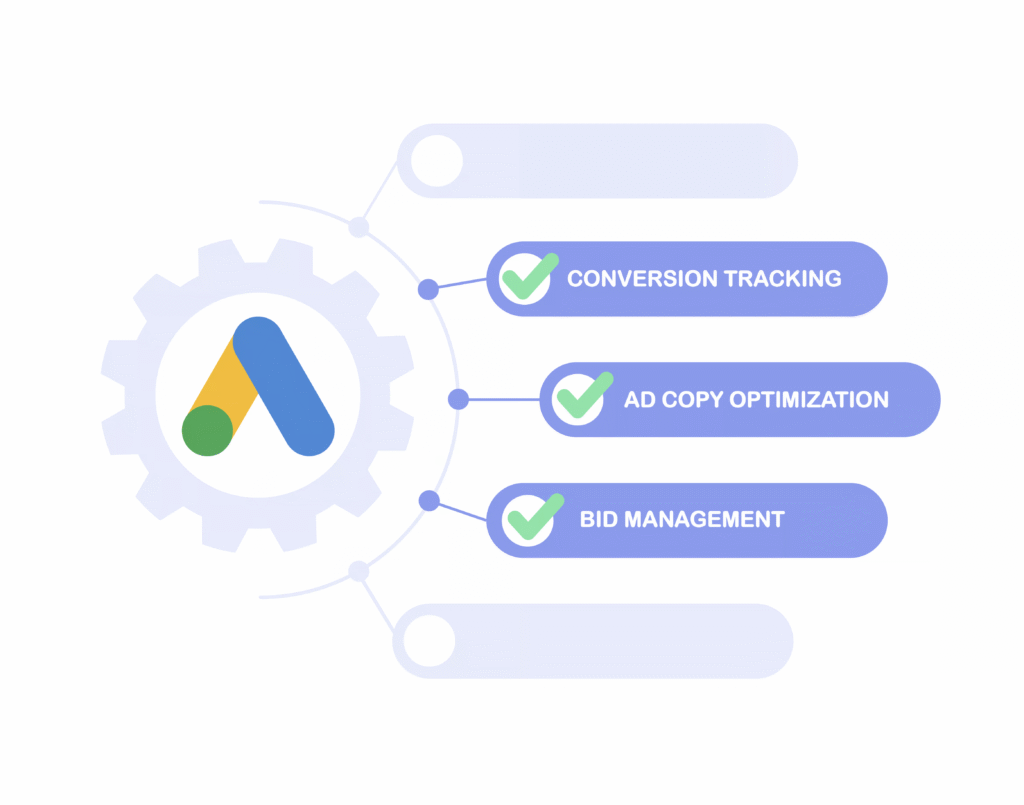
    • Use advanced tools
    • Apply proven strategies

    Instead of learning everything yourself, you directly get professional results.

    Outsource Your Digital Marketing

    2. Saves Your Time and Energy

    Running a business already takes a lot of time. If you try to manage marketing also, you may get overwhelmed.

    Outsourcing helps you:

    • Focus on your core business
    • Save hours every day
    • Reduce stress

    A professional agency handles everything while you focus on growth.

    3. Cost-Effective Compared to Hiring In-House

    Hiring a full digital marketing team is expensive. You need:

    • Salary
    • Training
    • Tools
    • Office space

    But when you outsource, you pay only for services you need.

    For example, working with Code With Kamlesh Digital Marketing Agency gives you access to a full team at a much lower cost than hiring employees.

    4. Access to Advanced Tools and Technology

    Digital marketing requires tools like:

    • SEO tools
    • Keyword research tools
    • Analytics platforms
    • Automation software

    These tools are costly. Agencies already have them and know how to use them properly.

    This means better performance without extra investment from your side.

    5. Faster and Better Results

    Experience matters. Agencies have already worked with many clients and know what works.

    They can:

    • Launch campaigns quickly
    • Avoid common mistakes
    • Optimize strategies faster

    If you want quick growth in Digital Marketing in Indore, outsourcing is the best option.

    6. Scalable Services as Your Business Grows

    Your business needs change over time. Sometimes you need more marketing, sometimes less.

    Outsourcing gives flexibility:

    • Increase services anytime
    • Reduce when not needed
    • Customize strategies

    You don’t need to hire or fire employees. Everything becomes easy and flexible.

    7. Focus on ROI (Return on Investment)

    A good agency always focuses on results, not just activity.

    They track:

    • Leads
    • Sales
    • Website traffic
    • Conversion rates

    Professionals like kamlesh singad understand how to maximize ROI using smart digital strategies.

    This ensures your money is used effectively.

    8. Stay Updated with Latest Trends

    Digital marketing keeps changing:

    • Google updates
    • New social media features
    • Changing customer behavior

    If you don’t stay updated, you lose opportunities.

    Agencies stay updated daily, so your business always uses the latest and best strategies.

    9. Strong Online Presence and Branding

    Your brand image is very important. A professional agency helps you build:

    • A strong website
    • Social media presence
    • Quality content
    • Brand identity

    This makes your business look more professional and trustworthy.

    With the right strategy, your brand becomes more visible in the market.

    10. Better Competition Handling

    Your competitors are already using digital marketing. If you don’t act smartly, you may fall behind.

    An agency helps you:

    • Analyze competitors
    • Find opportunities
    • Create better campaigns

    This gives you an advantage in your industry.

    Outsource Your Digital Marketing

    Why Choose Code With Kamlesh Digital Marketing Agency?

    If you are searching for reliable Digital Marketing in Indore, then Code With Kamlesh Digital Marketing Agency is a strong choice.

    Founded by kamlesh singad, the agency focuses on practical, result-driven marketing strategies.

    What makes them different?

    • Real client-based training and experience
    • Strong focus on SEO and lead generation
    • Affordable services for businesses
    • Latest tools and techniques
    • Personalized strategies

    They have already helped many businesses grow online and generate leads.

    When Should You Outsource Digital Marketing?

    You should consider outsourcing when:

    • You are not getting results
    • You don’t have time to manage marketing
    • Your competitors are growing faster
    • You want to scale your business
    • You lack technical knowledge

    Outsourcing at the right time can change your business growth completely.

    Common Mistakes to Avoid

    While outsourcing is beneficial, you should avoid these mistakes:

    1. Choosing the Cheapest Agency

    Cheap services may give poor results. Focus on quality.

    2. Not Setting Clear Goals

    Always define what you want:

    • Leads
    • Traffic
    • Sales

    3. Ignoring Communication

    Stay connected with your agency and track progress.

    4. Expecting Instant Results

    Digital marketing takes time. Be patient and consistent.

    How to Choose the Right Digital Marketing Agency?

    Here are some tips:

    • Check past work and results
    • Read reviews and testimonials
    • Ask about strategy
    • Understand pricing clearly
    • Ensure good communication

    Choosing the right partner is very important for success.

    Outsource Your Digital Marketing

    Future of Digital Marketing Outsourcing

    In 2026 and beyond, outsourcing will grow even more because:

    • Businesses want faster results
    • Technology is becoming complex
    • Competition is increasing

    More companies will rely on experts like Code With Kamlesh Digital Marketing Agency to handle their online growth.

    Final Thoughts

    Now you clearly understand Why You Should Outsource Your Digital Marketing.

    Outsourcing is not just a trend—it’s a smart business decision.

    It helps you:

    • Save time
    • Reduce cost
    • Get expert support
    • Grow faster

    If you want real results in Digital Marketing in Indore, working with professionals like kamlesh singad can make a big difference.

    FAQs

    1. Why should you outsource your digital marketing?

    Outsourcing digital marketing helps you get expert support, save time, and achieve better results. It allows you to focus on your business while professionals handle SEO, ads, and social media.

    2. Is outsourcing digital marketing cost-effective?

    Yes, outsourcing is more cost-effective than hiring an in-house team. You save money on salaries, tools, and training while still getting high-quality services from experts.

    3. How do I choose the right digital marketing agency?

    You should check the agency’s experience, past results, client reviews, and services. Agencies like Code With Kamlesh Digital Marketing Agency offer practical and result-driven strategies, especially for businesses looking for Digital Marketing in Indore.

    4. What services can a digital marketing agency provide?

    A digital marketing agency can provide services like SEO, social media marketing, Google Ads, content marketing, website development, and lead generation.

    5. When is the right time to outsource digital marketing?

    You should outsource when you are not getting results, don’t have time, or want to grow your business faster. It is especially helpful when competition is high and expert strategies are needed.

  • Performance Marketing Expert in Indore | Drive Real ROI with CWK Code With Kamlesh

    Performance Marketing Expert in Indore | Drive Real ROI with CWK Code With Kamlesh

    In today’s competitive business environment, growth is not optional—it is necessary. However, growth does not come from random posting or running ads without strategy. Instead, it comes from measurable systems that generate leads and sales consistently. That is why hiring a Performance Marketing Expert in Indore has become essential for modern businesses.

    If you are searching for a reliable digital marketing agency indore, then working with kamlesh singad at code with kamlesh (CWK) agency indore can help you achieve real return on investment (ROI). This detailed guide explains performance marketing in simple English and shows how structured digital strategies can transform your business.

    What is Performance Marketing?

    Performance marketing is a results-based form of digital advertising. In simple words, you pay for measurable outcomes rather than assumptions. These outcomes may include:

    • Qualified leads
    • Direct sales
    • Website conversions
    • App downloads
    • Form submissions

    Unlike traditional advertising, every click and conversion is tracked. Therefore, you always know where your money is going. Moreover, campaigns can be adjusted quickly if performance drops.

    A skilled Performance Marketing Expert in Indore focuses on improving metrics such as cost per lead, conversion rate, and return on ad spend. As a result, marketing becomes predictable and scalable.

    Why Businesses in Indore Need Performance Marketing

    Indore is developing rapidly as a commercial and startup hub. Because of this expansion, competition across industries is increasing. Traditional marketing methods still create awareness; however, they do not provide accurate performance data.

    On the other hand, digital platforms allow precise targeting. For example, businesses can target specific age groups, interests, and locations. In addition, campaign performance can be measured in real time.

    Consequently, companies that adopt performance marketing gain a strong competitive advantage. This is why partnering with a professional digital marketing agency indore is no longer optional—it is strategic.

    Read also : Growth Marketing Consultant Indore | CWK Code With Kamlesh

    Who is Kamlesh Singad?

    kamlesh singad is the founder of code with kamlesh (CWK) agency indore. He specializes in data-driven advertising strategies focused on ROI. Rather than running generic campaigns, he builds customized systems aligned with business goals.

    Over time, he has helped local businesses generate quality leads and increase sales using structured paid campaigns. Because of his practical approach, many brands consider him a trusted Performance Marketing Expert in Indore.

    His philosophy is simple:
    Spend smart. Track everything. Optimize continuously.

    Performance Marketing Expert in Indore

    About Code With Kamlesh (CWK) Agency Indore

    code with kamlesh (CWK) agency indore is a performance-focused digital marketing agency indore. The agency works with:

    • Coaching institutes
    • Real estate companies
    • E-commerce brands
    • Healthcare providers
    • Local service businesses

    Instead of offering random marketing services, CWK builds measurable growth systems. Moreover, every campaign is backed by analytics and reporting.

    Read also : Looking for a GMB Expert in Indore? CWK Digital Marketing Agency Can Help

    Core Services Offered

    1. Paid Advertising (Performance Marketing)

    Paid ads are the foundation of performance marketing. CWK runs campaigns on:

    • Facebook Ads
    • Instagram Ads
    • Google Ads
    • YouTube Ads

    First, detailed audience research is conducted. Next, high-converting ad creatives are developed. After that, campaigns are launched with proper tracking tools installed.

    Because campaigns are monitored daily, improvements are made quickly. As a result, cost per lead decreases while conversions increase.

    2. Lead Generation Funnels

    Getting traffic is only the first step. Therefore, CWK builds complete funnels that convert visitors into customers.

    These systems include:

    • Landing pages
    • Lead forms
    • WhatsApp automation
    • CRM integration
    • Email follow-ups

    Consequently, businesses do not lose potential customers due to poor follow-up.

    3. Conversion Optimization

    Sometimes ads bring clicks but not sales. In such cases, conversion optimization becomes essential.

    A professional Performance Marketing Expert in Indore improves:

    • Landing page design
    • Headlines and offers
    • Call-to-action buttons
    • Page loading speed

    Through A/B testing, different variations are tested. As a result, the highest-performing version is selected.

    4. Social Media Strategy

    Although paid ads drive results, brand trust also matters. Therefore, CWK provides social media strategy support.

    This includes:

    • Content planning
    • Creative design
    • Reel marketing
    • Brand positioning

    When organic and paid strategies work together, growth becomes consistent.

    Performance Marketing Expert in Indore

    Read also : Local SEO Expert Indore for Business Growth – CWK

    Step-by-Step Process Followed by CWK

    Step 1: Business Analysis

    Every project begins with understanding the business model, pricing structure, target audience, and competitors. Without clarity, campaigns cannot succeed.

    Step 2: Strategy Development

    Next, a customized roadmap is created. Budget allocation, funnel design, and key performance indicators (KPIs) are defined clearly.

    Step 3: Technical Setup

    Tracking tools such as Facebook Pixel and Google conversion tracking are installed. Therefore, all user actions can be measured accurately.

    Step 4: Campaign Launch

    Ads are launched in structured stages. Instead of spending the entire budget immediately, testing is done first.

    Step 5: Optimization and Scaling

    Data is analyzed daily. Winning ads receive higher budgets, while weak ads are paused or improved. Consequently, ROI improves steadily.

    Benefits of Hiring a Performance Marketing Expert in Indore

    Working with a specialist provides several advantages:

    1. Accurate audience targeting
    2. Lower cost per lead
    3. Better conversion rate
    4. Clear ROI tracking
    5. Faster business growth
    6. Reduced budget waste

    Instead of experimenting blindly, you benefit from structured expertise.

    Performance Marketing vs Traditional Marketing

    Traditional marketing often focuses on visibility. However, visibility alone does not guarantee sales.

    Performance marketing, in contrast, focuses on measurable actions. For example, if you spend ₹10,000 on ads, you can calculate exactly how many leads or sales you received.

    Therefore, businesses prefer performance marketing because results are transparent and scalable.

    Performance Marketing Expert in Indore

    Common Mistakes Businesses Make

    Many business owners try running ads themselves. Although this approach may save money initially, it often leads to losses.

    Incorrect targeting increases costs. Weak creatives reduce engagement. Lack of tracking makes optimization impossible. Moreover, stopping campaigns too early prevents proper testing.

    As a result, businesses misunderstand digital marketing. In reality, the problem lies in strategy and execution.

    By working with code with kamlesh (CWK) agency indore, these errors can be avoided.

    Industries That Benefit the Most

    Coaching Institutes

    Generate admission leads through webinar funnels and targeted ads.

    Real Estate

    Attract serious property buyers using location-based campaigns.

    E-commerce

    Increase product sales through conversion and remarketing ads.

    Healthcare

    Drive appointment bookings with structured campaigns.

    Because each industry is unique, strategy customization is essential.

    Why ROI Matters More Than Likes

    Likes and followers create social proof. However, they do not directly increase revenue.

    Instead, businesses should focus on:

    • Cost per acquisition
    • Conversion rate
    • Customer lifetime value
    • Return on ad spend

    A reliable digital marketing agency indore prioritizes profit-driven metrics.

    Long-Term Growth Strategy

    Short-term campaigns may generate quick leads. However, sustainable growth requires long-term planning.

    CWK builds:

    • Retargeting audiences
    • Email databases
    • Repeat purchase campaigns
    • Loyalty strategies

    Consequently, businesses generate revenue consistently rather than occasionally.

    Transparent Reporting

    Transparency builds trust. Therefore, clients receive:

    • Weekly updates
    • Monthly performance reports
    • Budget breakdowns
    • Improvement suggestions

    Because data is shared openly, decision-making becomes collaborative.

    Future of Performance Marketing in Indore

    Digital adoption in Indore is increasing every year. As more businesses shift online, competition will become stronger. Therefore, structured and data-driven marketing will dominate.

    A knowledgeable Performance Marketing Expert in Indore will remain in high demand because businesses need measurable outcomes.

    Final Thoughts

    Business growth today depends on clarity, data, and smart execution. Random marketing efforts may create short-term visibility; however, they rarely produce consistent revenue. Therefore, businesses must focus on measurable strategies that directly impact profit.

    A skilled Performance Marketing Expert in Indore understands how to combine audience targeting, creative strategy, tracking systems, and continuous optimization. As a result, every rupee spent on advertising is monitored and improved over time.

    By working with a professional digital marketing agency indore like code with kamlesh (CWK) agency indore, businesses gain more than just ads—they gain a structured growth system. Under the guidance of kamlesh singad, campaigns are built around ROI, not guesswork.

    In the long run, success does not come from spending more. Instead, it comes from spending wisely, analyzing data carefully, and scaling what works. If your goal is predictable leads, higher sales, and sustainable growth, partnering with a trusted

    FAQs

    1. What does a Performance Marketing Expert in Indore do?

    A Performance Marketing Expert in Indore helps businesses generate measurable results like leads, sales, and conversions through paid advertising. They focus on data-driven strategies, audience targeting, campaign optimization, and ROI tracking instead of just increasing likes or followers.

    2. Why should I hire a digital marketing agency indore for performance marketing?

    Hiring a professional digital marketing agency indore ensures that your ad budget is used effectively. Agencies like code with kamlesh (CWK) agency indore use proper tracking systems, advanced tools, and tested strategies to reduce cost per lead and improve return on investment.

    3. How is performance marketing different from traditional marketing?

    Performance marketing is fully trackable and result-oriented. You only pay for measurable actions such as clicks, leads, or sales. Traditional marketing methods often lack proper tracking and may not guarantee ROI, while a Performance Marketing Expert in Indore focuses on real business growth.

    4. How can Kamlesh Singad help my business grow?

    kamlesh singad, founder of code with kamlesh (CWK) agency indore, creates customized advertising strategies based on your business goals. From campaign setup to optimization and scaling, he focuses on improving conversions, lowering ad costs, and increasing revenue.

    5. What industries can benefit from performance marketing in Indore?

    Almost every industry can benefit, including coaching institutes, real estate, e-commerce, healthcare, and local service businesses. A professional Performance Marketing Expert in Indore designs industry-specific strategies to generate high-quality leads and sales.

  • Google Ads Optimization – Lower Cost, Higher ROI | Part-25

    Google Ads Optimization – Lower Cost, Higher ROI | Part-25

    Module 4: Google Ads / SEM (Search Engine Marketing)

    Running ads is easy, but running them profitably is an art and a science. Many advertisers waste money on ineffective campaigns due to poor structuring, vague targeting, or unoptimized bidding strategies. That’s where Google Ads Optimization comes in. It’s the process of refining your campaigns to achieve lower costs and higher ROI.

    In this lesson of our Digital Marketing Course by Kamlesh Singad from CWK Agency, you’ll learn how to practically optimize your Google Ads campaigns with real-world examples and data-driven strategies.

    What is Google Ads Optimization?

    Google Ads Optimization involves continuous monitoring and tweaking of your campaign settings, targeting, bidding, keywords, and ad copies to improve performance. The goal is to achieve maximum results with minimum spend.

    Core Objectives:

    • Reduce Cost Per Click (CPC)
    • Improve Click Through Rate (CTR)
    • Lower Cost Per Conversion (CPA)
    • Increase Conversion Rate (CR)
    • Enhance Return on Ad Spend (ROAS)

    Also Read: Cyber War Explained in 5 Minutes: What Is Cyber War? A Beginner’s Guide to Cyber Security

    Google Ads Optimization

    How Google Ads Works: A Quick Refresher

    Before optimizing, understand how the ad auction works:

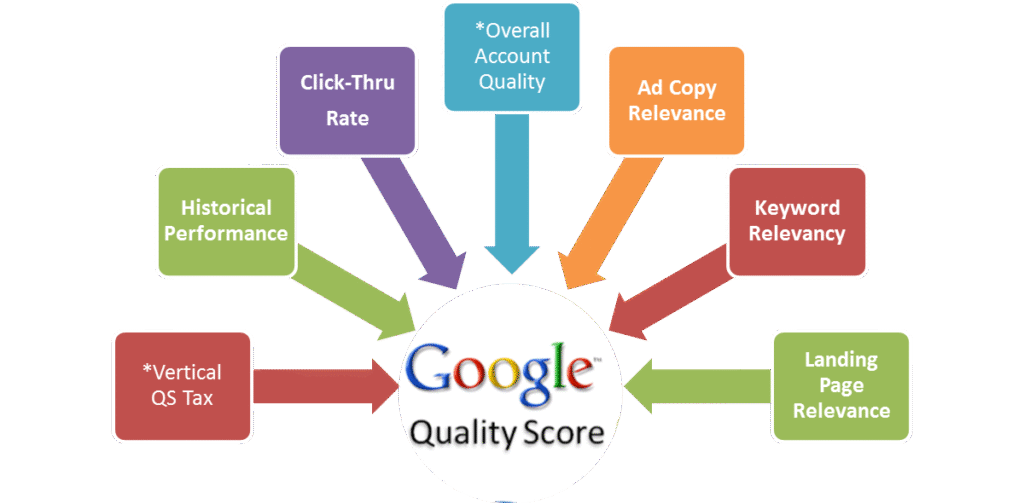
    • Ad Rank = Quality Score x Bid Amount
    • Quality Score includes CTR, ad relevance, and landing page experience
    • Google favors relevant and high-performing ads, often reducing CPC for optimized ads

    So, optimizing your campaigns improves Quality Score, leading to lower costs and higher ROI.

    25 Key Areas for Google Ads Optimization

    1. Account Structure

    • Organize campaigns by theme, product, or service
    • Use separate ad groups for tightly related keyword sets

    2. Keyword Match Types

    • Use a mix of broad match, phrase match, and exact match
    • Avoid overusing broad match which can waste budget

    3. Negative Keywords

    • Block irrelevant searches that eat into your budget
    • Regularly review search terms report and add negatives

    4. Ad Extensions

    • Use sitelinks, callouts, and structured snippets to increase ad real estate
    • Improves CTR and Quality Score

    5. Responsive Search Ads

    • Let Google test multiple headlines and descriptions
    • Boosts performance through machine learning

    Also Read: What Is Agile Methodology? A 6-Minute Beginner’s Guide

    Google Ads Optimization

    6. Geographic Targeting

    • Focus your budget on high-performing locations
    • Exclude non-converting regions

    7. Ad Scheduling

    • Run ads during peak hours only
    • Analyze time-of-day performance

    8. Device Targeting

    • Adjust bids for desktop, mobile, and tablets based on results

    9. Demographic Targeting

    • Target by age, gender, income, etc.
    • Exclude poor-performing demographics

    10. Bidding Strategy

    • Start with manual CPC for control
    • Move to automated strategies like Maximize Conversions or Target CPA as data grows

    11. Conversion Tracking

    • Ensure accurate tracking setup with Google Tag Manager
    • Track sales, form submissions, phone calls, etc.

    12. Landing Page Optimization

    • Ensure fast loading, mobile responsiveness, and relevance
    • Align messaging with ad copy

    13. Quality Score Improvement

    • Improve CTR, ad relevance, and landing page experience
    • Monitor each keyword’s Quality Score in your account

    14. Remarketing Campaigns

    • Retarget visitors who didn’t convert
    • Use personalized ads to bring them back

    15. A/B Testing Ads

    • Test different versions of headlines, CTAs, and descriptions
    • Pause underperforming ads

    Also Read: Introduction to Software Development Life Cycle (SDLC): What Is Software Development?

    Google Ads Optimization

    16. Smart Campaign Setup

    • Use Google’s AI to auto-optimize based on conversion data

    17. Campaign Budget Allocation

    • Shift budget to high-performing campaigns
    • Reduce waste from underperforming ones

    18. Use Google Recommendations Wisely

    • Review “Optimization Score” suggestions
    • Apply only those aligned with your goals

    19. Use Google Analytics with Ads

    • Deeper insight into user behavior
    • Identify which keywords drive post-click engagement

    20. Dynamic Keyword Insertion (DKI)

    • Match user’s query in the ad copy
    • Increases relevance and CTR

    21. Exclude Display Network (if not required)

    • For lead generation, search network often performs better

    22. Check Impression Share

    • Increase budget or improve bids to capture missed impressions

    23. Run Brand Campaigns

    • Protect your brand name in search results

    24. Use Custom Audiences

    • Target users based on their online behavior

    25. Regular Optimization Routine

    • Weekly checks: CTR, CPC, conversions
    • Monthly audits: Bids, budget, keyword performance

    Real-Life Case Study by CWK Agency

    A real estate company approached CWK Agency with ₹50,000 ad spend and low conversions.

    Optimization Strategy:

    • Reorganized campaigns by property type
    • Excluded broad match keywords like “cheap house”
    • Added callout extensions & CTA-rich ads
    • Used Target CPA after testing manual CPC

    Results in 30 Days:

    • CPC dropped by 38%
    • Conversions increased by 65%
    • ROI improved by 2.5x

    Key Lesson: Optimization unlocks profits from the same ad spend.

    Google Ads Optimization

    Tools for Google Ads Optimization

    • Google Ads Editor – Bulk changes
    • Google Analytics 4 – Behavior analysis
    • Google Tag Manager – Conversion tracking setup
    • Semrush / Ahrefs – Keyword analysis
    • Looker Studio – Performance dashboards
    • CWK Audit Toolkit – Custom optimization checklists

    Common Mistakes in Google Ads Campaigns

    • Not using negative keywords
    • Ignoring mobile bid adjustments
    • Weak or generic ad copy
    • Not tracking conversions properly
    • Targeting too broad an audience

    Conclusion: From Spend to Smart Investment

    Google Ads Optimization is the difference between spending money and making money. With the right strategy, you can drive lower cost and higher ROI, even on small budgets.

    Whether you’re running ads for eCommerce, lead generation, or services, use this optimization guide from Kamlesh Singad at CWK Agency to improve your results on practical grounds.

    Optimization isn’t a one-time task; it’s a continuous process. But with patience and proper tools, Google Ads can become your most profitable digital marketing channel.

    FAQs

    What is Google Ads Optimization?

    Answer: Google Ads Optimization is the ongoing process of improving your Google Ads campaigns to reduce cost-per-click (CPC), increase conversions, and maximize return on investment (ROI). It involves tweaking keywords, bids, ad copy, targeting, and campaign structure.

    How does optimization help achieve lower cost and higher ROI?

    Answer: By optimizing your campaigns, you improve your Quality Score, reduce wasted ad spend, and attract more relevant traffic. This leads to lower ad costs and better conversion rates, resulting in a higher ROI from the same or lower budget.

    What are the most important elements to optimize in Google Ads?

    Answer: Key elements include:

    • Campaign structure
    • Keyword match types
    • Negative keywords
    • Bidding strategy
    • Ad creatives and extensions
    • Audience targeting
    • Device and location settings
    • Landing page experience

    How often should I optimize my Google Ads campaigns?

    Answer: Ideally, you should review performance weekly and perform in-depth optimizations monthly. Continuous monitoring and testing are essential to adapt to changes in audience behavior and competition.

    What is Quality Score and how does it impact ad performance?

    Answer: Quality Score is Google’s rating of the relevance and quality of your ads, keywords, and landing pages. Higher scores lead to lower CPC and better ad placements. It is influenced by expected CTR, ad relevance, and landing page experience.

    Can I achieve good results with a small Google Ads budget?

    Answer: Yes. With smart optimization techniques like precise targeting, negative keywords, and relevant ad copy, even a small budget can deliver high ROI. Focus on high-intent keywords and track conversions closely.

    What bidding strategy is best for maximizing ROI?

    Answer: It depends on your campaign goal and data. Beginners may start with Manual CPC for control. Once enough data is available, switching to automated strategies like Target CPA or Maximize Conversions can improve ROI.

    How can CWK Agency help in optimizing my Google Ads campaigns?

    Answer: At CWK Agency, Kamlesh Singad and team offer expert Google Ads audits, advanced campaign structuring, conversion tracking setup, and continuous optimization support to deliver high-performing ad campaigns with lower costs and higher ROI.

    Is there a tool to check if my ads are optimized?

    Answer: Yes. Use Google Ads’ built-in Optimization Score tool, and third-party tools like Google Analytics, Looker Studio, and CWK Agency’s Audit Toolkit to measure ad efficiency and identify areas of improvement.

    What’s the role of landing pages in Google Ads Optimization?

    Answer: A well-optimized landing page improves user experience, increases conversion rates, and contributes to a better Quality Score. It must be fast, mobile-friendly, relevant to the ad, and have a clear CTA.

  • Retargeting Ads: Get Back Your Lost Customers | Part-24

    Retargeting Ads: Get Back Your Lost Customers | Part-24

    Module 4: Google Ads / SEM

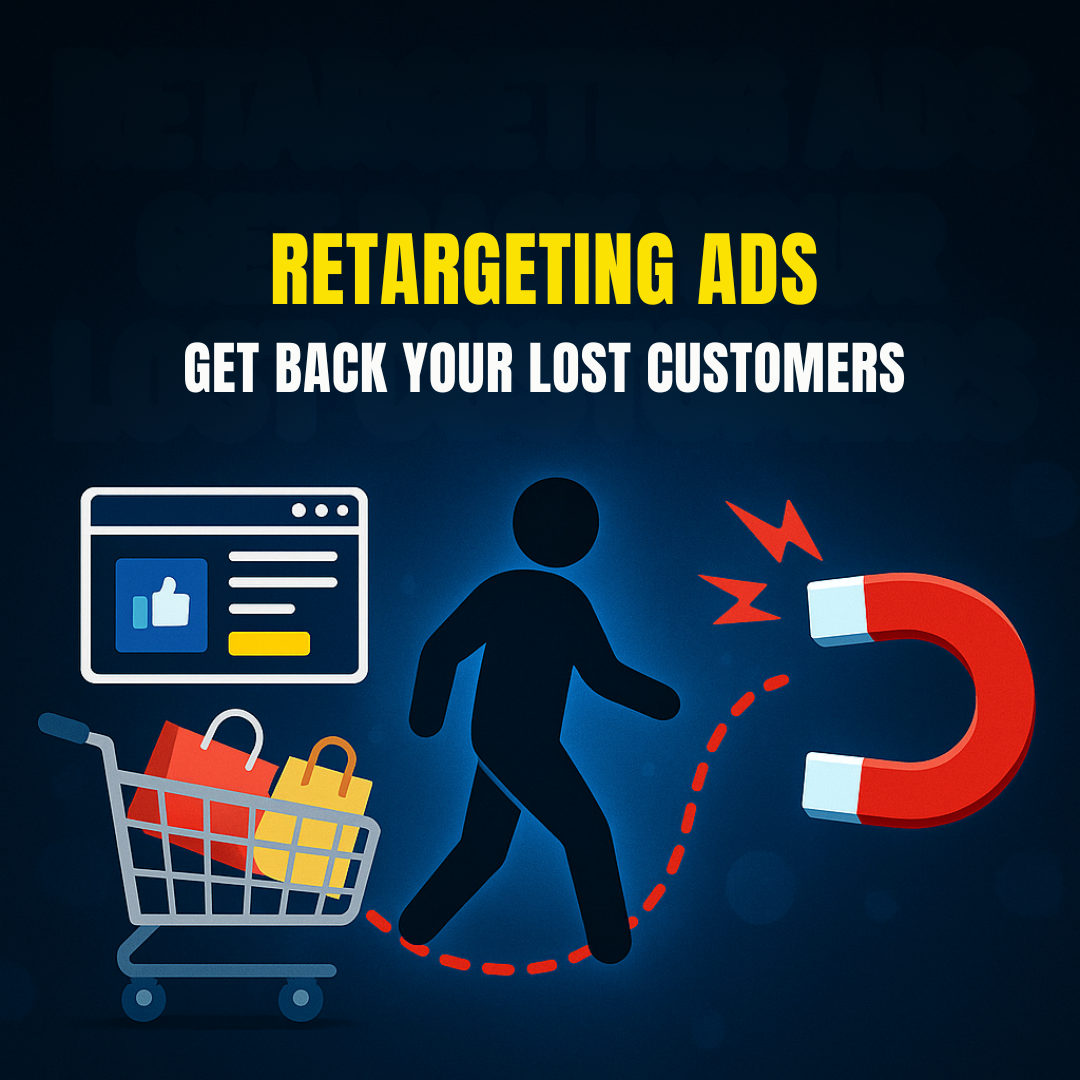
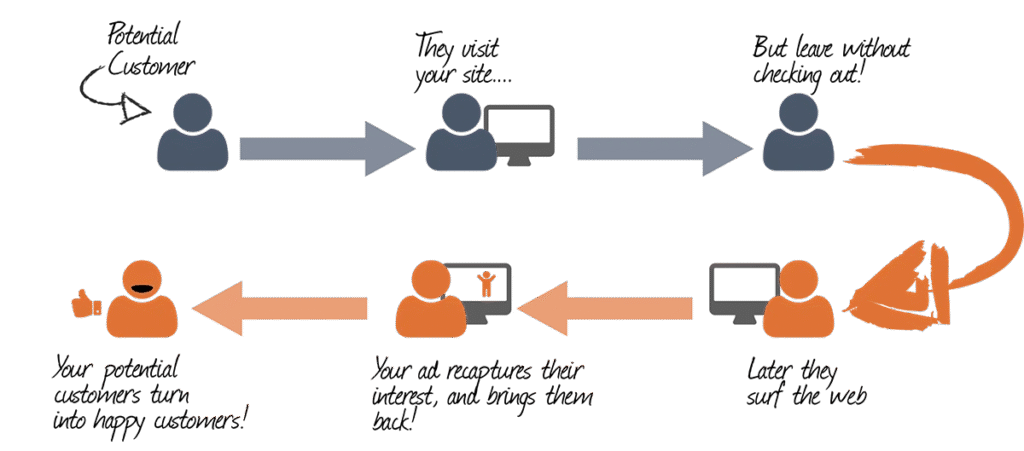
    In today’s competitive digital landscape, most website visitors do not convert on their first visit. According to various studies, only around 2% of users convert on their first interaction with your website. So what happens to the other 98%? Do they vanish forever? Not if you understand the power of Retargeting Ads.

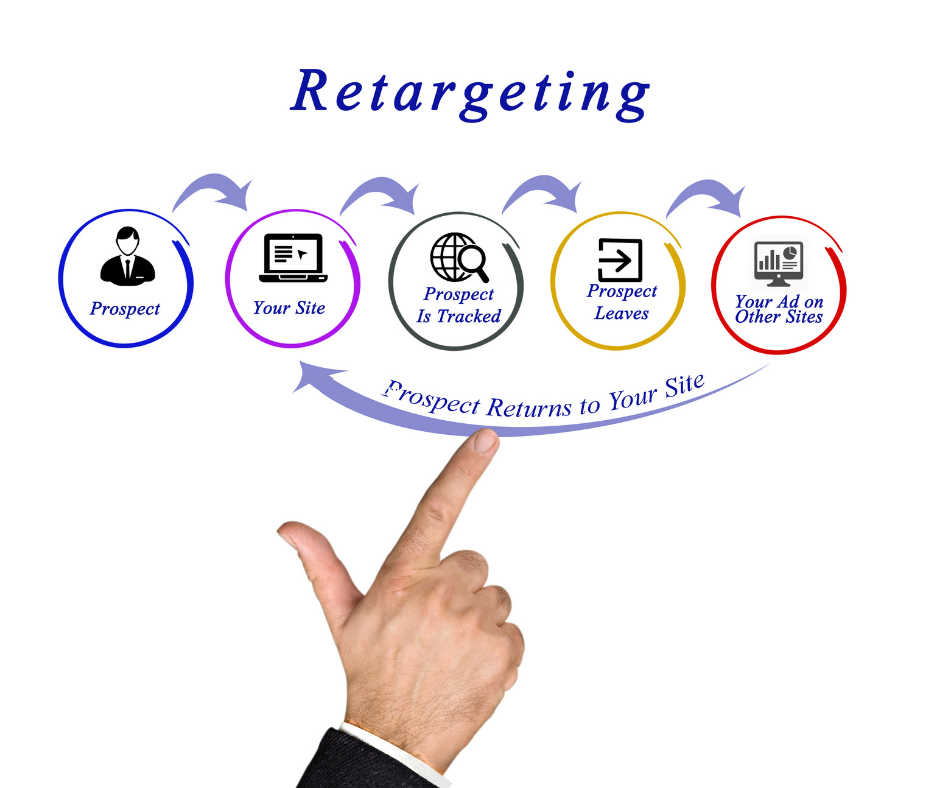
    Retargeting Ads (also known as remarketing) are a type of Search Engine Marketing (SEM) strategy used to get back your lost customers by displaying personalized ads to users who have previously visited your website or interacted with your content.

    This module from the Digital Marketing Course by Kamlesh Singad at CWK Agency will break down everything you need to know about retargeting ads on Google Ads, including step-by-step setup, best practices, and advanced strategies for maximum ROI.

    What Are Retargeting Ads?

    Retargeting Ads are ads that follow your potential customers across the web. If someone visited your product page but didn’t make a purchase, a retargeting ad can show them that exact product again while they scroll Facebook, watch YouTube, or browse another website.

    These ads keep your brand at the top of the mind and significantly improve conversion rates.

    Also Read: Ultimate Guide to Supply Chain Management in 5 Minutes | What Is Supply Chain Management?

    Retargeting Ads

    Key Benefits:

    • Reconnect with users who already showed interest
    • Increase conversions with warm traffic
    • Enhance brand recall and visibility
    • Reduce abandoned cart rates
    • Boost ROI of ad spend

    How Retargeting Works in Google Ads

    Google Ads offers powerful retargeting options through Display Network, Search Network, YouTube, and even Gmail ads. The process is relatively simple:

    1. Install the Google Ads Tag (Global Site Tag)
    2. Create audiences based on user behavior (e.g. visited product page, abandoned cart)
    3. Design customized ads targeting those audience lists
    4. Launch retargeting campaign across Google’s Display or Search Network

    Google even allows you to upload your customer email lists for retargeting across their properties.

    Types of Retargeting in Google Ads

    1. Standard Website Retargeting

    Tracks all visitors and serves ads to bring them back.

    2. Dynamic Retargeting

    Serves product-specific ads to users based on what they viewed on your website. Ideal for eCommerce.

    3. Search Retargeting

    Targets people who have searched for specific terms but did not convert.

    4. YouTube Retargeting

    Shows video ads to users who viewed your channel or interacted with your videos.

    5. App Retargeting

    Targets users who installed or interacted with your mobile app.

    6. Customer List Retargeting

    Uploads email lists to show ads to known customers across Google platforms.

    Also Read: What Is A Proxy & Proxy Server? | Understand Proxies In 5 Minutes!

    Retargeting Ads

    Step-by-Step Guide: How to Set Up Retargeting Ads in Google Ads

    Step 1: Install Google Ads Tag

    • Go to Google Ads > Tools > Audience Manager > Audience Sources
    • Set up the Google Ads tag (Global Site Tag) on your website
    • Optionally, add dynamic remarketing parameters

    Step 2: Create Audience Lists

    • Audience > Segments > Website Visitors
    • Choose criteria like “Visited product page”, “Abandoned cart”, “Spent more than 3 minutes”, etc.

    Step 3: Build Campaign

    • Choose Display, Search, or YouTube Campaign
    • Set objective as Sales, Leads, or Brand Awareness
    • Under Audience Segments, select your retargeting list

    Step 4: Design Ad Creatives

    • Make personalized ad creatives for the audience
    • Use product images, testimonials, offers, urgency
    • Include strong CTAs like “Come Back Now”, “Finish Your Purchase”

    Step 5: Launch and Optimize

    • Set budget, locations, and bidding strategies
    • Monitor CTR, conversions, cost per conversion
    • A/B test creatives, audience segments, and frequency

    Also Read: Web 3.0 Explained In 5 Minutes: A Beginner’s Guide to Web3

    Retargeting Ads

    Best Practices for Retargeting Ads

    1. Segment Your Audiences: Don’t treat all visitors the same. Segment them by behavior.
    2. Cap Ad Frequency: Avoid overwhelming users. Use frequency capping to control ad exposure.
    3. Use Dynamic Ads: Especially for eCommerce; auto-pulls products viewed by the user.
    4. Add Exclusion Lists: Exclude users who already converted.
    5. Test Multiple Creatives: Use A/B testing to refine ad performance.
    6. Use Limited-Time Offers: Create urgency with deadlines.

    Real-World Example: CWK Agency Retargeting Strategy

    At CWK Agency, we implemented a retargeting strategy for an online course provider:

    • Visitors to the course landing page were segmented by time spent and page scroll depth.
    • Custom audiences were created for cart abandoners.
    • Dynamic ads were shown across YouTube and Display network with a 10% discount offer.
    • Conversion rate increased by 34% in 2 weeks.

    Lesson: Data-based segmentation + customized offers = winning retargeting ads.

    How Retargeting Complements Your Overall SEM Strategy

    While search ads bring new users, retargeting ads bring them back and improve lifetime value. A balanced SEM strategy must include:

    • Google Search Ads (New customer acquisition)
    • Display Ads (Brand awareness)
    • Video Ads (Engagement)
    • Retargeting Ads (Conversion boost and recovery)

    By combining all of these, businesses achieve greater returns and more control over the user journey.

    Advanced Retargeting Strategies

    1. Time-Based Retargeting

    Target users based on how long ago they visited. E.g., “1-3 days” vs. “15-30 days”.

    2. Sequential Retargeting

    Show different messages in a series to guide users through the funnel.

    3. Cross-Platform Retargeting

    Show ads on web, mobile apps, YouTube, and Gmail.

    4. Retarget Based on Intent

    Use AI/ML tools in Google Ads to predict intent and auto-adjust bids.

    5. Integrate with Email and WhatsApp

    Use CRM lists to sync and retarget across platforms.

    Retargeting Ads

    Common Mistakes to Avoid

    • Retargeting all users with same ads
    • Not excluding converters
    • Ignoring mobile users
    • Using generic creatives
    • Not analyzing performance data

    Tools to Enhance Your Retargeting Ads

    • Google Tag Manager – Tag deployment
    • Google Analytics 4 – Audience insights
    • Looker Studio (Data Studio) – Performance dashboards
    • Canva / Adobe Express – Ad creatives
    • CWK Agency Audit Tool – Custom audit of retargeting campaigns

    Conclusion: Get Back Your Lost Customers with Smart Retargeting

    Retargeting is no longer optional. If you want to get back your lost customers, you need a smart and structured retargeting strategy.

    Using Google Ads and other SEM platforms, you can remind, re-engage, and recover your website visitors. By applying the steps and strategies in this module, you’ll turn bounce rates into business growth.

    This is just one part of our ongoing digital marketing journey with Kamlesh Singad at CWK Agency. Stay tuned for more insights in the next module!

    FAQs

    What are Retargeting Ads in Google Ads?

    Answer: Retargeting Ads are a type of digital advertisement that targets users who have previously visited your website but didn’t convert. Google Ads uses cookies to track these users and display relevant ads across its Display Network, Search Network, YouTube, and more.

    How do Retargeting Ads help to get back lost customers?

    Answer: Retargeting Ads serve personalized content to users who left your website without taking action. By re-engaging them with tailored messages, offers, or product reminders, you significantly increase the chances of converting them into paying customers.

    What’s the difference between retargeting and standard display ads?

    Answer: Standard display ads target a broad audience, while retargeting ads focus only on users who have previously interacted with your brand. Retargeting is more personalized and cost-effective, as it targets warmer leads.

    Is retargeting part of Search Engine Marketing (SEM)?

    Answer: Yes, retargeting is a key component of SEM. It complements your search ads by helping recover users who clicked your ads but didn’t convert. Platforms like Google Ads provide full retargeting capabilities within SEM campaigns.

    What platforms support retargeting with Google Ads?

    Answer: Retargeting in Google Ads works on:

    • Google Display Network (websites, blogs, etc.)
    • Google Search Network
    • YouTube
    • Gmail
    • Google Shopping
    • Mobile Apps (via AdMob)

    How can I set up a Retargeting Ad campaign on Google Ads?

    Answer: To set up a retargeting campaign:

    1. Install the Google Ads tag on your website.
    2. Create custom audience lists based on user behavior.
    3. Build a new Display, Search, or YouTube campaign.
    4. Add your retargeting audience.
    5. Launch and optimize your campaign regularly.

    What’s dynamic retargeting and how is it different?

    Answer: Dynamic retargeting shows users personalized ads with the exact products they viewed on your website. It uses your product feed to automatically generate relevant ad creatives, making it highly effective for eCommerce businesses.

    How long should I run retargeting ads for each user?

    Answer: The ideal duration is 7–30 days, depending on your sales cycle. Use shorter durations for time-sensitive offers and longer for high-ticket products. Frequency capping is essential to avoid ad fatigue.

    What budget is recommended for retargeting campaigns?

    Answer: Start with a small daily budget (e.g., ₹500–₹1,000/day) and scale up based on performance. Retargeting is generally more cost-effective than cold audience targeting, offering a higher ROI.

    Can I run retargeting ads without a website?

    Answer: You need some form of digital presence (like a website or landing page) to track users and build audience lists. However, you can also use YouTube channel views, app installs, or email lists for retargeting in Google Ads.

    Why should businesses include retargeting in their digital marketing strategy?

    Answer: Retargeting helps businesses maximize the value of their existing traffic. Instead of losing potential customers, retargeting keeps your brand top-of-mind, nurtures leads, and drives them toward conversion with targeted reminders.

    How does CWK Agency implement retargeting strategies?

    Answer: At CWK Agency, under the guidance of Kamlesh Singad, we create customized audience segments, use dynamic creatives, and implement multi-channel retargeting (including YouTube and Display) to maximize client conversions and ROI.

  • Display Ads vs Search Ads: What’s the Difference? | Part-23

    Display Ads vs Search Ads: What’s the Difference? | Part-23

    Module 4 – Google Ads / SEM

    As part of Module 4 in our Digital Marketing Course, we explore one of the most common beginner questions in paid marketing: Display Ads vs Search Ads – What’s the Difference?

    Both are part of the Google Ads platform, both fall under Search Engine Marketing (SEM), and both drive results. But they work differently, serve different purposes, and are useful in different situations.

    In this blog by Kamlesh Singad and the CWK Agency team, we will decode both ad types in a practical, student-friendly way. By the end, you’ll know:

    • How each ad type works
    • When to use Search or Display
    • Which campaign is right for your brand or client
    • How to implement both in your marketing strategy

    What Are Google Search Ads?

    Search Ads are text-based ads that appear on Google Search Engine Results Pages (SERPs) when users search specific keywords.

    Key Characteristics:

    • Text-only format (headline + description + extensions)
    • Triggered by intent-based search queries
    • Appear above or below organic results
    • Highly relevant to what users are looking for

    Example:

    User types: “Buy Smart Digital Board”
    Top result: A Search Ad showing “Smart Boards – 3-Year Warranty – Order Now”

    Best For:

    • Capturing high-intent traffic
    • Local services
    • B2B & B2C lead generation
    • E-commerce during purchase phase

    Also Read: Best Podcast editing company in Indore – CWK Agency

    Display Ads vs Search Ads

    What Are Google Display Ads?

    Display Ads are visual ads (images, banners, GIFs, or videos) that appear across Google’s Display Network—which includes over 2 million websites, YouTube, Gmail, and mobile apps.

    Key Characteristics:

    • Visually engaging (image/video-rich)
    • Appear outside of search (e.g., news websites, blogs)
    • Triggered by demographics, interest, behavior, placements
    • Excellent for awareness and retargeting

    Example:

    You’re reading a blog on classroom technology, and a banner ad shows:
    “Get Your Digital Board Today – Flat ₹5,000 Off”

    Best For:

    • Brand awareness
    • Product launches
    • Retargeting site visitors
    • Mass reach campaigns

    Display Ads vs Search Ads: Core Differences

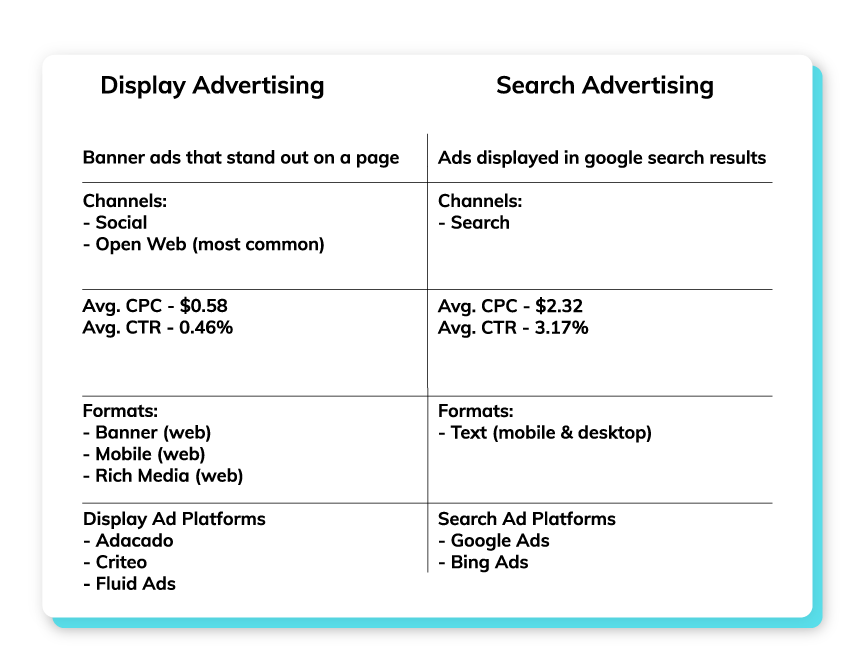
    FeatureSearch AdsDisplay Ads
    PlacementGoogle Search ResultsGoogle Display Network
    Ad TypeTextImages, Banners, Videos
    User IntentHighLow to Moderate
    TargetingKeyword-basedAudience-based
    Best ForConversions, LeadsAwareness, Remarketing
    CTR (Click-Through Rate)HighLower
    CPC (Cost Per Click)HigherGenerally Lower
    Conversion StageBottom of FunnelTop/Mid Funnel

    Kamlesh Singad Tip: Use Search Ads to convert, and Display Ads to create demand.

    Also Read: How ChatGPT Works: A 6-Minute Guide to Understanding ChatGPT for Beginners

    Display Ads vs Search Ads

    Real-Life Scenario: CWK Agency Strategy

    Let’s say you’re promoting studio setups for online teachers.

    First Use Display Ads:

    • Target YouTubers, educators, and creators
    • Show banners with “Build Your Dream Studio – Affordable Packages”
    • Drive traffic to landing page

    Then Use Search Ads:

    • When users now Google “Online teaching studio setup,” your Search Ad shows up
    • Capture high-intent clicks
    • Close the sale

    This funnel strategy combines awareness + intent and is the exact framework used by CWK Agency for hundreds of clients.

    When to Use Display Ads

    ✔ You’re launching a new product or service
    ✔ You want to reach a broad audience
    ✔ You’re targeting specific demographics or interests
    ✔ You want visual storytelling (graphics, offers, branding)
    ✔ You’re doing retargeting campaigns

    Tips for Effective Display Ads:

    • Use high-resolution images
    • Keep text minimal and bold
    • Add strong CTA: “Shop Now”, “Get Demo”, “Download”
    • Target by interests, in-market segments, and custom intent

    Also Read: DevOps and Cloud Computing Explained in 10 Minutes: A Quick Introduction to Modern IT Practices

    Display Ads vs Search Ads

    When to Use Search Ads

    ✔ You’re targeting users with active purchase intent
    ✔ You want fast lead generation
    ✔ You have limited budget and need high ROI
    ✔ Your product/service is urgent or time-sensitive
    ✔ You offer local services (e.g., “Best Digital Board Dealer in Pune”)

    Tips for Effective Search Ads:

    • Use exact match or phrase match keywords
    • Optimize ad headlines with numbers and benefits
    • Link to highly relevant landing pages
    • Track conversions with Google Analytics

    Which One Is Better?

    It’s not about Search vs Display — it’s about how you combine both.

    GoalBest Option
    Increase Website TrafficDisplay
    Generate High-Quality LeadsSearch
    Build Brand AwarenessDisplay
    Immediate SalesSearch
    Retarget Interested VisitorsDisplay
    Promote YouTube VideoDisplay (YouTube)
    Promote Local ServiceSearch

    Combine both for full-funnel success. CWK Agency always runs at least one Search and one Display campaign per client.

    How to Set Up Both in Google Ads

    For Search Ads:

    • Go to Google Ads > New Campaign
    • Choose “Leads” or “Website Traffic”
    • Select Search
    • Add keywords, write ad copy, set budget, and launch

    For Display Ads:

    • Choose “Brand Awareness” or “Product Consideration”
    • Select Display
    • Upload visuals, set targeting (age, interest, device), set budget

    Practical Exercise for Students

    Assignment: Run a dual campaign strategy

    1. Set up a Display Ad campaign with banners for an imaginary product
    2. Set up a Search Ad campaign targeting keywords related to that product
    3. Track both for 5–7 days
    4. Submit a report showing:
      • Impressions
      • CTR
      • Cost per click
      • Conversions (if any)

    CWK Agency mentors will provide personalized feedback and optimization tips.

    FAQs

    Q1: Are Display Ads cheaper than Search Ads?

    Yes. Generally, CPC for Display Ads is lower, but conversion rate may also be lower.

    Q2: Can I use both types at once?

    Absolutely! In fact, using both boosts overall effectiveness.

    Q3: Do I need a different landing page for each?

    You can use the same, but for better performance, tailor landing pages to the ad type.

    Q4: Are Display Ads only for big brands?

    No. Even small businesses can use Display Ads effectively for retargeting and awareness.

    Final Words from Kamlesh Singad

    “A skilled marketer doesn’t choose between Search and Display—they master both. At CWK Agency, we believe in giving students the full stack to win in Google Ads.”

    Now that you understand the difference between Display Ads and Search Ads, your next step is to experiment. Run, test, learn, optimize. That’s how marketers are made.

  • How to Run Your First Google Search Campaign | Part-22

    How to Run Your First Google Search Campaign | Part-22

    Module 4: Google Ads / SEM

    Welcome to Module 4 of our Digital Marketing Course, where we dive deep into the Google Ads ecosystem, focusing specifically on Search Engine Marketing (SEM).

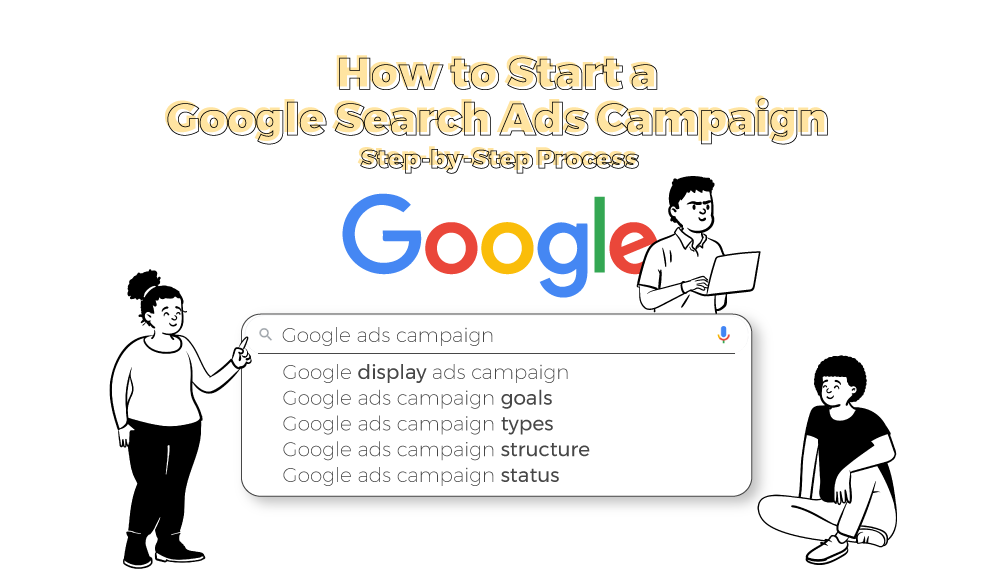
    In this module, you’ll learn How to Run Your First Google Search Campaign—from start to launch to optimization. This guide, curated by Kamlesh Singad and the expert team at CWK Agency, is tailored for beginners, students, and aspiring digital marketers looking to practically master paid ads.

    Why Google Search Campaign?

    A Google Search Campaign puts your business on top of search results when someone actively searches for your product or service.

    For example:
    Search: “Best Podcast Setup in India”
    Result: Your ad on top, even above organic results.

    Benefits:

    • Target users with high intent
    • Fast results compared to SEO
    • Full control over ad copy, location, budget, and targeting
    • Works for any budget

    Also Read: What Is Agile Methodology? A 6-Minute Beginner’s Guide

    How to Run Your First Google Search Campaign

    Understanding Google Ads Structure

    Before diving in, let’s understand how Google Ads is structured:

    1. Account: Linked with your Gmail.
    2. Campaign: Set objective, budget, location, and networks.
    3. Ad Group: Organize keywords and ads.
    4. Ads: Actual content users see.

    This hierarchical structure helps in creating clean, measurable, and scalable ad setups.

    Tools You’ll Need Before You Start

    ToolUse
    Gmail IDTo create a Google Ads account
    Website URLWhere you want traffic
    Google Keyword PlannerFor keyword research
    Google AnalyticsFor tracking conversions
    Google Tag ManagerFor event-based tracking

    CWK Tip: Install Google Tag Assistant to debug any issues.

    Step-by-Step Guide: How to Run Your First Google Search Campaign

    Step 1: Create Your Google Ads Account

    Visit: https://ads.google.com
    Use your Gmail to sign up and switch to Expert Mode to unlock full campaign features.

    Step 2: Select Campaign Goal

    Choose your objective:

    • Website Traffic (Best for first campaign)
    • Leads
    • Sales

    Choose Search Campaign as your campaign type.

    Also Read: Introduction to Software Development Life Cycle (SDLC): What Is Software Development?

    How to Run Your First Google Search Campaign

    Step 3: Campaign Settings

    • Campaign Name: e.g., “Digital Board Sales – India”
    • Networks: Uncheck Display Network (only Search)
    • Location: Select country/state/city or pin codes
    • Languages: Usually English and Hindi for India
    • Budget: Start with ₹300–₹500/day
    • Bidding: Choose Clicks and manually set CPC (₹5–₹20 depending on niche)

    Step 4: Add Keywords

    Use Keyword Planner to find high-intent keywords.

    Match TypeKeywordMatch Behavior
    Broad Matchdigital boardsShows on related searches
    Phrase Match“buy digital board”Shows when phrase matches
    Exact Match[digital board in Pune]Shows only on exact search

    Don’t forget to add negative keywords like “free”, “cheap”, etc.

    Step 5: Create Ad Groups

    Each ad group targets one product/service.

    Example:

    • Ad Group 1: Digital Boards
    • Ad Group 2: Podcast Equipment
    • Ad Group 3: Studio Setup

    Step 6: Write High-Converting Ad Copy

    Headline Examples:

    • Buy Digital Boards Online
    • Smart Boards for Teachers
    • EMI Available – Order Now

    Description Examples:

    • Top-quality interactive digital boards. Free shipping & 3-year warranty. Shop now!
    • Best for teachers, trainers & YouTubers. Get it delivered across India.

    Also Read: Metaverse Explained in 5 Minutes: What It Is and How It Works

    How to Run Your First Google Search Campaign

    Use:

    • Primary Keywords
    • Power Words like “Free,” “Top-Rated,” “Instant”
    • CTA like “Call Now,” “Buy Today,” “Explore”

    Step 7: Add Extensions

    Extensions increase CTR by up to 20%.

    ExtensionUse
    SitelinkLink to other pages like Pricing, Demo
    CalloutAdd offers like “Free Delivery”
    Structured SnippetsShowcase features
    Call ExtensionAdd your phone number

    Step 8: Review & Publish

    • Double-check: Keywords, Budget, Ads
    • Click Publish
    • Google will review the ad (usually within 24 hours)

    Tracking Your Campaign Performance

    Once your campaign is live, monitor it using:

    MetricPurpose
    CTR (Click Through Rate)Clicks ÷ Impressions
    CPC (Cost Per Click)What you pay for each click
    Quality ScoreRelevance of keyword + ad + landing page
    Conversion RateClicks that turned into actions
    Impression ShareMarket competitiveness

    CWK Agency uses Google Ads + Google Analytics combo for best insights.

    How to Optimize Your Campaign Over Time

    1. Pause low-performing keywords
    2. Increase bids on converting keywords
    3. Test new ad copies weekly
    4. A/B test landing pages
    5. Add more negative keywords
    6. Use Ad Schedule (run ads only when leads convert best)

    Optimization is an ongoing process. Kamlesh Singad says:
    “The first campaign is just the beginning. Analyze, optimize, repeat.”

    Also Read: What is Azure? A 5-Minute Beginner’s Guide to Microsoft Azure

    How to Run Your First Google Search Campaign

    Practical Assignment for Students

    Goal: Create a Search Campaign for a mock product (e.g., “Online Course for Python”)

    Submit:

    • Screenshot of Campaign Settings
    • Keyword List
    • Sample Ad Copy
    • Budget Distribution
    • Performance after 3 days (CTR, CPC)

    CWK Agency mentors will review and guide every student for practical mastery.

    Real-World Case Study

    Client: Smart Class Setup Provider in Delhi
    Budget: ₹15,000/month
    Goal: Leads for Digital Boards

    Result:

    • CPC: ₹8.5
    • CTR: 6.4%
    • Leads: 52 in 28 days
      Strategy Used: Exact match keywords, high-quality ad copy, call extensions

    Achieved 3X ROI in the first month of running a Google Search Campaign with CWK Agency.

    FAQs

    Q1. Can I run ads without a website?

    No, for Search Campaigns, you need a website or landing page.

    Q2. How much money do I need?

    You can start with as little as ₹300/day (~$4 USD/day).

    Q3. Is this better than Facebook Ads?

    Search ads target high-intent users, while Facebook targets interest-based users. Both are useful.

    Q4. How long before I see results?

    Sometimes within a day. But meaningful data comes in after 3–7 days.

    Conclusion

    Starting with Google Ads might seem overwhelming, but with this structured guide from Kamlesh Singad and CWK Agency, you now know exactly How to Run Your First Google Search Campaign.

    Action Plan for Students:

    • Create a Google Ads account
    • Pick a product/service
    • Set up your first Search Campaign
    • Track performance for 7 days
    • Optimize based on CTR and conversions

    Don’t just learn—implement. That’s the CWK philosophy.

  • What is Google Ads and How Does It Work? | Part-21

    What is Google Ads and How Does It Work? | Part-21

    Module 4: Google Ads / SEM

    In today’s digital era, visibility is power. Whether you’re a freelancer, a brand, a startup, or a student learning digital marketing, mastering Google Ads is a must. Google Ads is the leading platform for Search Engine Marketing (SEM), a paid method of placing your business directly in front of users actively searching for your services or products.

    In this module of the digital marketing course led by Kamlesh Singad of CWK Agency, we will break down Google Ads and its working model step-by-step, and more importantly—how YOU can start implementing it from day one.

    What Is Google Ads?

    Google Ads (formerly Google AdWords) is Google’s online advertising platform that allows you to create ads that appear on Google Search, YouTube, and millions of partner websites in the Google Display Network.

    You pay Google when someone clicks on your ad—hence, the term PPC (Pay Per Click).

    Benefits of Google Ads:

    • Instant visibility on the top of Google
    • Highly targeted ad placements
    • Real-time performance tracking
    • Scalable and measurable
    • Works for all budgets

    Kamlesh Tip: If SEO is a marathon, then Google Ads is a sprint. Combine both for optimal performance.

    Also Read: What Is A Proxy & Proxy Server? | Understand Proxies In 5 Minutes!

    Google Ads

    How Does Google Ads Work?

    Let’s break it into simple steps:

    1. Keyword Targeting

    You choose keywords related to your business (e.g., “Buy Digital Boards in India”). When users type these keywords into Google, your ad can show up.

    2. Ad Auction

    Every time a search is performed, Google runs an auction. Your ad’s visibility depends on:

    • Bid amount
    • Ad relevance
    • Landing page experience
    • Expected CTR (Click Through Rate)

    3. Ad Rank

    Google calculates your Ad Rank = CPC Bid × Quality Score

    4. Ad Display

    Based on your Ad Rank, Google determines:

    • Whether your ad will show
    • Which position it will occupy

    5. Cost

    You pay only when someone clicks your ad (Cost Per Click), not when they just view it.

    Also Read: Web 3.0 Explained In 5 Minutes: A Beginner’s Guide to Web3

    Google Ads

    Types of Google Ads Campaigns

    TypeDescriptionBest Use
    Search AdsText ads shown on Google search resultsLead generation, services
    Display AdsImage/video ads across websitesBrand awareness
    Video AdsAds on YouTubeEngagement, product demos
    Shopping AdsProduct ads with image & priceE-commerce
    App CampaignsPromote your app across Google propertiesApp installs
    Performance MaxAll-in-one AI-optimized campaignsBroad goals, automation lovers

    CWK Agency Recommends: Start with Search Campaigns to understand targeting, bidding, and ad copywriting.

    Google Ads Structure

    Google Ads has a 3-layer structure:

    1. Account – Based on email/login
    2. Campaign – Budget, location, network, bidding
    3. Ad Group – Keywords + Ads
    4. Ads – Actual text/image/video shown

    Step-by-Step Guide: How to Run Your First Google Ads Campaign

    Here’s a practical beginner guide by Kamlesh Singad and the CWK Agency team:

    Step 1: Create a Google Ads Account

    Visit ads.google.com and sign up using your Gmail.

    Step 2: Choose Your Campaign Goal

    • Leads
    • Website traffic
    • Sales
    • App promotion

    Step 3: Select Campaign Type

    Start with Search for easier tracking.

    Google Ads

    Step 4: Set Location and Language

    Choose specific locations (e.g., Pune, India).

    Step 5: Set Budget & Bidding

    Set daily budget and choose bidding strategy (manual CPC or automated bidding).

    Step 6: Add Keywords

    Use Google Keyword Planner to research high-volume, low-competition keywords.

    Step 7: Write Ad Copy

    Keep your ad:

    • Clear
    • Relevant
    • Action-oriented

    Example:
    Headline: Buy Digital Boards | Free Delivery
    Description: Get Smart Boards with 3-Year Warranty. Trusted by 5,000+ Educators.

    Step 8: Set Extensions

    Add call buttons, sitelinks, and location extensions for better CTR.

    Step 9: Publish and Monitor

    Once live, monitor daily:

    • CTR
    • CPC
    • Conversions

    Also Read: Cyber War Explained in 5 Minutes: What Is Cyber War? A Beginner’s Guide to Cyber Security

    Key Metrics You Must Track

    MetricMeaningWhy It Matters
    CTRClicks ÷ ImpressionsIndicates ad relevance
    CPCCost per clickAffects your ROI
    Quality ScoreGoogle’s rating of your adImpacts Ad Rank
    Conversion RateActions taken ÷ ClicksIndicates campaign success
    Impression ShareHow often your ad shows vs. how often it couldCompetitiveness

    CWK Agency’s Pro Tips for Success

    1. Use Exact Match and Phrase Match keywords to control who sees your ads.
    2. Write multiple ad variations and let Google test which performs best.
    3. Use negative keywords to avoid irrelevant clicks.
    4. Optimize landing pages – match headline, speed, mobile-responsiveness.
    5. Track conversions using Google Tag Manager and Analytics.

    Case Study by Kamlesh Singad:
    “One of our clients selling digital teaching tools saw a 250% increase in sales with optimized Google Search Campaigns using CWK Agency’s proven framework.”

    Google Ads

    Google Ads vs. SEO: What’s the Difference?

    FeatureGoogle Ads (SEM)SEO
    CostPay-per-clickFree (organic)
    TimeInstantLong-term
    ControlHighLimited
    ScalabilityEasyGradual

    Combine Google Ads for quick leads and SEO for long-term growth.

    FAQs

    Q1: How much does it cost to advertise on Google Ads?

    A: It depends on your bid, competition, and industry. You can start with ₹100/day.

    Q2: Do I need a website to run Google Ads?

    A: Yes, especially for Search and Display campaigns. YouTube campaigns can work with just a video.

    Q3: How long does it take to see results?

    A: Usually within 1–3 days, depending on your budget and targeting.

    Q4: Can I run Google Ads for a local business?

    A: Absolutely. You can geo-target your ads to specific pin codes or cities.

    Learn with CWK Agency: Practical Google Ads Projects

    At CWK Agency, led by Kamlesh Singad, students are assigned real-world projects like:

    • Running ads for small local businesses
    • Managing ₹1,000/day campaigns
    • Tracking conversions using Google Analytics
    • A/B testing headlines and descriptions

    Certificate of Completion + Portfolio Project
    You will complete a live campaign during the course. Add it to your resume or share it with freelance clients.

    Final Thoughts

    Google Ads is one of the most powerful tools in digital marketing, but it must be used wisely. You now understand how it works—from auction to ad creation to performance tracking.

    Whether you’re an aspiring digital marketer, freelancer, or small business owner, you can start your Google Ads journey today.

    At CWK Agency, we believe in action-driven learning. So don’t just read this blog—go create your first campaign now!

  • 7 Powerful Google Ads Hacks to Scale Your Campaigns Profitably

    7 Powerful Google Ads Hacks to Scale Your Campaigns Profitably

    In the competitive landscape of digital advertising, effectively scaling your Google Ads campaigns is crucial for maximizing profitability. Implementing strategic optimizations can lead to significant improvements in performance and return on investment (ROI). Here are seven powerful Google Ads hacks to help you scale your campaigns profitably:

    1. Develop In-Depth Remarketing Audiences

    Remarketing targets users who have previously interacted with your website, offering a higher likelihood of conversion. By creating detailed remarketing audiences, you can tailor your ads to users based on their specific behaviors and interests. This approach not only enhances click-through rates (CTR) but also reduces cost-per-click (CPC), providing a better return on your advertising spend.

    2. Focus on Long-Tail Keywords

    Long-tail keywords are more specific phrases that typically have lower search volumes but higher intent. Targeting these keywords can lead to higher conversion rates and lower CPCs, as they are less competitive. By focusing on long-tail keywords, you attract users who are further along in the purchasing process, thereby increasing the likelihood of conversion.

    Also Read: How to Make Your Podcast More Popular: 12 Proven Strategies for Growth

    Google Ads Hacks

    3. Utilize Exclusions for Precise Targeting

    Implementing exclusions allows you to refine your audience by excluding demographics or interests that are less likely to convert. This precision targeting ensures that your ads are shown to users who are more likely to be interested in your products or services, thereby improving conversion rates and optimizing your ad spend.

    4. Test Different Geographic Locations

    Geographic performance can vary significantly, making it essential to test different locations to identify areas with higher conversion rates. By creating location-based campaigns or ad groups, you can allocate your budget more effectively and tailor your messaging to resonate with specific regional audiences.

    5. Leverage Ad Extensions

    Ad extensions enhance your ads by providing additional information and increasing visibility. Utilizing extensions such as sitelinks, callouts, and structured snippets can improve your ad’s CTR and overall performance. These extensions make your ads more informative and engaging, encouraging users to click through to your website.

    Also Read: How Often Should Content Be Updated?

    Google Ads Hacks

    6. Implement UTM Tracking

    UTM tracking involves adding unique parameters to your URLs to monitor the performance of your campaigns in detail. This tracking enables you to identify which ads, keywords, or campaigns are driving the most traffic and conversions, allowing for data-driven optimization decisions.

    7. Target Competitor Keywords

    Bidding on competitor keywords can capture the attention of users searching for similar products or services. This strategy can increase your market share and attract customers who are considering alternatives. Ensure that your ad copy clearly communicates your unique value proposition to persuade users to choose your offering over competitors.

    By incorporating these Google Ads hacks into your advertising strategy, you can effectively scale your campaigns and achieve more profitable results. Continuous testing and optimization are key to maintaining and improving performance in the dynamic landscape of digital advertising.

    Also Read: How to Spend on Marketing the Right Way? A Strategic Guide for Maximum ROI

    Google Ads Hacks

    FAQs

    What are long-tail keywords, and why are they important?

    Long-tail keywords are specific, longer phrases that users search for, often indicating higher intent. They are important because they typically have lower competition and higher conversion rates, making them cost-effective targets in advertising campaigns.

    How do ad extensions improve my Google Ads performance?

    Ad extensions provide additional information and increase the visibility of your ads, leading to higher click-through rates. They make your ads more informative and engaging, which can improve overall performance and ROI.

    Why should I implement UTM tracking in my campaigns?

    UTM tracking allows you to monitor the effectiveness of your campaigns by providing detailed data on traffic sources and user behavior. This information is crucial for making informed optimization decisions and improving campaign performance.

    Is targeting competitor keywords a good strategy?

    Targeting competitor keywords can be effective in capturing the attention of users considering alternative products or services. It can increase your market share and attract potential customers, but it’s important to ensure your ads clearly communicate your unique value proposition.

    How can exclusions help in optimizing my ad campaigns?

    Implementing exclusions helps refine your audience by removing demographics or interests less likely to convert. This precision targeting ensures your ads reach users more likely to be interested in your offerings, improving conversion rates and optimizing ad spend.

    What is the benefit of testing different geographic locations in my campaigns?

    Testing different geographic locations allows you to identify regions with higher conversion rates. By focusing your budget on these areas, you can improve overall campaign performance and achieve a better return on investment.

    Conclusion

    Scaling your Google Ads campaigns profitably requires strategic planning and continuous optimization. By implementing these seven powerful hacks—developing in-depth remarketing audiences, focusing on long-tail keywords, utilizing exclusions, testing different geographic locations, leveraging ad extensions, implementing UTM tracking, and targeting competitor keywords—you can enhance your campaign performance and achieve sustainable growth.

  • Google ads vs Facebook ads which one is better?

    Google ads vs Facebook ads which one is better?

    In today’s digital age, advertising has evolved beyond traditional methods.

    Two of the most prominent and influential players in the online advertising arena are Google Ads and Facebook Ads. These platforms offer distinct advantages and cater to different marketing goals. In this comprehensive guide, we will compare Google Ads and Facebook Ads to help you determine which one is better for your business.

    Understanding Google Ads

    Google Ads, formerly known as Google AdWords, is Google’s online advertising platform. It operates on a pay-per-click (PPC) model,

    where advertisers bid on keywords to display ads in Google’s search results and on various partner websites. Google Ads primarily serves ads to users who are actively searching for specific products or services.

    Key Features of Google Ads

    1. Keyword Targeting: Advertisers can choose specific keywords related to their business, and when users search for those keywords, their ads appear in the search results.
    2. Ad Formats: Google offers various ad formats, including text ads, display ads, shopping ads, and video ads, to suit different marketing objectives.
    3. Budget Control: Advertisers can set daily budgets, bid amounts, and maximum costs per click (CPC), allowing for precise budget management.
    4. Advanced Targeting Options: Google Ads provides detailed targeting options, such as location, demographics, and device type, to reach a highly specific audience.
    5. Conversion Tracking: Businesses can track conversions and measure the effectiveness of their campaigns, helping optimize ad spend.
    6. Google Display Network: This feature extends ad reach to a vast network of partner websites, blogs, and apps, increasing brand visibility.

    Understanding Facebook Ads

    Facebook Ads is Facebook’s advertising platform that enables businesses to reach their target audience on Facebook and Instagram. Unlike Google Ads, Facebook Ads serves ads to users based on their interests, behavior, and demographics, allowing for a more audience-centric approach.

    Key Features of Facebook Ads

    1. Audience Targeting: Advertisers can target users based on factors such as age, gender, location, interests, and behavior, creating highly customized campaigns.
    2. Ad Formats: Facebook offers a variety of ad formats, including image ads, video ads, carousel ads, and more, making it suitable for different content types.
    3. Budget Flexibility: Advertisers can set daily or lifetime budgets and choose between CPC, CPM (cost per thousand impressions), or CPA (cost per acquisition) bidding.
    4. Instagram Integration: With Facebook Ads, you can also promote your business on Instagram, which is especially popular among younger audiences.
    5. Pixel Tracking: Facebook’s Pixel allows businesses to track user interactions on their websites, helping measure the impact of their ad campaigns.
    6. Dynamic Ads: These automatically show the most relevant products to users who have previously visited your website, enhancing retargeting efforts.

    Comparing Google Ads and Facebook Ads

    Now that we have a basic understanding of both platforms, let’s delve deeper into the comparison to help you decide which one aligns better with your business goals.

    1. Intent vs. Discovery

    Google Ads: Google Ads excels in capturing users with a high intent to purchase. When someone searches for “buy running shoes,” an ad for a sports store selling running shoes can appear at the top of the search results. This is known as capturing “demand” traffic.

    Facebook Ads: Facebook Ads are more about discovery. They show ads to users who may not be actively searching for a specific product but are interested in related topics. For example, if you sell gourmet coffee, you can target users who follow coffee-related pages or have expressed interest in artisanal beverages.

    Example: If you’re running a small coffee roastery and want to attract local coffee enthusiasts actively looking for specialty beans, Google Ads may be the better choice. On the other hand, if you’re launching a new coffee brand and want to build awareness and engagement, Facebook Ads might be more effective in reaching a broader audience.

    2. Targeting Options

    Google Ads: While Google Ads offers detailed targeting options, it primarily relies on keywords and user search behavior. It is great for reaching users actively seeking specific products or services.

    Facebook Ads: Facebook Ads offer unparalleled targeting options. You can pinpoint your audience based on demographics, interests, behavior, and even their past interactions with your brand.

    Example: If you run an e-commerce store selling athletic wear for women, you can use Facebook Ads to target women aged 25-35 who have shown an interest in fitness and yoga, aligning perfectly with your product offering. Google Ads, in this case, might not be as precise in reaching your desired audience.

    3. Ad Formats

    Google Ads: Google provides various ad formats, including text, display, shopping, and video ads. Text ads are ideal for search results, while display and video ads are suitable for brand awareness and visual storytelling.

    Facebook Ads: Facebook offers a wide range of ad formats, from image and video ads to carousel ads and canvas ads. This diversity allows you to craft engaging ad campaigns that align with your content strategy.

    Example: If you’re promoting a new clothing collection, you can use Facebook’s carousel ad format to showcase multiple products in a single ad, providing a visually appealing and interactive experience. Google Ads’ text-based format, while effective, may not offer the same level of engagement for showcasing a product line.

    4. Budget and Bidding

    Google Ads: Google Ads offers precise budget control, allowing you to set daily budgets, maximum CPC bids, and more. You pay when someone clicks on your ad, making it a suitable choice for businesses with a specific ROI goal in mind.

    Facebook Ads: Facebook offers flexibility in budgeting, allowing you to set daily or lifetime budgets. You can choose between CPC, CPM, or CPA bidding, depending on your campaign objectives.

    Example: If you’re running a limited-time promotion and want to ensure every click leads to a purchase, Google Ads’ CPC model may be preferred. Conversely, if you’re focused on generating brand awareness and impressions, Facebook Ads’ CPM model might be more suitable.

    5. Ad Placement

    Google Ads: Your ads on Google can appear in search results, on websites within the Google Display Network, on YouTube, and in mobile apps. You have control over ad placement to some extent.

    Facebook Ads: Your ads on Facebook can appear in users’ news feeds, Instagram feeds, in the right column of the desktop version, and even in Messenger. Facebook automatically optimizes ad placement based on your campaign objective.

    Example: If you’re a mobile game developer looking to promote your latest game, Facebook Ads can place your video ad within the Facebook and Instagram feeds of users who are likely to enjoy gaming. This offers a seamless and engaging experience for potential players. Google Ads can also promote your game on YouTube, targeting users interested in gaming content.

    6. Ad Tracking and Analytics

    Google Ads: Google Ads provides robust tracking and analytics tools, including conversion tracking, Google Analytics integration, and detailed reports on ad performance. This helps you measure the direct impact of your campaigns on website visits, conversions, and sales.

    Facebook Ads: Facebook’s Pixel allows you to track user interactions on your website, such as page views, add-to-cart actions, and completed purchases. It provides valuable insights into user behavior after clicking on your ads.

    Example: If you’re running an e-commerce store, Google Ads’ conversion tracking can help you determine which keywords and ads are driving the most sales. Facebook’s Pixel, on the other hand, can help you understand the customer journey on your website, identifying drop-off points in the sales funnel.

    7. Ad Performance and ROI

    Google Ads: Google Ads is known for its high intent traffic, which often leads to higher conversion rates. However, the competition for certain keywords can drive up costs per click.

    Facebook Ads: Facebook Ads can be more cost-effective for brand awareness and engagement campaigns. It may take more effort to convert users who are in the early stages of the buying cycle.

    Example: If you’re an insurance company, Google Ads may deliver better ROI for users actively searching for “car insurance quotes.” However, if you’re launching a brand awareness campaign to introduce your insurance services to a wider audience, Facebook Ads might be the better choice to start building your brand presence.

    8. Ad Creativity and Content

    Google Ads: Google Ads’ text-based format requires concise and compelling ad copy. While extensions and ad formats like responsive search ads provide some flexibility, the focus is on the message rather than visual creativity.

    Facebook Ads: Facebook’s ad formats allow for creative visual storytelling. You can use images, videos, and carousels to capture users’ attention and convey your brand message effectively.

    Example: If you’re promoting a luxury travel destination, Facebook Ads can showcase stunning images of the location, creating a desire to explore. Google Ads can complement this by appearing when users search for related terms, reinforcing your brand’s presence.

    9. Mobile Advertising

    Google Ads: Google Ads provides opportunities for mobile advertising, especially through its mobile search and display network. Mobile optimization is crucial for success here.

    Facebook Ads: Facebook and Instagram are highly mobile-centric platforms, making them ideal for mobile advertising. Advertisers can reach users while they’re scrolling through their mobile feeds.

    Example: If you’re launching a mobile app, both platforms can be effective. Facebook Ads can showcase your app with engaging visuals, while Google Ads can target users searching for keywords related to your app’s features.

    10. Remarketing and Retargeting

    Google Ads: Google Ads offers powerful remarketing capabilities, allowing you to show ads to users who have previously visited your website or engaged with your app.

    Facebook Ads: Facebook’s dynamic ads are perfect for retargeting users who have interacted with your brand on the platform or visited your website.

    Example: Google Ads can complement this by targeting users who abandoned their shopping carts with text or display ads.

    Conclusion

    In the Google Ads vs. Facebook Ads debate, there isn’t a one-size-fits-all answer. Here’s a simplified summary to help you decide:

    Choose Google Ads if:

    • You want to capture high-intent users actively searching for your products or services.
    • Your goal is to drive direct conversions and sales.
    • You have a clear understanding of relevant keywords for your industry.

    Choose Facebook Ads if:

    • You want to build brand awareness and engage a broader audience.
    • Your target audience is defined by specific demographics, interests, or behaviors.
    • Visual storytelling and creative content are essential for your campaigns.

    In many cases, the most effective strategy is to use both Google Ads and Facebook Ads in a complementary manner.

    Ultimately, successful digital marketing requires continuous monitoring, testing, and optimization.

    Thank You!

    Read More –

    Why SEO is important for website ?

    Digital Marketing Services in India

    How Digital Marketing Help to Grow Coaching Institutes

  • How Digital Marketing Help to Grow Coaching Institutes

    How Digital Marketing Help to Grow Coaching Institutes

    In today’s digital age, the success of coaching institutes heavily relies on their ability to adapt and excel in the online realm. Traditional marketing strategies alone no longer suffice. Enter digital marketing – a powerful tool that can help coaching institutes not only survive but thrive in this competitive landscape. In this comprehensive guide, we’ll explore how digital marketing can be a game-changer for coaching institutes. We’ll break down complex concepts into simple language, supported by real-world examples to help you understand how to harness the full potential of digital marketing to grow your coaching business.

    Learn how Digital Marketing helps coaching institutes grow by increasing visibility, generating student leads, and boosting enrollments. Discover proven strategies like SEO, social media, and ads to scale your coaching business effectively.

    Chapter 1: Understanding Digital Marketing

    Before we dive into how digital marketing can boost coaching institutes, let’s start with the basics.

    What is Digital Marketing?

    Digital marketing encompasses all marketing efforts that use an electronic device or the internet. It’s the umbrella term for a wide range of online strategies and tactics aimed at connecting with potential students and nurturing them into paying customers.

    Why Digital Marketing?

    Digital marketing offers numerous advantages, including:

    1. Cost-Efficiency: Compared to traditional advertising channels like print and TV, digital marketing is often more cost-effective.
    2. Precise Targeting: It allows you to target specific demographics, ensuring your message reaches the right audience.
    3. Measurable Results: Digital marketing tools provide data on performance, enabling you to make data-driven decisions and optimize your campaigns.
    4. Global Reach: With the internet, you can reach students not only locally but also globally.
    Digital Marketing

    Chapter 2: Building a Strong Online Presence

    The foundation of a successful digital marketing strategy for coaching institutes is a strong online presence. Here’s how to get started:

    1. Website Development

    Your website is your virtual campus. Make sure it’s user-friendly, informative, and visually appealing. Showcase your coaching programs, faculty, success stories, and contact information.

    Example: Khan Academy

    Khan Academy’s website is a prime example of simplicity and effectiveness. It offers free educational content, making it an excellent resource for students and parents.

    2. Search Engine Optimization (SEO)

    SEO is the process of optimizing your website to rank higher in search engine results. Implementing relevant keywords and creating valuable content can help improve your website’s visibility.

    Example: Coursera

    Coursera’s SEO strategy has allowed it to dominate the online education space. A search for “online courses” will likely lead you to Coursera.

    3. Content Marketing

    Creating and sharing valuable content such as blogs, videos, and infographics can establish your coaching institute as an authority in your niche.

    Example: Byju’s

    Byju’s, an Indian ed-tech company, publishes engaging educational content on various platforms. Their YouTube channel features lessons, making learning fun and accessible.

    Chapter 3: Social Media Marketing

    Social media platforms are fertile ground for reaching and engaging with your target audience.

    1. Choose the Right Platforms

    Identify which social media platforms your target audience frequents. For instance, if you’re coaching for competitive exams, platforms like LinkedIn and YouTube might be more effective than Instagram or TikTok.

    Example: The Princeton Review

    The Princeton Review maintains an active presence on LinkedIn, offering valuable content to professionals looking to advance their careers.

    2. Content Strategy

    Create and share content that resonates with your audience. Share success stories, tips, and informative posts related to your niche.

    Example: Udacity

    Udacity’s Twitter account is a blend of informative posts about technology trends and stories of students who have achieved career success with their courses.

    3. Paid Advertising

    Consider investing in paid advertising on social media platforms. Targeted ads can reach a broader audience and drive traffic to your website or enrollment pages.

    Example: Khan Academy

    Khan Academy often runs Facebook ads, promoting their free educational resources to a wider audience.

    Digital Marketing

    Chapter 4: Email Marketing

    Email marketing remains one of the most effective ways to nurture leads and convert them into paying students.

    1. Building an Email List

    Collect email addresses through your website, social media, and events. Offer incentives like e-books or newsletters to encourage sign-ups.

    Example: Coursera

    Coursera offers a free trial and encourages users to sign up with their email to access a wide range of courses.

    2. Personalized Email Campaigns

    Segment your email list based on user behavior and preferences. Send personalized emails with relevant content and offers.

    Example: Duolingo

    Duolingo’s emails include tailored language learning exercises and reminders to keep users engaged.

    3. Automation

    Use email marketing automation tools to send timely emails, such as welcome messages, course recommendations, and follow-ups.

    Example: edX

    edX sends automated reminders to students about upcoming course deadlines and offers course recommendations based on their interests.

    Chapter 5: Pay-Per-Click (PPC) Advertising

    PPC advertising allows you to display ads on search engines and other platforms, paying only when a user clicks on your ad.

    1. Google Ads

    Google Ads is a powerful platform for coaching institutes. You can bid on keywords related to your courses to appear at the top of search results.

    Example: Kaplan

    Kaplan uses Google Ads to appear at the top of search results for keywords like “MCAT prep courses.”

    2. Facebook and Instagram Ads

    These platforms allow you to target users based on their interests, demographics, and behavior. Create visually appealing ads to capture attention.

    Example: Udemy

    Udemy uses Facebook and Instagram ads to promote its vast selection of online courses.

    3. Remarketing

    Remarketing involves showing ads to users who have visited your website but didn’t enroll. It’s a powerful way to re-engage potential students.

    Example: Udacity

    Udacity uses remarketing to remind users about the courses they viewed but didn’t enroll in, encouraging them to return and complete their enrollment.

    Chapter 6: Influencer Marketing

    Leverage influencers in your niche to promote your coaching institute.

    1. Identify Relevant Influencers

    Find influencers whose audience aligns with your target demographic. Reach out to them for collaborations.

    Example: MasterClass

    MasterClass partners with well-known experts and celebrities to teach various courses, attracting a broad audience.

    2. Collaborate on Content

    Work with influencers to create engaging and informative content that showcases your coaching institute’s strengths.

    Example: LinkedIn Learning*

    LinkedIn Learning collaborates with industry experts and influencers to create courses that cater to professionals seeking career growth.

    3. Measure Impact

    Track the performance of influencer marketing campaigns to ensure they deliver a positive return on investment (ROI).

    Example: LinkedIn Learning*

    LinkedIn Learning likely evaluates the success of influencer partnerships by monitoring course enrollments and engagement levels.

    Chapter 7: Analytics and Data-driven Decision Making

    One of the significant advantages of digital marketing is the wealth of data it provides.

    1. Google Analytics

    Use tools like Google Analytics to monitor website traffic, user behavior, and conversion rates.

    Example: Khan Academy

    Khan Academy likely uses Google Analytics to track user engagement with their educational content.

    2. Social Media Insights

    Platforms like Facebook and Instagram offer insights into the performance of your social media posts and ads.

    Example: Byju’s

    Byju’s can analyze social media insights to determine which types of content resonate best with their audience.

    3. A/B Testing

    Experiment with different ad copies

    , images, and landing pages to determine what works best.

    Example: Coursera

    Coursera might run A/B tests to optimize its course landing pages and increase conversion rates.

    Chapter 8: Online Reputation Management

    Your coaching institute’s online reputation can significantly impact its success.

    1. Reviews and Ratings

    Encourage satisfied students to leave positive reviews and ratings on platforms like Google, Yelp, and Trustpilot.

    Example: Kaplan

    Kaplan features positive student testimonials on its website, reinforcing its credibility.

    2. Addressing Negative Feedback

    Respond professionally to negative feedback and take steps to resolve issues to demonstrate your commitment to student satisfaction.

    Example: Udemy

    Udemy actively engages with users who leave negative feedback, offering solutions and seeking to improve their experience.

    3. Showcase Achievements

    Highlight your coaching institute’s achievements, such as high exam pass rates or student success stories.

    Example: The Princeton Review

    The Princeton Review proudly displays its high average score improvements and success stories on its website.

    Chapter 9: Mobile Marketing

    With the increasing use of smartphones, optimizing your marketing for mobile is crucial.

    1. Mobile-Friendly Website

    Ensure your website is responsive and offers a seamless experience on mobile devices.

    Example: Udacity

    Udacity’s website is mobile-friendly, providing an excellent user experience on smartphones.

    2. Mobile Apps

    Consider developing a mobile app for your coaching institute. Apps can offer additional learning resources and engagement opportunities.

    Example: Duolingo*

    Duolingo’s mobile app provides convenient language learning on the go, attracting millions of users worldwide.

    3. SMS Marketing

    Send targeted SMS messages to students about course updates, events, and special offers.

    Example: Coursera

    Coursera occasionally sends SMS notifications to users about new courses and discounts.

    Chapter 10: Staying Updated

    The digital marketing landscape is constantly evolving. It’s essential to stay informed about the latest trends and technologies.

    1. Continuous Learning

    Invest in the ongoing education of your marketing team or consider outsourcing to agencies with expertise in digital marketing.

    Example: HubSpot Academy*

    HubSpot offers free courses on digital marketing, making it easy for marketing professionals to stay updated.

    2. Networking and Conferences

    Attend industry conferences and connect with experts to gain insights into emerging trends.

    Example: MozCon*

    MozCon is a well-known conference in the digital marketing industry, featuring presentations from leading experts.

    3. Monitor Competitors

    Keep an eye on your competitors’ digital marketing strategies and adapt as needed.

    Example: Udemy*

    Udemy likely monitors competitors’ course offerings and pricing to stay competitive.

    Conclusion

    In today’s digital age, digital marketing is not an option but a necessity for coaching institutes looking to grow and succeed. By building a strong online presence, leveraging social media, harnessing the power of email marketing, and utilizing paid advertising, analytics, influencer marketing, and more, coaching institutes can connect with their target audience and thrive in the competitive education industry.

    Remember, digital marketing is not a one-size-fits-all solution. Each coaching institute is unique, and your digital marketing strategy should reflect your institution’s values, strengths, and goals. With continuous learning and adaptation, you can harness the full potential of digital marketing to drive growth and success for your coaching institute in the digital age,help digital marketing to grow .

    Thank You!

    Read More –

    Top 10 niche to create youtube channels and earn passive income

    Why SEO is important for website ?

    Digital Marketing Services in India