Landing your dream job in the digital marketing industry, especially in the realm of Google Ads, can be a rewarding experience. In this blog post, we’ll dive deep into the top 50 Google Ads interview questions and provide clear, simple explanations with examples to help you ace your interview on your first attempt.
Part 1: Google Ads Basics
What is Google Ads, and how does it work? It operates on a pay-per-click (PPC) model where advertisers bid on keywords. The highest bidder’s ad appears first.
What are the different campaign types in Google Ads?
Search Campaigns
Display Campaigns
Video Campaigns
Shopping Campaigns
App Campaigns
Explain Quality Score. Quality Score measures ad and landing page quality. It impacts ad placement and cost. Higher Quality Scores lead to lower costs.
What is Ad Rank, and how is it determined? Ad Rank is your ad’s position in search results. It’s calculated as Bid x Quality Score.
Part 2: Keyword Research and Targeting
What are Broad Match, Phrase Match, and Exact Match keywords?
Broad Match: Wide range of related searches.
Phrase Match: Specific phrase with words before/after.
Exact Match: Exact keyword or close variations.
How can negative keywords improve ad targeting? Negative keywords exclude irrelevant searches, saving budget.
Explain Keyword Match Type and its impact. Match types determine how closely a search query must match a keyword. “Exact match” ensures high relevance.
3: Ad Creation and Optimization
What are the essential elements of a Google Ads text ad? Headline, description, display URL.
What are Responsive Search Ads? Ads with multiple headlines and descriptions tested by Google’s algorithm.
Explain Ad Scheduling. Ad Scheduling lets you specify when ads run.
What are Conversion Tracking and why is it important? Conversion Tracking measures actions after ad clicks.
4: Budgeting and Bidding Strategies
What is Cost Per Click (CPC)? CPC is the amount paid per ad click.
What is a Daily Budget? The daily maximum ad spend.
What is Enhanced Cost Per Click (eCPC) bidding? It automatically adjusts bids for conversions.
What is Target CPA bidding? Bids are adjusted to achieve a specific cost per conversion.
What is ROAS (Return on Ad Spend)? It measures revenue compared to ad spend.
5: Ad Performance Analysis and Optimization
What is Click-Through Rate (CTR)? CTR is the percentage of users who click on an ad.
What is Conversion Rate? Conversion Rate measures the percentage of users who complete a desired action.
Explain Impression Share.
What is A/B testing? A/B testing involves running two versions of an ad simultaneously.
How can the Search Terms report optimize campaigns? It shows the actual search queries that triggered ads.
6: Ad Campaign Management and Advanced Strategies
What are Dynamic Search Ads (DSA)? DSA generates ad content based on website content.
What is the Google Display Network (GDN)? GDN is a network of websites and apps for displaying ads.
Explain Remarketing and its benefits. Remarketing targets users who previously visited your website.
What is Google Ads Editor? Google Ads Editor is a desktop tool for campaign management.
How do Quality Score and Ad Rank relate to Ad Extensions? Quality Score and Ad Rank consider ad extension relevance.
7: Google Ads Policies and Compliance
What are Google Ads Policies, and why must advertisers adhere to them? Policies ensure a safe and positive user experience.
How can you prevent ad disapprovals? Review and adhere to Google’s advertising guidelines.
What is Click Fraud, and how can advertisers protect themselves? Click Fraud is malicious clicking; protection involves monitoring and prevention.
How can advertisers ensure GDPR compliance? GDPR compliance involves data protection and user consent.
8: Case Studies and Real-Life Scenarios
Provide a case study highlighting the importance of effective keyword research. Effective research led to a 30% increase in bookings for a travel agency.
Share a success story where ad optimization improved ROI significantly. A/B testing increased conversion rates by 20% for an e-commerce store.
Discuss a scenario where negative keywords reduced ad spend. Adding “cheap” and “used” as negatives reduced spend by 15%.
Share an example of effective ad scheduling targeting a specific audience. Ad scheduling increased dine-in reservations by 25% for a restaurant.
Describe a case where remarketing boosted conversions. Remarketing increased cart recoveries by 30% for an e-commerce store.
9: Advanced Google Ads Topics
What are Google Ads Scripts and how can they automate tasks? Google Ads Scripts automate bid adjustments, reporting, and more.
Explain Attribution Modeling in Google Ads. Attribution Modeling assigns value to touchpoints in the customer journey.
What are Google Ads Custom Audiences, and how are they created? Custom Audiences target specific user groups based on behavior.
How can ad personalization be achieved using Google Ads Scripts? Scripts can personalize ad content based on user behavior.
What is Smart Bidding, and how does it work? Smart Bidding uses machine learning to optimize bids for conversions.
10: Preparing for Your Google Ads Interview
How can you stay updated with Google Ads trends and updates? Follow official blog and industry newsletters.
What are common interview mistakes to avoid? Avoid not understanding basics, not providing clear examples, and being overly theoretical.
How can you showcase problem-solving skills in an interview? Discuss real challenges faced in campaigns, analysis, and optimization.
What is the significance of soft skills in an interview? Soft skills like communication and adaptability are vital.
Conclusion
Acing a Google Ads interview on your first attempt requires a solid understanding of fundamentals, advanced concepts, and practical experience. Best of luck with your interview, and may your digital marketing career reach new heights!
Imagine you have a lemonade stand. You want to sell your delicious lemonade to as many people as possible. Now, think of the internet as a big market where people from all around the world come to buy and sell things. Digital marketing is like using special tools and tricks to make sure lots of people see your lemonade stand and want to buy your lemonade.
What is Digital Marketing? Here are some simple examples to help you understand:
Making Your Lemonade Stand Look Awesome (Website): Imagine you create a super cool sign for your lemonade stand that grabs people’s attention. Your website is like that sign, but on the internet. It’s a place where people can come to see what you’re selling and learn how amazing your lemonade is.
Getting People to Visit Your Stand (Traffic): Just having a great sign won’t help if no one comes to your stand. So, you use some magic to tell people about your lemonade stand. You might use social media like Facebook or Instagram to show pictures of your tasty lemonade, and people start coming to your website to check it out.
Showing Up When People Look (Search Engines): Imagine someone in your town asks, “Where can I get the best lemonade?” You’d want your stand to pop up in their mind, right? Digital marketing helps your website show up when people type things like “yummy lemonade” into a special computer search box. This is like making sure your lemonade stand is the first thing people see when they’re looking for lemonade online.
Telling Friends to Tell Friends (Word of Mouth): Sometimes, when you tell your friends how awesome your lemonade is, they tell their friends, and then more people come to your stand. In digital marketing, you might ask people who love your lemonade to tell others online, like writing reviews or sharing your posts. This way, more and more people learn about your tasty lemonade.
Making Your Stand More Attractive (Content): People love stories, right? So, you share stories about how you make your lemonade with the freshest lemons, or maybe you share funny videos of you and your lemonade team. This makes people like your stand even more and want to buy your lemonade.
Special Offers to Attract Customers (Deals and Promotions): Sometimes, you might say, “Buy one lemonade, get another one free!” or offer a discount. This makes people excited to buy from your stand. Similarly, in digital marketing, you might offer special deals or coupons online to attract more customers.
Keeping in Touch (Emails and Social Media): When someone buys your lemonade, you want them to come back, right? In digital marketing, you can ask people if they want to hear about your new flavours through emails or social media. It’s like inviting them back to your stand whenever you have something new and exciting.
So, digital marketing is all about using clever tricks to make sure lots of people know about your lemonade stand, visit your website, and want to buy your delicious lemonade. Just like you want to be the best lemonade seller in your town, businesses want to be the best online, and digital marketing helps them do that!
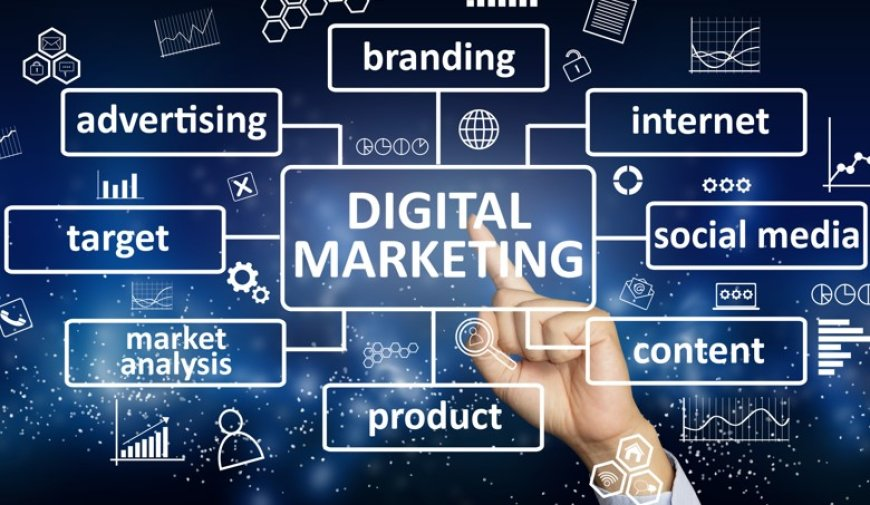
“Digital marketing encompasses a broad range of strategies and techniques used by businesses and organizations to promote their products, services, or brands through various online channels. In today’s digital age, where a significant portion of the global population is actively engaged online, digital marketing has become an indispensable tool for businesses to connect with their target audience, build brand awareness, drive sales, and achieve overall marketing goals”.
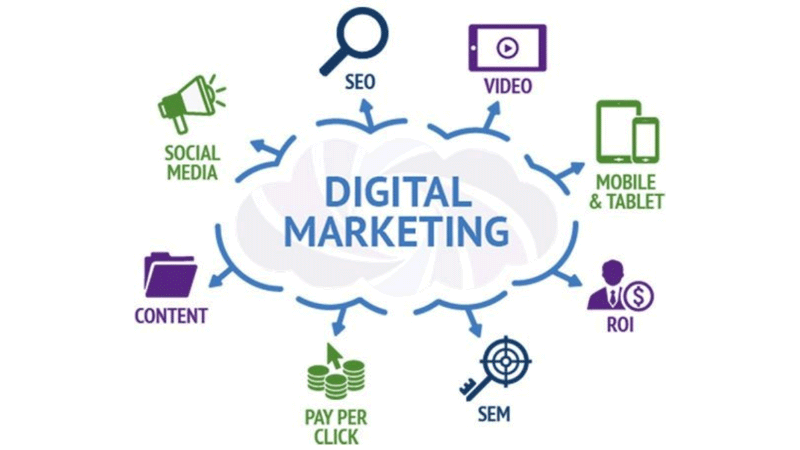
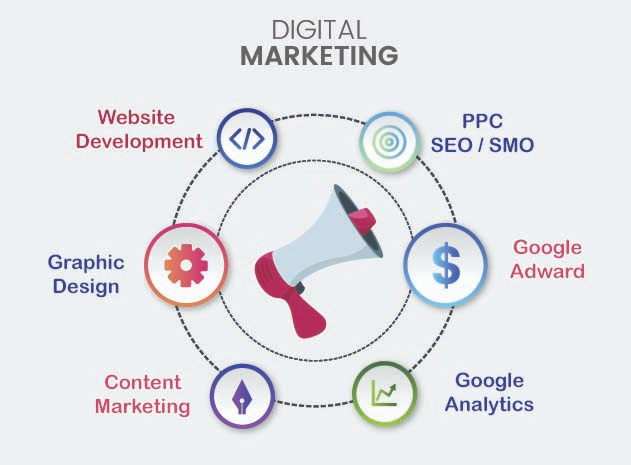
Types or Components of Digital Marketing:
Search Engine Optimization (SEO): SEO is like making your lemonade stand show up first when someone asks, “Where can I get tasty lemonade?” You use special ingredients (keywords and website improvements) to make sure your stand is the first thing people see. Example: If you have a website selling handmade candles, you optimize it with keywords like “unique candles” or “handcrafted scented candles” so that when people search for those terms on Google, your website appears at the top of the results.
Social Media Marketing: This is like telling all your friends and their friends about your lemonade stand. You use platforms like Facebook, Instagram, and Twitter to show everyone your delicious lemonade and interact with them. Example: You create Instagram posts with mouth watering pictures of your lemonade, share fun stories of how you make it, and engage with customers by responding to their comments and messages.
Pay-Per-Click Advertising (PPC): Imagine you pay a small amount every time someone takes a sip of your lemonade. With PPC, you pay a small fee when someone clicks on your online ad, and they’re taken to your website. Example: You create an ad that appears on Google when people search for “best lemonade near me.” You only pay if someone clicks on your ad and visits your website to order lemonade.
Content Marketing: Content marketing is like sharing stories about why your lemonade is so refreshing. You create interesting and helpful content that makes people want to come to your stand. Example: If you sell gardening tools, you create blog posts about tips for a beautiful garden, and people who read your helpful articles might also be interested in your gardening products.
Email Marketing: Sending emails to people who love your lemonade and telling them about your new flavors is email marketing. It’s like inviting them back to your stand whenever you have something exciting. Example: You send an email to your loyal customers, offering them a special discount on your new lemonade flavor, and they can use the coupon code when they order online.
Influencer Marketing: Imagine a famous lemonade lover telling everyone how amazing your lemonade is. Influencer marketing is when popular people on social media talk about and promote your products to their followers. Example: A fitness influencer posts a picture on Instagram with your healthy lemonade, and their health-conscious followers become interested in trying it too.
Affiliate Marketing: Affiliate marketing is like having friends who tell everyone about your lemonade and get a small cut when someone buys. Affiliates promote your products, and you give them a commission for each sale they bring. Example: You partner with bloggers who write about refreshing drinks, and they share a special link to your lemonade on their blog. When people buy using that link, the blogger earns a percentage of the sale.
Video Marketing: This is like making a fun video of you and your team making lemonade and sharing it online. Videos capture attention and help people get to know your brand better. Example: You create a short video showing the process of making your lemonade, from squeezing lemons to adding ice, and post it on YouTube and social media.
Online PR (Public Relations): Online PR is like managing your lemonade stand’s reputation online. You respond to reviews, handle any negative feedback, and make sure your stand looks good to everyone. Example: You address a customer’s complaint on social media, apologize for their bad experience, and offer to make it right. This shows other customers that you care about their satisfaction.
Social Proof and Reviews: Imagine having a wall of happy customer notes at your lemonade stand. Online, you encourage customers to leave positive reviews and testimonials about your products. Example: On your website, you showcase reviews from customers who say your lemonade is the best they’ve ever tasted, building trust with potential buyers.
Career in Digital Marketing:
Digital marketing is a rapidly growing field that offers exciting career opportunities. As a digital marketer, you’ll be responsible for promoting products, services, or brands using online channels and strategies. Here are key points about a career in digital marketing:
Diverse Roles: Digital marketing offers a variety of roles, including SEO specialist, social media manager, content creator, email marketer, PPC specialist, and more.
Constant Learning: The digital landscape evolves quickly, so continuous learning is essential to stay updated with new tools, trends, and strategies.
Creativity: Digital marketers need to think creatively to develop engaging content, campaigns, and strategies that capture the audience’s attention.
Analytical Skills: Data analysis is crucial to measure the effectiveness of campaigns and make data-driven decisions for optimization.
Communication: Effective communication is essential for conveying messages across different online platforms and engaging with the audience.
Salary:
Digital marketing salaries vary based on experience, role, location, and company size. Here’s a general overview:
Entry-Level: Junior roles like social media assistant or content writer may start around $30,000 to $40,000 per year. Mid-Level: As you gain experience and specialize, salaries can range from $50,000 to $80,000 or more annually. Senior-Level: With several years of experience and expertise, digital marketing managers, directors, or specialists can earn $80,000 to $150,000 or higher.
Skillsto Become a Digital Marketer:
To excel in digital marketing, you need a mix of technical, creative, and interpersonal skills:
Digital Literacy: Familiarity with online platforms, tools, and technologies used in digital marketing is essential.
SEO and SEM: Understanding of search engine optimization (SEO) and search engine marketing (SEM) principles to improve online visibility.
Content Creation: Ability to create compelling and relevant content for various platforms, such as blogs, social media, and videos.
Social Media Expertise: Proficiency in managing and strategizing social media campaigns across platforms like Facebook, Instagram, Twitter, and LinkedIn.
Data Analysis: Skill to interpret data from tools like Google Analytics to measure campaign performance and make informed decisions.
Copywriting: Writing persuasive and engaging copy for ads, emails, social media posts, and website content.
Email Marketing: Knowledge of email marketing tools, list management, and crafting effective email campaigns.
PPC Advertising: Understanding of pay-per-click advertising platforms like Google Ads and Facebook Ads.
Creative Design: Basic design skills to create visually appealing graphics and images for digital marketing assets.
Communication Skills: Ability to communicate clearly and effectively with team members, clients, and the target audience.
Adaptability: Being open to learning and adapting to changes in digital marketing trends and algorithms.
Digital marketing offers a dynamic and rewarding career path for individuals who are passionate about the online world, enjoy creativity, and are willing to stay updated with the latest industry developments.
Importance of Digital Marketing for Businesses:
Global Reach: Digital marketing allows businesses to reach a global audience, breaking down geographical barriers and expanding their market reach.
Cost-Effectiveness: Compared to traditional marketing methods, digital marketing often offers a more cost-effective way to promote products and services.
Targeted Advertising: Digital marketing enables precise targeting of specific demographics, interests, and behaviors, ensuring that marketing efforts reach the right audience.
Measurable Results: With digital marketing tools and analytics, businesses can track and measure the performance of their campaigns in real-time, allowing for data-driven decision-making and optimization.
Higher Engagement: Interactive content, social media interactions, and personalized marketing efforts foster higher engagement and better customer relationships.
Brand Building: Consistent digital presence and engagement help build brand awareness and loyalty over time.
Adaptability: Digital marketing campaigns can be quickly adjusted and optimized based on real-time data, allowing businesses to adapt to changing market conditions.
In today’s competitive landscape, digital marketing is not just an option but a necessity for businesses of all sizes.