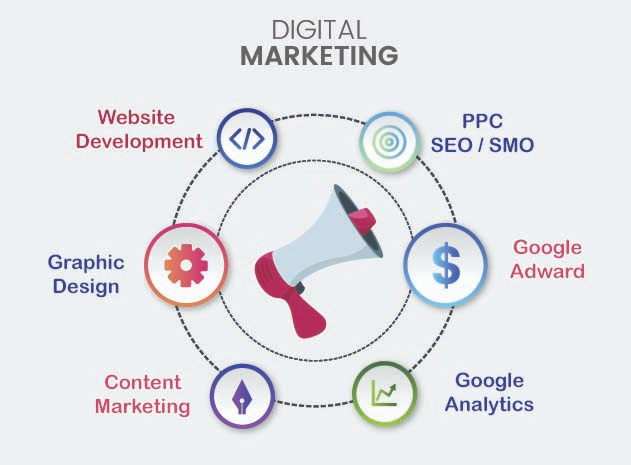
Tag: Digital Marketing Skills

  • Top Skills You Need to Become a Successful Digital Marketer (Part-4)

    Top Skills You Need to Become a Successful Digital Marketer (Part-4)

    In today’s connected world, the demand for skilled digital marketers has never been higher. Whether you’re a student, job-seeker, entrepreneur, or simply curious about this booming industry, understanding the skills needed to become a successful digital marketer is your first big step.

    Kamlesh Singad, the founder of CWK Agency, puts it simply: “Digital marketing is no longer optional—it’s foundational. And becoming a standout digital marketer means developing a broad yet focused skillset.”

    Let’s explore the most important skills you’ll need to thrive in this exciting and fast-evolving industry.

    Why Digital Marketing Skills Matter More Than Ever

    The digital marketing landscape changes by the minute. From TikTok trends to Google algorithm updates, a successful digital marketer needs to be both creative and analytical—always one step ahead of change.

    Kamlesh Singad notes, “Brands today don’t just want marketers—they want growth strategists, storytellers, and data-driven decision-makers all rolled into one.”

    Top Skills Every Aspiring Digital Marketer Should Master

    Digital Marketer

    Strategic Thinking

    Before you dive into tools or tactics, you need to think like a strategist. A good digital marketer sees the bigger picture, sets clear objectives, and knows how to guide users through the funnel.

    Why It Matters:

    • Helps align marketing efforts with business goals
    • Informs decisions across all digital channels
    • Boosts ROI by focusing on what truly works

    CWK Agency often starts client projects by asking: “What does success look like for you?”

    Content Creation and Copywriting

    Content is still king. Whether it’s a tweet, blog, email, or video script, your words can attract, convert, and build relationships.

    Core Skills:

    • Writing clear, engaging, and persuasive content
    • Storytelling that builds brand voice
    • Repurposing content across formats (text, video, infographics)

    Kamlesh Singad says, “Content is how you win trust—and in marketing, trust is everything.”

    Also Read: 7 Powerful Google Ads Hacks to Scale Your Campaigns Profitably

    Digital Marketer

    Search Engine Optimization (SEO)

    SEO is what helps people find your content on Google without paying for ads. It’s a long-term strategy, but it pays off in traffic, leads, and authority.

    What You Need to Learn:

    • Keyword research
    • On-page SEO (meta titles, content structure)
    • Off-page SEO (backlinks, digital PR)
    • Technical SEO (site speed, mobile-friendliness)

    At CWK Agency, SEO is baked into every content strategy from day one.

    Social Media Management

    Every digital marketer should understand how to manage and grow social media channels. Beyond posting, it’s about engagement, consistency, and creating community.

    Essential Abilities:

    • Knowing platform differences (Instagram vs. LinkedIn)
    • Scheduling and automation tools (like Buffer or Hootsuite)
    • Analyzing engagement metrics

    Pro tip from Kamlesh Singad: “Social media isn’t about you—it’s about your audience. Serve them, and growth will follow.”

    Email Marketing and Automation

    Email marketing is one of the highest ROI channels available. From newsletters to drip campaigns, knowing how to write, design, and automate emails is critical.

    Key Concepts:

    • Building segmented email lists
    • Writing irresistible subject lines
    • Using platforms like Mailchimp or ConvertKit
    • Analyzing open and click-through rates

    CWK Agency uses automation to nurture leads into loyal customers—without overwhelming inboxes.

    Also Read: Best Free Digital Marketing Courses & Certifications 2025

    Digital Marketer

    Analytics and Data Interpretation

    A great digital marketer doesn’t just create—they measure. Understanding performance metrics helps you adjust and improve your strategy in real-time.

    Analytics Tools to Know:

    • Google Analytics
    • Facebook Insights
    • UTM tracking
    • Conversion rate metrics

    Kamlesh Singad advises: “If you’re not tracking, you’re guessing. And guessing in marketing is expensive.”

    PPC and Paid Ads Management

    While SEO builds long-term traffic, paid ads offer instant visibility. Platforms like Google Ads and Meta Ads are essential to learn.

    Key Knowledge Areas:

    • Keyword targeting and bidding strategies
    • Ad copywriting
    • Landing page design
    • A/B testing and ROI tracking

    CWK Agency uses PPC in combination with organic strategies for maximum impact.

    Basic Design and Visual Communication

    You don’t need to be a full-time graphic designer, but understanding basic design principles will help your content stand out.

    Tools to Try:

    • Canva for social graphics
    • Figma for mockups
    • Adobe tools for advanced design

    Visuals aren’t just pretty—they help your message land.

    Also Read: How to Start a Career in Digital Marketing in 2025 – Beginner’s Guide

    CRM and Customer Journey Mapping

    Knowing how to guide users from interest to purchase is essential. CRMs help manage that journey, from contact to conversion.

    What to Focus On:

    • Tools like HubSpot, Zoho, or Salesforce
    • Lead scoring
    • Lifecycle email campaigns

    CWK Agency maps every customer touchpoint to maximize engagement and retention.

    Adaptability and Continuous Learning

    The digital landscape changes fast. What works today may not work tomorrow. A successful digital marketer embraces change and never stops learning.

    Tips:

    • Follow industry blogs (Moz, HubSpot, Neil Patel)
    • Take short online courses (Coursera, Google Skillshop)
    • Join marketing communities (Reddit, Facebook Groups)

    Kamlesh Singad says: “Stay curious. Every click, trend, and failure has something to teach you.”

    Bonus Soft Skills That Make a Big Difference

    • Time management: Juggling multiple campaigns
    • Communication: Clear reporting and team collaboration
    • Problem-solving: Quick thinking when tools or tactics fail
    • Empathy: Understanding your audience’s emotions and behavior

    CWK Agency’s Approach to Building Future Digital Marketers

    CWK Agency doesn’t just deliver campaigns—they mentor new marketers. Under Kamlesh Singad’s leadership, they run workshops and offer internships designed to develop real-world skills across content, SEO, analytics, and strategy.

    If you want to become a job-ready digital marketer, learning from agencies like CWK is a game-changer.

    FAQs

    Do I need a degree to become a digital marketer?
    Nope! Skills, portfolio, and results matter more than formal education in this industry.

    How long does it take to learn digital marketing?
    You can start with basic skills in 3–6 months and continue building expertise over time.

    Which digital marketing skill is most in demand?
    SEO, content creation, and data analytics are highly sought-after across industries.

    Is digital marketing a good career in 2025?
    Absolutely. With more businesses shifting online, demand for skilled digital marketers continues to grow.

    How can I get hands-on experience?
    Start a blog, freelance for local businesses, or intern with agencies like CWK.

    Conclusion: Ready to Level Up Your Skills as a Digital Marketer?

    Becoming a successful digital marketer isn’t just about knowing tools—it’s about strategy, storytelling, and service. Start with the basics, commit to learning, and apply your skills consistently.

    Take inspiration from Kamlesh Singad and the team at CWK Agency—who built careers and brands from scratch using the exact skills listed above.

    Your journey as a digital marketer starts now. Are you ready?
  • Tips to Ace Your Digital Marketing Job Interview

    Tips to Ace Your Digital Marketing Job Interview

    Securing a position in digital marketing requires more than just technical know-how; it demands effective communication, strategic thinking, and a deep understanding of current industry trends. To help you stand out in your next digital marketing job interview, consider the following comprehensive tips:

    1. Showcase Your Practical Experience

    Employers value candidates who can demonstrate real-world application of digital marketing strategies. To effectively highlight your experience:

    Present Tangible Examples: Discuss specific campaigns you’ve managed, detailing your role, the strategies implemented, and the outcomes achieved. Use quantifiable metrics to illustrate success, such as increased website traffic, higher conversion rates, or improved ROI.

    Develop a Personal Project: If professional experience is limited, create your own website or blog to experiment with digital marketing techniques. This initiative not only showcases your proactive learning but also provides a platform to demonstrate your skills in SEO, content creation, and analytics.

    Also Read: SEO Best Practices for Achieving Mobile Friendliness

    Digital Marketing Job Interview

    2. Conduct In-Depth Company Research

    Understanding the company you’re interviewing with is crucial. To prepare:

    Analyze Their Digital Presence: Review the company’s website, social media channels, and recent marketing campaigns. Identify strengths and areas for improvement.

    Propose Strategic Enhancements: Prepare specific suggestions on how they can enhance their digital marketing efforts. For instance, if their blog lacks SEO optimization, recommend targeted keywords and content strategies to improve search engine rankings.

    3. Communicate Clearly and Avoid Jargon

    While industry terminology is common in digital marketing, clarity is key during interviews.

    Simplify Complex Concepts: Explain your strategies and experiences in straightforward language. This approach ensures that all interviewers, regardless of their technical expertise, can understand your contributions.

    Focus on Problem-Solving: Instead of using buzzwords, discuss how you identified challenges and the practical steps you took to address them. This demonstrates your analytical abilities and results-oriented mindset.

    Also Read: 15 SEO Best Practices: Website Architecture for Maximum Rankings

    Digital Marketing Job Interview

    4. Prepare for Common Interview Questions

    Anticipate questions that assess both your technical skills and cultural fit. Examples include:

    Experience-Related: “Can you describe a successful digital marketing campaign you’ve led?”

    Behavioral: “How do you stay updated with the latest digital marketing trends?”

    Analytical: “How do you measure the effectiveness of your marketing strategies?”

    Reflect on your experiences and be ready to provide detailed responses that highlight your skills and adaptability.

    5. Demonstrate Familiarity with Digital Marketing Tools

    Proficiency with industry tools is often essential. Be prepared to discuss:

    Analytics Platforms: Your experience with tools like Google Analytics to track and interpret website performance.

    SEO Tools: Usage of platforms such as Ahrefs or SEMrush for keyword research and competitive analysis.

    Content Management Systems: Familiarity with systems like WordPress for content creation and management.

    6. Exhibit Strong Communication and Presentation Skills

    Effective communication is vital in digital marketing. To convey your ideas confidently:

    Practice Active Listening: Ensure you understand questions fully before responding, and provide thoughtful, concise answers.

    Engage with Enthusiasm: Show genuine interest in the role and the company. Your passion can set you apart from other candidates.

    Also Read: How to Create a Free Email Address for a Business

    Digital Marketing Job Interview

    7. Ask Insightful Questions

    Demonstrate your enthusiasm and proactive nature by inquiring about:

    Company Goals: “What are the primary objectives for the digital marketing team in the next quarter?”

    Team Dynamics: “Can you tell me more about the team I’ll be working with?”

    Success Metrics: “How does the company measure the success of its digital marketing initiatives?”

    By following these strategies, you’ll be well-prepared to make a lasting impression in your digital marketing job interview. Remember, thorough preparation and genuine enthusiasm are key components of a successful interview.

    FAQs

    1. What skills do I need to ace a digital marketing job interview?
    To succeed in a digital marketing interview, you should have expertise in SEO, PPC, content marketing, social media management, and analytics tools like Google Analytics. Strong communication and problem-solving skills are also essential.

    2. How can I showcase my experience if I don’t have a digital marketing job yet?
    If you lack professional experience, create your own website or blog and run digital marketing experiments. You can also take on freelance projects, work on personal branding, or gain certifications from platforms like Google, HubSpot, or Coursera.

    3. What are the most common digital marketing interview questions?
    Expect questions like:

    • Can you describe a successful marketing campaign you’ve worked on?
    • How do you measure the success of a digital marketing strategy?
    • Which digital marketing tools are you proficient in?
    • How do you stay updated with industry trends?

    4. How can I research a company before my marketing interview?
    Visit their website, analyze their digital presence, check their social media activity, and use tools like Ubersuggest or SEMrush to study their SEO and paid ad strategies. This will help you suggest improvements during the interview.

    5. What mistakes should I avoid in a marketing job interview?
    Avoid using excessive jargon, giving vague answers, failing to research the company, and not providing specific examples of your work. Always focus on clear, results-driven responses that showcase your expertise.

  • What is a Digital Marketing Job Description?

    What is a Digital Marketing Job Description?

    In today’s competitive job market, digital marketing professionals play a vital role in helping businesses thrive online. If you’re a recruiter or HR manager looking to attract top talent, crafting a clear and detailed job description is essential. This blog offers an optimized Digital Marketing Job Description Template with an overview of the skills, duties, and qualifications required for success in this role.

    A job description for digital marketing outlines the key responsibilities, qualifications, and expectations for candidates applying for marketing roles in the digital space. This document helps both employers and job seekers understand the scope of the position, aligning business goals with candidate skills.

    Well-written job descriptions also improve recruitment efficiency by ensuring that only suitable candidates apply. Whether you are hiring for an entry-level digital marketing associate or a senior digital marketing strategist, a properly structured job description is the foundation for hiring success.

    Also Read:10 Proven Strategies for Lead Generation: The Ultimate Guide to Outbound Marketing Success

    What is a Digital Marketing Job Description?

    Why is a Clear Digital Marketing Job Description Important?

    A detailed job description sets the tone for expectations. Here’s why it matters:

    • Attracts Qualified Candidates: Well-defined roles ensure that job seekers with the right qualifications apply.
    • Reduces Time-to-Hire: Targeted job descriptions help streamline the recruitment process.
    • Enhances Employee Retention: Clear expectations lead to better alignment between employers and employees.
    • Improves Productivity: Defined responsibilities allow employees to focus on specific objectives.

    Template for a Digital Marketing Job Description

    Here’s a sample digital marketing job description template that you can customize based on your company’s requirements:

    Job Title

    Digital Marketing Specialist

    Reports to:

    Marketing Manager / Head of Marketing

    Job Summary

    We are seeking a talented and results-driven Digital Marketing Specialist to manage online campaigns, increase brand visibility, and drive customer engagement. The ideal candidate will have experience in SEO, PPC, social media marketing, and email marketing, along with a passion for data-driven strategies.

    Also Read: Reciprocal Links: Are They Good or Bad for SEO?

    Key Duties and Responsibilities

    • Develop and implement digital marketing campaigns across various platforms, including Google, Facebook, and LinkedIn.
    • Manage website content and optimize for SEO to improve organic search rankings.
    • Monitor and analyze campaign performance using tools like Google Analytics and generate actionable insights.
    • Create engaging content for blogs, email newsletters, and social media platforms.
    • Collaborate with cross-functional teams to align marketing strategies with business goals.
    • Manage paid advertising campaigns (PPC) to maximize ROI.
    • Conduct keyword research and optimize website content for search engines.
    • Monitor competitors and industry trends to stay ahead of market developments.
    • Implement email marketing campaigns and maintain CRM databases.
    • Track KPIs and prepare performance reports to assess campaign effectiveness.

    Essential Skills for a Digital Marketing Role

    To excel in a digital marketing position, candidates need a mix of technical and soft skills:

    Hard Skills

    • Search Engine Optimization (SEO): Understanding of on-page and off-page SEO strategies.
    • Pay-Per-Click Advertising (PPC): Expertise in running ads on Google Ads, Facebook Ads, and similar platforms.
    • Analytics and Reporting: Proficiency in Google Analytics and other tracking tools.
    • Content Creation: Ability to write compelling marketing copy and manage social media content.
    • Email Marketing: Familiarity with email marketing platforms like MailChimp or HubSpot.
    • Marketing Automation Tools: Experience with tools like Salesforce, Marketo, or ActiveCampaign.

    Also Read: How to Get Powerful Customer Testimonials [+ Free Request Templates]

    What is a Digital Marketing Job Description?

    Soft Skills

    • Communication Skills: Ability to convey ideas clearly to team members and clients.
    • Creativity: Think outside the box to create innovative campaigns.
    • Project Management: Handle multiple projects and meet deadlines efficiently.
    • Data-Driven Mindset: Make decisions based on analytics and metrics.

    Qualifications and Requirements

    Here’s what most companies look for in a digital marketing job description:

    • Bachelor’s degree in Marketing, Business, or a related field.
    • 2-5 years of experience in digital marketing or related roles.
    • Proven experience managing SEO, PPC, and social media campaigns.
    • Certification in Google Ads or HubSpot (preferred but not mandatory).
    • Strong understanding of digital marketing trends and best practices.
    • Excellent analytical and problem-solving skills.

    How to Tailor a Digital Marketing Job Description to Your Needs

    Every organization has unique marketing goals, so it’s essential to customize your job description based on your needs. Consider the following:

    • Industry Relevance: A tech company may prioritize SEO, while a retail business may focus more on social media.
    • Seniority Level: The duties and skills will differ between a Digital Marketing Associate and a Digital Marketing Manager.
    • Tools and Platforms: List the specific tools your organization uses (e.g., Google Ads, Hootsuite).
    • Company Culture: Include aspects of your company’s mission and values to attract candidates aligned with your culture.

    Tips for Writing a Digital Marketing Job Description That Attracts Top Talent

    Here are some best practices to make your job description more appealing to candidates:

    • Use clear language and avoid jargon.
    • Highlight growth opportunities and employee benefits.
    • Showcase your brand personality to attract candidates who align with your mission.
    • Optimize the job title and description for search engines (e.g., “Digital Marketing Job” as a keyword).
    • Specify salary range or mention “competitive pay” to engage candidates.

    Example of a Digital Marketing Job Posting

    Here’s an example of how your job description might look on job boards:

    Job Title: Digital Marketing Specialist
    Location: Remote / On-site
    Employment Type: Full-Time
    Salary: Competitive, based on experience

    About Us:
    [Company Name] is a fast-growing [Industry] company that values creativity and data-driven solutions. We are looking for a dynamic Digital Marketing Specialist to join our team and help us grow our online presence.

    Responsibilities:

    • Develop and implement digital campaigns.
    • Optimize web pages for search engines (SEO).
    • Manage paid ads on Google and social media platforms.
    • Track campaign metrics and generate reports.

    Requirements:

    • Bachelor’s degree in Marketing or equivalent experience.
    • 2+ years of digital marketing experience.
    • Strong knowledge of Google Analytics and SEO tools.
    What is a Digital Marketing Job Description?

    FAQs

    What is a digital marketing job description?
    A digital marketing job description outlines the responsibilities, skills, and qualifications required for a role in online marketing.

    What skills are needed for a digital marketing role?
    Some essential skills include SEO, PPC management, analytics, content creation, and email marketing.

    What are the duties of a digital marketing specialist?
    Duties include campaign management, content creation, SEO optimization, and performance tracking.

    How can I make my digital marketing job description stand out?
    Use clear language, highlight benefits and growth opportunities, and align the description with your brand values.

    What qualifications are needed for a digital marketing job?
    A bachelor’s degree in marketing, along with 2-5 years of experience, and knowledge of tools like Google Analytics, are common requirements.

    How do I attract top talent for a digital marketing role?
    Create a detailed and appealing job description, mention salary ranges, and offer remote work options if possible.

    Conclusion

    Crafting a comprehensive digital marketing job description is crucial to attracting and retaining top talent. It ensures candidates understand what’s expected and helps companies find the right fit. By clearly outlining the required skills, duties, and qualifications, your job posting will appeal to suitable candidates and speed up the hiring process.

    Remember, job descriptions are not static. Continuously review and refine them to reflect the evolving needs of your organization and the digital landscape.

  • Free Digital Marketing Course with Certificate [2024]

    Free Digital Marketing Course with Certificate [2024]

    In the rapidly evolving world of digital marketing, staying updated with the latest trends and techniques is crucial. A free digital marketing course with a certificate can be a game-changer, offering invaluable knowledge and a recognized credential without the financial burden. This guide explores the top free courses available in 2024, providing insights into their content, benefits, and how they can enhance your career.

    Introduction

    Digital marketing is the cornerstone of modern business strategies, encompassing everything from social media and content marketing to SEO and email campaigns. As the demand for skilled digital marketers continues to surge, obtaining certification has become increasingly important. Not only does it validate your expertise, but it also enhances your employability and career growth prospects.

    Free Digital Marketing Course with Certificate opportunities abound in 2024, catering to beginners and seasoned professionals alike. These courses offer a comprehensive understanding of various digital marketing facets, equipping you with the skills needed to excel in this dynamic field.

    Benefits of Enrolling in a Free Digital Marketing Course with Certificate

    Cost-Effective Learning

    One of the most significant advantages of a free digital marketing course is the cost savings. Traditional education can be expensive, but free courses make high-quality education accessible to everyone, regardless of financial constraints.

    Flexible Learning Schedules

    Free digital marketing courses often provide flexible schedules, allowing you to learn at your own pace. This flexibility is ideal for working professionals or students who need to balance their studies with other commitments.

    Access to Expert Knowledge

    These courses are usually developed by industry experts and leading institutions, ensuring you receive up-to-date and relevant information. Learning from seasoned professionals can provide insights that are directly applicable to real-world scenarios.

    Recognized Certification

    Upon completion, these courses offer certificates that can be added to your resume or LinkedIn profile. A recognized certification can significantly enhance your credibility and attractiveness to potential employers.

    image 42

    Top Free Digital Marketing Courses with Certificates in 2024

    Google Digital Garage: Fundamentals of Digital Marketing

    Google Digital Garage offers a comprehensive free digital marketing course with a certificate upon completion. The course covers essential topics such as search engine optimization (SEO), content marketing, social media, and more. It’s designed for beginners but also provides valuable insights for those looking to refresh their knowledge.

    Key Features:

    • 26 modules created by Google trainers
    • Practical exercises and real-world examples
    • Certificate of completion recognized globally

    HubSpot Academy: Inbound Marketing Certification

    HubSpot Academy is renowned for its high-quality marketing courses. The Inbound Marketing Certification course covers the fundamentals of inbound marketing, including content creation, social media promotion, and lead nurturing. This course is ideal for those looking to specialize in inbound marketing techniques.

    Key Features:

    • Comprehensive modules on inbound marketing strategies
    • Interactive videos and quizzes
    • Globally recognized certification

    Coursera: Digital Marketing Specialization

    Offered by the University of Illinois, the Digital Marketing Specialization on Coursera provides an in-depth understanding of digital marketing concepts. Although the course is free to audit, obtaining a certificate requires payment. However, financial aid is available for those who qualify.

    Key Features:

    • Seven-course specialization covering all aspects of digital marketing
    • Hands-on projects and case studies
    • Certification from a prestigious university

    LinkedIn Learning: Digital Marketing Trends

    LinkedIn Learning offers a range of free digital marketing courses, with Digital Marketing Trends being particularly popular. This course provides insights into the latest trends and strategies in digital marketing, helping you stay ahead of the curve.

    Key Features:

    • Up-to-date content reflecting current trends
    • Expert-led courses
    • Certificate of completion

    Alison: Diploma in E-Business

    Alison’s Diploma in E-Business course is perfect for those looking to understand the broader scope of digital marketing within the context of e-business. The course covers various digital marketing channels and strategies, providing a well-rounded education.

    Key Features:

    • Extensive modules on e-business and digital marketing
    • Free certification upon completion
    • Accessible learning platform

    How to Choose the Right Free Digital Marketing Course with Certificate

    Identify Your Goals

    Before enrolling in a course, it’s crucial to identify your learning objectives. Are you looking to start a career in digital marketing, or do you want to enhance your existing skills? Understanding your goals will help you choose a course that aligns with your career aspirations.

    Consider Course Content

    Examine the course syllabus to ensure it covers the topics you are interested in. A good course should offer a balanced mix of theoretical knowledge and practical skills.

    Check the Credibility of the Provider

    Opt for courses offered by reputable institutions or industry leaders. This ensures that the content is reliable and that the certification holds value in the job market.

    Read Reviews and Testimonials

    Reading reviews and testimonials from past students can provide insights into the course’s effectiveness and quality. Look for courses with positive feedback and high completion rates.

    image 43

    Importance of Certification in Digital Marketing

    Enhanced Employability

    A certification in digital marketing demonstrates your commitment to professional development and your expertise in the field. Employers often prefer candidates with recognized certifications as it reduces the training time and costs.

    Career Advancement

    For those already working in digital marketing, certification can open doors to promotions and higher-paying positions. It showcases your dedication to staying updated with industry trends and best practices.

    Increased Credibility

    Certification from a reputable source can enhance your credibility among peers and clients. It signifies that you possess the necessary skills and knowledge to execute successful digital marketing campaigns.

    Real-World Applications of Digital Marketing Skills

    Creating Effective SEO Strategies

    SEO is a cornerstone of digital marketing. Understanding how to optimize websites for search engines can significantly improve online visibility and drive organic traffic. Free digital marketing courses often include comprehensive SEO training, equipping you with the skills to enhance your website’s ranking.

    Crafting Engaging Content

    Content is king in digital marketing. Learning how to create compelling and valuable content can help attract and retain customers. Courses often cover various content types, including blog posts, videos, infographics, and social media updates.

    Utilizing Social Media Platforms

    Social media marketing is a powerful tool for reaching a broad audience. Courses teach you how to leverage platforms like Facebook, Twitter, Instagram, and LinkedIn to promote products and services effectively.

    Analyzing Marketing Data

    Data analysis is crucial for measuring the success of marketing campaigns. Courses provide training on using analytics tools to interpret data, track performance, and make informed decisions.

    Success Stories: How a Free Digital Marketing Course with Certificate Transformed Careers

    From Novice to Professional

    Many individuals have transitioned from beginners to professionals through free digital marketing courses. For example, Jane Doe, a marketing enthusiast, completed Google Digital Garage’s Fundamentals of Digital Marketing course. With her new skills and certification, she secured a job as a digital marketing specialist at a leading agency.

    Boosting Existing Careers

    Experienced marketers have also benefited from these courses. John Smith, a seasoned marketer, took HubSpot’s Inbound Marketing Certification course to update his skills. This certification helped him land a promotion to Marketing Manager, overseeing a team of digital marketers.

    The Future of Digital Marketing Education

    Increasing Accessibility

    The future of digital marketing education looks promising, with more institutions offering free courses to democratize access to quality education. This trend ensures that anyone with an internet connection can learn and grow in the field.

    Innovative Learning Methods

    Advancements in technology are transforming how digital marketing is taught. Interactive videos, virtual reality simulations, and AI-driven personalized learning experiences are making education more engaging and effective.

    Focus on Continuous Learning

    The digital marketing landscape is ever-changing. Continuous learning and upskilling are becoming essential. Free digital marketing courses with certificates will continue to evolve, providing updated content to keep learners ahead of the curve.

    FAQs

    What are the benefits of a free digital marketing course with a certificate?

    Free digital marketing courses offer cost-effective learning, flexible schedules, access to expert knowledge, and recognized certification. These benefits make them an excellent choice for anyone looking to start or advance their career in digital marketing.

    Are free digital marketing courses worth it?

    Absolutely. Free digital marketing courses provide valuable knowledge and skills that are essential for a successful career in digital marketing. The certification adds credibility and can enhance your employability.

    How do I choose the best free digital marketing course?

    Identify your learning goals, consider the course content, check the credibility of the provider, and read reviews and testimonials. These steps will help you choose a course that aligns with your career aspirations.

    Can I get a job with a free digital marketing course certificate?

    Yes, many employers recognize the value of certifications from reputable institutions. A free digital marketing course certificate can enhance your resume and improve your chances of securing a job in the field.

    How long does it take to complete a free digital marketing course?

    The duration varies depending on the course. Some courses can be completed in a few weeks, while others may take a few months. Most courses offer flexible schedules, allowing you to learn at your own pace.

    What topics are covered in a free digital marketing course?

    Topics typically include SEO, content marketing, social media marketing, email marketing, data analytics, and more. Each course may vary in its specific content and depth of coverage.

    image 44

    Conclusion

    Enrolling in a free digital marketing course with a certificate in 2024 is a strategic move for anyone looking to thrive in the digital marketing industry. These courses offer a wealth of knowledge, practical skills, and recognized certifications that can significantly boost your career prospects. Whether you’re a beginner or an experienced marketer, there’s a course out there that can help you achieve your professional goals.

    Embark on your learning journey today, and unlock the doors to a successful career in digital marketing.

    Logo

    Contact Person: Kamlesh Singad

    Phone no. +91 9131341638

    Web Page: https://kamleshsingad.in/

    contact@kamleshsingad.com

    https://kamleshsingad.com

    Read More –

    SEO Best Practices: How to Rank Higher on Google in 2024
    – https://kamleshsingad.in/seo-best-practices-how-to-rank-higher-on-google-in-2024/

    Power of Social Media Marketing: Building Your Brand Online
    – https://kamleshsingad.in/power-of-social-media-marketing-building-your-brand-online/

    Content Marketing: How to Create Content That Converts
    – https://kamleshsingad.in/content-marketing-how-to-create-content-that-converts/

  • Top 5 skills to master Digital Marketing

    Top 5 skills to master Digital Marketing

    In today’s digital age, marketing has evolved significantly. Gone are the days of traditional advertising dominating the scene; now, digital marketing is at the forefront. To succeed in this ever-changing field, mastering specific skills is crucial. In this blog, we’ll explore the top five skills you need to excel in digital marketing, providing simple explanations, real-world examples, and practical advice.

    1. Search Engine Optimization (SEO)

    What is SEO?
    Search Engine Optimization (SEO) is the practice of optimizing your online content to improve its visibility on search engines like Google. The goal is to increase organic (non-paid) traffic to your website by ranking higher in search results.

    Why is it important?
    SEO is the foundation of digital marketing because most online experiences start with a search engine. If your website doesn’t appear in relevant search results, potential customers may never find you.

    Example:
    Imagine you run a small bakery in New York City. When someone searches for “best cupcakes in NYC” on Google, you want your bakery to appear on the first page of results. This visibility can significantly boost your business.

    How to Master SEO:

    • Learn keyword research: Identify the words and phrases people use to search for your products or services.
    • Create high-quality content: Develop informative, engaging, and relevant content that incorporates these keywords.
    • Optimize on-page elements: Ensure your website’s titles, meta descriptions, headings, and images are optimized for search engines.
    • Build high-quality backlinks: Acquire links from reputable websites to improve your site’s authority.
    • Stay updated: SEO algorithms evolve, so keep learning and adapting your strategy.
    Digital Marketing

    2. Content Marketing

    What is Content Marketing?
    Content marketing involves creating and distributing valuable, relevant, and consistent content to attract and engage a target audience. This content can take various forms, including blog posts, videos, infographics, and social media updates.

    Why is it important?
    Quality content can build trust, establish your brand as an authority, and drive organic traffic. It also forms the basis for many other digital marketing strategies, like SEO and social media marketing.

    Example:
    Suppose you operate a fitness website. Publishing informative articles on topics like “Effective Home Workouts” or “Healthy Eating Tips” can attract fitness enthusiasts and establish you as a reliable source of information.

    How to Master Content Marketing:

    • Understand your audience: Research your target audience’s preferences, problems, and interests.
    • Create valuable content: Develop content that addresses your audience’s needs and provides solutions.
    • Consistency is key: Regularly update your content to keep your audience engaged and informed.
    • Use various formats: Experiment with different content formats to cater to different preferences.
    • Promote your content: Share your content on social media, email newsletters, and other channels to reach a wider audience.

    3. Social Media Marketing

    What is Social Media Marketing?
    Social media marketing involves using social platforms like Facebook, Instagram, Twitter, and LinkedIn to promote your brand, connect with your audience, and drive traffic to your website.

    Why is it important?
    Social media platforms have billions of active users, making them ideal for building brand awareness, engaging with customers, and driving conversions.

    Example:
    Suppose you own an online fashion store. Posting high-quality images of your latest clothing collections on Instagram and using relevant hashtags can attract fashion enthusiasts and drive them to your website for purchases.

    How to Master Social Media Marketing:

    • Choose the right platforms: Focus on the social media platforms that align with your target audience.
    • Develop a content strategy: Plan your posts, including the type of content, posting schedule, and goals.
    • Engage with your audience: Respond to comments, messages, and interact with your followers to build relationships.
    • Use paid advertising: Consider using paid social media ads to reach a broader audience.
    • Analyze and adapt: Monitor your social media metrics and adjust your strategy based on performance.
    Digital Marketing

    4. Email Marketing

    What is Email Marketing?
    Email marketing involves sending targeted emails to a list of subscribers or potential customers. It can be used for various purposes, such as promoting products, sharing content, or nurturing leads.

    Why is it important?
    Email marketing is a cost-effective way to reach a specific audience and drive conversions. It allows for personalized communication and relationship-building.

    Example:
    Suppose you run a software company. Sending a monthly newsletter to your subscribers with updates on new features, helpful tips, and exclusive offers can keep them engaged and interested in your products.

    How to Master Email Marketing:

    • Build a quality email list: Collect email addresses through opt-ins and ensure you have permission to contact subscribers.
    • Personalize your emails: Tailor your messages to each recipient’s preferences and behavior.
    • Craft compelling content: Write engaging subject lines and email content that encourages action.
    • Automate campaigns: Use email marketing tools to schedule and automate email sequences.
    • Analyze results: Monitor open rates, click-through rates, and conversion rates to optimize your campaigns.

    5. Data Analysis and Analytics

    What is Data Analysis and Analytics?
    Data analysis involves collecting, interpreting, and using data to make informed marketing decisions. Analytics tools provide valuable insights into user behavior, website performance, and campaign effectiveness.

    Why is it important?
    Data-driven decisions can lead to more effective marketing strategies, cost savings, and better understanding of customer behavior.

    Example:
    Suppose you run an e-commerce store. Analyzing data on your website traffic can reveal which products are most popular, where users drop off during the checkout process, and which marketing channels drive the most sales. With this information, you can optimize your product offerings and marketing efforts.

    How to Master Data Analysis and Analytics:

    • Set up tracking: Use tools like Google Analytics to track website traffic, user behavior, and conversions.
    • Define key metrics: Identify the specific metrics that matter most for your business goals.
    • Regularly review data: Analyze data to uncover trends, patterns, and areas for improvement.
    • A/B testing: Conduct split tests to compare different marketing strategies and determine which performs better.
    • Continuous learning: Stay updated on data analysis tools and techniques to make informed decisions.

    Conclusion

    In the ever-evolving landscape of digital marketing, mastering these five skills is essential for success. Whether you’re a seasoned marketer or just starting, a strong foundation in SEO, content marketing, social media marketing, email marketing, and data analysis will empower you to connect with your audience, drive traffic, and achieve your business objectives. Remember that practice and adaptation are key, as the digital marketing landscape is constantly changing. Stay curious, stay updated, and keep experimenting to refine your skills and stay ahead in the competitive world of digital marketing.

    Digital Marketing

    Thank You!

  • What is Digital Marketing? A Complete Beginner’s Guide 2026

    What is Digital Marketing? A Complete Beginner’s Guide 2026

    Imagine you have a lemonade stand. You want to sell your delicious lemonade to as many people as possible. Now, think of the internet as a big market where people from all around the world come to buy and sell things. Digital marketing is like using special tools and tricks to make sure lots of people see your lemonade stand and want to buy your lemonade.

    What is Digital Marketing?
    Here are some simple examples to help you understand:

    Making Your Lemonade Stand Look Awesome (Website): Imagine you create a super cool sign for your lemonade stand that grabs people’s attention. Your website is like that sign, but on the internet. It’s a place where people can come to see what you’re selling and learn how amazing your lemonade is.

    Getting People to Visit Your Stand (Traffic): Just having a great sign won’t help if no one comes to your stand. So, you use some magic to tell people about your lemonade stand. You might use social media like Facebook or Instagram to show pictures of your tasty lemonade, and people start coming to your website to check it out.

    Showing Up When People Look (Search Engines): Imagine someone in your town asks, “Where can I get the best lemonade?” You’d want your stand to pop up in their mind, right? Digital marketing helps your website show up when people type things like “yummy lemonade” into a special computer search box. This is like making sure your lemonade stand is the first thing people see when they’re looking for lemonade online.

    Telling Friends to Tell Friends (Word of Mouth): Sometimes, when you tell your friends how awesome your lemonade is, they tell their friends, and then more people come to your stand. In digital marketing, you might ask people who love your lemonade to tell others online, like writing reviews or sharing your posts. This way, more and more people learn about your tasty lemonade.

    Making Your Stand More Attractive (Content): People love stories, right? So, you share stories about how you make your lemonade with the freshest lemons, or maybe you share funny videos of you and your lemonade team. This makes people like your stand even more and want to buy your lemonade.

    Special Offers to Attract Customers (Deals and Promotions): Sometimes, you might say, “Buy one lemonade, get another one free!” or offer a discount. This makes people excited to buy from your stand. Similarly, in digital marketing, you might offer special deals or coupons online to attract more customers.

    Keeping in Touch (Emails and Social Media): When someone buys your lemonade, you want them to come back, right? In digital marketing, you can ask people if they want to hear about your new flavours through emails or social media. It’s like inviting them back to your stand whenever you have something new and exciting.

    So, digital marketing is all about using clever tricks to make sure lots of people know about your lemonade stand, visit your website, and want to buy your delicious lemonade. Just like you want to be the best lemonade seller in your town, businesses want to be the best online, and digital marketing helps them do that!

    “Digital marketing encompasses a broad range of strategies and techniques used by businesses and organizations to promote their products, services, or brands through various online channels. In today’s digital age, where a significant portion of the global population is actively engaged online, digital marketing has become an indispensable tool for businesses to connect with their target audience, build brand awareness, drive sales, and achieve overall marketing goals”.

    What is Digital Marketing


    Types or Components of Digital Marketing:


    Search Engine Optimization (SEO): SEO is like making your lemonade stand show up first when someone asks, “Where can I get tasty lemonade?” You use special ingredients (keywords and website improvements) to make sure your stand is the first thing people see. Example: If you have a website selling handmade candles, you optimize it with keywords like “unique candles” or “handcrafted scented candles” so that when people search for those terms on Google, your website appears at the top of the results.

    Social Media Marketing: This is like telling all your friends and their friends about your lemonade stand. You use platforms like Facebook, Instagram, and Twitter to show everyone your delicious lemonade and interact with them. Example: You create Instagram posts with mouth watering pictures of your lemonade, share fun stories of how you make it, and engage with customers by responding to their comments and messages.

    Pay-Per-Click Advertising (PPC): Imagine you pay a small amount every time someone takes a sip of your lemonade. With PPC, you pay a small fee when someone clicks on your online ad, and they’re taken to your website. Example: You create an ad that appears on Google when people search for “best lemonade near me.” You only pay if someone clicks on your ad and visits your website to order lemonade.

    Content Marketing: Content marketing is like sharing stories about why your lemonade is so refreshing. You create interesting and helpful content that makes people want to come to your stand. Example: If you sell gardening tools, you create blog posts about tips for a beautiful garden, and people who read your helpful articles might also be interested in your gardening products.

    Email Marketing: Sending emails to people who love your lemonade and telling them about your new flavors is email marketing. It’s like inviting them back to your stand whenever you have something exciting. Example: You send an email to your loyal customers, offering them a special discount on your new lemonade flavor, and they can use the coupon code when they order online.

    Influencer Marketing: Imagine a famous lemonade lover telling everyone how amazing your lemonade is. Influencer marketing is when popular people on social media talk about and promote your products to their followers. Example: A fitness influencer posts a picture on Instagram with your healthy lemonade, and their health-conscious followers become interested in trying it too.

    Affiliate Marketing: Affiliate marketing is like having friends who tell everyone about your lemonade and get a small cut when someone buys. Affiliates promote your products, and you give them a commission for each sale they bring. Example: You partner with bloggers who write about refreshing drinks, and they share a special link to your lemonade on their blog. When people buy using that link, the blogger earns a percentage of the sale.

    Video Marketing: This is like making a fun video of you and your team making lemonade and sharing it online. Videos capture attention and help people get to know your brand better. Example: You create a short video showing the process of making your lemonade, from squeezing lemons to adding ice, and post it on YouTube and social media.

    Online PR (Public Relations): Online PR is like managing your lemonade stand’s reputation online. You respond to reviews, handle any negative feedback, and make sure your stand looks good to everyone. Example: You address a customer’s complaint on social media, apologize for their bad experience, and offer to make it right. This shows other customers that you care about their satisfaction.

    Social Proof and Reviews: Imagine having a wall of happy customer notes at your lemonade stand. Online, you encourage customers to leave positive reviews and testimonials about your products. Example: On your website, you showcase reviews from customers who say your lemonade is the best they’ve ever tasted, building trust with potential buyers.


    Career in Digital Marketing:


    Digital marketing is a rapidly growing field that offers exciting career opportunities. As a digital marketer, you’ll be responsible for promoting products, services, or brands using online channels and strategies. Here are key points about a career in digital marketing:

    Diverse Roles: Digital marketing offers a variety of roles, including SEO specialist, social media manager, content creator, email marketer, PPC specialist, and more.

    Constant Learning: The digital landscape evolves quickly, so continuous learning is essential to stay updated with new tools, trends, and strategies.

    Creativity: Digital marketers need to think creatively to develop engaging content, campaigns, and strategies that capture the audience’s attention.

    Analytical Skills: Data analysis is crucial to measure the effectiveness of campaigns and make data-driven decisions for optimization.

    Communication: Effective communication is essential for conveying messages across different online platforms and engaging with the audience.

    Salary:

    Digital marketing salaries vary based on experience, role, location, and company size. Here’s a general overview:

    Entry-Level: Junior roles like social media assistant or content writer may start around $30,000 to $40,000 per year.
    Mid-Level: As you gain experience and specialize, salaries can range from $50,000 to $80,000 or more annually.
    Senior-Level: With several years of experience and expertise, digital marketing managers, directors, or specialists can earn $80,000 to $150,000 or higher.

    Skills to Become a Digital Marketer:

    To excel in digital marketing, you need a mix of technical, creative, and interpersonal skills:

    Digital Literacy: Familiarity with online platforms, tools, and technologies used in digital marketing is essential.

    SEO and SEM: Understanding of search engine optimization (SEO) and search engine marketing (SEM) principles to improve online visibility.

    Content Creation: Ability to create compelling and relevant content for various platforms, such as blogs, social media, and videos.

    Social Media Expertise: Proficiency in managing and strategizing social media campaigns across platforms like Facebook, Instagram, Twitter, and LinkedIn.

    Data Analysis: Skill to interpret data from tools like Google Analytics to measure campaign performance and make informed decisions.

    Copywriting: Writing persuasive and engaging copy for ads, emails, social media posts, and website content.

    Email Marketing: Knowledge of email marketing tools, list management, and crafting effective email campaigns.

    PPC Advertising: Understanding of pay-per-click advertising platforms like Google Ads and Facebook Ads.

    Creative Design: Basic design skills to create visually appealing graphics and images for digital marketing assets.

    Communication Skills: Ability to communicate clearly and effectively with team members, clients, and the target audience.

    Adaptability: Being open to learning and adapting to changes in digital marketing trends and algorithms.

    Digital marketing offers a dynamic and rewarding career path for individuals who are passionate about the online world, enjoy creativity, and are willing to stay updated with the latest industry developments.

    What is Digital Marketing


    Importance of Digital Marketing for Businesses:


    Global Reach: Digital marketing allows businesses to reach a global audience, breaking down geographical barriers and expanding their market reach.

    Cost-Effectiveness: Compared to traditional marketing methods, digital marketing often offers a more cost-effective way to promote products and services.

    Targeted Advertising: Digital marketing enables precise targeting of specific demographics, interests, and behaviors, ensuring that marketing efforts reach the right audience.

    Measurable Results: With digital marketing tools and analytics, businesses can track and measure the performance of their campaigns in real-time, allowing for data-driven decision-making and optimization.

    Higher Engagement: Interactive content, social media interactions, and personalized marketing efforts foster higher engagement and better customer relationships.

    Brand Building: Consistent digital presence and engagement help build brand awareness and loyalty over time.

    Adaptability: Digital marketing campaigns can be quickly adjusted and optimized based on real-time data, allowing businesses to adapt to changing market conditions.

    In today’s competitive landscape, digital marketing is not just an option but a necessity for businesses of all sizes.

    What is Digital Marketing