Tag: Conversion Rates

  • Content Marketing: How to Create Content That Converts

    Content Marketing: How to Create Content That Converts

    In today’s digital landscape, content marketing has emerged as a cornerstone of successful business strategies. Creating content that not only engages but also converts is a nuanced art and science. This comprehensive guide will delve into the intricacies of content marketing, providing actionable insights to help you craft content that resonates with your target audience and drives conversions.

    Introduction to Content Marketing

    The essence of content marketing lies in delivering valuable, relevant, and consistent content to attract and retain a clearly defined audience. Unlike traditional marketing methods that interrupt consumers with promotional messages, content marketing focuses on providing helpful information that addresses the needs and interests of your audience.

    Importance of Content Marketing

    Content marketing is critical for several reasons. It builds trust and credibility with your audience, enhances brand awareness, and ultimately drives profitable customer actions. By offering valuable content, you position your brand as a thought leader in your industry, which can lead to increased customer loyalty and higher conversion rates.

    Evolution of Content Marketing

    Content marketing has evolved significantly over the years. From simple blog posts and articles, it has expanded to include a variety of formats such as videos, podcasts, infographics, and interactive content. This evolution reflects changes in consumer behavior and technological advancements, making it essential for marketers to stay abreast of the latest trends and tools.

    image 42

    Understanding Your Audience

    Creating content that converts starts with a deep understanding of your audience. Knowing who they are, what they need, and how they consume content allows you to tailor your messaging effectively.

    Creating Audience Personas

    Audience personas are fictional representations of your ideal customers. They help you understand your audience’s demographics, interests, pain points, and buying behavior. Creating detailed personas enables you to create targeted content that speaks directly to their needs and preferences.

    Identifying Pain Points and Needs

    Understanding your audience’s pain points and needs is crucial for creating content that resonates. Conduct surveys, interviews, and market research to gather insights into the challenges your audience faces and the solutions they seek. Addressing these pain points in your content positions your brand as a valuable resource.

    Setting Clear Objectives

    Clear objectives are the foundation of any successful content marketing strategy. Without defined goals, it is challenging to measure success and determine the effectiveness of your efforts.

    Defining Your Goals

    Set specific, measurable, achievable, relevant, and time-bound (SMART) goals for your content marketing strategy. Whether your objective is to increase website traffic, generate leads, or boost sales, having clear goals will guide your content creation and distribution efforts.

    Measuring Success

    Measuring the success of your content marketing efforts involves tracking key performance indicators (KPIs) such as website traffic, engagement rates, lead generation, and conversion rates. Use analytics tools to monitor these metrics and assess the impact of your content.

    Types of High-Converting Content

    Different types of content serve various purposes and resonate differently with audiences. To maximize conversions, diversify your content mix.

    Blog Posts

    Blog posts are a staple of content marketing. They provide valuable information, enhance SEO, and drive organic traffic to your website. Focus on creating well-researched, in-depth articles that address your audience’s interests and questions.

    Videos

    Video content is highly engaging and can significantly boost conversion rates. Whether through explainer videos, product demos, or customer testimonials, videos can convey complex information in an easily digestible format.

    Infographics

    Infographics are visually appealing and can simplify complex data. They are highly shareable and can drive traffic and backlinks to your website, enhancing your SEO efforts.

    E-books and Whitepapers

    E-books and whitepapers are excellent for capturing leads. Offer them as gated content in exchange for contact information, providing in-depth knowledge on specific topics relevant to your audience.

    Content Ideation and Planning

    Effective content marketing requires a structured approach to ideation and planning.

    Brainstorming Techniques

    Use brainstorming techniques such as mind mapping, SWOT analysis, and competitor analysis to generate content ideas. Engage your team in brainstorming sessions to tap into diverse perspectives and creativity.

    Content Calendars

    A content calendar helps you plan and organize your content production and distribution. It ensures consistency and allows you to align your content with key dates, events, and marketing campaigns.

    Crafting Compelling Headlines

    The headline is often the first thing your audience sees. A compelling headline can make the difference between someone clicking on your content or scrolling past it.

    The Role of Headlines in Conversion

    Headlines are crucial for capturing attention and enticing readers to engage with your content. They should be clear, concise, and convey the value of your content.

    Tips for Writing Effective Headlines

    Use power words, numbers, and questions in your headlines to increase their appeal. Test different headlines through A/B testing to determine which ones resonate best with your audience.

    Creating Value-Driven Content

    Value-driven content is key to converting your audience. It should educate, inform, and provide solutions to their problems.

    Educating and Informing

    Provide in-depth information and insights that help your audience make informed decisions. Educational content builds trust and positions your brand as an authority in your industry.

    Solving Problems and Offering Solutions

    Address your audience’s pain points and offer practical solutions. Content that solves problems demonstrates your brand’s value and encourages conversions.

    Utilizing Storytelling

    Storytelling is a powerful tool in content marketing. It creates an emotional connection with your audience and makes your content more memorable.

    The Power of Stories in Marketing

    Stories engage the emotional part of the brain, making your message more impactful. They can convey complex ideas in a relatable and engaging manner.

    Elements of a Good Story

    A good story includes a clear plot, relatable characters, and a compelling message. Use storytelling techniques to make your content more engaging and persuasive.

    Optimizing Content for SEO

    SEO optimization ensures your content is discoverable by search engines and reaches a broader audience.

    Keyword Research

    Conduct thorough keyword research to identify the terms your audience uses to search for information related to your industry. Use these keywords strategically in your content to improve its search engine ranking.

    On-Page SEO Techniques

    Optimize your content’s title tags, meta descriptions, headers, and images for SEO. Use internal and external links to enhance your content’s credibility and searchability.

    Leveraging Visual Content

    Visual content enhances the appeal and effectiveness of your content marketing efforts.

    Importance of Visuals

    Visuals such as images, videos, and infographics capture attention and make your content more engaging. They help convey information quickly and effectively.

    Types of Visual Content

    Incorporate various types of visual content, such as charts, graphs, and illustrations, to support your messaging and make your content more dynamic.

    Incorporating Calls to Action (CTAs)

    CTAs guide your audience towards taking the desired action, whether it’s signing up for a newsletter, downloading a resource, or making a purchase.

    Crafting Effective CTAs

    Effective CTAs are clear, concise, and compelling. Use action-oriented language and create a sense of urgency to encourage immediate response.

    Placement of CTAs

    Place CTAs strategically within your content. They should be prominent and seamlessly integrated to guide the reader through the conversion funnel.

    image 43

    Content Distribution Strategies

    Creating high-quality content is only half the battle. You need effective distribution strategies to ensure it reaches your target audience.

    Social Media Marketing

    Leverage social media platforms to distribute your content and engage with your audience. Tailor your content to suit each platform’s unique characteristics and audience preferences.

    Email Marketing

    Email marketing is a powerful tool for content distribution. Use email newsletters to share your latest content and drive traffic to your website.

    Paid Advertising

    Invest in paid advertising to amplify your content’s reach. Use targeted ads on platforms like Google Ads and social media to reach specific segments of your audience.

    Analyzing and Measuring Performance

    To achieve success in content marketing, it’s crucial to understand how your content is performing and how it contributes to your overall business goals. Analyzing and measuring performance allows you to identify what’s working, what needs improvement, and where to allocate resources more effectively. This process involves tracking key metrics, using the right tools, and making data-driven decisions.

    Key Metrics to Track

    The first step in analyzing content performance is identifying the key metrics that align with your objectives. These metrics will vary depending on your goals, whether it’s increasing website traffic, generating leads, boosting engagement, or driving sales. Here are some essential metrics to consider:

    • Website Traffic: This includes the total number of visitors to your website, the number of page views, and unique visitors. Analyzing traffic patterns helps you understand which content attracts the most visitors.
    • Engagement Rates: Metrics such as time on page, bounce rate, and scroll depth indicate how engaged users are with your content. High engagement rates typically mean your content is relevant and valuable to your audience.
    • Social Media Metrics: Track likes, shares, comments, and follower growth on social media platforms. These metrics provide insights into how well your content resonates with your audience and its potential for viral reach.
    • Lead Generation: Measure the number of leads generated through content assets like e-books, whitepapers, webinars, and newsletter sign-ups. This helps evaluate the effectiveness of your content in capturing contact information.
    • Conversion Rates: This metric measures the percentage of visitors who take a desired action, such as making a purchase, filling out a form, or subscribing to a service. High conversion rates indicate that your content is persuasive and compelling.
    • Return on Investment (ROI): Calculate the ROI of your content marketing efforts by comparing the costs of content creation and distribution to the revenue generated. This helps determine the financial effectiveness of your strategy.

    Tools for Measurement

    Several tools can help you track and analyze your content’s performance. These tools provide detailed insights and data to inform your strategy. Here are some of the most commonly used tools:

    • Google Analytics: A powerful tool for tracking website traffic, user behavior, and conversions. Google Analytics provides comprehensive reports on various metrics, helping you understand your audience and their interactions with your content.
    • HubSpot: This all-in-one marketing platform offers tools for content management, social media, email marketing, and analytics. HubSpot’s analytics features allow you to track the performance of your entire content marketing strategy in one place.
    • SEMrush: A versatile tool for SEO, SEMrush offers features for keyword research, competitor analysis, and content performance tracking. It helps you optimize your content for search engines and monitor its impact.
    • BuzzSumo: This tool allows you to analyze the performance of your content across social media platforms. BuzzSumo helps you identify which types of content are most shared and engaged with by your audience.
    • Hootsuite: A social media management tool that provides analytics and insights on your social media content’s performance. Hootsuite helps you track engagement metrics and schedule posts for optimal reach.

    Interpreting the Data

    Once you’ve collected data using these tools, the next step is to interpret it. Look for patterns and trends that can inform your content strategy. Here are some tips for effective data interpretation:

    • Identify Top-Performing Content: Analyze which pieces of content generate the most traffic, engagement, and conversions. Identify common characteristics such as topics, formats, and distribution channels that contribute to their success.
    • Understand Audience Preferences: Use demographic and behavioral data to gain insights into your audience’s preferences. This helps tailor your content to meet their needs and interests more effectively.
    • Spot Weaknesses and Opportunities: Look for content that underperforms and identify potential reasons, such as poor keyword optimization, lack of promotion, or irrelevant topics. Use this information to make necessary improvements or pivot your strategy.
    • Benchmark Against Competitors: Compare your performance metrics with industry benchmarks and competitors’ data. This provides context and helps you gauge your content’s effectiveness relative to others in your niche.

    Making Data-Driven Decisions

    Data-driven decision-making involves using the insights gained from your analysis to inform your content marketing strategy. Here are some ways to apply these insights:

    • Optimize Content for SEO: Use keyword performance data to refine your SEO strategy. Focus on high-performing keywords and improve underperforming content by optimizing on-page elements such as titles, meta descriptions, and headers.
    • Enhance User Experience: Use engagement metrics to improve the user experience on your website. For example, if users are spending little time on your pages, consider improving the content’s readability, adding multimedia elements, or simplifying navigation.
    • Tailor Content to Audience Segments: Use demographic data to create personalized content for different audience segments. This increases relevance and engagement, leading to higher conversion rates.
    • Refine Distribution Strategies: Analyze the performance of various distribution channels and allocate resources to the most effective ones. Experiment with different posting times, formats, and promotional tactics to maximize reach and engagement.
    • Set Realistic Goals: Use historical performance data to set realistic, achievable goals for your content marketing efforts. Regularly review and adjust these goals based on ongoing performance analysis.

    Continuous Improvement

    Content marketing is an iterative process that requires continuous improvement. Regularly update and refine your strategy based on performance data and evolving market trends. Here are some tips for maintaining a cycle of continuous improvement:

    • Regular Content Audits: Conduct periodic content audits to assess the relevance, accuracy, and effectiveness of your existing content. Identify gaps and opportunities for updating or repurposing content.
    • Solicit Feedback: Encourage feedback from your audience, team members, and stakeholders. Use surveys, comments, and reviews to gather insights and suggestions for improvement.
    • Stay Informed: Keep up with industry news, trends, and best practices. Attend conferences, participate in webinars, and engage with thought leaders to stay ahead of the curve.
    • Experiment and Innovate: Continuously experiment with new content formats, topics, and distribution channels. Embrace innovation and be willing to take calculated risks to stay competitive.

    By analyzing and measuring performance, you can make informed decisions that enhance your content marketing strategy. This approach not only improves the effectiveness of your efforts but also helps build a stronger connection with your audience, ultimately driving greater engagement, conversions, and business success.

    Adapting and Improving Your Strategy

    Content marketing is not a one-time effort but a continuous process that requires constant evaluation and refinement. As the digital landscape evolves, so do consumer preferences and behaviors. To maintain an effective content marketing strategy, you must be willing to adapt and improve based on data, feedback, and emerging trends. This section will explore the importance of learning from data, the process of continuous improvement, and practical steps to keep your strategy relevant and effective.

    Learning from Data

    Data-driven decision-making is crucial for refining your content marketing strategy. By analyzing performance metrics, you can gain insights into what works, what doesn’t, and why.

    Collecting and Analyzing Data

    Start by collecting data from various sources, including website analytics, social media insights, email marketing reports, and customer feedback. Key metrics to focus on include:

    • Website Traffic: Monitor the number of visitors, page views, and unique visitors to understand your content’s reach.
    • Engagement Rates: Track likes, shares, comments, and time spent on your content to gauge how well it resonates with your audience.
    • Lead Generation: Measure the number of leads generated through your content, such as newsletter sign-ups, contact form submissions, and downloads.
    • Conversion Rates: Assess the percentage of visitors who take the desired action, such as making a purchase or signing up for a webinar.

    Interpreting the Data

    Analyzing data involves looking for patterns and trends that can inform your strategy. For instance, if you notice that blog posts on specific topics consistently receive higher engagement, consider creating more content around those themes. Conversely, if certain types of content are underperforming, investigate the reasons behind this and adjust accordingly.

    Learning from Competitors

    Competitor analysis is another valuable tool for improving your content marketing strategy. Observe what your competitors are doing well and identify opportunities to differentiate yourself. Tools like SEMrush, Ahrefs, and BuzzSumo can help you analyze competitors’ content performance and uncover gaps in your own strategy.

    Continuous Improvement

    The concept of continuous improvement, or Kaizen, is central to maintaining an effective content marketing strategy. This involves regularly evaluating your content, processes, and results to identify areas for enhancement.

    Content Audits

    Conduct periodic content audits to evaluate the performance of your existing content. Assess factors such as relevance, accuracy, engagement, and SEO effectiveness. Identify outdated or underperforming content and decide whether to update, repurpose, or remove it.

    Feedback Loops

    Establish feedback loops with your audience and internal teams to gather insights and suggestions for improvement. Encourage readers to leave comments, participate in surveys, and provide reviews. Additionally, hold regular meetings with your marketing team to discuss performance and brainstorm new ideas.

    Staying Informed and Adapting to Trends

    The digital landscape is constantly changing, with new technologies, platforms, and consumer behaviors emerging regularly. Staying informed about industry trends and adapting your strategy accordingly is crucial.

    Industry Trends

    Keep up with industry news, attend conferences, and participate in webinars to stay informed about the latest trends and best practices in content marketing. Subscribe to industry blogs, follow thought leaders on social media, and join professional networks to stay connected with the latest developments.

    Experimentation and Innovation

    Don’t be afraid to experiment with new content formats, distribution channels, and marketing tactics. A/B testing, for instance, allows you to compare different versions of your content or calls to action to determine which performs better. Embrace innovation and be willing to take calculated risks to stay ahead of the competition.

    Practical Steps for Adapting and Improving Your Strategy

    To effectively adapt and improve your content marketing strategy, follow these practical steps:

    1. Set Clear Benchmarks: Define what success looks like for your content marketing efforts by setting clear benchmarks and KPIs.
    2. Regularly Review Performance: Schedule regular reviews of your content performance using analytics tools and feedback.
    3. Update and Repurpose Content: Keep your content fresh and relevant by updating outdated information and repurposing high-performing content in different formats.
    4. Engage with Your Audience: Foster a strong relationship with your audience by actively engaging with them through comments, social media, and email marketing.
    5. Stay Agile: Be prepared to pivot your strategy based on data, feedback, and emerging trends. Maintain a flexible approach to adapt quickly to changes in the market.

    Adapting and improving your content marketing strategy is an ongoing process that requires a commitment to data-driven decision-making, continuous improvement, and staying informed about industry trends. By regularly evaluating your performance, engaging with your audience, and embracing innovation, you can ensure that your content marketing efforts remain effective and relevant. This approach not only helps you stay ahead of the competition but also fosters a deeper connection with your audience, ultimately driving greater engagement and conversions.

    Conclusion

    Content marketing is a dynamic and multifaceted discipline that requires a strategic approach and a deep understanding of your audience. By creating high-quality, value-driven content and leveraging effective distribution strategies, you can drive engagement, build trust, and achieve your business goals. As the digital landscape continues to evolve, staying adaptable and informed will be key to maintaining a successful content marketing strategy.

    image 44

    FAQs

    How can I identify my audience’s pain points?
    To identify your audience’s pain points, conduct surveys, interviews, and market research. Engage with your audience through social media and analyze feedback and comments to gain insights into their challenges and needs.

    What are the best types of content for conversion?
    The best types of content for conversion include blog posts, videos, infographics, e-books, and whitepapers. Each type serves a different purpose and resonates differently with audiences, so a diverse content mix is recommended.

    How important is SEO in content marketing?
    SEO is crucial in content marketing as it ensures your content is discoverable by search engines. Optimized content ranks higher in search results, driving organic traffic and increasing visibility.

    What makes a compelling headline?
    A compelling headline is clear, concise, and conveys the value of the content. It should include power words, numbers, and questions to capture attention and entice readers to click.

    How can I measure the success of my content marketing efforts?
    Measure the success of your content marketing efforts by tracking key metrics such as website traffic, engagement rates, lead generation, and conversion rates. Use analytics tools to monitor these metrics and assess the impact of your content.

    How often should I update my content strategy?
    Your content strategy should be regularly reviewed and updated based on performance data and industry trends. Continuous improvement ensures your strategy remains effective and relevant.

    Logo

    Contact Person: Kamlesh Singad

    Phone no. +91 9131341638

    Web Page: https://kamleshsingad.in/

    contact@kamleshsingad.com

    https://kamleshsingad.com

    Read More –

    Webinar Marketing: Maximize Leads and Relationships – https://kamleshsingad.in/webinar-marketing-maximize-leads-and-relationships/

    How does mobile marketing target their audience? – https://kamleshsingad.in/how-does-mobile-marketing-target-their-audience/

    What is the conversion rate from visitors to customers? – https://kamleshsingad.in/what-is-the-conversion-rate-from-visitors-to-customers/


  • What is Video Marketing? A Complete Beginner’s Guide to Grow Your Business

    What is Video Marketing? A Complete Beginner’s Guide to Grow Your Business

    In today’s digital age, the way businesses reach and engage their audience is constantly evolving. Among the many strategies available, video marketing has emerged as a powerful tool to connect with customers, drive brand awareness, and boost sales. In this blog, we will explore the profound impact of video marketing and why your business needs to embrace it now, with simple language and real-world examples.

    What is Video Marketing?

    Video marketing is the practice of using videos to promote and market your products or services. These videos can be created in various formats, including explainer videos, product demonstrations, customer testimonials, vlogs, and more. The goal is to engage your target audience, convey your message effectively, and ultimately drive actions such as purchases or subscriptions.

    The Power of Visual Content

    Humans are naturally drawn to visual content, making videos an incredibly effective tool for marketing. Here are some key reasons why:

    1. Increased Engagement: Videos are more engaging than text or static images. According to a report by Wyzowl, 84% of people have been convinced to make a purchase after watching a brand’s video.
    2. Better Retention: People tend to remember information better when presented in video format. It’s estimated that we retain 95% of a message. When we watch it in a video compared to just 10% when reading it in text.
    3. Emotional Connection: Videos allow you to convey emotions, tell stories, and build a deeper connection with your audience. This emotional connection can lead to greater brand loyalty.
    What is Video Marketing

    Examples of Video Marketing Success

    Let’s take a look at some real-world examples of businesses that have harnessed the power of video marketing to achieve impressive results:

    1. Blendtec’s “Will It Blend?” Campaign:

    Blendtec, a blender manufacturer, created a series of videos where they blended unusual items like iPhones and golf balls to demonstrate the strength of their blenders. These quirky and entertaining videos went viral and significantly boosted their brand awareness. The company’s sales also saw a substantial increase.

    2. Dove’s “Real Beauty” Campaign:

    Dove’s “Real Beauty” campaign aimed to challenge conventional beauty standards. They created a video titled “Dove Real Beauty Sketches” where an FBI-trained forensic artist drew women based on their self-descriptions and then based on descriptions from strangers. The video sparked a global conversation on self-esteem and body image issues and garnered millions of views, reinforcing Dove’s brand as a champion of real beauty.

    3. GoPro’s User-Generated Content:

    GoPro encourages its users to share their adventurous experiences captured with GoPro cameras. This user-generated content has been a cornerstone of GoPro’s marketing strategy. It not only showcases the product’s capabilities but also creates a strong community of brand advocates.

    Benefits of Video Marketing

    Now that we’ve seen some inspiring examples, let’s explore the concrete benefits of incorporating video marketing into your business strategy:

    1. Increased Brand Awareness: Engaging videos have the potential to reach a vast audience, making your brand more visible and recognizable.
    2. Higher Conversion Rates: Videos can lead to higher conversion rates, whether it’s signing up for a newsletter, making a purchase, or requesting more information.
    3. Improved SEO: Videos can boost your website’s search engine ranking, making it easier for potential customers to find you.
    4. Better Social Media Engagement: Videos are highly shareable on social media platforms, increasing your reach and interaction with your audience.
    5. Enhanced Customer Trust: Video content can establish your expertise in your industry and build trust with your audience.

    Getting Started with Video Marketing

    Here are some simple steps to kickstart your video marketing journey:

    1. Define Your Goals: Determine what you want to achieve with video marketing, whether it’s brand awareness, lead generation, or sales.
    2. Know Your Audience: Understand your target audience’s preferences, pain points, and interests to create content that resonates with them.
    3. Create High-Quality Content: Invest in good equipment, hire professionals if needed. And ensure your videos are well-produced and engaging.
    4. Choose the Right Platforms: Select the platforms (e.g., YouTube, Facebook, Instagram, TikTok) where your audience is most active.
    5. Analyze and Adapt: Use analytics to track the performance of your videos and adjust your strategy based on what works best.

    In conclusion, the impact of video marketing on businesses today cannot be overstated. It’s a versatile, engaging, and highly effective tool for reaching and connecting with your target audience. By leveraging the power of video, you can tell your brand’s story, engage customers emotionally, and ultimately drive growth for your business. So, don’t wait any longer – start incorporating video marketing into your strategy today, and watch your business thrive in the digital age.

  • Email Marketing Best Practices: Building a High-Converting Email Campaign

    Email Marketing Best Practices: Building a High-Converting Email Campaign

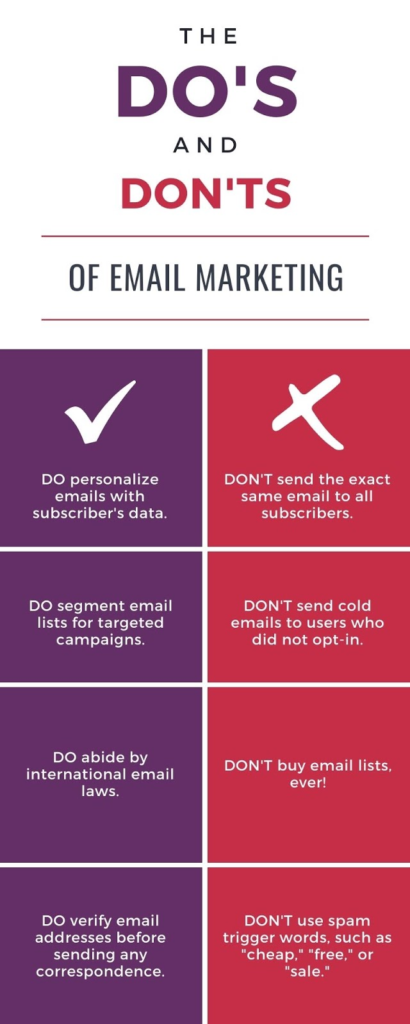
    Email marketing remains one of the most effective digital marketing channels for businesses to reach and engage with their audience. When done right, it can drive high conversion rates and ROI. In this blog, we will explore email marketing best practices in simple language and provide examples to help you create high-converting email campaigns.

    Understand Your Audience

    Before sending any emails, it’s crucial to understand your audience’s preferences, interests, and needs. Collect data and segment your email list to create targeted campaigns. For instance, if you’re a fashion retailer, segment your list based on demographics, purchase history, and preferences.

    Example: If you know that a segment of your subscribers frequently buys women’s shoes, send them personalized emails about new arrivals in the women’s shoe section.

    Craft Attention-Grabbing Subject Lines

    Your email’s subject line is the first thing recipients see, so it must be compelling. Create subject lines that pique curiosity, offer value, or address a pain point.

    Example: “Exclusive 24-Hour Sale: 50% Off Your Favorite Products!” This subject line creates a sense of urgency and highlights a significant discount.

     Email Marketing

    Personalization

    Personalization goes beyond addressing recipients by their first name. Tailor your content and recommendations based on the recipient’s preferences and behavior.

    Example: “Hi [Name], We Noticed You Love Running – Check Out Our Latest Running Shoe Collection!” This email is personalized based on the recipient’s interest in running.

    Create Engaging Content

    The body of your email should be visually appealing and easy to read. Use a responsive design and include compelling images and well-structured text.

    Example: Include high-quality images of your products with concise and persuasive descriptions. Add clear CTA (Call to Action) buttons like “Shop Now” or “Learn More.”

    Mobile Optimization

    Many people check emails on their mobile devices, so ensure your emails are mobile-responsive. Test how your email looks on different devices and email clients.

    Example: Use a single-column layout with larger fonts and buttons for better mobile readability and navigation.

    A/B Testing

    Experiment with different elements of your emails, such as subject lines, email copy, images, and CTAs. A/B testing helps you identify what resonates best with your audience.

    Example: Send two versions of the same email to a small sample of your list, with one variation (e.g., subject line). Analyze which version generates higher open rates or conversions, and use the winning version for your main campaign.

    Build Trust

    Include trust-building elements in your emails, such as clear contact information, an unsubscribe option, and privacy policy links. This fosters trust and complies with email marketing regulations.

    Example: At the bottom of your email, add a link to your privacy policy and a sentence like “You can unsubscribe at any time by clicking here.”

    Timing and Frequency

    Send your emails at the right time to increase open rates. Consider the time zone of your audience and the nature of your content. Also, avoid bombarding subscribers with too many emails.

    Example: If you run a restaurant, sending a lunch special email at 9 AM might be more effective than sending it late in the afternoon when people have already made lunch plans.

    Measure and Analyze

    Track key email marketing metrics such as open rates, click-through rates, conversion rates, and unsubscribe rates. Use these insights to refine your email campaigns continually.

    Example: If you notice a drop in open rates for a specific type of email, like newsletters, consider tweaking the subject line or content to make it more engaging.

    Automation

    Use email marketing automation to send triggered emails based on user actions, such as welcome emails, abandoned cart reminders, or post-purchase follow-ups.

    Example: If a customer abandons their shopping cart, send an automated email reminding them of the items in their cart and offering an incentive to complete the purchase.

    Conclusion

    Email marketing is a powerful tool for building relationships and driving conversions. By understanding your audience, crafting engaging content, and following these best practices, you can create high-converting email campaigns that deliver results. Remember that email marketing is an ongoing process of testing, learning, and optimizing, so stay open to adapting your strategies based on your audience’s response.

    Email Marketing
  • The Power of Visual Storytelling in Marketing: Bringing Your Brand to Life

    The Power of Visual Storytelling in Marketing: Bringing Your Brand to Life

    In today’s digital age, where attention spans are shorter than ever, grabbing and holding your audience’s attention has become a challenging task for marketers. This is where visual storytelling comes into play. Visual storytelling is the art of using images, graphics, videos, and other visual elements to convey a compelling narrative that resonates with your target audience. In this blog, we’ll explore the immense power of visual storytelling in marketing, and we’ll back it up with some real-life examples to illustrate its effectiveness.

    1. A Picture is Worth a Thousand Words

    Visual content is processed faster by the human brain than text. When you combine visuals with a well-crafted story, you create a powerful tool for engaging your audience. Take National Geographic, for instance. They are experts at visual storytelling, using stunning photographs to tell stories about wildlife, cultures, and landscapes. These visuals draw viewers into their narratives, making them feel like they are part of the adventure.

    2. Emotionally Connect with Your Audience

    Visual storytelling is an effective way to evoke emotions in your audience. Emotions drive decisions, and when you connect with your audience on an emotional level, they are more likely to remember your brand. Dove’s “Real Beauty” campaign is an excellent example. They used real women instead of models in their advertisements, empowering women to feel beautiful just as they are. This emotional connection boosted Dove’s brand image and increased customer loyalty.

    3. Simplify Complex Information

    Visuals are excellent for simplifying complex information. Take infographics, for instance. They combine text and graphics to make data and statistics more digestible. Companies like Google often use infographics to explain their products and services in a visually appealing and easy-to-understand manner.

    4. Create Shareable Content

    Visual storytelling also makes your content more shareable. When people come across a visually engaging story, they are more likely to share it on social media, extending your brand’s reach. An excellent example of this is the ALS Ice Bucket Challenge. People all over the world shared videos of themselves dumping ice water on their heads to raise awareness for ALS. This viral campaign used visual storytelling to connect people to the cause, and it raised millions of dollars for ALS research.

    5. Build Brand Identity

    Your brand is not just a logo or a tagline; it’s a story. Visual storytelling helps you shape and communicate that story. Take Coca-Cola, for example. Their iconic holiday commercials featuring the Coca-Cola truck and the polar bears have become a part of their brand’s story. These visuals are instantly recognizable and evoke a sense of nostalgia, reinforcing Coca-Cola’s brand identity.

    6. Drive Engagement and Conversion

    Visual storytelling can significantly boost user engagement and conversion rates. Videos, in particular, have become a staple in online marketing. Think about how successful YouTube channels like Tasty have become by visually showcasing simple cooking recipes. By showing the step-by-step process with mouthwatering visuals, they engage their audience and drive people to try the recipes.

    7. Stand Out in a Crowded Market

    With the sheer volume of content available online, it’s essential to stand out. Visual storytelling helps you do just that. Airbnb’s Instagram account is a great example. They feature stunning photos of unique accommodations worldwide, capturing the essence of travel and adventure. These visuals set them apart from the competition and draw people to their platform.

    In conclusion, the power of visual storytelling in marketing cannot be overstated. It helps you grab attention, connect emotionally, simplify complex information, create shareable content, build brand identity, drive engagement, and stand out in a crowded market. So, whether you’re a small business or a global brand, harness the power of visual storytelling to bring your brand to life and connect with your audience in a memorable way. Remember, a picture is worth a thousand words, and a well-told visual story can leave a lasting impression on your customers.

    https://kamleshsingad.com/building-your-first-android-app-a-step-by-step-tutorial/

    Read More –

    The Art of Crafting Irresistible Clickbait: Dos and Don’ts – https://kamleshsingad.com/agency/the-art-of-crafting-irresistible-clickbait-dos-and-donts/

    How to Create Viral Content: A Step-by-Step Guide – https://kamleshsingad.com/agency/how-to-create-viral-content-a-step-by-step-guide/

    Influencer Marketing Secrets: How to Partner with Influencers for Maximum Impact – https://kamleshsingad.com/agency/how-to-partner-with-influencers-for-maximum-impact/

  • How Digital Marketing Help to Grow Coaching Institutes

    How Digital Marketing Help to Grow Coaching Institutes

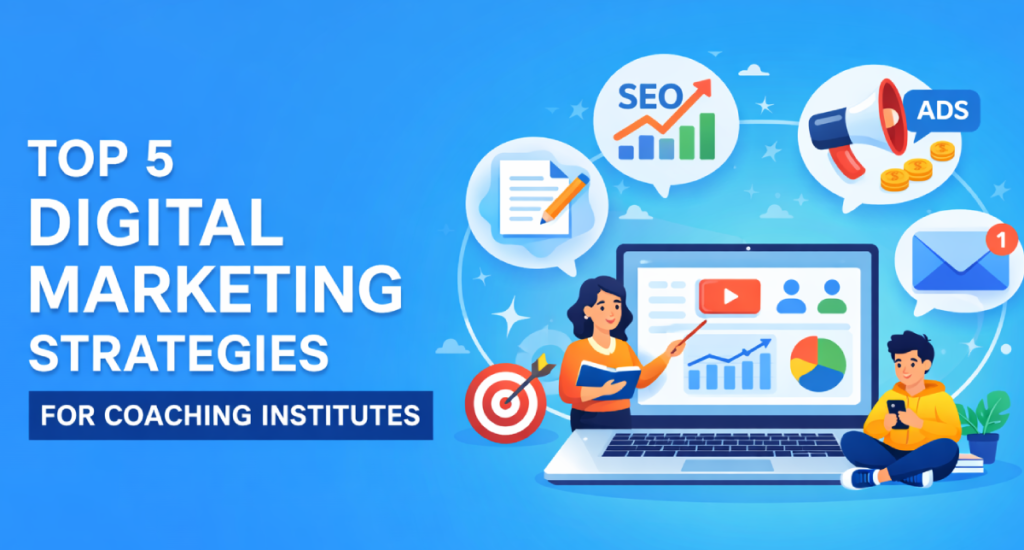
    In today’s digital age, the success of coaching institutes heavily relies on their ability to adapt and excel in the online realm. Traditional marketing strategies alone no longer suffice. Enter digital marketing – a powerful tool that can help coaching institutes not only survive but thrive in this competitive landscape. In this comprehensive guide, we’ll explore how digital marketing can be a game-changer for coaching institutes. We’ll break down complex concepts into simple language, supported by real-world examples to help you understand how to harness the full potential of digital marketing to grow your coaching business.

    Learn how Digital Marketing helps coaching institutes grow by increasing visibility, generating student leads, and boosting enrollments. Discover proven strategies like SEO, social media, and ads to scale your coaching business effectively.

    Chapter 1: Understanding Digital Marketing

    Before we dive into how digital marketing can boost coaching institutes, let’s start with the basics.

    What is Digital Marketing?

    Digital marketing encompasses all marketing efforts that use an electronic device or the internet. It’s the umbrella term for a wide range of online strategies and tactics aimed at connecting with potential students and nurturing them into paying customers.

    Why Digital Marketing?

    Digital marketing offers numerous advantages, including:

    1. Cost-Efficiency: Compared to traditional advertising channels like print and TV, digital marketing is often more cost-effective.
    2. Precise Targeting: It allows you to target specific demographics, ensuring your message reaches the right audience.
    3. Measurable Results: Digital marketing tools provide data on performance, enabling you to make data-driven decisions and optimize your campaigns.
    4. Global Reach: With the internet, you can reach students not only locally but also globally.
    Digital Marketing

    Chapter 2: Building a Strong Online Presence

    The foundation of a successful digital marketing strategy for coaching institutes is a strong online presence. Here’s how to get started:

    1. Website Development

    Your website is your virtual campus. Make sure it’s user-friendly, informative, and visually appealing. Showcase your coaching programs, faculty, success stories, and contact information.

    Example: Khan Academy

    Khan Academy’s website is a prime example of simplicity and effectiveness. It offers free educational content, making it an excellent resource for students and parents.

    2. Search Engine Optimization (SEO)

    SEO is the process of optimizing your website to rank higher in search engine results. Implementing relevant keywords and creating valuable content can help improve your website’s visibility.

    Example: Coursera

    Coursera’s SEO strategy has allowed it to dominate the online education space. A search for “online courses” will likely lead you to Coursera.

    3. Content Marketing

    Creating and sharing valuable content such as blogs, videos, and infographics can establish your coaching institute as an authority in your niche.

    Example: Byju’s

    Byju’s, an Indian ed-tech company, publishes engaging educational content on various platforms. Their YouTube channel features lessons, making learning fun and accessible.

    Chapter 3: Social Media Marketing

    Social media platforms are fertile ground for reaching and engaging with your target audience.

    1. Choose the Right Platforms

    Identify which social media platforms your target audience frequents. For instance, if you’re coaching for competitive exams, platforms like LinkedIn and YouTube might be more effective than Instagram or TikTok.

    Example: The Princeton Review

    The Princeton Review maintains an active presence on LinkedIn, offering valuable content to professionals looking to advance their careers.

    2. Content Strategy

    Create and share content that resonates with your audience. Share success stories, tips, and informative posts related to your niche.

    Example: Udacity

    Udacity’s Twitter account is a blend of informative posts about technology trends and stories of students who have achieved career success with their courses.

    3. Paid Advertising

    Consider investing in paid advertising on social media platforms. Targeted ads can reach a broader audience and drive traffic to your website or enrollment pages.

    Example: Khan Academy

    Khan Academy often runs Facebook ads, promoting their free educational resources to a wider audience.

    Digital Marketing

    Chapter 4: Email Marketing

    Email marketing remains one of the most effective ways to nurture leads and convert them into paying students.

    1. Building an Email List

    Collect email addresses through your website, social media, and events. Offer incentives like e-books or newsletters to encourage sign-ups.

    Example: Coursera

    Coursera offers a free trial and encourages users to sign up with their email to access a wide range of courses.

    2. Personalized Email Campaigns

    Segment your email list based on user behavior and preferences. Send personalized emails with relevant content and offers.

    Example: Duolingo

    Duolingo’s emails include tailored language learning exercises and reminders to keep users engaged.

    3. Automation

    Use email marketing automation tools to send timely emails, such as welcome messages, course recommendations, and follow-ups.

    Example: edX

    edX sends automated reminders to students about upcoming course deadlines and offers course recommendations based on their interests.

    Chapter 5: Pay-Per-Click (PPC) Advertising

    PPC advertising allows you to display ads on search engines and other platforms, paying only when a user clicks on your ad.

    1. Google Ads

    Google Ads is a powerful platform for coaching institutes. You can bid on keywords related to your courses to appear at the top of search results.

    Example: Kaplan

    Kaplan uses Google Ads to appear at the top of search results for keywords like “MCAT prep courses.”

    2. Facebook and Instagram Ads

    These platforms allow you to target users based on their interests, demographics, and behavior. Create visually appealing ads to capture attention.

    Example: Udemy

    Udemy uses Facebook and Instagram ads to promote its vast selection of online courses.

    3. Remarketing

    Remarketing involves showing ads to users who have visited your website but didn’t enroll. It’s a powerful way to re-engage potential students.

    Example: Udacity

    Udacity uses remarketing to remind users about the courses they viewed but didn’t enroll in, encouraging them to return and complete their enrollment.

    Chapter 6: Influencer Marketing

    Leverage influencers in your niche to promote your coaching institute.

    1. Identify Relevant Influencers

    Find influencers whose audience aligns with your target demographic. Reach out to them for collaborations.

    Example: MasterClass

    MasterClass partners with well-known experts and celebrities to teach various courses, attracting a broad audience.

    2. Collaborate on Content

    Work with influencers to create engaging and informative content that showcases your coaching institute’s strengths.

    Example: LinkedIn Learning*

    LinkedIn Learning collaborates with industry experts and influencers to create courses that cater to professionals seeking career growth.

    3. Measure Impact

    Track the performance of influencer marketing campaigns to ensure they deliver a positive return on investment (ROI).

    Example: LinkedIn Learning*

    LinkedIn Learning likely evaluates the success of influencer partnerships by monitoring course enrollments and engagement levels.

    Chapter 7: Analytics and Data-driven Decision Making

    One of the significant advantages of digital marketing is the wealth of data it provides.

    1. Google Analytics

    Use tools like Google Analytics to monitor website traffic, user behavior, and conversion rates.

    Example: Khan Academy

    Khan Academy likely uses Google Analytics to track user engagement with their educational content.

    2. Social Media Insights

    Platforms like Facebook and Instagram offer insights into the performance of your social media posts and ads.

    Example: Byju’s

    Byju’s can analyze social media insights to determine which types of content resonate best with their audience.

    3. A/B Testing

    Experiment with different ad copies

    , images, and landing pages to determine what works best.

    Example: Coursera

    Coursera might run A/B tests to optimize its course landing pages and increase conversion rates.

    Chapter 8: Online Reputation Management

    Your coaching institute’s online reputation can significantly impact its success.

    1. Reviews and Ratings

    Encourage satisfied students to leave positive reviews and ratings on platforms like Google, Yelp, and Trustpilot.

    Example: Kaplan

    Kaplan features positive student testimonials on its website, reinforcing its credibility.

    2. Addressing Negative Feedback

    Respond professionally to negative feedback and take steps to resolve issues to demonstrate your commitment to student satisfaction.

    Example: Udemy

    Udemy actively engages with users who leave negative feedback, offering solutions and seeking to improve their experience.

    3. Showcase Achievements

    Highlight your coaching institute’s achievements, such as high exam pass rates or student success stories.

    Example: The Princeton Review

    The Princeton Review proudly displays its high average score improvements and success stories on its website.

    Chapter 9: Mobile Marketing

    With the increasing use of smartphones, optimizing your marketing for mobile is crucial.

    1. Mobile-Friendly Website

    Ensure your website is responsive and offers a seamless experience on mobile devices.

    Example: Udacity

    Udacity’s website is mobile-friendly, providing an excellent user experience on smartphones.

    2. Mobile Apps

    Consider developing a mobile app for your coaching institute. Apps can offer additional learning resources and engagement opportunities.

    Example: Duolingo*

    Duolingo’s mobile app provides convenient language learning on the go, attracting millions of users worldwide.

    3. SMS Marketing

    Send targeted SMS messages to students about course updates, events, and special offers.

    Example: Coursera

    Coursera occasionally sends SMS notifications to users about new courses and discounts.

    Chapter 10: Staying Updated

    The digital marketing landscape is constantly evolving. It’s essential to stay informed about the latest trends and technologies.

    1. Continuous Learning

    Invest in the ongoing education of your marketing team or consider outsourcing to agencies with expertise in digital marketing.

    Example: HubSpot Academy*

    HubSpot offers free courses on digital marketing, making it easy for marketing professionals to stay updated.

    2. Networking and Conferences

    Attend industry conferences and connect with experts to gain insights into emerging trends.

    Example: MozCon*

    MozCon is a well-known conference in the digital marketing industry, featuring presentations from leading experts.

    3. Monitor Competitors

    Keep an eye on your competitors’ digital marketing strategies and adapt as needed.

    Example: Udemy*

    Udemy likely monitors competitors’ course offerings and pricing to stay competitive.

    Conclusion

    In today’s digital age, digital marketing is not an option but a necessity for coaching institutes looking to grow and succeed. By building a strong online presence, leveraging social media, harnessing the power of email marketing, and utilizing paid advertising, analytics, influencer marketing, and more, coaching institutes can connect with their target audience and thrive in the competitive education industry.

    Remember, digital marketing is not a one-size-fits-all solution. Each coaching institute is unique, and your digital marketing strategy should reflect your institution’s values, strengths, and goals. With continuous learning and adaptation, you can harness the full potential of digital marketing to drive growth and success for your coaching institute in the digital age,help digital marketing to grow .

    Thank You!

    Read More –

    Top 10 niche to create youtube channels and earn passive income

    Why SEO is important for website ?

    Digital Marketing Services in India