Tag: content quality

  • What is the conversion rate from visitors to customers?

    What is the conversion rate from visitors to customers?

    What is the Conversion Rate from Visitors to Customers?

    In the digital marketplace, the conversion rate from visitors to customers is a critical metric that directly reflects the effectiveness of a website or a marketing campaign in converting incoming traffic into definitive sales or desired actions. Understanding and optimizing this conversion rate is vital for any business looking to thrive online.

    Exploring Conversion Rates: A Primer

    Defining Conversion Rate

    The conversion rate is a key metric in digital marketing that measures the effectiveness of a particular campaign or website in turning visitors into actual customers or achieving other defined goals. It is typically expressed as a percentage and calculated by dividing the number of conversions by the total number of visitors to the site, then multiplying the result by 100.

    Understanding Conversion Rates:

    • Conversions: This term can represent various actions depending on the objectives of the website or campaign. Common types of conversions include making a purchase, signing up for a newsletter, downloading a file, completing a contact form, or registering for a service.
    • Calculation: If a website receives 1,000 visitors in a month and 50 of them complete a purchase, the conversion rate would be 5% (50 conversions/1,000 visitors * 100 = 5%).

    Importance of Conversion Rates:

    Conversion rates serve as a benchmark for the success of a website and its associated marketing efforts. High conversion rates indicate successful marketing and web design, suggesting that the site effectively resonates with its target audience and compels them to take action.

    • Performance Indicator: The conversion rate is an essential indicator of how well a website is performing against its primary objectives. A higher conversion rate implies that the site is effective in persuading visitors to take the desired actions.
    • Optimization and ROI: Understanding conversion rates helps businesses optimize their sales processes and marketing strategies, ultimately improving return on investment (ROI). By analyzing what influences conversions, companies can make data-driven decisions to enhance user experience and increase efficiency.
    image 33

    Applications in Digital Marketing:

    • Campaign Assessment: Marketers use conversion rates to evaluate the success of different marketing strategies, from email campaigns to paid advertising and beyond.
    • A/B Testing: Conversion rates are crucial for A/B testing, where two versions of a page are compared to see which one performs better in terms of converting visitors.

    Overall, the conversion rate is not just a measure of traffic but of how well that traffic is being converted into actions that have real value for the business.

    Factors Influencing Conversion Rates

    Conversion rates are influenced by a myriad of factors that can either enhance or inhibit the effectiveness of a website in turning visitors into customers. These factors can be broadly categorized into website-related, user experience, content quality, and external elements. Understanding and optimizing these can lead to significant improvements in conversion rates.

    Website Design and User Experience (UX)

    The design of a website and its user experience significantly impact conversion rates. A clean, intuitive design with easy navigation and a straightforward call-to-action (CTA) can dramatically increase the likelihood of converting visitors into customers.

    Navigation and Layout: A clear, intuitive site layout helps users find what they need quickly. Complex or confusing navigation can lead to frustration and abandonment of the site.

    Call-to-Action (CTA) Buttons: The visibility and appeal of CTA buttons play a crucial role. These should stand out and be placed strategically across the website to guide users gently towards conversion points without being too forceful or obtrusive.

    Page Load Speed: Speed is a critical factor. Websites that load quickly tend to retain visitors better. According to Google, as page load time goes from one second to ten seconds, the probability of a mobile site visitor bouncing increases 123%.

    Mobile Optimization: With increasing mobile traffic, a website that is not optimized for mobile devices may alienate a large portion of potential customers. Mobile optimization includes responsive design, fast loading times, and accessible navigation on smaller screens.

    Content Relevance and Quality

    Content that speaks directly to the interests and needs of the target audience can significantly boost conversions. High-quality, relevant content not only attracts the right audience but also keeps them engaged and moves them towards making a purchase.

    Targeted Content: Content should be specifically designed to meet the needs and solve the problems of the intended audience. When visitors find the content relevant and valuable, they are more likely to convert.

    Clarity and Conciseness: Clear and concise content helps convey the value proposition effectively. Overwhelming visitors with too much information or using overly complex language can detract from the main message.

    Trust and Credibility: Content that establishes authority and trust can significantly affect conversion rates. This includes professional quality articles, accurate information, user testimonials, and case studies.

    Psychological Triggers

    Scarcity and Urgency: Incorporating elements of scarcity (limited-time offer) and urgency (only a few left in stock) can compel visitors to act swiftly, fearing they might miss out.

    Social Proof: Social proof, such as customer reviews and testimonials, leverages the influence of other consumers. Seeing that others have had positive experiences can encourage new users to convert.

    Personalization: Personalizing the user’s experience on a website can greatly enhance the likelihood of conversion. This could include personalized greetings, recommendations based on past behavior, and retargeted advertising.

    Technical Aspects

    Security Features: Online security is vital. Features like SSL certificates, trust seals, and transparent privacy policies can reassure visitors, making them more willing to complete transactions.

    Analytics and Testing: Regular testing and analysis are crucial. Tools like Google Analytics and A/B testing platforms allow for continuous monitoring and tweaking of various elements on a website to improve conversion rates.

    image 34

    External Factors

    Market Competition: The level of competition can influence conversion rates. In highly competitive markets, businesses might need to offer more compelling reasons for visitors to convert, such as better prices, superior customer service, or exclusive products.

    Economic Conditions: Broader economic conditions can also affect conversion rates. For example, in times of economic downturn, luxury goods and non-essential services might see lower conversion rates.

    Seasonal Variations: Many businesses experience seasonal fluctuations in conversion rates. For example, retail stores might see higher conversion rates during the holiday season.

    By addressing these diverse factors, businesses can create a more engaging and effective environment that encourages visitors to convert into customers, thereby maximizing their online potential and improving overall business performance.

    Speed and Performance

    Website speed and performance also play critical roles in conversion rates. Slow-loading pages can lead to high bounce rates and lost conversions, as today’s users expect quick and responsive online experiences.

    Mobile Optimization

    With an increasing number of users accessing websites from mobile devices, mobile optimization has become crucial. A mobile-friendly website is more likely to retain visitors and convert them into customers.

    Strategies to Improve Conversion Rates

    Optimizing Landing Pages

    Landing pages are often the first impression a visitor has of a website. Optimizing these pages for conversion by clarifying the value proposition and including compelling CTAs can lead to significant improvements in conversion rates.

    Optimizing landing pages is crucial for converting incoming traffic into leads, sales, or other intended outcomes. A well-designed landing page focuses on a specific audience, with content and design aligned to a singular call to action (CTA). Here’s how to ensure your landing pages are optimized effectively:

    Clear and Compelling Headlines

    The headline is often the first thing a visitor sees. It should be compelling and clear, instantly conveying the value of what’s being offered. The headline must align with the content or ads that brought the visitor to the page to maintain message consistency.

    Simplify the Design

    The design of your landing page should facilitate the conversion process, not hinder it. This means:

    • Minimalistic Approach: Keep the design simple and the layout uncluttered. Avoid excessive use of colors and graphics that can distract from the main message.
    • Visual Hierarchy: Structure the page so that the most important elements, like headlines and CTAs, stand out and draw attention first.
    • Whitespace: Use whitespace effectively to help focus attention on critical content and make the page easier to read.

    Crafting a Strong Value Proposition

    Your landing page should clearly articulate the value proposition. This is the fundamental reason a prospective customer should buy from you or take the desired action. It should be easily identifiable and ideally positioned at the top of the page.

    Persuasive and Concise Content

    • Benefits Over Features: Focus on how your product or service benefits the user, rather than just listing features. Benefits connect on an emotional level and are more effective in driving conversions.
    • Bullet Points: Use bullet points to break down information into easy-to-digest pieces, making the content quick to read and understand.

    Use High-Quality Images and Videos

    Visuals can convey more information more quickly than text alone. Use high-quality images or videos that reinforce your message and show your product or service in action. Ensure these visuals are optimized for fast loading.

    Optimize the Call-to-Action (CTA)

    • Visibility: The CTA should be one of the most prominent elements on the page.
    • Message: The wording should inspire action (e.g., “Get Started,” “Join Now,” “Get Your Free Trial”). Be clear about what visitors will get by clicking the CTA.
    • Design: Use contrasting colors to make the CTA button stand out from the rest of the page.

    Enhance Trust

    Trust elements can significantly boost conversion rates. Include:

    • Testimonials and Reviews: Social proof can help alleviate anxieties about purchasing or signing up.
    • Trust Seals and Certifications: Display security badges and certifications to reassure visitors that their data is safe.
    • Clear Contact Information: Showing that there is a real company behind the website can increase trust.

    Optimize for Mobile

    With an increasing amount of web traffic coming from mobile devices, your landing page must perform well on all screen sizes. Mobile optimization includes:

    • Responsive Design: Ensure the page adjusts to fit the screen size and resolution.
    • Touch-friendly Interfaces: Make buttons and links easy to tap.
    • Fast Loading Times: Mobile users expect quick access, so optimize images and scripts to reduce load times.

    A/B Testing

    A/B testing involves creating two versions of a webpage or a specific element on a page, such as a CTA button, to see which version performs better in terms of converting visitors into customers. This method allows marketers to fine-tune their web elements based on actual performance data.

    Personalization Techniques

    Personalizing the user experience on a website can significantly increase conversion rates. This could involve displaying content based on the user’s past behavior, location, or other personal data.

    Trust Signals

    Incorporating elements that increase trust, such as testimonials, reviews, security badges, and guarantees, can reassure visitors and improve conversion rates.

    image 35

    Measuring and Analyzing Conversion Rates

    Tools for Tracking Conversion Rates

    Several tools, such as Google Analytics, provide comprehensive insights into website traffic and conversion rates, helping businesses measure the effectiveness of different pages and campaigns.

    Tracking conversion rates is essential for understanding the effectiveness of your online marketing efforts and for making data-driven decisions to optimize your campaigns. Here’s a look at some of the most effective tools available for tracking and analyzing conversion rates:

    Google Analytics

    Google Analytics is one of the most popular and powerful tools for tracking website performance, including conversion rates. It allows you to:

    • Set Up Goals: Define what constitutes a conversion for your site, whether it’s a purchase, a sign-up, or a download.
    • Analyze Traffic: Understand where your traffic is coming from and how users behave on your site.
    • Conversion Funnels: Set up and analyze the steps your visitors take before completing a conversion, helping identify where you are losing potential customers.

    Adobe Analytics

    Adobe Analytics is a more advanced analytics platform that offers detailed insights into user behavior and conversion metrics. It is particularly useful for larger businesses or those with more complex needs. Features include:

    • Multi-channel Tracking: Integrates data from both online and offline channels to provide a comprehensive view of customer behavior.
    • Real-Time Analytics: Monitor data as it happens, allowing for immediate responses to trends or issues.
    • Advanced Segmentation: Drill down into specific customer segments to tailor marketing strategies effectively.

    Mixpanel

    Mixpanel focuses on user interaction with websites and mobile applications, offering detailed insights into every action taken by visitors. This can help you understand the user journey and optimize for conversions through:

    • Event Tracking: Instead of tracking page views, Mixpanel tracks actions people take in an app or on a website.
    • Funnel Analysis: See where users drop off on the path to conversion.
    • A/B Testing: Test different versions of your site to see which performs better in terms of user engagement and conversion.

    Hotjar

    Hotjar provides tools for visualizing how users interact with your site, including heatmaps, visitor recordings, and conversion funnels, making it a great tool for understanding user experience and behavior:

    • Heatmaps: Show where users click, move, and scroll on your site, which can help identify what catches attention and what gets ignored.
    • Visitor Recordings: Record browsing sessions to observe directly how users navigate your site.
    • Conversion Funnels: Identify at which point visitors are dropping off.

    Optimizely

    Optimizely is focused on experimentation and personalization, which includes extensive A/B testing capabilities along with tools for tracking conversions:

    • A/B Testing: Easily test different versions of webpages to find out which elements convert best.
    • Personalization: Tailor experiences to different audiences based on their behavior and traits.
    • Integration: Seamlessly integrates with other data analytics tools and marketing platforms.

    Crazy Egg

    Crazy Egg helps you track where your visitors are clicking through heatmaps, scroll maps, and other visual tools. It’s particularly good for optimizing landing pages and other key conversion points on your site:

    • Heatmaps: Understand what users want, care about, and interact with on your site by visually representing their clicks, taps, and scrolling behavior.
    • A/B Testing: Test out changes to see if they improve your conversion rates.
    • User Recordings: Watch recordings of user sessions to observe what might be causing confusion or abandonment.

    Kissmetrics

    Kissmetrics provides analytics that focus on individuals throughout their entire customer journey. It helps businesses understand how behaviors correlate with conversions:

    • Behavioral Analytics: Track the entire customer journey from initial contact to final conversion.
    • Segmentation: Analyze how specific behaviors are linked to different segments of your audience.
    • Email Campaign Automation: Engage with potential customers based on their behavior on your site.

    Choosing the right tools depends largely on your specific needs, the size of your business, the complexity of your conversion goals, and your budget. Most of these tools offer free trials, so you can experiment with them to see which one best suits your requirements for tracking and improving your conversion rates.

    The Role of Data in Optimizing Conversions

    Continuous analysis of conversion data allows businesses to understand what works and what doesn’t, enabling them to make informed decisions that can lead to better conversion rates.


    FAQs on Conversion Rates

    How is the conversion rate calculated?

    What is a good conversion rate for online retailers?

    How can A/B testing be used to improve conversion rates?

    What role does content play in conversion rate optimization?

    How does website speed influence conversion rates?

    Can mobile optimization affect my website’s conversion rate?


    Conclusion

    Understanding and improving the conversion rate from visitors to customers is crucial for any online business aiming to maximize its digital presence and profitability. By focusing on optimizing various aspects such as website design, user experience, content quality, and trust signals, businesses can enhance their engagement with potential customers and boost their overall conversion rates. In the evolving digital landscape, staying abreast of these metrics and continually refining your approach is key to online success.

    Logo

    Contact Person: Kamlesh Singad

    Phone no. +91 9131341638

    Web Page: https://kamleshsingad.in/

    contact@kamleshsingad.com

    https://kamleshsingad.com

    Read More –

    Social Media Marketing on Facebook, Instagram & Twitter – https://kamleshsingad.in/social-media-marketing-facebook-instagram-twitter/

    10 Email Marketing Best Practices – https://kamleshsingad.in/10-email-marketing-best-practices/

    Boost ROI with Google AdWords & Facebook Ads – https://kamleshsingad.in/digital-advertising-strategies/

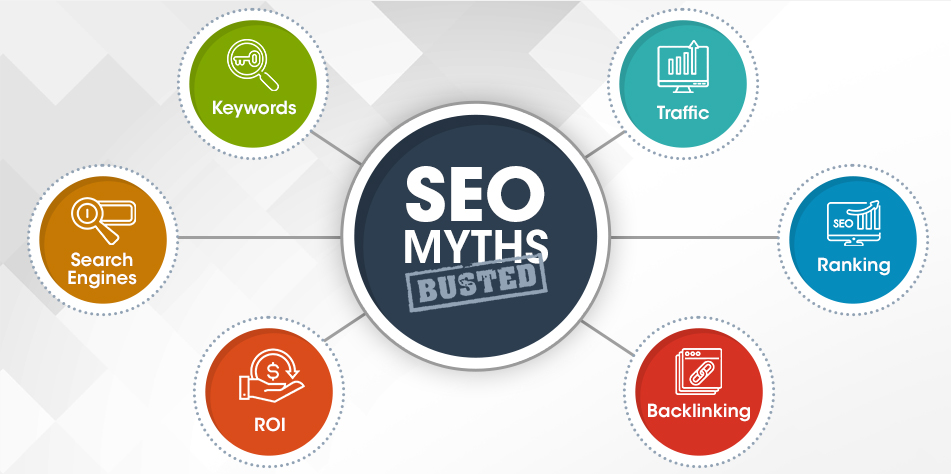
  • SEO Facts vs Myths: Truth Every Marketer Must Know

    SEO Facts vs Myths: Truth Every Marketer Must Know

    Search Engine Optimization (SEO) is a critical component of online success, but it’s also an area rife with myths and misconceptions. In this blog, we’ll debunk some of the most common SEO myths using simple language and real-world examples. By the end, you’ll have a clearer understanding of what works and what doesn’t in the world of SEO.

    Discover the truth behind SEO Facts vs Myths and learn what really works to improve your website rankings. This guide breaks down common misconceptions and reveals proven SEO strategies to help you drive more traffic and achieve better results.

    SEO Facts vs Myths

    Myth 1: Keyword Stuffing is Effective

    Debunked: Keyword stuffing, the practice of excessively using keywords in content, was once believed to boost rankings. However, search engines have evolved to penalize this tactic.

    Example: Let’s say you run a pet store and want to rank for “dog toys.” Instead of stuffing your page with “dog toys” repeatedly, focus on creating high-quality content that genuinely helps your audience. A well-written article about the best dog toys with relevant keywords sprinkled naturally will perform better.

    Myth 2: The More Backlinks, the Better

    Debunked: While backlinks (links from other websites to yours) are crucial for SEO, quality matters more than quantity. Having thousands of low-quality links can actually harm your site’s rankings.

    Example: Imagine you have a tech blog, and a reputable tech news website links to your latest article. This single high-quality backlink is far more valuable than dozens of links from obscure, spammy websites.

    Myth 3: SEO is a One-time Effort

    Debunked: SEO is an ongoing process. Search engines constantly update their algorithms, and your competitors are vying for the same top spots. So, maintaining and improving your SEO is crucial.

    Example: Think of SEO like tending to a garden. You don’t just plant the seeds and walk away; you must regularly water, prune, and care for it to keep it thriving.

    SEO Facts vs Myths

    Myth 4: Meta Tags are the Key to Ranking

    Debunked: Meta tags, including meta titles and descriptions, are essential but not a magic bullet. They provide information about your page to search engines and users but aren’t the sole ranking factor.

    Example: Suppose you’re running a bakery. Writing an enticing meta description for your “delicious chocolate cake” page can encourage more clicks, but it won’t guarantee a top ranking if the content isn’t relevant and valuable.

    Myth 5: Content Quantity Trumps Quality

    Debunked: Creating a vast amount of low-quality content won’t help your SEO. Search engines prioritize content that provides value and answers users’ queries effectively.

    Example: If you run a travel blog, one well-researched, comprehensive guide on “10 Must-Visit Destinations in Europe” will likely perform better than 100 short, shallow posts about random travel topics.

    Myth 6: SEO is All About Ranking #1

    Debunked: While ranking first is great, it’s not the only measure of SEO success. The focus should be on driving relevant traffic and conversions, not just reaching the top spot.

    Example: Suppose you’re an online retailer. Ranking #1 for “best winter coats” may bring a lot of traffic, but if your products are summer clothing, it won’t lead to sales. Focus on ranking for keywords aligned with your offerings.

    Myth 7: SEO Guarantees Immediate Results

    Debunked: SEO takes time to show results. Patience is key because search engines need to index and rank your content, and competition varies.

    Example: If you launch a new website and expect it to rank #1 overnight, you’ll likely be disappointed. It may take several months of consistent SEO efforts to see significant improvements.

    Myth 8: Mobile Optimization Doesn’t Matter

    Debunked: Mobile optimization is crucial, especially with the rise of mobile device usage. Google considers mobile-friendliness as a ranking factor, and many users access websites via smartphones.

    Example: If your website isn’t mobile-friendly, users on phones or tablets may have a poor experience, which can lead to high bounce rates and lower rankings.

    SEO Facts vs Myths

    Myth 9: Social Media Doesn’t Impact SEO

    Debunked: While social media doesn’t directly affect rankings, it can indirectly influence SEO. Social signals, like shares and engagement, can increase visibility and drive traffic to your website.

    Example: Sharing your blog posts on social media platforms can expand your reach and potentially lead to other websites linking to your content, a positive SEO signal.

    Myth 10: SEO is Too Complicated for Small Businesses

    Debunked: SEO can be tailored to suit any business size and budget. Even small businesses can see significant improvements by focusing on local SEO myths and creating valuable content.

    Example: A local bakery can optimize for “best cupcakes in [city]” and create blog posts about baking tips, engaging with their local audience without breaking the bank.

    In conclusion, SEO is essential for online visibility, but it’s essential to separate fact from fiction. By understanding these common SEO myths and their debunked truths, you can develop a more effective and realistic SEO strategy that will benefit your website’s rankings and long-term success. Remember, SEO is an ever-evolving field, so staying informed about the latest trends and best practices is crucial for continued success in the digital landscape.

    SEO Facts vs Myths
  • Top 50 SEO Questions and Answers for Students, Beginners & Professionals

    Top 50 SEO Questions and Answers for Students, Beginners & Professionals

    Search Engine Optimization (SEO) is a dynamic field that plays a crucial role in helping websites rank higher on search engine results pages (SERPs). Whether you’re an SEO enthusiast, a digital marketer, or a website owner, testing your SEO knowledge through an online quiz can be an engaging and educational experience. In this blog, we’ve compiled a list of the top 50 SEO quiz questions with detailed answers and examples to help you sharpen your skills and stay up-to-date with SEO trends.

    Explore the most important SEO Questions with clear answers to improve your knowledge of search engine optimization, boost website rankings, and prepare for interviews or practical SEO implementation.

    Note: Before attempting the quiz questions, it’s recommended to have a basic understanding of SEO concepts. If you’re new to SEO, consider learning the fundamentals first.

    Let’s get started!

    Section 1: SEO Basics

    1. What does SEO stand for, and why is it important for websites?

    Answer: SEO stands for “Search Engine Optimization.” It is important for websites because it helps them improve their visibility on search engines like Google, leading to increased organic (non-paid) traffic and better online presence.

    2. Explain the difference between on-page and off-page SEO.

    Answer: On-page SEO refers to optimizing elements on a webpage itself, such as content, meta tags, and images. Off-page SEO involves activities outside the website, like link-building and social media marketing, to improve its authority and credibility.

    3. Define keyword research in SEO.

    Answer: Keyword research is the process of identifying and analyzing the specific words and phrases people use in search engines. It helps determine which keywords to target to rank for relevant searches.

    4. What is the purpose of a meta title tag, and how does it affect SEO?

    Answer: A meta title tag is an HTML element that specifies the title of a webpage. It appears in search engine results and browser tabs. Optimizing it with relevant keywords can improve click-through rates and SEO rankings.

    Example:

    <meta name="title" content="Best SEO Practices - Boost Your Website's Ranking">
    SEO Questions

    Section 2: On-Page SEO

    5. Explain the concept of keyword density.

    Answer: Keyword density is the percentage of times a target keyword appears within a webpage’s content compared to the total word count. It’s important to maintain a natural balance to avoid keyword stuffing.

    6. What is the importance of header tags (H1, H2, H3, etc.) in on-page SEO?

    Answer: Header tags provide structure to content and help search engines understand the hierarchy of information on a page. H1 tags represent the main title, while H2 and H3 tags indicate subheadings, contributing to SEO optimization.

    Example:

    <h1>Top 10 SEO Tips</h1>
    <h2>1. Keyword Research</h2>

    7. What is the significance of optimizing images for SEO, and how can you do it?

    Answer: Optimizing images involves reducing file sizes, using descriptive file names, and adding alt text. This helps improve page load speed and makes images accessible to search engines, enhancing overall SEO.

    Example:

    <img src="image.jpg" alt="SEO Tips for Beginners">

    8. How can you improve your website’s page loading speed for better SEO performance?

    Answer: To enhance page loading speed, you can optimize images, use content delivery networks (CDNs), enable browser caching, and minimize HTTP requests by reducing unnecessary elements.

    9. What is a 404 error, and how does it impact SEO?

    Answer: A 404 error occurs when a webpage is not found. It negatively affects SEO by creating a poor user experience and reducing trust with search engines. To mitigate this, set up custom 404 error pages with helpful navigation options.

    Example:

    <h1>404 - Page Not Found</h1>
    <p>Sorry, the page you're looking for doesn't exist.</p>

    Section 3: Off-Page SEO

    10. Define backlinks and their role in SEO.

    Answer: Backlinks are incoming links from other websites to yours. They are crucial for SEO because they act as “votes of confidence” from other sites, improving your website’s authority and ranking.

    11. What is guest posting, and how can it benefit off-page SEO?

    Answer: Guest posting involves writing articles for other websites in your niche with backlinks to your site. It benefits off-page SEO by increasing backlink opportunities and driving referral traffic.

    12. Explain the concept of domain authority (DA) and its significance in off-page SEO.

    Answer: Domain authority is a metric that measures the overall authority and credibility of a website. A higher DA indicates better SEO potential and makes it easier to rank for competitive keywords.

    13. How can social media activity impact off-page SEO?

    Answer: Active social media profiles and sharing content can increase brand visibility, drive traffic, and generate social signals, which can indirectly influence SEO rankings.

    Example:
    Sharing blog posts on Twitter and Facebook can attract more visitors to your website.

    SEO Questions

    Section 4: Technical SEO

    14. What is the importance of an XML sitemap in SEO?

    Answer: An XML sitemap is a list of all the pages on a website. It helps search engines understand the website’s structure and ensures all pages get indexed, improving SEO.

    15. Define canonicalization and its role in preventing duplicate content issues.

    Answer: Canonicalization is the process of specifying the preferred version of a webpage when multiple similar pages exist. It helps prevent duplicate content issues that can harm SEO.

    16. What is mobile optimization, and why is it essential for SEO?

    Answer: Mobile optimization involves designing and optimizing a website for mobile devices. It’s crucial for SEO because Google prioritizes mobile-friendly websites in mobile search results.

    Example:
    Responsive web design ensures your site looks and functions well on smartphones and tablets.

    17. What is page speed optimization, and how can it be achieved?

    Answer: Page speed optimization focuses on making webpages load quickly. It involves compressing images, reducing server response times, and using browser caching to enhance the user experience and SEO rankings.

    Section 5: SEO Metrics and Analysis

    18. Explain the difference between organic and paid search traffic.

    Answer: Organic search traffic comes from unpaid search engine results, while paid search traffic is generated through advertising campaigns like Google Ads.

    19. What are bounce rate and click-through rate (CTR), and how do they relate to SEO?

    Answer: Bounce rate measures the percentage of visitors who leave a website without interacting further. CTR is the percentage of users who click on a specific link. Both metrics provide insights into user engagement and can impact SEO rankings.

    20. How can Google Analytics and Google Search Console help in SEO analysis?

    Answer: Google Analytics provides detailed data on website traffic, user behavior, and conversions. Google Search Console offers insights into how Google views your site, indexing issues, and search performance, aiding SEO optimization efforts.

    Example:
    Analyzing Google Analytics data can help identify which pages are performing well and which need improvement.

    Section 6: Advanced SEO Strategies

    21. What is schema markup, and how can it enhance SEO?

    Answer: Schema markup is structured data added to a webpage’s HTML code to provide search engines with specific information about the content. It can result in rich snippets in search results, improving click-through rates and SEO.

    Example:

    <script type="application/ld+json">
    {
      "@context": "http://schema.org",
      "@type": "Recipe",
      "name": "Homemade Pizza",
      "author": "John Doe",
      "datePublished": "2023-09-20",
      ...
    }
    </script>

    22. How can long-tail keywords be beneficial in SEO strategies?

    Answer: Long-tail keywords are longer and more specific search queries. They are valuable in SEO because they often have less competition and can attract highly targeted traffic.

    23. What is the importance of content quality and relevance in SEO?

    Answer: High-quality, relevant content is crucial for SEO success. It engages visitors, earns backlinks, and demonstrates expertise, authority, and trustworthiness (E-A-T) to search engines.

    24. What is the concept of local SEO, and how can businesses benefit from it?

    Answer: Local SEO focuses on optimizing a website for local search results. It is beneficial for businesses that serve a specific geographic area, as it helps them appear in local search listings and Google Maps.

    Example:
    A local bakery can optimize its website to appear in Google’s local pack when users search for “best bakeries near me.”

    SEO Questions

    Section 7: SEO Trends and Future

    25. Name some emerging SEO trends and technologies to watch for in the near future.

    Answer: Some emerging SEO trends include voice search optimization, video SEO, artificial intelligence (AI), and the increasing importance of user experience (UX) signals in search engine rankings.

    26. How do Core Web Vitals affect SEO, and why are they important?

    Answer: Core Web Vitals are a set of user experience metrics that measure page loading speed, interactivity, and visual stability. Google uses them as ranking factors, making them crucial for SEO.

    Example:
    A website that loads quickly and provides a smooth user experience is more likely to rank higher in search results.

    27. Explain the concept of E-A-T in SEO, and why does it matter?

    Answer: E-A-T stands for Expertise, Authoritativeness, and Trustworthiness. It is a framework used by Google to assess the quality of content and websites. Demonstrating high E-A-T is essential for SEO success.

    Example:
    A medical website should have content written by medical experts to establish expertise and trustworthiness.

    Conclusion

    SEO is an ever-evolving field, and staying informed about the latest trends and best practices is vital for success. This quiz with 50 questions and answers has covered a wide range of SEO topics, from the basics to advanced strategies. By mastering these concepts and staying up-to-date with industry developments, you’ll be better equipped to improve your website’s SEO and drive organic traffic.

    Remember that SEO is an ongoing process, and it’s essential to adapt to changes in search engine algorithms and user behavior. Regularly testing your knowledge through quizzes and staying engaged with the SEO community can help you maintain a competitive edge in the digital landscape.

    Happy quizzing, and may your SEO efforts lead to greater online visibility and success!

  • Top 50 SEO Executive Interview Questions: A Comprehensive Guide

    Top 50 SEO Executive Interview Questions: A Comprehensive Guide

    In today’s digital age, search engine optimization (SEO) plays a critical role in the success of online businesses. As a result, companies are constantly on the lookout for talented SEO executives who can help them improve their online visibility and drive organic traffic to their websites. If you’re aspiring to be an SEO executive, it’s essential to prepare for the interview process, as it can be quite competitive. In this blog, we’ll delve into the top 50 SEO executive interview questions in simple language, providing examples and explanations to help you ace your interview.

    1. Can you explain what SEO is and why it’s important for websites?

    Example Answer: SEO stands for Search Engine Optimization. It’s the practice of optimizing a website to improve its visibility on search engine results pages (SERPs). SEO is crucial because it helps websites rank higher on search engines like Google, leading to increased organic traffic and potential customers.

    2. What are the main components of SEO?

    Example Answer: SEO consists of on-page optimization (content, keywords, meta tags), off-page optimization (backlinks, social signals), and technical optimization (site structure, load speed).

    3. What is the difference between on-page and off-page SEO?

    Example Answer: On-page SEO refers to optimizing elements on your website itself, like content and meta tags. Off-page SEO involves activities outside your website, such as link-building and social media marketing.

    4. Explain the concept of keyword research. How would you choose relevant keywords for a website?

    Example Answer: Keyword research involves identifying the words and phrases people use when searching online. You can use tools like Google Keyword Planner to find relevant keywords, considering factors like search volume and competition.

    Interview Questions

    5. What is the significance of high-quality content in SEO?

    Example Answer: High-quality content is essential for SEO because it attracts visitors, keeps them engaged, and encourages them to share your content. It also helps search engines understand your website’s relevance to specific keywords.

    6. How do you optimize a webpage for a specific keyword?

    Example Answer: To optimize a webpage for a keyword, you should include it in the page’s title, headers, meta description, and throughout the content. However, avoid keyword stuffing, as it can negatively impact your SEO.

    7. Can you explain the importance of backlinks in SEO?

    Example Answer: Backlinks are links from other websites to your site. They are crucial because they indicate the authority and trustworthiness of your site to search engines. High-quality backlinks can boost your search engine rankings.

    8. What is the difference between follow and nofollow links?

    Example Answer: Follow links pass authority from one page to another, affecting SEO rankings. Nofollow links, on the other hand, don’t pass authority and are often used for user-generated content or paid promotions.

    9. How would you approach an SEO audit for a website?

    Example Answer: An SEO audit involves assessing a website’s performance, identifying issues, and recommending improvements. It includes evaluating on-page elements, backlinks, technical aspects, and content quality.

    10. What are the key on-page SEO factors you would consider while optimizing a website?

    Example Answer: Key on-page factors include optimizing title tags, meta descriptions, header tags, keyword usage, internal linking, and ensuring mobile-friendliness and fast page load times.

    11. Can you explain the importance of mobile optimization for SEO?

    Example Answer: Mobile optimization is crucial because Google prioritizes mobile-friendly websites in its search results. If your site isn’t mobile-responsive, you may lose rankings and traffic.

    12. What is the purpose of XML sitemaps in SEO, and how do they work?

    Example Answer: XML sitemaps help search engines understand the structure of your website and index its pages more efficiently. They list URLs and provide additional information about each page.

    13. How do you deal with duplicate content issues on a website?

    Example Answer: Duplicate content can harm SEO. To address it, use canonical tags, set preferred versions of pages, and ensure that your content is unique and valuable.

    14. What is page speed optimization, and why is it important for SEO?

    Example Answer: Page speed optimization involves making a website load faster. Google considers page speed when ranking websites, so a slow site can lead to lower rankings and user dissatisfaction.

    15. What is HTTPS, and why is it important for SEO?

    Example Answer: HTTPS is a secure version of HTTP. Google gives preference to secure sites, so switching to HTTPS can boost your SEO rankings and increase user trust.

    16. How can you improve a website’s user experience (UX) for SEO?

    Example Answer: Improving UX involves making navigation intuitive, improving page load times, using clear calls-to-action, and ensuring mobile-friendliness. A better UX can lead to higher user engagement and rankings.

    17. Explain the concept of long-tail keywords. Why are they important in SEO?

    Example Answer: Long-tail keywords are longer, more specific keyword phrases. They are valuable because they often have less competition and can attract highly targeted traffic to your website.

    18. What are SEO algorithms, and how do they impact website rankings?

    Example Answer: SEO algorithms are sets of rules search engines use to determine rankings. They consider factors like content quality, backlinks, and user experience. Understanding these algorithms helps SEO professionals optimize websites effectively.

    19. How can you track and measure the success of an SEO campaign?

    Example Answer: You can use tools like Google Analytics and Google Search Console to track organic traffic, rankings, click-through rates (CTR), and conversion rates. Monitoring these metrics helps assess the effectiveness of your SEO efforts.

    20. What is the importance of local SEO, and how can it benefit businesses?

    Example Answer: Local SEO focuses on optimizing a website for local search results. It’s essential for brick-and-mortar businesses as it helps them attract local customers and improve visibility in their target areas.

    21. What are Google’s core web vitals, and why are they important for SEO?

    Example Answer: Google’s core web vitals are a set of performance metrics, including page load time, interactivity, and visual stability. They are crucial because Google considers them when ranking websites, emphasizing a better user experience.

    22. How would you handle a sudden drop in website rankings?

    Example Answer: Investigate potential issues, such as algorithm updates or technical problems, by reviewing Google Search Console data, checking for penalties, and monitoring competitor changes. Develop a plan to address and recover from the drop.

    23. What are schema markup and rich snippets, and how do they impact SEO?

    Example Answer: Schema markup is code added to a website to provide search engines with structured data. Rich snippets are the enhanced search results that appear with additional information. They can increase click-through rates and improve SEO.

    Interview Questions

    24. Can you explain the concept of E-A-T in SEO, and why is it important?

    Example Answer: E-A-T stands for Expertise, Authoritativeness, and Trustworthiness. Google considers these factors when assessing the quality of a website’s content. Demonstrating E-A-T can improve rankings and user trust.

    25. What are 301 and 302 redirects, and when would you use them?

    Example Answer: A 301 redirect is a permanent redirection, while a 302 redirect is temporary. You would use a 301 redirect when permanently moving a page, and a 302 when temporarily redirecting traffic.

    26. What is a robots.txt file, and how does it influence search engine crawling?

    Example Answer: A robots.txt file tells search engines which pages they can and cannot crawl on a website. Properly configuring it ensures that search engines access the right content and exclude sensitive or duplicate pages.

    27. How do you identify and handle toxic backlinks that may harm a website’s SEO?

    Example Answer: Use tools like Google Search Console and third-party backlink analysis tools to identify toxic backlinks. Once identified, create a disavow file and submit it to Google to disavow those links.

    28. Explain the importance of anchor text in SEO. How should you optimize it?

    Example Answer: Anchor text is the clickable text in a hyperlink. It’s essential because it provides context to both users and search engines. To optimize it, use relevant keywords that describe the linked content accurately.

    29. What are header tags, and how do they impact SEO?

    Example Answer: Header tags (H1, H2, H3, etc.) structure the content on a webpage. They help search engines understand the hierarchy and importance of different sections of the page, influencing SEO rankings.

    30. What is the Google Search Console, and how can it help SEO efforts?

    Example Answer: Google Search Console is a free tool provided by Google to monitor and manage a website’s presence in Google search results. It helps identify and resolve issues, track performance, and submit sitemaps.

    31. How can you optimize images for SEO, and why is it important?

    Example Answer: Image optimization involves using descriptive filenames, alt tags, and compressing images to reduce file size. It’s essential because optimized images can improve page load times and enhance user experience.

    32. Can you explain the concept of user intent in SEO, and how does it affect keyword targeting?

    Example Answer: User intent refers to the reason behind a user’s search query. It’s crucial because it helps you understand what users are looking for and tailor your content and keyword targeting accordingly.

    33. What is Google Analytics, and how can it help in SEO analysis?

    Example Answer: Google Analytics is a web analytics tool that provides insights into website traffic, user behavior, and conversions. It helps SEO professionals track the effectiveness of their strategies and make data-driven decisions.

    34. How do you create an effective SEO strategy for a new website?

    Example Answer: An effective SEO strategy for a new website includes keyword research, on-page optimization, content creation, link-building, and ongoing monitoring. It should align with the website’s goals and target audience.

    35. What are the best practices for optimizing a website’s meta titles and descriptions?

    Example Answer: Meta titles should be concise, include primary keywords, and accurately describe the page’s content. Meta descriptions should be compelling, informative, and encourage clicks.

    36. How does social media impact SEO, and what strategies can you use to leverage it?

    Example Answer: Social media can indirectly impact SEO by driving traffic, building brand authority, and attracting backlinks. Strategies include sharing high-quality content, engaging with your audience, and promoting content on social platforms.

    37. What is the role of user-generated content in SEO, and how would you encourage it?

    Example Answer: User-generated content, like reviews and comments, can enhance SEO by providing fresh content and social proof. Encourage it by creating a user-friendly platform, asking for feedback, and incentivizing contributions.

    38. What is a site map, and how does it benefit SEO and user experience?

    Example Answer: A sitemap is a list of all the pages on a website. It helps search engines crawl and index your site efficiently, and it provides users with a clear overview of your website’s structure.

    39. How do you stay updated with the latest SEO trends and algorithm changes?

    Example Answer: Staying updated involves following industry blogs, attending conferences, and participating in online communities. Tools like Google Webmaster Central and Moz can also provide valuable insights.

    40. Can you explain the concept of keyword cannibalization, and how can it be resolved?

    Example Answer: Keyword cannibalization occurs when multiple pages on a website target the same keyword. It can dilute SEO efforts. To resolve it, consolidate content, use canonical tags, and update page titles and content.

    41. What is the role of structured data in SEO, and how can it enhance search results?

    Example Answer: Structured data provides search engines with additional information about a webpage’s content, making it easier for them to display rich snippets in search results, which can improve click-through rates.

    42. How can you improve a website’s internal linking structure for better SEO?

    Example Answer: Improving internal linking involves creating a logical hierarchy, using descriptive anchor text, and linking to relevant content. It enhances user navigation and helps search engines understand the site’s structure.

    43. What is the impact of social signals on SEO, and how can you leverage them?

    Example Answer: Social signals, like shares and likes on social media, can indirectly influence SEO by increasing brand visibility and driving traffic. You can leverage them by creating shareable content and engaging with your audience.

    44. How do you approach international SEO, and what are the key considerations?

    Example Answer: International SEO involves optimizing a website for multiple countries or languages. Key considerations include hreflang tags, content localization, and targeting the right keywords for each audience.

    45. What are the benefits of content marketing in SEO, and how can it be integrated into an SEO strategy?

    Example Answer: Content marketing can attract and engage users, generate backlinks, and establish industry authority. Integrating it into an SEO strategy involves creating valuable content that aligns with SEO goals.

    Interview Questions

    46. Can you explain the concept of click-through rate (CTR) and its relevance in SEO?

    Example Answer: CTR measures the percentage of users who click on a search result. It’s relevant in SEO because higher CTRs can improve rankings, indicating that users find your content relevant and engaging.

    47. How would you approach link-building for SEO, and what are some effective strategies?

    Example Answer: Link-building involves acquiring high-quality backlinks to your site. Effective strategies include guest blogging, outreach, creating link-worthy content, and leveraging industry relationships.

    48. What is the role of online reputation management in SEO, and how can it be achieved?

    Example Answer: Online reputation management involves monitoring and maintaining a positive online image. It’s essential because negative reviews or content can harm SEO. Achieve it by addressing issues promptly, encouraging positive reviews, and creating valuable content.

    49. How can you assess the competitiveness of keywords, and why is it important?

    Example Answer: Assess keyword competitiveness by analyzing factors like search volume, keyword difficulty, and competitor rankings. It’s crucial because targeting highly competitive keywords may require more effort and resources.

    50. Can you provide an example of a successful SEO campaign you’ve worked on, including the goals, strategies, and outcomes?

    Example Answer: Describe a specific SEO

    campaign you’ve been a part of, highlighting the goals, the strategies implemented, and the outcomes achieved. Be sure to mention any challenges faced and how they were overcome.

    Conclusion

    Preparing for an SEO executive interview can be a challenging but rewarding process. By familiarizing yourself with these top 50 SEO interview questions and their example answers, you’ll be well-equipped to demonstrate your expertise and secure that coveted role in the dynamic world of search engine optimization. Remember that practical experience and a deep understanding of SEO concepts are just as important as acing the interview questions, so keep honing your skills and staying updated with the latest industry trends.50 SEO executive interview. Good luck with your SEO career!

    Thank You!

    Read More –

    How to do digital marketing for coaching institute?

    How to search topics or content research for Youtube videos?

    Top 10 niche to create youtube channels and earn passive income