The world of digital marketing is evolving at a rapid pace. But amidst all the trends and technologies, one thing remains constant – the importance of consumer behavior. Understanding why customers behave the way they do, what motivates their actions, and how they make decisions are all essential for crafting targeted campaigns. Businesses that fail to grasp consumer behavior risk losing out to competitors who know exactly how to engage their audiences.
In this post, we’ll explore the core elements of consumer behavior, how it impacts digital marketing strategies, and actionable steps to master it for business success.
What is Consumer Behavior in Digital Marketing?
Consumer behavior refers to the study of how people make decisions when they buy, use, or dispose of products and services. It involves understanding factors like emotions, social influence, and buying patterns that shape purchase decisions.
When applied to digital marketing, the knowledge of consumer behavior helps brands design personalized campaigns, build stronger connections with audiences, and improve overall marketing performance.
Also Read: Semantic SEO: Why It’s Crucial for Ranking Success

The 4 Key Factors Influencing Consumer Behavior Online
To master consumer behavior, marketers must first understand the key factors that influence customer decisions. Here are the four primary factors:
1. Psychological Factors
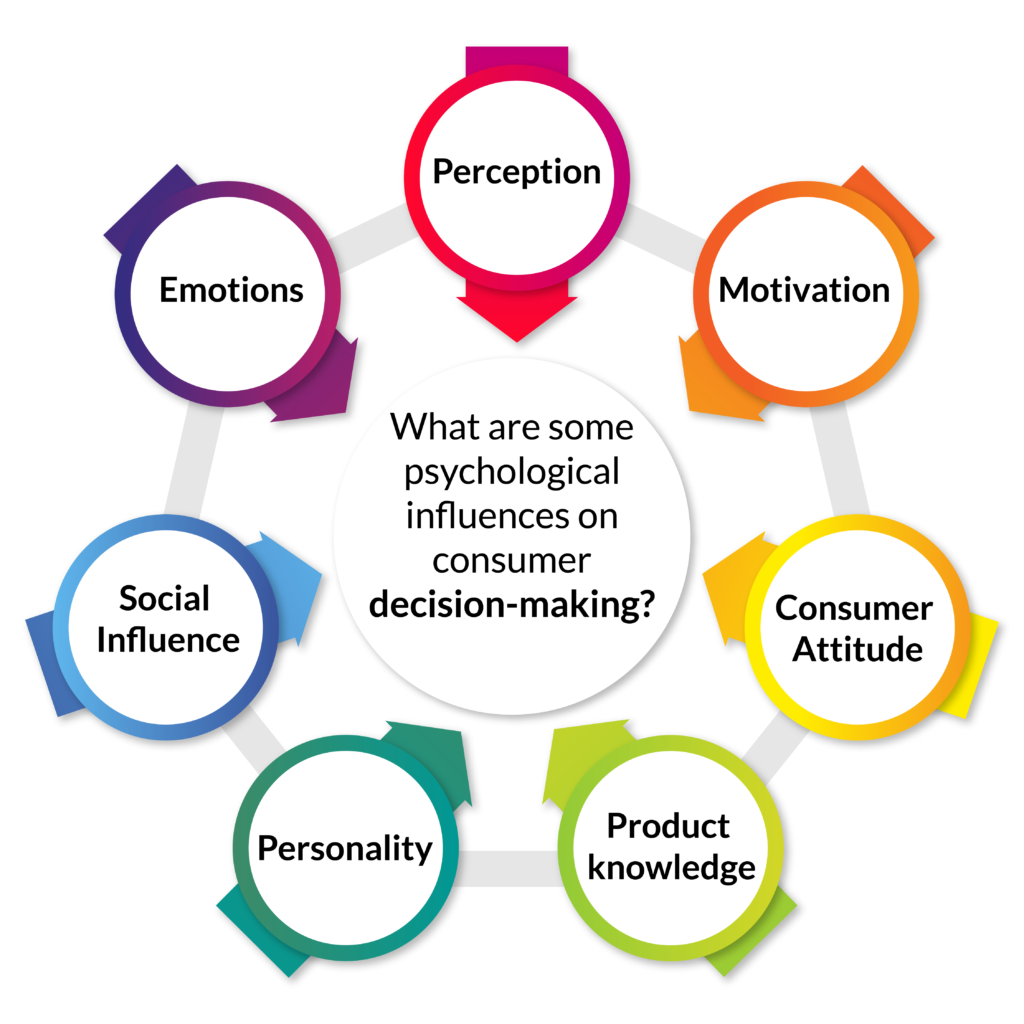
Psychological factors like motivation, perception, beliefs, and attitudes significantly shape consumer behavior. These elements influence how customers perceive a brand and whether they trust its offerings.
Example: A brand that emphasizes eco-friendly values appeals to consumers motivated by environmental concerns.
2. Social Factors
People are influenced by social groups, family, friends, and online communities when making purchase decisions. Social proof such as product reviews and influencer recommendations also plays a major role in shaping behavior.
Tip: Use social media campaigns and influencer collaborations to leverage social influence effectively.
3. Personal Factors
Personal characteristics such as age, occupation, income, and lifestyle impact individual buying behavior. Marketers need to segment their audience based on these traits to craft relevant content and offers.
Example: A luxury clothing brand may target professionals with high disposable income who value exclusivity.
4. Cultural Factors
Cultural background, traditions, and societal norms can shape consumer preferences and expectations. Brands that understand the cultural nuances of their target markets are more likely to build lasting relationships.
Also Read: What Your Homepage Should Achieve: Key Goals for a Successful Website

How Digital Marketing Relies on Consumer Behavior Insights
Mastering consumer behavior helps marketers build more effective campaigns. Here’s how this knowledge aligns with the core pillars of digital marketing:
1. Personalized Marketing and Segmentation
Today’s consumers expect personalized experiences. By analyzing behavior patterns, marketers can create segmented campaigns tailored to specific customer needs and interests.
Tip: Use tools like Google Analytics and CRM software to track consumer behavior and create customized offers.
2. Optimizing the Customer Journey
Mapping the customer journey allows marketers to identify touchpoints where behavior can be influenced. This helps optimize campaigns across multiple stages, from awareness to conversion and beyond.
Example: Email nurturing campaigns can be designed to re-engage customers who abandoned their carts during checkout.
3. Predictive Analytics for Future Trends
Data analytics plays a vital role in predicting future consumer behavior. Understanding behavioral trends enables marketers to anticipate demand and create timely offers.
Tip: Implement machine learning tools to analyze large datasets and forecast customer behavior accurately.
Also Read: Web Design for Small Businesses: 12 Simple Steps to Build a Successful Website
Strategies for Mastering Consumer Behavior in Digital Marketing
Mastering consumer behavior involves more than just observing trends – it requires actionable strategies. Here are some effective techniques to incorporate behavioral insights into your digital marketing efforts:
1. Use Behavioral Targeting in Ads
Behavioral targeting involves displaying ads based on users’ past activities, such as previous website visits or search history. This ensures your ads reach the right audience at the right time.
Pro Tip: Utilize tools like Facebook Ads Manager or Google Ads to implement behavior-based targeting.
2. Apply Gamification Techniques
Gamification taps into human psychology by offering rewards and challenges that motivate customers to engage with a brand. It creates positive emotional experiences, encouraging repeat behavior.
Example: Loyalty programs that reward customers with points for every purchase foster long-term behavior patterns.
3. Leverage User-Generated Content (UGC)
UGC campaigns tap into the power of social influence. Consumers are more likely to trust other users than brands, making UGC a powerful tool for influencing behavior.
Tip: Encourage customers to share their experiences with your products on social media and showcase their content on your website.
4. Use A/B Testing to Optimize Behavior
A/B testing is essential for understanding how different elements of a campaign influence consumer behavior. It helps marketers identify what resonates with their audience and improve conversion rates.
Tip: Test variations of your landing pages, ad copy, and email subject lines to find the winning combination.

Behavior Patterns to Monitor in Digital Marketing
Tracking specific behavior patterns can provide valuable insights for digital marketing strategies. Here are some key patterns to monitor:
1. Search Behavior
Understanding what keywords your audience searches for helps you create relevant content that matches their intent.
2. Social Media Engagement
Monitor engagement metrics such as likes, shares, and comments to understand what resonates with your audience.
3. Purchase Frequency and Recency
Customers who frequently make purchases are more likely to respond to loyalty programs. Track their behavior to design effective retention strategies.
4. Cart Abandonment Rates
High cart abandonment rates indicate friction in the checkout process. Identify the reasons behind this behavior to improve conversions.
The Role of Emotion in Consumer Behavior
Emotions play a significant role in shaping consumer behavior. Campaigns that evoke strong emotional responses – whether joy, fear, or nostalgia – are more likely to be remembered and shared.
Example: Brands like Coca-Cola use emotional storytelling to connect with consumers on a personal level.
Tip: Use video marketing to create emotionally compelling content that resonates with your target audience.
How Behavioral Data Fuels Retargeting Campaigns
Behavioral data is the backbone of effective retargeting campaigns. By tracking website visits, product views, and abandoned carts, marketers can create personalized ads that encourage users to complete their purchase.
Pro Tip: Use remarketing tools on platforms like Google or Facebook to reconnect with potential customers who previously showed interest in your products.
FAQs
What is consumer behavior in marketing?
Consumer behavior refers to the study of how individuals make decisions regarding the purchase, use, and disposal of products or services.
How does consumer behavior impact digital marketing?
Consumer behavior influences marketing strategies by helping brands understand customer motivations, preferences, and buying patterns.
Why is behavioral targeting important in advertising?
Behavioral targeting ensures that ads reach the right audience based on their past activities, increasing the chances of conversion.
What role does emotion play in consumer behavior?
Emotions have a powerful impact on consumer behavior, influencing how people perceive brands and make purchase decisions.
How can predictive analytics improve marketing efforts?
Predictive analytics helps marketers anticipate future trends, enabling them to create proactive campaigns and offers.
What are some tools for tracking consumer behavior?
Google Analytics, CRM platforms, and heatmaps are commonly used tools to monitor and analyze consumer behavior online.
Conclusion: Unlocking Success Through Consumer Behavior Insights
Mastering consumer behavior is essential for digital marketers seeking long-term success. By understanding what drives customer decisions, businesses can create highly targeted campaigns that resonate with their audience. From behavioral targeting to predictive analytics, the insights gained from consumer behavior offer endless opportunities for optimizing marketing efforts.
Whether you’re looking to increase conversions or build stronger brand loyalty, the key lies in understanding and influencing customer behavior effectively.