Tag: b2b influencer marketing

  • What Platforms Are Best for Influencer Marketing?

    What Platforms Are Best for Influencer Marketing?

    Influencer marketing has become a go-to strategy for brands aiming to connect with audiences more authentically. With consumers increasingly trusting personal recommendations over traditional ads, companies leverage influencers to build awareness, engage audiences, and drive sales. But where should you focus your efforts? Choosing the right platform is key to ensuring your influencer marketing campaign succeeds.

    In this blog, we explore the best platforms for influencer marketing, their unique strengths, and how each can enhance your brand’s reach. Whether you’re targeting Gen Z, millennial shoppers, or a niche community, we’ve got you covered with insights on where your investment will have the most impact.

    Also Read: 7 Powerful Tips for Creating Engaging Video Content for Social Media Success

    1. Instagram: The King of Influencer Marketing

    Instagram continues to dominate influencer marketing with its highly visual format. With influencers from every niche—ranging from beauty and fashion to fitness and travel—Instagram allows brands to connect visually with followers through posts, stories, reels, and IGTV.

    • Audience: Highly engaged millennials and Gen Z users.
    • Best Content: Product demos, reviews, giveaways, unboxing videos, and storytelling.
    • Features for Marketers:
    • Shoppable posts for direct purchases
    • Insights to track engagement and reach
    • Sponsored ads and collaborations through the Instagram Partner Program

    Instagram offers a perfect mix of aesthetics and engagement, which makes it ideal for lifestyle brands and consumer products.

    What Platforms Are Best for Influencer Marketing?

    2. YouTube: Ideal for Long-Form Content and Tutorials

    YouTube is the go-to platform for in-depth content and long-form videos. Influencers here create product reviews, vlogs, tutorials, and “how-to” content, providing detailed insights that build trust with viewers.

    • Audience: People looking for educational and entertainment content across demographics.
    • Best Content: Tutorials, product reviews, vlogs, and unboxings.
    • Features for Marketers:
    • Affiliate links in video descriptions
    • YouTube Shorts for bite-sized content
    • In-video ads through Google Ads partnerships

    For brands offering tech gadgets, beauty products, or educational tools, YouTube’s video content creates lasting impressions.

    3. TikTok: A Hub for Viral Campaigns and Quick Engagement

    TikTok has emerged as a disruptor in the influencer marketing landscape with its short, creative videos. Its algorithm ensures that even small creators can go viral, making it an excellent choice for brands on a budget.

    • Audience: Primarily Gen Z, with growing millennial participation.
    • Best Content: Challenges, viral trends, music-backed promotions, and brand collaborations.
    • Features for Marketers:
    • Sponsored hashtags and brand takeovers
    • In-app shopping features
    • Data insights for audience engagement

    TikTok is perfect for viral product launches and trendy campaigns that need quick bursts of visibility.

    Also Read: 10 Proven Strategies for Lead Generation: The Ultimate Guide to Outbound Marketing Success

    4. Facebook: A Well-Rounded Platform for All Audiences

    Facebook is still relevant for influencer marketing, especially for businesses targeting older demographics. With powerful tools for community building, Facebook enables influencers to create fan pages, groups, and live streams for direct interaction.

    • Audience: Older millennials, Gen X, and baby boomers.
    • Best Content: Live videos, group discussions, product promotions, and events.
    • Features for Marketers:
    • Facebook Ads with influencer partnerships
    • Direct purchases through Facebook Marketplace
    • Insightful analytics on engagement

    For health, wellness, or service-based businesses, Facebook offers a stable platform with a diverse user base.

    What Platforms Are Best for Influencer Marketing?

    5. X (Formerly Twitter): Best for Real-Time Updates and Trends

    Twitter (now called X) excels in real-time conversations, making it ideal for influencers sharing news, opinions, or participating in trending discussions. Influencers on X often engage with audiences through polls, live tweets, and threads.

    • Audience: News junkies, professionals, and people looking for updates on trending topics.
    • Best Content: Brand opinions, event coverage, Q&As, and polls.
    • Features for Marketers:
    • Sponsored tweets and brand mentions
    • Analytics to monitor campaign performance
    • Trending hashtags for organic reach

    If your brand thrives on timely interactions and public opinions, X is the ideal platform to explore.

    6. LinkedIn: Perfect for B2B Influencer Campaigns

    When it comes to B2B influencer marketing, LinkedIn reigns supreme. Industry professionals and thought leaders often share content that resonates with decision-makers. LinkedIn influencers specialize in discussing industry trends, leadership insights, and professional advice.

    • Audience: Professionals, business owners, and decision-makers.
    • Best Content: Thought leadership, case studies, interviews, and webinars.
    • Features for Marketers:
    • Sponsored content and InMail ads
    • Articles and native video posts
    • Analytics to track engagement

    Brands looking to generate leads or build authority in their niche can benefit greatly from LinkedIn campaigns.

    Also Read: Reciprocal Links: Are They Good or Bad for SEO?

    7. Pinterest: Visual Inspiration for Niche Markets

    Pinterest is a visual search engine where influencers create “pins” that act as inspiration boards for users. It is ideal for products in home decor, fashion, recipes, and DIY crafts.

    • Audience: Predominantly women, with a focus on millennials and Gen Z.
    • Best Content: Mood boards, how-to guides, and product roundups.
    • Features for Marketers:
    • Shoppable pins for easy purchases
    • Rich pins that include detailed product info
    • Analytics to measure audience behavior

    Pinterest helps niche brands connect with audiences looking for ideas and products to purchase.

    What Platforms Are Best for Influencer Marketing?

    8. Twitch: Perfect for Gaming and Tech Brands

    Twitch specializes in live streaming, with gamers and tech influencers streaming gameplay and product reviews. It’s a great platform for brands focused on gaming, entertainment, or tech gadgets.

    • Audience: Gamers and tech enthusiasts.
    • Best Content: Live streams, product giveaways, and gaming tutorials.
    • Features for Marketers:
    • Sponsorships during live streams
    • Affiliate links in stream descriptions
    • Community interactions through chats

    For gaming companies and hardware manufacturers, Twitch offers a highly interactive audience.

    How to Choose the Right Platform for Your Influencer Campaign?

    Selecting the ideal platform for your influencer marketing strategy depends on several factors:

    • Target Audience: Know where your audience is most active. For Gen Z, TikTok or Instagram may work best, while LinkedIn is more suited for professionals.
    • Content Type: Visual content performs well on Instagram and Pinterest, while long-form videos thrive on YouTube.
    • Campaign Goal: Choose platforms aligned with your objectives. Are you aiming to build brand awareness, drive traffic, or generate leads?

    A successful campaign often involves a mix of platforms to reach diverse audiences and maximize impact.

    FAQs

    what is influencer marketing?
    Influencer marketing is a strategy where brands collaborate with online influencers to promote products or services to their followers.

    Which platform is best for influencer marketing?
    Instagram remains one of the top platforms for influencer marketing due to its visual nature and high engagement.

    Can small brands use influencer marketing?
    Yes, many micro-influencers offer affordable collaborations that are perfect for smaller brands.

    How do I measure the success of an influencer campaign?
    You can measure success through metrics like engagement rates, click-through rates, conversions, and ROI analysis.

    Is TikTok good for influencer marketing?
    Yes, TikTok’s unique algorithm makes it easy for brands to go viral, especially among Gen Z users.

    How much do influencers charge for promotions?
    Influencer rates vary based on their audience size, niche, and platform, but collaborations can range from free products to thousands of dollars.

    Conclusion

    Influencer marketing offers powerful opportunities for brands to engage audiences authentically. The right platform can make all the difference in achieving campaign goals, whether you want to go viral, generate leads, or build trust with your target market. Platforms like Instagram, TikTok, and YouTube excel at different content types and audience demographics, so selecting the right mix is essential for success.
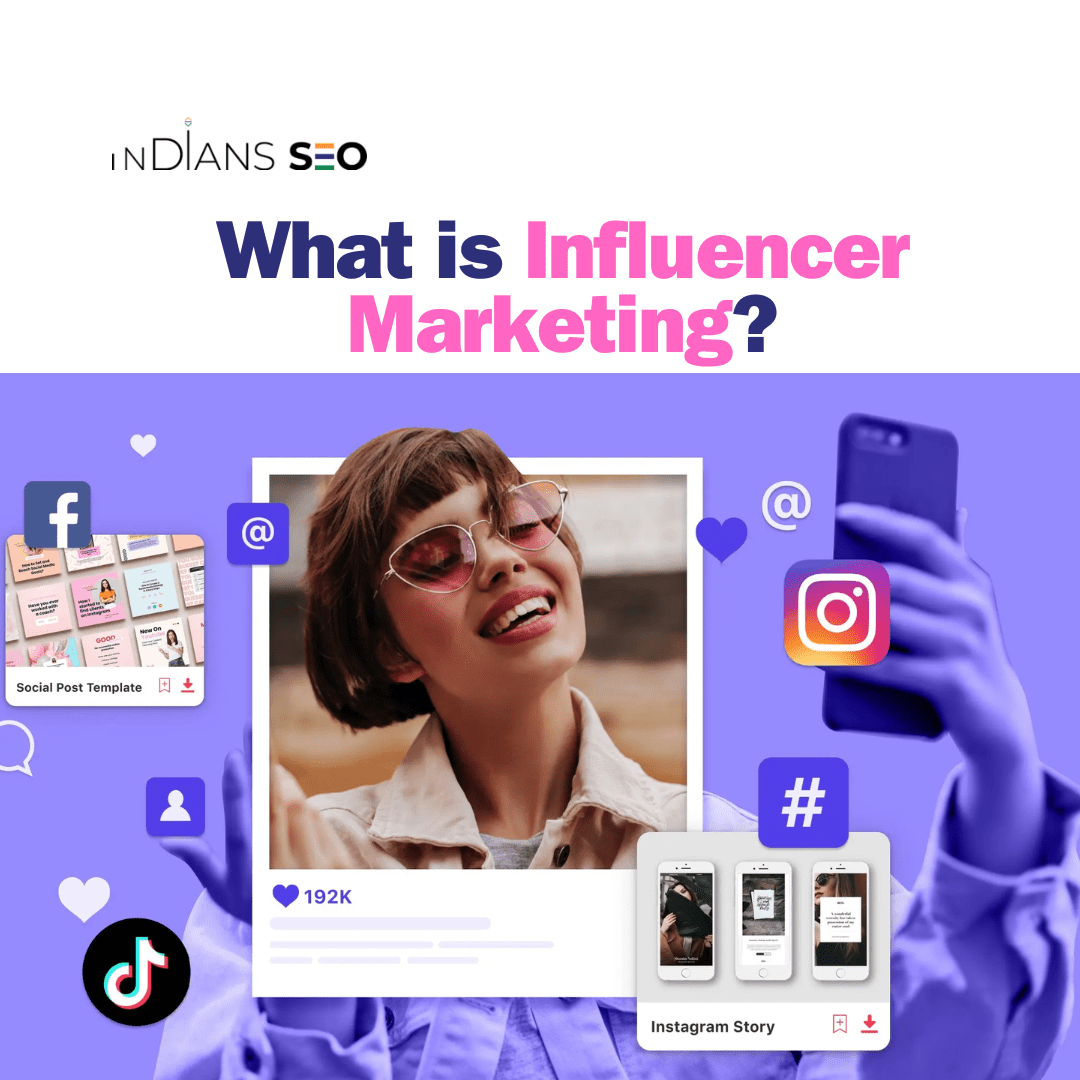
  • What is Influencer Marketing?

    What is Influencer Marketing?

    Influencer Marketing: Navigating the Digital Age’s Most Dynamic Advertising Frontier

    In the ever-evolving landscape of digital marketing, influencer marketing has emerged as a powerhouse strategy, altering how brands connect with their audiences. This phenomenon leverages the reach and trust of social media influencers to promote products, services, and messages, crafting authentic connections and driving engagement in a cluttered digital space. In this deep dive, we’ll explore the intricacies of influencer marketing, its unparalleled benefits, and practical steps for crafting an impactful influencer marketing strategy.

    The digital era has gifted marketers with numerous channels to reach their audience, but few have been as transformative as influencer marketing. This strategy taps into the credibility and persuasive power of influencers – individuals who have amassed a dedicated following on social media platforms due to their expertise, charisma, or unique content. Here’s a closer look at how influencer marketing is reshaping the advertising world.

    Table of Content

    • The Essence of Influencer Marketing
    • What is influencer marketing and how does it work?
    • Is influencer marketing effective?
    • Why Influencer Marketing Works
    • Crafting an Influencer Marketing Strategy
    • Limitations of influencer marketing
    • Challenges and Considerations
    • How to create an influencer marketing strategy
    • Tips for working with social media influencers
    • What works in Influencer Marketing
    • The Future of Influencer Marketing
    • Conclusion

    The Essence of Influencer Marketing

    Influencer marketing is not merely about celebrity endorsements or superficial product placements. It’s about forging genuine partnerships between brands and influencers whose ethos, audience, and content align with the brand’s values and objectives. This synergy enables the creation of authentic, relatable content that resonates with the influencer’s followers, often leading to increased brand awareness, customer loyalty, and conversions.

    image 13

    What is influencer marketing and how does it work?

    Influencer marketing is a strategy where brands collaborate with individuals who have a significant, engaged following on social media or other online platforms to promote products, services, or campaigns. These individuals, known as influencers, leverage their credibility and relationship with their audience to influence buying decisions or shape perceptions about the brand.

    The process works through a partnership between a brand and an influencer, where the influencer agrees to share content about the brand’s offerings to their followers. This can take various forms, including sponsored posts, reviews, stories, or videos. The content is typically crafted to look authentic and align with the influencer’s usual style, making the promotion feel natural to their audience. The goal is to tap into the influencer’s audience to increase brand awareness, drive traffic, or boost sales in a more relatable and trustworthy manner than traditional advertising methods.

    Is influencer marketing effective?

    Influencer marketing can be effective when executed properly. It involves partnering with individuals who have a strong influence over your target audience to promote your brand, product, or service.

    Effectiveness depends on several factors, including the influencer’s relevance to your audience, their credibility and trustworthiness, the authenticity of the partnership, and the quality of the content created. When these elements align, influencer marketing can help increase brand awareness, reach new audiences, and drive engagement and sales. However, it’s important to carefully select influencers and collaborate on campaigns that align with your brand values and goals for the best results.

    Why Influencer Marketing Works

    • Authenticity: Influencers have built their following based on trust and authenticity. When they recommend a product, their audience is more likely to take notice.
    • Targeted Reach: By collaborating with influencers who align with your brand, you can reach a specific demographic or niche market effectively.
    • Content Creation: Influencers are content creators at heart. They can showcase your product in a creative, engaging manner that stands out.
    • Cost-Effectiveness: Compared to traditional advertising, influencer marketing can be more cost-effective, especially for brands looking to maximize their marketing budget impact.

    Crafting an Influencer Marketing Strategy

    1. Define Your Goals: Start by clarifying what you want to achieve with your influencer marketing campaign. Goals can range from increasing brand awareness to boosting sales.
    2. Know Your Audience: Understanding who you’re trying to reach is crucial. This knowledge will guide you in selecting influencers whose followers mirror your target audience.
    3. Choose the Right Influencers: Look for influencers who share your brand’s values and have an engaged, active following. Engagement rate often trumps follower count, as it indicates a loyal and attentive audience.
    4. Foster Genuine Partnerships: Successful influencer marketing is built on authentic relationships. Approach potential influencers with respect for their work and offer them creative freedom to ensure content feels genuine to their style.
    5. Measure Success: Establish key performance indicators (KPIs) related to your goals, such as engagement rate, website traffic, or conversion rate. Use these metrics to assess the campaign’s effectiveness and inform future strategies.
    image 14

    Limitations of influencer marketing

    While influencer marketing can be effective, it also has limitations:

    • Authenticity concerns: Consumers are becoming more wary of sponsored content and may perceive influencer endorsements as inauthentic, especially if the partnership is not genuine or if the influencer promotes too many products.
    • Audience targeting: It can be challenging to ensure that the influencer’s audience aligns with your target demographic, leading to potential mismatch in messaging and lower conversion rates.
    • Cost: Working with influencers, especially those with large followings, can be expensive. The return on investment (ROI) may not always justify the cost, especially for smaller businesses.
    • Risk of negative publicity: If an influencer is involved in controversy or their reputation is tarnished, it can reflect poorly on your brand if you are associated with them.
    • Limited control over content: Once you partner with an influencer, you have limited control over the content they create. This can lead to messaging that does not align perfectly with your brand or campaign objectives.
    • Short-term impact: Influencer marketing campaigns can generate immediate results, but they may not always have a long-lasting impact on brand awareness or customer loyalty.

    To mitigate these limitations, it’s important to carefully vet influencers, establish clear objectives and expectations, and monitor campaigns closely to ensure they align with your brand values and goals.

    Challenges and Considerations

    While influencer marketing holds immense potential, it’s not without its challenges. Brands must navigate issues related to transparency, influencer vetting, and regulatory compliance. The Federal Trade Commission (FTC) has guidelines requiring influencers to disclose sponsored content, ensuring consumer trust remains intact.

    How to create an influencer marketing strategy

    Creating an influencer marketing strategy involves several key steps. Here’s a simplified outline in points:

    Define your goals: Determine what you want to achieve with your influencer marketing campaign, whether it’s increasing brand awareness, driving sales, or reaching a new audience.

    Identify your target audience: Understand who your ideal customers are and identify influencers who have a similar audience demographic and interests.

    Find the right influencers: Research and vet potential influencers based on relevance, reach, engagement rates, and authenticity. Consider micro and macro influencers depending on your budget and goals.

    Develop a budget: Allocate a budget for your influencer marketing campaign, taking into account influencer fees, content creation costs, and any additional expenses.

    Create a campaign brief: Clearly outline your campaign objectives, messaging guidelines, and any specific requirements or restrictions for the influencers.

    Collaborate with influencers: Reach out to selected influencers and propose a collaboration. Negotiate terms, timelines, and deliverables, ensuring that both parties are aligned.

    Create compelling content: Work with influencers to create engaging content that resonates with their audience while aligning with your brand’s message and values.

    Monitor and measure: Track the performance of your campaign using relevant metrics such as engagement, reach, and conversions. Analyze the results to assess the effectiveness of your strategy and make adjustments as needed.

    Build long-term relationships: Nurture relationships with influencers who perform well and consider ongoing partnerships for future campaigns.

    Compliance and disclosure: Ensure that influencers comply with relevant regulations and guidelines regarding sponsored content and disclose their relationship with your brand transparently.

    By following these steps, you can create an effective influencer marketing strategy that helps you achieve your marketing goals and drive meaningful results.

    image 15

    Tips for working with social media influencers

    Working with social media influencers can be a powerful way to amplify your brand’s message and reach a wider audience. Here are some tips for collaborating with influencers effectively:

    Set clear goals: Define your objectives for the influencer campaign, whether it’s increasing brand awareness, driving traffic to your website, or generating sales.

    Choose the right influencers: Look for influencers whose values, audience, and content style align with your brand. Consider factors such as reach, engagement rates, and audience demographics.

    Establish clear expectations: Clearly communicate your campaign brief, including key messages, deliverables, timeline, and any guidelines or restrictions.

    Provide creative freedom: While it’s important to communicate your brand’s messaging, allow influencers to be creative and authentic in how they promote your brand. This can help create more genuine and engaging content.

    Compensate fairly: Offer fair compensation to influencers for their time and effort. This can include monetary payment, free products, or other incentives.

    Monitor and measure performance: Track the performance of your influencer campaign using relevant metrics such as reach, engagement, and conversions. Use this data to evaluate the success of the campaign and make adjustments for future collaborations.

    Build long-term relationships: Nurture relationships with influencers who align well with your brand. Long-term partnerships can lead to more authentic and impactful collaborations over time.

    Ensure compliance: Familiarize yourself with relevant regulations and guidelines for influencer marketing, such as disclosure requirements for sponsored content.

    Be transparent: Be transparent with your audience about your partnership with influencers. Disclose sponsored content clearly to maintain trust and credibility.

    Stay engaged: Stay engaged with influencers throughout the campaign, providing support and feedback as needed. A positive working relationship can lead to more successful collaborations in the future.

    What works in Influencer Marketing

    Several strategies and tactics can work well in influencer marketing. Here are some key approaches that are often effective:

    Authenticity: Authenticity is crucial in influencer marketing. Audiences respond well to influencers who genuinely use and believe in the products or services they promote.

    Relevance: Choosing influencers who are relevant to your brand and target audience is key. Their content should align with your brand values and resonate with their followers.

    Engagement: Look for influencers with high engagement rates, indicating that their audience is active and interested in their content. This can lead to higher levels of engagement with your brand.

    Micro-influencers: Micro-influencers, who typically have smaller but highly engaged audiences, can be very effective for niche marketing. They often have a more personal connection with their followers, leading to higher levels of trust and influence.

    Creative content: Collaborate with influencers to create creative and engaging content that captures the attention of their audience. This can include videos, photos, stories, and other formats that showcase your brand in an authentic and compelling way.

    Long-term partnerships: Building long-term relationships with influencers can be more beneficial than one-off campaigns. It allows for deeper integration of your brand into their content and can lead to more authentic endorsements.

    Measure and optimize: Use data and analytics to measure the performance of your influencer campaigns. Identify what works and what doesn’t, and optimize your approach based on these insights.

    Influencer events and takeovers: Hosting events or allowing influencers to take over your social media accounts can create buzz and engagement around your brand.

    Affiliate marketing: Implementing an affiliate marketing program with influencers can incentivize them to promote your products or services more effectively.

    User-generated content: Encouraging influencers and their followers to create and share user-generated content related to your brand can amplify your reach and engagement.

    By incorporating these strategies into your influencer marketing efforts, you can create more impactful campaigns that resonate with your target audience and drive results for your brand.

    The Future of Influencer Marketing

    As we look ahead, influencer marketing is set to become even more integrated into brands’ overall marketing strategies. The rise of micro and nano-influencers, with smaller but highly engaged audiences, highlights a shift towards authenticity and relatability. Additionally, platforms like TikTok and Instagram continue to introduce new features for creators and brands, further enriching the influencer marketing landscape.

    Conclusion

    Influencer marketing represents a pivotal shift in the way brands engage with consumers. By understanding its nuances and strategically leveraging the power of influencers, businesses can create compelling, authentic narratives that resonate with their audience. In the digital age, where trust and authenticity are paramount, influencer marketing stands as a testament to the enduring power of human connection in the world of advertising. https://kamleshsingad.com/

    Logo

    Contact Person: Kamlesh Singad

    Phone no. +91 9131341638

    Web Page: https://kamleshsingad.in/

    contact@kamleshsingad.com

    Read More –

    10 Best Image-to-Video AI Generators in 2024 – https://kamleshsingad.in/10-best-image-to-video-ai-generators-in-2024/

    Image-generator-using-openai-api – https://kamleshsingad.in/image-generator-using-openai-api/

    10 Best AI Text to Image Generator Tools in 2024 – https://kamleshsingad.in/10-best-ai-text-to-image-generator-tools-in-2024/