In today’s competitive digital landscape, businesses are constantly searching for effective ways to attract customers, build trust, and increase revenue. Having a website or social media presence alone is no longer enough. What truly drives growth is meaningful, consistent, and strategic content.
This is where a professional Content Marketing Agency in Indore becomes essential.
If you are looking for a reliable partner to help you grow online, Code With Kamlesh Digital Marketing Agency is a strong choice. Founded by kamlesh singad, a recognized Digital Marketer in Indore, the agency focuses on helping businesses achieve measurable results through powerful content strategies.
Understanding Content Marketing
Content marketing is a strategic approach focused on creating and distributing valuable, relevant, and consistent content to attract and engage a target audience.
The purpose is not just promotion, but building relationships with potential customers by providing useful information.
Common types of content include:
Blog articles
Website pages
Social media posts
Videos and reels
Email newsletters
Case studies
Effective content marketing ensures that your audience finds your business when they are searching for solutions.
Hiring an agency allows you to focus on your core business while experts handle your marketing.
About Code With Kamlesh Digital Marketing Agency
Code With Kamlesh Digital Marketing Agency is a growing digital marketing firm based in Indore. The agency is known for its practical approach and commitment to delivering real results.
Founded by kamlesh singad, the agency combines creativity with data-driven strategies to help businesses grow online.
As an experienced Digital Marketer in Indore, he has worked with various businesses and understands what works in the local and digital market.
Services Offered
Content Strategy Development
The agency creates customized content plans aligned with your business goals and target audience.
Blog Writing
High-quality, SEO-optimized blog posts designed to increase traffic and improve search rankings.
Website Content Creation
Professional website content that enhances user experience and drives conversions.
Social Media Content
Engaging content tailored for platforms like Instagram, Facebook, and LinkedIn.
SEO Content Optimization
Improving existing content to make it more search engine friendly.
Lead Generation Content
Content designed specifically to convert visitors into leads and customers.
Content marketing works as a step-by-step process:
A user searches for information online
Your content appears in search results
The user visits your website
They find useful and relevant information
Trust is built
The user contacts your business
This process turns visitors into customers without aggressive selling.
What Makes Code With Kamlesh Different
There are many agencies offering similar services, but Code With Kamlesh Digital Marketing Agency stands out for several reasons:
Deep Understanding of Local Market
The agency understands the behavior and needs of customers in Indore.
Focus on Results
The goal is not just content creation but generating traffic, leads, and conversions.
Customized Strategies
Every business receives a tailored approach instead of a one-size-fits-all solution.
Affordable Solutions
Services are designed to be accessible for startups, small businesses, and growing brands.
Strong SEO Knowledge
Content is created with proper keyword targeting and optimization techniques.
The Role of kamlesh singad in Business Success
kamlesh singad plays a key role in guiding businesses toward digital growth. As a Digital Marketer in Indore, his approach focuses on:
Understanding business goals clearly
Creating practical marketing strategies
Delivering measurable outcomes
Continuously improving performance
His experience and insights help businesses achieve sustainable results.
Content Marketing Strategy Used by the Agency
A successful content strategy includes several important steps:
Keyword Research
Identifying the right keywords that potential customers are searching for.
Audience Analysis
Understanding the needs, behavior, and preferences of your target audience.
Content Planning
Creating a structured content calendar for consistent publishing.
Content Creation
Producing high-quality content that is informative and engaging.
SEO Optimization
Ensuring proper keyword placement, formatting, and readability.
Performance Tracking
Analyzing data to measure success and improve future strategies.
Businesses That Can Benefit from Content Marketing
Content marketing is effective across various industries, including:
Local service providers
E-commerce businesses
Startups
Real estate companies
Healthcare providers
Educational institutions
Consultants and freelancers
Any business that wants to grow online can benefit from a professional Content Marketing Agency in Indore.
Common Challenges Businesses Face
Many businesses struggle with content marketing due to:
Lack of clear strategy
Inconsistent posting
Poor content quality
Ignoring SEO practices
Focusing only on promotion instead of value
Working with an experienced agency helps overcome these challenges effectively.
How to Get Started
Getting started with Code With Kamlesh Digital Marketing Agency involves a straightforward process:
Initial consultation to understand your business
Strategy development based on your goals
Content planning and creation
Publishing and promotion
Regular performance monitoring
This structured approach ensures steady and measurable growth.
Expected Results
With a well-executed content marketing strategy, businesses can achieve:
Increased website traffic
Higher search engine rankings
More leads and inquiries
Improved brand awareness
Better customer engagement
Higher conversion rates
Final Thought
Choosing the right Content Marketing Agency in Indore can directly impact how your business grows online. Content is not just about writing articles or posting on social media; it is about delivering value, building trust, and guiding potential customers toward your services.
Code With Kamlesh Digital Marketing Agency, led by kamlesh singad, focuses on creating strategies that bring real and measurable results. With the right approach, consistency, and expertise of a skilled Digital Marketer in Indore, your business can achieve strong visibility, steady traffic, and higher conversions.
Investing in content marketing today is a step toward long-term success and sustainable business growth.
FAQs
1. What does a Content Marketing Agency in Indore do?
A Content Marketing Agency in Indore helps businesses create and share valuable content such as blogs, website content, and social media posts to attract customers, improve search rankings, and generate leads.
2. Why should I choose Code With Kamlesh Digital Marketing Agency?
Code With Kamlesh Digital Marketing Agency, led by kamlesh singad, focuses on result-driven strategies, SEO-optimized content, and customized plans that help businesses grow online effectively.
3. How does content marketing help my business grow?
Content marketing increases your website traffic, builds trust with your audience, improves your Google rankings, and converts visitors into paying customers over time.
4. How long does it take to see results from content marketing?
Content marketing is a long-term strategy. You may start seeing initial results within 2 to 3 months, but strong and consistent growth usually happens over 4 to 6 months.
5. Can small businesses benefit from content marketing services?
Yes, small businesses can benefit greatly. With the right strategy from a Digital Marketer in Indore, even small businesses can compete with larger brands and attract targeted customers.
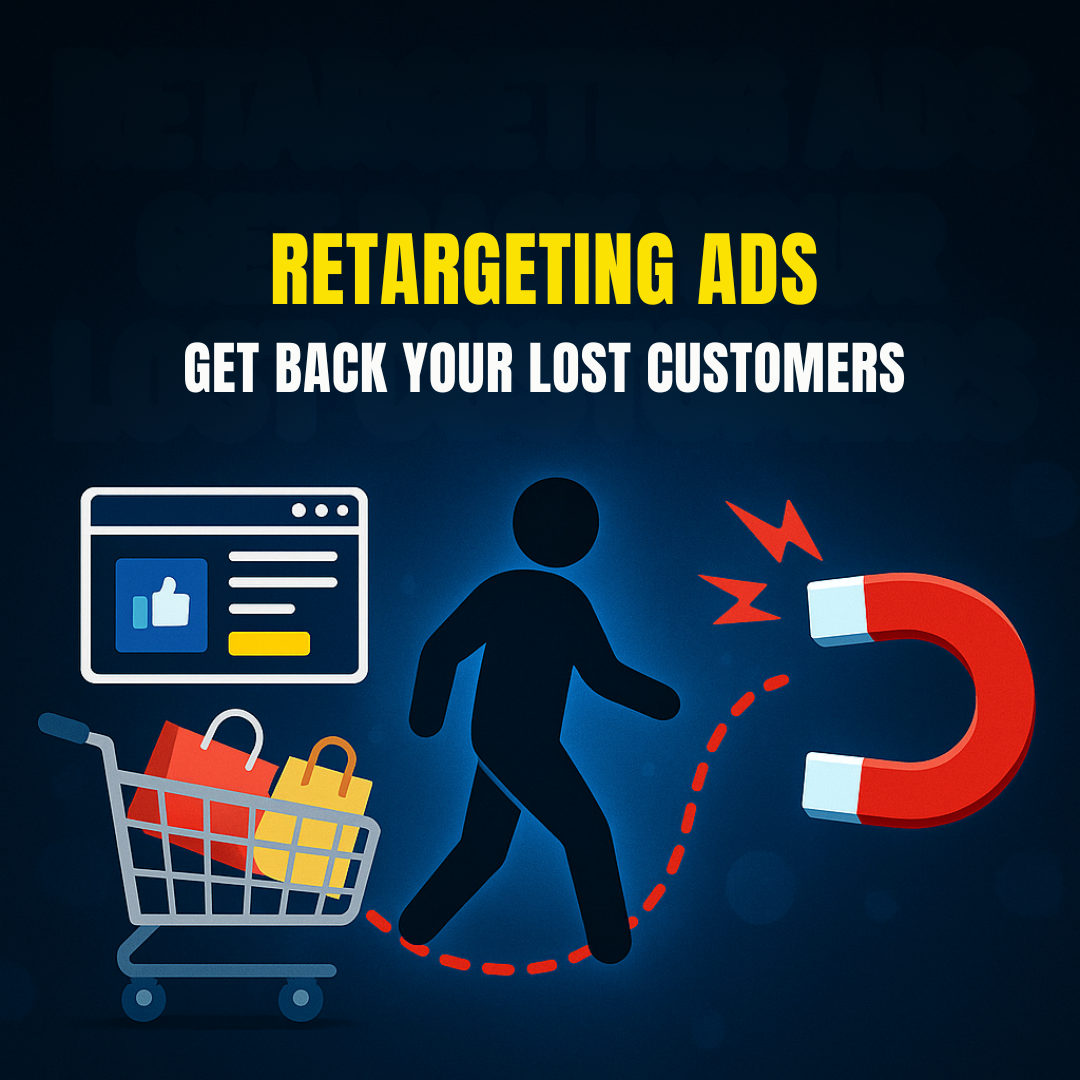
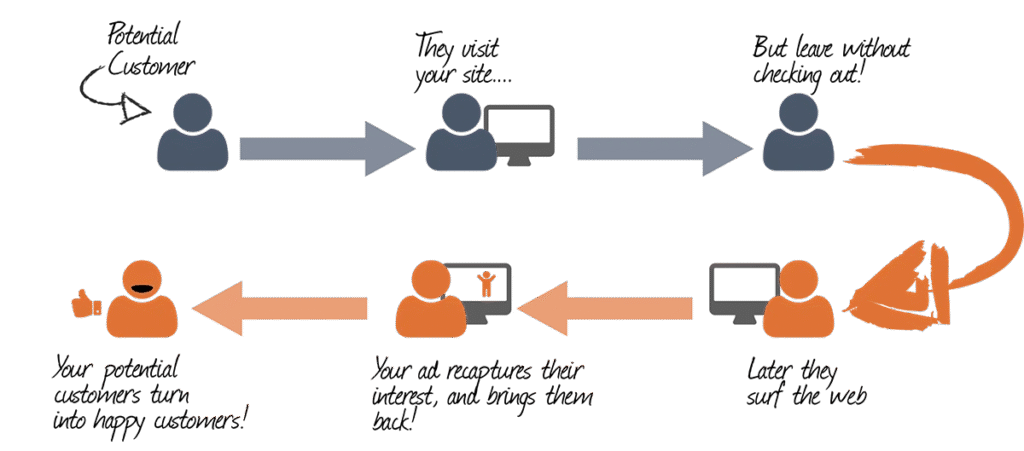
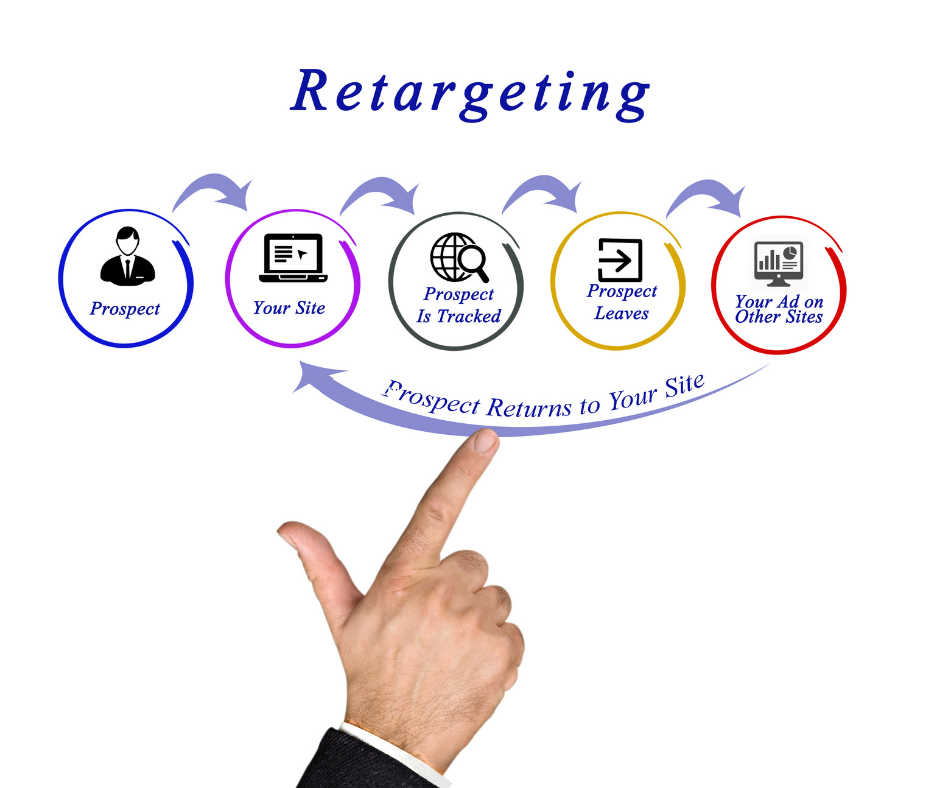
In today’s competitive digital landscape, most website visitors do not convert on their first visit. According to various studies, only around 2% of users convert on their first interaction with your website. So what happens to the other 98%? Do they vanish forever? Not if you understand the power of Retargeting Ads.
Retargeting Ads (also known as remarketing) are a type of Search Engine Marketing (SEM) strategy used to get back your lost customers by displaying personalized ads to users who have previously visited your website or interacted with your content.
This module from the Digital Marketing Course by Kamlesh Singad at CWK Agency will break down everything you need to know about retargeting ads on Google Ads, including step-by-step setup, best practices, and advanced strategies for maximum ROI.
What Are Retargeting Ads?
Retargeting Ads are ads that follow your potential customers across the web. If someone visited your product page but didn’t make a purchase, a retargeting ad can show them that exact product again while they scroll Facebook, watch YouTube, or browse another website.
These ads keep your brand at the top of the mind and significantly improve conversion rates.
How Retargeting Complements Your Overall SEM Strategy
While search ads bring new users, retargeting ads bring them back and improve lifetime value. A balanced SEM strategy must include:
Google Search Ads (New customer acquisition)
Display Ads (Brand awareness)
Video Ads (Engagement)
Retargeting Ads (Conversion boost and recovery)
By combining all of these, businesses achieve greater returns and more control over the user journey.
Advanced Retargeting Strategies
1. Time-Based Retargeting
Target users based on how long ago they visited. E.g., “1-3 days” vs. “15-30 days”.
2. Sequential Retargeting
Show different messages in a series to guide users through the funnel.
3. Cross-Platform Retargeting
Show ads on web, mobile apps, YouTube, and Gmail.
4. Retarget Based on Intent
Use AI/ML tools in Google Ads to predict intent and auto-adjust bids.
5. Integrate with Email and WhatsApp
Use CRM lists to sync and retarget across platforms.
Common Mistakes to Avoid
Retargeting all users with same ads
Not excluding converters
Ignoring mobile users
Using generic creatives
Not analyzing performance data
Tools to Enhance Your Retargeting Ads
Google Tag Manager – Tag deployment
Google Analytics 4 – Audience insights
Looker Studio (Data Studio) – Performance dashboards
Canva / Adobe Express – Ad creatives
CWK Agency Audit Tool – Custom audit of retargeting campaigns
Conclusion: Get Back Your Lost Customers with Smart Retargeting
Retargeting is no longer optional. If you want to get back your lost customers, you need a smart and structured retargeting strategy.
Using Google Ads and other SEM platforms, you can remind, re-engage, and recover your website visitors. By applying the steps and strategies in this module, you’ll turn bounce rates into business growth.
This is just one part of our ongoing digital marketing journey with Kamlesh Singad at CWK Agency. Stay tuned for more insights in the next module!
FAQs
What are Retargeting Ads in Google Ads?
Answer: Retargeting Ads are a type of digital advertisement that targets users who have previously visited your website but didn’t convert. Google Ads uses cookies to track these users and display relevant ads across its Display Network, Search Network, YouTube, and more.
How do Retargeting Ads help to get back lost customers?
Answer: Retargeting Ads serve personalized content to users who left your website without taking action. By re-engaging them with tailored messages, offers, or product reminders, you significantly increase the chances of converting them into paying customers.
What’s the difference between retargeting and standard display ads?
Answer: Standard display ads target a broad audience, while retargeting ads focus only on users who have previously interacted with your brand. Retargeting is more personalized and cost-effective, as it targets warmer leads.
Is retargeting part of Search Engine Marketing (SEM)?
Answer: Yes, retargeting is a key component of SEM. It complements your search ads by helping recover users who clicked your ads but didn’t convert. Platforms like Google Ads provide full retargeting capabilities within SEM campaigns.
What platforms support retargeting with Google Ads?
Answer: Retargeting in Google Ads works on:
Google Display Network (websites, blogs, etc.)
Google Search Network
YouTube
Gmail
Google Shopping
Mobile Apps (via AdMob)
How can I set up a Retargeting Ad campaign on Google Ads?
Answer: To set up a retargeting campaign:
Install the Google Ads tag on your website.
Create custom audience lists based on user behavior.
Build a new Display, Search, or YouTube campaign.
Add your retargeting audience.
Launch and optimize your campaign regularly.
What’s dynamic retargeting and how is it different?
Answer: Dynamic retargeting shows users personalized ads with the exact products they viewed on your website. It uses your product feed to automatically generate relevant ad creatives, making it highly effective for eCommerce businesses.
How long should I run retargeting ads for each user?
Answer: The ideal duration is 7–30 days, depending on your sales cycle. Use shorter durations for time-sensitive offers and longer for high-ticket products. Frequency capping is essential to avoid ad fatigue.
What budget is recommended for retargeting campaigns?
Answer: Start with a small daily budget (e.g., ₹500–₹1,000/day) and scale up based on performance. Retargeting is generally more cost-effective than cold audience targeting, offering a higher ROI.
Can I run retargeting ads without a website?
Answer: You need some form of digital presence (like a website or landing page) to track users and build audience lists. However, you can also use YouTube channel views, app installs, or email lists for retargeting in Google Ads.
Why should businesses include retargeting in their digital marketing strategy?
Answer: Retargeting helps businesses maximize the value of their existing traffic. Instead of losing potential customers, retargeting keeps your brand top-of-mind, nurtures leads, and drives them toward conversion with targeted reminders.
How does CWK Agency implement retargeting strategies?
Answer: At CWK Agency, under the guidance of Kamlesh Singad, we create customized audience segments, use dynamic creatives, and implement multi-channel retargeting (including YouTube and Display) to maximize client conversions and ROI.
Social media marketing has revolutionized the way brands interact with their audience. By leveraging the power of social media platforms, businesses can reach a wider audience, build stronger relationships, and ultimately enhance their brand presence online.
Introduction
In today’s digital age, social media marketing is not just a trend; it’s a necessity. From small businesses to multinational corporations, the strategic use of social media can significantly impact a brand’s visibility and customer engagement. This article delves into the importance of social media marketing and provides actionable strategies to effectively build and promote your brand online.
The Importance of Social Media Marketing
Social media marketing plays a pivotal role in today’s business landscape. It allows brands to communicate directly with their audience, fostering a sense of community and trust. The real-time nature of social media means that brands can stay current, engage in conversations, and respond to customer inquiries instantly. This immediate interaction not only enhances customer satisfaction but also builds brand loyalty.
Choosing the Right Platforms
Identifying Your Target Audience
Before diving into social media marketing, it’s crucial to understand who your target audience is. Analyzing demographics, interests, and online behavior can help you determine where your potential customers are most active. Platforms like Facebook, Instagram, LinkedIn, and Twitter cater to different audiences, so selecting the right ones is essential for effective engagement.
Selecting the Best Platforms for Your Brand
Not all social media platforms are created equal. Each has its own strengths and caters to specific types of content and audiences. For instance, Instagram is ideal for visually appealing content, while LinkedIn is best for professional networking. Assessing your brand’s needs and aligning them with the strengths of each platform will help you maximize your reach and impact.
Developing a Social Media Strategy
Setting Clear Goals and Objectives
A successful social media strategy starts with clear, measurable goals. Whether it’s increasing brand awareness, driving website traffic, or boosting sales, having specific objectives helps guide your efforts and measure success. Define what you want to achieve and set realistic, time-bound targets.
Creating a Content Calendar
Consistency is key in social media marketing. A content calendar helps you plan and organize your posts, ensuring a steady stream of content. This not only keeps your audience engaged but also helps in maintaining a cohesive brand message. Plan your content around key dates, events, and campaigns to stay relevant and timely.
Creating Engaging Content
The Role of Visuals in Social Media
Visual content is more likely to be shared and remembered. High-quality images, videos, and graphics can significantly boost your engagement rates. Invest in professional photography and design to create visually appealing content that resonates with your audience.
Crafting Compelling Captions
Captions are just as important as visuals. They provide context, evoke emotions, and encourage interaction. Crafting compelling captions that align with your brand voice and message can enhance the impact of your posts. Use storytelling techniques, ask questions, and include calls to action to engage your audience.
Utilizing User-Generated Content
User-generated content (UGC) is a powerful tool in social media marketing. It not only provides social proof but also engages your audience by making them a part of your brand story. Encourage your followers to share their experiences with your products and feature their content on your social media pages.
Building a Consistent Brand Voice
Establishing Brand Guidelines
Consistency in brand voice and aesthetics is crucial for building a recognizable brand. Establish clear brand guidelines that outline your tone, style, and visual elements. This ensures that all your social media posts are aligned and reinforce your brand identity.
Maintaining Consistency Across Platforms
While each social media platform has its own unique features, maintaining a consistent brand voice across all of them is essential. Tailor your content to suit the platform while ensuring that your brand’s personality and message remain consistent. This helps in building a strong and cohesive brand image.
Leveraging Influencers
Identifying the Right Influencers
Influencers can significantly amplify your brand’s reach and credibility. Identify influencers whose audience aligns with your target market and whose values match your brand’s. Collaborating with the right influencers can lead to authentic endorsements and a more engaged audience.
Collaborating Effectively
Effective collaboration with influencers involves more than just paying for a post. Work closely with them to create content that feels genuine and resonates with their followers. Provide creative freedom while ensuring that your brand message is communicated effectively. This collaborative approach leads to more authentic and impactful campaigns.
Utilizing Social Media Advertising
The Basics of Paid Advertising
Paid social media advertising allows you to reach a larger and more targeted audience. Start with understanding the basics, such as different ad formats, budgeting, and targeting options. Platforms like Facebook, Instagram, and LinkedIn offer robust advertising tools to help you achieve your marketing goals.
Advanced Targeting Techniques
Advanced targeting techniques enable you to reach specific segments of your audience based on demographics, interests, behaviors, and more. Utilize features like lookalike audiences, retargeting, and custom audiences to optimize your ad campaigns and achieve better results.
Engaging with Your Audience
Importance of Timely Responses
Timely responses to comments, messages, and mentions show that you value your audience’s input and are attentive to their needs. This not only builds trust but also encourages more engagement. Set up notifications and allocate time for regular interaction to stay responsive.
Encouraging Interaction and Feedback
Encouraging interaction and feedback fosters a sense of community and helps you understand your audience better. Ask questions, create polls, and invite your followers to share their thoughts and experiences. This not only increases engagement but also provides valuable insights for your brand.
Analyzing Performance Metrics
Key Metrics to Track
Tracking performance metrics is essential to understand the effectiveness of your social media efforts. Key metrics include engagement rates, reach, impressions, click-through rates, and conversions. Regularly analyzing these metrics helps you identify what’s working and where there’s room for improvement.
Adjusting Strategies Based on Data
Data-driven decision-making is crucial in social media marketing. Use insights from performance metrics to adjust your strategies. Experiment with different types of content, posting times, and ad campaigns to find what resonates best with your audience. Continuously optimizing based on data helps in achieving better results.
Staying Updated with Trends
Monitoring Social Media Trends
Social media is constantly evolving, with new trends emerging regularly. Staying updated with the latest trends helps you keep your content fresh and relevant. Follow industry leaders, join relevant groups, and participate in discussions to stay informed about what’s trending.
Adapting Your Strategy Accordingly
Adaptability is key in social media marketing. Be open to trying new trends and adjusting your strategy accordingly. Whether it’s incorporating new features, adopting new content formats, or exploring new platforms, staying flexible helps you stay ahead of the competition and keep your audience engaged.
Social Media Marketing Tools
Essential Tools for Management
Managing multiple social media accounts can be challenging. Essential tools like Hootsuite, Buffer, and Sprout Social help you schedule posts, monitor engagement, and analyze performance from a single dashboard. These tools streamline your efforts and improve efficiency.
Tools for Content Creation
Creating high-quality content consistently requires the right tools. Use tools like Canva for graphic design, Adobe Spark for video creation, and Grammarly for proofreading. These tools help you produce professional and engaging content without needing extensive design skills.
Case Studies of Successful Campaigns
Analyzing Big Brand Successes
Studying successful social media campaigns from big brands provides valuable insights. Analyze what made these campaigns successful, such as their strategy, creativity, and execution. Brands like Nike, Starbucks, and Airbnb have set benchmarks in social media marketing that can inspire your own efforts.
Learning from Small Business Triumphs
Small businesses often achieve great success on social media with limited resources. Learn from their innovative approaches, community engagement, and authentic storytelling. These case studies show that creativity and authenticity can outweigh budget constraints in social media marketing.
Common Mistakes to Avoid
Navigating the dynamic landscape of social media marketing requires not only a robust strategy but also an awareness of potential pitfalls. Even seasoned marketers can make mistakes that hinder their efforts. Here are some common mistakes to avoid to ensure your social media marketing strategy is effective and efficient.
Over-Promotion and Under-Engagement
One of the most frequent mistakes in social media marketing is focusing too heavily on promotion and not enough on engagement. Brands often flood their feeds with sales pitches, product announcements, and promotional content, neglecting the interactive and social nature of these platforms. While it’s essential to promote your products and services, balance is key. Engaging content that informs, entertains, and involves your audience should make up a significant portion of your social media presence.
Over-promotion can lead to audience fatigue, where followers feel overwhelmed and disconnected from the brand. To avoid this, adopt the 80/20 rule: 80% of your content should be engaging and informative, and only 20% should be directly promotional. This approach fosters a more genuine connection with your audience and keeps them interested in your brand.
Neglecting Analytics
Another major mistake is neglecting the wealth of data available through social media analytics. Without tracking and analyzing performance metrics, it’s impossible to know what’s working and what isn’t. Many brands post content blindly without evaluating its impact, missing out on crucial insights that could enhance their strategy.
Analytics tools provide valuable data on engagement rates, reach, impressions, click-through rates, and conversions. Regularly reviewing these metrics allows you to understand your audience better, identify successful content, and adjust your strategy accordingly. Ignoring this data can lead to wasted efforts and missed opportunities.
Ignoring Audience Feedback
Social media is a two-way street. Ignoring feedback from your audience can severely damage your brand’s reputation and trust. Whether it’s comments on posts, direct messages, or mentions, timely and thoughtful responses are essential. Failing to acknowledge your audience’s feedback can make them feel undervalued and lead to decreased engagement.
Positive feedback should be celebrated and shared to build community spirit, while negative feedback should be addressed promptly and constructively. Use feedback as a tool for improvement, showing your audience that you value their opinions and are committed to enhancing their experience.
Inconsistent Posting
Inconsistency in posting can harm your social media presence. Brands that post irregularly risk losing their audience’s interest and engagement. On the other hand, over-posting can overwhelm your followers and lead to disengagement. Finding the right balance and maintaining a consistent posting schedule is crucial for keeping your audience engaged.
Creating a content calendar can help maintain consistency. Plan your posts around key dates, events, and campaigns, ensuring a steady stream of content that keeps your audience interested and engaged. Consistent posting also helps in building a reliable and recognizable brand image.
Failing to Adapt to Platform Trends
Social media platforms constantly evolve, introducing new features and trends. Failing to adapt to these changes can make your brand appear outdated and out of touch. For example, ignoring trends like Stories, Reels, or new interactive features can limit your engagement potential and audience reach.
Stay informed about the latest trends and updates on each platform. Experiment with new features to see how they resonate with your audience. Being an early adopter of trends can give you a competitive edge and keep your content fresh and engaging.
Not Defining Clear Goals
Without clear goals, it’s challenging to measure the success of your social media efforts. Many brands jump into social media marketing without defining what they want to achieve, leading to scattered efforts and inconsistent results. Clear, measurable goals provide direction and help in evaluating the effectiveness of your strategy.
Define specific objectives, such as increasing brand awareness, driving website traffic, or boosting sales. These goals should be SMART (Specific, Measurable, Achievable, Relevant, and Time-bound) to ensure they are actionable and trackable. Regularly review and adjust your goals based on your performance and business needs.
Overlooking the Importance of Visual Content
In the visually driven world of social media, neglecting the quality and appeal of your visual content can be a significant mistake. Poor-quality images, unappealing graphics, and uninspired videos can turn off your audience and diminish your brand’s credibility. High-quality, visually appealing content is crucial for capturing attention and driving engagement.
Invest in professional photography, graphic design, and video production to enhance the visual appeal of your content. Use tools like Canva or Adobe Spark to create eye-catching graphics and videos. Remember, first impressions matter, and visual content is often the first thing your audience notices.
Ignoring Competitor Analysis
Ignoring what your competitors are doing on social media can put you at a disadvantage. Competitor analysis provides valuable insights into what works and what doesn’t in your industry. By understanding your competitors’ strategies, you can identify opportunities, avoid their mistakes, and differentiate your brand.
Regularly monitor your competitors’ social media activities, including their content, engagement rates, and follower growth. Analyze their successful campaigns and learn from their missteps. This information can help you refine your own strategy and stay ahead in the competitive landscape.
Lack of Authenticity
In an era where consumers value authenticity, brands that fail to be genuine can quickly lose trust and credibility. Overly polished, salesy, or inauthentic content can alienate your audience. Authenticity involves being true to your brand values, showing behind-the-scenes content, and engaging with your audience in a human and relatable manner.
Showcase your brand’s personality, share real stories, and connect with your audience on a personal level. Authenticity builds trust and fosters a loyal community that resonates with your brand’s mission and values.
Underestimating the Power of Influencers
Underestimating the influence of social media influencers can limit your brand’s reach and impact. Influencers have dedicated followings that trust their recommendations. Collaborating with the right influencers can significantly boost your brand’s visibility and credibility.
Identify influencers whose audience aligns with your target market and values. Develop genuine partnerships that allow influencers to create authentic content for their followers. Properly leveraging influencer marketing can amplify your brand message and drive significant engagement.
Conclusion
Avoiding these common mistakes can greatly enhance the effectiveness of your social media marketing efforts. By focusing on engagement, utilizing analytics, adapting to trends, and maintaining authenticity, you can build a strong, recognizable brand that resonates with your audience. Stay informed, be strategic, and continuously refine your approach to achieve lasting success in the ever-evolving world of social media marketing.
FAQs
What are the best platforms for social media marketing?
The best platforms depend on your target audience and business goals. Facebook and Instagram are great for visual content, LinkedIn is ideal for B2B networking, and Twitter excels in real-time updates. Analyze where your audience is most active to choose the best platforms for your brand.
How often should I post on social media?
Posting frequency varies by platform and audience. Generally, posting once per day on Facebook and Instagram, multiple times a day on Twitter, and a few times a week on LinkedIn works well. Consistency is more important than frequency, so find a schedule that you can maintain.
What kind of content performs best on social media?
Visual content, such as images and videos, tends to perform best. Engaging captions, stories, and user-generated content also drive higher engagement. Experiment with different types of content to see what resonates most with your audience.
How can I measure the success of my social media campaigns?
Success can be measured using various metrics, including engagement rates, reach, impressions, click-through rates, and conversions. Setting clear goals and using analytics tools to track these metrics will help you evaluate the effectiveness of your campaigns.
What is the role of influencers in social media marketing?
Influencers can amplify your brand’s reach and credibility by promoting your products to their followers. They provide authentic endorsements and create engaging content that resonates with their audience. Collaborating with the right influencers can significantly boost your brand’s visibility and engagement.
How can I increase engagement on my social media posts?
To increase engagement, focus on creating high-quality, relevant content that resonates with your audience. Use compelling visuals, ask questions, and encourage interaction. Respond promptly to comments and messages, and use hashtags to increase discoverability.
Conclusion
Social media marketing is a powerful tool for building and promoting your brand online. By choosing the right platforms, creating engaging content, leveraging influencers, and utilizing paid advertising, you can significantly enhance your brand’s visibility and engagement. Regularly analyzing performance metrics and staying updated with trends will help you refine your strategies and achieve better results. Embrace the power of social media marketing to build a strong, recognizable brand that resonates with your audience.
Mobile marketing has become a pivotal part of the digital marketing landscape, owing to the ubiquitous nature of mobile devices. In a world where nearly everyone has a smartphone within arm’s reach, marketers have developed sophisticated methods to target audiences effectively and personally. This blog will delve into the multifaceted strategies that make mobile marketing an essential tool for reaching consumers directly and contextually.
Understanding the Basics of Mobile Marketing
Mobile Marketing: A Definition
Mobile marketing is a digital marketing strategy aimed at reaching a target audience on their smartphones, tablets, and other mobile devices through websites, email, SMS and MMS, social media, and apps. In the age of mobile technology, marketers can’t afford to overlook the potential of mobile marketing.
Mobile marketing is the art and science of reaching audiences through their mobile devices, such as smartphones and tablets, utilizing a variety of digital strategies and channels. At its core, mobile marketing seeks to capitalize on the pervasive nature of mobile devices in modern society, leveraging technology to deliver personalized, timely, and effective marketing messages.
The Essence of Mobile Marketing
At the intersection of technology and consumer behavior, mobile marketing involves communicating with the target audience on their mobile devices. This can be achieved through:
SMS and MMS Messages: These are direct messages sent to a mobile phone and can include text (SMS) or multimedia content such as images, video, and audio (MMS).
Mobile Applications: Businesses use apps to provide a seamless and interactive experience. They can push notifications to users to promote sales, updates, or new content.
Emails Optimized for Mobile: Designing email campaigns that are mobile-friendly ensures that communications are effective across all device types.
Social Media: Platforms like Facebook, Instagram, and Twitter are predominantly accessed via mobile devices. Ads and updates on these platforms are a key part of mobile marketing.
Location-Based Marketing: This strategy uses GPS technology to tailor marketing messages based on the geographic location of users, often in real-time.
Goals of Mobile Marketing
The primary goal of mobile marketing is to engage customers on devices they use most frequently and personally. This form of marketing is tailored to fit the unique behavior of mobile users and the technical constraints and opportunities of mobile devices, including:
Personalization: Mobile devices are personal items, which makes them an ideal channel for personalized marketing messages.
Convenience and Timeliness: Messages can be delivered at times when they are most likely to be effective and in formats that are easy for consumers to interact with on the go.
Geo-Targeting: Marketers can send content specific to a customer’s location, enhancing the relevance and effectiveness of their campaigns.
Why Mobile Marketing Matters
With increasing numbers of consumers using mobile devices as their primary means of accessing the internet, mobile marketing is not just a novelty but a necessity. Here are some compelling reasons why:
Ubiquity of Smartphones: The widespread use of smartphones globally means that mobile marketing can reach a vast audience.
Higher Engagement Rates: Mobile marketing campaigns often see higher engagement rates than those delivered on other platforms due to the personal nature of mobile devices.
Immediate and Actionable: Mobile marketing allows for immediate consumer actions, such as visiting a website, making a purchase, or obtaining directions to a store.
In summary, mobile marketing harnesses the potential of mobile devices to provide a direct, personalized, and effective way to communicate with consumers. As technology evolves and consumer habits shift, the strategies employed in mobile marketing will continue to adapt, making it an exciting and essential area of digital marketing.
The Scope of Mobile Marketing
With mobile devices now central to our lives, the scope of mobile marketing has expanded exponentially. This form of marketing not only includes sending messages or creating apps but also encompasses responsive website design, mobile-specific advertising, location-based marketing, and integrated marketing campaigns that leverage mobile as a key component.
Mobile marketing has evolved far beyond its origins as a novel method of reaching consumers through their mobile devices. Today, it encompasses a broad array of strategies and technologies designed to engage an audience that is increasingly reliant on smartphones, tablets, and other mobile devices for daily communication, entertainment, and information. The scope of mobile marketing is broad, dynamic, and intrinsically linked to how modern consumers interact with digital content.
Key Components of Mobile Marketing
The scope of mobile marketing includes several key components that together create a comprehensive approach to digital marketing:
Responsive Web Design: Ensuring that websites are optimized for mobile devices, providing a seamless user experience whether a visitor is using a desktop computer, a tablet, or a smartphone.
App Development and Marketing: Creating mobile applications that offer functionalities unique to mobile devices, such as touch interactions and sensor data (like GPS and motion sensors), and using these platforms for direct marketing.
SMS/MMS Campaigns: Utilizing text messaging services to deliver concise, timely marketing messages directly to a user’s mobile phone.
Mobile Advertising: Includes display ads, video ads, and other promotional materials specifically designed for mobile formats and published on various platforms, including social media and mobile-friendly websites.
Location-Based Services (LBS): Using a mobile device’s GPS capability to tailor marketing messages based on the user’s location, such as sending special offers when a user is near a specific store.
Augmented Reality (AR) and Virtual Reality (VR): Deploying immersive technologies that enhance real-world environments with digital overlays or create completely virtual worlds, respectively, often for engaging marketing experiences.
Voice Search Optimization: Adapting marketing content to be more discoverable through voice search, recognizing the growing use of voice assistants on mobile devices.
Expanding Reach and Capabilities
The scope of mobile marketing is not just about reaching more users; it’s about deepening engagement with them through more personalized and contextually relevant experiences. Here’s how mobile marketing is expanding its reach and capabilities:
Personalization at Scale: Mobile devices provide marketers with rich data about user behavior, preferences, and location. This data allows for personalized marketing at scale, tailoring messages to individual users based on real-time data.
Integration with Other Marketing Channels: Mobile marketing does not exist in isolation. It is often part of a multi-channel strategy that includes digital and traditional marketing methods. This integration allows for a cohesive customer journey across different touchpoints.
Technological Innovations: Advances in mobile technology, such as faster mobile networks (e.g., 5G), improved smartphone capabilities, and new applications of AI and machine learning, continue to expand what is possible in mobile marketing.
Why the Scope Matters
Understanding the broad scope of mobile marketing is crucial for businesses aiming to compete in a digital age. Here’s why:
Consumer Expectations: Modern consumers expect brands to provide seamless interactions across all devices and platforms. They value convenience, relevance, and personalization, all of which are facilitated by effective mobile marketing.
Competitive Advantage: Businesses that effectively leverage mobile marketing can engage with their audience in real-time, build stronger brand loyalty, and ultimately, achieve a competitive advantage in their market.
ROI and Effectiveness: Mobile marketing campaigns can be highly effective due to their targeted nature and the direct connection they establish with consumers. They often yield higher return on investment compared to more traditional marketing methods.
The scope of mobile marketing continues to grow as new technologies emerge and consumer habits evolve. For marketers, staying informed and adaptable is key to leveraging the power of mobile to meet their marketing objectives and drive business success.
Strategies to Target Audiences in Mobile Marketing
Geo-Targeting and Location-Based Services
One of the most powerful features of mobile marketing is the ability to target users based on their location. Geo-targeting uses GPS technology to send content to a user’s phone, tailored to their geographical location. This can range from location-specific ads to offering special deals when they are near a particular store.
Behavioral Targeting Through Mobile Metrics
Mobile devices offer marketers a wealth of data about user behavior. From app usage patterns to browsing habits, mobile marketers can gather detailed insights to create highly personalized marketing campaigns.
Demographic Targeting Via Mobile
Demographic targeting in mobile marketing involves reaching audiences based on age, gender, income level, education, and more. This segmentation helps marketers tailor their messaging and offers to increase relevance and engagement.
The Role of SMS and MMS in Audience Targeting
Direct Engagement Through SMS
SMS marketing remains one of the most direct ways to reach an audience. With high open rates, SMS allows marketers to send timely, relevant messages directly to individuals, fostering immediate engagement.
Enhancing Campaigns with MMS
MMS, or Multimedia Messaging Service, takes SMS a step further by allowing the inclusion of images, video, and audio. This rich media format can significantly enhance engagement and message retention.
Utilizing Mobile Apps for Personalized Marketing
Mobile apps offer a unique and potent venue for personalized marketing. With most users consistently logged into their personal devices, apps provide marketers with a direct channel to deliver tailored content, enhancing user engagement and improving customer loyalty. The personalized marketing capabilities of mobile apps leverage user data and behavior to create individualized experiences that resonate deeply with each user.
Leveraging User Data for Personalization
At the heart of personalized marketing through mobile apps is the collection and analysis of user data. Here’s how mobile apps gather and use this data for marketing:
User Behavior Tracking: Mobile apps can track a wide range of user activities, from basic interactions within the app to more complex patterns like purchase history and browsing behavior.
Custom User Profiles: Apps often encourage users to create profiles, which not only help in storing preferences and settings but also provide marketers with valuable data about demographics, interests, and more.
Location Data: Many apps request access to a user’s GPS data, which can be used for location-based marketing, offering promotions and features relevant to the user’s current or frequently visited locations.
Techniques for Personalization in Mobile Apps
The data collected through mobile apps can be utilized to craft marketing strategies that are not only personalized but also highly relevant and timely. Some of the most effective techniques include:
Push Notifications: These are messages that pop up on a user’s device, providing timely updates, offers, or reminders. By tailoring these notifications based on the user’s past behavior or current location, businesses can significantly increase relevance and engagement.
In-App Messages: These messages appear while the user is actively using the app. They can be used to promote offers, guide users through new features, or provide personalized recommendations.
Personalized Content and Recommendations: Based on the user’s previous actions, apps can display customized content and product or service recommendations. This not only enhances the user experience but also increases the likelihood of conversion.
Dynamic Content Adaptation: Some apps can alter their interface and functionality based on the user’s preferences and behavior. This can range from changing the layout to highlighting certain features, effectively creating a user-specific experience.
Integration with Other Marketing Channels
For maximum impact, mobile app marketing often integrates with broader marketing strategies. Here’s how:
Email Marketing: By linking user accounts to mobile apps, businesses can send personalized email content that complements the app experience, such as reminders to complete a purchase started in the app.
Social Media Integration: Apps can integrate social media features, allowing users to share content or achievements on their social networks, which not only engages users but also provides free promotion.
Cross-Promotion Between Apps: Businesses with multiple apps can use one app to promote another, particularly if the apps cater to similar demographics or interests.
Challenges and Considerations
While mobile apps are a powerful tool for personalized marketing, there are challenges and considerations that need to be addressed:
Privacy Concerns: Collecting and using personal data comes with the responsibility to protect user privacy. Transparency about data collection practices and adherence to data protection regulations is crucial.
User Experience vs. Marketing Needs: Balancing the user experience with the push for marketing messages is vital. Overdoing push notifications or in-app messages can lead to user frustration and app uninstalls.
Resource Intensive: Developing and maintaining a mobile app, especially one that offers personalized experiences, can be resource-intensive. It requires ongoing updates, testing, and marketing to remain effective and secure.
Utilizing mobile apps for personalized marketing represents a convergence of technology, data analytics, and consumer engagement strategies. When executed thoughtfully, it not only boosts marketing efforts but also significantly enhances the user experience, leading to higher engagement rates and customer loyalty. As mobile technology continues to evolve, so too will the strategies for leveraging apps in marketing, making it a continually adapting and exciting field.
Integration of Mobile Marketing with Other Digital Strategies
Mobile marketing, while powerful on its own, achieves its greatest potential when integrated seamlessly with other digital marketing strategies. This holistic approach not only ensures a consistent message across all platforms but also leverages the unique strengths of each channel to enhance overall marketing effectiveness and user experience.
Cross-Channel Marketing Synergy
The key to successful integration lies in the synergy between mobile marketing and other digital channels. Here’s how mobile marketing can be harmoniously integrated with other strategies:
Social Media Marketing: Mobile devices are the primary medium for social media usage. Integrating mobile marketing strategies with social media involves optimizing social media ads for mobile devices, sharing mobile-specific offers, and using social platforms to drive traffic to mobile apps or websites.
Email Marketing: Email is a significant touchpoint in digital marketing and one that is frequently accessed via mobile devices. By designing emails to be mobile-friendly and linking directly to mobile-optimized landing pages or apps, marketers can create a seamless experience for mobile users.
Content Marketing: The content designed for mobile marketing needs to be concise and impactful. Integration involves ensuring that content such as blogs, videos, and infographics is optimized for mobile devices, considering factors like screen size and load time.
Search Engine Optimization (SEO): With Google’s mobile-first indexing, mobile SEO has become critical. Integrating mobile marketing with SEO involves optimizing websites for mobile search, focusing on speed, responsive design, and mobile-friendly content.
Leveraging Data for Unified Customer Views
One of the most critical aspects of integrating mobile marketing with other digital strategies is the unified customer view it provides. Here’s how integration helps in understanding and targeting customers better:
Data Consolidation: Combining data from mobile apps, websites, social media, and other digital platforms offers a comprehensive view of customer behavior and preferences.
Personalization Across Channels: With a unified view of customer data, businesses can deliver personalized experiences across all touchpoints. For instance, a user’s interaction with a mobile app can inform the type of content they receive in emails or the ads they see on social media.
Behavioral Analysis and Segmentation: Integrated data allows for more sophisticated behavioral analyses and segmentation. This can lead to more targeted campaigns that are consistent across all digital channels.
Technological Integration
Effective integration of mobile marketing with other digital strategies also relies on the appropriate use of technology:
Marketing Automation Platforms: These platforms can automate and coordinate messages across channels including mobile, email, and social media, ensuring a cohesive customer experience.
Customer Relationship Management (CRM) Systems: CRMs that integrate mobile marketing data along with other customer interactions help create detailed customer profiles, aiding in tailored marketing efforts.
Analytics and Reporting Tools: Tools that can analyze cross-channel performance are essential for understanding how mobile marketing efforts are contributing to overall digital strategy goals.
Challenges in Integration
While the integration of mobile marketing with other digital strategies offers numerous benefits, it also presents several challenges:
Consistency in Messaging: Ensuring consistent messaging and branding across multiple platforms and devices can be challenging but is crucial for maintaining customer trust and recognition.
Technology and Resource Allocation: Integrating various technologies and platforms often requires significant investment in both technology and skilled personnel.
Privacy and Data Security: As more data is collected and shared across platforms, ensuring the privacy and security of customer information becomes increasingly complex.
Integration of mobile marketing with other digital strategies is not merely beneficial; it is necessary in a digital landscape dominated by multi-device users who expect seamless interactions. When executed effectively, this integration not only enhances the reach and effectiveness of marketing campaigns but also improves customer satisfaction and loyalty. As mobile technology continues to evolve, so too must the strategies that businesses use to engage with their users, ensuring a coherent and unified marketing approach across all digital fronts.
FAQs on Mobile Marketing Audience Targeting
What makes mobile marketing an essential tool for modern businesses?
How does geo-targeting enhance customer engagement?
What are the benefits of using SMS and MMS in mobile marketing?
How can mobile apps be used to increase customer loyalty?
What are the key metrics to track in mobile marketing?
How does integrating mobile marketing with other channels improve campaign results?
Conclusion
Mobile marketing represents a dynamic and essential strategy for targeting modern consumers. Through a combination of technological advancements and strategic targeting techniques, mobile marketing allows businesses to engage with their audience in a personalized and impactful way. As mobile technology continues to evolve, so too will the strategies marketers use to reach their audiences, making staying current with mobile marketing tactics more important than ever.
In today’s digital age, social media has become a powerful tool for individuals and businesses alike to connect with their audience, build brand awareness, and drive engagement. Whether you’re an aspiring influencer, a small business owner, or a marketer, achieving explosive growth on social media can be a game-changer. In this blog, we’ll explore ten proven strategies that can help you unlock the potential for massive social media growth, all explained in simple language with real-world examples.
Define Your Goals and Audience
Before diving into any social media strategy, it’s essential to define your goals and target audience. Knowing what you want to achieve and who you want to reach will guide your efforts. For instance, if you’re running a fitness blog, your goal might be to increase engagement with fitness enthusiasts. Your audience could include people interested in weight loss, muscle gain, or healthy eating.
Example: Kayla Itsines, a fitness influencer, clearly defines her audience as women interested in fitness and wellness. Her goal is to inspire and motivate them to lead a healthy lifestyle.
Create High-Quality Content
Compelling content is the heart of any successful social media strategy. Your content should be visually appealing, informative, and relevant to your audience. Use a mix of text, images, videos, and infographics to keep your content fresh and engaging.
Example: National Geographic’s Instagram account is a prime example of high-quality content. They share stunning photos and videos of wildlife and nature, captivating their audience.
Consistency is Key
Consistency in posting is vital to keep your audience engaged and informed. Develop a content calendar to plan your posts in advance, and stick to a regular posting schedule. This consistency helps build trust with your followers.
Example: Starbucks maintains a consistent posting schedule on Instagram, with frequent updates about new products, promotions, and behind-the-scenes glimpses. This keeps their followers engaged.
Engage with Your Audience
Social media is a two-way street. Respond to comments, messages, and mentions promptly. Engaging with your audience not only builds a sense of community but also boosts your algorithm ranking, making your content more visible.
Example: Wendy’s Twitter account gained fame for its witty responses to customer comments and competitors. Their engagement with their audience has led to increased brand visibility and a loyal following.
Use Hashtags Strategically
Hashtags can expand your content’s reach by making it discoverable by a wider audience. Research and use relevant hashtags that align with your content and industry. Avoid overloading your posts with hashtags, as this can appear spammy.
Example: The beauty brand Sephora often uses popular beauty-related hashtags like #MakeupMonday and #SkincareSunday to increase the visibility of their Instagram posts.
Collaborate with Influencers
Partnering with influencers in your niche can give your social media growth a significant boost. Influencers already have a dedicated following, and their endorsement can introduce your brand or content to a larger audience.
Example: Daniel Wellington, a watch brand, collaborated with various fashion influencers to showcase their products. This strategy helped them gain widespread recognition and a substantial increase in followers.
Run Contests and Giveaways
Contests and giveaways are an effective way to generate excitement and engagement among your followers. Encourage users to participate by liking, sharing, or tagging friends in your posts. Ensure that the prizes are relevant to your target audience.
Example: GoPro often runs user-generated content contests, encouraging its customers to share their adventures captured with GoPro cameras. This strategy not only boosts engagement but also provides them with user-generated content for marketing.
Analytics and Optimization
Regularly analyze your social media performance using built-in analytics tools or third-party apps. Pay attention to metrics like engagement rates, follower growth, and post reach. Use this data to refine your strategy and focus on what works best.
Example: Buffer, a social media management platform, offers detailed analytics that help users track the performance of their social media posts. This data helps businesses optimize their content strategy.
Paid Advertising
While organic growth is valuable, consider investing in paid advertising to reach a broader audience. Social media platforms offer various advertising options, such as sponsored posts and targeted ads. Allocate a budget and experiment with different ad formats to see what yields the best results.
Example: Airbnb uses paid advertising on Facebook and Instagram to showcase unique and beautiful properties to potential travelers. This approach helps them reach a global audience.
Stay Updated with Trends
Social media is constantly evolving, with new trends and features emerging regularly. Stay informed about platform updates, algorithm changes, and industry trends. Adapt your strategy to take advantage of these developments.
Example: TikTok, a relatively new platform, quickly gained popularity due to its short-form video format. Many businesses, such as Ocean Spray, jumped on the TikTok trend to increase brand visibility.
Conclusion
Achieving explosive social media growth requires a well-thought-out strategy, dedication, and a willingness to adapt. By defining your goals, creating high-quality content, engaging with your audience, and utilizing these ten proven strategies, you can unlock the full potential of social media to propel your brand or personal profile to new heights. Remember that success may not happen overnight, but with patience and persistence, you can achieve remarkable growth in the digital realm.
In today’s digital age, advertising has evolved beyond traditional methods.
Two of the most prominent and influential players in the online advertising arena are Google Ads and Facebook Ads. These platforms offer distinct advantages and cater to different marketing goals. In this comprehensive guide, we will compare Google Ads and Facebook Ads to help you determine which one is better for your business.
Understanding Google Ads
Google Ads, formerly known as Google AdWords, is Google’s online advertising platform. It operates on a pay-per-click (PPC) model,
where advertisers bid on keywords to display ads in Google’s search results and on various partner websites. Google Ads primarily serves ads to users who are actively searching for specific products or services.
Key Features of Google Ads
Keyword Targeting: Advertisers can choose specific keywords related to their business, and when users search for those keywords, their ads appear in the search results.
Ad Formats: Google offers various ad formats, including text ads, display ads, shopping ads, and video ads, to suit different marketing objectives.
Budget Control: Advertisers can set daily budgets, bid amounts, and maximum costs per click (CPC), allowing for precise budget management.
Advanced Targeting Options: Google Ads provides detailed targeting options, such as location, demographics, and device type, to reach a highly specific audience.
Conversion Tracking: Businesses can track conversions and measure the effectiveness of their campaigns, helping optimize ad spend.
Google Display Network: This feature extends ad reach to a vast network of partner websites, blogs, and apps, increasing brand visibility.
Understanding Facebook Ads
Facebook Ads is Facebook’s advertising platform that enables businesses to reach their target audience on Facebook and Instagram. Unlike Google Ads, Facebook Ads serves ads to users based on their interests, behavior, and demographics, allowing for a more audience-centric approach.
Key Features of Facebook Ads
Audience Targeting: Advertisers can target users based on factors such as age, gender, location, interests, and behavior, creating highly customized campaigns.
Ad Formats: Facebook offers a variety of ad formats, including image ads, video ads, carousel ads, and more, making it suitable for different content types.
Budget Flexibility: Advertisers can set daily or lifetime budgets and choose between CPC, CPM (cost per thousand impressions), or CPA (cost per acquisition) bidding.
Instagram Integration: With Facebook Ads, you can also promote your business on Instagram, which is especially popular among younger audiences.
Pixel Tracking: Facebook’s Pixel allows businesses to track user interactions on their websites, helping measure the impact of their ad campaigns.
Dynamic Ads: These automatically show the most relevant products to users who have previously visited your website, enhancing retargeting efforts.
Comparing Google Ads and Facebook Ads
Now that we have a basic understanding of both platforms, let’s delve deeper into the comparison to help you decide which one aligns better with your business goals.
1. Intent vs. Discovery
Google Ads: Google Ads excels in capturing users with a high intent to purchase. When someone searches for “buy running shoes,” an ad for a sports store selling running shoes can appear at the top of the search results. This is known as capturing “demand” traffic.
Facebook Ads: Facebook Ads are more about discovery. They show ads to users who may not be actively searching for a specific product but are interested in related topics. For example, if you sell gourmet coffee, you can target users who follow coffee-related pages or have expressed interest in artisanal beverages.
Example: If you’re running a small coffee roastery and want to attract local coffee enthusiasts actively looking for specialty beans, Google Ads may be the better choice. On the other hand, if you’re launching a new coffee brand and want to build awareness and engagement, Facebook Ads might be more effective in reaching a broader audience.
2. Targeting Options
Google Ads: While Google Ads offers detailed targeting options, it primarily relies on keywords and user search behavior. It is great for reaching users actively seeking specific products or services.
Facebook Ads: Facebook Ads offer unparalleled targeting options. You can pinpoint your audience based on demographics, interests, behavior, and even their past interactions with your brand.
Example: If you run an e-commerce store selling athletic wear for women, you can use Facebook Ads to target women aged 25-35 who have shown an interest in fitness and yoga, aligning perfectly with your product offering. Google Ads, in this case, might not be as precise in reaching your desired audience.
3. Ad Formats
Google Ads: Google provides various ad formats, including text, display, shopping, and video ads. Text ads are ideal for search results, while display and video ads are suitable for brand awareness and visual storytelling.
Facebook Ads: Facebook offers a wide range of ad formats, from image and video ads to carousel ads and canvas ads. This diversity allows you to craft engaging ad campaigns that align with your content strategy.
Example: If you’re promoting a new clothing collection, you can use Facebook’s carousel ad format to showcase multiple products in a single ad, providing a visually appealing and interactive experience. Google Ads’ text-based format, while effective, may not offer the same level of engagement for showcasing a product line.
4. Budget and Bidding
Google Ads: Google Ads offers precise budget control, allowing you to set daily budgets, maximum CPC bids, and more. You pay when someone clicks on your ad, making it a suitable choice for businesses with a specific ROI goal in mind.
Facebook Ads: Facebook offers flexibility in budgeting, allowing you to set daily or lifetime budgets. You can choose between CPC, CPM, or CPA bidding, depending on your campaign objectives.
Example: If you’re running a limited-time promotion and want to ensure every click leads to a purchase, Google Ads’ CPC model may be preferred. Conversely, if you’re focused on generating brand awareness and impressions, Facebook Ads’ CPM model might be more suitable.
5. Ad Placement
Google Ads: Your ads on Google can appear in search results, on websites within the Google Display Network, on YouTube, and in mobile apps. You have control over ad placement to some extent.
Facebook Ads: Your ads on Facebook can appear in users’ news feeds, Instagram feeds, in the right column of the desktop version, and even in Messenger. Facebook automatically optimizes ad placement based on your campaign objective.
Example: If you’re a mobile game developer looking to promote your latest game, Facebook Ads can place your video ad within the Facebook and Instagram feeds of users who are likely to enjoy gaming. This offers a seamless and engaging experience for potential players. Google Ads can also promote your game on YouTube, targeting users interested in gaming content.
6. Ad Tracking and Analytics
Google Ads: Google Ads provides robust tracking and analytics tools, including conversion tracking, Google Analytics integration, and detailed reports on ad performance. This helps you measure the direct impact of your campaigns on website visits, conversions, and sales.
Facebook Ads: Facebook’s Pixel allows you to track user interactions on your website, such as page views, add-to-cart actions, and completed purchases. It provides valuable insights into user behavior after clicking on your ads.
Example: If you’re running an e-commerce store, Google Ads’ conversion tracking can help you determine which keywords and ads are driving the most sales. Facebook’s Pixel, on the other hand, can help you understand the customer journey on your website, identifying drop-off points in the sales funnel.
7. Ad Performance and ROI
Google Ads: Google Ads is known for its high intent traffic, which often leads to higher conversion rates. However, the competition for certain keywords can drive up costs per click.
Facebook Ads: Facebook Ads can be more cost-effective for brand awareness and engagement campaigns. It may take more effort to convert users who are in the early stages of the buying cycle.
Example: If you’re an insurance company, Google Ads may deliver better ROI for users actively searching for “car insurance quotes.” However, if you’re launching a brand awareness campaign to introduce your insurance services to a wider audience, Facebook Ads might be the better choice to start building your brand presence.
8. Ad Creativity and Content
Google Ads: Google Ads’ text-based format requires concise and compelling ad copy. While extensions and ad formats like responsive search ads provide some flexibility, the focus is on the message rather than visual creativity.
Facebook Ads: Facebook’s ad formats allow for creative visual storytelling. You can use images, videos, and carousels to capture users’ attention and convey your brand message effectively.
Example: If you’re promoting a luxury travel destination, Facebook Ads can showcase stunning images of the location, creating a desire to explore. Google Ads can complement this by appearing when users search for related terms, reinforcing your brand’s presence.
9. Mobile Advertising
Google Ads: Google Ads provides opportunities for mobile advertising, especially through its mobile search and display network. Mobile optimization is crucial for success here.
Facebook Ads: Facebook and Instagram are highly mobile-centric platforms, making them ideal for mobile advertising. Advertisers can reach users while they’re scrolling through their mobile feeds.
Example: If you’re launching a mobile app, both platforms can be effective. Facebook Ads can showcase your app with engaging visuals, while Google Ads can target users searching for keywords related to your app’s features.
10. Remarketing and Retargeting
Google Ads: Google Ads offers powerful remarketing capabilities, allowing you to show ads to users who have previously visited your website or engaged with your app.
Facebook Ads: Facebook’s dynamic ads are perfect for retargeting users who have interacted with your brand on the platform or visited your website.
Example: Google Ads can complement this by targeting users who abandoned their shopping carts with text or display ads.
Conclusion
In the Google Ads vs. Facebook Ads debate, there isn’t a one-size-fits-all answer. Here’s a simplified summary to help you decide:
Choose Google Ads if:
You want to capture high-intent users actively searching for your products or services.
Your goal is to drive direct conversions and sales.
You have a clear understanding of relevant keywords for your industry.
Choose Facebook Ads if:
You want to build brand awareness and engage a broader audience.
Your target audience is defined by specific demographics, interests, or behaviors.
Visual storytelling and creative content are essential for your campaigns.
In many cases, the most effective strategy is to use both Google Ads and Facebook Ads in a complementary manner.
Ultimately, successful digital marketing requires continuous monitoring, testing, and optimization.