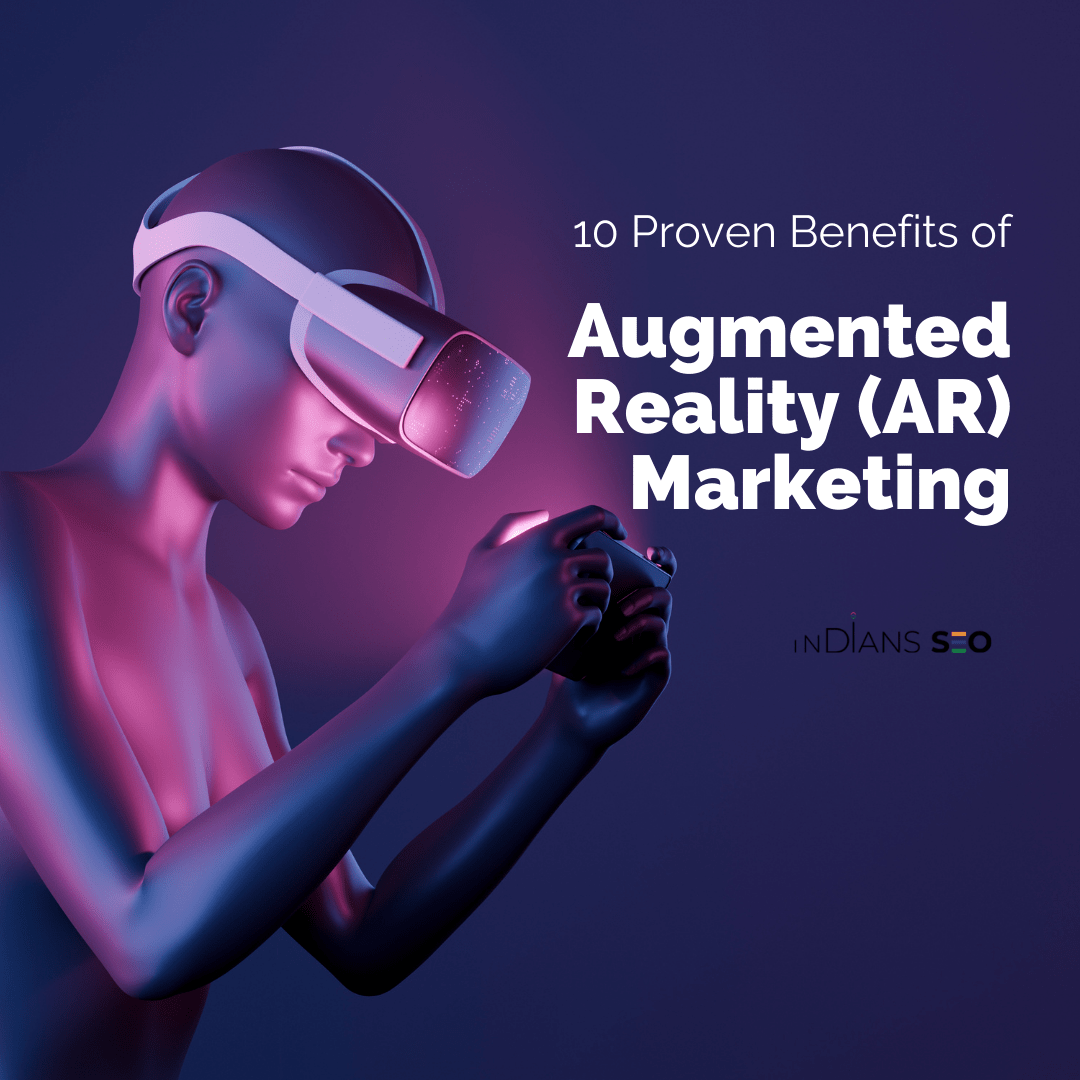
Marketing has evolved from static billboards and traditional ads to an era of engaging, technology-driven campaigns. Among these innovations, Augmented Reality (AR) Marketing stands out as a transformative tool, offering unique, immersive experiences that captivate and delight consumers. As AR technology becomes more accessible, brands across industries are leveraging it to create memorable interactions, increase engagement, and enhance customer loyalty.
What is AR Marketing?
At its core, Augmented Reality (AR) Marketing integrates digital elements into the physical world, enabling users to interact with branded experiences through their smartphones, AR glasses, or other devices. Unlike virtual reality, which creates an entirely digital environment, AR overlays virtual components onto real-world settings, offering a seamless blend of reality and innovation.
From interactive product demos to virtual try-ons, AR marketing campaigns help businesses forge deeper emotional connections with their audiences, making their brands more relatable and engaging.
Also Read: What Are the Key Services Offered by a Digital Marketing Startup?
How Augmented Reality is Changing Marketing Dynamics
1. Boosts Engagement and Interaction
Traditional advertisements often struggle to capture attention in a crowded digital space. Augmented Reality (AR) Marketing cuts through the noise, enticing users to actively participate in branded experiences. For instance, IKEA’s AR app allows customers to visualize furniture in their homes before making a purchase, merging practicality with delight.
2. Enhances Personalization
AR enables marketers to deliver hyper-personalized experiences. Brands can use consumer data to tailor AR interactions, such as customized product recommendations or gamified marketing campaigns, boosting relevance and resonance.
3. Creates Shareable Moments
Consumers love sharing unique experiences on social media. AR campaigns often generate buzzworthy moments that users can easily share, amplifying brand visibility organically. Think of Snapchat filters designed by global brands – fun, engaging, and widely shared.
Top Industries Leveraging AR Marketing
Retail and E-commerce
AR has revolutionized the way people shop online. Brands like Sephora and Warby Parker let users virtually try on makeup or glasses, eliminating guesswork and increasing confidence in their purchase decisions.
Automotive
Car manufacturers, such as BMW and Audi, use AR to offer virtual test drives or explore vehicle features. This immersive experience saves time and brings showrooms directly to consumers.
Real Estate
AR technology allows potential homebuyers to take virtual tours of properties, even from miles away. This innovation has streamlined the buying process and broadened access for remote clients.
Travel and Hospitality
Hotels and travel agencies use AR to showcase destinations, hotel rooms, or travel packages, enabling customers to explore their offerings before booking.
Also Read: What Software is Commonly Used in Graphic Design?

Benefits of AR Marketing
Improved ROI
AR campaigns often lead to higher conversions. Interactive and engaging content keeps users interested longer, which translates into better retention rates and sales.
Enhanced Brand Perception
Using cutting-edge technology like AR positions your brand as innovative and forward-thinking. Consumers tend to trust brands that invest in modern tools to improve their experiences.
Better Data Insights
AR platforms often come equipped with analytics tools that track user behavior, preferences, and engagement levels. These insights help refine marketing strategies for greater success.
Best Practices for Successful AR Marketing Campaigns
1. Define Clear Objectives
Before diving into AR, ensure your campaign has well-defined goals. Are you looking to boost sales, increase awareness, or enhance customer loyalty? Tailor your AR strategy accordingly.
2. Keep it User-Friendly
Your AR experience should be intuitive and easy to navigate. Complex interfaces can deter users and negatively impact engagement.
3. Focus on Value Addition
Ensure the AR experience provides tangible value. Whether it’s a virtual try-on, a gamified experience, or an interactive demo, the campaign should address customer needs or solve a problem.
4. Leverage Social Media
Promote your AR campaigns on social media platforms to maximize reach and engagement. AR effects and filters are especially popular on platforms like Instagram and Snapchat.
Also Read: What Platforms Are Best for Influencer Marketing?

Examples of Successful AR Marketing Campaigns
Pepsi Max: Unbelievable Bus Shelter
Pepsi turned an ordinary bus shelter into a portal to an extraordinary world using AR. From alien invasions to runaway tigers, the campaign delighted unsuspecting commuters, creating a viral sensation.
Pokemon GO by Niantic
Though not a marketing campaign in the traditional sense, Pokemon GO showcased AR’s potential to engage massive audiences. Brands later partnered with the app to drive foot traffic to physical stores.
Burger King: Burn That Ad
Burger King used AR to encourage users to “burn” competitor ads digitally, revealing discounts for their products. This creative campaign blended humor with engagement.
Challenges in Implementing AR Marketing
While AR offers incredible opportunities, it also comes with challenges.
Cost of Development
Creating high-quality AR experiences can be expensive, especially for small businesses with limited budgets.
Technology Accessibility
Not all consumers have devices capable of running advanced AR applications, limiting the audience reach for some campaigns.
Learning Curve
Some brands may struggle to integrate AR seamlessly into their existing marketing strategies. Proper training and expertise are essential to get the most out of AR technology.

FAQs
How does Augmented Reality (AR) Marketing differ from Virtual Reality marketing?
AR integrates digital elements into the real world, while VR creates a fully virtual environment. AR is more accessible, as it typically requires only a smartphone, whereas VR requires specialized equipment.
Which industries benefit most from Augmented Reality (AR) Marketing?
Retail, real estate, automotive, and hospitality are leading adopters of AR marketing due to its ability to create engaging and interactive experiences.
What tools are needed to create AR campaigns?
Popular tools include ARKit (Apple), ARCore (Google), Spark AR (Meta), and third-party platforms like ZapWorks. These tools help developers build AR applications or integrate AR into marketing strategies.
How can small businesses afford AR marketing?
Small businesses can start with simpler AR tools like QR codes or collaborate with AR agencies to develop cost-effective campaigns tailored to their budget.
Does Augmented Reality increase consumer trust?
Yes, AR can enhance trust by allowing consumers to experience products or services interactively, reducing uncertainty and increasing confidence in their purchases.
How can I measure the success of my AR campaign?
Track metrics like user engagement, dwell time, conversion rates, and social media shares. AR platforms often provide analytics tools for detailed insights.
Conclusion
As the digital landscape evolves, Augmented Reality (AR) Marketing emerges as a powerful tool to elevate brand experiences. By offering immersive, interactive, and personalized campaigns, AR connects brands with their audiences in unprecedented ways. Whether you’re a retailer, real estate agent, or global brand, embracing AR marketing can set your business apart in a competitive market.
The future of marketing is here – and it’s augmented.