


Delivering tailored experiences has become a cornerstone for brands aiming to build strong customer relationships. In this blog, we’ll explore how Personalized Customer Experiences not only drive engagement but also foster loyalty in a competitive market.
What Are Personalized Customer Experiences?
Personalized Customer Experiences involve tailoring products, services, and interactions to meet individual customer needs. It’s about leveraging data and technology to make every touchpoint with your brand relevant and valuable to your audience.
Whether it’s recommending a product based on past purchases or curating email campaigns that address specific customer preferences, personalization transforms a one-size-fits-all approach into a bespoke experience.
Why Are Personalized Customer Experiences Important?
- Enhanced Customer Engagement
When customers receive content or offers that resonate with their preferences, they are more likely to interact with your brand. Personalized Customer Experiences make customers feel valued, increasing engagement levels. - Improved Customer Retention
Satisfied customers stay loyal. Personalization creates a sense of connection, making customers more likely to return and choose your brand over competitors. - Higher Conversion Rates
Tailored experiences lead to higher conversion rates. For instance, recommending relevant products to customers can encourage them to make a purchase, boosting your revenue. - Stronger Brand Loyalty
When you prioritize personalization, you show customers that you care about their individual needs, fostering long-term loyalty.
Also Read: 10 Proven AI-Driven Marketing Strategies to Boost Your ROI Today

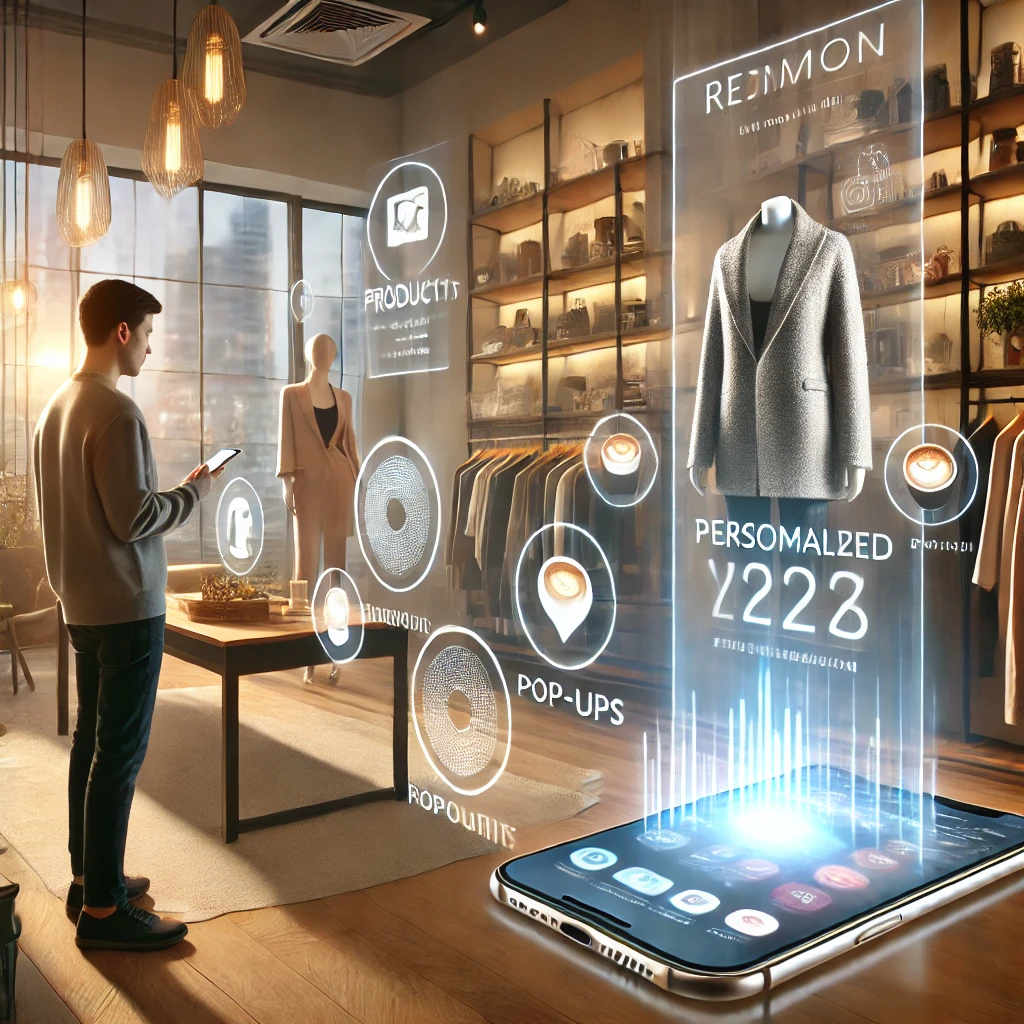
How to Implement Personalized Customer Experiences
1. Leverage Customer Data Effectively
Data is the backbone of personalization. Analyze customer data such as browsing behavior, purchase history, and preferences to create tailored experiences.
- Use tools like CRM systems or data analytics platforms to segment your audience effectively.
- Ensure compliance with data privacy regulations like GDPR when collecting and using customer information.
2. Use AI and Machine Learning
AI-powered tools are revolutionizing how brands deliver Personalized Customer Experiences. Machine learning algorithms analyze vast amounts of data to predict customer preferences and behaviors.
- Chatbots provide instant, tailored support.
- AI algorithms recommend products based on past purchases.
3. Create Custom Content
Content is king, and personalized content reigns supreme. Develop content that speaks directly to the needs of different customer segments.
- Use dynamic content in emails, websites, and apps to reflect individual preferences.
- Personalize subject lines and messages to increase open and click-through rates.
4. Offer Tailored Promotions
Discounts and offers can be more effective when personalized. Use purchase history and browsing data to create promotions that appeal to specific customers.
Also Read: Promotion Marketing: Strategies, Benefits, and Best Practices for Success

5. Enhance Omnichannel Experiences
Customers interact with brands across multiple channels. Ensure their experience is consistent and personalized whether they’re engaging through social media, email, or in-store.
The Role of Technology in Delivering Personalized Customer Experiences
1. CRM Systems
Customer Relationship Management (CRM) systems store and manage customer data, enabling targeted communication.
2. Predictive Analytics
Predictive analytics tools help anticipate customer needs, making it easier to deliver relevant products and services.
3. Personalization Platforms
Platforms like Adobe Experience Manager and Dynamic Yield allow brands to create tailored experiences across various digital channels.
4. Automation Tools
Marketing automation tools like HubSpot or Mailchimp personalize communication at scale, saving time while enhancing customer engagement.
Also Read: 50 Types of Marketing Strategies for Promoting a Business
Challenges in Implementing Personalized Customer Experiences
While Personalized Customer Experiences offer numerous benefits, they come with challenges:
- Data Privacy Concerns
Ensure transparency and obtain consent when collecting customer data to build trust. - Integration Issues
Integrating various tools and platforms can be complex but is essential for seamless personalization. - Balancing Personalization and Intrusiveness
Avoid overstepping boundaries. Too much personalization can make customers uncomfortable.

Measuring the Success of Personalized Customer Experiences
It’s crucial to assess the impact of your personalization strategies:
- Engagement Metrics: Monitor website clicks, email open rates, and social media interactions.
- Customer Retention Rates: Track how many customers return after their initial interaction.
- Sales Data: Analyze how personalized offers influence purchase decisions.
- Customer Feedback: Use surveys and reviews to gauge satisfaction levels.
FAQs
How can small businesses implement Personalized Customer Experiences?
Small businesses can use affordable tools like email marketing platforms and CRM software to segment customers and deliver targeted content.
What role does personalization play in e-commerce?
Personalization in e-commerce enhances product recommendations, simplifies navigation, and creates a shopping experience tailored to individual preferences.
Can over-personalization be harmful?
Yes, excessive personalization can make customers feel like their privacy is being invaded. Balance is key.
How do you ensure data privacy in personalization?
Be transparent about data usage, adhere to privacy regulations, and give customers control over their information.
Which industries benefit most from Personalized Customer Experiences?
Retail, healthcare, hospitality, and e-commerce industries see significant benefits from personalization.
What are some examples of successful personalization strategies?
Brands like Amazon and Netflix excel in personalization by using algorithms to recommend products and content based on user behavior.
Conclusion
Delivering Personalized Customer Experiences is no longer optional—it’s a necessity for building lasting relationships with customers. By leveraging data, technology, and thoughtful strategies, businesses can create meaningful interactions that boost engagement, drive loyalty, and ultimately, increase revenue. Prioritize personalization to stay ahead in today’s customer-centric world.